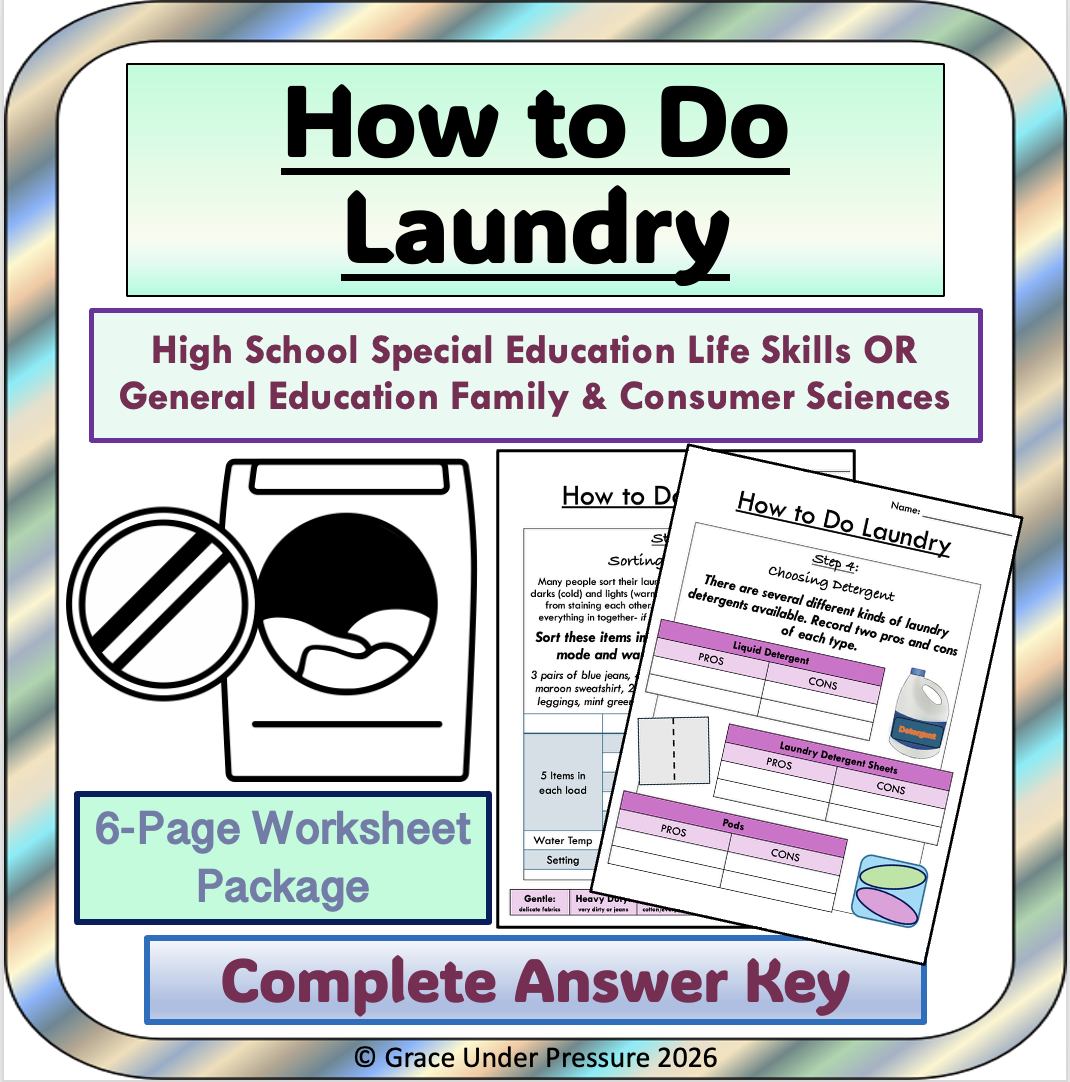
How to Do Laundry: High School Life Skills & Family Consumer Sciences
Do you want to teach your high school students in special education life skills OR general education family and consumer sciences how to do their own laundry?


16,389 resources
Explore sub-categories
13 sub-categories · 16,389 resources
Do you want to teach your high school students in special education life skills OR general education family and consumer sciences how to do their own laundry?

This resource is a How to Eat A Poem Poetry Analysis Guide. This is a fun graphic for students to guide them through analyzing poems. You may choose to print and display these 3 pages across a bulletin board .

The novel companion contains 49 activity pages grouped across the novel’s 41 chapters, covering comprehension, vocabulary, writing and review. Use it alongside a separately obtained copy of How to Eat Fried Worms and choose activities after the relevant reading. Discuss ideas before extended written responses.
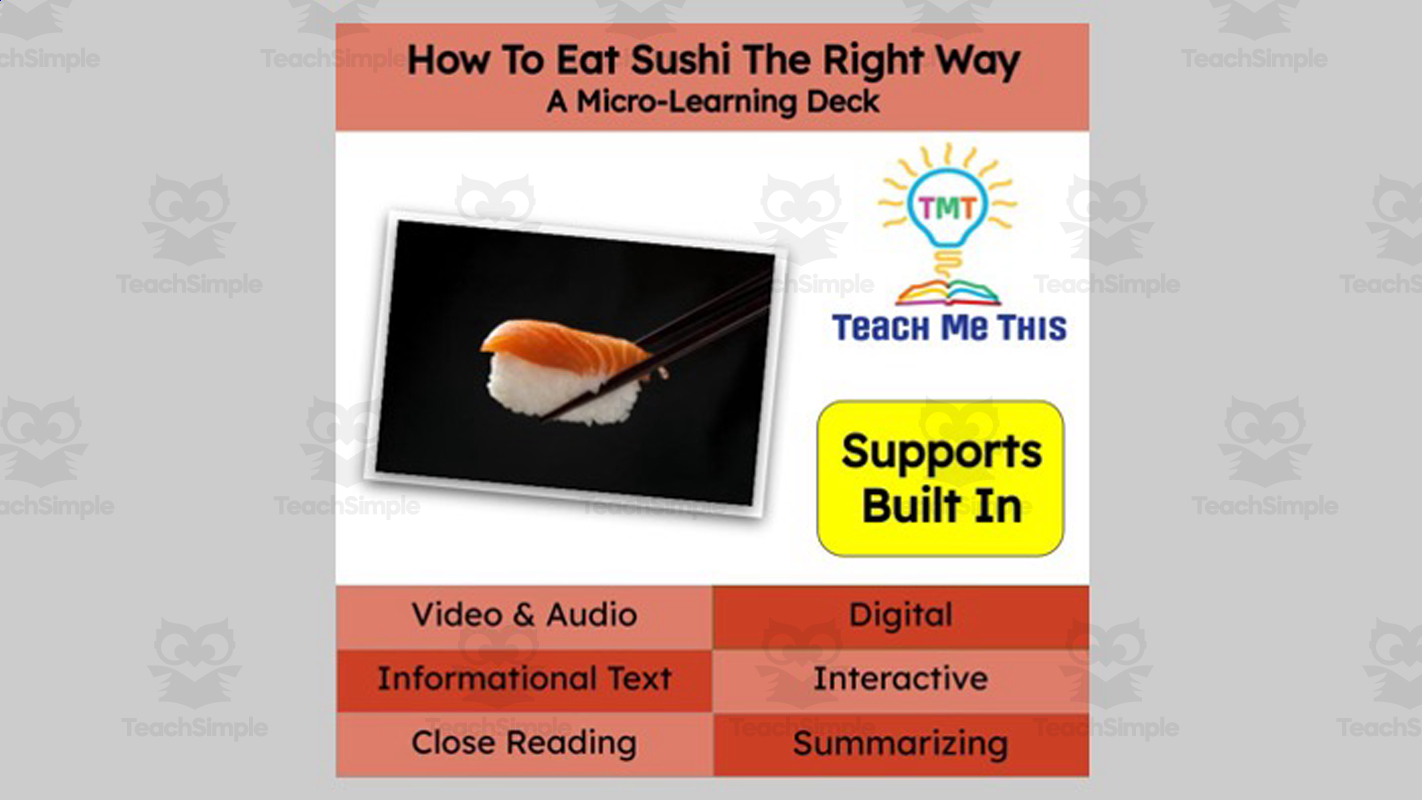
A social-studies-flavored informational reading/media lesson about sushi (its history and how to eat it properly), building main-idea, summarizing, and vocabulary skills.
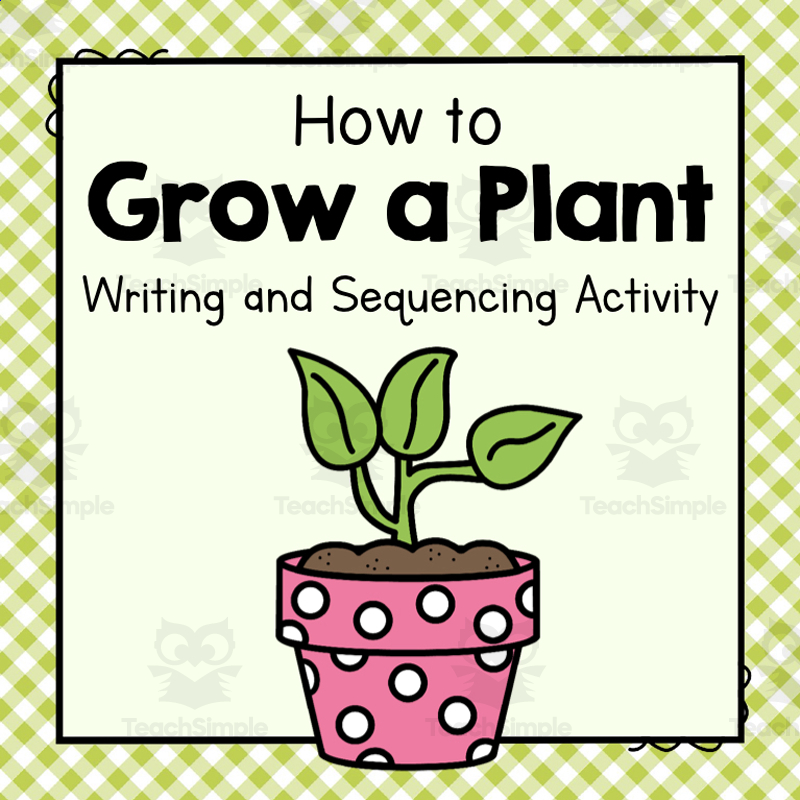
Teaches early writers to produce sequential 'how-to' expository writing about growing a plant, using leveled models, checklists, and picture-sequencing supports.

Tips to Help Kids Manage Anger and Strong Emotions - Visual Mind Map ◈ Does your child have difficulty controlling his anger? Does he resort to using aggressive behaviors such as biting, hitting, spitting or fighting?

A reading-and-discussion lesson for high schoolers about how to improve memory, building reading comprehension, vocabulary, and discussion/debate skills around an informational text.

Objective The objective of this resource is to help students understand personal finance with the aid of a mind map. It underscores the importance of budgeting, tracking expenses, distinguishing between essential and discretionary…

How to Lead without Authority- Visual Mind Map (+Template) This resourceful map is ideal for educators and learners aiming to understand the challenging concept of leading within peer groups, even without formal power or control.
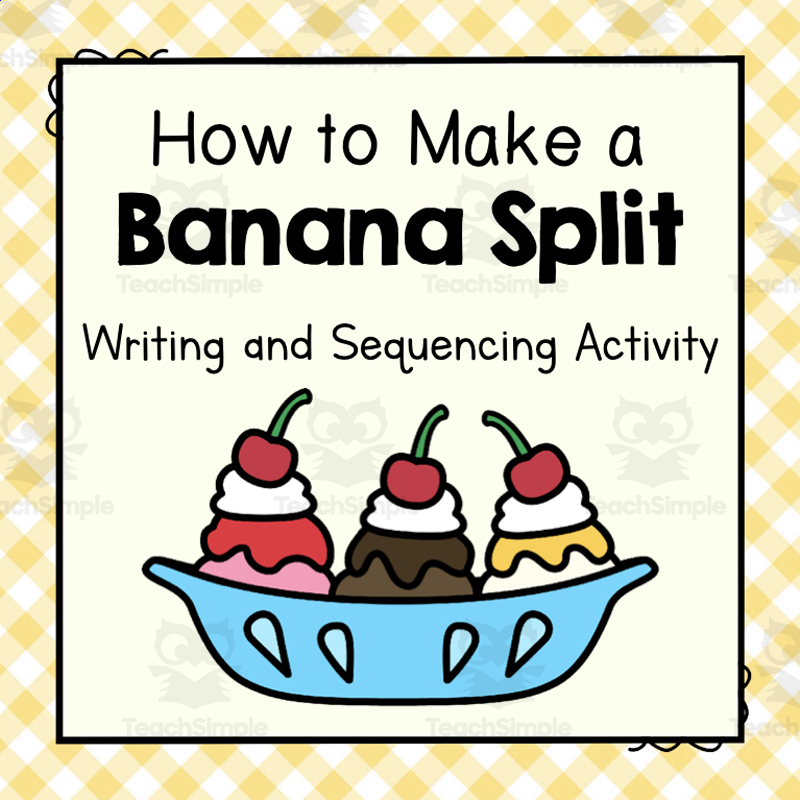
Teaches early writers to produce sequential 'how-to' expository writing about making a banana split, using leveled models, checklists, and picture-sequencing supports.
This resource is intended to make students self-aware and understand how they can make themselves prepared for their best learning - their best self.

The How to Make a Jak-O-Lantern Book is a Halloween theme step by step activity. This book can be used to teach students how sequences work.

Use making a peanut butter sandwich as a familiar model for procedural writing. The packet offers sequencing pieces, writing supports and prompts for making instructions more specific, with a sample paragraph and editing checklists to support revision. Choose drawing or writing formats to match students’ needs; the paper activities can be completed without preparing or tasting food.
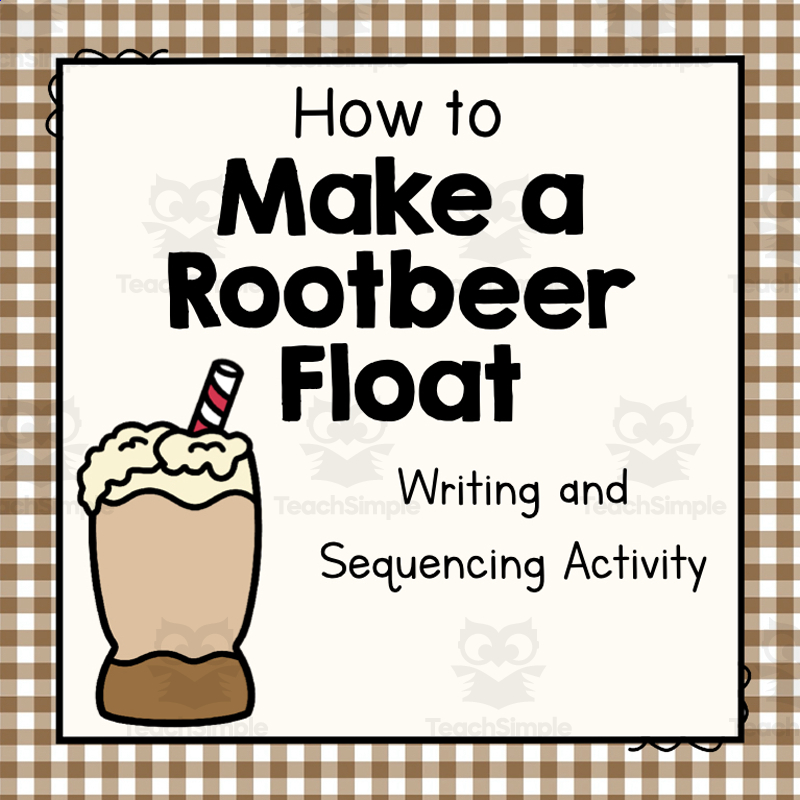
Teaches early writers to produce sequential 'how-to' expository writing about making a root beer float, using leveled models, checklists, and picture-sequencing supports.
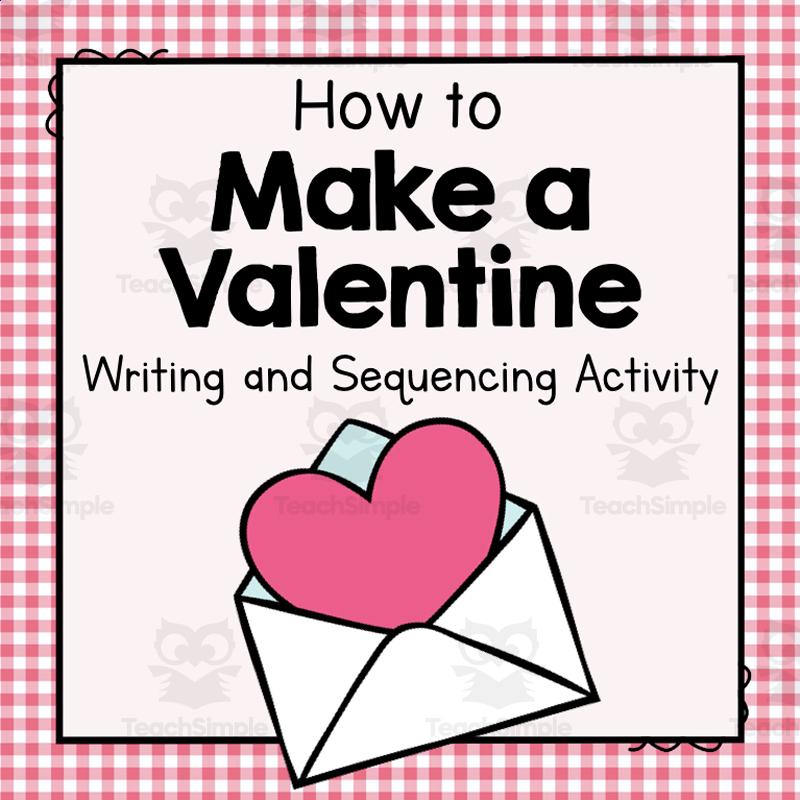
Teaches early writers to produce sequential 'how-to' expository writing about making a valentine, using leveled models, checklists, and picture-sequencing supports.
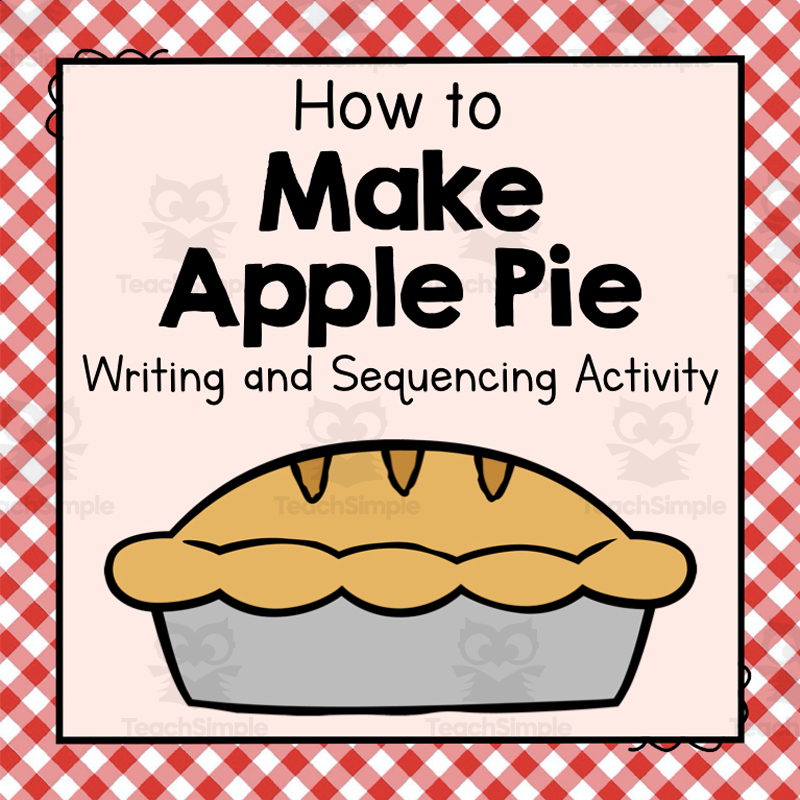
Teaches early elementary writers how to compose a step-by-step 'how-to' (procedural/expository) piece using the everyday example of apple pie, with an emphasis on sequencing and transition words.
Teaches early elementary writers how to compose a step-by-step 'how-to' (procedural/expository) piece using the everyday example of caramel apples, with an emphasis on sequencing and transition words.
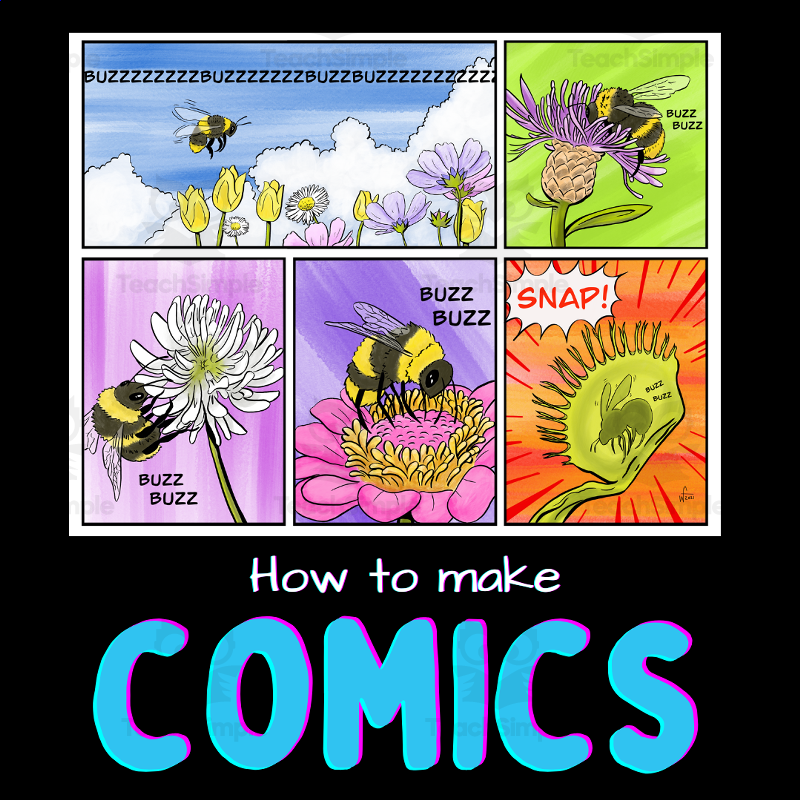
How to Make Comics: An Educational Resource 'How to Make Comics' is a comprehensive teaching tool tailored for educators. This resource, suitable for Grade 4 through 12, bridges the gap between fine arts and sequential storytelling…
Teaches early elementary writers how to compose a step-by-step 'how-to' (procedural/expository) piece using the everyday example of gingerbread cookies, with an emphasis on sequencing and transition words.
Teaches early elementary writers how to compose a step-by-step 'how-to' (procedural/expository) piece using the everyday example of hot chocolate, with an emphasis on sequencing and transition words.
Teaches early elementary writers how to compose a step-by-step 'how-to' (procedural/expository) piece using the everyday example of lemonade, with an emphasis on sequencing and transition words.

How To Make Offers So Good People Feel Stupid Saying No - Visual Mind Map (+Template) This is a comprehensive teaching resource developed to enhance skills in persuasive conversations.
This cross-curricular resource uses students’ interest in pancakes to creatively teach emerging writers the basics of crafting step-by-step “how-to” explanations.

This cross-curricular resource uses students' interest in popcorn to teach early writers fundamentals of crafting step-by-step "how-to" explanations.