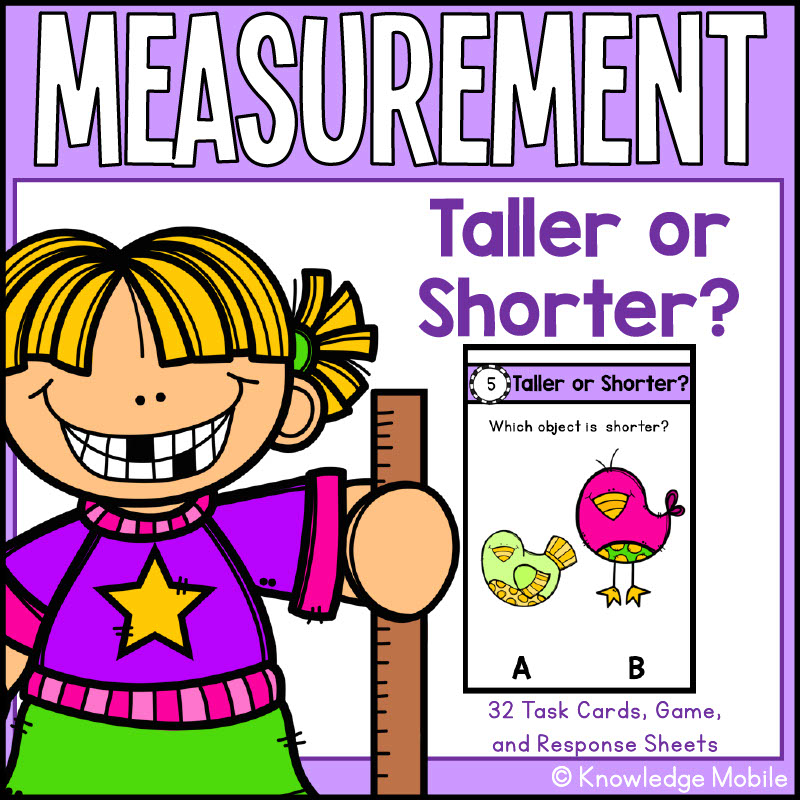
Math practice
Measurement Center Game - K.MD.1
Help students master identifying which of two objects is taller or shorter through direct comparison, aligned to standard K.MD.1 (describing measurable attributes of objects).




Classroom resources
Browse by lesson focus
Choose the topic or kind of practice you need.
Showing 457–480 of 1075 resources

 Show filters
 Help students master identifying which of two objects is taller or shorter through direct comparison, aligned to standard K.MD.1 (describing measurable attributes of objects).

An activity pack teaching the 5 reasons authors write (persuade, inform, entertain, explain, describe) and having students analyze specific passages for author's purpose and the function of underlined text.
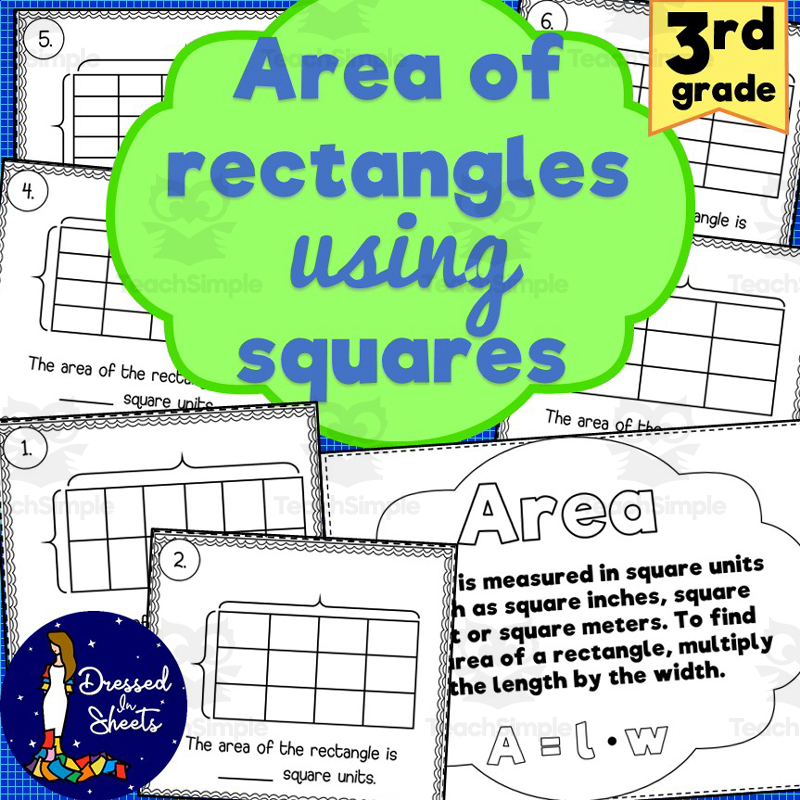
Teach and give practice finding the area of rectangles by counting unit squares and multiplying length by width.
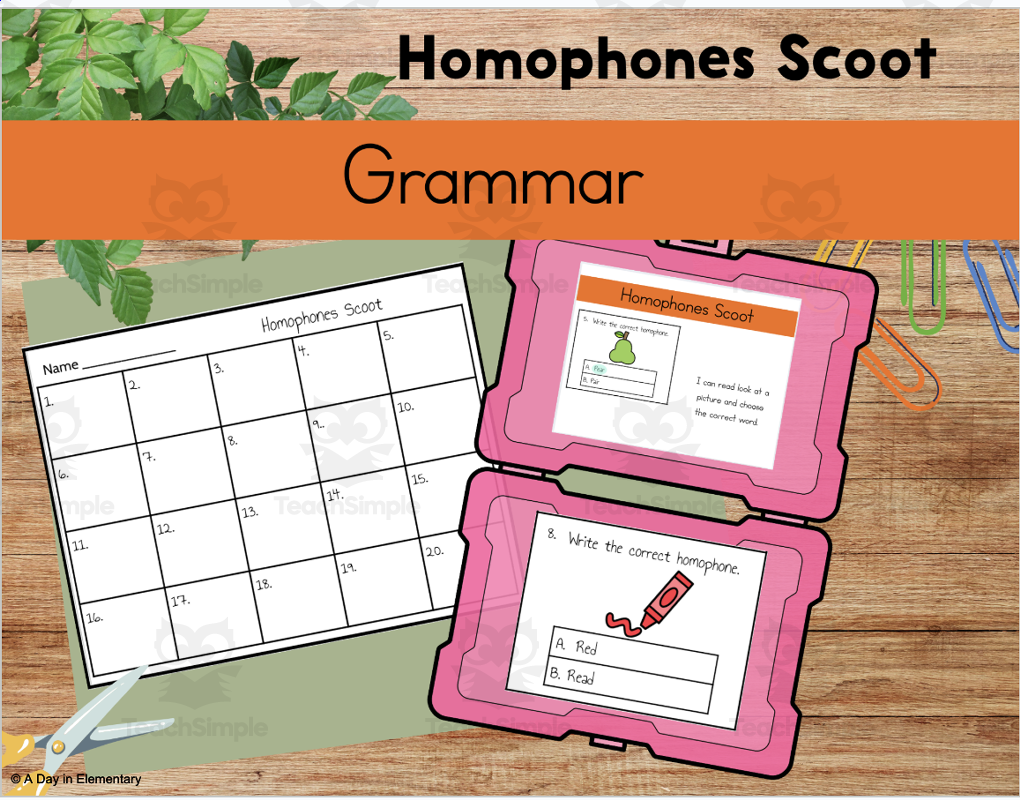
Practice identifying correct homophones through a SCOOT-style around-the-room activity using picture-supported multiple-choice cards.

A multi-format activity packet teaching 14 different landforms (e.g., lake, island, canyon, peninsula, ocean, river, glacier, mountain, bay, sea, plateau, isthmus, hill, volcano) for grades 3-5.
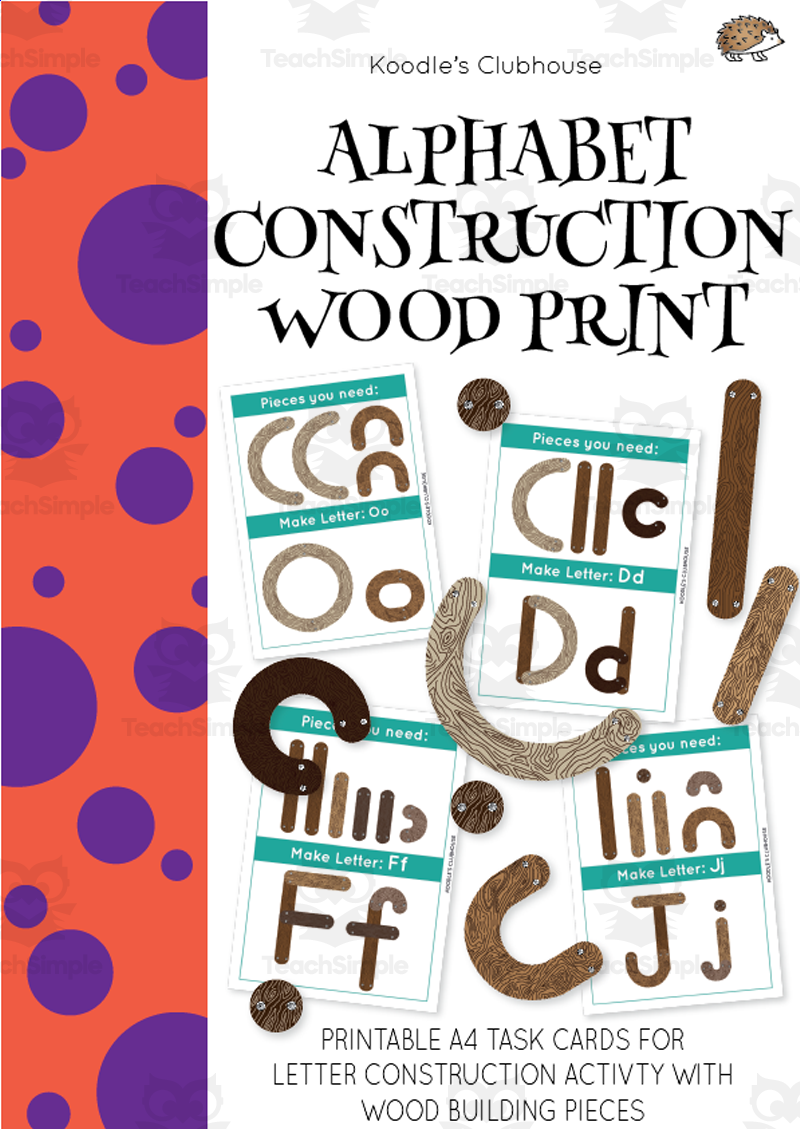
A hands-on letter-construction activity where students build each letter shape using wood-styled printable building pieces, for phonics and letter recognition practice.
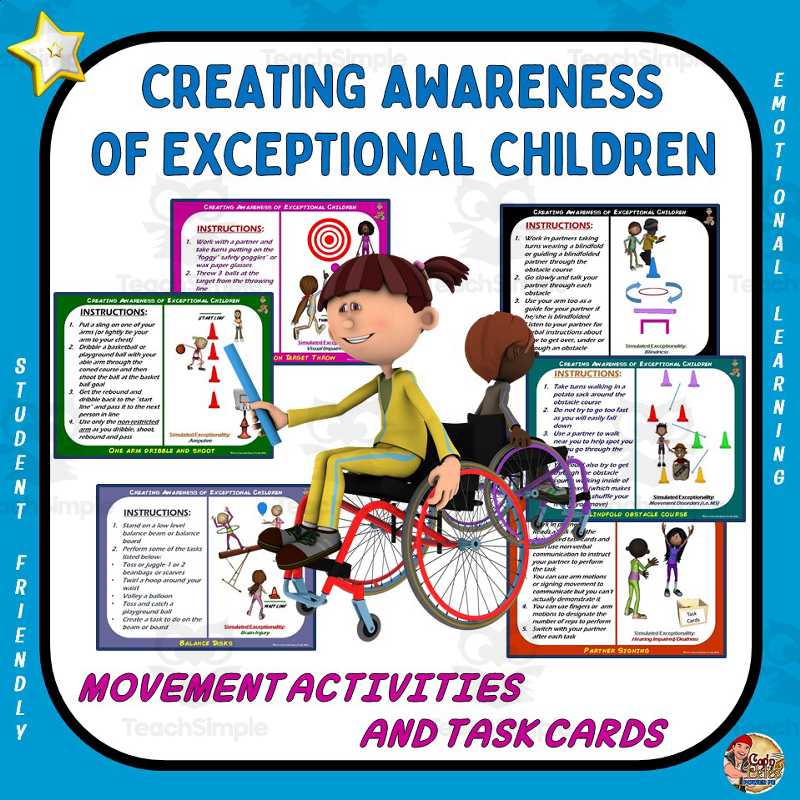
A P.E./health movement-station unit that builds awareness of and empathy for children with disabilities by having students experience simulated exceptionalities through movement activities.
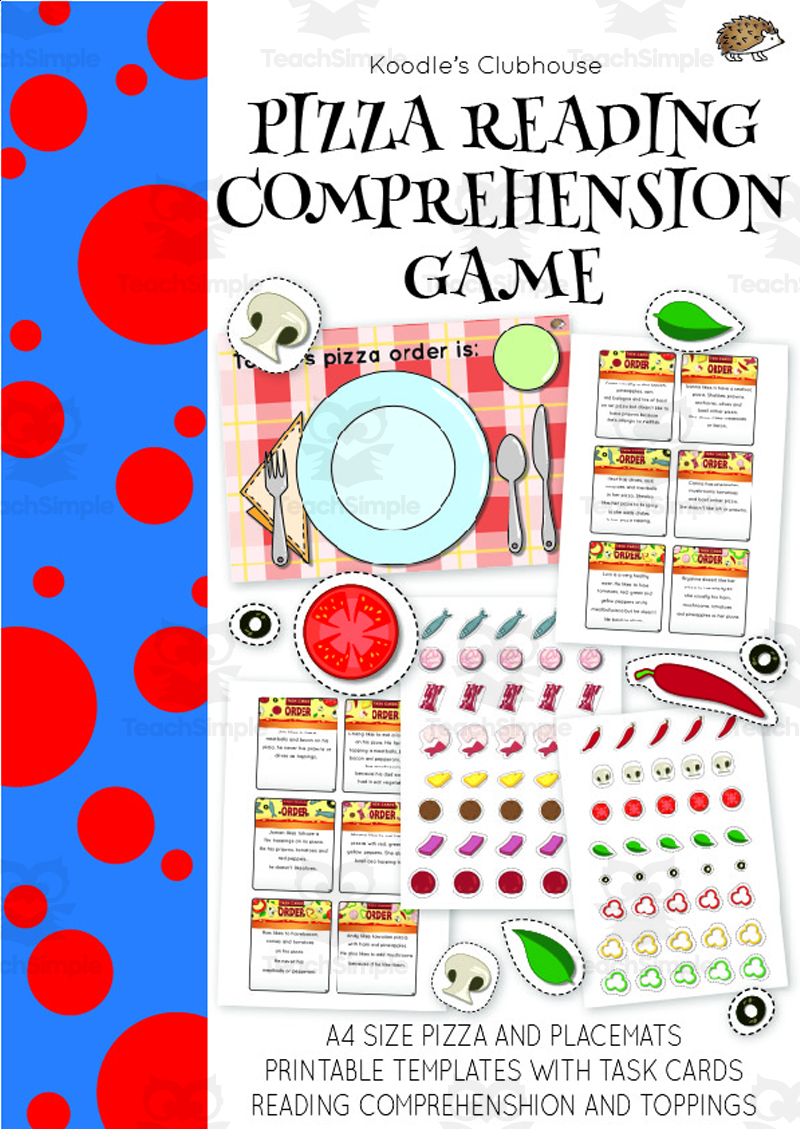
Reading comprehension practice: students read short descriptive passages about a character's pizza order and build a matching pizza from topping cutouts.
A hands-on activity teaching guide words (the dictionary skill of identifying which words fall alphabetically between two given guide words), usable whole-class, in small groups, at a literacy station, or as a Scoot game.
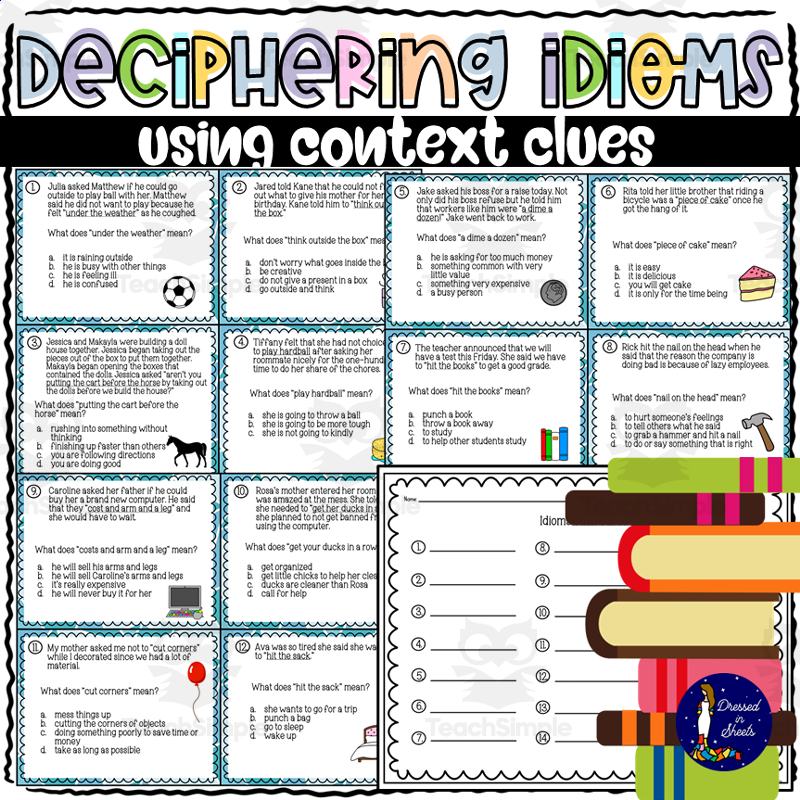
An activity teaching students to determine the meaning of common English idioms (e.g. 'under the weather', 'think outside the box', 'piece of cake') using context clues from short situational scenarios.
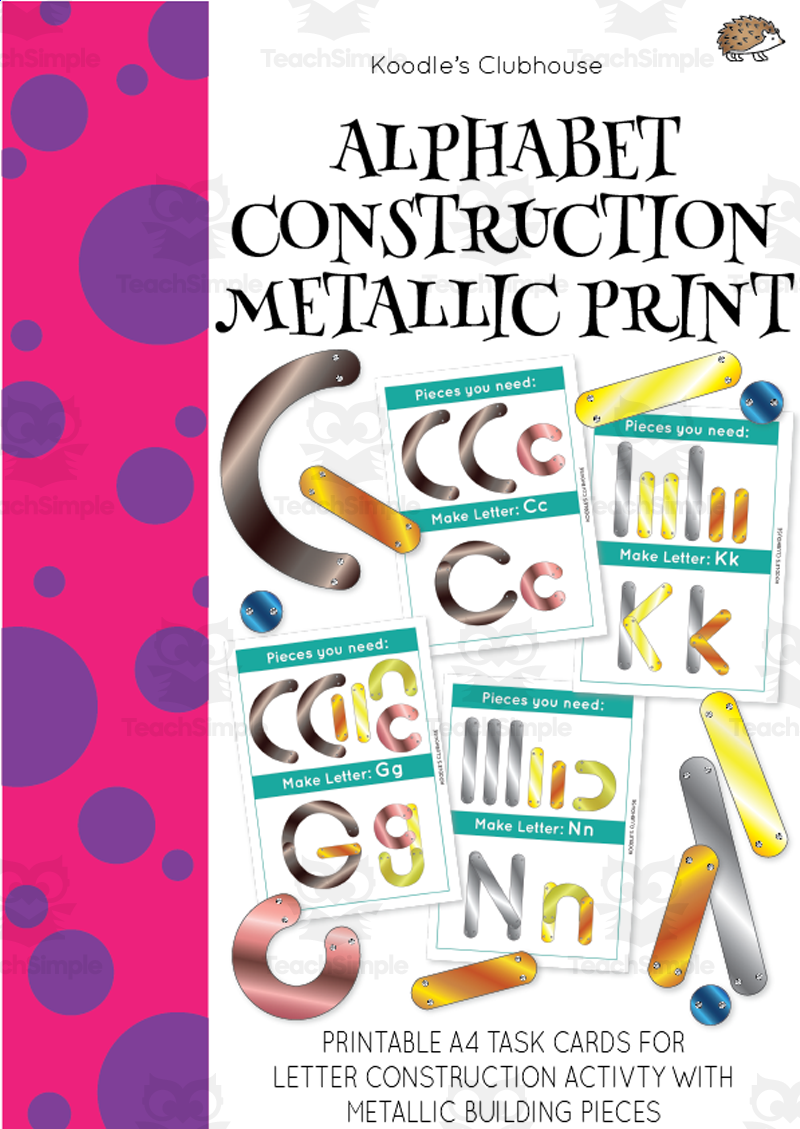
A hands-on letter-construction activity where students build each letter shape using metallic-styled printable building pieces, for phonics and letter recognition practice.
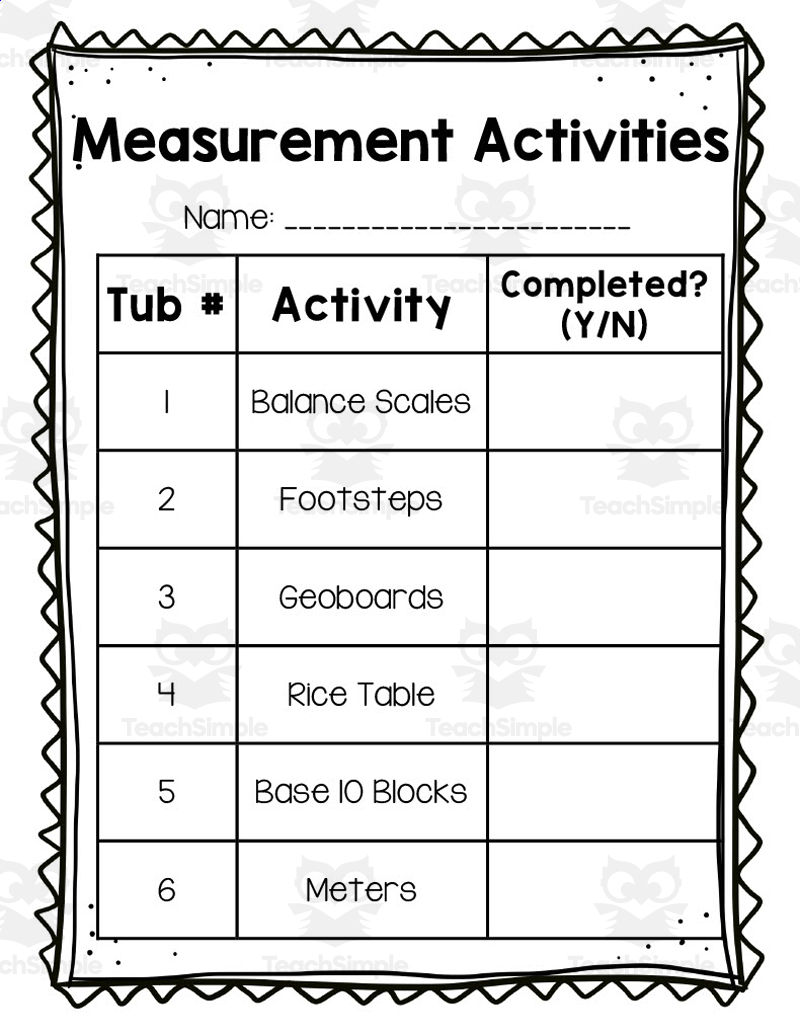
Provide a set of six hands-on measurement center activities (balance scales, footsteps, geoboards, rice table, base-10 blocks, and meters) for students to practice guessing and measuring.
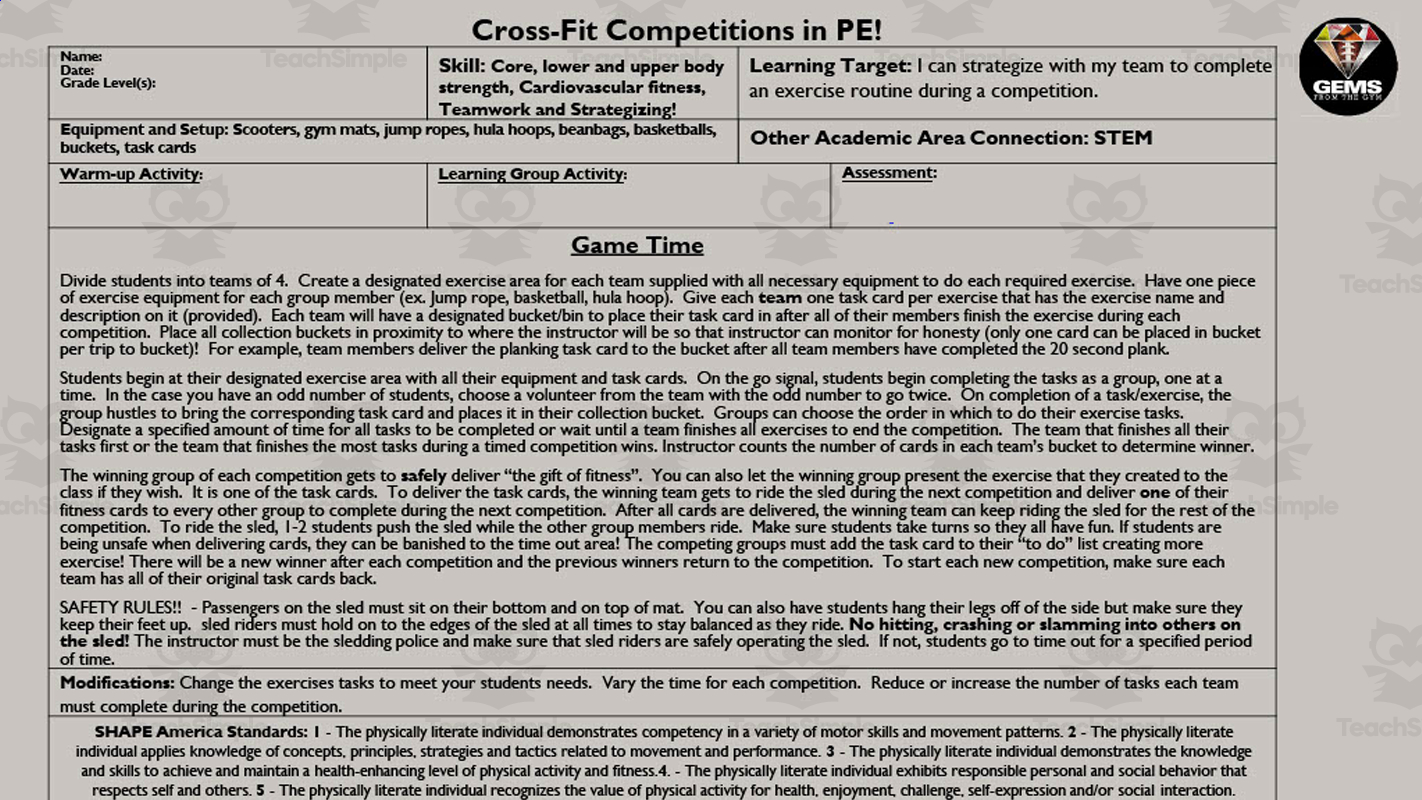
A CrossFit-style team competition resource for PE class that measures and develops locomotor skills, strength, cardiovascular fitness, and teamwork through station-based exercises.

A read-aloud companion packet for the picture book 'Let the Children March' by Monica Clark-Robinson, focused on comprehension, literary analysis, and reflection tied to the 1963 Birmingham Children's Crusade.

A hands-on letter-construction activity where students build each letter shape using colored printable building pieces, for phonics and letter recognition practice.
provide a flexible set of poetry-analysis activities usable with any poem, teaching literary terms and analytical/fluency skills
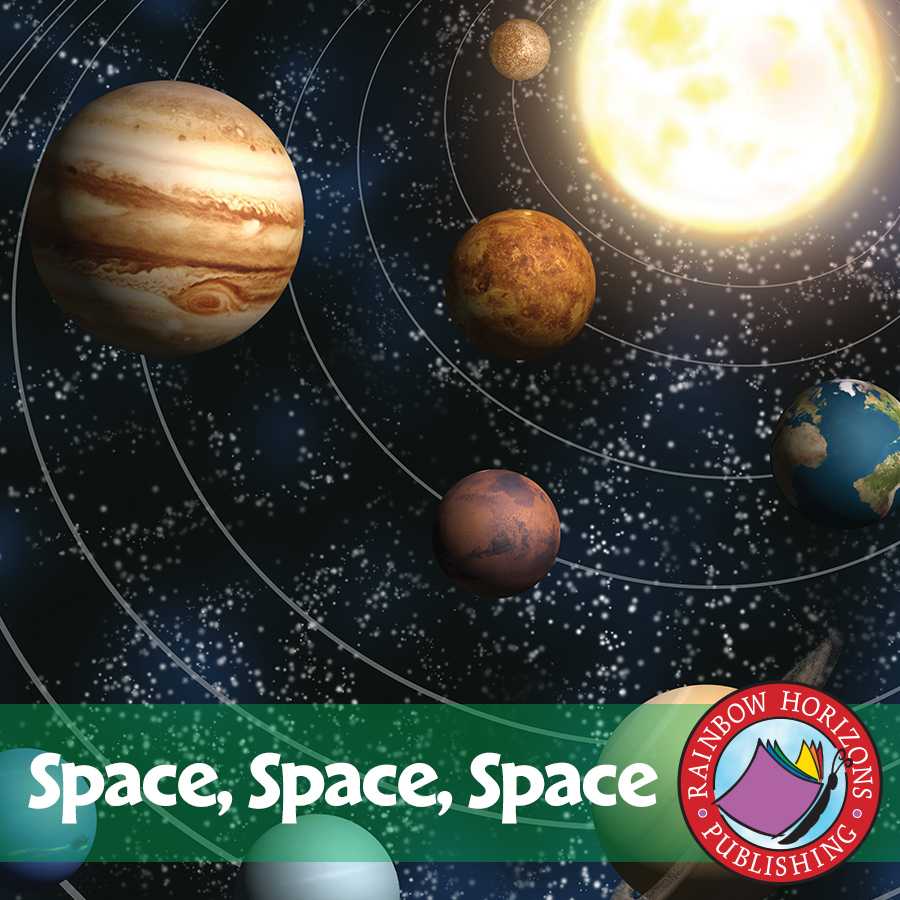
Reproducible workbook introducing the universe, solar system, the sun, the moon and other moons, and stars/comets/constellations.
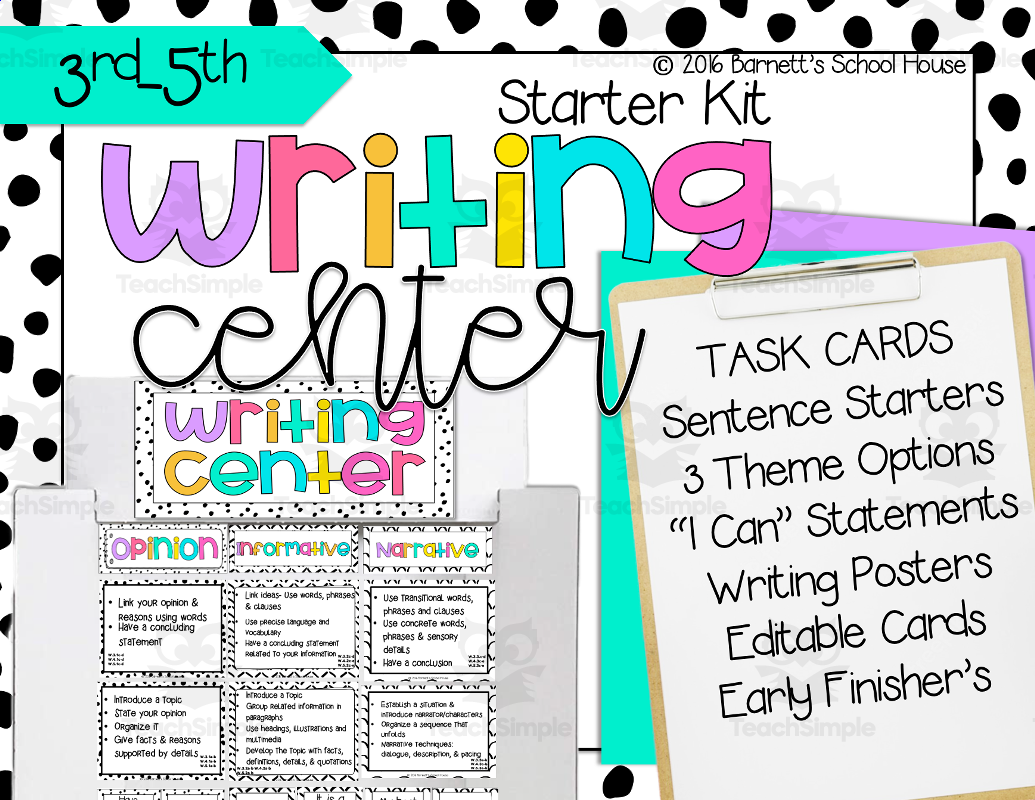
A multi-file writing center starter kit for grades 3-5 covering Opinion, Informative, and Narrative writing aligned to Common Core writing standards, meant to supplement (not replace) a writing curriculum.
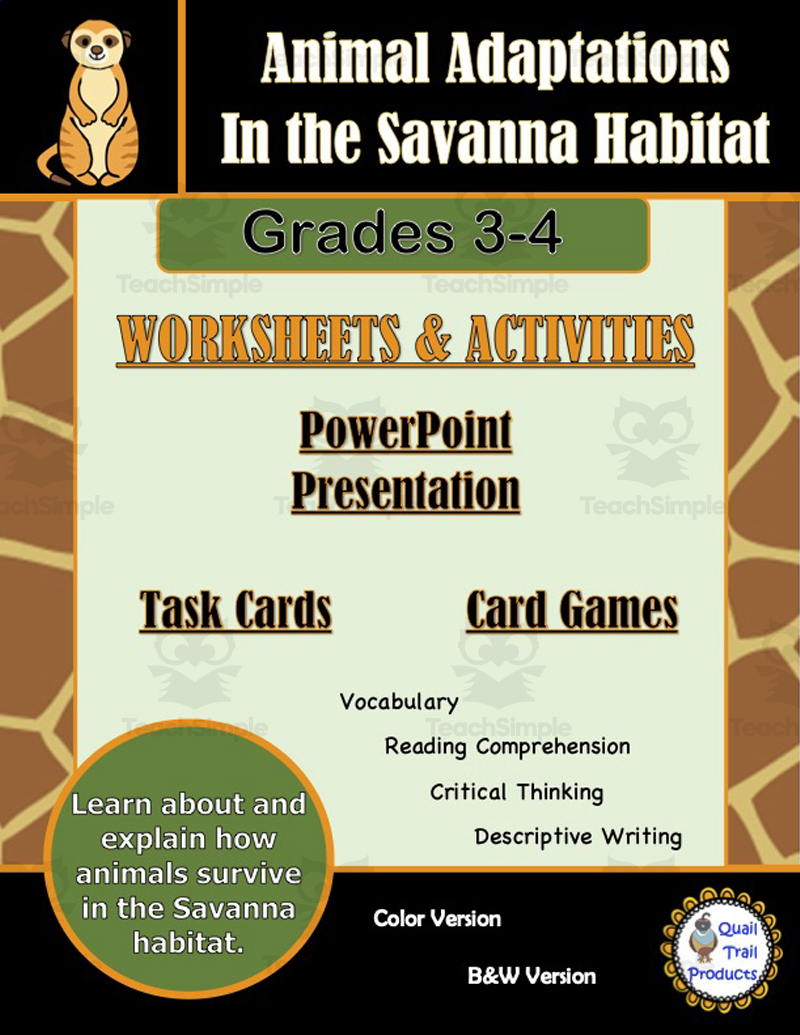
Teaches elementary students about the savanna habitat and how savanna animals use behavioral, physical, and life-cycle adaptations to survive in a flat, arid, transitional-zone environment.
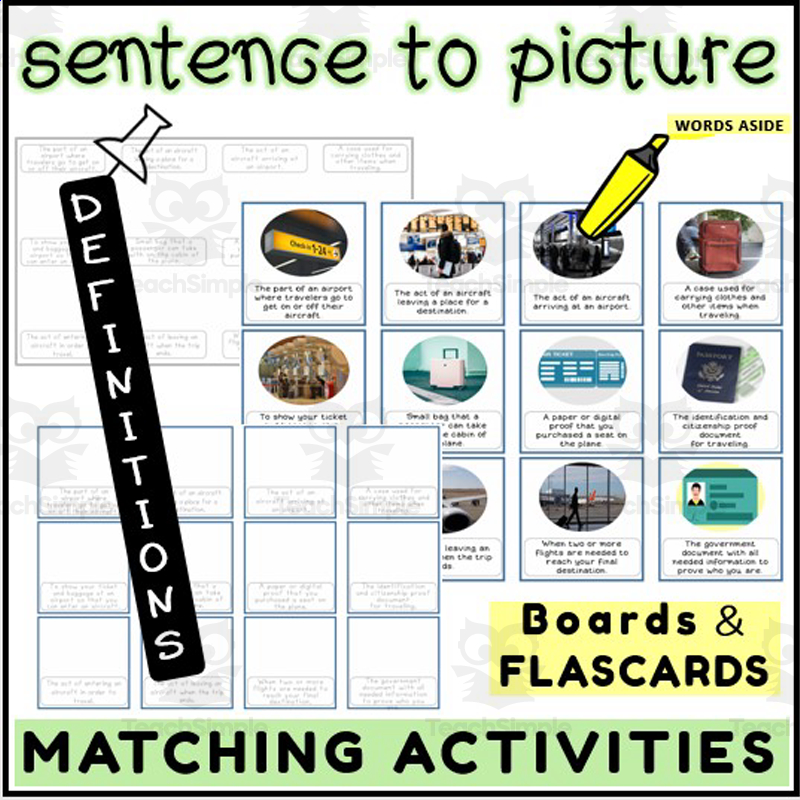
Matching activity where students match a picture/word to its written sentence definition, for airport/travel category vocabulary.

Give 8th-grade students a self-checking, classroom scavenger-hunt review of Functions Part 2 topics (linear vs. nonlinear relationships, proportional relationships, similar triangles & slope, and distance/time graphs).
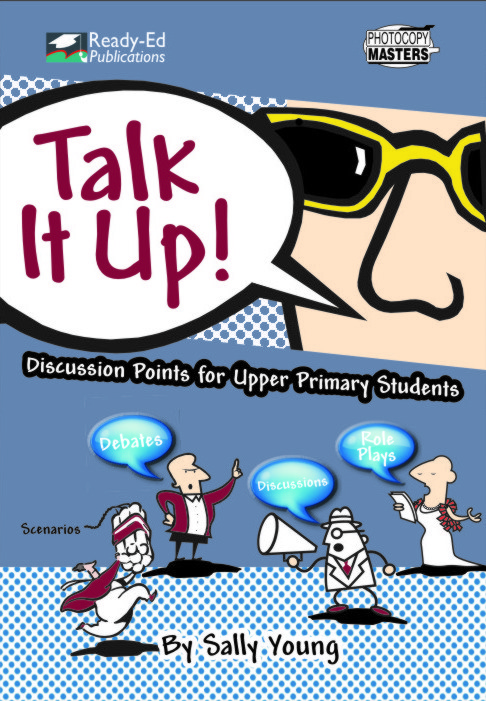
A 50-page collection of small-group oral-language activities ('Talk It Up!' by Ready-Ed Publications) that give students structured practice discussing, debating, and role-playing scenarios to build speaking, listening, and idea-formulation skills.
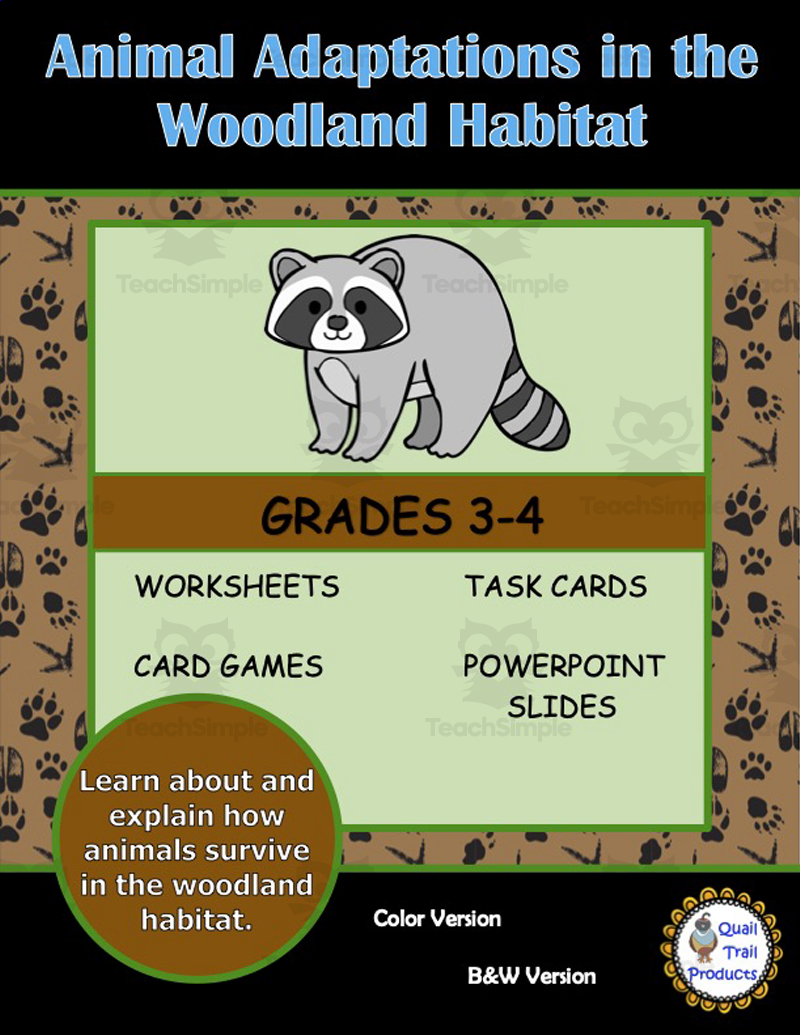
Teaches elementary students about the woodland habitat and how specific woodland animals (woodpecker, raccoon, white-tailed deer, black bear, skunk, great horned owl, porcupine, red fox, camel, snapping turtle, narwhal) use behavioral, physical, and life-cycle adaptations to survive.
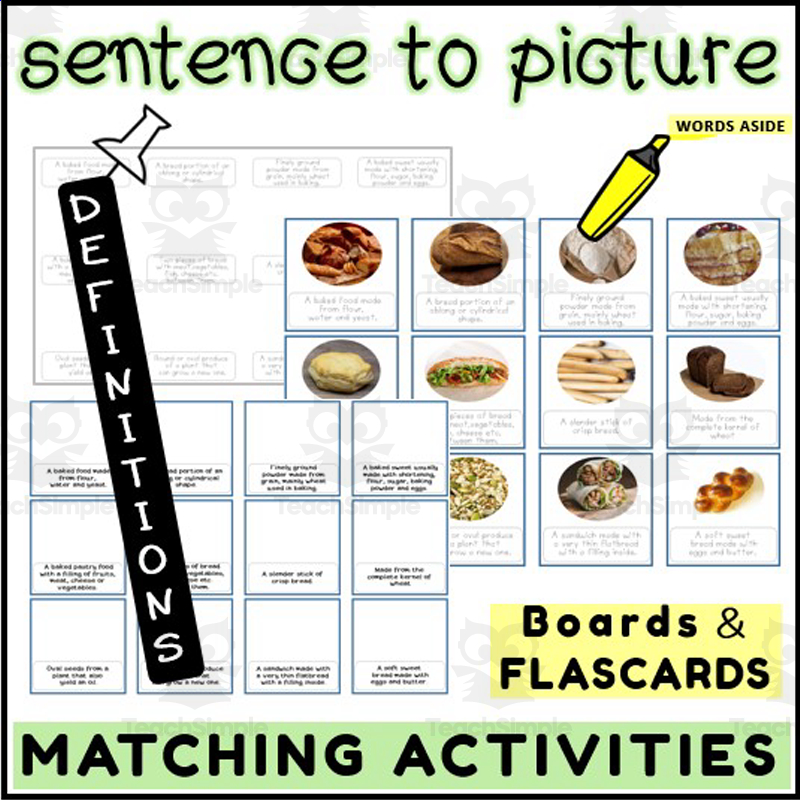
Matching activity where students match a picture/word to its written sentence definition, for bread and bakery items category vocabulary.