Daily BrainStarters
Solve individual reproducible puzzles (deductive-reasoning brain teasers, math brainteasers, story problems, sudoku, rebus/picture puzzles, secret codes) working alone, in small groups, or as a whole class.
Classroom resources
Browse by lesson focus
Choose the topic or kind of practice you need.
Solve individual reproducible puzzles (deductive-reasoning brain teasers, math brainteasers, story problems, sudoku, rebus/picture puzzles, secret codes) working alone, in small groups, or as a whole class.
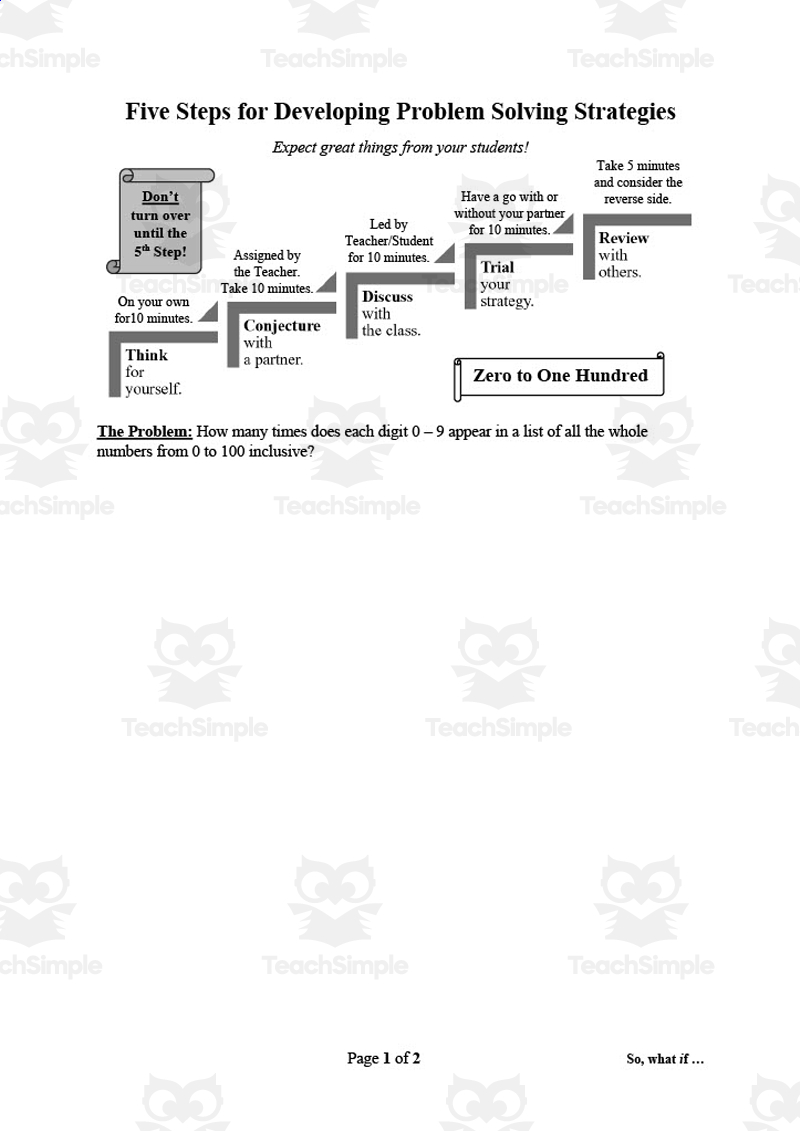
Students work through a single real-world math problem using a structured 5-step process (think independently, attempt with/without a partner, teacher-led discussion, class discussion, review), then check their work against the worked solution on the reverse side.
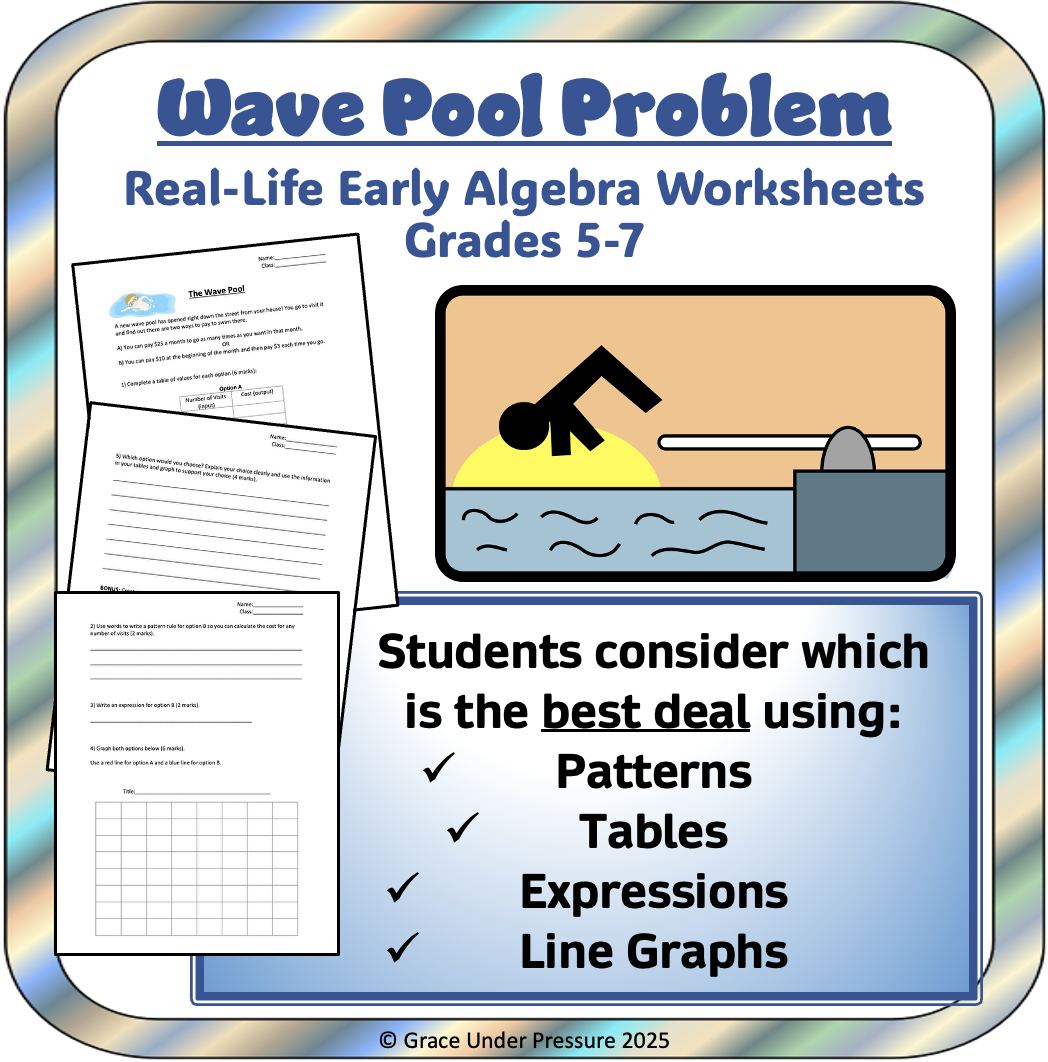
Students complete tables of values for two pricing options, write a pattern rule and an algebraic expression, graph both options on one grid, choose and justify a preferred option in writing, and (bonus) design two of their own equivalent-cost pricing options.
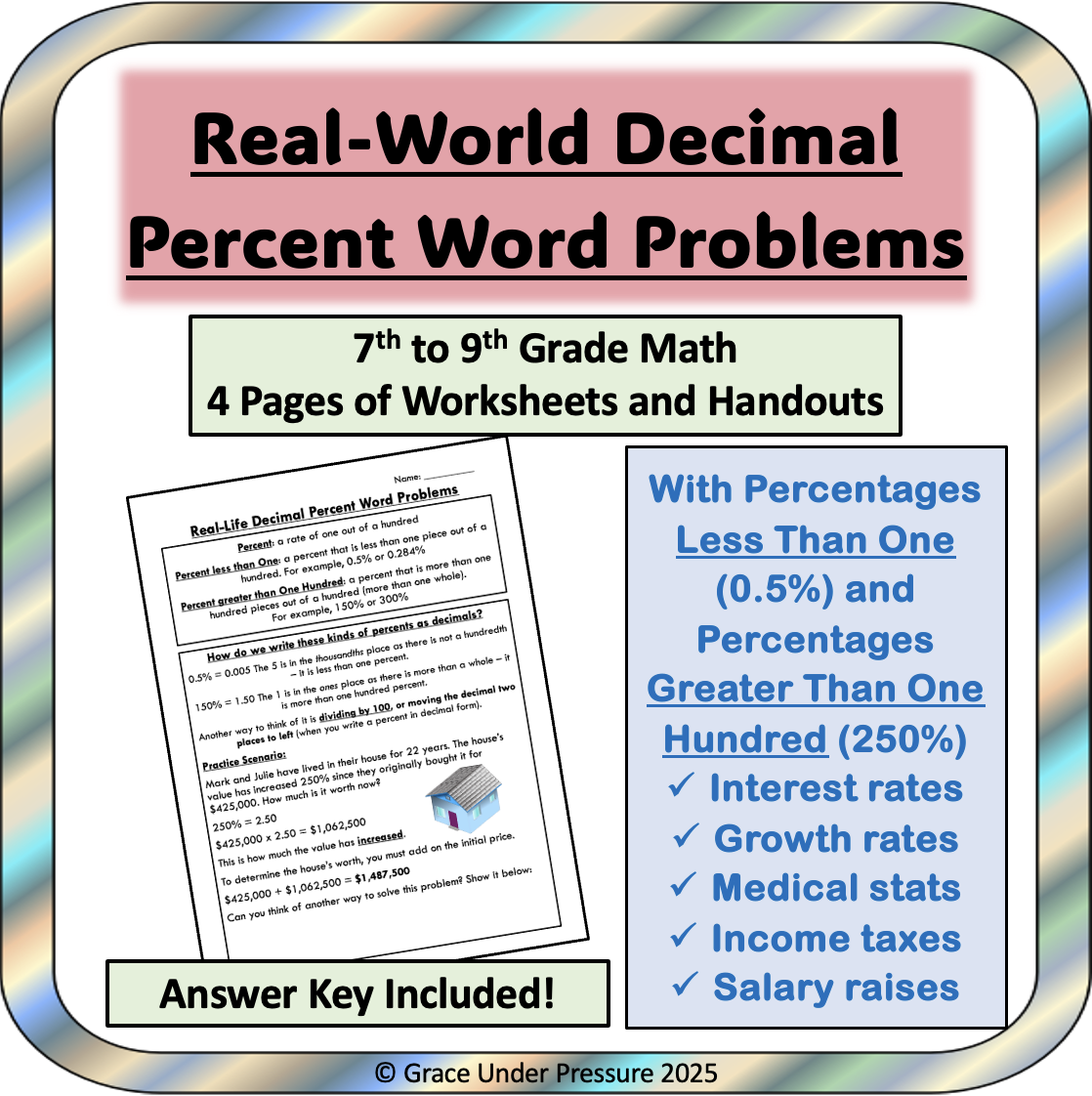
Students work through a modeled sample problem, then solve real-world word problems (interest rates, growth rates, medical statistics, salary raises) individually or in pairs, self-assess their skills on a simple scale, and check answers against an included key.
Students make assumptions to solve a real-world math/science problem (calculating the length of wire needed for a roll of fencing with a given mesh style), build a real-life model and a mathematical model, and communicate their findings.
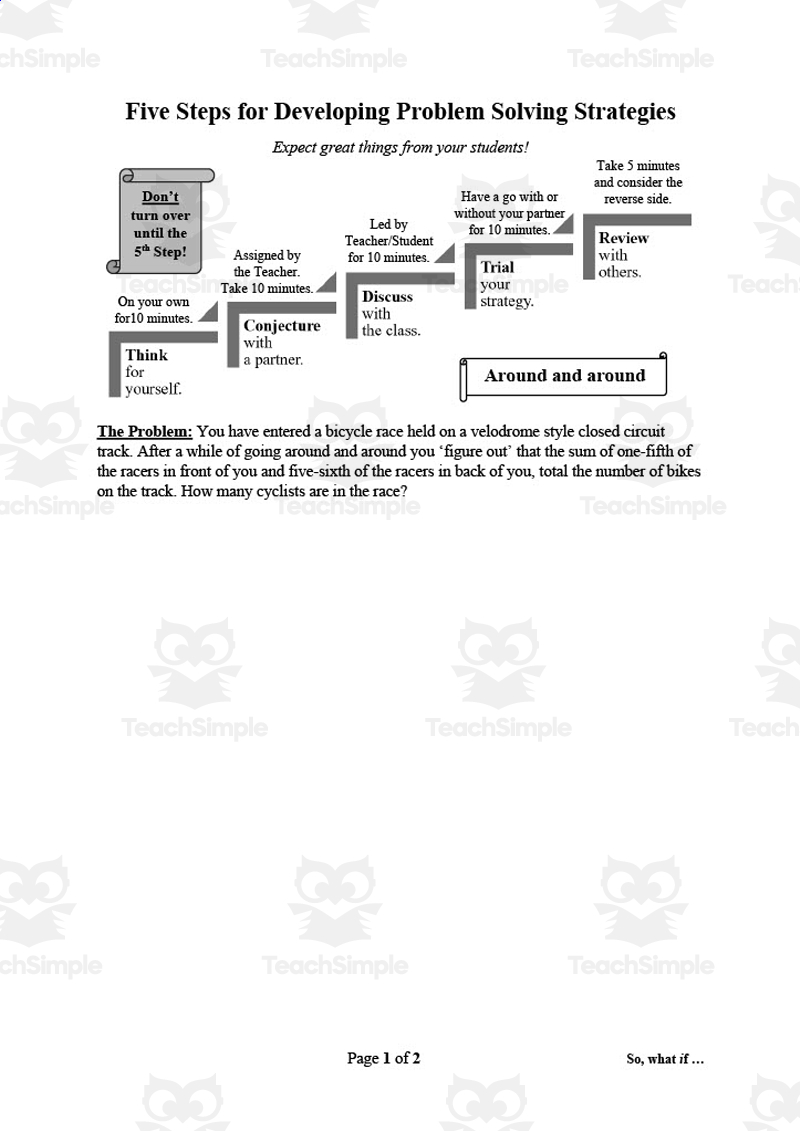
Following the five-step structure (individual work, then partner work, then teacher/student-led discussion), students model and solve an algebraic word problem involving fractions to determine the number of cyclists in a race, then consider an extension ('so what if') question reversing the problem.
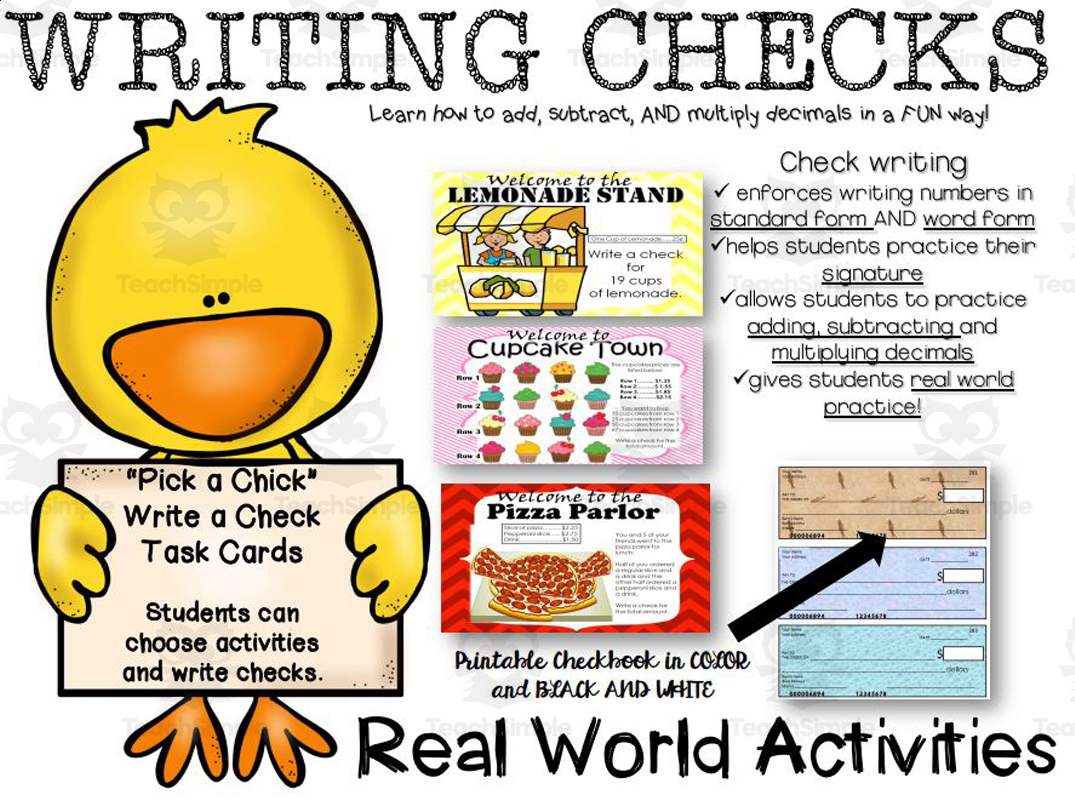
Real World Math: Writing Checks and Menus A comprehensive teaching resource designed to engage students in practical math lessons. This bundle includes the Menu Math and Check Writing modules, tailored to bring economics into the classroom using real-life scenarios that are fun and relatable for students. It promotes a vivid…
Students read short real-life scenarios (shopping change, splitting pancakes, store income, splitting a pizza bill, hourly wages) and write/solve equations first without and then with order of operations to compare results.
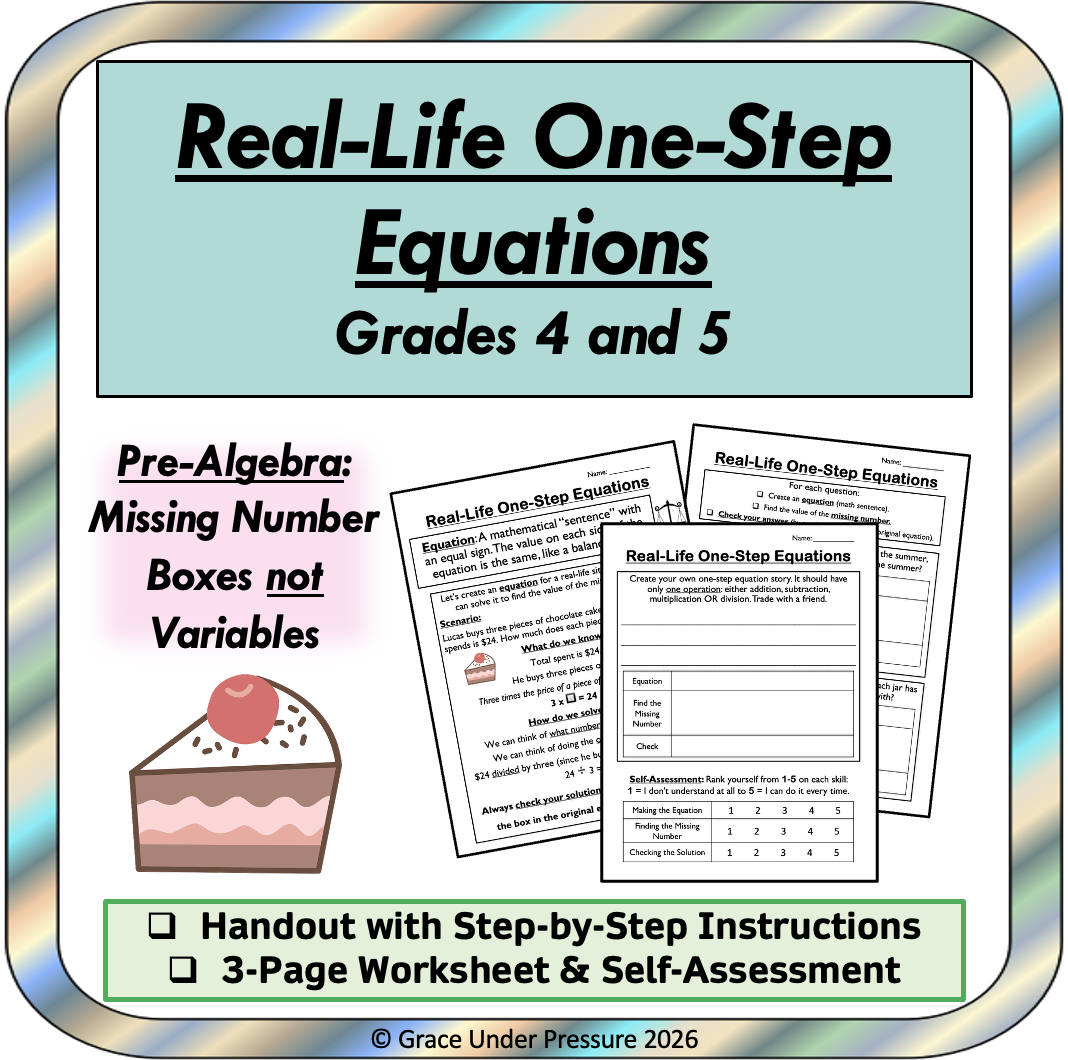
Read a real-life scenario, write a one-step equation using a box for the missing number, solve for the missing number, check the answer by substituting back into the equation, create an original one-step equation scenario to trade with a peer, and complete a 1-5 self-assessment rubric on three skills.
Following the five-step structure (individual work, then partner work, then teacher/student-led discussion), students solve a problem requiring guess-and-check, systematic search, and knowledge of powers of 10 and prime factorization to express 1,000,000,000 as a product of two whole numbers containing no zero digits, then consider an…
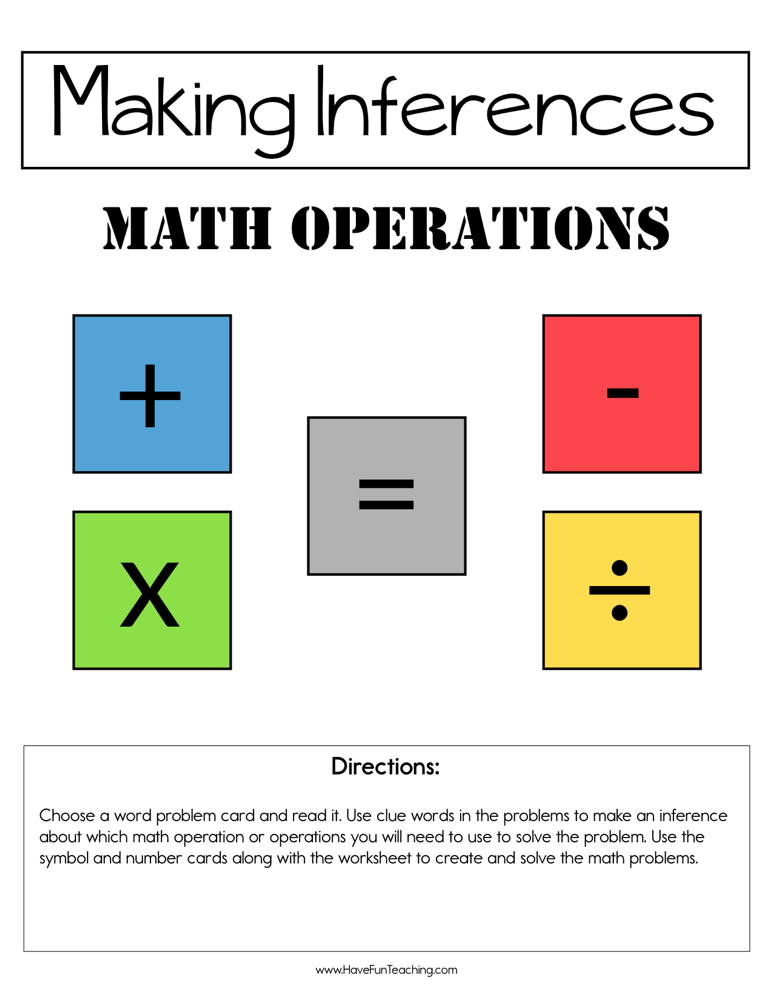
Choose a word-problem card, read it, use clue words to infer which math operation(s) are needed, then use symbol and number cards along with a worksheet to create and solve the problem.
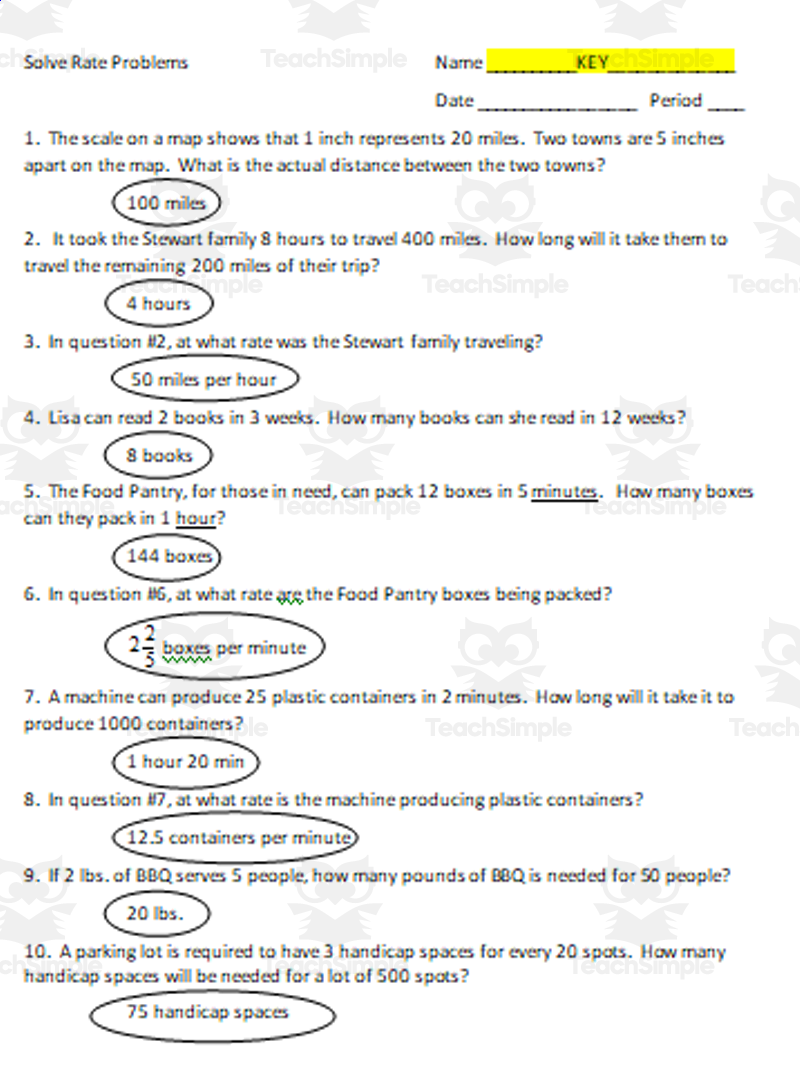
Students use division, conversion, and proportional reasoning in ten rate problems drawn from travel, reading, packing, and other contexts. The blank page provides space for working, with a completed counterpart for teacher review. Check that each response uses the quantity and time interval asked for, especially when an intermediate unit rate must be scaled to a longer period.
Simplify expressions, solve equations, complete tables/graphs for exponential growth and decay scenarios, compute probabilities, solve word problems, and answer geometry (right triangle) questions.
Order sets of fractions from greatest to least, calculate the GCF for 10 given number pairs, calculate the LCM for 10 given number pairs, solve 8 GCF/LCM word problems, and solve 5 GCF/LCM problems then use the answers to color a picture by number.
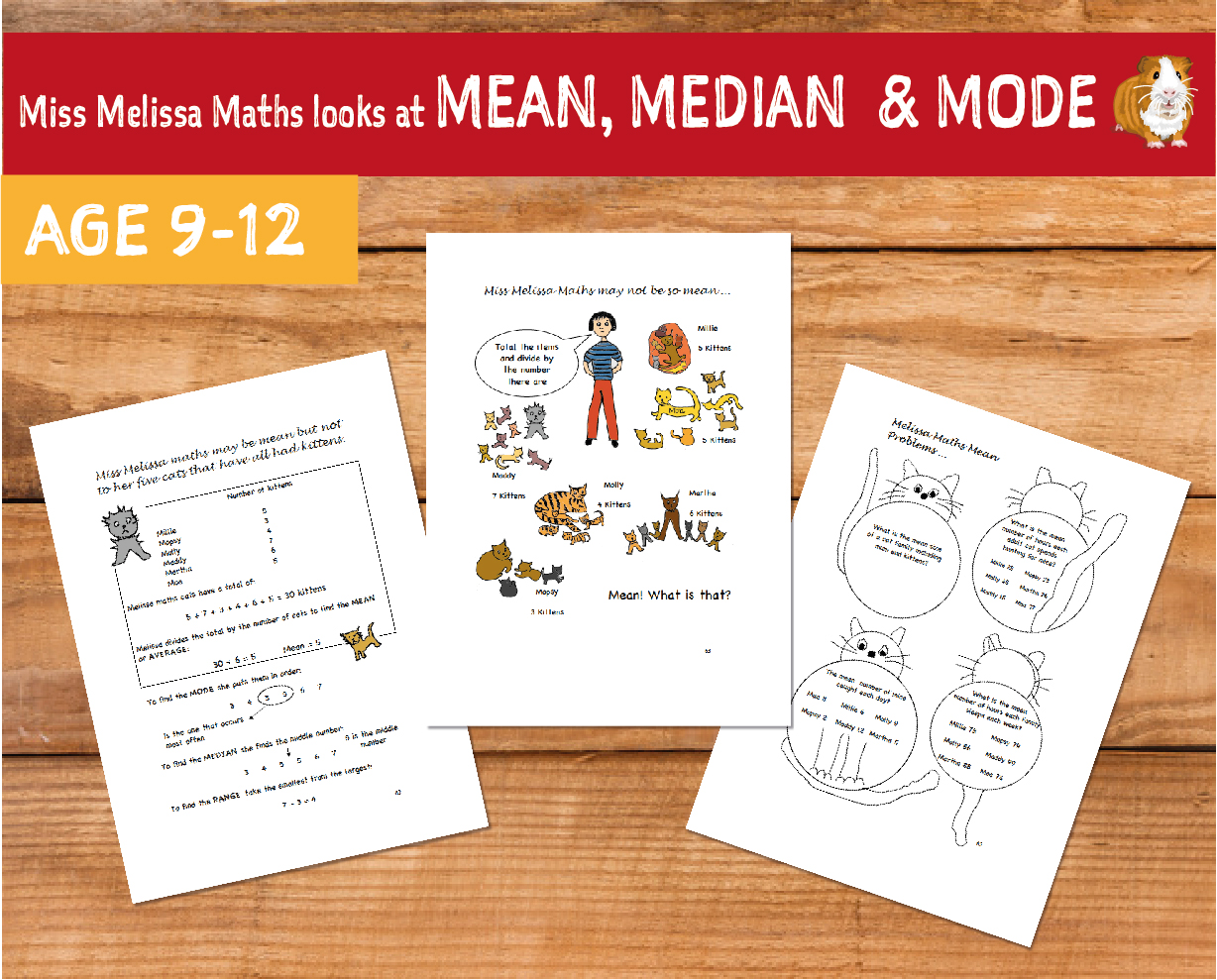
Students compute totals, mean, mode, median, and range from given number sets (kittens, sleeping hours, food consumption, mice caught), fill in tables, and solve related word problems including cost calculations.
In assigned groups (A-F), read each of 4 word problems, discuss 6 lettered candidate equations per problem, decide as a group whether each equation is a correct model ('yes' or 'no'), sort the cut-apart equation cards into yes/no boxes, and explain/defend the group's reasoning to the class.
Solve 8 word problems involving unit price comparisons, equivalent ratios, double number line diagrams, unit rates, and tape diagrams; show work and explain reasoning.
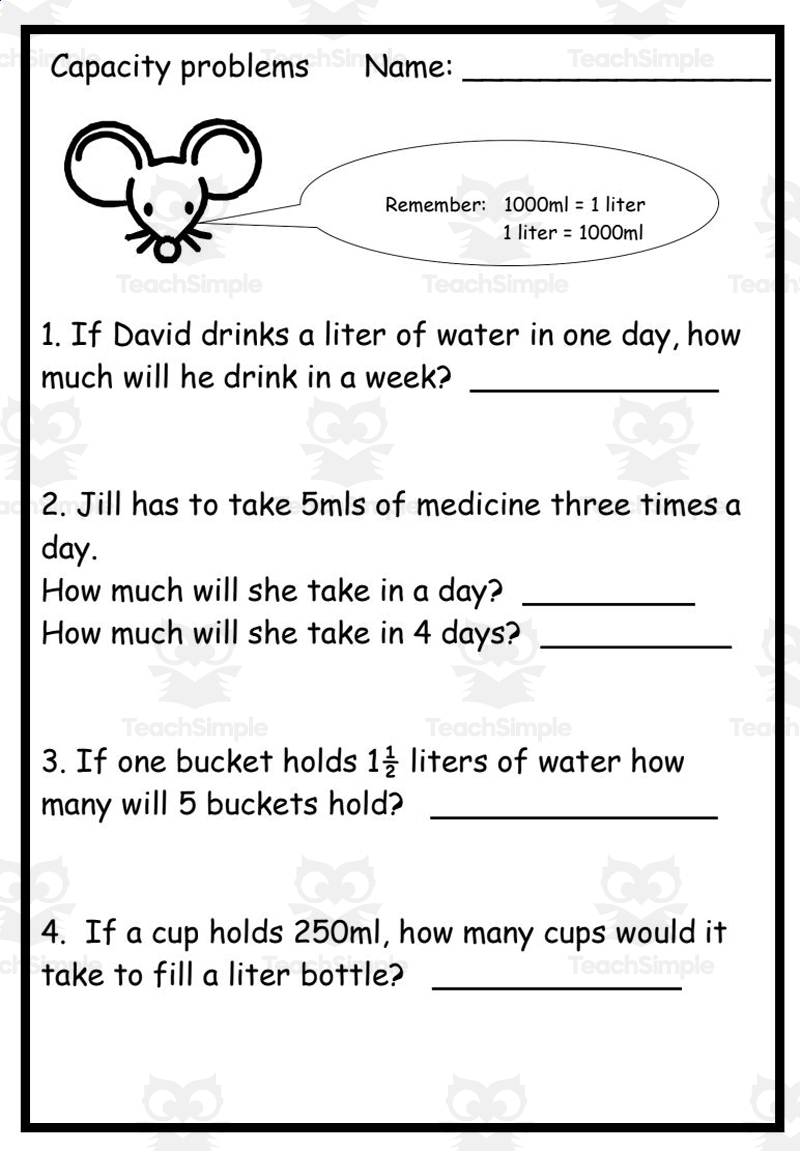
Solve word problems involving multiplying/dividing liter and milliliter quantities (e.g. daily water consumption over a week, medicine dosing, bucket capacity, cups needed to fill a bottle), showing work on the back of the page.
A 'chapter slice' excerpt (word-problems chapter only) from the Classroom Complete Press Measurement book for grades 6-8, built around NCTM Principles & Standards process goals.
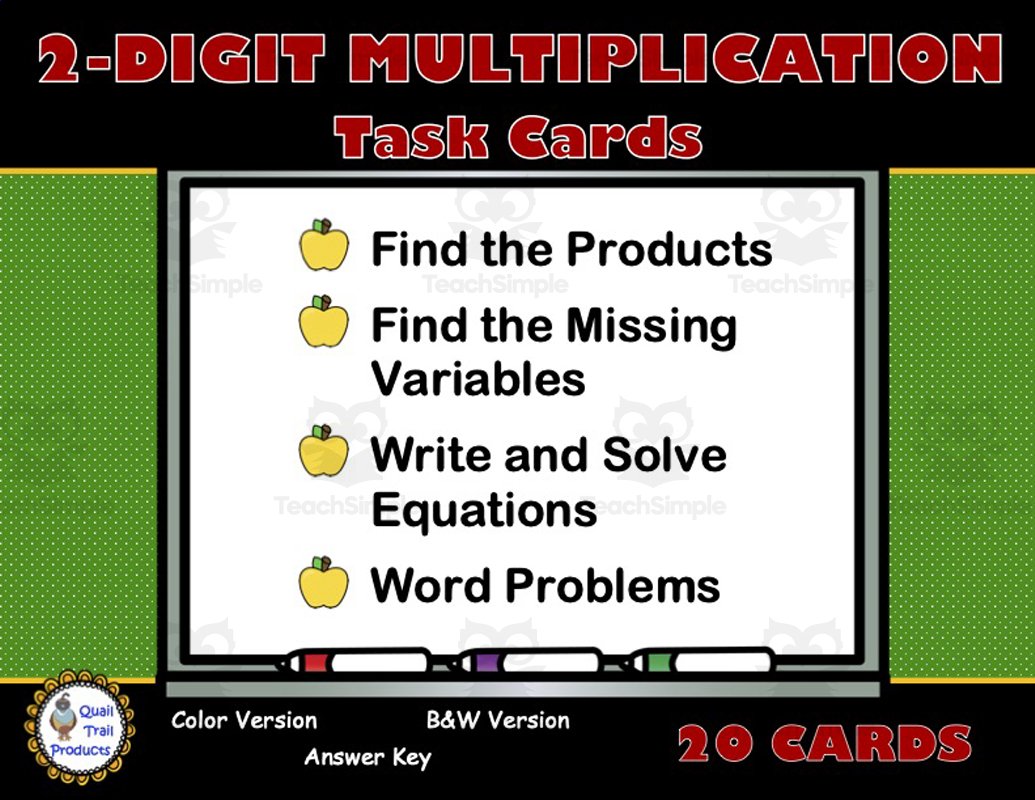
Solve straightforward multiplication facts, find a missing factor in an equation (e.g. 4 x __ = 44), and write and solve multiplication equations from word problems (e.g. total straps on 10 backpacks, wheels on 50 school buses), recording answers 1-20 on an included answer sheet.
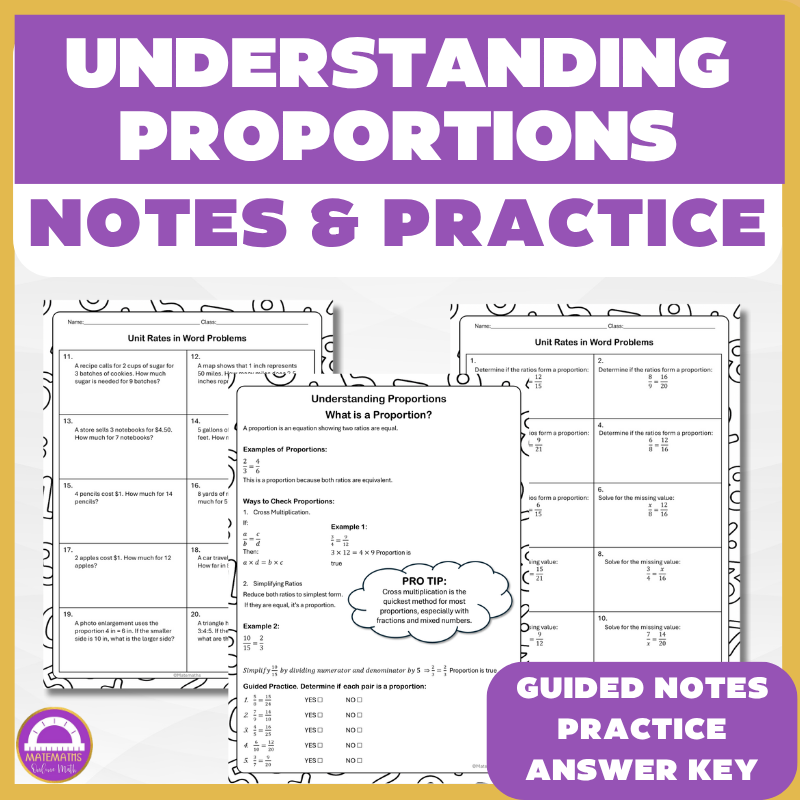
Study guided notes explaining what a proportion is and two methods to check one (cross multiplication, simplifying ratios); complete 5 yes/no guided-practice items determining if a ratio pair is a proportion; learn the steps to solve for a missing value using cross multiplication; complete 5 guided-practice items solving for a missing…
Solve a basketball-scoring word problem in more than one way, then use algebra to determine free-throw attempts from a given percentage; solve a second word problem (distance between two points) by reasoning through multiple approaches.
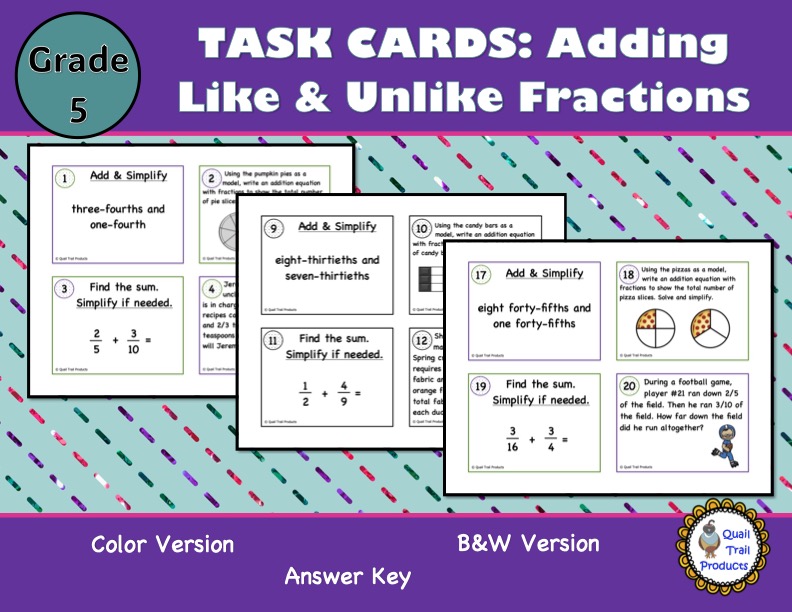
Solve fraction addition problems presented in multiple formats (spelled-out fraction words, numeric equations, food-model equations, and word problems), simplify sums as needed, and record answers on an answer sheet.
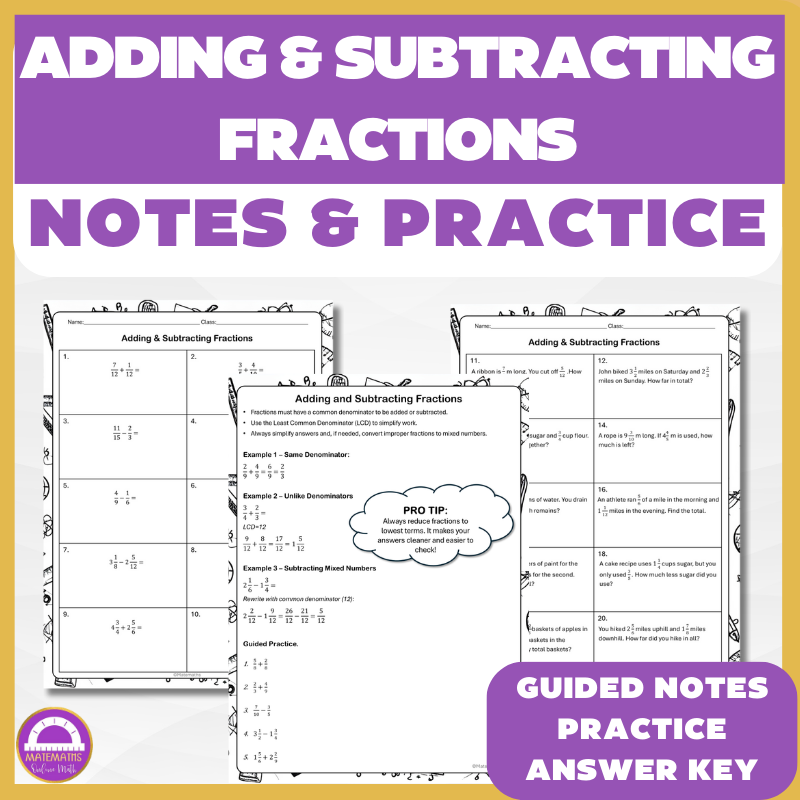
Follow worked examples, then solve guided-practice fraction addition/subtraction problems (including mixed numbers and word problems) using the least common denominator.