
Grade 5 Math Volume 6
A grade 5 math workbook covering exploring symmetry; angle properties; units of measure; area; perimeter & area of irregular figures.




11,995 resources
Explore sub-categories
11 sub-categories · 11,995 resources
A grade 5 math workbook covering exploring symmetry; angle properties; units of measure; area; perimeter & area of irregular figures.

A grade 5 math workbook covering volume of rectangular prisms; solid figures; measures of central tendency; displaying data; probability.

A no-prep activity packet teaching Harriet Tubman's life and the Underground Railroad through informational slides, two paired reading passages, and a range of comprehension, vocabulary, and creative-writing worksheets.
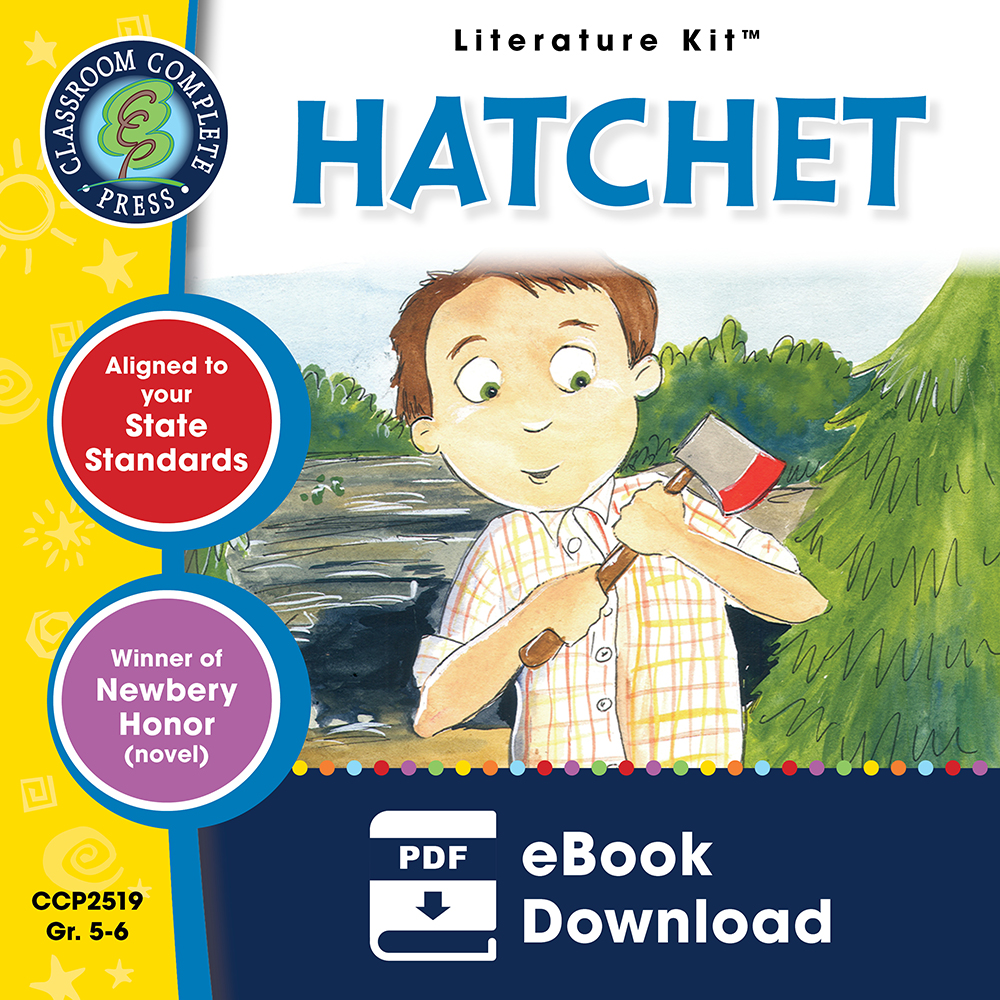
A published (Classroom Complete Press) literature kit for the novel Hatchet by Gary Paulsen, providing a full teacher guide and student worksheet set covering comprehension, vocabulary, writing, and assessment aligned to Bloom's Taxonomy.
An emergency (substitute-ready) lesson plan that teaches the Greek myth of Hercules through a nonfiction-style narrative reading paired with comprehension, math word problems, word play, and map-reading activities.
A 'Mixed Up Words' chapter-slice worksheet set from the High-Frequency Sight Words resource, using real-life pictures to build sight word recognition, vocabulary, and comprehension around 130 high-frequency Dolch-style sight words for Kindergarten-Grade 1.

Build recognition, vocabulary and reading comprehension of high-frequency (sight) words for K-1 students through a chapter-slice of reproducible activities centered on sight word stories.
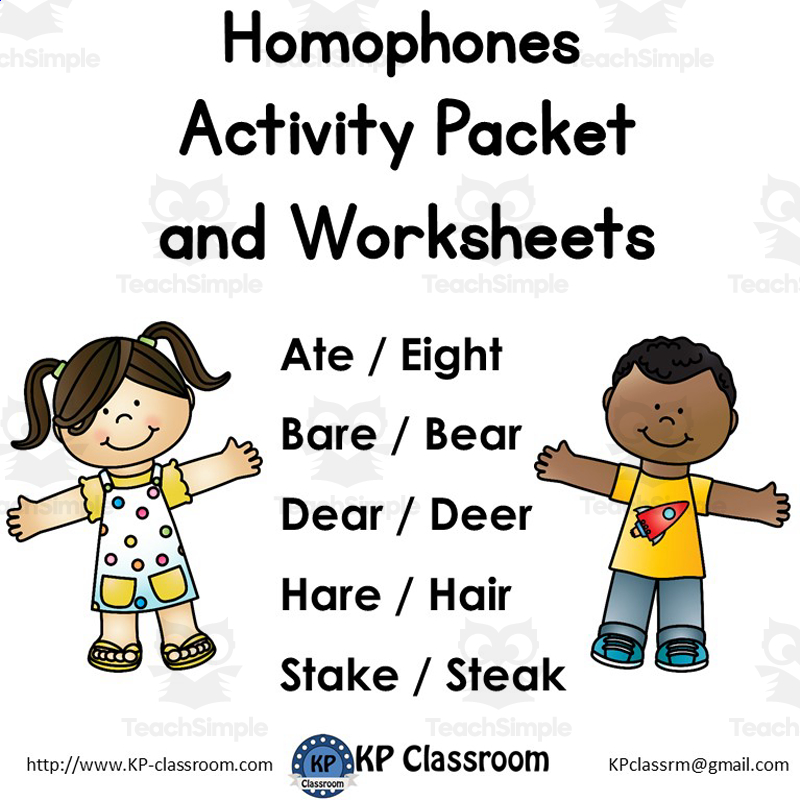
No-prep activity packet and worksheets teaching homophones for Kindergarten-Grade 4 language arts and phonics.

Teaches early writers to produce sequential 'how-to' expository writing about building a snowman, using leveled models, checklists, and picture-sequencing supports.
Teaches early writers to produce sequential 'how-to' expository writing about growing a plant, using leveled models, checklists, and picture-sequencing supports.
Teaches early writers to produce sequential 'how-to' expository writing about making a root beer float, using leveled models, checklists, and picture-sequencing supports.
Teaches early elementary writers how to compose a step-by-step 'how-to' (procedural/expository) piece using the everyday example of apple pie, with an emphasis on sequencing and transition words.
Teaches early elementary writers how to compose a step-by-step 'how-to' (procedural/expository) piece using the everyday example of caramel apples, with an emphasis on sequencing and transition words.
Teaches early elementary writers how to compose a step-by-step 'how-to' (procedural/expository) piece using the everyday example of gingerbread cookies, with an emphasis on sequencing and transition words.
Teaches early elementary writers how to compose a step-by-step 'how-to' (procedural/expository) piece using the everyday example of hot chocolate, with an emphasis on sequencing and transition words.
Teaches early elementary writers how to compose a step-by-step 'how-to' (procedural/expository) piece using the everyday example of lemonade, with an emphasis on sequencing and transition words.
Teaches early elementary writers how to compose a step-by-step 'how-to' (procedural/expository) piece using the everyday example of snow cream, with an emphasis on sequencing and transition words.

Teaches early elementary writers how to compose a step-by-step 'how-to' (procedural/expository) piece using the everyday example of raking leaves, with an emphasis on sequencing and transition words.

Teaches early elementary writers how to compose a step-by-step 'how-to' (procedural/expository) piece using the everyday example of washing a car, with an emphasis on sequencing and transition words.

Teaches early elementary writers how to compose a step-by-step 'how-to' (procedural/expository) piece using the everyday example of washing a dog, with an emphasis on sequencing and transition words.

Teaches early elementary writers how to compose a step-by-step 'how-to' (procedural/expository) piece using the everyday example of washing dishes, with an emphasis on sequencing and transition words.

Reproducible chapter excerpt ("Chapter Slice") from the workbook "How to Write an Essay" (CCP1102), covering "Revising, Proofreading and Editing" (page 40 of the full 64-page workbook, per that workbook's table of contents), part of a resource built on a five-step writing model.
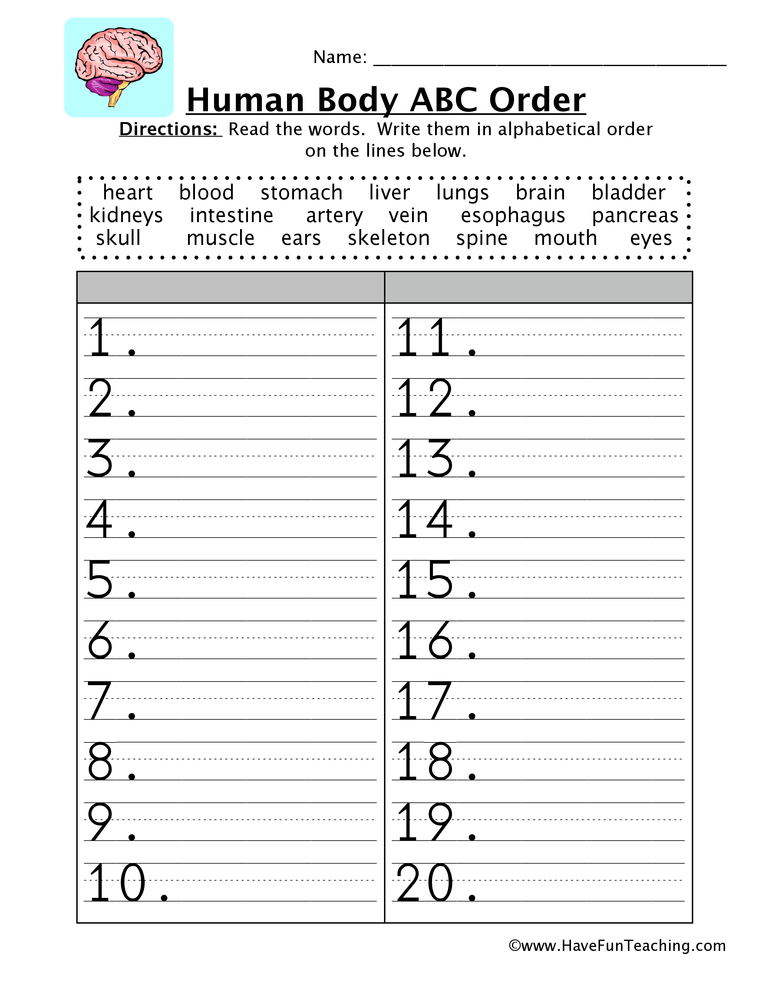
This Human Body Alphabetical Order Worksheet is a great way to help your students learn about the human body. This worksheet will help them learn how to put twenty words about the human body in ABC order.

A no-prep phonics packet teaching the i-e split digraph (silent-e) pattern, where a long /i/ sound is spelled with 'i' followed by a consonant and a final silent 'e'.