Mental Health Literacy: Brain Responses & Getting Help
Help primary students understand how their body and brain respond to challenging or uncomfortable situations, and teach coping strategies and the importance of talking to trusted adults
Classroom resources
Browse by lesson focus
Choose the topic or kind of practice you need.
Help primary students understand how their body and brain respond to challenging or uncomfortable situations, and teach coping strategies and the importance of talking to trusted adults
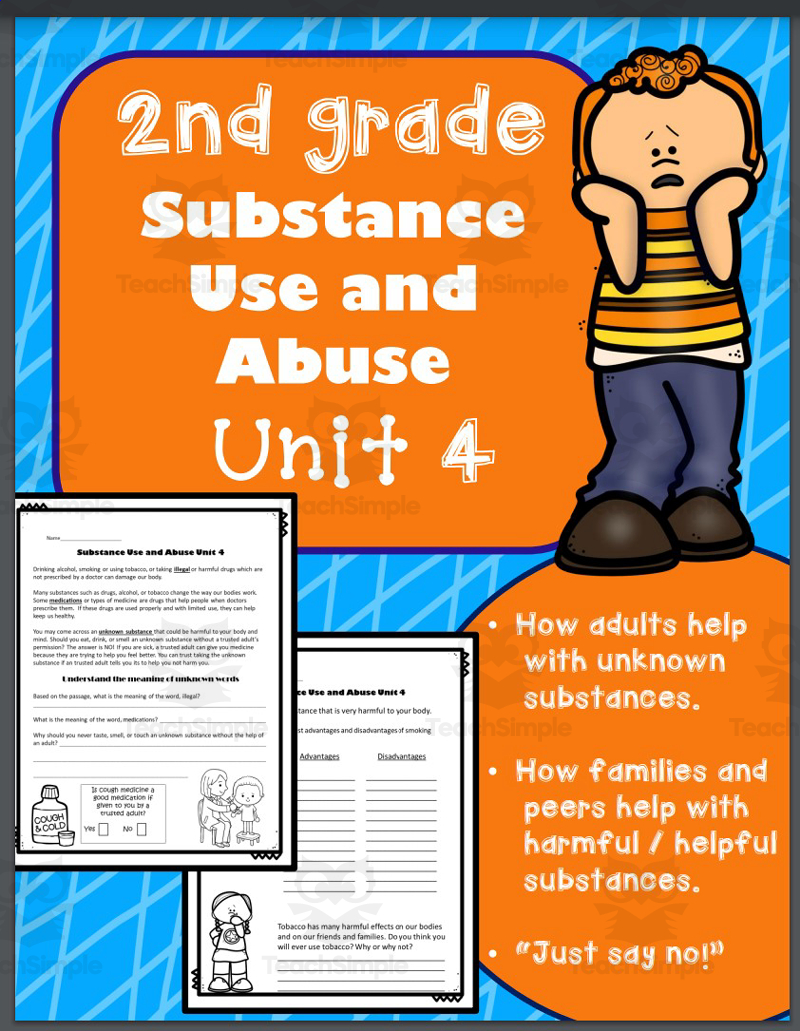
Teaches 2nd-grade students the importance of healthy food choices and physical activity, as Unit 3 of a 7-unit Health curriculum series.
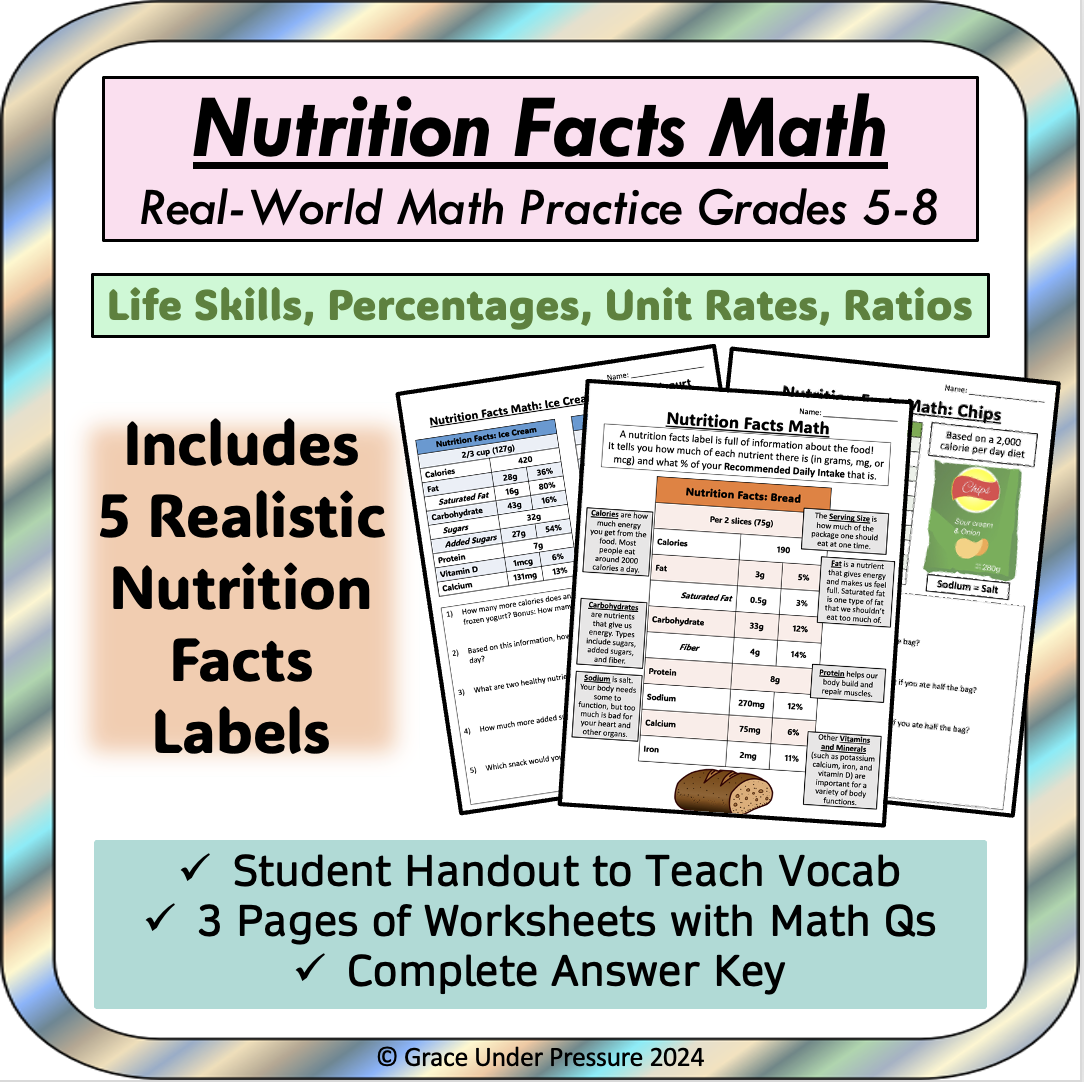
Teach students to read a nutrition facts label and apply percentage, ratio, and unit-rate math skills to real-world food choices.
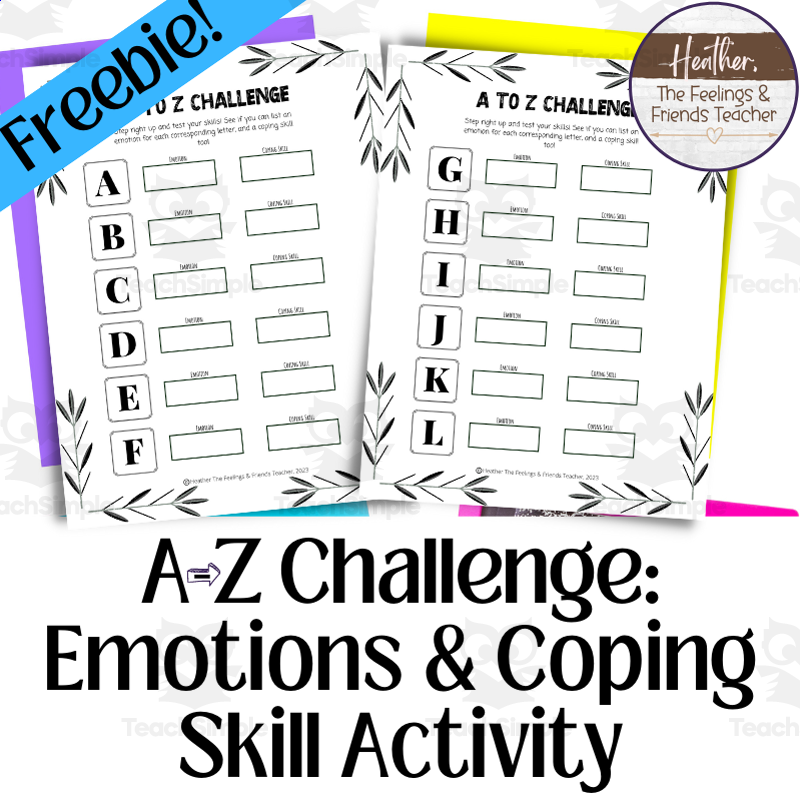
An A-Z review challenge activity where students identify one emotion and one coping skill for each letter of the alphabet, aligned to Illinois SEL Standard 1A (identify and manage one's emotions).
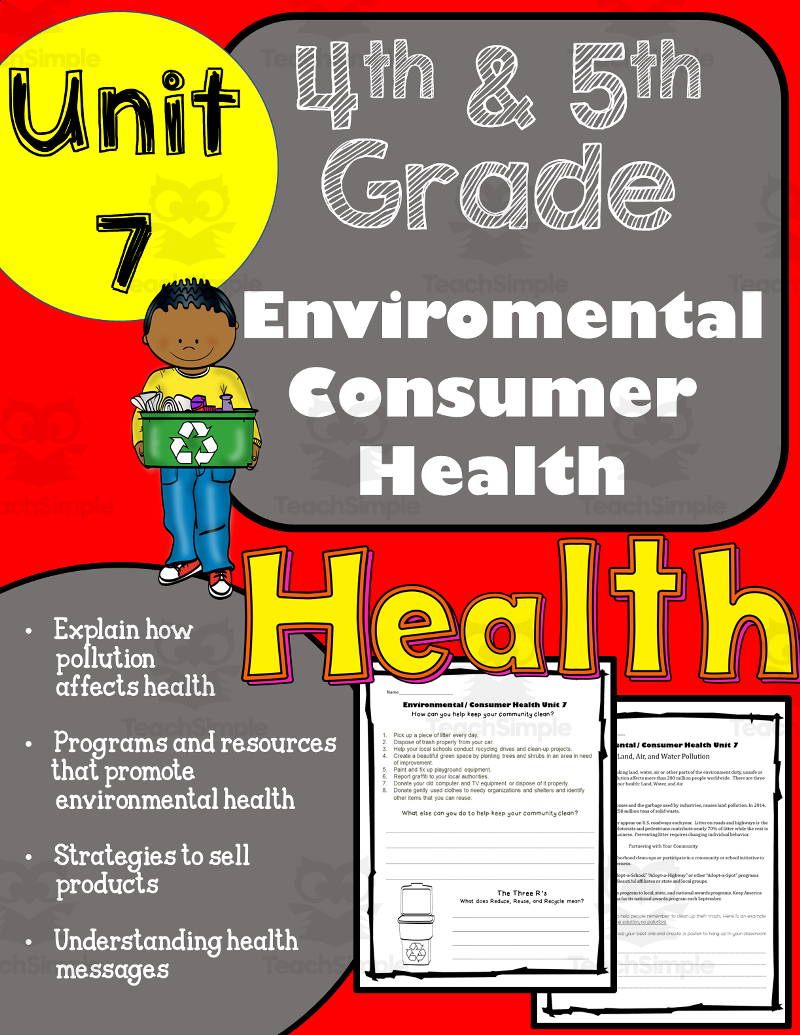
Teach 4th/5th grade students about environmental and consumer health topics, primarily how land, air, and water pollution affect health, and what community/individual actions (reduce, reuse, recycle; local programs) can address it. Unit intro also lists advertising/consumer topics (strategies to sell products, understanding health…
Color By Code: Good and Bad Coping Skills School Counseling Activity The Color By Code: Good and Bad Coping Skills School Counseling Activity is a powerful, hand-on educational tool that facilitates children's understanding and management of their emotions. It merges visually invoking activities with fundamental life skills teaching,…
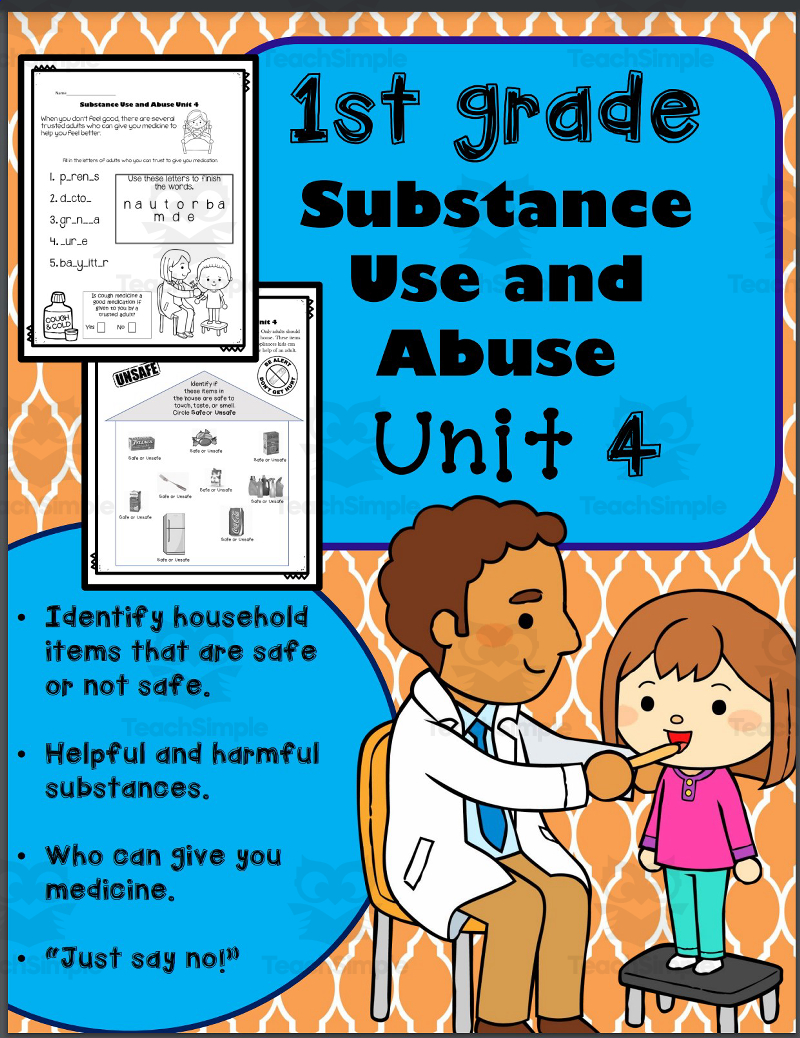
Teaches 1st-grade students to identify safe vs. unsafe household items, recognize which trusted adults may give medicine, and practice 'Just Say No' refusal strategies, as Unit 4 of a 7-unit Health curriculum series.
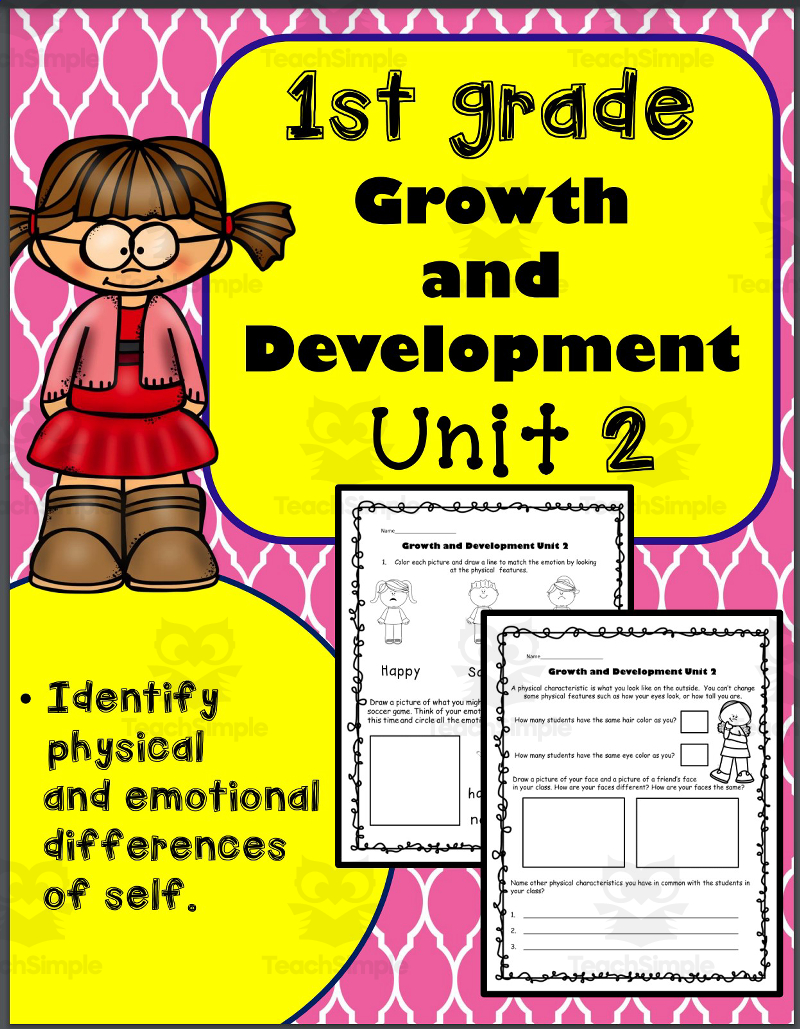
Teaches 1st-grade students to identify physical and emotional differences in themselves and others, as Unit 2 of a 7-unit Health curriculum series.
Practice dental health vocabulary through a crossword, a word scramble, and a word search built from the same word list.
For 2nd Grade Health there are seven standards that need to be taught. Unit 1 Personal Health Unit 2 Growth and Development Unit 3 Nutrition and Physical Activity Unit 4 Substance Use and Abuse Unit 5 Injury/ Violence Prevention Control and Safety Unit 6 Prevention/Control of Disease Unit 7 Environmental Consumer Health These units can…
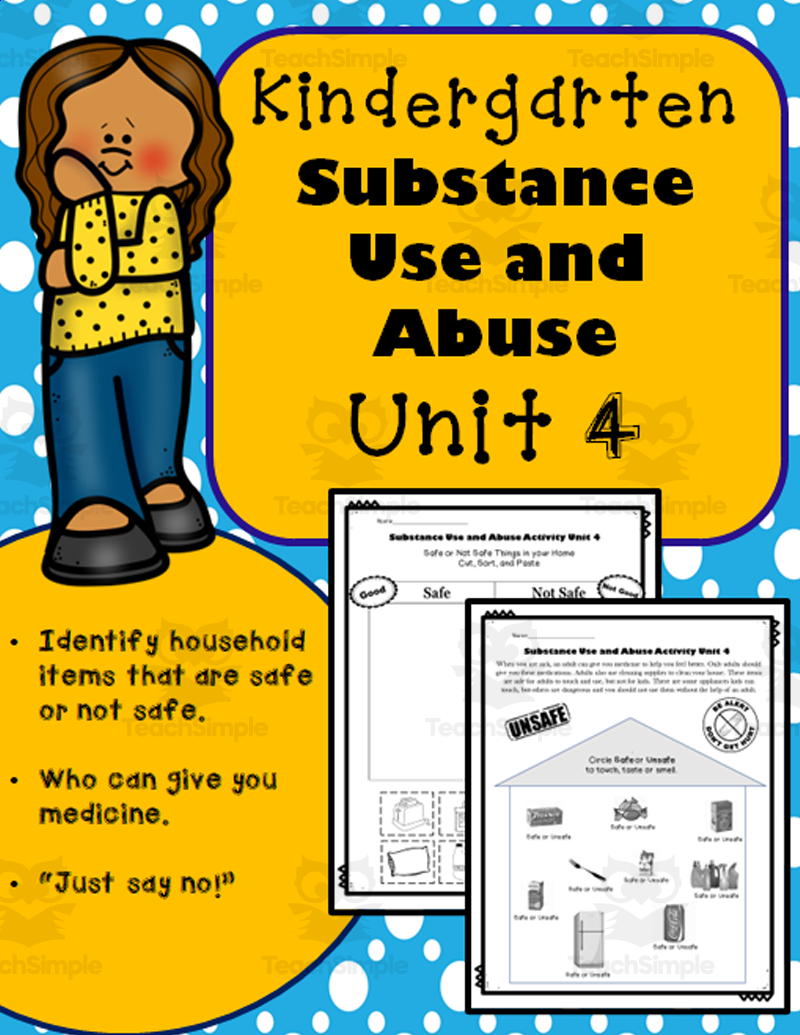
Teach kindergarten substance-use and household-safety awareness: which household items/substances are safe or unsafe, and who is a trusted adult that can give medicine.
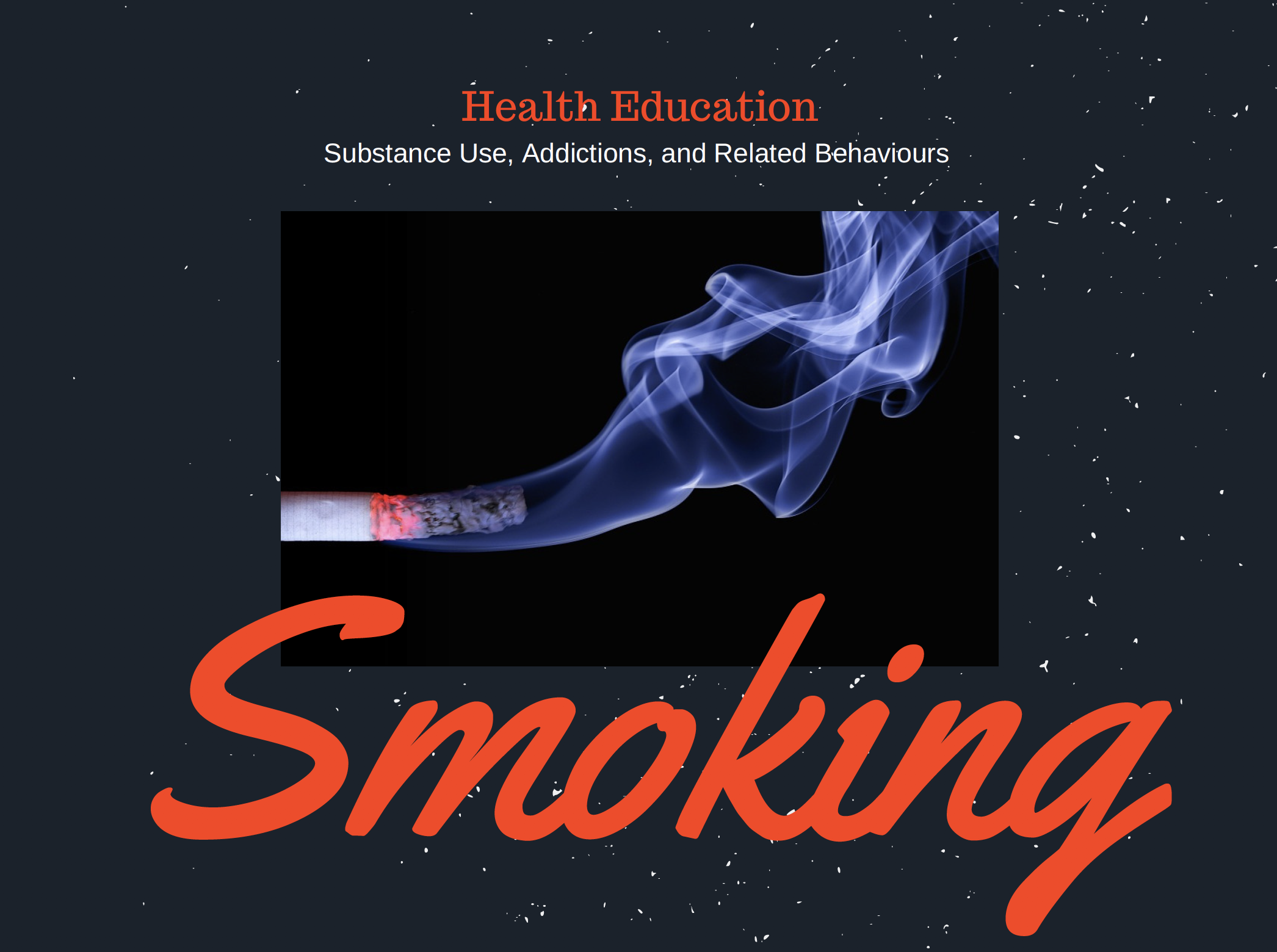
Teaches young students that smoking is harmful to health and to others (secondhand smoke), and where smoking is legally prohibited around children, per Ontario Curriculum C3.2.
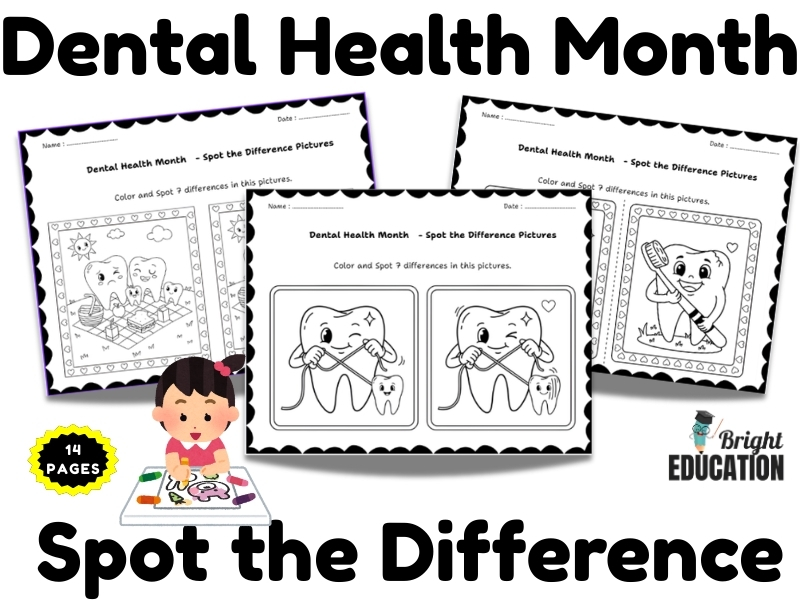
A visual discrimination activity where students compare two similar dental-health-themed pictures, spot differences, then color the pictures
Helps elementary students reflect on and self-monitor how much screen/device time they have versus non-screen activities, and understand risks of excessive screen use.
Teach students about illicit drugs, substance use and abuse, and related behaviours: what makes a drug illegal, categories of drugs and their effects, overdose signs, and how to respond to a drug emergency.
A senior high school biology lesson covering reproductive hormones, the male and female reproductive systems, spermatogenesis, the ovarian and menstrual cycles, hormonal negative feedback (LH, FSH, estrogen, progesterone), controlling reproduction, and puberty.
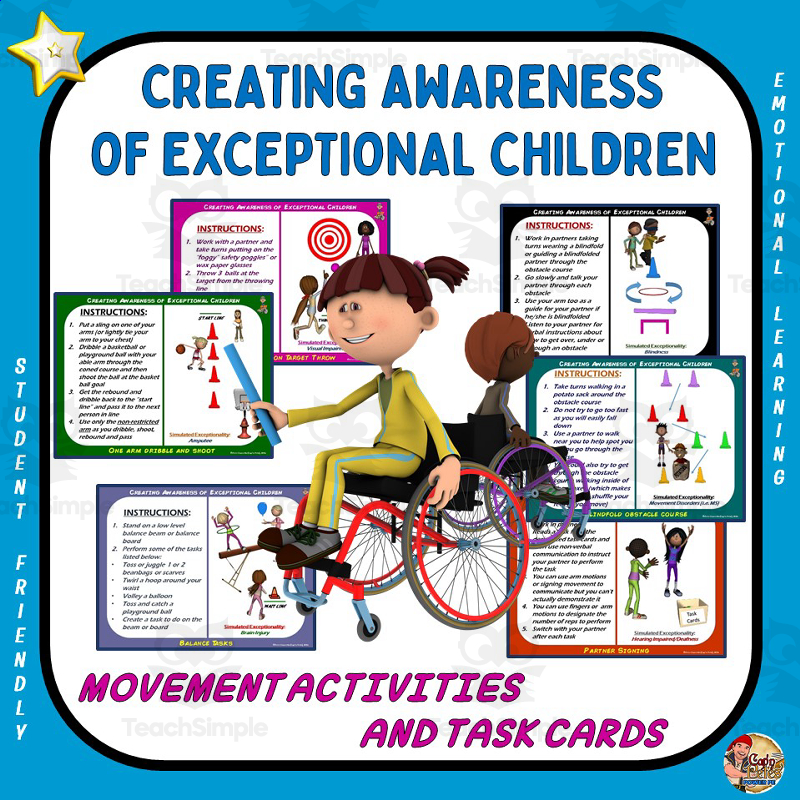
A P.E./health movement-station unit that builds awareness of and empathy for children with disabilities by having students experience simulated exceptionalities through movement activities.
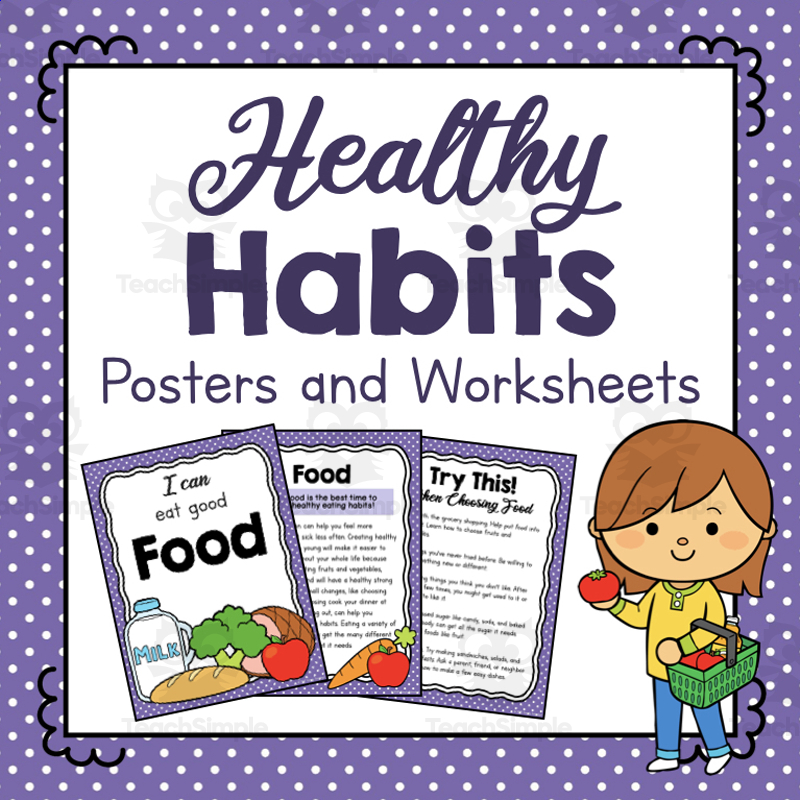
A health education resource teaching elementary students healthy habits across multiple topics (sleep, nutrition, hydration, hygiene, clean clothing, clean home, and more) through informational reading passages, 'I can' statement worksheets, and 'Try This!' actionable tip lists.
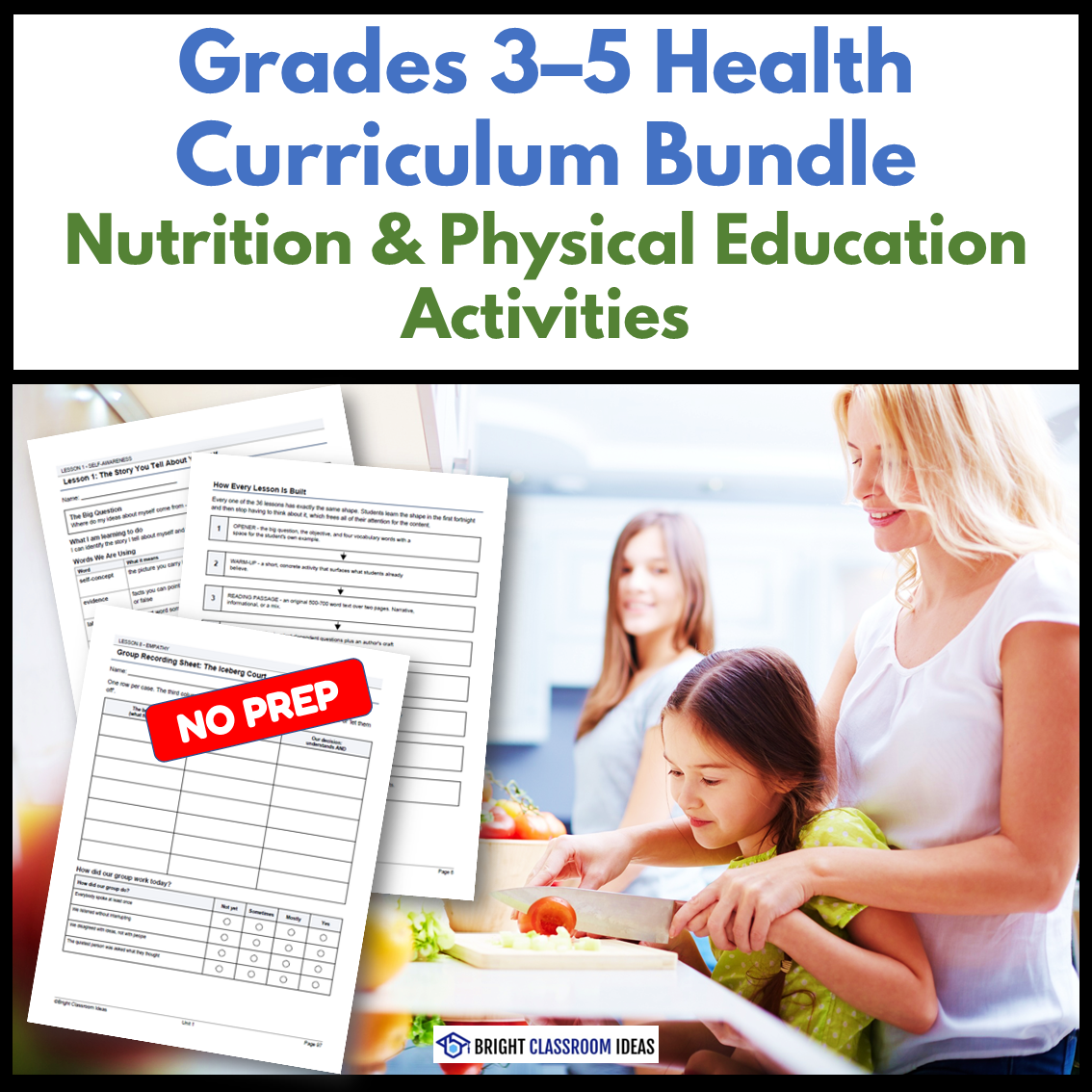
A complete Grades 3-5 health curriculum covering nutrition, physical activity, healthy lifestyle habits, sports skills, healthy decision-making, and personal wellness through reading passages and structured units.
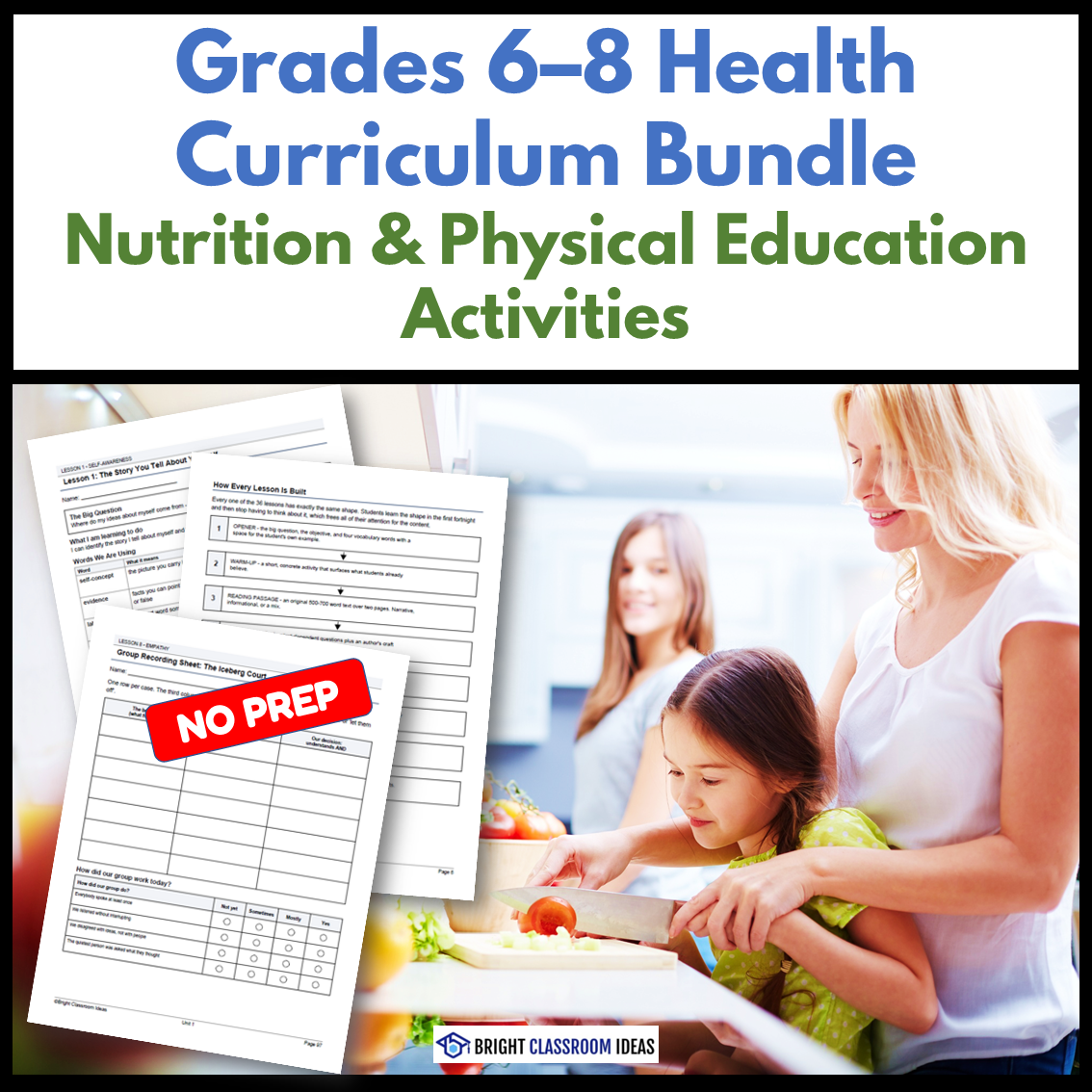
A complete Grades 6-8 middle school health curriculum covering nutrition science, fitness, healthy choices, physical literacy, wellness, and personal fitness at a more rigorous, analysis-based level.
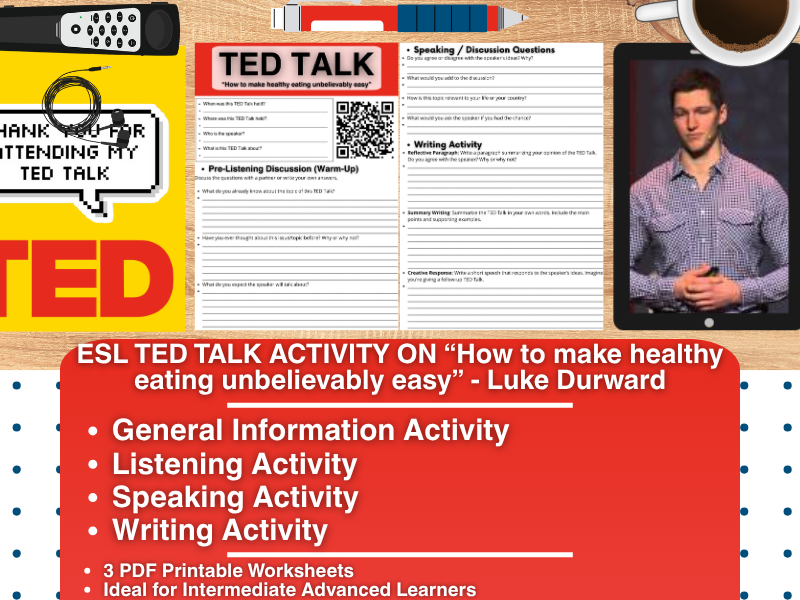
An ESL/English-language-development worksheet built around the TED Talk "How to make healthy eating unbelievably easy" (speaker per file name: Luke Durward), used to build listening comprehension, vocabulary, discussion, and writing skills before, during, and after watching the talk.
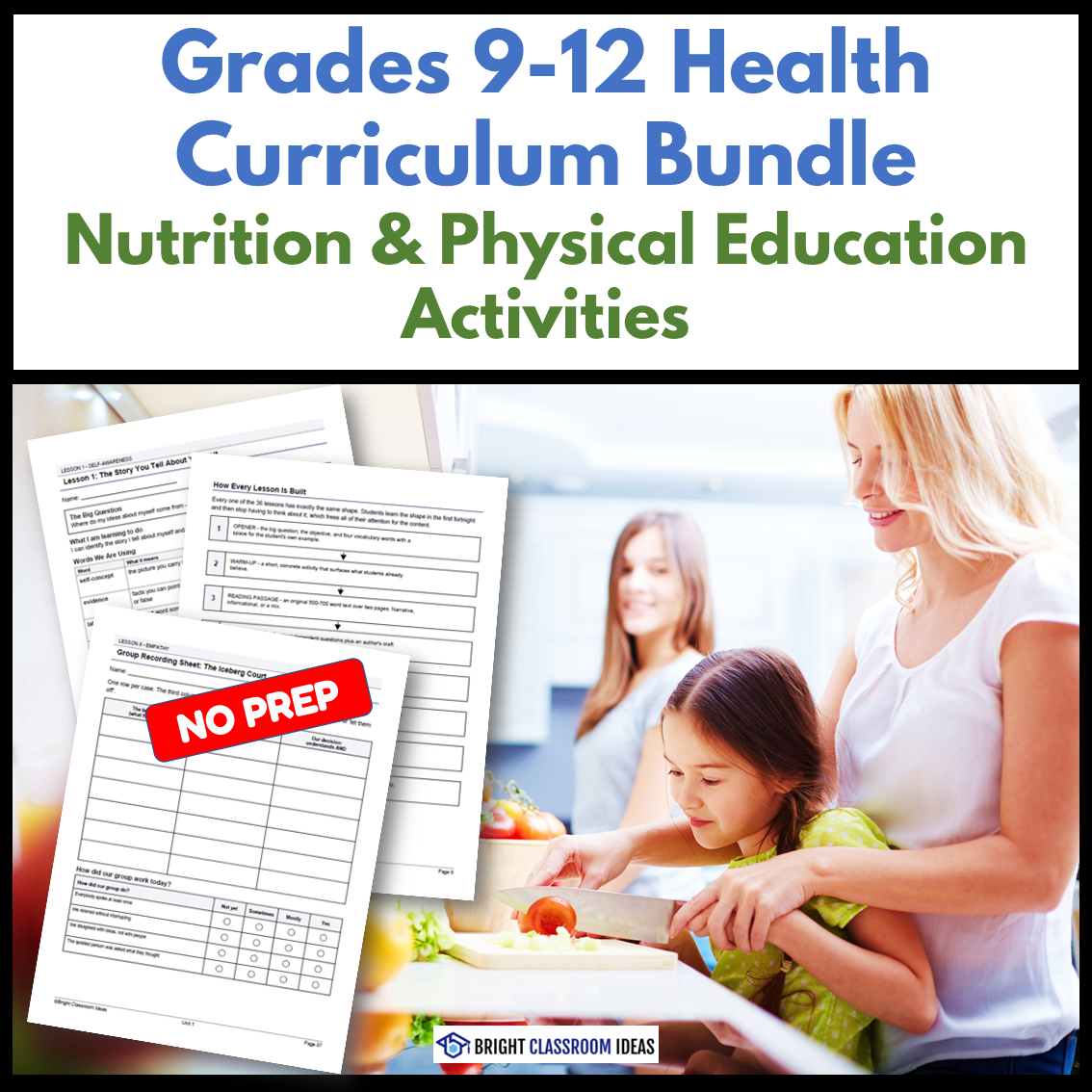
A complete Grades 9-12 college-preparatory health curriculum covering nutrition, exercise science, wellness, media literacy, personal health, and lifetime fitness, using scientific data analysis, case studies, and structured debate.
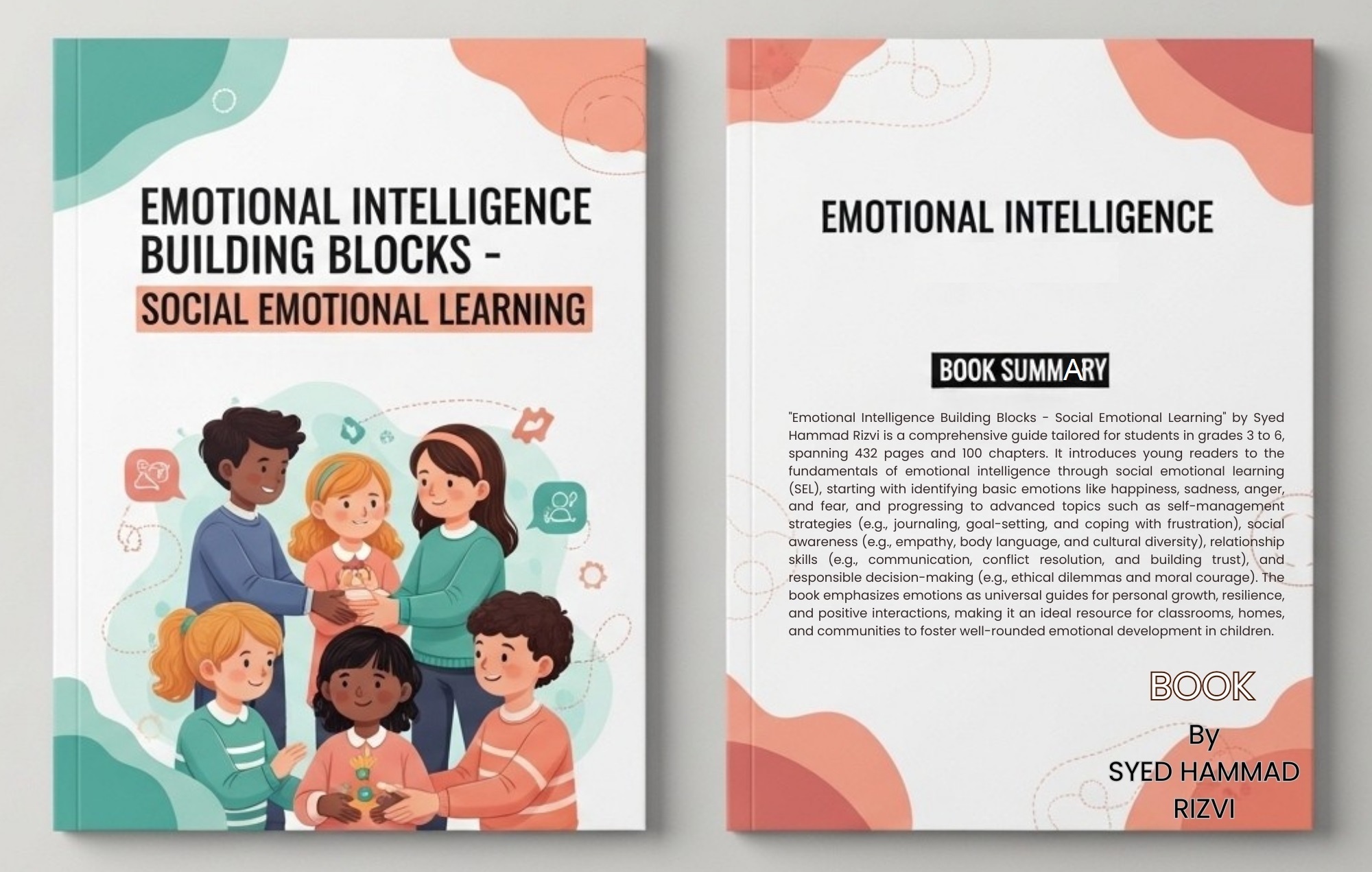
434-page SEL curriculum book teaching emotional intelligence concepts (feelings, self-awareness, self-management, social awareness, relationship skills, responsible decision-making) across 100 chapters, targeted at grades 3-6.
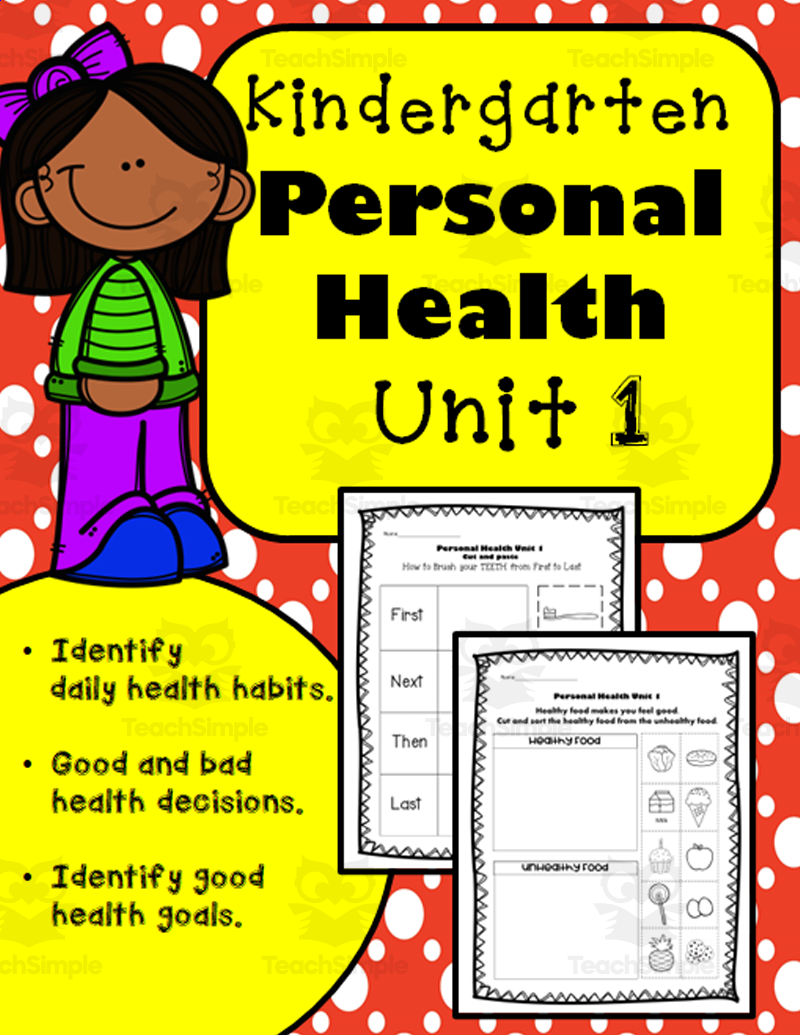
Six kindergarten activity pages introduce food choices, physical activity, daily habits, tooth-brushing order and health goals. Students sort food pictures, circle active behaviors, label eight habits and sequence four tooth-brushing steps. One goal page supplies a tooth-brushing statement to illustrate; another leaves space for a personal goal. A four-page illustrated Pete the Pig story reinforces the hygiene theme. The PDF has 15 pages in total. Other units named in the overview are separate resources.