
Addition & missing partsMats & centers
Fall Addition Math Station or Center
Solve addition equations using number bonds, tens frames, number lines, or number sentences, with objects as counters, and record answers.




6,649 resources
Explore sub-categories
104 sub-categories · 6,649 resources
Solve addition equations using number bonds, tens frames, number lines, or number sentences, with objects as counters, and record answers.
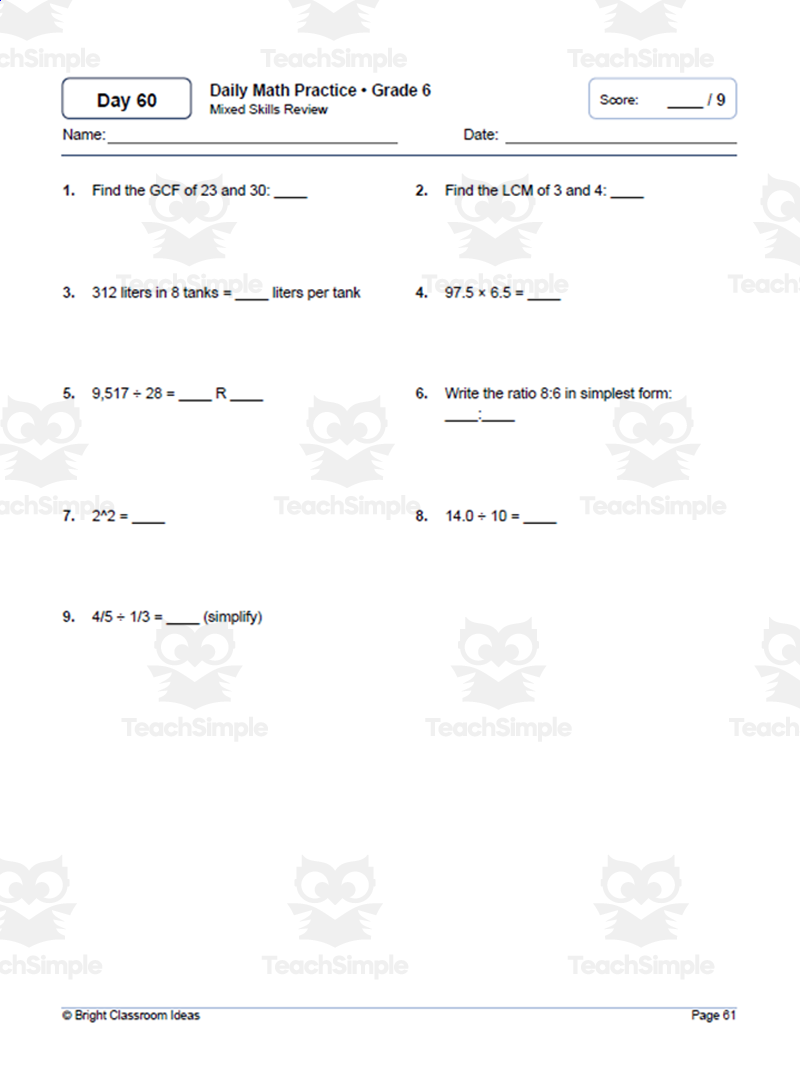
Use daily mixed-skill worksheets to revisit equations alongside other sixth-grade math topics.

Solve 8 order-of-operations expressions, match each answer to its corresponding letter, and use the letters to reveal a hidden message.

A worksheet giving real-life word problems for students to practice calculating perimeter.

Use a place-value chart to distinguish a digit from the amount it represents. Have students check each constructed number against all the stated conditions.
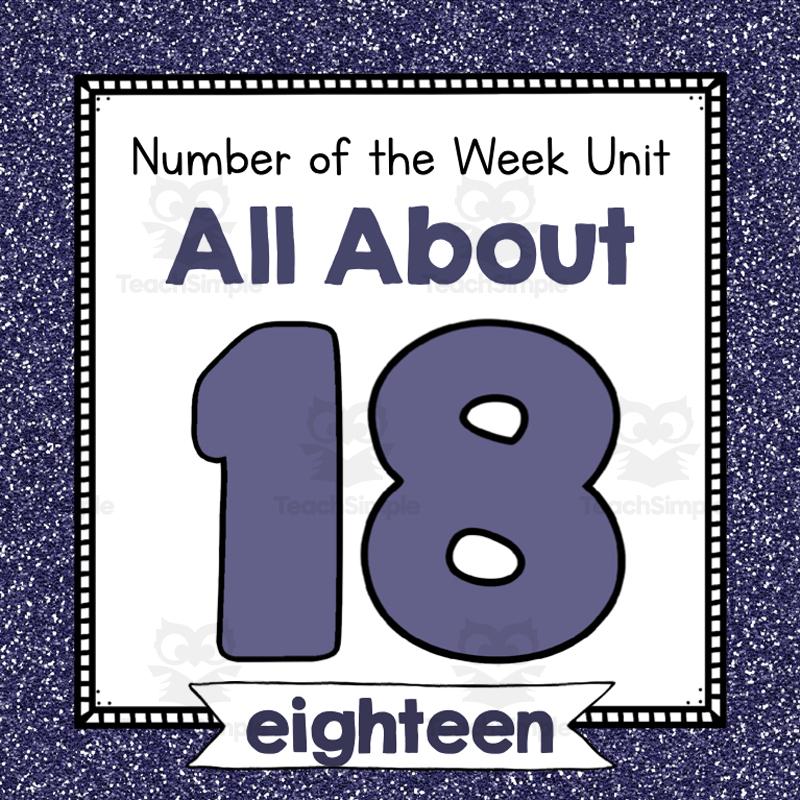
Teach and build number sense around the number 18 ('Eighteen') through a mix of hands-on manipulatives and printable practice pages covering recognition, formation, and counting.
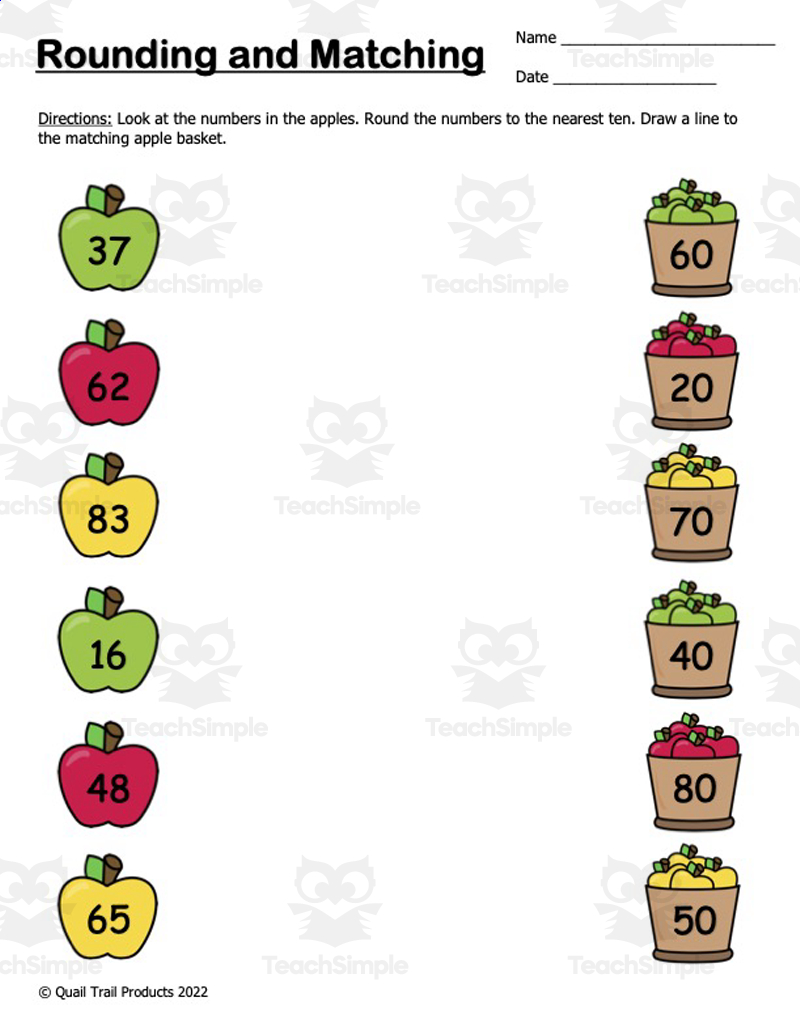
Round numbers to the nearest ten by matching numbers in apples to the correct rounded basket, identifying the two tens a number falls between, coloring the apple with the correct rounded answer, and writing rounded answers next to candy-apple graphics.
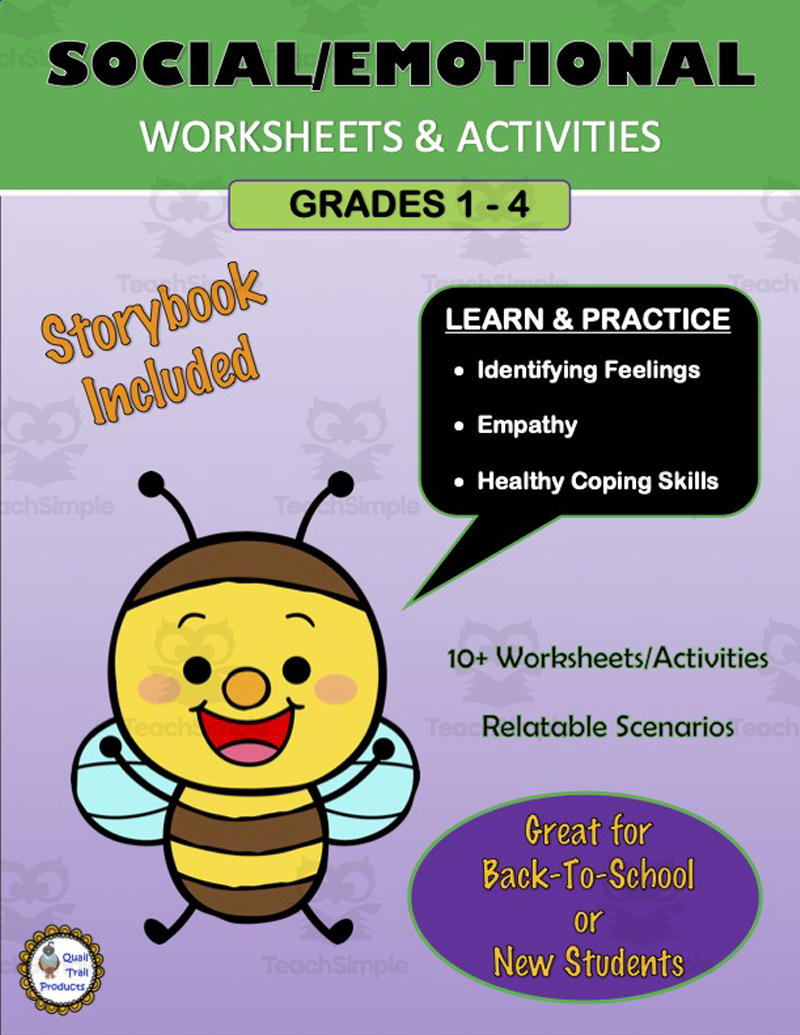
Read/follow an illustrated story about a character's worries starting school, identify the character's feelings from choices given (e.g., 'worried' vs 'excited'), and (per worksheets, not fully confirmed) practice related SEL activities.
 Free download
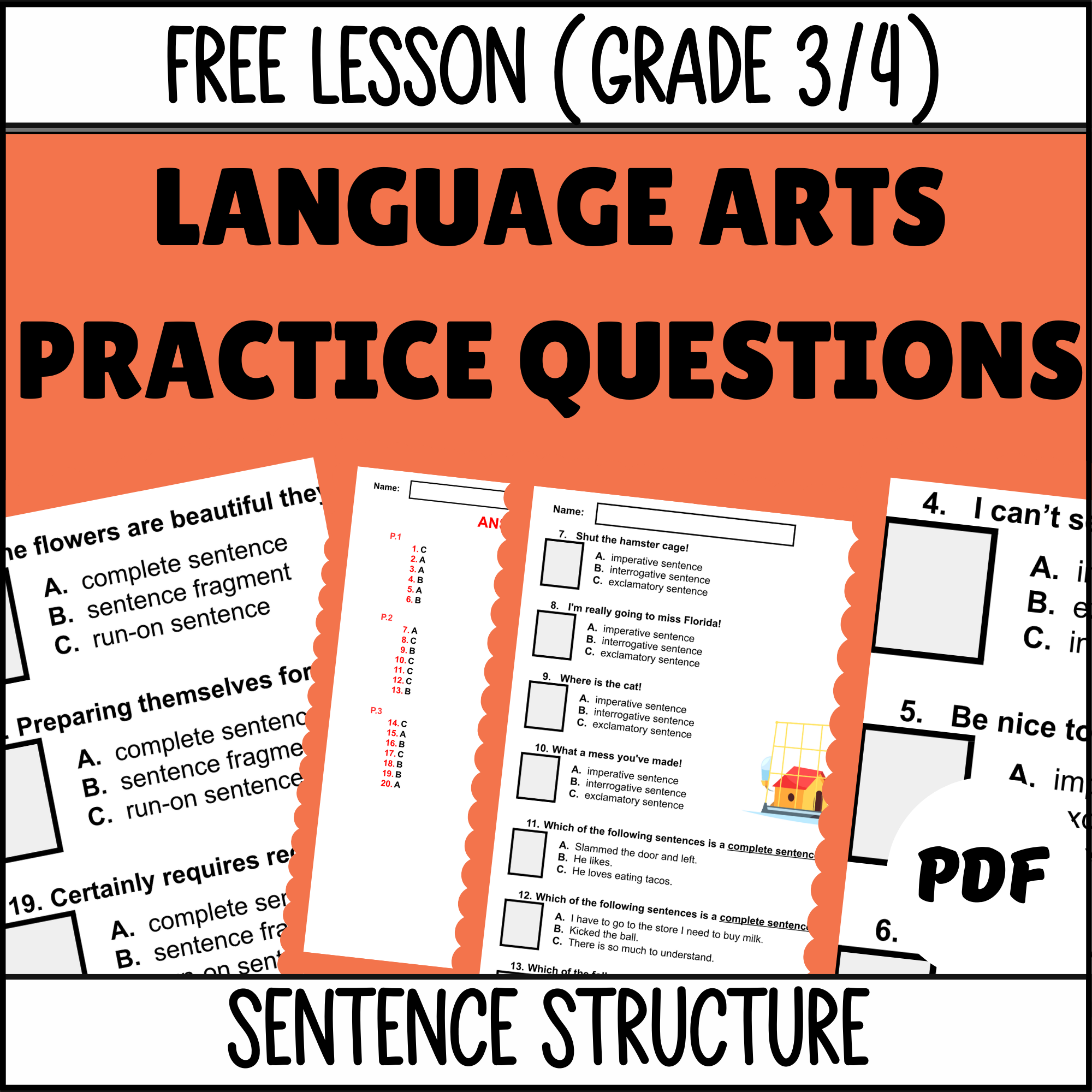
 Students read individual sentences and circle/write the correct letter identifying the sentence type (declarative, interrogative, imperative, exclamatory) or classify a sentence as complete, a fragment, or a run-on.

A set of QR-code task cards and response sheets for practicing 18 short-vowel-O CVC words: students view a picture, say the word, scan a QR code to self-check, and write the word on a response sheet.
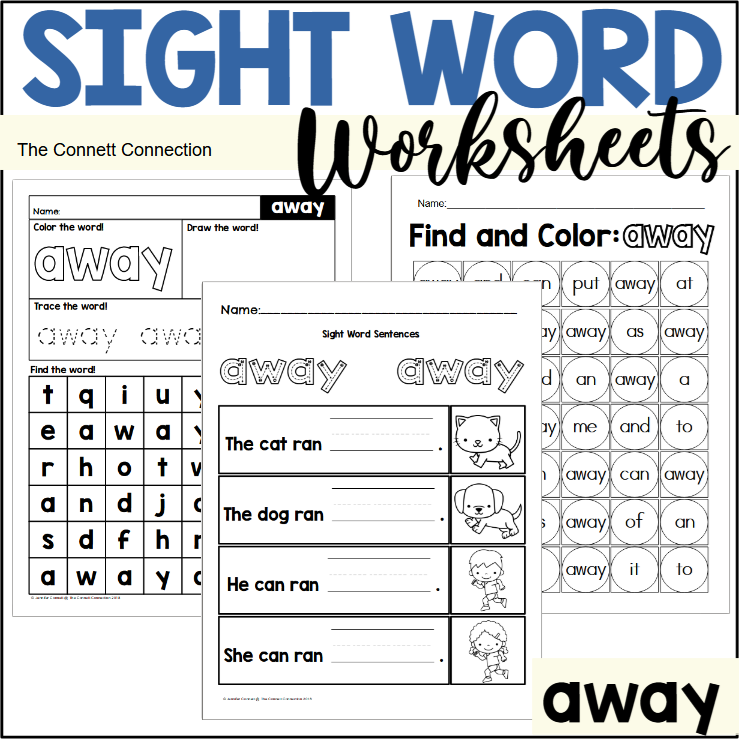
Students cut and glue words to build a sentence with 'away' and illustrate it; color/trace/write and cut-and-spell the word; complete a word-search and word-grid coloring activity locating 'away'; trace/rainbow-write and paint/color the word; fill in sentence blanks with 'away'; and read a short passage, circling each…
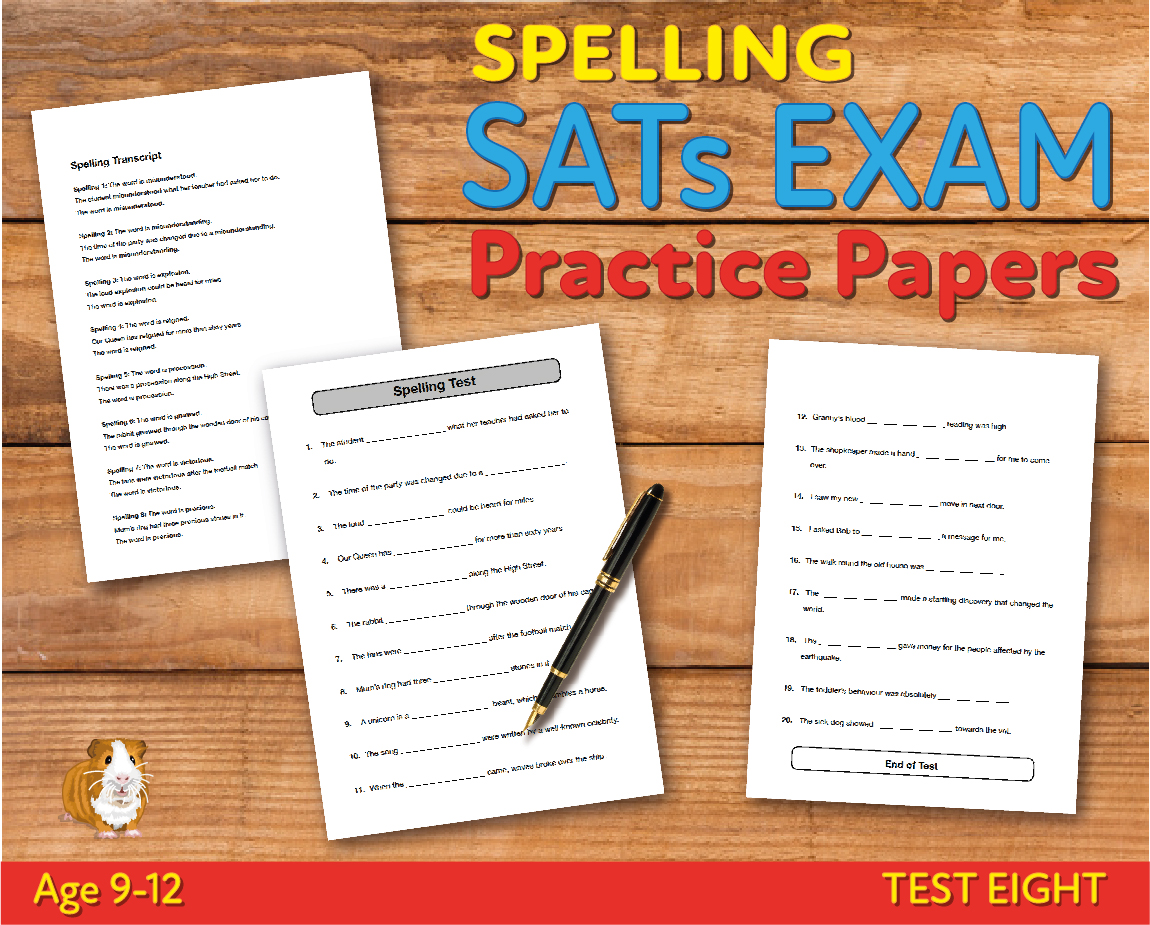
Give students aged 9-12 practice with a UK-style spelling test (modelled on Standardised Assessment Tests/Sats) covering patterns such as prefixes, suffixes, silent letters and homophones.

Fill in blanks describing the steps (distributing the subtraction sign, combining like terms), then solve 5 polynomial addition/subtraction exercises using vertical or horizontal methods.

Camping-themed color-by-number mystery-picture worksheets for practicing single-digit addition facts.
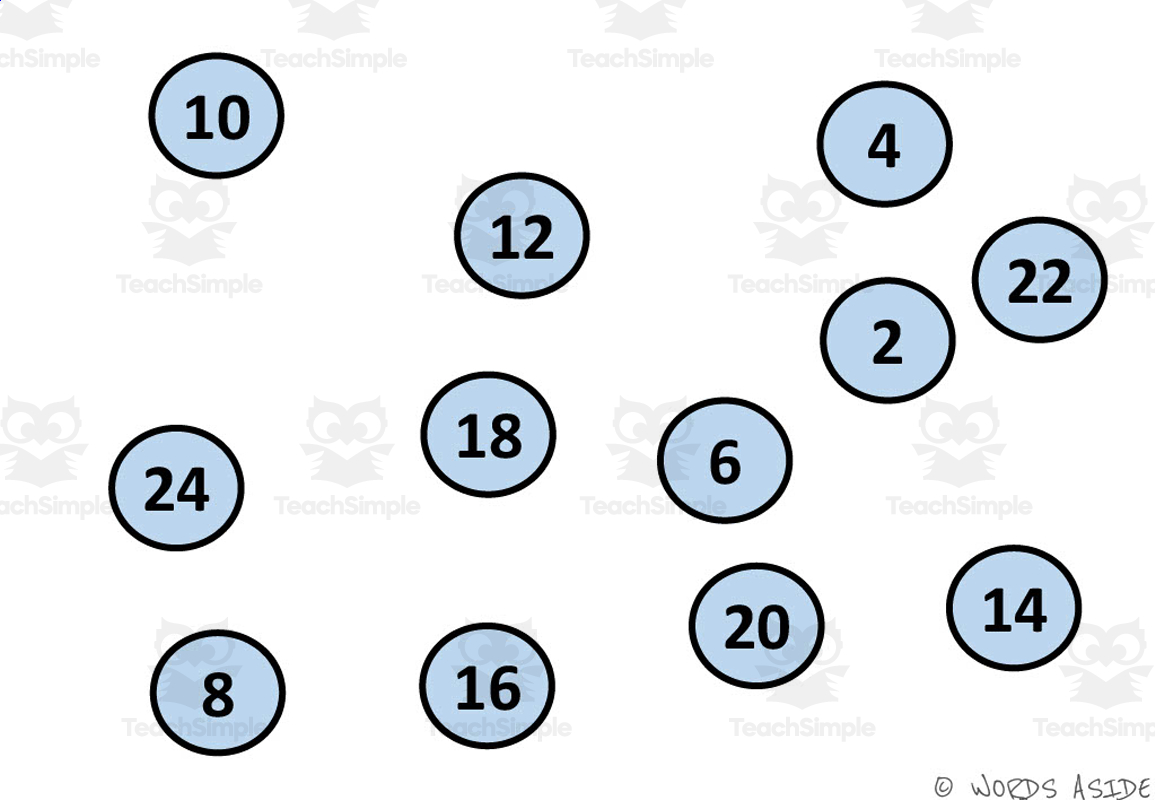
Printable practice mats for skip counting by 2s from 2 to 24, for early math number-sequence recognition
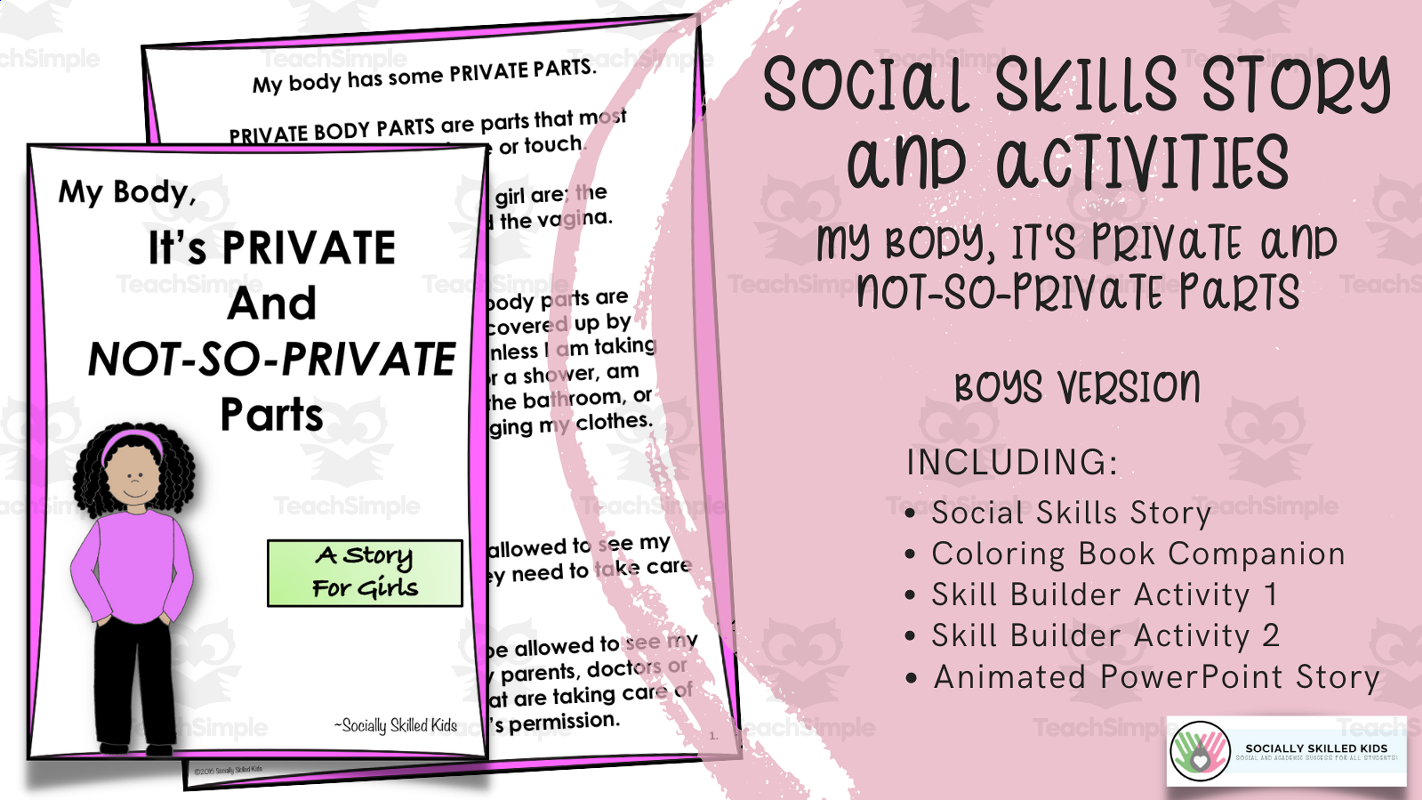
Follow along with (or read) a narrated story explaining private vs. not-so-private body parts, who is allowed to see/touch private body parts and under what circumstances, and what to do (move away, say "No/Stop/Don't," tell a trusted adult) if touched without permission; then complete Skill Builder…

Introducing an engaging slide deck that covers cults and radical group socialization for secondary students. The 30+ slides serve to spark discussion and analysis on social groups, cult characteristics, recruitment tactics, prominent cult leaders, and the long-term impacts of cult involvement.

Students assemble a storage box and double-sided cards (print, cut, fold, glue/laminate), then use the cards to practice naming fruits in English and Spanish and practice handwriting; separately, students complete a worksheet translating 21 fruit words into Spanish
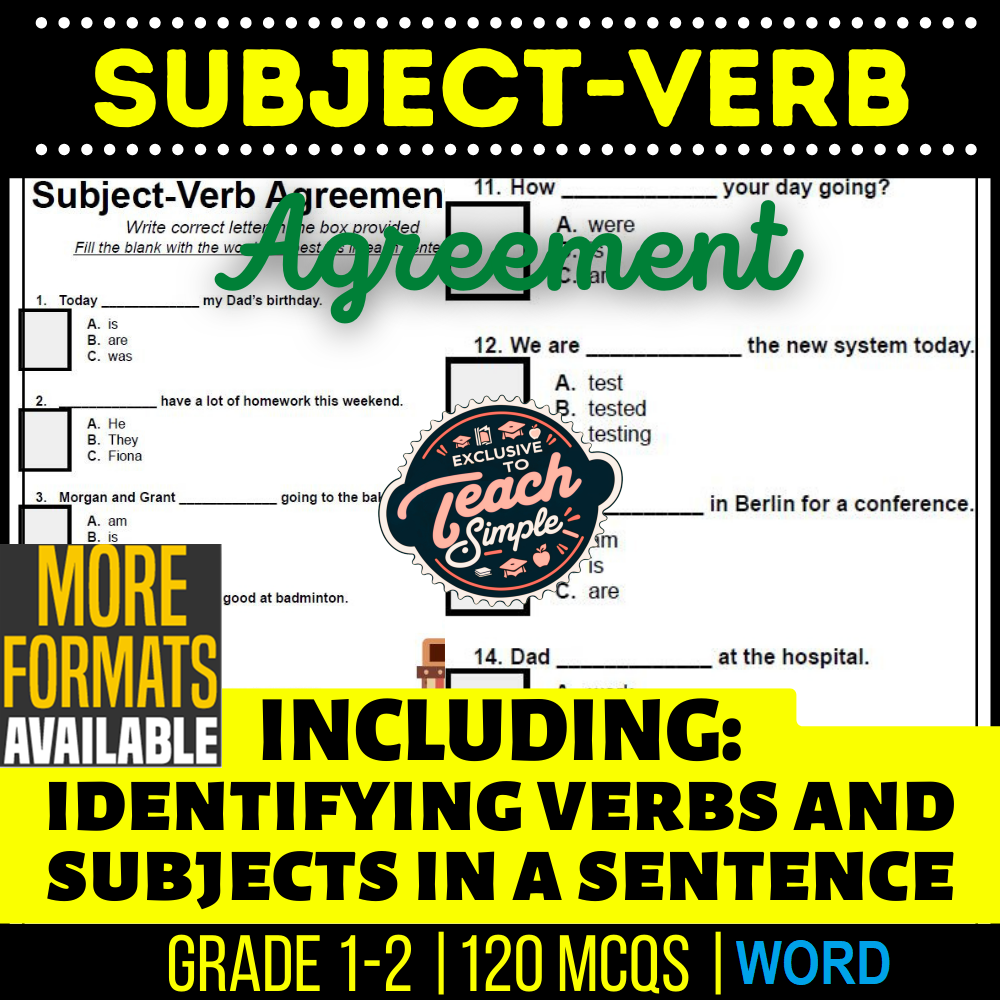
Read a review sheet explaining subject-verb agreement rules, then answer multiple-choice questions across 8 worksheets by choosing the verb form that correctly agrees with the sentence's subject; check answers against the included answer section.
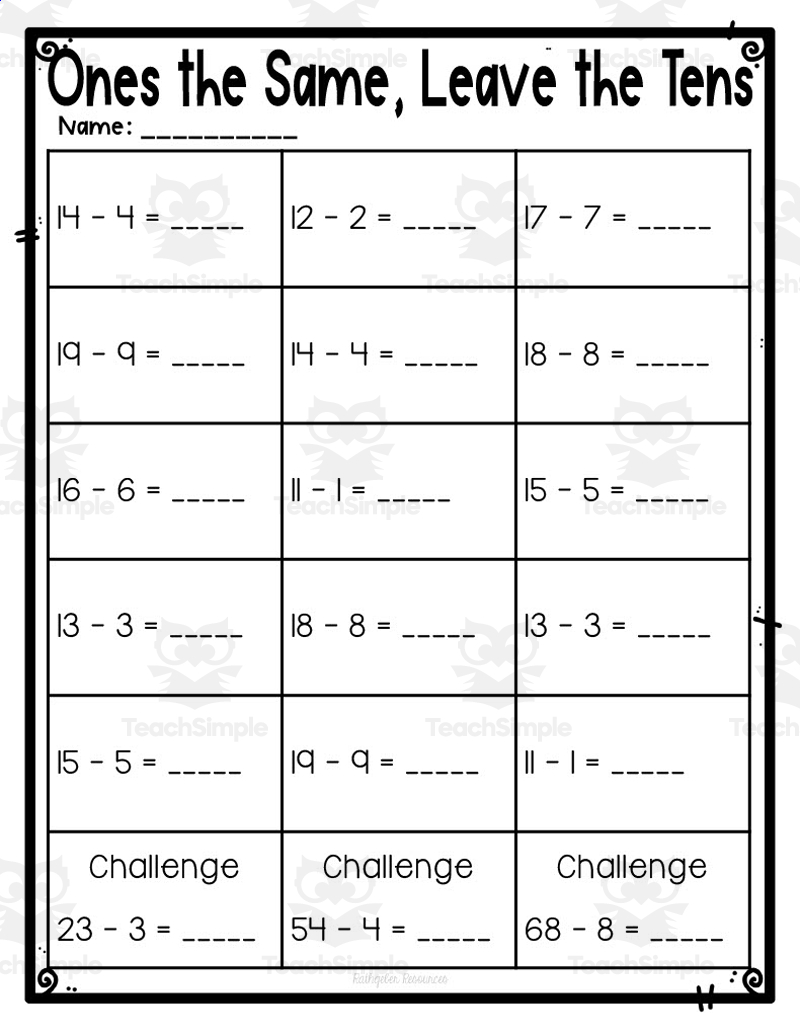
Set of worksheets covering different mental-math strategies for subtraction (e.g. subtracting half, subtracting nine).

A review packet covering Algebra 1 topics (distributive property, exponential growth/decay, exponents, probability, systems of equations/word problems, right triangles) to prepare students for a final exam.
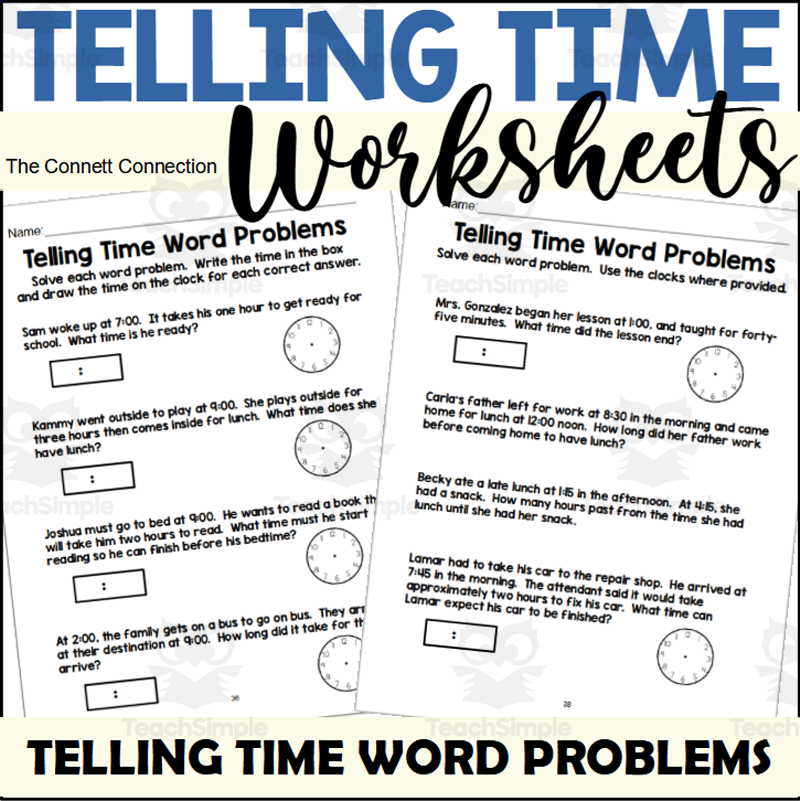
Analog time vocabulary opens the packet, defining o'clock, half past, quarter past, and quarter to with worked examples before moving into matching pages where students draw lines connecting spoken time phrases to analog clock faces and digital times. A dedicated page has students label seven daily activities, such as sunrise and lunchtime, with AM or PM based on the given time. The bulk of the resource is sixteen elapsed-time word problems spread across several pages, asking students to find a start time, end time, or duration from everyday scenarios like getting ready for school, running errands, and doctor's appointments, with a blank box provided to write each answer. Later problems increase in difficulty, moving from round numbers like nine o'clock plus three hours to less even calculations such as 8:28 versus a 9:00 arrival time or a 48-minute GPS estimate against a 10:15 appointment.
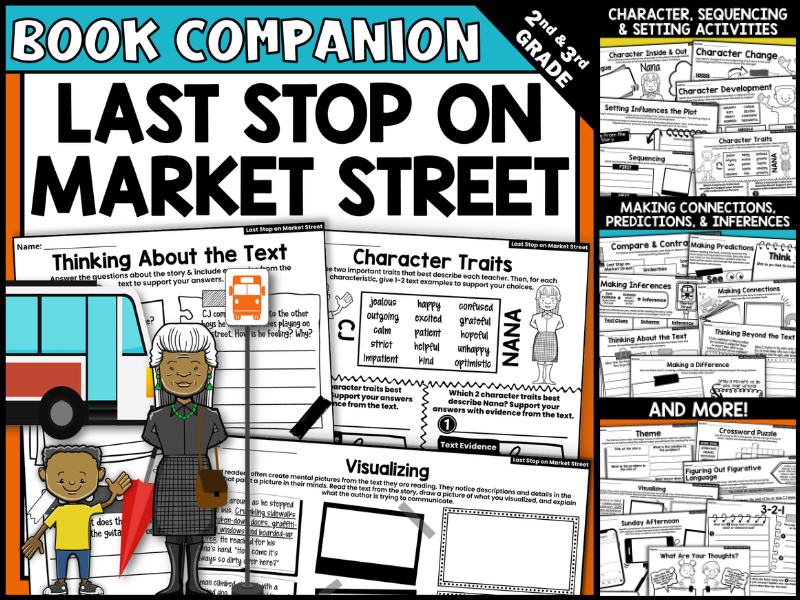
Complete a wide range of activities tied to the book: make predictions, fill in story-element boxes, sequence and illustrate events, write a summary using a Somebody/Wanted/Because/But/So organizer, sort story events by category, make text connections, analyze problem/solution, interpret figurative language, make inferences, visualize…
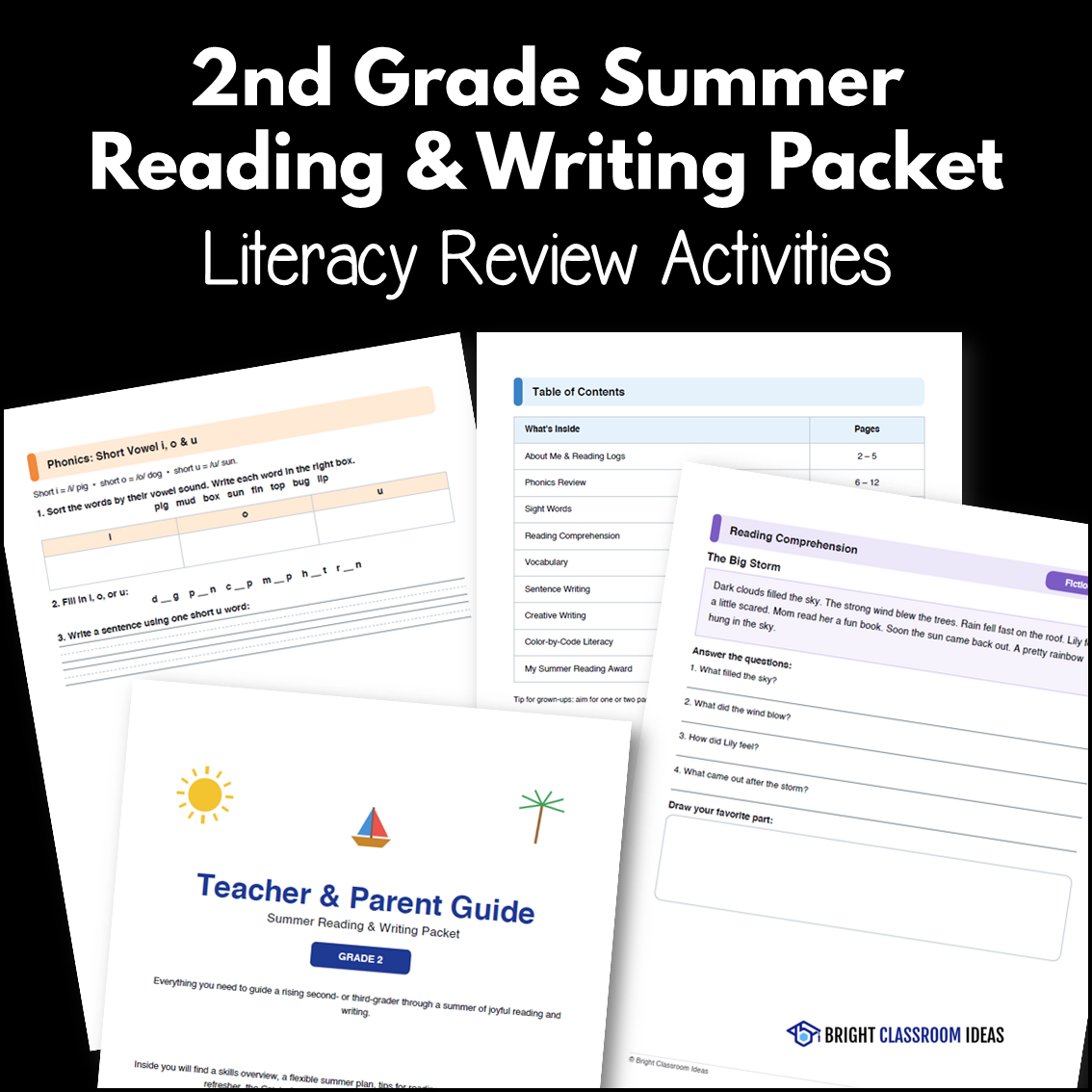
A 50-page print-and-go summer literacy review packet for students finishing 2nd grade / entering 3rd grade, covering phonics, sight words, reading comprehension, vocabulary, sentence writing, and creative writing to help prevent summer learning loss.