Cycling of Matter in Ecosystems Lesson - Google Slides and Distance Learning
Teach the water (hydrologic), carbon, nitrogen, and phosphorus biogeochemical cycles in ecosystems through a guided-notes slide presentation with linked videos.
6,649 resources
Explore sub-categories
104 sub-categories · 6,649 resources
Teach the water (hydrologic), carbon, nitrogen, and phosphorus biogeochemical cycles in ecosystems through a guided-notes slide presentation with linked videos.
First Grade Sight Words O to S Worksheet
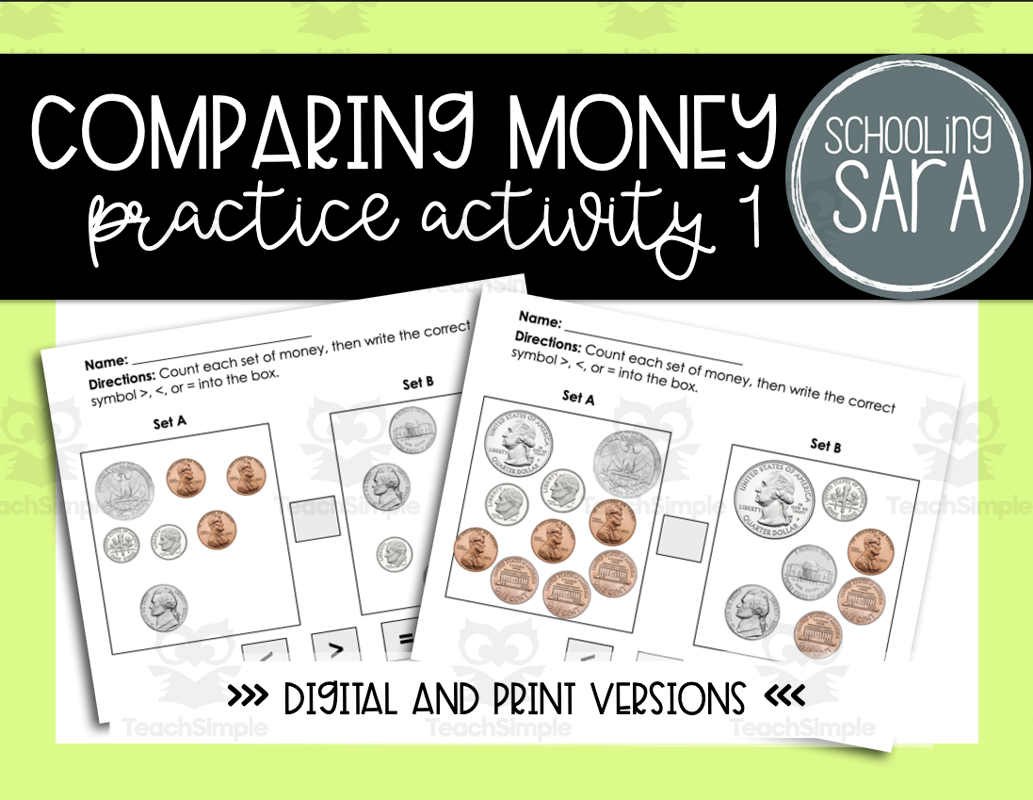
Money-math practice for comparing mixed denominations of coins and bills for students in grades 2-4.
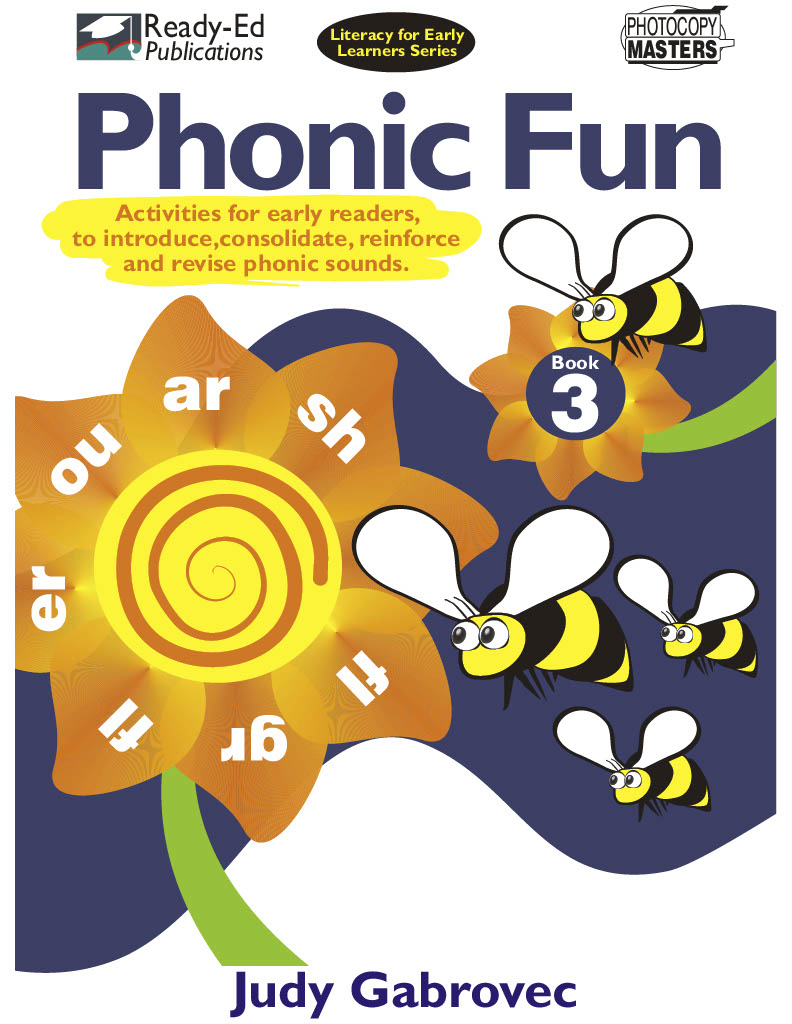
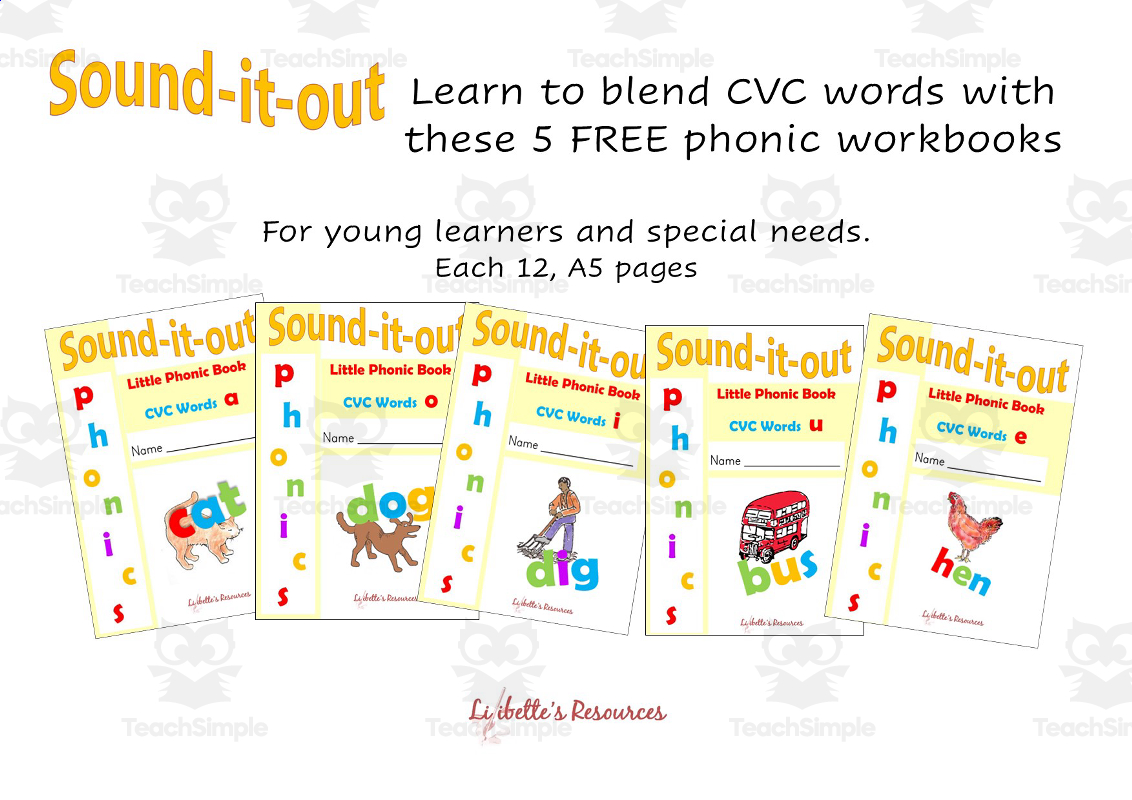
Book 3 of a phonics activity series (Ready-Ed Publications' 'Literacy for Early Learners') that introduces, practices, and reinforces the most advanced set of phonic sounds/blends in the series for early readers through varied worksheet activities.
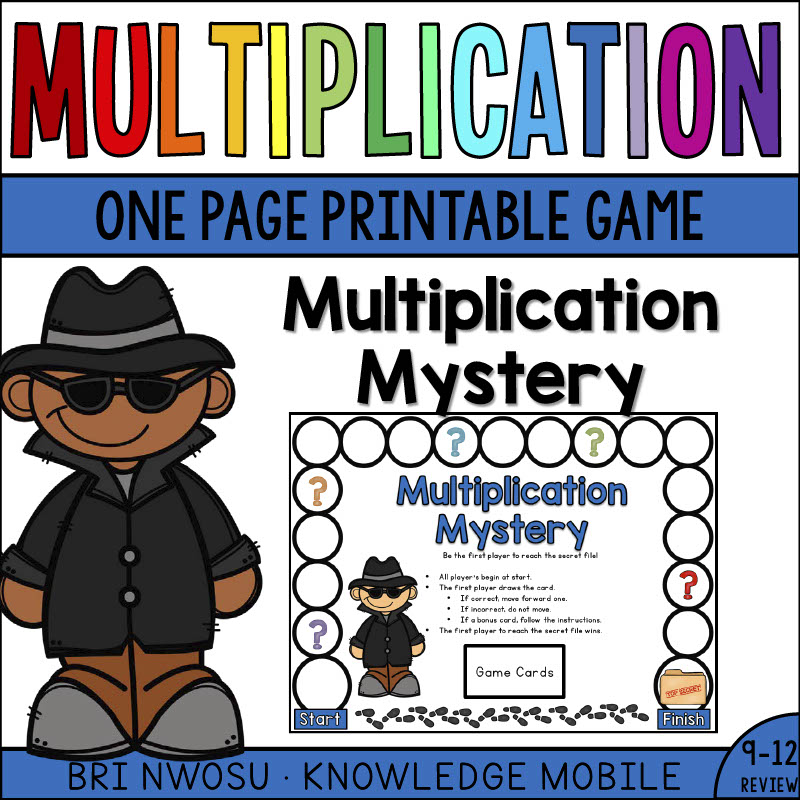
A one-page, self-checking printable board game ("Multiplication Mystery") giving students repeated, mixed practice with multiplication facts for the 9, 10, 11, and 12 times tables, to build recall fluency.
A set of no-prep printable worksheets for practicing adding and subtracting fractions with unlike denominators using the least common denominator method.
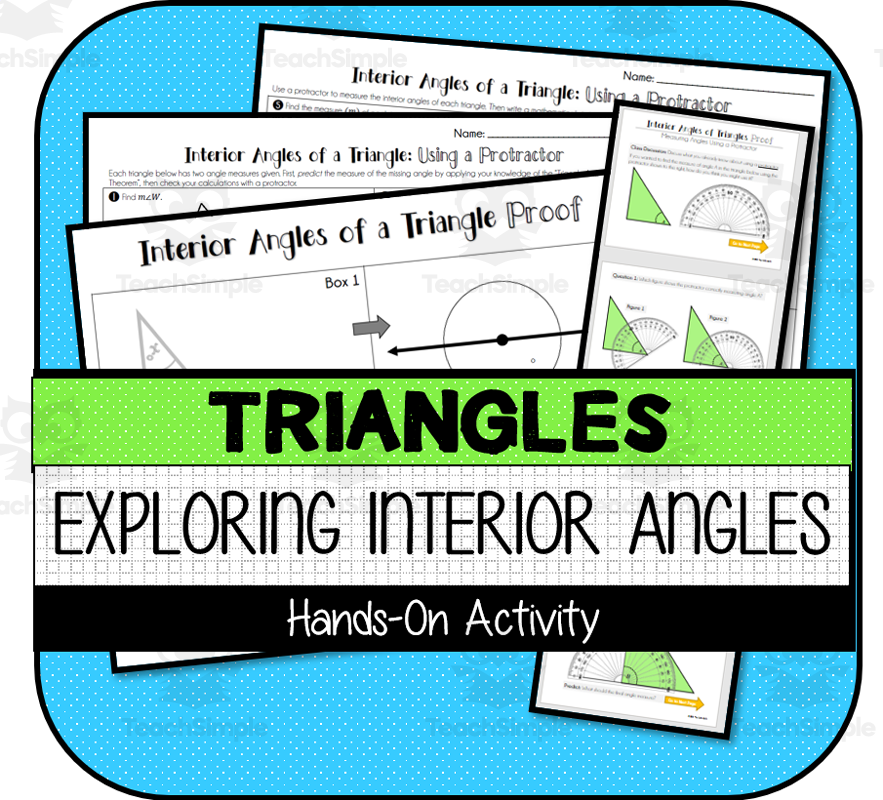
Provide a hands-on, cut-and-paste discovery activity proving the Triangle Angle Sum Theorem (that a triangle's interior angles sum to 180 degrees), partially addressing CCSS.MATH.CONTENT.7.G.A.2, followed by protractor-based angle measurement practice.
Use a triangle’s base and height to calculate its area. A formula reference accompanies four labeled diagrams, with blank area-response lines. Before calculating, ask students to identify the measurements they need and name the unit that belongs with the final area.
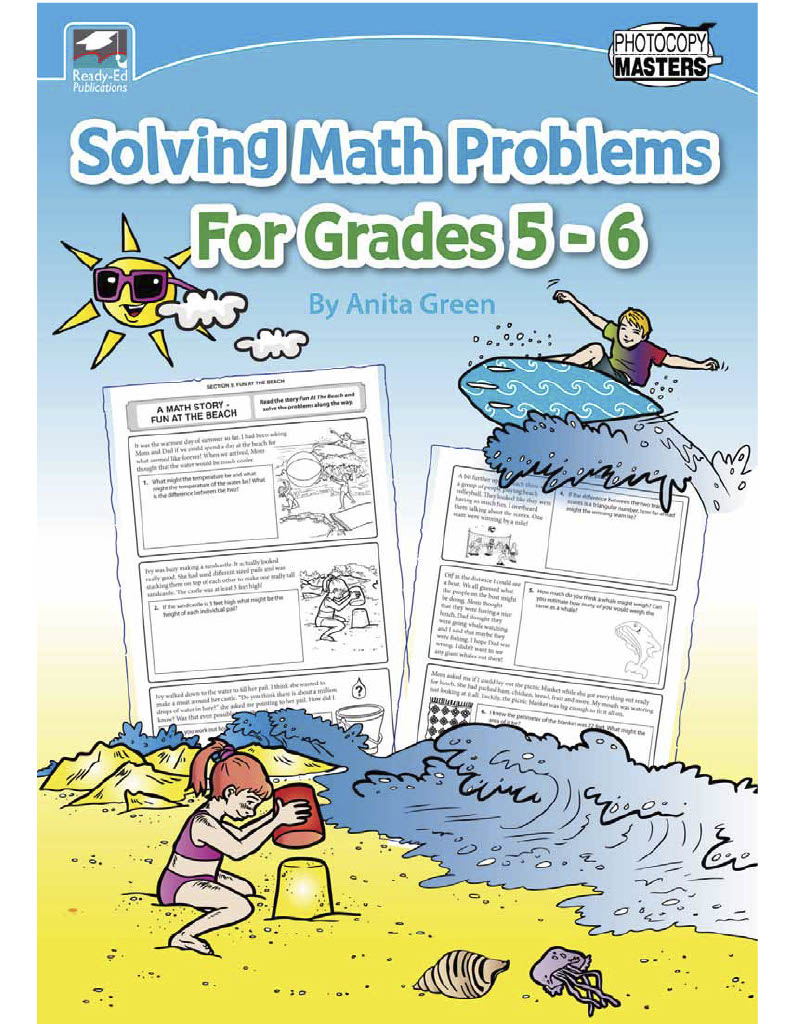
Read a short math story/scenario, then solve an open-ended problem, with optional support and extension questions, and complete related activity pages (e.g. long jump results, fraction blocks, temperature data, area and perimeter).
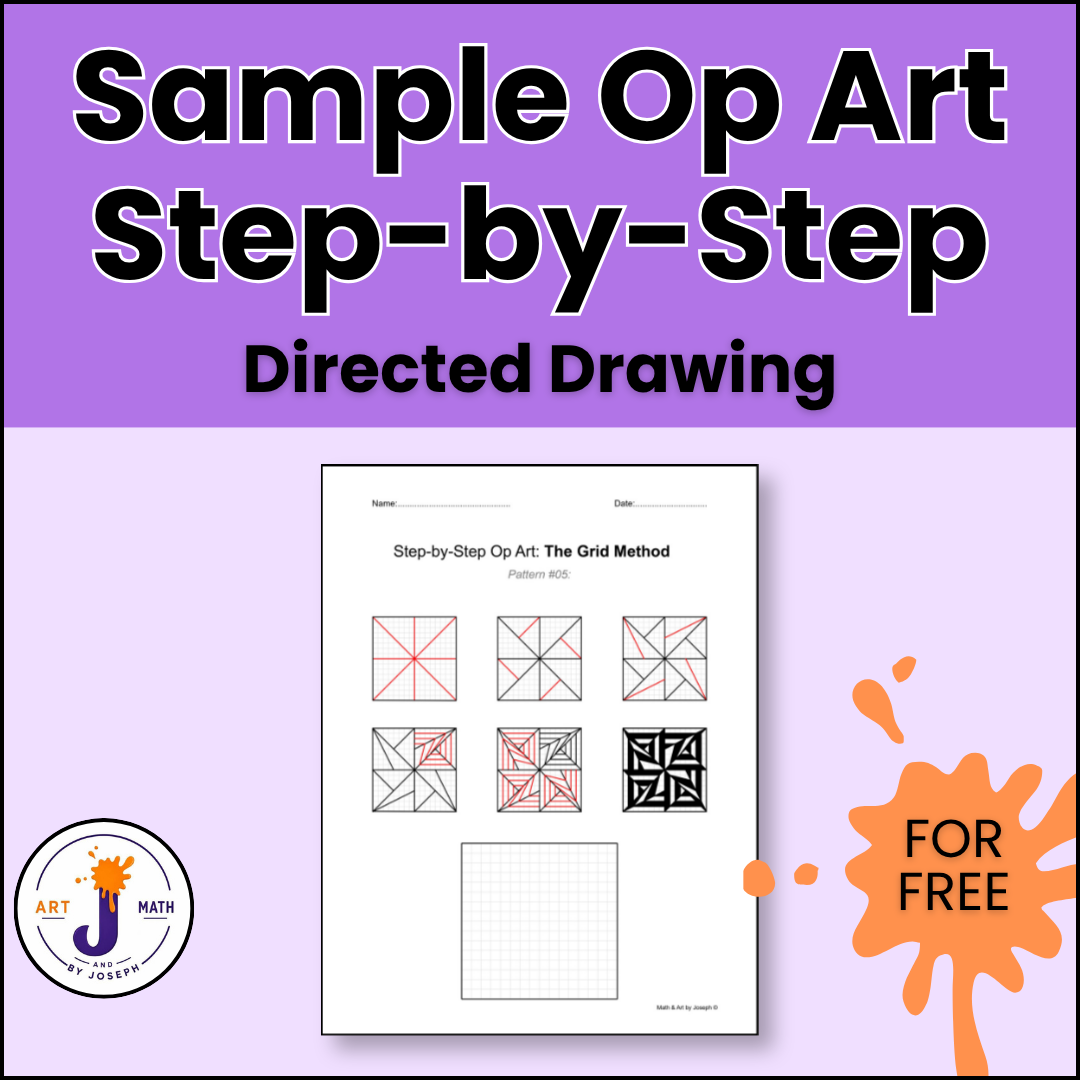
Use a grid to replicate/draw a given Op Art pattern (Pattern #05) step by step.
The sentence context helps students decide which beginning blend fits each incomplete word. They can read the remaining letters with each option, then check whether the resulting word makes sense. One sentence contains two incomplete words, so students need to attend to every blank rather than assume there is only one per item.
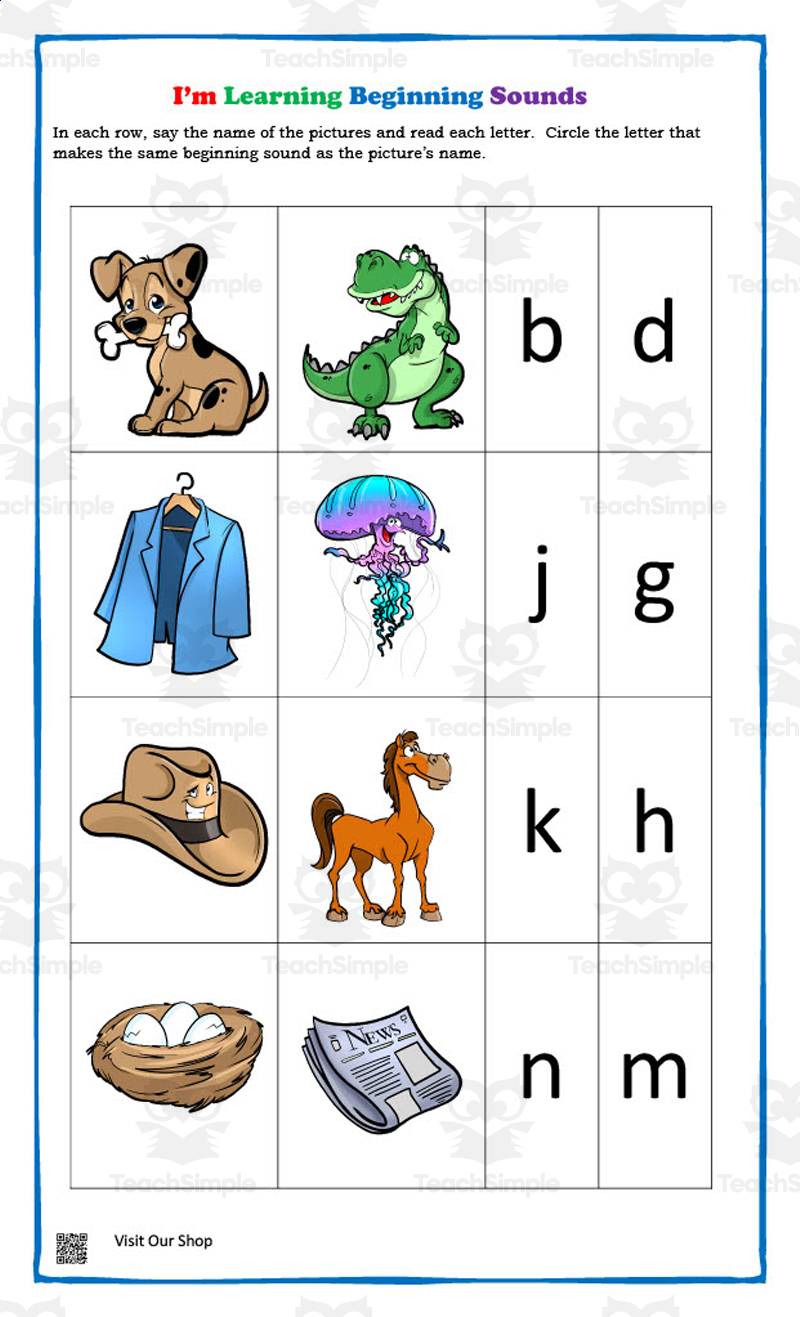
Say the name of each pictured item in a row, then circle the letter that matches its beginning sound.
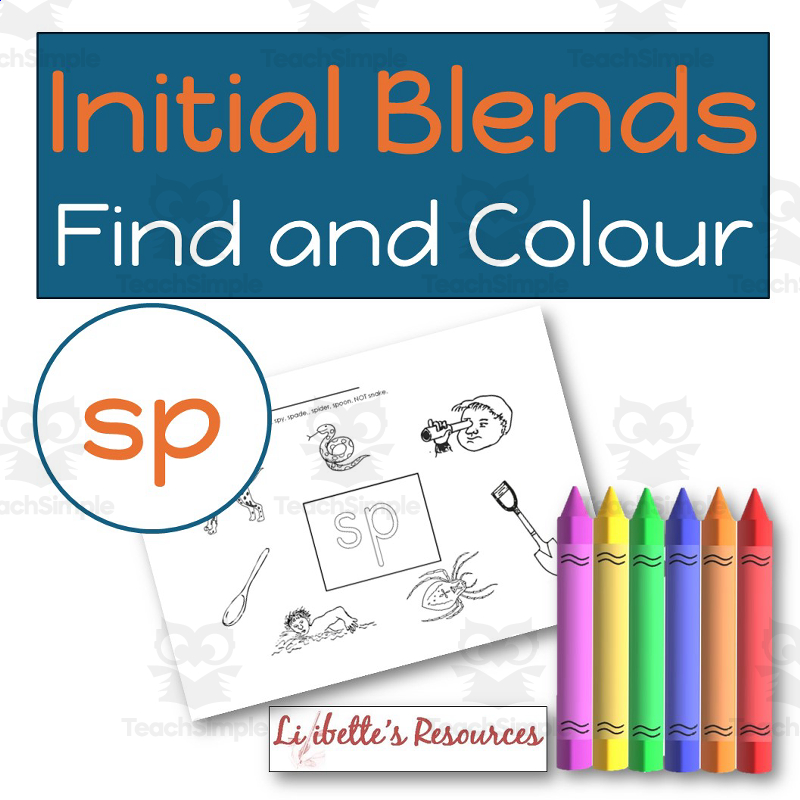
Find and color pictures whose words begin with SP.
Trace, read, spell, and draw CVC words (e.g. cat, mat, rat, hat, has, had), find and colour pictures matching a target word ending, write words under pictures, and read simple decodable sentences built from the practiced words.
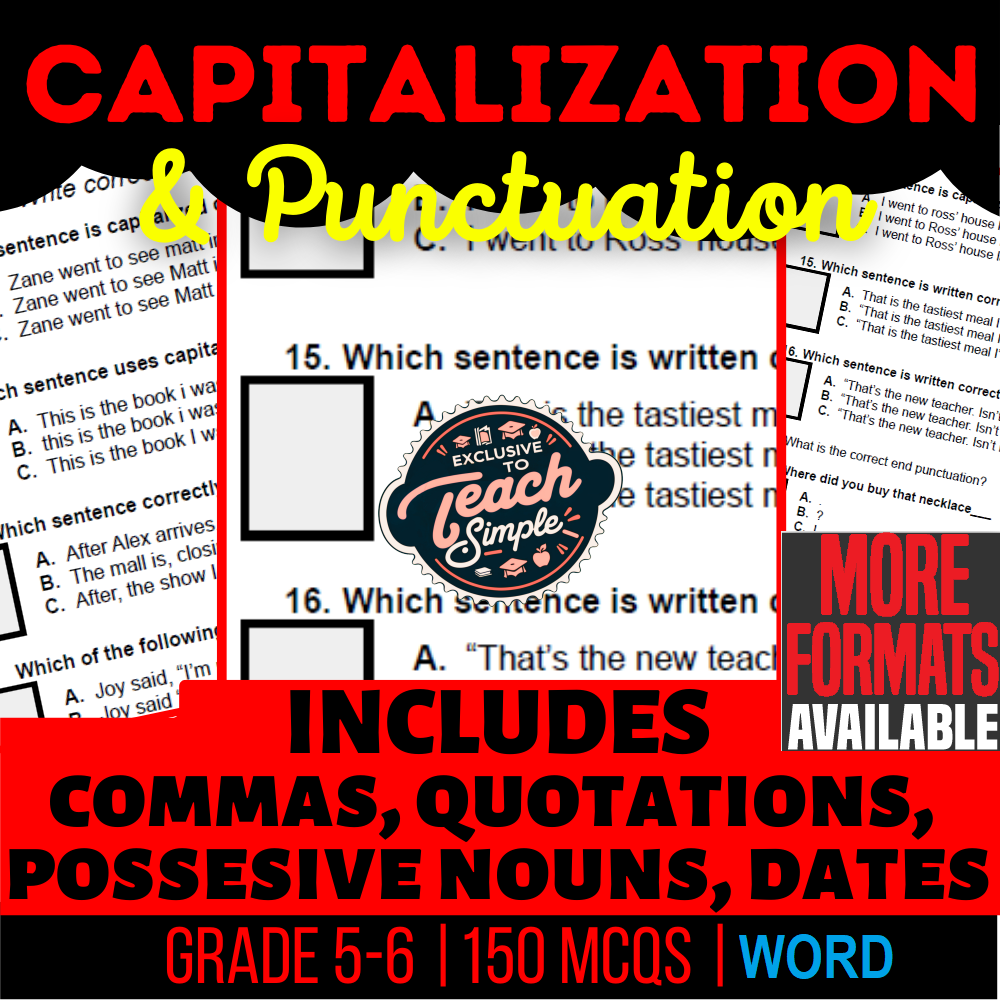
Read a review sheet of capitalization/punctuation rules with examples, then complete 6 multiple-choice worksheets choosing/identifying correctly punctuated and capitalized sentences, then check answers against the provided answer section.
Owl themed clock labels (o'clock, quarter past, half past, quarter to, 5-minute increment labels) plus black-and-white worksheets for classroom time-telling decor and practice.
A dice-roll creative-writing game ('Roll With It!') that prompts young students to invent a story by rolling a die to pick characters, setting, and a sequence of plot events, plus matching writing paper.
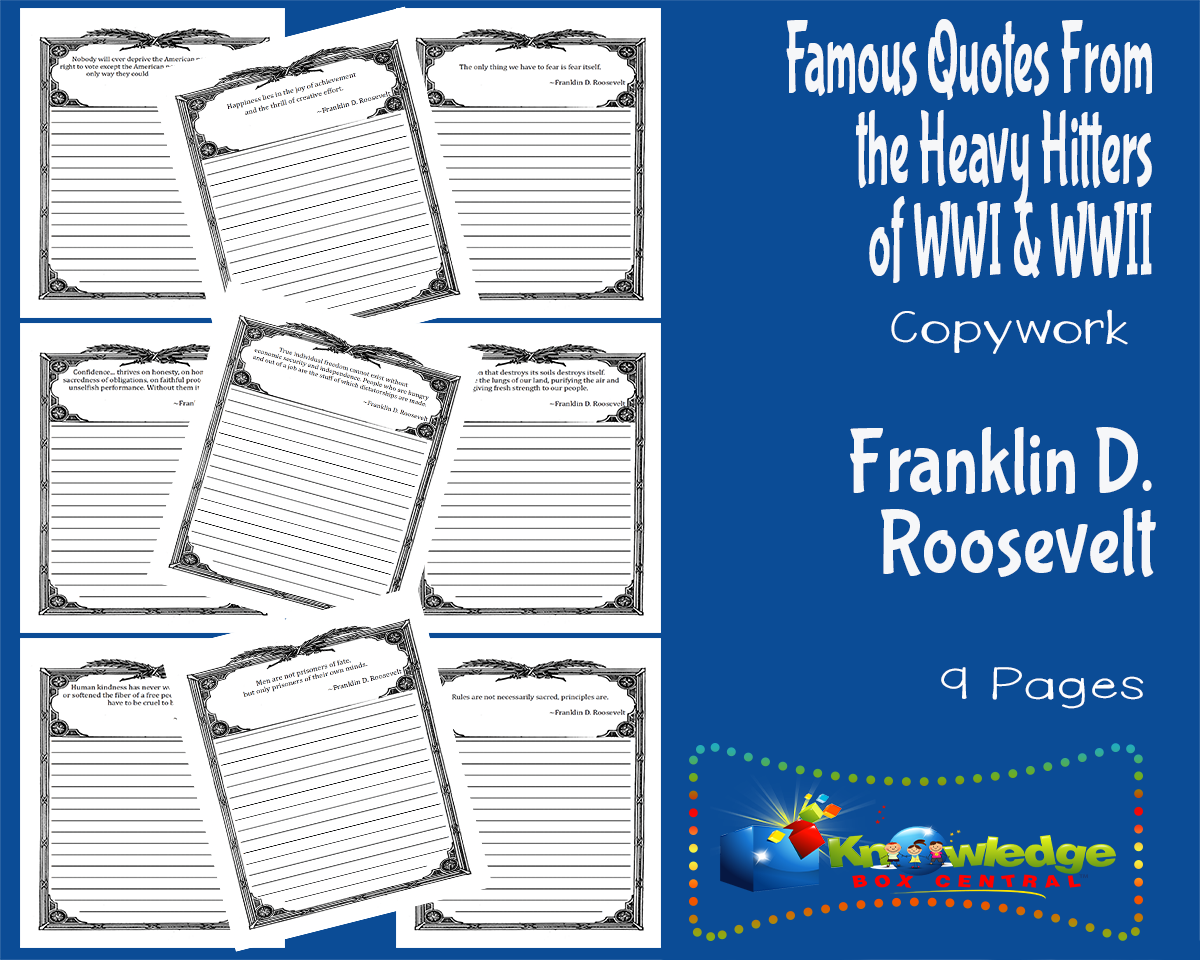
Cursive/handwriting copywork book using quotes from Franklin D. Roosevelt to build penmanship, spelling, vocabulary, and punctuation skills while introducing WWI/WWII history.
Students connect multiplication and division by writing four related facts from each number triple. A modeled family introduces the given-number tasks before an open page asks learners to select their own three related numbers. Use the student-created families for partner checking, asking students to explain how multiplication verifies the corresponding division facts.
Students gather biographical facts about Rembrandt (birth, family, residences, achievements) on a research organizer worksheet, complete an illustration activity, then draft a 5-paragraph MLA-formatted essay (intro with thesis, early-life paragraph, achievements/legacy paragraphs, conclusion, works cited page), using…
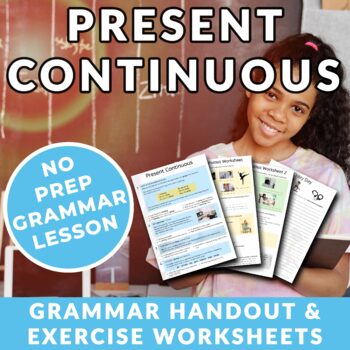
An ESL/ELL grammar resource that explains and drills the present continuous tense (form, use, and common contexts) through an explanation page followed by three practice worksheets.
Students look up the population of each of 11 named state capitals via a provided website link, fill in a chart and round each population to the nearest ten thousand, then answer 8 worksheet questions (ordering populations, comparing sizes, identifying place-value digits, writing numbers in expanded form) plus 4…
Students factor single-variable expressions first, then work with expressions involving two variables. Each page supplies a bank of polynomial factors to match, so students must connect their algebraic working with a letter choice. The PDF includes worked answers and access to the Google Slides version, giving you options for print or digital practice.
For 4 graphed quadratic functions and 4 quadratic equations, determine domain, range, x- and y-intercepts, vertex, increasing/decreasing intervals, and end behavior, showing scratch work as needed.