resources by type
resources by grade
resources by subject
other resources

2,865 products added recently

Page 6 - Worksheets by Subject

Streamline your lesson planning with worksheets sorted by subject area. Whether you need resources for math, science, language arts, or more, these collections make it simple to find what you're looking for. Use them to provide focused practice and reinforce key concepts.

Relevant
alt down
Any Time
alt down
filter by
alt down
All File Types
alt down
filter nav Show filters
Sort by: Relevant
CLEAR
resources by type
Activities
down arrow
Classroom Decor
down arrow
Teacher Tools
down arrow
Worksheets & Printables
up arrow
Drawing Templates & Outlines
Flashcards
Novel Studies
Parts of and Anatomy of
Task Cards
Word Problems
Writing Prompts
Worksheets
up arrow
Coloring Pages
Crosswords Puzzles
Dot To Dots
Mazes
Word Searches
Workbooks
resources by grade
Early Learning
down arrow
Pre-K
down arrow
Elementary
down arrow
Middle School
down arrow
High School
down arrow
Adult Education
Not Grade Specific
resources by subject
Creative Arts
down arrow
ELA
down arrow
Holiday & Seasonal
down arrow
Life Studies
down arrow
Math
down arrow
P.E. & Health
down arrow
Social Studies
down arrow
Special Resources
down arrow
Science
down arrow
Foreign Languages
down arrow
Resources for Teachers
down arrow
other resources
Common Core
Homeschool Resources
down arrow
Montessori
Research
STEM
Sentence Structure Practice Questions - Grammar Grade 5-6 (Docs)

Sentence Structure Practice Questions - Grammar Grade 5-6 (Docs)
ELA, Language Development, ESL, Grammar, Common Core, Resources for Teachers, Grade 5, 6, 7, Worksheets & Printables, Worksheets, Quizzes and Tests, Teacher Tools, Tests, Assessments, Centers, Activities

Sentence Structure Grammar Practice MCQS ELA MCQS Overview: In this series of lessons, students will embark on an engaging journey to master the language arts skills that make communication effective and expressive. These lessons are designed to help students recognize, understand, and apply key grammar, vocabulary, and writing conventions in both their writing and speech. Each lesson builds upon the previous one, providing a structured blend of direct instruction, interactive group activities, and independent practice. With engaging tasks and thought-provoking questions, students will explore sentence structure, word choice, punctuation, and grammar rules to strengthen their understanding of English language conventions. Accompanied by free supplementary materials covering all topics, this series ensures a well-rounded and enjoyable learning experience. Through practice and exploration, students will develop the skills needed to analyze language, construct clear sentences, and express themselves with confidence. Sentence Structure Overview: Sentences Clauses Phrases Predicates Additional Practice Docs Version This is the Docs editable and fillable version. This download is available in GOOGLE Docs, GOOGLE Forms, GOOGLE Slides. PDF, PPT, WORD, check the links below for more details. FULL CATALOG OF DOWNLOAD LINKS HERE Grade 5/6 Links: Capitalization & Punctuation Google Docs Google Forms Google Slides PDF PPT Word Free Supplementary Materials Pack Adjectives Google Docs Google Forms Google Slides PDF PPT Word Free Supplementary Materials Pack Nouns Google Docs Google Forms Google Slides PDF PPT Word Free Supplementary Materials Pack Pronouns Google Docs Google Forms Google Slides PDF PPT Word Free Supplementary Materials Pack Verbs Google Docs Google Forms Google Slides PDF PPT Word Free Supplementary Materials Pack Prefixes & Suffixes Google Docs Google Forms Google Slides PDF PPT Word Free Supplementary Materials Pack Sentence Structure Google Docs Google Forms Google Slides PDF PPT Word Free Supplementary Materials Pack Subject Verb Agreement Google Docs Google Forms Google Slides PDF PPT Word Free Supplementary Materials Pack Tenses Google Docs Google Forms Google Slides PDF PPT Word Free Supplementary Materials Pack Context Clues Google Docs Google Forms Google Slides PDF PPT Word Free Supplementary Materials Pack Defining Words Google Docs Google Forms Google Slides PDF PPT Word Free Supplementary Materials Pack Fill in the Blanks Google Docs Google Forms Google Slides PDF PPT Word Free Supplementary Materials Pack Homophones Google Docs Google Forms Google Slides PDF PPT Word Free Supplementary Materials Pack Synonyms Google Docs Google Forms Google Slides PDF PPT Word Free Supplementary Materials Pack ELA Review Questions Overview Questions have three answer choices. There are a handful of pictures on each test for aesthetic purposes, as well as a review sheet covering most of the topics covered in the product. Introduction or Example Sheet Each topic will include an introduction or example sheet to go through first with your students. Full Answer Keys Full answer keys and sample responses are provided so no matter how busy you are, you know you're covered! In the Supplementary Pack Interactive Ice Breakers: Engaging warm-up activities that introduce students to key ELA concepts, such as quick capitalization corrections and punctuation challenges. Guided Practice: Structured teacher-led exercises that reinforce grammar and punctuation rules, helping students identify and apply them correctly in sentences. Group and Partner Tasks: Collaborative activities where students work together to edit sentences, correct capitalization, and improve punctuation through peer discussion and teamwork. Independent Worksheets: Carefully designed worksheets that provide focused practice, allowing students to apply learned concepts and refine their skills independently. Exit Tasks: Quick assessments at the end of each lesson, prompting students to reflect on what they’ve learned and apply their knowledge in writing and editing tasks. For More Like This For similar downloads and other frees, do check out Cored Group on TeachSimple.

Author Cored Education

Tags Elementary, Answers, Ccss, Common Core, Grammar, Tests, Test Prep, Grade 5, Grade 6, Digital Centers

Guided Reading Level B: Soccer - The World's Game
Free Download

Guided Reading Level B: Soccer - The World's Game
ELA, Resources for Teachers, Reading Comprehension, Reading, Language Development, Pre-Reading, Vocabulary, Sports, P.E. & Health, Physical Education, Kindergarten, Preschool, Grade 1, Worksheets & Printables, Worksheets, Teacher Tools, Centers, Activities, Literacy Readers, Quizzes, Quizzes and Tests, Assessments

This Guided Reading Book - Soccer: The World's Game (Level B) includes: Guided Reading Color Label (front cover x1) This is a quick way to match the book’s demands to what students can generally handle.. The overall goal is to use the level/color to pick books for several smaller groups. To qualify for a certain level, a student is expected to read a book from that level with about 90–94% accuracy. If a student is consistently accurate and understands, move up a level. If the student is struggling at that level, drop down and add more support. Each student will improve at completely different rates, but it is generally one of the best ways to check progress across the class. DOWNLOAD THE CATALOG TO VIEW ALL GUIDED READING BOOKS AVAILABLE (SORTED LEVELS A-Z) Pre-Reading Question (x1) Teacher asks the prompt aloud, can be while showing the cover or first page. Students share what they already know, or make educated guesses from the cover. Prompt them to use the target vocabulary. Write some of their responses on the board to look back at during the reading. Vocabulary Words (x5) Introduce the five words, best doing it one at a time. Start by saying it, while students repeat and then see if anyone knows what it means before reading further. Read through the meaning and try to briefly connect each word to a picture or gesture so it’s meaningful. Ask students to flip through the book pages and point to where they see each of the vocabulary words. While reading the book pause upon coming across one of the vocab words or read the sentence twice to make sure students understand the word has appeared. Optional: Ask students to raise hands whenever they see/hear one of the new words. Guided Reading Pages (x10) Check the book snapshot (below) for: primary topic - do you need to prep extra reading or intro materials on this? what is taught best - decide on 1-2 bullets to focus on, use the prompt or words provided here for best results. learning goals - what you are checking for students to be able to do after the session, elicit answers using prompts or words provided. key vocabulary (see section above). questions overview - so you know what is coming up and if you need to prep extra materials to assist understanding. Run the lesson You may have already looked at a few of the pages together, but you can show them some of the pictures again first to set meaning. Depending on how much time you have and how familiar your students are with guided reading class, you may want to read the book aloud first with the group first. Students whisper or partner read, while you listen in. If time, do it as a group, one student reading a page each. Use the guided page’s prompts to coach: “Check the picture / does it make sense?” “Point under the words / try the first sound” “Reread the sentence smoothly”. Try to focus more on one student per session (rotating every time), so you can work out if they are ready to move up or need to move down a level. Comprehension Questions (back cover x3) This is your way to check that students didn’t just say the words, but actually understood the text. First, let students answer by pointing to the page/picture and saying a short sentence. After any answer, follow with: “Show me where you found that in the text.” In bigger groups, have partners answer first (10–20 seconds), then call on 2–3 students to share. Differentiation tips: Emerging speakers/struggling readers: oral + pointing On-level: oral in a full sentence Higher: one written sentence or draw + label Book Snapshot Title: Soccer: The World’s Game Genre: Nonfiction (concept book) Subject: Reading / Health & PE Primary Topic: Soccer words for people, places, and gear Estimated Guided Reading Level (A–Z): B What This Book Teaches Best Builds sports vocabulary by naming soccer-related nouns (ball, field, goal, team, trophy). Introduces soccer roles and equipment with clear, repetitive labels (player, goalie, cleats, jersey, whistle). Supports early print concepts by pairing a short phrase with each picture (“The ____.”). Strengthens categorizing skills by noticing items that belong to the same topic (soccer). Learning Goals Students will identify the topic of the book as soccer. Students will name at least three soccer things the book labels. Students will identify two soccer people named in the book (player, goalie). Students will retell the book by naming the items in order from the pages. Students will match key words from the text to the correct picture (e.g., goal, jersey, trophy). Key Vocabulary From the Text cleats — shoes with bumps that help you grip. goalie — player who protects the goal. jersey — shirt a player wears. whistle — tool that makes a loud sound. trophy — prize you win. Discussion Prompts Pre-reading question: What soccer things do you think this book will name? Comprehension questions: What is the first thing named in the book? Name one person named in the book. What is the last thing named in the book? Printing Tips 1. Best Printing Method (Recommended) “Booklet” Printing (Best if Available) If your printer or PDF viewer supports Booklet Printing , use this. Settings to use: Print mode: Booklet Paper size: Letter or A4 (either works) Orientation: Landscape Print on both sides: Yes Flip on: Short edge Scaling: Fit to printable area Booklet subset: First test: Front sides only Then: Back sides only This will automatically: Pair pages correctly Put the cover on the outside Align everything for folding After printing, fold in half and staple along the spine . 2. If “Booklet” Printing Is NOT Available You can still print this correctly with manual duplex printing . Step-by-step: Open the PDF. Choose Print . Set: Orientation: Landscape Pages per sheet: 1 Print on both sides: Yes Flip on: Short edge Print all pages . Because each PDF page already contains two facing book pages, the result will still fold cleanly into a book. Thousands of Cored Education products are included with your TeachSimple membership. Download links and encyclopedia index available here.

Author Cored Education

Rating

Tags Vocabulary, Reading Comprehension, Reading Passages, Leveled Reading, Nonfiction, Reading, Guided Reading, P.E., Sports, Soccer

Discovering India: Guided Reading Level Q with Lesson Plan

Discovering India: Guided Reading Level Q with Lesson Plan
ELA, Resources for Teachers, Reading Comprehension, Reading, Science, Geography, Social Studies, Technology, History, Life Sciences, Grade 3, 4, 5, Worksheets & Printables, Worksheets, Teacher Tools, Centers, Activities, Literacy Readers, Quizzes, Quizzes and Tests, Assessments, Lesson Plans

This Discovering India (level q) guided reading book with lesson plan includes: Guided Reading Color Label (front cover x1) This is a quick way to match the book’s demands to what students can generally handle.. The overall goal is to use the level/color to pick books for several smaller groups. To qualify for a certain level, a student is expected to read a book from that level with about 90–94% accuracy. If a student is consistently accurate and understands, move up a level. If the student is struggling at that level, drop down and add more support. Each student will improve at completely different rates, but it is generally one of the best ways to check progress across the class. DOWNLOAD THE CATALOG TO VIEW ALL GUIDED READING BOOKS AVAILABLE (SORTED LEVELS A-Z) Pre-Reading Question (x1) Teacher asks the prompt aloud, can be while showing the cover or first page. Students share what they already know, or make educated guesses from the cover. Prompt them to use the target vocabulary. Write some of their responses on the board to look back at during the reading. Vocabulary Words (x5) Introduce the five words, best doing it one at a time. Start by saying it, while students repeat and then see if anyone knows what it means before reading further. Read through the meaning and try to briefly connect each word to a picture or gesture so it’s meaningful. Ask students to flip through the book pages and point to where they see each of the vocabulary words. While reading the book pause upon coming across one of the vocab words or read the sentence twice to make sure students understand the word has appeared. Optional: Ask students to raise hands whenever they see/hear one of the new words. Guided Reading Pages (x10) Check the book snapshot (below) for: primary topic - do you need to prep extra reading or intro materials on this? what is taught best - decide on 1-2 bullets to focus on, use the prompt or words provided here for best results. learning goals - what you are checking for students to be able to do after the session, elicit answers using prompts or words provided. key vocabulary (see section above). questions overview - so you know what is coming up and if you need to prep extra materials to assist understanding. Run the lesson You may have already looked at a few of the pages together, but you can show them some of the pictures again first to set meaning. Depending on how much time you have and how familiar your students are with guided reading class, you may want to read the book aloud first with the group first. Students whisper or partner read, while you listen in. If time, do it as a group, one student reading a page each. Use the guided page’s prompts to coach: “Check the picture / does it make sense?” “Point under the words / try the first sound” “Reread the sentence smoothly”. Try to focus more on one student per session (rotating every time), so you can work out if they are ready to move up or need to move down a level. Comprehension Questions (back cover x3) This is your way to check that students didn’t just say the words, but actually understood the text. First, let students answer by pointing to the page/picture and saying a short sentence. After any answer, follow with: “Show me where you found that in the text.” In bigger groups, have partners answer first (10–20 seconds), then call on 2–3 students to share. Differentiation tips: Emerging speakers/struggling readers: oral + pointing On-level: oral in a full sentence Higher: one written sentence or draw + label Book Snapshot Title: Discovering India Genre: Nonfiction Subject: Social Studies (Geography/Culture) Primary Topic: India’s land, wildlife, traditions, and modern life Estimated Guided Reading Level (A–Z): Q What This Book Teaches Best Key geography facts about India’s location in Southern Asia, nearby borders, and surrounding waters. How landforms shape life in India, including the Himalayan Mountains and the Ganges River. Notable wildlife of India through examples like the Bengal tiger and the Indian elephant. Cultural traditions and everyday life, including spices used in meals and the celebration of Diwali. Modern India today, including transportation (auto-rickshaws) and major cities connected to technology and innovation. Learning Goals Students will describe where India is located and name details about its borders and southern waters. Students will explain how the Himalayan Mountains are described as protecting the inner plains. Students will explain why the Ganges River is important to people and farming in northern India. Students will describe key traits of the Bengal tiger and the Indian elephant using details from the text. Students will identify facts about the Taj Mahal, including where it is and features described in the book. Students will describe examples of Indian culture and modern life mentioned in the text (foods/spices, Diwali, transportation, cities). Key Vocabulary From the Text vast — very large in size. significant — very important. distinctive — easy to notice because it looks different. minarets — tall towers on a monument. diyas — small clay lamps used during Diwali. Discussion Prompts Pre-reading question: What are you hoping to learn about India as you read? Comprehension questions: What warm waters does the text say surround India to the south? Comprehension questions: According to the text, why is the Ganges River essential? Comprehension questions: What does the text say diyas symbolize during Diwali? Printing Tips 1. Best Printing Method (Recommended) “Booklet” Printing (Best if Available) If your printer or PDF viewer supports Booklet Printing , use this. Settings to use: Print mode: Booklet Paper size: Letter or A4 (either works) Orientation: Landscape Print on both sides: Yes Flip on: Short edge Scaling: Fit to printable area Booklet subset: First test: Front sides only Then: Back sides only This will automatically: Pair pages correctly Put the cover on the outside Align everything for folding After printing, fold in half and staple along the spine . 2. If “Booklet” Printing Is NOT Available You can still print this correctly with manual duplex printing . Step-by-step: Open the PDF. Choose Print . Set: Orientation: Landscape Pages per sheet: 1 Print on both sides: Yes Flip on: Short edge Print all pages . Because each PDF page already contains two facing book pages, the result will still fold cleanly into a book. Thousands of Cored Education products are included with your TeachSimple membership. Download links and encyclopedia index available here.

Author Cored Education

Rating

Tags Reading Comprehension, Reading Passages, Reading, Guided Reading, Guided Reading Lesson Plan, Guided Reading Activity, Pre-reading, Social Studies, Geography, History

Gliders Reading Comprehension Passage - Cored Ed Encyclopedia

Gliders Reading Comprehension Passage - Cored Ed Encyclopedia
ELA, Reading Comprehension, Reading, Science, Technology, Pre-Reading, Language Development, Physics, History, Social Studies, Grade 2, 3, 4, 5, Worksheets & Printables, Worksheets, Teacher Tools, Centers, Activities, Writing Prompts, Assessments, Quizzes and Tests, Quizzes, Lesson Plans

This gliders reading comprehension with lesson plan includes: Visualization (on the front cover) Start your lesson by taking a minute to think and share something about the topic. Read the script aloud (slowly), perhaps prepare some music or sound effects. Student close their eyes and let their imaginations wander. Students open their eyes, read the question aloud and give them a few minutes to complete. Ask a few students to share or keep answers until the end to compare with what they learn in the passage. Quick pause—thousands of Cored Education products are included with your TeachSimple membership. Download links and encyclopedia index available here. Pre-Reading Trivia Students will write down one thing they already know about the subject and then read five more facts and discuss. These facts are fun, and the students will enjoy learning about the subject before reading more. Give 1 minute for students to write what they already know (no pressure—best guess is fine). Read the five facts together. After each fact, do ask a student for their opinion, was it surprising? Set a purpose by asking students to highlight/underline one fact they want to learn more about during the reading. Reading Passage The text is a high-interest reading passage with set paragraphs, roughly three to four paragraphs long. It contains a variety of themes about the topic, anywhere from history to technology. The passage is between 250 and 350 words in length. First, ask students to look at the headings and see what they’ll learn about today. What do they know about the topic/heading? First read options: Teacher read-aloud (best for support). Partner reading (paragraph by paragraph). While reading, students underline important details, and vocabulary words they think may come up in the questions section. Mixed Questions The first question page contains four multiple-choice questions, each with a choice of four answers, and three written response questions that require a sentence or two from the student. Students complete the mcqs first independently, then review quickly as a class. For the 3 written responses, try to get students giving the answer with some form of evidence: “I think ___ because the text says ___.” If students get stuck, send them back to check the passage. Vocabulary Questions Practice seven key words from the text in this section across two activities. First section is scrambled words where students will unscramble three words given a clue for each. The second section is a word to meaning matching activity. Before starting, have some students read out words they underlined in the passage. Ask students to say the word and read aloud the sentence(s) around each word. Ask students to do scrambled words and the matching exercise in pairs then go through answers as a class. For the scrambled spelling task, get four pairs to come up to the board and write the words for extra practice with the other student reading out the clue. For the matching task, prompt students to give full sentences: “I matched ___ with ___ because ___.” Creative Writing In this question, the student will be required to write a five to eight sentence paragraph on a question related to the topic. Before starting, ask students write down 3 key ideas they are going to include in their piece. Ask students for ideas to share around the class to help those struggling. Pro writing expectations: 5–8 sentences At least 2 facts or details from the passage At least 2 vocabulary words from the previous page Students read their paragraphs while classmates listen for facts and vocabulary words. Extension Activities This page is optional for fast finishers or to take home. There are several activities, each one requiring a different skill. Do some, do none, do all, completely optional - but you will feel reassured knowing every possibility is planned for. Includes summary writting question and additional facts. Answer Key There are answers for the multiple-choice questions, written response questions have sample answers, vocabulary answers and if there is a summary question then a sample summary will be provided as well. Lesson Plan Included Customized lesson plan for this lesson is included. Lesson Snapshot Title: Gliders Genre: Nonfiction (informational text) Subject: Science (flight/engineering) Primary Topic: How gliders fly using lift and launch methods Estimated Guided Reading Level (A–Z): Q What This Lesson Teaches Best Explains what makes a glider different from a small airplane (no motor; quiet flight; “trade height for distance”). Describes how gliders get into the sky (help at the start, including being towed; later mentions aerotows and winches). Teaches how moving air helps a glider climb—especially rising warm air (“thermals”) and wind pushed upward at a ridge or hill. Shows how design features support gliding (long, narrow wings; smooth body; low drag to lose little energy). Connects gliders to early flight experiments through Otto Lilienthal’s repeated testing and “fly hill.” Learning Goals Students will describe how a glider is similar to and different from a small airplane. Students will explain how a glider usually starts flying using details from the text. Students will identify two kinds of lift described in the passage and tell how each helps a glider climb. Students will explain why long, narrow wings and low drag help a glider glide efficiently. Students will describe how gliders and launch methods changed over time, using examples from the text. Students will explain how spoilers or airbrakes help with landing safely. Key Vocabulary From the Text cockpit — where the pilot sits and reads instruments. thermals — rising columns of warm air. drag — air resistance that slows motion. aerotows — launches where an airplane tows the glider. spoilers — panels that help a glider slow down and descend. FULL CATALOG OF DOWNLOAD LINKS AND ENCYCLOPEDIA INDEX HERE

Author Cored Education

Rating

Tags Vocabulary, Reading Comprehension, Reading Passages, Lesson Plans, Ela Lesson Plans, Reading Comprehension Lesson Plans, Pre-reading, Science Lesson Plans, Physics, History

Verbs Practice Questions - Grades 1-2 Grammar (PDF)

Verbs Practice Questions - Grades 1-2 Grammar (PDF)
ELA, Language Development, ESL, Grammar, Common Core, Resources for Teachers, Grade 1, 2, Worksheets & Printables, Worksheets, Assessments, Teacher Tools, Tests, Quizzes and Tests, Quizzes, Centers, Activities

Verbs Grammar Practice MCQS: 6 lessons, 90 MCQS, 27 pages ELA MCQs Overview: This grammar resource gives students plenty of focused practice with two essential writing skills: capitalisation and punctuation. Across 10 lessons and 150 multiple-choice questions, students work through clear, manageable practice that helps them spot mistakes, improve accuracy, and build real confidence over time. The lessons are designed to feel structured without becoming dry or repetitive. Each one builds naturally on the previous lesson, giving students the chance to review, strengthen, and apply what they have learned. With a mix of direct teaching, group work, and independent practice, the resource works well for whole-class lessons, revision, homework, or extra support. Verbs Overview: Includes: Identifying Verbs Intro to Verb Tenses Past Tense Irregulars Additional Practice PDF Version This is the PDF uneditable version. This download is available in GOOGLE Docs, GOOGLE Forms, GOOGLE Slides. PDF, PPT, WORD, check the links below for more details. FULL CATALOG OF DOWNLOAD LINKS HERE ELA Review Questions Overview Each review test includes three answer choices for every question. The format is clear and easy for students to follow. A small number of pictures are included on each test to make the pages feel more welcoming and less plain. A review sheet is also included to help students go back over many of the main skills covered in the product. Introduction or Example Sheet Each topic includes an introduction or example sheet to use before students begin. This gives students a clear starting point. It also helps refresh key ideas before they move into the practice. Full Answer Keys Full answer keys are included for easy checking. Sample responses are also provided where needed. This helps save time and makes the resource easier to use, even on busy days. In the Supplementary Pack Interactive Ice Breakers: Simple hands-on activities to help students start thinking about the topic. Guided Practice: Teacher-led work that helps students build understanding before working alone. Group and Partner Tasks: Activities that encourage discussion, shared ideas, and teamwork. Independent Worksheets: Extra practice pages for students to complete by themselves. Exit Tasks: Short end-of-lesson activities to check understanding and review learning. For similar downloads and other frees, do check out Cored Group on TeachSimple.

Author Cored Education

Rating

Tags Elementary, Vocabulary, Answers, Ccss, Common Core, Grammar, Ela, Language Arts, Verbs

Mathematics Binder Covers – Templates for Classroom Use

Mathematics Binder Covers – Templates for Classroom Use
Science, STEM, Basic Science, Special Resources, Montessori, Classroom Management, Resources for Teachers, Math, Physics, Technology, Homeschool Templates, Grade 6, 7, 8, 9, Worksheets, Worksheets & Printables, Teacher Tools, Projects, Activities, Workbooks, Drawing Templates & Outlines, Templates, Graphic Organizers, Classroom Decor

Mathematics Binder Covers – Templates for Classroom Use Organize your Math handouts, notes, and units with visual clarity Simple and flexible templates to help organize your Mathematics materials In my math classes, it can be a challenge to keep things organized - especially when it comes to multiple units, lab notes, worksheets and review materials. To make it easier for my students and myself, I designed these simple binder sleeves. There are 12 different pages. The covers have a clean, colorful blob layout that is friendly but not distracting. I usually print them out and use them as cover sheets or as dividers in folders for students or teachers. They also work well for digital learning environments, e.g. as section covers in PDF files or on classroom platforms. I like that the color scheme allows students to quickly find what they are looking for, and it brings a little more structure to a subject that is often riddled with formulas and technical terms. When used as cover sheets, students can choose their favorite color for their cover sheet. This resource is handy - and has saved me a lot of time in lesson preparation and follow-up. What’s included: 12 math-themed cover pages different colors zu choose as a cover sheet as a divider between the individual Mathematics topics I've printed these on colored paper for my own binder and also used them digitally in student notebooks. Works well for both teacher organization and student-facing materials. 📍 Best wishes, Heike from Lernfitness Math teacher (Chemistry teacher, Biology teacher) in Germany Did You Know? I teach with a certified therapy dog, and together we create a positive and inspiring learning environment. 🐶✨

Author Lernfitness

Rating

Tags Science, STEM, Binder, Cover Sheet, Template, Organizer, Organize, GoodNotes, Mathematics, Math

Fractions for Grade 3

Fractions for Grade 3
Fractions, Math, Grade 3, Lesson Plans, Teacher Tools, Presentations, Worksheets, Worksheets & Printables

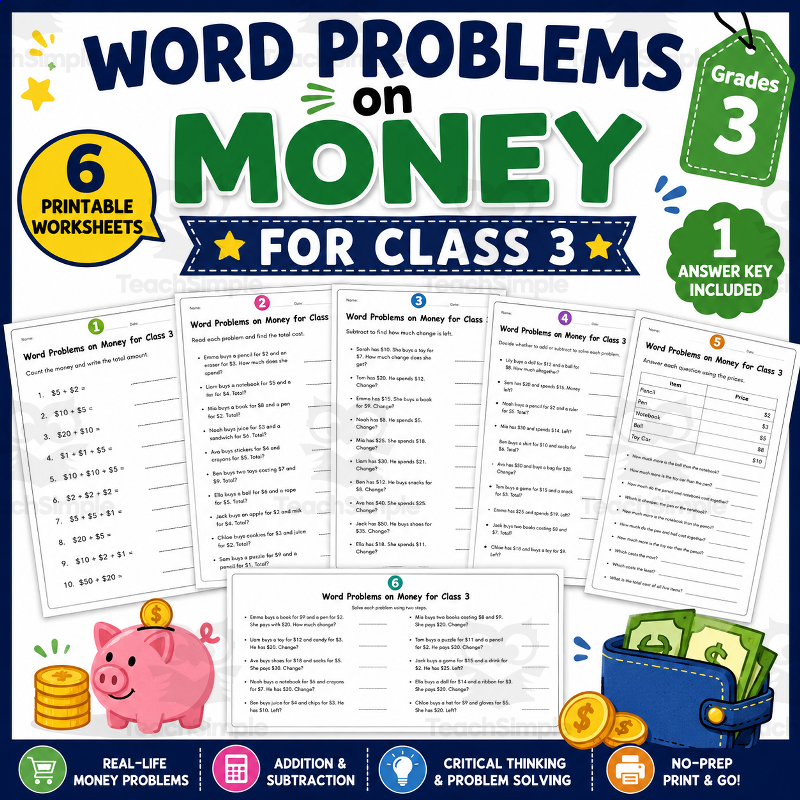
The components of a whole or group of items are represented by fractions. There are two components to a fraction. The numerator is the number at the top of the line. It indicates the number of equal portions picked from the entire collection. The denominator is the number that is below the line. It displays the total number of identical items in a collection or the total number of equal portions into which the whole is divided. The number of pieces we take is a fraction when the total is divided into equal parts. A cake is considered to have 1/8 of the cake on each dish if it is cut into eight equal pieces and one piece is put on each plate. It is read as ‘one-eighth’ or ‘1 by 8’. This ebook is an gradual and easy introduction to fractions. It is designed especially for Grade 3. There re many colourful activities included, and their answers are provided at the end.

Author Bright Classroom Ideas Marketplace

Rating

Tags Fraction, Math, Grade 3

Tanks Reading Comprehension Passage - Cored Ed Encyclopedia

Tanks Reading Comprehension Passage - Cored Ed Encyclopedia
ELA, Language Development, Reading Comprehension, Reading, Pre-Reading, Science, Technology, Engineering, History, Social Studies, Grade 2, 3, 4, 5, Worksheets & Printables, Worksheets, Teacher Tools, Centers, Activities, Writing Prompts, Assessments, Quizzes and Tests, Quizzes, Lesson Plans

This tanks reading comprehension includes: Visualization (on the front cover) Start your lesson by taking a minute to think and share something about the topic. Read the script aloud (slowly), perhaps prepare some music or sound effects. Student close their eyes and let their imaginations wander. Students open their eyes, read the question aloud and give them a few minutes to complete. Ask a few students to share or keep answers until the end to compare with what they learn in the passage. Quick pause—thousands of Cored Education products are included with your TeachSimple membership. Download links and encyclopedia index available here. Pre-Reading Trivia Students will write down one thing they already know about the subject and then read five more facts and discuss. These facts are fun, and the students will enjoy learning about the subject before reading more. Give 1 minute for students to write what they already know (no pressure—best guess is fine). Read the five facts together. After each fact, do ask a student for their opinion, was it surprising? Set a purpose by asking students to highlight/underline one fact they want to learn more about during the reading. Reading Passage The text is a high-interest reading passage with set paragraphs, roughly three to four paragraphs long. It contains a variety of themes about the topic, anywhere from history to technology. The passage is between 250 and 350 words in length. First, ask students to look at the headings and see what they’ll learn about today. What do they know about the topic/heading? First read options: Teacher read-aloud (best for support). Partner reading (paragraph by paragraph). While reading, students underline important details, and vocabulary words they think may come up in the questions section. Mixed Questions The first question page contains four multiple-choice questions, each with a choice of four answers, and three written response questions that require a sentence or two from the student. Students complete the mcqs first independently, then review quickly as a class. For the 3 written responses, try to get students giving the answer with some form of evidence: “I think ___ because the text says ___.” If students get stuck, send them back to check the passage. Vocabulary Questions Practice seven key words from the text in this section across two activities. First section is scrambled words where students will unscramble three words given a clue for each. The second section is a word to meaning matching activity. Before starting, have some students read out words they underlined in the passage. Ask students to say the word and read aloud the sentence(s) around each word. Ask students to do scrambled words and the matching exercise in pairs then go through answers as a class. For the scrambled spelling task, get four pairs to come up to the board and write the words for extra practice with the other student reading out the clue. For the matching task, prompt students to give full sentences: “I matched ___ with ___ because ___.” Creative Writing In this question, the student will be required to write a five to eight sentence paragraph on a question related to the topic. Before starting, ask students write down 3 key ideas they are going to include in their piece. Ask students for ideas to share around the class to help those struggling. Pro writing expectations: 5–8 sentences At least 2 facts or details from the passage At least 2 vocabulary words from the previous page Students read their paragraphs while classmates listen for facts and vocabulary words. Extension Activities This page is optional for fast finishers or to take home. There are several activities, each one requiring a different skill. Do some, do none, do all, completely optional - but you will feel reassured knowing every possibility is planned for. Includes summary writting question. Answer Key There are answers for the multiple-choice questions, written response questions have sample answers, vocabulary answers and if there is a summary question then a sample summary will be provided as well. Lesson Plan Included Customized lesson plan for this lesson is included. Lesson Snapshot Title: Tanks Genre: Nonfiction (informational text) Subject: Social Studies (History & Technology) Primary Topic: Why tanks were created and how they changed Estimated Guided Reading Level (A–Z): R What This Lesson Teaches Best Explains a real-world problem from World War I (trenches, barbed wire, muddy ground) and why a new machine was needed. Describes how tracks work by spreading a tank’s heavy weight so it doesn’t sink as easily and can cross rough land and trenches. Introduces key tank parts and purposes, including armor plates for protection and a rotating turret that helps the tank aim. Shows how designs changed over time (stronger engines, tougher armor, radios, better sights) and how tanks became part of teams with special jobs. Reinforces the idea that inventions are problem-solving —how to protect people inside a moving machine and travel over hard-to-cross land. Learning Goals Students will identify the main problems soldiers faced on the Western Front that led to tanks being developed. Students will explain how tracks helped early tanks move over muddy ground and cross trenches. Students will describe what a rotating turret does and why it was an important design change. Students will summarize how tanks changed from World War I to the end of World War II using key details from the text. Students will use text evidence to explain how new tools (like radios) helped crews work together. Key Vocabulary From the Text trenches — long ditches where soldiers sheltered during war. barbed — having sharp points that make crossing dangerous. tracks — looped bands that help vehicles grip the ground. turret — a rotating top part that carries the main weapon. armored — protected with strong metal on the outside. FULL CATALOG OF DOWNLOAD LINKS AND ENCYCLOPEDIA INDEX HERE

Author Cored Education

Rating

Tags Vocabulary, Reading Comprehension, Reading Passages, Lesson Plans, Ela Lesson Plans, Reading Comprehension Lesson Plans, Pre-reading, History, Social Studies, Social Studies Lesson Plans

Letter Tracing Workbook for Preschool & Kindergarten

Letter Tracing Workbook for Preschool & Kindergarten
Pre-Reading, Language Development, ELA, Spelling, Vocabulary, Kindergarten, Preschool, Grade 1, Workbooks, Worksheets & Printables, Worksheets

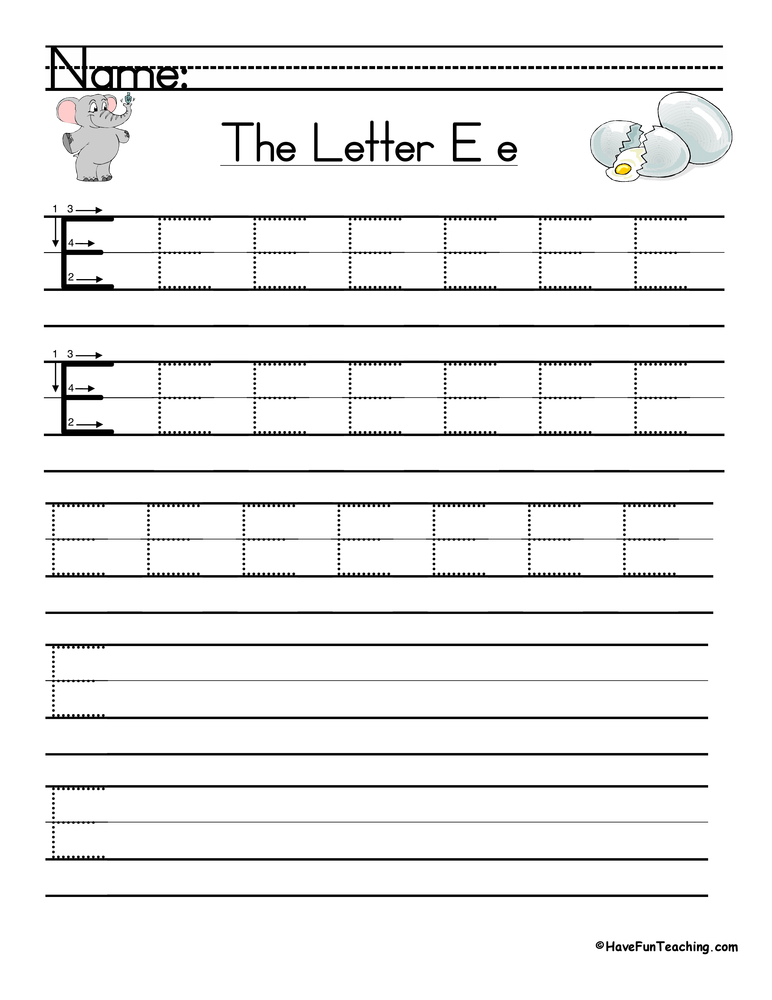
For young students, this Letter Tracing Workbook is an ideal resource. For kids between the ages of two and four who are just starting to write, it is perfect. Every letter in the workbook, whether capital and little, has straightforward tracing instructions. Young students obey instructions, gain self-assurance, and hone their fine motor abilities. Each page offers plenty of practice , so students can repeat the strokes and learn at their own pace. Every letter also comes with a fun picture to colour , which keeps children engaged and supports letter–sound connections. Teachers can use this workbook in class, during centers, or as extra practice at home. You can make worksheets, homework papers, or entire booklets because the pages are simple to print. Young learners can easily concentrate and achieve because of the layout's cleanliness and kid-friendliness. This workbook helps teachers save time, support early literacy goals, and make learning letters fun. Add it to your early literacy resources and help your students build strong, confident handwriting skills from the very start.

Author Bright Classroom Ideas Marketplace

Rating

Tags Alphabet, Tracing, Workbook, Worksheet, Literacy, Kindergarten, Writing, Letters

Guided Reading Level N - Swimming (with Lesson Plan)

Guided Reading Level N - Swimming (with Lesson Plan)
ELA, Resources for Teachers, Reading Comprehension, Reading, Health, P.E. & Health, Pre-Reading, Language Development, Sports, Physical Education, Grade 2, 3, 4, Worksheets & Printables, Worksheets, Teacher Tools, Centers, Activities, Literacy Readers, Quizzes, Quizzes and Tests, Assessments

This Guided Reading Book - Swimming (Level N) with lesson plan includes: Guided Reading Color Label (front cover x1) This is a quick way to match the book’s demands to what students can generally handle.. The overall goal is to use the level/color to pick books for several smaller groups. To qualify for a certain level, a student is expected to read a book from that level with about 90–94% accuracy. If a student is consistently accurate and understands, move up a level. If the student is struggling at that level, drop down and add more support. Each student will improve at completely different rates, but it is generally one of the best ways to check progress across the class. DOWNLOAD THE CATALOG TO VIEW ALL GUIDED READING BOOKS AVAILABLE (SORTED LEVELS A-Z) Pre-Reading Question (x1) Teacher asks the prompt aloud, can be while showing the cover or first page. Students share what they already know, or make educated guesses from the cover. Prompt them to use the target vocabulary. Write some of their responses on the board to look back at during the reading. Vocabulary Words (x5) Introduce the five words, best doing it one at a time. Start by saying it, while students repeat and then see if anyone knows what it means before reading further. Read through the meaning and try to briefly connect each word to a picture or gesture so it’s meaningful. Ask students to flip through the book pages and point to where they see each of the vocabulary words. While reading the book pause upon coming across one of the vocab words or read the sentence twice to make sure students understand the word has appeared. Optional: Ask students to raise hands whenever they see/hear one of the new words. Guided Reading Pages (x10) Check the book snapshot (below) for: primary topic - do you need to prep extra reading or intro materials on this? what is taught best - decide on 1-2 bullets to focus on, use the prompt or words provided here for best results. learning goals - what you are checking for students to be able to do after the session, elicit answers using prompts or words provided. key vocabulary (see section above). questions overview - so you know what is coming up and if you need to prep extra materials to assist understanding. Run the lesson You may have already looked at a few of the pages together, but you can show them some of the pictures again first to set meaning. Depending on how much time you have and how familiar your students are with guided reading class, you may want to read the book aloud first with the group first. Students whisper or partner read, while you listen in. If time, do it as a group, one student reading a page each. Use the guided page’s prompts to coach: “Check the picture / does it make sense?” “Point under the words / try the first sound” “Reread the sentence smoothly”. Try to focus more on one student per session (rotating every time), so you can work out if they are ready to move up or need to move down a level. Comprehension Questions (back cover x3) This is your way to check that students didn’t just say the words, but actually understood the text. First, let students answer by pointing to the page/picture and saying a short sentence. After any answer, follow with: “Show me where you found that in the text.” In bigger groups, have partners answer first (10–20 seconds), then call on 2–3 students to share. Differentiation tips: Emerging speakers/struggling readers: oral + pointing On-level: oral in a full sentence Higher: one written sentence or draw + label Book Snapshot Title: Swimming Genre: Nonfiction (informational) Subject: Physical Education / Health Primary Topic: Swimming safety, gear, strokes, and racing Estimated Guided Reading Level (A–Z): N What This Book Teaches Best How swimming uses arms and legs as a full-body exercise that builds strength and endurance. How competitive swimming pools are organized with lanes and lane lines to help swimmers stay in their own path. Why safety matters in swimming and what lifeguards do to keep swimmers safe. How gear (goggles and swim caps) helps swimmers see clearly and reduce drag/resistance in the water. Key features of the four competitive strokes (freestyle, backstroke, breaststroke, butterfly) and how races begin. Learning Goals Students will describe where people can swim and why people swim (fun, health, competition). Students will explain how lane lines help swimmers during a race. Students will describe how lifeguards help keep swimmers safe and support swimmers who have trouble. Students will explain how goggles and swim caps help swimmers in the water. Students will describe what “floating” is and why it is an essential beginner skill. Students will compare the four competitive strokes by identifying a key movement for each. Key Vocabulary From the Text endurance — being able to keep going for a long time. competitive — about contests where people try to win. priority — something that is most important. efficiently — using less time or effort to do something. horizontal — flat and level, not standing upright. Discussion Prompts Pre-reading question: What do you think swimmers must do to stay safe in the water? Comprehension questions: How do lane lines help swimmers during a race in a pool? Comprehension questions: What two jobs does the text say lifeguards do at the pool? Comprehension questions: Why is floating an essential skill for swimmers, according to the text? Printing Tips 1. Best Printing Method (Recommended) “Booklet” Printing (Best if Available) If your printer or PDF viewer supports Booklet Printing , use this. Settings to use: Print mode: Booklet Paper size: Letter or A4 (either works) Orientation: Landscape Print on both sides: Yes Flip on: Short edge Scaling: Fit to printable area Booklet subset: First test: Front sides only Then: Back sides only This will automatically: Pair pages correctly Put the cover on the outside Align everything for folding After printing, fold in half and staple along the spine . 2. If “Booklet” Printing Is NOT Available You can still print this correctly with manual duplex printing . Step-by-step: Open the PDF. Choose Print . Set: Orientation: Landscape Pages per sheet: 1 Print on both sides: Yes Flip on: Short edge Print all pages . Because each PDF page already contains two facing book pages, the result will still fold cleanly into a book. Thousands of Cored Education products are included with your TeachSimple membership. Download links and encyclopedia index available here.

Author Cored Education

Rating

Tags Reading Comprehension, Reading Passages, Reading, Guided Reading, Guided Reading Lesson Plan, Guided Reading Activity, Pre-reading, Health Lesson Plans, Sports, P.e.

Environmental Consumer Health: 4th and 5th Grade Unit 7

Environmental Consumer Health: 4th and 5th Grade Unit 7
P.E. & Health, Life Studies, Physical Education, Health, Life Skills, Special Resources, Social Emotional Learning (SEL), Social Skills, Grade 4, 5, Teacher Tools, Lesson Plans, Worksheets & Printables, Worksheets

Environmental Consumer Health: 4th and 5th Grade Unit 7 For 4th and 5th Grade Health, there are seven standards that students will practice and learn. Through using this Environmental Consumer Health: 4th and 5th Grade Health Unit 7 students will explore and learn to identify daily healthy habits. This Environmental Consumer Health Unit 7, is full of engaging worksheets to help students learn about their environment in an educational way as it pertains to their own health and the health of others. In this unit, students will be educated on the pollution that effects the land, water, and air in their neighborhood and community. They will also identify solutions to stop the pollution. Along with that, they will discover ways to help the environment by reducing, recycling, and reusing products. Advertisers use tricky ways to convince consumers that unhealthy food is beneficial to them. Kids will learn about these tricky strategies and the messages that advertisers use that convince the public to use these unhealthy products. In addition, students will have the opportunity to draw their own advertisement to help stop the spread of a disease outbreak in a community. Lastly, there is an assessment to check for understanding. This Environmental Consumer Health unit is the perfect way for teachers and parents to help their students understand the importance of health in a community and teaches students a way to develop healthy habits for life! Included in this Environmental Consumer Health: 4th and 5th Grade Unit 7 are the following: How the land, water, and air pollution affect persona health and our community health. A worksheet is provided on solutions to stop the pollution. Learn ways to help a community with reducing, recycling, and reusing products. Students will learn about tricky strategies advertisers use on consumers to coerce them to purchase unhealthy products and the messages these advertisers are sending to kids. Understand what environmental health messages mean to a community. Draw your own health advertisement to help stop a disease outbreak in a community. Lastly, there is an assessment to check for understanding. There is an answer key included. There are 16 pages included! This unit meets Common Core Standards. There are seven units that cover all the health requirements for 4th and 5th grade. Here are the links to other health units: Health | 4th and 5th Grade Unit 1: Personal Health Health | 4th and 5th Grade Unit 2: Growth and Development Health | 4th and 5th Grade Unit 3: Nutrition and Physical Activity Health | 4th and 5th Grade Unit 4: Substance Use and Abuse Health |4th and 5th Grade Unit 5: Injury and Violence Prevention Health | 4th and 5th Grade Unit 6: Prevention and Control of Disease Health |4th and 5th Grade Unit 7: Environmental Consumer Health

Author K-5 Treasures

Tags Health Unit, Personal Health, Healthy Goals, Health Activities, Physical Goals, Health Goals, Health And Wellness, 4th Grade Health, 5th Grade Heath, Heath Units

Present Tense Supplementary Materials Grades 3-4 (PDF)
Free Download

Present Tense Supplementary Materials Grades 3-4 (PDF)
ELA, Language Development, ESL, Grammar, Common Core, Resources for Teachers, Grade 3, 4, Worksheets & Printables, Worksheets, Quizzes and Tests, Teacher Tools, Tests, Assessments, Activities, Lesson Plans

Present Tense Supplementary Materials Note: This download DOES NOT include the tests themselves. You can still make use of these materials without them but they are recommended. Download in a format of your choice in the "Links" section below. Outline Ice Breaker (5-10 minutes) Engaging, interactive activity to introduce the lesson’s theme. Examples: Matching games, sentence races, charades, or storytelling challenges. Guided Practice (10-15 minutes) Teacher-led exercises to reinforce the concept. Examples: Sorting sentences by tense, sentence transformations, or fill-in-the-gap exercises. Group or Partner Task (15 minutes) Collaborative activity to practice the lesson’s focus in a fun and engaging way. Examples: Role-play, storytelling, sentence-building games, or small-group discussions. Independent Worksheet (15 minutes) Individual written activity to solidify understanding. Examples: Sentence corrections, verb conjugation drills, or tense identification exercises. Exit Task (5 minutes) Quick reflective activity to assess understanding before students leave. Examples: Writing a sentence using the target concept, identifying a tense, or explaining a rule. Links: Includes: Present Simple Present Continuous Present Perfect Mistake Finding Google Docs Google Forms Google Slides PDF PPT Word FULL CATALOG OF DOWNLOAD LINKS HERE Grade 3/4 Links: Adjectives Google Docs Google Forms Google Slides PDF PPT Word Free Supplementary Materials Pack Adverbs Google Docs Google Forms Google Slides PDF PPT Word Free Supplementary Materials Pack Conjunctions Google Docs Google Forms Google Slides PDF PPT Word Free Supplementary Materials Pack Nouns Google Docs Google Forms Google Slides PDF PPT Word Free Supplementary Materials Pack Pronouns Google Docs Google Forms Google Slides PDF PPT Word Free Supplementary Materials Pack Verbs Google Docs Google Forms Google Slides PDF PPT Word Free Supplementary Materials Pack Sentence Structure Google Docs Google Forms Google Slides PDF PPT Word Free Supplementary Materials Pack Present Tense Google Docs Google Forms Google Slides PDF PPT Word Free Supplementary Materials Pack Past Tense Google Docs Google Forms Google Slides PDF PPT Word Free Supplementary Materials Pack Future Tense Google Docs Google Forms Google Slides PDF PPT Word Free Supplementary Materials Pack Context Clues Google Docs Google Forms Google Slides PDF PPT Word Free Supplementary Materials Pack Defining Words Google Docs Google Forms Google Slides PDF PPT Word Free Supplementary Materials Pack Fill the Blanks Google Docs Google Forms Google Slides PDF PPT Word Free Supplementary Materials Pack Homophones Google Docs Google Forms Google Slides PDF PPT Word Free Supplementary Materials Pack Synonyms Google Docs Google Forms Google Slides PDF PPT Word Free Supplementary Materials Pack ELA Review Questions Overview Questions have three answer choices. There are a handful of pictures on each test for aesthetic purposes, as well as a review sheet covering most of the topics covered in the product. Introduction or Example Sheet Each topic will include an introduction or example sheet to go through first with your students. Full Answer Keys Full answer keys and sample responses are provided so no matter how busy you are, you know you're covered! In the Supplementary Pack Interactive Ice Breakers: Fun, hands-on activities that get students thinking about adjectives right from the start. Guided Practice: Teacher-led exercises that reinforce the day’s lesson, ensuring students can confidently identify and use adjectives. Group and Partner Tasks: Collaborative activities that allow students to work together to solve problems, categorize adjectives, and create descriptive sentences. Independent Worksheets: Structured worksheets that provide individual practice and help solidify understanding of key concepts. Exit Tasks: Quick, reflective activities at the end of each lesson that assess understanding and encourage students to apply what they’ve learned. For similar downloads and other frees, do check out Cored Group on TeachSimple.

Author Cored Education

Tags Elementary, Answers, Ccss, Common Core, Grammar, Tests, Test Prep, Grade 3, Grade 4, Lesson Plan

Subject-Verb Agreement Supplementary Materials - Grades 1-2 (PDF)
Free Download

Subject-Verb Agreement Supplementary Materials - Grades 1-2 (PDF)
ELA, Language Development, ESL, Grammar, Common Core, Grade 1, 2, Teacher Tools, Lesson Plans, Outlines, Quizzes, Quizzes and Tests, Tests, Assessments, Worksheets, Worksheets & Printables

Subject-Verb Agreement Supplementary Materials Note: This download DOES NOT include the tests themselves. You can still make use of these materials without them but they are recommended. Download in a format of your choice in the "Links" section below. In the Supplementary Pack Interactive Ice Breakers: Fun, hands-on activities that get students thinking about adjectives right from the start. Guided Practice: Teacher-led exercises that reinforce the day’s lesson, ensuring students can confidently identify and use adjectives. Group and Partner Tasks: Collaborative activities that allow students to work together to solve problems, categorize adjectives, and create descriptive sentences. Independent Worksheets: Structured worksheets that provide individual practice and help solidify understanding of key concepts. Exit Tasks: Quick, reflective activities at the end of each lesson that assess understanding and encourage students to apply what they’ve learned. Subject-Verb Agreement Overview: Includes: Intro to Subject-Verb Agreement Match Subject to Verb Match Verb to Subject Additional Practice Google Docs Google Forms Google Slides PDF PPT Word Free Supplementary Materials Pack FULL CATALOG OF DOWNLOAD LINKS HERE Grade 1/2 Links: Capitalization and Punctuation Google Docs Google Forms Google Slides PDF PPT Word Free Supplementary Materials Pack Adjectives Google Docs Google Forms Google Slides PDF PPT Word Free Supplementary Materials Pack Nouns Google Docs Google Forms Google Slides PDF PPT Word Free Supplementary Materials Pack Pronouns Google Docs Google Forms Google Slides PDF PPT Word Free Supplementary Materials Pack Verbs Google Docs Google Forms Google Slides PDF PPT Word Free Supplementary Materials Pack Prefixes & Suffixes Google Docs Google Forms Google Slides PDF PPT Word Free Supplementary Materials Pack Sentence Structure Google Docs Google Forms Google Slides PDF PPT Word Free Supplementary Materials Pack Subject-Verb Agreement Google Docs Google Forms Google Slides PDF PPT Word Free Supplementary Materials Pack ELA Review Questions Overview Questions have three answer choices. There are a handful of pictures on each test for aesthetic purposes, as well as a review sheet covering most of the topics covered in the product. Introduction or Example Sheet Each topic will include an introduction or example sheet to go through first with your students. Full Answer Keys Full answer keys and sample responses are provided so no matter how busy you are, you know you're covered! For similar downloads and other frees, do check out Cored Group on TeachSimple.

Author Cored Education

Tags Elementary, Reading, Comprehension, Vocabulary, Answers, Ccss, Common Core, Spelling, Writing, Passages

Radar Reading Comprehension Passage - Cored Ed Encyclopedia

Radar Reading Comprehension Passage - Cored Ed Encyclopedia
ELA, Language Development, Reading Comprehension, Reading, Pre-Reading, Writing, History, Social Studies, Technology, Science, Grade 2, 3, 4, 5, Worksheets & Printables, Worksheets, Teacher Tools, Centers, Activities, Writing Prompts, Assessments, Quizzes and Tests, Quizzes, Lesson Plans

This radar reading comprehension includes: Visualization (on the front cover) Start your lesson by taking a minute to think and share something about the topic. Read the script aloud (slowly), perhaps prepare some music or sound effects. Student close their eyes and let their imaginations wander. Students open their eyes, read the question aloud and give them a few minutes to complete. Ask a few students to share or keep answers until the end to compare with what they learn in the passage. Quick pause—thousands of Cored Education products are included with your TeachSimple membership. Download links and encyclopedia index available here. Pre-Reading Trivia Students will write down one thing they already know about the subject and then read five more facts and discuss. These facts are fun, and the students will enjoy learning about the subject before reading more. Give 1 minute for students to write what they already know (no pressure—best guess is fine). Read the five facts together. After each fact, do ask a student for their opinion, was it surprising? Set a purpose by asking students to highlight/underline one fact they want to learn more about during the reading. Reading Passage The text is a high-interest reading passage with set paragraphs, roughly three to four paragraphs long. It contains a variety of themes about the topic, anywhere from history to technology. The passage is between 250 and 350 words in length. First, ask students to look at the headings and see what they’ll learn about today. What do they know about the topic/heading? First read options: Teacher read-aloud (best for support). Partner reading (paragraph by paragraph). While reading, students underline important details, and vocabulary words they think may come up in the questions section. Mixed Questions The first question page contains four multiple-choice questions, each with a choice of four answers, and three written response questions that require a sentence or two from the student. Students complete the mcqs first independently, then review quickly as a class. For the 3 written responses, try to get students giving the answer with some form of evidence: “I think ___ because the text says ___.” If students get stuck, send them back to check the passage. Vocabulary Questions Practice seven key words from the text in this section across two activities. First section is scrambled words where students will unscramble three words given a clue for each. The second section is a word to meaning matching activity. Before starting, have some students read out words they underlined in the passage. Ask students to say the word and read aloud the sentence(s) around each word. Ask students to do scrambled words and the matching exercise in pairs then go through answers as a class. For the scrambled spelling task, get four pairs to come up to the board and write the words for extra practice with the other student reading out the clue. For the matching task, prompt students to give full sentences: “I matched ___ with ___ because ___.” Creative Writing In this question, the student will be required to write a five to eight sentence paragraph on a question related to the topic. Before starting, ask students write down 3 key ideas they are going to include in their piece. Ask students for ideas to share around the class to help those struggling. Pro writing expectations: 5–8 sentences At least 2 facts or details from the passage At least 2 vocabulary words from the previous page Students read their paragraphs while classmates listen for facts and vocabulary words. Extension Activities This page is optional for fast finishers or to take home. There are several activities, each one requiring a different skill. Do some, do none, do all, completely optional - but you will feel reassured knowing every possibility is planned for. Includes summary writting question. Answer Key There are answers for the multiple-choice questions, written response questions have sample answers, vocabulary answers and if there is a summary question then a sample summary will be provided as well. Lesson Plan Included Customized lesson plan for this lesson is included. Lesson Snapshot Title: Radar Genre: Nonfiction (informational text with support pages) Subject: Science (Physical Science/Technology) Primary Topic: Using radio waves to find objects Estimated Guided Reading Level (A–Z): R What This Lesson Teaches Best Explains how radar works using radio waves, an “echo,” and a receiver that measures return time. Connects timing to distance (how long the trip takes helps show how far away something is). Builds background knowledge about radar’s development before World War II (tests in the 1930s; June 1935 detection; Chain Home stations). Shows real-world uses after the war (air traffic control, ships in fog, weather radar tracking rain and storms). Includes support pages that match the passage content (questions, vocabulary, writing, and extension activities focus on radio waves, echoes, Chain Home, and the 1935 test). Learning Goals Students can describe radar as a tool that sends out radio waves and listens for the waves that bounce back. Students can explain how a receiver uses the echo’s return time to show distance. Students can describe one early step in radar’s development mentioned in the passage (1930s tests or the June 1935 detection). Students can explain why early-warning stations mattered as World War II was getting closer. Students can identify at least two ways radar is used in everyday life after the war (planes, ships, or weather). Key Vocabulary From the Text receiver — device that listens for the returning signal echo — a returning signal that bounces back pulsing — sending waves in repeated bursts detected — found or noticed something was there vessels — boats or ships FULL CATALOG OF DOWNLOAD LINKS AND ENCYCLOPEDIA INDEX HERE

Author Cored Education

Rating

Tags Vocabulary, Reading Comprehension, Reading Passages, Reading, Creative Writing, Reading Strategies, Writing Prompts, Lesson Plans, History, Radar

Shell Model – Chemical Elements Flashcards - Element names

Shell Model – Chemical Elements Flashcards - Element names
STEM, Science, Chemistry, Physics, Life Sciences, Grade 7, 8, 9, 10, 11, 12, Activities, Games, Worksheets & Printables, Task Cards, Quizzes and Tests, Teacher Tools, Word Problems, Word Searches, Worksheets, Flashcards

Shell Model – Chemical Elements Flashcards 118 cards for learning the periodic table Learn atomic structure and the periodic table through play and visual learning 🧪🧠 These flashcards are designed to help students explore the structure of atoms using the shell model. Covering all 118 elements of the periodic table, each card includes the atomic number, element name, symbol, and a visual representation of the electron arrangement in shells. It’s a simple but effective tool for bringing abstract chemistry content into a more visual and interactive format. I’ve used this set in grades 7–10, both in introductory lessons and for revision. What worked especially well was printing the cards twice and using them as a memory game (“Find the Pairs”). Students match element names with their shell models or symbols – and along the way, they start to notice patterns: which elements belong to the same group, how many electrons fit in each shell, and what the outer shells can tell us about chemical reactivity. What’s included: 118 printable flashcards (PDF) – one for each element Each card features: atomic number, element name, chemical symbol, and shell model Suggestions for classroom use (games, sorting tasks, self-study) The cards can be used in a variety of ways: – As a memory game (matching name and shell model) – For group sorting activities (by group, period, metal/non-metal, etc.) – As quick quizzes in pair work – Or as visual aids when introducing atomic theory They’re suitable for different levels of difficulty. Beginners can focus on names and symbols, while more advanced students work with the shell diagrams and explain electron configurations. It’s also a helpful tool for differentiation – everyone works at their own pace, but with the same visual material. This resource comes as a PDF and is easy to print and prepare. Laminating the cards is a good idea if you plan to use them more than once. 📍 Best wishes, Heike from @Lernfitness Did You Know? I teach with a certified therapy dog, and together we create a positive and welcoming learning environment. 🐶

Author Lernfitness

Rating

Tags Educational Card Games, Chemistry, Physics, STEM Science Matching Game, Chemical Elements, Periodic Table Matching Game, Flashcards Chemical Elements, Element Names, Shell Model, Game

Synonyms Practice Questions - Vocabulary Grade 5-6 (Docs)

Synonyms Practice Questions - Vocabulary Grade 5-6 (Docs)
ELA, Language Development, ESL, Common Core, Resources for Teachers, Vocabulary, Grade 5, 6, 7, Worksheets & Printables, Worksheets, Quizzes and Tests, Teacher Tools, Tests, Assessments, Centers, Activities

Synonyms Grammar Practice MCQS ELA MCQS Overview: In this series of lessons, students will embark on an engaging journey to master the language arts skills that make communication effective and expressive. These lessons are designed to help students recognize, understand, and apply key grammar, vocabulary, and writing conventions in both their writing and speech. Each lesson builds upon the previous one, providing a structured blend of direct instruction, interactive group activities, and independent practice. With engaging tasks and thought-provoking questions, students will explore sentence structure, word choice, punctuation, and grammar rules to strengthen their understanding of English language conventions. Accompanied by free supplementary materials covering all topics, this series ensures a well-rounded and enjoyable learning experience. Through practice and exploration, students will develop the skills needed to analyze language, construct clear sentences, and express themselves with confidence. Synonyms Overview: Nouns Synonyms Verbs Synonyms Adjectives Synonyms Synonyms in a Sentence Docs Version This is the Docs editable and fillable version. This download is available in GOOGLE Docs, GOOGLE Forms, GOOGLE Slides. PDF, PPT, WORD, check the links below for more details. FULL CATALOG OF DOWNLOAD LINKS HERE Grade 5/6 Links: Capitalization & Punctuation Google Docs Google Forms Google Slides PDF PPT Word Free Supplementary Materials Pack Adjectives Google Docs Google Forms Google Slides PDF PPT Word Free Supplementary Materials Pack Nouns Google Docs Google Forms Google Slides PDF PPT Word Free Supplementary Materials Pack Pronouns Google Docs Google Forms Google Slides PDF PPT Word Free Supplementary Materials Pack Verbs Google Docs Google Forms Google Slides PDF PPT Word Free Supplementary Materials Pack Prefixes & Suffixes Google Docs Google Forms Google Slides PDF PPT Word Free Supplementary Materials Pack Sentence Structure Google Docs Google Forms Google Slides PDF PPT Word Free Supplementary Materials Pack Subject Verb Agreement Google Docs Google Forms Google Slides PDF PPT Word Free Supplementary Materials Pack Tenses Google Docs Google Forms Google Slides PDF PPT Word Free Supplementary Materials Pack Context Clues Google Docs Google Forms Google Slides PDF PPT Word Free Supplementary Materials Pack Defining Words Google Docs Google Forms Google Slides PDF PPT Word Free Supplementary Materials Pack Fill in the Blanks Google Docs Google Forms Google Slides PDF PPT Word Free Supplementary Materials Pack Homophones Google Docs Google Forms Google Slides PDF PPT Word Free Supplementary Materials Pack Synonyms Google Docs Google Forms Google Slides PDF PPT Word Free Supplementary Materials Pack ELA Review Questions Overview Questions have three answer choices. There are a handful of pictures on each test for aesthetic purposes, as well as a review sheet covering most of the topics covered in the product. Introduction or Example Sheet Each topic will include an introduction or example sheet to go through first with your students. Full Answer Keys Full answer keys and sample responses are provided so no matter how busy you are, you know you're covered! In the Supplementary Pack Interactive Ice Breakers: Engaging warm-up activities that introduce students to key ELA concepts, such as quick capitalization corrections and punctuation challenges. Guided Practice: Structured teacher-led exercises that reinforce grammar and punctuation rules, helping students identify and apply them correctly in sentences. Group and Partner Tasks: Collaborative activities where students work together to edit sentences, correct capitalization, and improve punctuation through peer discussion and teamwork. Independent Worksheets: Carefully designed worksheets that provide focused practice, allowing students to apply learned concepts and refine their skills independently. Exit Tasks: Quick assessments at the end of each lesson, prompting students to reflect on what they’ve learned and apply their knowledge in writing and editing tasks. For More Like This For similar downloads and other frees, do check out Cored Group on TeachSimple.

Author Cored Education

Tags Elementary, Answers, Ccss, Common Core, Tests, Test Prep, Grade 5, Grade 6, Vocabulary, Digital Centers

Synonyms Practice Questions - Vocabulary Grade 3-4 (Docs)

Synonyms Practice Questions - Vocabulary Grade 3-4 (Docs)
ELA, Language Development, ESL, Common Core, Resources for Teachers, Vocabulary, Grade 3, 4, Worksheets & Printables, Worksheets, Quizzes and Tests, Teacher Tools, Tests, Assessments, Centers, Activities

Synonyms Vocabulary Practice MCQS ELA MCQS Overview: In this series of lessons, students will embark on an engaging journey to explore the grammar skills that make our language vibrant and expressive. These lessons are crafted to help students identify, comprehend, and effectively apply language arts skills in both writing and speech. Accompanied by free supplementary materials available for all topics, each lesson builds on the previous one, offering a balanced mix of direct instruction, interactive group activities, and independent practice. Through fun and creative tasks, students will learn to recognize grammar within sentences, understand their function, and use them to enrich their own writing and speech. Synonyms Overview: Nouns Synonyms Verbs Synonyms Adjectives Synonyms Synonyms in a Sentence Docs Version This is the Docs editable and fillable version. This download is available in GOOGLE Docs, GOOGLE Forms, GOOGLE Slides. PDF, PPT, WORD, check the links below for more details. FULL CATALOG OF DOWNLOAD LINKS HERE Grade 3/4 Links: Adjectives Google Docs Google Forms Google Slides PDF PPT Word Free Supplementary Materials Pack Adverbs Google Docs Google Forms Google Slides PDF PPT Word Free Supplementary Materials Pack Conjunctions Google Docs Google Forms Google Slides PDF PPT Word Free Supplementary Materials Pack Nouns Google Docs Google Forms Google Slides PDF PPT Word Free Supplementary Materials Pack Pronouns Google Docs Google Forms Google Slides PDF PPT Word Free Supplementary Materials Pack Verbs Google Docs Google Forms Google Slides PDF PPT Word Free Supplementary Materials Pack Sentence Structure Google Docs Google Forms Google Slides PDF PPT Word Free Supplementary Materials Pack Present Tense Google Docs Google Forms Google Slides PDF PPT Word Free Supplementary Materials Pack Past Tense Google Docs Google Forms Google Slides PDF PPT Word Free Supplementary Materials Pack Future Tense Google Docs Google Forms Google Slides PDF PPT Word Free Supplementary Materials Pack Context Clues Google Docs Google Forms Google Slides PDF PPT Word Free Supplementary Materials Pack Defining Words Google Docs Google Forms Google Slides PDF PPT Word Free Supplementary Materials Pack Fill the Blanks Google Docs Google Forms Google Slides PDF PPT Word Free Supplementary Materials Pack Homophones Google Docs Google Forms Google Slides PDF PPT Word Free Supplementary Materials Pack Synonyms Google Docs Google Forms Google Slides PDF PPT Word Free Supplementary Materials Pack ELA Review Questions Overview Questions have three answer choices. There are a handful of pictures on each test for aesthetic purposes, as well as a review sheet covering most of the topics covered in the product. Introduction or Example Sheet Each topic will include an introduction or example sheet to go through first with your students. Full Answer Keys Full answer keys and sample responses are provided so no matter how busy you are, you know you're covered! In the Supplementary Pack Interactive Ice Breakers: Fun, hands-on activities that get students thinking about adjectives right from the start. Guided Practice: Teacher-led exercises that reinforce the day’s lesson, ensuring students can confidently identify and use adjectives. Group and Partner Tasks: Collaborative activities that allow students to work together to solve problems, categorize adjectives, and create descriptive sentences. Independent Worksheets: Structured worksheets that provide individual practice and help solidify understanding of key concepts. Exit Tasks: Quick, reflective activities at the end of each lesson that assess understanding and encourage students to apply what they’ve learned. For similar downloads and other frees, do check out Cored Group on TeachSimple.

Author Cored Education

Tags Elementary, Answers, Ccss, Common Core, Tests, Test Prep, Grade 3, Grade 4, Vocabulary, Digital Centers

Alkali Metals Concept Wheel – Interactive Chemistry Activity for Grade

Alkali Metals Concept Wheel – Interactive Chemistry Activity for Grade
STEM, Science, Chemistry, Physics, Life Sciences, Grade 7, 8, 9, 10, 11, 12, Activities, Games, Worksheets & Printables, Quizzes and Tests, Teacher Tools, Worksheets, Flashcards, Projects, Presentations, Graphic Organizers

Alkali Metals Concept Wheel – Interactive Chemistry Activity for Grades 7–10 Learn Alkali Metals - visual learning 🧪🧠 This concept wheel is a practical way to help students understand the alkali metals in Group 1 of the periodic table. I first made it for a grade 8 class that was struggling with the idea of chemical families. Instead of giving them another chart to copy, I tried this wheel activity, and it worked much better because they could see and handle the information piece by piece. The wheel has eight sections that cover the basics: general properties, reactivity, how these elements appear in nature, and some everyday uses. Students cut out and arrange the pieces to build the full circle. The activity takes a little bit of preparation, but once the pieces are made, you can reuse them. I usually store the sets in small envelopes so they are ready for the next lesson. There are different versions included. Some circles are already filled in, which is helpful when introducing the topic for the first time. Others are blank, so students can write their own notes after a lab or reading assignment. I have used the blank ones during review sessions, and students liked comparing their wheels with a partner’s version. It also gives them a sense of ownership over the material. The wheel can be used in many ways: as a warm-up before a lab, as practice during a unit on the periodic table, or as a review before a quiz. It works for group tasks, but I have also had students complete it on their own. When the wheels are finished, they make a clear visual display for the classroom or for a student’s notebook. This activity is designed for grades 7–10 chemistry or physical science. It supports lessons on periodic trends, classification of elements, and the special role of the alkali metals. 📍 Best wishes, Heike from @Lernfitness Did You Know? I teach with a certified therapy dog, and together we create a positive and welcoming learning environment. 🐶

Author Lernfitness

Rating

Tags Educational Card Games, Chemistry, Physics, STEM Science Matching Game, Chemical Elements, Periodic Table Matching Game, Alkali Metals, Periodic Table, Learning Circle

Prefixes and Suffixes Practice Questions - Grammar Grade 5-6 (Docs)

Prefixes and Suffixes Practice Questions - Grammar Grade 5-6 (Docs)
ELA, Language Development, ESL, Grammar, Common Core, Resources for Teachers, Grade 5, 6, 7, Worksheets & Printables, Worksheets, Quizzes and Tests, Teacher Tools, Tests, Assessments, Centers, Activities

Prefixes and Suffixes Grammar Practice MCQS ELA MCQS Overview: In this series of lessons, students will embark on an engaging journey to master the language arts skills that make communication effective and expressive. These lessons are designed to help students recognize, understand, and apply key grammar, vocabulary, and writing conventions in both their writing and speech. Each lesson builds upon the previous one, providing a structured blend of direct instruction, interactive group activities, and independent practice. With engaging tasks and thought-provoking questions, students will explore sentence structure, word choice, punctuation, and grammar rules to strengthen their understanding of English language conventions. Accompanied by free supplementary materials covering all topics, this series ensures a well-rounded and enjoyable learning experience. Through practice and exploration, students will develop the skills needed to analyze language, construct clear sentences, and express themselves with confidence. Prefixes and Suffixes Overview: Match Affix to Meaning Match Meaning to Affix Forming Affixes Fill the Gaps Additional Affix Practice Docs Version This is the Docs editable and fillable version. This download is available in GOOGLE Docs, GOOGLE Forms, GOOGLE Slides. PDF, PPT, WORD, check the links below for more details. FULL CATALOG OF DOWNLOAD LINKS HERE Grade 5/6 Links: Capitalization & Punctuation Google Docs Google Forms Google Slides PDF PPT Word Free Supplementary Materials Pack Adjectives Google Docs Google Forms Google Slides PDF PPT Word Free Supplementary Materials Pack Nouns Google Docs Google Forms Google Slides PDF PPT Word Free Supplementary Materials Pack Pronouns Google Docs Google Forms Google Slides PDF PPT Word Free Supplementary Materials Pack Verbs Google Docs Google Forms Google Slides PDF PPT Word Free Supplementary Materials Pack Prefixes & Suffixes Google Docs Google Forms Google Slides PDF PPT Word Free Supplementary Materials Pack Sentence Structure Google Docs Google Forms Google Slides PDF PPT Word Free Supplementary Materials Pack Subject Verb Agreement Google Docs Google Forms Google Slides PDF PPT Word Free Supplementary Materials Pack Tenses Google Docs Google Forms Google Slides PDF PPT Word Free Supplementary Materials Pack Context Clues Google Docs Google Forms Google Slides PDF PPT Word Free Supplementary Materials Pack Defining Words Google Docs Google Forms Google Slides PDF PPT Word Free Supplementary Materials Pack Fill in the Blanks Google Docs Google Forms Google Slides PDF PPT Word Free Supplementary Materials Pack Homophones Google Docs Google Forms Google Slides PDF PPT Word Free Supplementary Materials Pack Synonyms Google Docs Google Forms Google Slides PDF PPT Word Free Supplementary Materials Pack ELA Review Questions Overview Questions have three answer choices. There are a handful of pictures on each test for aesthetic purposes, as well as a review sheet covering most of the topics covered in the product. Introduction or Example Sheet Each topic will include an introduction or example sheet to go through first with your students. Full Answer Keys Full answer keys and sample responses are provided so no matter how busy you are, you know you're covered! In the Supplementary Pack Interactive Ice Breakers: Engaging warm-up activities that introduce students to key ELA concepts, such as quick capitalization corrections and punctuation challenges. Guided Practice: Structured teacher-led exercises that reinforce grammar and punctuation rules, helping students identify and apply them correctly in sentences. Group and Partner Tasks: Collaborative activities where students work together to edit sentences, correct capitalization, and improve punctuation through peer discussion and teamwork. Independent Worksheets: Carefully designed worksheets that provide focused practice, allowing students to apply learned concepts and refine their skills independently. Exit Tasks: Quick assessments at the end of each lesson, prompting students to reflect on what they’ve learned and apply their knowledge in writing and editing tasks. For More Like This For similar downloads and other frees, do check out Cored Group on TeachSimple.

Author Cored Education

Tags Elementary, Answers, Ccss, Common Core, Grammar, Tests, Test Prep, Grade 5, Grade 6, Digital Centers

Candy Reading Comprehension Passages and Questions PDF

Candy Reading Comprehension Passages and Questions PDF
ELA, Language Development, Resources for Teachers, Vocabulary, Spelling, Reading Comprehension, Reading, Early Math, Math, Common Core, Grade 2, 3, 4, 5, Worksheets & Printables, Worksheets, Teacher Tools, Centers, Activities, Assessments, Tests, Quizzes and Tests, Word Problems, Writing Prompts

Themed Reading Comprehension Passages Series - Candy This reading comprehension passages series is designed for students in grades 2–5. Each title uses a clear, kid-friendly theme and includes two differentiated passages—one aimed at Grades 2–3 and another for Grades 4–5—followed by skill-building pages that check understanding through multiple choice, short written responses, a scrambled-words activity, a brief summary task, and a quick theme-linked word problem. Answer keys are included for easy prep. To suit different teaching styles and settings, each resource is available in nine classroom-friendly versions, including print, digital, editable, and self-grading options. The consistent structure makes these readings a strong fit for whole-class lessons, guided groups, literacy centers, morning work, fast finishers, sub plans, or home learning—helping students build comprehension, vocabulary in context, and confident written answers without extra teacher workload. Candy Lesson List Note: This product has titles different to those in the rest of the themed series. 1. Candy Types 2. Candy Flavors 3. Candy Shapes and Colors 4. Candy Ingredients 5. Candy Fun Facts PDF VERSION The original worksheet-style format, designed for easy printing and student use, perfect for binders, folders, and quick copies. Other versions are available in the links list below or in the full catalog. How to Use These Lessons Perfect for: Morning work or early-finisher bins Guided reading blocks or comprehension warmups Literacy centers or small-group rotations Holiday/seasonal review lessons Independent stations, sub plans, or take-home enrichment More Candy Themed Products CROSSWORDS WORDSEARCHES MAZES FULL CATALOG OF DOWNLOAD LINKS HERE Themed Reading Links Addition Animals Around the Home Birthday FORMATS: -FORMAL ASSESSMENT VERSION -PRESENTABLE PDF -PPT -SLIDES - PDF -FILLABLE PDF -WORD -FORMS -DOCS SUPPLEMENTARY MATERIALS (COMING SOON): -VISUAL READING PASSAGE VIDEO -GUIDED LEARNING VIDEO -LESSON PLANS Candy FORMATS: -FORMAL ASSESSMENT VERSION -PRESENTABLE PDF -PPT -SLIDES -PDF -FILLABLE PDF -WORD -FORMS -DOCS SUPPLEMENTARY MATERIALS (COMING SOON): -VISUAL READING PASSAGE VIDEO -GUIDED LEARNING VIDEO -LESSON PLANS Christmas Cinco de Mayo Clothes Colors Days and Months Division Earth Day Easter Easy Mazes Fall Father's Day Food Geography (Set 1) Geography (Set 2) Geography (Set 3) Graduation Health History (Set 1) History (Set 2) History (Set 3) Human Body Kindness Life Skills Mother's Day Multiplication Science (Set 1) Science (Set 2) Science (Set 3) Shapes Social Skills Spring Sports St. Patrick's Day Subtraction Summer Thanksgiving Transport Valentine's Day Winter Free One Lesson Themes Chinese New Year Lunar New Year Halloween Pink Shirt Day Independence Day Juneteenth President's Day Groundhog Day Readings in Depth Structure Each resource is built around a focused sub-theme within the broader topic. Students read two leveled passages (Grades 2–3 and Grades 4–5), then move through a short, consistent sequence of activities that checks understanding and keeps momentum: multiple-choice, brief written responses, a scrambled-words review, a compact summary task, and a light theme-linked word problem. The flow is predictable for students, but varied enough to feel fresh across topics. Each completed resource includes: Two differentiated reading passages (lower and upper level) A multiple-choice comprehension page Short written-response questions A scrambled-words or quick vocabulary check A brief summary activity A simple, theme-connected word problem Answer keys for fast marking and easy self-checking Nine classroom-friendly formats, including print, editable, digital, and self-grading options Themes Included These readings span a wide range of age-appropriate, high-interest topics, such as: Seasons and celebrations Real-world science and nature Community, character, and life skills Everyday high-frequency themes students already enjoy Each title connects to familiar experiences while strengthening comprehension, vocabulary in context, and clear written expression. Easy extensions (optional): Read twice: first for gist, second to highlight key details Write two “right there” questions and swap with a partner Create a 3-bullet fact list or mini mind map Turn the summary into a 3-sentence retell using sequence words Add one extra math question connected to the topic Compare the two levels: what details appear in both? Differentiation tips: Pre-teach 2–3 key words with quick examples Offer sentence starters for written responses Use partner reading: one reads aloud, one tracks evidence Allow highlighting or underlining before answering questions Provide a shorter chunking option for students who need breaks Encourage confident readers to justify answers with a quoted detail For similar downloads and other frees, do check out Cored Group on TeachSimple.

Author Cored Education

Rating

Tags Vocabulary, Spelling, Candy, Candy Activities, Writing Prompts, Word Problems, Reading Comprehension, Candy Reading, Candy Passages, Reading Passages

Health 2nd Grade Unit 5: Injury / Violence Prevention and Safety

Health 2nd Grade Unit 5: Injury / Violence Prevention and Safety
P.E. & Health, Health, Physical Education, Special Resources, Life Skills, Social Emotional Learning (SEL), Social Skills, Common Core, Grade 2, Lesson Plans, Teacher Tools, Worksheets & Printables, Worksheets

For 2nd Grade Health there are seven standards that need to be taught. Unit 1 Personal Health Unit 2 Growth and Development Unit 3 Nutrition and Physical Activity Unit 4 Substance Use and Abuse Unit 5 Injury/ Violence Prevention Control and Safety Unit 6 Prevention/Control of Disease Unit 7 Environmental Consumer Health These units can be taught out of order. They are only numbered for your convenience. At the end of each unit, there is an assessment to test students’ understanding. Through using this Health 2nd Grade Unit 5: Injury / Violence Prevention and Safety students will learn to identify personal information, safety in their environment, trusted adults in their community, and how to identify bullying and ways to report it and stop bullying. Students will also learn the following concepts: * Know their address and phone number as they practice writing it and reciting it. * Understand safety in your environment. * Students will be able to identify trusted adults in community. * Students will learn safety procedures in home. * Students will understand what is bullying. At the end of the unit, there is an assessment to check for understanding. A total of 12 pages for this 2nd Grade Health unit on Injury / Violence Prevention and Safety. There are seven units that cover all the health requirements for second grade. Here are the links to other health units: Health 2nd Grade Unit 1: Personal Health Health 2nd Grade Unit 2: Growth and Development Health 1st Grade Unit 3: Nutrition and Physical Activity Health 2nd Grade Unit 4: Substance Use and Abuse Health 2nd Grade Unit 5: Injury / Violence Prevention and Safety Health 2nd Grade Unit 6: Prevention / Control of Disease Health 2nd Grade Unit 7: Environmental / Consumer Health 2nd grade Coronavirus / Covid-19 Facts This unit meets Common Core Standards.

Author K-5 Treasures

Tags Health Unit, Injury, Violence Prevention, Safety, 2nd Grade Health, Second Grade Health, Community Workers, Bully Prevention, Health Activities, 2nd Grade Health Resources

Social Skills Crosswords (PDF)

Social Skills Crosswords (PDF)
ELA, Language Development, Vocabulary, Spelling, ESL, Resources for Teachers, Social Skills, Special Resources, Grade 2, 3, 4, 5, Worksheets & Printables, Worksheets, Teacher Tools, Crosswords Puzzles, Centers, Activities

Crossword Series (Themed) This crossword series is designed for students in grades 2–5. Each set of crosswords is built around a clear vocabulary theme, allowing students to strengthen their word recognition, build subject-based knowledge, and reinforce early literacy and thinking skills. Each topic includes six crossword sets , and each set features the following consistent structure: 1. 8 vocabulary clues 2. Crossword puzzle 3. Answer key 4. 1 Did You Know fact related to the set These crosswords are designed to be student-friendly, classroom-ready, and easily integrated into thematic units, seasonal learning, morning work, or independent literacy stations. Social Skills Crosswords Word List 1. Kindness and Respect Kind, Share, Help, Nice, Fair, Smile, Listen, Thank 2. Communication Talk, Ask, Say, Chat, Answer, Voice, Words, Quiet 3. Making Friends Friend, Wave, Hi, Play, Laugh, Group, Together, Fun 4. Good Manners Please, Excuse, Sorry, Welcome, Respect, Wait, Polite, Honest 5. Working Together Team, Help, Share, Try, Fair, Listen, Job, Strong 6. Solving Problems Brainstorm, Listen, Create, Adjust, Discuss, Decide, Solve, Confidence PDF Version Other versions will appear here when available. Follow the store for the lastest on new products. How to Use This Crossword These crosswords are ideal for whole-class work, small groups, literacy centers, or take-home activities. Use one set per day, or spread them across a week or month depending on your curriculum needs. Each clue has been crafted to align with the reading level of grades 2–5, with support for both decoding and meaning. The Did You Know? facts offer additional extension opportunities for writing, drawing, or display work. Whether you're reinforcing vocabulary, exploring a seasonal topic, or adding variety to your literacy block, these crosswords provide a fun, flexible, and focused way to boost early literacy in an engaging format. More Social Skills Themed Products Nothing as yet, but follow for the latest product news. FULL CATALOG OF DOWNLOAD LINKS HERE Addition PDF Animals PDF Around the Home PDF Birthday PDF Candy PDF Christmas PDF Cinco de Mayo PDF Clothes PDF Colors PDF Days and Months PDF Division PDF Earth Day PDF Easter PDF Easy Crosswords PDF Fall PDF Father's Day PDF Food PDF Geography (Set 1) PDF Geography (Set 2) PDF Geography (Set 3) PDF Graduation PDF Health PDF History (Set 1) PDF History (Set 2) PDF History (Set 3) PDF Human Body PDF Kindness PDF Life Skills PDF Mother's Day PDF Multiplication PDF Science Crosswords (Set 1) PDF Science Crosswords (Set 2) PDF Science Crosswords (Set 3) PDF Shapes PDF Social Skills PDF Spring PDF Sports PDF St. Patrick's Day PDF Subtraction PDF Summer PDF Thanksgiving PDF Transport PDF Valentine's Day PDF Winter PDF Crosswords in Depth Structure Each crossword clue is written in simplified language to suit early readers, and follows a strict number-and-clue format (e.g., 1.A shape with four sides ). Students complete each puzzle using the themed vocabulary provided, helping to build both content knowledge and spelling confidence. Each completed set includes: A questions section with clearly formatted clues An answers section to support teacher checking or independent correction A Did You Know? fact tied to the topic (one per set) to add curiosity and cross-curricular value Themes Included The crosswords cover a wide variety of engaging, age-appropriate themes such as: Seasons & Holidays (e.g., Winter, Easter, Valentine’s Day) Math Concepts (e.g., Addition, Subtraction, Multiplication, Division) Everyday Topics (e.g., School, Colors, Animals, Weather) Special Units (e.g., Health, Earth Day, Sports, Graduation, Kindness) Each theme is carefully selected to reflect the experiences and interests of young learners, while reinforcing vocabulary and comprehension. For similar downloads and other frees, do check out Cored Group on TeachSimple.

Author Cored Education

Rating

Tags Vocabulary, Spelling, Crosswords, Social Skills, Social Skills Crosswords, Crossword, Ela Crosswords, Crossword Puzzles, Communication, Making Friends

Use Better Vocabulary In Your Writing: walk (EFL Work Pack) 8+

Use Better Vocabulary In Your Writing: walk (EFL Work Pack) 8+
ELA, Language Development, ESL, Grade 4, 5, 6, 7, 8, 9, 10, 11, 12, Worksheets & Printables, Worksheets

Use Better Vocabulary In Your Writing: walk (EFL Work Pack) 8+ This is an invaluable teaching resource designed specifically for English as a Foreign Language (EFL) students from eight years old through to adults. Set around the engaging 'Zoggy' comic character, the pack helps boost English understanding and command. The Versatile Learning Material The strong educational content in this pack can be adopted across grade levels 4 to 12. This makes it flexibly applicable in varying learning contexts. Friendly User Format and Contents This resource is presented as a easily navigable five-page PDF document. The contents include: Tuition lessons with follow-up exercises for practice. An exploration of idioms and colloquial phrases typically used by native English speakers. Tuition on correct usage of prepositions. A guide on drafting formal letters in proper English format. Vocabulary expansion exercises targeting both speech and writing skills development. Versatile for Classroom or Home Tutoring Application This material can be effectively utilized either as part of full class instruction, small group learning, or homeschooling assignments. Leveraging this key resource will significantly enhance your student's proficiency in both written English tasks and verbal communication activities .

Author Guinea Pig Education

Tags Vocabulary Enrichment, EFL Learning, Idioms And Phrases, Prepositions, Formal Letter Writing

Multiplication Word Searches (PDF)

Multiplication Word Searches (PDF)
ELA, Language Development, Resources for Teachers, Vocabulary, Spelling, ESL, Multiplication, Multiplication and Division, Math, Grade 2, 3, 4, 5, Worksheets & Printables, Worksheets, Teacher Tools, Centers, Activities, Word Searches

Wordsearch Series This wordsearch series is designed for students in grades 2–5. Each set of wordsearches is built around a clear vocabulary theme, helping students develop word recognition, improve spelling, and boost topic-related understanding through engaging visual puzzles. Every wordsearch also includes a fun hidden shape for students to guess—adding an interactive twist to traditional vocabulary practice. These wordsearches are student-friendly, classroom-ready, and perfect for integrating into literacy warmups, seasonal units, fast-finisher tasks, or home learning extensions. Each puzzle reinforces themed vocabulary in a playful, structured format that keeps learners motivated. Multiplication Word Search Word List 1. Basic Multiplication Two, Three, Four, Five, Six, Seven, Eight, Nine 2. Multiplying by 4 and 5 Ten, Twelve, Fifteen, Sixteen, Twenty, Twenty-Four, Twenty-Five, Thirty 3. Multiplying by 6 and 7 Thirty-Six, Forty-Two, Forty-Nine, Fifty-Six, Sixty-Three, Seventy, Seventy-Seven, Eighty-Four 4. Multiplying by 8 and 9 Sixty-Four, Seventy-Two, Eighty-One, Ninety, Ninety-Nine, One Hundred Eight, One Hundred Twenty, One Hundred Forty-Four 5. Larger Multiplication Numbers One Hundred Sixty, One Hundred Eighty, Two Hundred Ten, Two Hundred Forty, Two Hundred Seventy, Three Hundred, Three Hundred Thirty, Three Hundred Sixty 6. Extra Large Multiplication Four Hundred, Four Hundred Fifty, Five Hundred, Six Hundred, Seven Hundred Fifty, Eight Hundred, Nine Hundred, One Thousand PDF Version Other versions will appear here when available. Follow the store for the lastest on new products. How to Use These Wordsearches These wordsearches are ideal for: Morning work or early finisher bins Vocabulary centers or anchor activities Holiday or seasonal review lessons Independent literacy stations or take-home enrichment Each puzzle includes a themed word list and a shaped grid for students to complete. Word directions may vary (horizontal, vertical, diagonal), and answer keys are included for easy checking. Optional vocabulary challenges or writing tasks can be added to extend the learning experience. Whether you're reviewing key vocabulary, exploring a seasonal topic, or offering fun literacy practice, these wordsearches provide a flexible and engaging tool to support vocabulary growth in grades 2–5. More Multiplication Themed Products CROSSWORDS FULL CATALOG OF DOWNLOAD LINKS HERE Themed Word Search Links Addition PDF Animals PDF Around the Home PDF Birthday PDF Candy PDF Christmas PDF Cinco de Mayo PDF Clothes PDF Colors PDF Days and Months PDF Division PDF Earth Day PDF Easter PDF Easy Word Searches PDF Fall PDF Father's Day PDF Food PDF Geography (Set 1) PDF Geography (Set 2) PDF Geography (Set 3) PDF Graduation PDF Health PDF History (Set 1) PDF History (Set 2) PDF History (Set 3) PDF Human Body PDF Kindness PDF Life Skills PDF Mother's Day PDF Multiplication PDF Science Word Searches (Set 1) PDF Science Word Searches (Set 2) PDF Science Word Searches (Set 3) PDF Shapes PDF Social Skills PDF Spring PDF Sports PDF St. Patrick's Day PDF Subtraction PDF Summer PDF Thanksgiving PDF Transport PDF Valentine's Day PDF Winter PDF Wordsearches in Depth Structure Each wordsearch is crafted around a focused sub-theme and includes a visual puzzle shaped like a related object (e.g., balloon, gift, snowman). Students complete each puzzle using the provided themed word list, strengthening both content knowledge and spelling skills in a highly engaging format. Each completed set includes: A shaped wordsearch puzzle with 10 vocabulary words A student instruction guide with search directions (horizontal, vertical, diagonal) An answer key for teacher support or student self-checking A Did You Know? fact connected to the theme for enrichment or discussion Themes Included The wordsearches cover a wide range of fun, age-appropriate themes, including: Seasons & Holidays (e.g., Halloween, Easter, Valentine’s Day) Math Concepts (e.g., Addition, Number Words) Everyday Topics (e.g., Animals, Weather, School) Special Units (e.g., Health, Earth Day, Sports, Kindness) Each topic is selected to reflect students’ real-life experiences and interests while reinforcing literacy skills and content understanding in a playful, visual way. For similar downloads and other frees, do check out Cored Group on TeachSimple.

Author Cored Education

Rating

Tags Vocabulary, Spelling, Multiplication, Math, Word Searches, Word Search, Math Word Searches, Multiplication Word Searches, Math Word Search