Quarter hours & minutes
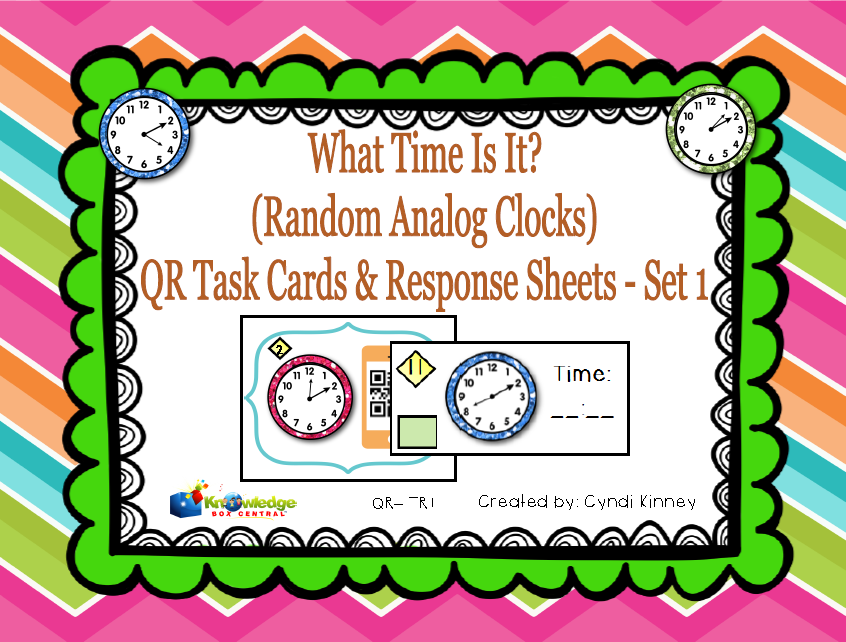
What Time Is it? QR Task Cards & Response Sheets - Random Analog Clocks - Set 1 - EBOOK
Practice telling time on random analog clock times using self-checking QR-code task cards (Set 1).




6,649 resources
Explore sub-categories
104 sub-categories · 6,649 resources
Practice telling time on random analog clock times using self-checking QR-code task cards (Set 1).
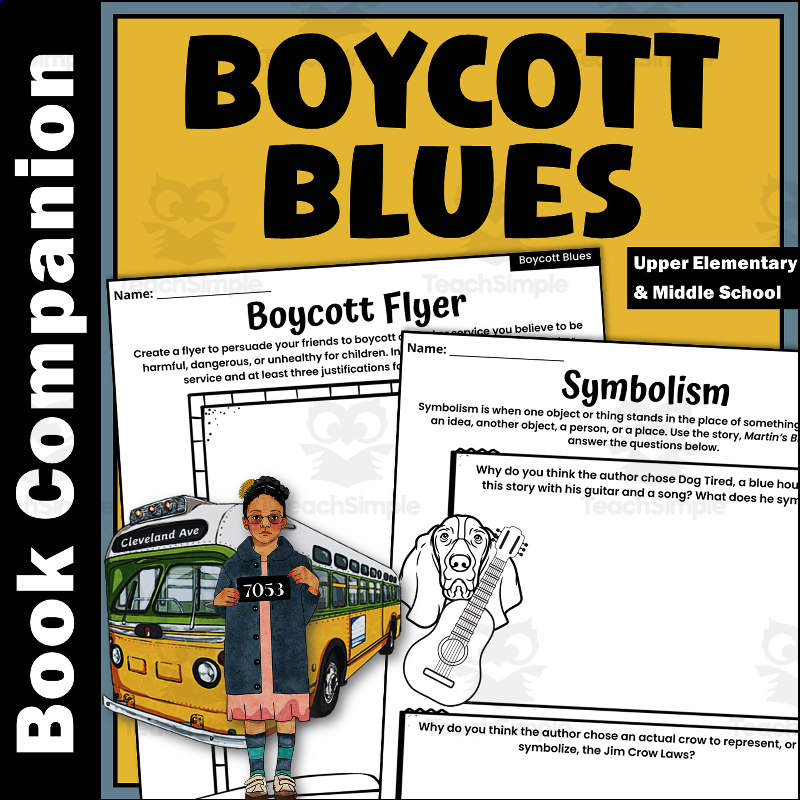
Complete reading-response activities alongside the book: making predictions, identifying story elements/problem-solution/plot/setting, summarizing (Somebody-Wanted-Because-But-So), analyzing character traits and development, identifying theme and thematic statements, answering reader-response comprehension questions (multiple-choice and…
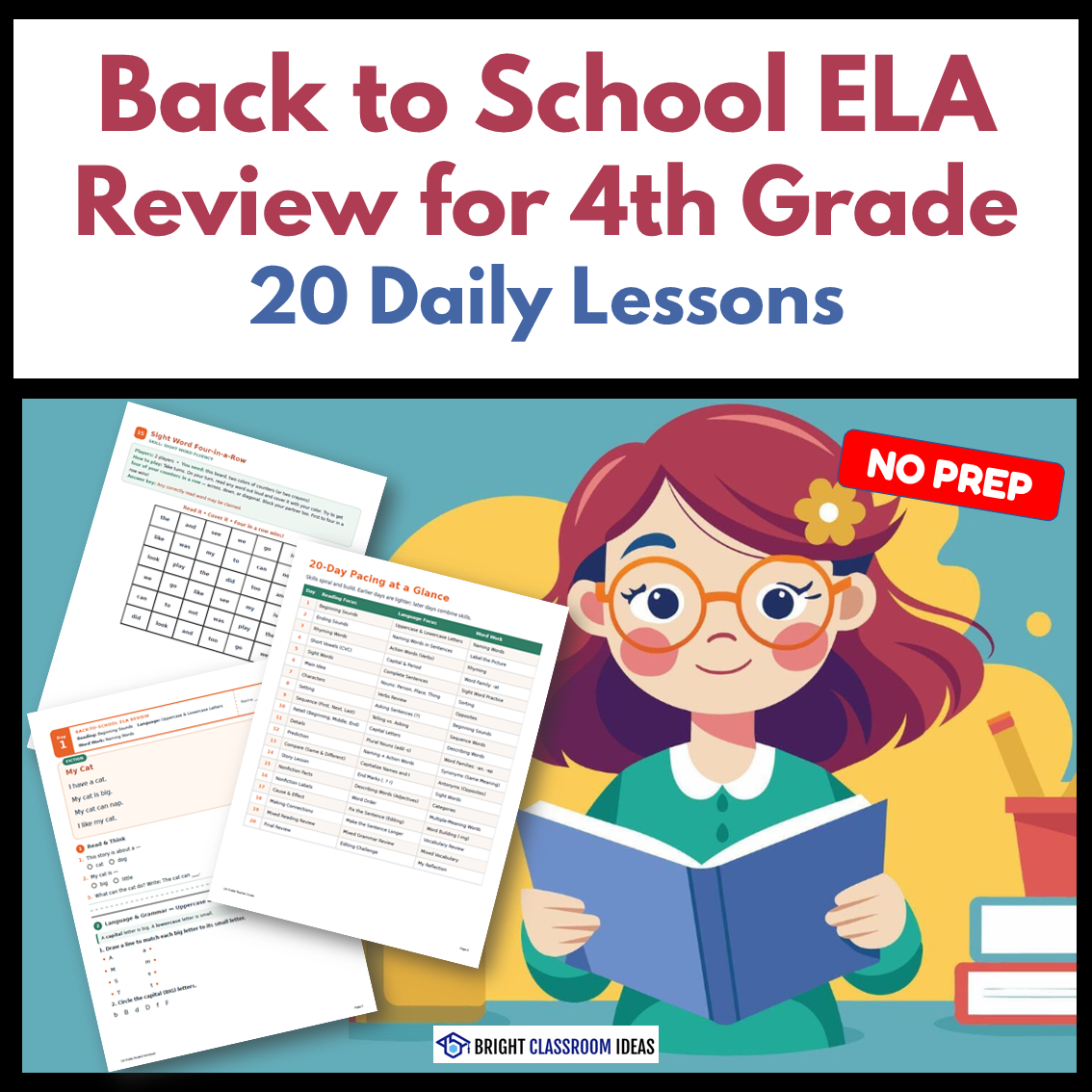
For each of 20 daily lessons, read a short passage and answer comprehension questions (Read & Think), complete a grammar/language exercise (Language & Grammar), do a word-study/vocabulary task (Word Work), and write a short response (Write About It); also play included print-and-play literacy games.
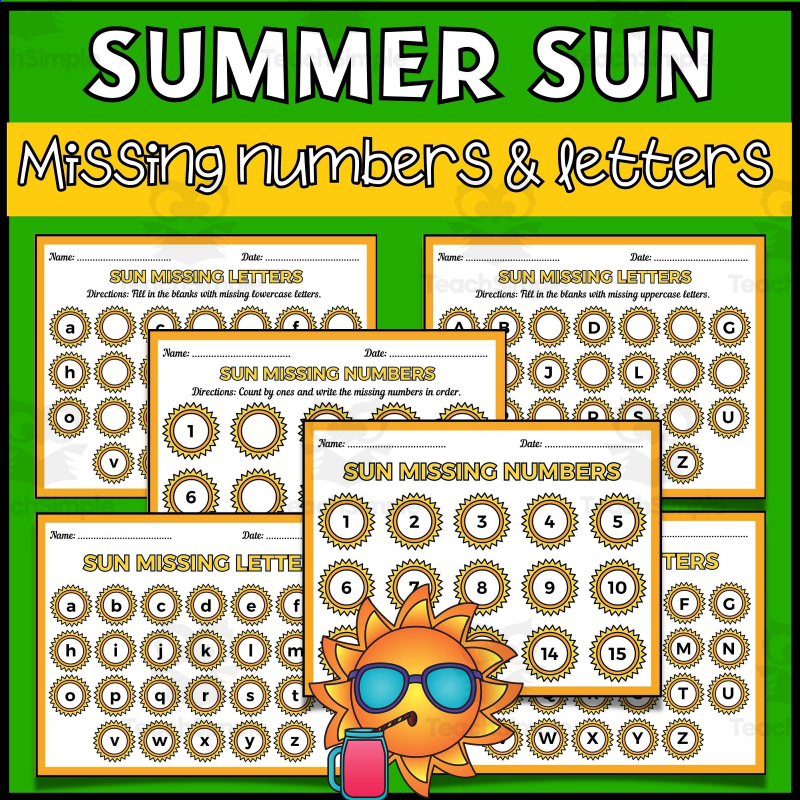
Count by ones and write the missing numbers in sequence (1-15); fill in the missing uppercase and lowercase letters of the alphabet in sequence.
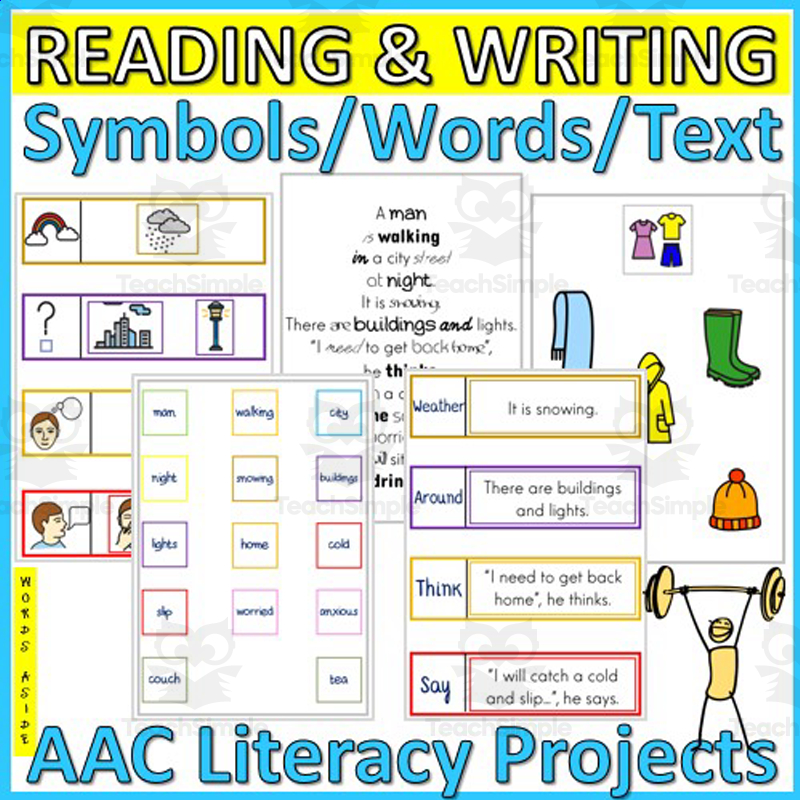
Read/decode a symbol-supported short passage describing a scene (a man walking at night in the snow), using page-by-page task cards that progress from symbols to words to full passage.
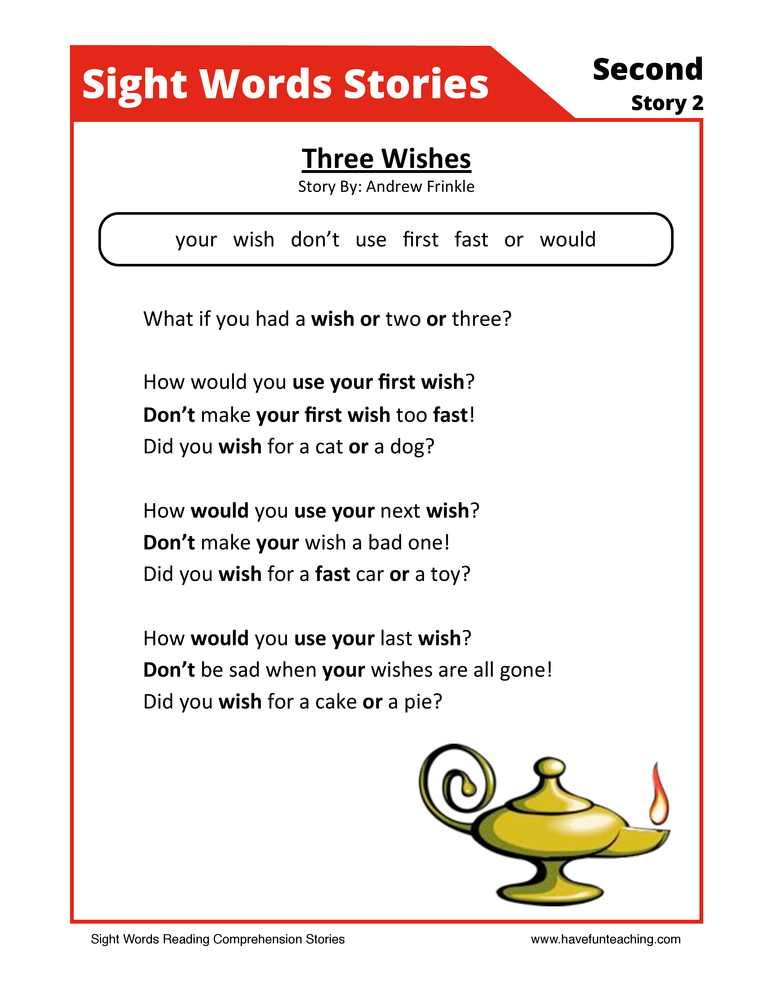
This Three Wishes Second Sight Words Reading Comprehension Worksheet is a great way for students to build their reading comprehension and phonics skills. This worksheet is intended for second grade sight words.

Students solve numbered 'ticket' word problems (matching tickets to rides), which involve addition, subtraction, multiplication, and division with multi-step reasoning, recording answers with correct units on a worksheet.
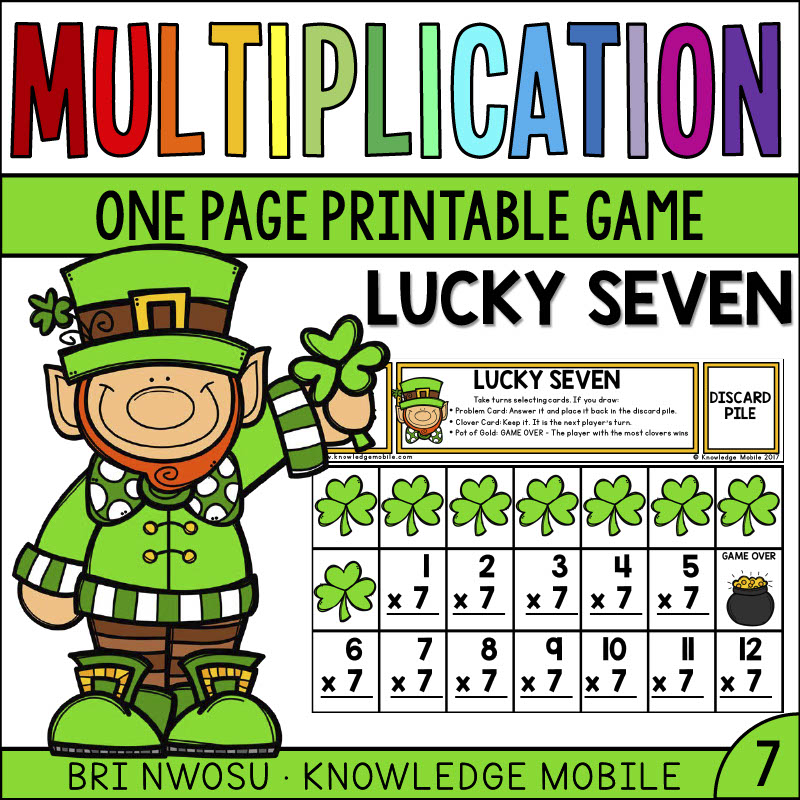
A one-page, self-checking printable game ("Lucky 7's") giving students repeated, timed practice with multiplication facts for the 7s (x7), to build recall fluency.

Students write answers to word/computation problems: identify fractions of a set of objects, find sums and differences of fractions with unlike denominators, convert to like fractions, compare fractions with , order fractions, and add/subtract mixed numerals.

Look beyond the first two letters when putting words in alphabetical order. Five lists share their opening letters, so students compare the third letter and continue farther when needed. They rewrite each group in order, then use the completed reference to check. Model identifying the first differing letter before students begin a list.

Three connected note-and-practice sets teach the Triangle Inequality Theorem , Angle Sum Theorem, and how to classify whether a set of given side lengths or angle measures produces one unique triangle, many triangles, or no triangle at all. Each set opens with guided fill-in-the-blank notes explaining the rule (e.g., 'the sum of the two shorter sides must be greater than the longest side'), works through a labeled example, and then provides 6-12 practice problems, some multiple choice and some requiring students to show their work. A ten-question 'Triangles Test Practice' section follows, along with a Google Forms link for a self-grading digital version of the same test. A complete answer key is provided for every notes page and the test practice section, including worked-out numeric substitutions.
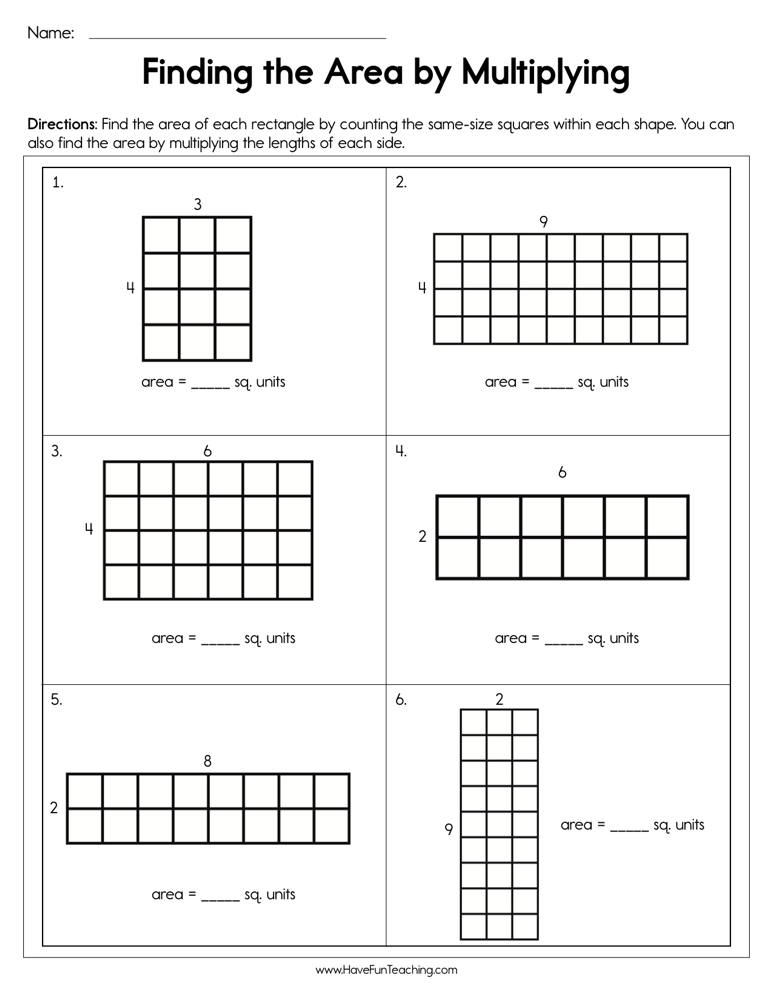
A worksheet for practicing finding the area of rectangles both by counting unit squares and by multiplying side lengths.
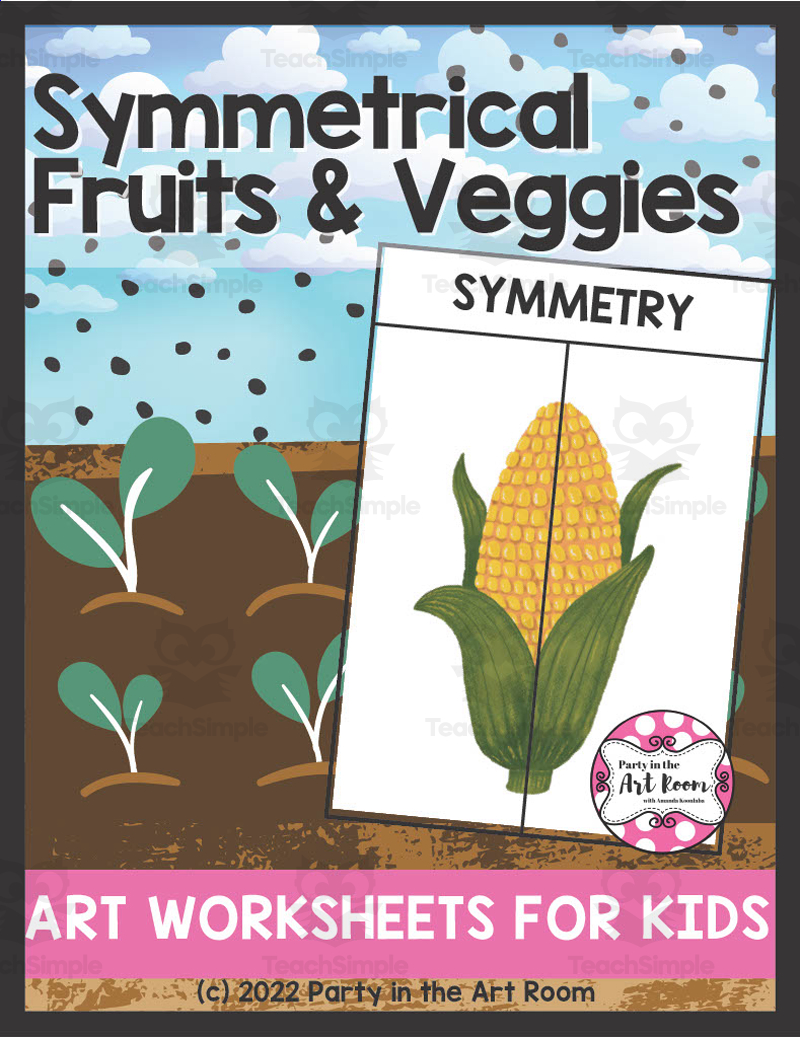
These worksheets introduce symmetry through a sequence of looking, choosing and drawing tasks. Students identify correct symmetry lines, draw lines through images and complete six half-picture drawings. Use the recognition activity to discuss what makes two sides match before students attempt the drawing pages independently.
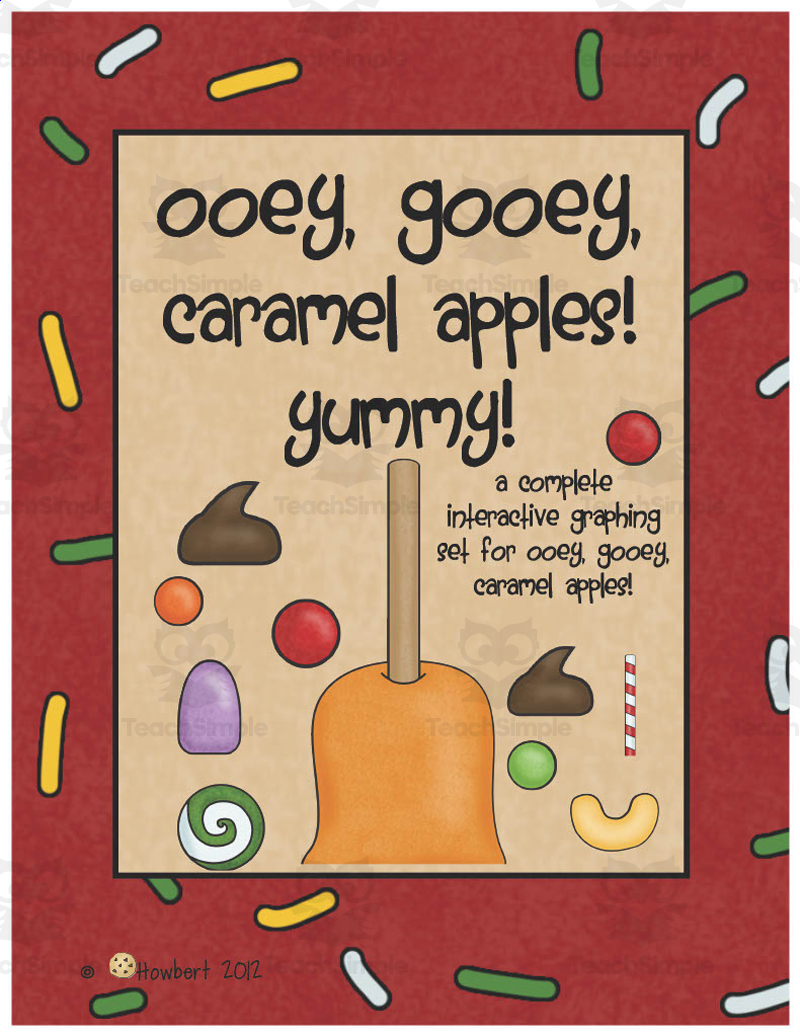
Vote for a favorite caramel apple topping, contribute a topping item from home, record class votes with tally marks, build a bar graph, and answer counting/comparison questions using the tally and bar graphs (including simple addition/subtraction word problems).
 Free download
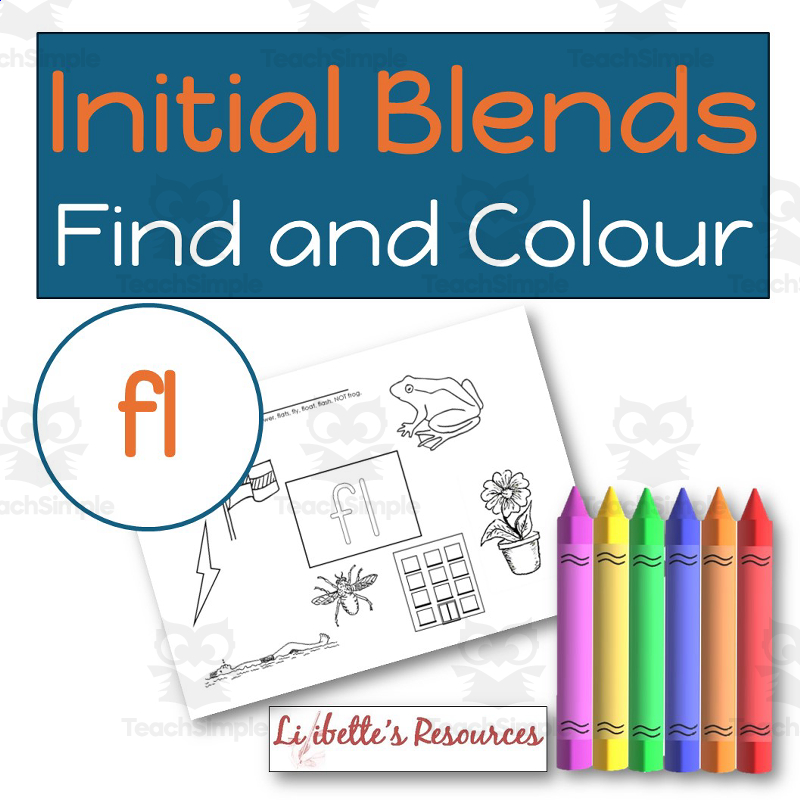
 Find and color pictures whose words begin with FL.
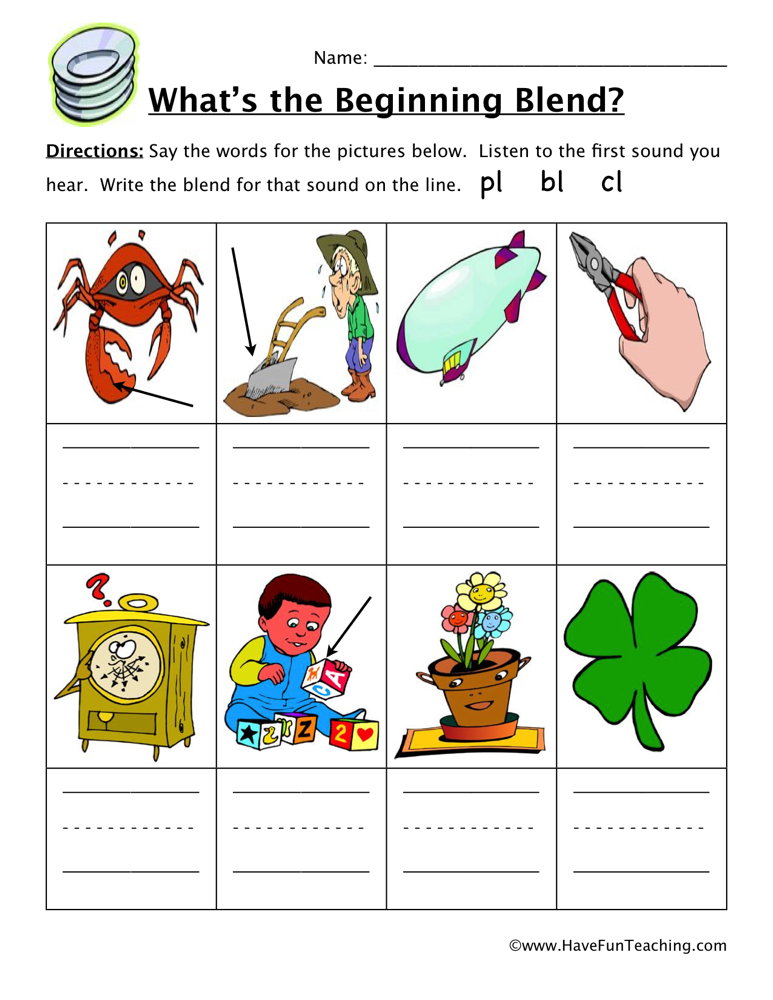
Practice identifying the beginning consonant blends pl, bl, and cl using picture-based vocabulary.
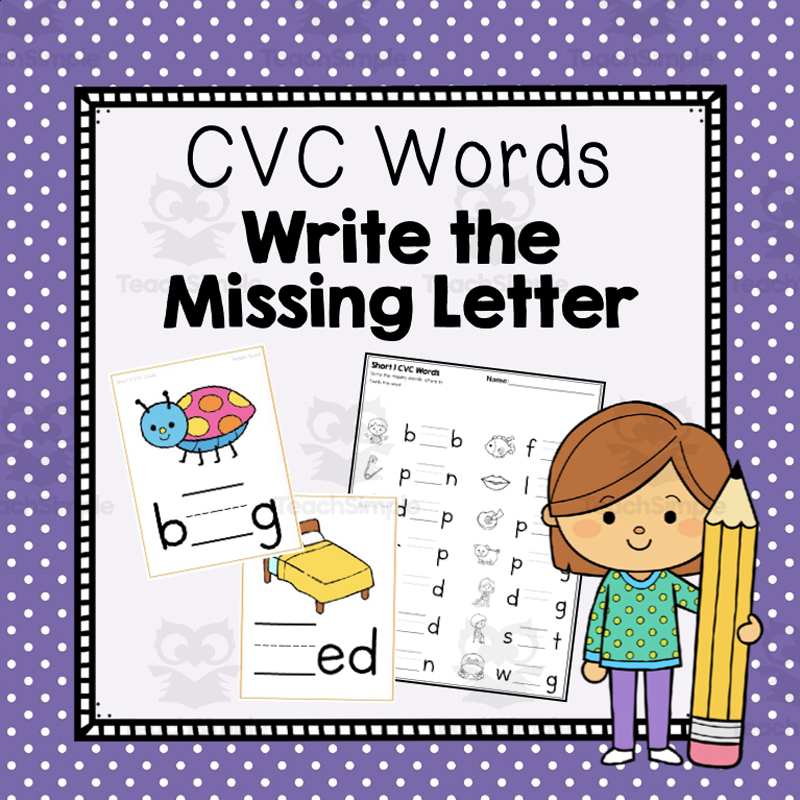
Sound out each CVC word fragment shown on a card or worksheet and write/identify the missing letter for the labeled sound position (beginning, middle, or ending).
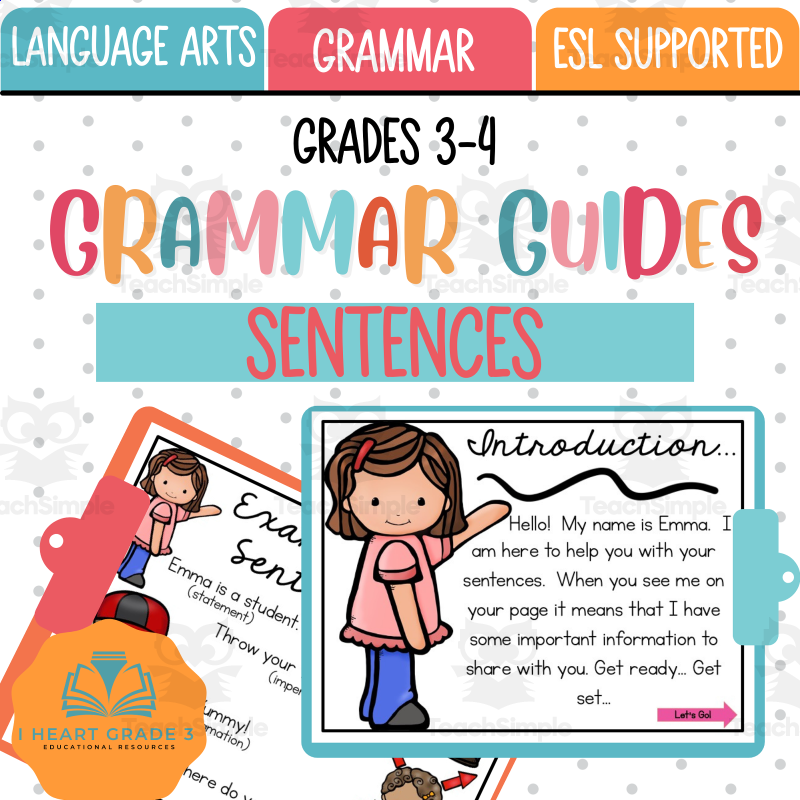
Students identify sentence type, mark sentences as complete or incomplete, complete sentences by matching halves, fill in sentences using key words, unscramble words into sentences, fix capitalization/punctuation errors, and write their own statements, questions, imperative, and exclamatory sentences.
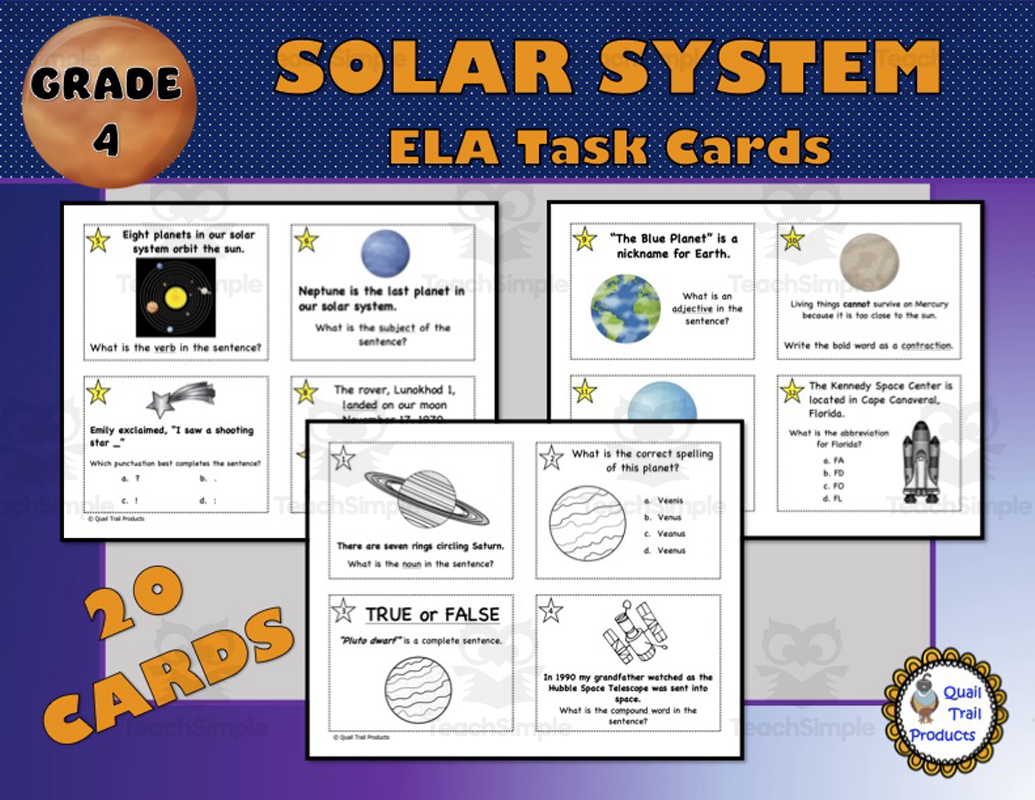
Identify grammar elements (nouns, verbs, subjects, compound words, spelling) within space-themed sentences on each card and record answers separately.

A summer review workbook and games pack for rising/outgoing 6th graders, covering 62 standards-aligned math activities (ratios, rates, percent, algebra, coordinate plane, statistics, problem solving) organized by week, meant to prevent summer learning loss.

This resource is a Counting Unicorns Worksheet. Students will count the unicorns in each box and write the correct number.
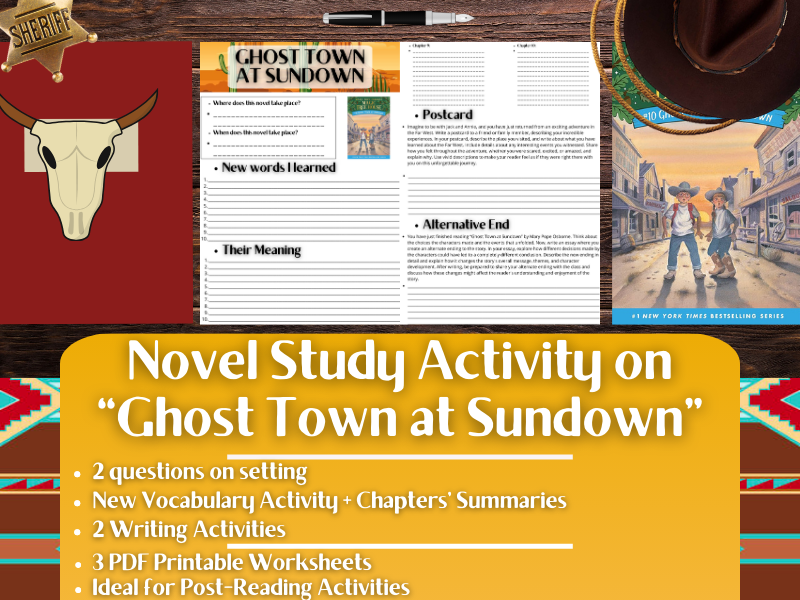
Post-reading novel-study worksheet for the Magic Tree House chapter book "Ghost Town at Sundown" by Mary Pope Osborne: guides students through identifying setting/time, two open-ended 10-item response lists, a chapter-by-chapter (Chapters 1-10) summary grid, and two creative-writing prompts.

Select the correct product or quotient from four multiple-choice options for each problem; a guide describes on-sheet buttons that randomize numbers within chosen ranges.

This worksheet is a good practice for multiplication and division. The first page shows several ice cream cones with multiplication problems on them. Students write the answer on the line provided. They then are instructed to color all of the cones brown, then if the answer is even they color the ice cream pink. If the answer is odd…