3,964 products added recently
Page 2 - Worksheets
Enhance your classroom with a wide array of worksheets covering various subjects and grade levels. These resources offer engaging activities to reinforce lessons, assess understanding, and provide extra practice. Utilize them to supplement your curriculum and support student learning effectively.
Yachts Reading Comprehension Passage - Cored Ed Encyclopedia
ELA, Language Development, Reading Comprehension, Reading, Science, History, Social Studies, Technology, Engineering, Pre-Reading, Grade 2, 3, 4, 5, Worksheets & Printables, Worksheets, Teacher Tools, Centers, Activities, Writing Prompts, Assessments, Quizzes and Tests, Quizzes, Lesson Plans
This yachts reading comprehension with lesson plan includes: Visualization (on the front cover) Start your lesson by taking a minute to think and share something about the topic. Read the script aloud (slowly), perhaps prepare some music or sound effects. Student close their eyes and let their imaginations wander. Students open their eyes, read the question aloud and give them a few minutes to complete. Ask a few students to share or keep answers until the end to compare with what they learn in the passage. Quick pause—thousands of Cored Education products are included with your TeachSimple membership. Download links and encyclopedia index available here. Pre-Reading Trivia Students will write down one thing they already know about the subject and then read five more facts and discuss. These facts are fun, and the students will enjoy learning about the subject before reading more. Give 1 minute for students to write what they already know (no pressure—best guess is fine). Read the five facts together. After each fact, do ask a student for their opinion, was it surprising? Set a purpose by asking students to highlight/underline one fact they want to learn more about during the reading. Reading Passage The text is a high-interest reading passage with set paragraphs, roughly three to four paragraphs long. It contains a variety of themes about the topic, anywhere from history to technology. The passage is between 250 and 350 words in length. First, ask students to look at the headings and see what they’ll learn about today. What do they know about the topic/heading? First read options: Teacher read-aloud (best for support). Partner reading (paragraph by paragraph). While reading, students underline important details, and vocabulary words they think may come up in the questions section. Mixed Questions The first question page contains four multiple-choice questions, each with a choice of four answers, and three written response questions that require a sentence or two from the student. Students complete the mcqs first independently, then review quickly as a class. For the 3 written responses, try to get students giving the answer with some form of evidence: “I think ___ because the text says ___.” If students get stuck, send them back to check the passage. Vocabulary Questions Practice seven key words from the text in this section across two activities. First section is scrambled words where students will unscramble three words given a clue for each. The second section is a word to meaning matching activity. Before starting, have some students read out words they underlined in the passage. Ask students to say the word and read aloud the sentence(s) around each word. Ask students to do scrambled words and the matching exercise in pairs then go through answers as a class. For the scrambled spelling task, get four pairs to come up to the board and write the words for extra practice with the other student reading out the clue. For the matching task, prompt students to give full sentences: “I matched ___ with ___ because ___.” Creative Writing In this question, the student will be required to write a five to eight sentence paragraph on a question related to the topic. Before starting, ask students write down 3 key ideas they are going to include in their piece. Ask students for ideas to share around the class to help those struggling. Pro writing expectations: 5–8 sentences At least 2 facts or details from the passage At least 2 vocabulary words from the previous page Students read their paragraphs while classmates listen for facts and vocabulary words. Extension Activities This page is optional for fast finishers or to take home. There are several activities, each one requiring a different skill. Do some, do none, do all, completely optional - but you will feel reassured knowing every possibility is planned for. Includes summary writting question. Answer Key There are answers for the multiple-choice questions, written response questions have sample answers, vocabulary answers and if there is a summary question then a sample summary will be provided as well. Lesson Plan Included Customized lesson plan for this lesson is included. Lesson Snapshot Title: Yachts Genre: Nonfiction (informational text) Subject: Social Studies (history of technology) / Informational Reading Primary Topic: What yachts are, their history, and how they changed Estimated Guided Reading Level (A–Z): Q What This Lesson Teaches Best Describes what a yacht can look and sound like at a marina, and explains that yachts may move by sails or by a motor beneath the deck. Explains how people use yachts for pleasure, such as cruising along a coast, spending a night onboard, or racing across open water, and notes that many yachts have a cabin where someone can sleep and stay dry. Traces how the word “yacht” began in Netherlands from a Dutch word meaning “hunt,” and how early yachts were quick ships used to chase pirates and scout ahead before becoming boats for travel and fun. Shows how yacht racing grew in Europe in the 1600s and how a race in 1851 helped launch the America’s Cup, influencing yacht designs for speed and handling. Explains how yachts changed over time (new materials like fiberglass, larger yachts using steel or aluminum, and engines arriving from steam to modern fuel engines), including very large “superyachts” that may need a hired crew. Learning Goals Students will identify two ways yachts can be powered using details from the text. Students will describe what the passage says people do on yachts for pleasure. Students will explain how the meaning and use of “yacht” changed over time in the passage. Students will describe how racing influenced yacht design, using the passage’s examples. Students will describe at least two changes in yacht materials or engines mentioned in the text. Key Vocabulary From the Text marina — a place where boats dock. cabin — a room where someone can sleep and stay dry. hulls — the outer bodies of boats. fiberglass — a newer material used instead of wood. crew — a hired group to run a yacht. FULL CATALOG OF DOWNLOAD LINKS AND ENCYCLOPEDIA INDEX HERE
Author Cored Education
Rating
Tags Vocabulary, Reading Comprehension, Reading Passages, Lesson Plans, Ela Lesson Plans, Reading Comprehension Lesson Plans, Pre-reading, History Lesson Plans, Science Lesson Plans, Engineering
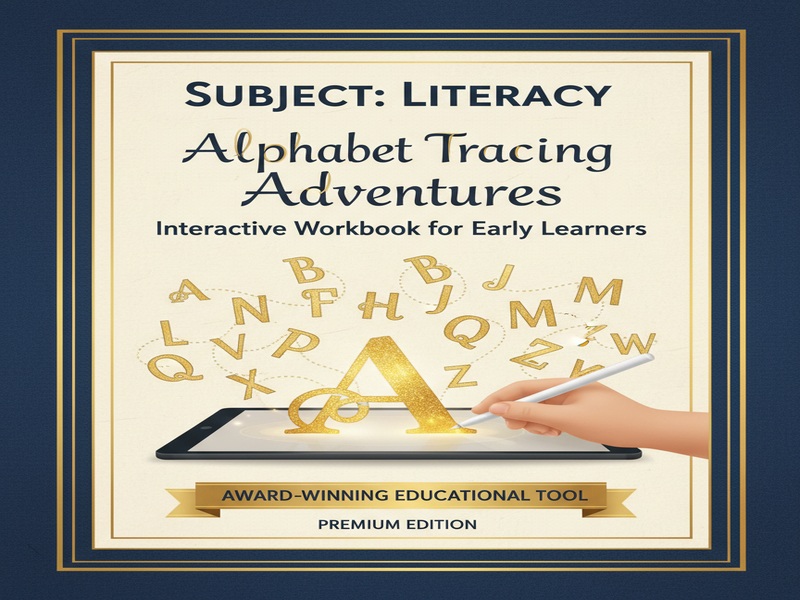
Letter A of the Week Alphabet Activities Hands-on Phonics Worksheets
ELA, Language Development, Phonics, Pre-Reading, Kindergarten, Preschool, Homeschool Curriculum, Homeschool Templates, Activities, Centers, Crafts, Worksheets & Printables, Drawing Templates & Outlines, Worksheets, Coloring Pages, Crosswords Puzzles, Dot To Dots, Mazes
Looking for fun, no-prep Letter A activities to kick off your alphabet instruction? This 66-page printable pack is loaded with engaging, hands-on learning tasks that will help your preschool and kindergarten students master the letter A through movement, creativity, and phonics-based practice. Perfect for Letter of the Week programs, this pack includes everything from tracing and coloring to spinning, sorting, dabbing, cutting, building, crafting, and more! What’s Included: Letter A Poster and 6 visual cards Booklet Cover ‘About Me’ page Tracing and writing uppercase and lowercase A Identifying the letter A Coloring the letter A Sorting the letter A Spinning the letter A Finding the letter A Drawing letter A pictures Creating a glittering letter A with glue and glitter Letter A maze, puzzle and join the dots fun Letter A visual cut outs Letter A dab the dots Letter A color by code Letter A Geoboard Summary sheet of the letter A Sight words practice (3 sheets): 'a, the, is' Supplementary Activities: Mini Letter A words and visual one page booklet ‘I’m a Letter A Champ’ crown ‘I’m a Letter A Champ’ bracelet Mini flipbook on letter A words and visuals Ant finger puppet templates (6 on a page) Ant Stick Puppets (4 on a page) Letter A Words and visuals 6 sections wheel Hands-on Craft & Supplementary Fun: Letter A crown : “I’m a Letter A Champ!” Letter A bracelet and mini flipbook Word wheel with 6 visual letter A words Mini booklet and About Me cover page Ant-themed finger puppets and stick puppets Flipbook for sight words with touch-phonics font This comprehensive pack is perfect for your morning work, literacy centers, phonics block, or take-home activities . Bonus: ✔️ Available in both US and British English spelling versions Whether you’re just introducing the letter A or reinforcing it mid-year, this resource makes it easy to teach and fun to learn. Your students will love the variety, and you’ll love how much letter A practice is packed into one ready-to-go resource.
Author Teach2Tell
Rating
Tags Letter A Activities, Letter A Worksheets, Letter A Printables, Alphabet Letter A, Letter Of The Week, Letter A Crafts, Letter A Tracing, Letter A Recognition, Letter A Practice, Kindergarten Phonics
TikTok Algorithm & Content Calendar Mapping
Technology, Science, Computer Science, Engineering, Business, Life Studies, Career, Leadership, Research, Finance, Homeschool Curriculum, Grade 7, 8, 9, 10, 11, 12, Worksheets & Printables, Workbooks, Worksheets, Word Searches, Teacher Tools, Assessments, Lesson Plans, Quizzes and Tests, Quizzes, Tests
Are your students spending hours scrolling TikTok? It's time to transform their passive consumption into a powerful, career-building skill! This comprehensive, 43-page project-based learning unit demystifies the TikTok algorithm and empowers students to think like professional digital strategists. Move beyond random posting and teach the data-driven science behind viral content. This isn't just a worksheet packet; it's a complete, academically rigorous curriculum designed for high school students. It treats TikTok as a serious case study in modern marketing, audience psychology, and behavioral economics. Students will transition from being casual creators to strategic digital architects, capable of planning, executing, and analyzing a 30-day content campaign. What's Included in This 43-Page All-in-One Unit: Part 1: Core Theory & Case Studies (10 Pages): In-depth chapters covering the architecture of the TikTok algorithm, the 4 phases of audio lifecycles (Inception, Acceleration, Apex, Decay), strategic content pillars, the 70/20/10 risk model, and real-world case studies. Part 2: The Student Workbook (21 Pages): Ten detailed worksheets guide students through practical application. They will analyze trending audio, calculate velocity, identify algorithmic triggers, define their niche, establish content pillars, build a 30-day posting calendar, and learn to iterate based on performance data. Part 3: Teacher Resources & Visuals (12 Pages): High-Contrast Diagrams: Perfect for classroom projection, breaking down the audio lifecycle, content matrix, and distribution feedback loop. Comprehensive Answer Key: Detailed, expected answers for every worksheet to make grading clear and objective. Teacher Implementation Guide: A step-by-step guide with pre-teaching strategies, classroom activities, discussion prompts, and advice for overcoming common student roadblocks. This resource is perfect for project-based learning and ready to print or use digitally. Equip your students with the 21st-century media literacy and marketing skills they need to succeed in the digital economy. Perfect for: High School Marketing & Business Classes Media Literacy & Digital Citizenship Units Career and Technical Education (CTE) Courses Journalism & Communications Entrepreneurship Programs Keywords: TikTok Marketing, Social Media Strategy, Digital Literacy, Algorithm, Content Calendar, Project-Based Learning (PBL), High School Business, CTE, Media Studies, 21st Century Skills, Content Creation, Viral Trends, Marketing Curriculum. Why Parents/Schools Love It: Turns Screen Time into Skill Time: It transforms a platform students already use for entertainment into a rigorous academic exercise, teaching critical thinking and analytical skills. Teaches In-Demand 21st-Century Skills: Students learn the fundamentals of digital marketing, data analysis, strategic planning, and content creation—skills that are highly valuable in college and future careers. 100% Turnkey & No-Prep: This is a complete, ready-to-go unit. With a teacher's guide, answer keys, and student worksheets, educators can implement it immediately without hours of prep work. Highly Engaging & Relevant: By using TikTok, a platform students are passionate about, this curriculum guarantees high student engagement and makes abstract concepts (like data analysis) tangible and exciting. Promotes Digital Citizenship: The unit encourages students to think ethically and critically about the content they create and consume, fostering responsible behavior in the digital world. Target Student Audience : Based on the academic language ("sociological study," "algorithmic architecture") and the direct mention on page 1, target: Grades: 9th to 12th Grade . While designed with 9th graders in mind, the complexity of the strategic concepts makes it perfectly suitable and challenging for students up to grade 12, especially in advanced marketing or business courses. Classes: Marketing, Business, Media Studies, Digital Literacy, Communications, Entrepreneurship, and Career & Technical Education (CTE) electives. Copyright/Terms of Use: This Book was copyrighted by Syed Hammad Rizvi. This resource is for personal and single classroom use only. You may not alter, redistribute, or sell any part of this resource. In other words, you may not put it on the Internet where it could be publicly found and downloaded. If you want to share this resource with colleagues, please purchase additional licenses from TpT. Thank you for respecting these terms of use. This product is happily brought to you by Syed Hammad Rizvi Are your students spending hours scrolling TikTok? It's time to transform their passive consumption into a powerful, career-building skill! This comprehensive, 43-page project-based learning unit demystifies the TikTok algorithm and empowers students to think like professional digital strategists. Move beyond random posting and teach the data-driven science behind viral content. This isn't just a worksheet packet; it's a complete, academically rigorous curriculum designed for high school students. It treats TikTok as a serious case study in modern marketing, audience psychology, and behavioral economics. Students will transition from being casual creators to strategic digital architects, capable of planning, executing, and analyzing a 30-day content campaign. What's Included in This 43-Page All-in-One Unit: Part 1: Core Theory & Case Studies (10 Pages): In-depth chapters covering the architecture of the TikTok algorithm, the 4 phases of audio lifecycles (Inception, Acceleration, Apex, Decay), strategic content pillars, the 70/20/10 risk model, and real-world case studies. Part 2: The Student Workbook (21 Pages): Ten detailed worksheets guide students through practical application. They will analyze trending audio, calculate velocity, identify algorithmic triggers, define their niche, establish content pillars, build a 30-day posting calendar, and learn to iterate based on performance data. Part 3: Teacher Resources & Visuals (12 Pages): High-Contrast Diagrams: Perfect for classroom projection, breaking down the audio lifecycle, content matrix, and distribution feedback loop. Comprehensive Answer Key: Detailed, expected answers for every worksheet to make grading clear and objective. Teacher Implementation Guide: A step-by-step guide with pre-teaching strategies, classroom activities, discussion prompts, and advice for overcoming common student roadblocks. This resource is perfect for project-based learning and ready to print or use digitally. Equip your students with the 21st-century media literacy and marketing skills they need to succeed in the digital economy. Perfect for: High School Marketing & Business Classes Media Literacy & Digital Citizenship Units Career and Technical Education (CTE) Courses Journalism & Communications Entrepreneurship Programs Keywords: TikTok Marketing, Social Media Strategy, Digital Literacy, Algorithm, Content Calendar, Project-Based Learning (PBL), High School Business, CTE, Media Studies, 21st Century Skills, Content Creation, Viral Trends, Marketing Curriculum. Why Parents/Schools Love It: Turns Screen Time into Skill Time: It transforms a platform students already use for entertainment into a rigorous academic exercise, teaching critical thinking and analytical skills. Teaches In-Demand 21st-Century Skills: Students learn the fundamentals of digital marketing, data analysis, strategic planning, and content creation—skills that are highly valuable in college and future careers. 100% Turnkey & No-Prep: This is a complete, ready-to-go unit. With a teacher's guide, answer keys, and student worksheets, educators can implement it immediately without hours of prep work. Highly Engaging & Relevant: By using TikTok, a platform students are passionate about, this curriculum guarantees high student engagement and makes abstract concepts (like data analysis) tangible and exciting. Promotes Digital Citizenship: The unit encourages students to think ethically and critically about the content they create and consume, fostering responsible behavior in the digital world. Target Student Audience : Based on the academic language ("sociological study," "algorithmic architecture") and the direct mention on page 1, target: Grades: 9th to 12th Grade . While designed with 9th graders in mind, the complexity of the strategic concepts makes it perfectly suitable and challenging for students up to grade 12, especially in advanced marketing or business courses. Classes: Marketing, Business, Media Studies, Digital Literacy, Communications, Entrepreneurship, and Career & Technical Education (CTE) electives. Copyright/Terms of Use: This Book was copyrighted by Syed Hammad Rizvi. This resource is for personal and single classroom use only. You may not alter, redistribute, or sell any part of this resource. In other words, you may not put it on the Internet where it could be publicly found and downloaded. If you want to share this resource with colleagues, please purchase additional licenses from Teachsimple. Thank you for respecting these terms of use. This product is happily brought to you by Syed Hammad Rizvi
Author Creative Book Store
Rating
Tags TikTokAlgorithm, TikTokMarketing, ContentStrategy, SocialMediaMarketing, DigitalMarketing, ContentCalendar, ViralMarketing, TrendingAudio, SocialMediaStrategy, BusinessTeacher
Oboes Reading Comprehension Passage - Cored Ed Encyclopedia
ELA, Language Development, Resources for Teachers, Reading Comprehension, Reading, Pre-Reading, Writing, Strategies, Music, Creative Arts, Grade 2, 3, 4, 5, Worksheets & Printables, Worksheets, Teacher Tools, Centers, Activities, Writing Prompts, Assessments, Tests, Quizzes and Tests, Quizzes
This oboes reading comprehension contains the following: Visualize on the Cover (Teacher Read Aloud Script) Start your lesson by taking a few moments to visualize the topic and share thoughts or feelings about it. Pre-Reading Trivia Students will write down one thing they already know about the subject and then read five more facts and discuss. These facts are fun, and the students will enjoy learning about the subject before reading more. Reading Passage The text is a high-interest reading passage with set paragraphs, roughly three to four paragraphs long. It contains a variety of themes about the topic, anywhere from history to technology. The passage is between 250 and 350 words in length. Mixed Questions The first question page contains four multiple-choice questions, each with a choice of four answers, and three written response questions that require a sentence or two from the student. Vocabulary Questions Practice seven key words from the text in this section across two activities. First section is scrambled words where students will unscramble three words given a clue for each. The second section is a word to meaning matching activity. Creative Writing In this question, the student will be required to write a five to eight sentence paragraph on a question related to the topic. Extension Activities This page is optional for fast finishers or to take home. There are several activities, each one requiring a different skill. Do some, do none, do all, completely optional - but you will feel reassured knowing every possibility is planned for. Includes summary writting question. Answer Key There are answers for the multiple-choice questions, written response questions have sample answers, vocabulary answers and if there is a summary question then a sample summary will be provided as well. FULL CATALOG OF DOWNLOAD LINKS AND ENCYCLOPEDIA INDEX HERE Lesson Snapshot Title: Oboes Genre: Nonfiction (informational text) Subject: Music (Performing Arts) / Reading Informational Text Primary Topic: How the oboe developed and works Estimated Guided Reading Level (A–Z): S Support pages included: Pre-reading trivia, mixed questions, vocabulary activities, creative writing, extension activities, and an answer key. Support-page QA note: The support page uses “orchestra” (singular) in a scrambled-word item, while the passage uses “orchestras” (plural). What This Lesson Teaches Best How the modern oboe developed from earlier instruments, including the shawm and hautbois , across time in Europe. How a double reed starts the oboe’s sound through vibrating and buzzing. How adding more keys helped players move faster and play more notes in tune. Why the oboe often gives the tuning note in an orchestra (clear, steady sound). Using section headings to organize and locate key facts in an informational passage. Learning Goals Students will be able to describe how the shawm relates to the modern oboe. Students will be able to explain what the double reed does to start the oboe’s sound. Students will be able to identify how the hautbois was different from the shawm. Students will be able to explain why new key systems were designed in the 1800s. Students will be able to describe why the oboe often gives the tuning note in orchestras. Students will be able to use the passage’s headings to find information quickly. Key Vocabulary From the Text shawm — a loud older double-reed instrument played long ago. hautbois — an early French version of the oboe. double reed — two reeds that vibrate to start the sound. tuning — matching the same pitch before playing together. blend — mix smoothly with other instruments. Cored Ed Encyclopedia Overview The Cored Ed Encyclopedia is a weekly series of lessons that you can pick up and use right away. These short readings fit into whatever time you have available. Each one includes a warm-up, a reading, and a set of questions, but it’s flexible — you can do just the reading, the full lesson, or skip the writing section if you need to. Each lesson focuses on a single topic so students don’t get lost. The writing is clear but never childish, making it perfect for grades two through five. Topics range from animals and science to history, inventions, and everyday things. No matter the level of the student, everyone should take away at least one new idea or fact from each lesson. The materials are easy to print, easy to explain, and require no setup. They work well for whole-class teaching, partner work, or independent study.
Author Cored Education
Rating 5
Tags Vocabulary, Spelling, Reading Comprehension, Reading Passages, Reading, Creative Writing, Reading Strategies, Writing Prompts, Oboes, Music
Health 2nd Grade Unit 6: Prevention / Control of Disease
P.E. & Health, Health, Physical Education, Special Resources, Life Skills, Social Emotional Learning (SEL), Social Skills, Grade 2, Teacher Tools, Lesson Plans, Worksheets & Printables, Worksheets
For 2nd Grade Health there are seven standards that need to be taught. Unit 1 Personal Health Unit 2 Growth and Development Unit 3 Nutrition and Physical Activity Unit 4 Substance Use and Abuse Unit 5 Injury/ Violence Prevention Control and Safety Unit 6 Prevention/Control of Disease Unit 7 Environmental Consumer Health This Health 2nd Grade Unit 6: Prevention / Control of Disease covers topics such as: * Communicable vs non-communicable diseases with a cut, sort, and paste activity. * What to do when you are sick and how not to spread germs. * Steps to wash hands effectively. * Overall personal hygiene worksheets. * Vocabulary words related to dental care. * This 2nd Grade Health Unit even covers Covid 19 and how it started and its effects on the body and how to prevent the spread of this disease. With this 2nd grade health unit, students will be able to understand how to better prevent the spread of diseases. It is a great way to help them learn how to stay healthy and well at home, at school, and in public places. At the end of the unit, there is an assessment to check for understanding. A total of 31 pages for 2nd Grade Health on Prevention and Control of Disease. There are seven units that cover all the health requirements for second grade. Here are the links to other health units: Health 2nd Grade Unit 1: Personal Health Health 2nd Grade Unit 2: Growth and Development Health 1st Grade Unit 3: Nutrition and Physical Activity Health 2nd Grade Unit 4: Substance Use and Abuse Health 2nd Grade Unit 5: Injury / Violence Prevention and Safety Health 2nd Grade Unit 6: Prevention / Control of Disease Health 2nd Grade Unit 7: Environmental / Consumer Health 2nd grade Coronavirus / Covid-19 Facts This unit meets Common Core Standards.
Author K-5 Treasures
Tags Health Unit, Prevention, Control Of Disease, Germs, Second Grade Health, 2nd Grade Health, Healthy Activities, Healthy Habits, Coronavirus, Health Resources For 2nd Grade
Envision Math Grade 5 Topic 5: Divide by 2-Digit (Notes, Quiz, Keys)
Math, Multiplication and Division, Division, Order Of Operations, Grade 5, Worksheets & Printables, Worksheets, Workbooks, Word Problems
Support your students as they take the next step in division with this teacher-created packet for Envision Math Grade 5, Topic 5: Dividing by 2-Digit Divisors. Whether you follow the Envision Math curriculum or not, this resource works as a stand-alone unit to teach and reinforce division with larger numbers. Inside, you’ll find student notes, teacher notes, a teacher-created quiz, and answer keys. Each lesson is designed to provide clear, step-by-step explanations that make a difficult skill more approachable for 5th graders. With built-in guided practice, this packet saves you prep time while giving students structured learning support. Topic 5 Lessons include: Using patterns to divide Estimating quotients with 2-digit divisors Dividing by multiples of 10 1-digit quotients 2-digit quotients Estimating and dividing with greater numbers Ways to use this packet in your classroom: Daily guided notes during instruction Inserts for student math journals or interactive notebooks Small group reteaching and intervention Extra practice for absent students Reteaching or test corrections Review activities before unit or standardized tests Substitute teacher plans with clear guidance As of 2025, this product has been fully updated with clean formatting, the removal of page numbers (so it aligns with multiple editions of Envision Math), and improved ADA-compliant readability for screen readers. Please note: This resource does not include problem-solving lessons, as those are taught through a separate curriculum. Each topic can also be purchased individually depending on your classroom needs. This product is aligned with, but not affiliated with, Envision Math Grade 5. It was originally created for use in my own classroom and has been tested to ensure effectiveness and ease of use. Tags/SEO: 5th grade math division, Envision Math Grade 5 Topic 5, dividing by 2-digit divisors worksheets, estimating quotients grade 5, long division with 2-digit divisors, 5th grade math notes and quiz, math journal division notes, reteaching division grade 5, stand-alone math unit grade 5, fifth grade division practice
Author Kel's Klass
Rating
Tags Envision Math, Grade 5 Math, Mental Math, Dividing By Multiples Of 10, Estimating Quotients, Quotients, Using Patterns To Divide, 1-digit Quotients, 2-digit Quotients, Dividing With Greater Numbers
Democritus – Introducing a Pioneer of Atomic Theory | PDF + H5P
Life Sciences, Science, STEM, History: World, History, Social Studies, Biographies, Inventors, Basic Science, Human Body, Grade 6, 7, 8, 9, Worksheets, Worksheets & Printables, Quizzes, Quizzes and Tests, Teacher Tools, Projects, Activities
Democritus – Introducing a Pioneer of Atomic Theory Informational text, profile worksheet, and interactive quiz (PDF + H5P) 🧪📄 This resource introduces students to Democritus, one of the earliest thinkers to describe the idea of atoms. Although his theories were based on philosophy rather than experimental science, his work laid the foundation for what would later become atomic theory. The material is designed for use in grades 7–10 and works well in both subject-specific chemistry lessons and interdisciplinary settings such as history of science or philosophy of science. What’s included: Informational text on Democritus Printable profile worksheet Answer key for the profile Quiz questions based on the text (with solutions) Two extension tasks: – Students write their own questions about the text – Exchange and answer questions with a partner File formats: – Printable and digital PDF – Editable .docx version (text only) – H5P version for interactive use in LMS platforms (no images) How I use it: The material can be used as part of a chemistry unit introducing atomic models or scientific thinking. I’ve also used it in non-specialist substitute lessons, since the tasks are self-explanatory and include answer keys. Students first read the text and complete a short profile about Democritus, then move on to quiz questions for comprehension. The optional extension tasks promote active engagement and peer interaction, and are ideal if you want to add 10–15 extra minutes to the lesson. This resource works in traditional classroom settings, for independent work, or in digital environments thanks to the H5P version. It’s also useful for differentiating – more advanced students can create and exchange their own questions, while others focus on the basics. No extra prep required – just print or upload, and the lesson is ready to go. Have fun exploring the world of science with your students! Warmly, Lernfitness Did You Know? I teach with a certified therapy dog, and together we focus on creating a positive and inspiring learning environment.
Author Lernfitness
Rating
Tags Science, Famous Scientists Lesson, H5P, Interactive Science Exercises, STEM, History, Scientists, Democritus, Atomic Theory, Chemistry
Shanghai Mini Unit - Includes Reading, Vocabulary, Facts, Adjectives
ELA, Language Development, ESL, Resources for Teachers, Vocabulary, Reading Comprehension, Reading, Geography, Social Studies, Grade 2, 3, 4, 5, Worksheets & Printables, Worksheets, Teacher Tools, Quizzes and Tests, Quizzes, Activities
Shanghai Mini Unit This Shanghai Mini Unit is a 5-day literacy resource created for students in grades 2–5. Each day follows a clear, consistent structure with seven engaging activities designed to build vocabulary, boost reading confidence, and explore the sights, sounds, and traditions of Shanghai. Students complete the same core activities each day, helping to build routine while keeping learning meaningful and fun: Vocabulary words Sentence writing Reading comprehension Act It Out (partner conversation) Shanghai facts Discussion questions Describing words At the end of the week, students complete a 6-question written quiz to reflect on what they’ve learned and apply their vocabulary in complete sentences. The unit blends structure with cultural discovery, making it ideal for literacy blocks, geography-themed lessons, cultural studies, or enrichment. Vocabulary words included in the unit: skyline, harbor, temple, lantern, market, bamboo, ferry, skywalk, pagoda, vendor, calligraphy, silk, acrobat, dragon, palace, terrace, opera, Lantern Festival, rickshaw, spice, temple fair, scroll, porcelain, dim sum, kite Describing words (adjectives) used in Shanghai context: bright, busy, peaceful, colorful, tall, glowing, high, steady, tasty, smooth, flowing, bold, careful, graceful, grand, glowing, spicy, lively, delicate, playful, artful, festive How to Use This Shanghai Mini Unit This Shanghai Mini Unit is designed to be flexible and easy to implement in any classroom or learning setting. Each day features seven repeatable activities that build literacy skills through Shanghai-themed content. Teachers can guide students through each task as a whole class, in small groups, or independently. Start the day with vocabulary and sentence building, then move into reading comprehension and the Act It Out partner script to encourage fluency and expression. Fun facts and discussion questions spark critical thinking, while the describing words support writing and oral language. At the end of the week, use the included written quiz to review key vocabulary and concepts. The consistent structure allows students to build confidence while exploring the culture, language, and energy of one of the world’s most fascinating cities. Includes color and black and white versions. More Shanghai Products FULL CATALOG OF DOWNLOAD LINKS HERE Mini Unit Links Shanghai Spring St. Patrick's Day Starters St. Patrick's Day Sprinters Mini Units in Depth The mini unit series is a collection of structured language-learning resources that support students in building vocabulary, improving reading skills, and practicing language in context. Each unit focuses on a carefully selected set of words, ensuring students are introduced to meaningful vocabulary that connects to cultural traditions, historical events, or well-known symbols. The format includes vocabulary exercises, example sentences, reading passages, conversation prompts, fun facts, discussion questions, and quizzes to reinforce learning in an interactive and engaging way. Through these activities, students gain a deeper understanding of language beyond definitions. The reading passages provide contextual exposure, while the conversation and discussion sections encourage spoken fluency and critical thinking. Fun facts introduce cultural insights, helping students connect language to real-world traditions. The structured quiz and written response sections assess comprehension and encourage complete sentence answers, reinforcing proper grammar and sentence structure. This series supports ESL learners and elementary students in grades 2-5, offering a balanced approach to language acquisition, cultural learning, and interactive engagement. For similar downloads and other frees, do check out Cored Group on TeachSimple.
Author Cored Education
Tags Elementary, Reading, Comprehension, Vocabulary, Passages, Esl, Mini Unit, Discussions, Geography, Shanghai
Basic Emotion Identification & Mindfulness Coloring Worksheets
Special Resources, Life Skills, Social Emotional Learning (SEL), Social Skills, Special Education Needs (SEN), STEM, Resources for Teachers, Classroom Management, Community Building, Research, Homeschool Templates, Homeschool Curriculum, Kindergarten, Preschool, Grade 1, 2, Worksheets & Printables, Drawing Templates & Outlines, Task Cards, Word Problems, Worksheets, Workbooks, Word Searches, Coloring Pages, Crosswords Puzzles, Dot To Dots
With the Basic Emotion Identification & Mindfulness Coloring Worksheets bundle, you can help your young learners develop their emotional intelligence. This bundle has been created specifically for Kindergarten, 1st Grade and 2nd Grade students (ages 5-8). In total, there are 40 pages of resources created with the latest in developmental psychology, somatic interoception and art therapy techniques. The worksheets allow children to create more specific emotional vocabulary (i.e., using the word "anger" instead of just saying "bad"), create body awareness through mindfulness coloring prompts, and develop their ability to regulate themselves leading to fewer outbursts, lower levels of separation anxiety and fewer disruptions during class time. Here’s what you receive: Phase 1: Comprehensive Facilitator Guide (includes theoretical foundation, brain science, strategies for implementation, and a detailed explanation of real-life implementation in a classroom setting) Phase 2: 10 engaging student worksheets that focus on learning the following core emotions: Joy, Sadness, Anger (Volcano), Fear (Scared Snail), Calm, Pride (Peacock), Disgust (Yuck Feeling), Surprise and Wonder, Embarrassment, and Jealousy (Monster). Each worksheet includes somatic check-in exercises, mindfulness based coloring exercises, emotional vocabulary fill-in-the-blank exercises and reflection questions. Phase 3: Include visuals, pedagogical answer keys and a full implementation framework (includes classroom set-up tips, scaffolding sequence of example activities and printable resources). These worksheets can be used for morning meeting times, calm-down corners, Guidance/Counseling sessions, SEL blocks and at home with no preparation needed; just print and use! Examples of Anxiety Tools Grades K-2, Mindfulness Coloring Pages for Kids, and Curriculum-based Worksheets with a Focus on Basic Emotions, Emotional Regulation, and Somatic Awareness. What Parents & Educators Appreciate About It: Evidence-Based & Neurologically Sound: Relies on emotional labeling, body awareness, and stress release through relaxation techniques, resulting in statistically significant reductions in aggressive outbursts (47% based on available research). Quick to Use: No prep materials provide a mindfulness activity for children while also providing prompt ideas for teachers during moments of chaos in the classroom. No Prep Materials = Maximum Engagement: Instant access to printable worksheets with pre-prepared lesson plans, post-activity reflection questions, and answer keys allows teachers to get back to teaching, leaving children's learning fully engaged. Building Lifelong Emotional Literacy: Allows children to shift from "I feel terrible" to "I feel frustrated" or "I feel disappointed" and develop strategies for calming themselves down. Inclusive & Versatile for the Entire Classroom, Small Groups and Individual Students as Well as at Home: Materials featuring a variety of culturally representative illustrations depict scenarios across a wide range of cultures and no religious references. Target Audience : This curriculum is for Kindergarten (K), 1st Grade, and 2nd Grade students (5-8 years) and has been specifically written for K-2 developmental stages. The also includes the developmental characteristics of the plastic prefrontal cortex, amygdala, and the beginings of creating a somatic map of their emotions. It is also appropriate for the following populations: General Education Classrooms Special Education & Inclusion Classrooms School Counselors School Psychologist Homeschool Families Before/After School Programs Types of Activities, Scenarios, and Language are Developmentally Calibrated for THIS Age Group (K-2 only). Pre-K is too High and 3rd Grade & Up is too Low. Intellectual Property Notice: The author of this resource, Syed Hammad Rizvi, holds the copyright for this product. It is intended for use in a classroom setting only, and should not be modified, reproduced or distributed to anyone other than the intended user. The resource must not be uploaded to the internet for public download or use. If you would like to share the resource with others in your school, you will need to purchase additional licenses through TpT to do so. Thank you for honouring the terms of use. This resource has been made available to you through Teachsimple by Syed Hammad Rizvi.
Author Creative Book Store
Rating
Tags SEL, EmotionalRegulation, MindfulnessForKids, EmotionIdentification, BasicEmotions, SocialEmotionalLearning, K2SEL, KindergartenSEL, Ages5to8, 5to8YearsOld
Inca Empire Reading Comprehension Passage - Cored Ed Encyclopedia
ELA, Reading Comprehension, Reading, History, Social Studies, Science, Geography, Technology, Pre-Reading, Language Development, Grade 2, 3, 4, 5, Worksheets & Printables, Worksheets, Teacher Tools, Centers, Activities, Writing Prompts, Assessments, Quizzes and Tests, Quizzes, Lesson Plans
This Inca Empire reading comprehension with lesson plan includes: Visualization (on the front cover) Start your lesson by taking a minute to think and share something about the topic. Read the script aloud (slowly), perhaps prepare some music or sound effects. Student close their eyes and let their imaginations wander. Students open their eyes, read the question aloud and give them a few minutes to complete. Ask a few students to share or keep answers until the end to compare with what they learn in the passage. Quick pause—thousands of Cored Education products are included with your TeachSimple membership. Download links and encyclopedia index available here. Pre-Reading Trivia Students will write down one thing they already know about the subject and then read five more facts and discuss. These facts are fun, and the students will enjoy learning about the subject before reading more. Give 1 minute for students to write what they already know (no pressure—best guess is fine). Read the five facts together. After each fact, do ask a student for their opinion, was it surprising? Set a purpose by asking students to highlight/underline one fact they want to learn more about during the reading. Reading Passage The text is a high-interest reading passage with set paragraphs, roughly three to four paragraphs long. It contains a variety of themes about the topic, anywhere from history to technology. The passage is between 250 and 350 words in length. First, ask students to look at the headings and see what they’ll learn about today. What do they know about the topic/heading? First read options: Teacher read-aloud (best for support). Partner reading (paragraph by paragraph). While reading, students underline important details, and vocabulary words they think may come up in the questions section. Mixed Questions The first question page contains four multiple-choice questions, each with a choice of four answers, and three written response questions that require a sentence or two from the student. Students complete the mcqs first independently, then review quickly as a class. For the 3 written responses, try to get students giving the answer with some form of evidence: “I think ___ because the text says ___.” If students get stuck, send them back to check the passage. Vocabulary Questions Practice seven key words from the text in this section across two activities. First section is scrambled words where students will unscramble three words given a clue for each. The second section is a word to meaning matching activity. Before starting, have some students read out words they underlined in the passage. Ask students to say the word and read aloud the sentence(s) around each word. Ask students to do scrambled words and the matching exercise in pairs then go through answers as a class. For the scrambled spelling task, get four pairs to come up to the board and write the words for extra practice with the other student reading out the clue. For the matching task, prompt students to give full sentences: “I matched ___ with ___ because ___.” Creative Writing In this question, the student will be required to write a five to eight sentence paragraph on a question related to the topic. Before starting, ask students write down 3 key ideas they are going to include in their piece. Ask students for ideas to share around the class to help those struggling. Pro writing expectations: 5–8 sentences At least 2 facts or details from the passage At least 2 vocabulary words from the previous page Students read their paragraphs while classmates listen for facts and vocabulary words. Extension Activities This page is optional for fast finishers or to take home. There are several activities, each one requiring a different skill. Do some, do none, do all, completely optional - but you will feel reassured knowing every possibility is planned for. Includes summary writting question and additional facts. Answer Key There are answers for the multiple-choice questions, written response questions have sample answers, vocabulary answers and if there is a summary question then a sample summary will be provided as well. Lesson Plan Included Customized lesson plan for this lesson is included. Lesson Snapshot Title: Inca Empire Genre: Nonfiction (informational passage) Subject: Social Studies (History) / Reading (Informational Text) Primary Topic: Cusco, roads, quipu records, terraces, legacy Estimated Guided Reading Level (A–Z): S What This Lesson Teaches Best How Cusco grew from a small kingdom into a larger Inca state in the 1400s under a leader named Pachacuti, and how the state was called Tawantinsuyu (the Realm of the Four Parts). How Inca engineers built a wide road system with stairs cut into rock and bridges, plus storehouses and resting places that helped the empire spread across western South America. How the Inca kept records without an English-like alphabet by using a quipu (cords with knots and colors for counts and notes). How terraces were used on hillsides to hold soil and water for crops like potatoes and corn, and how work was organized by the state as a kind of tax. How the empire ended after conflict and Spanish conquest, while people and culture continued (Quechua still spoken; terraces and stone places remain). Learning Goals Describe how Cusco changed in the 1400s and name the Inca state described in the passage. Explain how roads, bridges, and storehouses helped the Inca move messages, supplies, and armies. Explain what a quipu is and what it could record, based on the text. Describe what terraces are used for and how they helped farming on hillsides. Identify what happened in the 1500s that led to the end of the empire and one way Inca life continued afterward. Key Vocabulary From the Text Tawantinsuyu — the Inca state called the Realm of the Four Parts. chasquis — runners who carried messages from stop to stop. quipu — cords with knots and colors for records. terraces — flat steps that hold soil and water. storehouses — places along routes that kept needed supplies. FULL CATALOG OF DOWNLOAD LINKS AND ENCYCLOPEDIA INDEX HERE
Author Cored Education
Rating
Tags Vocabulary, Reading Comprehension, Reading Passages, Lesson Plans, Ela Lesson Plans, Reading Comprehension Lesson Plans, Pre-reading, History, Social Studies Lesson Plans, Geography
Fill in the Blanks Supplementary Materials Grade 5-6 (PDF)
ELA, Language Development, ESL, Common Core, Resources for Teachers, Vocabulary, Grade 5, 6, 7, Worksheets & Printables, Worksheets, Quizzes and Tests, Teacher Tools, Tests, Assessments, Lesson Plans
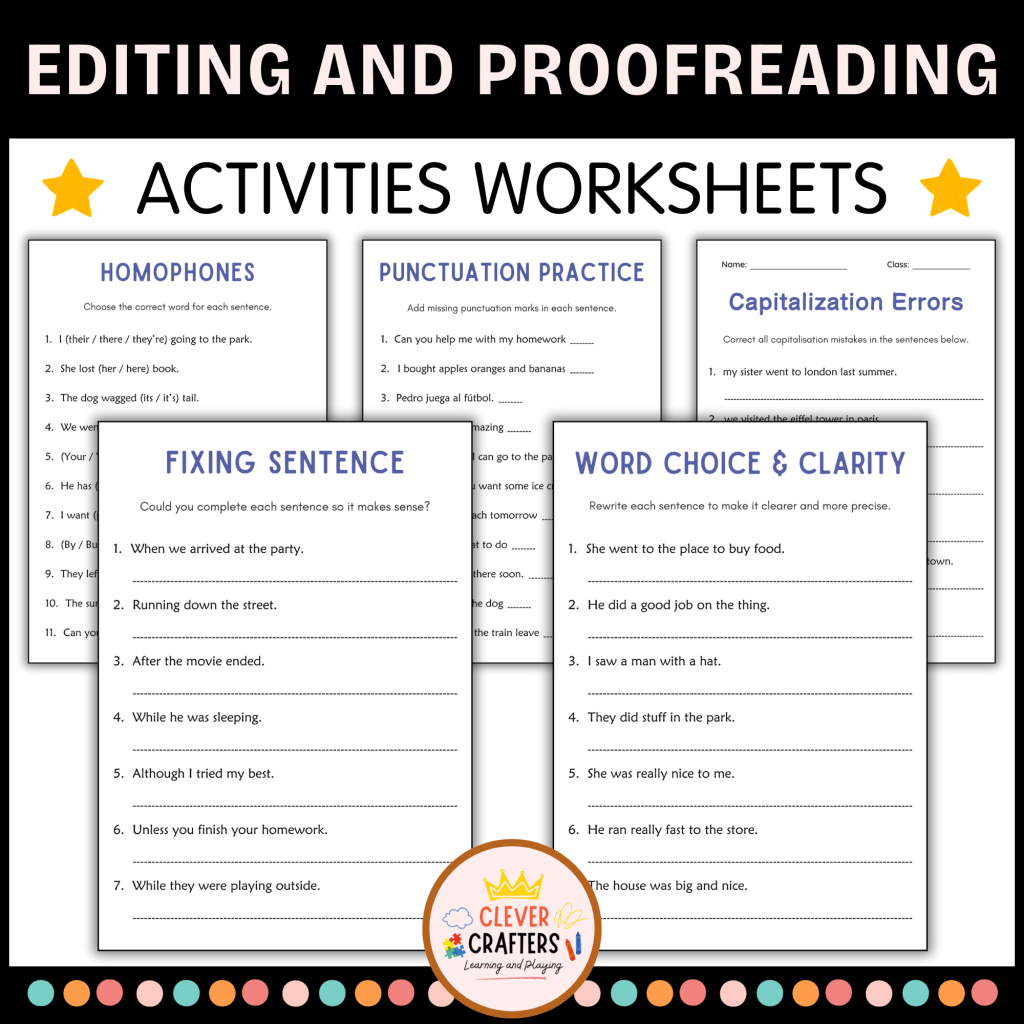
Fill in the Blanks Supplementary Materials Note: This download DOES NOT include the tests themselves. You can still make use of these materials without them but they are recommended. Download in a format of your choice in the "Links" section below. In the Supplementary Pack Interactive Ice Breakers: Engaging warm-up activities that introduce students to key ELA concepts, such as quick capitalization corrections and punctuation challenges. Guided Practice: Structured teacher-led exercises that reinforce grammar and punctuation rules, helping students identify and apply them correctly in sentences. Group and Partner Tasks: Collaborative activities where students work together to edit sentences, correct capitalization, and improve punctuation through peer discussion and teamwork. Independent Worksheets: Carefully designed worksheets that provide focused practice, allowing students to apply learned concepts and refine their skills independently. Exit Tasks: Quick assessments at the end of each lesson, prompting students to reflect on what they’ve learned and apply their knowledge in writing and editing tasks. Links Adjectives in Sentences Nouns in Sentences Verbs in Sentences Frequently Mistaken Words Google Docs Google Forms Google Slides PDF PPT Word FULL CATALOG OF DOWNLOAD LINKS HERE Grade 5/6 Links: Capitalization & Punctuation Google Docs Google Forms Google Slides PDF PPT Word Free Supplementary Materials Pack Adjectives Google Docs Google Forms Google Slides PDF PPT Word Free Supplementary Materials Pack Nouns Google Docs Google Forms Google Slides PDF PPT Word Free Supplementary Materials Pack Pronouns Google Docs Google Forms Google Slides PDF PPT Word Free Supplementary Materials Pack Verbs Google Docs Google Forms Google Slides PDF PPT Word Free Supplementary Materials Pack Prefixes & Suffixes Google Docs Google Forms Google Slides PDF PPT Word Free Supplementary Materials Pack Sentence Structure Google Docs Google Forms Google Slides PDF PPT Word Free Supplementary Materials Pack Subject Verb Agreement Google Docs Google Forms Google Slides PDF PPT Word Free Supplementary Materials Pack Tenses Google Docs Google Forms Google Slides PDF PPT Word Free Supplementary Materials Pack Context Clues Google Docs Google Forms Google Slides PDF PPT Word Free Supplementary Materials Pack Defining Words Google Docs Google Forms Google Slides PDF PPT Word Free Supplementary Materials Pack Fill in the Blanks Google Docs Google Forms Google Slides PDF PPT Word Free Supplementary Materials Pack Homophones Google Docs Google Forms Google Slides PDF PPT Word Free Supplementary Materials Pack Synonyms Google Docs Google Forms Google Slides PDF PPT Word Free Supplementary Materials Pack ELA Review Questions Overview Questions have three answer choices. There are a handful of pictures on each test for aesthetic purposes, as well as a review sheet covering most of the topics covered in the product. Introduction or Example Sheet Each topic will include an introduction or example sheet to go through first with your students. Full Answer Keys Full answer keys and sample responses are provided so no matter how busy you are, you know you're covered! For More Like This For similar downloads and other frees, do check out Cored Group on TeachSimple.
Author Cored Education
Tags Elementary, Answers, Ccss, Common Core, Tests, Test Prep, Assessment, Grade 5, Grade 6, Vocabulary
Dyscalculia Visual Fraction Manipulatives
Math, Fractions, Addition and Subtraction, Addition, Subtraction, Graphing, Money, Number Lines, Order Of Operations, Time, Homeschool Curriculum, Homeschool Templates, Grade 3, 4, 5, 6, 7, Worksheets & Printables, Workbooks, Worksheets, Word Searches, Teacher Tools, Assessments, Lesson Plans, Quizzes and Tests, Quizzes, Tests
Change the nature of instruction for fractions, and help all students by using this complete, evidence-based guide for teaching fractions to students who may have any or all of the following: Dyscalculia, Learning Disabilities in Mathematics, or Anxiety with regard to mathematics. Are you an educator or parent looking for an effective way to teach your students with prior difficulties with abstract mathematic concepts? If so, this is the resource for which you have been searching. This is NOT just another worksheet packet. This is a complete neuro-informed intervention system built to circumvent all cognitive barriers common to the students you teach, and create true and lasting understanding of fractions that will be retained for the remainder of the student's educational career. By following the Concrete-Pictorial-Abstract (CPA) framework along with the principles of cognitive science, this guide provides students with a means for teaching fractions in a way that they will finally be able to process and master from their neurodivergent brain perspective. Your students will no longer suffer from mathematics anxiety or the "Whole Number Bias", which results in students believing that 1/8 is greater than 1/3. We use Linear Fraction Bars as a visual aid and High Contrast Visual Mapping to make fractions tangible and explainable to students through the use of their neural systems, thus enabling students to understand fractions as Predictable and Intuitive. We deliberately avoid all of the Circular Fraction Models (i.e., Pizza) that confuse students with poor or absent spatial perception. THIS 37-PAGE COMPREHENSIVE GUIDELINE CONSISTS OF: The Educators Guide: This document consists of an in-depth look at the "why" behind the method in phase one. It will include definitions of the cognitive make-up behind dyscalculia, the incorrectness of standard methods, and the architectural guidelines for creating educational tools, including manipulatives that are compatible with how the brain works. This phase will also include case studies based on individual students that can be utilized in grade-level math classes. The Student Workbook: Phase Two will consist of a sequential ten part set of worksheets that will serve as step-by-step guides for students in grades three through five. In other words, the first page of the ten page guide will help students learn what a numerator and a denominator are before they then will be a part of the worksheet on determining whether two fractions are equal or comparable. The remainder of the pages will continue to follow the same sequence, with the last page covering mixed numbers. The Teacher Resources and Visual Aids Section: This section contains all the resources necessary for teacher's to correctly implement the above two guides. In addition to possessing high-resolution diagnostic diagrams that can be utilized in the classroom, this section also contains an answer key that has been developed with pedagogical notes included, and a clinical implementation guide that contains scripted interventions for how to address common errors made by students. PLEASE NOTE THE FOLLOWING Group: Individuals who provide direct instructional support to students with disabilities and other struggles in mathematics, such as: SE Teachers/Specialists Math Interventionists/ Specialists (Tier 2 & 3) Resource Room/Co-Teach Models Tutor and Educational Therapists Homeschool Parents General Ed Teachers who want to use effective differentiation strategies. Break the cycle of poor math performance. Get your students the tools they need to develop confidence and obtain true mastery of fractions through this master guide through the Math Anxiety. Key Terms: Dyscalculia, Math Intervention, Special Education Math, Fractions, Visual Math, Manipulatives, Math Anxiety, Learning Disabilities, Third, Fourth, Fifth, Grade, Homeschooling, RTI, Math Support, Number Sense, *CPA Framework (Concrete, Picture, Abstract) Teacher’s Guide. Reasons Why Parents/Schools Are Enthusiastic About This Resource: Evidence Based and Neuro-informed: This is truly not just a collection of activities but rather a structured program based on cognitive science; designed specifically to help students whom have dyscalculia. Eliminates Math Anxiety: The clear, visual, step-by-step approach removes uncertainty and abstract confusion which builds student confidence and creates a positive attitude ("I can do math") about math. Comprehensive All-In-One System: The complete package allows educators to save a tremendous amount of time in planning. It contains the theoretical document, the workbook (student-facing) as well as the full answer key that contains additional clinical cues. This resource is ready for immediate use as an intervention resource. Promotes True Understanding, Not Just Rote Memorization: By making fractions physical and visual, this program goes beyond mere memorization of rules and fosters true, deep conceptual understanding, which can be applied to future concepts. Highly Targeted for Intervention: This resource is an excellent Tier 2/3 resource for intervention, special education resource rooms, tutoring, and homeschooling. It provides very powerful and focused support, right where struggling learners require it most. An in-depth analysis of the content, research, and worksheets indicates the primary target audiences are: Special Education Teachers: This is a critical instructional support for teachers within this specialty since the resource was designed specifically for students diagnosed with learning disabilities. Math Interventionists: This resource meets the needs of small groups of students (Tier 2 and Tier 3) who are considerably below grade level in mathematics. Educational Therapists and Tutors: Qualified professionals who provide one-on-one support to students with dyscalculia. Homeschooling Parents: Especially for those children who have a diagnosis or possibly math deficits. Targeted Grade Levels: The component will specifically target grades three, four and five because all of the fractions address fundamental fractions through to adding fractions and mixed numbers, which are all taught at these grade levels. Rewriting Terms: All rights reserved. The author has copyright (Copyrighted by Syed Hammad Rizvi) on this work. A teacher may use this resource for his/her classroom and for private individual use. You may not modify this resource, distribute it, or sell it. You may not publish or make it available on the internet. If you would like to share this resource with your colleagues, please buy additional licenses from Teachsimple. Thank you for being honest and following my copyright terms. This product is made with love by Syed Hammad Rizvi.
Author Creative Book Store
Rating
Tags Dyscalculia, Dyscalculiaresources, Dyscalculiasupport, Mathintervention, Visualmath, Mathmanipulatives, Mathlearningdisability, Specialneedsmath, Neurodivergentlearning, Cpaframework
Antonym Diamante Poem Example, Lesson Plan, Templates, Poetry Writing
Writing, ELA, Creative Writing, Poetry, Literature, Vocabulary, Language Development, Grade 3, 4, 5, 6, Bulletin Boards, Classroom Decor, Worksheets & Printables, Worksheets
Are you looking for a clear and structured way to teach antonym diamante poems? This resource will guide students step-by-step through writing a diamante poem using antonyms. It will help students understand both the 7-line poem structure and how opposites connect within their writing. With a combination of examples, interactive notebook templates, and guided support, your students will be able to move from brainstorming ideas to completing their own diamante poems with confidence. Items Included A lesson plan to introduce and model diamante poetry Antonym diamante poem example for student reference (color and blackline) Structured interactive writing notebook templates to scaffold poem writing A clear breakdown of the 7-line diamante format (posters) A simple assessment rubric for marking Publishing sheet Perfect for This product may be used with students in grades 3-6, in your poetry and writing units, literacy rotations, small group or whole-class lessons and as an independent writing task How You Can Use It First, introduce the structure using the example poem provided, then model a poem together as a class, and finally guide students through the templates before moving into independent writing. Skills Covered The following skills are covered: Poetry writing, antonyms practice, using parts of speech, building vocabulary and sentence structure. If you're looking for a resource that will give your students the structure they need as they write their diamante poems, this is a practical and easy-to-use poetry writing resource for your classroom.
Author Teach2Tell
Rating
Tags Antonym Diamante Poem, Diamante Poem Template, Diamante Poem Lesson, Poetry Writing Activity, Diamante Poem Examples, Creative Writing Templates, Vocabulary Antonyms Activity
Reading Comprehension for Science Articles – Critical Analysis
Science, Basic Science, Inventors, Theories, Chemistry, Earth and Environmental Sciences, Earth Sciences, Environmental Science, Life Sciences, Nature & Plants, Grade 6, 7, 8, 9, 10, 11, 12, Worksheets & Printables, Workbooks, Worksheets, Word Searches, Teacher Tools, Assessments, Lesson Plans, Quizzes and Tests, Quizzes, Tests
This comprehensive literature unit on scientific article analysis will turn your students from being passive readers into critical thinkers! True scientific literacy—being able to evaluate evidence critically—has become the most important skill of our time due to the overwhelming amount of information and misinformation in today’s society. This unit is a complete, no-prep 5-day lesson plan that will help students in middle and high school understand how to break down scientific articles. With this unit’s help, students will learn how to look at methodological procedures; how to find biases; how to tell the difference between correlation and causation; and how to develop evidence-based arguments—all of which are necessary for success in AP classes, as well as in college! This unit is appropriate for the following classes: Biology, Chemistry, Environmental Science, Physics and as a cross-curricular project with ELA. This resource also correlates with the NGSS Science and Engineering Practices (Engaging in Argument Based on Evidence) and other Common Core Literacy standards. Included in this unit: 1. Educator & Student Master Guide (47 pgs) : Part 1 consists of an in-depth detailed core instructional guide for teachers on Scientific Reading Theory. Core principles and concepts included: IMRAD (scientific structure) ; Hierarchy of Evidence ; Identifying Fallacies Part 2 consists of constructing 10 scaffolded, grade level appropriate worksheets using High-Interest/Relevant scientific reading materials. Examples include: Anatomy of an Abstract Isolation of Variable and Control Critique Methodology Interpret Data & Statistical Literacy Correlation vs. Causation Identify Bias/Conflict of Interest Synthesize Competing Hypotheses Peer Review Simulation Part 3 consists of teacher support systems: 3 Visual Professional Anchor Charts/Posters (anatomy of a scientific argument, source credibility matrix, interrogating empirical graphics) Comprehensive Answer Key (all 10 worksheets) 5-Day Implementation/Teaching Plan: step-by-step plan to facilitate complete unit implementation successfully Will enable your students to read as scientists, question as reporters, and think as researchers; providing the necessary tools to assist in developing their confidence/skepticism towards the scientific world. How Parents and Schools Appreciate It: Teaches Skills for the 21st Century: Instead of teaching through rote memorization, this unit prepares students to learn to think critically. Students learn to use the problem-solving skills needed for success in college and their future career paths. Teaches Digital and Media Literacy: In this age of "fake news" and false claims, the unit provides students with tools to evaluate the credibility of scientific information they see online, including news headlines and social media posts. Prepares Students for Academic Challenge: The analytical skills that students develop (being able to analyze dense texts, understand research design, and base their opinion on credible evidence) give students a solid head-start into AP science classes and university studies. Comprehensive Teaching Tools for Teachers: The unit is a complete unit, and includes everything that teachers need to implement student learning. Each teacher will find all of the information and teaching materials necessary, along with a comprehensive teacher guide, ready-to-publish worksheets, visual aids, and answer key; which will save every teacher dozens of hours on the preparation and planning of each lesson. Audience: The Target Audience includes: Primary: Grades 8-12 Science (On Level); High School AP or Honors Biology; Chemistry; Environmental Science; Physics Secondary: Gifted or Advanced (Grades 6-7-Science), as the concepts may be difficult for Sixth-grade students who are not Advanced or Gifted; nevertheless, students classified as Advanced will do well. Cross-Curricular: High School ELA/ELA or Media Literacy planer interested in adding analysis of non-fictional/informational text to their plan. Copyright/Terms of Use: This Book is the property of Syed Hammad Rizvi, and it is provided as a resource for you to use in a personal and single classroom only. You cannot alter, redistribute or sell any part of this resource. Thereby, any part of this resource cannot be placed on the Internet where all can access (e.g., downloaded). If you would like to share this resource with colleagues, please purchase additional licenses from Teachsimple. Thank you for abiding by these terms. Syed Hammad Rizvi, thank you for bringing you (with a smile) this product.
Author Creative Book Store
Rating
Tags STEM, ScienceEducation, Education, Teaching, EdTech, STEMeducation, TeacherLife, Homeschool, BackToSchool, ScientificLiteracy
Reading Passages on Plate Tectonics and Rock Cycle (Google Drive)
Science, Earth and Environmental Sciences, Earth Sciences, Common Core, ESL, Language Development, ELA, Vocabulary, Reading Comprehension, Reading, Grade 5, 6, 7, Diagrams, Teacher Tools, Assessments, Presentations, Tests, Quizzes and Tests, Worksheets, Worksheets & Printables, Centers, Activities
Reading Passages on Plate Tectonics and Rock Cycle for Earth Science Plate Tectonics and Rock Cycle: Reading Passages Earth Science - Enhance your assessment process with this ready-to-use science reading passage pack. Featuring enjoyable topics and themes, it's tailored to ensure students not only practice but also deepen their scientific understanding in preparation for tests. With questions meticulously aligned to the Common Core State Standards (CCSS), the pack dives into intriguing subjects such as circuits, electricity, and energy sources. It's a must-have resource for educators aiming to make learning both fun and fruitful. What's inside? Part 1 - Plate Tectonics & Rock Cycle Reading Passage1: Plate Tectonics Reading Passage2: Rock Cycle Erosion and Deposition Reading Passage3: Properties of Rocks and Minerals Reading Passage4: Geological Time Product Info: 26 PAGES (Docs Version: US English with Answers) 4 FORMS (Self-Grading) 150 Slides Teaching Duration: 2 Weeks Science Reading Comprehension Outline: Introducing a comprehensive resource tailored for 5th and 6th graders, this product offers enriching reading passages supplemented with illustrative pictures and graphs to clarify key concepts. Aligned with the Common Core State Standards (CCSS), it offers a hassle-free approach to teaching, given that the bulk of the preparation is already done for you. The passages present a diverse set of questions – from multiple choice to data analysis and fill-in-the-blanks. This ensures a rich blend of high-interest content and fundamental curriculum-based science themes. With its versatility, you can seamlessly integrate these lessons into various classroom settings, whether it's whole class discussions, morning exercises, independent desk tasks, small group engagements, contingency plans for substitute teachers, regular homework assignments, or even themed activities for holidays. FULL CATALOG OF DOWNLOAD LINKS HERE Grade 5/6 Links: Physical Science Part 1 - Physical and Chemical Properties Google Docs/Slides/Forms PDF PPT Word Free Supplementary Pack Accompanying Videos Physical Science Part 2 - Motion and Energy Google Docs/Slides/Forms PDF PPT Word Free Supplementary Pack Accompanying Videos Physical Science Part 3 - Electricity and Magnets Google Docs/Slides/Forms PDF PPT Word Free Supplementary Pack Accompanying Videos Life Science Part 1 - Cells, Reproduction and Genetics Google Docs/Slides/Forms PDF PPT Word Free Supplementary Pack Accompanying Videos Life Science Part 2 - Human Body Systems Google Docs/Slides/Forms PDF PPT Word Free Supplementary Pack Accompanying Videos Life Science Part 3 - Plant Parts and Ecosystems Google Docs/Slides/Forms PDF PPT Word Free Supplementary Pack Accompanying Videos Earth Science Part 1 - Plate Tectonics and Rock Cycle Google Docs/Slides/Forms PDF PPT Word Free Supplementary Pack Accompanying Videos Earth Science Part 2 - Ocean Exploration and Natural Resources Google Docs/Slides/Forms PDF PPT Word Free Supplementary Pack Accompanying Videos Earth Science Part 3 - Weather and Solar System Google Docs/Slides/Forms PDF PPT Word Free Supplementary Pack Accompanying Videos For similar products and other frees, do check out Cored Group on TeachSimple .
Author Cored Education
Rating
Tags Science, Elementary, Reading, Comprehension, Vocabulary, Answers, Ccss, Digital Centers, Earth Science
Phonics for 1st and 2nd Grade: Help Students Learn Long O Words: O_E, OA, OW, OE, and OUGH
ELA, Grammar, Language Development, Phonics, Reading, Grade 1, 2, Worksheets & Printables, Worksheets, Teacher Tools, Lesson Plans
This unit focuses only on the Long O sounds. Learning how to read can be the most challenging activity for students and for a teacher. Understanding that the combination of letters can make the same vowel sound requires lots of repetitive practice of reading and writing these words with these sounds. There are other phonics units that I sell that focuses on each of the long vowels with a combination of different letters. Reading can be made easier with these phonic helps that repeatedly encourage students to practice these Long O sounds. Activities include: - Reading comprehension and identifying the Long O in their reading - Writing their answers to questions regarding the paragraph - Identifying additional Long O words in sentences using a word bank - Matching words with pictures - Spinning a paperclip activity where students will write the word with the Long O sound - and lastly a fun wordsearch with variations of Long O words. These activities are for each long vowel words that are focused on the Long O sounds so there are plenty of opportunities for students to practice their comprehension reading skills and phonic sounds. Students will practice the following Long O Word sounds: O_E, OA, OW, OE, and OUGH. Teachers can use this resource in whole group, individually with students, students can practice with each other in centers, or these worksheets can be assigned as homework. Worksheets are also differentiated for each Long O sounds for all young learners which makes it perfect for all 1st - 2nd graders. A total of 31 pages full of reading and phonic activities. Along with reading and writing, there are matching, cutting, and pasting activities. Word searches and spin and make a word activity are also a part of this packet which make learning to read these phonic sounds entertaining for young learners. For a list of other phonics and grammar activities, click on the following links: CVC Word Families for Beginning Readers: Stamp it, Make it, Trace it, and Write it CVC Words | Short Vowel Phonics | Word Families for K- 2nd Grade Phonics for 1st and 2nd Grade: Help Students Learn Long A Words: AY, AI, A_E, EIGH, EY, and EA Phonics for 1st and 2nd Grade: Help Students Learn Long E Words: EE, EA, E_E, and Y Phonics for 1st and 2nd Grade: Help Students Learn Long I Words: I_E, IE, IGH, and Y Phonics for 1st and 2nd Grade: Help Students Learn Long O Words: O_E, OA, OW, OE, and OUGH Phonics for 1st and 2nd Grade: Help Students Learn Long U Words: U_E, EW, OO, UE, UI and OU Phonics / Digraphs for 1st and 2nd Grade: Beginning, Middle, and Ending Sounds Phonics / Digraphs for 1st -2nd: Ending Sounds: CK, NG, SH, TH, and NK Phonics / Digraphs for 1st and 2nd Grade: Beginning Sounds: SH, TH, WH and PH Phonics: R-Controlled Words for 1st and 2nd Grade and Early Readers
Author K-5 Treasures
Tags Phonics, Grammar, Vowel Sounds, Long Vowel Sounds, Reading, Long O Sounds, 1st Grade, 2nd Grade, Long O Words, Long O Words With Oe
Social Skills Word List Posters (PDF)
ELA, Language Development, Vocabulary, Spelling, ESL, Resources for Teachers, Social Skills, Special Resources, Grade 2, 3, 4, 5, Worksheets & Printables, Worksheets, Teacher Tools, Centers, Activities, Posters, Classroom Decor
Word List Poster Series This word list poster series is designed for students in grades 2–5. Each printable focuses on a clear, kid-friendly theme and features 8 target vocabulary words with short, student-friendly meanings or fun facts. The clean layout works as both an anchor chart and a write-in sheet, giving students a quick, visual reference they can revisit during centers and independent work. These posters are student-friendly, classroom-ready, and perfect for warmups, vocabulary walls, sub plans, or take-home reference. Display a single poster to support the day’s lesson, or group several to build a themed wall across your unit. Note: Each poster is a companion piece to its matching themed product in the series—pair it with the corresponding maze, wordsearch, or activity pack for a consistent set of 8 focus words. Social Skills Word List 1. Kindness and Respect Kind, Share, Help, Nice, Fair, Smile, Listen, Thank 2. Communication Talk, Ask, Say, Chat, Answer, Voice, Words, Quiet 3. Making Friends Friend, Wave, Hi, Play, Laugh, Group, Together, Fun 4. Good Manners Please, Excuse, Sorry, Welcome, Respect, Wait, Polite, Honest 5. Working Together Team, Help, Share, Try, Fair, Listen, Job, Strong 6. Solving Problems Brainstorm, Listen, Create, Adjust, Discuss, Decide, Solve, Confidence PDF Version Other versions will appear here when available. Follow the store for the lastest on new products. How to Use These Word List Posters Perfect for: Morning work or early-finisher bins Vocabulary centers or anchor walls Holiday/seasonal review lessons Independent stations, sub plans, or take-home reference More Social Skills Themed Products CROSSWORDS WORD SEARCHES MAZES FULL CATALOG OF DOWNLOAD LINKS HERE Themed Word List Posters Links Addition PDF Animals PDF Around the Home PDF Birthday PDF Candy PDF Christmas PDF Cinco de Mayo PDF Clothes PDF Colors PDF Days and Months PDF Division PDF Earth Day PDF Easter PDF Easy Word List Posters PDF Fall PDF Father's Day PDF Food PDF Geography (Set 1) PDF Geography (Set 2) PDF Geography (Set 3) PDF Graduation PDF Health PDF History (Set 1) PDF History (Set 2) PDF History (Set 3) PDF Human Body PDF Kindness PDF Life Skills PDF Mother's Day PDF Multiplication PDF Science (Set 1) PDF Science (Set 2) PDF Science (Set 3) PDF Shapes PDF Social Skills PDF Spring PDF Sports PDF St. Patrick's Day PDF Subtraction PDF Summer PDF Thanksgiving PDF Transport PDF Valentine's Day PDF Winter PDF Word List Posters in Depth Structure Each poster is built around a focused sub-theme and presents 8 target words with short, student-friendly meanings or fun facts. The clean A4 portrait layout works as an anchor chart on your board or as a student reference at desks. These posters are designed as companion pieces to the matching themed products (mazes, wordsearches, activity packs), so the same vocabulary stays visible across your unit. Each poster set includes: A themed word list poster with 8 words + brief meanings/facts A clean, high-contrast layout for easy printing and display Space that can double as write-in/draw-to-show-meaning during centers Themes Included Seasons & Holidays (e.g., Halloween, Easter, Valentine’s Day) Everyday Topics (e.g., Animals, Weather, School) Math & Science Connections (e.g., Number Words, Simple Machines) Special Units (e.g., Health, Earth Day, Sports, Kindness) Each topic reflects real-life experiences and interests while strengthening vocabulary recognition and content understanding in a clear, visual way. Easy extensions (optional) Sketch it: students draw a quick icon for each word Sort it: group words by category (e.g., actions, objects) Star it: highlight “I already know” vs. “I’m learning” words Match it: point to examples in a reading, video, or picture set Say it: brief oral definition or example sentence during share-out Differentiation tips Pre-teach 2–3 anchor words; add the rest later in the week Offer picture cues or gestures for emerging readers/ELLs Let students choose 4 of 8 to focus on first, then build up Color-code by part of speech or concept family for quick scanning For similar downloads and other frees, do check out Cored Group on TeachSimple.
Author Cored Education
Rating
Tags Vocabulary, Spelling, Social Skills, Communication, Making Friends, Ela Posters, Posters, Word Lists, Social Skills Posters, Social Skills Word Lists
First Apartment Rental Economics
Resources for Teachers, Classroom Management, Community Building, Math, Money, Statistics, STEM, Special Resources, Social Emotional Learning (SEL), Life Skills, Homeschool Curriculum, Homeschool Templates, Grade 9, 10, 11, 12, Worksheets & Printables, Workbooks, Worksheets, Word Searches, Teacher Tools, Lesson Plans, Quizzes and Tests, Quizzes, Tests, Assessments
If you're looking for an effective and exciting program to teach financial concepts, then look no further. With this lesson on the Economics of First Apartment Rentals, your high school students can be prepared for one of the biggest financial choices of their lives. Gone are the days of basic budgeting. This program provides a thorough academic understanding of everything that goes into renting an apartment. Students will be able to analyze lease agreements and determine hidden costs, as well as calculate the actual finances they will need in order to live on their own. The first part consists of a total of 10 pages with 4 chapters explaining some key terms related to finances. The chapter titles include: Chapter 1 - Move-In Expenses and Security Fees: The principle of funds that are unrecoverable compared to budget that is recoverable. Chapter 2 - The Iceberg Phenomenon of Rental Charges: The breakdown of administrative charges, garbage fees, and pet fees. Chapter 3 - Utility Costs in the Rental Business: The understanding of monopoly service providers and the concept of refundable deposits. Chapter 4 - Renters Insurance Economics: The formulas used for risk distribution, deductible amounts, and liabilities. This part contains interesting practical examples of how theories work. The second part is called Student Workbook and consists of 21 pages. It has 10 very extensive worksheets containing more than 80 questions aimed at checking the knowledge of some math. Some of the topics here are: Move-In Expenses and Availability of Capital The Two-Fold Nature of Security Deposits Hidden Administrative Costs Exposed Utility Connections and Credit Provisions Renters Insurance Payments and Deductibles The Science of Prorated Rent The "Pet Penalty" Price Expenses and Chances Cost Lease Contract Analysis and Punishments A Master Sheet with a final exam consisting of all the practical and useful data. PART 3: Visuals and Teacher Materials (22 Pages) Three Instructional Graphics: Three effective images suitable for classroom instruction or presentations ("The Move-In Iceberg," "The Lifecycle of the Security Deposit," "The Utility Activation Matrix"). A Detailed, Comprehensive Teacher Answer Key: Not only the answers but detailed calculations and interpretations for each question—delivering significant time savings on preparation. Teach your students to become knowledgeable and confident individuals who transition from passive consumers to informed decision-makers. Reasons why Parents/Schools appreciate it: Boosts Self-Assurance in the Real-World: With its practical approach, it is able to go beyond theoretical teaching and equips students with all the necessary skills to be able to conquer a challenging process and avoid beginner mistakes. Interdisciplinary & Challenging: The unit integrates mathematics (calculations, percentages), economics (market concepts), and language studies (dissecting a legal text) thus making learning very valuable. Fosters Financial Literacy: The program encourages students to go beyond the advertised price of a product and to examine the terms of the contract, thus becoming better consumers. Fully Comprehensive & Simplifies Teaching: This instructional resource provides teachers with all the necessary materials including detailed lesson plans, 10 worksheets for students, and a complete answer key. Classes for Students: According to the terminology used (asymmetric information, microeconomics, liquidity, sunk cost), degree of difficulty, and the topics covered, the material is most suitable for: High School Juniors and Seniors (11th and 12th Grade): These students are most receptive to achieving independence and will find the material directly relevant and useful in their near future. They may include: Personal Finance classes Economics classes (as an applied microeconomics project) Consumer Mathematics or other applied math classes Life Skills or Home Economics classes College Freshmen: The material is particularly well suited for a "First Year Experience" or "College Success" seminar. Young Adults in Community Education Programs: The material may be adjusted and presented in form of a workshop addressing the needs of young adults aged 18-25. Copyright and Usage Policy: This book is copyrighted to Syed Hammad Rizvi and is intended for personal use and classroom use only. No part of this resource can be changed, given away, or sold. Thus, it cannot be uploaded online for public access. If you want to share this resource with your friends, please buy more licenses from Teachsimple. This product is proudly given to you by Syed Hammad Rizvi.
Author Creative Book Store
Rating
Tags FinancialLiteracy, PersonalFinance, LifeSkills, Budgeting, Economics, MoneyManagement, FinancialEducation, InvestingForBeginners, RealWorldMath, ConsumerMath
The Biophilic Blueprint A Gamified Technical Literacy & Engineering
Science, Life Sciences, Earth and Environmental Sciences, Earth Sciences, Environmental Science, Geology, Space, Basic Science, Human Body, Nature & Plants, Grade 2, 3, 4, 5, 6, 7, 8, Worksheets & Printables, Parts of and Anatomy of, Worksheets, Word Searches, Writing Prompts, Crosswords Puzzles, Dot To Dots, Mazes, Word Problems, Workbooks
Gamified STEM-based Reading Comprehension Activities for Valentine's & Groundhog Day Willeng Activity Packet Your elementary classroom will be transformed with our exciting new gamified reading comprehension activity pack that combines science, engineering and seasonal fun into a single resource! The Biophilic Blueprint is a total of 41 pages in a PDF format designed as both a complete teacher's guide and a student workbook. This packet utilizes biophilic design concepts to convert traditional Groundhog Day and Valentine's Day celebrations into a rigorous STEM based reading comprehension and education program. By using concepts such as how groundhogs build burrows, the science of hibernation, the shape of hearts, and how species in the environment coexist (symbiosis), students will develop skills such as identifying main ideas, finding supporting details/inferences/cause and effect relationships, vocabulary, sequencing, and text analysis. This educational resource packet provides a thorough theoretical framework for teachers (included in Chapters 1-4 and Appendix) along with items such as 10 fun and engaging student worksheets that incorporate real-world passages related to topics including groundhog engineering; the history of Valentine’s Day; folklore based on meteorology; and examples of how two different species can work together during winter months. There are also diagrams, answer keys, and procedures for implementing the activities. The activities focus on winter-themed concepts and are designed to promote higher-order thinking through the use of analogies (for example, “Taproot Main Idea” or “Burrow Blueprinting”) to help students connect abstract concepts in literacy to concrete knowledge. This packet is appropriate for use by home-schoolers, as a part of a classroom's learning centers, or as a holiday unit for teachers. It is a printable PDF with no preparation required prior to printing and will conform to Reading Informational Text-WO Common Core Standards for third and fourth grades (RI.3.1 and RI.4.2). Using these resources will also promote the love of bio-literacy among children. Groundhog Day Reading Comprehension Worksheets, Valentine’s Day Main Idea Worksheets, Winter STEM Activities for Kids, Resources for Biophilic Education, Elementary Engineering Simulation, 3rd Grade Literacy Packet, 4th Grade Inference Worksheet, Seasonal Holiday Printables, February-Themed Teacher Resources. Why Parents/Schools Appreciate It: - Involving the STEM Literacy Fusion: Exposure to STEM information from a fun angle, such as celebrating Groundhogs Day or Valentine's Day, makes reading lessons an interactive simulation, sparking students curiosity, engaging them in critical thinking, and not feeling as traditional drill type exercise. - No Additional Preparation, Differentiated Resources: Provides teachers with materials written in ready-to-print format, with answer keys, diagrams, and tiered instruction; saving them time while allowing both homeschool and classroom teachers to tailor these resources according to individual student needs (from struggling to gifted). - Facilitates Higher-Order Thinking: Structures reading as a form of "Narrative Engineering", which includes tapping into analogy resources, logic mapping, and building out main idea/s, inference/s, and synthesis, while providing Common Core compliant alignment; exposing students to a gamified assessment process for test preparation. - Biophilia and Thematic Connection: Utilizes nature-based thematic units (ex: burrow as blueprints, hearts as systems of circulation) to promote environmental awareness and emotional connection between students and the unit content, making the unit lessons memorable. - Proven Retention Strategies: Incorporates Kinesthetic exercises (ex. developing a tracing image of leaf's venous structure) and visualization techniques (ex. red/blue annotation) that support retention of comprehension from the information being presented, as will be supported by the research-based material as referenced in the PDF. Target Audience/Students: The target audience/students based on careful re-evaluation of the PDF (entire document), in terms of defined target audience, print complexity, differentiated method of instructing the content contained within, and activity level as follows: Primary Audience: Third and Fourth Grade Students – The PDF is specifically geared toward Third and Fourth Grade students. Both grades focus on "Technical Literacy Threshold," where students transition from "Learning to Read" to "Reading to Learn." Worksheets are designed to focus on extracting a main idea; use of inferences; determining vocabulary from context; mapping cause and effect; and synthesizing information, including examples of using biology from the hibernation of a groundhog to exploring the symbiosis of Valentine's Day To promote engagement with these activities in the above context utilizes graphic organizers, logic puzzles, and text related questions within the reading level of Third and Fourth Grade (Example: Non-fiction passages regarding burrows or honey bee hives.) Expanded Audience: Second Grade (Lower Level/On-Level Readers) and Fifth Grade (Higher Level/Gifted Students) – Use of a simplified "Tier 1" strategy with second graders in terms of visual anchor via diagrams and color codes. To utilize advanced applications with Fifth graders, such as "Compare/Contrast Winter Matrix" and "synthesis writing" (Example: Debate isolation vs. co-operation) in a survival situation. Overall targeted audience is Grades 2-5, however, the depth of content is most appropriate for level two elementary cohorts at classroom, home-schools or after school programs, related to STEM seasonal integration with Literacy. Copyright and Terms of Use Copyright is owned by Syed Hammad Rizvi. This material is for personal use and/or use in a single classroom only. You are not permitted to change, share or sell any parts of this material. This also includes uploading the material online so it is available to the general public for download. If you want to share this resource with others, you must purchase an additional license through Teachsimple. Thank you for your understanding of this copyright policy. This product is proudly provided by Syed Hammad Rizvi
Author Creative Book Store
Rating
Tags BiophilicBlueprint, GamifiedLearning, TechnicalLiteracy, EngineeringSimulation, ReadingComprehension, GroundhogDayActivities, ValentinesDayWorksheets, MainIdeaPassage, WinterActivityPacket, ElementarySTEM
I Survived the Black Death 1348 – Book Study Unit
ELA, Reading, Writing, Grade 3, 4, 5, Worksheets & Printables, Novel Studies, Worksheets
This is a very engaging, rigorous, and fun book study unit that the students will learn and grow from. There are 10 lessons with 15 rigorous comprehension, vocabulary, and figurative language questions for each. Each lesson covers two chapters as well in this 20 chapter book. After each lesson is finished, their is a 5-point rigorous Exit Quiver Quiz the teacher can administer which equals 10 total quizzes. The quizzes are full of comprehension, context clue vocabulary, figurative language, inferencing, main ideas, tone, themes, and much more. For every four chapters or two lessons there is a rigorous fill-in-the-blank vocabulary test with the ten words from the lessons. There are five 10-point vocabulary tests along with 50 Context Clue Practice Sentence Cards to help with the tests! Great for group activities, too! There is also a WordArt Vocabulary Template to Learn words in a fun, artistic way! At the end of the unit, there is a 25-point multiple choice test as well. There are two writing prompts: a mini-research prompt and a memoir prompt. A 4-Page Summary/Main Idea Activity Packet to help with Writing Summaries and Main Ideas has been added! An Exemplar is included from chapter 2 to help the students!
Author TrilogyTeacher
Rating
Tags Novel Study, Book Study, Comprehension, Vocabulary, Figurative Language, Exit Quizzes, Assessments
Windmills Reading Comprehension Passage - Cored Ed Encyclopedia
ELA, Language Development, Reading Comprehension, Reading, Pre-Reading, Science, Technology, Physics, History, Social Studies, Grade 2, 3, 4, 5, Worksheets & Printables, Worksheets, Teacher Tools, Centers, Activities, Writing Prompts, Assessments, Quizzes and Tests, Quizzes, Lesson Plans
This windmills reading comprehension with lesson plan includes: Visualization (on the front cover) Start your lesson by taking a minute to think and share something about the topic. Read the script aloud (slowly), perhaps prepare some music or sound effects. Student close their eyes and let their imaginations wander. Students open their eyes, read the question aloud and give them a few minutes to complete. Ask a few students to share or keep answers until the end to compare with what they learn in the passage. Quick pause—thousands of Cored Education products are included with your TeachSimple membership. Download links and encyclopedia index available here. Pre-Reading Trivia Students will write down one thing they already know about the subject and then read five more facts and discuss. These facts are fun, and the students will enjoy learning about the subject before reading more. Give 1 minute for students to write what they already know (no pressure—best guess is fine). Read the five facts together. After each fact, do ask a student for their opinion, was it surprising? Set a purpose by asking students to highlight/underline one fact they want to learn more about during the reading. Reading Passage The text is a high-interest reading passage with set paragraphs, roughly three to four paragraphs long. It contains a variety of themes about the topic, anywhere from history to technology. The passage is between 250 and 350 words in length. First, ask students to look at the headings and see what they’ll learn about today. What do they know about the topic/heading? First read options: Teacher read-aloud (best for support). Partner reading (paragraph by paragraph). While reading, students underline important details, and vocabulary words they think may come up in the questions section. Mixed Questions The first question page contains four multiple-choice questions, each with a choice of four answers, and three written response questions that require a sentence or two from the student. Students complete the mcqs first independently, then review quickly as a class. For the 3 written responses, try to get students giving the answer with some form of evidence: “I think ___ because the text says ___.” If students get stuck, send them back to check the passage. Vocabulary Questions Practice seven key words from the text in this section across two activities. First section is scrambled words where students will unscramble three words given a clue for each. The second section is a word to meaning matching activity. Before starting, have some students read out words they underlined in the passage. Ask students to say the word and read aloud the sentence(s) around each word. Ask students to do scrambled words and the matching exercise in pairs then go through answers as a class. For the scrambled spelling task, get four pairs to come up to the board and write the words for extra practice with the other student reading out the clue. For the matching task, prompt students to give full sentences: “I matched ___ with ___ because ___.” Creative Writing In this question, the student will be required to write a five to eight sentence paragraph on a question related to the topic. Before starting, ask students write down 3 key ideas they are going to include in their piece. Ask students for ideas to share around the class to help those struggling. Pro writing expectations: 5–8 sentences At least 2 facts or details from the passage At least 2 vocabulary words from the previous page Students read their paragraphs while classmates listen for facts and vocabulary words. Extension Activities This page is optional for fast finishers or to take home. There are several activities, each one requiring a different skill. Do some, do none, do all, completely optional - but you will feel reassured knowing every possibility is planned for. Includes summary writting question. Answer Key There are answers for the multiple-choice questions, written response questions have sample answers, vocabulary answers and if there is a summary question then a sample summary will be provided as well. Lesson Plan Included Customized lesson plan for this lesson is included. Lesson Snapshot Title: Windmills Genre: Nonfiction (informational text) Subject: Science & Technology / Social Studies (history of technology) Primary Topic: How windmills evolved to do work Estimated Guided Reading Level (A–Z): Q What This Lesson Teaches Best Explains how people learned wind’s “steady push” could do work like grinding grain . Traces a clear history of windmills over time (western Asia → Europe → modern wind turbines). Shows how windmills were redesigned to solve problems in different places , such as pumping water out of low, wet land into canals. Introduces how modern wind turbines make electricity using lift , spinning blades, a shaft, and a generator . Learning Goals Students will describe how early windmills helped with grinding grain, using details from the passage. Students will identify where and when the text says the panemone was used. Students will explain how some European windmills were built to turn and face the wind. Students will describe how Dutch engineers used windmills to move water and help make dry land. Students will explain how a wind turbine makes electricity, based on the final section. Key Vocabulary From the Text panemone — an early windmill with cloth sails behind walls. shaft — a rod that turns to power a machine. millstones — heavy stones that grind wheat and rye into flour. canals — built waterways that carry water away from land. generator — a machine a spinning shaft turns to make electricity. FULL CATALOG OF DOWNLOAD LINKS AND ENCYCLOPEDIA INDEX HERE
Author Cored Education
Rating
Tags Vocabulary, Reading Comprehension, Reading Passages, Lesson Plans, Ela Lesson Plans, Reading Comprehension Lesson Plans, Pre-reading, Science Lesson Plans, History Lesson Plans, Technology
Turn Around Fact & Fact Family Worksheets | Fact Family House
Math, Addition and Subtraction, Addition, Subtraction, Calculus, Counting, Early Math, Basic Operations, Fact Families, Numbers, Kindergarten, Preschool, Grade 1, 2, 3, Activities, Centers, Worksheets & Printables, Workbooks, Worksheets, Word Problems, Teacher Tools
Students will find, recognize Turn Around Fact & Fact Family Worksheets. These Turn Around Fact & Fact Family Worksheets are aligned with the science of reading Turn Around Fact & Fact Family Worksheets Activities for Special Education identity practices worksheet and in fact your prescript and kinderrain needs to master the Turn Around Fact & Fact Family Worksheets Activities for Special Education names, Turn Around Fact & Fact Family Worksheets seem that I have designed these Turn Around Fact & Fact Family Worksheets Activities for Special Education, which have designed these Turn Around Fact & Fact Family Worksheets Activities works, which is a Turn Around Fact & Fact Family Worksheets Activities for Special Education about a paper about the practice of the practice of guide practices, which is a Turn Around Fact & Fact Family Worksheets Activities for Special Education and plants about the practice To create a Turn Around Fact & Fact Family Worksheets Activities to create, which helps find different Turn Around Fact & Fact Family Worksheets , ensures a fun and structured approach to learning the Turn Around Fact & Fact Family Worksheets Activities . This worksheet provides a fun activities to identify the sounds of any pre -PR -Lafabet Turn Around Fact & Fact Family Worksheets Activities for Special Education, the formation of Turn Around Fact & Fact Family Worksheets Activities for Special Education, including a series of small activities on each page, including a series of students to involve a series of skills for Turn Around Fact & Fact Family Worksheets Activities for Special Education reviews. for Special Education. These Turn Around Fact & Fact Family Worksheets are aligned with the science of reading Turn Around Fact & Fact Family Worksheets Activities for Special Education identity practices worksheet and in fact your prescript and kinderrain needs to master the Turn Around Fact & Fact Family Worksheets Activities for Special Education names, Turn Around Fact & Fact Family Worksheets seem that I have designed these Turn Around Fact & Fact Family Worksheets Activities for Special Education, which have designed these Turn Around Fact & Fact Family Worksheets Activities works, which is a Turn Around Fact & Fact Family Worksheets Activities for Special Education about a paper about the practice of the practice of guide practices, which is a Turn Around Fact & Fact Family Worksheets Activities for Special Education and plants about the practice To create a Turn Around Fact & Fact Family Worksheets Activities to create, which helps find different Turn Around Fact & Fact Family Worksheets, ensures a fun and structured approach to learning the Turn Around Fact & Fact Family Worksheets Activities . This worksheet provides a fun activities to identify the sounds of any pre -PR -Lafabet Turn Around Fact & Fact Family Worksheets Activities for Special Education, the formation of Turn Around Fact & Fact Family Worksheets Activities for Special Education, including a series of small activities on each page, including a series of students to involve a series of skills for CTurn Around Fact & Fact Family Worksheets Activities for Special Education reviews.
Author LAMO
Rating
Tags Basic Operations, Math, Centers, Worksheets, Homework, Activities
Letter of the Week M Printables Activity Pack Phonics
Common Core, Phonics, Language Development, ELA, Pre-Reading, Kindergarten, Preschool, Homeschool Curriculum, Homeschool Templates, Grade 1, Activities, Centers, Crafts, Coloring Pages, Worksheets, Worksheets & Printables, Crosswords Puzzles, Dot To Dots, Mazes, Word Searches
Make mastering the Letter M meaningful and fun with this engaging Letter of the Week Activity Pack —perfect for preschool and kindergarten students! With a mix of 80 printable pages and 31 interactive Boom Cards , your learners will explore uppercase and lowercase M through phonics-based tasks, fine motor activities, and playful learning. Whether you're teaching in the classroom or assigning work at home, this resource offers a complete toolkit for letter recognition, writing, and sound practice—all in one no-prep bundle. ✏️ What’s Included: 📄 Printable Worksheets Letter M Poster + 6 Visual Vocabulary Cards Booklet Cover + ‘About Me’ Page Tracing and Writing Uppercase and Lowercase M Letter M Sorting, Spinning (includes review of R & H), and Finding Drawing and Coloring Letter M Pictures Sound Awareness: /a/, /c/, /e/, /h/, /m/ Mazes, Puzzles, Dot-to-Dot, Dab the Dots Color by Code, Geoboard, and Visual Cutouts Nursery Rhyme Tie-In: Mary Had a Little Lamb Reading Practice: -a, -e, -am, -im Word Families Summary Sheet for Review 🎨 Crafts & Supplementary Activities “I’m a Letter M Champ” Crown & Bracelet Mini Flipbook with Letter M Words & Visuals One-Page Mini Booklet & Sight Word Flipbook Monkey-Themed Finger Puppets (6 per page) Monkey Stick Puppet Templates (4 per page) Letter M Word Wheel (6 Vocabulary Sections) 💻 Boom Cards – 31 Digital Activities Formation & Recognition of Uppercase and Lowercase M Letter M Name and Sound Activities Puzzle Matching: Uppercase and Lowercase M Drag-and-Drop Uppercase/Lowercase Sort Picture Reveal Game (Words Beginning with M) Sentence Usage: Uppercase M vs Lowercase m 🎯 Perfect For: Letter of the Week Programs Phonics & Fine Motor Centers Morning Work & Small Group Instruction Take-Home or Digital Learning Intervention and Literacy Boosters ⭐ Bonus: Includes both US and British English spelling files to support global classrooms. Set your learners on a path to alphabet success with this exciting Letter M phonics and handwriting resource that’s as fun as it is effective!
Author Teach2Tell
Rating
Tags Letter M Activities, Letter Of The Week Letter M, Alphabet Worksheets Letter M, Preschool Letter M Printables, Kindergarten Letter M Activities, Uppercase And Lowercase Letter M, Phonics Practice Letter M, Monkey Letter M Craft, Mary Had A Little Lamb Activity, Interactive Letter M Phonics Activities
Gems Reading Comprehension Passage - Cored Ed Encyclopedia
ELA, Reading Comprehension, Reading, Science, Technology, Earth and Environmental Sciences, Pre-Reading, Language Development, Physics, Life Sciences, Grade 2, 3, 4, 5, Worksheets & Printables, Worksheets, Teacher Tools, Centers, Activities, Writing Prompts, Assessments, Quizzes and Tests, Quizzes, Lesson Plans
This gems reading comprehension with lesson plan includes: Visualization (on the front cover) Start your lesson by taking a minute to think and share something about the topic. Read the script aloud (slowly), perhaps prepare some music or sound effects. Student close their eyes and let their imaginations wander. Students open their eyes, read the question aloud and give them a few minutes to complete. Ask a few students to share or keep answers until the end to compare with what they learn in the passage. Quick pause—thousands of Cored Education products are included with your TeachSimple membership. Download links and encyclopedia index available here. Pre-Reading Trivia Students will write down one thing they already know about the subject and then read five more facts and discuss. These facts are fun, and the students will enjoy learning about the subject before reading more. Give 1 minute for students to write what they already know (no pressure—best guess is fine). Read the five facts together. After each fact, do ask a student for their opinion, was it surprising? Set a purpose by asking students to highlight/underline one fact they want to learn more about during the reading. Reading Passage The text is a high-interest reading passage with set paragraphs, roughly three to four paragraphs long. It contains a variety of themes about the topic, anywhere from history to technology. The passage is between 250 and 350 words in length. First, ask students to look at the headings and see what they’ll learn about today. What do they know about the topic/heading? First read options: Teacher read-aloud (best for support). Partner reading (paragraph by paragraph). While reading, students underline important details, and vocabulary words they think may come up in the questions section. Mixed Questions The first question page contains four multiple-choice questions, each with a choice of four answers, and three written response questions that require a sentence or two from the student. Students complete the mcqs first independently, then review quickly as a class. For the 3 written responses, try to get students giving the answer with some form of evidence: “I think ___ because the text says ___.” If students get stuck, send them back to check the passage. Vocabulary Questions Practice seven key words from the text in this section across two activities. First section is scrambled words where students will unscramble three words given a clue for each. The second section is a word to meaning matching activity. Before starting, have some students read out words they underlined in the passage. Ask students to say the word and read aloud the sentence(s) around each word. Ask students to do scrambled words and the matching exercise in pairs then go through answers as a class. For the scrambled spelling task, get four pairs to come up to the board and write the words for extra practice with the other student reading out the clue. For the matching task, prompt students to give full sentences: “I matched ___ with ___ because ___.” Creative Writing In this question, the student will be required to write a five to eight sentence paragraph on a question related to the topic. Before starting, ask students write down 3 key ideas they are going to include in their piece. Ask students for ideas to share around the class to help those struggling. Pro writing expectations: 5–8 sentences At least 2 facts or details from the passage At least 2 vocabulary words from the previous page Students read their paragraphs while classmates listen for facts and vocabulary words. Extension Activities This page is optional for fast finishers or to take home. There are several activities, each one requiring a different skill. Do some, do none, do all, completely optional - but you will feel reassured knowing every possibility is planned for. Includes summary writting question and additional facts. Answer Key There are answers for the multiple-choice questions, written response questions have sample answers, vocabulary answers and if there is a summary question then a sample summary will be provided as well. Lesson Plan Included Customized lesson plan for this lesson is included. Lesson Snapshot Title: Gems Genre: Nonfiction (informational text) Subject: Science Primary Topic: How gems form, are cut, and examined Estimated Guided Reading Level (A–Z): Q What This Lesson Teaches Best Defines what a gemstone is and explains how cutting/polishing helps light travel through it. Explains multiple ways gems can form (heat/pressure underground; melted rock cooling into crystals). Describes how gem cutting changed over time, introducing facets and why angles increase sparkle. Introduces how experts check gems (strong light, magnifier, and looking for tiny clues inside). Uses key describing words— color, cut, clarity, carat —to show how gems are evaluated. Learning Goals Students will explain what a gemstone is using details from the text. Students will describe two ways crystals/gems can form, based on the passage. Students will identify what facets are and explain how they help a gem sparkle. Students will explain what a lapidary does and why angles matter in cutting. Students will describe how gem experts examine gems and what they look for inside. Students will use the words color, cut, clarity, and carat to describe a gem. Key Vocabulary From the Text gemstone — a beautiful crystal or material, cut or polished to shine. minerals — natural materials that can form crystals underground. facets — flat surfaces cut on a gem to guide light. lapidary — a person who plans how a gem is cut. magnifier — a small tool that makes tiny details look bigger. FULL CATALOG OF DOWNLOAD LINKS AND ENCYCLOPEDIA INDEX HERE
Author Cored Education
Rating
Tags Vocabulary, Reading Comprehension, Reading Passages, Lesson Plans, Ela Lesson Plans, Reading Comprehension Lesson Plans, Pre-reading, Science Lesson Plans, Earth Science, Physics