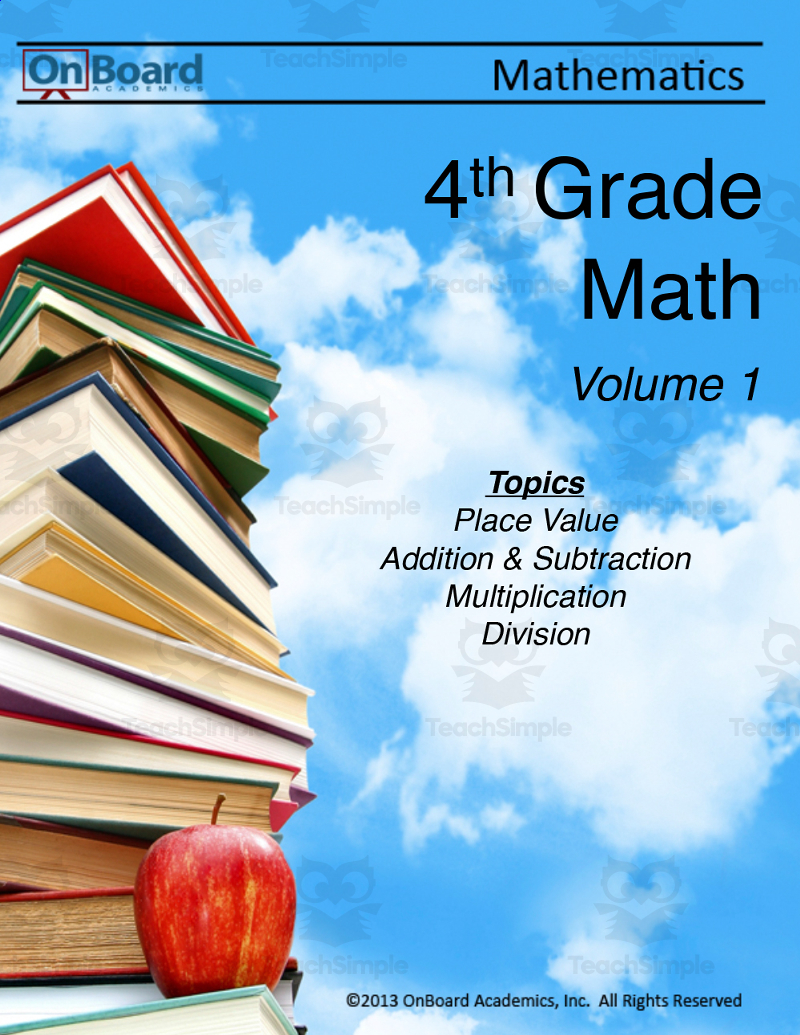
Grade 4 Math Volume 1
Grade 4 Math skill-practice workbook covering place value, addition and subtraction, multiplication, division with worked examples, guided practice pages, and a short quiz at the end of each topic.




23,569 resources
Explore sub-categories
4 sub-categories · 23,569 resources
Grade 4 Math skill-practice workbook covering place value, addition and subtraction, multiplication, division with worked examples, guided practice pages, and a short quiz at the end of each topic.
Teacher's-guide-plus-reproducible-worksheet packet that develops critical and creative thinking skills through interpreting and responding to visual art.
A commercially published critical-thinking math workbook presenting leveled, thought-provoking activities for grades 4-8 to build analytical and critical-thinking skills.
Teacher's-guide-plus-reproducible-worksheet packet that develops critical thinking and problem-solving through applied algebra/arithmetic word problems.
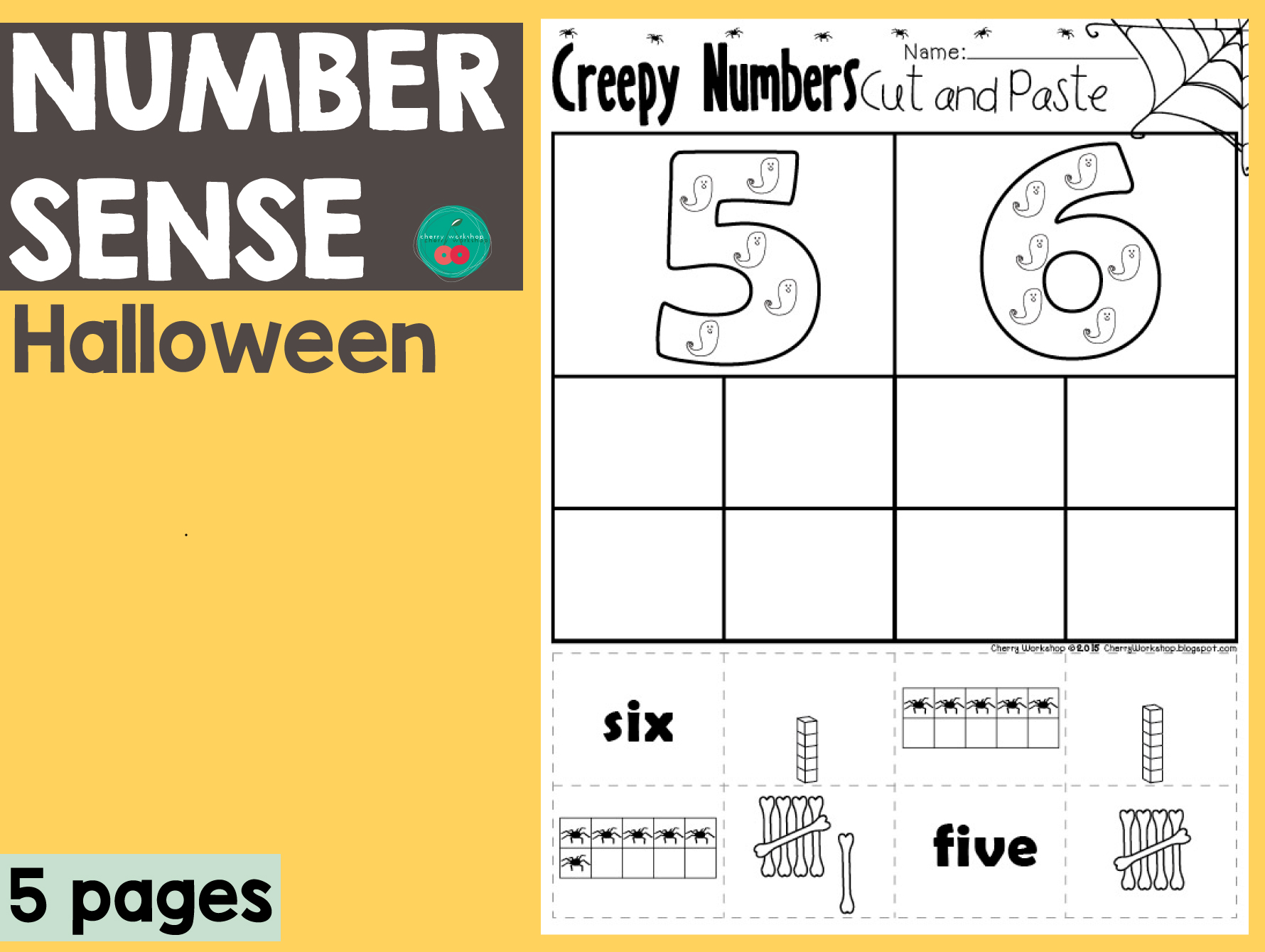
A number-sense cut-and-paste activity matching numerals to their written number words, presented as a Halloween-themed 'Creepy Numbers' set.
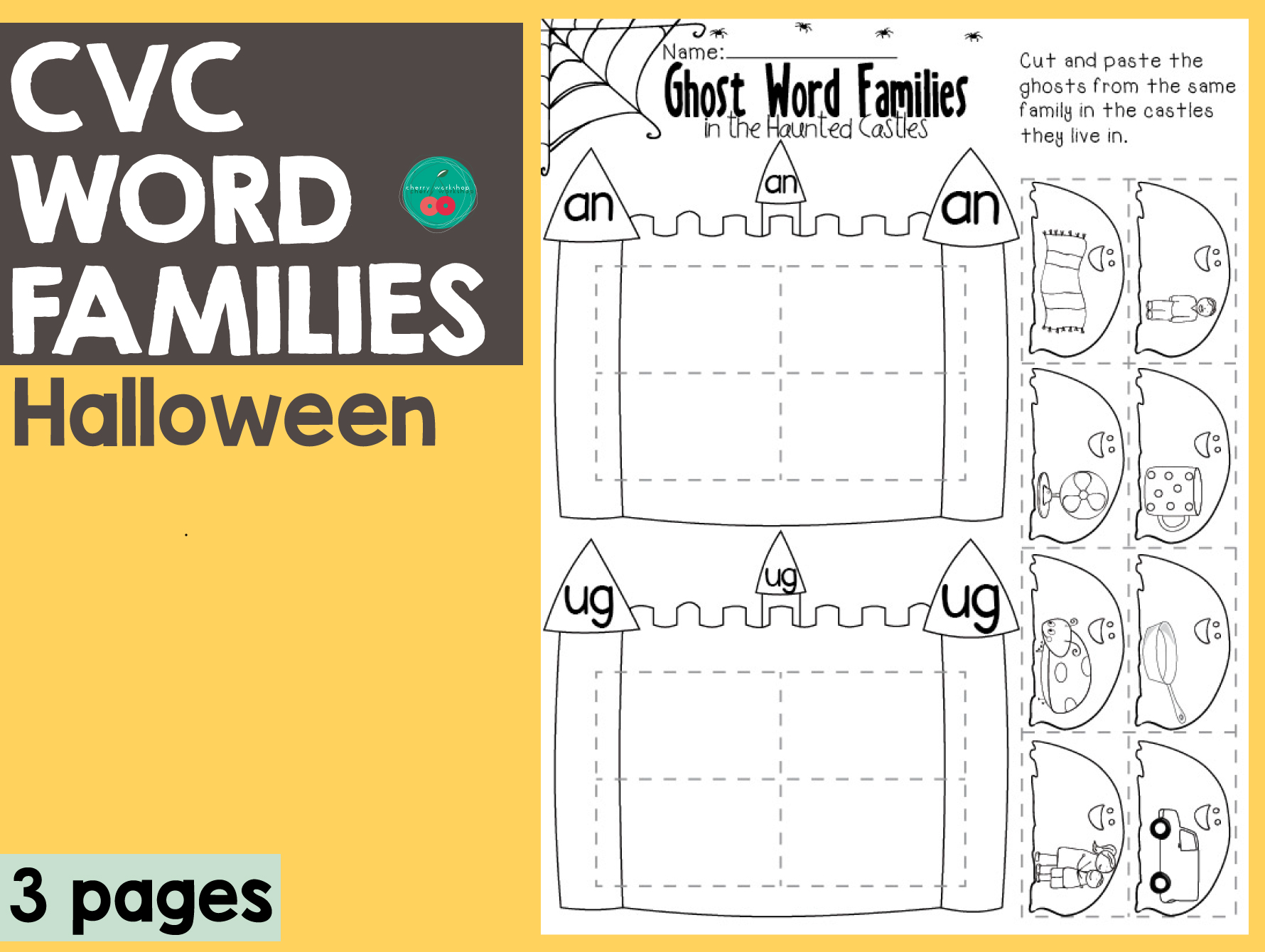
Word family practice worksheets where students sort ghost pictures/word cards by rhyming ending pattern, Halloween theme.
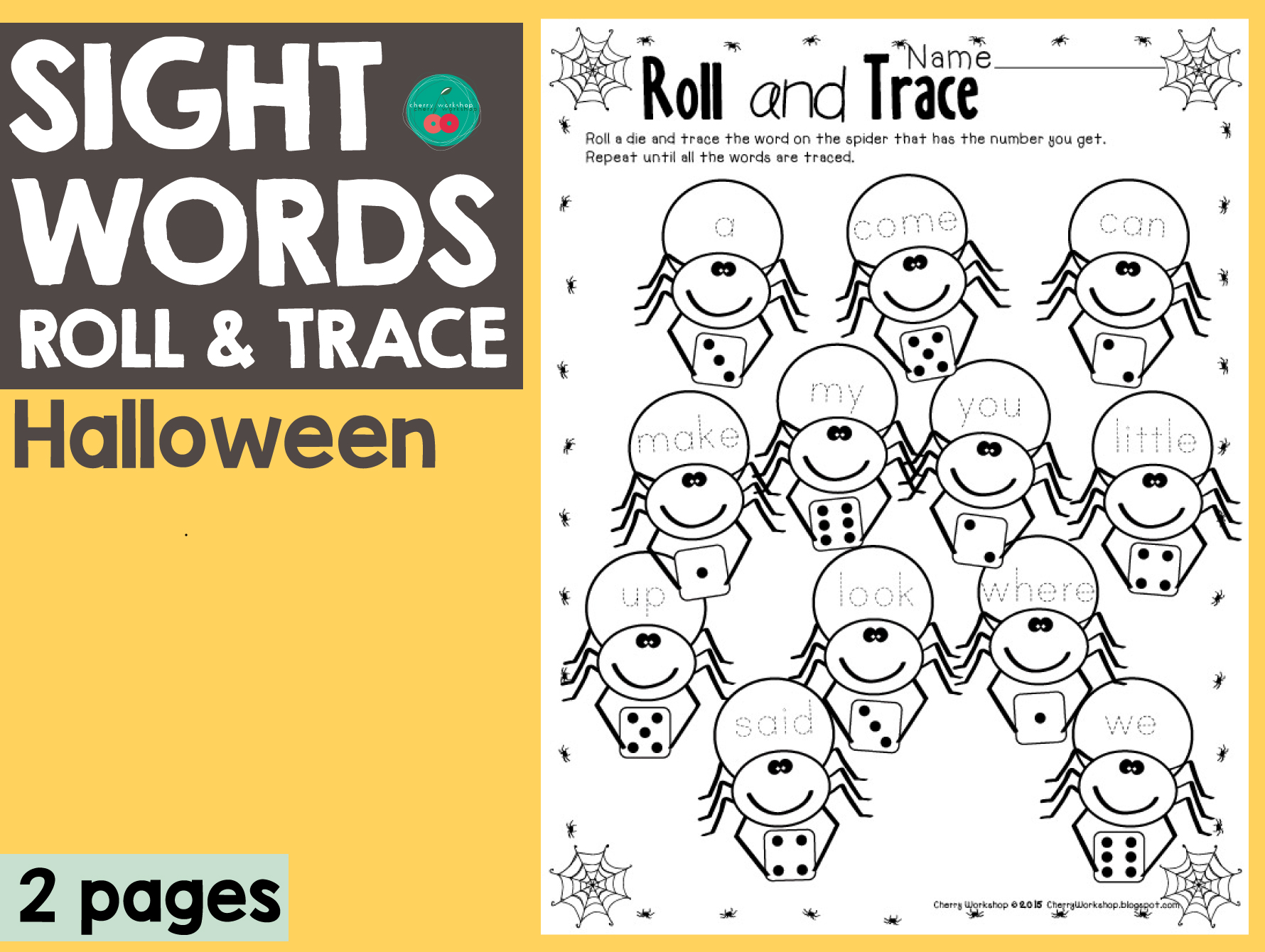
Sight word handwriting practice using a roll-and-trace die game with Halloween spider imagery.

A no-prep activity packet teaching Harriet Tubman's life and the Underground Railroad through informational slides, two paired reading passages, and a range of comprehension, vocabulary, and creative-writing worksheets.
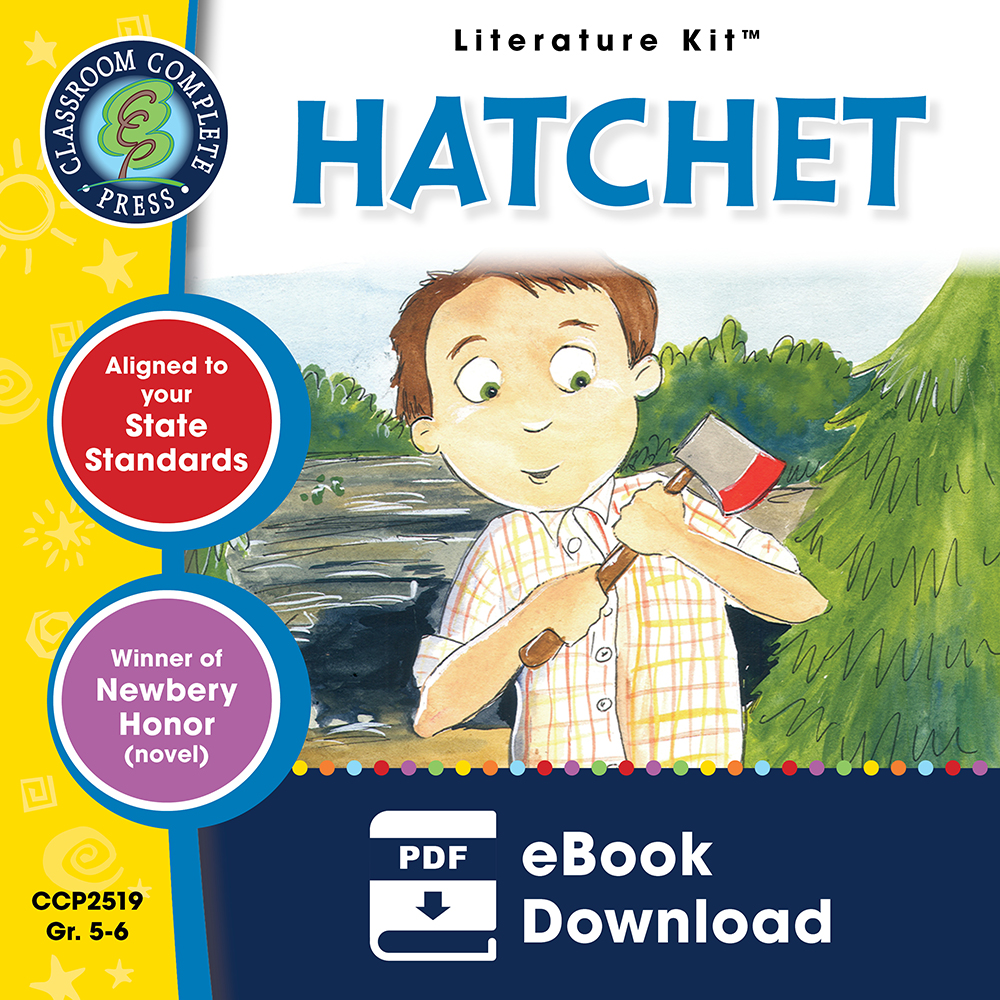
A published (Classroom Complete Press) literature kit for the novel Hatchet by Gary Paulsen, providing a full teacher guide and student worksheet set covering comprehension, vocabulary, writing, and assessment aligned to Bloom's Taxonomy.
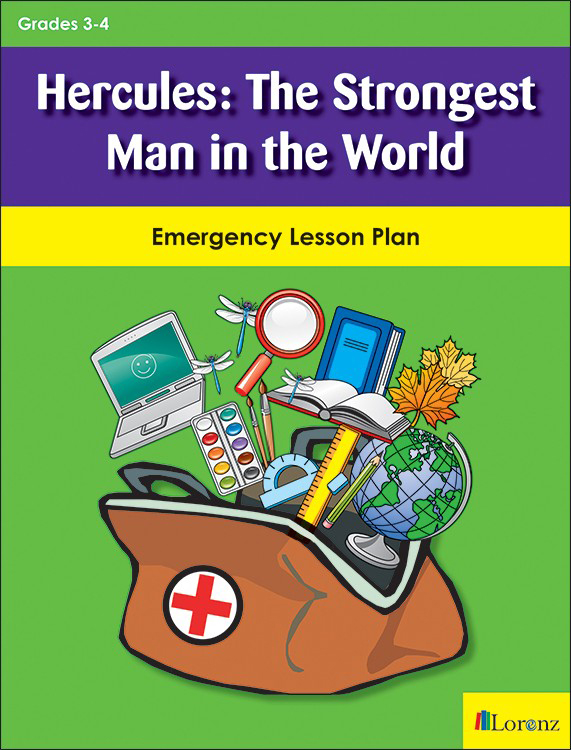
An emergency (substitute-ready) lesson plan that teaches the Greek myth of Hercules through a nonfiction-style narrative reading paired with comprehension, math word problems, word play, and map-reading activities.
A 'Mixed Up Words' chapter-slice worksheet set from the High-Frequency Sight Words resource, using real-life pictures to build sight word recognition, vocabulary, and comprehension around 130 high-frequency Dolch-style sight words for Kindergarten-Grade 1.

Build recognition, vocabulary and reading comprehension of high-frequency (sight) words for K-1 students through a chapter-slice of reproducible activities centered on sight word stories.

This History Graphic Organizer Worksheet can help your students explore a historical event by using a non-fiction text. This is a great way for your students to learn about history while also practicing their reading comprehension skills.
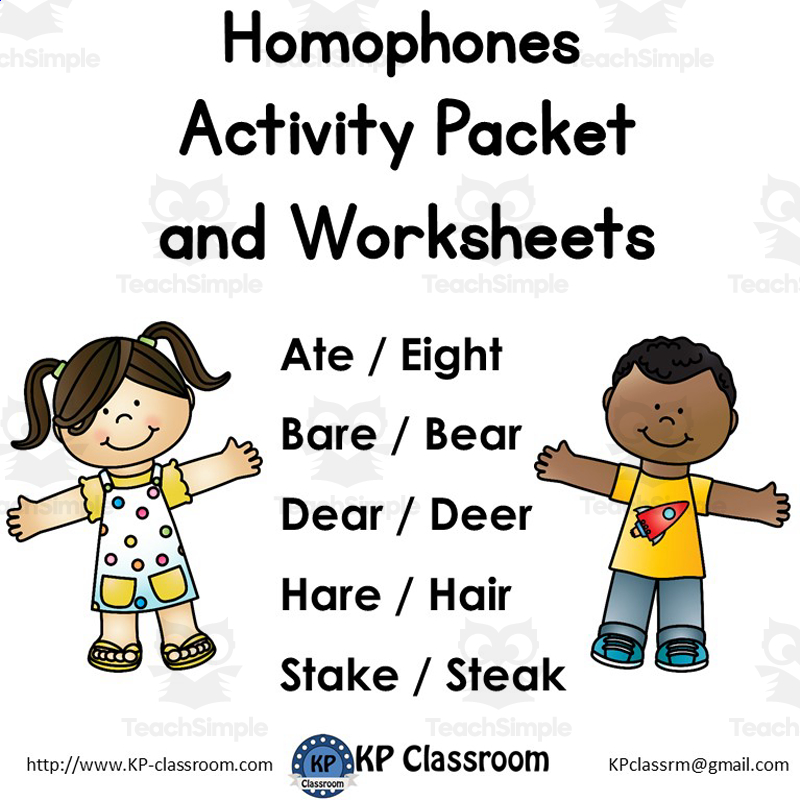
No-prep activity packet and worksheets teaching homophones for Kindergarten-Grade 4 language arts and phonics.

Teaches early writers to produce sequential 'how-to' expository writing about building a snowman, using leveled models, checklists, and picture-sequencing supports.
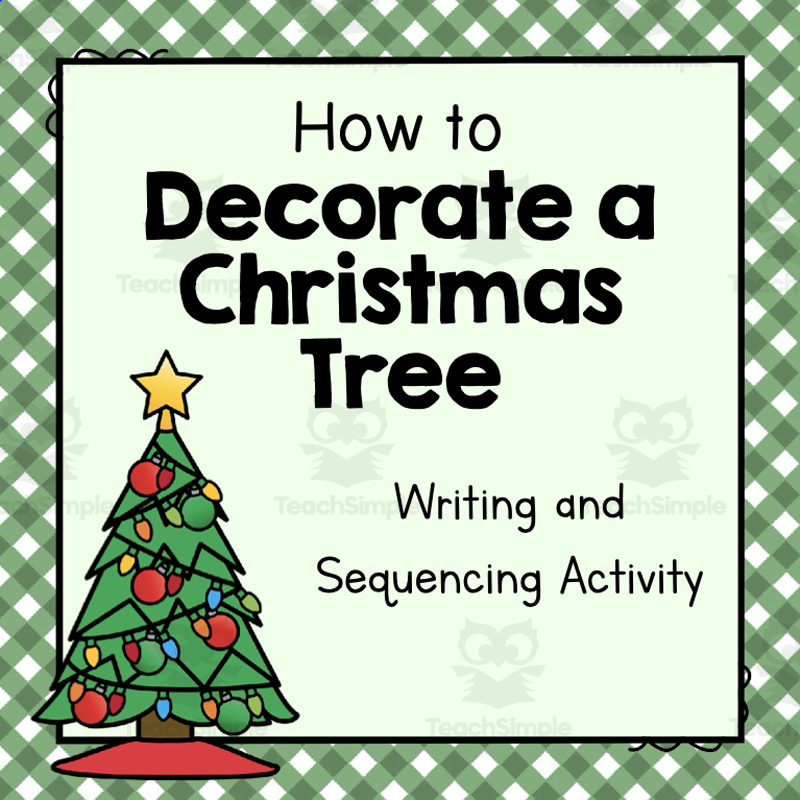
Teaches early writers to produce sequential 'how-to' expository writing about decorating a Christmas tree, using leveled models, checklists, and picture-sequencing supports.
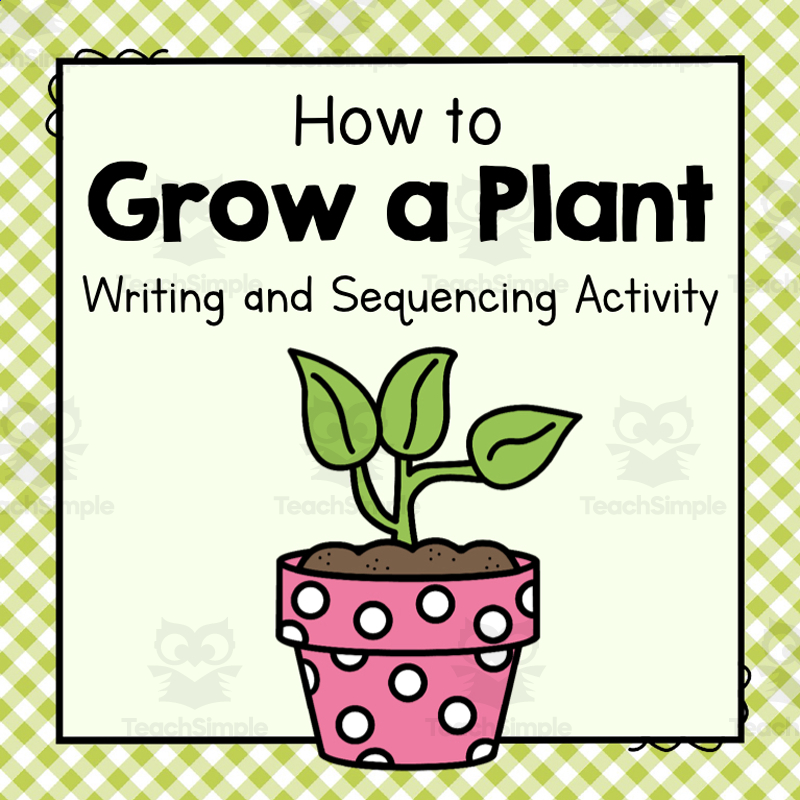
Teaches early writers to produce sequential 'how-to' expository writing about growing a plant, using leveled models, checklists, and picture-sequencing supports.
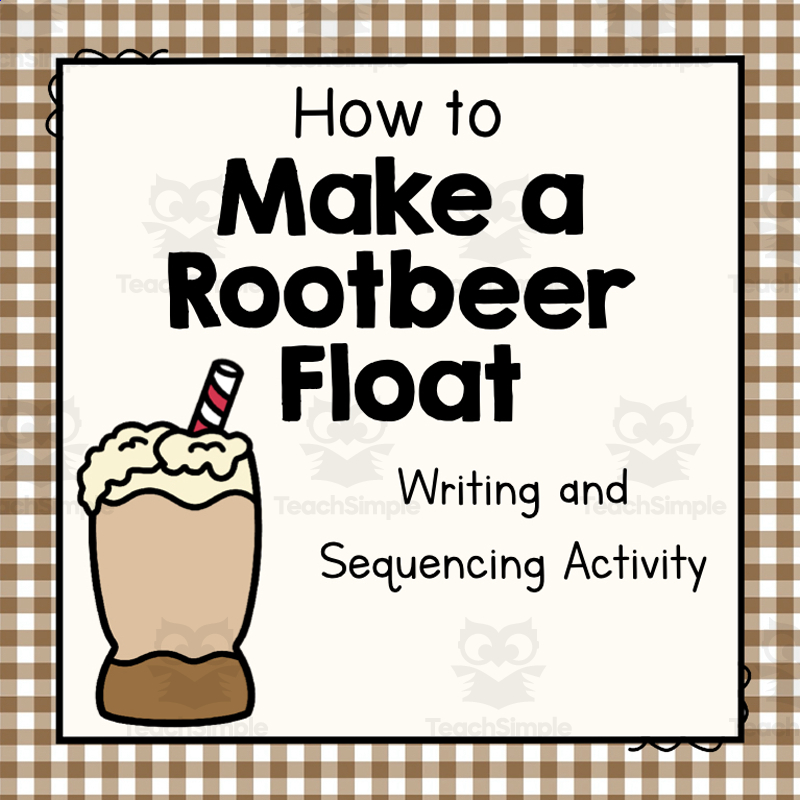
Teaches early writers to produce sequential 'how-to' expository writing about making a root beer float, using leveled models, checklists, and picture-sequencing supports.
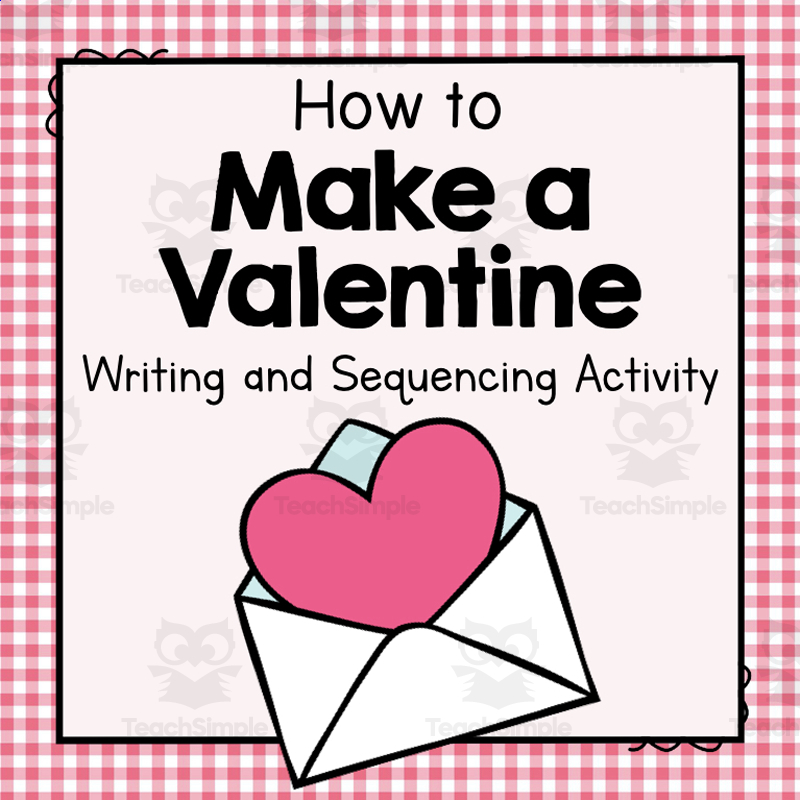
Teaches early writers to produce sequential 'how-to' expository writing about making a valentine, using leveled models, checklists, and picture-sequencing supports.
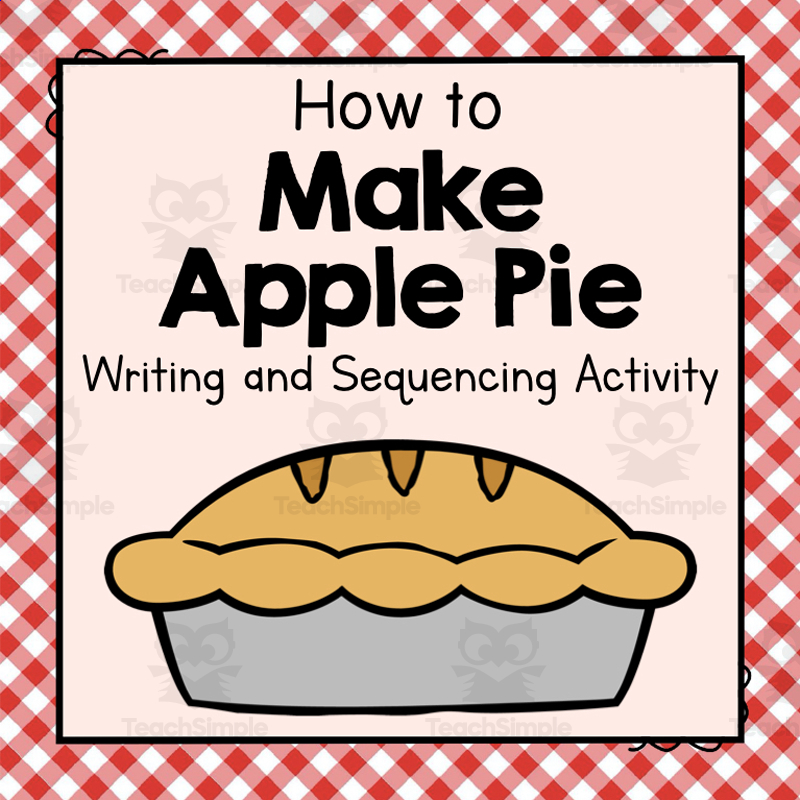
Teaches early elementary writers how to compose a step-by-step 'how-to' (procedural/expository) piece using the everyday example of apple pie, with an emphasis on sequencing and transition words.
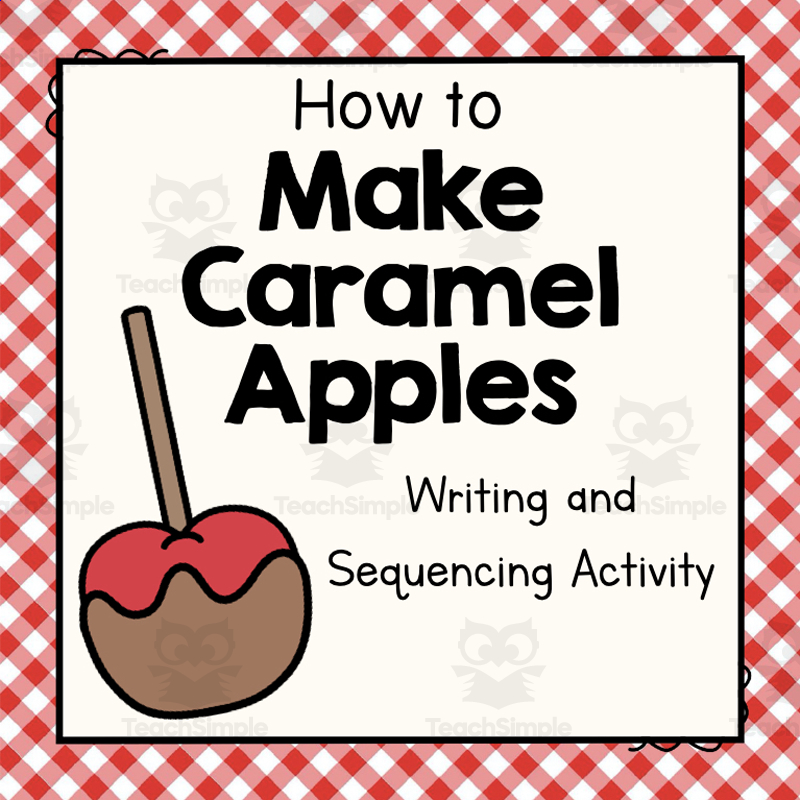
Teaches early elementary writers how to compose a step-by-step 'how-to' (procedural/expository) piece using the everyday example of caramel apples, with an emphasis on sequencing and transition words.
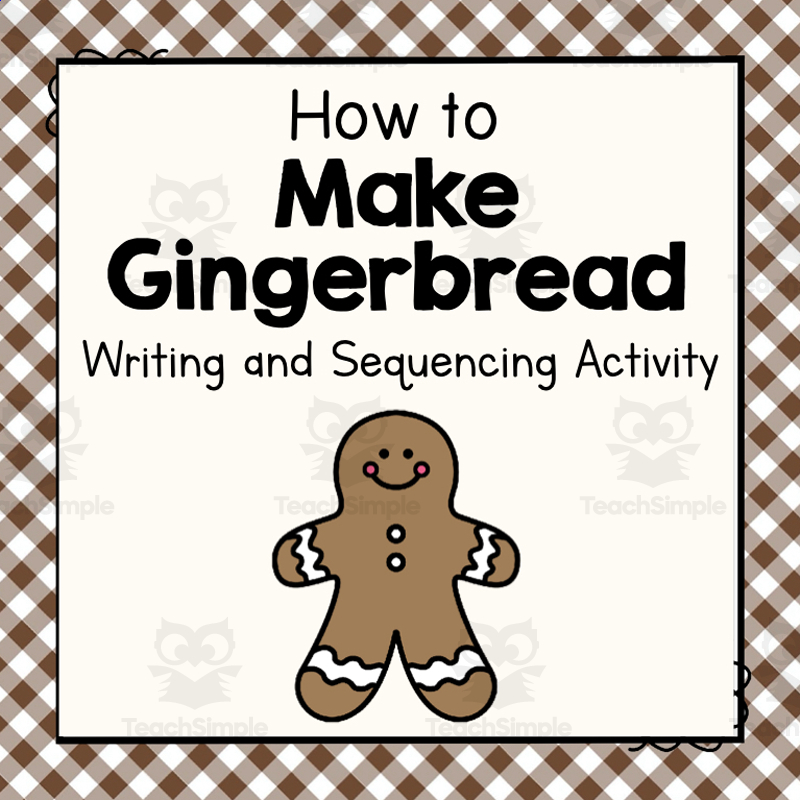
Teaches early elementary writers how to compose a step-by-step 'how-to' (procedural/expository) piece using the everyday example of gingerbread cookies, with an emphasis on sequencing and transition words.
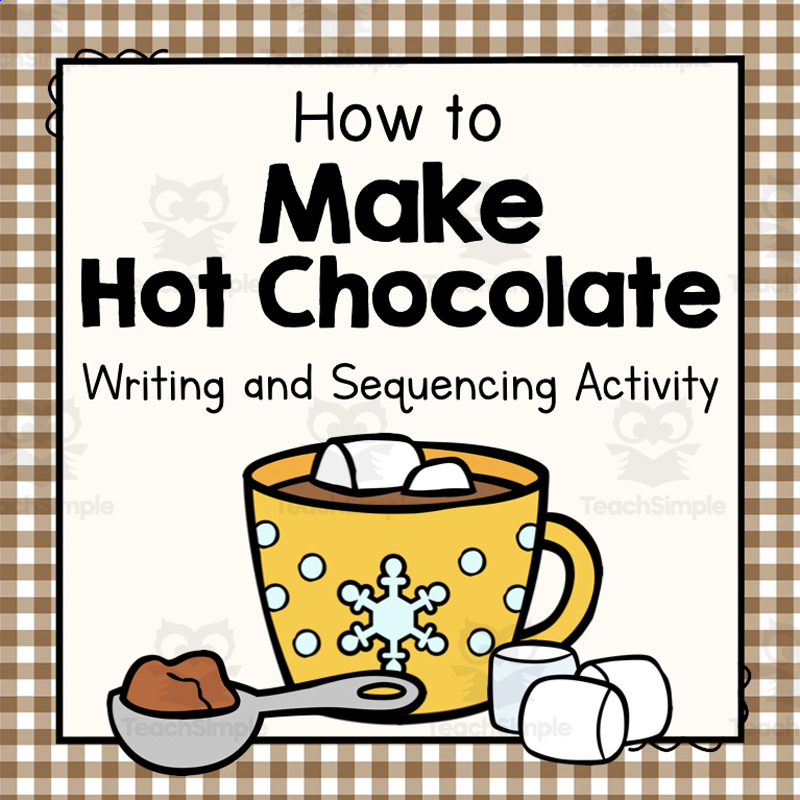
Teaches early elementary writers how to compose a step-by-step 'how-to' (procedural/expository) piece using the everyday example of hot chocolate, with an emphasis on sequencing and transition words.
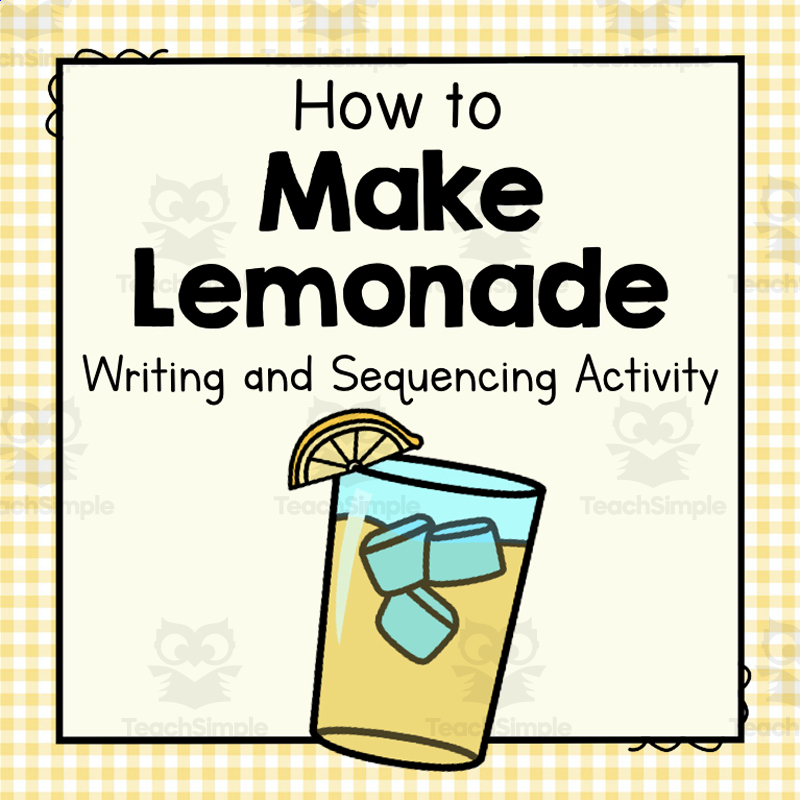
Teaches early elementary writers how to compose a step-by-step 'how-to' (procedural/expository) piece using the everyday example of lemonade, with an emphasis on sequencing and transition words.