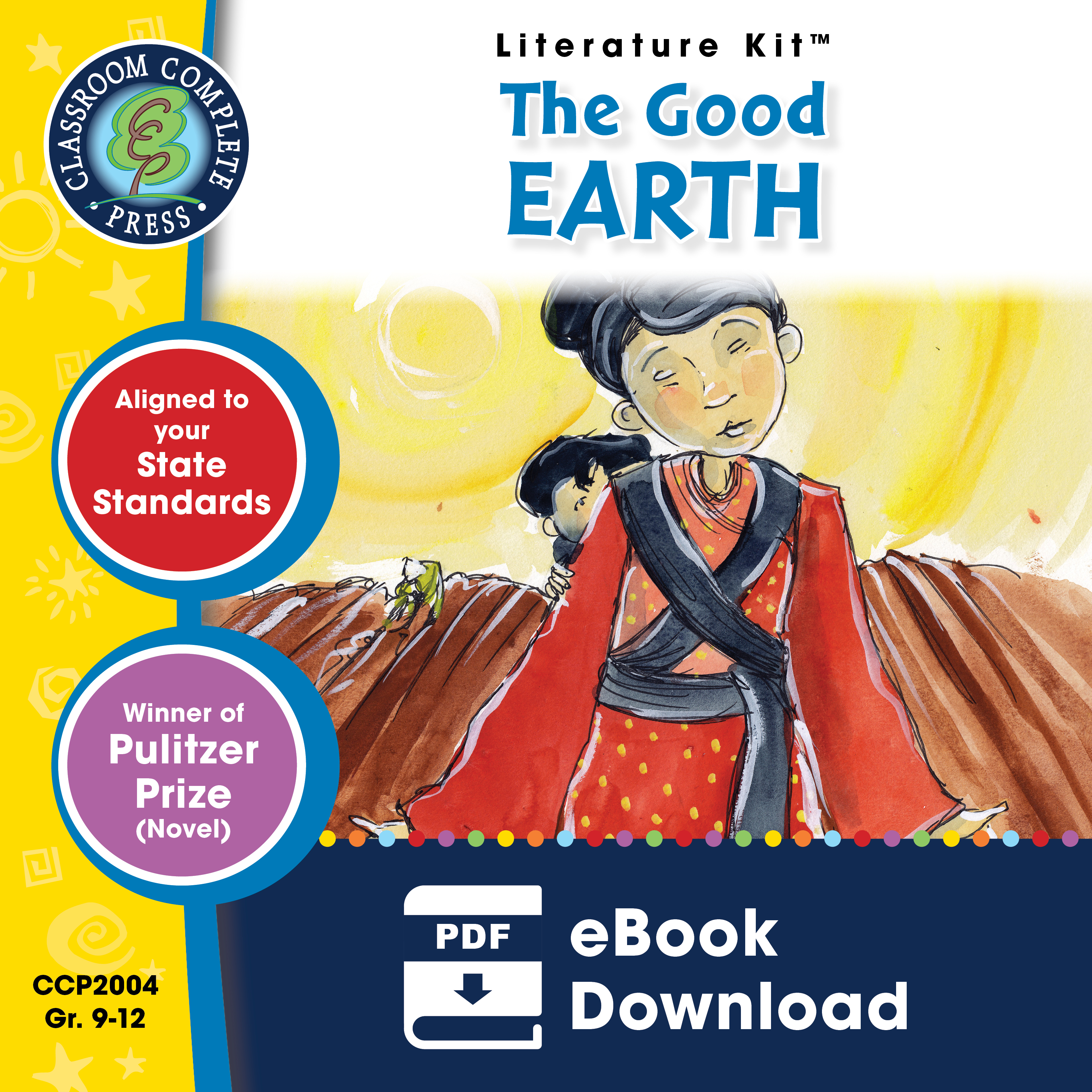
The Good Earth - Literature Kit Gr. 9-12
Support classroom study of Pearl S. Buck's novel 'The Good Earth' with a full literature-kit workbook of comprehension, vocabulary, and writing activities.
Answers included




23,569 resources
Explore sub-categories
4 sub-categories · 23,569 resources
Support classroom study of Pearl S. Buck's novel 'The Good Earth' with a full literature-kit workbook of comprehension, vocabulary, and writing activities.
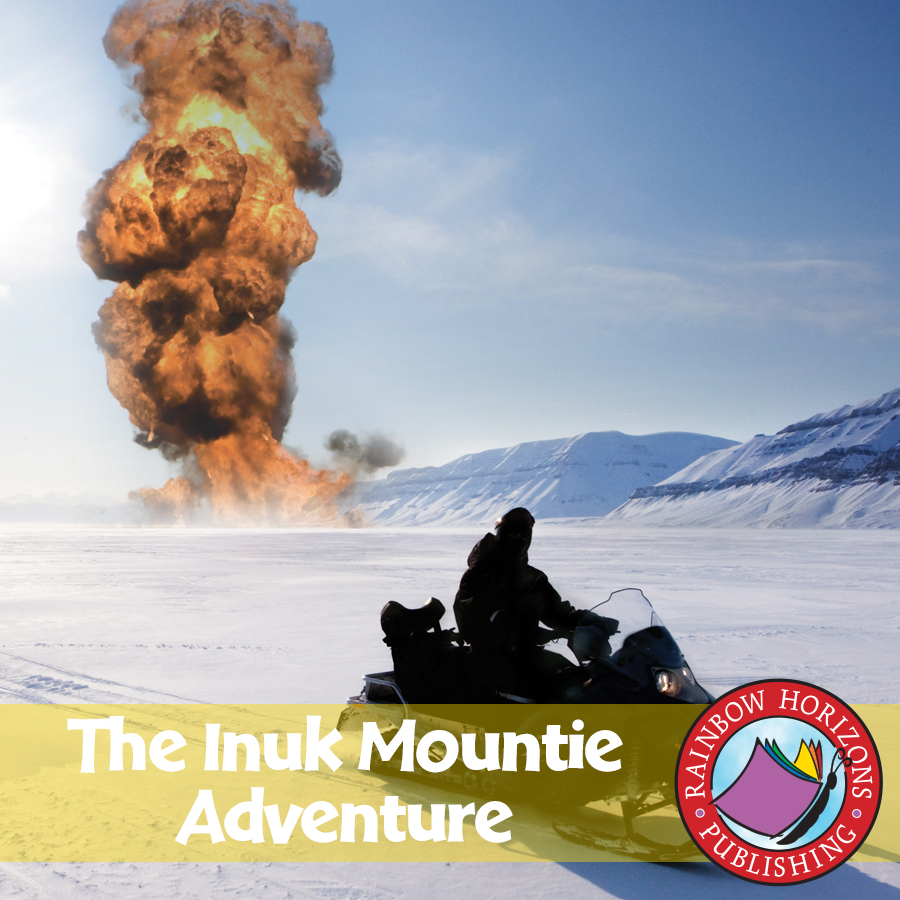
The Inuk Mountie Adventure (Novel Study) Gr. 6-8 Elevate your language arts curriculum with The Inuk Mountie Adventure – a compelling novel study designed for students in grades 6 to 8. This engaging resource takes the reader on an exciting journey with Tom Austen as he embarks on a school trip to Gjoa Haven located in the high Arctic region. As they…
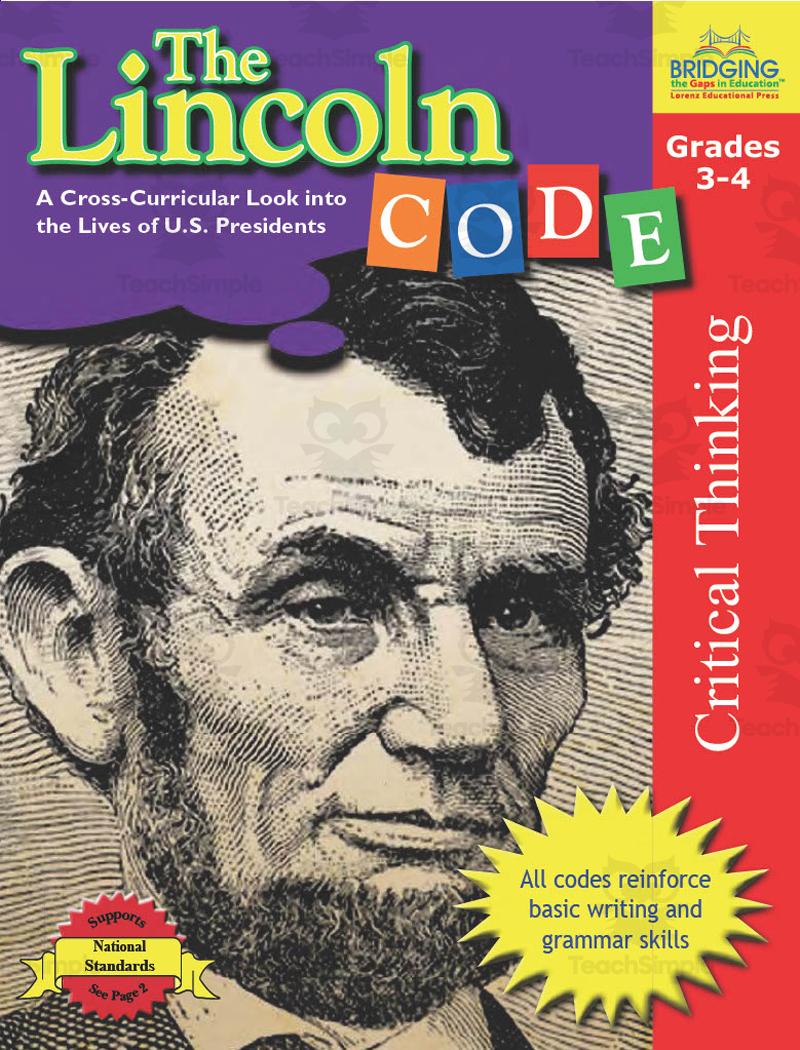
A cross-curricular workbook using short U.S. president biographies with embedded secret codes to reinforce social studies content alongside language-arts skills (grammar, spelling, punctuation, etc.).
An 'emergency lesson plan' (substitute-ready, cross-curricular) for grades 1-2 built around a non-fiction reading passage about Vikings, combining reading comprehension, creative writing/drawing, vocabulary syllable counting, basic math word problems, plural word forms, and a dot-to-dot activity.
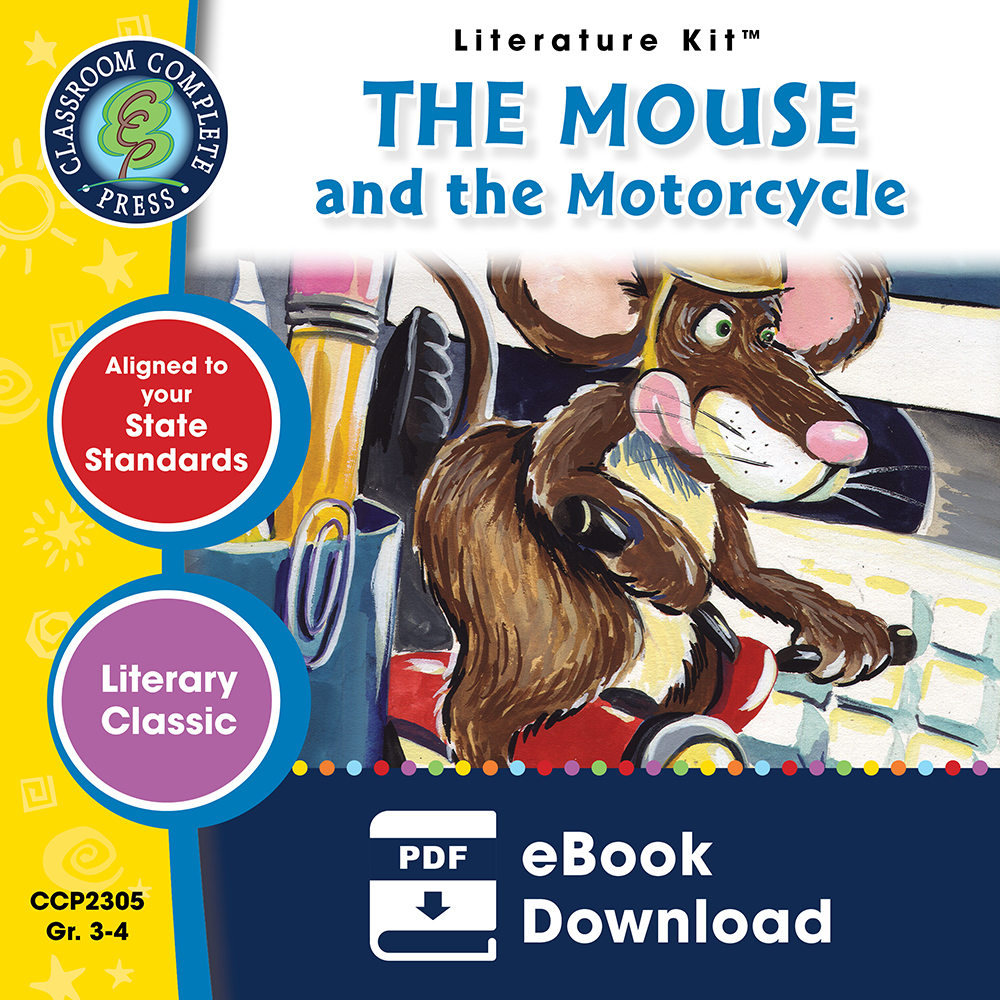
Provide a comprehensive literature kit (chapter questions, worksheets, graphic organizers, writing tasks, bonus activities) for teaching Beverly Cleary's The Mouse and the Motorcycle.
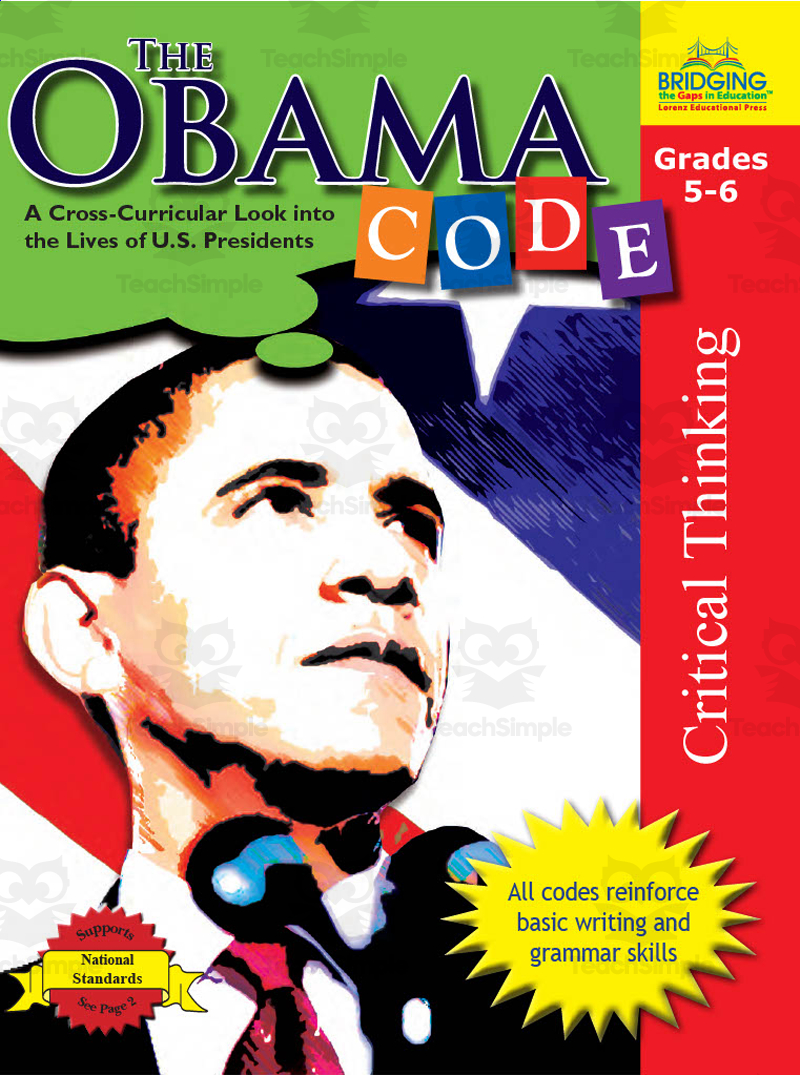
A cross-curricular activity book combining biographies of 12 U.S. presidents with code-cracking and grammar/language-arts skill practice.
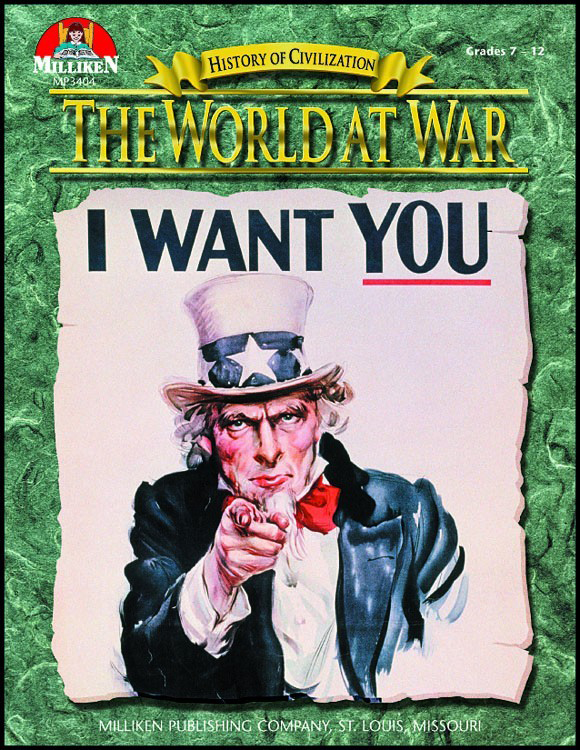
Provide a comprehensive workbook covering world history from the Treaty of Versailles (1920) through the end of World War II (1945), including postwar Europe, the Great Depression, the rise of fascism, WWII, the Holocaust, and the defeat of Japan, with map exercises and review questions.

Guided/scaffolded fill-in-the-blank notes teaching the concept of linear parent functions and the general transformation form f(x)=af(b(x-c))+d, building from number lines and coordinate systems up to graphing transformed linear functions.

Geometry activity with scaffolded notes teaching the Triangle Inequality Theorem through a hands-on discovery activity using cut straws (or spaghetti) of measured lengths, then guided notes and practice problems.
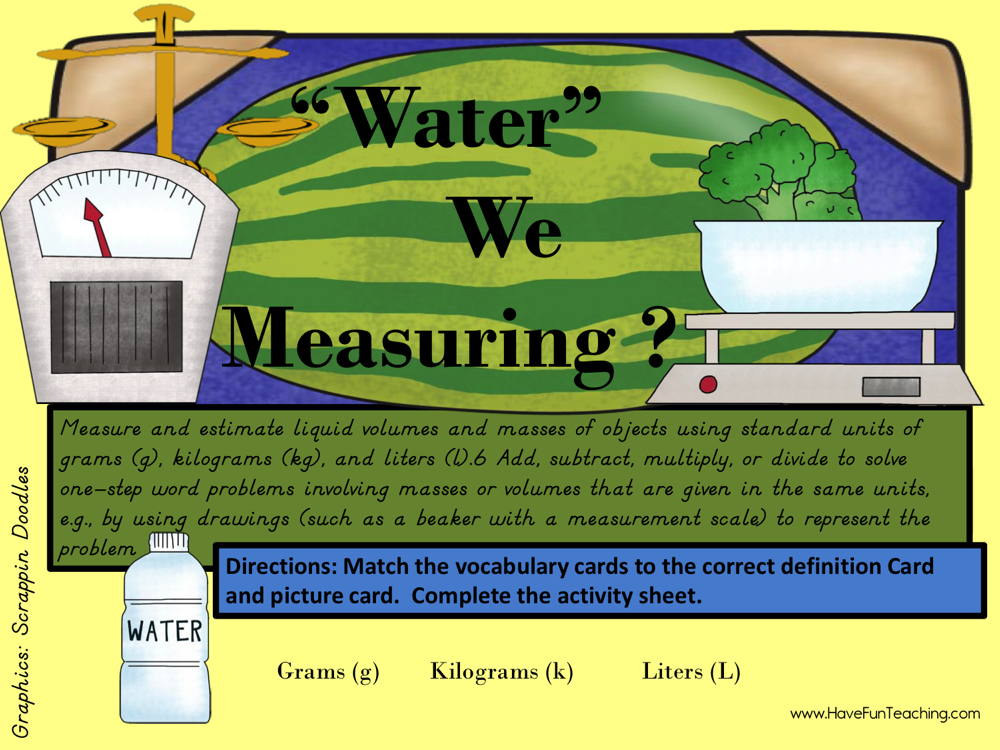
Teaches metric units of mass and volume (grams, kilograms, liters) through vocabulary matching, a board game, and a word-problem worksheet.
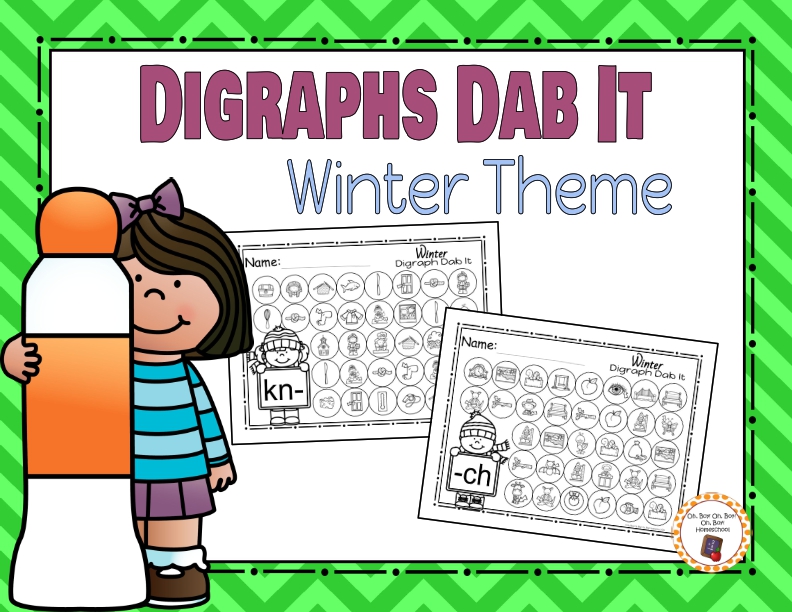
Practice beginning and ending consonant digraphs using a 'dab it'/bingo-dauber marking activity, designed for use during a winter unit.
literature study kit built around the novel Wonder by R.J. Palacio, developing reading comprehension and critical-thinking skills mapped to Bloom's Taxonomy levels
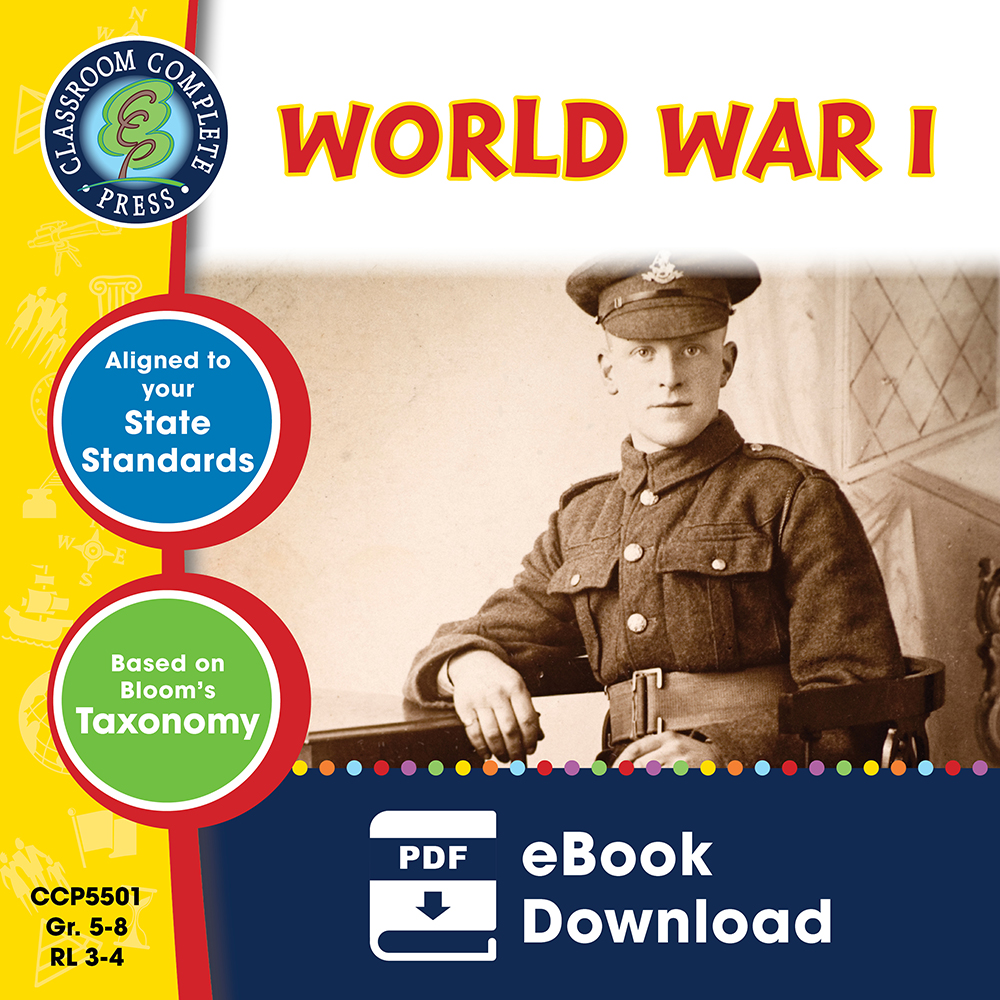
Provide a comprehensive middle-grade teaching resource covering all major aspects of World War I (causes, major battles, the U.S. entering the war, Wilson's Fourteen Points, methods of warfare, and outcomes) through leveled reading passages and supporting activities.
Teach middle-grade students about World War I, focused on the 'Background and Causes' chapter, through a leveled reading-comprehension passage plus supporting vocabulary, puzzle, quiz, and research activities.
Teach middle-grade students about World War I, focused on the 'Major Battles' chapter, through a leveled reading-comprehension passage plus supporting vocabulary, puzzle, quiz, and research activities.
Teach middle-grade students about World War I, focused on the 'Methods of Warfare' chapter, through a leveled reading-comprehension passage plus supporting vocabulary, puzzle, quiz, and research activities.
A reading-comprehension chapter slice on the outcomes/aftermath of World War I, with supporting vocabulary, comprehension quiz, puzzles and mini posters for grades 5-8.
A reading-comprehension chapter slice on why and how the United States entered World War I, with supporting vocabulary, comprehension quiz, puzzles and mini posters for grades 5-8.
A reading-comprehension chapter slice on Woodrow Wilson's Fourteen Points, with supporting vocabulary, comprehension quiz, puzzles and mini posters for grades 5-8.
A social studies unit that helps students understand the causes, key events, and lasting significance of World War II.
A comprehensive creative-writing guide/workbook introducing students to a wide range of short poetic and prose writing forms to build confidence and enjoyment in writing.

A topic field and four fact boxes help students gather information before they write. The directions also remind them to give their finished piece a sense of closure. Use the organizer to discuss which facts belong with the topic and how to arrange them before students begin a draft.
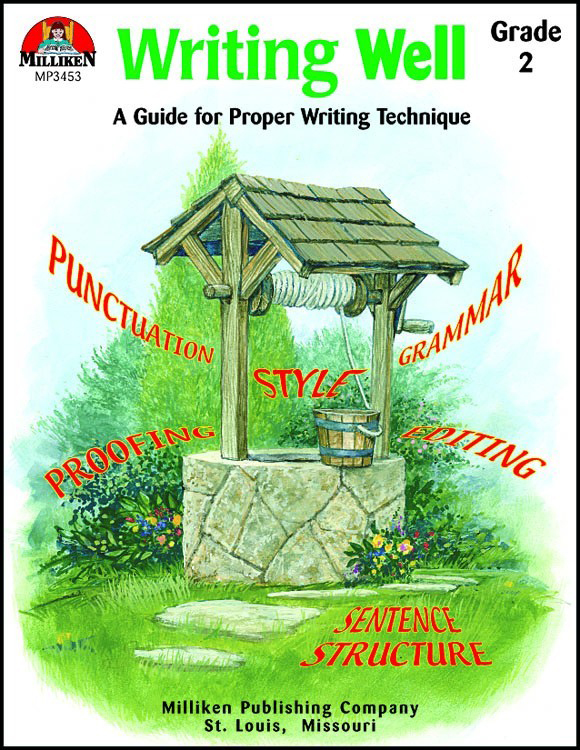
Provide second-grade teachers a sequenced series of practice pages reinforcing basic sentence, grammar, punctuation, and paragraph-writing skills.

FAQ-format teacher resource explaining how to set up and run a Writing Workshop for K-2 classrooms, covering classroom setup, structuring writing time, teaching writing behaviors, conferences, tracking progress, and teaching organization/support/word choice/fluency/voice/mechanics/revision.