3,890 products added recently
Page 43 - Worksheets & Printables
Discover a wealth of worksheets and printables to supplement your teaching. Covering multiple subjects and grade levels, these resources provide activities that reinforce learning objectives. Incorporate them into your lessons to offer hands-on practice and enrich your curriculum.
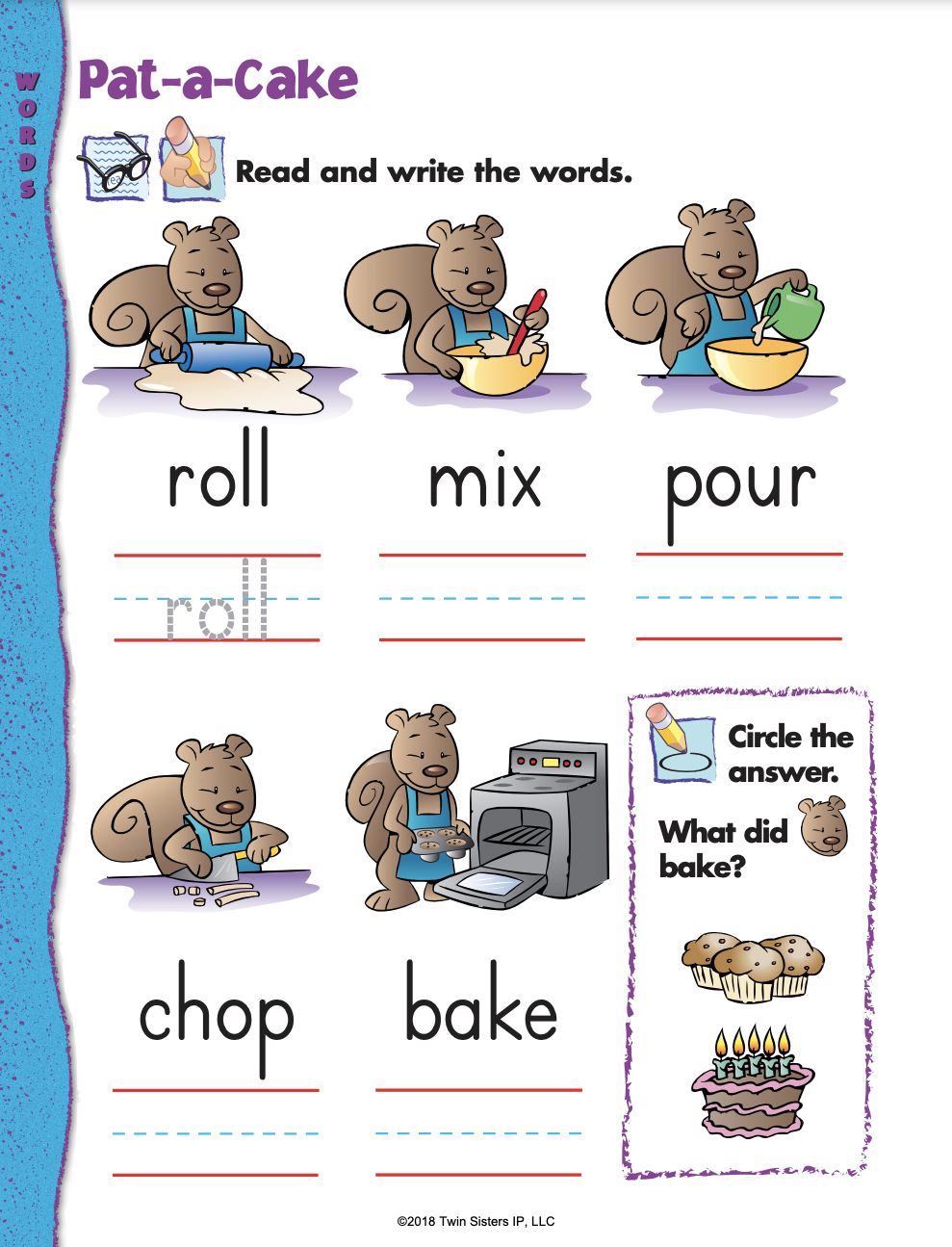
I Love to Draw Monsters Volume 2 Printable Workbook
Creative Arts, Art, Fine Arts, Kindergarten, Preschool, Grade 1, Workbooks, Worksheets & Printables
Grrr! I Love To Draw Monsters: Volume 2 will help children learn to trace and draw, practice using a writing tool, and explore the fun of creative expression.
Author Twin Sisters Digital Media
Tags Draw, Drawing, Color, Art, Monster
Equivalent Fractions – Visual Rectangle Approach
Math, Fractions, Grade 3, Worksheets & Printables, Worksheets
If two fractions are equivalent it means they are the same in terms of shape and size, but are expressed using different numbers Equivalent fractions are best introduced using shape models before proceeding on to using the number line or any numerical method. If two fractions are equivalent it means they are the same in terms of shape and size, but are expressed using different numbers In these resources fractions are compared using rectangles, where each rectangle represents the same area of a whole. The 4 Sets of Worksheets form a progression as follows: Worksheet Set 1: Each pair of rectangles on the page has a fraction of it's space colored in. Students write down the (equivalent) fractions of each in numerical terms. Worksheet Set 2: For each pair of rectangles, equivalent fractions are shown . Students color in the areas on two rectangles that represent two given equivalent fractions. Worksheet Set 3: Pairs of coloured-in rectangles and the denominators of the equivalent fractions are shown. Students must determine the numerators (of each fraction) and the multiplier that connects the two fractions. Worksheet Set 4: Shown pairs of partially coloured-in rectangles pupils are asked to write down the fractions coloured-in and the multiplier connecting the two fractions. How many worksheets are in each set ? A lot. At the click of a button all numbers are randomised, so the questions change every time. This means you can create new worksheets for plenty of extra practice throughout the year or even give groups of pupils in your class different sets of questions. Answers can be found on the second page of every worksheet, which are automatically generated when you create a new worksheet. Note These resources are PDF documents and work with the official Adobe Acrobat Reader on Windows or Mac computers with the randomising buttons also working via a touchscreen (on a PC or Mac) or on an Interactive Whiteboard. Common Core Standards CCSS3.NF.A.1 Understand a fraction 1/𝘣 as the quantity formed by 1 part when a whole is partitioned into 𝘣 equal parts; understand a fraction 𝘢/𝑏 as the quantity formed by 𝘢 printables/parts-of-and-anatomy-of">parts of size 1/𝘣. CCSS3.NF.A.3 Explain equivalence of fractions in special cases, and compare fractions by reasoning about their size. CCSS3.NF.A.3a Understand two fractions as equivalent (equal) if they are the same size, or the same point on a number line. CCSS3.NF.A.3b Recognize and generate simple equivalent fractions, (e.g., 1/2 = 2/4, 4/6 = 2/3). Explain why the fractions are equivalent, e.g., by using a visual fraction model. You may also like: Equivalent Fractions on the Number Line Worksheets 3rd Grade Equivalent Fractions - Numerical method with multipliers and divisors
Author Jeff's Notebooks
Rating
Tags Equivalent Fractions, Fractions, Visual Model Equivalent Fraction, Grade 3, Jeff's Notebooks, Worksheets, Math, Numeracy, Interactive Whiteboard
Emil Erlenmeyer – The Scientist Behind the Famous Flask
Life Sciences, Science, STEM, Social Studies, Biographies, Inventors, Basic Science, Physics, Chemistry, Technology, Grade 6, 7, 8, 9, 10, 11, Worksheets, Worksheets & Printables, Quizzes, Quizzes and Tests, Teacher Tools, Projects, Activities
Emil Erlenmeyer – The Scientist Behind the Famous Flask Comprehension Activities A short informational text and classroom task set for grades 7–10 🧪📘 (PDF + H5P) ⚗️📘 A printable and digital resource for grades 7–10 science and cross-curricular teaching 🧪🧠 This resource introduces students to Emil Erlenmeyer, a chemist best known for designing the Erlenmeyer flask – a piece of lab equipment still used every day in schools and laboratories around the world. Beyond the flask, he also made important contributions to the understanding of chemical structures and reactions. The text is written in clear, student-friendly language and offers a good opportunity to connect science content with the people behind the discoveries. I’ve used this kind of material in lessons where students are learning about lab equipment, scientific processes, or simply getting to know the history of chemistry. What’s included: A short informational text about Emil Erlenmeyer A printable student profile to summarize key facts Quiz questions based on the text (with answer key) Two extension tasks for extra practice or early finishers: – Students create their own questions – Exchange and answer partner questions Available formats: – PDF (print and digital use) – DOCX (editable text version) – H5P version for digital platforms (without images) How to use it in class: Students begin by reading the text – individually, in pairs, or as a group. They then complete the profile and quiz questions. The optional tasks work well in partner work or as a small extension activity. The structure is easy to follow and also works in substitute lessons, even when the substitute isn’t a science teacher. The H5P version can be used in digital classrooms or assigned as a self-paced homework activity with built-in feedback. No prep is needed – just print or upload and start. A simple way to connect everyday classroom science with the people who shaped it. Have fun exploring the world of science with your students! Warmly, Lernfitness Did You Know? I teach with a certified therapy dog, and together we focus on creating a positive and inspiring learning environment.
Author Lernfitness
Rating
Tags Science, Famous Scientists Lesson, H5P, Interactive Science Exercises, STEM, Scientists, Chemistry, Emil Erlenmeyer, Erlenmeyer Flask, Lab
Imagine You Find A Mysterious Box In the Attic: Write A Diary (9-13 years)
ELA, Writing, Grade 4, 5, 6, Worksheets & Printables, Worksheets
Imagine You Find A Mysterious Box In The Attic: Write A Diary (9-13 years) This is a quintessential resource for English educators who seek to ignite creativity and imagination in their pupils. This teaching tool envisions a captivating scenario compelling students within the 9-13 age group to indulge in diary writing exercises tinted with mystery and intrigue. The principle concept revolves around the discovery of a mysterious box in an attic, fostering curiosity while simultaneously honing core writing abilities. It fosters critical thinking and creative skills by enabling students to document an ordinary day turning extraordinary. Structure of the Teaching Resource Five pages: Within this bundle are story prompts aimed at directing learners through narrative planning, applicable for both article or play script composition. Included Outline: This outline offers scaffolded assistance, aiding students in structuring their thoughts adeptly. Predesigned Features: The examples provide writing templates that pupils can adapt and expand upon. Versatility In Use The flexibility of this tool enables teachers to integrate it into whole-group learning sessions or divide into smaller groups encouraging collaboration among peers. Alternatively, these exercises could serve as enriching homework assignments empowering students with autonomy over pace-setting their literary journey. Teachers can also use it across different learning environments due its easy-to-download-and-distribute PDF format making it compatible for both online classes and physical classrooms alike. Fostering Language Reservation Skills Among Learners This tool subtly incorporates vocabulary expansion throughout its constructs following recommended usage practices intended for more advanced learners making sure no student's literary growth remains stagnant. Replete with avenues allowing diverse practising opportunities related to language arts skills, Imagine You Find Mysterious Box In The Attic: Write A Diary (9-18 years) paves the way for fostering literary boldness among nascent authors and nurturing unfearful young minds ready to transcend beyond standard curricula.
Author Guinea Pig Education
Tags Creative Writing, Imaginative Thinking, Diary Writing, Mystery Box, Storytelling
Reading Comprehension Passages Fiction Set 2 - Animals (Google Docs)
ELA, Reading, Common Core, ESL, Language Development, Vocabulary, Spelling, Reading Comprehension, Creative Writing, Writing, Grade 2, 3, Worksheets & Printables, Worksheets, Writing Prompts, Assessments, Teacher Tools, Tests, Quizzes and Tests, Activities, Centers
Reading Comprehension Passages Fiction Set 2 Overview Fascinating reading comprehension passages, each with an array of activities included. Stories are written for the modern classroom and topics are designed to promote enthusiasm from each student. Each lesson contains a mixed questions section to check understanding, a vocabulary or spelling activity to help remember key language introduced, and a writing exercise. Full answer keys are provided. For a more detailed overview, check the section under the links at the bottom of this description. Passages Include 1.Unexpected Visitors: Terra gets an unexpected visitor. 2.Feeding Time: Allan visits an aquarium and feeds the dolphins. 3.New Pup Next Door: The neighbor has a new dog and Benny wants to see. 4.Stargazing: Jazmin loves looking at the stars. She visits the beach today. 5.On the Search: Abigail wants to find a shark tooth more than anything. 6.Tadpoles: Brittney & Stan take frogs eggs home & watch them hatch. 7.Lucky Caterpillar: Lily and Sadie watch a caterpillar crossing the road. 8.Karl the Photographer: Karl spends his summer taking photos of butterflies. 9.Chasing Pheasants: Tony and his father have a great idea...or so they think! 10.Part of the Family: Ava is nervous as her cat is about to have kittens. Additional File: Tadpoles: Blank Life Cycle Google Docs Version This is the Google Docs editable and fillable version. This download is available in GOOGLE Docs, GOOGLE Forms, GOOGLE Slides. PDF, PPT, WORD. FULL CATALOG OF DOWNLOAD LINKS HERE Grade 2/3 Links Fiction Set 1 - Nature Google Docs Google Forms Google Slides PDF PPT Word Guided Reading Materials Fiction Set 2 - Animals Google Docs Google Forms Google Slides PDF PPT Word Guided Reading Materials Fiction Set 3 - Food Google Docs Google Forms Google Slides PDF PPT Word Guided Reading Materials Fiction Set 4 - School Google Docs Google Forms Google Slides PDF PPT Word Guided Reading Materials Fiction Set 5 - Friends Google Docs Google Forms Google Slides PDF PPT Word Guided Reading Materials Fiction Set 6 - Family Google Docs Google Forms Google Slides PDF PPT Word Guided Reading Materials Fiction Set 7 - Sports Google Docs Google Forms Google Slides PDF PPT Word Guided Reading Materials Nonfiction Set 1 - Technology Google Docs Google Forms Google Slides PDF PPT Word Guided Reading Materials Nonfiction Set 2 - Nutrition Google Docs Google Forms Google Slides PDF PPT Word Guided Reading Materials Nonfiction Set 3 - Animals Google Docs Google Forms Google Slides PDF PPT Word Guided Reading Materials Reading Passages Overview Each passage is especially written for Grade 2-3 students, including key vocabulary required for this age group. Topics are varied and are accompanied by colorful graphics. Topics are meant to educate, yet entertain the modern student. These passages are perfect for the modern classroom. Whereas textbooks can become outdated in no time, any changes to technology or the world will result in updates to this product. Mixed Questions The mixed questions section of each lesson includes a variation of fivecomprehension, vocabulary and math questions. In addition, key reading strategies are frequently covered including cause & effect, summarizing, compare & contrast and making conclusions. Three of the questions will be MCQs and two will require a written response of some kind. Full answers and example responses appear at the end of the lesson. Spelling & Vocab Each reading passage contains a variety of words and phrases designed for Grade 2-3 students. Spelling and vocab activities provide the opportunity to build fluency with these words. As it can become quite mundane doing the same activities over and over, each lesson in a set will contain a different spelling and vocab activity . Writing Prompts Writing prompts are designed to continue the theme or lessons learned in the story. Students are persuaded to write in a variety of ways and each prompt includes several cues to help. As with the spelling/vocab section, writing prompts will vary. This includes research pieces, reading responses, poetry and creative writing prompts. Full Answer Keys Full answer keys and sample responses are provided so no matter how busy you are, you know you're covered! Mixed question answers provide evidence from the text, math questions contain the relevant workings. Answers are designed for use by the teacher, but also suitable as a handout to the student. Additional File One lesson will have an additional file. This is something fun to extend the lesson with. For similar downloads and other frees, do check out Cored Group on TeachSimple.
Author Cored Education
Rating
Tags Elementary, Reading, Comprehension, Vocabulary, Spelling, Writing, Passages, Digital Centers, Reading Comprehension, Vocabulary Assessments
Science Word Searches - Set 1 (PDF)
ELA, Language Development, Vocabulary, Spelling, ESL, Resources for Teachers, Science, Physics, Earth and Environmental Sciences, Life Sciences, Grade 2, 3, 4, 5, Worksheets & Printables, Worksheets, Teacher Tools, Centers, Activities, Word Searches
Wordsearch Series This wordsearch series is designed for students in grades 2–5. Each set of wordsearches is built around a clear vocabulary theme, helping students develop word recognition, improve spelling, and boost topic-related understanding through engaging visual puzzles. Every wordsearch also includes a fun hidden shape for students to guess—adding an interactive twist to traditional vocabulary practice. These wordsearches are student-friendly, classroom-ready, and perfect for integrating into literacy warmups, seasonal units, fast-finisher tasks, or home learning extensions. Each puzzle reinforces themed vocabulary in a playful, structured format that keeps learners motivated. Science Word Search Set 1 Word List 1. Forces and Motion Gravity, Friction, Push, Pull, Speed, Force, Ramp, Energy 2. Matter and Materials Solid, Liquid, Gas, Melt, Freeze, Boil, Evaporate, Condense 3. The Solar System Planet, Orbit, Moon, Sun, Star, Asteroid, Comet, Telescope 4. The Human Body Brain, Heart, Lungs, Bones, Muscle, Veins, Digest, Nerves 5. Ecosystems and Habitats Ecosystem, Habitat, Food Chain, Predator, Prey, Adapt, Forest, Ocean 6. Weather and Climate Temperature, Clouds, Precipitation, Hurricane, Tornado, Forecast, Climate, Drought PDF Version Other versions will appear here when available. Follow the store for the lastest on new products. How to Use These Wordsearches These wordsearches are ideal for: Morning work or early finisher bins Vocabulary centers or anchor activities Holiday or seasonal review lessons Independent literacy stations or take-home enrichment Each puzzle includes a themed word list and a shaped grid for students to complete. Word directions may vary (horizontal, vertical, diagonal), and answer keys are included for easy checking. Optional vocabulary challenges or writing tasks can be added to extend the learning experience. Whether you're reviewing key vocabulary, exploring a seasonal topic, or offering fun literacy practice, these wordsearches provide a flexible and engaging tool to support vocabulary growth in grades 2–5. More Science Themed Products Science Crosswords (Set 1) PDF Science Crosswords (Set 2) PDF Science Crosswords (Set 3) PDF Science Word Searches (Set 2) PDF Science Word Searches (Set 3) PDF FULL CATALOG OF DOWNLOAD LINKS HERE Themed Word Search Links Addition PDF Animals PDF Around the Home PDF Birthday PDF Candy PDF Christmas PDF Cinco de Mayo PDF Clothes PDF Colors PDF Days and Months PDF Division PDF Earth Day PDF Easter PDF Easy Word Searches PDF Fall PDF Father's Day PDF Food PDF Geography (Set 1) PDF Geography (Set 2) PDF Geography (Set 3) PDF Graduation PDF Health PDF History (Set 1) PDF History (Set 2) PDF History (Set 3) PDF Human Body PDF Kindness PDF Life Skills PDF Mother's Day PDF Multiplication PDF Science Word Searches (Set 1) PDF Science Word Searches (Set 2) PDF Science Word Searches (Set 3) PDF Shapes PDF Social Skills PDF Spring PDF Sports PDF St. Patrick's Day PDF Subtraction PDF Summer PDF Thanksgiving PDF Transport PDF Valentine's Day PDF Winter PDF Wordsearches in Depth Structure Each wordsearch is crafted around a focused sub-theme and includes a visual puzzle shaped like a related object (e.g., balloon, gift, snowman). Students complete each puzzle using the provided themed word list, strengthening both content knowledge and spelling skills in a highly engaging format. Each completed set includes: A shaped wordsearch puzzle with 10 vocabulary words A student instruction guide with search directions (horizontal, vertical, diagonal) An answer key for teacher support or student self-checking A Did You Know? fact connected to the theme for enrichment or discussion Themes Included The wordsearches cover a wide range of fun, age-appropriate themes, including: Seasons & Holidays (e.g., Halloween, Easter, Valentine’s Day) Math Concepts (e.g., Addition, Number Words) Everyday Topics (e.g., Animals, Weather, School) Special Units (e.g., Health, Earth Day, Sports, Kindness) Each topic is selected to reflect students’ real-life experiences and interests while reinforcing literacy skills and content understanding in a playful, visual way. For similar downloads and other frees, do check out Cored Group on TeachSimple.
Author Cored Education
Rating
Tags Vocabulary, Spelling, Forces And Motion, Matter And Materials, The Solar System, The Human Body, Weather And Climate, Science, Science Word Searches, Word Searches
Envision Math Grade 5 Topic 13 Units of Measure
Math, Measurements, Grade 5, Worksheets & Printables, Worksheets, Workbooks, Word Problems
Envision Math Grade 5 – Topic 13: Units of Measure helps students master both customary and metric systems through guided lessons and practice. This packet includes student notes, teacher notes, a teacher-created quiz, and answer keys so you have everything needed for instruction, review, and assessment. While aligned with Envision Math, this resource is not taken directly from the textbook and works as a stand-alone unit for any 5th grade math classroom. Topic 13 Lessons include: Converting Customary Units of Length Converting Customary Units of Capacity Converting Customary Units of Weight Comparing Metric System and Customary System Converting Metric Units of Length Converting Metric Units of Capacity Converting Metric Units of Mass Ways to Use This Packet in Your Classroom: Daily math notes to guide instruction and provide structure Math journal inserts for interactive notebooks Independent practice or small group review Catch-up work for absent students Testing re-dos and reteaching opportunities Homework assignments for extra practice As of 2025, this resource has been updated with improved formatting, removed page numbers (making it adaptable for different Envision editions), and enhanced readability for ADA compliance and screen readers. Please note: Problem-solving lessons are not included in this packet, as problem solving is taught separately in our curriculum. This product is aligned to, but not affiliated with, Envision Math for Grade 5. It was originally created for my own students and refined to support teachers in delivering clear, organized, and flexible math instruction. Tags / SEO Keywords: 5th grade math, Envision Math Topic 13, units of measure 5th grade, converting customary units, converting metric units, metric vs customary, math notes and quizzes, Envision aligned math resources, grade 5 measurement conversions, length, capacity, weight, mass, customary units, metric units
Author Kel's Klass
Rating
Tags Grade 5 Math, Measurement
Geometry: Word Problems Vol. 1 Gr. PK-2
Math, Geometry, Common Core, Grade 1, 2, Word Problems, Worksheets & Printables
Geometry: Word Problems Vol. 1 Gr. PK-2 Geometry: Word Problems Vol. 1 Gr.PK-2 is a valuable tool perfect for public school teachers and homeschoolers alike, catering to the unique needs of each student. This dynamic teaching aid heightens the math curriculum through intriguing word problems, enriching geometry concepts in exciting ways. Innovative Teaching Approach At its core lies innovative tasks based on real-life scenarios that young learners are familiar with. These experientially designed tasks construct an environment where complex mathematical concepts from three-dimensional shapes to coordinate points to fractions and shape transformations are rendered less intimidating. Versatility as an Instructional Resource Its versatility enables it to be effectively used for both individual and group learning – facilitating whole group instruction or small group conversations among students or even as homework assignments. A Comprehensive Package of Resources: Aligned assessment rubrics with educational standards. Efficacious review sheets summarizing important lessons. Lively activity posters stimulating visual learning. Bonus worksheets for additional practice opportunities. Reflection spaces nudging students into critical thinking about newly acquired knowledge ranges.. Lastly, it includes technological integration tailored towards fostering tech-savvy learners in the 21st century. "Meeting all Common Core State Standards along with Bloom's Taxonomy and NCTM standards too – Geometry: Word Problems Vol .1 Gr.PK-2 stands out as an exceptional nourisher intending holistic growth through Math literacy while instilling geometric proficiency amongst its users."
Author Classroom Complete Press
Tags PDF
Which Problem Is Bigger Task Cards -- Size Of The Problem Task Box
Social Emotional Learning (SEL), Special Resources, Life Skills, Social Skills, Special Education Needs (SEN), Grade 1, 2, 3, Centers, Activities, Task Cards, Worksheets & Printables
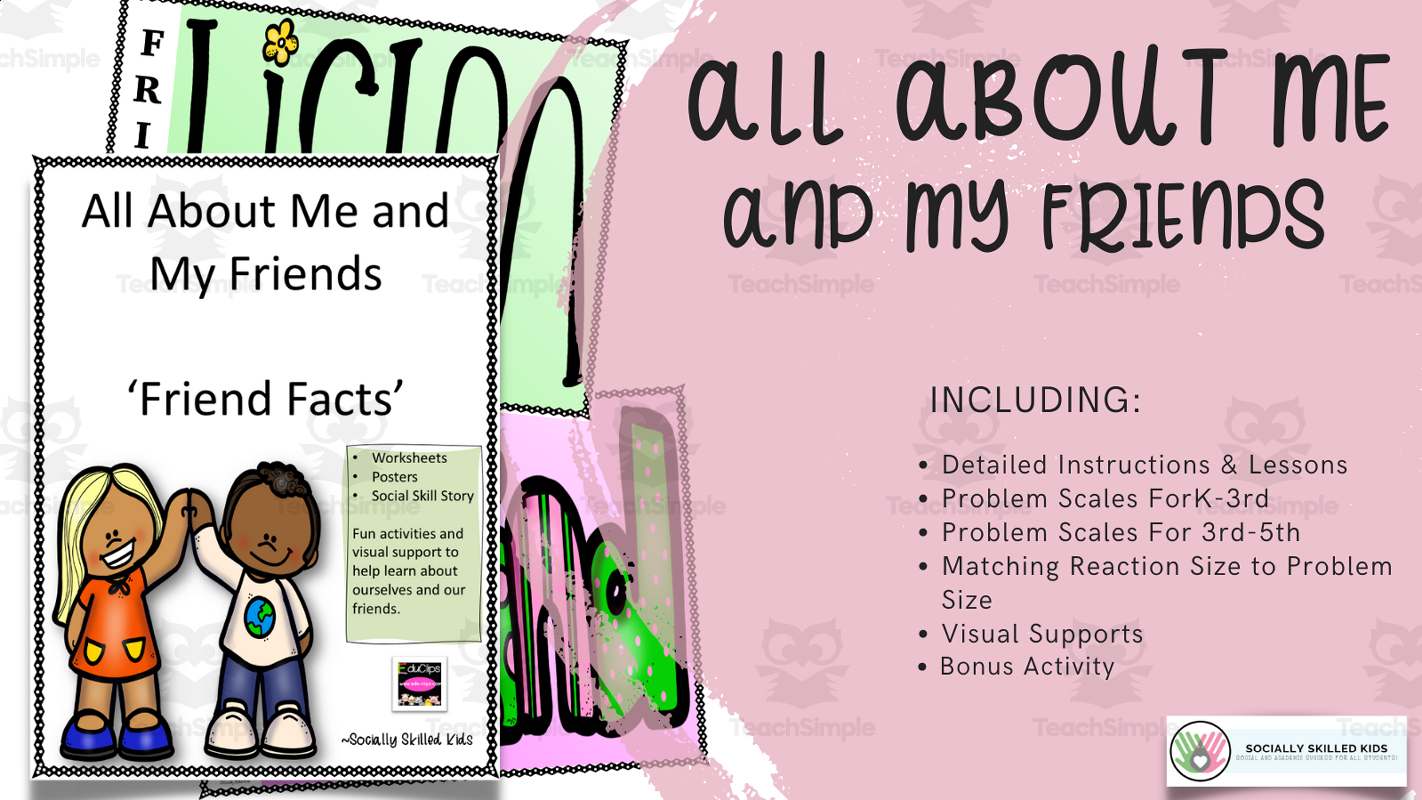
Are you looking for a way to help teach your students the size of the problem? These task cards are the perfect thing for you! These "Which is bigger" task cards give the students different problem scenarios. Students then have to decide between the 2 scenarios, which problem is bigger. You then can encourage discussion with your students by asking why the problem seemed the biggest. Your students will love this activity as the scenarios vary between common problems they may experience and silly problems as well (i.e. which is bigger: a dragon losing his fire or a unicorn losing it's sparkle). Spark discussion and growth with these task cards! These cards also include an assessment page that correspond with each task card so that way you can help assess progress and know specifically which scenarios the students are getting wrong. Includes: ⭐ 32 Task Cards ⭐ Assessment Page ⭐ Task Box Label ⭐ Task Box direction label ⭐ Ink Friendly and Color Printing Options To help your students understand the size of their reaction, they need to understand the size of the problem. These task cards are a great first step!
Author The Feelings and Friends Teacher
Rating
Tags Size Of The Problem, Size Of The Problem Activities, Task Boxes, Task Box Activities, Social Problem Solving, Problem Solving Scenarios, Which Is Largest, Task Cards, School Counseling
Virginia SOL Pack of 3 Reading Practice Tests for Grade 7
ELA, Grade 7, Assessments, Teacher Tools, Tests, Quizzes and Tests, Worksheets & Printables
Virginia SOL Pack of 3 Reading Practice Tests for Grade 7 Looking for a rigorous, engaging 7th grade reading SOL practice test bundle that truly prepares students for test day? This Virginia SOL Reading test prep resource includes 3 full-length, standards-aligned tests designed to build comprehension, stamina, and confidence. What’s Included 3 full-length Virginia SOL Reading practice tests (40 questions each; 120 total) Fiction, nonfiction, poetry, and drama passages for full standards coverage Charts and graphs for real SOL-style data analysis practice (see comparison chart on page 7 and heart rate graph on page 21) Student answer sheets for each test (bubble format for easy use) Complete answer key with quick-check grids and skill breakdowns Score conversion chart aligned to SOL performance bands Teacher’s Guide with pacing calendar, reteaching strategies, and differentiation supports Class data tracker to monitor student growth across all three tests How It Works in the Classroom This 7th grade SOL reading test prep resource is designed for a simple, effective testing cycle: Test 1 → Diagnostic to identify skill gaps Test 2 → Mid-prep progress check Test 3 → Final review or full-length test simulation Use it for: Whole group test prep Independent assessments Small group reteaching based on data Sub plans or review days Each test mirrors the real SOL format with rich, engaging passages such as The Inherited Camera (fiction), The Antikythera Mechanism (nonfiction with data charts), poetry like Letters Across the Sea , and narrative nonfiction like The Voyage of the Endurance . Standards & Learning Goals Aligned to Virginia SOL Grade 7 Reading standards , including: Vocabulary & word study (roots, prefixes, idioms, connotation/denotation) Literary analysis (theme, character development, symbolism, figurative language) Nonfiction comprehension (main idea, text structure, author’s purpose, charts/graphs) Students will: Strengthen comprehension across multiple genres Practice analyzing data and visual texts Build test-taking stamina and confidence Why Teachers Love It ⭐ No-prep, print-and-go test prep ⭐ Easy grading with quick-check answer grids ⭐ Data-driven instruction with skill-by-skill breakdowns ⭐ Built-in differentiation and reteaching strategies ⭐ Realistic SOL-style practice that boosts student confidence Make SOL prep simple, effective, and stress-free with this complete Grade 7 Reading SOL practice test bundle . Download today and give your students the structured practice they need to succeed!
Author Bright Classroom Ideas Marketplace
Rating
Tags Virginia, Sol, State Test, Ela, Reading
Guided Reading Activities and Lesson Plans Fiction Set 2 - Family
ELA, Reading, Reading Comprehension, Common Core, ESL, Language Development, Pre-Reading, Vocabulary, Resources for Teachers, Grade 4, 5, Worksheets & Printables, Worksheets, Lesson Plans, Teacher Tools
Guided Reading Activities with Lesson Plans Fiction Set 2 Note: This download DOES NOT include the passages themselves. If you have not already done so, download in a format of your choice in the "reading links" section below. Overview The perfect companion materials for Cored Education reading comprehension downloads. This collection provides structured lessons designed to enhance students' reading, comprehension, vocabulary, and creative thinking. Each lesson follows a consistent format that includes pre-reading activities to engage students, vocabulary-building exercises, comprehension checks, creative writing prompts, and discussion topics that promote critical thinking. The lessons are designed to foster active participation, encourage reflection, and develop key literacy skills through interactive and immersive learning experiences. The series is ideal for guided reading sessions, providing teachers with a comprehensive toolkit to engage students in both individual and group activities, enhancing their understanding of text and expanding their language skills. Includes Guided Reading Materials For: 1.Birthday Lessons 2.Funny Cousin 3.Favorite Aunt 4.Grandma Can Dance 5.Sisterly Love 6.A Not So Relaxing Hike 7.On the Coaster 8.Grandma's Tulips 9.Father's Day 10.Healthier Lifestyle Reading Links: This is the guided reading materials version and DOES NOT include the passages themselves. The passages related to this download are available here in GOOGLE Docs, GOOGLE Forms, GOOGLE Slides. PDF, PPT, WORD. Google Docs Google Forms Google Slides PDF PPT Word Key Features: Engaging Lesson Structure: Each lesson follows a clear and predictable format, which includes pre-reading discussions, vocabulary exercises, reading activities, and creative tasks to maintain student engagement. Vocabulary Development: Focus on introducing and applying new vocabulary in context, helping students internalize new words and use them effectively. Comprehension and Reflection: The lessons include comprehension questions and reflective prompts that encourage students to think critically about the text and its themes. Creative Writing and Discussion: Opportunities for students to express themselves through writing and group discussions, reinforcing their understanding while fostering creativity. Interactive and Student-Centered: The activities are designed to be interactive, allowing students to engage directly with the content and each other, promoting active learning. Browse the Complete Cored Catalog — 2,000+ Resources Included Reading Passages Each reading passage has been written specifically for students in Grades 4–5, using vocabulary and language that match their age and ability level. The collection covers a wide range of engaging topics, supported by colorful visuals that help bring the content to life. Every lesson is designed to build knowledge while keeping students interested and motivated to read. These resources are also designed with flexibility in mind. Unlike traditional textbooks that can quickly become outdated, lessons can be updated over time to reflect changes in technology, discoveries, and the world around us. Mixed Questions Every lesson includes a variety of questions that help students think more deeply about what they have read. The question section combines reading comprehension, vocabulary, and math skills, while also regularly reinforcing important reading strategies such as cause and effect, summarizing, compare and contrast, and drawing conclusions. Most lessons include a mix of multiple-choice and written-response questions, giving students opportunities to explain their thinking as well as select answers. Complete answer keys and sample responses are provided at the end of each lesson for quick and easy reference. Spelling & Vocabulary Each passage introduces students to useful words and phrases appropriate for Grades 4–5. To help build confidence and word knowledge, every lesson includes a spelling or vocabulary activity. Rather than repeating the same task throughout the collection, activities vary from lesson to lesson to keep practice fresh and engaging. Activities may include spelling challenges, sentence matching, decoding activities, mixed-up text exercises, and other vocabulary-building tasks connected directly to the reading. Writing Prompts Each lesson includes a writing activity that extends the ideas, themes, or topics explored in the passage. Students are encouraged to write in a variety of formats, with prompts providing helpful guidance and ideas to get them started. Writing tasks vary throughout the collection and may include creative writing, research activities, personal responses, poetry, opinion writing, and other engaging assignments. Full Answer Keys Complete answer keys and sample responses are included with every lesson, making planning and marking quicker and easier. Reading comprehension answers include evidence and support from the text, while math-based questions show the relevant working where appropriate. The answer keys are designed primarily for teachers but can also be shared with students when needed. Just for Fun Each lesson finishes with an optional extension activity called Just for Fun . These bonus activities provide an enjoyable way to extend learning beyond the main lesson and often encourage creativity, discussion, or independent thinking. They are completely optional, giving you the flexibility to use the activities that best suit your students and classroom needs. For similar downloads and other frees, do check out Cored Group on TeachSimple.
Author Cored Education
Rating
Tags Elementary, Reading, Comprehension, Vocabulary, Answers, Ccss, Guided Reading, Guided Reading Activity, Guided Reading Lesson Plans, Guided Reading Lesson Plan
One-Digit Multiplication Worksheets - Winter Math Worksheets
Math, Early Math, Basic Operations, Multiplication and Division, Multiplication, Kindergarten, Preschool, Grade 1, 2, 3, 4, Worksheets & Printables, Worksheets, Activities, Centers, Teacher Tools, Assessments, Lesson Plans
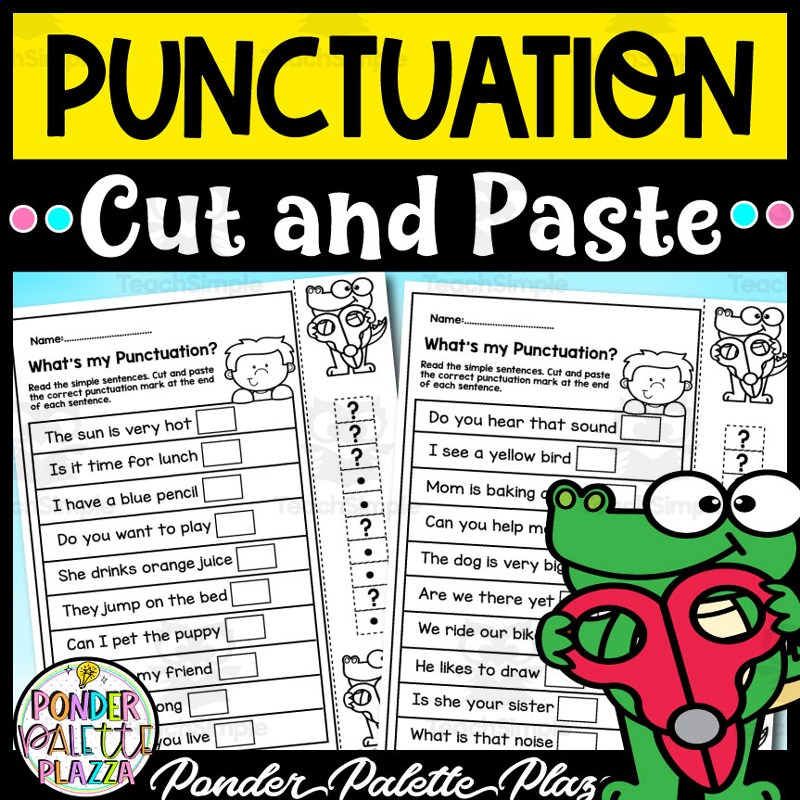
Winter Multiplication Worksheets | One-Digit Math Practice Help your students practice one-digit multiplication with these fun winter-themed worksheets . Perfect for Grade 2 and Grade 3 , these worksheets are simple and easy to use. They are no-prep . Just print and give them to your students. Great for independent work, early finishers, math centers, or homework. The winter theme adds a little seasonal fun. Students stay engaged while practicing multiplication facts. These worksheets help build confidence, improve accuracy, and reinforce important math skills. Use them in the classroom, in small groups, or at home. These worksheets are a simple way to keep multiplication practice consistent and fun during the winter months. Perfect for: Winter math lessons One-digit multiplication practice Independent work and early finishers Math centers and small groups Homework or extra practice Substitute teacher plans Just Print and go. This PDF resource includes 5 worksheets. Enjoy this resource!
Author Ponder Palette Plazza
Rating
Tags Multiplication, Winter Activities, Multiplication Worksheets, One Digit, One Digit Multiplication, Winter Math, New Year Math, New Year Activities, Elementary Math
Reading Comprehension Nonfiction Set 1 - Birds (PDF)
ELA, Reading, Reading Comprehension, Common Core, ESL, Language Development, Vocabulary, Spelling, Creative Writing, Writing, Grade 4, 5, Worksheets & Printables, Worksheets, Assessments, Teacher Tools, Tests, Quizzes and Tests, Writing Prompts, Centers, Activities
Reading Comprehension Passages Nonfiction Set 1 Overview No prep reading comprehension lessons, with enjoyable articles and topics. Each lesson has a blend of post-reading activities. Mixed questions to check overall understanding. Vocabulary activities, plus a writing section. Lessons also contain a bonus extension exercise at the end. Some you may like, some you may not, either way they are there if you wish to use them. Full answer keys are provided. Passages Include 1.No Fly Zone: An article on birds that cannot fly. 2.Ostrich: Ostrich eggs are big enough to be used as make shift cups! 3.Chickadees: A small, but interesting bird, common to Canada and Northern U.S.A 4.The Owl: What do you know about this mysterious creature? 5.Turkeys: A popular food at Thanksgiving and Christmas. How do Turkeys live? 6.Oil Spill: How did the Deepwater Horizon oil spill effect local birds? PDF Version This is the PDF uneditable version. This download is available in GOOGLE Docs, GOOGLE Forms, GOOGLE Slides. PDF, PPT, WORD. Browse the Complete Cored Catalog — 2,000+ Resources Included Reading Passages Each reading passage has been written specifically for students in Grades 4–5, using vocabulary and language that match their age and ability level. The collection covers a wide range of engaging topics, supported by colorful visuals that help bring the content to life. Every lesson is designed to build knowledge while keeping students interested and motivated to read. These resources are also designed with flexibility in mind. Unlike traditional textbooks that can quickly become outdated, lessons can be updated over time to reflect changes in technology, discoveries, and the world around us. Mixed Questions Every lesson includes a variety of questions that help students think more deeply about what they have read. The question section combines reading comprehension, vocabulary, and math skills, while also regularly reinforcing important reading strategies such as cause and effect, summarizing, compare and contrast, and drawing conclusions. Most lessons include a mix of multiple-choice and written-response questions, giving students opportunities to explain their thinking as well as select answers. Complete answer keys and sample responses are provided at the end of each lesson for quick and easy reference. Spelling & Vocabulary Each passage introduces students to useful words and phrases appropriate for Grades 4–5. To help build confidence and word knowledge, every lesson includes a spelling or vocabulary activity. Rather than repeating the same task throughout the collection, activities vary from lesson to lesson to keep practice fresh and engaging. Activities may include spelling challenges, sentence matching, decoding activities, mixed-up text exercises, and other vocabulary-building tasks connected directly to the reading. Writing Prompts Each lesson includes a writing activity that extends the ideas, themes, or topics explored in the passage. Students are encouraged to write in a variety of formats, with prompts providing helpful guidance and ideas to get them started. Writing tasks vary throughout the collection and may include creative writing, research activities, personal responses, poetry, opinion writing, and other engaging assignments. Full Answer Keys Complete answer keys and sample responses are included with every lesson, making planning and marking quicker and easier. Reading comprehension answers include evidence and support from the text, while math-based questions show the relevant working where appropriate. The answer keys are designed primarily for teachers but can also be shared with students when needed. Just for Fun Each lesson finishes with an optional extension activity called Just for Fun . These bonus activities provide an enjoyable way to extend learning beyond the main lesson and often encourage creativity, discussion, or independent thinking. They are completely optional, giving you the flexibility to use the activities that best suit your students and classroom needs. For similar downloads and other frees, do check out Cored Group on TeachSimple.
Author Cored Education
Rating
Tags Elementary, Reading, Comprehension, Vocabulary, Common Core, Spelling, Writing, Passages, Reading Centers, Reading Comprehension Assessments
Neuro-Inclusive Vocational Mastery: Executive Functioning Micro-Creden
Career, Life Studies, P.E. & Health, Mental Health, Health, Mindfulness, Physical Education, Research, Resources for Teachers, Classroom Management, Grade 6, 7, 8, 9, 10, 11, 12, Worksheets & Printables, Worksheets, Workbooks, Teacher Tools, Assessments, Lesson Plans, Presentations, Literacy Readers, Quizzes and Tests, Tests
Neuro- inclusive Educational Curriculum and Credentialing System for Executive Functioning Micro- credentials 35-Page Curriculum for Neurodivergent Teens (Autism, ADHD and More) in PDF Format Transforming the way neurodiverse students will leave school and move to the workforce and this is accomplished through a cutting-edge micro-credentialing program that recognizes the worth of everyone, regardless if they have a disability or not. Currently available through a digital PDF, this current tool replaces the old way of doing things based on a deficit model of transitioning out of high school to working. It provides a very powerful evidence-based structure for turning executive function challenges into work-related credentials. Includes: •Phase 1-Curriculum Theory Basics (Hidden Curriculum, Cognitive Load, Sensory Schema, and Ambiguity Traps) • Phase 2-Student Workbook & 10 Worksheets (Task Initiation, Working Memory, Cognitive Flexibility, Emotional Regulation, Time Blur, Sustained Attention, Organisation, Long Term Goals, Self-Monitoring, and Self-Advocacy) • Phase 3-Visual Structures, Flow Charts, Cognitive Load to Environmental Friction Mapping plus Teacher Implementation guide with complete Notion integration. Students will earn micro-badges that stacks up to create a portfolio for employers to easily understand—no longer any need for vague transcript! Ideal for special education teachers, transition coordinators, vocational rehabilitation specialists and parents building toward sustainable career pathways for autistic/ADHD teens. Instantly downloadable PDF • Print (cut) one copy or use digitally • Hybrid digital + analog/workbook based • Designed for students aged 14-22/9-12 grade. SEO Keyword: Neurodivergent Vocational Curriculum, Executive Function Worksheets for Autism, Micro-Credentialing for Special Education, Transition Programs for Autism into Work, ADHD Workplace Skills Curricula, Neuro-Inclusive Transition Planning, Executive Function Micro-Credentials, Sensory Regulation Training for Work. Reasons Parents & Educators Appreciate It: • Transforms labels of “unmotivated” or “distracted” students into real, visible, employer-ready micro-credentials that significantly increase retention rate after employment (example: retention rates went from 60% to 88% in a single year). • Comes with teacher keys; student worksheets; and pre-made templates to make implementation take only minutes instead of months (no longer create resources from scratch). • Uses affirming language that respects students' neurodiversity; allows schools to have an established, professional portfolio to provide to employers and IEP teams. • Uses a hybrid model of digital and printable content - all learning styles and budgets are accommodated; schools love the built-in assessment rubrics and portfolio defense scripts. • Quickly bridges the gap between school and the workplace; parents know that real-world skills (i.e. self-advocacy script; sensory anchors; Plan B matrix) will continue to be used even after high school graduation. Target Student Populations (Identification by PDF Analyses): These curricula were specifically designed for neurodivergent youth between 14 to 22 years of age (IDEA transition services) and are intended to be used in the following educational settings: • Special Education/Inclusion Classrooms, Grades 9-12 • Post-Secondary Transition Vocational Rehabilitation, 18 to 22 • Autism Spectrum Disorder Support and Transition Programming • ADHD/Executive Dysfunction focused Life Skills/Work-Study Programming • Community Based Adult Transition Programs, ages 18 to 22 Not for elementary/middle school; does NOT include general education environments without a neurodivergent focus. Designed for students experiencing difficulties with initiating tasks, time-blindness, sensory overload, or navigating the "hidden curriculum" within an employment environment. Copyright terms of use. This book belongs to Syed Hammad Rizvi. This resource can be used as a personal or classroom resource (one classroom only). You cannot change, distribute or sell any part of this resource. This means you are not allowed to make it available on the internet for public access or download. If you would like to share this resource with colleagues, please purchase additional licenses from Teachsimple. Thank you for following these terms of use. This product has been created by Syed Hammad Rizvi with joy.
Author Creative Book Store
Rating
Tags SpecialEducation, Neurodivergent, Autism, ADHD, ExecutiveFunctioning, TransitionPlanning, Neurodiversity, SpecialEd, NeuroInclusiveEducation, NeurodivergentCurriculum
Sociology: Deviance and Social Desirability (Slides, Activity, and Worksheets)
Social Studies, History, Law, Sociology, Grade 7, 8, 9, 10, 11, 12, Worksheets, Worksheets & Printables
Sociology: Deviance and Social Desirability covers key topics related to deviant behavior and societal reactions. This teaching resource explains concepts like folkways, mores, taboos, laws, and sanctions. It also explores theories on crime causation such as deterrence, social disorganization, and broken windows policing. Two engaging activities are included to help students critically examine their own biases and assumptions about deviance. In the adoption placement activity , students consider ten families with varying levels of "deviance" as options for placing a child. The famous Saints and Roughnecks study compares reactions to similar behaviors in groups from different socioeconomic backgrounds. With 33 pages of informative slides, handouts, and detailed activity instructions, this sociology resource enables dynamic discussions about the complex relationship between deviance and social norms.
Author Ed Dynamic
Tags Deviance, Norms, Crime, Theories, Activities
Topic Vocabulary: Football
ESL, Language Development, ELA, Vocabulary, Not Grade Specific, Templates, Teacher Tools, Worksheets, Worksheets & Printables
Soccer is the globe's most favored ball sport in terms of participants and viewers. Basic in its main rules and necessary gear, the game can be played nearly anywhere, including official football fields, gyms, streets, schoolyards, parks, or beaches. Football's regulatory organization, the Fédération Internationale de Football Association (FIFA), projected that around 250 million football players and more than 1.3 billion individuals were "interested" in football at the dawn of the 21st century; in 2010, an overall television viewership exceeding 26 billion tuned in to watch football's top event, the every-four-years monthlong World Cup finals. The figures by themselves are sufficient to persuade you that football is an excellent motivator for your students. This convenient ebook will enable you to instruct them on fundamental football vocabulary, explore various football-related idioms more thoroughly, and engage in practice exercises to reinforce that understanding. The solutions to the tasks are given at the conclusion.
Author Bright Classroom Ideas Marketplace
Tags Football, Topic, Vocabulary, Elt, English, Language, Esl, Efl, Sport, Activities
MY TRACING LINES BOOKS | 10 FREE PAGES
Writing, ELA, Handwriting, Early Learning, Elementary, Not Grade Specific, Pre-K, Homeschool Resources, Worksheets & Printables, Workbooks, Worksheets, Drawing Templates & Outlines
MY TRACING LINES BOOKS | 10 FREE PAGES THIS AWESONE RESOURCE IS A TRACING LINES BOOK. I HOPE THIS HELP YOU WITH YOUR CHILDREN. ABOUT THE AUTHOR: Welcome to EDITORIAL ARENAS EDUCATIVAS! We specialize in producing diverse educational tools to support children's learning journeys. Be sure to browse our store for reading, writing, math, and Spanish resources designed to make learning fun and impactful. MAIN DESCRIPTION OF THIS RESOURCE: 1) Does this material allow for custom editing? This educational document is available in PDF format, so you cannot edit it. You simply need to download and then print it. 2) What main topic does the resource cover? This document has been developed to address a basic topic that children in kindergarten through elementary school should master. This document will also be helpful to the general public who want to learn. 3) What version does this document correspond to? This educational resource is designed in PDF format, which will make your download experience much simpler and easier to use. OTHER FREE RESOURCES I HAVE: LEARNING COLORS: https://teachsimple.com/product/learning-the-spanish-colors-4-free-worksheets?srsltid=AfmBOoo23hM8LUpUVjtzwIU3c2wZk9jfDEm4Vahzn3_C3ahrwEvPOsaW VEHICLES PUZZLES: https://teachsimple.com/product/vehicles-puzzles-8-free-puzzles FRUIT PUZZLES: https://teachsimple.com/product/16-free-puzzles-fruits-themed SECONDARY AND COMPLEMENTARY INFORMATION: 1) What specific skills are developed using this resource? Students will be able to develop their attention, concentration, creativity, and imagination skills. It will also allow students to develop their cognitive skills such as comprehension, analysis, and others. 2) Who is the ideal audience for this document? This document and/or teaching resource is primarily intended for young students, meaning those between the ages of 5 and 12, in other words, students in early childhood and/or primary education. However, it can also be used by the general public if required. 3) What recommendations are there for making the most of this resource? To make the most of this resource, I recommend first analyzing it, then looking at the specific topic your student needs to learn and assess whether my resource addresses it. I also ask you to consider how you will print it.
Author EDITORIAL LAURA EDUCA
Rating
Tags FREE, FREE RESOURCES, TRACING, TRACING LINES, HANDWRITING, MINIBOOK
Guided Reading Level H - What Happens to Recyclables
ELA, Resources for Teachers, Reading Comprehension, Reading, Science, Pre-Reading, Language Development, Earth and Environmental Sciences, Engineering, Technology, Kindergarten, Grade 1, 2, Worksheets & Printables, Worksheets, Teacher Tools, Centers, Activities, Literacy Readers, Quizzes, Quizzes and Tests, Assessments
This Guided Reading Book - What Happens to Recyclables (Level H) includes: Guided Reading Color Label (front cover x1) This is a quick way to match the book’s demands to what students can generally handle.. The overall goal is to use the level/color to pick books for several smaller groups. To qualify for a certain level, a student is expected to read a book from that level with about 90–94% accuracy. If a student is consistently accurate and understands, move up a level. If the student is struggling at that level, drop down and add more support. Each student will improve at completely different rates, but it is generally one of the best ways to check progress across the class. DOWNLOAD THE CATALOG TO VIEW ALL GUIDED READING BOOKS AVAILABLE (SORTED LEVELS A-Z) Pre-Reading Question (x1) Teacher asks the prompt aloud, can be while showing the cover or first page. Students share what they already know, or make educated guesses from the cover. Prompt them to use the target vocabulary. Write some of their responses on the board to look back at during the reading. Vocabulary Words (x5) Introduce the five words, best doing it one at a time. Start by saying it, while students repeat and then see if anyone knows what it means before reading further. Read through the meaning and try to briefly connect each word to a picture or gesture so it’s meaningful. Ask students to flip through the book pages and point to where they see each of the vocabulary words. While reading the book pause upon coming across one of the vocab words or read the sentence twice to make sure students understand the word has appeared. Optional: Ask students to raise hands whenever they see/hear one of the new words. Guided Reading Pages (x10) Check the book snapshot (below) for: primary topic - do you need to prep extra reading or intro materials on this? what is taught best - decide on 1-2 bullets to focus on, use the prompt or words provided here for best results. learning goals - what you are checking for students to be able to do after the session, elicit answers using prompts or words provided. key vocabulary (see section above). questions overview - so you know what is coming up and if you need to prep extra materials to assist understanding. Run the lesson You may have already looked at a few of the pages together, but you can show them some of the pictures again first to set meaning. Depending on how much time you have and how familiar your students are with guided reading class, you may want to read the book aloud first with the group first. Students whisper or partner read, while you listen in. If time, do it as a group, one student reading a page each. Use the guided page’s prompts to coach: “Check the picture / does it make sense?” “Point under the words / try the first sound” “Reread the sentence smoothly”. Try to focus more on one student per session (rotating every time), so you can work out if they are ready to move up or need to move down a level. Comprehension Questions (back cover x3) This is your way to check that students didn’t just say the words, but actually understood the text. First, let students answer by pointing to the page/picture and saying a short sentence. After any answer, follow with: “Show me where you found that in the text.” In bigger groups, have partners answer first (10–20 seconds), then call on 2–3 students to share. Differentiation tips: Emerging speakers/struggling readers: oral + pointing On-level: oral in a full sentence Higher: one written sentence or draw + label Book Snapshot Title: What Happens to Recyclables Genre: Nonfiction (informational) Subject: Science (Environmental Science) Primary Topic: How recyclables are collected, sorted, and reused Estimated Guided Reading Level (A–Z): H What This Book Teaches Best How recycling begins at home: people put materials in blue bins for a special truck. What happens at a Material Recovery Facility (MRF), including the “tipping floor” and conveyor belts. How workers and machines separate materials (sorting workers, a magnetic separator, optical sorters using infrared light, and star screens). What happens after sorting: materials are crushed into bales, moved by forklifts, taken to factories, and made into new products. Learning Goals Describe how recyclables get from blue bins to a truck and are hauled away. Explain what the book says happens when a truck arrives at a Material Recovery Facility (MRF). Identify what sorting workers remove from the conveyor belts and give examples from the text. Explain how a magnetic separator changes what stays on the line and what gets pulled away. Describe how optical sorters use infrared light and air to separate plastic bottles. Describe what happens to sorted materials after they are made into bales and sent to factories. Key Vocabulary From the Text sanitation — keeping places clean by picking up trash and recyclables. facility — a place or building where work happens. conveyor — a moving belt that carries things from one place to another. separator — something that pulls different materials apart. infrared — a kind of light machines can use to tell things apart. Printing Tips 1. Best Printing Method (Recommended) “Booklet” Printing (Best if Available) If your printer or PDF viewer supports Booklet Printing , use this. Settings to use: Print mode: Booklet Paper size: Letter or A4 (either works) Orientation: Landscape Print on both sides: Yes Flip on: Short edge Scaling: Fit to printable area Booklet subset: First test: Front sides only Then: Back sides only This will automatically: Pair pages correctly Put the cover on the outside Align everything for folding After printing, fold in half and staple along the spine . 2. If “Booklet” Printing Is NOT Available You can still print this correctly with manual duplex printing . Step-by-step: Open the PDF. Choose Print . Set: Orientation: Landscape Pages per sheet: 1 Print on both sides: Yes Flip on: Short edge Print all pages . Because each PDF page already contains two facing book pages, the result will still fold cleanly into a book. Thousands of Cored Education products are included with your TeachSimple membership. Download links and encyclopedia index available here.
Author Cored Education
Rating
Tags Vocabulary, Reading Comprehension, Reading Passages, Leveled Reading, Nonfiction, Reading, Guided Reading, Technology, Engineering, Recycling
Guided Reading Level L - Light Before Electricity (with Lesson Plan)
ELA, Resources for Teachers, Reading Comprehension, Reading, Science, Engineering, Technology, Physics, History, Social Studies, Grade 1, 2, 3, Worksheets & Printables, Worksheets, Teacher Tools, Centers, Activities, Literacy Readers, Quizzes, Quizzes and Tests, Assessments
This Guided Reading Book - Light Before Electricity (Level L) with lesson plan includes: Guided Reading Color Label (front cover x1) This is a quick way to match the book’s demands to what students can generally handle.. The overall goal is to use the level/color to pick books for several smaller groups. To qualify for a certain level, a student is expected to read a book from that level with about 90–94% accuracy. If a student is consistently accurate and understands, move up a level. If the student is struggling at that level, drop down and add more support. Each student will improve at completely different rates, but it is generally one of the best ways to check progress across the class. DOWNLOAD THE CATALOG TO VIEW ALL GUIDED READING BOOKS AVAILABLE (SORTED LEVELS A-Z) Pre-Reading Question (x1) Teacher asks the prompt aloud, can be while showing the cover or first page. Students share what they already know, or make educated guesses from the cover. Prompt them to use the target vocabulary. Write some of their responses on the board to look back at during the reading. Vocabulary Words (x5) Introduce the five words, best doing it one at a time. Start by saying it, while students repeat and then see if anyone knows what it means before reading further. Read through the meaning and try to briefly connect each word to a picture or gesture so it’s meaningful. Ask students to flip through the book pages and point to where they see each of the vocabulary words. While reading the book pause upon coming across one of the vocab words or read the sentence twice to make sure students understand the word has appeared. Optional: Ask students to raise hands whenever they see/hear one of the new words. Guided Reading Pages (x10) Check the book snapshot (below) for: primary topic - do you need to prep extra reading or intro materials on this? what is taught best - decide on 1-2 bullets to focus on, use the prompt or words provided here for best results. learning goals - what you are checking for students to be able to do after the session, elicit answers using prompts or words provided. key vocabulary (see section above). questions overview - so you know what is coming up and if you need to prep extra materials to assist understanding. Run the lesson You may have already looked at a few of the pages together, but you can show them some of the pictures again first to set meaning. Depending on how much time you have and how familiar your students are with guided reading class, you may want to read the book aloud first with the group first. Students whisper or partner read, while you listen in. If time, do it as a group, one student reading a page each. Use the guided page’s prompts to coach: “Check the picture / does it make sense?” “Point under the words / try the first sound” “Reread the sentence smoothly”. Try to focus more on one student per session (rotating every time), so you can work out if they are ready to move up or need to move down a level. Comprehension Questions (back cover x3) This is your way to check that students didn’t just say the words, but actually understood the text. First, let students answer by pointing to the page/picture and saying a short sentence. After any answer, follow with: “Show me where you found that in the text.” In bigger groups, have partners answer first (10–20 seconds), then call on 2–3 students to share. Differentiation tips: Emerging speakers/struggling readers: oral + pointing On-level: oral in a full sentence Higher: one written sentence or draw + label Book Snapshot Title: Light Before Electricity Genre: Nonfiction (informational) Subject: Science (Technology) / Social Studies (Past and Present) Primary Topic: How people made light before electricity Estimated Guided Reading Level (A–Z): L What This Book Teaches Best The sun was the main source of light long ago, and it got dark when the sun went down. People discovered fire could bring light into darkness and help them see at night. A clear sequence of lighting tools is explained: torches, oil lamps (with a wick), candles, lanterns, gas lamps, electric lightbulbs, and LED bulbs. How inventions solved problems: lanterns protected flames from wind, gas traveled through pipes to power lamps, and electric lightbulbs were safer because they used no real flame. Past-to-present comparison: lighting changed from “flickering fires” to steady electric light you can turn on with a switch. Learning Goals Students will describe why the sun was the main source of light long ago. Students will explain how fire helped people see at night. Students will identify several light sources from the book and describe how each one made light. Students will explain how lanterns kept light steady when carried outside. Students will explain why the electric lightbulb was safer and brighter than candles in the book. Students will describe how LED bulbs are different from older light sources (cool to the touch, little energy). Key Vocabulary From the Text source — where something comes from. torches — long sticks with a flame used for light. wick — a string that helps a lamp or candle burn. invention — something new that someone creates. flickering — shining in a shaky way, like moving firelight. Discussion Prompts Pre-reading question: What kinds of lights do you use when it is dark? Comprehension questions: What was the main source of light for everyone long ago? How did lanterns protect the flame when people carried them outside? Why did the book say the electric lightbulb was safer than candles? Printing Tips 1. Best Printing Method (Recommended) “Booklet” Printing (Best if Available) If your printer or PDF viewer supports Booklet Printing , use this. Settings to use: Print mode: Booklet Paper size: Letter or A4 (either works) Orientation: Landscape Print on both sides: Yes Flip on: Short edge Scaling: Fit to printable area Booklet subset: First test: Front sides only Then: Back sides only This will automatically: Pair pages correctly Put the cover on the outside Align everything for folding After printing, fold in half and staple along the spine . 2. If “Booklet” Printing Is NOT Available You can still print this correctly with manual duplex printing . Step-by-step: Open the PDF. Choose Print . Set: Orientation: Landscape Pages per sheet: 1 Print on both sides: Yes Flip on: Short edge Print all pages . Because each PDF page already contains two facing book pages, the result will still fold cleanly into a book. Thousands of Cored Education products are included with your TeachSimple membership. Download links and encyclopedia index available here.
Author Cored Education
Rating
Tags Reading Comprehension, Reading Passages, Reading, Guided Reading, Guided Reading Lesson Plan, Guided Reading Activity, Pre-reading, Vocabulary, Physics, History
Compounds, Spelling, Prefixes, Suffixes and Syllabication Printable Workbook
ELA, Writing, Grade 3, 4, Workbooks, Worksheets & Printables
Practice worksheets provide excellent preparation for standardized testing! —Compounds —Spelling —Prefixes —Suffixes —Syllabication
Author Twin Sisters Digital Media
Tags Compounds, Spelling, Prefixes, Suffixes, Syllabication, Spelling Prefixes
Baseball Reading Comprehension Passage - Cored Ed Encyclopedia
ELA, Language Development, Reading Comprehension, Reading, Social Studies, Writing, Vocabulary, History, Geography, Pre-Reading, Grade 2, 3, 4, 5, Worksheets & Printables, Worksheets, Teacher Tools, Centers, Activities, Writing Prompts, Assessments, Quizzes and Tests, Quizzes, Lesson Plans
This baseball reading comprehension with lesson plan includes: Visualization (on the front cover) Start your lesson by taking a minute to think and share something about the topic. Read the script aloud (slowly), perhaps prepare some music or sound effects. Student close their eyes and let their imaginations wander. Students open their eyes, read the question aloud and give them a few minutes to complete. Ask a few students to share or keep answers until the end to compare with what they learn in the passage. COMPANION VIDEO NOW AVAILABLE (EMBEDDED AFTER PREVIEW PICTURES IN PRODUCT DESCRIPTION) Quick pause—thousands of Cored Education products are included with your TeachSimple membership. Download links and encyclopedia index available here. Pre-Reading Trivia Students will write down one thing they already know about the subject and then read five more facts and discuss. These facts are fun, and the students will enjoy learning about the subject before reading more. Give 1 minute for students to write what they already know (no pressure—best guess is fine). Read the five facts together. After each fact, do ask a student for their opinion, was it surprising? Set a purpose by asking students to highlight/underline one fact they want to learn more about during the reading. Reading Passage The text is a high-interest reading passage with set paragraphs, roughly three to four paragraphs long. It contains a variety of themes about the topic, anywhere from history to technology. The passage is between 250 and 350 words in length. First, ask students to look at the headings and see what they’ll learn about today. What do they know about the topic/heading? First read options: Teacher read-aloud (best for support). Partner reading (paragraph by paragraph). While reading, students underline important details, and vocabulary words they think may come up in the questions section. Mixed Questions The first question page contains four multiple-choice questions, each with a choice of four answers, and three written response questions that require a sentence or two from the student. Students complete the mcqs first independently, then review quickly as a class. For the 3 written responses, try to get students giving the answer with some form of evidence: “I think ___ because the text says ___.” If students get stuck, send them back to check the passage. Vocabulary Questions Practice seven key words from the text in this section across two activities. First section is scrambled words where students will unscramble three words given a clue for each. The second section is a word to meaning matching activity. Before starting, have some students read out words they underlined in the passage. Ask students to say the word and read aloud the sentence(s) around each word. Ask students to do scrambled words and the matching exercise in pairs then go through answers as a class. For the scrambled spelling task, get four pairs to come up to the board and write the words for extra practice with the other student reading out the clue. For the matching task, prompt students to give full sentences: “I matched ___ with ___ because ___.” Creative Writing In this question, the student will be required to write a five to eight sentence paragraph on a question related to the topic. Before starting, ask students write down 3 key ideas they are going to include in their piece. Ask students for ideas to share around the class to help those struggling. Pro writing expectations: 5–8 sentences At least 2 facts or details from the passage At least 2 vocabulary words from the previous page Students read their paragraphs while classmates listen for facts and vocabulary words. Extension Activities This page is optional for fast finishers or to take home. There are several activities, each one requiring a different skill. Do some, do none, do all, completely optional - but you will feel reassured knowing every possibility is planned for. Includes summary writting question and additional facts. Answer Key There are answers for the multiple-choice questions, written response questions have sample answers, vocabulary answers and if there is a summary question then a sample summary will be provided as well. Lesson Plan Included Customized lesson plan for this lesson is included. Lesson Snapshot Title: Baseball Genre: Nonfiction (informational passage) Subject: Physical Education / Social Studies (Sports history) / Reading (Informational Text) Primary Topic: How baseball works and how it spread Estimated Guided Reading Level (A–Z): S What This Lesson Teaches Best Clear explanation of how a baseball game works (bases in a diamond, two teams, innings, outs, extra innings). How shared written rules helped organize the modern game (clubs writing rules; later standards like nine innings and a 90-foot base path). A brief timeline of key turning points using dates and evidence (1845 rules, 1869 first all-professional team, 1903 World Series, 1872 introduction in Japan). How baseball changed as it grew (teams traveling, paid players, big leagues forming, some leagues using timing rules). How baseball spread beyond its early American home (popularity across parts of the Americas and East Asia). Learning Goals Identify key parts of a baseball game described in the passage (bases, teams, innings, outs, extra innings). Explain how keeping shared rules helped baseball become more organized. Describe the “safer idea” included in the 1845 rules. Describe what it meant for baseball to turn “professional,” using details from the text. Retell the passage’s key dates in order and explain what happened at each date. Describe how the passage shows baseball spreading to new places and continuing to change. Key Vocabulary From the Text inning — part of the game when teams take turns playing. outs — times when a player is put out. standards — agreed-upon rules that many people follow. professional — paid to play as a job. leagues — organized groups of teams that play each other. FULL CATALOG OF DOWNLOAD LINKS AND ENCYCLOPEDIA INDEX HERE
Author Cored Education
Rating
Tags Vocabulary, Reading Comprehension, Reading Passages, Lesson Plans, Ela Lesson Plans, Reading Comprehension Lesson Plans, Pre-reading, History, History Lesson Plans, Social Studies Lesson Plans
Science Reading Comprehension - Physical and Chemical Properties (PDF)
Science, Physics, Common Core, Reading Comprehension, Reading, ELA, Resources for Teachers, ESL, Language Development, Vocabulary, Grade 5, 6, 7, Worksheets & Printables, Worksheets, Centers, Activities
Reading Comprehension Passages on Physical and Chemical Properties for Physical Science Physical and Chemical Properties: Reading Passages Physical Science - Stimulate renewed enthusiasm and curiosity in the realm of science with these vibrant science reading comprehension lessons. Bursting with vivid colors and engaging topics, these resources are designed to captivate and motivate your students, urging them to delve deeper into their scientific explorations. And the best part? As an educator, you can be at ease and confident in the effectiveness of these lessons, knowing that a significant portion of the groundwork and preparation has been meticulously taken care of for you, making the teaching process smoother and more enjoyable. What's inside? Physical & Chemical Properties Reading Passage1: Measuring Matter: Mass, Volume, and Density Reading Passage2: Physical and Chemical Properties of Matter Reading Passage 3: Physical and Chemical Changes in Matter Reading Passage4: Atoms, Elements, and Compounds Reading Passage5: Chemicals: Helpful and Harmful Product Info: 40 pages Teaching Duration: 2 Weeks Science Reading Comprehension Outline: Introducing a comprehensive resource tailored for 5th and 6th graders, this product offers enriching reading passages supplemented with illustrative pictures and graphs to clarify key concepts. Aligned with the Common Core State Standards (CCSS), it offers a hassle-free approach to teaching, given that the bulk of the preparation is already done for you. The passages present a diverse set of questions – from multiple choice to data analysis and fill-in-the-blanks. This ensures a rich blend of high-interest content and fundamental curriculum -based science themes. With its versatility, you can seamlessly integrate these lessons into various classroom settings, whether it's whole class discussions, morning exercises, independent desk tasks, small group engagements, contingency plans for substitute teachers, regular homework assignments, or even themed activities for holidays. FULL CATALOG OF DOWNLOAD LINKS HERE Grade 5/6 Links: Physical Science Part 1 - Physical and Chemical Properties Google Docs/Slides/Forms PDF PPT Word Free Supplementary Pack Accompanying Videos Physical Science Part 2 - Motion and Energy Google Docs/Slides/Forms PDF PPT Word Free Supplementary Pack Accompanying Videos Physical Science Part 3 - Electricity and Magnets Google Docs/Slides/Forms PDF PPT Word Free Supplementary Pack Accompanying Videos Life Science Part 1 - Cells, Reproduction and Genetics Google Docs/Slides/Forms PDF PPT Word Free Supplementary Pack Accompanying Videos Life Science Part 2 - Human Body Systems Google Docs/Slides/Forms PDF PPT Word Free Supplementary Pack Accompanying Videos Life Science Part 3 - Plant Parts and Ecosystems Google Docs/Slides/Forms PDF PPT Word Free Supplementary Pack Accompanying Videos Earth Science Part 1 - Plate Tectonics and Rock Cycle Google Docs/Slides/Forms PDF PPT Word Free Supplementary Pack Accompanying Videos Earth Science Part 2 - Ocean Exploration and Natural Resources Google Docs/Slides/Forms PDF PPT Word Free Supplementary Pack Accompanying Videos Earth Science Part 3 - Weather and Solar System Google Docs/Slides/Forms PDF PPT Word Free Supplementary Pack Accompanying Videos For similar products and other frees, do check out Cored Group on TeachSimple .
Author Cored Education
Rating
Tags Science, Elementary, Reading, Comprehension, Vocabulary, Physics, Physical Science, Printables, Worksheets, Reading Passages
Forces (Dynamics) - Task Card Activity
Science, Physics, Grade 10, 11, 12, Task Cards, Worksheets & Printables
Forces (Dynamics) - Task Card Activity A creative teaching activity focusing on physics topics such as Newton's Laws, Friction, and Universal Gravity. Target Audience: Suitable for Grade 10 to Grade 12 educators. Purpose: Provides an engaging alternative to traditional methods of review such as worksheets. What's included? This unique teaching resource includes task cards that cover: Problems related to Atwood Machines . Strings) Would be better also assists in the process by providing all Would be better Forces Forces The Forces - Task Card Activity doesn’t just present problems but also assists in the process by providing all answers along with comprehensive teacher answer keys making it simple for teachers to verify student work promptly allowing constructive feedback cycles. Additional materials include simple documents containing all questions and answers which can be distributed post-activity assuring continuous learning at home and reinforcing concepts discussed during class time. Solving Methodology /* * FDrea
Author Teach With Fergy
Tags Force Dynamics, Physics, Task Cards, Problem-solving, Gamification
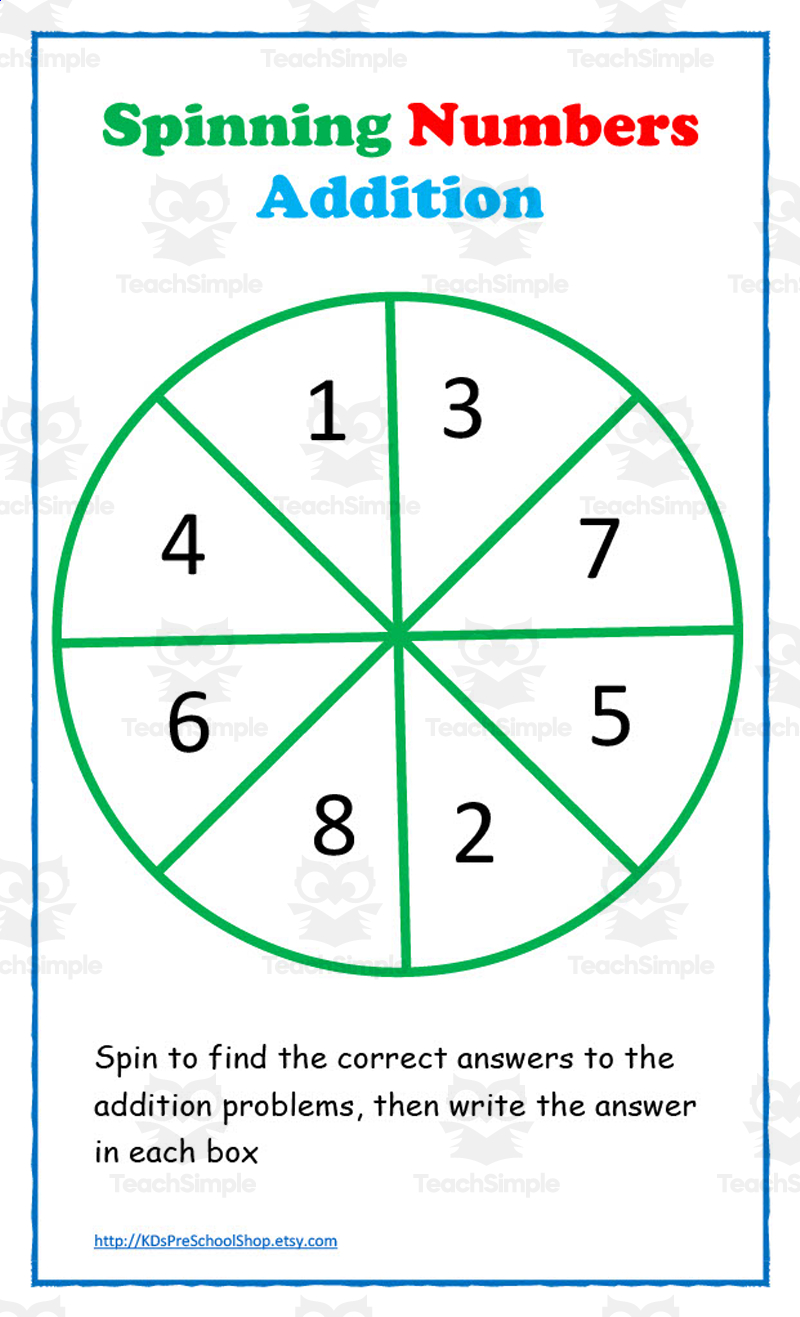
Beginning to Add Printable Workbook
Math, Addition and Subtraction, Addition, Preschool, Grade 1, 2, Workbooks, Worksheets & Printables
Beginning to Add Printable Workbook The Beginning to Add Printable Workbook is a well-constructed teaching resource, developed by experienced educators for early mathematics education. Covering essential subjects like counting and basic addition effectively, it also provides constructive practice tests making it an apt tool for public school educators and homeschoolers alike. This digital workbook stays true to grade-level principles reflecting the current best practices in teaching math. Both meticulously reviewed and revised by education professionals, it holds proven value for children from kindergarten to second-grade students. The workbook integrates helpful parent tips and engaging hands-on activities. The parent tips guide adults on how best to assist their children through the course while hands-on tasks consolidate learning in a fun yet informative way - turning knowledge acquisition into an enjoyable journey rather than merely a routine. Being printable affords unlimited opportunities for reinforcement until mastery of skills. This not only enhances understanding over time but boosts confidence amongst learners while offering teachers or parents great flexibility over material usage. The Beginning To Add Printable Workbook's emphasis goes deeper than just basic addition or counting activities. It seeks to strengthen foundational numeracy skills early on thereby instilling long-term enthusiasm towards numbers among kids. This digital resource comes as easy-to-access PDF files maintaining content quality and providing complete satisfaction as users navigate this crucial path towards enhancing their students' fundamental mathematical abilities. In conclusion, this mindfully crafted workbook merges simplicity with efficacy serving as an essential tool on the journey towards numerical literacy conquest from kindergarten through second-grade levels!'.
Author Twin Sisters Digital Media
Tags Printable Workbook, Early Mathematics, Counting, Basic Addition, Hands-on Activities