Crash Course Psychology #26: Emotion, Stress, and Health



- Grades
- Grades 7–12, Middle School, High School
- Pages
- 2
- File type
- Zip


- Subject
- Social Studies, History, Psychology
- Topic
- emotion, stress
- Resource types
- Worksheets & Printables, Worksheets
About this resource
What's inside this resource
Related resources
More resources teachers may find useful
24 related resources were found using this product's title, contributor, categories and tags.
In the classroom
Teaching tips & learning objectives

Learning objectives
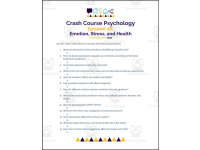
Compare facial-feedback and valence–arousal explanations of emotion
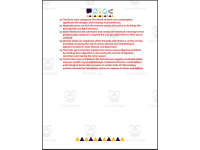
Classify catastrophes, life changes, and daily inconveniences as stressors
Explain how chronic stress can affect the body and brain–gut system

Teaching tips
Map the basic-emotion and facial-expression items before shifting to physiological stress responses.
Use the brain–gut question to connect hormone responses with the earlier distinction between moderate and chronic stress.

Skills covered
Model interpretation — learners compare facial-feedback and two-dimensional accounts of emotion.
Systems reasoning — responses connect stress hormones with immune, digestive, and mental-health effects.
Concept classification — external stressors are sorted into catastrophes, major changes, and everyday inconveniences.

No reviews yet
Downloaded this resource? Tell other teachers how it went.
Resource details
Concepts & topics
Core concepts
 Core concepts
Emotion
Stress
Cortisol
Brain–gut connection
Topics
 Topics
Explore more
Categories this resource belongs to
Explore related searches
More to explore
You may also like