Flash Cards: Hobbies & Activities

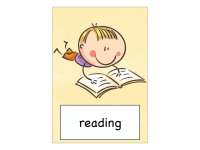
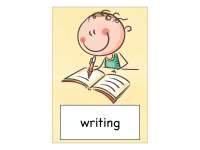
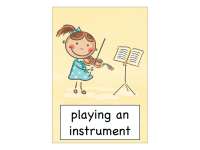
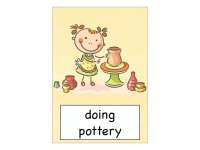
- Grades
- Grades 1–3
- Pages
- 42
- File type
- Preparation
- Print ready


- Subject
- ELA, Vocabulary
- Topic
- Hobbies, Activities
- Resource types
- Flashcards, Worksheets
- Preparation
- Print ready
- Standards
- L.2.6
Product description
From the author
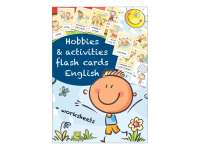
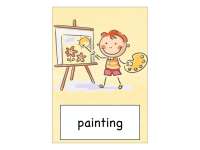
37 illustrated flashcards all about hobbies & activities!
Related resources
More resources teachers may find useful
24 related resources were found using this product's title, contributor, categories and tags.
In the classroom
Teaching tips & learning objectives

Learning objectives
Name thirty-seven hobbies and free-time activities in English using the phrasing printed on the cards.
Match an illustrated activity to its written English label.
State a personal preference in writing or speech by completing the frame "I like …" with an activity from the set.

Teaching tips
Show one card at a time and let students produce the phrase before they read the printed label, so the illustration carries the first round of recall.
Sort the cards into piles — indoors against outdoors, or alone against with other people — and discuss activities that could fit more than one group.
Run the two "I like …" pages immediately after a card sort so students write with vocabulary they have just handled, then use the "Both of us like …" page as a pair interview.

Skills covered
Hobby and free-time vocabulary in English — students learn thirty-seven labelled activities spanning crafts, music, pet care, sport and quiet pastimes.
Picture-to-word matching — each card pairs one illustration with the English phrase that names it.
Expressing personal preference — the "I like …" frame pages have students commit a chosen activity to a full sentence.
Good to know
Questions teachers ask about this resource
Which English spelling convention do the cards follow?
British. The travel card reads "travelling" with a double l, and the card for the ball sport reads "playing football" rather than soccer.
What are the three pages after the picture cards for?
Sentence frames that put the card vocabulary into speech and writing. Two pages carry the stem "I like …" for one speaker, and the third reads "Both of us like … _____ and _____" with blanks for a pair to write their own names.
How wide is the range of activities on the cards?
Broad enough to cover most students. Crafts and making (pottery, handicrafts, model making, scrapbooking, cosplaying), music and performance (singing in a choir, dancing, playing an instrument), pet care (walking the dog, feeding the pet), eight sports (basketball, tennis, football, swimming, ice skating, cycling, yoga, acrobatics) and quiet pastimes (reading, relaxing, going to the library) all appear.

No reviews yet
Downloaded this resource? Tell other teachers how it went.
Curriculum
Standards, concepts & topics
Standards
 Standards
- L.2.6
Core concepts
 Core concepts
Hobby vocabulary
Free-time activities
Picture-word matching
Expressing preferences
English as a second language
 Topics
Explore more
Categories this resource belongs to
Explore related searches
More to explore
You may also like