Grade 2 Reading Comprehension – 20-Worksheet Workbook




- Grades
- Grade 2, Elementary
- Pages
- 21
- File type
- Preparation
- Print ready


- Subject
- ELA, Reading, Reading Comprehension
- Topic
- Grade 2 Reading, Fiction and Nonfiction
- Resource types
- Worksheets & Printables, Workbooks
- Preparation
- Print ready
- Standards
- CCSS.RL.2.1 RI.2.1
Product description
From the author
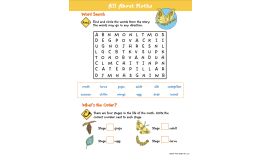
This Reading Comprehension Grade 2 digital resource focuses on learning essential reading skills. Includes a cover and 20 reading and activity pages featuring matching, word search, coloring, and drawing activities. With the ability to print the pages over and over, your child can complete the activities again and again until the skills have been mastered.
This printable resource introduces:
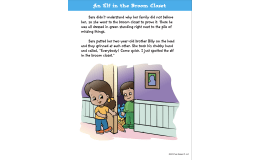
• Five fiction and nonfiction passages with “write your own answer” and “fill in the blank” questions about the details of the story to test comprehension
• Story order – beginning, middle and end
Related resources
More resources teachers may find useful
24 related resources were found using this product's title, contributor, categories and tags.

In the classroom
Teaching tips & learning objectives

Learning objectives
Answer literal comprehension questions about character, setting, and plot from a short passage
Sequence story events in the correct beginning-middle-end order
Identify the moral or theme of a fable

Teaching tips
Pair the Tortoise-and-Hare sequencing activity with 'The Jay and the Peacocks' since both address the same moral-lesson skill in one sitting.
Since there is no separate answer key, review responses as a class discussion or check them against the passage together.
Use the 'Think About It' prompts as a bridge to personal narrative writing after finishing the comprehension questions.

Skills covered
Literal comprehension — students answer factual questions directly from the text, such as identifying a character's job or a story's setting.
Story sequencing — students order picture or sentence cards to retell events in beginning-middle-end or full-story order.
Theme/moral identification — students select or write the lesson of a fable such as 'The Jay and the Peacocks.'
Good to know
Questions teachers ask about this resource
Why does a Tortoise-and-Hare sequencing activity appear right after 'The Jay and the Peacocks' story?
The workbook uses it as a bonus extension: after finishing the peacock fable's questions, students sequence picture cards retelling the well-known Tortoise and the Hare story as a second, related fable exercise.
What does the workbook ask students to infer rather than answer directly in 'The Jay and the Peacocks'?
It asks students to infer the meanings of 'molting' and 'fine' from context rather than supplying a dictionary definition.

No reviews yet
Downloaded this resource? Tell other teachers how it went.
Curriculum
Standards, concepts & topics
Standards
 Standards
- CCSS.RL.2.1 — Ask and answer such questions as who, what, where, when, why, and how to demonstrate understanding of key details in a text.
- RI.2.1
Core concepts
 Core concepts
Reading comprehension
Story sequencing
Theme and moral
Vocabulary in context
 Topics
Explore more
Categories this resource belongs to
Explore related searches
More to explore
You may also like