3,927 products added recently
Page 5 - 3rd Grade Activities
Enhance your third-grade curriculum with activities that stimulate interest and understanding. These resources offer hands-on experiments, creative projects, and problem-solving tasks. Incorporate them to support skill development and make learning a captivating experience.
Candy Reading Comprehension 1 Lesson Sample Powerpoints
ELA, Language Development, Resources for Teachers, Vocabulary, Spelling, Reading Comprehension, Reading, Common Core, Grade 2, 3, 4, 5, Teacher Tools, Centers, Activities, Assessments, Tests, Quizzes and Tests, Presentations, Quizzes
THIS IS A ONE LESSON FREE SAMPLE OF THE FOLLOWING PRODUCT: Themed Reading Comprehension Passages Series - Candy This reading comprehension series is built for grades 2 to 5 and keeps things simple, clear, and easy to use. Every title follows a fun, kid-friendly theme and comes with two passage levels, one written for grades 2 to 3 and a more challenging version for grades 4 to 5. Students then work through a mix of follow-up pages that check understanding in different ways: multiple-choice questions, short written responses, scrambled words, a quick summary, and a theme-based word problem. Answer keys are included, so prep stays minimal. Each resource also comes in nine classroom-friendly formats, so you can choose what fits your setup: print or digital, editable or ready to go, and even self-grading options. Because the layout stays consistent, it is easy to plug into whole-class lessons, small groups, literacy centers, morning work, fast finisher tubs, sub plans, or home learning. It is a straightforward way to build comprehension, practice reading skills in context, and strengthen written responses without adding extra steps for you. Candy Lesson List Note: This product has titles different to those in the rest of the themed series. 1. Candy Types 2. Candy Flavors 3. Candy Shapes and Colors 4. Candy Ingredients 5. Candy Fun Facts PPT VERSION Editable slides with all the Presentable PDF convenience, so you can customize text, images, and pacing for your class. Other versions are available in the links list below or in the full catalog. How to Use These Lessons Perfect for: Morning work or early-finisher bins Guided reading blocks or comprehension warmups Literacy centers or small-group rotations Holiday/seasonal review lessons Independent stations, sub plans, or take-home enrichment More Candy Themed Products CROSSWORDS WORDSEARCHES MAZES FULL CATALOG OF DOWNLOAD LINKS HERE Themed Reading Links Addition Animals Around the Home Birthday FORMATS: -FORMAL ASSESSMENT VERSION -PRESENTABLE PDF -PPT -SLIDES - PDF -FILLABLE PDF -WORD -FORMS -DOCS SUPPLEMENTARY MATERIALS (COMING SOON): -VISUAL READING PASSAGE VIDEO -GUIDED LEARNING VIDEO -LESSON PLANS Candy FORMATS: -FORMAL ASSESSMENT VERSION -PRESENTABLE PDF -PPT -SLIDES -PDF -FILLABLE PDF -WORD -FORMS -DOCS SUPPLEMENTARY MATERIALS (COMING SOON): -VISUAL READING PASSAGE VIDEO -GUIDED LEARNING VIDEO -LESSON PLANS Christmas Cinco de Mayo Clothes Colors Days and Months Division Earth Day Easter Easy Mazes Fall Father's Day Food Geography (Set 1) Geography (Set 2) Geography (Set 3) Graduation Health History (Set 1) History (Set 2) History (Set 3) Human Body Kindness Life Skills Mother's Day Multiplication Science (Set 1) Science (Set 2) Science (Set 3) Shapes Social Skills Spring Sports St. Patrick's Day Subtraction Summer Thanksgiving Transport Valentine's Day Winter Free One Lesson Themes Chinese New Year Lunar New Year Halloween Pink Shirt Day Independence Day Juneteenth President's Day Groundhog Day Readings in Depth Structure Each resource is built around a focused sub-theme within the broader topic. Students read two leveled passages (Grades 2–3 and Grades 4–5), then move through a short, consistent sequence of activities that checks understanding and keeps momentum: multiple-choice, brief written responses, a scrambled-words review, a compact summary task, and a light theme-linked word problem. The flow is predictable for students, but varied enough to feel fresh across topics. Each completed resource includes: Two differentiated reading passages (lower and upper level) A multiple-choice comprehension page Short written-response questions A scrambled-words or quick vocabulary check A brief summary activity A simple, theme-connected word problem Answer keys for fast marking and easy self-checking Nine classroom-friendly formats, including print, editable, digital, and self-grading options Themes Included These readings span a wide range of age-appropriate, high-interest topics, such as: Seasons and celebrations Real-world science and nature Community, character, and life skills Everyday high-frequency themes students already enjoy Each title connects to familiar experiences while strengthening comprehension, vocabulary in context, and clear written expression. Easy extensions (optional): Read twice: first for gist, second to highlight key details Write two “right there” questions and swap with a partner Create a 3-bullet fact list or mini mind map Turn the summary into a 3-sentence retell using sequence words Add one extra math question connected to the topic Compare the two levels: what details appear in both? Differentiation tips: Pre-teach 2–3 key words with quick examples Offer sentence starters for written responses Use partner reading: one reads aloud, one tracks evidence Allow highlighting or underlining before answering questions Provide a shorter chunking option for students who need breaks Encourage confident readers to justify answers with a quoted detail For similar downloads and other frees, do check out Cored Group on TeachSimple.
Author Cored Education
Rating
Tags Vocabulary, Spelling, Candy, Candy Activities, Writing Prompts, Word Problems, Reading Comprehension, Candy Reading, Candy Passages, Reading Passages
Reading Comprehension Fiction Set 1 Sample - Picking Cherries (PPT)
ELA, Reading, Writing, Common Core, Reading Comprehension, Creative Writing, Language Development, ESL, Resources for Teachers, Vocabulary, Grade 2, 3, Teacher Tools, Presentations, Tests, Quizzes and Tests, Assessments, Activities
Reading Comprehension Passages Fiction Set 1 Sample Overview Fascinating reading comprehension passages, each with an array of activities included. Stories are written for the modern classroom and topics are designed to promote enthusiasm from each student. Each lesson contains a mixed questions section to check understanding, a vocabulary or spelling activity to help remember key language introduced, and a writing exercise. Full answer keys are provided. For a more detailed overview, check the section under the links at the bottom of this description. Passage Included 6.Picking Cherries: Ross spends his day picking cherries but is it worth it? PPT Version This is the PPT editable and fillable (when not in presentation mode) version. This download is available in GOOGLE Docs, GOOGLE Forms, GOOGLE Slides. PDF, PPT, WORD. FULL CATALOG OF DOWNLOAD LINKS HERE Grade 2/3 Links Fiction Set 1 - Nature Google Docs Google Forms Google Slides PDF PPT Word Guided Reading Materials Fiction Set 2 - Animals Google Docs Google Forms Google Slides PDF PPT Word Guided Reading Materials Fiction Set 3 - Food Google Docs Google Forms Google Slides PDF PPT Word Guided Reading Materials Fiction Set 4 - School Google Docs Google Forms Google Slides PDF PPT Word Guided Reading Materials Fiction Set 5 - Friends Google Docs Google Forms Google Slides PDF PPT Word Guided Reading Materials Fiction Set 6 - Family Google Docs Google Forms Google Slides PDF PPT Word Guided Reading Materials Fiction Set 7 - Sports Google Docs Google Forms Google Slides PDF PPT Word Guided Reading Materials Nonfiction Set 1 - Technology Google Docs Google Forms Google Slides PDF PPT Word Guided Reading Materials Nonfiction Set 2 - Nutrition Google Docs Google Forms Google Slides PDF PPT Word Guided Reading Materials Nonfiction Set 3 - Animals Google Docs Google Forms Google Slides PDF PPT Word Guided Reading Materials Reading Passages Overview Each passage is especially written for Grade 2-3 students, including key vocabulary required for this age group. Topics are varied and are accompanied by colorful graphics. Topics are meant to educate, yet entertain the modern student. These passages are perfect for the modern classroom. Whereas textbooks can become outdated in no time, any changes to technology or the world will result in updates to this product. Mixed Questions The mixed questions section of each lesson includes a variation of fivecomprehension, vocabulary and math questions. In addition, key reading strategies are frequently covered including cause & effect, summarizing, compare & contrast and making conclusions. Three of the questions will be MCQs and two will require a written response of some kind. Full answers and example responses appear at the end of the lesson. Spelling & Vocab Each reading passage contains a variety of words and phrases designed for Grade 2-3 students. Spelling and vocab activities provide the opportunity to build fluency with these words. As it can become quite mundane doing the same activities over and over, each lesson in a set will contain a different spelling and vocab activity . Writing Prompts Writing prompts are designed to continue the theme or lessons learned in the story. Students are persuaded to write in a variety of ways and each prompt includes several cues to help. As with the spelling/vocab section, writing prompts will vary. This includes research pieces, reading responses, poetry and creative writing prompts. Full Answer Keys Full answer keys and sample responses are provided so no matter how busy you are, you know you're covered! Mixed question answers provide evidence from the text, math questions contain the relevant workings. Answers are designed for use by the teacher, but also suitable as a handout to the student. Additional File One lesson will have an additional file. This is something fun to extend the lesson with. For similar downloads and other frees, do check out Cored Group on TeachSimple.
Author Cored Education
Tags Elementary, Reading, Comprehension, Vocabulary, Answers, Ccss, Common Core, Speling, Writing, Passages
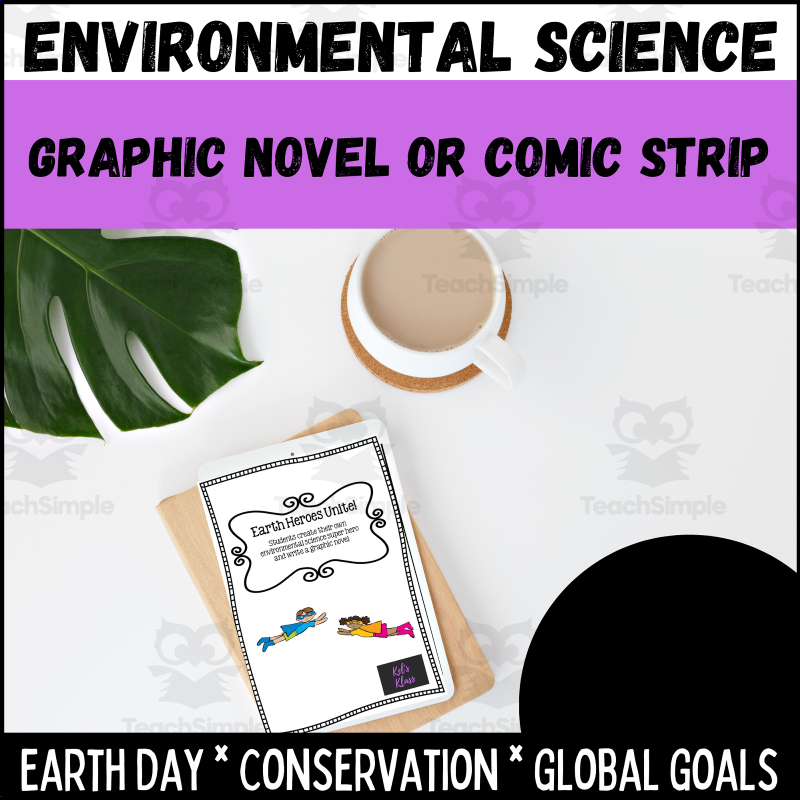
Dear Mr. Henshaw STEM Experiment + STEM Project for Grades 3, 4, 5
Science, Technology, Engineering, STEM, Grade 3, 4, 5, Experiments, Activities, Projects, Diagrams, Teacher Tools, Graphic Organizers, Rubrics
Leigh Botts from Dear Mr. Henshaw needs your help! This STEM project encourages problem-solving as students plan and construct a device that will help protect Leigh's lunch from a sneaky thief. Perfect for blending literature with science, it allows students to explore engineering concepts using simple supplies while promoting teamwork and critical thinking. What’s Inside This Resource: Student Letter: A pleading letter from Leigh introduces the challenge, linking the story to a real-world engineering task. Design Loop Graphic: A visual students can attach to their science journals, serving as a step-by-step guide throughout the activity. Detailed Instructions: Choose to print the guide as a packet or have students record each stage in their journals for an interactive experience. Teacher Tips: Practical guidance for crafting a clear problem statement with time constraints, materials, and success criteria tailored to your classroom. Skills Your Students Will Build: ✔ Problem-Solving: Identify obstacles and create inventive solutions. ✔ Engineering Design: Navigate the design loop—plan, construct, test, and refine. This page can easily be enlarged for a classroom poster. ✔ Critical Thinking: Assess their prototype’s performance and pinpoint ways to enhance it. ✔ Teamwork: Collaborate effectively to accomplish shared goals. Versatile Classroom Application: Whether as guided instruction or part of an integrated literature and science unit, this STEM activity encourages students to think creatively, document their process, and meet science and engineering standards. The rubric included is based on engineering concepts, but can also be used as a nonfiction writing rubric for cross-curricular options. Why Educators Love This Resource: ⭐ “My students were fully engaged, combining their passion for reading with STEM!” ⭐ “Simple to set up and encourages creativity and teamwork.” ⭐ “A seamless connection between literature and science for cross-curricular learning!” Encourage your students to solve Leigh’s challenge and experience the excitement of engineering with this standards-aligned STEM adventure!
Author Kel's Klass
Tags 4th Grade Science Project, 4th Grade Science Experiment, 5th Grade Science Project, 5th Grade Science Experiment, Engineering Diagram, Science Graphic Organizer, Science Rubric, 3rd Grade Science Project, 3rd Grade Science Experiment, Dear Mr. Henshaw
Life Skills Word Searches: 1 Page Sample (PDF)
ELA, Language Development, Vocabulary, Spelling, ESL, Resources for Teachers, Life Skills, Special Resources, Grade 2, 3, 4, 5, Worksheets & Printables, Worksheets, Teacher Tools, Centers, Activities, Word Searches
THIS IS A ONE PAGE SAMPLE OF A SIX PAGE WORD SEARCH DOWNLOAD FULL SIX PAGE WORD SEARCH DOWNLOAD INFORMATION This wordsearch series is designed for students in grades 2–5. Each set of wordsearches is built around a clear vocabulary theme, helping students develop word recognition, improve spelling, and boost topic-related understanding through engaging visual puzzles. Every wordsearch also includes a fun hidden shape for students to guess—adding an interactive twist to traditional vocabulary practice. These wordsearches are student-friendly, classroom-ready, and perfect for integrating into literacy warmups, seasonal units, fast-finisher tasks, or home learning extensions. Each puzzle reinforces themed vocabulary in a playful, structured format that keeps learners motivated. Life Skills Word Search Word List 1. Being Responsible Chores, Listen, Help, Clean, Safe, Work, Try, Plan 2. Daily Routines Wake, Dress, Eat, Brush, Pack, Wash, Sleep, Rest 3. Social Skills Share, Wait, Ask, Say, Kind, Polite, Friend, Smile 4. Problem Solving Think, Fix, Try, Ask, Choice, Learn, Plan, Strong 5. Money and Shopping Money, Save, Spend, Shop, Price, Coin, Bill, Earn 6. Safety Skills Stop, Look, Listen, Helmet, Seatbelt, Cross, Hot, Help PDF Version Other versions will appear here when available. Follow the store for the lastest on new products. How to Use These Wordsearches These wordsearches are ideal for: Morning work or early finisher bins Vocabulary centers or anchor activities Holiday or seasonal review lessons Independent literacy stations or take-home enrichment Each puzzle includes a themed word list and a shaped grid for students to complete. Word directions may vary (horizontal, vertical, diagonal), and answer keys are included for easy checking. Optional vocabulary challenges or writing tasks can be added to extend the learning experience. Whether you're reviewing key vocabulary, exploring a seasonal topic, or offering fun literacy practice, these wordsearches provide a flexible and engaging tool to support vocabulary growth in grades 2–5. More Life Skills Themed Products CROSSWORDS FULL CATALOG OF DOWNLOAD LINKS HERE Themed Word Search Links Addition PDF Animals PDF Around the Home PDF Birthday PDF Candy PDF Christmas PDF Cinco de Mayo PDF Clothes PDF Colors PDF Days and Months PDF Division PDF Earth Day PDF Easter PDF Easy Word Searches PDF Fall PDF Father's Day PDF Food PDF Geography (Set 1) PDF Geography (Set 2) PDF Geography (Set 3) PDF Graduation PDF Health PDF History (Set 1) PDF History (Set 2) PDF History (Set 3) PDF Human Body PDF Kindness PDF Life Skills PDF Mother's Day PDF Multiplication PDF Science Word Searches (Set 1) PDF Science Word Searches (Set 2) PDF Science Word Searches (Set 3) PDF Shapes PDF Social Skills PDF Spring PDF Sports PDF St. Patrick's Day PDF Subtraction PDF Summer PDF Thanksgiving PDF Transport PDF Valentine's Day PDF Winter PDF Wordsearches in Depth Structure Each wordsearch is crafted around a focused sub-theme and includes a visual puzzle shaped like a related object (e.g., balloon, gift, snowman). Students complete each puzzle using the provided themed word list, strengthening both content knowledge and spelling skills in a highly engaging format. Each completed set includes: A shaped wordsearch puzzle with 10 vocabulary words A student instruction guide with search directions (horizontal, vertical, diagonal) An answer key for teacher support or student self-checking A Did You Know? fact connected to the theme for enrichment or discussion Themes Included The wordsearches cover a wide range of fun, age-appropriate themes, including: Seasons & Holidays (e.g., Halloween, Easter, Valentine’s Day) Math Concepts (e.g., Addition, Number Words) Everyday Topics (e.g., Animals, Weather, School) Special Units (e.g., Health, Earth Day, Sports, Kindness) Each topic is selected to reflect students’ real-life experiences and interests while reinforcing literacy skills and content understanding in a playful, visual way. For similar downloads and other frees, do check out Cored Group on TeachSimple.
Author Cored Education
Rating
Tags Vocabulary, Spelling, Life Skills, Daily Routines, Social Skills, Problem Solving, Safety Skills, Word Search, Life Skills Word Search, Word Searches
Toothbrushes Reading Comprehension Passage - Cored Ed Encyclopedia
ELA, Language Development, Reading Comprehension, Reading, Science, Technology, Engineering, History, Social Studies, Life Sciences, Grade 2, 3, 4, 5, Worksheets & Printables, Worksheets, Teacher Tools, Centers, Activities, Writing Prompts, Assessments, Quizzes and Tests, Quizzes, Lesson Plans
This toothbrushes reading comprehension includes: Visualization (on the front cover) Start your lesson by taking a minute to think and share something about the topic. Read the script aloud (slowly), perhaps prepare some music or sound effects. Student close their eyes and let their imaginations wander. Students open their eyes, read the question aloud and give them a few minutes to complete. Ask a few students to share or keep answers until the end to compare with what they learn in the passage. Quick pause—thousands of Cored Education products are included with your TeachSimple membership. Download links and encyclopedia index available here. Pre-Reading Trivia Students will write down one thing they already know about the subject and then read five more facts and discuss. These facts are fun, and the students will enjoy learning about the subject before reading more. Give 1 minute for students to write what they already know (no pressure—best guess is fine). Read the five facts together. After each fact, do ask a student for their opinion, was it surprising? Set a purpose by asking students to highlight/underline one fact they want to learn more about during the reading. Reading Passage The text is a high-interest reading passage with set paragraphs, roughly three to four paragraphs long. It contains a variety of themes about the topic, anywhere from history to technology. The passage is between 250 and 350 words in length. First, ask students to look at the headings and see what they’ll learn about today. What do they know about the topic/heading? First read options: Teacher read-aloud (best for support). Partner reading (paragraph by paragraph). While reading, students underline important details, and vocabulary words they think may come up in the questions section. Mixed Questions The first question page contains four multiple-choice questions, each with a choice of four answers, and three written response questions that require a sentence or two from the student. Students complete the mcqs first independently, then review quickly as a class. For the 3 written responses, try to get students giving the answer with some form of evidence: “I think ___ because the text says ___.” If students get stuck, send them back to check the passage. Vocabulary Questions Practice seven key words from the text in this section across two activities. First section is scrambled words where students will unscramble three words given a clue for each. The second section is a word to meaning matching activity. Before starting, have some students read out words they underlined in the passage. Ask students to say the word and read aloud the sentence(s) around each word. Ask students to do scrambled words and the matching exercise in pairs then go through answers as a class. For the scrambled spelling task, get four pairs to come up to the board and write the words for extra practice with the other student reading out the clue. For the matching task, prompt students to give full sentences: “I matched ___ with ___ because ___.” Creative Writing In this question, the student will be required to write a five to eight sentence paragraph on a question related to the topic. Before starting, ask students write down 3 key ideas they are going to include in their piece. Ask students for ideas to share around the class to help those struggling. Pro writing expectations: 5–8 sentences At least 2 facts or details from the passage At least 2 vocabulary words from the previous page Students read their paragraphs while classmates listen for facts and vocabulary words. Extension Activities This page is optional for fast finishers or to take home. There are several activities, each one requiring a different skill. Do some, do none, do all, completely optional - but you will feel reassured knowing every possibility is planned for. Includes summary writting question. Answer Key There are answers for the multiple-choice questions, written response questions have sample answers, vocabulary answers and if there is a summary question then a sample summary will be provided as well. Lesson Plan Included Customized lesson plan for this lesson is included. Lesson Snapshot Title: Toothbrushes Genre: Nonfiction (informational text) Subject: Science (Health & Technology) Primary Topic: How toothbrushes changed over time Estimated Guided Reading Level (A–Z): R What This Lesson Teaches Best Explains how people cleaned teeth before store-bought toothbrushes by chewing a twig until it turned “fuzzy” and rubbing it on teeth. Shows how evidence from the past (archaeologists finding signs in places like Mesopotamia and Egypt) can tell us about tooth care long ago. Traces the history of the bristled brush from China’s Tang dynasty to Europe in the 1600s, highlighting how inventions travel. Describes how toothbrush designs changed to solve problems (for example, natural bristles staying damp and trapping bacteria). Summarizes key innovations—nylon bristles (1938) and the electric toothbrush (1954)—and connects them to the ongoing goal of protecting teeth. Learning Goals Students will describe how a “chew stick” was used to clean teeth long ago. Students will identify evidence in the text that people cared about clean mouths thousands of years ago. Students will explain how the bristled brush began in China and later spread to Europe. Students will summarize how toothbrush-making changed after 1780 using details about materials and design. Students will explain why inventors searched for new bristle materials and what nylon changed. Students will describe how an electric toothbrush helped brushing by adding steady motion. Key Vocabulary From the Text archaeologists — scientists who study the past using old remains. Mesopotamia — an ancient region where people lived long ago. miswak — a special stick used for cleaning teeth. patent — legal rights that protect an invention. bacteria — tiny germs that can cause problems. FULL CATALOG OF DOWNLOAD LINKS AND ENCYCLOPEDIA INDEX HERE
Author Cored Education
Rating
Tags Vocabulary, Reading Comprehension, Reading Passages, Lesson Plans, Ela Lesson Plans, Reading Comprehension Lesson Plans, Pre-reading, History, History Lesson Plans, Toothbrushes
Horses Reading Comprehension Passage - Cored Ed Encyclopedia
ELA, Reading Comprehension, Reading, Pre-Reading, Language Development, History, Social Studies, Geography, Life Sciences, Science, Grade 2, 3, 4, 5, Worksheets & Printables, Worksheets, Teacher Tools, Centers, Activities, Writing Prompts, Assessments, Quizzes and Tests, Quizzes, Lesson Plans
This horses reading comprehension with lesson plan includes: Visualization (on the front cover) Start your lesson by taking a minute to think and share something about the topic. Read the script aloud (slowly), perhaps prepare some music or sound effects. Student close their eyes and let their imaginations wander. Students open their eyes, read the question aloud and give them a few minutes to complete. Ask a few students to share or keep answers until the end to compare with what they learn in the passage. Quick pause—thousands of Cored Education products are included with your TeachSimple membership. Download links and encyclopedia index available here. Pre-Reading Trivia Students will write down one thing they already know about the subject and then read five more facts and discuss. These facts are fun, and the students will enjoy learning about the subject before reading more. Give 1 minute for students to write what they already know (no pressure—best guess is fine). Read the five facts together. After each fact, do ask a student for their opinion, was it surprising? Set a purpose by asking students to highlight/underline one fact they want to learn more about during the reading. Reading Passage The text is a high-interest reading passage with set paragraphs, roughly three to four paragraphs long. It contains a variety of themes about the topic, anywhere from history to technology. The passage is between 250 and 350 words in length. First, ask students to look at the headings and see what they’ll learn about today. What do they know about the topic/heading? First read options: Teacher read-aloud (best for support). Partner reading (paragraph by paragraph). While reading, students underline important details, and vocabulary words they think may come up in the questions section. Mixed Questions The first question page contains four multiple-choice questions, each with a choice of four answers, and three written response questions that require a sentence or two from the student. Students complete the mcqs first independently, then review quickly as a class. For the 3 written responses, try to get students giving the answer with some form of evidence: “I think ___ because the text says ___.” If students get stuck, send them back to check the passage. Vocabulary Questions Practice seven key words from the text in this section across two activities. First section is scrambled words where students will unscramble three words given a clue for each. The second section is a word to meaning matching activity. Before starting, have some students read out words they underlined in the passage. Ask students to say the word and read aloud the sentence(s) around each word. Ask students to do scrambled words and the matching exercise in pairs then go through answers as a class. For the scrambled spelling task, get four pairs to come up to the board and write the words for extra practice with the other student reading out the clue. For the matching task, prompt students to give full sentences: “I matched ___ with ___ because ___.” Creative Writing In this question, the student will be required to write a five to eight sentence paragraph on a question related to the topic. Before starting, ask students write down 3 key ideas they are going to include in their piece. Ask students for ideas to share around the class to help those struggling. Pro writing expectations: 5–8 sentences At least 2 facts or details from the passage At least 2 vocabulary words from the previous page Students read their paragraphs while classmates listen for facts and vocabulary words. Extension Activities This page is optional for fast finishers or to take home. There are several activities, each one requiring a different skill. Do some, do none, do all, completely optional - but you will feel reassured knowing every possibility is planned for. Includes summary writting question and additional facts. Answer Key There are answers for the multiple-choice questions, written response questions have sample answers, vocabulary answers and if there is a summary question then a sample summary will be provided as well. Lesson Plan Included Customized lesson plan for this lesson is included. Lesson Snapshot Title: Horses Genre: Nonfiction (informational text) Subject: Life Science / Social Studies (human–animal history) Primary Topic: Horse features, domestication, and partnership with people Estimated Guided Reading Level (A–Z): R What This Lesson Teaches Best Describes horses as domesticated equines (Equus ferus caballus) with single hard hooves. Explains how horse ancestors changed over millions of years from many-toed to one-toed runners. Uses archaeology clues (tooth wear from a bit; Botai culture evidence) to explain early domestication. Shows how trained horses affected human travel and power, including chariots and the development of different breeds. Highlights horse social behavior and communication (ear turns, tail swishes, shifts of weight) as part of partnership. Learning Goals Identify key physical features of horses described in the passage (hoof, muscle, equine). Describe how horse ancestors changed over time, using details from the text. Explain what clues archaeologists found that suggest humans guided horses with a bit. Describe how horses helped people with travel and power long ago (such as chariots). Explain how people created different breeds by choosing traits like strength, speed, or calm temperaments. Describe how horses communicate and stay watchful using body signals mentioned in the passage. Key Vocabulary From the Text domesticated — tamed to live and work with people. equine — related to horses. ancestors — family members from long ago. archaeologists — scientists who study the past using evidence. temperaments — typical behaviors, like calmness or energy. FULL CATALOG OF DOWNLOAD LINKS AND ENCYCLOPEDIA INDEX HERE
Author Cored Education
Rating
Tags Vocabulary, Reading Comprehension, Reading Passages, Lesson Plans, Ela Lesson Plans, Reading Comprehension Lesson Plans, Pre-reading, Social Studies Lesson Plans, Life Science, Science Lesson Plans
10 Fun Ceramic Projects for Elementary Students
Art, Creative Arts, Graphic Arts, Grade 1, 2, 3, 4, 5, Crafts, Activities, Projects
An entertaining and simple-to-follow e-book called 10 Fun Ceramic Projects for Elementary Students aims to encourage young students' creativity via practical ceramic art. This resource, which teaches elementary school kids the basics of working with clay through basic techniques like pinching, coiling, and slab building, is ideal for both in-class and at-home study. Beginners may easily complete the ten projects, which include clay monsters, wind chimes, leaf bowls, and pinch pot creatures. Each project includes detailed instructions and a list of basic ingredients. In addition to exposing pupils to three-dimensional art, the activities are designed to foster artistic expression, increase confidence, and develop fine motor abilities. For parents, homeschoolers, or art teachers who want to add creative, hands-on learning to their daily routine, this booklet is perfect. Projects allow for a great deal of individuality and may be modified for a variety of ages and skill levels. Students will enjoy using their imaginations while cultivating a respect for ceramics through projects like creating textured tiles and sculpting animal figures. This ebook provides an enjoyable and instructive experience that kids will love—and proudly take home to show off—whether you're introducing clay for the first time or are searching for new project ideas.
Author Bright Classroom Ideas Marketplace
Rating
Tags Ceramic, Project, Elementary, Pottery, Clay, Craft, Art
Future Tense Sample - Grammar Grade 3-4 (Slides)
ELA, Language Development, ESL, Grammar, Common Core, Resources for Teachers, Grade 3, 4, Quizzes and Tests, Teacher Tools, Tests, Assessments, Presentations, Activities
Future Tense Sample Lesson ELA MCQS Overview: In this series of lessons, students will embark on an engaging journey to explore the grammar skills that make our language vibrant and expressive. These lessons are crafted to help students identify, comprehend, and effectively apply language arts skills in both writing and speech. Accompanied by free supplementary materials available for all topics, each lesson builds on the previous one, offering a balanced mix of direct instruction, interactive group activities, and independent practice. Through fun and creative tasks, students will learn to recognize grammar within sentences, understand their function, and use them to enrich their own writing and speech. Future Tense Overview: Includes: Future Simple Future Continuous Future Perfect Mistake Finding Slides Version This is the Slides editable and interactive version. There is a fillable answer sheet at the end. This download is available in GOOGLE Docs, GOOGLE Forms, GOOGLE Slides. PDF, PPT, WORD, check the links below for more details. FULL CATALOG OF DOWNLOAD LINKS HERE Grade 3/4 Links: Adjectives Google Docs Google Forms Google Slides PDF PPT Word Free Supplementary Materials Pack Adverbs Google Docs Google Forms Google Slides PDF PPT Word Free Supplementary Materials Pack Conjunctions Google Docs Google Forms Google Slides PDF PPT Word Free Supplementary Materials Pack Nouns Google Docs Google Forms Google Slides PDF PPT Word Free Supplementary Materials Pack Pronouns Google Docs Google Forms Google Slides PDF PPT Word Free Supplementary Materials Pack Verbs Google Docs Google Forms Google Slides PDF PPT Word Free Supplementary Materials Pack Sentence Structure Google Docs Google Forms Google Slides PDF PPT Word Free Supplementary Materials Pack Present Tense Google Docs Google Forms Google Slides PDF PPT Word Free Supplementary Materials Pack Past Tense Google Docs Google Forms Google Slides PDF PPT Word Free Supplementary Materials Pack Future Tense Google Docs Google Forms Google Slides PDF PPT Word Free Supplementary Materials Pack Context Clues Google Docs Google Forms Google Slides PDF PPT Word Free Supplementary Materials Pack Defining Words Google Docs Google Forms Google Slides PDF PPT Word Free Supplementary Materials Pack Fill the Blanks Google Docs Google Forms Google Slides PDF PPT Word Free Supplementary Materials Pack Homophones Google Docs Google Forms Google Slides PDF PPT Word Free Supplementary Materials Pack Synonyms Google Docs Google Forms Google Slides PDF PPT Word Free Supplementary Materials Pack ELA Review Questions Overview Questions have three answer choices. There are a handful of pictures on each test for aesthetic purposes, as well as a review sheet covering most of the topics covered in the product. Introduction or Example Sheet Each topic will include an introduction or example sheet to go through first with your students. Full Answer Keys Full answer keys and sample responses are provided so no matter how busy you are, you know you're covered! In the Supplementary Pack Interactive Ice Breakers: Fun, hands-on activities that get students thinking about adjectives right from the start. Guided Practice: Teacher-led exercises that reinforce the day’s lesson, ensuring students can confidently identify and use adjectives. Group and Partner Tasks: Collaborative activities that allow students to work together to solve problems, categorize adjectives, and create descriptive sentences. Independent Worksheets: Structured worksheets that provide individual practice and help solidify understanding of key concepts. Exit Tasks: Quick, reflective activities at the end of each lesson that assess understanding and encourage students to apply what they’ve learned. For similar downloads and other frees, do check out Cored Group on TeachSimple.
Author Cored Education
Tags Elementary, Answers, Ccss, Common Core, Grammar, Tests, Test Prep, Assessment, Grade 3, Grade 4
Guided Reading Level K - A Guide to Camping (with Lesson Plan)
ELA, Resources for Teachers, Reading Comprehension, Reading, Science, Earth and Environmental Sciences, Geography, Social Studies, Health, P.E. & Health, Grade 1, 2, 3, Worksheets & Printables, Worksheets, Teacher Tools, Centers, Activities, Literacy Readers, Quizzes, Quizzes and Tests, Assessments
This Guided Reading Book - A Guide to Camping (Level K) with lesson plan includes: Guided Reading Color Label (front cover x1) This is a quick way to match the book’s demands to what students can generally handle.. The overall goal is to use the level/color to pick books for several smaller groups. To qualify for a certain level, a student is expected to read a book from that level with about 90–94% accuracy. If a student is consistently accurate and understands, move up a level. If the student is struggling at that level, drop down and add more support. Each student will improve at completely different rates, but it is generally one of the best ways to check progress across the class. DOWNLOAD THE CATALOG TO VIEW ALL GUIDED READING BOOKS AVAILABLE (SORTED LEVELS A-Z) Pre-Reading Question (x1) Teacher asks the prompt aloud, can be while showing the cover or first page. Students share what they already know, or make educated guesses from the cover. Prompt them to use the target vocabulary. Write some of their responses on the board to look back at during the reading. Vocabulary Words (x5) Introduce the five words, best doing it one at a time. Start by saying it, while students repeat and then see if anyone knows what it means before reading further. Read through the meaning and try to briefly connect each word to a picture or gesture so it’s meaningful. Ask students to flip through the book pages and point to where they see each of the vocabulary words. While reading the book pause upon coming across one of the vocab words or read the sentence twice to make sure students understand the word has appeared. Optional: Ask students to raise hands whenever they see/hear one of the new words. Guided Reading Pages (x10) Check the book snapshot (below) for: primary topic - do you need to prep extra reading or intro materials on this? what is taught best - decide on 1-2 bullets to focus on, use the prompt or words provided here for best results. learning goals - what you are checking for students to be able to do after the session, elicit answers using prompts or words provided. key vocabulary (see section above). questions overview - so you know what is coming up and if you need to prep extra materials to assist understanding. Run the lesson You may have already looked at a few of the pages together, but you can show them some of the pictures again first to set meaning. Depending on how much time you have and how familiar your students are with guided reading class, you may want to read the book aloud first with the group first. Students whisper or partner read, while you listen in. If time, do it as a group, one student reading a page each. Use the guided page’s prompts to coach: “Check the picture / does it make sense?” “Point under the words / try the first sound” “Reread the sentence smoothly”. Try to focus more on one student per session (rotating every time), so you can work out if they are ready to move up or need to move down a level. Comprehension Questions (back cover x3) This is your way to check that students didn’t just say the words, but actually understood the text. First, let students answer by pointing to the page/picture and saying a short sentence. After any answer, follow with: “Show me where you found that in the text.” In bigger groups, have partners answer first (10–20 seconds), then call on 2–3 students to share. Differentiation tips: Emerging speakers/struggling readers: oral + pointing On-level: oral in a full sentence Higher: one written sentence or draw + label Book Snapshot Title: A Guide to Camping Genre: Nonfiction (informational) Subject: Health / Outdoor Skills & Safety Primary Topic: Camping gear, activities, and outdoor care Estimated Guided Reading Level (A–Z): K What This Book Teaches Best Explains what key camping gear is and what it’s for (tent, sleeping bag, sleeping mat). Describes how a tent works using clear details (waterproof cover, poles, metal stakes). Teaches basic camping safety and purpose for a campfire (warmth/light; stones keep flames in one safe spot). Shows how tools support outdoor activities (portable stove and skillet for cooking; binoculars for seeing distant objects; lantern for light; telescope for moon craters and stars). Emphasizes responsibility in nature by packing all items back into a backpack so nothing is left behind and the forest stays clean for animals. Learning Goals Students can identify camping items from the text and describe what each one is used for. Students can explain how a tent is kept up and kept dry, using details from the book. Students can describe why heavy stones are placed around a campfire, according to the text. Students can describe how tools help campers (stove/skillet, binoculars, lantern, telescope) using information from the book. Students can explain what the book says to do when packing up to keep the forest clean. Key Vocabulary From the Text portable — easy to carry from place to place. waterproof — keeps water out so something stays dry. secured — fastened so it won’t move or fall. binoculars — tools you look through to see far-away things closer. telescope — a tool used to see the moon and stars. Discussion Prompts Pre-reading question: What do you think people need to sleep, cook, and stay safe while camping outside? Comprehension questions: How does the book say a tent is held up and kept in place? Why does the book say a circle of heavy stones is placed around a campfire? What does the book say a camper should do when packing up to keep the forest clean? Printing Tips 1. Best Printing Method (Recommended) “Booklet” Printing (Best if Available) If your printer or PDF viewer supports Booklet Printing , use this. Settings to use: Print mode: Booklet Paper size: Letter or A4 (either works) Orientation: Landscape Print on both sides: Yes Flip on: Short edge Scaling: Fit to printable area Booklet subset: First test: Front sides only Then: Back sides only This will automatically: Pair pages correctly Put the cover on the outside Align everything for folding After printing, fold in half and staple along the spine . 2. If “Booklet” Printing Is NOT Available You can still print this correctly with manual duplex printing . Step-by-step: Open the PDF. Choose Print . Set: Orientation: Landscape Pages per sheet: 1 Print on both sides: Yes Flip on: Short edge Print all pages . Because each PDF page already contains two facing book pages, the result will still fold cleanly into a book. Thousands of Cored Education products are included with your TeachSimple membership. Download links and encyclopedia index available here.
Author Cored Education
Rating
Tags Reading Comprehension, Reading Passages, Reading, Guided Reading, Guided Reading Lesson Plan, Guided Reading Activity, Pre-reading, Vocabulary, Science Lesson Plans, Geography Lesson Plans
Aztecs Reading Comprehension Passage - Cored Ed Encyclopedia
ELA, Language Development, Reading Comprehension, Reading, Social Studies, Writing, Vocabulary, Geography, History, History: Ancient, Grade 2, 3, 4, 5, Worksheets & Printables, Worksheets, Teacher Tools, Centers, Activities, Writing Prompts, Assessments, Quizzes and Tests, Quizzes, Lesson Plans
This Aztecs reading comprehension with lesson plan includes: Visualization (on the front cover) Start your lesson by taking a minute to think and share something about the topic. Read the script aloud (slowly), perhaps prepare some music or sound effects. Student close their eyes and let their imaginations wander. Students open their eyes, read the question aloud and give them a few minutes to complete. Ask a few students to share or keep answers until the end to compare with what they learn in the passage. Quick pause—thousands of Cored Education products are included with your TeachSimple membership. Download links and encyclopedia index available here. Pre-Reading Trivia Students will write down one thing they already know about the subject and then read five more facts and discuss. These facts are fun, and the students will enjoy learning about the subject before reading more. Give 1 minute for students to write what they already know (no pressure—best guess is fine). Read the five facts together. After each fact, do ask a student for their opinion, was it surprising? Set a purpose by asking students to highlight/underline one fact they want to learn more about during the reading. Reading Passage The text is a high-interest reading passage with set paragraphs, roughly three to four paragraphs long. It contains a variety of themes about the topic, anywhere from history to technology. The passage is between 250 and 350 words in length. First, ask students to look at the headings and see what they’ll learn about today. What do they know about the topic/heading? First read options: Teacher read-aloud (best for support). Partner reading (paragraph by paragraph). While reading, students underline important details, and vocabulary words they think may come up in the questions section. Mixed Questions The first question page contains four multiple-choice questions, each with a choice of four answers, and three written response questions that require a sentence or two from the student. Students complete the mcqs first independently, then review quickly as a class. For the 3 written responses, try to get students giving the answer with some form of evidence: “I think ___ because the text says ___.” If students get stuck, send them back to check the passage. Vocabulary Questions Practice seven key words from the text in this section across two activities. First section is scrambled words where students will unscramble three words given a clue for each. The second section is a word to meaning matching activity. Before starting, have some students read out words they underlined in the passage. Ask students to say the word and read aloud the sentence(s) around each word. Ask students to do scrambled words and the matching exercise in pairs then go through answers as a class. For the scrambled spelling task, get four pairs to come up to the board and write the words for extra practice with the other student reading out the clue. For the matching task, prompt students to give full sentences: “I matched ___ with ___ because ___.” Creative Writing In this question, the student will be required to write a five to eight sentence paragraph on a question related to the topic. Before starting, ask students write down 3 key ideas they are going to include in their piece. Ask students for ideas to share around the class to help those struggling. Pro writing expectations: 5–8 sentences At least 2 facts or details from the passage At least 2 vocabulary words from the previous page Students read their paragraphs while classmates listen for facts and vocabulary words. Extension Activities This page is optional for fast finishers or to take home. There are several activities, each one requiring a different skill. Do some, do none, do all, completely optional - but you will feel reassured knowing every possibility is planned for. Includes summary writting question and additional facts. Answer Key There are answers for the multiple-choice questions, written response questions have sample answers, vocabulary answers and if there is a summary question then a sample summary will be provided as well. Lesson Plan Included Customized lesson plan for this lesson is included. Lesson Snapshot Title: Aztecs Genre: Nonfiction (informational passage) Subject: Social Studies (Ancient Civilizations) / Reading (Informational Text) Primary Topic: Building lake-city life and what happened later Estimated Guided Reading Level (A–Z): S What This Lesson Teaches Best How a wandering Nahua group (the Mexica) chose a home based on a sign and began building a city on a lake. How people adapted to living on water using chinampas , canals, and causeways to grow food and move around. How Triple Alliance (between Tenochtitlan , Texcoco , and Tlacopan ) helped the capital grow powerful through victories and tribute. Using headings to track a sequence: founding and growth, alliance and power, then conflict and destruction, and what remains today. Connecting past to present by noting how the eagle-and-cactus story lives on and how archaeologists still uncover remains beneath modern streets. Learning Goals Identify the sign the Mexica saw that helped them choose their home. Describe how builders expanded the island and how chinampas helped crops grow near home. Explain how canals and causeways helped the city get fresh water and connect to the shore. Describe how tribute (examples named in the text) helped the capital grow powerful. Describe what the passage says happened after Spanish explorers arrived, including the year the city fell. Explain what the passage says exists today where the city once stood. Key Vocabulary From the Text chinampas — raised garden beds packed with mud. causeways — broad raised roads that connect land and water. tribute — goods sent to rulers as payment. levees — walls or banks that help stop floods. archaeologists — people who uncover and study the past. FULL CATALOG OF DOWNLOAD LINKS AND ENCYCLOPEDIA INDEX HERE
Author Cored Education
Rating
Tags Vocabulary, Reading Comprehension, Reading Passages, Lesson Plans, Ela Lesson Plans, Reading Comprehension Lesson Plans, Pre-reading, History, History Lesson Plans, Geography
Reading Comprehension Nonfiction Set 2 - Nutrition (Slides)
ELA, Reading, Language Development, Spelling, Common Core, Reading Comprehension, ESL, Vocabulary, Writing, Creative Writing, Grade 2, 3, Teacher Tools, Presentations, Tests, Quizzes and Tests, Assessments, Activities
Reading Comprehension Passages Nonfiction Set 2 Overview Engaging nonfiction articles, each with a collection of different activities included. Articles are written for the modern classroom and topics are designed to promote enthusiasm from each student. Each lesson contains a mixed questions section to check understanding, a vocabulary or spelling activity to help remember key language introduced, and a writing exercise. Full answer keys are provided. Passages Include 1.Proteins: After water, protein makes up most of the weight in our bodies. 2.Carbohydrates: Carbohydrates are the principal source of energy for the body. 3.Fats: What are trans fats? Learn all about them in this lesson. 4.Milk: There are many kinds of milk, each has its own advantages. 5.Potatoes: Did you know potatoes originate from South America? 6.Composting: Read how to make your very own compost heap in this article. Additional File: Milk: Nutritional Values Printable Slides Version This is the Slides editable and fillable version. This download is available in GOOGLE Docs, GOOGLE Forms, GOOGLE Slides. PDF, PPT, WORD. FULL CATALOG OF DOWNLOAD LINKS HERE Grade 2/3 Links Fiction Set 1 - Nature Google Docs Google Forms Google Slides PDF PPT Word Guided Reading Materials Fiction Set 2 - Animals Google Docs Google Forms Google Slides PDF PPT Word Guided Reading Materials Fiction Set 3 - Food Google Docs Google Forms Google Slides PDF PPT Word Guided Reading Materials Fiction Set 4 - School Google Docs Google Forms Google Slides PDF PPT Word Guided Reading Materials Fiction Set 5 - Friends Google Docs Google Forms Google Slides PDF PPT Word Guided Reading Materials Fiction Set 6 - Family Google Docs Google Forms Google Slides PDF PPT Word Guided Reading Materials Fiction Set 7 - Sports Google Docs Google Forms Google Slides PDF PPT Word Guided Reading Materials Nonfiction Set 1 - Technology Google Docs Google Forms Google Slides PDF PPT Word Guided Reading Materials Nonfiction Set 2 - Nutrition Google Docs Google Forms Google Slides PDF PPT Word Guided Reading Materials Nonfiction Set 3 - Animals Google Docs Google Forms Google Slides PDF PPT Word Guided Reading Materials Reading Passages Overview Each passage is especially written for Grade 2-3 students, including key vocabulary required for this age group. Topics are varied and are accompanied by colorful graphics. Topics are meant to educate, yet entertain the modern student. These passages are perfect for the modern classroom. Whereas textbooks can become outdated in no time, any changes to technology or the world will result in updates to this product. Mixed Questions The mixed questions section of each lesson includes a variation of fivecomprehension, vocabulary and math questions. In addition, key reading strategies are frequently covered including cause & effect, summarizing, compare & contrast and making conclusions. Three of the questions will be MCQs and two will require a written response of some kind. Full answers and example responses appear at the end of the lesson. Spelling & Vocab Each reading passage contains a variety of words and phrases designed for Grade 2-3 students. Spelling and vocab activities provide the opportunity to build fluency with these words. As it can become quite mundane doing the same activities over and over, each lesson in a set will contain a different spelling and vocab activity . Writing Prompts Writing prompts are designed to continue the theme or lessons learned in the story. Students are persuaded to write in a variety of ways and each prompt includes several cues to help. As with the spelling/vocab section, writing prompts will vary. This includes research pieces, reading responses, poetry and creative writing prompts. Full Answer Keys Full answer keys and sample responses are provided so no matter how busy you are, you know you're covered! Mixed question answers provide evidence from the text, math questions contain the relevant workings. Answers are designed for use by the teacher, but also suitable as a handout to the student. Additional File One lesson will have an additional file. This is something fun to extend the lesson with. For similar downloads and other frees, do check out Cored Group on TeachSimple.
Author Cored Education
Tags Elementary, Reading, Comprehension, Vocabulary, Answers, Ccss, Common Core, Spelling, Writing, Digital Centers
Adverbs Practice Questions - Grades 3-4 Grammar (PPT)
ELA, Language Development, ESL, Grammar, Common Core, Resources for Teachers, Grade 3, 4, Quizzes and Tests, Teacher Tools, Tests, Assessments, Presentations, Activities
Adverbs Grammar Practice MCQS ELA MCQS Overview: In this series of lessons, students will embark on an engaging journey to explore the grammar skills that make our language vibrant and expressive. These lessons are crafted to help students identify, comprehend, and effectively apply language arts skills in both writing and speech. Accompanied by free supplementary materials available for all topics, each lesson builds on the previous one, offering a balanced mix of direct instruction, interactive group activities, and independent practice. Through fun and creative tasks, students will learn to recognize grammar within sentences, understand their function, and use them to enrich their own writing and speech. Adverbs Overview: Includes: When Adverbs Where Adverbs How Adverbs Mistake Finding PPT Version This is the PPT editable and interactive version. There is a fillable answer sheet at the end. This download is available in GOOGLE Docs, GOOGLE Forms, GOOGLE Slides. PDF, PPT, WORD, check the links below for more details. FULL CATALOG OF DOWNLOAD LINKS HERE Grade 3/4 Links: Adjectives Google Docs Google Forms Google Slides PDF PPT Word Free Supplementary Materials Pack Adverbs Google Docs Google Forms Google Slides PDF PPT Word Free Supplementary Materials Pack Conjunctions Google Docs Google Forms Google Slides PDF PPT Word Free Supplementary Materials Pack Nouns Google Docs Google Forms Google Slides PDF PPT Word Free Supplementary Materials Pack Pronouns Google Docs Google Forms Google Slides PDF PPT Word Free Supplementary Materials Pack Verbs Google Docs Google Forms Google Slides PDF PPT Word Free Supplementary Materials Pack Sentence Structure Google Docs Google Forms Google Slides PDF PPT Word Free Supplementary Materials Pack Present Tense Google Docs Google Forms Google Slides PDF PPT Word Free Supplementary Materials Pack Past Tense Google Docs Google Forms Google Slides PDF PPT Word Free Supplementary Materials Pack Future Tense Google Docs Google Forms Google Slides PDF PPT Word Free Supplementary Materials Pack Context Clues Google Docs Google Forms Google Slides PDF PPT Word Free Supplementary Materials Pack Defining Words Google Docs Google Forms Google Slides PDF PPT Word Free Supplementary Materials Pack Fill the Blanks Google Docs Google Forms Google Slides PDF PPT Word Free Supplementary Materials Pack Homophones Google Docs Google Forms Google Slides PDF PPT Word Free Supplementary Materials Pack Synonyms Google Docs Google Forms Google Slides PDF PPT Word Free Supplementary Materials Pack ELA Review Questions Overview Questions have three answer choices. There are a handful of pictures on each test for aesthetic purposes, as well as a review sheet covering most of the topics covered in the product. Introduction or Example Sheet Each topic will include an introduction or example sheet to go through first with your students. Full Answer Keys Full answer keys and sample responses are provided so no matter how busy you are, you know you're covered! In the Supplementary Pack Interactive Ice Breakers: Fun, hands-on activities that get students thinking about adjectives right from the start. Guided Practice: Teacher-led exercises that reinforce the day’s lesson, ensuring students can confidently identify and use adjectives. Group and Partner Tasks: Collaborative activities that allow students to work together to solve problems, categorize adjectives, and create descriptive sentences. Independent Worksheets: Structured worksheets that provide individual practice and help solidify understanding of key concepts. Exit Tasks: Quick, reflective activities at the end of each lesson that assess understanding and encourage students to apply what they’ve learned. For similar downloads and other frees, do check out Cored Group on TeachSimple.
Author Cored Education
Tags Elementary, Answers, Ccss, Common Core, Grammar, Tests, Test Prep, Assessment, Grade 3, Grade 4
Guided Reading Level K - Street Safety Signs (with Lesson Plan)
ELA, Resources for Teachers, Reading Comprehension, Reading, Pre-Reading, Language Development, Health, P.E. & Health, Social Emotional Learning (SEL), Special Resources, Grade 1, 2, 3, Worksheets & Printables, Worksheets, Teacher Tools, Centers, Activities, Literacy Readers, Quizzes, Quizzes and Tests, Assessments
This Guided Reading Book - Street Safety Signs (Level K) with lesson plan includes: Guided Reading Color Label (front cover x1) This is a quick way to match the book’s demands to what students can generally handle.. The overall goal is to use the level/color to pick books for several smaller groups. To qualify for a certain level, a student is expected to read a book from that level with about 90–94% accuracy. If a student is consistently accurate and understands, move up a level. If the student is struggling at that level, drop down and add more support. Each student will improve at completely different rates, but it is generally one of the best ways to check progress across the class. DOWNLOAD THE CATALOG TO VIEW ALL GUIDED READING BOOKS AVAILABLE (SORTED LEVELS A-Z) Pre-Reading Question (x1) Teacher asks the prompt aloud, can be while showing the cover or first page. Students share what they already know, or make educated guesses from the cover. Prompt them to use the target vocabulary. Write some of their responses on the board to look back at during the reading. Vocabulary Words (x5) Introduce the five words, best doing it one at a time. Start by saying it, while students repeat and then see if anyone knows what it means before reading further. Read through the meaning and try to briefly connect each word to a picture or gesture so it’s meaningful. Ask students to flip through the book pages and point to where they see each of the vocabulary words. While reading the book pause upon coming across one of the vocab words or read the sentence twice to make sure students understand the word has appeared. Optional: Ask students to raise hands whenever they see/hear one of the new words. Guided Reading Pages (x10) Check the book snapshot (below) for: primary topic - do you need to prep extra reading or intro materials on this? what is taught best - decide on 1-2 bullets to focus on, use the prompt or words provided here for best results. learning goals - what you are checking for students to be able to do after the session, elicit answers using prompts or words provided. key vocabulary (see section above). questions overview - so you know what is coming up and if you need to prep extra materials to assist understanding. Run the lesson You may have already looked at a few of the pages together, but you can show them some of the pictures again first to set meaning. Depending on how much time you have and how familiar your students are with guided reading class, you may want to read the book aloud first with the group first. Students whisper or partner read, while you listen in. If time, do it as a group, one student reading a page each. Use the guided page’s prompts to coach: “Check the picture / does it make sense?” “Point under the words / try the first sound” “Reread the sentence smoothly”. Try to focus more on one student per session (rotating every time), so you can work out if they are ready to move up or need to move down a level. Comprehension Questions (back cover x3) This is your way to check that students didn’t just say the words, but actually understood the text. First, let students answer by pointing to the page/picture and saying a short sentence. After any answer, follow with: “Show me where you found that in the text.” In bigger groups, have partners answer first (10–20 seconds), then call on 2–3 students to share. Differentiation tips: Emerging speakers/struggling readers: oral + pointing On-level: oral in a full sentence Higher: one written sentence or draw + label Book Snapshot Title: Street Safety Signs Genre: Nonfiction (informational) Subject: Health & Safety / Reading (Informational Text) Primary Topic: Street signs, colors, and safety messages Estimated Guided Reading Level (A–Z): K What This Book Teaches Best How street signs help people stay safe: Street signs are “helpful tools” that tell people how to stay safe on the road. Using shapes and colors to understand meaning: Each sign has a special shape and color that sends a message. Key safety actions for walkers and drivers: The stop sign means come to a full halt and look both ways before moving again. Recognizing common road signals: The book explains warning signs, traffic lights, yield signs, speed limit signs, school signs, do not enter signs, and bike lane signs. Street-sign knowledge as a life skill: Paying attention to signs helps people “navigate the world safely.” Learning Goals Students will explain how street signs help people stay safe on roads. Students will identify what different sign colors and shapes communicate in this text. Students will describe what a stop sign tells people to do and why looking both ways matters. Students will explain what traffic light colors mean (red, green, yellow) based on the text. Students will connect specific signs (yield, speed limit, school, do not enter, bike lane) to their safety messages. Key Vocabulary From the Text octagon — a shape with eight sides. pedestrians — people who are walking. intersection — where two roads meet or cross. fluorescent — very bright and easy to see. navigate — find your way and move safely place to place. Discussion Prompts Pre-reading question: What street signs or signals have you seen that help people stay safe? Comprehension questions: What does the stop sign mean, and what should you do before moving again? What do yellow diamond-shaped warning signs tell drivers to watch for? Why do speed limit signs help keep neighborhoods and people safe? Printing Tips 1. Best Printing Method (Recommended) “Booklet” Printing (Best if Available) If your printer or PDF viewer supports Booklet Printing , use this. Settings to use: Print mode: Booklet Paper size: Letter or A4 (either works) Orientation: Landscape Print on both sides: Yes Flip on: Short edge Scaling: Fit to printable area Booklet subset: First test: Front sides only Then: Back sides only This will automatically: Pair pages correctly Put the cover on the outside Align everything for folding After printing, fold in half and staple along the spine . 2. If “Booklet” Printing Is NOT Available You can still print this correctly with manual duplex printing . Step-by-step: Open the PDF. Choose Print . Set: Orientation: Landscape Pages per sheet: 1 Print on both sides: Yes Flip on: Short edge Print all pages . Because each PDF page already contains two facing book pages, the result will still fold cleanly into a book. Thousands of Cored Education products are included with your TeachSimple membership. Download links and encyclopedia index available here.
Author Cored Education
Rating
Tags Reading Comprehension, Reading Passages, Reading, Guided Reading, Guided Reading Lesson Plan, Guided Reading Activity, Pre-reading, Vocabulary, Street Signs, Health
My Papi Has a Motorcycle Read-Aloud Activities and Book Companion
ELA, Reading, Reading Comprehension, Grade 3, 4, 5, Read Alouds, Activities
Looking for a captivating read-aloud for Hispanic Heritage Month? My Papi Has a Motorcycle by Isabel Quintero is an excellent choice! This charming story celebrates family, community, and the rich cultural heritage of a Latino neighborhood through the eyes of a young girl and her father. This resource includes 41 print-and-go reading activities, perfect for tailoring learning to your students' needs. Activities cover story elements, theme analysis, character exploration, predictions, inferences, connections, and critical thinking questions. ⭐️This Resource Includes:⭐️ Judging by the Cover: Students examine the cover and answer related questions. Making Predictions: Students predict the text's content before reading. Story Elements: Students fill in boxes with words and pictures representing story elements. Sequencing: Students illustrate and retell the important parts of the story. Retell the Story: Students summarize the beginning, middle, and end with text and illustrations. Recalling Events in Chronological Order: Students describe and illustrate four major events in chronological order. Summary: Students complete a graphic organizer to write a summary of the story. Story Event Sort: Students describe events from the story, explain feelings, and categorize them. Making Connections: Students connect personal experiences to events in the story. Making Inferences: Students use clues to make inferences while reading. Notice & Note: Students document inferences, cause-and-effect examples, and instances of descriptive language. Character Feelings: Students describe how characters' feelings change throughout the story. Character Traits (Daisy; Papi): Students choose two traits for each character and support them with examples. Character Inside & Out (Daisy; Papi): Students detail what each character says, thinks, does, and feels. Character Development: Students select and support traits that describe character growth throughout the story. Character Change: Students explain how the characters change from beginning to end and the events that cause these changes. Character Perspective: Students compare Daisy’s and Papi’s perspectives of the motorcycle ride. Sketch a Scene From the Story: Students draw a significant scene and describe its importance to the plot. Setting the Scene: Students identify and explain three different settings in the story. Before & After: Students describe Daisy's feelings before and after the motorcycle ride and illustrate both. Thinking About the Text: Students answer story-related questions and include text evidence (ANSWER KEY INCLUDED). Thinking Beyond the Text: Students respond to deeper questions about the story with text examples (ANSWER KEY INCLUDED). Figuring Out Figurative Language: Students identify comparisons in phrases and explain their significance (ANSWER KEY INCLUDED). Theme: Students determine the story's theme and support it with text evidence. Author's Message: Students outline four key events in chronological order and discuss the author's message. 3-2-1: Students describe three memories Daisy shares, identify two places she and Papi pass, and share one lesson Daisy learns (ANSWER KEY INCLUDED). Compare and Contrast: Students compare Daisy’s community to their own. Identifying Imagery: Students identify sensory imagery in the text (ANSWER KEY INCLUDED). Brag Board: Students create a collage showcasing their family's skills and talents. Diary Entry: Students write a diary entry from the perspective of a character in the story. Community Map: Students create a community map using provided questions to identify important places. Design a Helmet: Students design a helmet representing something unique about their family or community and explain their choices. Community Mural: Students create a mural highlighting key aspects of their community. Cruising My Community: Students draw and number the places they would visit while riding around their community. Caught on Social Media: Students create a social media post as a character from the story, including a caption and hashtag. Wait... There's More!: Students write about what happens next in the story. Design a Book Cover: Students design a new book cover and explain their design choices. Crossword Puzzle: Students fill in a crossword puzzle using given clues (ANSWER KEY INCLUDED). Word Search Puzzle: Students find hidden words in a word search puzzle using clues (ANSWER KEY INCLUDED). Book Review: Students rate and review the book. This resource is for extension read-aloud activities only. The book is not included.
Author Creatively Gifted
Tags Hispanic Culture, Father-daughter Bond, Immigrant Communities, Critical Thinking, Character Analysis, Reading Comprehension, Book Companion, Picture Book Activities, Hispanic Heritage
Europe Reading Comprehension Passage - Cored Ed Encyclopedia
ELA, Language Development, Resources for Teachers, Reading Comprehension, Reading, Pre-Reading, Writing, Strategies, Geography, Social Studies, Grade 2, 3, 4, 5, Worksheets & Printables, Worksheets, Teacher Tools, Centers, Activities, Writing Prompts, Assessments, Tests, Quizzes and Tests, Quizzes
This Europe reading comprehension contains the following: Pre-Reading Trivia Students will write down one thing they already know about the subject and then read five more facts and discuss. These facts are fun, and the students will enjoy learning about the subject before reading more. Reading Passage The text is a high-interest reading passage with set paragraphs, roughly three to four paragraphs long. It contains a variety of themes about the topic, anywhere from history to technology. The passage is between 250 and 350 words in length. Mixed Questions The first question page contains four multiple-choice questions, each with a choice of four answers, and three written response questions that require a sentence or two from the student. Creative Writing In this question, the student will be required to write a five to eight sentence paragraph on a question related to the topic. Extension Activities This page is optional for fast finishers. If there are five to ten minutes left at the end of the lesson, the student can choose one of three activities, each one requiring a different skill. Answer Key There are answers for the multiple-choice questions and three written response questions have sample answers. FULL CATALOG OF DOWNLOAD LINKS AND ENCYCLOPEDIA INDEX HERE Cored Ed Encyclopedia Overview The Cored Ed Encyclopedia is a weekly series of lessons that you can pick up and use right away. These short readings fit into whatever time you have available. Each one includes a warm-up, a reading, and a set of questions, but it’s flexible — you can do just the reading, the full lesson, or skip the writing section if you need to. Each lesson focuses on a single topic so students don’t get lost. The writing is clear but never childish, making it perfect for grades two through five. Topics range from animals and science to history, inventions, and everyday things. No matter the level of the student, everyone should take away at least one new idea or fact from each lesson. The materials are easy to print, easy to explain, and require no setup. They work well for whole-class teaching, partner work, or independent study.
Author Cored Education
Rating
Tags Vocabulary, Spelling, Reading Comprehension, Reading Passages, Cored Encyclopedia, Facts, Reading, Creative Writing, Geography, Europe
Science Reading Passages on Changes in the Earth and Sky (PDF)
Science, Earth and Environmental Sciences, Earth Sciences, Common Core, ESL, Language Development, ELA, Reading Comprehension, Reading, Space, Grade 2, 3, 4, Tests, Quizzes and Tests, Teacher Tools, Assessments, Worksheets, Worksheets & Printables, Diagrams, Centers, Activities
Science Reading Passages on Changes in the Earth and Sky Changes in the Earth and Sky: Reading Passages Earth Science: Elevate your classroom experience with this captivating science reading pack, designed to infuse the joy of science into your lessons. While the pack provides an entertaining approach, it also serves as an effective tool to gauge your students' comprehension of informational texts. Adorned with vibrant colors and themes, and aligned with the Common Core State Standards (CCSS), it covers intriguing topics such as the atmosphere, weather, and air pressure, ensuring both learning and enjoyment go hand in hand. What's inside? Part 2 - Changes in the Earth and Sky Reading Passage 1: Slow Changes to the Earth's Surface Reading Passage 2: Fast Changes to the Earth's Surface Reading Passage 3: The Atmosphere and Weather Reading Passage 4: Measuring Temperature, Air Pressure, and Humidity Reading Passage 5: The Motion of Objects in the Universe Product Info: 29 PAGES Teaching Duration: 2 Weeks Science Reading Comprehension Outline: Targeted for students in 3rd and 4th grades, these reading passages are enhanced with illustrations and graphs to elucidate critical points. Each lesson aligns with the Common Core State Standards, allowing you to integrate science reading practice effortlessly, knowing that minimal preparation is needed on your part. Each passage comes with a variety of questions in different formats, including multiple-choice formats, data analysis, and fill-in-the-blanks. The topics covered strike a balance between engaging content and core curriculum-based science subjects. Versatile in application, these lessons are suitable for a variety of settings such as whole-class instruction, morning activities, independent desk work, small group discussions, contingency plans for substitute teachers, homework assignments, or even special holiday-themed tasks. FULL CATALOG OF DOWNLOAD LINKS HERE Grade 3/4 Links: Physical Science Part 1 - Properties of Objects and Materials Google Docs/Slides/Forms PDF PPT Word Free Supplementary Pack Accompanying Videos Physical Science Part 2 - Position and Motion of Objects Google Docs/Slides/Forms PDF PPT Word Free Supplementary Pack Accompanying Videos Physical Science Part 3 - Light, Heat, Electricity, Magnetism Google Docs/Slides/Forms PDF PPT Word Free Supplementary Pack Accompanying Videos Life Science Part 1 - Characteristics of Organisms Google Docs/Slides/Forms PDF PPT Word Free Supplementary Pack Accompanying Videos Life Science Part 2 - Life Cycles of Organisms Google Docs/Slides/Forms PDF PPT Word Free Supplementary Pack Accompanying Videos Life Science Part 3 - Organisms and Environments Google Docs/Slides/Forms PDF PPT Word Free Supplementary Pack Accompanying Videos Earth Science Part 1 - Properties of Earth Materials Google Docs/Slides/Forms PDF PPT Word Free Supplementary Pack Accompanying Videos Earth Science Part 2 - Changes in the Earth and Sky Google Docs/Slides/Forms PDF PPT Word Free Supplementary Pack Accompanying Videos Earth Science Part 3 - Objects in the Sky Google Docs/Slides/Forms PDF PPT Word Free Supplementary Pack Accompanying Videos For similar products and other frees, do check out Cored Group on TeachSimple .
Author Cored Education
Rating
Tags Science, Elementary, Reading, Comprehension, Reading Centers, Science Assessments, Reading Comprehension Assessments, Vocabulary Assessments, Earth Science
Sight Word Worksheets| Sight Words Kindergarten Activities First Grade
ELA, Language Development, Vocabulary, Spelling, ESL, Kindergarten, Preschool, Grade 1, 2, 3, Activities, Centers, Workbooks, Worksheets & Printables, Worksheets
This interactive and attractive setSight Word Worksheets 60 Pages learners develop their original Sight Word Worksheets this set contains 38 pages in this set, each in each a different Digraphs Sight Word Worksheets of dedicated Sight Word Worksheets Pagesto ensure a fun and structured approach to using a fun and type of work that useful; Each card is fun this edited set of Sight Word Worksheets is built in an elegant style that attracts attention this interactive and attractive set of Sight Word Worksheets Worksheets designed to help young learners develop their original Sight Word Worksheets1st Grade Worksheets skills through Sight Word Worksheets 1st Grade Worksheets sexercises This set contains 60 pages. these printable Worksheets offer useful courses, this provides a useful course-rich practice, it is designed to help using resource grade 2 easily to learn about activities Sight Word Worksheets worksheets a fun and interactive manner. A collaborative learning activity added students. PDF format
Author LAMO
Rating
Tags English Language Arts, Sight Words, Reading, Activities, Worksheets, Homeschool, Printables
The Science of Calories: Guided Reading Level P with Lesson Plan
ELA, Resources for Teachers, Reading Comprehension, Reading, Science, Life Sciences, Health, P.E. & Health, Physics, Language Development, Grade 2, 3, 4, Worksheets & Printables, Worksheets, Teacher Tools, Centers, Activities, Literacy Readers, Quizzes, Quizzes and Tests, Assessments, Lesson Plans
This The Science of Calories (level p) guided reading book with lesson plan includes: Guided Reading Color Label (front cover x1) This is a quick way to match the book’s demands to what students can generally handle.. The overall goal is to use the level/color to pick books for several smaller groups. To qualify for a certain level, a student is expected to read a book from that level with about 90–94% accuracy. If a student is consistently accurate and understands, move up a level. If the student is struggling at that level, drop down and add more support. Each student will improve at completely different rates, but it is generally one of the best ways to check progress across the class. DOWNLOAD THE CATALOG TO VIEW ALL GUIDED READING BOOKS AVAILABLE (SORTED LEVELS A-Z) Pre-Reading Question (x1) Teacher asks the prompt aloud, can be while showing the cover or first page. Students share what they already know, or make educated guesses from the cover. Prompt them to use the target vocabulary. Write some of their responses on the board to look back at during the reading. Vocabulary Words (x5) Introduce the five words, best doing it one at a time. Start by saying it, while students repeat and then see if anyone knows what it means before reading further. Read through the meaning and try to briefly connect each word to a picture or gesture so it’s meaningful. Ask students to flip through the book pages and point to where they see each of the vocabulary words. While reading the book pause upon coming across one of the vocab words or read the sentence twice to make sure students understand the word has appeared. Optional: Ask students to raise hands whenever they see/hear one of the new words. Guided Reading Pages (x10) Check the book snapshot (below) for: primary topic - do you need to prep extra reading or intro materials on this? what is taught best - decide on 1-2 bullets to focus on, use the prompt or words provided here for best results. learning goals - what you are checking for students to be able to do after the session, elicit answers using prompts or words provided. key vocabulary (see section above). questions overview - so you know what is coming up and if you need to prep extra materials to assist understanding. Run the lesson You may have already looked at a few of the pages together, but you can show them some of the pictures again first to set meaning. Depending on how much time you have and how familiar your students are with guided reading class, you may want to read the book aloud first with the group first. Students whisper or partner read, while you listen in. If time, do it as a group, one student reading a page each. Use the guided page’s prompts to coach: “Check the picture / does it make sense?” “Point under the words / try the first sound” “Reread the sentence smoothly”. Try to focus more on one student per session (rotating every time), so you can work out if they are ready to move up or need to move down a level. Comprehension Questions (back cover x3) This is your way to check that students didn’t just say the words, but actually understood the text. First, let students answer by pointing to the page/picture and saying a short sentence. After any answer, follow with: “Show me where you found that in the text.” In bigger groups, have partners answer first (10–20 seconds), then call on 2–3 students to share. Differentiation tips: Emerging speakers/struggling readers: oral + pointing On-level: oral in a full sentence Higher: one written sentence or draw + label Book Snapshot Title: The Science of Calories Genre: Nonfiction (informational science text) Subject: Science (Nutrition/Human Body) Primary Topic: What calories measure and how bodies use energy Estimated Guided Reading Level (A–Z): P What This Book Teaches Best Defines energy as what living things need to survive and function, and connects energy to everyday examples like cars and lamps. Explains that a calorie measures energy in food (not weight or size) and describes it as a scientific unit of measurement. Shows how most energy starts with the sun , and how plants use photosynthesis to turn light into chemical energy stored in plant parts. Describes how the human body uses energy all the time (even during rest or sleep) to power the heart, lungs, and brain. Explains how food energy is released through digestion , how activity increases energy demand, and how extra calories may be stored as body fat. Learning Goals Explain what energy is and why living things need it. Describe what a calorie measures according to the text. Explain how plants get energy from the sun and where that energy is stored in a plant. Describe how digestion helps the body unlock energy from food. Describe how physical activity changes the body’s need for calories. Explain what happens when more calories are consumed than the body needs for daily activities. Key Vocabulary From the Text measurement — finding out how much of something there is. photosynthesis — plants use sunlight to make chemical energy. digestion — the process that unlocks energy in food. intestines — long tubes that help finish breaking down food. converted — changed from one form into another. Discussion Prompts Pre-reading question: What do you think calories tell us about the food we eat? Comprehension questions: What does the book say a calorie measures? Comprehension questions: How does the book explain that plants capture and store energy from the sun? Comprehension questions: What does the book say happens when a person consumes more calories than needed for daily activities? Printing Tips 1. Best Printing Method (Recommended) “Booklet” Printing (Best if Available) If your printer or PDF viewer supports Booklet Printing , use this. Settings to use: Print mode: Booklet Paper size: Letter or A4 (either works) Orientation: Landscape Print on both sides: Yes Flip on: Short edge Scaling: Fit to printable area Booklet subset: First test: Front sides only Then: Back sides only This will automatically: Pair pages correctly Put the cover on the outside Align everything for folding After printing, fold in half and staple along the spine . 2. If “Booklet” Printing Is NOT Available You can still print this correctly with manual duplex printing . Step-by-step: Open the PDF. Choose Print . Set: Orientation: Landscape Pages per sheet: 1 Print on both sides: Yes Flip on: Short edge Print all pages . Because each PDF page already contains two facing book pages, the result will still fold cleanly into a book. Thousands of Cored Education products are included with your TeachSimple membership. Download links and encyclopedia index available here.
Author Cored Education
Rating
Tags Reading Comprehension, Reading Passages, Reading, Guided Reading, Guided Reading Lesson Plan, Guided Reading Activity, Pre-reading, Science Lesson Plans, Life Science, Health
Pianos Reading Comprehension Passage - Cored Ed Encyclopedia
ELA, Language Development, Resources for Teachers, Reading Comprehension, Reading, Pre-Reading, Writing, Strategies, Music, Creative Arts, Grade 2, 3, 4, 5, Worksheets & Printables, Worksheets, Teacher Tools, Centers, Activities, Writing Prompts, Assessments, Tests, Quizzes and Tests, Quizzes
This pianos reading comprehension contains the following: Visualize on the Cover (Teacher Read Aloud Script) Start your lesson by taking a few moments to visualize the topic and share thoughts or feelings about it. Pre-Reading Trivia Students will write down one thing they already know about the subject and then read five more facts and discuss. These facts are fun, and the students will enjoy learning about the subject before reading more. Reading Passage The text is a high-interest reading passage with set paragraphs, roughly three to four paragraphs long. It contains a variety of themes about the topic, anywhere from history to technology. The passage is between 250 and 350 words in length. Mixed Questions The first question page contains four multiple-choice questions, each with a choice of four answers, and three written response questions that require a sentence or two from the student. Vocabulary Questions Practice seven key words from the text in this section across two activities. First section is scrambled words where students will unscramble three words given a clue for each. The second section is a word to meaning matching activity. Creative Writing In this question, the student will be required to write a five to eight sentence paragraph on a question related to the topic. Extension Activities This page is optional for fast finishers or to take home. There are several activities, each one requiring a different skill. Do some, do none, do all, completely optional - but you will feel reassured knowing every possibility is planned for. Includes summary writting question. Answer Key There are answers for the multiple-choice questions, written response questions have sample answers, vocabulary answers and if there is a summary question then a sample summary will be provided as well. FULL CATALOG OF DOWNLOAD LINKS AND ENCYCLOPEDIA INDEX HERE Lesson Snapshot Title: Pianos Genre: Nonfiction (informational text) Subject: Music (Performing Arts) / Reading Informational Text Primary Topic: How the piano was invented and improved Estimated Guided Reading Level (A–Z): S What This Lesson Teaches Best How the piano idea began around 1700 in Florence, Italy , with Bartolomeo Cristofori trying to make music “gentle or bold” depending on touch. How the piano’s key action works: a mechanism sends a leather-covered hammer to strike strings, then pulls back so the string keeps vibrating . How dampers stop strings from ringing—and lifting them lets tones ring longer. How information spread the invention: Scipione Maffei published an article with a diagram , leading builders like Gottfried Silbermann to make pianos based on Cristofori’s design. How the piano grew for bigger spaces: sturdier builds and a wider range from about four octaves to 88 keys , changing where music could be played (homes, schools, apartments, stages). Learning Goals Students will explain why Cristofori began tinkering with a new keyboard instrument around 1700. Students will describe how a key triggers the hammer-and-string action using details from the passage. Students will explain how a player’s touch can make the sound softer or louder according to the text. Students will identify how Maffei helped the piano idea travel and name one builder mentioned who made pianos afterward. Students will describe how the piano’s keyboard range changed over time and state the number of keys many pianos have today. Key Vocabulary From the Text harpsichords — older keyboards that stayed mostly one volume. inventory — a recorded list that showed a piano existed. mechanism — moving parts that make the piano action work. dampers — parts that stop strings from ringing. octaves — groups of notes used to describe keyboard range. Cored Ed Encyclopedia Overview The Cored Ed Encyclopedia is a weekly series of lessons that you can pick up and use right away. These short readings fit into whatever time you have available. Each one includes a warm-up, a reading, and a set of questions, but it’s flexible — you can do just the reading, the full lesson, or skip the writing section if you need to. Each lesson focuses on a single topic so students don’t get lost. The writing is clear but never childish, making it perfect for grades two through five. Topics range from animals and science to history, inventions, and everyday things. No matter the level of the student, everyone should take away at least one new idea or fact from each lesson. The materials are easy to print, easy to explain, and require no setup. They work well for whole-class teaching, partner work, or independent study.
Author Cored Education
Rating
Tags Vocabulary, Spelling, Reading Comprehension, Reading Passages, Reading, Creative Writing, Reading Strategies, Writing Prompts, Music, Pianos
Frogs by Seymour Simon Interactive Read-Aloud Activities
ELA, Reading, Reading Comprehension, Literature, Science, Earth and Environmental Sciences, Earth Sciences, Research, Grade 2, 3, 4, Read Alouds, Activities
This picture book companion is a complete supplemental resource for the book Frogs by Seymour Simon. With 34 print-and-go reading activities to choose from, this resource is ideal for customizing learning to your student's specific needs and academic abilities. Students will apply listening and note-taking skills, investigate different species of frogs and toads, compare & contrast, make inferences and connections, learn and apply new vocabulary, determine text structure, answer questions that require them to think beyond the text, and much more! Students will love the engaging and fun activities, and you will appreciate the time saved hunting for high-level resources to teach reading concepts that students frequently struggle with. The activities provided are designed to enable students to apply higher-level thinking skills, encourage them to provide text evidence to support their thinking, and challenge them to express their own thoughts and/or perspectives. ⭐️This Resource Includes:⭐️ Making Predictions: Before reading the book, students will make predictions about the text. Who Am I?: Students will match the words in the word bank to the descriptions and draw & color a picture of each frog (ANSWER KEY INCLUDED). Word Scramble: Students use the details from the book to unscramble the words (ANSWER KEY INCLUDED). Fact or Fiction: Students determine whether the details are facts from the story or made-up (ANSWER KEY INCLUDED). Main Idea & Details: Students read the main ideas and fill in the missing supporting details (ANSWER KEY INCLUDED). True or False (bubble answers ONLY): Students read the details and determine if they are true or false (ANSWER KEY INCLUDED). True or False (bubble answers & correct the false details): Students determine if the details are true or false and rewrite the false statements to make them true (ANSWER KEY INCLUDED). Frog Playing Cards: Students create playing cards that include one or two facts they learned about each frog and include a colored illustration. A Frog's Five Senses: Students will write facts and descriptions for each of the frog's five senses (ANSWER KEY INCLUDED). Frog Life Cycle Wheel: Students will color, cut out, and attach the two life cycle wheels. With a partner, students can orally explain each part of the frog's life cycle. Frog ABCs: Students write words or phrases that begin with each letter of the alphabet to show what they learned about frogs. 2 - Crossword Puzzles: Students use the clues and the word bank to fill in the crossword puzzle (ANSWER KEYS INCLUDED). Word Search Puzzle: Students use the clues to fill in the puzzle. Words can go across or down. Letters are shared when the words intersect (ANSWER KEY INCLUDED). Compare & Contrast: Students compare and contrast frogs and toads. Text Structure: Students take note of how the author organized and presented the information about frogs on the selected pages given. Then, they determine the main idea, supporting details, and text structure the author used to organize the information. All About Frogs Flipbook: While reading or listening to the story, students will take notes in their flipbooks. This activity includes 6 pages (ANSWER KEY included). Book Review: Students will rate and review the book. Long Research Project on Frogs: Students conduct research to learn more about frogs and complete graphic organizers, which include; answering questions, drawing and labeling an illustration, recording fun facts, defining and illustrating new vocabulary, and completing a summary report. One-Page Research Project on Frogs: Students conduct research to learn more about frogs and complete a one-page report with facts regarding the habitat, features, diet, movement, and interesting facts. Frog Roll & Research: Students roll a die to see which frog they will research to learn more about. Then, they conduct research using teacher-approved websites and informational texts to look for information to answer the provided questions. ENRICHMENT ACTIVITY - Endangered Frog & Toad Species Research Project: Students will research an endangered frog or toad species and create a final product (brochure, infographic, digital presentation, etc.). Teacher Notes: This includes instructions, final product options, and a list of linked websites that students can use to get started. Infographic Planning Sheet: Students will complete the planning sheet and create an infographic for the endangered frog or toad they researched. Informational Brochure: Two template options are included (with writing lines and without writing lines).
Author Creatively Gifted
Tags Frogs, Interactive Read-aloud, Picture Book, Fountas And Pinnell, Life Cycle, Seymour Simon, Reading, Second Grade, Elementary Ela, Nonfiction
3rd Grade Morning Work | 180 Days Review | Math & ELA | 4th Quarter
ELA, Math, Grade 3, Centers, Activities, Lesson Plans, Teacher Tools, Worksheets & Printables
Grade 3 Morning Work | 4th Quarter Student Pages + Full-Year Teacher Resources Finish the school year strong with 45 days of Grade 3 morning work for Quarter 4 . This resource includes ALL teacher resources for the complete 180-day program , while the student practice pages in this pack are specifically for 4th Quarter: Days 136–180 . What’s Included ⭐ FULL-YEAR TEACHER RESOURCES You receive the complete teacher toolkit for planning, organizing, differentiating, and assessing the entire 180-day Grade 3 morning work program : Teacher Guide Full 36-week Pacing Guide Skills Checklist for tracking student progress Fully Editable Morning Work Schedule Weekly planning pages 36-week Year-at-a-Glance Planner Differentiation strategies Complete Answer Key for Days 1–180 Printing and classroom organization guidance 📚 STUDENT PAGES INCLUDED: 4TH QUARTER The student portion of this product includes Days 136–180 , providing 45 days of ready-to-use Grade 3 morning work . Each day includes a two-page set with 22 consistent sections . Page A — Reading & Language Editing Prefixes Context clues Reading comprehension Vocabulary Targeted writing skill Writing prompt Reading challenge Morning SEL check-in Fun fact Page B — Math & Think Multiplication Division Fractions Elapsed time Area Perimeter Word problems Math challenges Jokes Brain teasers Growth mindset Would You Rather questions Important: The student practice pages included in this product are Days 136–180 only , while the teacher resources and complete Answer Key cover all 180 days . How It Works in the Classroom Use this Grade 3 morning work as a daily bell ringer, morning routine, independent practice, homework, or spiral review. The routine is designed for approximately 15 minutes : 0–2 minutes: Students arrive, unpack, and begin Page A. 2–9 minutes: Independent Reading & Language practice. 9–14 minutes: Independent Math & Think practice. 14–15 minutes: Quick sharing with the joke, brain teaser, or Would You Rather question. The consistent 22-section format helps students know exactly what to expect each morning. You can also use the pages for: Morning work Bell ringers Homework Early finishers Sub plans Small-group warm-ups Math intervention Spiral review Test preparation Independent practice The editable schedule is designed for two-sided printing, one sheet per day , and recommends printing one quarter at a time. Standards & Learning Goals This Grade 3 morning work resource provides daily spiral review across important Common Core Grade 3 ELA and math skills . 📖 ELA Skills Students continue practicing: Editing and grammar conventions Prefixes Context clues Reading comprehension Vocabulary Writing skills Reading response Writing development Reading challenges Sentence variety Quarter 4 moves students toward more sophisticated language and writing work. Students practice prefixes such as re-, pre-, sub-, super-, and non- , while writing activities include revising, adding detail, using strong verbs, sentence variety, and developing paragraphs. Reading passages also continue to increase in complexity, with questions requiring students to think beyond simple recall and use evidence and inference. 🔢 Math Skills Students continue practicing: Multiplication Division Fractions Elapsed time Area Perimeter Multi-step word problems Mathematical reasoning Quarter 4 provides the final difficulty ramp, moving into two-step reasoning, larger multiplication and division facts, longer time intervals, and comparing and finding equivalent fractions . Students also apply area and perimeter skills to more complex figures, including problems where missing sides must be determined . For example, Quarter 4 pages include problems involving 12 × 12 division facts, comparing fractions, elapsed time, L-shaped perimeter figures, multi-step fraction word problems, and multi-step multiplication challenges . Why Teachers Love It ✨ You get ALL the teacher resources for the entire year. The Teacher Guide, pacing guide, Skills Checklist, editable schedule, differentiation tools, and complete 180-day Answer Key are included. ✨ Students get exactly what they need for Quarter 4. Days 136–180 provide a complete 45-day student set for the final quarter. ✨ Finish the year with a familiar routine. Students already know the format, making it easier to maintain independence during the busy final months. ✨ Save valuable planning time. The daily routine is already organized across reading, language, writing, math, and engaging thinking activities. ✨ True spiral review. Every Grade 3 standard returns throughout the year while the difficulty increases. Content does not repeat across the 180 days. ✨ A built-in end-of-year difficulty ramp. Quarter 4 pushes students toward two-step reasoning, larger facts, longer elapsed-time intervals, and fraction comparison and equivalence. ✨ Differentiate with ease. The Teacher Guide supports students needing additional help, on-level learners, advanced students, English learners, and small-group instruction. ✨ Track student growth. The Skills Checklist lets you mark skills as Introduced, Practiced, or Mastered throughout the year. ✨ Keep mornings engaging. Jokes, brain teasers, growth mindset prompts, SEL check-ins, reading challenges, and Would You Rather questions keep the routine fresh. ✨ Use it beyond morning work. The pages work well for homework, early finishers, sub plans, intervention warm-ups, and test-prep spiral review. ✨ Have answers for the entire year. The Answer Key covers Days 1–180 , including reading questions, editing, vocabulary, writing, math, and other daily sections. Looking for Grade 3 morning work for Quarter 4 that saves planning time and keeps students practicing essential skills through the end of the year? This pack includes 45 days of student practice (Days 136–180) PLUS ALL teacher resources for the full 180-day program . Give your third graders a predictable, engaging morning routine that reinforces essential ELA and math skills while building independence all the way to the last day! Print it, prep it, and finish the year strong! 💛
Author Bright Classroom Ideas Marketplace
Rating
Tags Math, Ela, Morning Work, Back To School
Dogs by Seymour Simon Interactive Read-Aloud Activities
ELA, Reading, Reading Comprehension, Language Development, Vocabulary, Research, Grade 2, 3, 4, Read Alouds, Activities
This picture book companion is a complete supplemental resource for the book Dogs by Seymour Simon. With 30 print-and-go reading activities to choose from, this resource is ideal for customizing learning to your student's specific needs and academic abilities. Students will apply listening and note-taking skills, investigate different breeds of dogs, compare & contrast, make inferences and connections, learn and apply new vocabulary, determine main ideas and supporting details, answer questions that require them to think beyond the text, and much more! Students will love the engaging and fun activities, and you will appreciate the time saved hunting for high-level resources to teach reading concepts that students frequently struggle with. The activities provided are designed to enable students to apply higher-level thinking skills, encourage them to provide text evidence to support their thinking, and challenge them to express their own thoughts and/or perspectives. ⭐️This Resource Includes:⭐️ Making Predictions: Before reading the book, students will make predictions about the text. All About Dogs Flipbook: While reading or listening to the story, students will take notes in their flipbooks. This activity includes 7 pages (ANSWER KEY included). Who Am I?: Students will match the words in the word bank to the descriptions and draw and color a picture of each cat (ANSWER KEY INCLUDED). Word Scramble: Students use the details from the book to unscramble the words (ANSWER KEY INCLUDED). Fact or Fiction: Students determine whether the details are facts from the story or made-up (ANSWER KEY INCLUDED). True or False (bubble answers ONLY): Students read the details and determine if they are true or false (ANSWER KEY INCLUDED). True or False (bubble answers and correct the false details): Students determine if the details are true or false and rewrite the false statements to make them true (ANSWER KEY INCLUDED). Main Idea & Details: Students read the main ideas and fill in the missing supporting details (ANSWER KEY INCLUDED). Thinking About the Text: Students will answer the questions about the story and include examples from the text to support their answers. Dog ABCs: Students write words or phrases that begin with each letter of the alphabet to show what they learned about dogs. 2 - Crossword Puzzles: Students use the clues and the word bank to fill in the crossword puzzle (ANSWER KEYS INCLUDED). Word Search Puzzle: Students use the clues to fill in the puzzle. Words can go across or down. Letters are shared when the words intersect (ANSWER KEY INCLUDED). Compare & Contrast: Students compare and contrast dogs and cats. A Dog's Five Senses: Students will write facts and descriptions for each of the dog's five senses (ANSWER KEY INCLUDED). Book Review: Students will rate and review the book. My New Pet Dog Brochure: Students will create a brochure with information about their new pet dog. Two template options are included. The first template includes questions for students to answer, while the second template is blank so students can fill in their own information. Long Research Project on Dogs: Students conduct research to learn more about dogs and complete graphic organizers, which include; answering questions, drawing and labeling an illustration, recording fun facts, defining and illustrating new vocabulary, and completing a summary report. One-Page Research Project on Dogs: Students conduct research to learn more about dogs and complete a one-page report with facts regarding their habitat, features, diet, movement, and interesting facts. Dog Roll & Research: Students roll a die to see which dog breed they will research to learn more about. Then, they conduct research using teacher-approved websites and informational texts to look for information to answer the provided questions. This resource is for extension read-aloud activities only. The book is not included.
Author Creatively Gifted
Tags Seymour Simon, Nonfiction, Fountas And Pinnell, Reading, Second Grade, Informational, Pets, Elementary Ela, Dogs
Long Division With Remainders 2 Digit Divisors Worksheet
Math, Addition and Subtraction, Addition, Subtraction, Calculus, Numbers, Early Math, Division, Multiplication and Division, Multiplication, Grade 3, 4, 5, Worksheets & Printables, Activities, Worksheets, Workbooks, Quizzes and Tests, Teacher Tools, Tests
This interactive and attractive setLong Division With Remainders 2 Digit Divisors Worksheet 7 Pages learners develop their original Long Division With Remainders 2 Digit Divisors Worksheet this set contains 7 pages in this set, each in each a different Digraphs Long Division With Remainders 2 Digit Divisors Worksheet to ensure a fun and structured approach to using a fun and type of work that useful; Each card is fun this edited set of Long Division With Remainders 2 Digit Divisors Worksheet is built in an elegant style that attracts attention this interactive and attractive set of Long Division With Remainders 2 Digit Divisors Worksheet designed to help young learners develop their original Long Division With Remainders 2 Digit Divisors Worksheet skills through Long Division With Remainders 2 Digit Divisors Worksheet This set contains. these printable offer useful courses, this provides a useful course-rich practice, it is designed to help using resource grade 2 easily to learn about Long Division With Remainders 2 Digit Divisors Worksheet fun and interactive manner. A collaborative learning activity added students. PDF format
Author LAMO
Rating
Tags Basic Operations, Numbers, Math, Activities, Centers
Guided Reading Level M - Air Pollution (with Lesson Plan)
ELA, Resources for Teachers, Reading Comprehension, Reading, Science, Technology, Physics, Life Sciences, Earth and Environmental Sciences, Environmental Science, Grade 2, 3, 4, Worksheets & Printables, Worksheets, Teacher Tools, Centers, Activities, Literacy Readers, Quizzes, Quizzes and Tests, Assessments, Lesson Plans
This Guided Reading Book - Understanding Air Pollution (Level M) with lesson plan includes: Guided Reading Color Label (front cover x1) This is a quick way to match the book’s demands to what students can generally handle.. The overall goal is to use the level/color to pick books for several smaller groups. To qualify for a certain level, a student is expected to read a book from that level with about 90–94% accuracy. If a student is consistently accurate and understands, move up a level. If the student is struggling at that level, drop down and add more support. Each student will improve at completely different rates, but it is generally one of the best ways to check progress across the class. DOWNLOAD THE CATALOG TO VIEW ALL GUIDED READING BOOKS AVAILABLE (SORTED LEVELS A-Z) Pre-Reading Question (x1) Teacher asks the prompt aloud, can be while showing the cover or first page. Students share what they already know, or make educated guesses from the cover. Prompt them to use the target vocabulary. Write some of their responses on the board to look back at during the reading. Vocabulary Words (x5) Introduce the five words, best doing it one at a time. Start by saying it, while students repeat and then see if anyone knows what it means before reading further. Read through the meaning and try to briefly connect each word to a picture or gesture so it’s meaningful. Ask students to flip through the book pages and point to where they see each of the vocabulary words. While reading the book pause upon coming across one of the vocab words or read the sentence twice to make sure students understand the word has appeared. Optional: Ask students to raise hands whenever they see/hear one of the new words. Guided Reading Pages (x10) Check the book snapshot (below) for: primary topic - do you need to prep extra reading or intro materials on this? what is taught best - decide on 1-2 bullets to focus on, use the prompt or words provided here for best results. learning goals - what you are checking for students to be able to do after the session, elicit answers using prompts or words provided. key vocabulary (see section above). questions overview - so you know what is coming up and if you need to prep extra materials to assist understanding. Run the lesson You may have already looked at a few of the pages together, but you can show them some of the pictures again first to set meaning. Depending on how much time you have and how familiar your students are with guided reading class, you may want to read the book aloud first with the group first. Students whisper or partner read, while you listen in. If time, do it as a group, one student reading a page each. Use the guided page’s prompts to coach: “Check the picture / does it make sense?” “Point under the words / try the first sound” “Reread the sentence smoothly”. Try to focus more on one student per session (rotating every time), so you can work out if they are ready to move up or need to move down a level. Comprehension Questions (back cover x3) This is your way to check that students didn’t just say the words, but actually understood the text. First, let students answer by pointing to the page/picture and saying a short sentence. After any answer, follow with: “Show me where you found that in the text.” In bigger groups, have partners answer first (10–20 seconds), then call on 2–3 students to share. Differentiation tips: Emerging speakers/struggling readers: oral + pointing On-level: oral in a full sentence Higher: one written sentence or draw + label Book Snapshot Title: Understanding Air Pollution Genre: Nonfiction (informational science text) Subject: Science (Earth & Environmental Science) Primary Topic: What air pollution is and how it happens Estimated Guided Reading Level (A–Z): M What This Book Teaches Best Introduces the atmosphere as an “invisible blanket” of air around Earth that living things need. Explains what clean air is mostly made of (nitrogen and oxygen) and why transparent air matters for sunlight and plant growth. Defines air pollution and shows that it can be visible (dust, soot) or hidden (invisible gases). Describes major sources of air pollution from transportation and from factories/power plants that burn fuels. Connects air pollution to real effects, including smog , health problems from particulate matter, and damage to plants through acid rain. Learning Goals Describe what the atmosphere is and why it is important for living things. Identify what clean air is mostly made of and describe characteristics of clean air from the text. Explain what air pollution is and name examples of pollutants described in the book. Describe how transportation and factories/power plants contribute to air pollution. Explain what smog is and how it forms, using details from the text. Describe one way technology can reduce air pollution based on the book’s examples. Key Vocabulary From the Text atmosphere — blanket of air around Earth. nitrogen — a gas that makes up much of clean air. oxygen — a gas living things need to survive. particulate — made of tiny pieces or specks. turbines — machines with blades that spin to make electricity. Discussion Prompts Pre-reading question: What are some things you think can make the air around us less clean? Comprehension questions: What two gases is clean air mostly made of? Comprehension questions: What is smog, according to the text? Comprehension questions: How do wind turbines and solar panels help reduce air pollution in the book? Printing Tips 1. Best Printing Method (Recommended) “Booklet” Printing (Best if Available) If your printer or PDF viewer supports Booklet Printing , use this. Settings to use: Print mode: Booklet Paper size: Letter or A4 (either works) Orientation: Landscape Print on both sides: Yes Flip on: Short edge Scaling: Fit to printable area Booklet subset: First test: Front sides only Then: Back sides only This will automatically: Pair pages correctly Put the cover on the outside Align everything for folding After printing, fold in half and staple along the spine . 2. If “Booklet” Printing Is NOT Available You can still print this correctly with manual duplex printing . Step-by-step: Open the PDF. Choose Print . Set: Orientation: Landscape Pages per sheet: 1 Print on both sides: Yes Flip on: Short edge Print all pages . Because each PDF page already contains two facing book pages, the result will still fold cleanly into a book. Thousands of Cored Education products are included with your TeachSimple membership. Download links and encyclopedia index available here.
Author Cored Education
Rating
Tags Reading Comprehension, Reading Passages, Reading, Guided Reading, Guided Reading Lesson Plan, Guided Reading Activity, Pre-reading, Science Lesson Plans, Earth Science, Physics