Literary Terms Lesson for Eras of Literature
A literary-terms vocabulary lesson package teaching 18 terms related to Eras of Literature through a slide presentation, guided notes, a creative-writing application task, and multiple assessment options.
Classroom resources
Browse by lesson focus
Choose the topic or kind of practice you need.
A literary-terms vocabulary lesson package teaching 18 terms related to Eras of Literature through a slide presentation, guided notes, a creative-writing application task, and multiple assessment options.
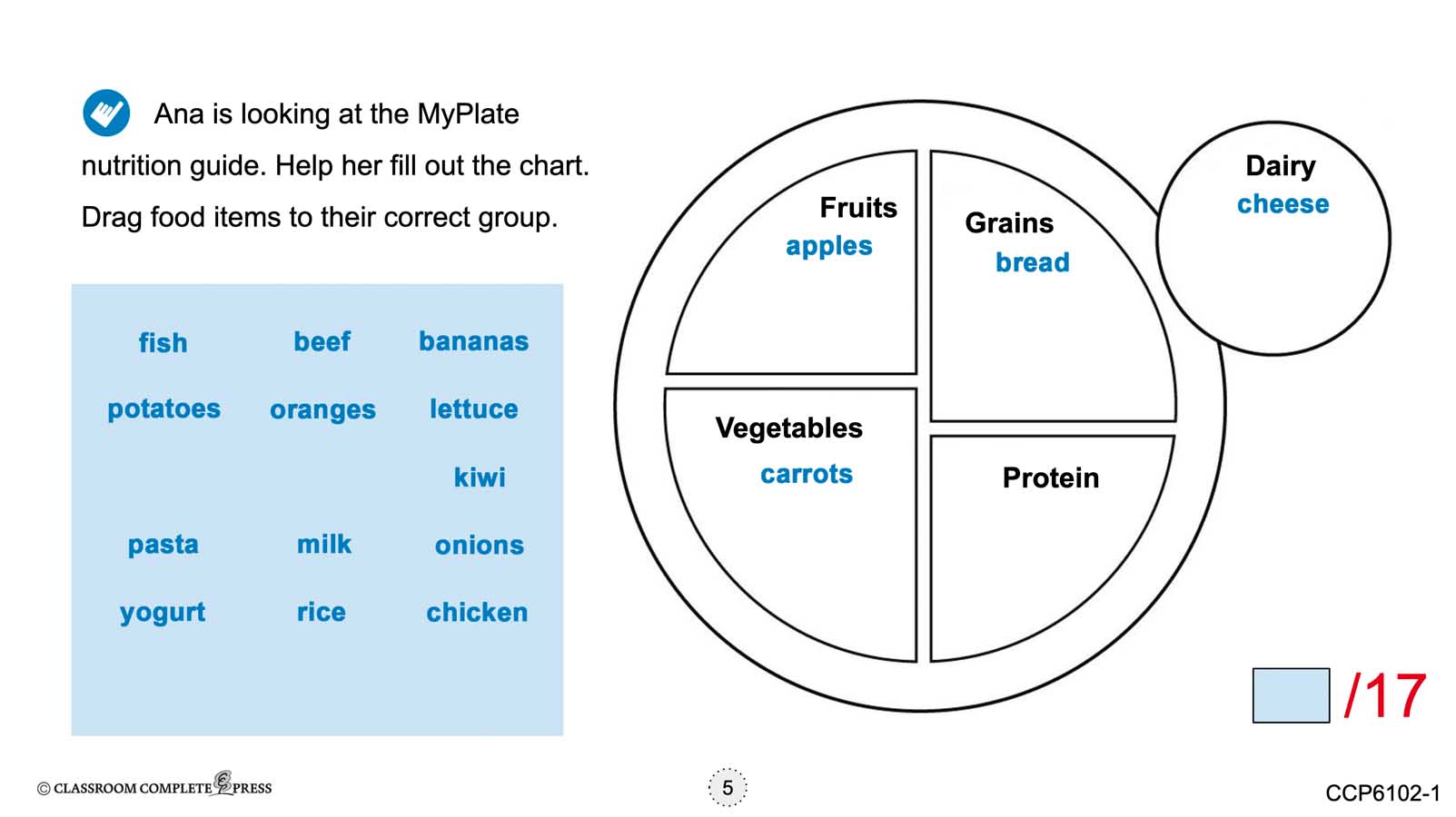
Open the linked Google Slides deck (make own copy), then read, type, and drag answers directly into each slide; answers can also be completed on paper from a displayed slide, assigned via Google Classroom, or emailed as a link for home completion.
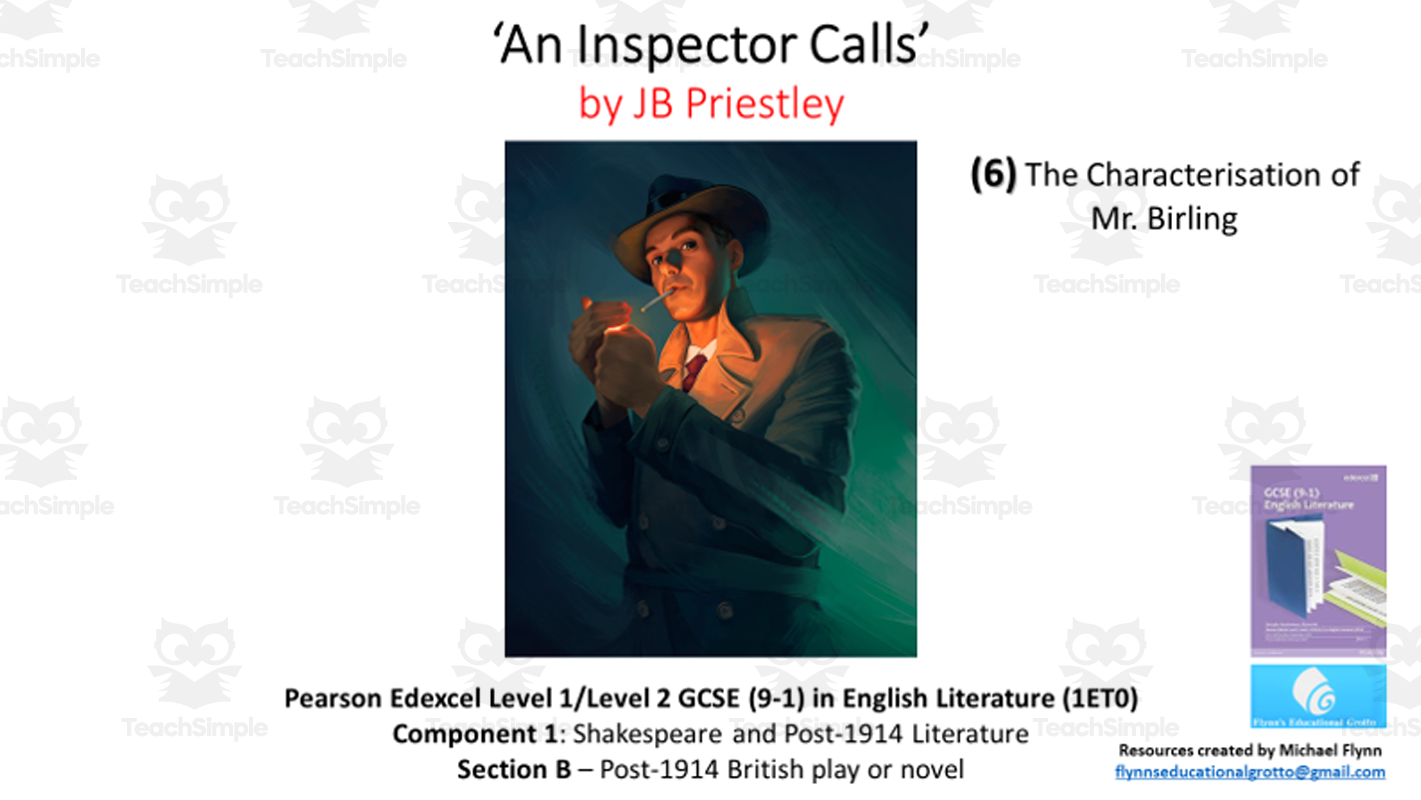
A GCSE English Literature lesson analysing the characterisation of Mr Arthur Birling in J.B. Priestley's An Inspector Calls, focused on direct vs indirect characterisation as a literary device.
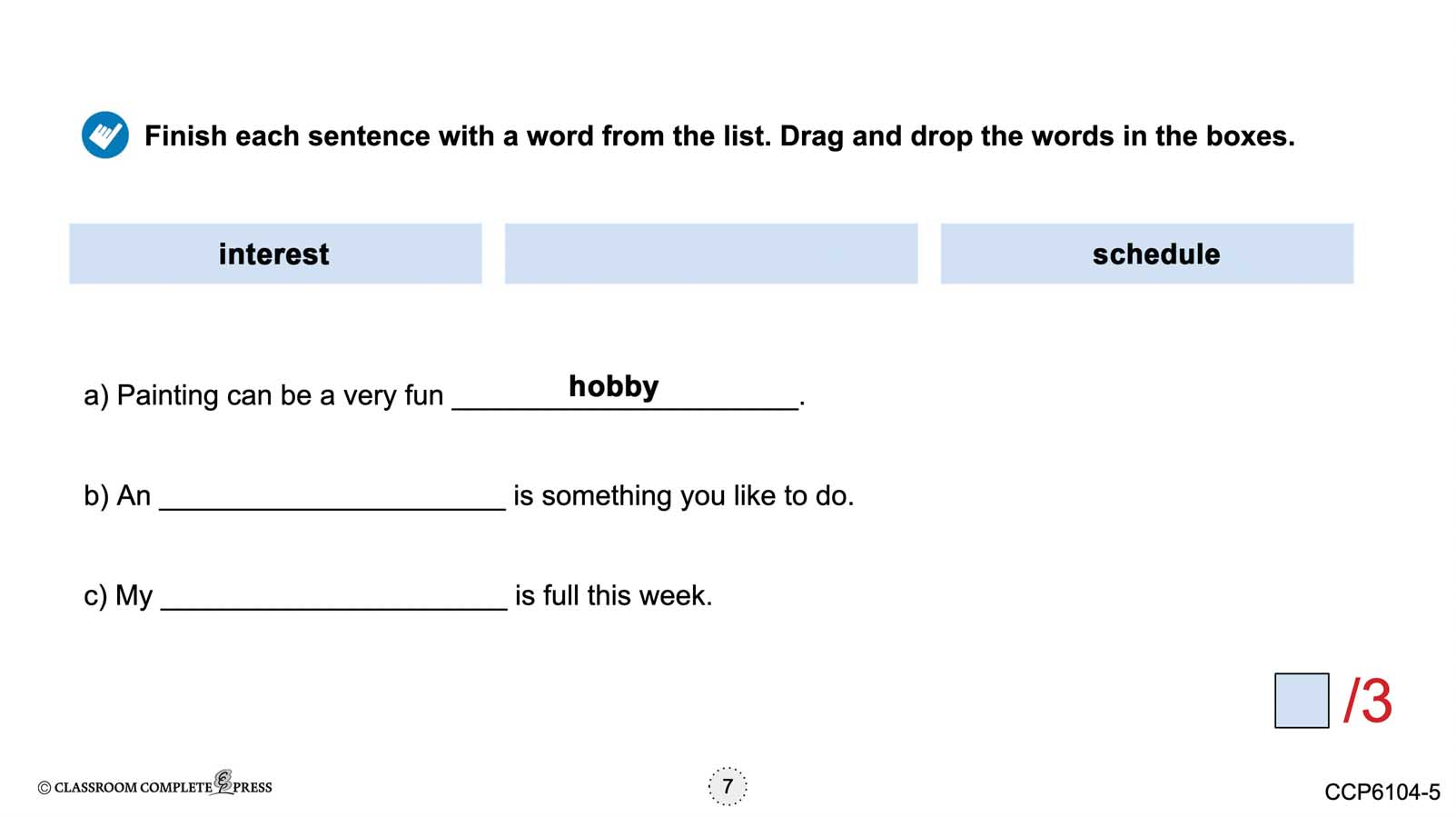
Students open a linked Google Slides deck (not contained in this PDF) and read, type, and drag answers into interactive slides covering time management scenarios and vocabulary; teachers mark responses using the answer key and rubric in this PDF.
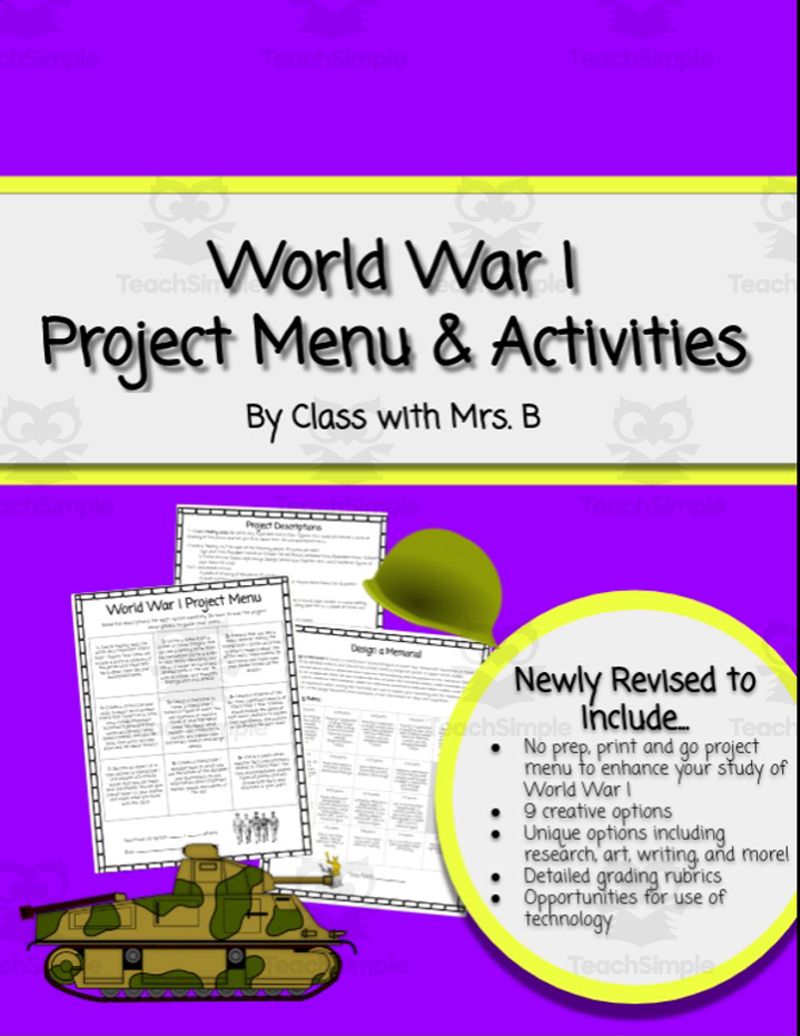
Students select one or more of 9 project options (e.g. create WWI figure trading cards, write a soldier's letter home, write a news article, draw a comic strip, design a memorial, build a timeline of 10 events, teach a 5-minute lesson, make an alphabet book, or write a poem) and complete it per detailed instructions…
A literary-terms vocabulary lesson package teaching 13 terms related to Points of View through a slide presentation, guided notes, a creative-writing application task, and multiple assessment options.
Watch a free public-access video and record basic characteristics of each market structure (warm-up); complete a graphic organizer defining market structure characteristics; read a student reading handout comparing the four market structures across four criteria (number of producers, product similarity, ease of entry, pricing power)…
Discuss an opening question in pairs and share out; in groups of 4-5 (formed via Flippity), read and study the provided Constitution excerpt; individually write a paragraph of at least five sentences responding to the prompt; then share written responses with the class.
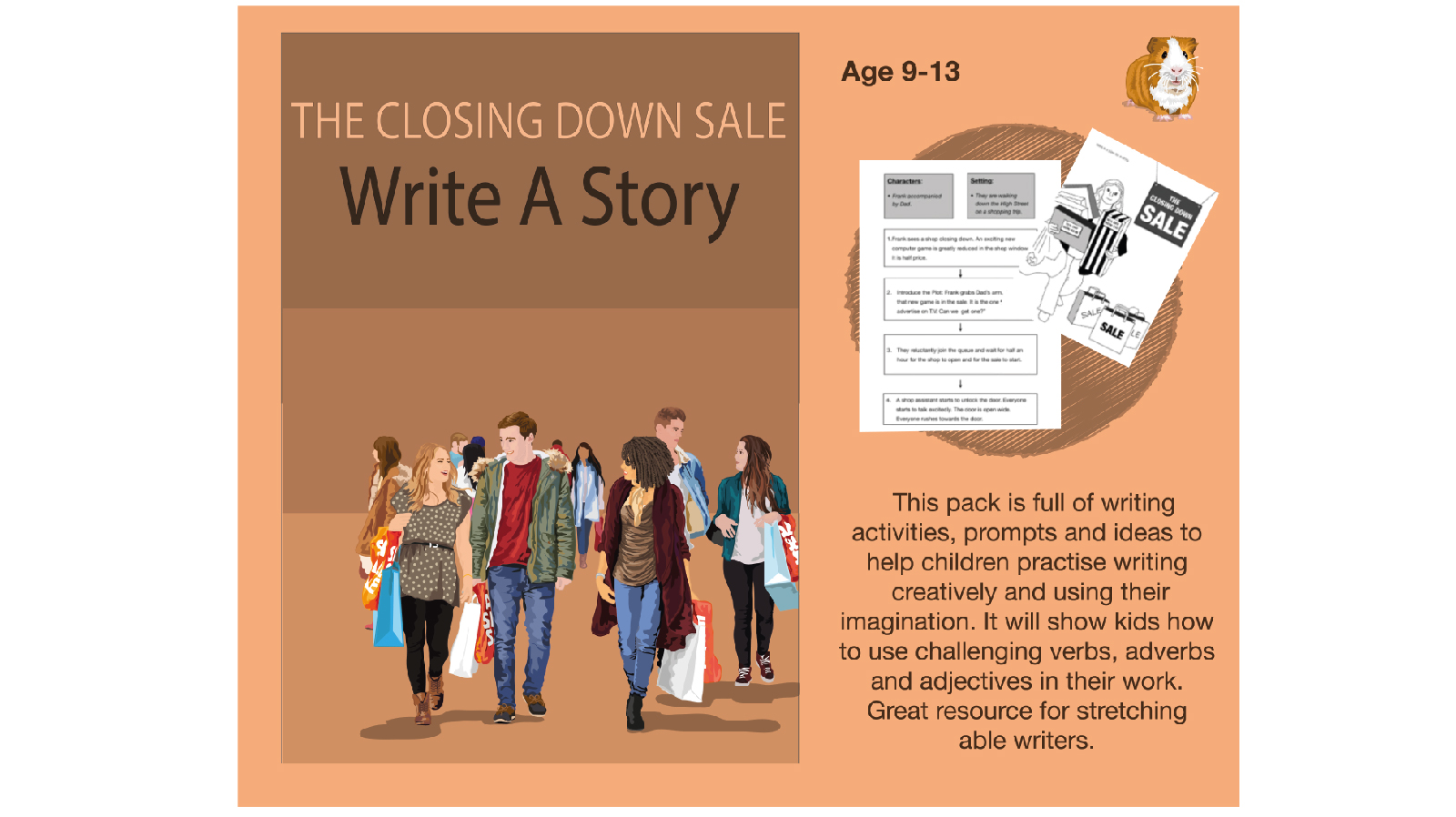
Review tips for writing fiction (openings, characters, setting, plot, suspense, dialogue, sentence variety, first/third person, connectives), then use a provided story plan (characters Frank and Dad, setting a closing-down sale, a numbered plot outline through Frank grabbing the last game box) to write their own…
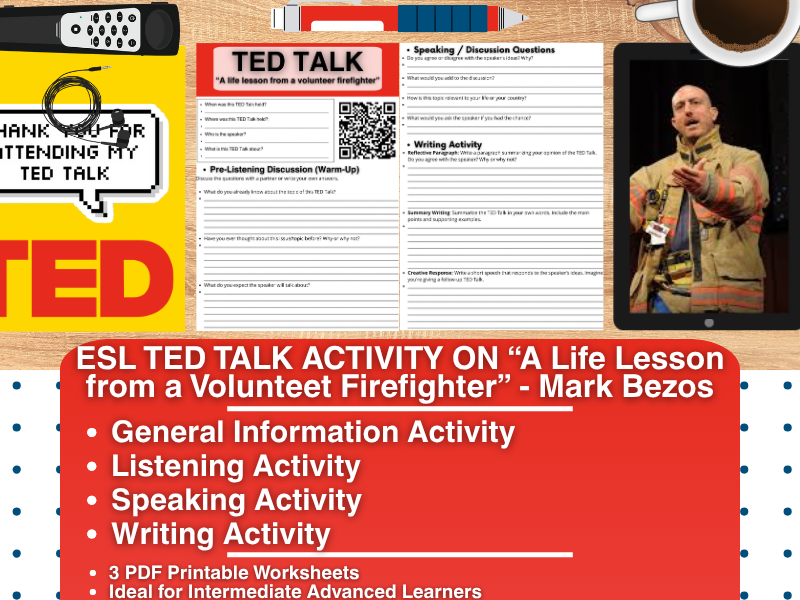
Answer identification questions about the talk (when/where held, speaker, topic), discuss pre-listening warm-up questions with a partner, complete post-listening comprehension/response items, and write a short creative-response speech reacting to the speaker's ideas.
A literary-terms vocabulary lesson package teaching 23 terms related to Narrative Concepts through a slide presentation, guided notes, a creative-writing application task, and multiple assessment options.
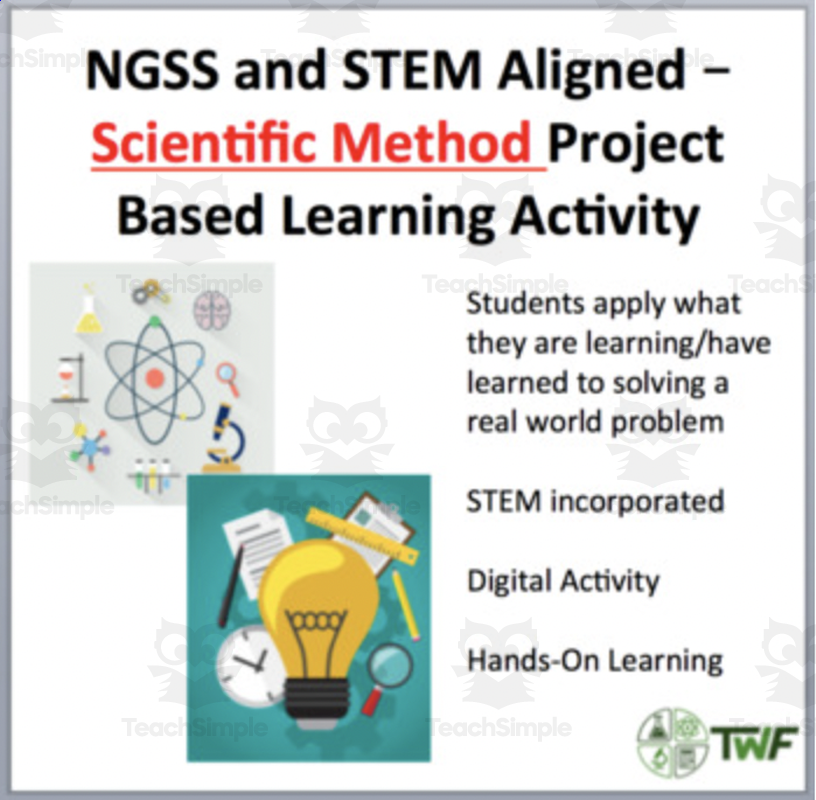
Design an experiment testing whether dominant vs. non-dominant hand affects accuracy dropping a ball onto a target, using provided materials; write a hypothesis, develop numbered procedures, collect data, calculate mean/mode/standard deviation, and write a claim-evidence-reasoning lab report.
25-slide slideshow lesson teaching middle/high school students how to write descriptive story settings using sensory imagery to establish mood.
Open the linked Google Slides deck (make own copy), then read, type, and drag answers directly into each slide; answers can also be completed on paper from a displayed slide, assigned via Google Classroom, or emailed as a link for home completion.
Directs teachers to a Google Form that generates a personalized lesson plan for integrating Scratch into their own content area/curriculum.
A large, print-and-go teacher's unit of numbered daily lesson plans for a novel study of Paul Zindel's The Pigman, each following a Topic/Aim/Do Now/Class Activity/Small Group Activity/Homework structure, paired with matching student handouts.
For each lesson, students complete a warm-up ("Do Now"), participate in class/group discussion and read-alouds of assigned page ranges, answer worksheet questions on characters/setting/plot/conflict/point of view or chapter-specific comprehension prompts, study 5 vocabulary words per lesson (defining them, copying the book's example…
Open the linked Google Slides deck (make own copy), then read, type, and drag answers directly into each slide; answers can also be completed on paper from a displayed slide, assigned via Google Classroom, or emailed as a link for home completion.
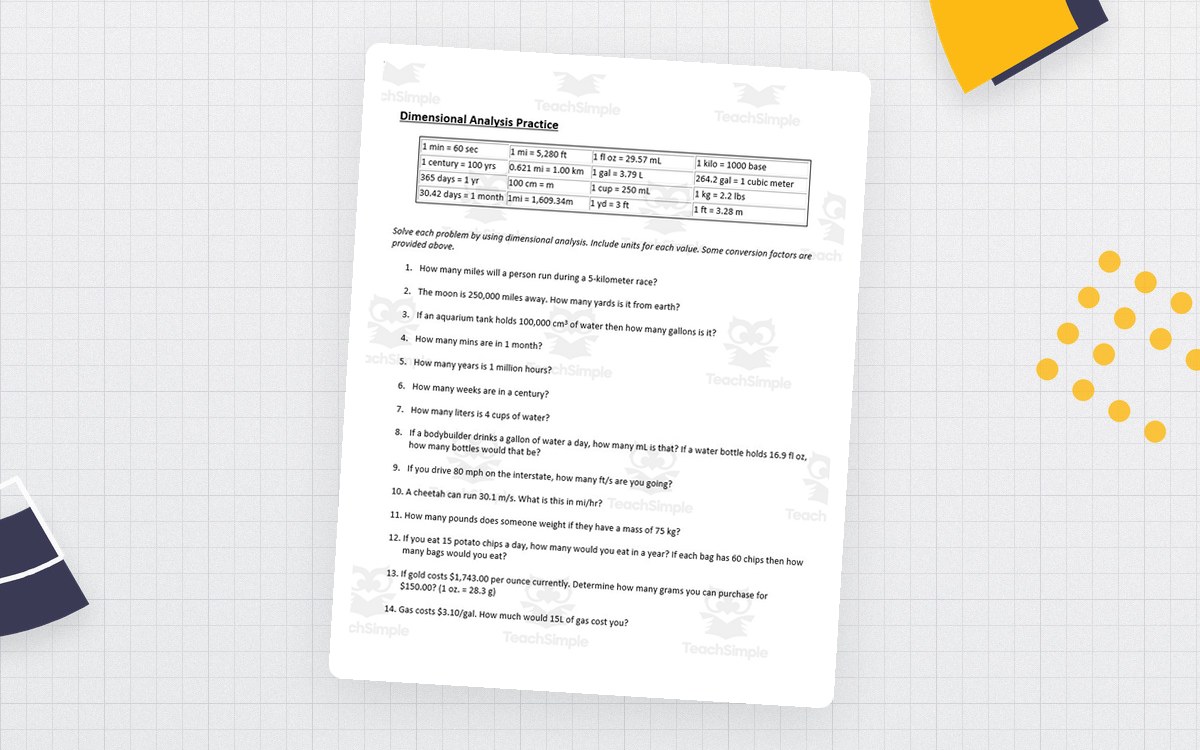
A 20-problem practice set for solving real-world unit conversions (mass, time, volume, speed) using dimensional analysis, with a fully worked answer key.
Open the linked Google Slides deck (make own copy), then read, type, and drag answers directly into each slide; answers can also be completed on paper from a displayed slide, assigned via Google Classroom, or emailed as a link for home completion.
Students open a linked Google Slides deck (not contained in this PDF) and read, type, and drag answers into interactive slides covering job interview basics scenarios and vocabulary; teachers mark responses using the answer key and rubric in this PDF.
Preview the lesson, watch an embedded/linked video, read a reading passage with audio support, annotate text, complete vocabulary and comprehension activities ('Play on Words', 'What's Missing'), write a quick response, and complete an exit ticket.
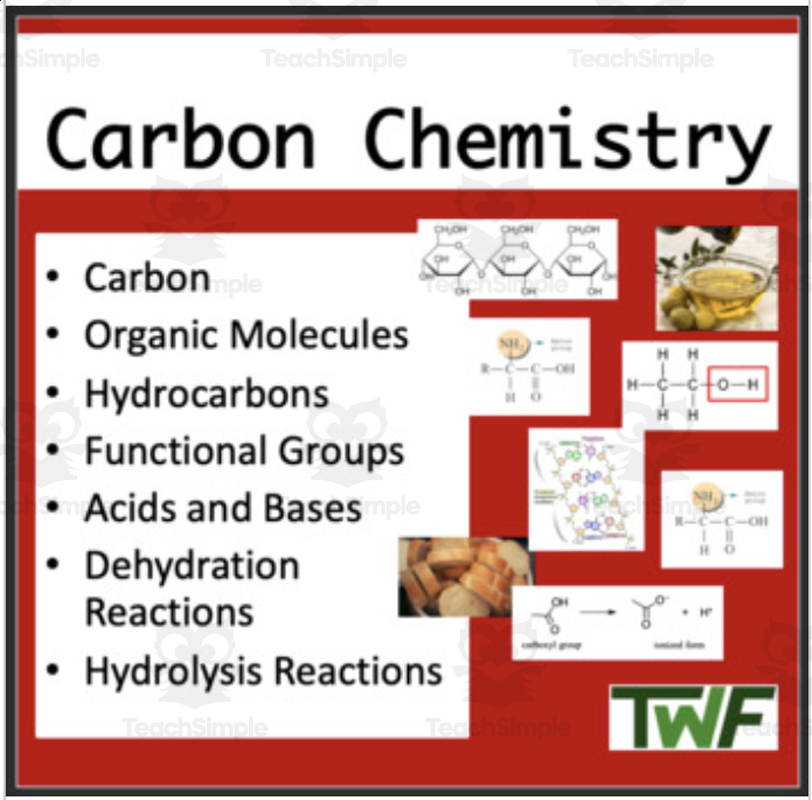
Follow along with a fill-in-the-blank slide presentation and record notes on a condensed student lesson outline handout covering carbon bonding, hydrocarbons, functional groups, acids/bases, and dehydration/hydrolysis reactions.
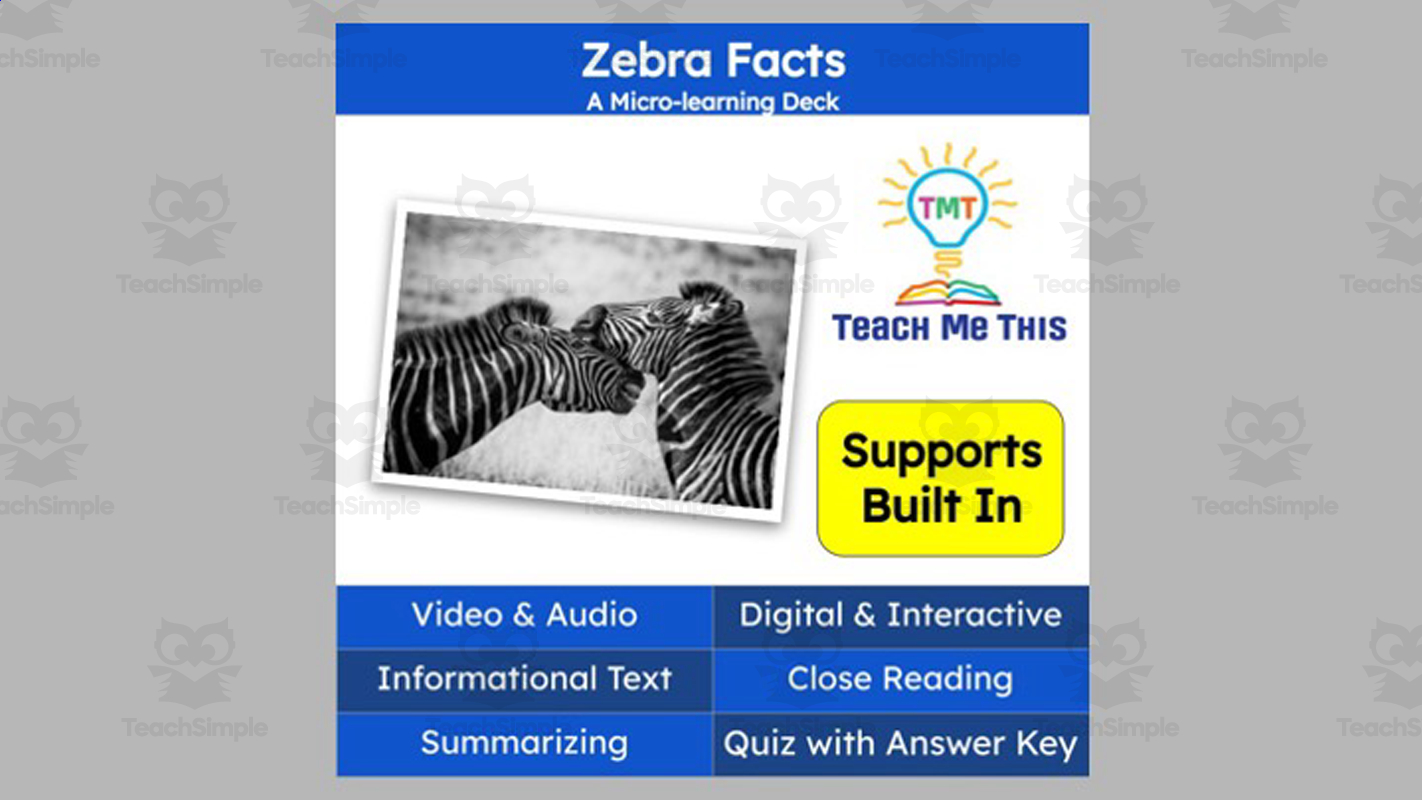
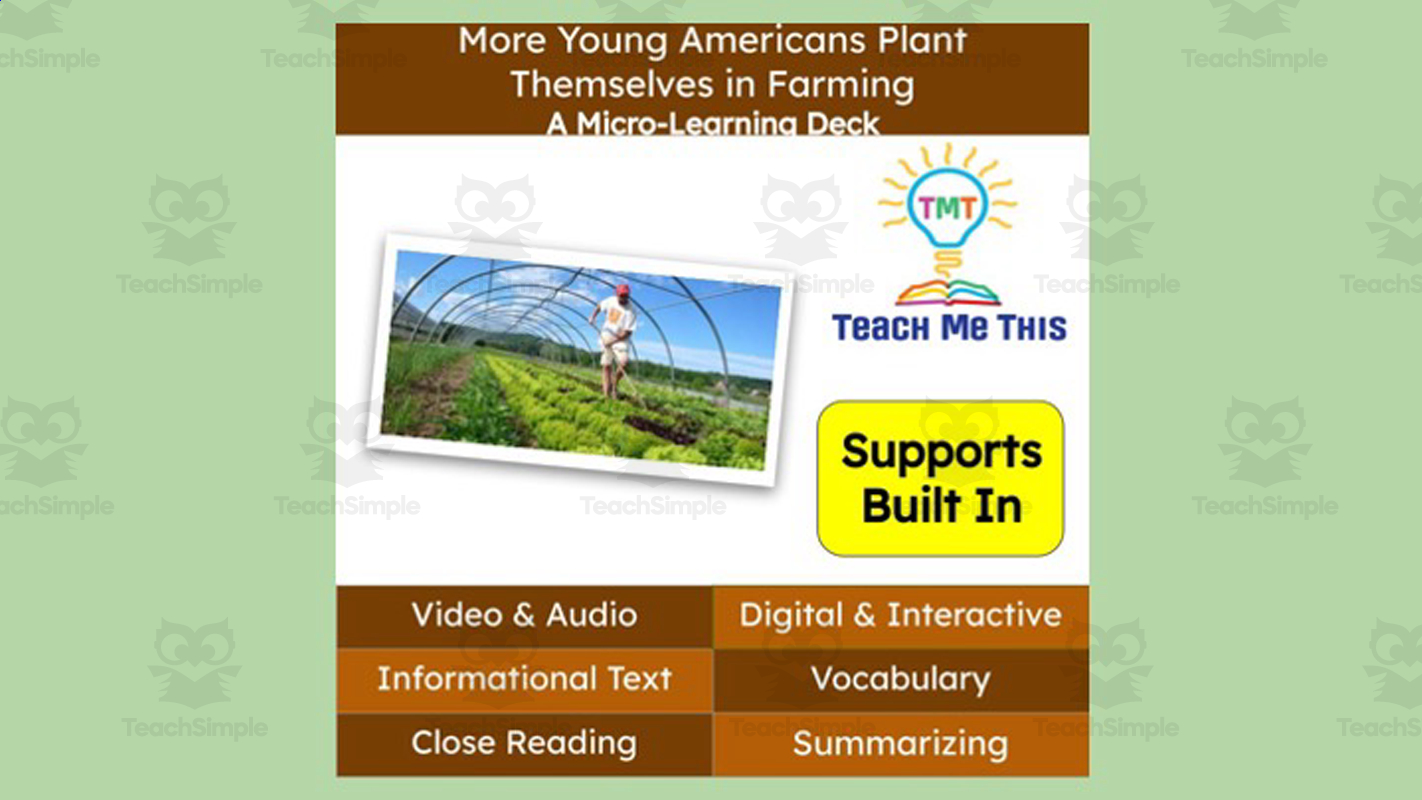
Deliver a micro-learning slide deck lesson about young Americans entering farming/agriculture, combining a video lesson, an audio-supported reading passage, close reading, vocabulary, and a quick-write informal assessment