Art, movement & wellbeing
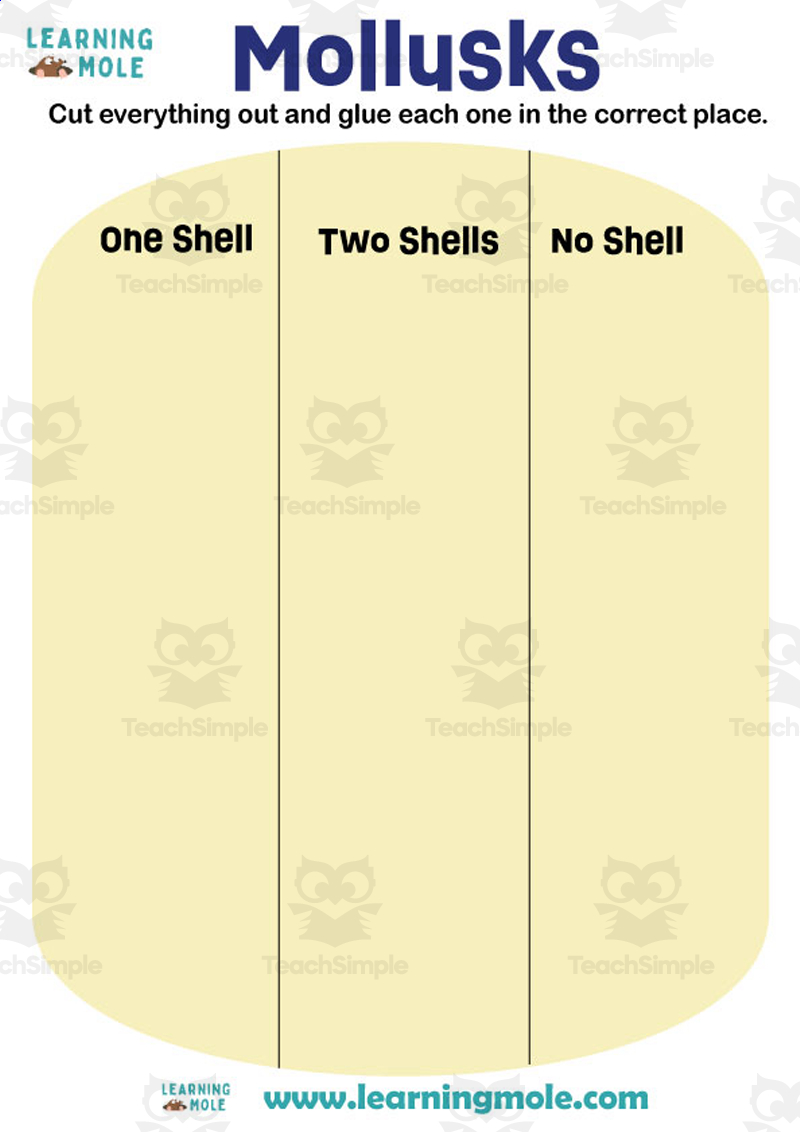
Mollusks Activity
Cut out mollusk pictures/labels and glue each one under the correct heading: One Shell, Two Shells, or No Shell.




Classroom resources
Browse by lesson focus
Choose the topic or kind of practice you need.
Showing 1609–1632 of 2757 resources

 Show filters
 Cut out mollusk pictures/labels and glue each one under the correct heading: One Shell, Two Shells, or No Shell.
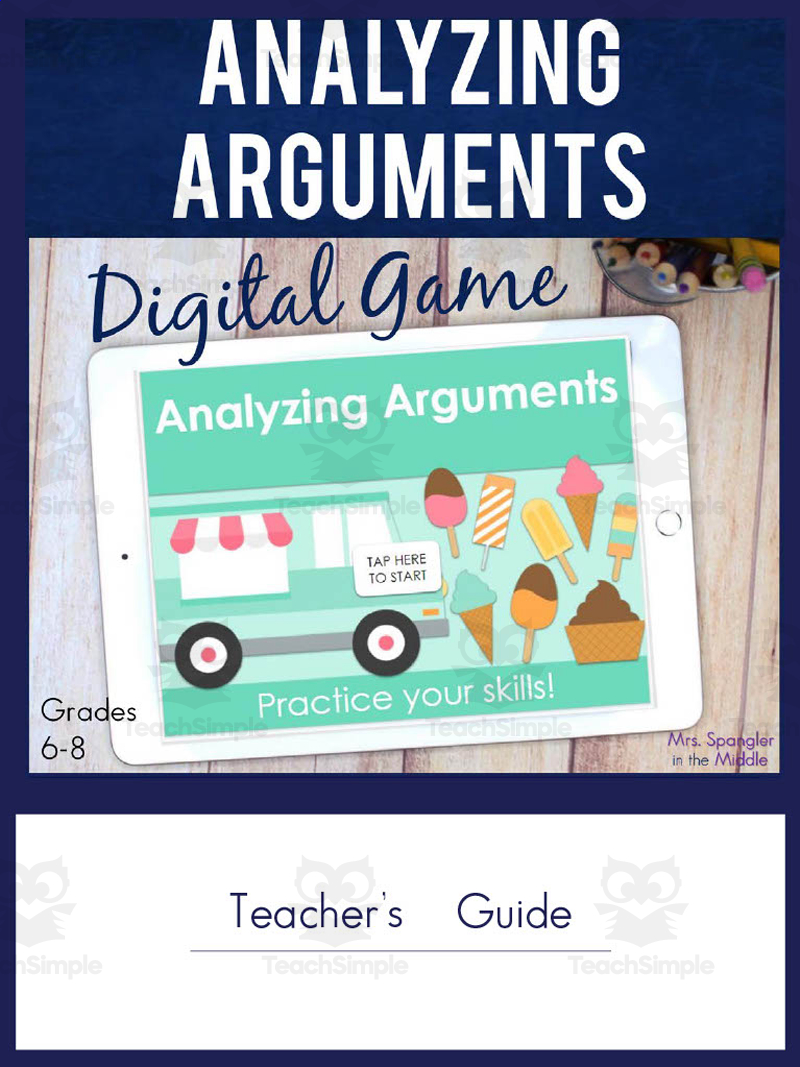
Review 4 steps for citing evidence, apply those steps to an embedded text within the digital game to answer self-checking questions, and build a paragraph using knowledge of text structure to analyze arguments.
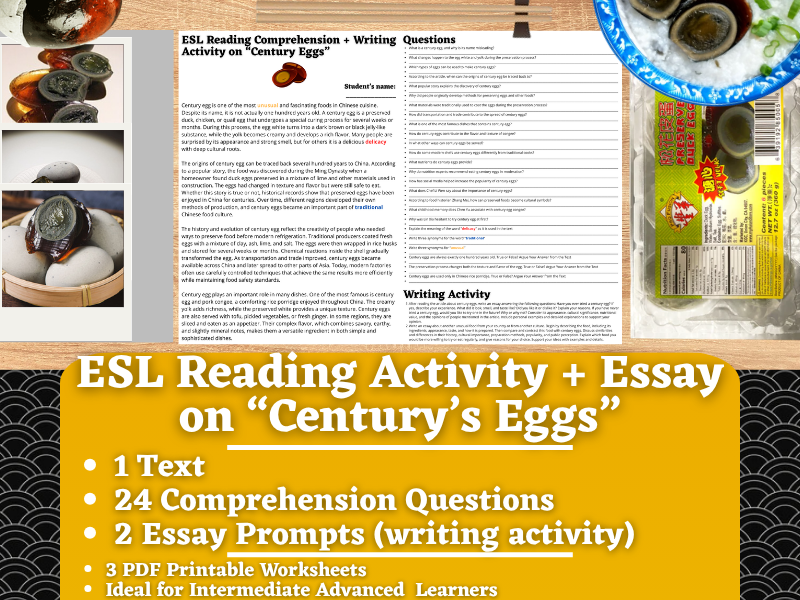
Students read a multi-paragraph nonfiction-style passage, answer short-answer and true/false comprehension questions that require justifying the answer from the text, complete word-meaning or synonym tasks, and write one to three personal-opinion or comparison essays responding to prompts about the topic.

A Jeopardy-style review game (PowerPoint and Google Slides versions) plus printable task cards covering setting, characters, plot, and theme of the novel The Giver, playable in whole group, small group, or distance-learning settings.
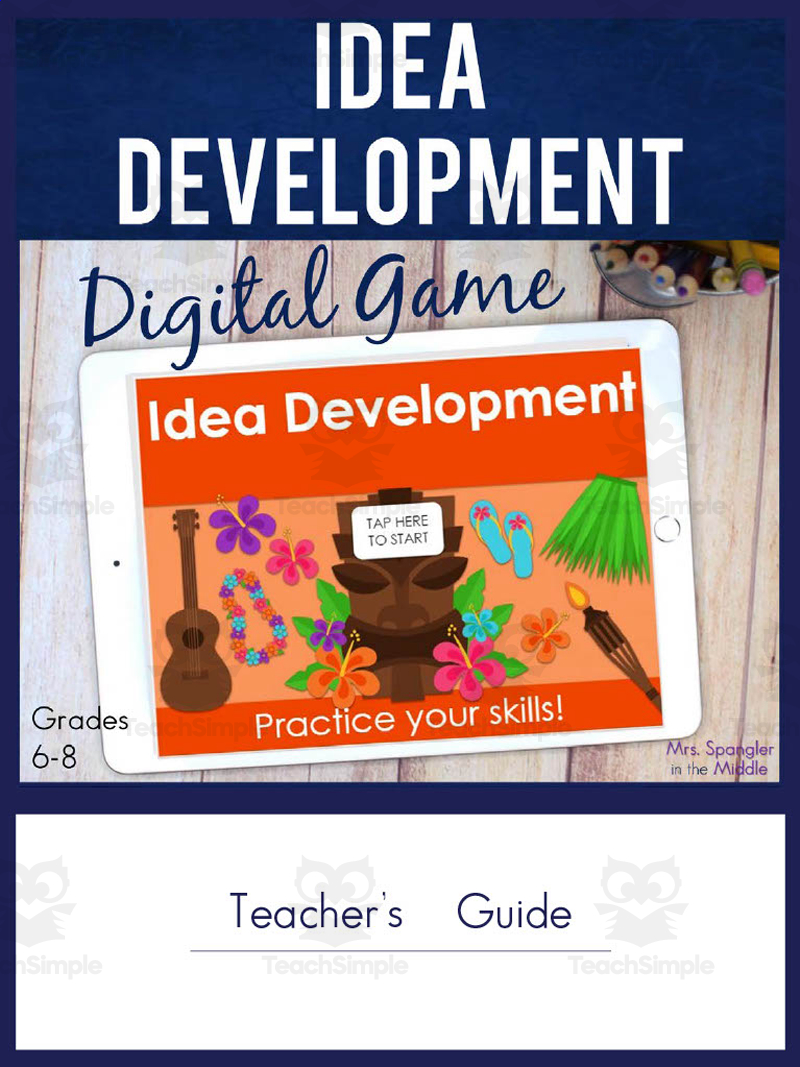
Open the linked Google Slides game, work through embedded text and self-checking questions using the 4 steps of citing evidence, and use that knowledge to build a paragraph on character development.
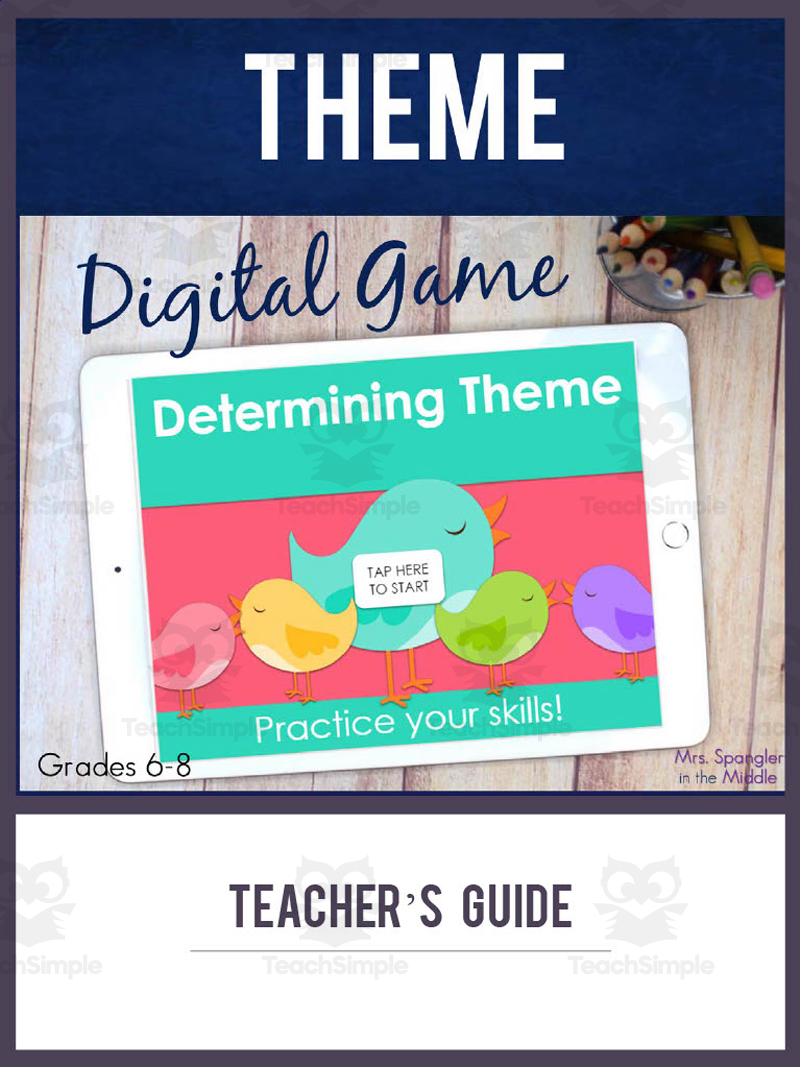
Open a shared Google Slides link, review 4 steps for finding central idea and supporting details, apply those steps to an embedded text to answer questions across 4 self-checking game parts, and build a paragraph using the theme identified.
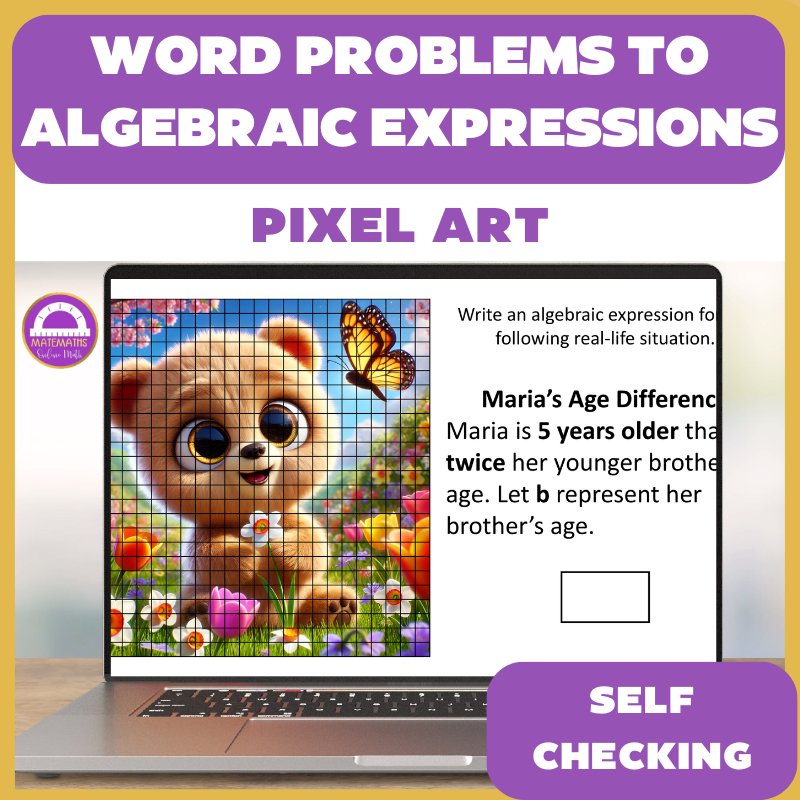
Solve 20 real-world word problems by writing the corresponding algebraic expression for each (e.g., 'Maria is 5 years older than twice her younger brother's age. Let b represent her brother's age.'); correct answers reveal pieces of a hidden pixel-art image, giving instant feedback.
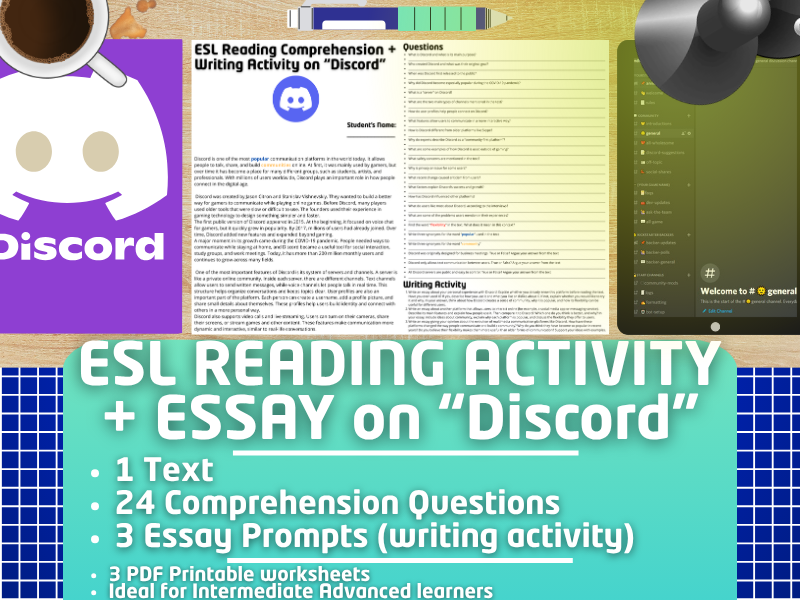
Students read a multi-paragraph nonfiction-style passage, answer short-answer and true/false comprehension questions that require justifying the answer from the text, complete word-meaning or synonym tasks, and write one to three personal-opinion or comparison essays responding to prompts about the topic.

Play a 5-part self-checking digital game: review citing-evidence steps, use an embedded text to answer questions, and build a paragraph using citation skills.

A notes-and-practice resource teaching 8th grade students to apply the Pythagorean Theorem to find the distance between two points on a coordinate grid, per CCSS.MATH.CONTENT.8.G.B.8.

Open a shared Google Slides link, review 4 steps for citing evidence, apply those steps to an embedded text to answer questions, and build a paragraph; the game is described as self-checking.
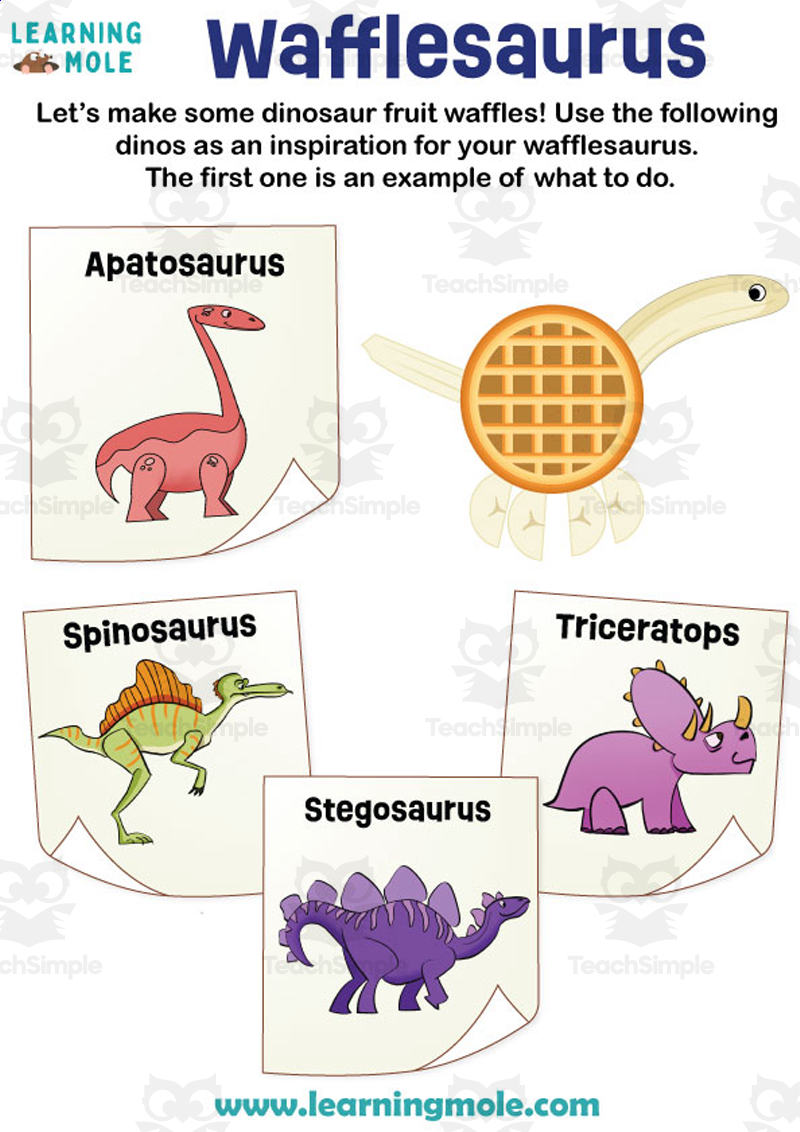
Look at an example, then draw/design their own dinosaur-shaped fruit waffle inspired by the named dinosaurs.

An ESL/EFL reading-comprehension and writing worksheet built around a nonfiction passage on dog domestication and the human-dog bond (companionship, work roles, training), including quoted commentary from people who study, train, or love dogs.
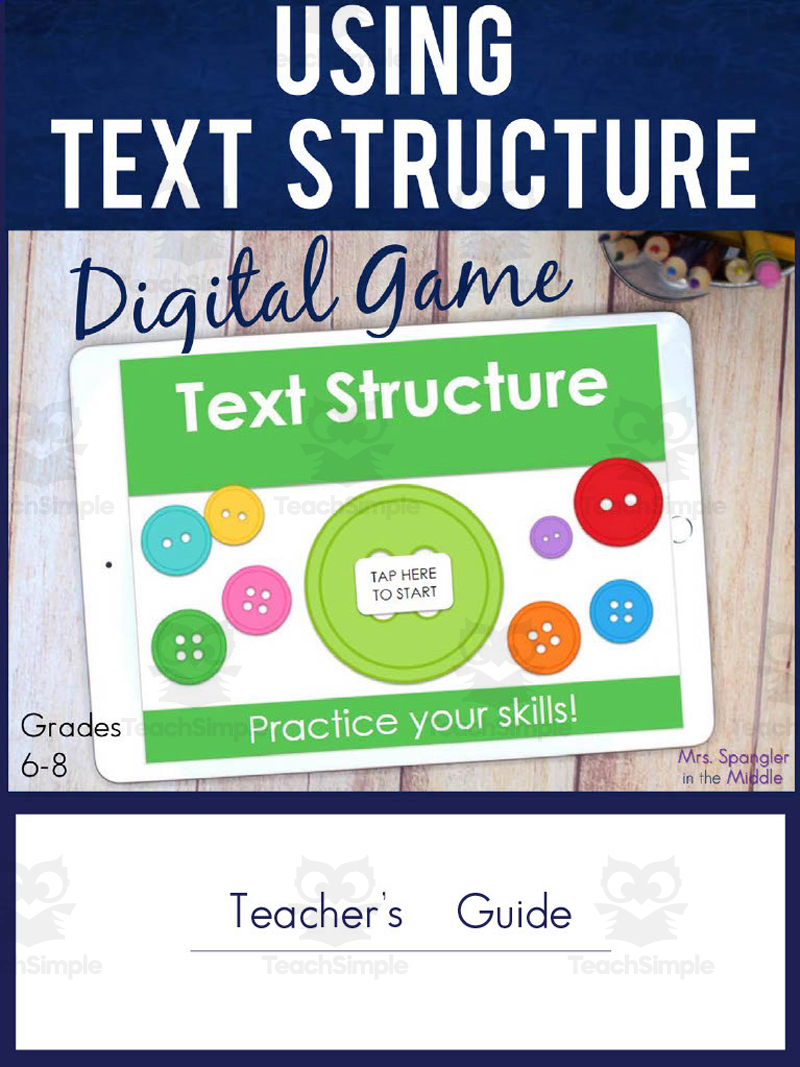
Open a shared Google Slides link, review 4 steps for citing evidence, apply them to an embedded text to answer questions, and build a paragraph using knowledge of text structure to analyze the text.

A Jeopardy-style digital review game (Google Slides/PowerPoint) for reviewing essay-writing skills and vocabulary, usable in whole group, small group, in-person, or distance learning.

Provide multiple game-based review formats (task cards, Jeopardy-style PowerPoint, Google Slides version) to build reading comprehension and higher-order-thinking vocabulary around the novel Hatchet by Gary Paulsen.
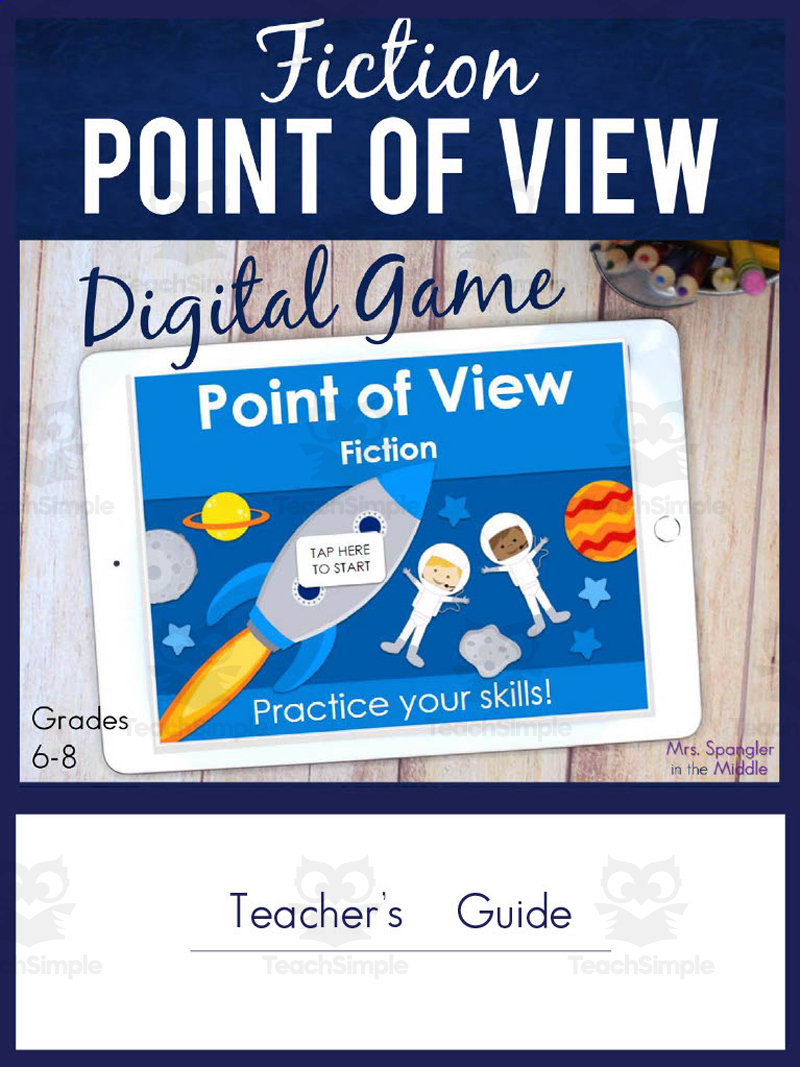
Students access an external Google Slides link, review 4 steps for citing evidence, use those steps with an embedded text to answer self-checking questions about point of view, and use their analysis of text structure to build a paragraph.
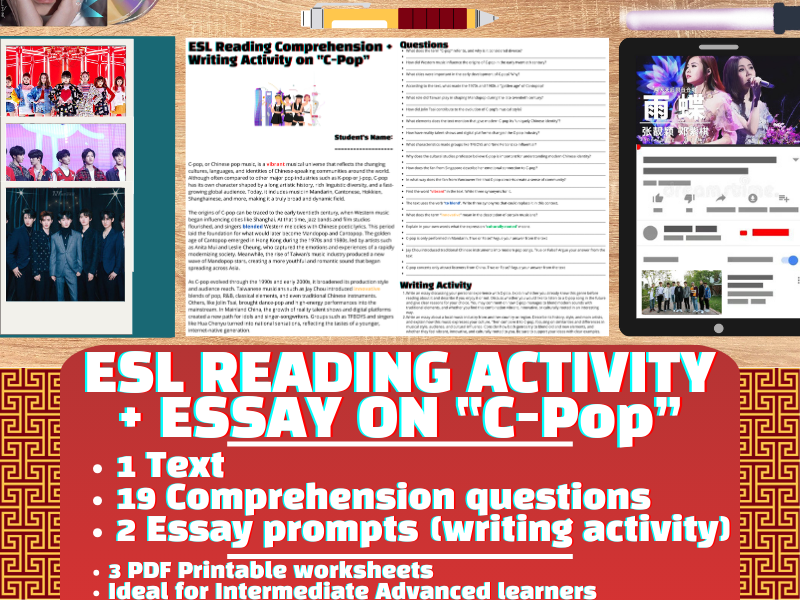
Students read a multi-paragraph nonfiction-style passage, answer short-answer and true/false comprehension questions that require justifying the answer from the text, complete word-meaning or synonym tasks, and write one to three personal-opinion or comparison essays responding to prompts about the topic.

In small groups, follow each activity's Challenge/Supplies/Requirements/Testing-and-Scoring/Teacher-Notes structure to design and build a vehicle within a class period, test it against scoring criteria, then reflect using the provided Group Processing Questions.
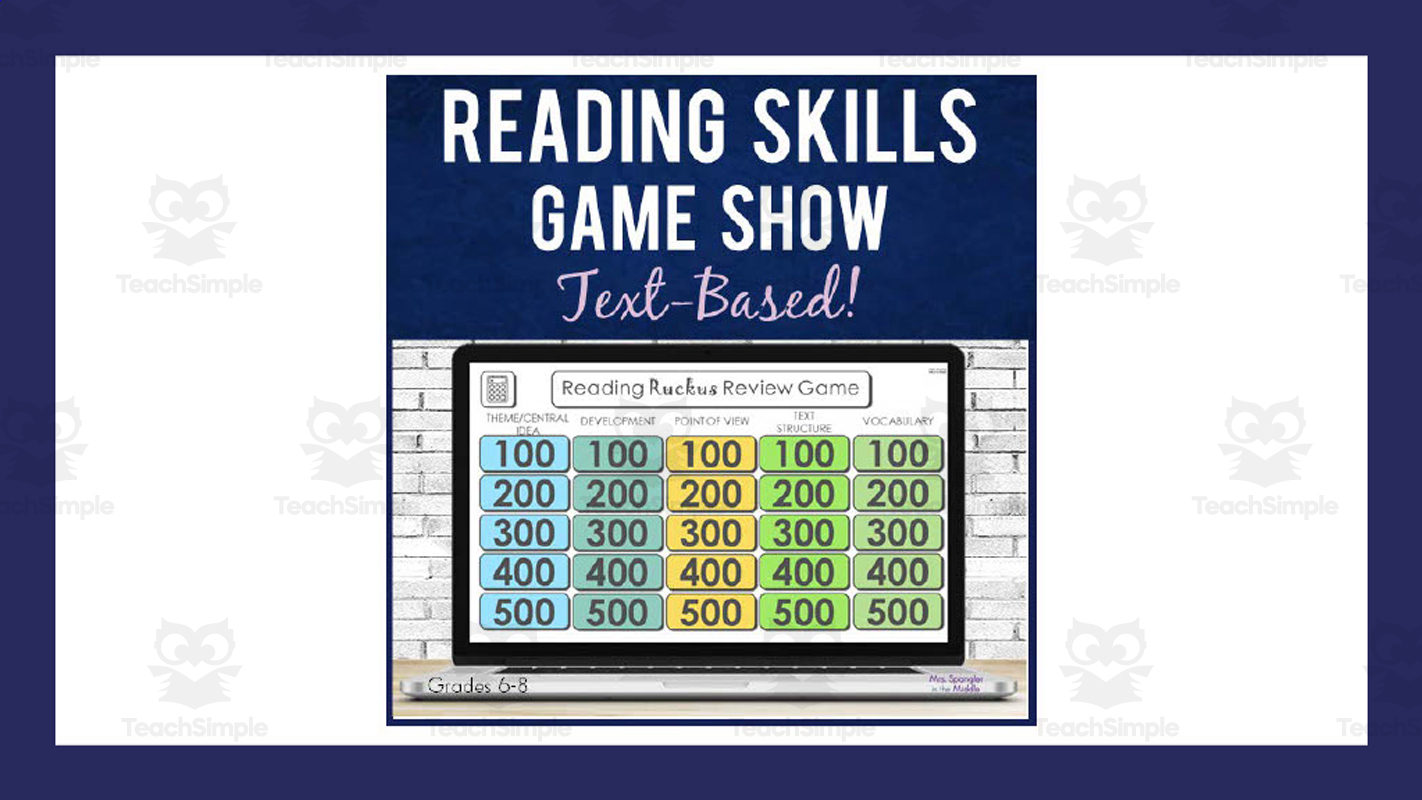
A Jeopardy-style review game (digital PowerPoint/Google Slides board plus a companion nonfiction reading passage) for reviewing reading skills: theme/central idea, development, point of view, text structure, and vocabulary.
In pairs or small teams, students secretly place six markers ('bases') on six different state capitals on their own map, then take turns naming an capital city and asking whether the opposing team has a base there, recording hits (√) and misses (x) on a score sheet across up to five rounds plus a tournament bracket…

Students access an external Google Slides link, review 4 steps for citing evidence, use those steps with an embedded nonfiction text to answer self-checking questions about point of view, and use their analysis of text structure to build a paragraph.
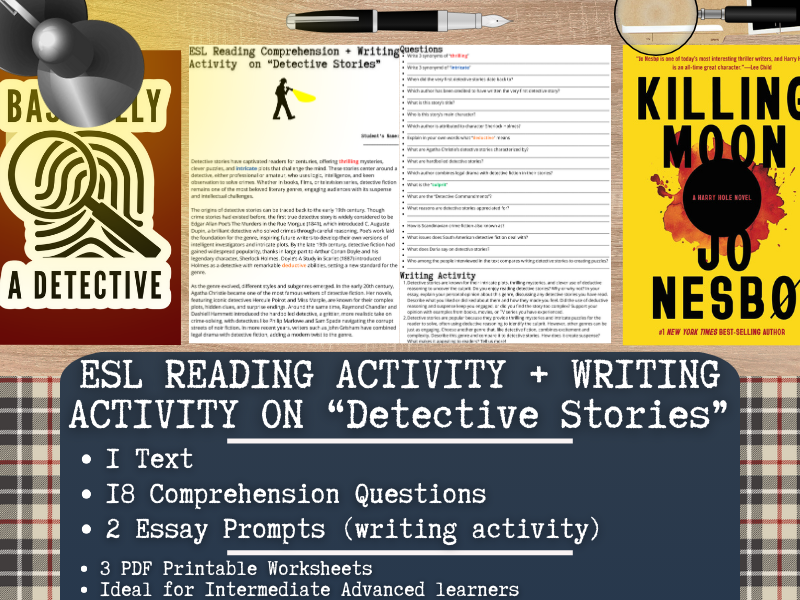
Read a nonfiction passage, answer fill-in-the-blank comprehension questions and true/false questions with textual justification, define/give synonyms for vocabulary words, then write one or more full essays (opinion, comparison, or creative) responding to prompts tied to the passage.
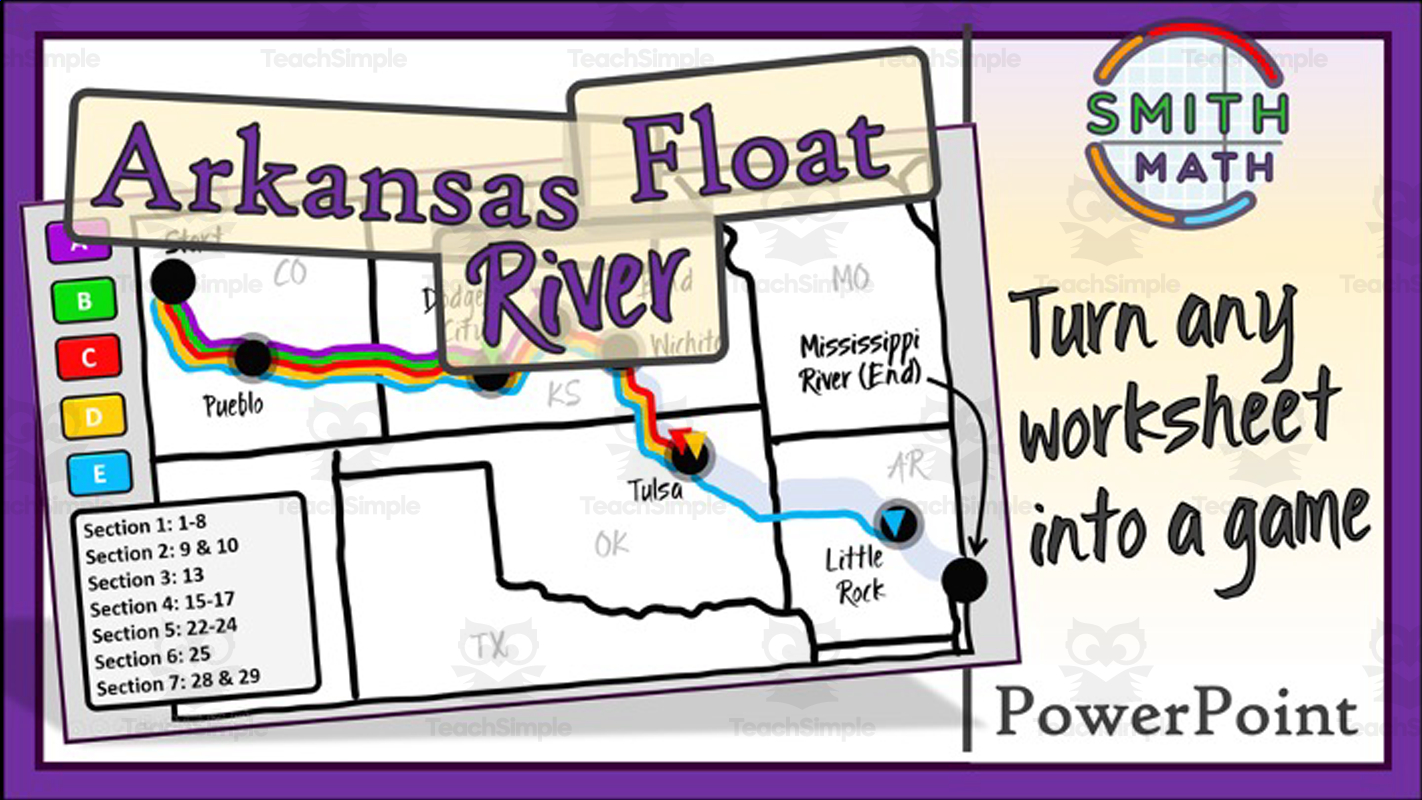
Run a team-based math-review game ('float the Arkansas River') where teams work through numbered problem sections to advance along a river-route map.