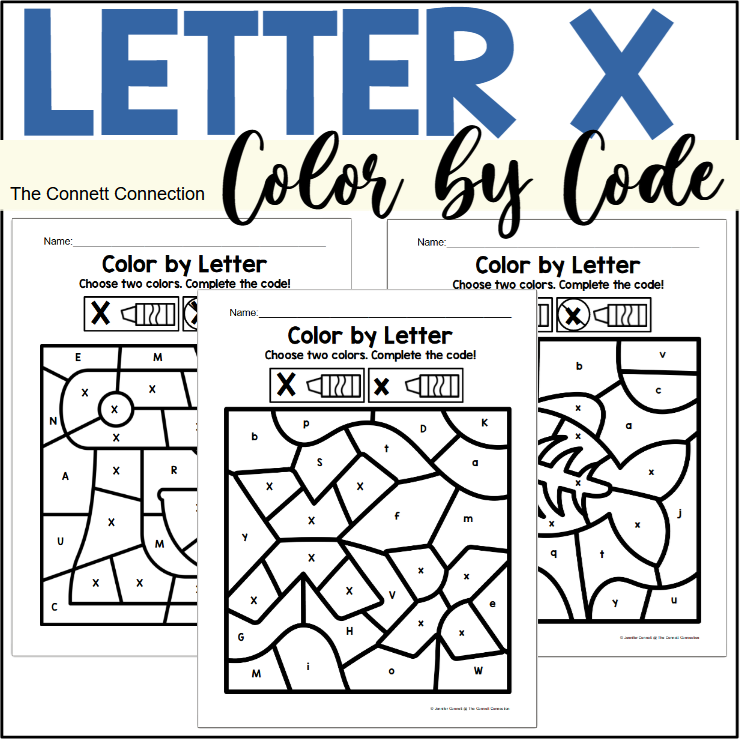
Letter X Alphabet Color by Code
Color-by-code worksheets that combine letter X recognition practice with a coloring activity.


12,840 resources
Explore sub-categories
14 sub-categories · 12,840 resources
Color-by-code worksheets that combine letter X recognition practice with a coloring activity.
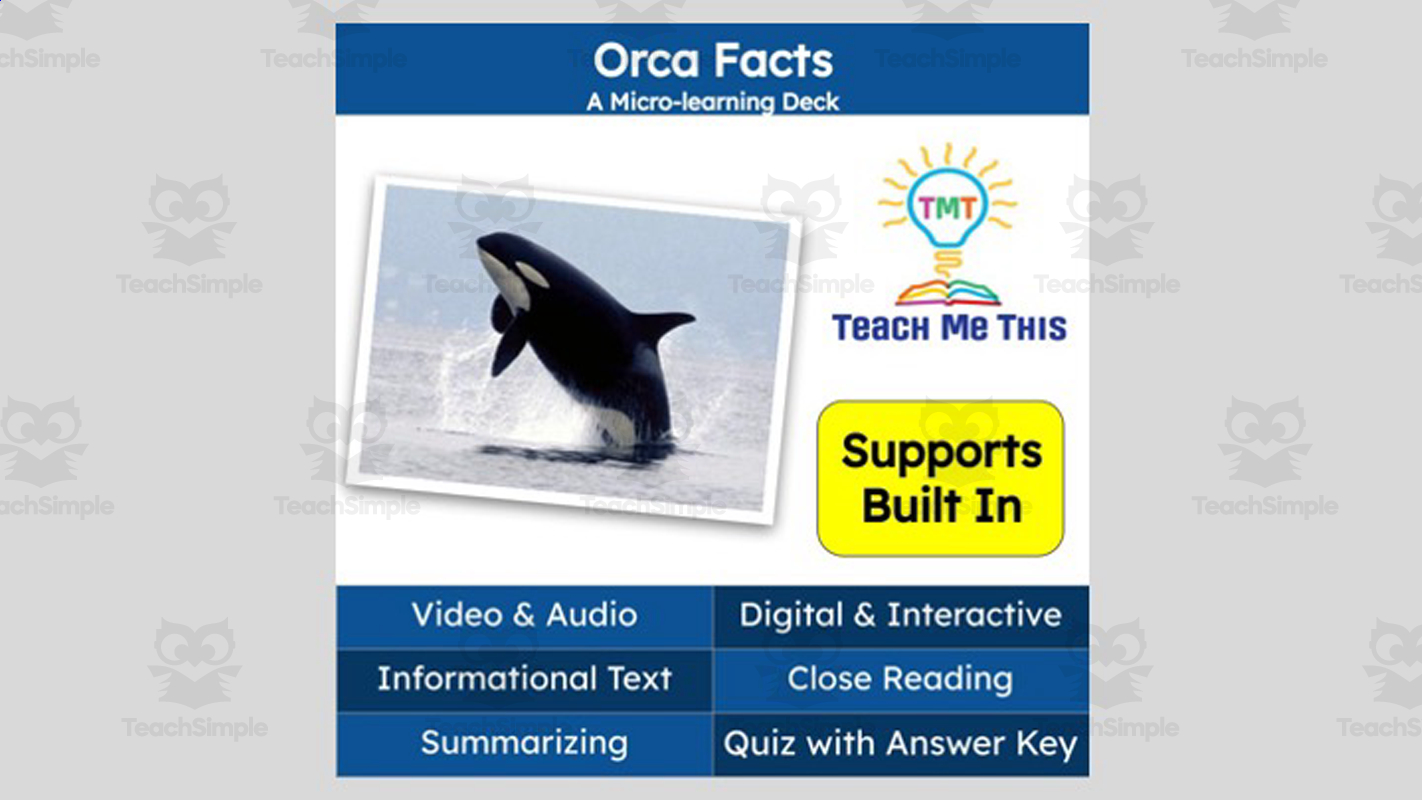
A micro-learning digital slide deck teaching informational facts about orcas (killer whales) through a structured close-reading and vocabulary sequence.
 Free download
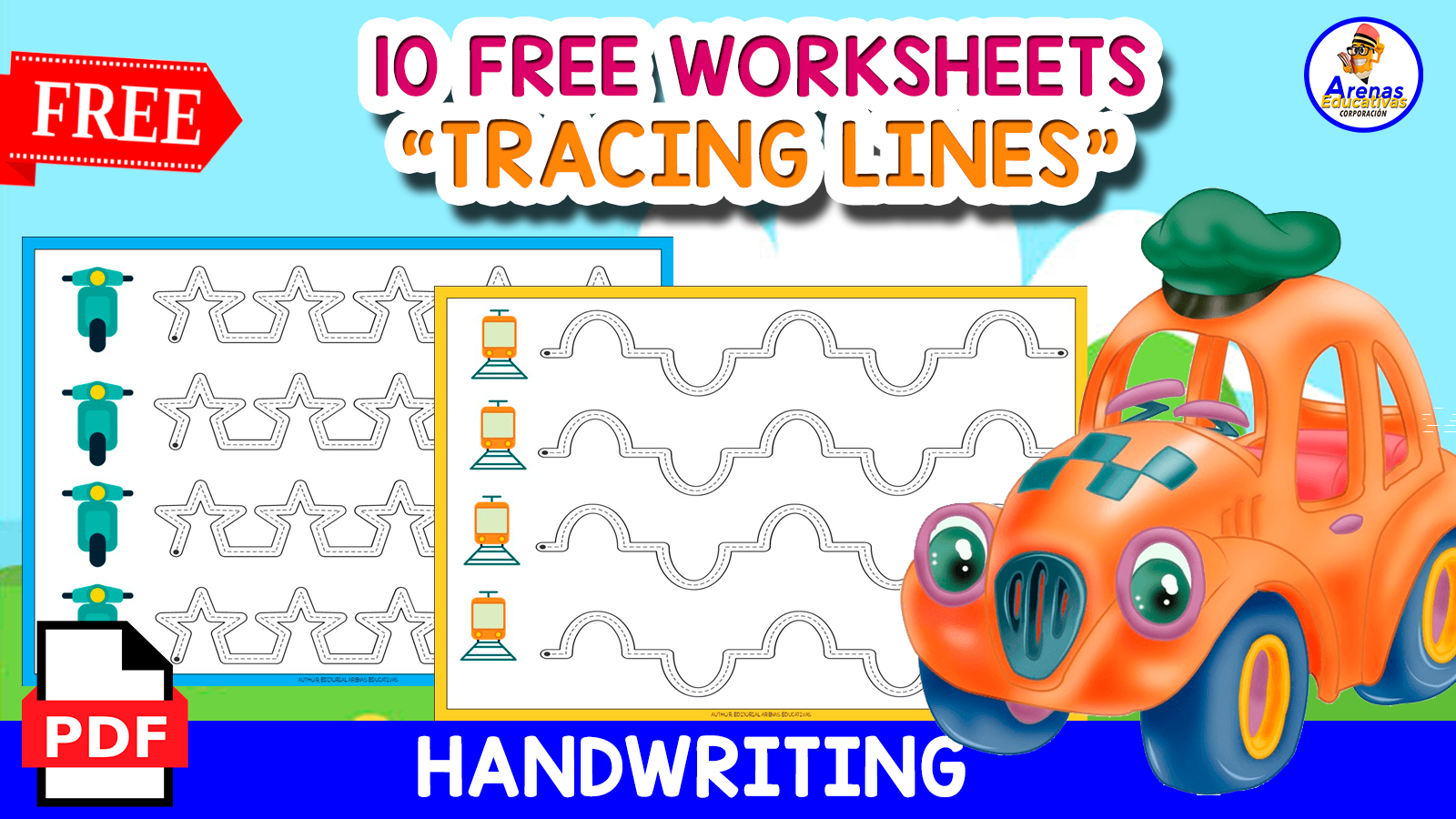
Fine motor / pre-writing practice: tracing printed lines on repeated worksheet pages.
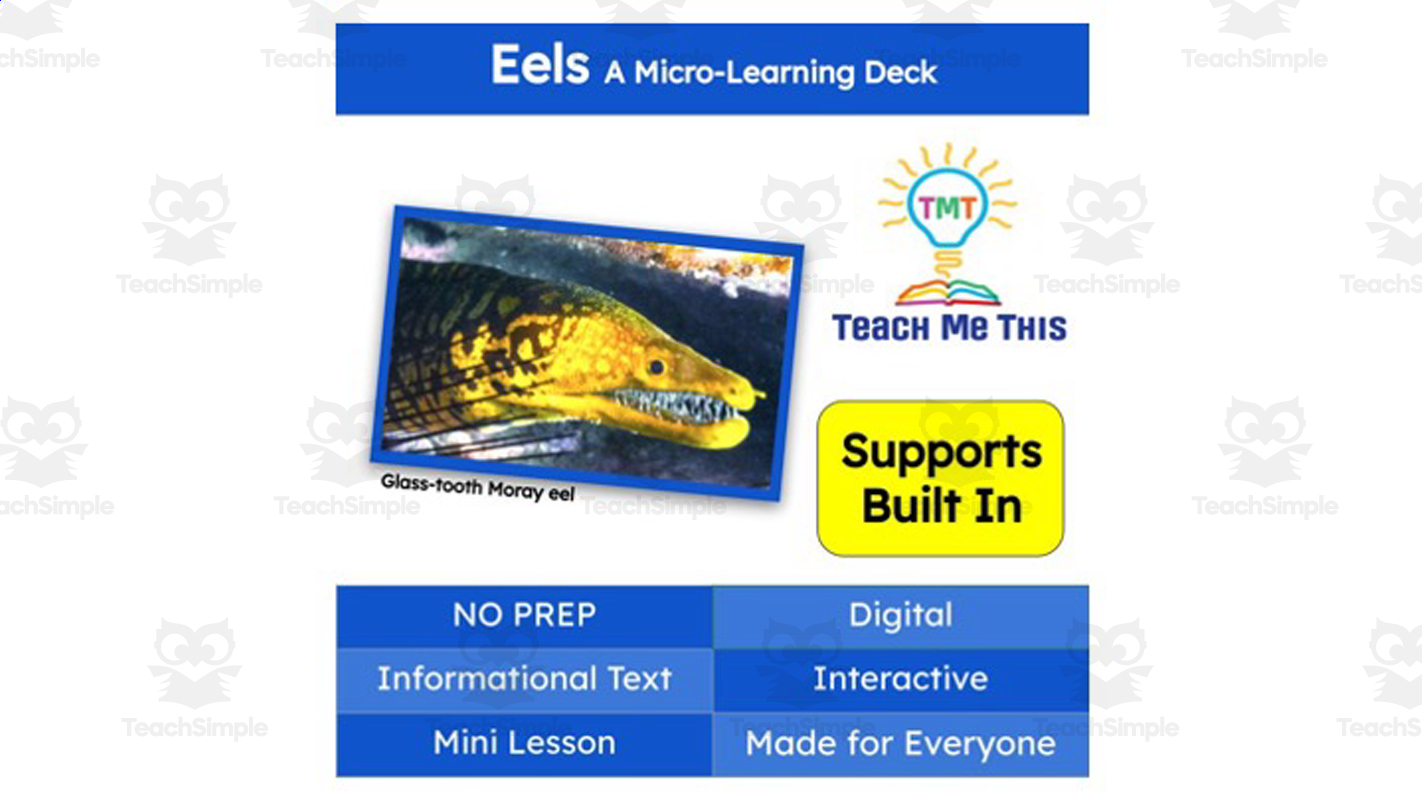
An interactive digital slide deck teaching facts about (moray) eels, combining video, an informational reading passage, vocabulary, and short-response activities.
 Free download
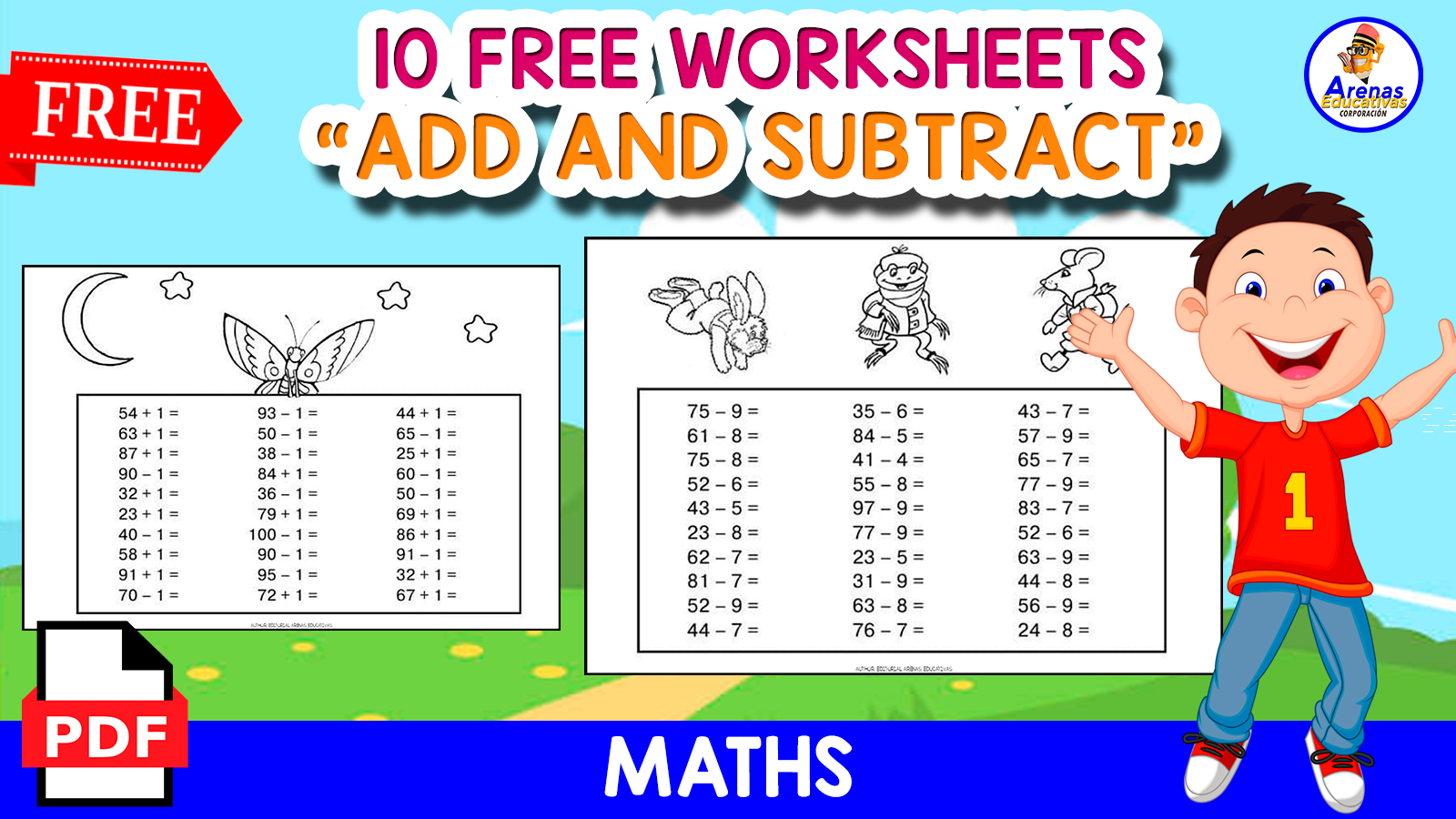
10 FREE WORKSHEETS | ADD AND SUBTRACT Hello! I thank you infinitely for your interest in my educational store!

Teach the water (hydrologic), carbon, nitrogen, and phosphorus biogeochemical cycles in ecosystems through a guided-notes slide presentation with linked videos.
 Free download
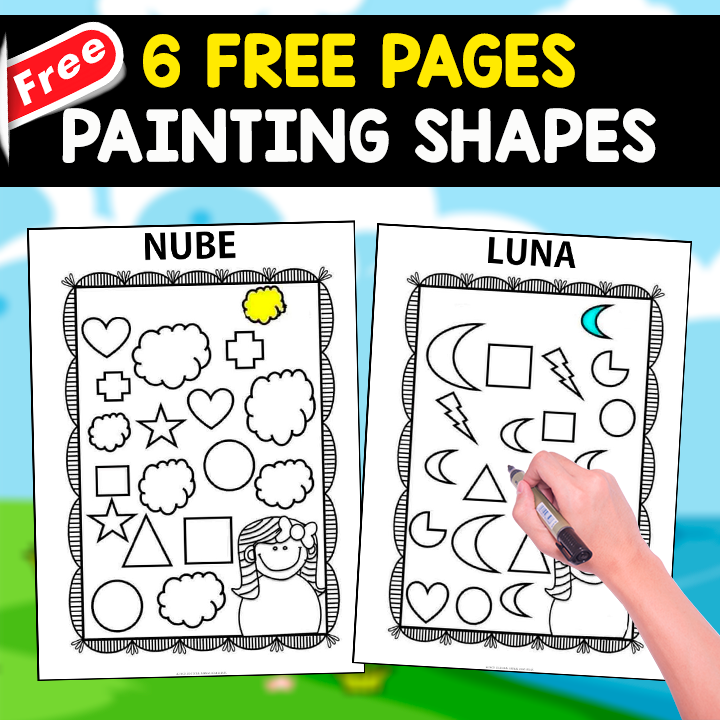
Practice shape recognition through a coloring-shapes activity.
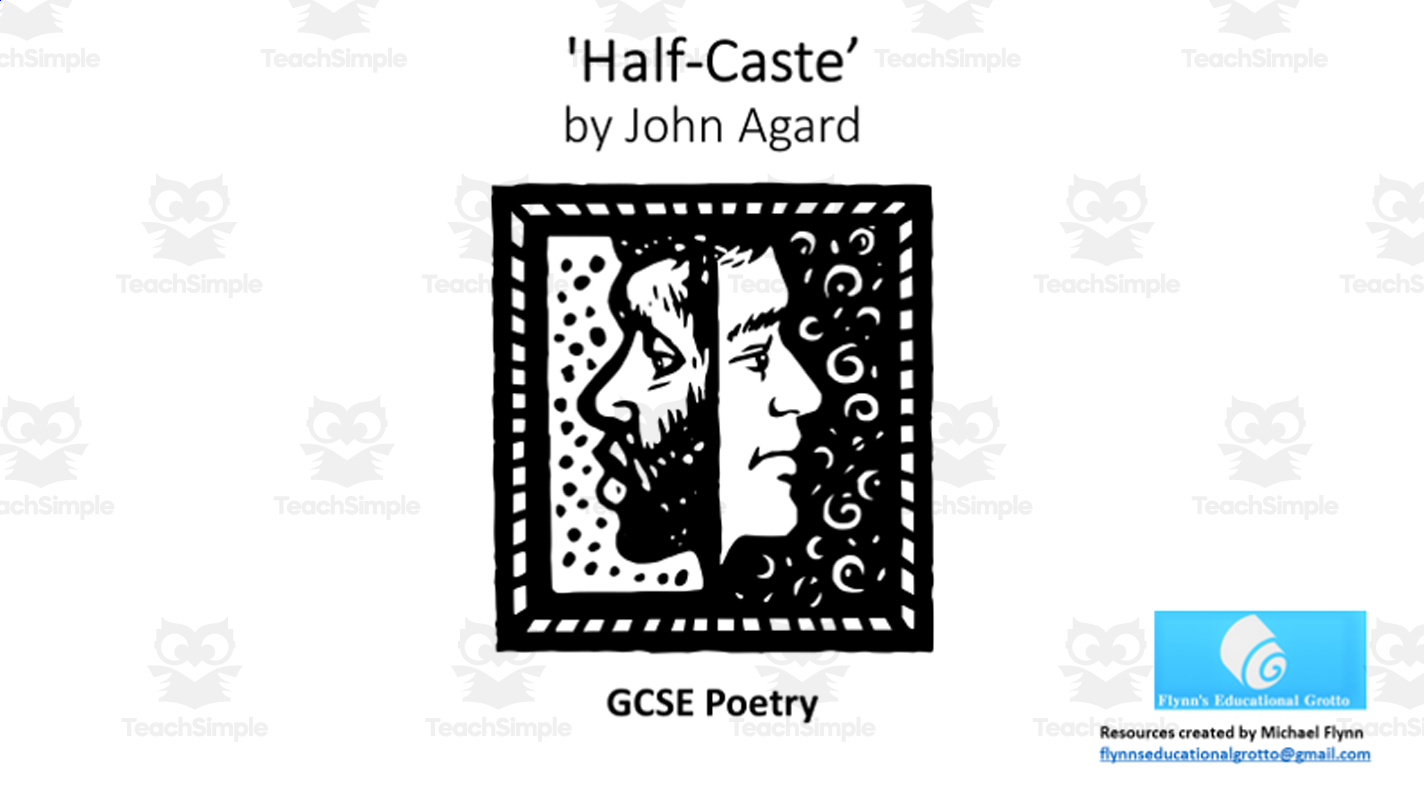
A GCSE English Literature poetry-analysis PowerPoint lesson guiding students through close reading of 'Half-Caste' by John Agard, covering author/poet context, first reading and annotation, tone and language analysis, structure questions, and an academic PETAL-paragraph writing task. The lesson frames the poem around racism and mixed-race identity.
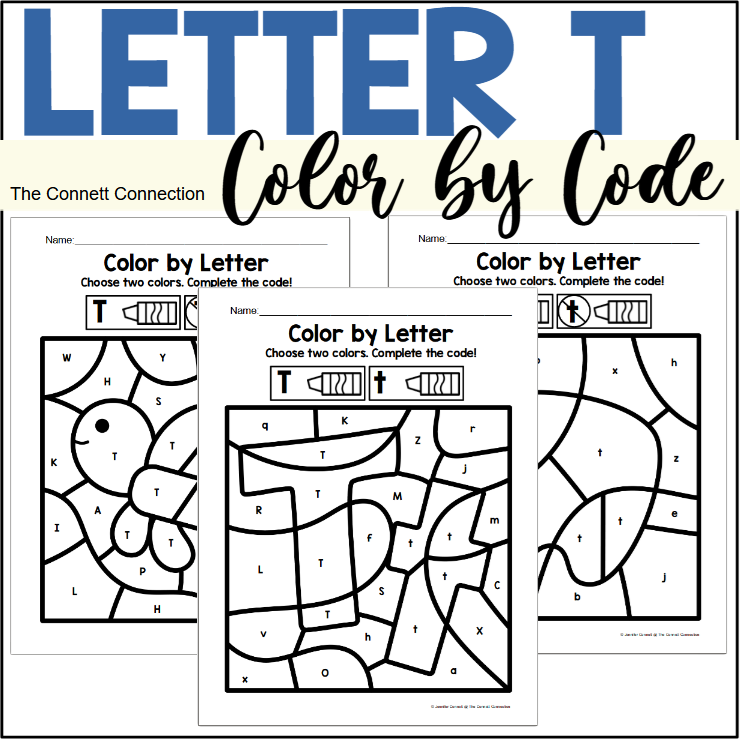
Practice identifying the letter T (upper and lower case) among other letters using a color-by-code format.
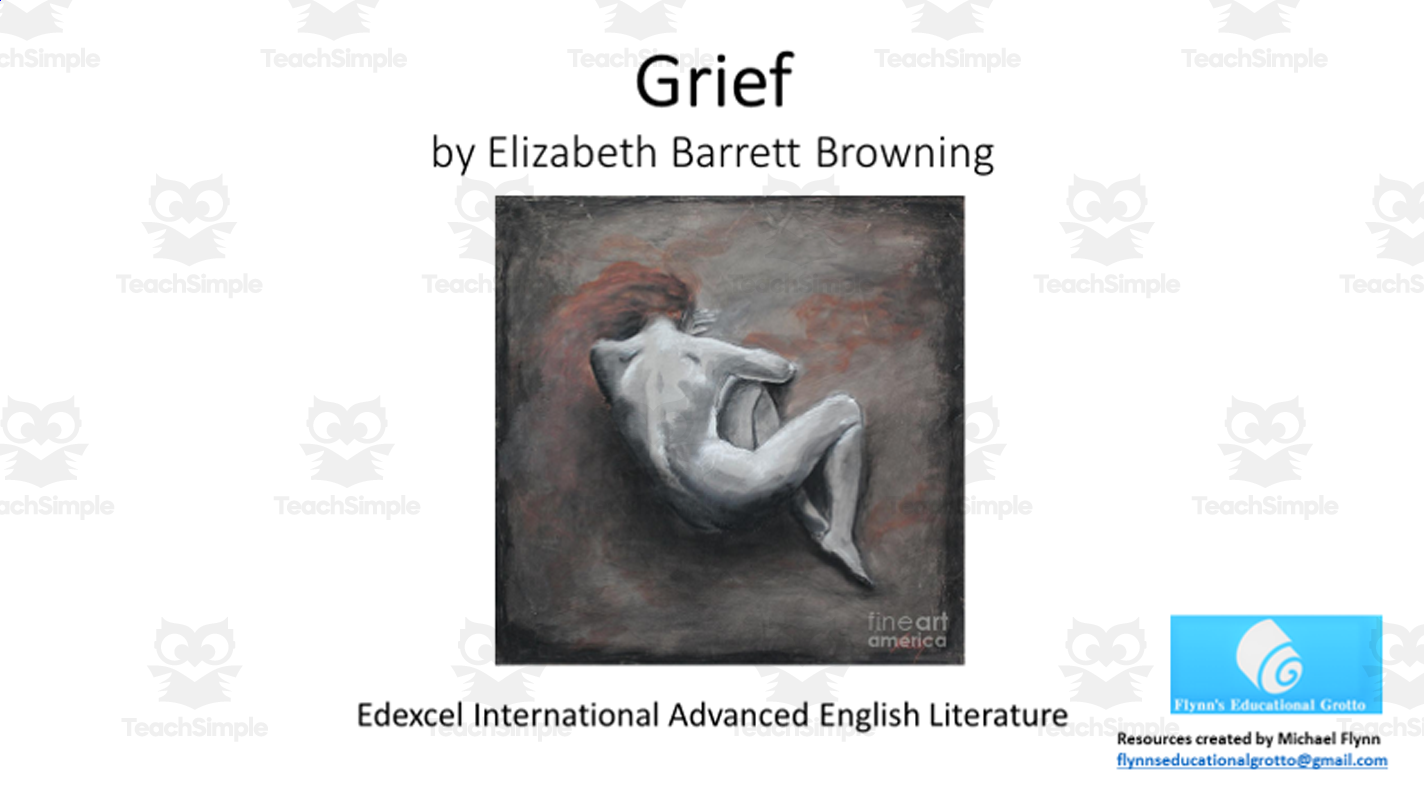
An A Level (Edexcel International Advanced English Literature) lesson analyzing the sonnet 'Grief' by Elizabeth Barrett Browning, covering the poet's biography and the poem's exploration of grief and bereavement.
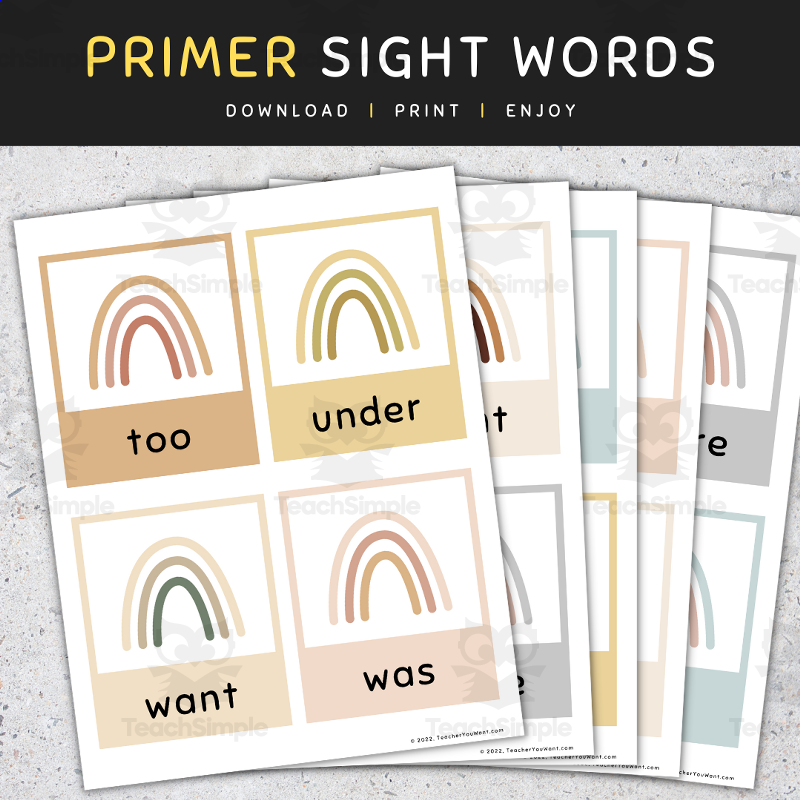
Provide a boho-rainbow-themed set of primer-level sight word flashcards for reading fluency practice.
A middle-school/junior-high math intervention resource providing reference support (Parent Power handouts) and practice activity sheets on number applications: comparison, money, order of operations, squares, and fractions/decimals/percent, aimed at students including those with specific learning difficulties.
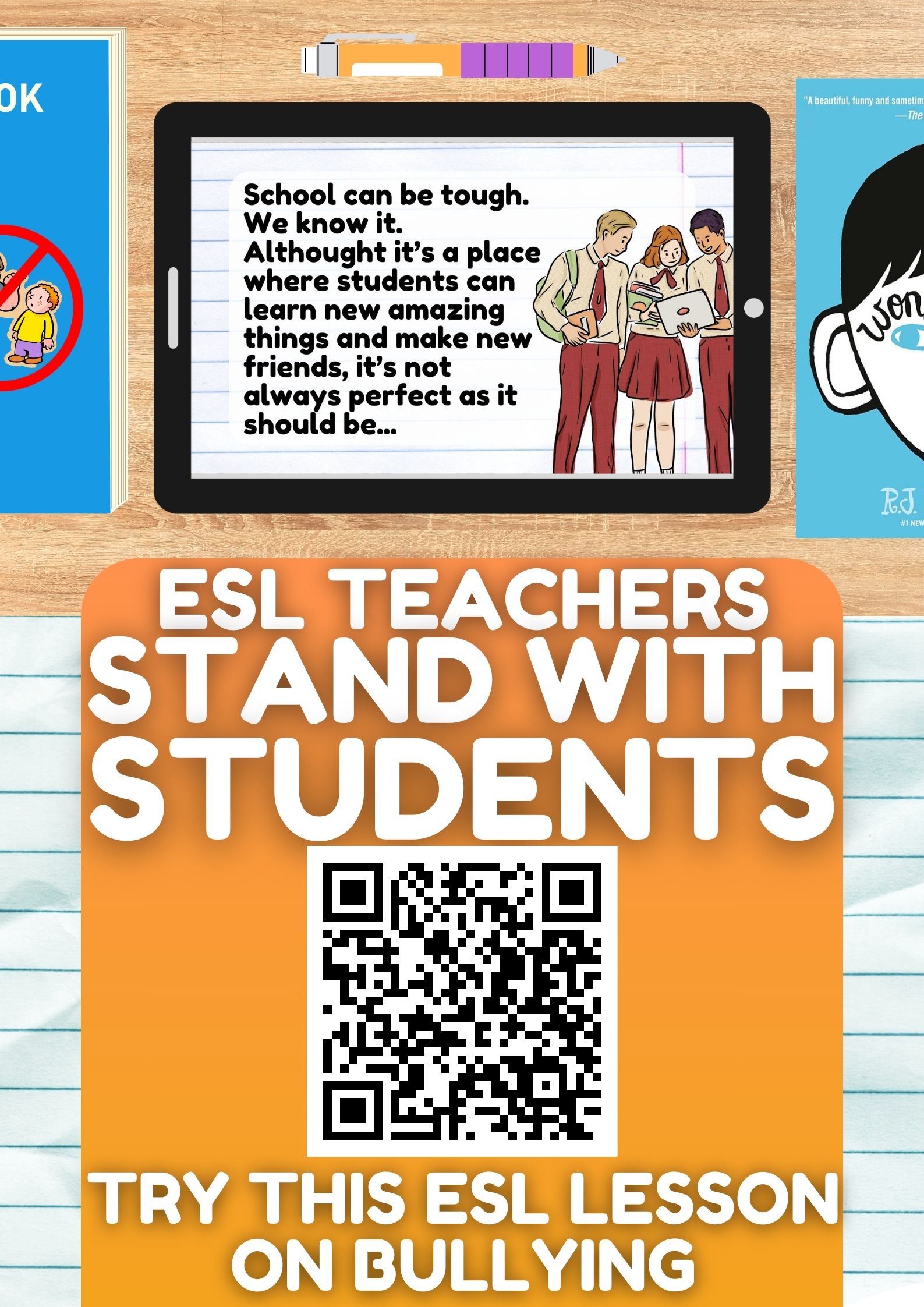
A 16-slide ESL/EFL lesson on bullying and cyberbullying, combining a definition/vocabulary intro, picture-description discussion, listening comprehension, and writing activities.
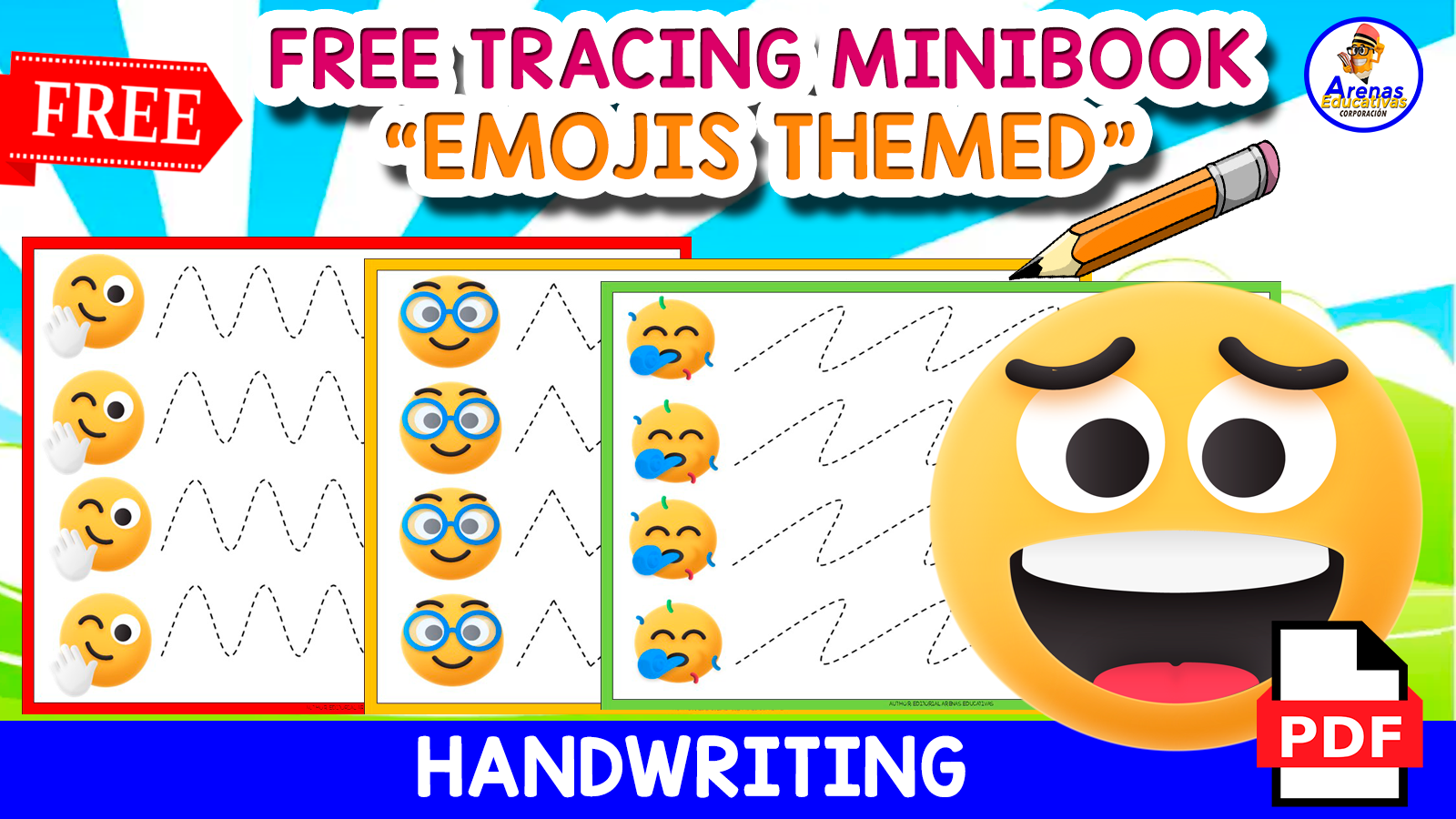 Free download
Fine motor / pre-writing practice: tracing printed lines on repeated worksheet pages.

A set of diagrams, a reading passage, and worksheets teaching Earth's layers (crust, mantle, outer core, inner core) and, per the seller description, volcano parts/labeling, using cut-and-glue, labeling, and digital (BOOM deck) activities.
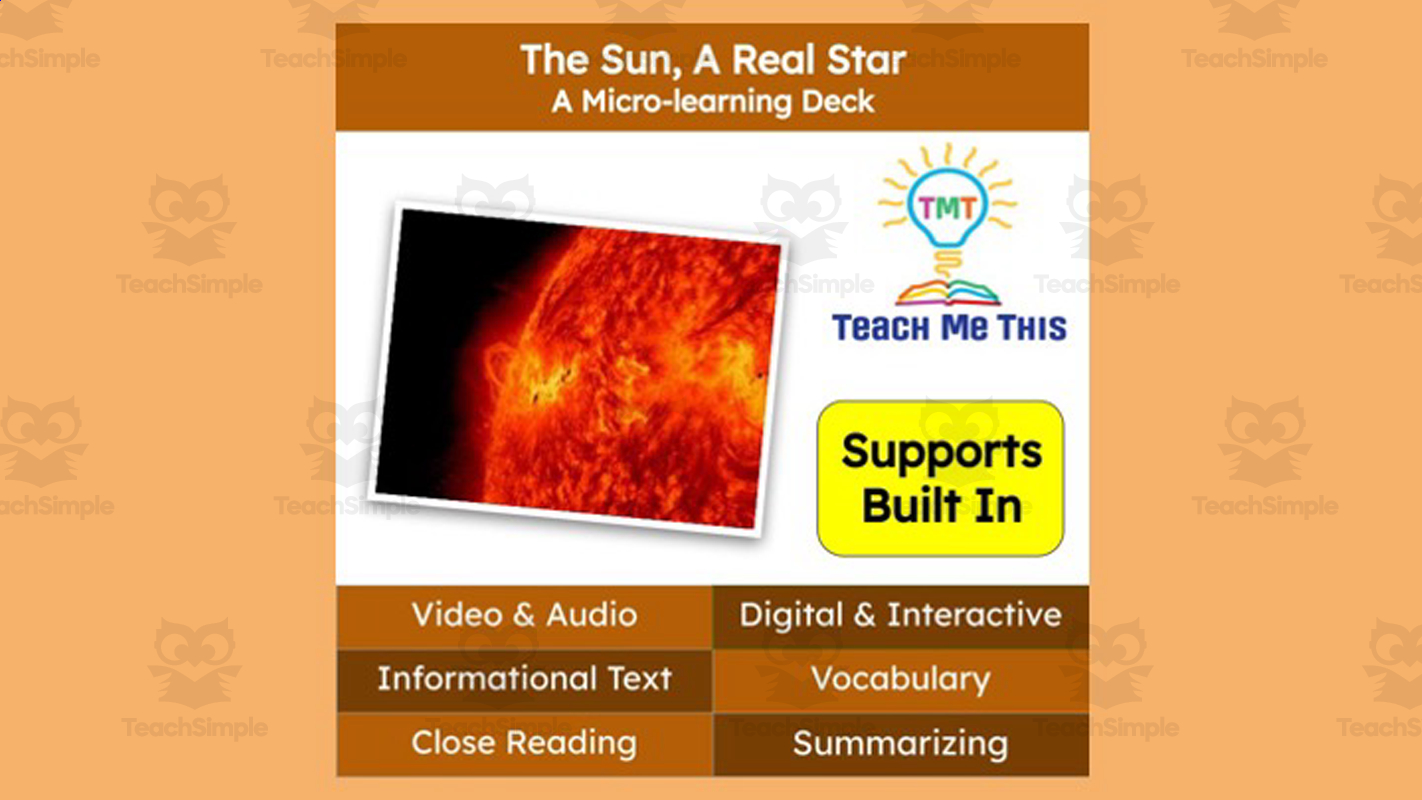
An interactive digital micro-learning deck (PowerPoint) that teaches middle/high school Earth and Space Science content about the Sun as a star: its layers, energy production, and how space weather (solar wind, solar flares, radiation) affects Earth, via an informational close-reading passage paired with vocabulary and comprehension activities.
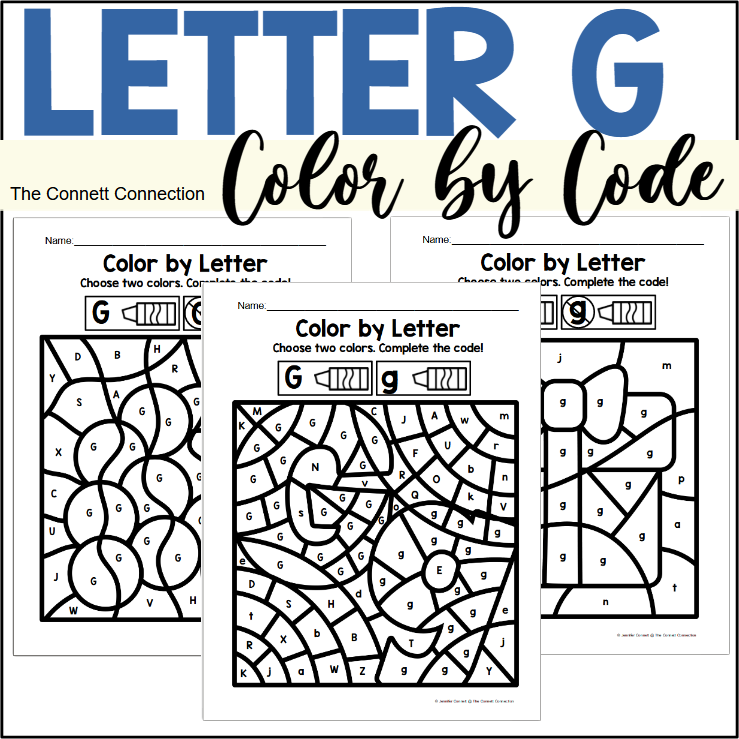
Practice letter recognition for G/g through a color-by-code activity.
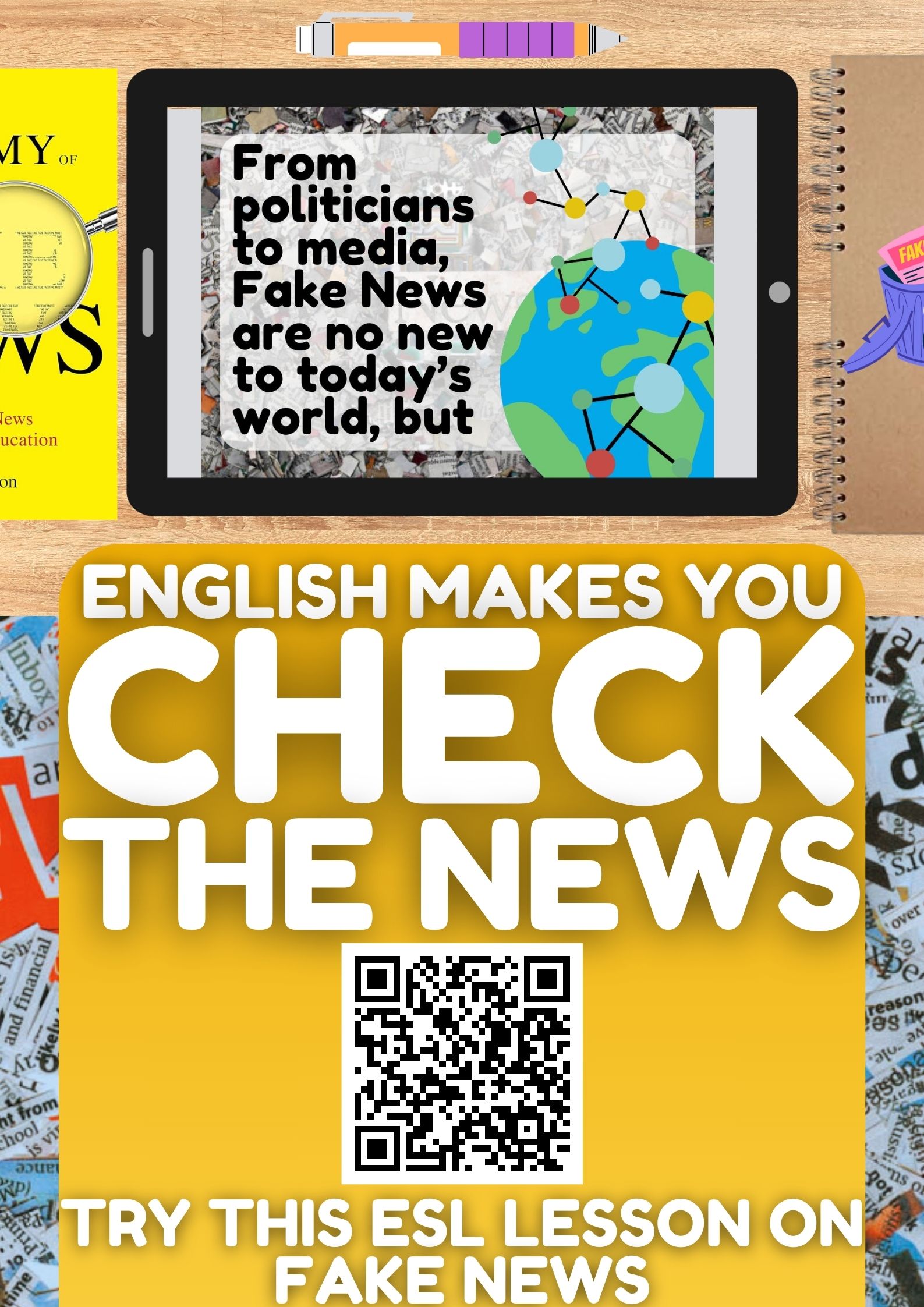
A 13-slide ESL/EFL lesson on fake news, combining a definition/discussion warm-up, listening comprehension activity, and writing activity, to build critical media literacy and English language skills.
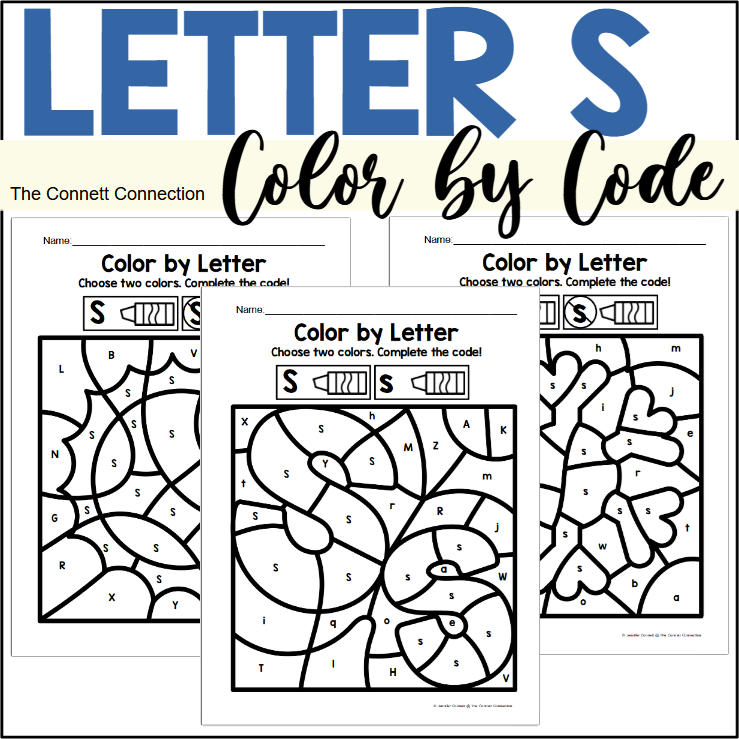
Reinforce recognition of the letter S among visually similar distractor letters through a color-by-code activity.
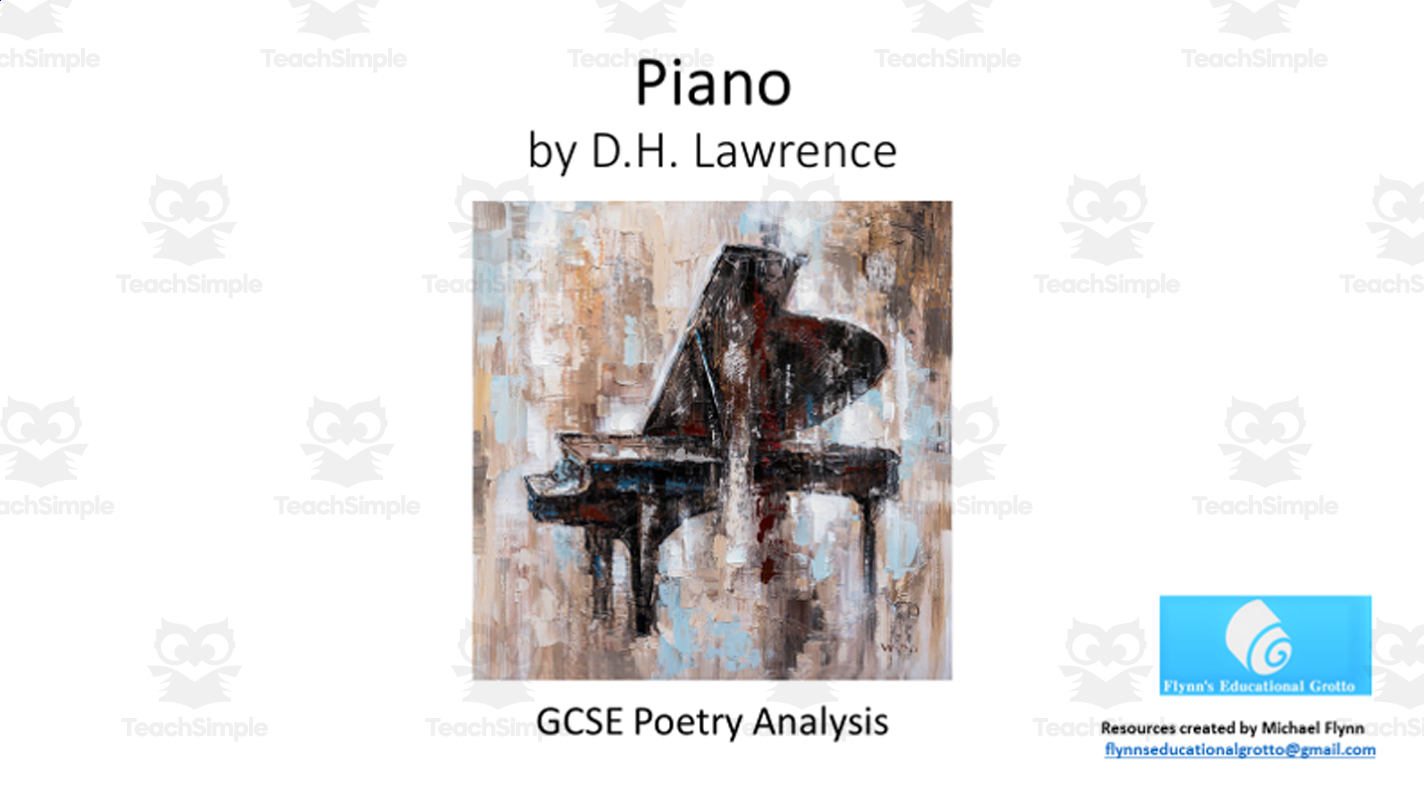
A GCSE English Literature poetry-analysis PowerPoint lesson guiding students through close reading of 'Piano' by D H Lawrence, covering author/poet context, first reading and annotation, tone and language analysis, structure questions, and an academic PETAL-paragraph writing task. The lesson frames the poem around music triggering a nostalgic memory of…
 Free download
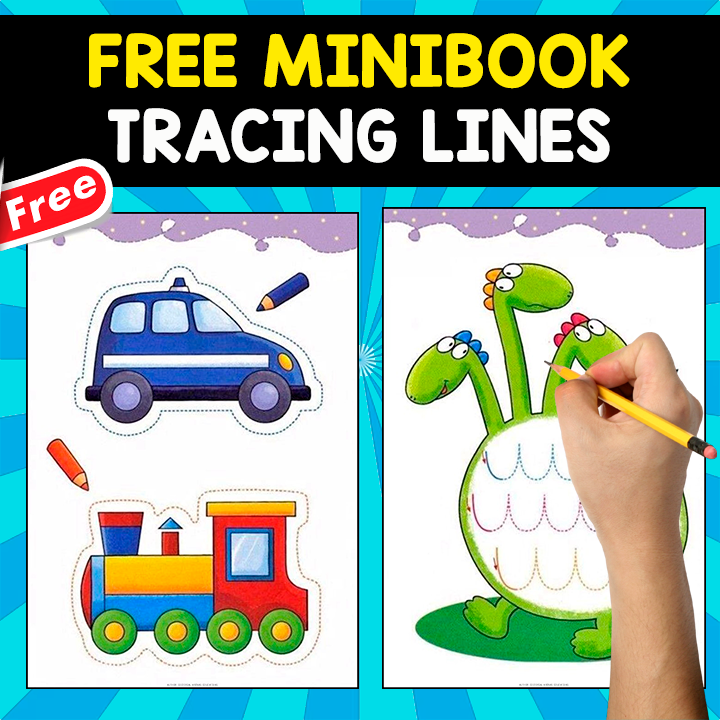
Fine motor / pre-writing practice: tracing printed lines on repeated worksheet pages.
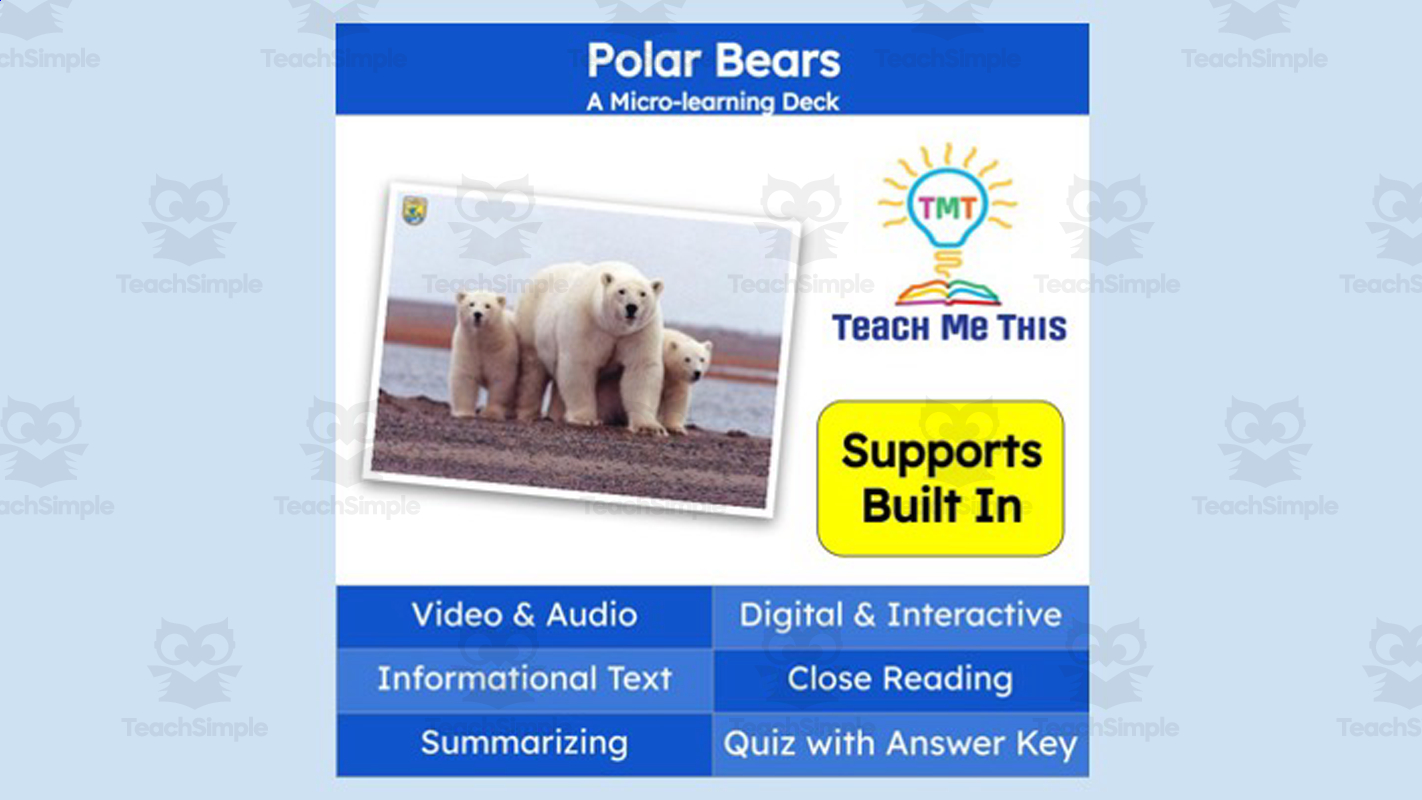
Teach students facts about polar bears (habitat, behavior, physical traits) through an interactive multimedia slide deck combining a reading passage, vocabulary, and comprehension activities.
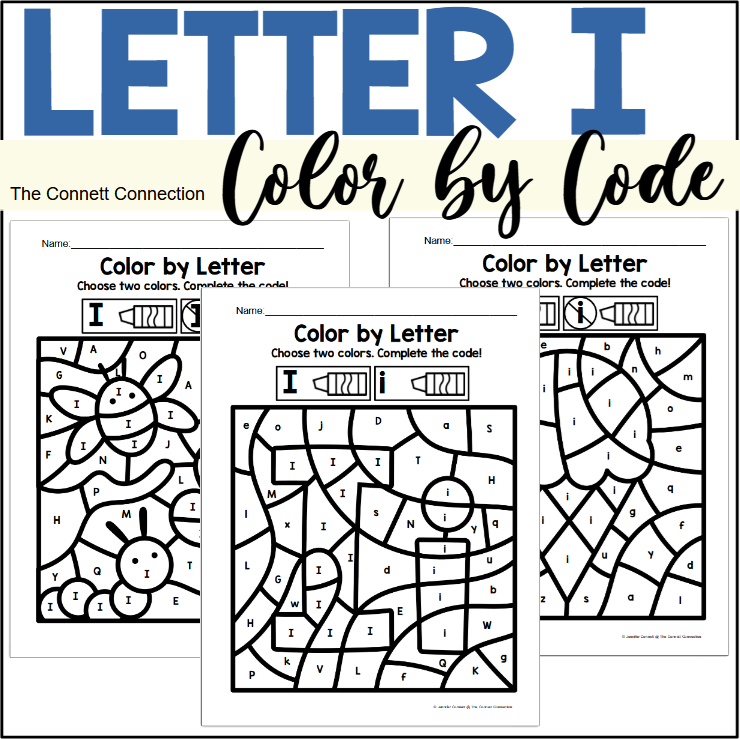
Practice letter I identification and visual discrimination through color-by-code worksheets.
 Free download
Each practice page focuses on a single divisor and provides a short set of calculations. Model the relationship between a division fact and its multiplication check before independent work. For multiplication-fact reference, use the times tables 1-12 poster .