Reading comprehension
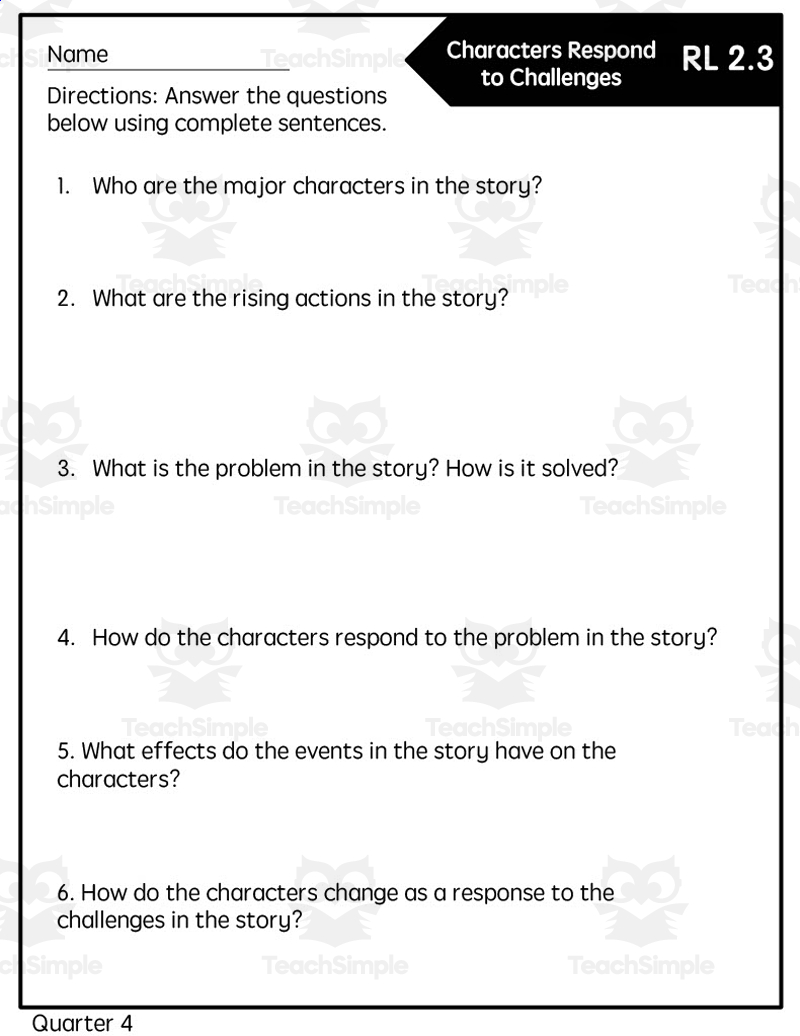
Essential Standards Quick Check: 4th Quarter Reading
A set of quick-check formative-assessment worksheets for Grade 2 reading standards (4th quarter), designed to be used with any book students are currently reading.


Classroom resources
Browse by lesson focus
Choose the topic or kind of practice you need.
Showing 1849–1872 of 4517 resources

 Show filters
A set of quick-check formative-assessment worksheets for Grade 2 reading standards (4th quarter), designed to be used with any book students are currently reading.

A short reading comprehension worksheet built around a basketball-themed story ('Basketball Time!') about a character named Jordan, with multiple-choice and true/false comprehension questions.

A set of three reading comprehension worksheets about world cities (Athens, Jerusalem, Christchurch) for high school and intermediate/advanced ESL readers, building reading, discussion, and vocabulary skills tied to global geography and culture.
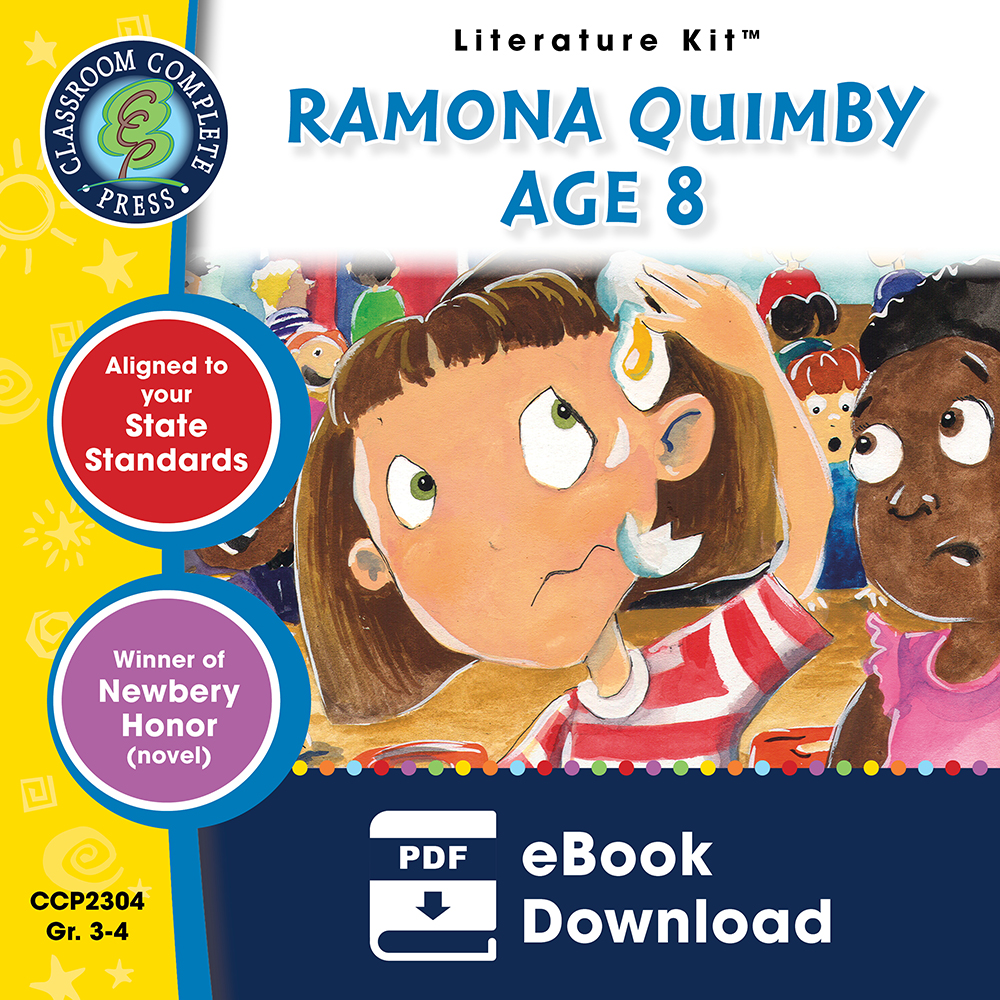
Literature kit teaching reading comprehension and critical-thinking skills for the novel 'Ramona Quimby, Age 8' by Beverly Cleary.
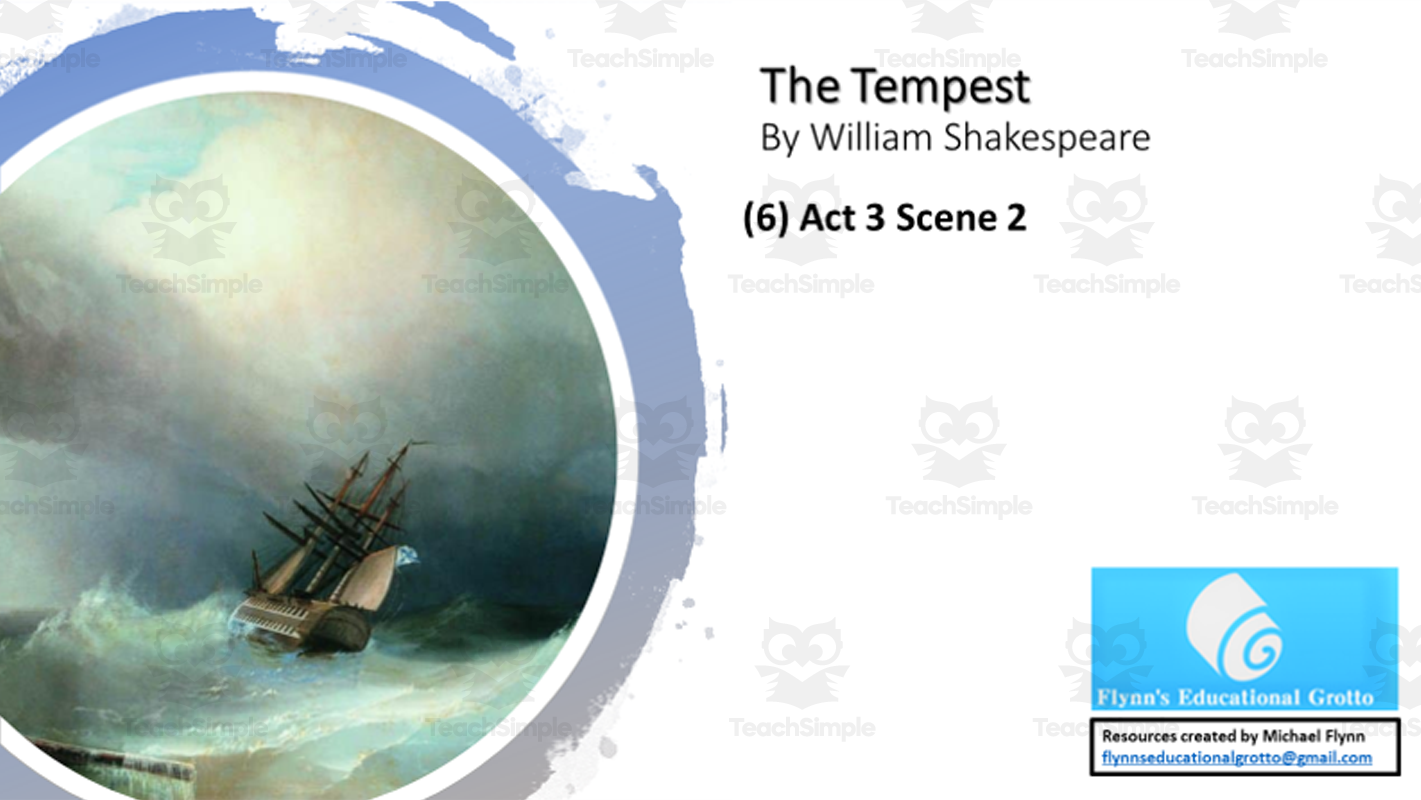
Guide KS4 secondary English literature students through an analytical reading of Act 3 Scene 2 of Shakespeare's The Tempest, teaching the literary concept of characterisation through four modern-day mini-scenario tasks and a linked video, then applying it to Caliban, Stephano and Trinculo's drunken plot to murder Prospero.

Guide KS4 secondary English literature students through an analytical reading of Act 3 Scene 3 of Shakespeare's The Tempest, teaching the literary concept of symbolism through several real-world examples before applying it to Prospero's illusory banquet and Ariel's harpy transformation confronting Alonso, Antonio and Sebastian.
 Free download
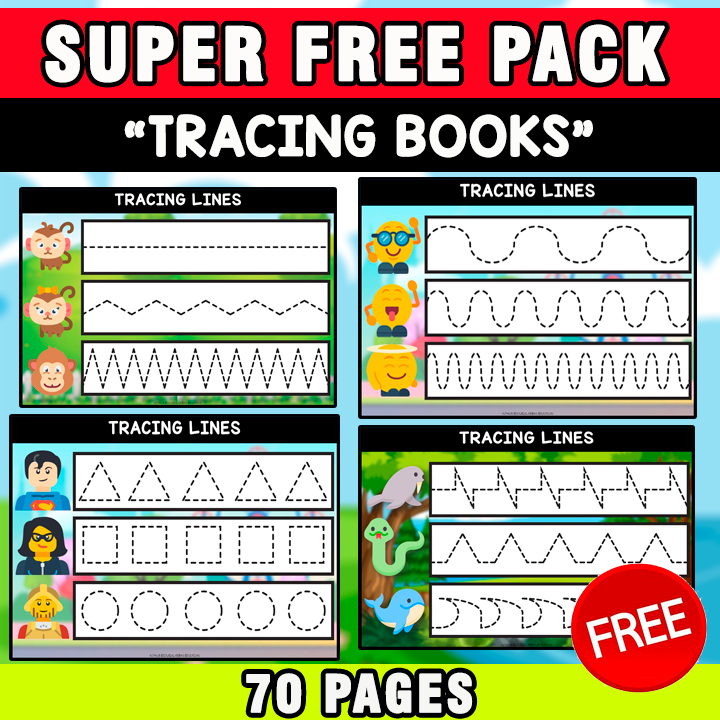
A pre-writing fine-motor tracing workbook using themed line-tracing exercises (monkey, emoji, LEGO, and animal themes) to build handwriting readiness.
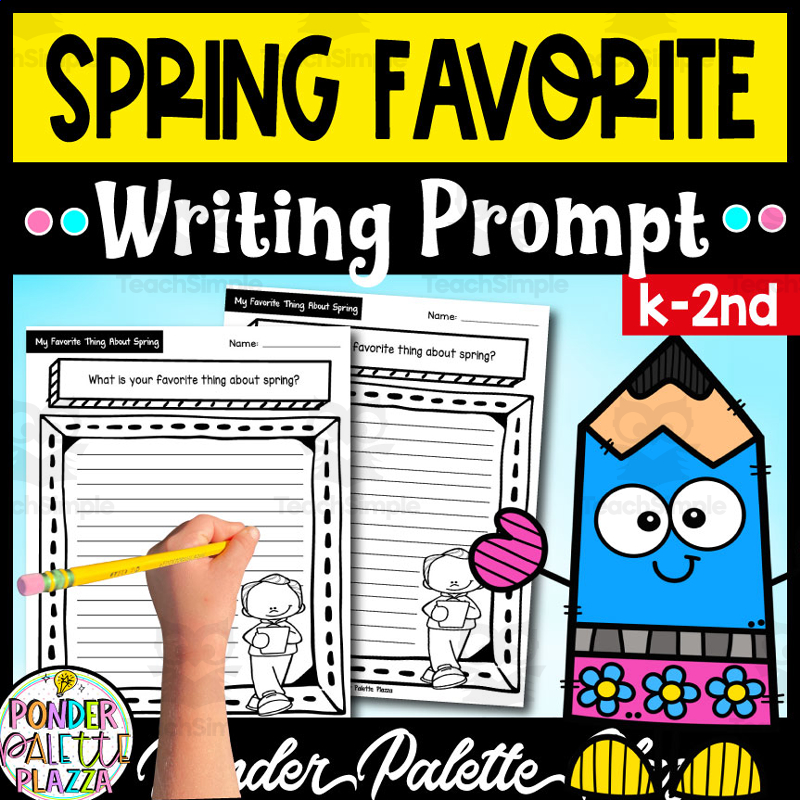
Give students a spring-themed writing and drawing prompt about their favorite thing about spring.
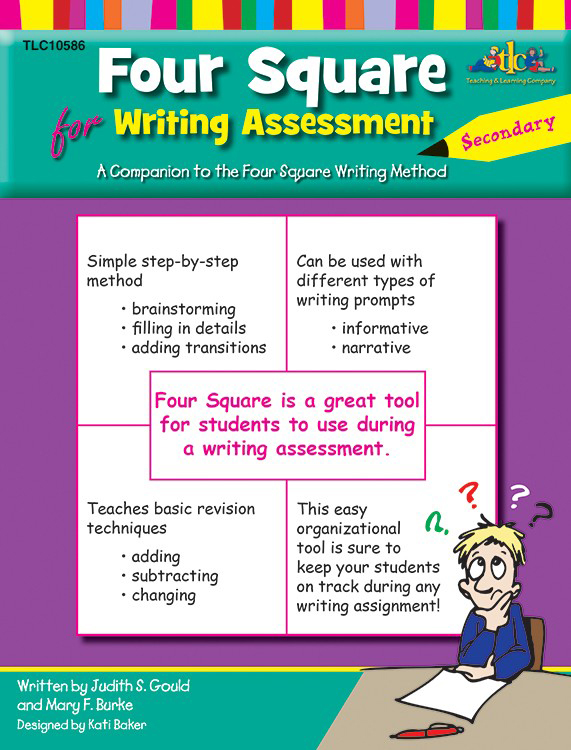
Teaches the Four Square graphic-organizer method for planning and revising informational and narrative writing during a writing assessment, for secondary students.
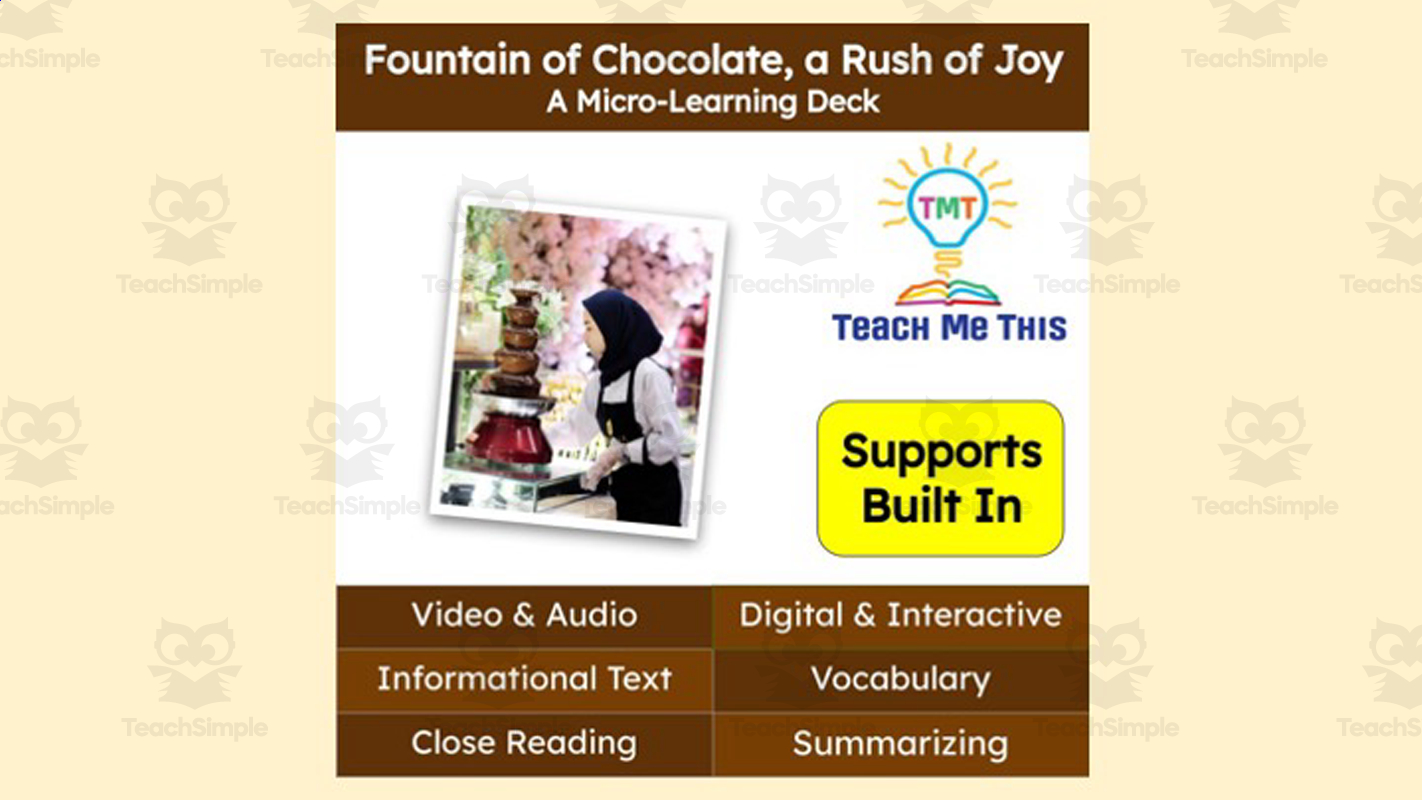
A digital micro-learning slide deck building reading comprehension, vocabulary, and summarizing skills through an informational text about a chocolate fountain caterer.
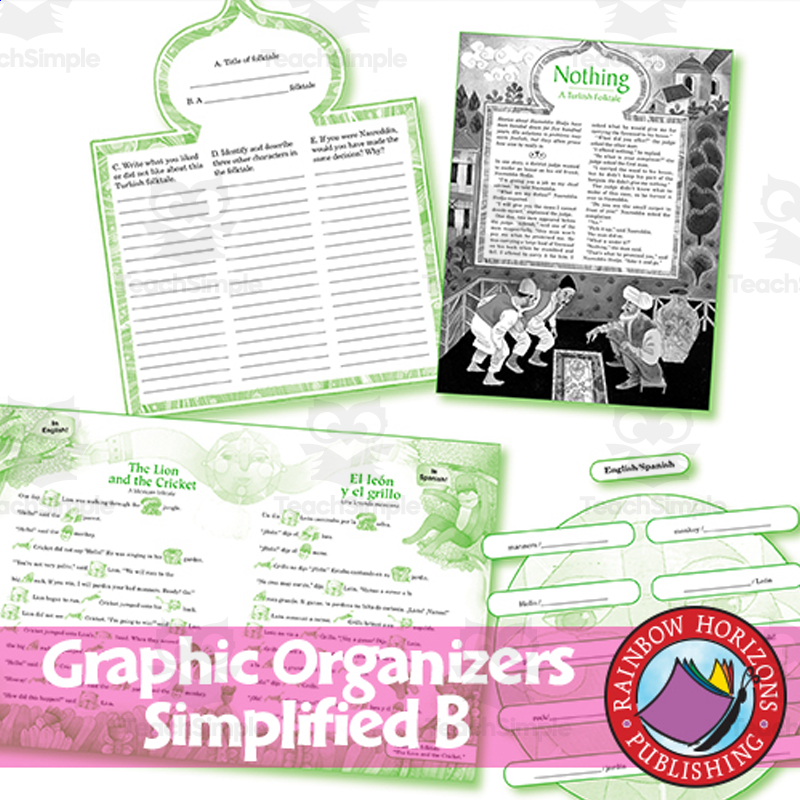
Book B of a 4-book reading-comprehension series pairing short reading selections (from past issues of Highlights for Children) with a matched graphic organizer and a 3-part worksheet (comprehension questions, Analyze and Write, Think and Write) to teach systematic thinking and reading strategies for grades 3-4.

Guide KS4 secondary English literature students through an analytical reading of Act 5 Scene 1, the final scene of Shakespeare's The Tempest, teaching a 'Six Paradigms of Human Conflict Resolution' framework (Win/Win, Win/Lose, Lose/Win, Lose/Lose, Win, Win/Win-or-No-Deal) before applying it to Prospero's forgiveness of his enemies, the reunion of Alonso…

Guide KS4 secondary English literature students through an analytical reading of Act 2 Scene 1 of Shakespeare's The Tempest, examining the courtiers' differing reactions to being shipwrecked, Gonzalo's utopian 'commonwealth' speech, and the beginning of Antonio and Sebastian's murder plot against Alonso.
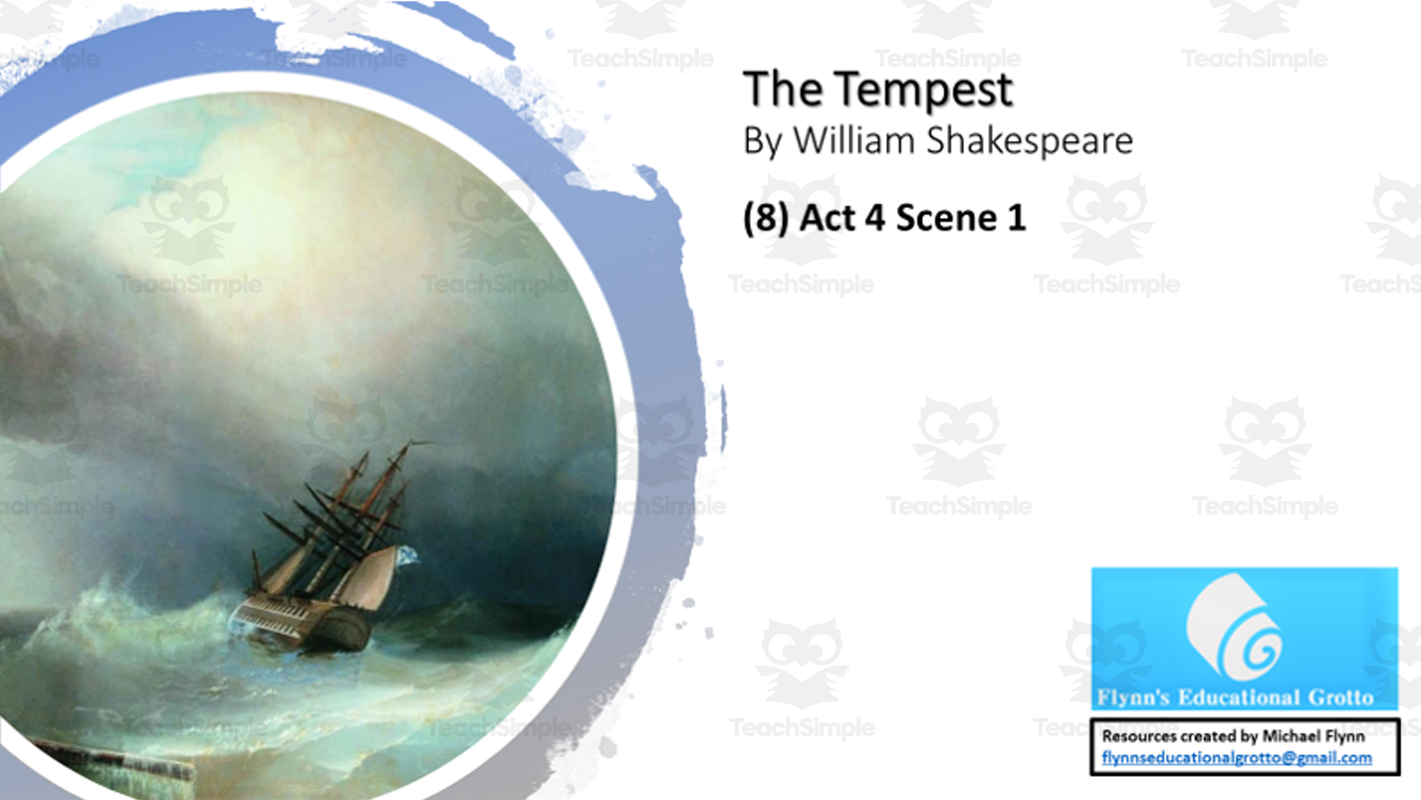
Guide KS4 secondary English literature students through an analytical reading of Act 4 Scene 1 of Shakespeare's The Tempest, discussing the concept of slavery via a labeled diagram mapping which characters are enslaved to what (Ariel and Caliban to Prospero; Ferdinand to love; Prospero to isolation; Miranda to innocence, etc.), then applying it to…
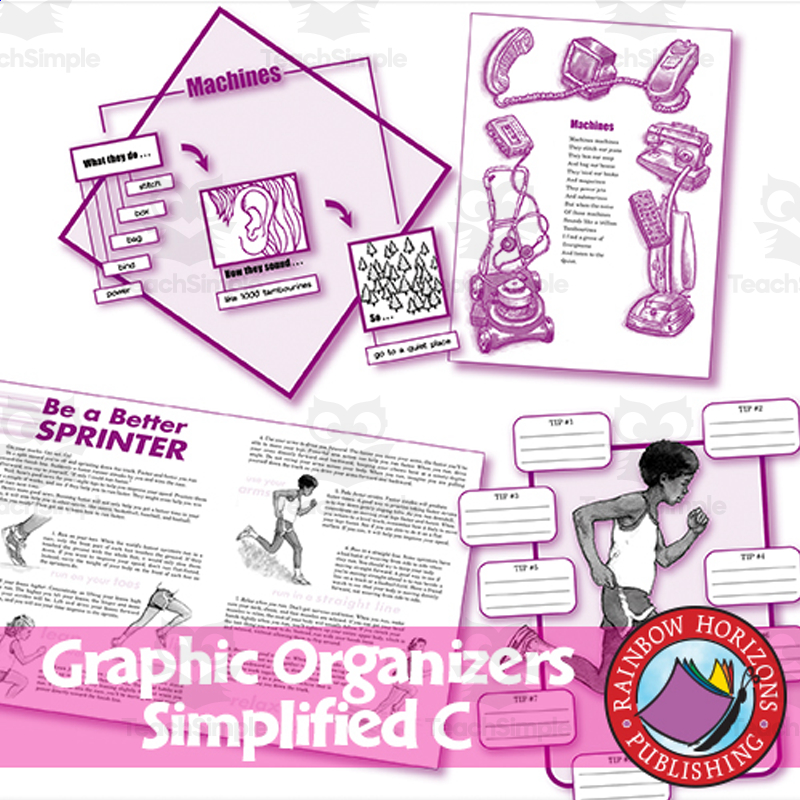
Book C of a 4-book reading-comprehension series pairing short reading selections (from past issues of Highlights for Children) with a matched graphic organizer and a 3-part worksheet (comprehension questions, Analyze and Write, Think and Write) to teach systematic thinking and reading strategies for grades 4-5.
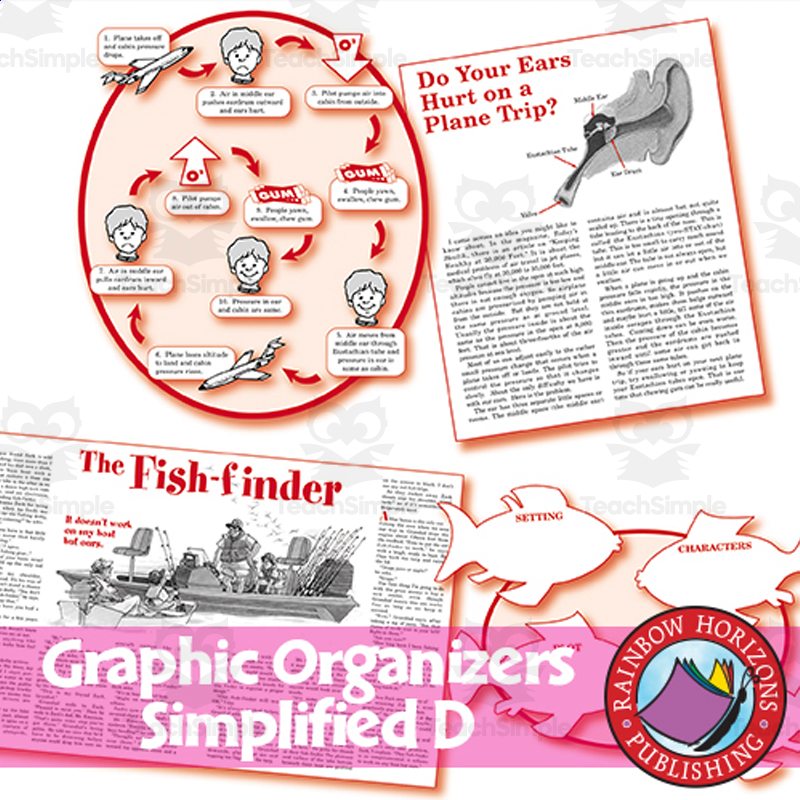
Book D of a 4-book reading-comprehension series pairing short reading selections (from past issues of Highlights for Children) with a matched graphic organizer and a 3-part worksheet (comprehension questions, Analyze and Write, Think and Write) to teach systematic thinking and reading strategies for grades 5-6.
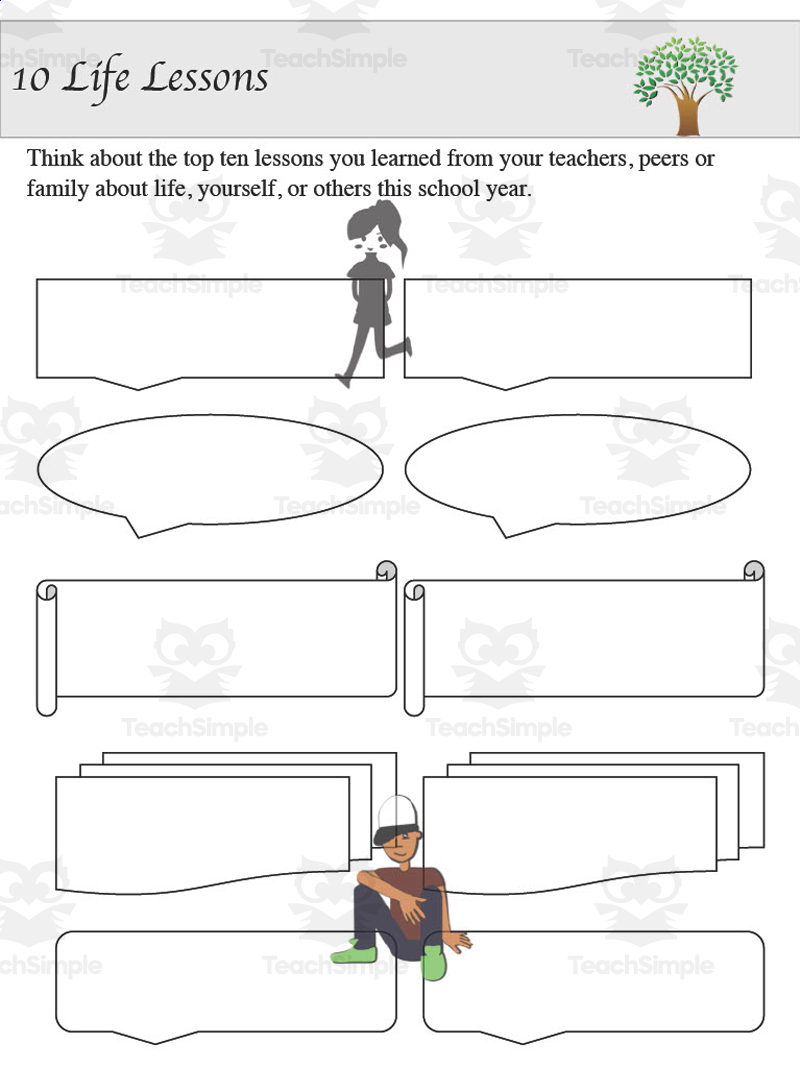
A countdown-themed (10 to 1) end-of-year writing packet giving students a different reflective or creative writing/drawing prompt for each number.
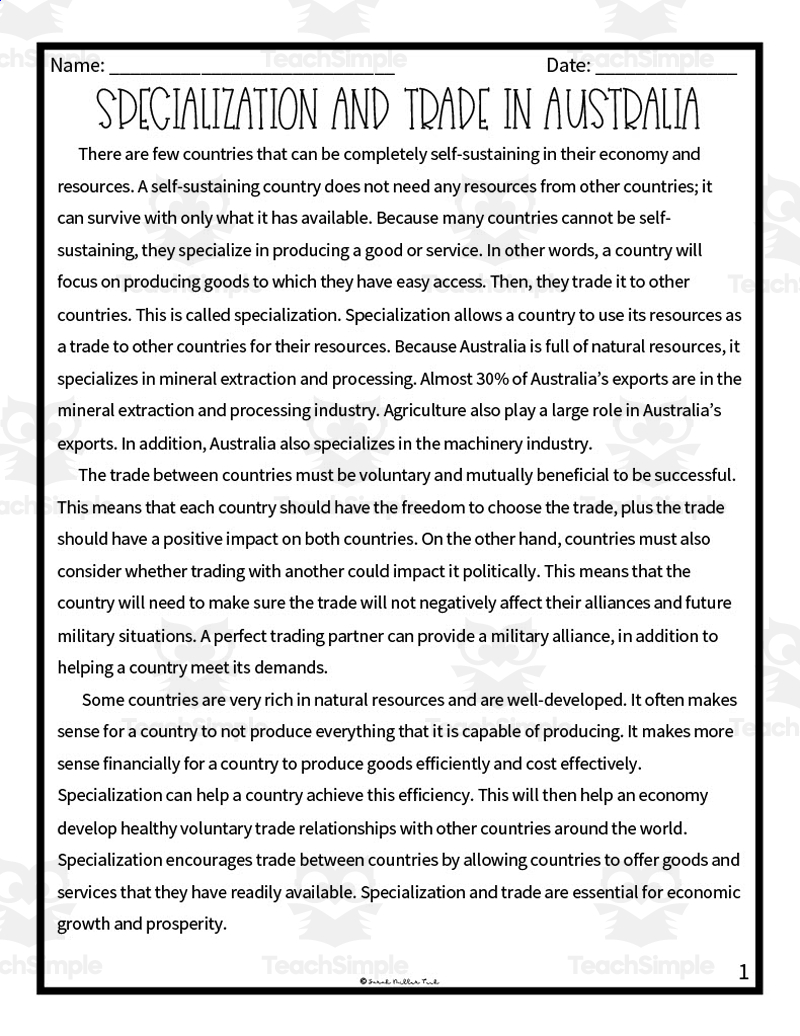
Teach students about specialization and trade in Australia (mineral extraction/processing, agriculture, machinery industries) through a nonfiction reading passage on specialization and trade/economics.
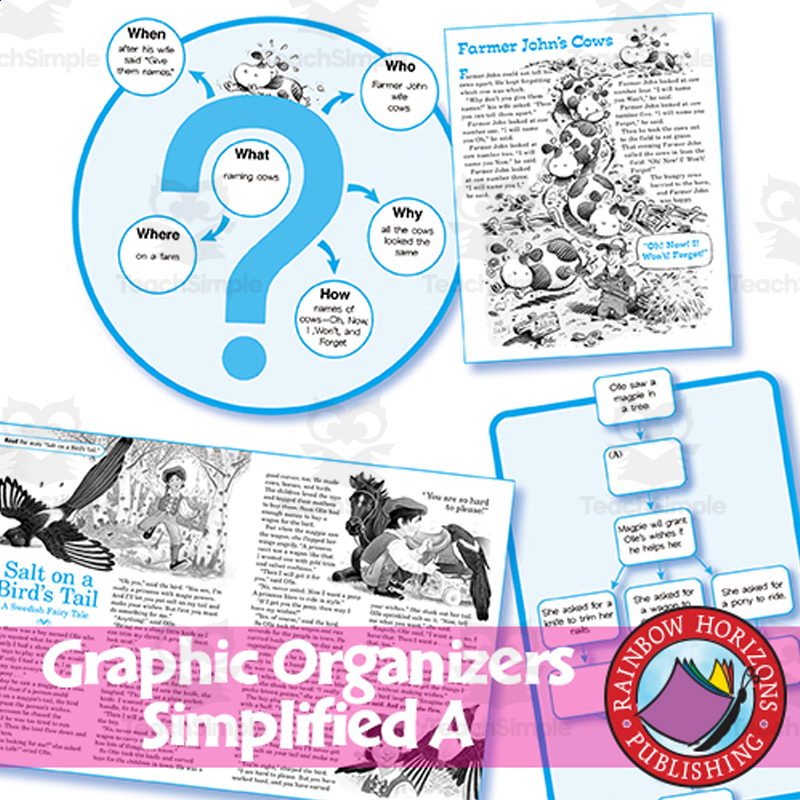
Book A of a 4-book reading-comprehension series pairing short reading selections (from past issues of Highlights for Children) with a matched graphic organizer and a 3-part worksheet (comprehension questions, Analyze and Write, Think and Write) to teach systematic thinking and reading strategies for grades 2-3.

Teaches the Four Square graphic-organizer method for planning and revising informational and narrative writing during a writing assessment, for elementary students.

A student/peer self-editing reference checklist for creative writing stories, used to check structural and mechanical elements before submission.
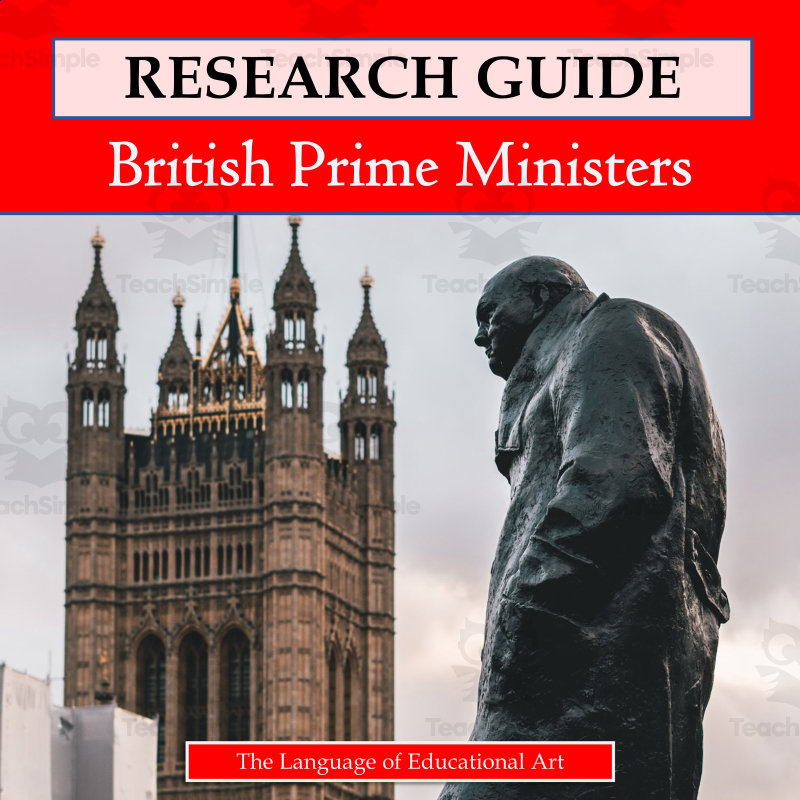
Scaffolded research-essay guide walking students through researching and writing a 5-paragraph MLA-style essay on a significant British prime minister, with rubric and peer-review support.
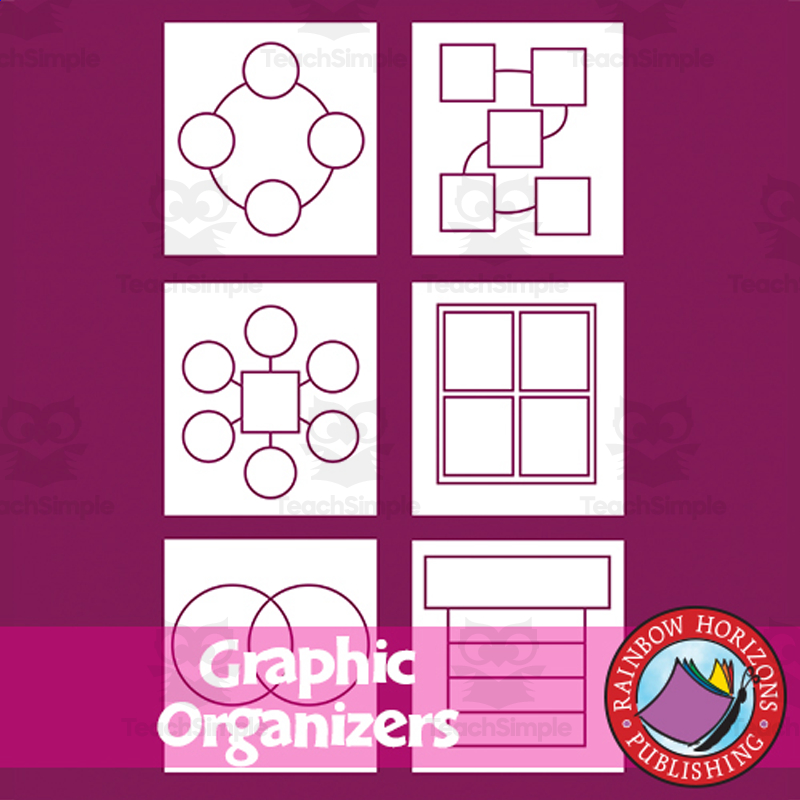
A reading comprehension resource built around graphic organizers that teach story structure, character analysis, setting, plot, nonfiction text features, and comprehension skills such as analyzing, comparing, contrasting, sequencing, questioning, cause and effect, and summarizing.
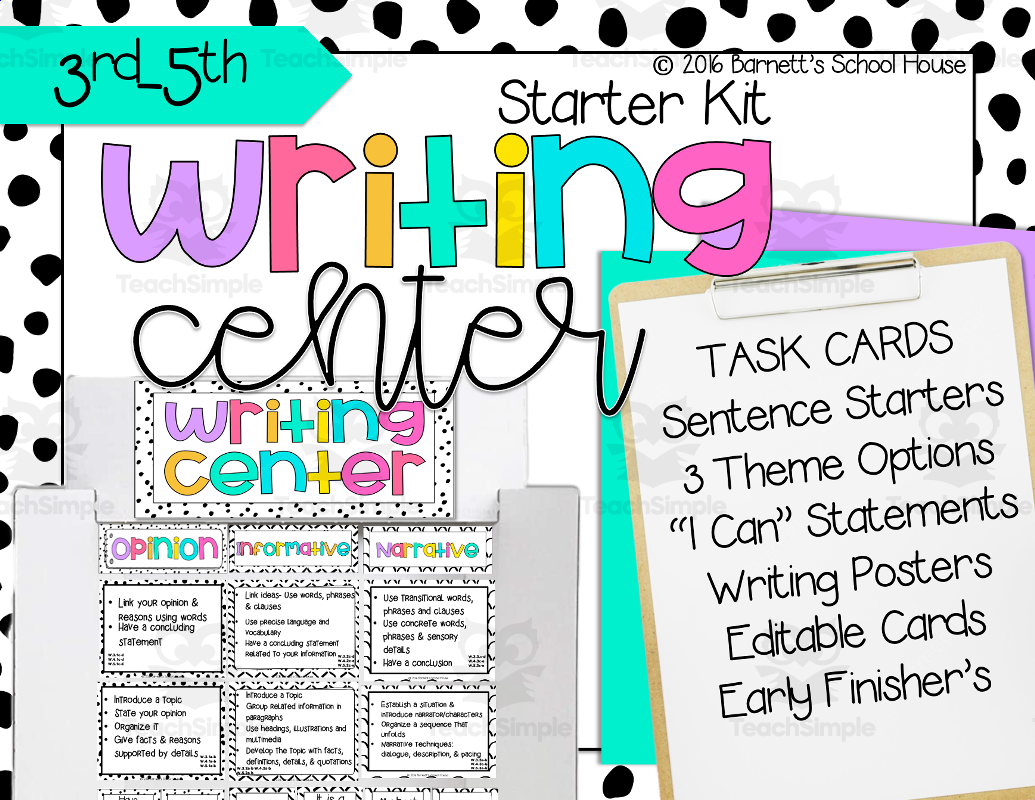
A multi-file writing center starter kit for grades 3-5 covering Opinion, Informative, and Narrative writing aligned to Common Core writing standards, meant to supplement (not replace) a writing curriculum.