Phonics & word reading
Letter H Emergent Readers
Emergent-reader mini-book for practicing letter H recognition and initial /h/ sound identification through simple sentence reading.




Classroom resources
Browse by lesson focus
Choose the topic or kind of practice you need.
Showing 6217–6240 of 6631 resources

 Show filters
 Emergent-reader mini-book for practicing letter H recognition and initial /h/ sound identification through simple sentence reading.

A 50-page no-prep summer review workbook (plus answer key and teacher/parent guide) reinforcing end-of-Kindergarten literacy and numeracy skills to prepare students for first grade and prevent 'summer slide'.
Provide six fall-monster-themed literacy and math centers for small-group intervention or center rotations.
A structured phonics unit (Unit 8 of the 12-part Road to Reading intervention program) that teaches struggling readers to decode words with complex vowel patterns (ou, oi, oo, ay, oy, aw, ow, ew, r-influenced vowels, silent letters) and phonetically irregular words.

An early-phonics flip-book resource that helps pre-readers (age 3+) learn to read simple, decodable sentences built around a recurring character cast and short target words.

An interactive alphabet story book that introduces the letter L and L-vocabulary through an original short story, used to build letter recognition and early literacy skills.
An interactive alphabet story book that introduces the letter P and P-vocabulary through an original short story, used to build letter recognition and early literacy skills.
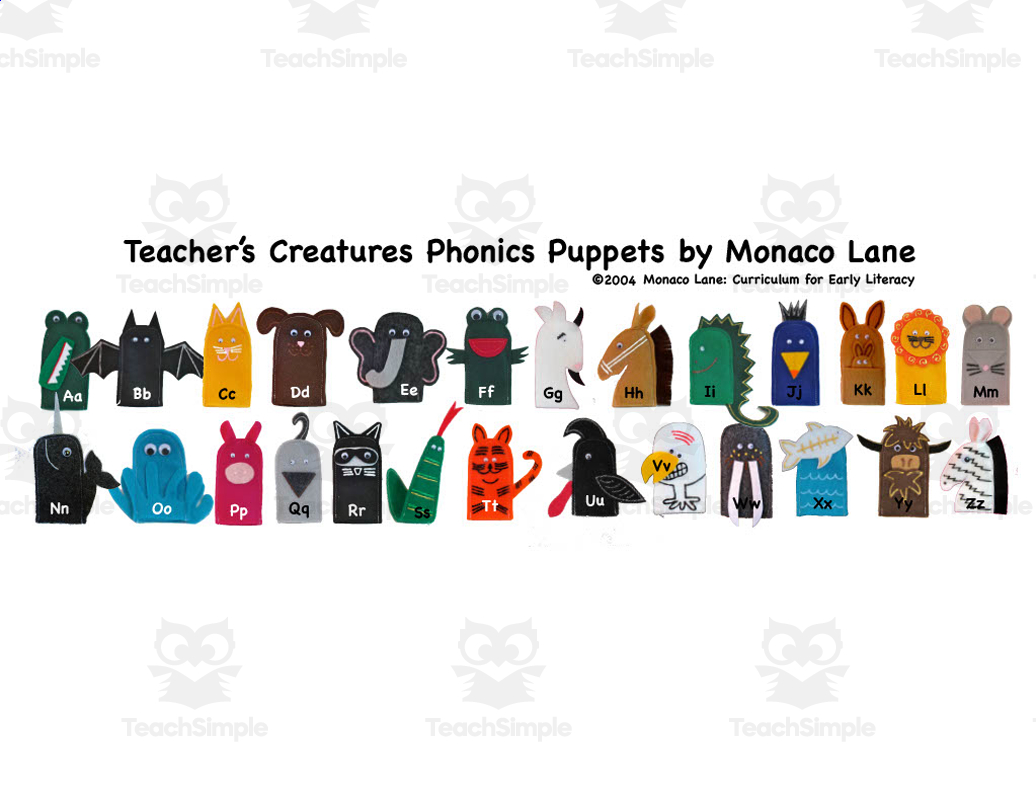
A one-page set of 26 letter/creature puppet cutouts (one per letter of the alphabet, Aa-Zz) for practicing letter names and phonics sounds.

An interactive alphabet story book that introduces the letter O (long and short O sounds) and O-vocabulary through an original short story, used to build letter recognition and phonics skills.
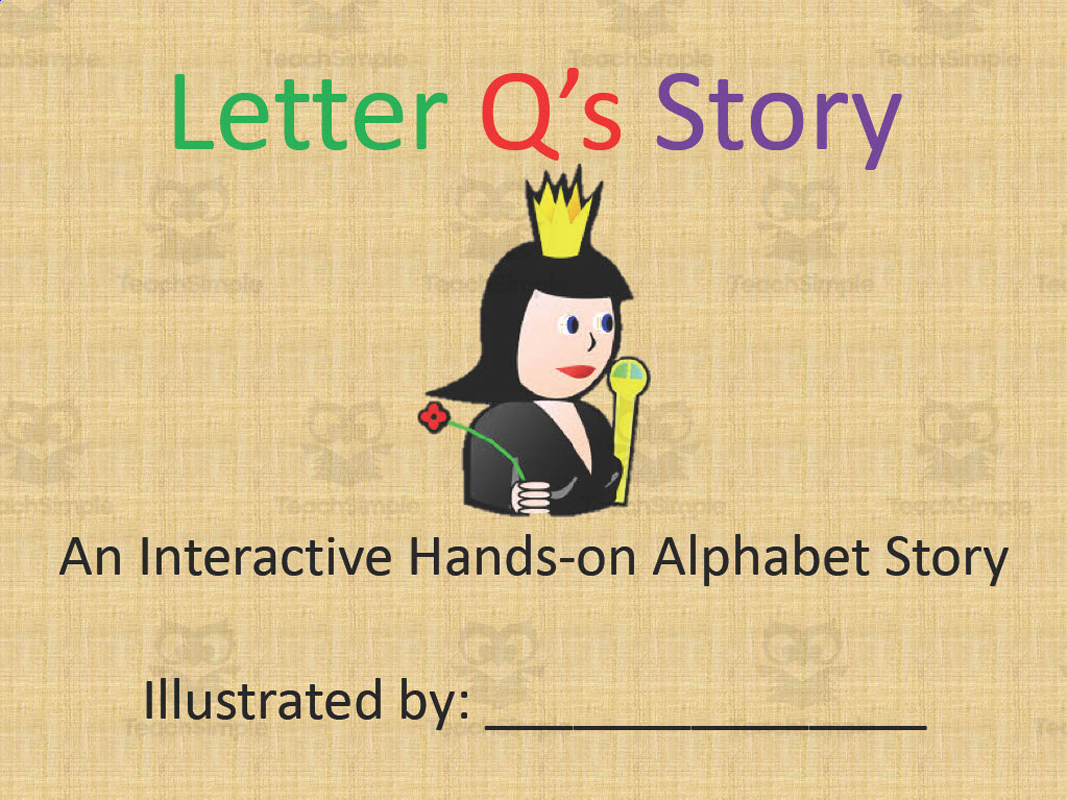
An interactive alphabet story book that introduces the letter Q and Q-vocabulary through an original short story, used to build letter recognition and early literacy skills.

An interactive alphabet story book that introduces the letter M and M-vocabulary through an original short story, used to build letter recognition and early literacy skills.

A teacher-reference scope and sequence document mapping systematic synthetic phonics instruction through 8 levels covering the 44 phonemes of English, with structures, graphemes, example words, high-frequency words, and suggested resources for each set.

An interactive alphabet story book that introduces the letter N and N-vocabulary through an original short story, used to build letter recognition and early literacy skills.
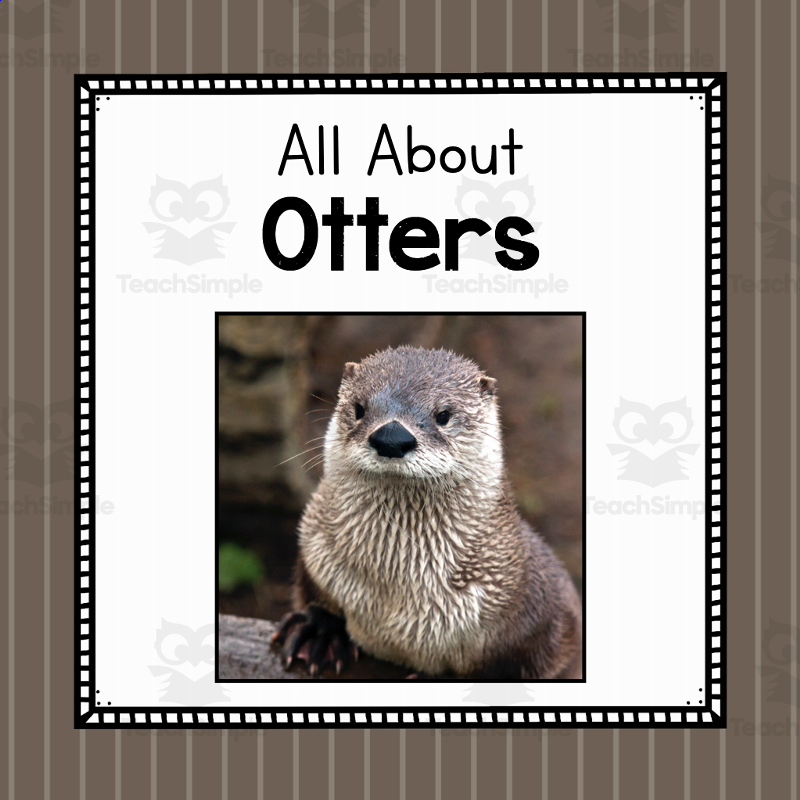
A cross-curricular animal-study unit on otters combining nonfiction reading, discussion, and writing/report activities for young learners.
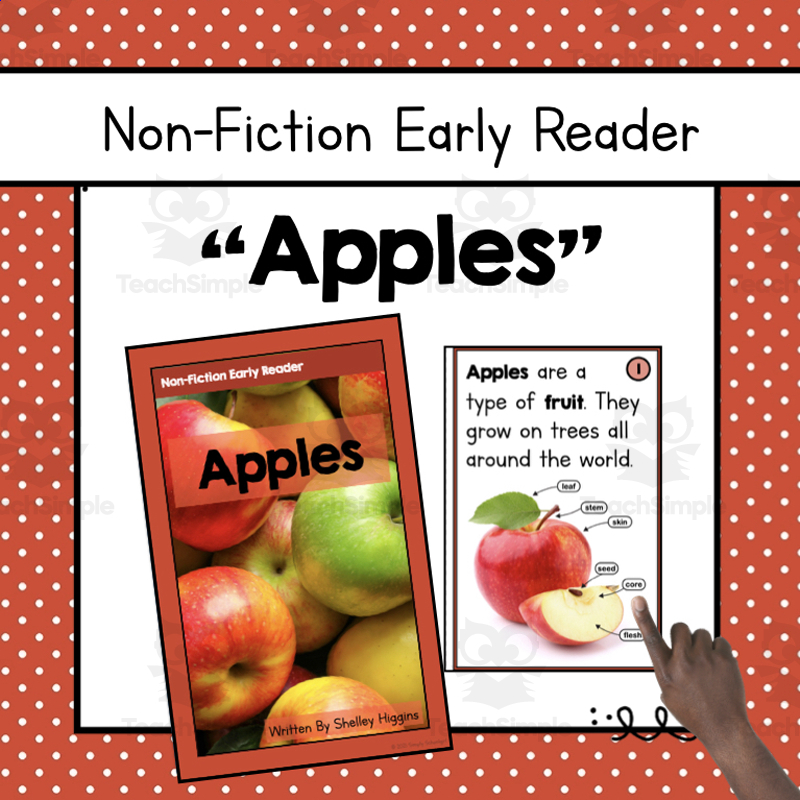
A two-level non-fiction early reader booklet about apples that teaches nonfiction text features (table of contents, headings, glossary, index, etc.) alongside topic content, with an accompanying teacher guide.
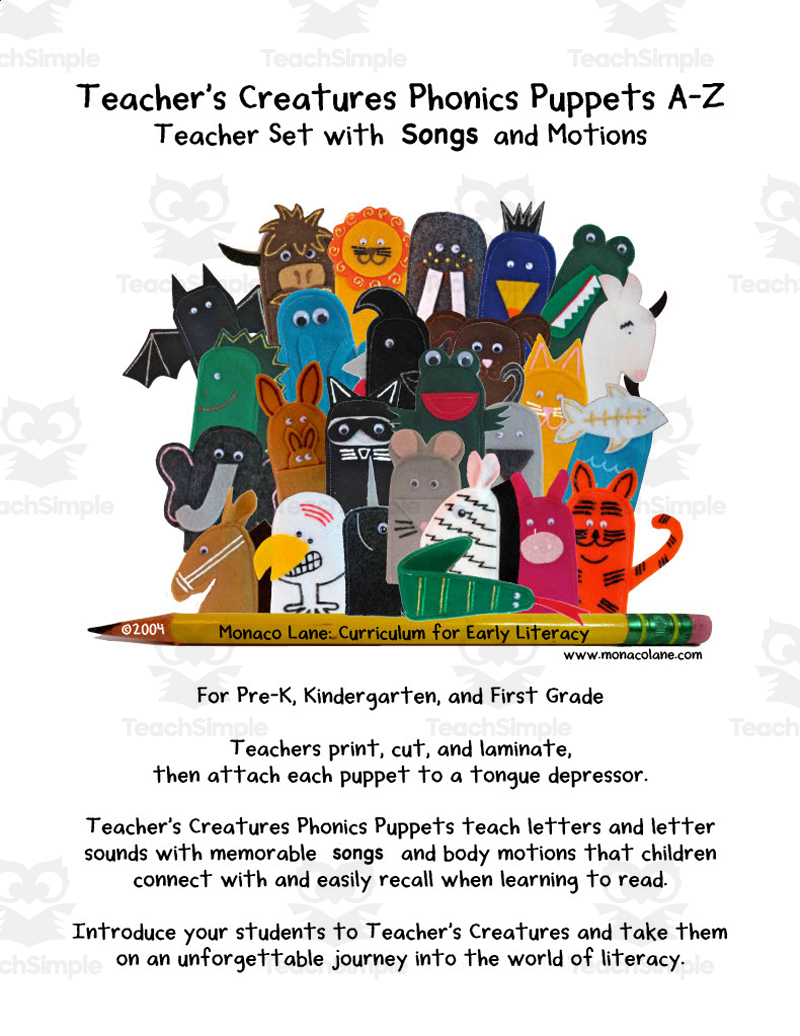
A phonics resource teaching letter names and letter sounds A-Z through printable animal puppets paired with memorable stories and body motions/songs for each letter.
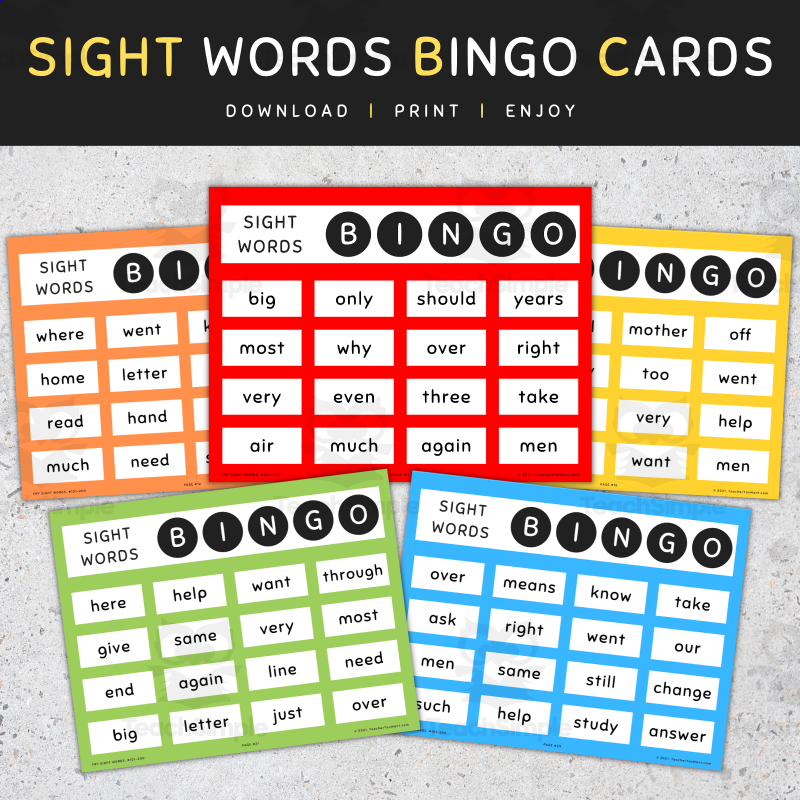
Bingo card set for practicing recognition of the Fry 2nd-100 sight words.
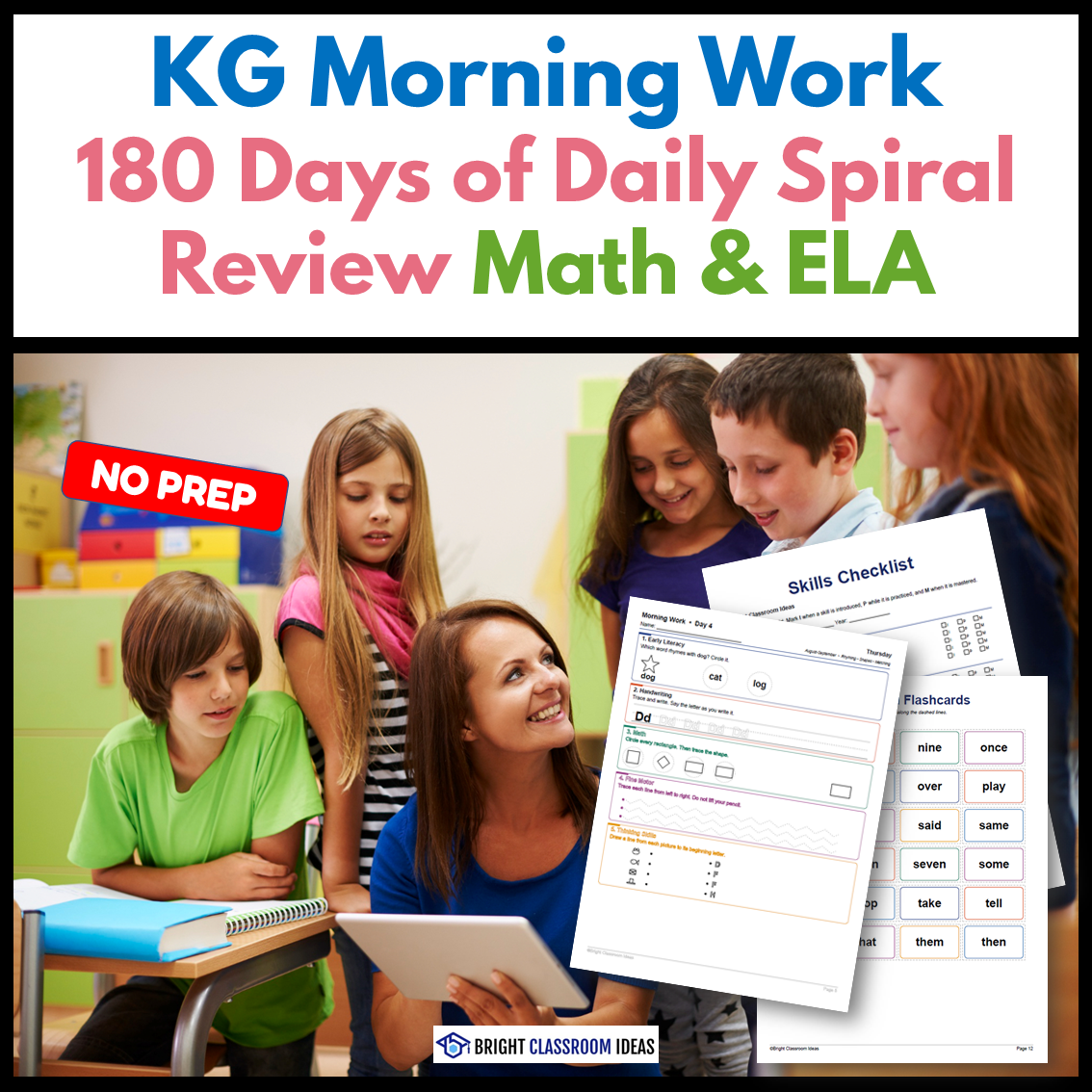
a one-page-per-day kindergarten morning work program providing 180 days of spiral review across early literacy, handwriting, math, fine motor skills, and thinking skills
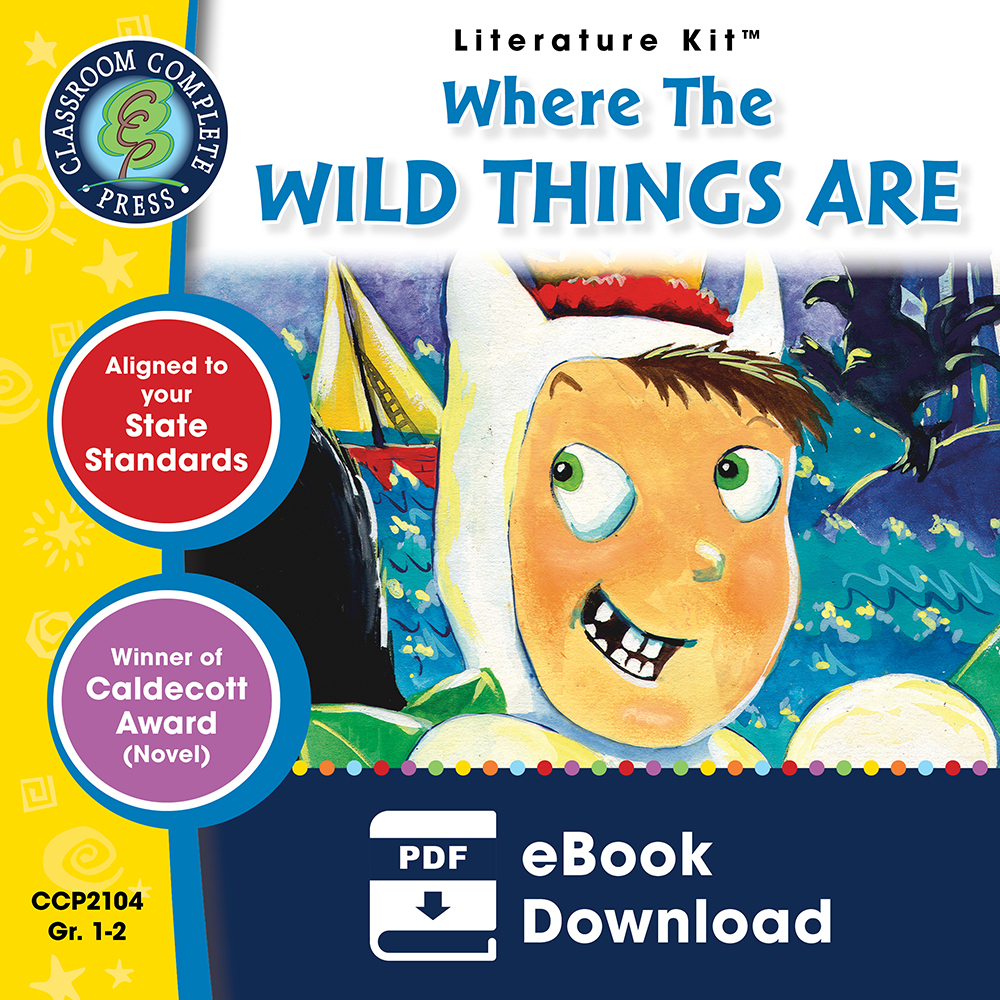
A Grade 1-2 literature kit (Classroom Complete Press) teaching phonics, word study, comprehension, and critical-thinking skills through the story Where the Wild Things Are.
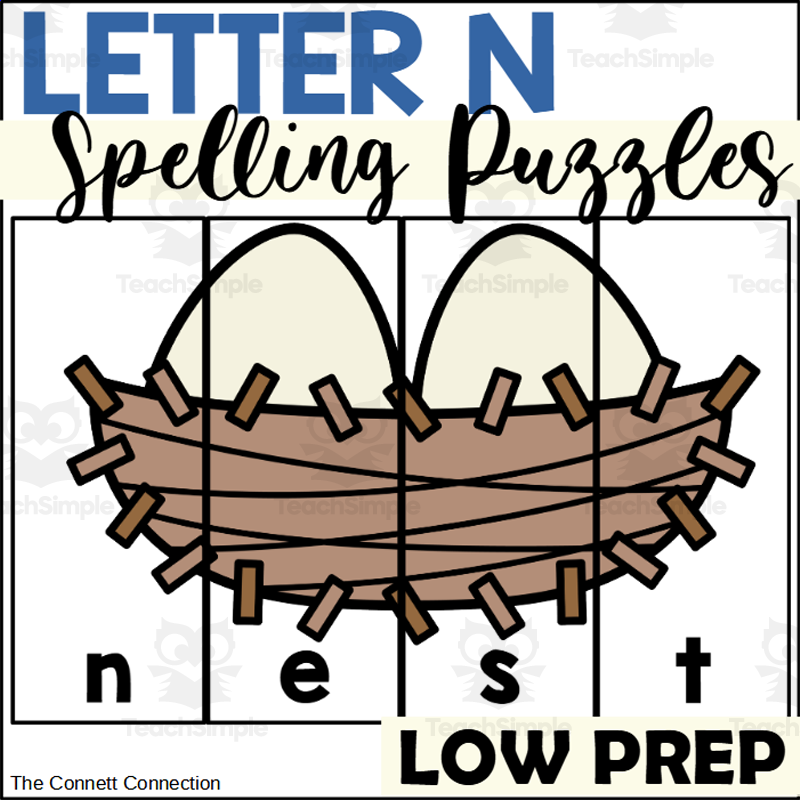
Build phonics and spelling skills by assembling letter puzzle pieces that spell words beginning with N.
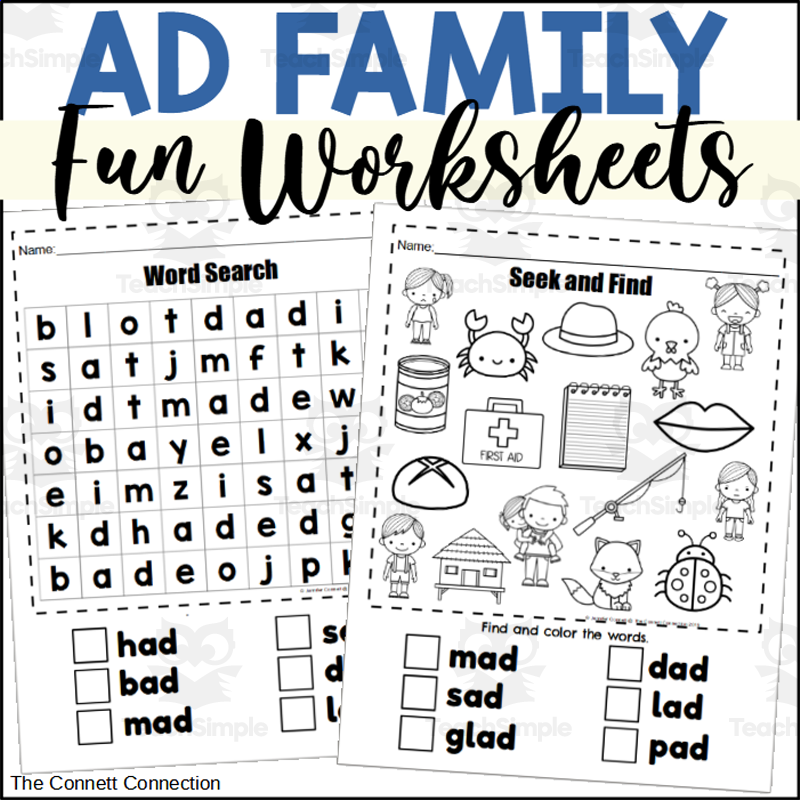
Three printable phonics puzzle worksheets practicing the AD word family.
An interactive alphabet story book that introduces the letter S and S-vocabulary through an original short story, used to build letter recognition and phonics skills.

A nursery-rhyme literacy kit teaching phonemic awareness, story structure, retelling skills, vocabulary, and sequencing through the 'Itsy Bitsy Spider' rhyme.

Build early literacy skills (phonemic awareness, vocabulary, story structure, cause and effect) using the 'Baa Baa Black Sheep' nursery rhyme.