resources by type
resources by grade
resources by subject
other resources

3,890 products added recently

Page 63 - Reading Activities

Discover a variety of reading activities designed to inspire and engage your students. From guided reading sessions to interactive reading journals, these resources support the development of comprehension and critical thinking skills. Tailored for different grade levels, these activities can help you create a dynamic literacy environment that fosters a lifelong love of reading.

Relevant
alt down
Any Time
alt down
filter by
alt down
All File Types
alt down
filter nav Show filters
Sort by: Relevant
CLEAR
resources by type
Activities
up arrow
Centers
Crafts
Escape Room
Experiments
down arrow
Games
Projects
Read Alouds
Songs
Classroom Decor
down arrow
Teacher Tools
down arrow
Worksheets & Printables
down arrow
resources by grade
Early Learning
down arrow
Pre-K
down arrow
Elementary
down arrow
Middle School
down arrow
High School
down arrow
Adult Education
Not Grade Specific
resources by subject
Creative Arts
down arrow
ELA
up arrow
Language Development
down arrow
Literature
down arrow
Reading
up arrow
Reading Comprehension
Library
Strategies
Writing
down arrow
Holiday & Seasonal
down arrow
Life Studies
down arrow
Math
down arrow
P.E. & Health
down arrow
Social Studies
down arrow
Special Resources
down arrow
Science
down arrow
Foreign Languages
down arrow
Resources for Teachers
down arrow
other resources
Common Core
Homeschool Resources
down arrow
Montessori
Research
STEM
The Little Book of Logic Puzzles: 25 Puzzles That Will Make You Think, Volume #3

The Little Book of Logic Puzzles: 25 Puzzles That Will Make You Think, Volume #3
ELA, Reading, Grade 5, 6, 7, 8, 9, 10, Activities

The Little Book of Logic Puzzles: 25 Puzzles That Will Make You Think, Volume #3 Educational Purpose: This is a highly effective resource for educators. It's specifically designed to enhance reading comprehension and problem-solving skills in students from grades 5 through 10. The main focus is on the Language Arts subject with an emphasis on Reading. This book contains a collection of 25 logic puzzles that engage learners and challenge their critical thinking skills. The organization goes from least challenging to most difficult, incrementally building the students' ability to solve problems. These puzzles offer a break from standard coursework and combine learning with recreation. Puzzle Format: Every puzzle has two pages - one containing the puzzle itself while the answer along with its explanation is provided on the next page. This provides teachers instant access to solutions – without needing any separate sheet or manual – making it easier for them to assist learners who may be struggling. Pedagogical Uses: Educators can use this tool for whole-group activities or small-group exercises enhancing collaborative learning skills among peers as each attempts these mind-bending riddles The puzzles can serve as engaging homework assignments, providing an alternative to traditional reading activities The document format options (Microsoft Word) allow teachers flexibility in usage; printouts or digital versions promote both paper-saving and digital literacy considerations The engaging nature of these puzzles makes them excellent choices for post-exam activities when certain students have finished early thus reducing potential distractions during this downtime period Additional Versions: More similar volumes await! Refer Volumes #1 and #2 that continue offering high-quality logic puzzles which contribute towards overall mental development by increasing the complexity of problem-solving. Conclusion: Whether you choose an analog or a digital format, The Little Book of Logic Puzzles: Volume #3 will prove to be an invaluable addition to any teacher's education arsenal, providing fun-thrilled brain challenges for students.

Author Gary Ciesla

Tags Logic Puzzles, Critical Thinking, Problem-solving, Reading Comprehension, Educational Resource

How Words Shape Our Minds: Social Studies Reading Passage (PDF)

How Words Shape Our Minds: Social Studies Reading Passage (PDF)
ELA, Reading, Reading Comprehension, Strategies, Resources for Teachers, Social Studies, Psychology, Grade 6, 7, 8, 9, Writing Prompts, Worksheets & Printables, Centers, Activities, Teacher Tools, Assessments, Quizzes and Tests, Quizzes, Tests

How Words Shape Our Minds: Social Studies Reading Comprehension Passage (PDF) This resource introduces a unique Social Studies reading comprehension passage with questions about How Words Shape Our Minds. The passage is carefully designed to bridge the gap between social studies and literacy through strengthening reading comprehension and sparking knowledge curiosity in middle school students. Each passage blends English Language Arts skills with accurate social studies content . Ideal for interdisciplinary learning in ELA and Social Studies. Suitable for Grade 9 review, too! Student Tasks throughout the passage: 5 multiple-choice questions targeting the following skills: main idea, key details, inference, vocabulary in context, and use of evidence 5 vocabulary matching items with clear, student-friendly definitions 5 text-based questions that require citing specific lines or facts 1 summary prompt that asks students to condense central ideas accurately Full answer key for every section Available Formats for this Resource: Fillable PDF Word Docs Google Docs FULL CATALOG OF DOWNLOADING LINKS HERE Social Studies Reading Comprehension Collection Links: 1. Ancient Civilizations PDF Fillable PDF Word Docs Google Docs 2. Early Empires and Trade Networks PDF Fillable PDF Word Docs Google Docs 3. The Founding of the United States PDF Fillable PDF Word Docs Google Docs 4. Language, Culture, and Meaning PDF Fillable PDF Word Docs Google Docs 5. Psychology and Society PDF Fillable PDF Word Docs Google Docs 6. Global Festivals and Traditions PDF Fillable PDF Word Docs Google Docs 7. Extreme Environments and People PDF Fillable PDF Word Docs Google Docs 8. Food, Culture, and Preservation PDF Fillable PDF Word Docs Google Docs 9. Global Food Customs PDF Fillable PDF Word Docs Google Docs 10. Media, Communication, and Popular Culture PDF Fillable PDF Word Docs Google Docs 11. Human Impact on the Environment PDF Fillable PDF Word Docs Google Docs 12. Civic Action and Social Change PDF Fillable PDF Word Docs Google Docs 13. Fashion, Society, and Power PDF Fillable PDF Word Docs Google Docs 14. People, Places, and Unusual Histories PDF Fillable PDF Word Docs Google Docs Product Details: Length: 5 pages Grades: 6–8, also suitable for Grade 9 review Use cases: close reading, stations, homework, intervention, test prep, and sub plans Why Teachers Choose This Passage: Authentic social studies content paired with rigorous literacy practice Consistent task structure for easier planning and smoother student routines Clear, age-appropriate writing that builds confidence without oversimplifying Use this passage to reinforce ELA skills in social studies, to add literacy to your lessons, and to support independent work. The passage strengthens main idea, evidence use, vocabulary in context, inference, cause and effect, and summary writing. With ready-to-use assessments and complete answer keys, you can provide focused practice that is simple to run and fast to review.

Author Middle & High School - CORED Education

Rating

Tags Middle School, Reading Comprehension, Reading Strategies, ELA, Centers, Reading Passage, Assessments, Vocabulary, Social Studies, Pschology

Life Science Reading Comprehension Passage: Animal Skin (Docs)

Life Science Reading Comprehension Passage: Animal Skin (Docs)
Science, ELA, Reading, Reading Comprehension, Strategies, Resources for Teachers, Life Sciences, Animals, Biology, Grade 6, 7, 8, 9, Writing Prompts, Worksheets & Printables, Centers, Activities, Teacher Tools, Assessments, Quizzes and Tests, Quizzes, Tests

Life Science Reading Comprehension Passage and Questions: Animal Skin (Docs) This very engaging life science reading passage about how animal skin helps animals survive. It explains that skin is not just a body covering. It can protect animals from sunlight, germs, insects, and predators. The passage gives three main examples : Hippos: Their red-colored secretion works like sunscreen, discourages insects, and helps kill bacteria. Zebras: Their stripes act as camouflage and can confuse predators when the herd moves together. King snakes: Their colors imitate venomous coral snakes, which makes predators hesitate or back off. This passage is designed to bridge the gap between science and literacy through strengthening reading comprehension and sparking scientific curiosity in middle school students. The passage blends English Language Arts skills with accurate science content that supports NGSS classroom practice. Ideal for interdisciplinary learning in ELA and Science. Suitable for Grade 9 review, too! Student Tasks for The Passage: 5 multiple-choice questions targeting main idea, key details, inference, vocabulary in context, and use of evidence 5 vocabulary matching items with clear, student-friendly definitions 5 text-based questions that require citing specific lines or facts 1 summary prompt that asks students to condense central ideas accurately Full answer key for every section Available Formats for this Resource PDF Fillable PDF Word Docs FULL CATALOG OF DOWNLOADING LINKS HERE Product Details Length: 4 pages total Grades: 6–8, also suitable for Grade 9 review Use cases: close reading, stations, homework, intervention, test prep, and sub plans Standards support: reinforces informational-text skills and supports NGSS-style sense making through observation, modeling, and clear use of claim, evidence, and reasoning Why Teachers Choose This Set Authentic science content paired with rigorous literacy practice Consistent task structure across all passages for easier planning and smoother student routines Clear, age-appropriate writing that builds confidence without oversimplifying Other Science Reading Collections you May find in the store: 1. Astronomy & Space Science 2. Volcanoes, Rocks, & Mountains 3. Rock Cycle, Soil, & Sinkholes 4. Mars, Glaciers, & Antarctica 5. Water Cycle, Acid Rain, & Wastewater 6. Insects, Animals, & Ecosystems 7. Bioluminescence & Insects 8. Animal Skin, Cats, & T. Rex 9. Human Body and Senses 10. Health & Applied Bioscience 11. Waves, Light, & Imaging 12. Electricity & Energy 13. Motion & Materials 14. Chemistry and Materials Science Use this set to reinforce ELA skills in science, to add literacy to your lessons, and to support independent work. The passages strengthen main idea, evidence use, vocabulary in context, inference, cause and effect, and summary writing. With ready-to-use assessments and complete answer keys, you can provide focused practice that is simple to run and fast to review.

Author Middle & High School - CORED Education

Rating

Tags Middle School, Reading Comprehension, Reading Strategies, ELA, Centers, Reading Passage, Assessments, Vocabulary, Life Science

Reading Comprehension on Cells, Reproduction and Genetics (PDF)

Reading Comprehension on Cells, Reproduction and Genetics (PDF)
ELA, Reading, Reading Comprehension, Language Development, Common Core, ESL, Biology, Life Sciences, Science, Nature & Plants, Grade 5, 6, 7, Worksheets, Worksheets & Printables, Assessments, Teacher Tools, Tests, Quizzes and Tests, Diagrams, Centers, Activities

Reading Passages on Cells, Reproduction and Genetics for Life Science (Biology) Cells, Reproduction and Genetics: Reading Passages Life Science - Enhance your assessment process with this ready-to-use science reading passage pack. Featuring enjoyable topics and themes, it's tailored to ensure students not only practice but also deepen their scientific understanding in preparation for tests. With questions meticulously aligned to the Common Core State Standards (CCSS), the pack dives into intriguing subjects such as circuits, electricity, and energy sources. It's a must-have resource for educators aiming to make learning both fun and fruitful. What's inside? Part 1 - Cells, Reproduction, Genetics Reading Passage 1: Cells Reading Passage 2: Cell Parts & Functions Reading Passage 3: Reproduction & Growth of Cells Reading Passage 4: Genetics Reading Passage 5: DNA Reading Passage 6: Uses of Genetics Product Info: 48 PAGES (PDF Version: US English with Answers) Teaching Duration: 2 Weeks Science Reading Comprehension Outline: Introducing a comprehensive resource tailored for 5th and 6th graders, this product offers enriching reading passages supplemented with illustrative pictures and graphs to clarify key concepts. Aligned with the Common Core State Standards (CCSS), it offers a hassle-free approach to teaching, given that the bulk of the preparation is already done for you. The passages present a diverse set of questions – from multiple choice to data analysis and fill-in-the-blanks. This ensures a rich blend of high-interest content and fundamental curriculum-based science themes. With its versatility, you can seamlessly integrate these lessons into various classroom settings, whether it's whole class discussions, morning exercises, independent desk tasks, small group engagements, contingency plans for substitute teachers, regular homework assignments, or even themed activities for holidays. FULL CATALOG OF DOWNLOAD LINKS HERE Grade 5/6 Links: Physical Science Part 1 - Physical and Chemical Properties Google Docs/Slides/Forms PDF PPT Word Free Supplementary Pack Accompanying Videos Physical Science Part 2 - Motion and Energy Google Docs/Slides/Forms PDF PPT Word Free Supplementary Pack Accompanying Videos Physical Science Part 3 - Electricity and Magnets Google Docs/Slides/Forms PDF PPT Word Free Supplementary Pack Accompanying Videos Life Science Part 1 - Cells, Reproduction and Genetics Google Docs/Slides/Forms PDF PPT Word Free Supplementary Pack Accompanying Videos Life Science Part 2 - Human Body Systems Google Docs/Slides/Forms PDF PPT Word Free Supplementary Pack Accompanying Videos Life Science Part 3 - Plant Parts and Ecosystems Google Docs/Slides/Forms PDF PPT Word Free Supplementary Pack Accompanying Videos Earth Science Part 1 - Plate Tectonics and Rock Cycle Google Docs/Slides/Forms PDF PPT Word Free Supplementary Pack Accompanying Videos Earth Science Part 2 - Ocean Exploration and Natural Resources Google Docs/Slides/Forms PDF PPT Word Free Supplementary Pack Accompanying Videos Earth Science Part 3 - Weather and Solar System Google Docs/Slides/Forms PDF PPT Word Free Supplementary Pack Accompanying Videos For similar products and other frees, do check out Cored Group on TeachSimple .

Author Cored Education

Rating

Tags Science, Elementary, Reading, Comprehension, Vocabulary, Answers, Physics, Physical Science, Common Core, Reading Passages

Boo! An |oo| Sounds Decodable Reader

Boo! An |oo| Sounds Decodable Reader
ELA, Reading, Preschool, Grade 1, Activities

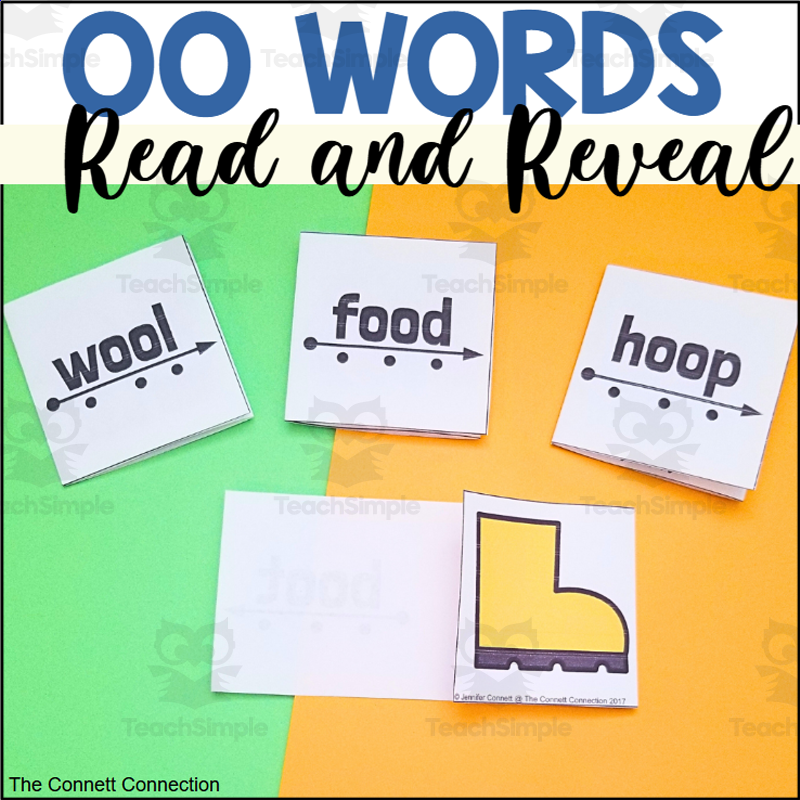
This resource is an oo Sounds Decodable Reader Packet. Students will enjoy their 8-page mini reader that comes with a cover page. The pictures can be colored as students get ready for the spooky season! Then there is a word card sort activity for the two different sounds that |oo| makes. Next there is a cut and paste word sort activity. Answer key included. Students will also complete a fill in the blank. Answer key included. Finally, there is a board game for students to enjoy in small groups. Directions for how to play are included.

Author Literacy Life

Tags Decodable Reader, Emergent Reader, Halloween, October, Autumn

Prehistoric Archaeology: Social Studies Reading Passage (Fillable PDF)

Prehistoric Archaeology: Social Studies Reading Passage (Fillable PDF)
ELA, Reading, Reading Comprehension, Strategies, Resources for Teachers, Social Studies, History: Ancient, History, Grade 6, 7, 8, 9, Writing Prompts, Worksheets & Printables, Centers, Activities, Teacher Tools, Assessments, Quizzes and Tests, Quizzes, Tests

Prehistoric Archaeology: Social Studies Reading Comprehension Passage (Fillable PDF) This resource introduces a unique Social Studies reading comprehension passage with questions about Prehistoric Archaeology: How Archaeology Explains Prehistory. The passage is carefully designed to bridge the gap between social studies and literacy through strengthening reading comprehension and sparking knowledge curiosity in middle school students. Each passage blends English Language Arts skills with accurate social studies content . Ideal for interdisciplinary learning in ELA and Social Studies. Suitable for Grade 9 review, too! This resource is designed as a fillable PDF , which means students can type their answers directly into the document on any computer or tablet . Each page includes highlighted text fields that show them exactly where to type! Student Tasks throughout the passage: 5 multiple-choice questions targeting the following skills: main idea, key details, inference, vocabulary in context, and use of evidence 5 vocabulary matching items with clear, student-friendly definitions 5 text-based questions that require citing specific lines or facts 1 summary prompt that asks students to condense central ideas accurately Full answer key for every section Available Formats for this Resource: PDF Word Docs Google Docs FULL CATALOG OF DOWNLOADING LINKS HERE Social Studies Reading Comprehension Collection Links: 1. Ancient Civilizations PDF Fillable PDF Word Docs Google Docs 2. Early Empires and Trade Networks PDF Fillable PDF Word Docs Google Docs 3. The Founding of the United States PDF Fillable PDF Word Docs Google Docs 4. Language, Culture, and Meaning PDF Fillable PDF Word Docs Google Docs 5. Psychology and Society PDF Fillable PDF Word Docs Google Docs 6. Global Festivals and Traditions PDF Fillable PDF Word Docs Google Docs 7. Extreme Environments and People PDF Fillable PDF Word Docs Google Docs 8. Food, Culture, and Preservation PDF Fillable PDF Word Docs Google Docs 9. Global Food Customs PDF Fillable PDF Word Docs Google Docs 10. Media, Communication, and Popular Culture PDF Fillable PDF Word Docs Google Docs 11. Human Impact on the Environment PDF Fillable PDF Word Docs Google Docs 12. Civic Action and Social Change PDF Fillable PDF Word Docs Google Docs 13. Fashion, Society, and Power PDF Fillable PDF Word Docs Google Docs 14. People, Places, and Unusual Histories PDF Fillable PDF Word Docs Google Docs Product Details: Length: 5 pages Grades: 6–8, also suitable for Grade 9 review Use cases: close reading, stations, homework, intervention, test prep, and sub plans Why Teachers Choose This Passage: Authentic social studies content paired with rigorous literacy practice Consistent task structure for easier planning and smoother student routines Clear, age-appropriate writing that builds confidence without oversimplifying Use this passage to reinforce ELA skills in social studies, to add literacy to your lessons, and to support independent work. The passage strengthens main idea, evidence use, vocabulary in context, inference, cause and effect, and summary writing. With ready-to-use assessments and complete answer keys, you can provide focused practice that is simple to run and fast to review.

Author Middle & High School - CORED Education

Rating

Tags Middle School, Reading Comprehension, Reading Strategies, ELA, Centers, Reading Passage, Assessments, Vocabulary, Social Studies, Ancient Civilization

o-e Phonic Worksheets for Early Years/Intervention

o-e Phonic Worksheets for Early Years/Intervention
Special Resources, ELA, Language Development, Phonics, Reading, Spelling, Kindergarten, Preschool, Grade 1, 2, Activities, Worksheets & Printables, Worksheets

This is a pack of 12 phonic worksheets for the Long Vowel O-E (as in rope) specially designed for those with special needs, including those with dyslexia or who may be suspected of being dyslexic but will work equally well with young learners in Kindergarten/EYFS/Y1. A pack of 12 worksheets with a variety of exercises to help build phonemic awareness and reading fluency. These sheets are LETRS and UK GOV requirements aligned. These worksheets also align with the most popular phonic programmes, including RWI and Letters and Sounds. What is included? 12 worksheets for the sound O-E taking pupils from hearing the sounds in words to reading and spelling them at word and sentence level. all following my special method devised as I privately tutor children of all ages with profound special needs. Your phonics lessons covered! Tracking, fluency triangles, spelling, reading, games, comprehension exercises....and more! Who are these worksheets for? I have written them for pupils who struggle with processing information - especially sounds. This includes children who are DYSLEXIC or have ANY other kind of processing disorder. Such children may have failed with other methods of teaching phonics. Such pupils need activities that: ·are highly structured - one tiny step at a time building on the one before using only a limited number of words to start with and only using words that the child has already learnt to sound out, with no nasty surprises. ·Have only a little on each pageas these pupils tire easily. What makes these worksheets special? I have a powerful three-step process which I use with my special needs pupils, which is worked out over the course of the 12 worksheets: 1. See it!where we focus on becoming aware of the new sound in words. This involves first hearing the new sound in words and then seeing it in words (tracking). 2. Sound-it-out!Having learnt to see the new sound in words, we learn to sound out these words to read and write them. We begin by usingsound-it-out boxesfor reading and spelling which help the child to segment the word prior to blending the sounds together. Once the child can read and write individual words, we work on fluency by building familiarity with the common words in the new sound family. Once the child can sound the words out to read and spell confidently, we move on to recognising them/using them in longer reading and dictation passages, as soon as the child is able. I provide 2 reading passages with comprehension exercises and one dictation passage, with a page in the workbook dedicated to it, with room for a picture, which again cements understanding. 3. Write it! Incorporated into the above two steps, we constantly write the new sound. This adds a multi-sensory dimension to our work - we see with our eyes, we sound it with our mouth parts and voice, and then we move by writing. All three steps work together to help the child feel in control of his/her learning and to become a successful, confident learner. We finish each sound with a dictation which culminates our work before we move on to the next sound. I try to give the dictation a week after we finish the work on the EA sound to act as revision. The dictation: Read this passage to your pupil, who should write it. Have the child read his/her work and check for errors. Make sure the writing is completely accurate before saying the child has finished, including full stops and capital letters correctly used. Flashcards are included of some common O-E words. What is included? 1 PDF with flashcards and 12 O-E worksheets

Author Lilibette's Resources

Tags Magic E, Phonic Worksheets, Special Needs, Phonic Games, Print N Play Phonic Game, Split Digraph O-e, O-e Worsheets, Silent E, Split Digraph O-e, Phonics O-e

Analyzing Details Through Pop Music Song Lessons

Analyzing Details Through Pop Music Song Lessons
ELA, Reading, Reading Comprehension, Grade 9, 10, 11, 12, Songs, Activities

Introduce students to the art of literary analysis with these captivating music-based activities! Taking inspiration from Nancy Dean's Voice Lessons, our Song Lessons module employs various genres of pop music (including country, rock, and folk) to demonstrate the power of literary devices in literature. This segment, which serves as an ideal warm-up or end-of-week exercise, invites students to scrutinize song lyrics through the lens of detailed literary devices. This activity is so easy and fun to implement with your students! Simply start by introducing the literary device with the provided definition, then use the copy/paste directions to create and then print any of the five provided song discussion activities. When students walk into their next class and hear a song playing over your speakers, they will be so excited to get started analyzing the lyrics with each worksheets questions and annotation activity . Once students are comfortable with song discussions, you can provide them with the opportunity to create their own! They will have a blast sharing the literary power of their favorite song! Each Song Lesson section contains the following: - An introduction with lesson planning advice and the definitions of 5 literary devices (Detail, Diction, Imagery, Point of View, and Tone) - 5 short song lessons. Each lesson includes a pop song (music and lyrics available via included web link), an annotation activity , and three close reading analysis questions that ask students to examine the selected song through the lens of the literary concept of details - An answer key for each included song - A Create Your Own Song Lesson Assignment that allows students to share their favorite music while also demonstrating their understanding of the literary device of details. This assignment worksheet includes a rubric tied to the ELA Common Core Standards CCRA.W.4 and CCRA.SL.2 LYRICS ANALYZED IN SONG LESSONS: DETAILS: "In Lonesome Dove," by Garth Brooks; "Six Blocks Away," by Lucinda Williams; "Traveling Soldier," by The Dixie Chicks; "Racing in the Streets," by Bruce Springsteen; "Lido Shuffle," by BOZ SCAGGS. Although this resource can be fitted for any secondary Language Arts classroom, it has been carefully designed to work best in grades 9, 10, 11, and 12. The included activities and rubric are subtly but specifically tied to Common Core ELA Standards for Language (3, 4, and 5), Speaking and Listening (2), and Writing (4). This resource is provided as a Microsoft PowerPoint template file. This resource contains 11 pages.

Author The Language of Educational Art, LLC

Tags Bell Ringer, Music, Literary Analysis, Literary Devices

Science Reading Passages: Mars, Glaciers, & Antarctica (FILLABLE PDF)

Science Reading Passages: Mars, Glaciers, & Antarctica (FILLABLE PDF)
Science, Space, Earth and Environmental Sciences, ELA, Reading, Reading Comprehension, Strategies, Resources for Teachers, Environmental Science, Grade 6, 7, 8, 9, Writing Prompts, Worksheets & Printables, Centers, Activities, Teacher Tools, Assessments, Quizzes and Tests, Quizzes, Tests

Mars, Glaciers, and Antarctica: Reading Comprehension Passages (FILLABLE PDF) This very engaging and fillable collection of science reading passages about Mars, Glaciers, and Antarctica (Earth and Space Environments) is designed to bridge the gap between science and literacy through strengthening reading comprehension and sparking scientific curiosity in middle school students. Each passage blends English Language Arts skills with accurate science content that supports NGSS classroom practice. Ideal for interdisciplinary learning in ELA and Science. Suitable for Grade 9 review, too! These worksheets are designed as fillable PDFs , which means students can type their answers directly into the document on any computer or tablet . Each page includes highlighted text fields that show them exactly where to type! What Is Included? There are (3) informational passages: Antarctica: Science at the End of the Earth From Earth to Mars: What Life Would Require Ice Age Leftovers: From Glaciers to Sea Ice Student Tasks for Each Passage: 5 multiple-choice questions targeting main idea, key details, inference, vocabulary in context, and use of evidence 5 vocabulary matching items with clear, student-friendly definitions 5 text-based questions that require citing specific lines or facts 1 summary prompt that asks students to condense central ideas accurately Full answer key for every section Available Formats for this Resource Word Docs Google Docs FULL CATALOG OF DOWNLOADING LINKS HERE Other Science Reading Collections and Topics You May Find in the Store: 1. Astronomy & Space Science 2. Volcanoes, Rocks, & Mountains 3. Rock Cycle, Soil, & Sinkholes 4. Mars, Glaciers, & Antarctica 5. Water Cycle, Acid Rain, & Wastewater 6. Insects, Animals, & Ecosystems 7. Bioluminescence & Insects 8. Animal Skin, Cats, & T. Rex 9. Human Body and Senses 10. Health & Applied Bioscience 11. Waves, Light, & Imaging 12. Electricity & Energy 13. Motion & Materials 14. Chemistry and Materials Science 15. Electromagnetism 16. Acids and Bases 17. Gas Laws 18. Biotechnology 19. Periodic Trends 20. Protists and Fungi 21. Microevolution 22. Blood 23. Chemical Bonding 24. Magnets 25. Muscles 26. Nuclear Chemistry 27. Electromagnetic Devices 28. Epigenetics 29. The Law of Conservation of Mass 30. Atomic Models 31. Isotopes and Ions 32. Light 33. Human-Environment Interaction 34. Theory of Evolution 35. Photosynthesis 36. Origins of Life and Early Earth 37. Gene Expression and Regulation 38. Thermochemistry 39. Allergies 40. Coevolution 41. Birth to Adulthood 42. Cells 43. Entropy and Free Energy 44. The Human Brain 45. Mixtures and Solutions 46. Invertebrates 47. Zoo Animals 48. Biochemistry 49. Animal Behavior 50. Population Ecology ...and many more engaging science reading passages that cover intriguing and important topics designed to spark curiosity and support student learning. How to Use These PDFs Click on the highlighted area to start typing your answer. Move to the next question by clicking in the next highlighted box. When you are finished, close the document and select SAVE so your answers stay recorded. If you want to keep a blank copy for later, choose Save As and give your completed version a new name. Product Details Length: 15 pages total Grades: 6–8, also suitable for Grade 9 review Use cases: close reading, stations, homework, intervention, test prep, and sub plans Standards support: reinforces informational-text skills and supports NGSS-style sense making through observation, modeling, and clear use of claim, evidence, and reasoning Why Teachers Choose This Set Authentic science content paired with rigorous literacy practice Consistent task structure across all passages for easier planning and smoother student routines Clear, age-appropriate writing that builds confidence without oversimplifying Use this set to reinforce ELA skills in science, to add literacy to your lessons, or to support independent work. The passages strengthen main idea, evidence use, vocabulary in context, inference, cause and effect, and summary writing. With ready-to-use assessments and complete answer keys, you can provide focused practice that is simple to run and fast to review.

Author Middle & High School - CORED Education

Rating

Tags Middle School, Reading Comprehension, Reading Strategies, Reading Passages, ELA, Centers, Reading Passage, Assessments, Vocabulary, Earth Science

Newspapers Reading Comprehension Passage - Cored Ed Encyclopedia

Newspapers Reading Comprehension Passage - Cored Ed Encyclopedia
ELA, Language Development, Resources for Teachers, Reading Comprehension, Reading, Pre-Reading, Writing, History, Social Studies, Strategies, Grade 2, 3, 4, 5, Worksheets & Printables, Worksheets, Teacher Tools, Centers, Activities, Writing Prompts, Assessments, Tests, Quizzes and Tests, Quizzes

This newspapers reading comprehension contains the following: COMPANION VIDEO NOW AVAILABLE (EMBEDDED AFTER PREVIEW PICTURES IN PRODUCT DESCRIPTION) Visualize on the Cover (Teacher Read Aloud Script) Start your lesson by taking a few moments to visualize the topic and share thoughts or feelings about it. Pre-Reading Trivia Students will write down one thing they already know about the subject and then read five more facts and discuss. These facts are fun, and the students will enjoy learning about the subject before reading more. Reading Passage The text is a high-interest reading passage with set paragraphs, roughly three to four paragraphs long. It contains a variety of themes about the topic, anywhere from history to technology. The passage is between 250 and 350 words in length. Mixed Questions The first question page contains four multiple-choice questions, each with a choice of four answers, and three written response questions that require a sentence or two from the student. Vocabulary Questions Practice seven key words from the text in this section across two activities. First section is scrambled words where students will unscramble three words given a clue for each. The second section is a word to meaning matching activity. Creative Writing In this question, the student will be required to write a five to eight sentence paragraph on a question related to the topic. Extension Activities This page is optional for fast finishers or to take home. There are several activities, each one requiring a different skill. Do some, do none, do all, completely optional - but you will feel reassured knowing every possibility is planned for. Includes summary writting question. Answer Key There are answers for the multiple-choice questions, written response questions have sample answers, vocabulary answers and if there is a summary question then a sample summary will be provided as well. FULL CATALOG OF DOWNLOAD LINKS AND ENCYCLOPEDIA INDEX HERE Lesson Snapshot Title: Newspapers Genre: Nonfiction Subject: Reading (Informational Text / Media Literacy) Primary Topic: What newspapers are, how they work, and why they matter Estimated Guided Reading Level (A–Z): N What This Lesson Teaches Best Explains what a newspaper is (a bundle of pages on a schedule) and what it contains (stories, photos, advertisements, and sometimes opinions). Teaches how newspapers are organized, including narrow columns, headlines, sections, and an editorial page with editorials and op-eds (opinions, not straight news). Builds understanding of how newspapers developed over time, including printing presses spreading and a 1605 paper from Strasbourg that is often recognized as the first newspaper. Describes how newspapers are made: reporting, interviewing, checking records, editors looking for mistakes, and printing a correction if an error slips through. Reinforces the passage with support pages (trivia, mixed questions, vocabulary, writing, and extensions) that match the same ideas and terms (headline, editorial/op-ed, correction, newsstands, online editions). Learning Goals Define a newspaper using details from the passage. Identify features of a newspaper mentioned in the text, such as columns, headlines, photographs, and advertisements. Explain how sections and the editorial page help separate topics and opinions from straight news. Describe how printing presses helped printed news reach many readers. Describe what journalists and editors do to make a newspaper accurate and clear. Explain what stays the same when newspapers publish online for screens. Key Vocabulary From the Text Schedule — a planned time pattern (every day or every week). Columns — narrow vertical parts that words stand in. Editorial — an opinion piece in a newspaper. Op-eds — opinion writing, not straight news. Correction — a note printed to fix a mistake. Cored Ed Encyclopedia Overview The Cored Ed Encyclopedia is a weekly series of lessons that you can pick up and use right away. These short readings fit into whatever time you have available. Each one includes a warm-up, a reading, and a set of questions, but it’s flexible — you can do just the reading, the full lesson, or skip the writing section if you need to. Each lesson focuses on a single topic so students don’t get lost. The writing is clear but never childish, making it perfect for grades two through five. Topics range from animals and science to history, inventions, and everyday things. No matter the level of the student, everyone should take away at least one new idea or fact from each lesson. The materials are easy to print, easy to explain, and require no setup. They work well for whole-class teaching, partner work, or independent study.

Author Cored Education

Rating

Tags Vocabulary, Spelling, Reading Comprehension, Reading Passages, Reading, Creative Writing, Reading Strategies, Writing Prompts, Newspapers, History

Zomo the Rabbit: A Trickster Tale Read Aloud Book Companion

Zomo the Rabbit: A Trickster Tale Read Aloud Book Companion
ELA, Reading, Reading Comprehension, Literature, Grade 2, 3, 4, Read Alouds, Activities

This picture book companion is a complete supplemental resource for the book Zomo the Rabbit: A Trickster Tale from West Africa by Gerald McDermott. It includes 27 print-and-go reading activities to choose from, making this resource ideal for customizing learning to your student's specific needs and academic abilities. Students will investigate characters, identify story elements, determine the theme, practice plotting story events, compare & contrast, make predictions, inferences, & connections, answer questions that require them to think beyond the text, and much more! Students will thoroughly enjoy the captivating activities, and you'll value the time saved from scouring for advanced resources to address challenging reading concepts. The offered activities are crafted to foster higher-order thinking, prompt students to present textual proof for their reasoning, and inspire them to share their personal insights and viewpoints. ⭐️This Resource Includes:⭐️ ◾ Elements of a Trickster Tale Anchor Chart or Notes Handout: Color and B&W ◾ Making Predictions: Before reading the book, students will make predictions about the text. ◾ Elements of a Trickster Tale: Students fill in the chart with the details of the story that characterize it as a trickster tale. ◾ Trickster Tale Tidbits: Students will answer the questions with details from the story that proves it's a trickster tale. ◾ Story Elements: Students fill in the boxes with words & pictures to represent the story elements. ◾ Sequencing: Students will retell & illustrate the important parts of the story. ◾ Retell the Story: Students retell the beginning, middle, and end of story with text and illustrations. ◾ Recalling events in Chronological Order: Students describe and illustrate four major events in the story in chronological order. ◾ Summary: Students complete the Somebody, Wanted, Because, But, So graphic organizer and write a summary of the story. ◾ Story Event Sort: Students will describe a scene or event from the story that fits into each of the categories & explain how the event made them feel & how it relates to the category. ◾ Making Inferences: Students use clues & schema to make inferences while reading the story. ◾ Making Connections: Students make connections to an event from the story. ◾ Author's Message: Students describe four important events from the story in chronological order and answer the questions about the author's message. ◾ Character Inside & Out: Students include details from the story to describe what the character says, thinks, does, and feels. ◾ Character Feelings: Students describe how the character's feelings change throughout the story & give examples of the events that cause them to feel the way they do. ◾ Character Development: Students select the character traits that best describe the character at different times throughout the story and provide examples from the book to support each character trait. ◾ Character Change: Students will explain how the character changed from the beginning to the end of the story and describe the events that caused the change to happen. ◾ Sketch a Scene From the Story: Students draw a scene from the story & explain why it's important to the plot. ◾ Setting Influences the Plot: Students will draw a scene from the story that takes place in one of the settings and write about what happened there and why it was important to the plot. ◾ Setting the Scene: Students identify three different settings in the story and explain how they know that the setting changed. ◾ Theme: Students answer the questions to determine which theme best fits the story and provide text evidence to support their choice. ◾ Thinking About the Text: Students will answer the questions about the story & include examples from the text to support their answers. ◾ 3-2-1: Students will list three tricks that Zomo played on the other animals, 2 lessons that can be learned from the story, and one word that describes Zomo the Rabbit. ◾ The Way to Wisdom: Students identify the three things the Sky God asked Zomo in return for granting him wisdom. ◾ Wanted Poster: Students create a wanted poster for Zomo the Rabbit. ◾ Sorry, Not Sorry: Students state their opinion on whether Zomo is selfish or just determined. Then, based on their opinion, students will write an apology note or a note to defend Zomo's actions. ◾ Wait... There's More!: Students will write about what happens next in the story. ◾ Book Review: Students color in the stars to rate how much they enjoyed the book and draw a new cover & their favorite character from the story. Then, they will explain why other kids should or should not read it. 💡Need ideas for different ways you can implement these activities? ◾ Focus on different reading skills each day for targeted instruction, and have students complete a corresponding printable to check for understanding. ◾ During centers, students can independently read the story again and complete an activity that reviews a previously taught concept. ◾ Work with students on a reading concept they struggle with during guided reading or strategy groups. ◾ Students work with a partner or in literature circles to complete additional reading activities. This resource is for extension read-aloud activities only. The book is not included. ⭐️You may also like: ⭐ TEXT SET #1: "The Importance of Friendship" ◾ A Weekend With Wendell Read Aloud Book Companion Activities for IRA ◾ First Come the Zebra Read Aloud Book Companion Activities for IRA ◾ This is Our House Read Aloud Book Companion Activities for IRA ◾ Horace and Morris But Mostly Dolores Read Aloud Book Companion Activities for IRA ◾ The Old Woman Who Named Things Read Aloud Book Companion Activities for IRA TEXT SET #3: "Finding Your Way in a New Place" ◾ Grandfather Counts Read Aloud Book Companion Activities for IRA ◾ The Have a Good Day Cafe, Read Aloud Book Companion Activities for IRA ◾ Roses for Gita Read Aloud Book Companion Activities for IRA ◾ Mango, Abuela, and Me, Read Aloud Book Companion Activities for IRA ◾ Home at Last Read Aloud Book Companion Activities for IRA TEXT SET #7: "Exploring Narrative Nonfiction" ◾ Cactus Hotel Read Aloud Book Companion Activities for IRA ◾ A Log's Life Read Aloud Book Companion Activities for IRA ◾ Salmon Stream Read Aloud Book Companion Activities for IRA ◾ Think of an Eel Read Aloud Book Companion Activities for IRA ✨Be sure to check out my storefront here: https://teachsimple.com/contributor/creatively-gifted

Author Creatively Gifted

Tags IRA, Picture Book Activities, Read Aloud Lessons, Interactive Read Aloud Activities, Elementary Reading, Reading Comprehension, Fountas And Pinnell IRA, Second Grade, Trickster Tales, Zomo The Rabbit

Life Science Reading Comprehension Passage: Animal Skin (PDF)

Life Science Reading Comprehension Passage: Animal Skin (PDF)
Science, ELA, Reading, Reading Comprehension, Strategies, Resources for Teachers, Life Sciences, Animals, Biology, Grade 6, 7, 8, 9, Writing Prompts, Worksheets & Printables, Centers, Activities, Teacher Tools, Assessments, Quizzes and Tests, Quizzes, Tests

Life Science Reading Comprehension Passage and Questions: Animal Skin (PDF) This very engaging life science reading passage about how animal skin helps animals survive. It explains that skin is not just a body covering. It can protect animals from sunlight, germs, insects, and predators. The passage gives three main examples : Hippos: Their red-colored secretion works like sunscreen, discourages insects, and helps kill bacteria. Zebras: Their stripes act as camouflage and can confuse predators when the herd moves together. King snakes: Their colors imitate venomous coral snakes, which makes predators hesitate or back off. This passage is designed to bridge the gap between science and literacy through strengthening reading comprehension and sparking scientific curiosity in middle school students. The passage blends English Language Arts skills with accurate science content that supports NGSS classroom practice. Ideal for interdisciplinary learning in ELA and Science. Suitable for Grade 9 review, too! Student Tasks for The Passage: 5 multiple-choice questions targeting main idea, key details, inference, vocabulary in context, and use of evidence 5 vocabulary matching items with clear, student-friendly definitions 5 text-based questions that require citing specific lines or facts 1 summary prompt that asks students to condense central ideas accurately Full answer key for every section Available Formats for this Resource Fillable PDF Word Docs Google Docs FULL CATALOG OF DOWNLOADING LINKS HERE Product Details Length: 4 pages total Grades: 6–8, also suitable for Grade 9 review Use cases: close reading, stations, homework, intervention, test prep, and sub plans Standards support: reinforces informational-text skills and supports NGSS-style sense making through observation, modeling, and clear use of claim, evidence, and reasoning Why Teachers Choose This Set Authentic science content paired with rigorous literacy practice Consistent task structure across all passages for easier planning and smoother student routines Clear, age-appropriate writing that builds confidence without oversimplifying Other Science Reading Collections you May find in the store: 1. Astronomy & Space Science 2. Volcanoes, Rocks, & Mountains 3. Rock Cycle, Soil, & Sinkholes 4. Mars, Glaciers, & Antarctica 5. Water Cycle, Acid Rain, & Wastewater 6. Insects, Animals, & Ecosystems 7. Bioluminescence & Insects 8. Animal Skin, Cats, & T. Rex 9. Human Body and Senses 10. Health & Applied Bioscience 11. Waves, Light, & Imaging 12. Electricity & Energy 13. Motion & Materials 14. Chemistry and Materials Science Use this set to reinforce ELA skills in science, to add literacy to your lessons, and to support independent work. The passages strengthen main idea, evidence use, vocabulary in context, inference, cause and effect, and summary writing. With ready-to-use assessments and complete answer keys, you can provide focused practice that is simple to run and fast to review.

Author Middle & High School - CORED Education

Rating

Tags Middle School, Reading Comprehension, Reading Strategies, ELA, Centers, Reading Passage, Assessments, Vocabulary, Life Science

The Princess and the Pea Lapbook Project Reading Writing Grades 3 4  5

The Princess and the Pea Lapbook Project Reading Writing Grades 3 4 5
ELA, Reading, Literature, ESL, Language Development, Grade 3, 4, 5, Activities, Centers, Crafts, Projects, Graphic Organizers, Teacher Tools, Assessments, Templates

Discover what a real princess is all about through this The Princess and the PeaLapbook Project! Designed for Grades 3, 4, and 5 students, homeschoolers and EFL/ESL learners, this interactive resource is perfect for reading centers, reading classes, fairy tale units, reading comprehension supplemental assessment tool, sup plans, and so much more! Included in this pack are: •3 The Princess and the PeaLapbook Differentiated Reading Passages (Easy, Average, Hard) •4 The Princess and the PeaLapbook Princess and the Pea-Themed Lapbook Covers for student choice •2 The Princess and the PeaLapbook Name Page Options for individuals or group teams •1 The Princess and the PeaLapbook Inner Overlap Page for smooth lapbook assembly •3 The Princess and the PeaLapbook Story Retelling Templates to summarize the tale in students’ words •2 The Princess and the PeaLapbook “Moral of the Story” Pages to explore deeper meanings •2 The Princess and the PeaLapbook Sequencing Pockets to sort key story events •6 The Princess and the PeaLapbook Illustrated Sequence Cards (picture cards) •3 The Princess and the PeaLapbook Sets of Sequencing Cards (differentiated by difficulty) •6 The Princess and the PeaLapbook Story Retell Cards to support oral or written retelling •1 The Princess and the PeaLapbook Character Traits Fold (analyze the princess, queen, prince, etc.) •1 The Princess and the PeaLapbook Setting Fold to capture time and place •1 The Princess and the PeaLapbook Story Elements Fold for extra details and plot highlights •1 The Princess and the PeaLapbook Story Rating Page for expressing opinions •1 The Princess and the PeaLapbook Reflection Fold to connect the story to students’ experiences

Author It's Teacher L

Rating

Tags The Princess And The Pea, Fairy Tale, Reading Comprehension, Reading Centers, ELA Projects

ED Words Matching Mats

ED Words Matching Mats
ELA, Language Development, Phonics, Reading, Reading Comprehension, Preschool, Grade 1, Activities, Centers

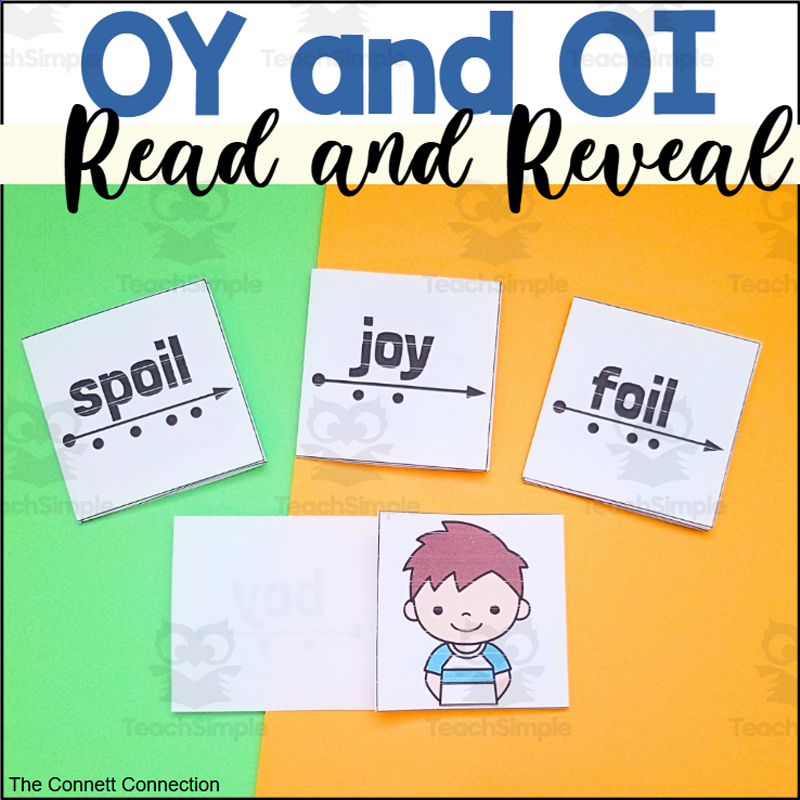
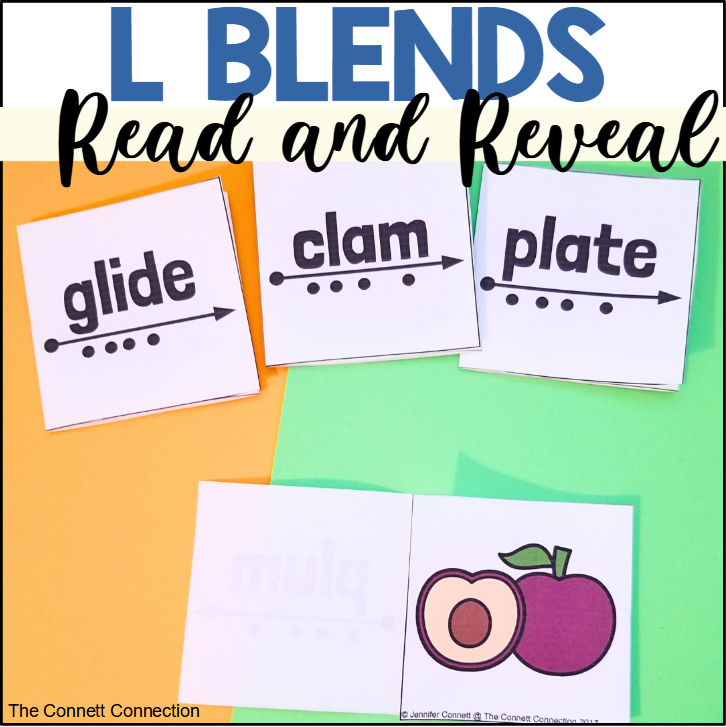
Students can practice reading comprehension skills with these ED word family mats. Students can practice reading ED words in isolation and in the context of sentences. The words in this set follow a CVC or CCVC spelling pattern. Included in this resource: This resource includes one word mat and one sentence mat, both for reading AT words in insolation and in context. There are also picture cards that correspond with each word and sentence. To complete this activity , students will read each ED word or sentence on the mat and then match the corresponding pictures. Students can work independently or with a partner to complete this activity . How to Use these ED word Family Mats: The students can simply lay the images on top of the word or sentence. They can be placed in a file folder utilizing hook and loop fasteners to attach the images. A magnetic activity can be created by using a baking sheet and magnets to affix the images. Students will love the hands-on nature of this activity . The bold and colorful images will capture students' attention, and the easy to recognize pictures are sure to keep students engaged in learning. These literacy activities allow students to practice target words both in the context of sentences and in isolation. Where can these mats be used? Literacy Center - Students can work independently or with a partner to read these words Morning Tub or Basket - The cards can be placed in a morning bin for students to work on as students arrive to class. Small Group Activity - The teacher can choose a small group of students or a specific group of words for students to work on in a small group setting with the teacher. Hands On Assessment - The teacher can use these to test students on reading the target words in context or in isolation. Skills assessed through this activity : Reading ED words in context of a sentence and in isolation Reading comprehension The low-prep nature of this ED words matching mats activity makes it an easy to assign activity . The mats simply need to be printed out, while the matching cards need to be printed and cut. Lamination is optional for increased durability. Once created, this resource can be used repeatedly in literacy centers or small group activities, providing ongoing support for students' learning journey.

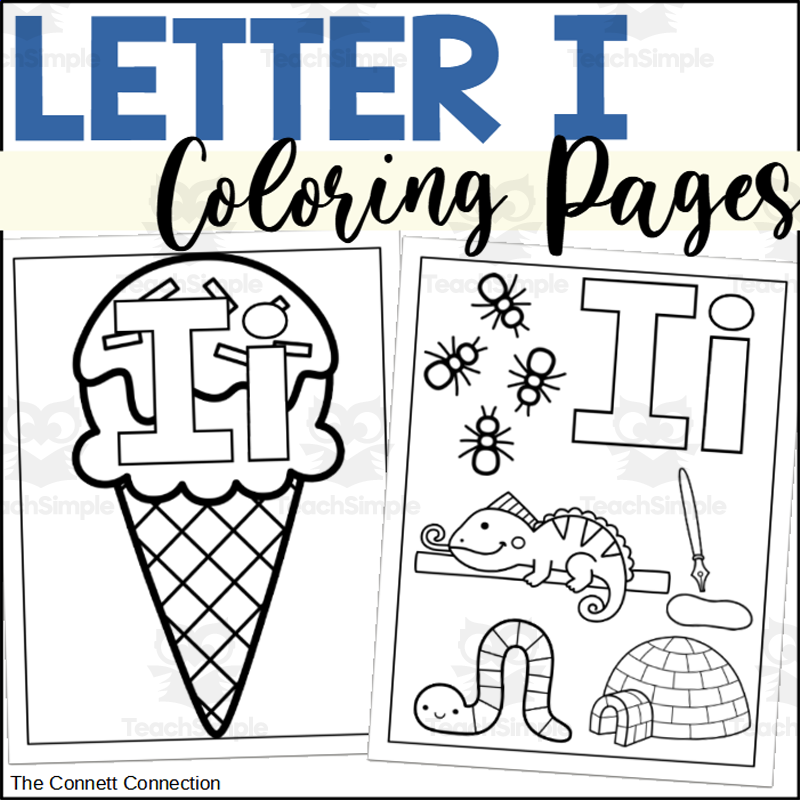
Author The Connett Connection

Tags Literacy Center, Phonics Activity, Kindergarten Literacy, Matching Mats, Simple Sentences, Reading Comprehension, CVC Words, ED Words, ED Word Family

26 LETTERS | COLORING THE ALPHABET
Free Download

26 LETTERS | COLORING THE ALPHABET
ELA, Writing, Reading, Early Learning, Elementary, Pre-K, Activities, Worksheets & Printables

COLORING THE LETTERS | 26 PICTURES INTRODUCTION: HELLO! WELCOME TO THE EDITORIAL ARENAS EDUCATIVAS RESOURCE STORE! This time we bring you these fantastic resource for you! Your children's afternoons will no longer be boring thanks to these fantastic resource. MAIN INFORMATION: 1. Brief introduction: Hello, thank you very much for being interested in this educational document. This document will help you a lot both in the classroom if you are a teacher, as well as if you homeschool and want to stimulate your children from home. 2. Title of the educational resource: This document is titled "Teaching material for children" 3. Topic to work on: Thanks to this educational document, we are going to work on a basic topic that every child and/or student should master. 4. Area of ​​knowledge where it should be applied: Thanks to this document, we will address a topic and at the same time an important area of ​​learning. 5. Number of pages it contains: This educational document contains the following number of pages available and ready to be used by you, you just have to download and print the document to start using it in your classroom. 6. Is it available in color or black/white? This document and/or set of educational sheets is available in color and also in certain parts contains black and white, however it is generally suggested that the teaching material be designed in color so that it is much more attractive for your students, awakening their attention and interest. 7. In what version is it available? This document is available in PDF version, A4 size, because we consider that this size is the original and most common standard. SECONDARY INFORMATION: 8. Area: This educational document may be used in some area of ​​primary education for children. 9. Keywords: children, primary education, resources for children, free resources, primary resources, resources for primary education. 10. How do I print it? You can print this document in PDF format, A4 size. 11. How to apply it in class? You can apply this document individually or also in a group, it all depends on the criteria of the educator who is going to apply this sheet. 12. Will they need extra elements to use this sheet? Yes, perhaps the students when using this sheet will need pencils, colors, or perhaps scissors, eraser. It all depends on the point of view of the educator. 13. Standards: This educational document has not been prepared based on any specific standard. THANK YOU SO MUCH FOR PREFERING MY PRODUCTS!

Author EDITORIAL LAURA EDUCA

Tags ABC, LETTERS, ALPHABET, FREE RESOURCES

Let's Start Reading Volume 1: Animal Activities Packet

Let's Start Reading Volume 1: Animal Activities Packet
ELA, Reading, Preschool, Grade 1, Activities

This is a Let’s Start Reading Volume 1: Animal Activities Packet. This is a 12-page packet filled with a variety of activities for students to enjoy. On the first 3 pages, students will read each sentence then circle the correct item. -There are 3 boxes on each page. -Within each box, there is a sentence and two pictures to choose from at the end. The sentence frames are: I see a cow. I see a dog. I see a pig. I see a goat. I see a hippo. I see a duck. I see a fish. I see a fox. I see an owl. On the next 3 pages, students will write in the correct words to complete the sentence. it will be a fill in the blank for the students. It will follow the same sentence frame: “I see a horse.” Students will get to practice writing these same words. They will write the name of the animal at the end of the box. On the next 3 pages, students will read each sentence and then draw a line to the correct item. The correct item will be the correct picture of the animal’s name they just read. As a final animal review, students will trace each animal name. You can print and laminate these pages so they can be used over and over again. These pages can be used in small group with the teacher, or they can be used during center times amongst student groups.

Author KD's Kids School Shop

Tags Tracing, Animal Names, Handwriting Practice, Matching, Reading Activity, Small Group, Reading Centers, Zoo Animals, Ocean Animals

Literacy Center Packet

Literacy Center Packet
ELA, Reading, Preschool, Grade 1, Centers, Activities

This is a Literacy Center Packet for your Kindergarten and first-grade students. Literacy Centers are a great way to extend learning. This simple Prep resource gives the students the opportunity to be creative, to write, and to draw. The sentences are simple to read, fun to color, and challenging enough to practice comprehension. Students practice important skills such as left to right writing, starting sentences with a capital letter, using proper spaces between words, and ending with a period. The writing page has reminders at the bottom and encourages students to check their work. Students will practice writing sentences and drawing pictures. These are great worksheets for center time. Students will need watercolors or markers, and a pencil. Students will be asked to: 1. Look at the picture at the top of the page. 2. Read and trace the sentence with a marker of your choice. 3. Draw a picture depicting the sentence. 4. Write another sentence on the back to tell about the picture. 5. To extend the concept, have students use adjectives to describe the picture. All you have to do is print and go. This resource is a PDF and has a total of 20 pages for students to practice!

Author The Kinder Lady

Tags Literacy Center, Reading Centers, Writing, Animals, Illustrations, Art, Complete Sentences, Punctuation, Capital Letters, Phonics

1st Grade Sight Words – Roll & Read Fluency Set 3

1st Grade Sight Words – Roll & Read Fluency Set 3
ELA, Reading, Language Development, Vocabulary, Spelling, Preschool, Grade 1, 2, Activities

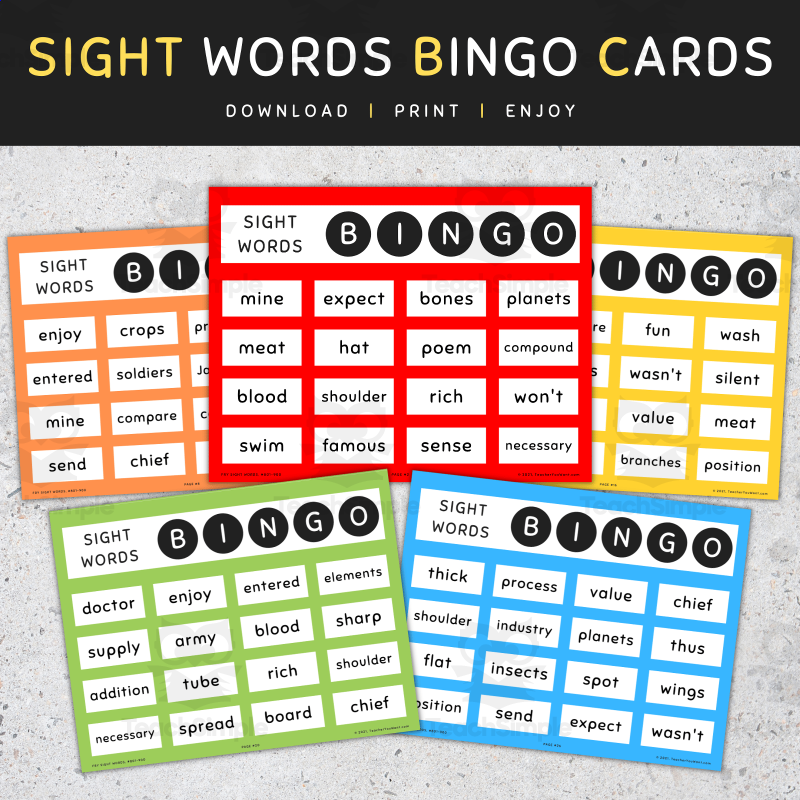
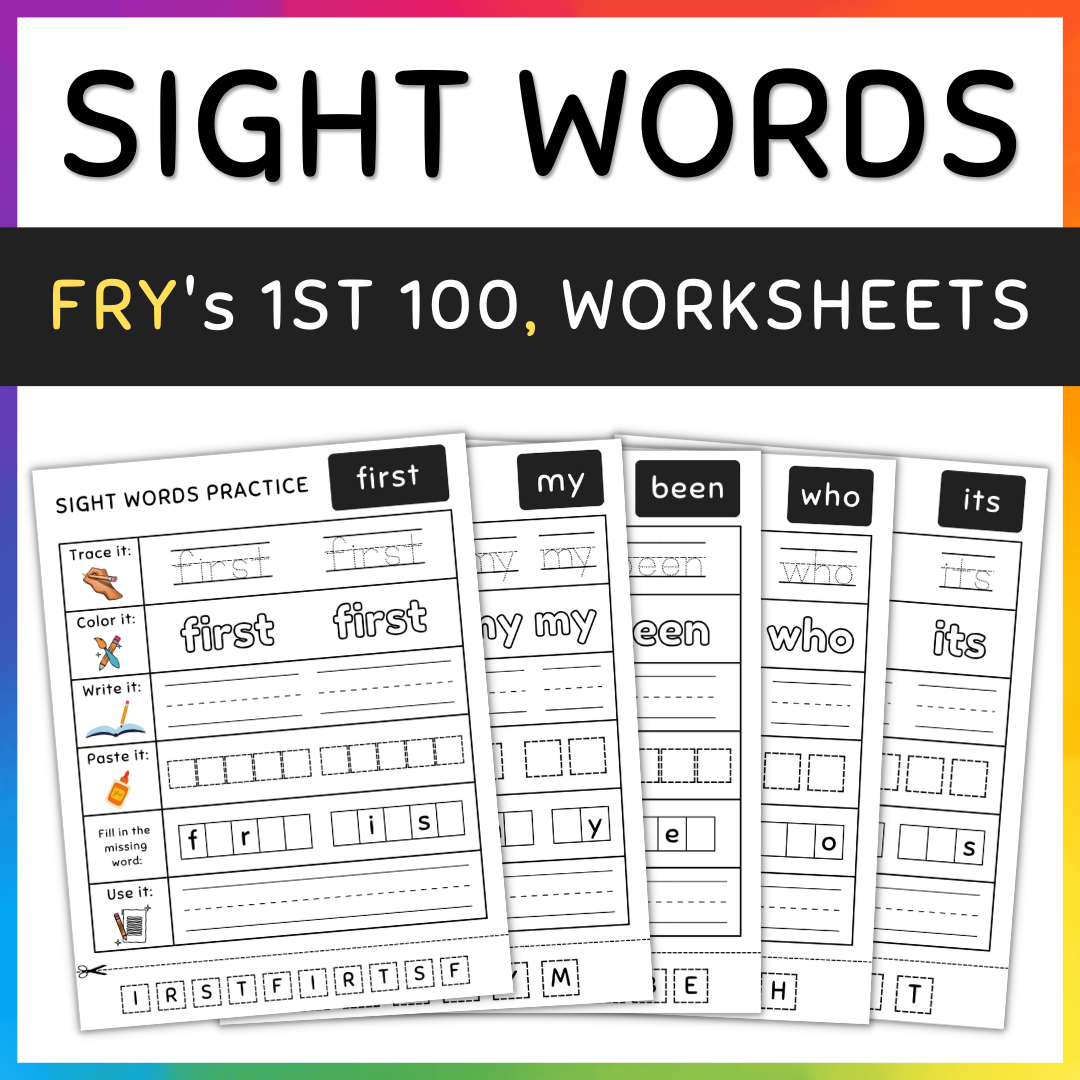
1st Grade Sight Words Worksheets These worksheets-and-printables/worksheets/worksheets-by-subject/ela-worksheets/spelling-worksheets/sightwords-worksheets/sight-word-worksheets">Sight Word Worksheets are a fun and educational tool for children to learn and practice high frequency Fry words. The Roll and Read Sight Word Sentences activity is perfect for fluency practice. All students need to do is roll the dice, read the sentences, and color the stars each time they read it. The second activity is for students to pick their favorite sentence and write it in the space provided. These worksheets are designed to be no prep, making them a great option for morning work or for use in the classroom or at home. They provide a fun and easy way for children to improve their reading and writing skills, perfect for parents, teachers, and homeschoolers. Children will enjoy practicing their sight word recognition and fluency skills in a fun and interactive way. The engaging "Roll and Read Sight Word Sentences" activity will keep children motivated and interested, while the "Pick Your Favorite Sight Word" activity provides an opportunity for creative expression and personalized learning. Words Included: after, again, an, any, as, ask, by, could, every, fly, from, give, going, had, has, her, him, his, how, just, know, let, live, may, of, old, once, open, over, put, round, some, stop, take, thank, them, then, think, walk, were, when

Author TeacherYouWant

Rating

Tags First Grade, Sight Words, Game, Fluency Practice 1st Grade, Sentence Fluency Worksheets, Fluency Lesson Plans For 1st Grade, Sight Word Sentence Worksheets, Reading Fluency First Grade

David and Goliath Lapbook Grades 4, 5, 6 Bible Story ELA

David and Goliath Lapbook Grades 4, 5, 6 Bible Story ELA
ELA, ESL, Language Development, Children’s Literature, Literature, Reading Comprehension, Reading, Strategies, Homeschool Templates, Grade 4, 5, 6, Centers, Activities, Projects

Inspire your students to learn this special Bible story through this David and Goliath Lapbook ! Created for Graders 4, 5, 6, homeschoolers, and ESL/EFL learners, this meaningful resource targets reading comprehension skills, reading strategies skills, writing skills, and promotes creativity. With targeted activities through differentiated reading texts, sequencing, retelling and self-reflection, this ELA lapbook project is a sure hit to your reading classes, learning centers, bible lessons, subplans and supplemental assessment tool. Contents: 9 David and Goliath Lapbook covers to choose from 2 David and Goliath Lapbook name pages (individual/group options) 1 David and Goliath Lapbook inner overlap 2 David and Goliath Lapbook story summary page options 1 David and Goliath Lapbook story message page 1 David and Goliath Lapbook story sequence pocket 6 David and Goliath Lapbook story sequence photocards 3 David and Goliath Lapbook story sequence options (easy/average/hard): for reading activities/exercise (6 story sequence cards each option) 6 David and Goliath Lapbook story retell cards 1 David and Goliath Lapbook character traits fold 1 David and Goliath Lapbook story setting fold 1 David and Goliath Lapbook story ratings page 1 David and Goliath Lapbook prayer response fold

Author It's Teacher L

Rating

Tags Bible Studies, Sunday School, David And Goliath, Bible Story, Reading Comprehension, ELA Reading

Reading Comprehension and Questions Fiction Set 4 - School (PPT)

Reading Comprehension and Questions Fiction Set 4 - School (PPT)
ELA, Reading, Writing, Common Core, ESL, Language Development, Spelling, Vocabulary, Reading Comprehension, Creative Writing, Grade 4, 5, Teacher Tools, Presentations, Tests, Quizzes and Tests, Assessments, Activities

Reading Comprehension Passages Fiction Set 4 Overview No prep reading comprehension lessons, with enjoyable stories and topics. Each lesson has a blend of post-reading activities. Mixed questions to check overall understanding. Vocabulary activities, plus a writing section. Lessons also contain a bonus extension exercise at the end. Some you may like, some you may not, either way they are there if you wish to use them. Full answer keys are provided. Passages Include 1.The Principal: Kaitlin and Diann have to see the principal. Who's fault was it? 2.Fear: Tyson tries to look fearless. However, he has a lot on his mind lately. 3.Warm Welcome: Read about Juliet's first day at Westside Elementary. 4.Funny Photos: Darlene and her class have a good idea for their funny photos. 5.Gold Star: Amber's class has a new competition. The winner gets a goldstar. 6.Sub Teacher: Ed isn't excited to meet the sub teacher - Mr. Strict! 7.President Lina: Lina is too shy to run for school president. But after some persuasion... 8.Devon's Science Project: Devon helps save the world in this fun passage. 9.On the Stage: Tera and her class build a stage for their school out of adobe. 10.Eve's Amazing Day: Eve had a great day at school. Read all about it in this lesson. PPT Version This is the PPT editable and fillable (when not in presentation mode) version. This download is available in GOOGLE Docs, GOOGLE Forms, GOOGLE Slides. PDF, PPT, WORD. Browse the Complete Cored Catalog — 2,000+ Resources Included Reading Passages Each reading passage has been written specifically for students in Grades 4–5, using vocabulary and language that match their age and ability level. The collection covers a wide range of engaging topics, supported by colorful visuals that help bring the content to life. Every lesson is designed to build knowledge while keeping students interested and motivated to read. These resources are also designed with flexibility in mind. Unlike traditional textbooks that can quickly become outdated, lessons can be updated over time to reflect changes in technology, discoveries, and the world around us. Mixed Questions Every lesson includes a variety of questions that help students think more deeply about what they have read. The question section combines reading comprehension, vocabulary, and math skills, while also regularly reinforcing important reading strategies such as cause and effect, summarizing, compare and contrast, and drawing conclusions. Most lessons include a mix of multiple-choice and written-response questions, giving students opportunities to explain their thinking as well as select answers. Complete answer keys and sample responses are provided at the end of each lesson for quick and easy reference. Spelling & Vocabulary Each passage introduces students to useful words and phrases appropriate for Grades 4–5. To help build confidence and word knowledge, every lesson includes a spelling or vocabulary activity. Rather than repeating the same task throughout the collection, activities vary from lesson to lesson to keep practice fresh and engaging. Activities may include spelling challenges, sentence matching, decoding activities, mixed-up text exercises, and other vocabulary-building tasks connected directly to the reading. Writing Prompts Each lesson includes a writing activity that extends the ideas, themes, or topics explored in the passage. Students are encouraged to write in a variety of formats, with prompts providing helpful guidance and ideas to get them started. Writing tasks vary throughout the collection and may include creative writing, research activities, personal responses, poetry, opinion writing, and other engaging assignments. Full Answer Keys Complete answer keys and sample responses are included with every lesson, making planning and marking quicker and easier. Reading comprehension answers include evidence and support from the text, while math-based questions show the relevant working where appropriate. The answer keys are designed primarily for teachers but can also be shared with students when needed. Just for Fun Each lesson finishes with an optional extension activity called Just for Fun . These bonus activities provide an enjoyable way to extend learning beyond the main lesson and often encourage creativity, discussion, or independent thinking. They are completely optional, giving you the flexibility to use the activities that best suit your students and classroom needs. For similar downloads and other frees, do check out Cored Group on TeachSimple.

Author Cored Education

Rating

Tags Elementary, Reading, Comprehension, Vocabulary, Answers, Common Core, Spelling, Writing, Passages, Reading Comprehension Presentations

Pumpkin Life Cycle Creative Writing Booklet for 2nd-5th Grade

Pumpkin Life Cycle Creative Writing Booklet for 2nd-5th Grade
ELA, Writing, Reading, Holiday & Seasonal, Fall, Seasons, Grade 2, 3, 4, 5, Activities

Discover the pumpkin life cycle while developing English Language Arts skills with this creative writing booklet! 2nd-5th graders will love the story of the incredible pumpkin. Not only do they get to choose their own storyline, but they also get to draw along the way! Art and creative writing pair well together, making this a hands-on cross-curricular project. GOAL: Learn the pumpkin life cycle while practicing creative writing skills. HOW TO USE: Print pp.7-13 for each student. The pages with a pumpkin background aren’t intended for printing but are for group work on a smart board. Gather supplies. See the Supplies List on p.3. Cut each student page in half. Staple or paper clip together. Read the Learning Pages on pp. 5 or 6 with students. Complete the activity together, either by sharing them on a screen or sending to individual devices. Begin reading and writing in booklets. If you would like to, have your students assemble their own booklets at this stage. This is not meant to be done all in one day. Introduce it as an ELA lesson, then have students work on their booklets throughout the week. The pattern of each page is similar. Once they complete one page, they will understand how to do the rest independently. Encourage students to have fun! There’s no correct way to design their incredible pumpkins.

Author ARTventurousanimals

Rating

Tags Pumpkin, Pumpkin Life Cycle, Pumpkin Writing, Creative Writing, Booklet, Writing, Reading

2nd Grade Sight Words: Roll and Read Sight Words, Reading Fluency, Worksheets [SET 3]

2nd Grade Sight Words: Roll and Read Sight Words, Reading Fluency, Worksheets [SET 3]
ELA, Reading, Language Development, Vocabulary, Spelling, Grade 1, 2, 3, Activities

2nd Grade Sight Words Worksheets These worksheets -and-printables/ worksheets / worksheets -by-subject/ela- worksheets /spelling- worksheets /sightwords- worksheets /sight-word- worksheets ">Sight Word Worksheets are a fun and educational tool for children to learn and practice high frequency Fry words. The Roll and Read Sight Word Sentences activity is perfect for fluency practice. All students need to do is roll the dice, read the sentences, and color the stars each time they read it. The second activity is for students to pick their favorite sentence and write it in the space provided. These worksheets are designed to be no prep, making them a great option for morning work or for use in the classroom or at home. They provide a fun and easy way for children to improve their reading and writing skills, perfect for parents, teachers, and homeschoolers. Children will enjoy practicing their sight word recognition and fluency skills in a fun and interactive way. The engaging "Roll and Read Sight Word Sentences" activity will keep children motivated and interested, while the "Pick Your Favorite Sight Word" activity provides an opportunity for creative expression and personalized learning. Words Included: always, around, because, been, before, best, both, buy, call, cold, does, don’t, fast, first, five, found, gave, goes, green, its, made, many, off, or, pull, read, right, sing, sit, sleep, tell, their, these, those, upon, us, use, very, wash, which, why, wish, work, would, write, your

Author TeacherYouWant

Tags Game, Second Grade, Reading, 2nd Grade Reading Fluency

Guided Reading Level L - The Arctic Fox (with Lesson Plan)
Free Download

Guided Reading Level L - The Arctic Fox (with Lesson Plan)
ELA, Resources for Teachers, Reading Comprehension, Reading, Pre-Reading, Language Development, Life Sciences, Science, Vocabulary, Animals, Grade 1, 2, 3, Worksheets & Printables, Worksheets, Teacher Tools, Centers, Activities, Literacy Readers, Quizzes, Quizzes and Tests, Assessments

This Guided Reading Book - The Arctic Fox (Level L) with lesson plan includes: Guided Reading Color Label (front cover x1) This is a quick way to match the book’s demands to what students can generally handle.. The overall goal is to use the level/color to pick books for several smaller groups. To qualify for a certain level, a student is expected to read a book from that level with about 90–94% accuracy. If a student is consistently accurate and understands, move up a level. If the student is struggling at that level, drop down and add more support. Each student will improve at completely different rates, but it is generally one of the best ways to check progress across the class. DOWNLOAD THE CATALOG TO VIEW ALL GUIDED READING BOOKS AVAILABLE (SORTED LEVELS A-Z) Pre-Reading Question (x1) Teacher asks the prompt aloud, can be while showing the cover or first page. Students share what they already know, or make educated guesses from the cover. Prompt them to use the target vocabulary. Write some of their responses on the board to look back at during the reading. Vocabulary Words (x5) Introduce the five words, best doing it one at a time. Start by saying it, while students repeat and then see if anyone knows what it means before reading further. Read through the meaning and try to briefly connect each word to a picture or gesture so it’s meaningful. Ask students to flip through the book pages and point to where they see each of the vocabulary words. While reading the book pause upon coming across one of the vocab words or read the sentence twice to make sure students understand the word has appeared. Optional: Ask students to raise hands whenever they see/hear one of the new words. Guided Reading Pages (x10) Check the book snapshot (below) for: primary topic - do you need to prep extra reading or intro materials on this? what is taught best - decide on 1-2 bullets to focus on, use the prompt or words provided here for best results. learning goals - what you are checking for students to be able to do after the session, elicit answers using prompts or words provided. key vocabulary (see section above). questions overview - so you know what is coming up and if you need to prep extra materials to assist understanding. Run the lesson You may have already looked at a few of the pages together, but you can show them some of the pictures again first to set meaning. Depending on how much time you have and how familiar your students are with guided reading class, you may want to read the book aloud first with the group first. Students whisper or partner read, while you listen in. If time, do it as a group, one student reading a page each. Use the guided page’s prompts to coach: “Check the picture / does it make sense?” “Point under the words / try the first sound” “Reread the sentence smoothly”. Try to focus more on one student per session (rotating every time), so you can work out if they are ready to move up or need to move down a level. Comprehension Questions (back cover x3) This is your way to check that students didn’t just say the words, but actually understood the text. First, let students answer by pointing to the page/picture and saying a short sentence. After any answer, follow with: “Show me where you found that in the text.” In bigger groups, have partners answer first (10–20 seconds), then call on 2–3 students to share. Differentiation tips: Emerging speakers/struggling readers: oral + pointing On-level: oral in a full sentence Higher: one written sentence or draw + label Book Snapshot Title: The Arctic Fox: A Winter Survivor Genre: Nonfiction (informational) Subject: Life Science Primary Topic: Arctic fox adaptations for cold-weather survival Estimated Guided Reading Level (A–Z): L What This Book Teaches Best Explains the Arctic fox’s habitat (“far north”) and names the tundra as a vast, treeless land with deep winter snow. Describes seasonal camouflage: white winter fur to hide, and brown/gray summer fur to blend with rocks and plants. Shows physical adaptations that help the fox stay warm and move safely (small rounded ears; thick fur on paws like “warm socks”). Teaches hunting behaviors using precise actions and vocabulary (hearing prey under snow; pouncing by leaping and diving head-first). Introduces animal homes and young: a den as tunnels under hills/rocks, and baby foxes called kits born in spring. Learning Goals Describe where the Arctic fox lives and what the tundra is. Explain how the Arctic fox’s fur color helps it in winter and in summer. Describe two body features that help the Arctic fox stay warm in freezing weather. Explain how the Arctic fox finds prey under the snow using its hearing. Describe what “pouncing” is and how it helps the fox catch food. Describe what a den is and what kits do as they grow. Key Vocabulary From the Text tundra — cold, treeless land in the far north. lemmings — small animals the fox can hunt. prey — an animal another animal hunts and eats. pouncing — leaping and diving quickly to catch food. den — a home or shelter where an animal lives. Discussion Prompts Pre-reading question: What body parts or behaviors might help an animal stay warm in a cold, windy place? Comprehension questions: How does the Arctic fox’s fur help it hide in winter and in summer? What does the fox do with its tail when it goes to sleep? How does pouncing help the Arctic fox catch its food? Printing Tips 1. Best Printing Method (Recommended) “Booklet” Printing (Best if Available) If your printer or PDF viewer supports Booklet Printing , use this. Settings to use: Print mode: Booklet Paper size: Letter or A4 (either works) Orientation: Landscape Print on both sides: Yes Flip on: Short edge Scaling: Fit to printable area Booklet subset: First test: Front sides only Then: Back sides only This will automatically: Pair pages correctly Put the cover on the outside Align everything for folding After printing, fold in half and staple along the spine . 2. If “Booklet” Printing Is NOT Available You can still print this correctly with manual duplex printing . Step-by-step: Open the PDF. Choose Print . Set: Orientation: Landscape Pages per sheet: 1 Print on both sides: Yes Flip on: Short edge Print all pages . Because each PDF page already contains two facing book pages, the result will still fold cleanly into a book. Thousands of Cored Education products are included with your TeachSimple membership. Download links and encyclopedia index available here.

Author Cored Education

Rating

Tags Reading Comprehension, Reading Passages, Reading, Guided Reading, Guided Reading Lesson Plan, Guided Reading Activity, Pre-reading, Vocabulary, Science Lesson Plans, Animals

Social Studies Reading Passage: Salar de Uyuni in Bolivia (Docs)

Social Studies Reading Passage: Salar de Uyuni in Bolivia (Docs)
ELA, Reading, Reading Comprehension, Strategies, Resources for Teachers, Social Studies, Geography, Grade 6, 7, 8, 9, Writing Prompts, Worksheets & Printables, Centers, Activities, Teacher Tools, Assessments, Quizzes and Tests, Quizzes, Tests

Bolivia’s Salt Flat: Salar de Uyuni : Social Studies Reading Comprehension Passage (Docs) This resource introduces a unique Social Studies reading comprehension passage with questions about The World's Largest Salt Flat: Bolivia’s Salar de Uyuni. The passage is carefully designed to bridge the gap between social studies and literacy through strengthening reading comprehension and sparking knowledge curiosity in middle school students. Each passage blends English Language Arts skills with accurate social studies content . Ideal for interdisciplinary learning in ELA and Social Studies. Suitable for Grade 9 review, too! Student Tasks throughout the passage: 5 multiple-choice questions targeting the following skills: main idea, key details, inference, vocabulary in context, and use of evidence 5 vocabulary matching items with clear, student-friendly definitions 5 text-based questions that require citing specific lines or facts 1 summary prompt that asks students to condense central ideas accurately Full answer key for every section Available Formats for this Resource: PDF Fillable PDF Word Docs FULL CATALOG OF DOWNLOADING LINKS HERE Social Studies Reading Comprehension Collection Links: 1. Ancient Civilizations PDF Fillable PDF Word Docs Google Docs 2. Early Empires and Trade Networks PDF Fillable PDF Word Docs Google Docs 3. The Founding of the United States PDF Fillable PDF Word Docs Google Docs 4. Language, Culture, and Meaning PDF Fillable PDF Word Docs Google Docs 5. Psychology and Society PDF Fillable PDF Word Docs Google Docs 6. Global Festivals and Traditions PDF Fillable PDF Word Docs Google Docs 7. Extreme Environments and People PDF Fillable PDF Word Docs Google Docs 8. Food, Culture, and Preservation PDF Fillable PDF Word Docs Google Docs 9. Global Food Customs PDF Fillable PDF Word Docs Google Docs 10. Media, Communication, and Popular Culture PDF Fillable PDF Word Docs Google Docs 11. Human Impact on the Environment PDF Fillable PDF Word Docs Google Docs 12. Civic Action and Social Change PDF Fillable PDF Word Docs Google Docs 13. Fashion, Society, and Power PDF Fillable PDF Word Docs Google Docs 14. People, Places, and Unusual Histories PDF Fillable PDF Word Docs Google Docs Product Details: Length: 5 pages Grades: 6–8, also suitable for Grade 9 review Use cases: close reading, stations, homework, intervention, test prep, and sub plans Why Teachers Choose This Passage: Authentic social studies content paired with rigorous literacy practice Consistent task structure for easier planning and smoother student routines Clear, age-appropriate writing that builds confidence without oversimplifying Use this passage to reinforce ELA skills in social studies, to add literacy to your lessons, and to support independent work. The passage strengthens main idea, evidence use, vocabulary in context, inference, cause and effect, and summary writing. With ready-to-use assessments and complete answer keys, you can provide focused practice that is simple to run and fast to review.

Author Middle & High School - CORED Education

Rating

Tags Middle School, Reading Comprehension, Reading Strategies, ELA, Centers, Reading Passage, Assessments, Vocabulary, Social Studies, Geography