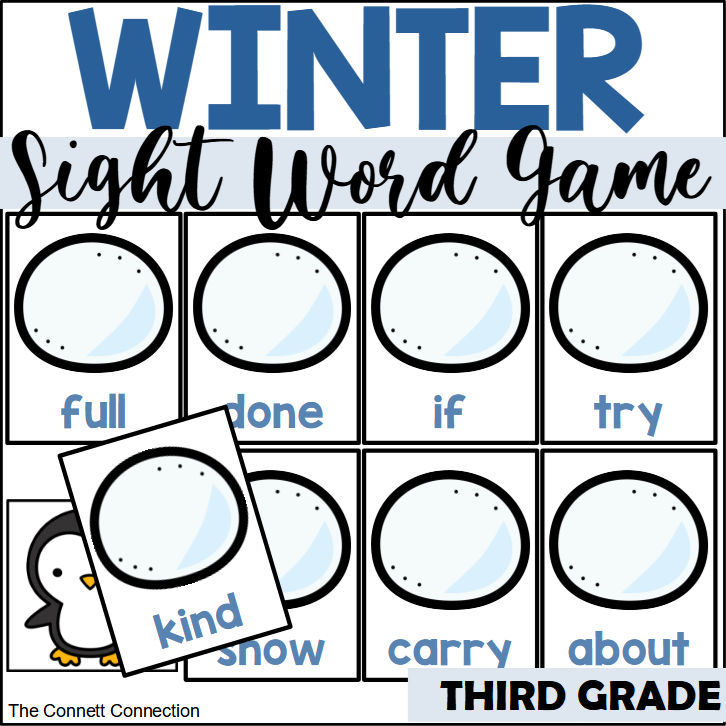
Winter Where's the Penguin Third Grade Sight Word Game
Build third-grade sight word recognition through a winter-themed 'Where's the Penguin' pocket chart guessing game.


10,684 resources
Explore sub-categories
10 sub-categories · 10,684 resources
Build third-grade sight word recognition through a winter-themed 'Where's the Penguin' pocket chart guessing game.
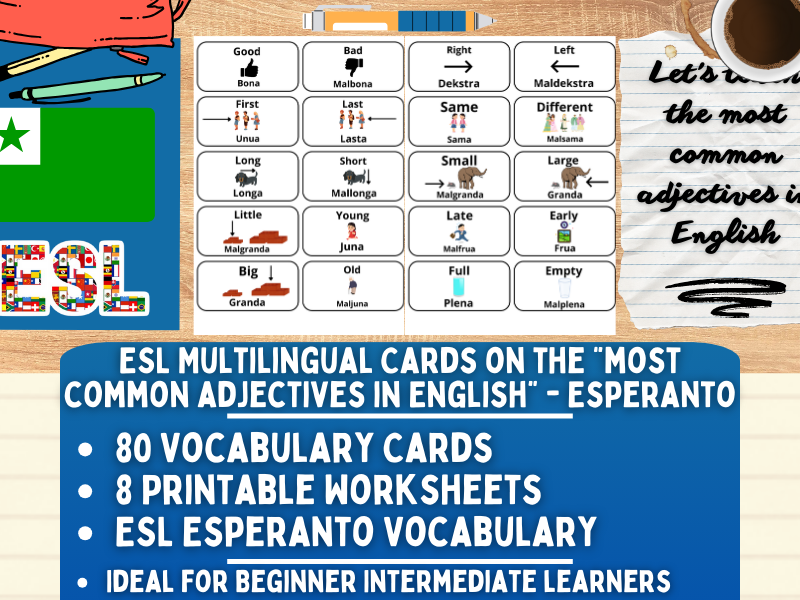
Bilingual (English / Esperanto) vocabulary flashcards teaching the most common English adjectives, presented as antonym pairs, to ESL/EFL students who speak Esperanto.

This is a Sight Word Summer Practice Pack – Part 1. This resource was designed for kindergarten and 1st-grade students. It is in booklet form in the shape of a beach sand bucket. The objective is to correctly identify, spell, and write sight words. I used Fry's first 100 sight words for this resource. Fry's sight words are the most…
A Grade 3 Common Core language arts practice worksheet covering reading comprehension of literature and informational text, vocabulary, grammar, and writing.
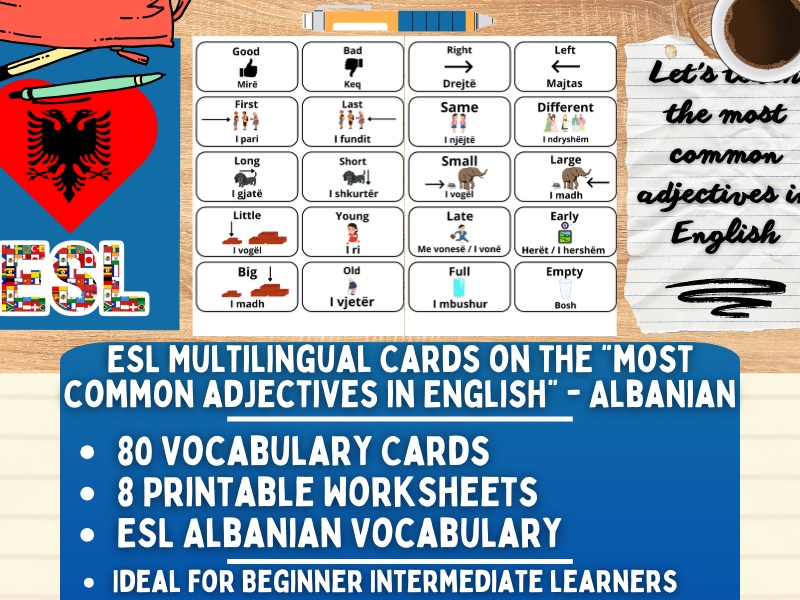
Bilingual (English / Albanian) vocabulary flashcards teaching the most common English adjectives, presented as antonym pairs, to ESL/EFL students who speak Albanian.

Give second-grade students practice recognizing Dolch sight words through a winter/penguin-themed hide-and-seek matching game.
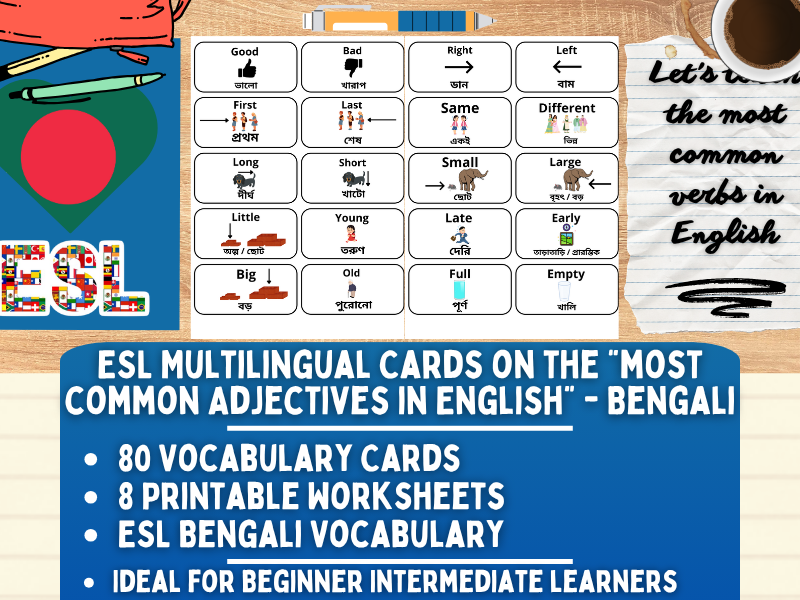
Bilingual (English / Bengali) vocabulary flashcards teaching the most common English adjectives, presented as antonym pairs, to ESL/EFL students who speak Bengali.
 Free download
A decodable reader (book 26 in the same structured phonics series) that gives students practice reading words containing the split digraph 'i-e' within a simple story about a trip to the park.

This is a Sight Word Summer Practice Pack – Part 2. This resource was designed for kindergarten and 1st-grade students. It is in booklet form in the shape of a beach sand bucket. The objective is to correctly identify, spell, and write sight words. I used Fry's first 100 sight words for this resource. Fry's sight words are the most…

Provides a word search puzzle activity built around vocabulary related to the International Day of Remembrance and Reconciliation for those who lost their lives during World War II (May 8).

Build ESL/EFL reading comprehension, vocabulary-in-context, and formal/creative writing skills for middle and high school English learners using a nonfiction passage about football (soccer).
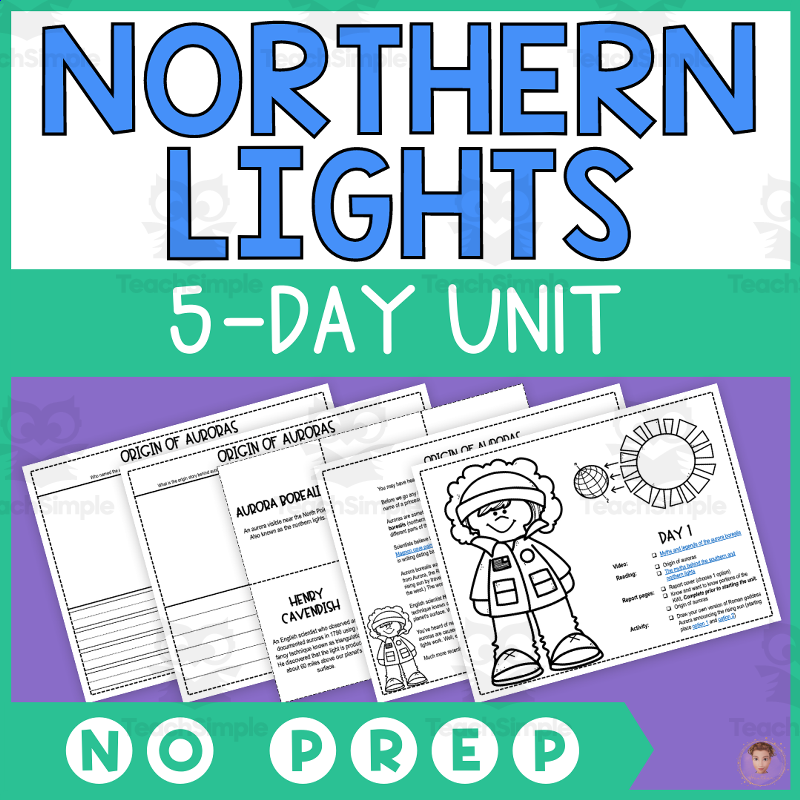
Deliver a 5-day no-prep unit study teaching the origin, causes, types, and sounds of auroras (northern and southern lights) through original reading passages, videos, and report-building activities.
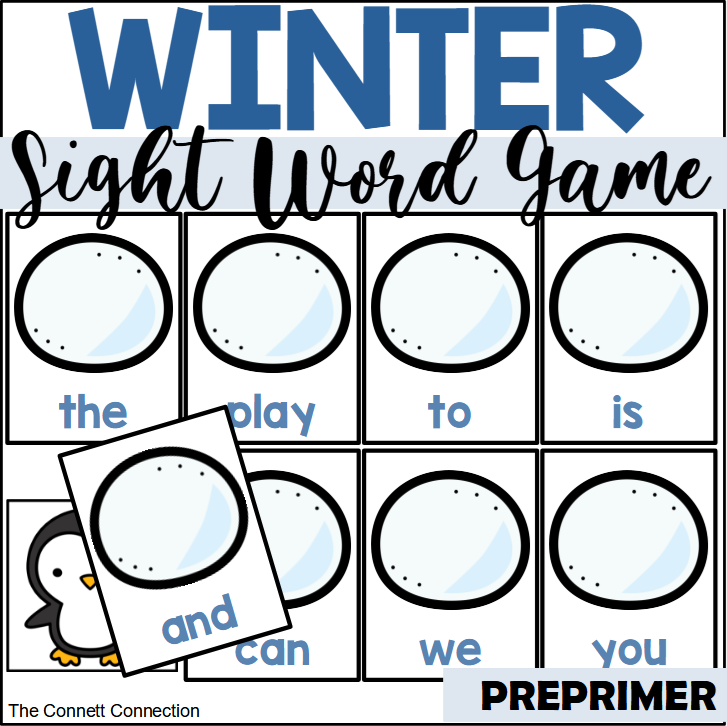
Build preprimer (Dolch) sight word recognition in kindergarten/first-grade students through a winter-themed 'Where's the Penguin' pocket chart guessing game.
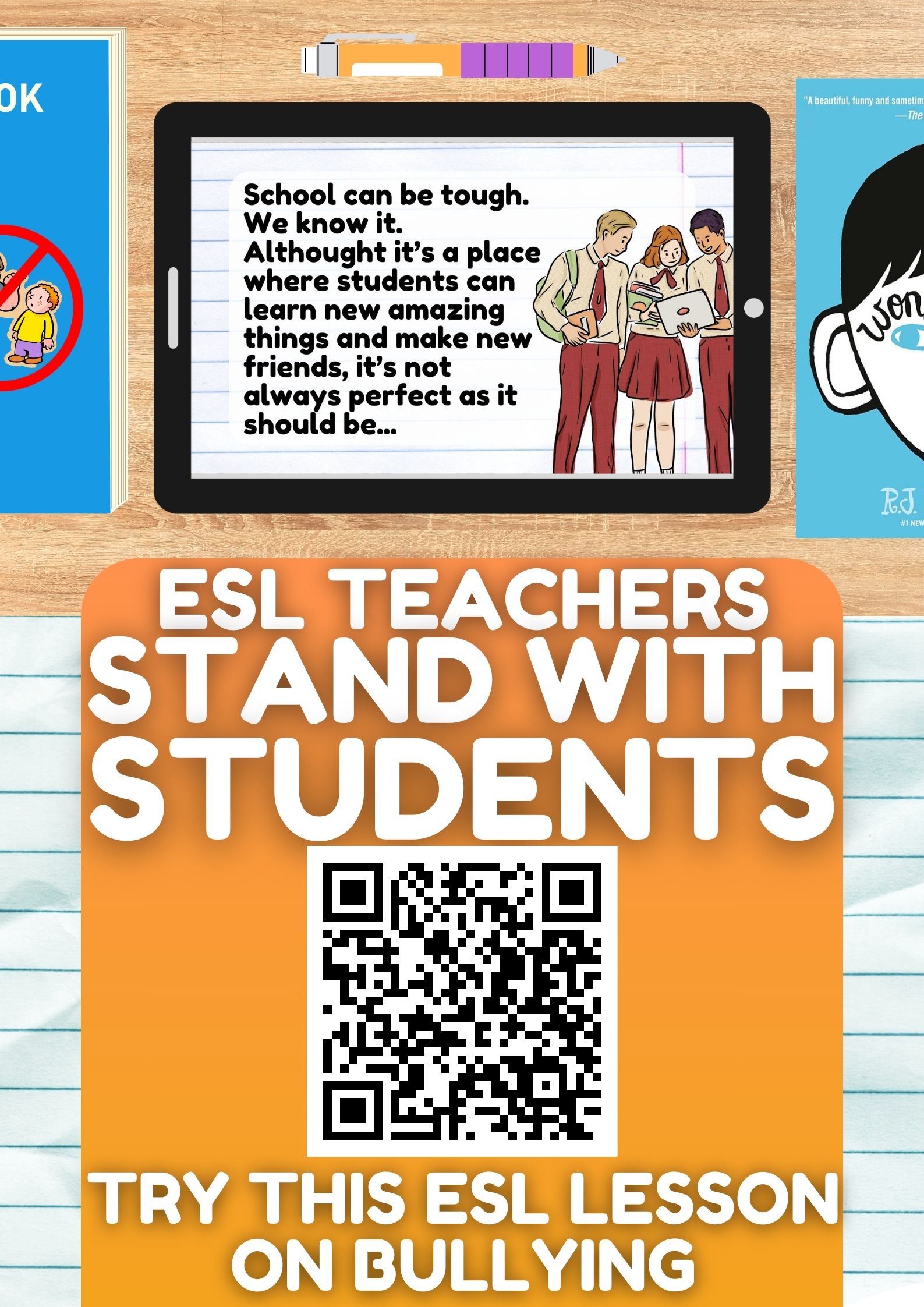
A 16-slide ESL/EFL lesson on bullying and cyberbullying, combining a definition/vocabulary intro, picture-description discussion, listening comprehension, and writing activities.

A phonics resource teaching students to recognize, decode, and spell single-syllable and multisyllabic words containing the /r/ phoneme, across its spelling patterns (r, rr, rh, wr).
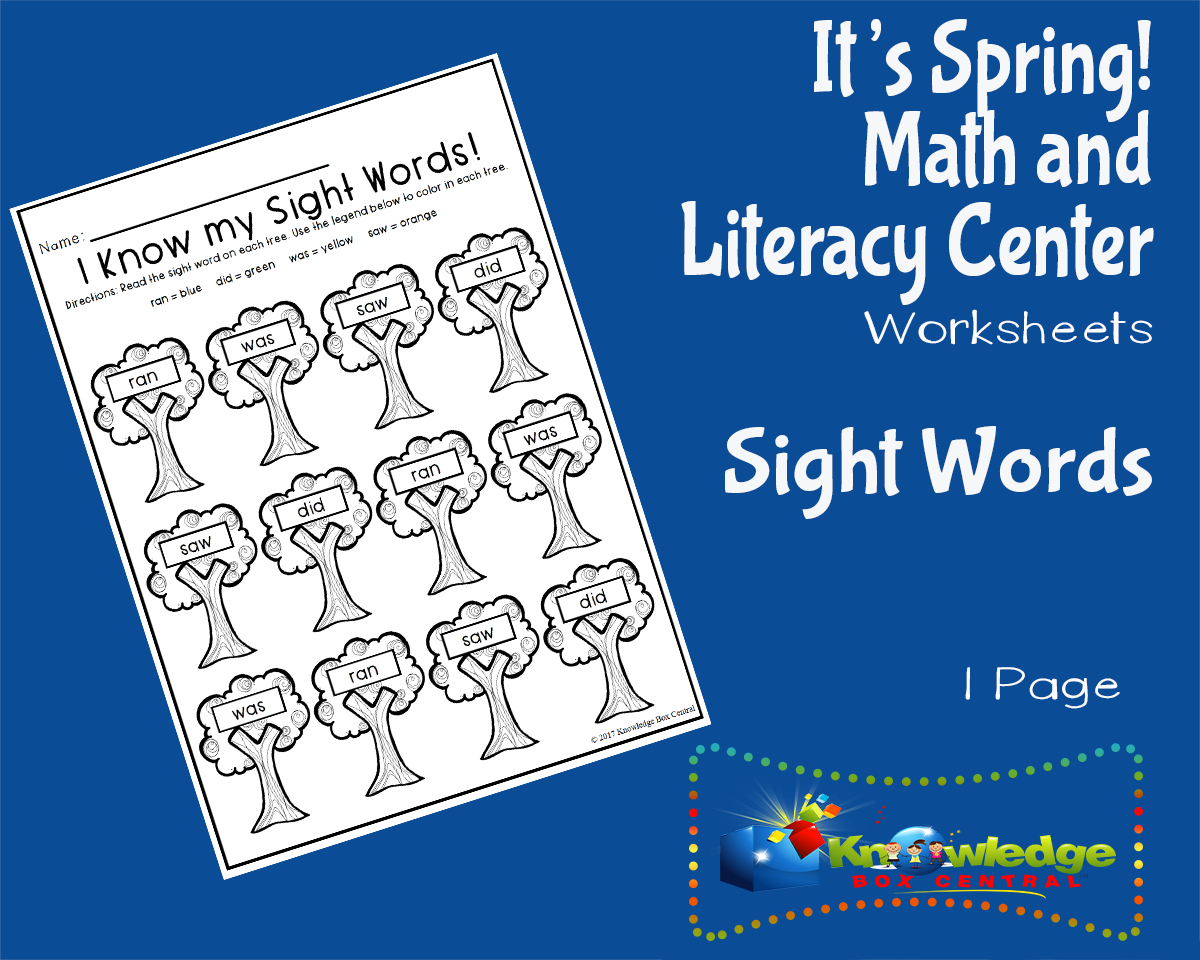
Practice recognizing a small set of kindergarten sight words.
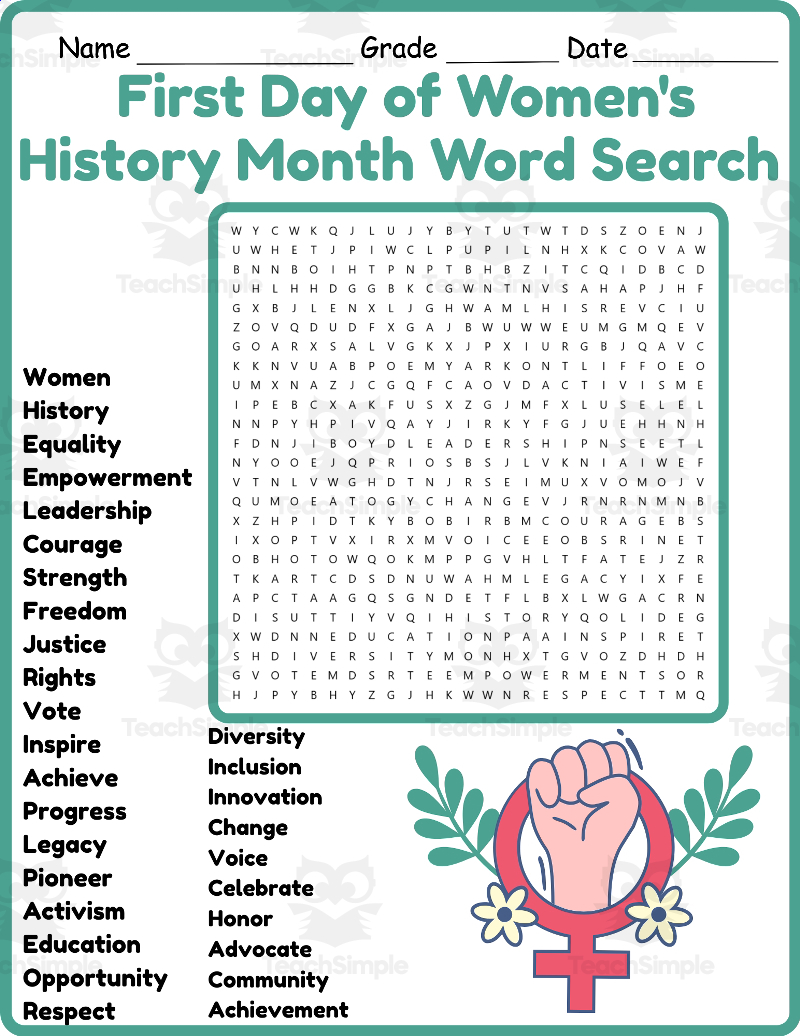
A themed word search worksheet activity introducing vocabulary related to Women's History Month.
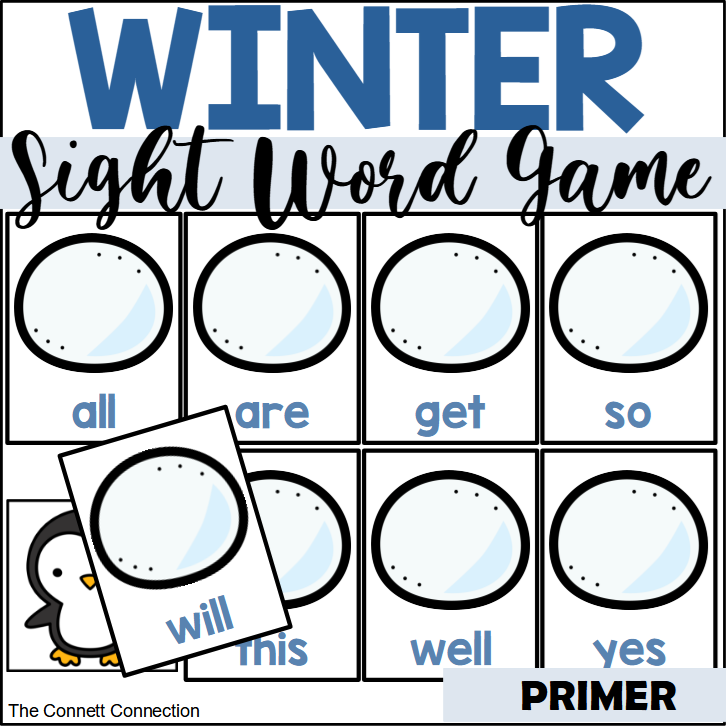
Build primer (Dolch) sight word recognition in kindergarten/first-grade students through a winter-themed 'Where's the Penguin' pocket chart guessing game.

ESL/EFL reading comprehension and writing-skills worksheet built around a nonfiction passage about parkour (origins, technique and community), used to build reading comprehension, vocabulary and extended writing practice for teen English learners.

Practice reading and recognizing common sight words through a spin/roll-and-color format.
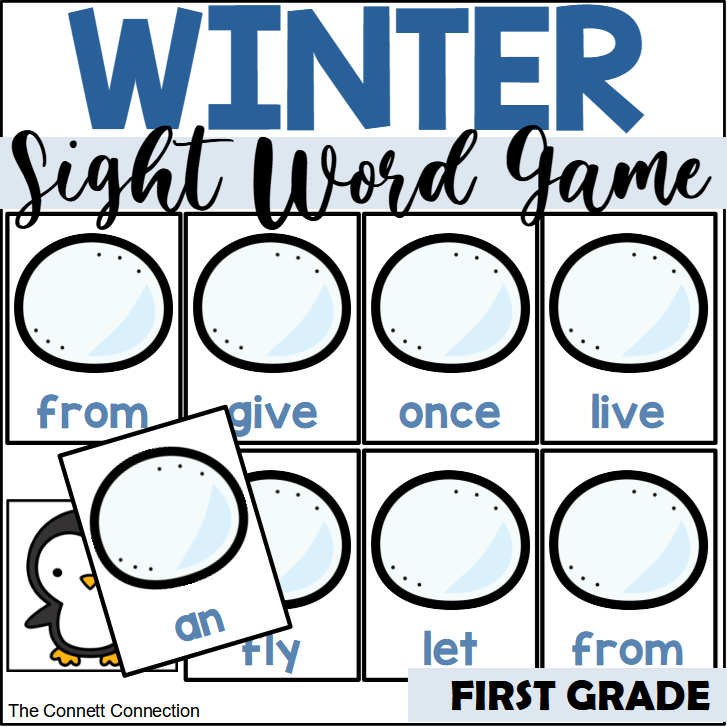
Build first-grade sight word recognition through a winter-themed 'Where's the Penguin' pocket chart guessing game.

Clip cards for job/occupation vocabulary and spelling practice.

ESL/EFL reading comprehension and writing-skills worksheet built around a nonfiction passage about pen pals (tradition, benefits for language learning and literacy), used to build reading comprehension, vocabulary and extended writing practice for teen English learners.

Review several vocabulary relationships in a short multiple-choice activity. Students answer eight questions involving synonyms, opposites, categories, analogies, and action words, with four options for each question. Before choosing an answer, have students name the relationship being tested; the completed response page provides a reference for discussion afterward.