Comprehension & inferenceVocabulary & language
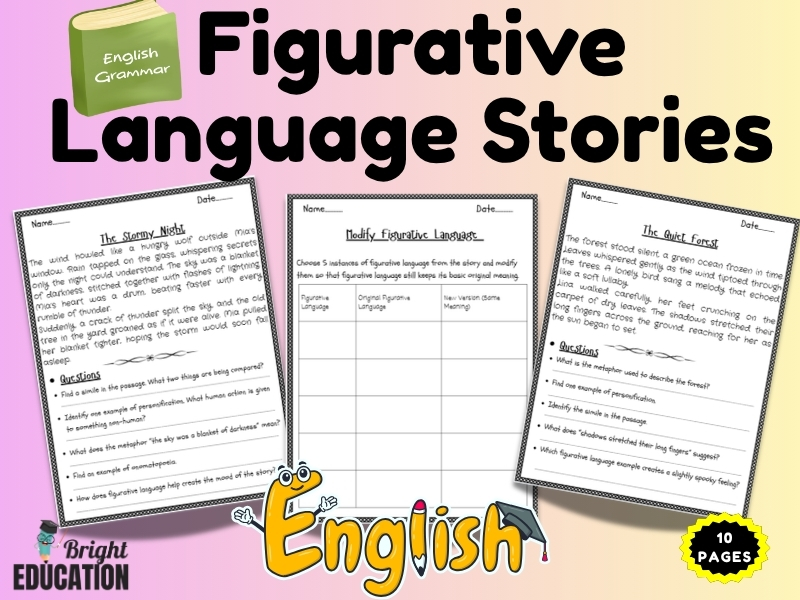
Figurative Language Stories – Reading & Practice Activity
Help students recognize and understand figurative language in context using short stories and targeted exercises.




7,879 resources
Explore sub-categories
22 sub-categories · 7,879 resources
Help students recognize and understand figurative language in context using short stories and targeted exercises.
A micro-learning slide deck teaching the figurative-language idiom 'to get up to speed' through a video lesson, an audio-supported reading passage, and comprehension/summary activities.
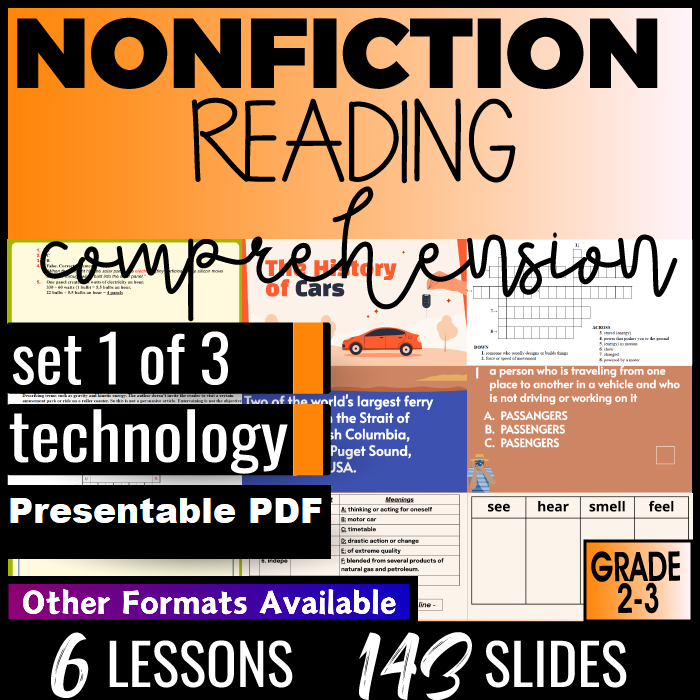
A set of six nonfiction reading-comprehension lessons on technology and invention topics (Talking in Code, Power From the Sun, Roller Coasters, The History of Cars, The History of Ferries, The History of Helicopters), each pairing an informational passage with post-reading activities.
A writing/reading-response activity built around an animated short film called 'Cuckoo,' covering sequencing, true/false, main idea and details, and summarizing skills.
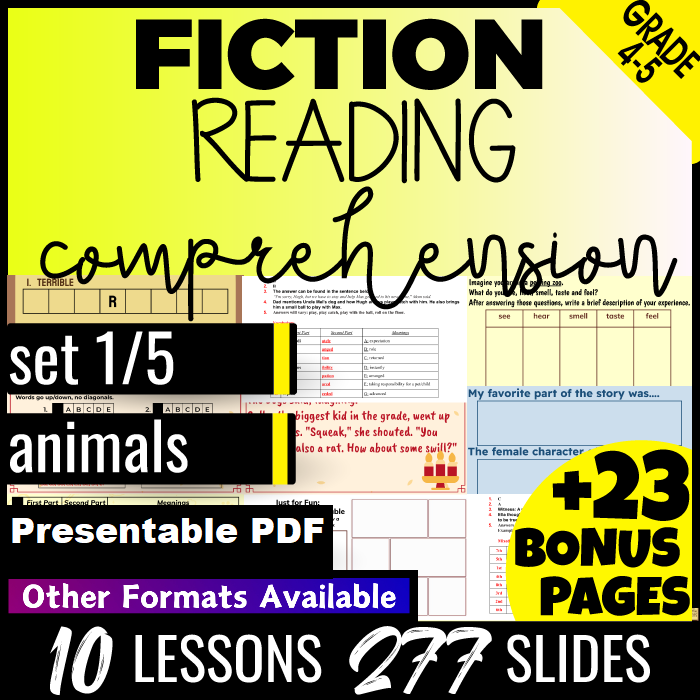
A set of ten animal-themed short fiction and informational stories, each paired with comprehension questions, a vocabulary or word-puzzle exercise, a writing prompt, and an extension activity, for practicing reading comprehension.
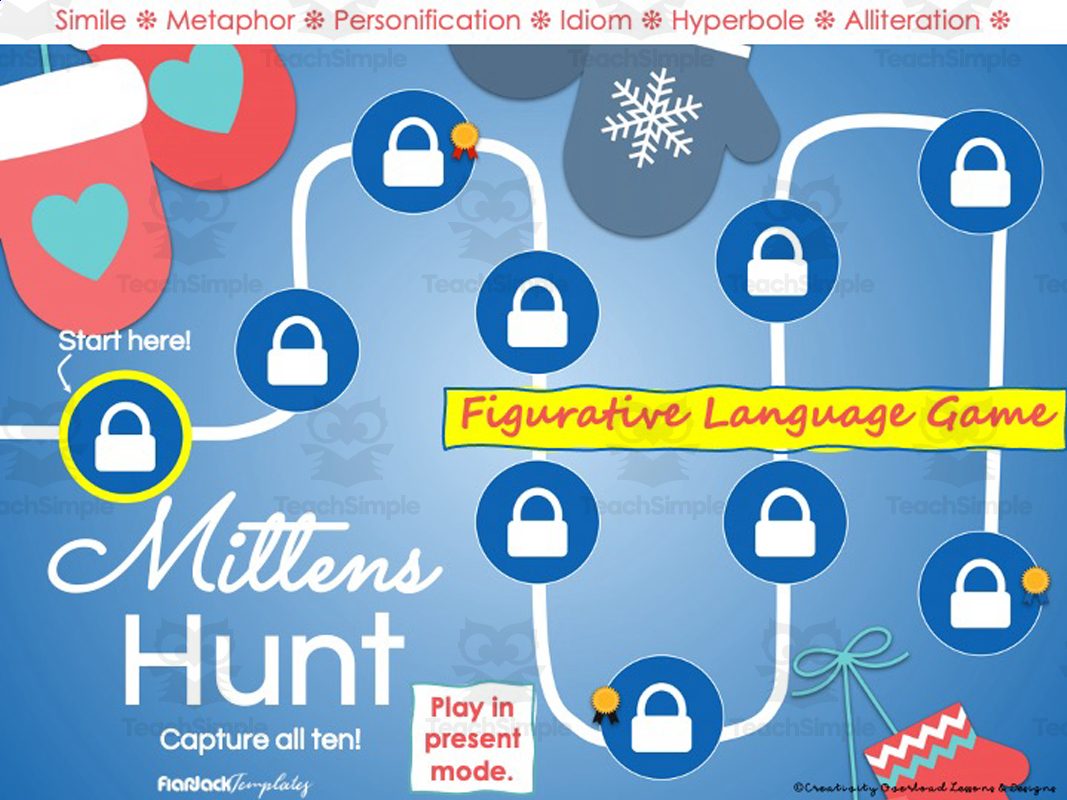
Introduce, review, or assess six types of figurative language (simile, metaphor, personification, idiom, hyperbole, alliteration) through a self-checking, branching 'Mitten Hunt' digital game (PowerPoint-based, with an accompanying teacher guide referencing a Google Slides version).

An interactive micro-learning slide deck teaching about the California Gold Rush (started 1849) through video links, an informational reading passage, a close-reading fill-in-the-blank activity, word-play/discussion prompts, and a guided summary-writing template.
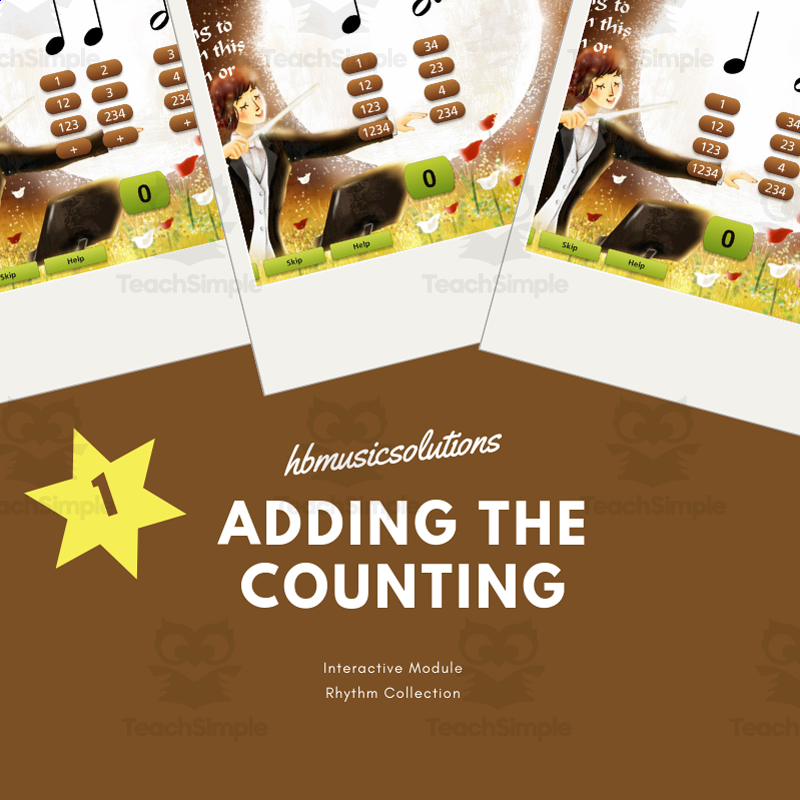
An interactive digital game (via an Articulate elearning player) for practicing counting beats/rhythms, using starter-level rhythm combinations as an introduction to sight-reading.
 Free download
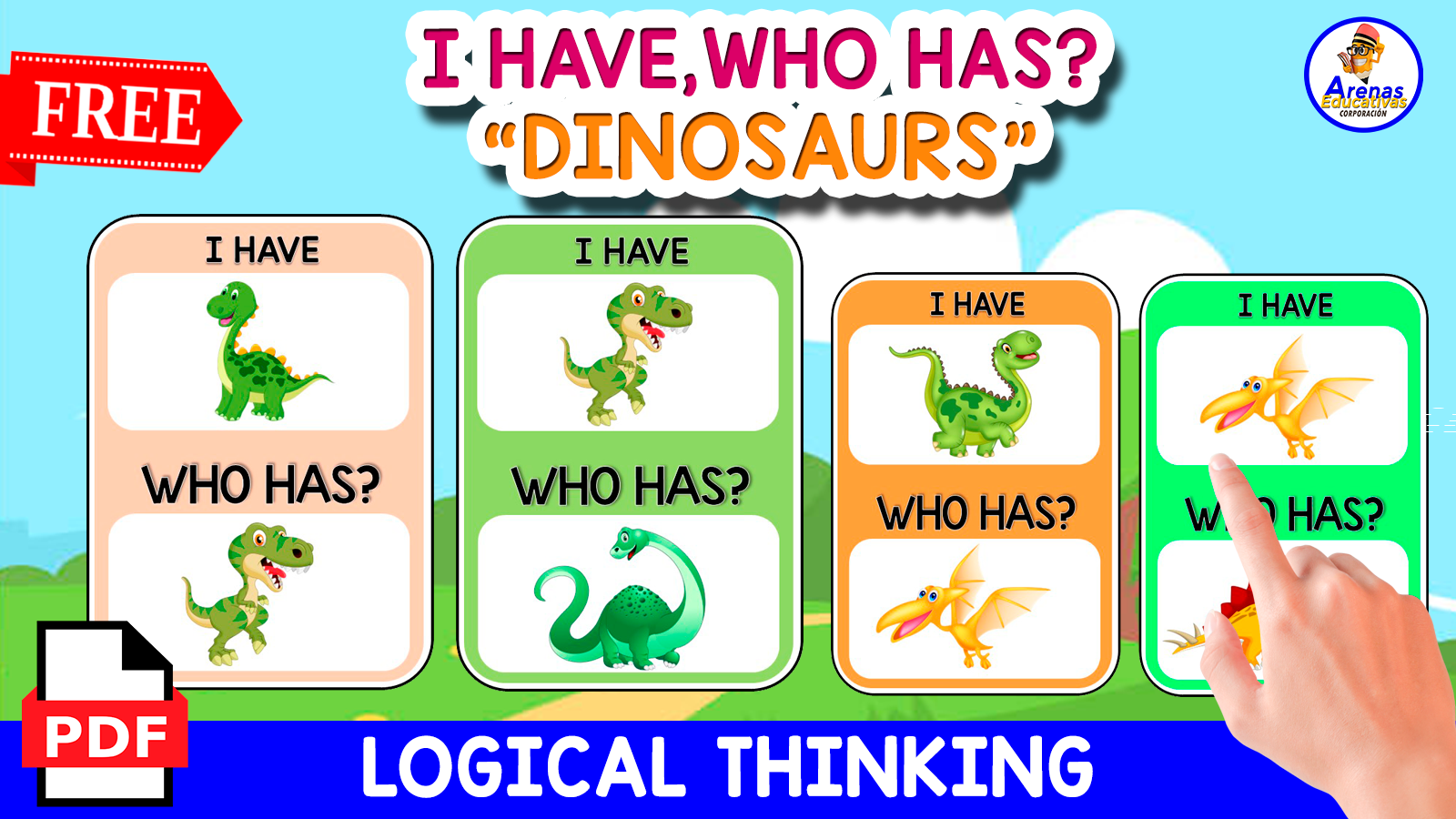
 I HAVE WHO HAS?| WITH IMAGES OF DINOSAURS HELLO! WELCOME TO THE ARENAS EDUCATIONAL EDUCATIONAL RESOURCES STORE! We are a store that specializes in producing a variety of materials for primary school children in the areas of mathematics, language, and literacy, as well as Spanish and brain exercise worksheets. TODAY I BRING YOU THIS FABULOUS GAME OF "I…
A no-prep digital 'micro-learning deck' (slideshow) that teaches about the Mayan civilization through an audio-supported nonfiction reading passage on the Tombs of El Mirador excavation, vocabulary, and differentiated comprehension and writing activities.
Provide a full-length Pennsylvania System of School Assessment (PSSA) ELA practice test for Grade 6, aligned to the Pennsylvania Core Standards, with reading passages, multiple-choice and short-answer questions, a fully explained answer key, and a teacher's guide.
Nonfiction Earth/space-science reading passages that teach what objects are visible in the sky (clouds, birds, airplanes, moon, stars, sun) and basic facts about the sun, for reading-comprehension practice.
A reading-strategy resource providing ten passages from 'Bridge to Terabithia' for students to practice identifying Beers & Probst 'Notice and Note' fiction signposts, with discussion questions and example answers.
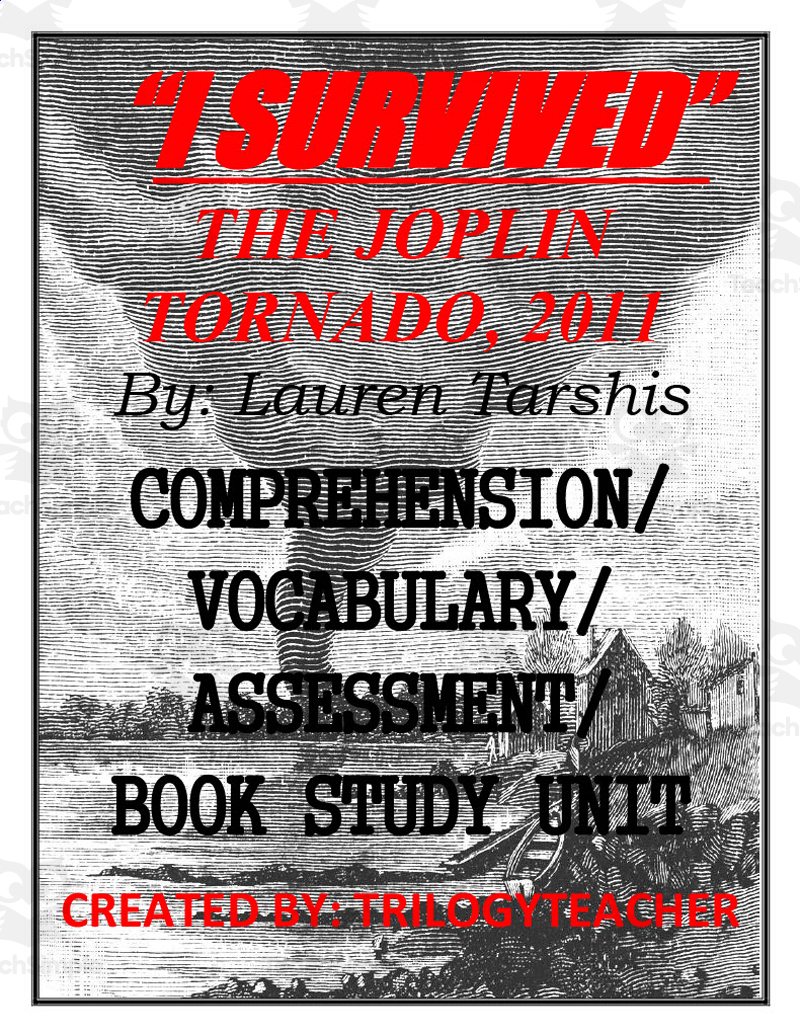
A full novel/book-study unit built around Lauren Tarshis's book "I Survived The Joplin Tornado, 2011", providing chapter-by-chapter comprehension, vocabulary, spelling and figurative-language practice plus culminating assessments.
A GCSE/KS4 English Literature PowerPoint lesson guiding students through a close reading and analysis of Macbeth Act 5, Scenes 2, 3 and 4, framed around the theme of insanity/loss of power.

Provides preschool teachers a week-long, day-by-day lesson plan grid covering a Community Helpers theme (doctor, postal worker, police officer, firefighter, store clerk) across circle time, movement, art, science, language/literacy, dramatic play, math, construction, and enrichment centers.
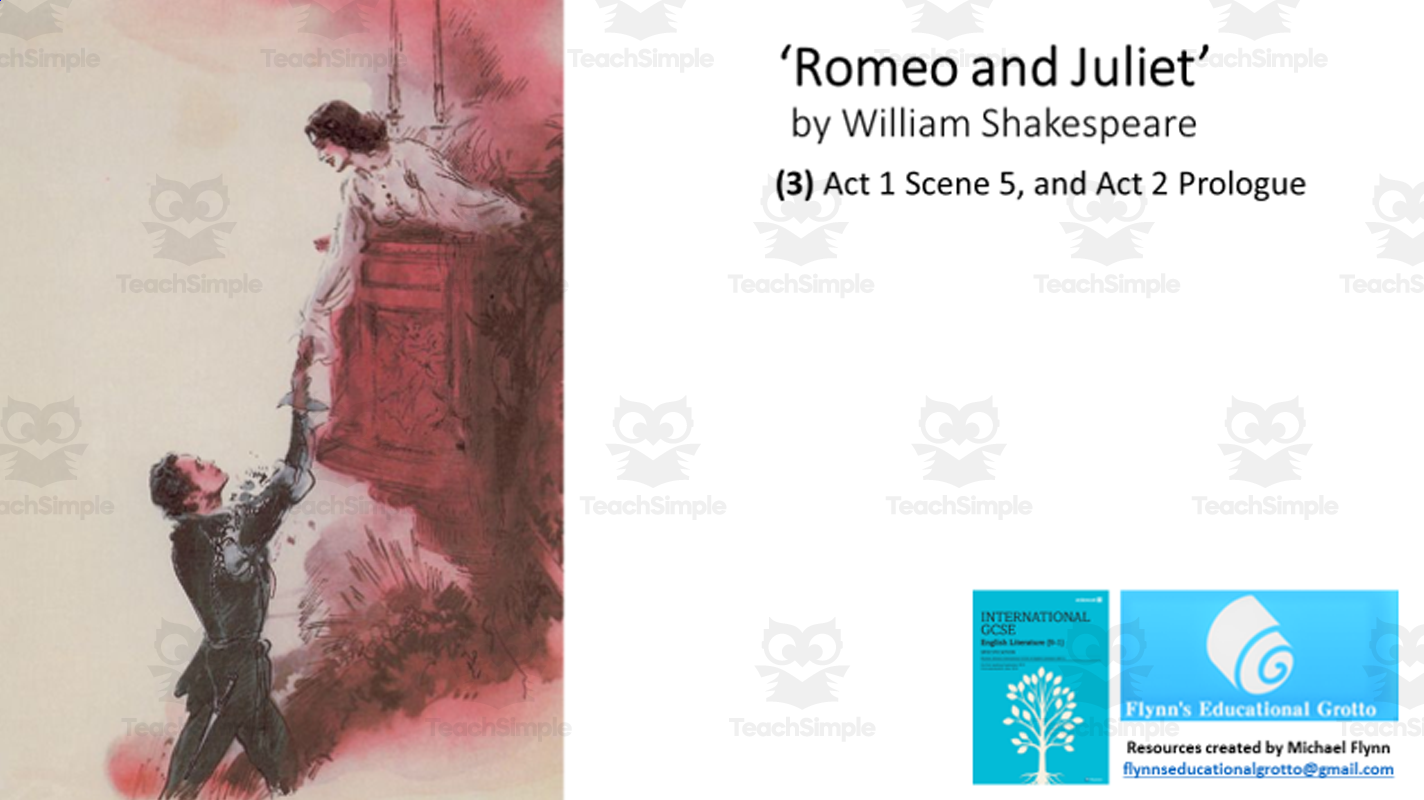
A GCSE English Literature PowerPoint lesson guiding students through a close reading and analysis of Romeo and Juliet Act 1 Scene 5 and the Act 2 Prologue (Romeo and Juliet's first meeting/kiss at the Capulet feast, Tybalt's fury, and the Chorus's sonnet on their obstacles), framed around the theme of love.
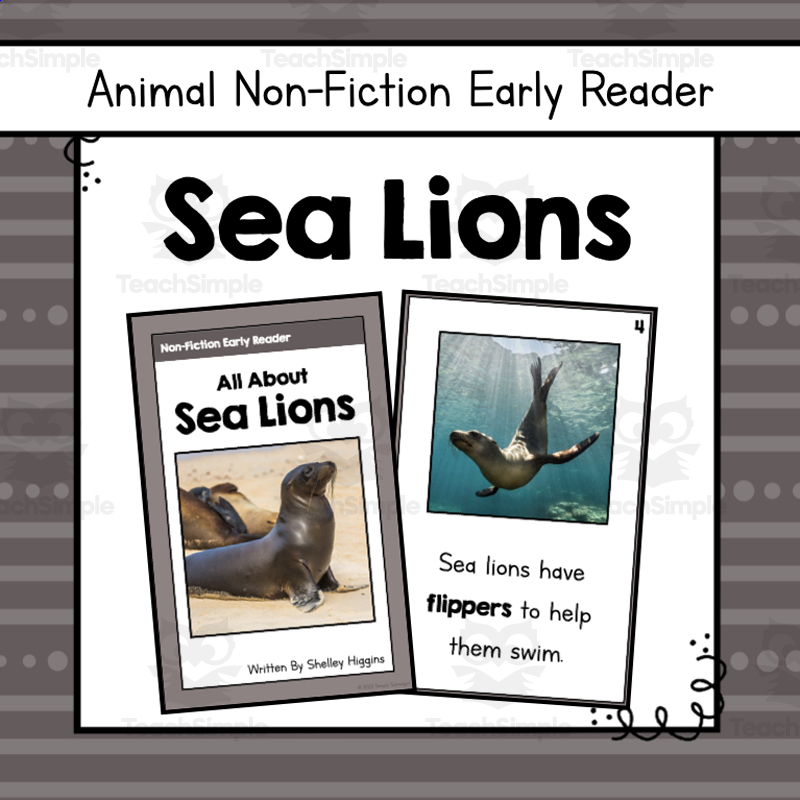
An early-reader nonfiction booklet about sea lions, packaged with a parent/teacher guide, comprehension questions, glossary, blank writing-book version, and reading homework sheet to build beginning nonfiction reading skills.
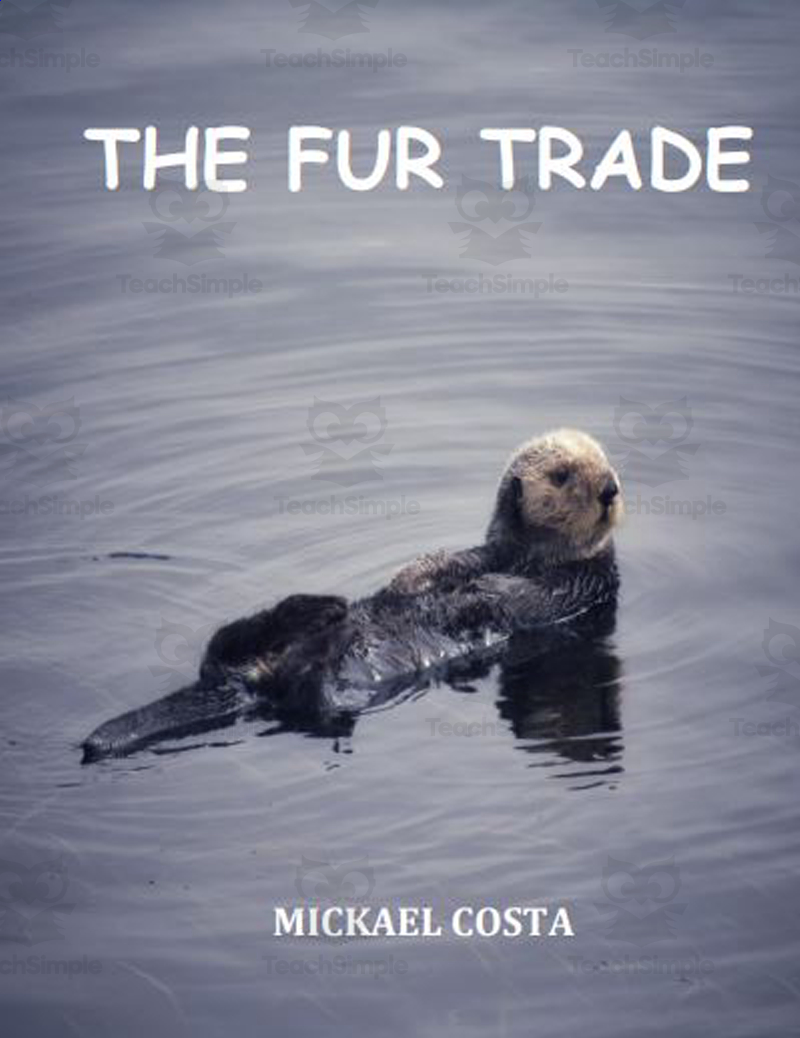
A Canadian history resource teaching the history of the fur trade (early Indigenous-European contact, the Hudson's Bay Company, coureurs des bois, voyageurs, and trading practices) for grades 3-5.

A GCSE English Literature PowerPoint lesson guiding students through a close reading and analysis of Romeo and Juliet Act 5, Scenes 1, 2 and 3 (Romeo's dream and Balthasar's news, Friar John's failed errand, the deaths at the Capulet tomb), framed around audience regard for the leading characters.
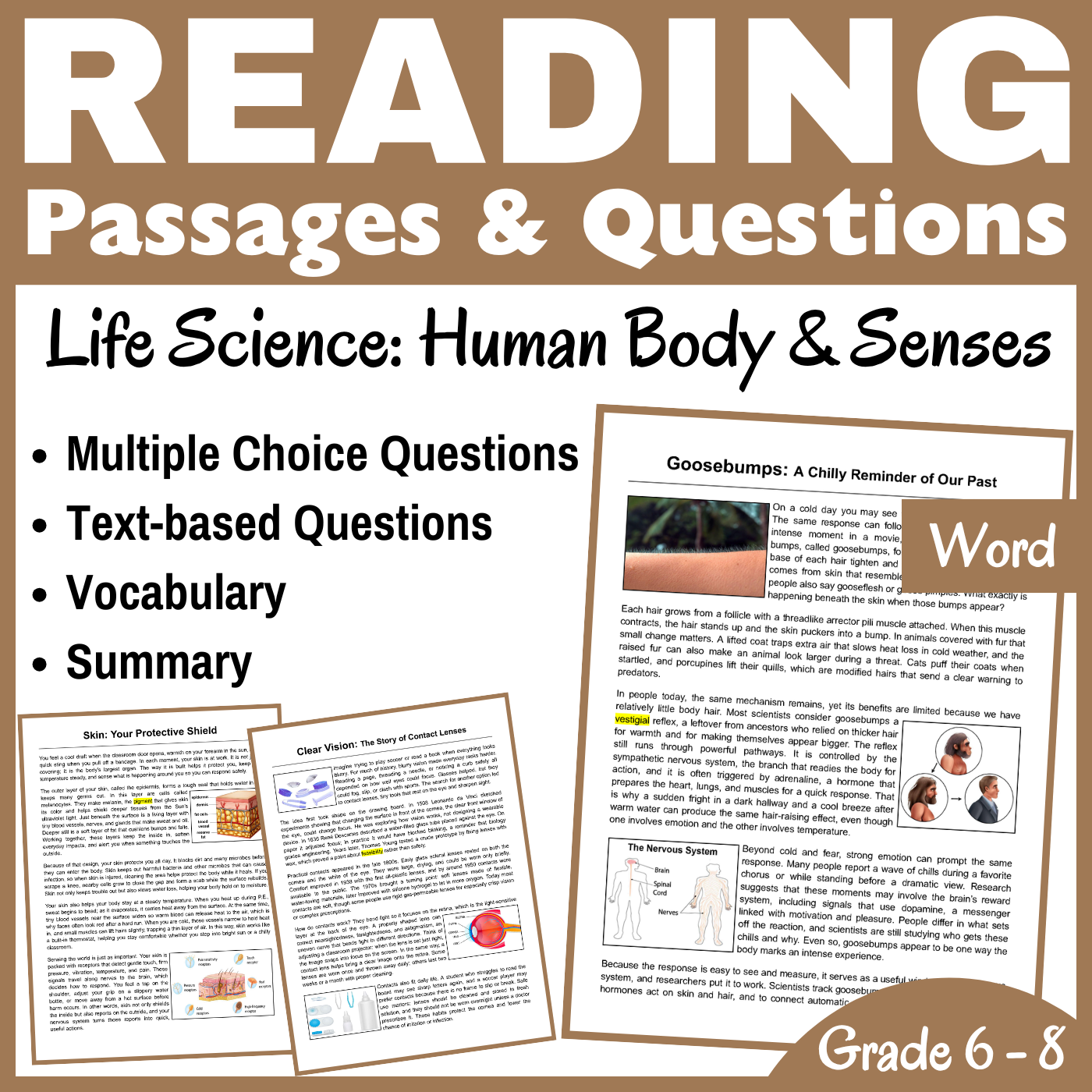
Nonfiction reading-comprehension practice using three life-science passages about the human body's senses and skin.

Read an informational article, answer short-answer comprehension questions that require citing details from the text (including at least one percentage/arithmetic calculation), complete a clue-based spelling activity, and respond to an open-ended opinion/reflection writing prompt tied to the article's topic.
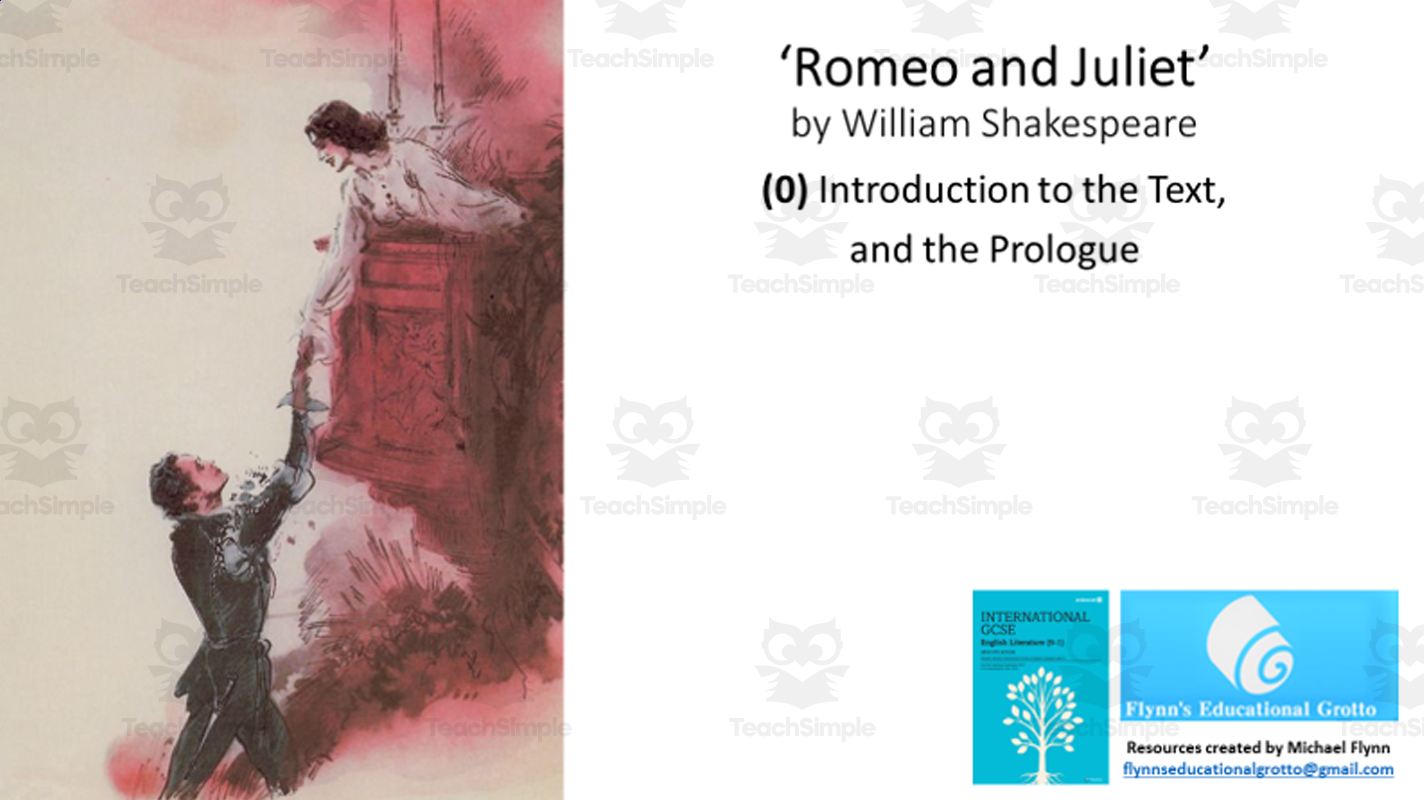
A GCSE English Literature introductory PowerPoint lesson on Shakespeare's 'Romeo and Juliet', covering the author's biography, key literary terms (aside, soliloquy, plot/climax/resolution), the play's leading themes, and its leading characters, as a bridge into studying the full text.
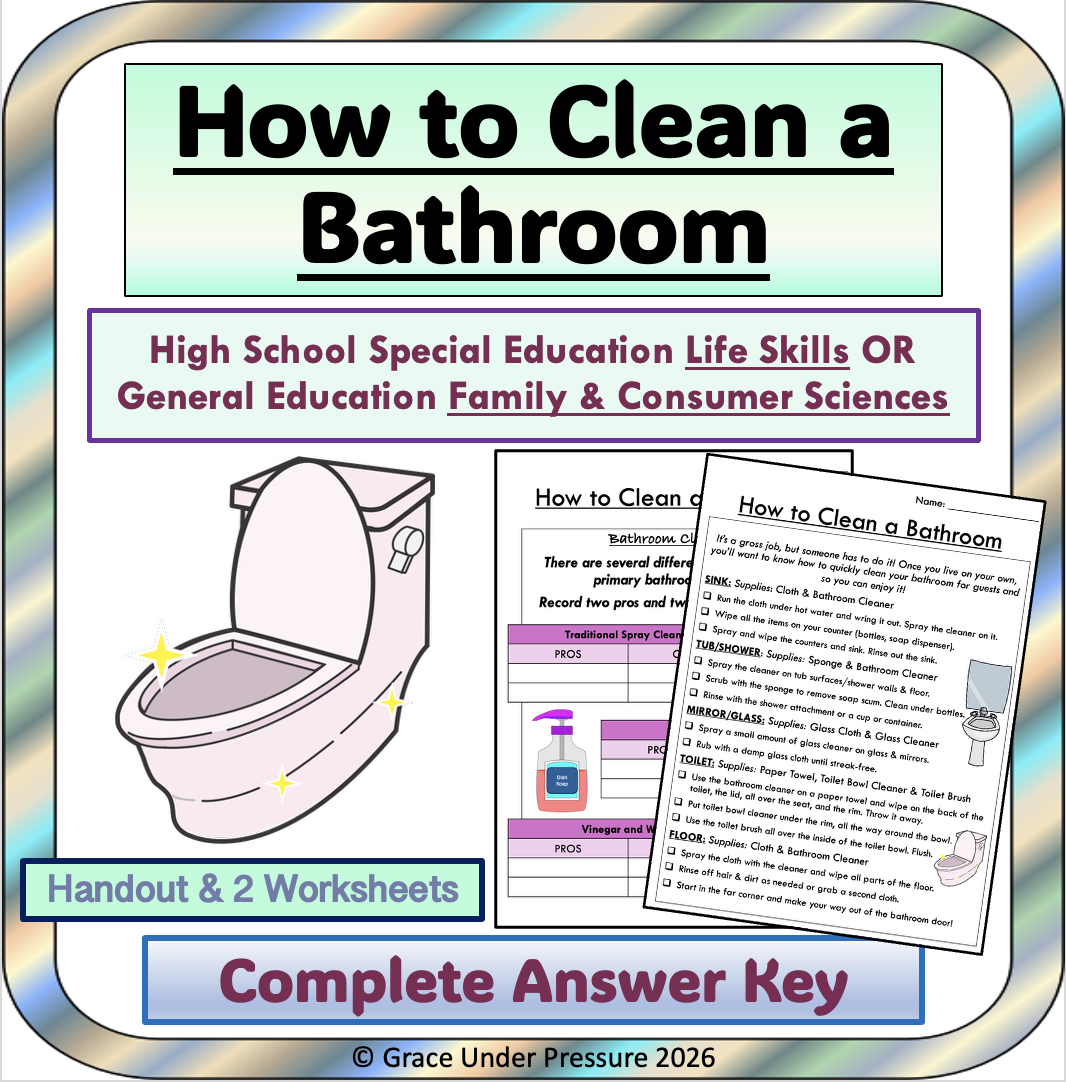
A no-prep life-skills lesson teaching high school students the steps to clean a bathroom, paired with comprehension questions and a short research task comparing cleaning solutions.