Preschool Worksheets: Color Word Booklets
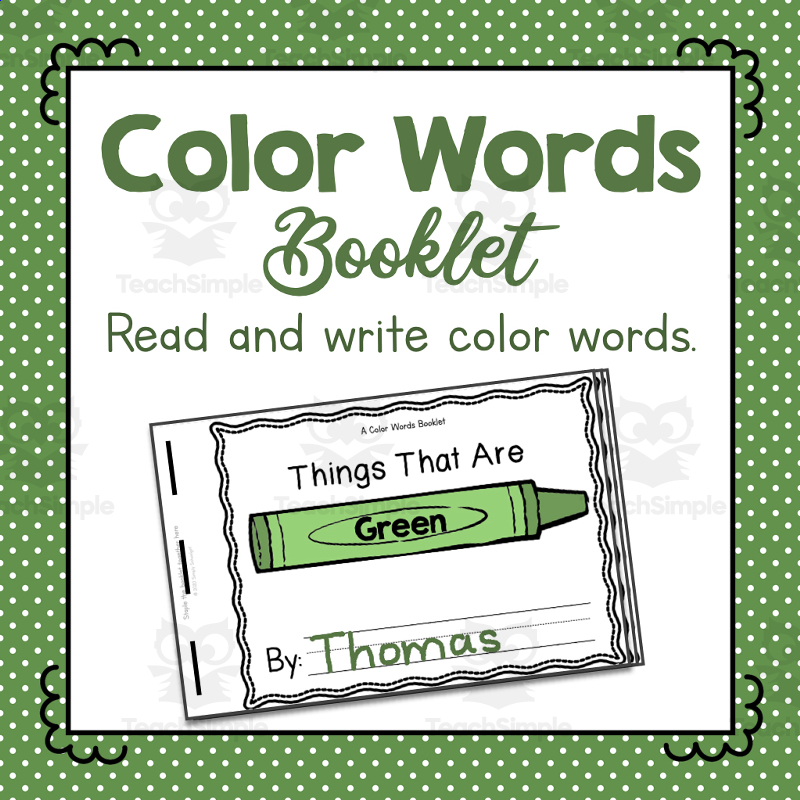
A set of cut-and-staple mini booklets, one per color, that pair a color word with simple sentences about objects of that color to build color-word reading and handwriting practice.
7,879 resources
Explore sub-categories
22 sub-categories · 7,879 resources
A set of cut-and-staple mini booklets, one per color, that pair a color word with simple sentences about objects of that color to build color-word reading and handwriting practice.
A multi-week (2-3 week) middle/high-school unit teaching climate change and global warming, combining a multi-day slideshow lesson, bell-ringer, video-response activities, a research quest, a reading with test, and a solution-proposal project.
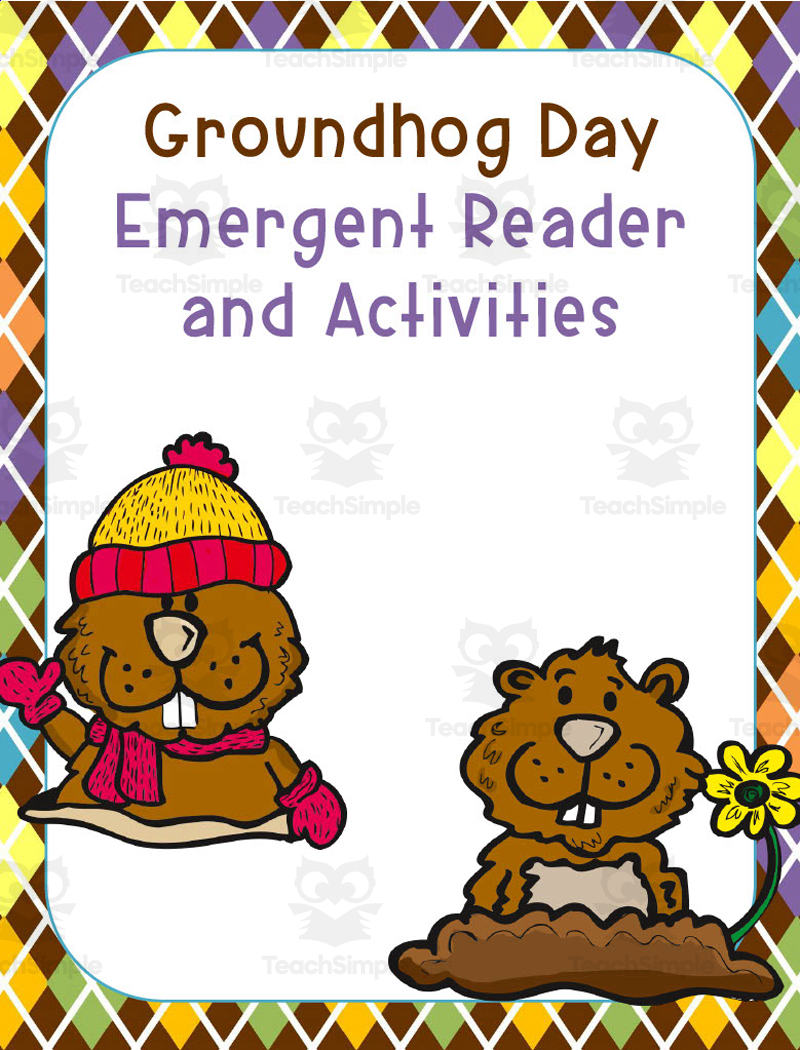
An emergent reader booklet about a groundhog checking for its shadow, with two alternate endings (sees shadow / doesn't see shadow), plus companion pre/during/after-reading activities.
A micro-learning slide deck that teaches the meaning and use of the figurative-language idiom 'Don't count your chickens before they hatch' through a reading passage, comprehension questions, and a written summary task.
An interactive micro-learning deck teaching students about camel adaptations (humps, wide feet, water conservation) via video and a reading passage.
Make predictions from the title/illustrations, activate prior knowledge, read an illustrated nonfiction passage about Canadian elections, apply reading strategies, answer comprehension questions (multiple choice and short answer), check answers against an answer key, make text connections, give an opinion, identify a favorite passage,…
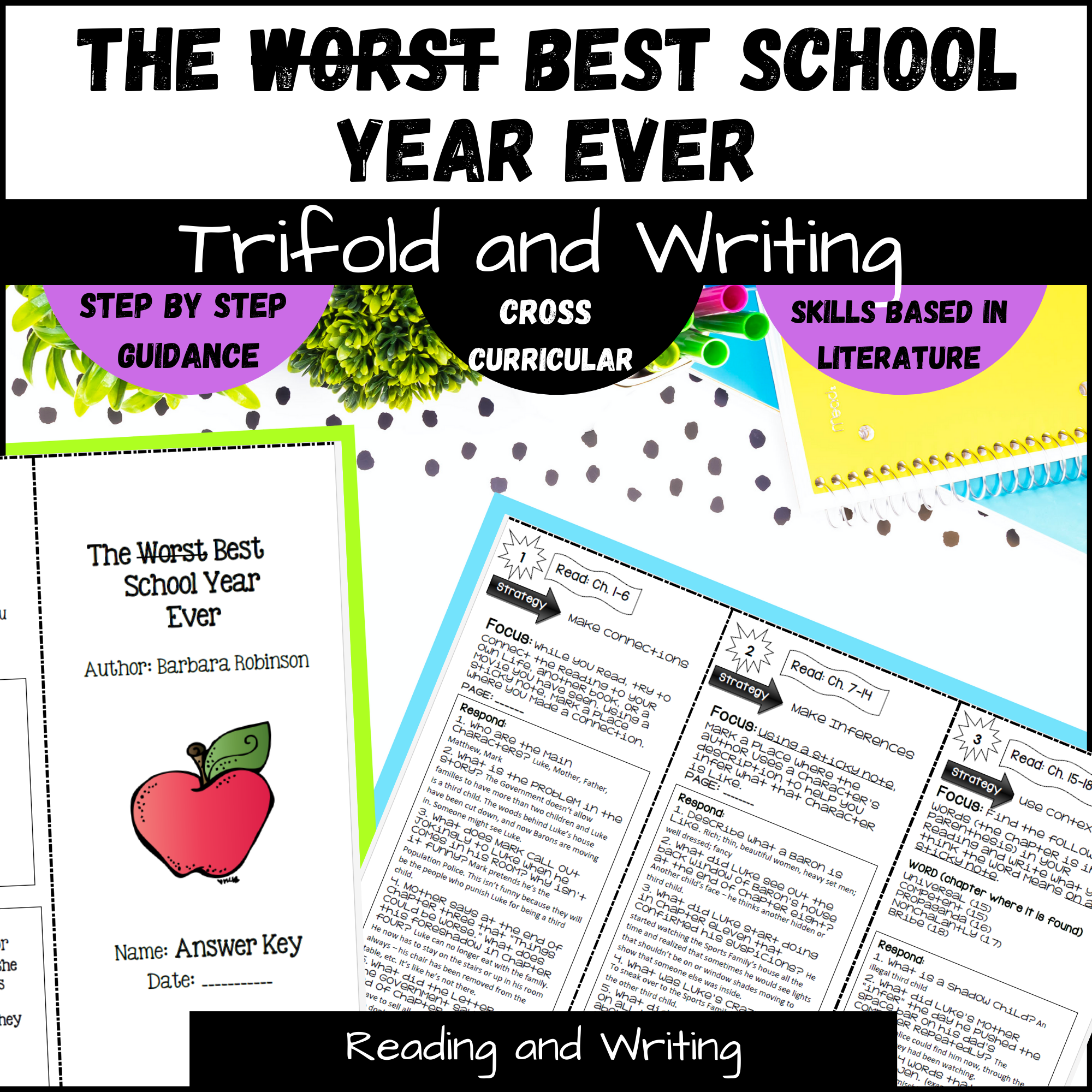
A fold-up (trifold pamphlet) book-report/reading-response activity keyed to the novel "The Best Worst School Year Ever (catalog title) / "The Worst Best School Year Ever" (as printed on the file's cover page)" by Barbara Robinson, teaching five reading strategies (making connections, using context clues, making inferences, creating images/visualization,…
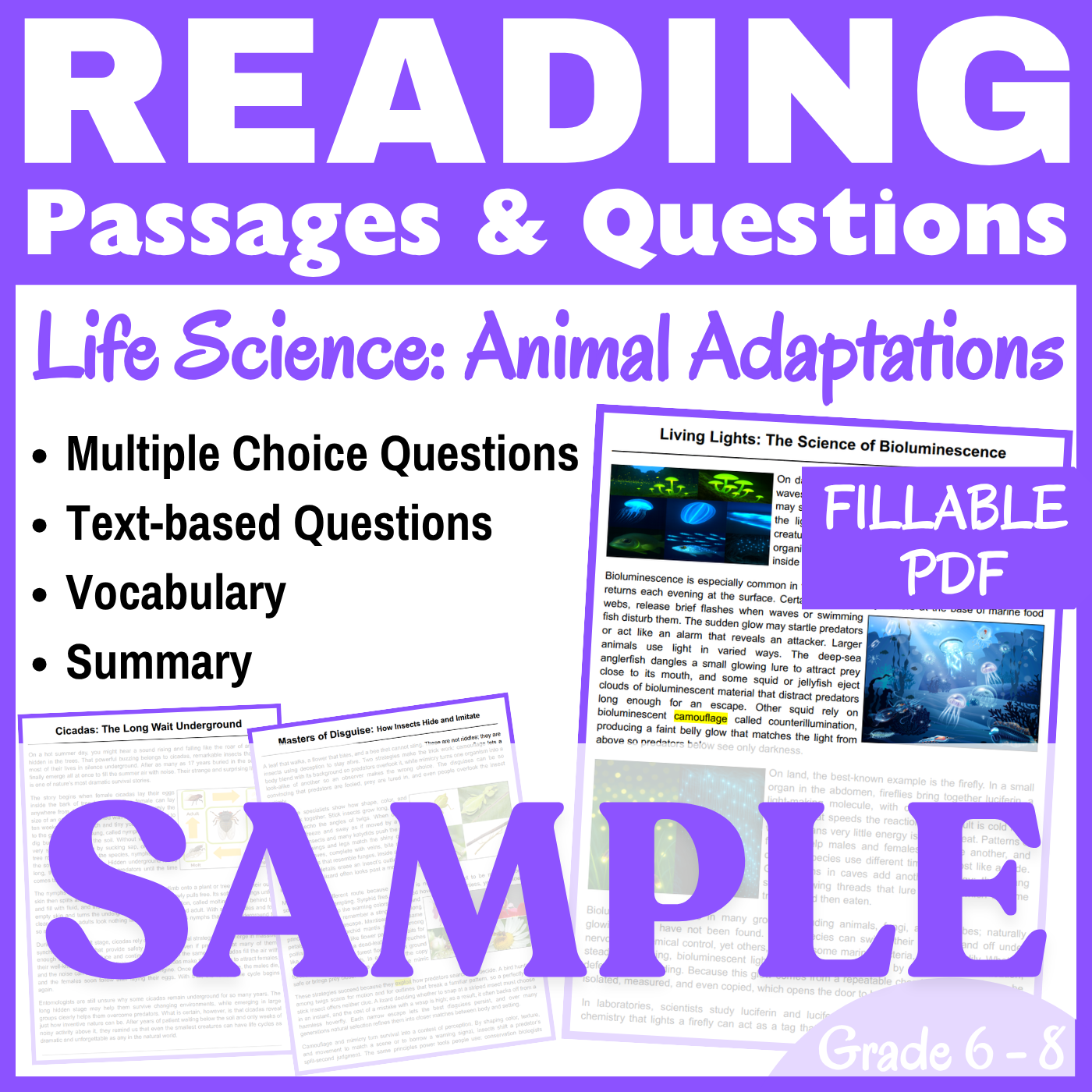
Free single-passage sample of a nonfiction life-science reading comprehension resource: the bioluminescence passage with its full question set and answer key, for middle-school ELA/science reading practice.
Make predictions from the title/illustrations, activate prior knowledge, read an illustrated nonfiction passage about the nervous system, apply reading strategies, answer comprehension questions, check answers against an answer key, make text connections, give an opinion, identify a favorite passage, and complete a creative…
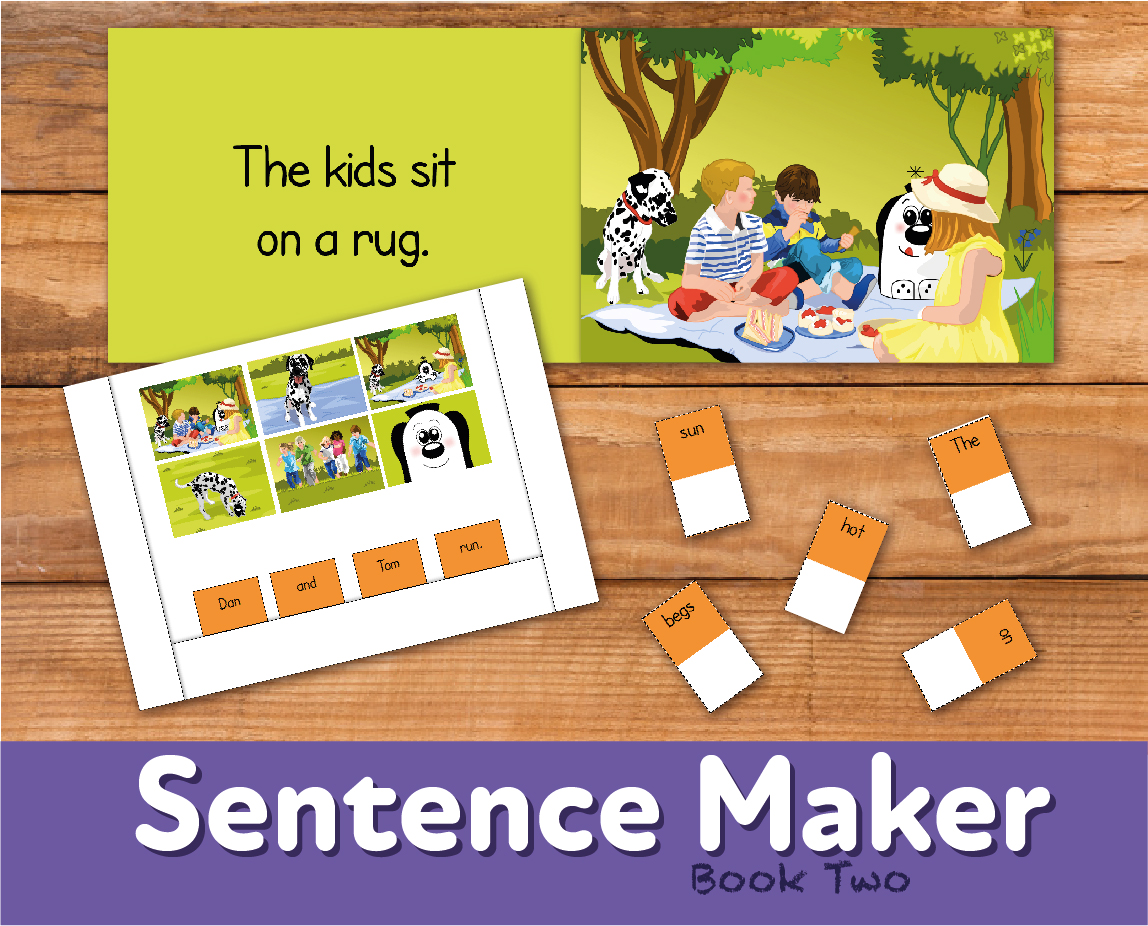
Sentence-building and early reading/writing practice resource in which students assemble a foldable 'Sentence Maker' device and use word cards to build sentences that tell an illustrated story.
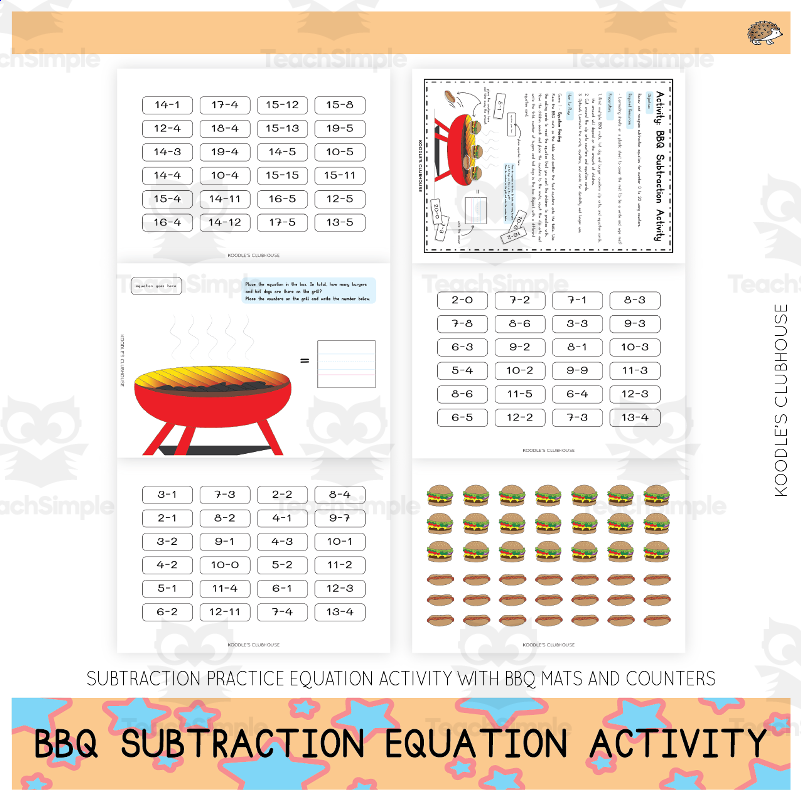
Provide a hands-on, self-checking subtraction practice activity (numbers 0-20) using BBQ-themed mats, food counters, and equation cards, for counting, number-value, and equation-reading practice.
A multi-format activity packet teaching 14 different landforms (e.g., lake, island, canyon, peninsula, ocean, river, glacier, mountain, bay, sea, plateau, isthmus, hill, volcano) for grades 3-5.
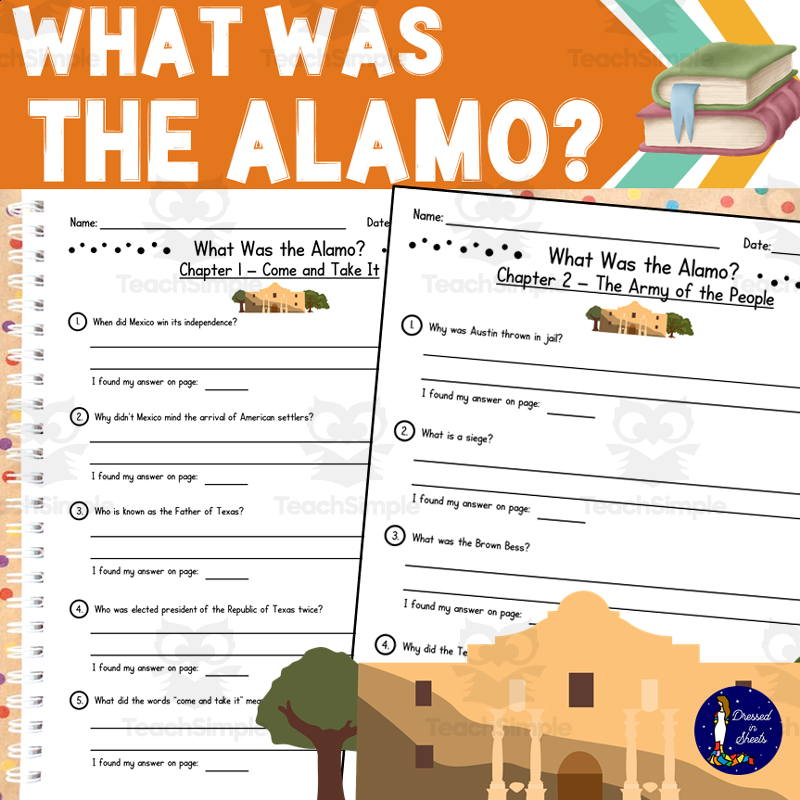
Comprehension and handwriting-practice questions supplementing the book 'What Was the Alamo?' by Pam Pollack and Meg Belviso, organized by chapter.
unknown from opened evidence — catalog description indicates the same fiction reading-comprehension lesson content as the corresponding print set, delivered as Google Drive files rather than a downloadable document.
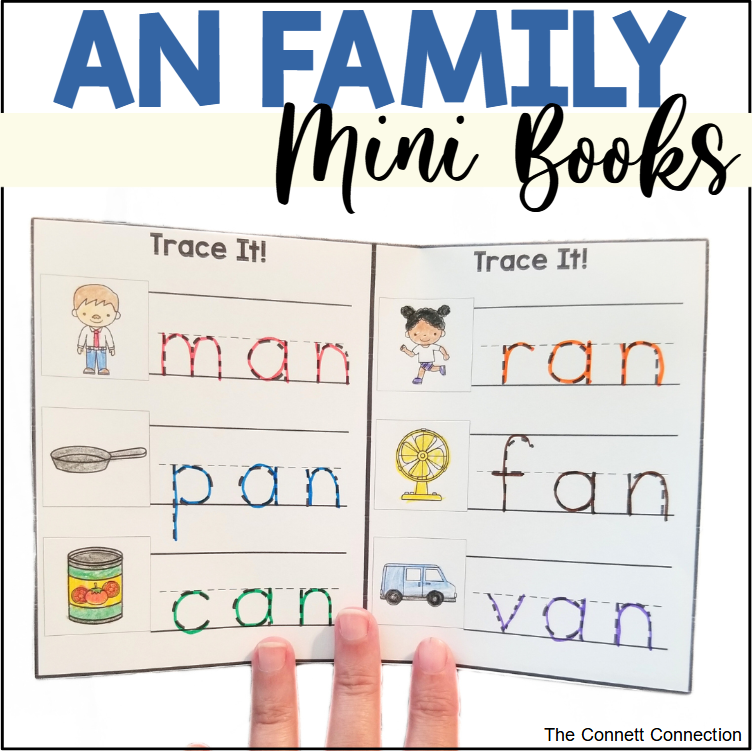
Foldable mini-books for practicing the '-an' CVC word family and phonics skills.
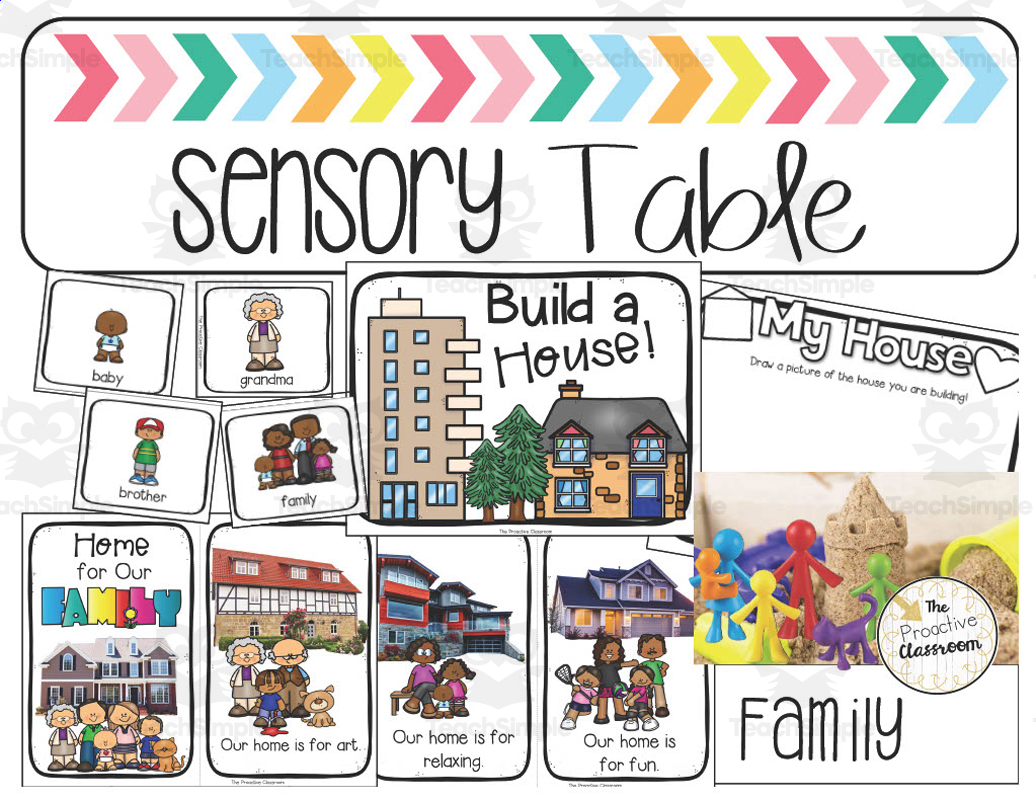
Sets up a hands-on sensory table activity where students build a house/home using sensory filler and family-themed manipulatives, paired with printable literacy materials.
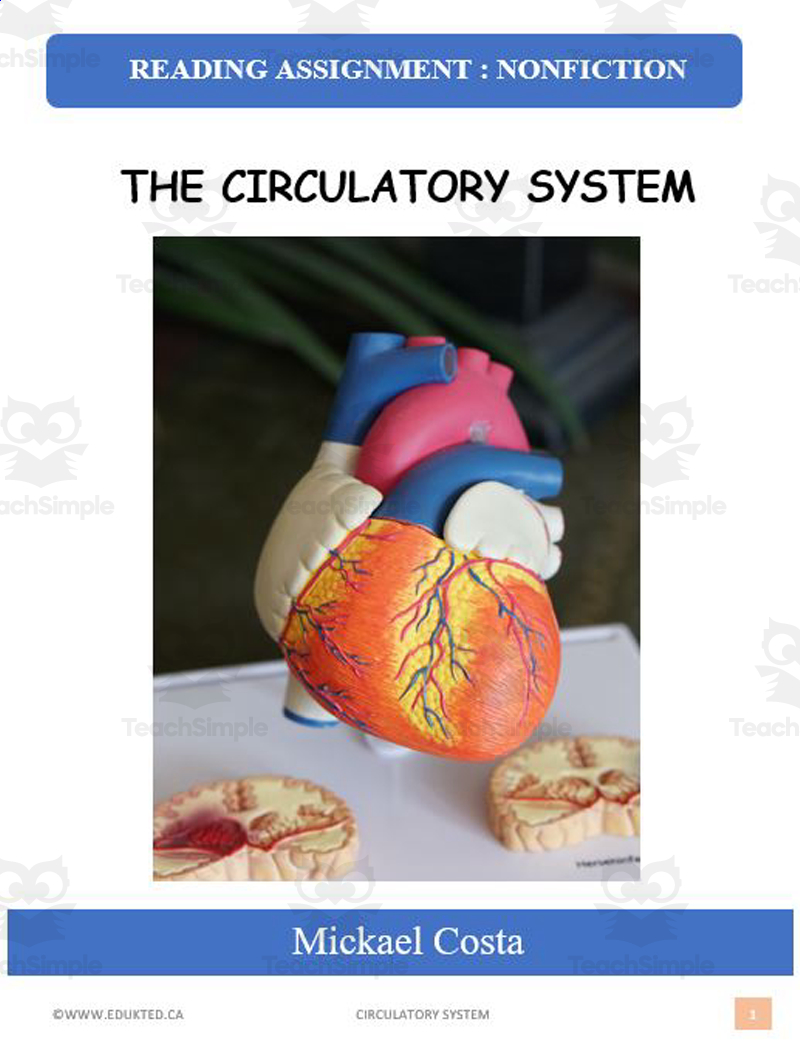
Make predictions from the title/illustrations, activate prior knowledge, read an illustrated nonfiction passage about the circulatory system, apply reading strategies, answer comprehension questions, check answers against an answer key, make text connections, give an opinion, identify a favorite passage, and complete a creative…
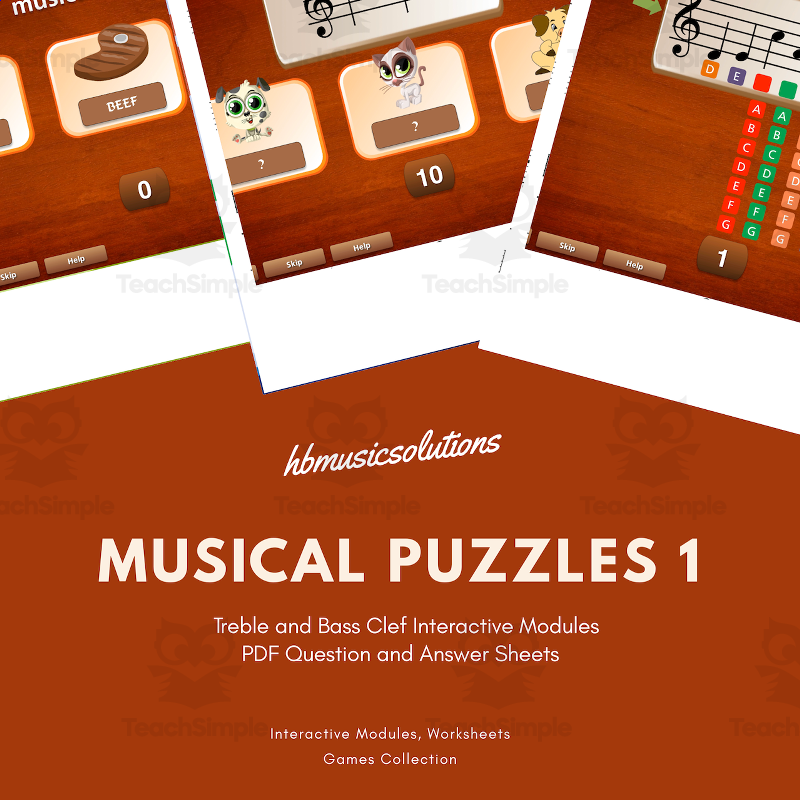
Practice reading musical notes on the treble or bass clef staff by using note letters to decode words and solve short riddles/puzzles.
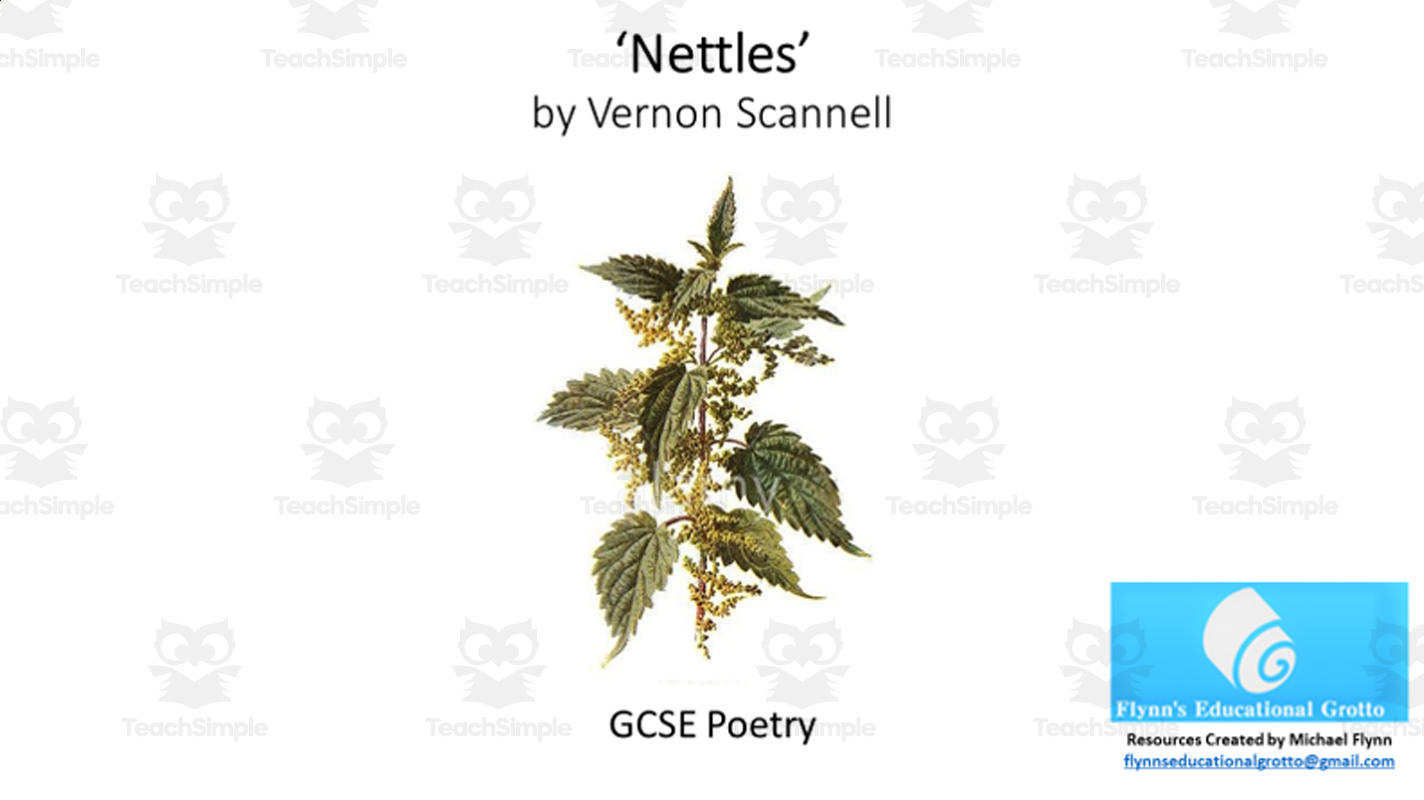
An eighteen-slide GCSE poetry lesson on Vernon Scannell's 'Nettles' opens with author-context biography before two starter discussion slides on over-protective parenting prime students for a first reading of the full poem text. Students then annotate the poem in three line-groups, identifying tone and language devices such as the extended 'regiment of spite' and 'funeral pyre' metaphors, before answering dedicated content and structure questions about the poem's narrative and stanza form. A PETAL (Point, Evidence, Technique, Analysis, Link) framework, paired with a PROOFREAD self-assessment checklist, scaffolds a formal analytical paragraph, and the lesson closes with an extension task, a genre/form homework assignment, and plenary reflection questions. Teachers building a GCSE poetry scheme of work can pair this with the same PETAL-based approach applied to a different set text in the Half-Past Two poem analysis lesson .
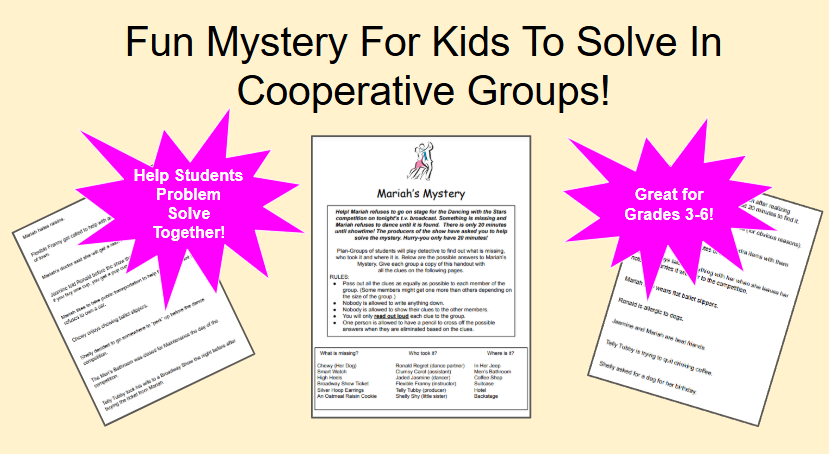
A cooperative deduction/mystery game that builds social-emotional and collaboration skills (listening, communication, teamwork) through a logic puzzle rather than academic content.
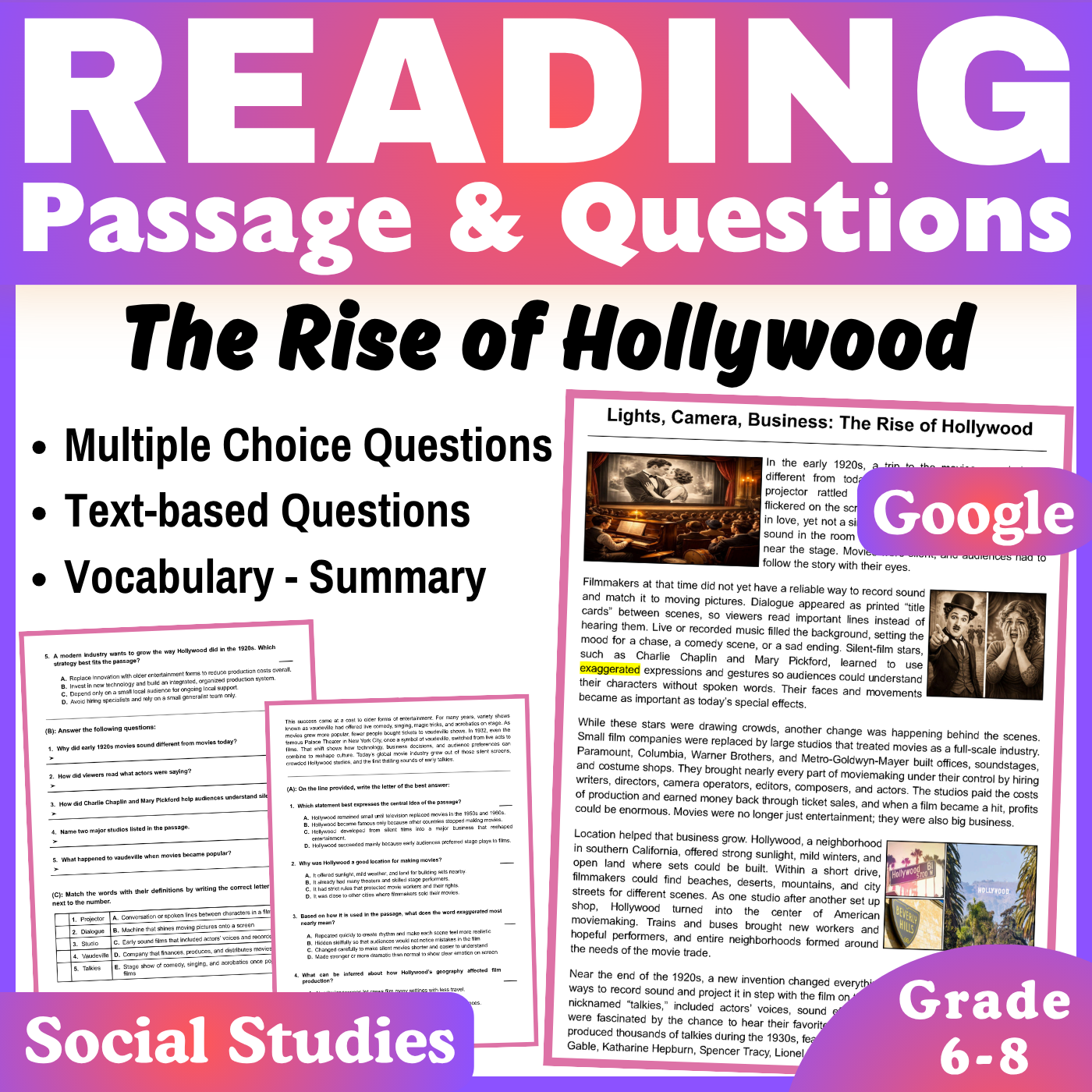
unknown from opened evidence — the downloaded product file itself is only a link-out page directing the buyer to a separate Google Docs file (not present in this scan); based on seller description and the identical passage/activity sold under this same title in PDF/Word/Fillable-PDF formats, this is presumed to be the same 'Lights, Camera, Business: The…
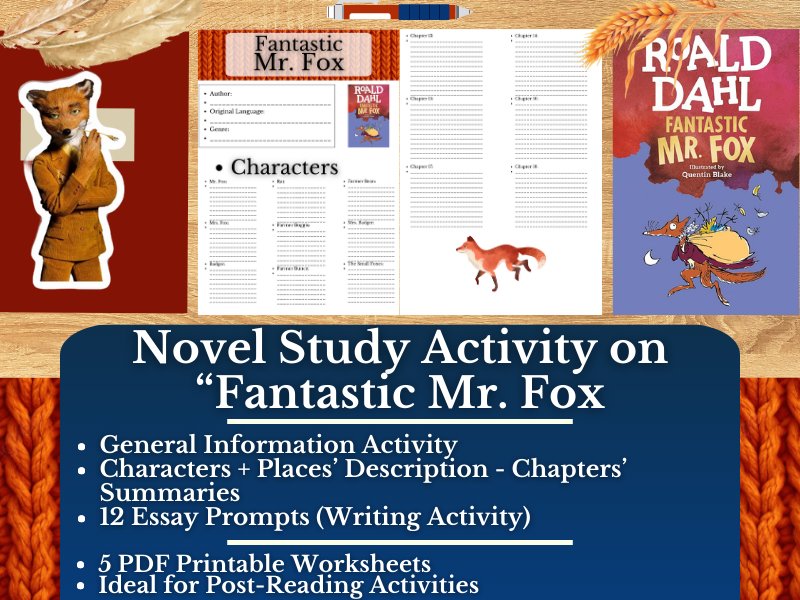
Fill in the author, original language and genre; label a character web and a place/setting web with descriptions of named characters and locations from "Fantastic Mr. Fox"; summarize the novel chapter by chapter in a fill-in grid; then respond to 12 numbered reflection/creative-writing prompts covering: personal book review of Fantastic…
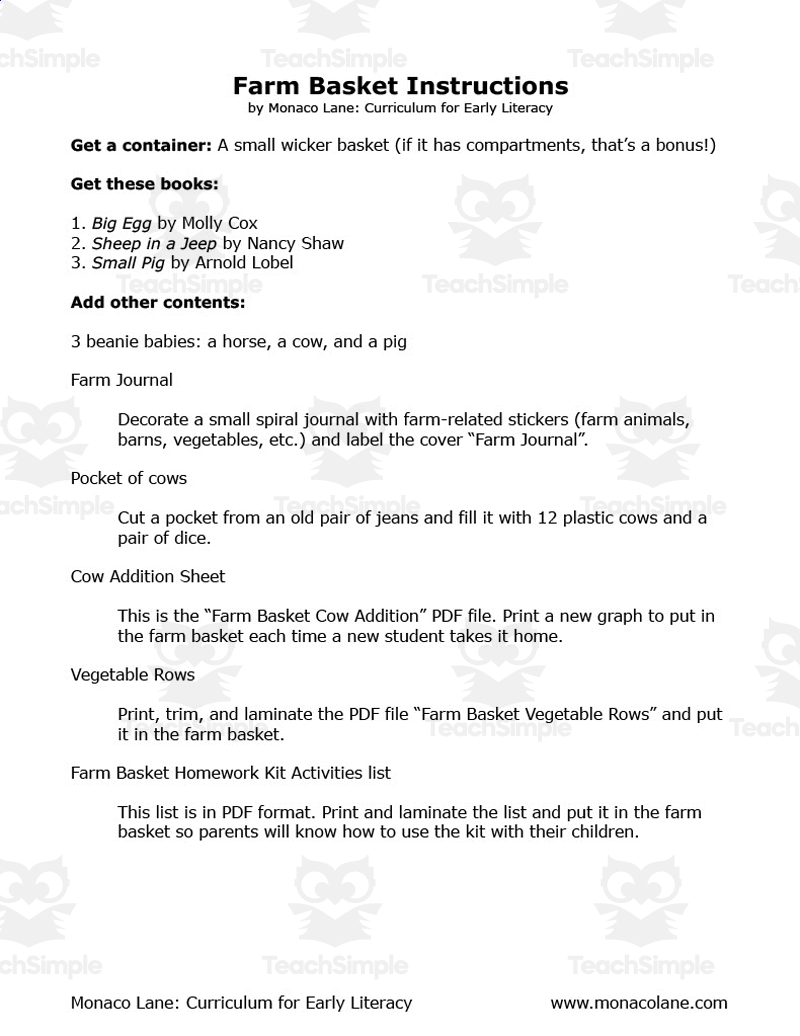
A take-home 'Farm Basket' literacy and math homework kit combining physical objects (books, toys) with printable activity sheets for early learners.
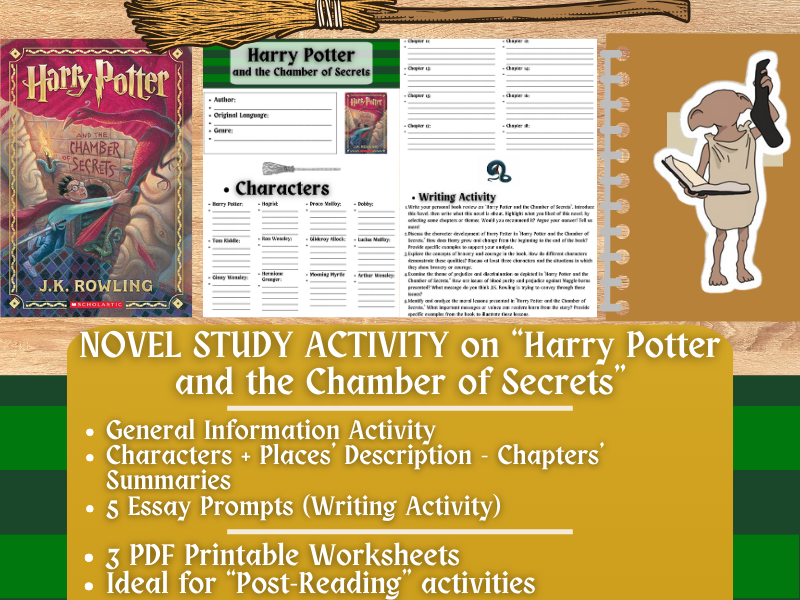
Fill in the author, original language and genre; label a character web and a place/setting web with descriptions of named characters and locations from "Harry Potter and the Chamber of Secrets"; summarize the novel chapter by chapter in a fill-in grid; then respond to 5 numbered reflection/creative-writing prompts covering: personal…