
Play A Sound Game ‘Zap’ To Reinforce Three Letter Words
A phonics game using a spinner craft to swap the first letter of three-letter words and practice decoding real vs. nonsense words.


19,642 resources
Explore sub-categories
15 sub-categories · 19,642 resources
A phonics game using a spinner craft to swap the first letter of three-letter words and practice decoding real vs. nonsense words.
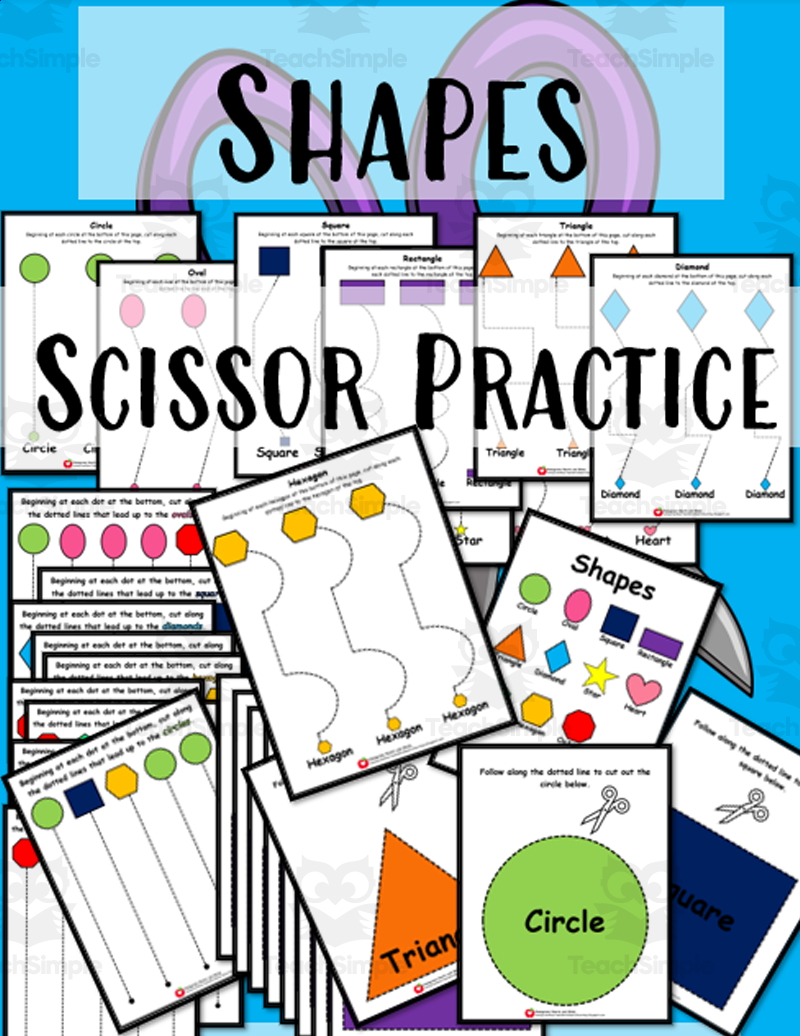
Scissor-cutting practice pages: students cut along dotted lines to and around named shapes, building fine motor and scissor control skills, with a shape reference chart included.
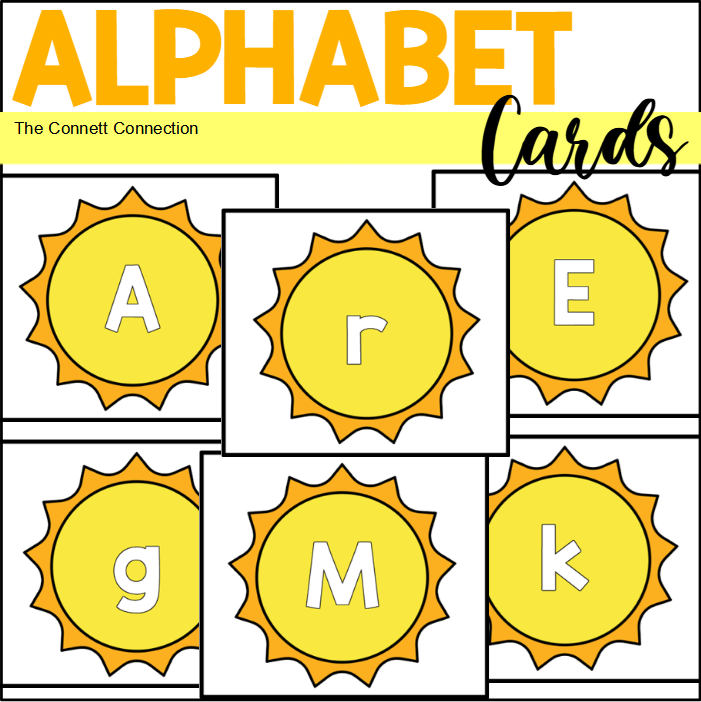
Letter recognition practice with a summer-themed set of capital and lowercase alphabet cards.
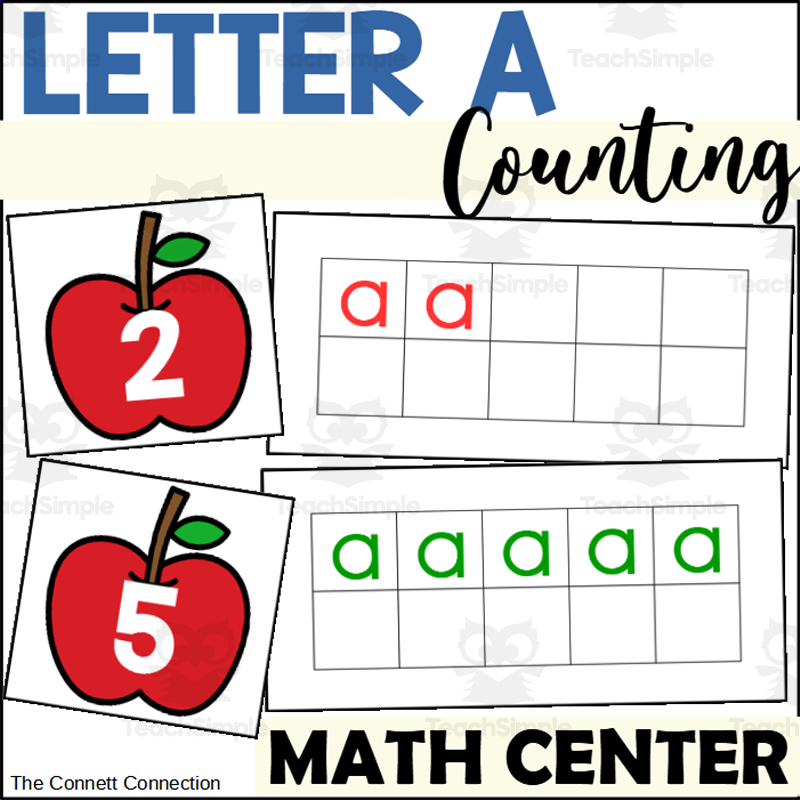
Practice lowercase letter A recognition alongside counting to 10 using ten-frames, as a math matching center.
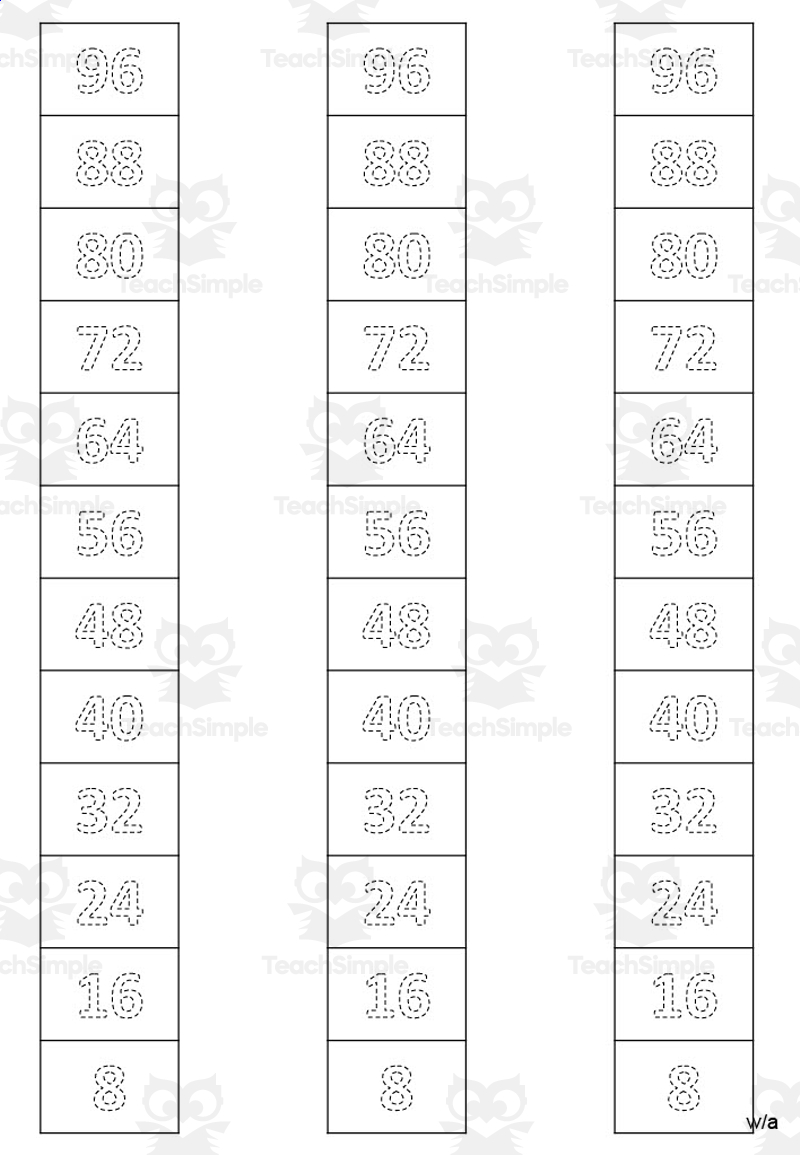
Multiplication fact fluency practice for the ×8 table, presented as repeating three-column number strips.

Guide adults through a social-emotional-learning yoga sequence that pairs energizing poses with spoken positive affirmations and a guided visualization to build children's resilience (in thoughts, words, and actions).
 Free download
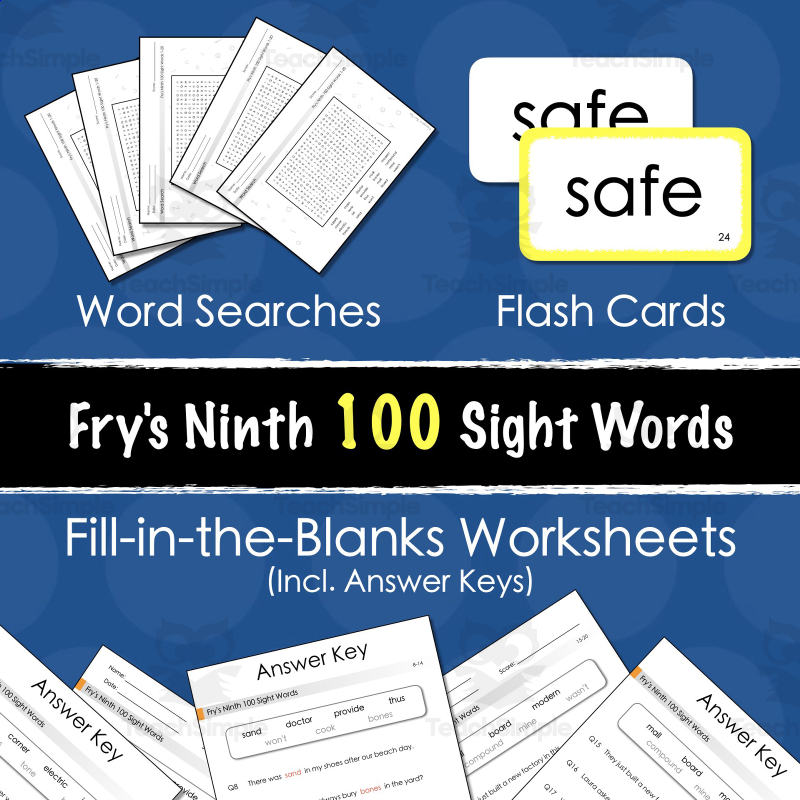
Per the title and seller description, provide practice with Fry's Ninth 100 high-frequency sight words (words #801-900) via fill-in-the-blank worksheets, flash cards, and vocabulary lists; however, the extracted evidence for this product only contains an alphabetical/color-coded word list.
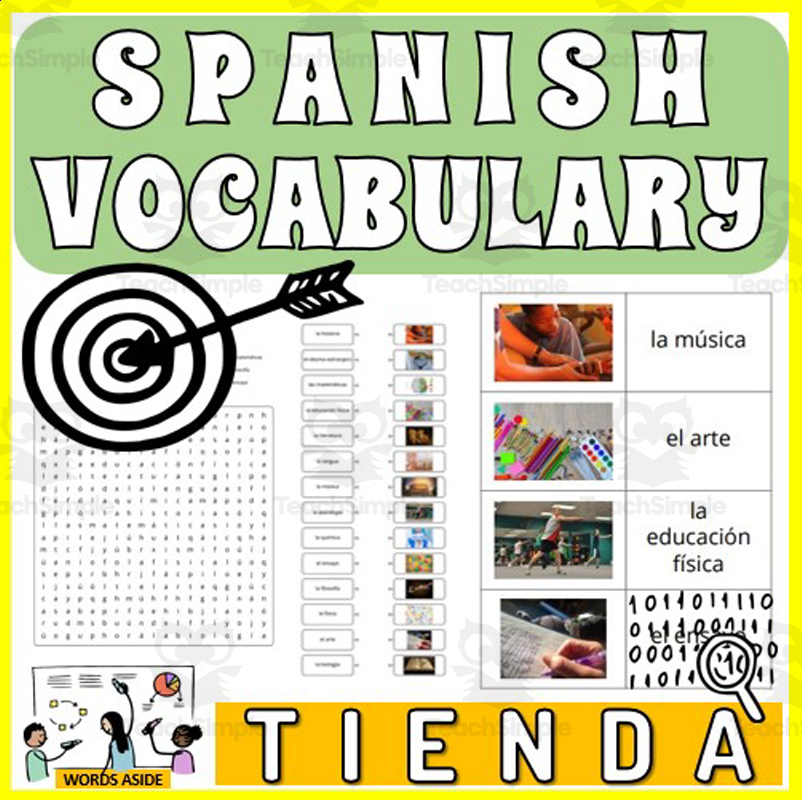
Build and practice Spanish vocabulary for the theme "Shop / Store" (TIENDA) through word games and puzzles.

A President's Day themed word search activity introducing vocabulary related to U.S. history, government, and the holiday's origins
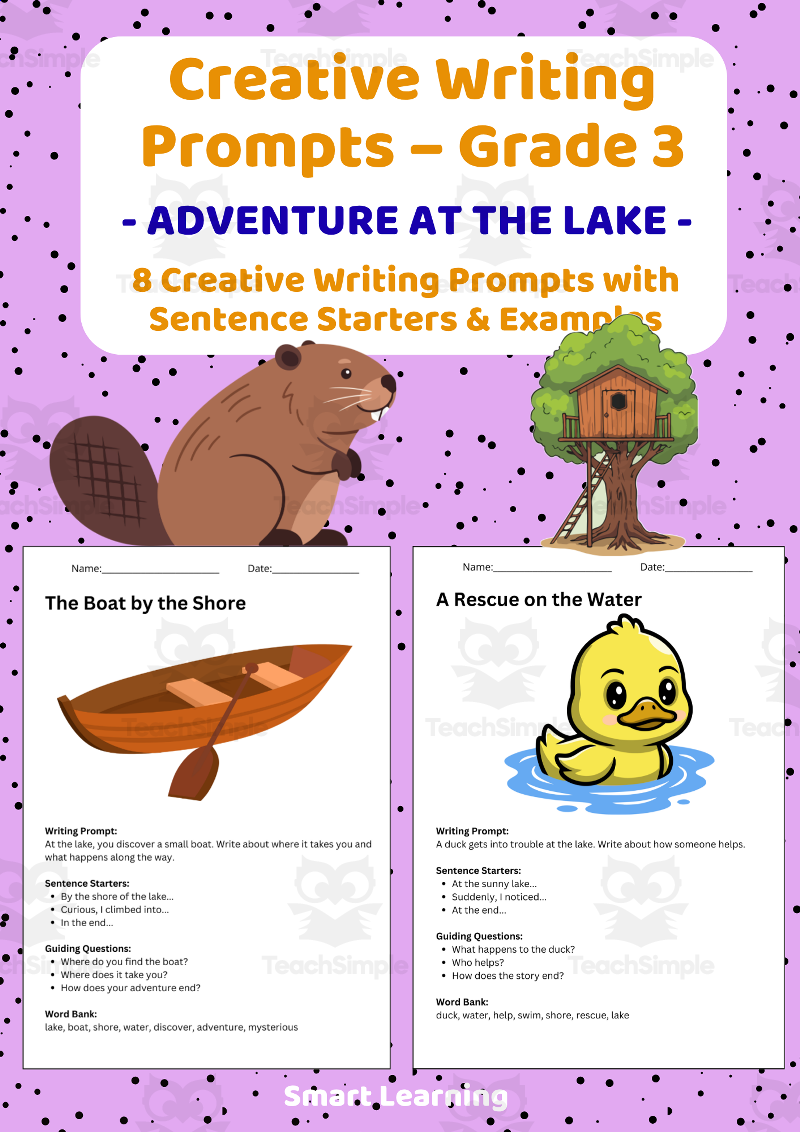
Gives 3rd-grade students eight themed creative-writing prompts (theme: Adventure at the Lake) with sentence starters, guiding questions, and word banks so they can organize a story with a clear beginning, middle, and end, develop their own ideas, and build writing confidence.
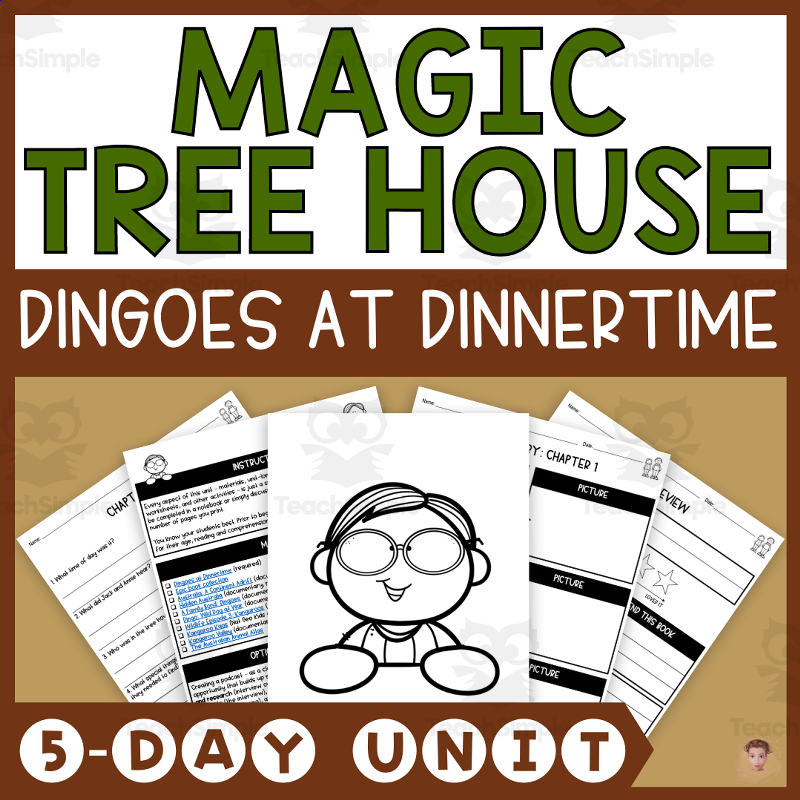
A 5-day novel study for 'Dingoes at Dinnertime' (Magic Tree House #20) combining reading, writing, geography, and art activities built around the Australian Outback, dingoes, and Aboriginal culture.
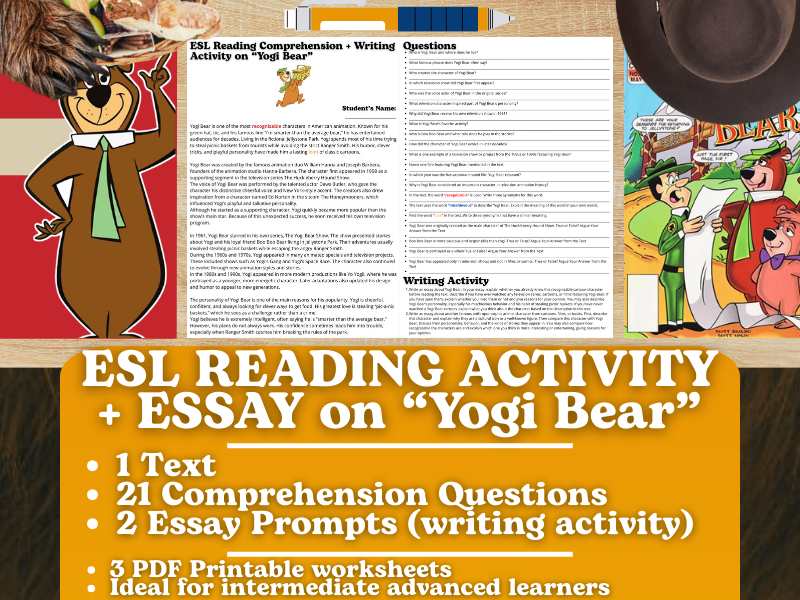
Give secondary-level ESL/EFL students reading-comprehension and writing practice using a short nonfiction passage about the Yogi Bear cartoon character.

Teach how to classify triangles by their sides (equilateral, isosceles, scalene) and by their angles (acute, right, obtuse) using an interactive foldable notebook activity.
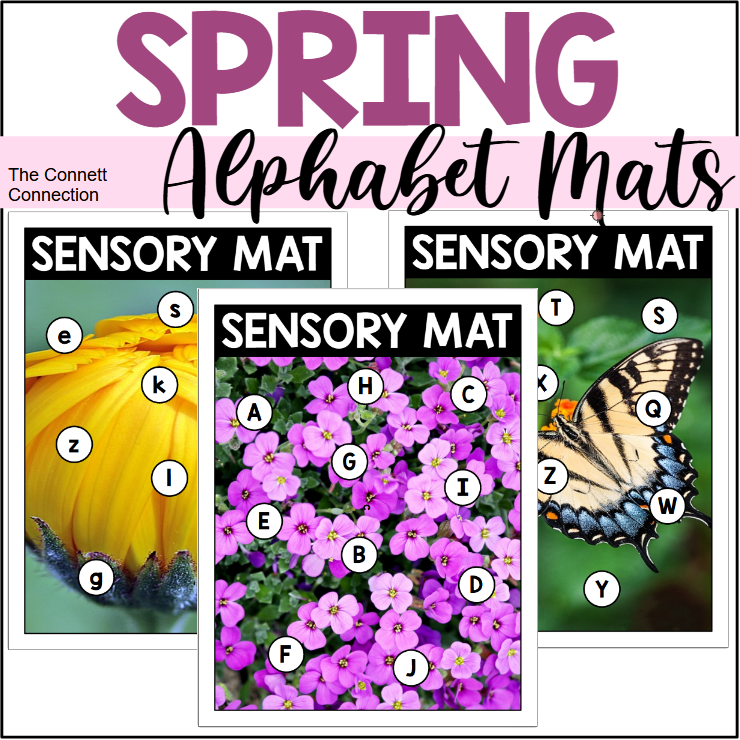
Alphabet letter recognition through a hands-on sensory-bin search activity.
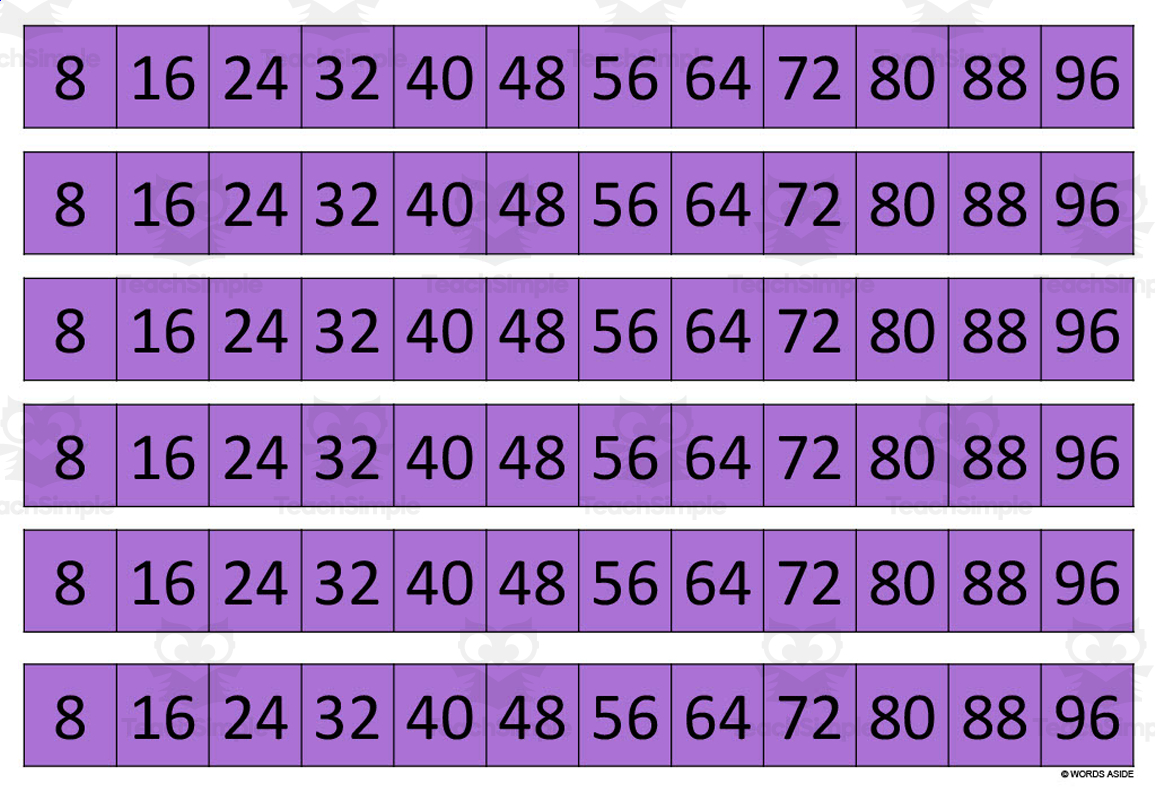
Multiplication facts memory/writing practice for the 8 times table: each page repeats the complete multiples sequence for 8 several times.
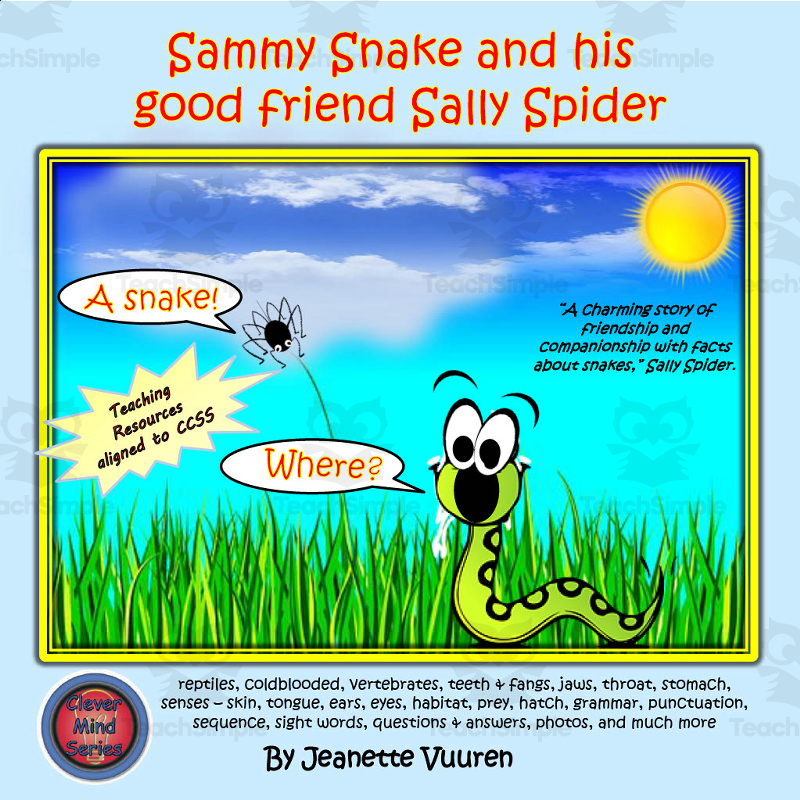
An illustrated story ebook (fiction narrative with embedded nonfiction facts) about a friendship between Sammy Snake and Sally Spider, teaching snake facts (vertebrates, senses, shedding skin, teeth/fangs) alongside literacy skills like vocabulary and reading comprehension.
A 50+ page no-prep space-themed literacy and math activity packet blending reading comprehension, writing, and math/counting activities for a science/space unit, aimed at Grades 1-3.
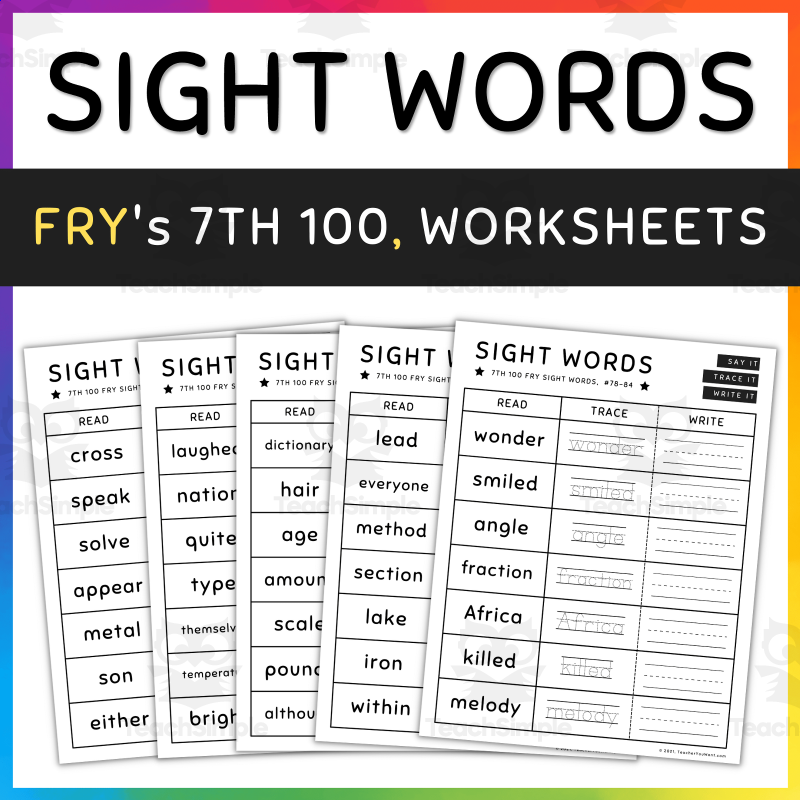
Give students structured practice reading, tracing, and writing Fry's 7th 100 high-frequency sight words (words #601-700), organized in blocks of 7 words per page section.
 Free download
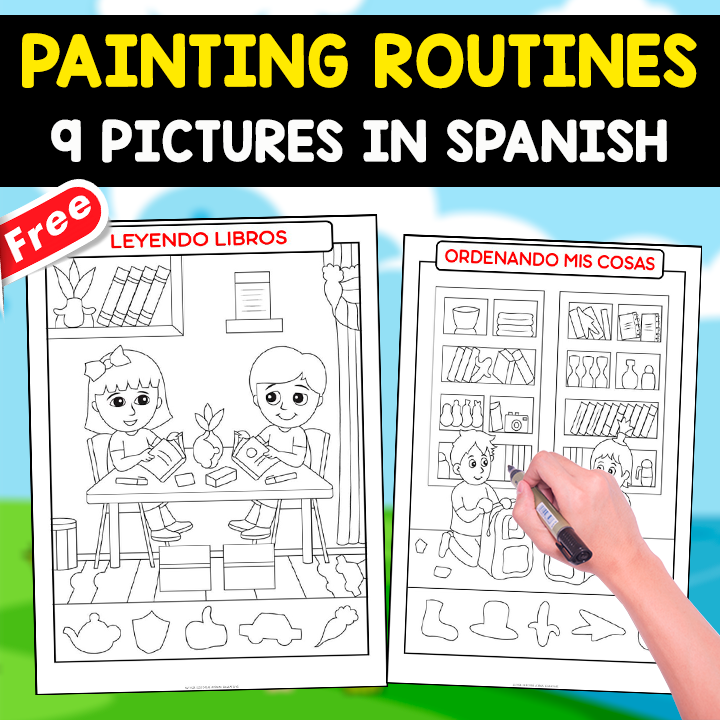
Spanish vocabulary painting/coloring templates: each of 9 daily-routine scene pages is labeled with a Spanish action phrase, for Spanish-language vocabulary practice.
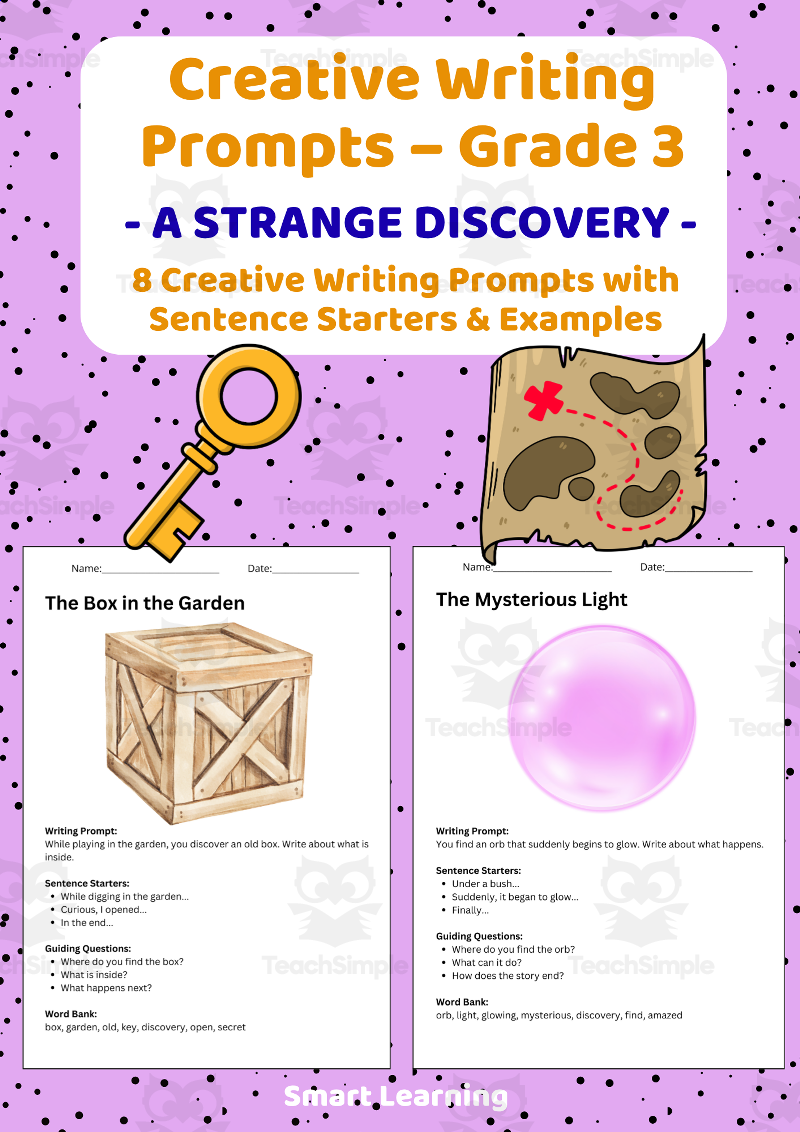
Gives 3rd-grade students eight themed creative-writing prompts (theme: A Strange Discovery) with sentence starters, guiding questions, and word banks so they can organize a story with a clear beginning, middle, and end, develop their own ideas, and build writing confidence.
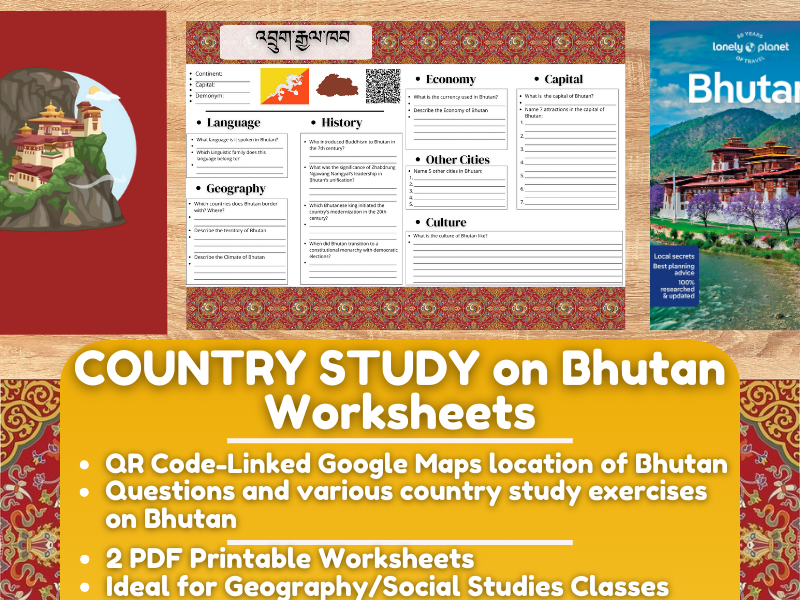
A 2-page fill-in-the-blank research worksheet that has students look up and record factual information about Bhutan covering geography, history, language, economy, and culture for a Social Studies / Geography country-study activity.
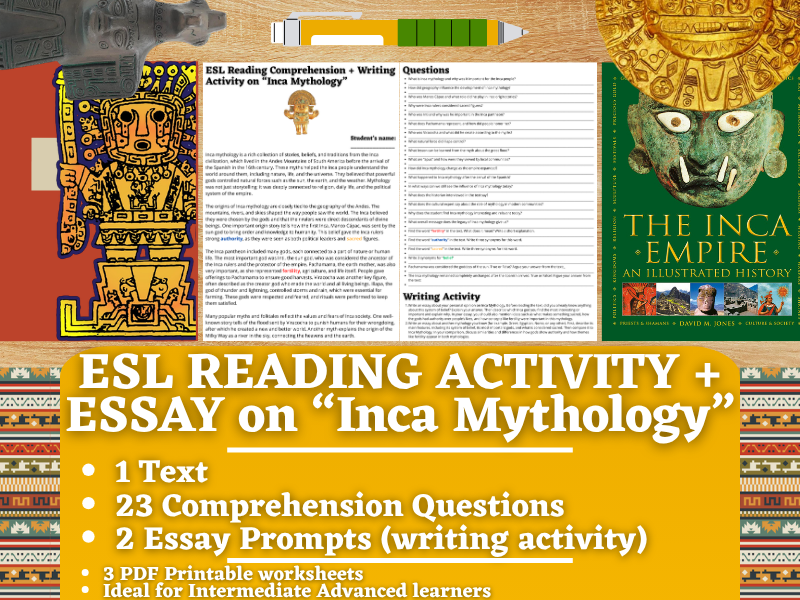
Gives ESL/EFL students a nonfiction reading passage about Inca mythology and its gods, including the origin story of Manco Cápac, paired with comprehension, vocabulary and true/false questions and follow-up writing prompts, to build reading comprehension and written English production.
Practice using number lines to build counting, addition, and subtraction fluency at the start of the school year.
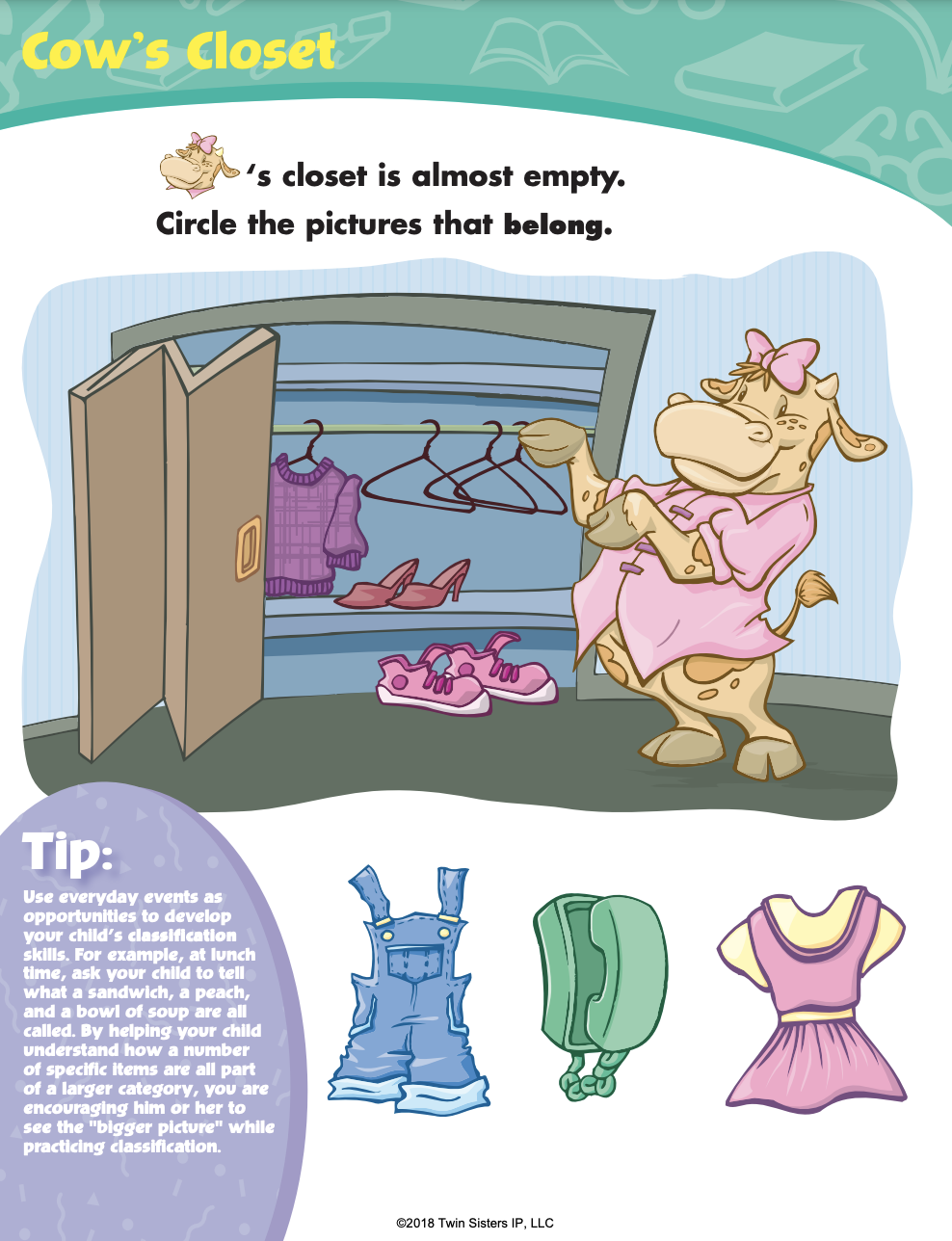
Build early-literacy readiness skills (classification, rhyming, sound discrimination, sequencing, opposites/matching, and storytelling) as pre-phonics and phonics foundation activities, with parent tips for extending each skill at home.