Letter G Emergent Reader
A low-prep emergent reader booklet for practicing the beginning sound /g/ using a repeated sentence pattern.


19,642 resources
Explore sub-categories
15 sub-categories · 19,642 resources
A low-prep emergent reader booklet for practicing the beginning sound /g/ using a repeated sentence pattern.

Grammar practice worksheet distinguishing when to use "muy" versus "mucho/a(s)" in Spanish, using food-themed sentence prompts.
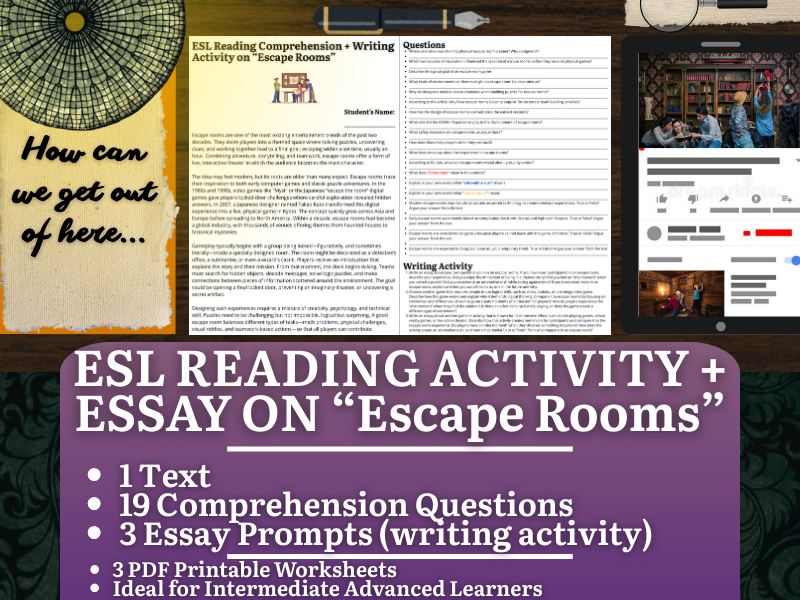
ESL/EFL reading comprehension and writing practice built around a nonfiction passage about the history, design, and psychology of escape rooms, paired with comprehension questions, vocabulary/definition work, true/false reasoning, and personal-opinion/comparison essay prompts.

A word search reinforcing weather-related vocabulary, suited as a unit wrap-up, early-finisher, or substitute activity.
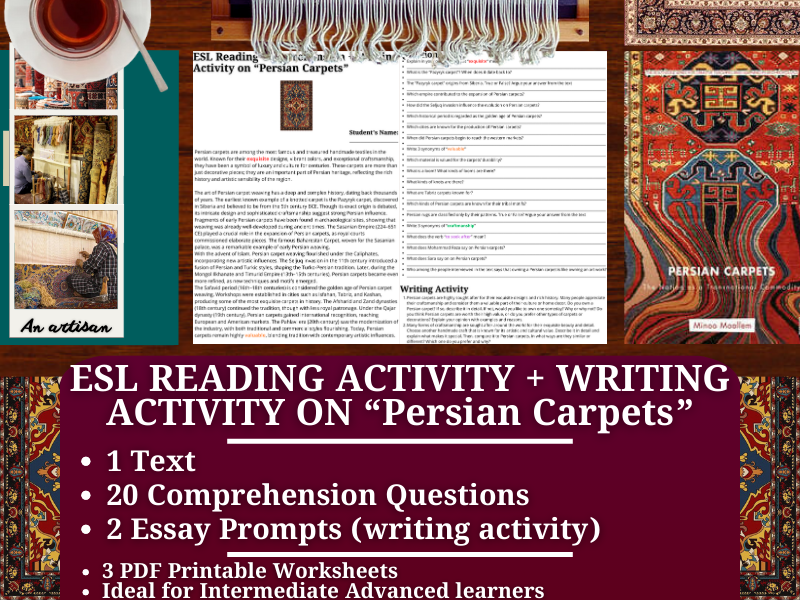
ESL reading-comprehension and writing practice built around an informational passage about the history and craftsmanship of Persian carpets.
Guides students through independent biographical research on Lewis Carroll and a structured 5-paragraph research-essay assignment (thesis-driven introduction, early-life paragraph, exploring Carroll’s most significant literary and poetic achievements, analyzing Carroll’s legacy and influence on children’s literature and poetry,…
 Free download
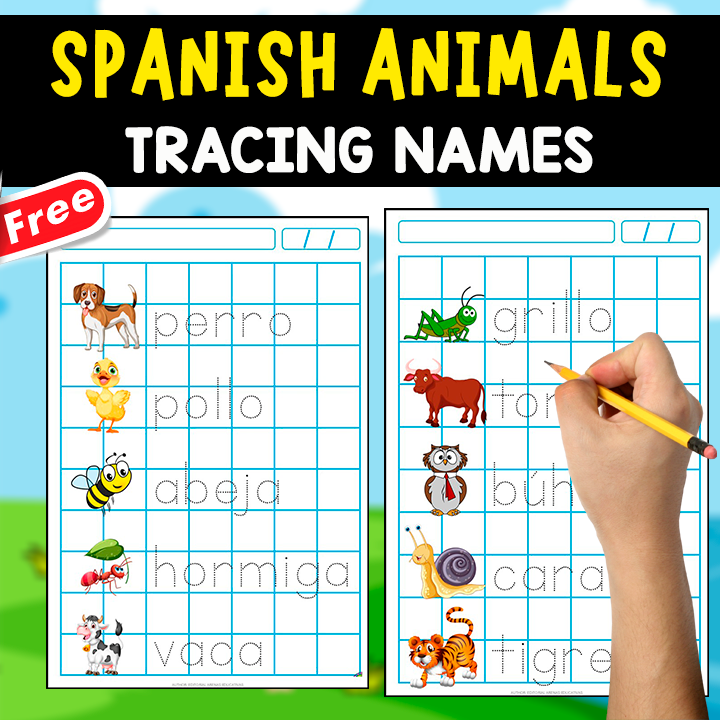
Practice tracing/handwriting using the Spanish names of 25 animals.
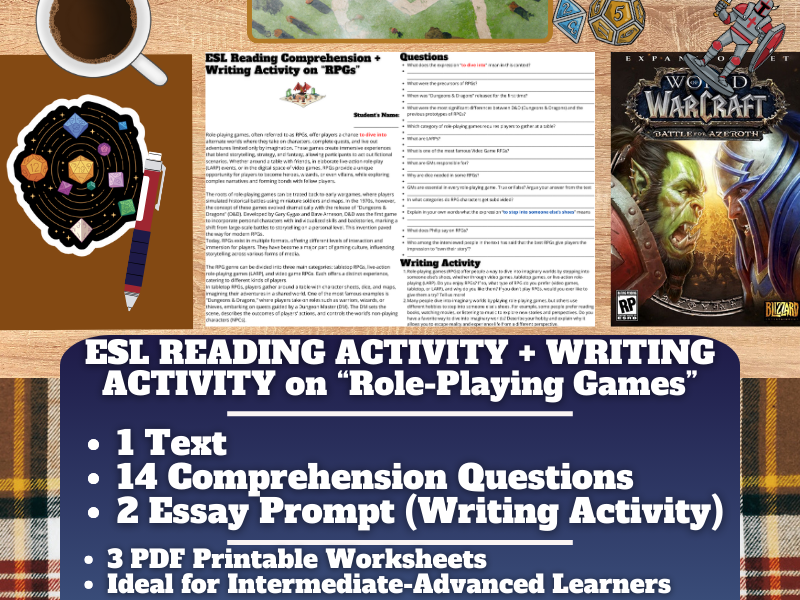
An ESL/EFL reading comprehension and essay-writing worksheet built around a nonfiction passage about the history and appeal of role-playing games (tabletop, LARP, and video game RPGs), used to build reading comprehension, vocabulary, and personal-opinion/comparative essay writing skills.
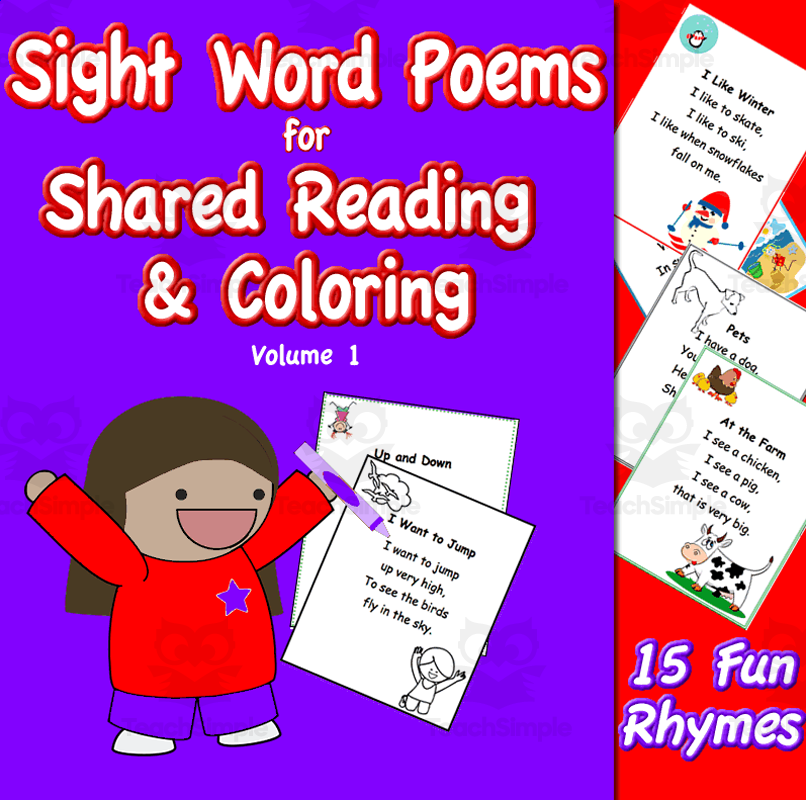
Provide short rhyming poems built from Dolch high-frequency sight words for shared reading and coloring practice with beginning readers.
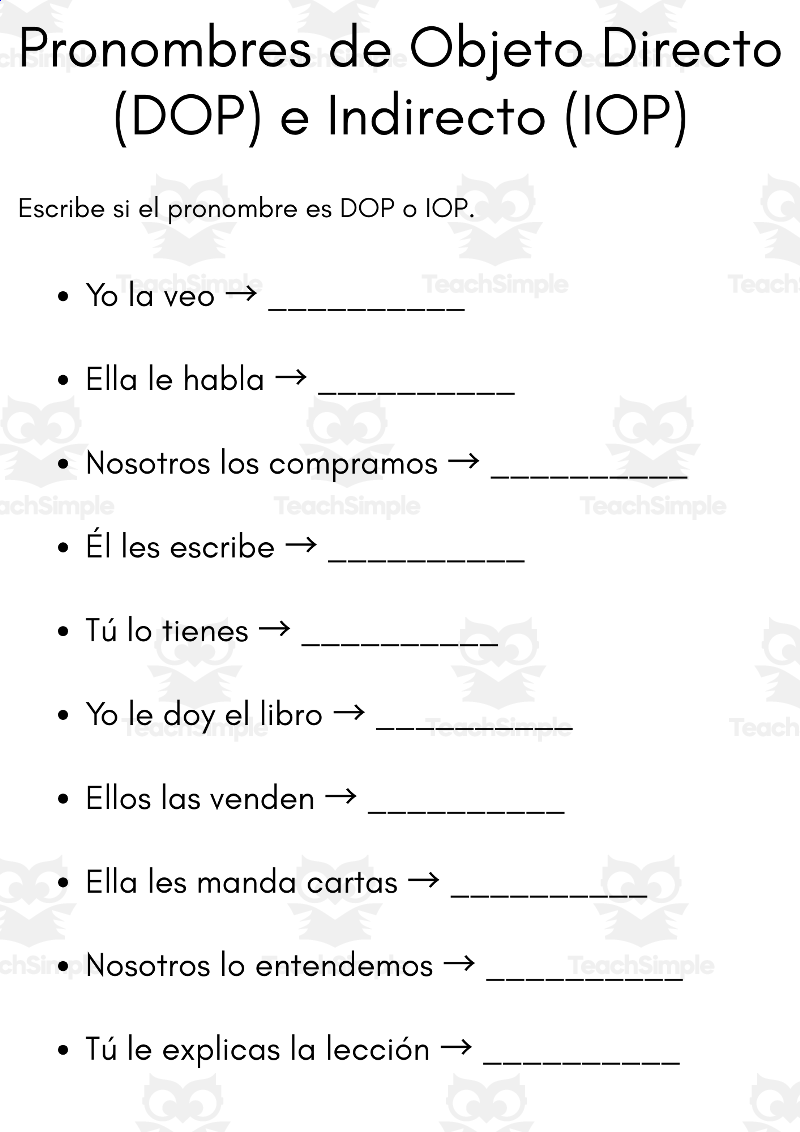
practice identifying and using Spanish direct object pronouns (DOP) and indirect object pronouns (IOP)
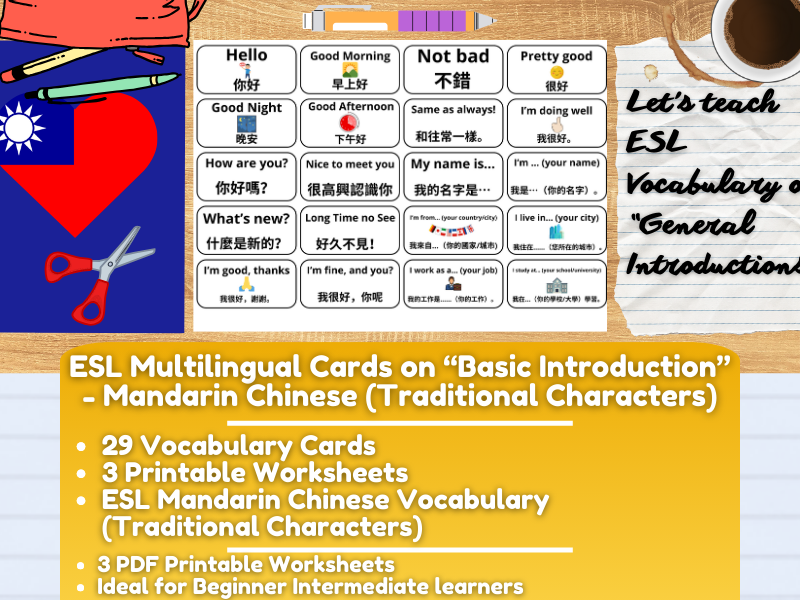
Bilingual (English / Mandarin Chinese (Traditional characters)) vocabulary flashcards teaching common greeting and self-introduction phrases to ESL/EFL students who speak Mandarin Chinese (Traditional characters).
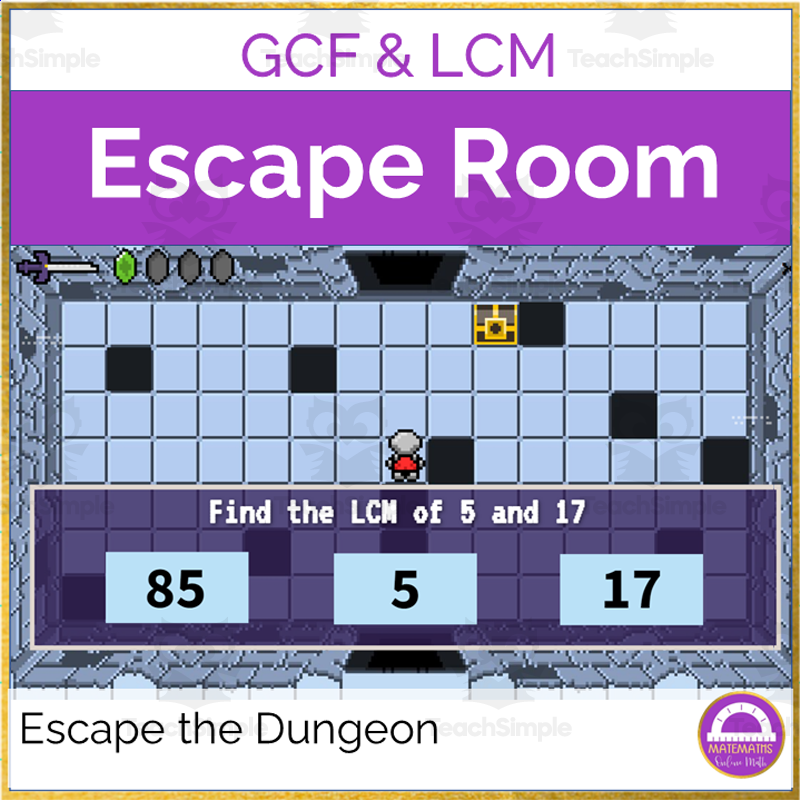
A themed digital/print escape-room activity reviewing greatest common factor (GCF) and least common multiple (LCM).
 Free download
A taught PowerPoint phonics lesson (with paired videos, per the seller) covering the digraphs ch, sh, th, and ng, built for a slow, fully phonetic, no-guessing approach suited to special needs learners.
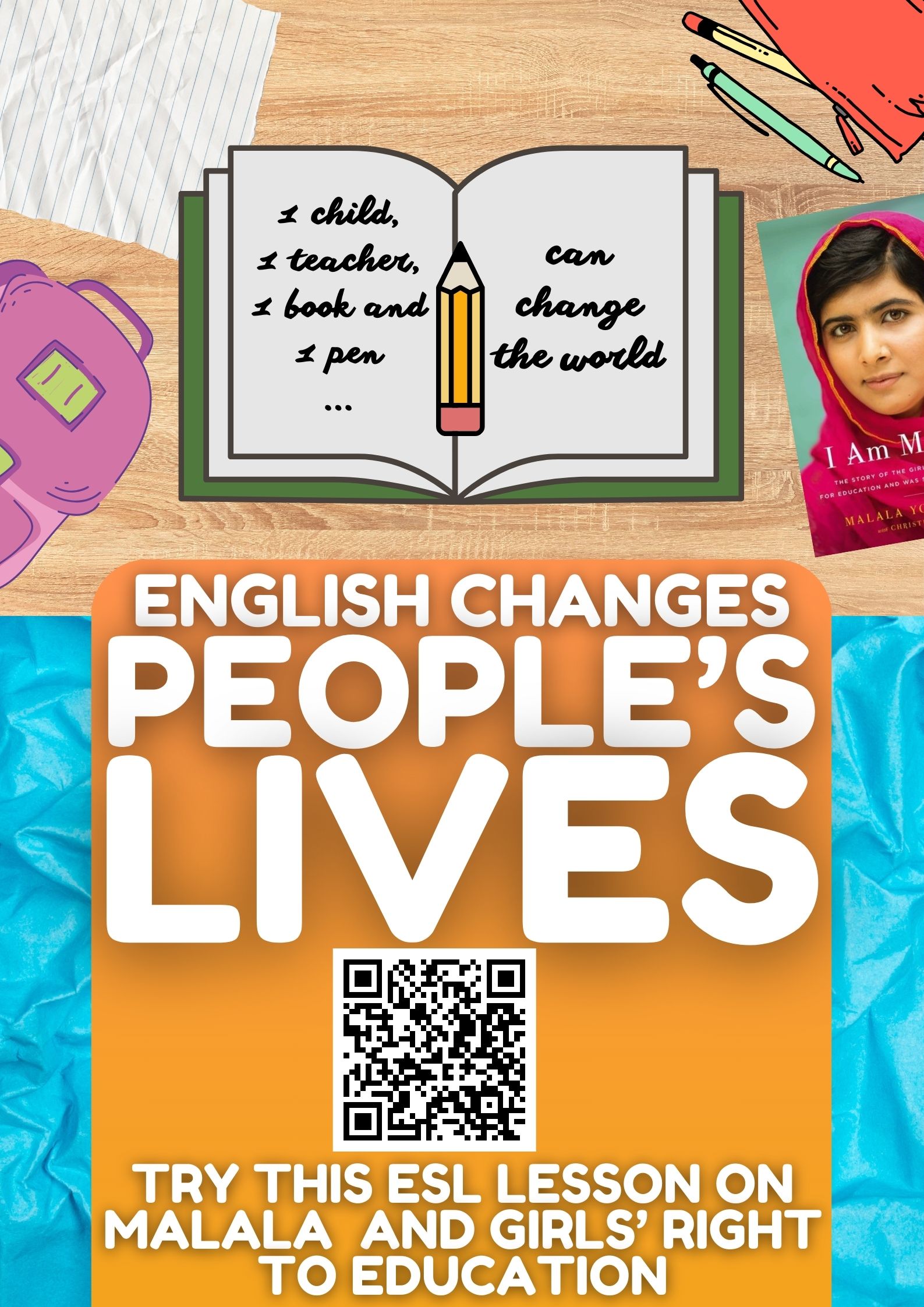
A 14-slide ESL/EFL lesson about global girls' education access and Malala Yousafzai's activism, combining picture description, listening comprehension, and writing activities.
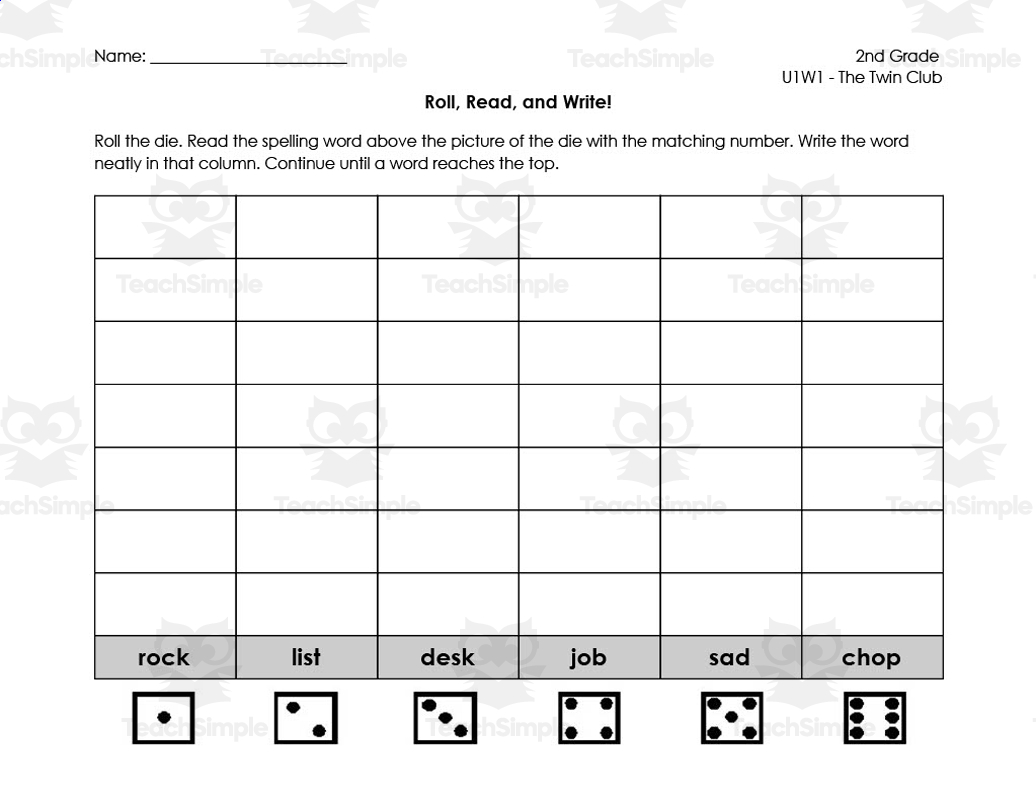
A spelling practice bundle using a 'roll, read, and write' dice game to reinforce weekly spelling word lists aligned to the Reading Street 2nd grade curriculum units.
 Free download
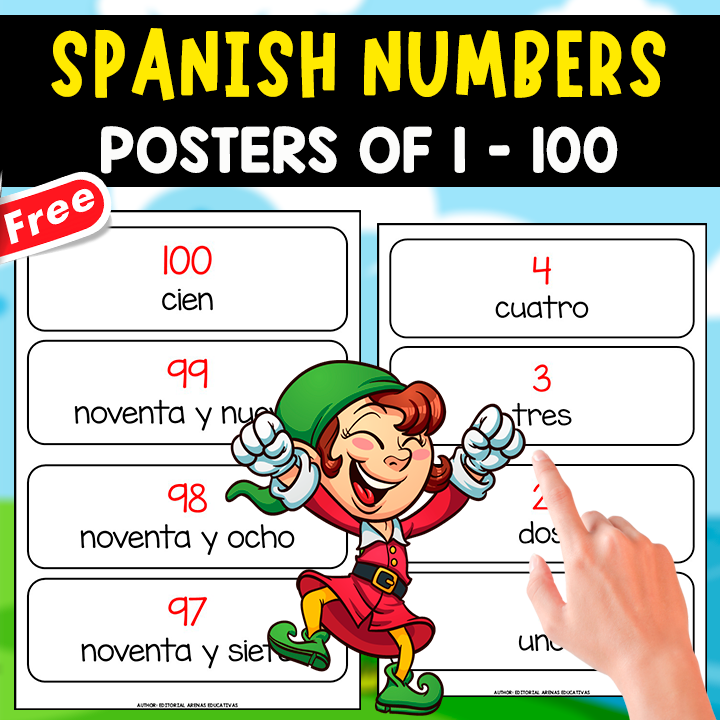
Cut-out flashcards pairing each number 1-100 with its Spanish word, for number/Spanish-vocabulary recognition practice.
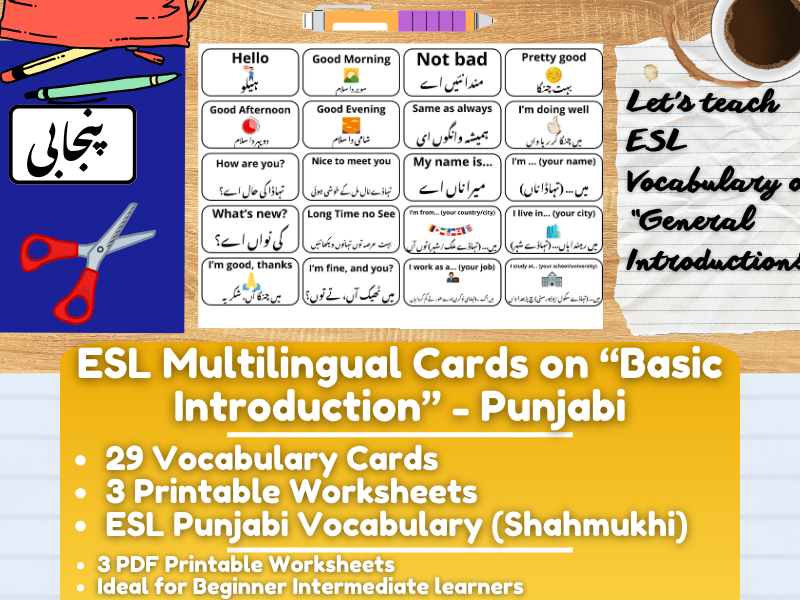
Bilingual (English / Punjabi (Shahmukhi script)) vocabulary flashcards teaching common greeting and self-introduction phrases to ESL/EFL students who speak Punjabi (Shahmukhi script).

Provide differentiated, unit-by-unit practice and assessment of Grade 1 high-frequency words (organized around all ten Benchmark Advance HFW units) to build reading fluency and word recognition.
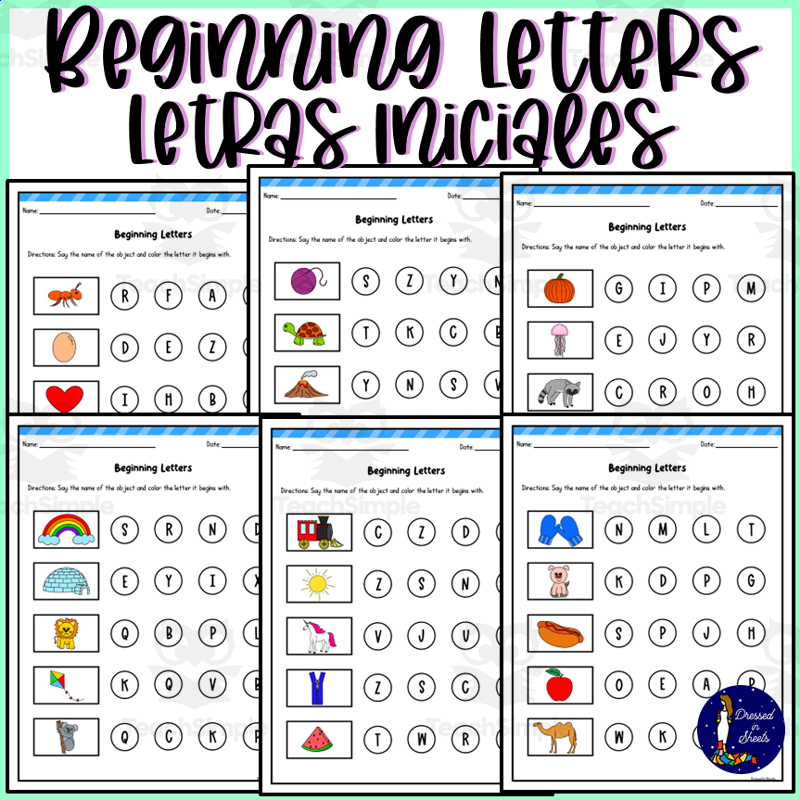
Practice identifying the beginning letter sound of a pictured object by naming it aloud and coloring the matching letter, presented in parallel English and Spanish versions.
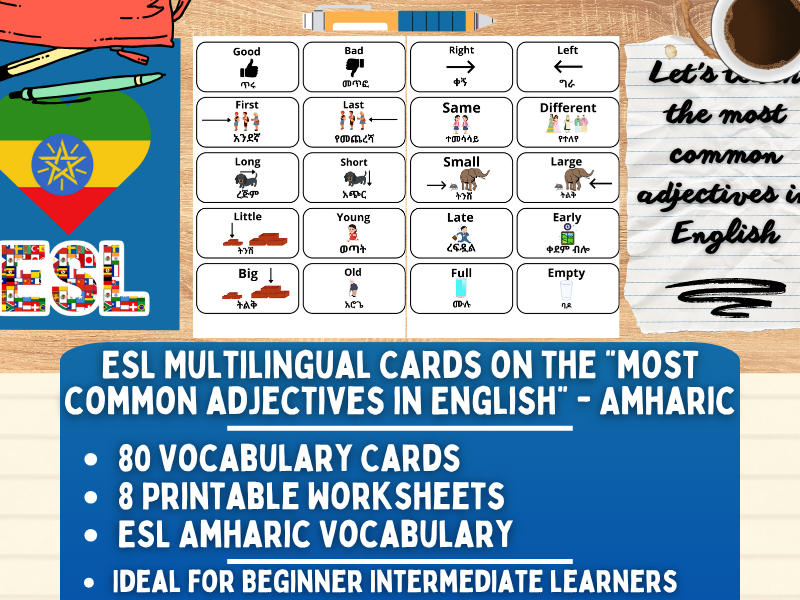
Bilingual (English / Amharic) vocabulary flashcards teaching the most common English adjectives, presented as antonym pairs, to ESL/EFL students who speak Amharic.

Cross-curricular lesson plan combining visual art and math: students decompose fractions visually while creating artwork inspired by Bridget Riley's work.
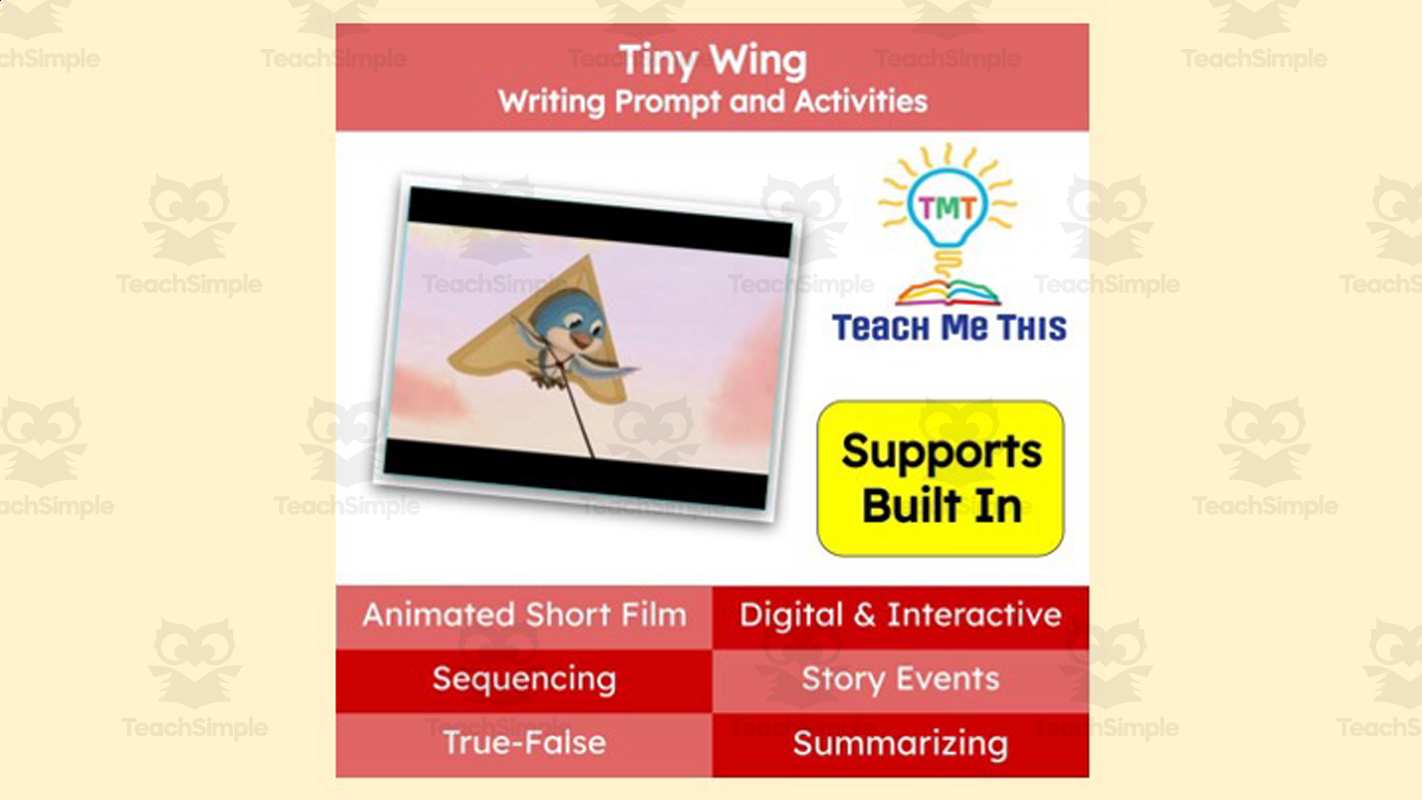
A slide-deck writing activity built around watching the animated short film 'Tiny Wing,' guiding students through sequencing, true/false comprehension, and summary-writing tasks tied to the film.
 Free download
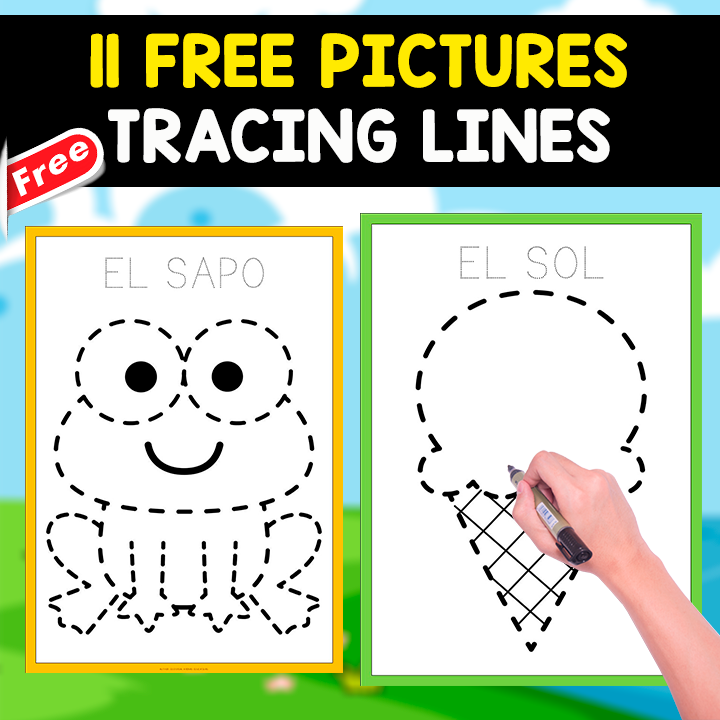
Practice tracing lines/letters using Spanish vocabulary words as prompts.

Guided notes and practice problems teaching 8th-grade students to identify proportional relationships (in graphs, tables, and equations), interpret unit rate as slope, and compare proportional relationships shown in different formats.