resources by type
resources by grade
resources by subject
other resources

3,981 products added recently

Experiments

Make science come alive with experiments that encourage exploration and discovery. This collection includes activities across various scientific disciplines, suitable for different age groups. By incorporating these experiments into your teaching, you can promote critical thinking and a love for science.

Relevant
alt down
Any Time
alt down
filter by
alt down
All File Types
alt down
filter nav Show filters
Sort by: Relevant
CLEAR
resources by type
Activities
up arrow
Centers
Crafts
Escape Room
Experiments
up arrow
Labs
Games
Projects
Read Alouds
Songs
Classroom Decor
down arrow
Teacher Tools
down arrow
Worksheets & Printables
down arrow
resources by grade
Early Learning
down arrow
Pre-K
down arrow
Elementary
down arrow
Middle School
down arrow
High School
down arrow
Adult Education
Not Grade Specific
resources by subject
Creative Arts
down arrow
ELA
down arrow
Holiday & Seasonal
down arrow
Life Studies
down arrow
Math
down arrow
P.E. & Health
down arrow
Social Studies
down arrow
Special Resources
down arrow
Science
down arrow
Foreign Languages
down arrow
Resources for Teachers
down arrow
other resources
Common Core
Homeschool Resources
down arrow
Montessori
Research
STEM
Cosmic Quest A Middle Schooler's Journey into Space Exploration, Alien

Cosmic Quest A Middle Schooler's Journey into Space Exploration, Alien
Life Skills, Special Resources, Social Emotional Learning (SEL), Science, Research, Space, Earth and Environmental Sciences, Environmental Science, Earth Sciences, Geology, Grade 6, 7, 8, 9, 10, 11, 12, Lesson Plans, Teacher Tools, Assessments, Experiments, Activities, Labs

Embark on an extraordinary travel through the cosmos with `` Cosmic Quest, '' the ultimate middle school guide to space geographic expedition, alien living search, and the universe 's deepest mysteries. Written specifically for class 6-9 ( ages 11-15 ), this thorough 338-page resource transforms composite astronomical concepts into engaging, accessible knowledge. Usually, from our solar system 's fiery planets to distant galaxies, from the Big Bang to the hunting for extraterrestrial life, `` Cosmic Quest '' covers everything a Young space enthusiast needs to know. Frankly, with 90 meticulously organized chapters, students will explore planetary science, astrobiology, NASA 's Artemis program, Mars rover discoveries, exoplanet research, and future space technologies. Perfect for classroom use, homeschool curricula, or independent study, this volume aligns with Next Generation skill Standards ( NGSS ) while sparking genuine curiosity about STEM fields. Now, here's where it gets good: each chapter includes clear explanations, stunning cosmic phenomena, and real-world connections to current infinite mission happening right now. Whether your student dreams of becoming an astronaut, astronomer, or simply gazes at the stars with wonder, `` Cosmic Quest '' provides the foundational noesis and inspiration for their scientific journey. The volume also includes essential career guidance for space-related professions, making it both educational and aspirational. Why Parents/Schools Love It: • detailed & Curriculum-Aligned: Covers 90 essential infinite science topics matching center schoolhouse standards, saving teachers planning time while ensuring complete coverage • Future-Focused & stream: Includes NASA missions ( Artemis, Mars exploration ), James Webb Telescope discoveries, and private space industry developments • Career-Inspiring: Dedicated chapters on space careers ( astronauts, engineers, scientists ) connect learning to real-world opportunities • Accessible Yet Rigorous: Makes complex concepts like dark matter, exoplanet detection, and exobiology understandable without `` dumbing down '' the science • Multi-Platform Ready: Perfect for classroom instruction, independent assess, homeschool curricula, and science fair project brainchild mark Audience Analysis: Primary Target: Grades 6-9 ( Ages 11-15 ) centre school science classrooms Homeschool students Gifted and talented programs for grades 5-7 Science club resources Library collections for young adults Secondary Target: Advanced elementary students ( grades 4-5 ) with strong reading skills High schoolhouse student ( grades 9-10 ) postulate foundational astronomy review Parents seeking educational enrichment materials instructor needing supplemental infinite skill resource Copyright/Terms of Use: This Book was copyrighted by Syed Hammad Rizvi. Often, this resource is for personal and single classroom use only. You may not alter, redistribute, or sell any part of this resource. In other words, you may not put it on, kind of, the Internet where it could be publicly found and downloaded. Also, if you want to share this resource with colleagues, please purchase additional licenses from Teachsimple. Thank you for respecting these terms of use. This product is happily brought to you by Syed Hammad Rizvi

Author Creative Book Store

Rating

Tags CosmicQuest, SpaceScienceBook, MiddleSchoolSTEM, AstronomyForKids, ScienceEducation, HomeschoolResources, NGSS, SpaceExploration, AlienLifeSearch, STEMBooks

Bridge to Terabithia STEM Experiment + STEM Project for Grades 4, 5, 6

Bridge to Terabithia STEM Experiment + STEM Project for Grades 4, 5, 6
Science, Technology, Engineering, STEM, Grade 4, 5, 6, Experiments, Activities, Projects, Diagrams, Teacher Tools, Graphic Organizers, Rubrics

Bring literature to life with this exciting STEM activity inspired by Bridge to Terabithia! This challenge sparks creativity and problem-solving as students plan and construct a bridge for King Jesse as he plans to make entrance to Terabithia safer. Perfect for blending literature with science, it allows students to explore engineering concepts using simple supplies while promoting teamwork and critical thinking. What’s Inside This Resource: Student Letter: A letter from Jesse introduces the challenge, linking the story to a real-world engineering task. Design Loop Graphic: A visual students can attach to their science journals, serving as a step-by-step guide throughout the activity. Detailed Instructions: Choose to print the guide as a packet or have students record each stage in their journals for an interactive experience. Teacher Tips: Practical guidance for crafting a clear problem statement with time constraints, materials, and success criteria tailored to your classroom. Skills Your Students Will Build: ✔ Problem-Solving: Identify obstacles and create inventive solutions. ✔ Engineering Design: Navigate the design loop—plan, construct, test, and refine. This page can easily be enlarged for a classroom poster. ✔ Critical Thinking: Assess their prototype’s performance and pinpoint ways to enhance it. ✔ Teamwork: Collaborate effectively to accomplish shared goals. Versatile Classroom Application: Whether as guided instruction or part of an integrated literature and science unit, this STEM activity encourages students to think creatively, document their process, and meet science and engineering standards. The rubric included is based on engineering concepts, but can also be used as a nonfiction writing rubric for cross-curricular options. Why Educators Love This Resource: ⭐ “My students were fully engaged, combining their passion for reading with STEM!” ⭐ “Simple to set up and encourages creativity and teamwork.” ⭐ “A seamless connection between literature and science for cross-curricular learning!” Empower your students to solve Jesse’s challenge and experience the excitement of engineering with this standards-aligned STEM adventure!

Author Kel's Klass

Tags 4th Grade Science Project, 4th Grade Science Experiment, 5th Grade Science Project, 5th Grade Science Experiment, 6th Grade Science Project, 6th Grade Science Experiment, Engineering Diagram, Science Graphic Organizer, Science Rubric, Bridge To Terabithia

Number the Stars STEM Experiment + STEM Project for Grades 4, 5, 6

Number the Stars STEM Experiment + STEM Project for Grades 4, 5, 6
Science, Technology, Engineering, STEM, Grade 4, 5, 6, Experiments, Activities, Projects, Diagrams, Teacher Tools, Graphic Organizers, Rubrics

This hands-on activity combines creativity and problem-solving as students design and build a basket for Anne Marie to get the package safely to Uncle Henrik, based on the novel Number the Stars! Perfect for integrating literature and science, this challenge encourages students to apply engineering principles using simple materials while fostering teamwork and critical thinking. What’s Inside This Resource: Student Letter: A letter from Anne Marie introduces the challenge, linking the story to a real-world engineering task. Design Loop Graphic: A visual students can attach to their science journals, serving as a step-by-step guide throughout the activity. Detailed Instructions: Choose to print the guide as a packet or have students record each stage in their journals for an interactive experience. Teacher Tips: Practical guidance for crafting a clear problem statement with time constraints, materials, and success criteria tailored to your classroom. Skills Your Students Will Build: ✔ Problem-Solving: Identify obstacles and create inventive solutions. ✔ Engineering Design: Navigate the design loop—plan, construct, test, and refine. This page can easily be enlarged for a classroom poster. ✔ Critical Thinking: Assess their prototype’s performance and pinpoint ways to enhance it. ✔ Teamwork: Collaborate effectively to accomplish shared goals. Versatile Classroom Application: Whether as guided instruction or part of an integrated literature and science unit, this STEM activity encourages students to think creatively, document their process, and meet science and engineering standards. The rubric included is based on engineering concepts, but can also be used as a nonfiction writing rubric for cross-curricular options. Why Educators Love This Resource: ⭐ “My students were fully engaged, combining their passion for reading with STEM!” ⭐ “Simple to set up and encourages creativity and teamwork.” ⭐ “A seamless connection between literature and science for cross-curricular learning!” Empower your students to solve Anne Marie's immediate need and experience the excitement of engineering with this standards-aligned STEM adventure!

Author Kel's Klass

Tags 4th Grade Science Project, 4th Grade Science Experiment, 5th Grade Science Project, 5th Grade Science Experiment, 6th Grade Science Project, 6th Grade Science Experiment, Engineering Diagram, Science Graphic Organizer, Science Rubric, Bridge To Terabithia

C, K and Ck worksheets | Spelling Rules CK Digraph C or K Phonics

C, K and Ck worksheets | Spelling Rules CK Digraph C or K Phonics
ELA, Language Development, ESL, Phonics, Vocabulary, Spelling, Grammar, Kindergarten, Preschool, Grade 1, Activities, Centers, Experiments, Door Decor, Classroom Decor, Teacher Tools, Worksheets & Printables

This interactive and attractive set C, K and Ck worksheets learners develop their original C, K and Ck worksheets , this set contains 14 pages in this set, each in each a different C, K and Ck worksheets of dedicated C, K and Ck worksheets to ensure a fun and structured approach to using a fun and type of work that useful; Each card is fun this edited set of C, K and Ck worksheets is built in an elegant style that attracts attention this interactive and attractive set of C, K and Ck worksheets is designed to help young learners develop their original C, K and Ck worksheets skills through C, K and Ck worksheetst sexercises This set contains 14 pages. these printable Worksheets offer useful courses, this provides a useful course-rich practice, it is designed to help using resource grade 2 easily to learn about activities C, K and Ck worksheets a fun and interactive manner. A collaborative learning activity added students. PDF format-wasted and digital-friendly!

Author LAMO

Rating

Tags English Language Arts, Phonics & Phonological Awareness, Spelling, Activities, Worksheets, Homework

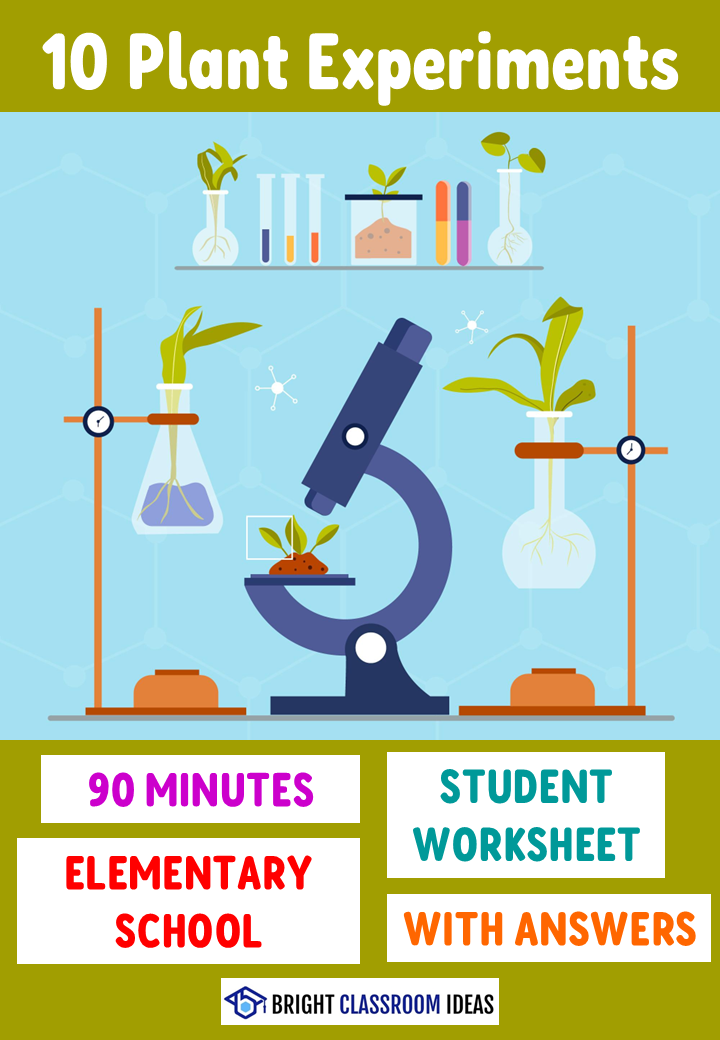
10 Plant Experiments for Elementary School

10 Plant Experiments for Elementary School
Nature & Plants, Life Sciences, Science, Grade 3, 4, 5, Labs, Experiments, Activities

🌱 Bring Science to Life with Hands-On Plant Experiments! Make your next science unit unforgettable! These 10 fun and simple plant experiments help students explore how light, water, and soil affect plant growth —all through easy, hands-on discovery. Perfect for Grades 4–5 , this low-prep science lesson keeps curiosity blooming and engagement high. ✅ What’s Included: 10 easy-to-follow plant experiments Step-by-step teacher and student instructions Printable observation & reflection worksheet Answer key for quick grading Materials list (uses items you already have!) 🌿 How It Works: Students rotate through experiment stations to explore plant science concepts in small groups. They’ll: Watch seeds sprout See how celery absorbs colored water Discover how plants bend toward light Predict, observe, and record results It’s perfect for centers, science labs, or Earth Day activities , and easily adapts for whole-group instruction or independent learning. 📚 Standards & Skills: Scientific inquiry and experimentation Making predictions and observations Recording and interpreting data NGSS-aligned for elementary plant science 💡 Why Teachers Love It: ⭐ “My students were totally engaged—simple setup, big results!” ⭐ “Perfect mix of fun and real science skills!” ⭐ “So easy to prep—everything’s ready to go!” This ready-to-use lesson helps you teach real science while sparking student curiosity and teamwork. ⭐ Bring excitement to your science lessons—watch your students explore, experiment, and grow!

Author Bright Classroom Ideas Marketplace

Rating

Tags Plant, Experiment, Lab, Biology, Botany, Elementary, Grade 4, Grade 5

Powered Phonics Rule Detectives Gamified Micro-Quests for K-2

Powered Phonics Rule Detectives Gamified Micro-Quests for K-2
Reading, ELA, Literature, Children’s Literature, Mental Health, P.E. & Health, Mindfulness, Health, Research, STEM, Homeschool Curriculum, Grade 1, 2, 3, 4, 5, Activities, Games, Projects, Experiments, Assessments, Teacher Tools, Lesson Plans, Literacy Readers, Presentations, Rubrics

Unleash the Potential of Literacy with this Full, AI-Supported Phonics Learning Program for Grade K-2 Students! "AIPowered Phonics Rule Detectives: Gamified Micro-Quests for K-2 Word Building - Phonics Rules Buildable Grade K-2nd Edition" features 45 pages of interactive digital lesson material that can turn conventional phonics lesson delivery into an incredibly fun and fascinating detective hunt mystery series for kids. A full range of interactive elements, digital AI advisory tools for adaptive content delivery, worksheets for kids, teacher support material, images, and solution keys have been included in this resource tools package for teachers and home schooling parents for effective decoding, reading, and spelling skill development for kids in Grade K-2. Based on a strong systematic and explicit phonics and synthetic background, the "buildable" sequence in the curriculum includes the following skills for each grade level: Kindergarten—basic CVC words and letter sounds, Grade 1—digraphs, blends, CVCE (or "magic e"), and long vowels, Grade 2—vowel teams, r-controlled vowels, diphthongs, syllables, soft C/G, and silent letters. Use the power of Artificial Intelligence to generate unlimited differentiated scenarios, sentences, and activities for remediation, on-grade, or enrichment purposes, and add gamification components such as role-playing, stories, points, badges, and feedback. Why Parents/Schools Love It: Engage Gamification Increases Motivation: Converts phonics lessons into enjoyable 'detective missions' involving stories, badges, & micro-quests, keeping children eager & preventing burnout, underpinning theories such as Self-Determination Theory & Behaviorism. AI-Enabled Personalization: Saves Time “Teachers use prompt cards to create endless differentiated learning material instantly, serving all children, from struggling to advanced learners, without consuming teaching hours.” Established Effectiveness with Data-Driven Insights: Comes with personalized student data indicating an 60-85% proficiency rate for essential rules, as well as assessment and tracking for literacy gains. Complete Ready-to-Use Resources: The all-inclusive resources are available as a single PDF that includes theory lessons, activity sheets, and answer keys and ethics guidelines related to AI that are suitable according to literacy best practices. It Helps Develop Lifelong Reading Confidence: This scaffolding approach leads children to gain a strong conceptual foundation regarding phonics rules, which results in their fluent reading skills, ability to master spelling concepts, as well as developing their lifelong love Target Classes/Students : On the basis of a comprehensive analysis of the PDF document, which includes the flow of the document, developmental phases, categories of rules, worksheets, as well as examples, the following groups of students can be targeted by it: Kindergarten (Emergent Readers): Emphasis on basic components including letter/sound association, vowel concepts, CVC words, and initial/final sounds. This is to promote cognitive balance in the content. Grade 1: Focuses on mastery of CVC words, introduction to digraphs (sh, ch, th, wh), blends (bl, fr, st), CVCE, magic 'e', Long Vowel teams - ai, ee, oa. Grade 2 (Developing Readers) Focuses on complex long vowel combinations, complex pairs of vowels in a word or syllable (ou, oy, ie), r-controlled combinations of letters and vowels (ar, er, ir, or, ur), diphthongs, inflectional suffixes, syllables, and silent letters Its K-2 continuum is "buildable," in that the rules ramp up cumulatively, and it is therefore ideal for mixed-age, intervention, or enrichment settings in the early grades of schooling. Copyright/Terms of Use : «This Book was copyrighted by Syed Hammad Rizvi.» You cannot modify it or give it or any part of it away or resell it. That means you cannot put it on the Internet where it might be downloaded by anyone who wants it. However, if you need to share this resource with colleagues, just purchase more licenses from Teachsimple. Thanks for following the terms of use! This product has been very proudly presented to you by Syed Hammad Rizvi

Author Creative Book Store

Rating

Tags AIPoweredPhonics, PhonicsRuleDetectives, GamifiedMicroQuests, K2WordBuilding, PhonicsRulesK2, BuildablePhonicsCurriculum, KindergartenPhonics, Grade1Phonics, Grade2Phonics, EarlyLiteracyDevelopment

GHS Pictogram Clipart – Glitter Design for Chemistry Classrooms & Craf

GHS Pictogram Clipart – Glitter Design for Chemistry Classrooms & Craf
Common Core, Science, STEM, Chemistry, Physics, Life Sciences, Earth and Environmental Sciences, Technology, Basic Science, Resources for Teachers, Homeschool Templates, Homeschool Curriculum, Grade 10, 11, 12, Classroom Decor, Bulletin Boards, Posters, Teacher Tools, Word Walls, Door Decor, Experiments, Activities, Labs, Worksheets & Printables

GHS Pictogram Cliparts Glitter Design for Chemistry Classrooms, Crafts and Materials PNG If you’ve ever found the standard GHS (Globally Harmonized System) pictograms a bit too plain or uninspiring for your teaching materials, you’re not alone. That’s exactly why I decided to redesign them with a fresh twist. These 18 cliparts—9 in portrait and 9 in landscape format—combine the clarity of the official hazard symbols with a visually striking glitter effect. The colors remain true to the original system (red border, black symbol), but the glitter gives them a unique and eye-catching feel. I created each of these cliparts by hand in Procreate, with the classroom in mind. They’re still clearly recognizable as hazard pictograms, but they add a touch of design that fits beautifully into worksheets, posters, or digital resources. Ways you might use these in your classroom or materials: – Labeling chemical containers in a more engaging way – Gluing into student chemistry notebooks to support safety topics – Decorating posters or bulletin boards about lab safety rules – Enhancing worksheets or lab instructions visually – Adding to PowerPoint, Keynote, or Genially presentations – Integrating into digital learning platforms or safety training resources – Using them in flashcards for visual reinforcement Since you’ll receive both portrait and landscape versions (in PNG format with transparent backgrounds), you can easily adjust them to your layout or format. Whether you're printing or working digitally, the designs remain sharp and flexible. These glitter-style symbols were made to support safety awareness while also respecting visual design preferences—especially for teachers or students who appreciate a bit more flair in their materials. Usage rights: You may use the cliparts both privately and commercially within educational content, as long as your own contribution is clearly visible. Please do not resell the graphics individually. Wishing you lots of creativity while designing your materials, – Heike from @Lernfitness Did You Know? I teach with a certified therapy dog, and together we create a positive and welcoming learning environment. 🐶

Author Lernfitness

Rating

Tags Teaching Materials, Classroom Decorations, Decorative Elements, Cliparts, Illustrations, GHS, Science, Lab, Chemistry, Pictograms

Because of Winn Dixie STEM Experiment + STEM Project for Grades 3-5

Because of Winn Dixie STEM Experiment + STEM Project for Grades 3-5
Science, Technology, Engineering, STEM, Grade 3, 4, 5, Experiments, Activities, Projects, Diagrams, Teacher Tools, Graphic Organizers, Rubrics

Engage your students in a hands-on STEM challenge inspired by Because of Winn-Dixie! This exciting activity combines engineering, creativity, and problem-solving as students design and build a pet-friendly shelter for Winn-Dixie, the lovable dog who’s afraid of storms. Perfect for blending literature with science, this challenge encourages young minds to apply engineering principles using simple materials, all while developing teamwork, critical thinking, and innovation. What’s Included in This Resource: Student Letter: An engaging letter from Opal invites students to participate in the challenge, drawing a direct connection between the story’s problem and the real-world task. The Design Loop Visual: This visual aid is a great tool for students to glue into their science journals for easy reference. It can easily be enlarged as a classroom poster. Step-by-Step Directions: Detailed instructions that can be printed or written into science journals for a hands-on approach. These directions ensure that students stay on track while working through each part of the challenge. Teacher Notes: Helpful guidance to assist you in creating a clear problem statement, establishing success criteria, and setting time limits and materials. Tailor these instructions to fit your classroom’s needs. Key Skills Developed: ✔ Problem-Solving: Encourage students to identify challenges and develop creative, effective solutions. ✔ Engineering Design: Teach the design process by having students follow the design loop to plan, construct, test, and refine their pet shelters. (Discussing area and perimeter will enhance this design specifically.) ✔ Critical Thinking: Help students evaluate their designs, analyze their prototypes, and identify ways to improve them. ✔ Collaboration: Foster teamwork as students collaborate to achieve a common goal. Flexible Classroom Use: This STEM challenge is perfect for guided instruction or as part of a broader literature and science unit. It provides an opportunity for students to connect their love of reading with real-world applications, improving both their scientific knowledge and creative abilities. Why Teachers Love It: ⭐ “My students were so engaged! It brought their love for reading into STEM learning.” ⭐ “This activity is simple to set up and promotes creativity and teamwork.” ⭐ “The combination of literature and science created an ideal cross-curricular experience for my class.” Inspire your students to help Winn-Dixie solve his stormy dilemma and ignite their passion for engineering with this fun, standards-aligned STEM challenge!

Author Kel's Klass

Tags 4th Grade Science Project, 4th Grade Science Experiment, 5th Grade Science Project, 5th Grade Science Experiment, Engineering Diagram, Science Graphic Organizer, Science Rubric, Because Of Winn Dixie, 3rd Grade Science Project, 3rd Grade Science Experiment

Easter Chemistry Bunting – Color, Decorate & Learn Chemical Elements

Easter Chemistry Bunting – Color, Decorate & Learn Chemical Elements
STEM, Science, Chemistry, Physics, Life Sciences, Biology, Grade 6, 7, 8, 9, 10, 11, 12, Activities, Worksheets & Printables, Banners, Classroom Decor, Bulletin Boards, Door Decor, Posters, Labs, Experiments, Drawing Templates & Outlines

Easter Chemistry Bunting A Creative Way to Learn the Periodic Table! 🐰🔬🎨 Every year, I like to add a bit of seasonal fun to my classroom. But instead of just decorating, why not make it educational too? That’s why I created this Easter-themed chemistry bunting—a simple but effective way to help students get familiar with the periodic table while being creative. Each pennant features an element’s symbol, name, and atomic number. Instead of memorizing, students color and decorate while naturally recognizing the elements they see every day. It’s low prep for you, fun for them, and adds a nice science-themed touch to your classroom! 🌟 What Makes This So Useful? ✔ Students are learning without even realizing it – They’ll see the elements daily, making them easier to remember. ✔ A great mix of science and creativity – Not just a decoration, but also an interactive classroom activity. ✔ No complicated prep – Just print, color, cut, and hang. ✔ Works for different ages – Ideal for chemistry, STEM, or general science. ✔ Perfect for individual or group work – Let students personalize their elements! 📌 What’s Included? 📜 127 Printable Pennants, featuring: ✔ All 118 main group elements ✔ Element name, symbol, and atomic number 🎨 Bonus: Extra Easter-Themed Pennants – Just for fun! 🖨 Black-and-White Format – Great for coloring and personalizing. 🎨 How to Use It 1️⃣ Print the pennants. 2️⃣ Let students color & decorate their element. 3️⃣ Cut them out and decide how to display them. 4️⃣ Hang them up – either as a bunting or pinned to the board. 💡 Try this: Assign each student an element and have them share one cool fact about it with the class! 🐣 Why Teachers Love It ✔ "I love that it gets students involved in decorating the classroom while reinforcing chemistry!" ✔ "They actually asked about elements while coloring – win-win!" ✔ "Easy to set up, fun, and looks great in my lab!" 🔬 A Simple Way to Make Chemistry Fun! Want to add some springtime energy to your science lessons without extra work? This bunting is an easy way to mix creativity with learning—perfect for chemistry labs, classrooms, and bulletin boards. 🚀 Print, color, and hang—it’s that easy! 📍 Best wishes, Heike from Lernfitness Did You Know? I teach with a certified therapy dog, and together we create a positive and inspiring learning environment. 🐶✨

Author Lernfitness

Tags Chemistry, Lab, Biology, Laboratory Equipment, Lab Tools, Physics, Bunting, Pennant Banner, Classroom Banner, Chemical Elements

Science Action Labs Earth Science

Science Action Labs Earth Science
Science, Earth and Environmental Sciences, Earth Sciences, Grade 1, 2, 3, Labs, Experiments, Activities

Science Action Labs Earth Science A practical teaching resource, Science Action Labs Earth Science, aims to stimulate the natural curiosity of young learners and expose them to the marvels of our planet. It emphasizes exploration and discovery through hands-on activities that deepen 1st to 3rd graders' understanding of Earth science concepts. About The Resource: The material encompasses 64 printable PDF pages. The pages are rich with diverse experiments and activities focusing on key subjects such as continents, earthquakes, Earth's air, water, soil as well as its motion and layers. The flexibility of these activities is extensive. You can either carry out whole group sessions or assign small group tasks each with distinct exercises that foster teamwork and creativity among students. Bonus Feature: The added review quizzes serve as effective tools for progress assessment letting educators evaluate student comprehension levels on newly learnt topics with ease. Versatile Application: This educational tool’s versatility makes it perfect for structured class lessons or homework assignments while also offering potential enhancements to an existing earth science curriculum. Its flexible usage fosters increased engagement levels leading to improved academic performance over time. Ease Of Access: You can readily access this resource kit in PDF format which offers convenient dissemination without compromising quality. In Summation... This pragmatic approach offered by our earth science exploration kit bridges knowledge acquisition with actual hands-on experiences delivering a holistic learning journey. This integrated learning experience could spark potential Geologists or Meteorologists within your class paving the way towards creating scientific explorers one lab activity at a time.

Author Classroom Complete Press

Tags Science Labs, Earth Sciences, Art Challenge, Flying Into Space, Moon Facts

Anatomy and Physiology Labs ~ Full Year Bundle

Anatomy and Physiology Labs ~ Full Year Bundle
Science, Life Sciences, Human Body, Grade 9, 10, 11, 12, Labs, Experiments, Activities

This bundled package includes all the lab activities I use in my Anatomy & Physiology class. Many of these labs can also be used in a Biology course. Included in this package are 19 different labs, with guidelines, materials lists, and answer keys included. These labs are great for any level student from English Learner - EL - to more advanced students.

Author The Teacher Team

Tags Anatomy, Physiology, A & P, Anatomy Labs, Labs, Human Physiology Lab Ideas

Science Action Labs Environment: Explorations in Environmental Science

Science Action Labs Environment: Explorations in Environmental Science
Science, Earth and Environmental Sciences, Environmental Science, Grade 4, 5, 6, 7, 8, Labs, Experiments, Activities

Science Action Labs Environment: Explorations in Environmental Science This comprehensive teaching resource is designed to bring science to life for Grade 4 to 8 students. The toolkit offers an interesting adventure into environmental science, provoking students to engage deeply with various scientific problems. Main Features: The resource primarily focuses on different scientific mysteries which can be applied in a variety of classroom settings. It can be used as part of whole-group instruction, in small study groups or even assigned as homework, opening doors for differentiated learning. Gives both teachers and students the freedom to experiment with a wide array of scientific concepts without feeling overwhelmed. Provides ample opportunities for promoting active learning through hands-on experience. Molding Young Minds: Students are encouraged to use their thinking abilities and problem-solving skills vastly while navigating through these intriguing scientific puzzles. It triggers interest about environmental science subjects via engaging labs thereby fostering deeper understanding amongst the youngsters. Syllabus Compatibility and Approachability: The toolkit contains 64 ready-to-print PDF pages packed with practical content making it align perfectly with core Environmental Science syllabus common at primary schools. Additionally, the easy-to-comprehend language used throughout this resource accommodates varying reading abilities present within those grades. Educational Impact This tool truly simplifies intricate ideas and facilitates children approach them at their own pace under guided supervision from educators. By integrating this aid into lesson planning - educators could considerably boost classroom discussions around logical reasoning all while effectively sparking intellectual growth among budding learners over time.' Lasting Influence: Habitual usage of this dynamic resource not only amplifies student engagement but also succeeds to instill critical-thinking skills crucial in developmental years leading up towards higher education—making education substantial and nourishing at every step.

Author Classroom Complete Press

Tags Environmental, Science, Action Labs, Explorations, Science Activity

Cells and The Cell Theory – Lab Station Activity

Cells and The Cell Theory – Lab Station Activity
Science, Life Sciences, Biology, Grade 7, 8, 9, 10, Labs, Experiments, Activities

Cells and The Cell Theory – Engaging Lab Station Activity Bring cells and cell theory to life for your middle or high school science students with this interactive lab station activity . Students will rotate through 9 stations, each offering a unique hands-on opportunity to build their understanding of cells, organelles, cell types, diseases, and more. Activities range from drawing cells to answering questions based on videos and readings to creating their own quiz questions. Almost no prep needed - just print the self-contained station cards and guides. Bonus word scramble and word search activities ensure students stay engaged. This versatile resource works for both learning new content or reviewing before a test. With 9 lively stations packed with visual, written and creative interactions, your students will love discovering cells and cell theory!

Author Teach With Fergy

Tags Cells, Plant, Animal, Cell Theory, Lab Station, Cell Structure Lab, Cell Theory For Middle School

Nervous System – Lab Station Activity

Nervous System – Lab Station Activity
Science, Life Sciences, Biology, Grade 8, 9, 10, 11, 12, Labs, Experiments, Activities

This fully editable Lab Station on The Nervous System is meant to get your students out of their seats and engaged in the content. Each station not only offers a unique opportunity to test your students knowledge (offer an opinion, answer questions based on a video or reading, draw, etc.), but also provides a fantastic learning opportunity where your kids are learning through assessment. Each station comes with a description card while some also contain more detailed instructions, a reading, questions to answer, etc. Students are equipped with a recording sheet (passport) to write their answers. There is almost no prep for you. Simply print the cards, lay them out around the room and you're all set. An answer key is also provided where applicable. This lab activity covers: - Structure, Parts and Functions of the Nervous System - Structure, Types and Functions of the Neuron - Reflex Arc - Nerve Signal Transmission and Action Potential - The Schwann Cell and Action Potential - Sodium-Potassium Pump - Neurotransmitters and its Functions ---------------------------------------------- Bonus Activities: To ensure your students don’t have any downtime between stations, your lab also includes a 10-word word scramble and word search, both with an answer key. You can use them as part of their mark, as a bonus so it’s not mandatory, etc. However you choose to use it, it will ensure that your students are always busy and never idle. Note: For stronger classes, I give the word scramble and for weaker ones, the word search. ----------------------------------------------- How do the Lab Stations work? Each station is specially designed to be a unique complement to the material while at the same time, provide a valuable learning experience. Below is an overview of how each station works. In your activity , each will be tailored to the specific content. Station 1: Get Hands-On – using their creative skills, students are required to draw or build. Station 2: Research – using a classroom computer or their own device, students must research a specific question/issue surrounding the topic. Station 3: Explain yourself – students write down an opinion to a question in paragraph form. Station 4: Rest Station - students can use this time to catch up on work they didn't have time to complete at a previous station or prepare themselves for an upcoming one. Station 5 - Applicability reading – students read a short passage from an article, website, etc. which directly connects the classroom content to a real life application. Station 6: Test your knowledge – students answer 5 multiple choice questions then provide a written explanation for how/why they came to their conclusion. Station 7: Learn from the expert – using a classroom computer or their own device, students must watch a short video clip and answer the associated questions. They may stop, rewind and restart as often as they like during the time frame. Station 8 - Rest Station. Station 9: Become the question master – Students must create 2 multiple-choice questions, 2 true/false questions and 1 short answer question. Students must also supply the answers. ------------------------------- You might also be interested in my other lab station activities Biology: • Cell and the Cell Theory • The Human Digestive System • The Circulatory System • The Human Respiratory System • Mitosis and the Cell Cycle • Cellular Respiration and Photosynthesis • Photosynthesis • Cancer: Cell Division Gone Wrong - Volume I • Cancer: Cell Division Gone Wrong - Volume II • Cell Membrane and Transport • Hearing and the Human Ear • The Human Eye • Genetic Material: DNA and RNA • The Nervous System • Energy Flow In Ecosystems Ecology and the Environment: • Ecosystems • The Classification of Living Things • Biodiversity and Invasive Species • The Carbon and Water Cycle • Climate Change • Photosynthesis • Cellular Respiration and Photosynthesis • Ecological Succession • Plant Sexual and Asexual Reproduction • Earth's Seasons • Interactions Within Ecosystems Physics: • Newton's Three Laws of Motion • Kinetic and Gravitational Potential Energy • Current Electricity and Circuit Diagrams • Static Electricity • Light Optics and the Production of Light • Sound, Sound Energy and Speed • One and Two-Dimensional Motion • Uniform Acceleration • How Planes Fly • Refraction • Friction • Energy and Its Forms • Density and Buoyancy Space Science: • The Life and Death of Stars • The Moon and its Phases • Life In Space • Our Solar System • Solar and Lunar Eclipse • Earth's Seasons • Asteroids, Comets and Meteors Chemistry: • Atomic Model, Notation and Atoms • Chemical Reactions and Balancing Equations • Molecular and Ionic Compounds • Physical and Chemical Properties & Changes • Acids, Bases, and Neutralization Reactions • The Periodic Table • Single and Double Displacement Reactions • Balancing Chemical Equations • Synthesis, Decomposition and Combustion Reactions • Atomic Theory, Atomic Structure and Isotopes • Types of Bonds and Intermolecular Forces • The Mole/Avogadro's Number • Density and Buoyancy These station cards are meant to be used as a lab activity but can also be utilized in a review task before a test or a quiz. Used either way, your students will love it! I know mine do and I'm telling you from first-hand experience as I've used this activity in my own class. Thank you for your interest in my products. If you have any questions, please send me an email - devon@teachwithfergy.com

Author Teach With Fergy

Tags Nervous, System, Neurons, Disorders, Lab Station, Nervous System Activity, Nervous System Lab, Nervous System Activities, Nervous System Activities Middle School

Newton’s 3 Laws of Motion – Lab Station Activity

Newton’s 3 Laws of Motion – Lab Station Activity
Science, Physics, Grade 8, 9, 10, 11, Labs, Experiments, Activities

Newton's 3 Laws of Motion Lab Station Activity Students will learn Newton's three laws of motion through engaging lab stations. This hands-on physics activity allows small groups to rotate through 8 stations testing their knowledge of concepts like inertia, momentum, and equal-and-opposite forces. Stations feature building challenges, research questions, videos, and multiple choice assessments . A recording sheet tracks student progress as they navigate stations. This customizable resource works for middle and high school grade levels. Use it to introduce, reinforce or review Newton's laws of motion.

Author Teach With Fergy

Tags Motion, Newton, Forces, Objects, Lab Station

10 Edible Science Experiments for Elementary Students

10 Edible Science Experiments for Elementary Students
Chemistry, Science, Grade 1, 2, 3, 4, 5, Labs, Experiments, Activities

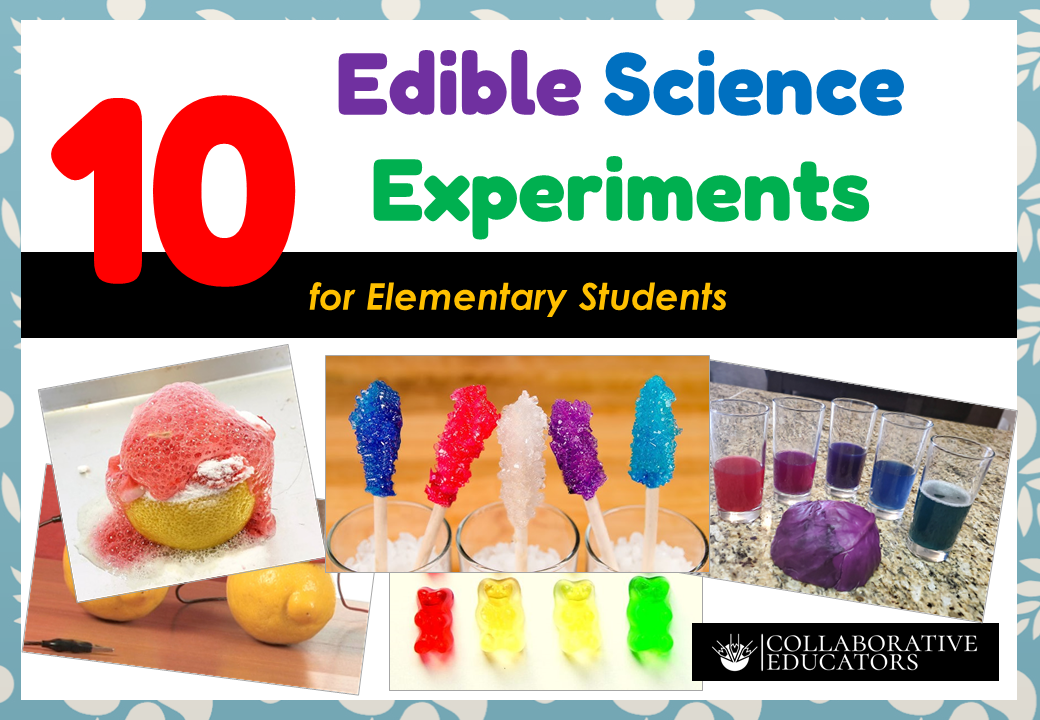
Prepare yourselves for some incredibly entertaining science! "Edible Science Experiments for Elementary Explorers," this book, is your pass to a delicious journey. Do you wish to witness a rainbow that is (almost) edible? We have it. Consider creating enormous gummy bears. Simple as pie. You can even produce real butter and shake cream. That's cool, isn't it? There are ten incredible experiments within. You can find items in your kitchen for each one. The steps are quite easy. We give you detailed instructions. And you know what? The majority of the outcomes are yours to keep! You'll learn cool stuff too. Like why some liquids float and others sink. Or how mixing things can make bubbles. Science doesn't have to be boring. This book proves it! So grab your grown-up, put on your apron, and let's get started. You'll be a science whiz in no time. And you'll have some tasty treats along the way. It's science you can taste! Let the edible experiments begin!

Author Bright Classroom Ideas Marketplace

Rating

Tags Science, Chemistry, Lab, Elementary, Experiment

Science Action Labs Air Science

Science Action Labs Air Science
, Grade 1, 2, 3, Labs, Experiments, Activities

"Science Action Labs Air Science" An engaging approach to teaching air science for students in grades 1-3. Through hands-on simple experiments , students gain a solid foundation on the key concepts including that: Air is transparent Carries weight Exerts pressure and resistance Is composed of different gases. This learning resource contains various activities within its easy-to-use PDF file: Straightforward experimentation, scientific discourse and relatable poems. The opportunity for whole group discovery sessions, small group collaboration exercises or independent work. Including fun games throughout the program that adds a layer of friendly competition reinforcing kinesthetic learners' comprehension skills. Embedded periodic quizzes to measure student progress and reinforce acquired knowledge about air science. With "Science Action Labs Air Science", teaching about elements like air becomes an optimal practical perspective for primary grade levels. Note: Valuable tools need not be expensive components like extensive laboratory sets; sometimes it could be as simple as print-ready pages filled with creative ways to learn life's fundamental theories!</p+

Author Classroom Complete Press

Tags Science Labs, Air Science, Air Pressure, All About Oxygen, Science Experiments

Biodiversity and Invasive Species – Lab Station Activity

Biodiversity and Invasive Species – Lab Station Activity
Science, Life Sciences, Biology, Grade 7, 8, 9, 10, Labs, Experiments, Activities

Biodiversity and Invasive Species Lab Station Activity Students will be engaged with this editable lab station activity on biodiversity and invasive species. The hands-on stations allow students to test their knowledge through drawing, researching, explaining their viewpoint, reading applicability passages, answering questions, watching videos, and creating their own questions. Recording sheets are provided for students to document their learning. This activity covers topics like biodiversity and invasive species. Bonus activities like word scrambles and word searches are also included to reinforce learning and keep students productive. This lab station activity can be used alongside instruction on biodiversity and invasive species or as a review before assessments. With minimal prep work for teachers and engaging, student-driven activities, this resource offers a valuable learning experience for middle school life science classrooms.

Author Teach With Fergy

Tags Biology, Biodiversity, Invasive, Species, Lab Station, Invasive Species Activity

Culture Lesson: Cultural Norms and Avoiding Stereotypes Worksheets

Culture Lesson: Cultural Norms and Avoiding Stereotypes Worksheets
Social Studies, Psychology, Life Studies, Grade 5, 6, 7, Worksheets & Printables, Worksheets, Activities, Experiments, Lesson Plans, Teacher Tools

Do you want your students in grades 5-7 to learn how to become global citizens who can respect a variety of cultural norms and comprehend cross-cultural differences? Are you looking for a fun way to bring all of these ideas to life? Check out this ready-to-go lesson for your class. This 5-Page PDF is ready to print for your social studies classroom. It includes clear teacher instructions for a fun class simulation where half of your students will act out a new "class norm" (five options are provided such as not raising your hand to ask a question) that the other half of your class won't be expecting. While the simulation is happening, everyone will be working on a three page reading comprehension task. Students will read about cultural norms from around the world (slurping noodles when eating in Japan or nodding one's head to say "no" in Bulgaria). They will imagine how not knowing about the cultural norms in a place where they are travelling could lead to accidental misunderstandings. Students are also taught a simple definition of the concept of stereotypes, and they will think of how they are different from cultural norms. Finally, there is a 1-page reflection with prompts- perfect for after a class discussion. Teacher Instructions: 1. Split your class in two and talk to only one half. 2. Tell them that they will have a new “class cultural norm.” Pick one from the provided ideas. 3. When the whole class is reunited, pass out the reading page &amp; worksheets. Students read about cultural norms and answer the questions. 4. As they work, the selected half will enact their new norm, which will confuse the other half of the class. 5. Once the point has been made, let the other half in on the secret. 6. Have a discussion about cultural norms and give students time to write a reflection about this lesson.

Author Grace Under Pressure

Tags Culture, Stereotypes, Cultural, Culture Worksheets, Cross Culture, Travel, Norms, Cultural Norms, Class Simulation, Simulation

Physical and Chemical Properties – Lab Station Activity

Physical and Chemical Properties – Lab Station Activity
Science, Chemistry, Grade 7, 8, 9, 10, Labs, Experiments, Activities

Physical and Chemical Properties Lab Station Activity engages students as they rotate through 9 stations testing their knowledge of matter's physical and chemical properties. Students get hands-on drawing atoms, researching questions, watching videos, answering multiple choice questions and more. Covers key concepts like states of matter, qualitative vs quantitative properties, physical and chemical changes, and energy transformations. The activity comes with station description cards, detailed instructions, articles, video links, and recording sheets. Questions assess student learning and bonus scramble and word search activities ensure no downtime. This versatile resource works for whole group, small groups, or independent lab work. Easy to print and implement with no prep required. Applicable for middle and high school chemistry and physical science classrooms.

Author Teach With Fergy

Tags Physical, Chemical, Properties, States Of Matter, Lab Stations, Physical And Chemical Changes Lab High School, Lab Chemical And Physical Changes Worksheet, Physical And Chemical Changes Lab Middle School, Physical And Chemical Changes Activities For Middle School

Worm Composting in the School Garden – Info Posters for the Classroom

Worm Composting in the School Garden – Info Posters for the Classroom
Life Sciences, Science, STEM, Special Resources, Montessori, Classroom Management, Resources for Teachers, Biology, Animals, Nature & Plants, Homeschool Templates, Grade 7, 8, 9, 10, 11, 12, Worksheets & Printables, Teacher Tools, Projects, Activities, Experiments, Presentations, Classroom Decor, Bulletin Boards, Posters, Door Decor

Worm Composting in the School Garden – Info Posters for the Classroom Visual Guide to Worm Composting for Grades 3–8 🪱🌿 Worm box in the school garden - Compost - Worm bin This set of three info posters provides a clear and age-appropriate introduction to worm composting. Designed for students in grades 3–6, the materials explain how a worm bin works, what can go into it, and how it contributes to sustainable gardening. The posters are ideal for classrooms with a school garden or composting project. They serve as a visual aid to help students understand the composting process and the role of worms in breaking down organic waste. The language is simple, and the illustrations are easy to follow – even for younger learners or multilingual groups. What’s included: Three printable posters (PDF) with clear illustrations and explanations Topics covered: setting up a worm bin, suitable materials for composting, and the benefits of worm composting Suitable for display in the classroom, garden area, or near the compost bin These posters support hands-on learning and can be integrated into science lessons on ecosystems, recycling, or environmental stewardship. I’ve used them in combination with a real worm box project – the students loved checking what the worms were doing and became much more aware of food waste. This resource is available in English and is designed to complement practical activities in the school garden. It’s also a nice visual reminder that even small actions – like feeding worms – can make a difference for the environment. 📍 Best wishes, Heike from Lernfitness Biology teacher (Chemistry teacher, Math teacher) Did You Know? I teach with a certified therapy dog, and together we create a positive and inspiring learning environment. 🐶✨

Author Lernfitness

Rating

Tags Science, Biology, STEM, Cover Sheet, Template, Organizer, PDF, Worm Box, Worm Bin, School Garden

Eclipse – Lab Station Activity

Eclipse – Lab Station Activity
Science, Earth and Environmental Sciences, Space, Grade 7, 8, 9, 10, Labs, Experiments, Activities

Eclipse Lab Station Activity - An Engaging Lesson on Solar and Lunar Eclipses Get your students out of their seats with this hands-on lab activity on solar and lunar eclipses! Students will rotate through 9 stations, each offering a unique way to build knowledge. Activities range from drawing models and watching expert videos to answering knowledge questions and creating their own quiz. The self-paced format allows students to work at their own level on activities specially designed to complement the content. Minimal prep is required - simply print station cards and passports and you're ready to engage students. Answer keys provided. This activity covers the science behind both solar and lunar eclipses. Add the bonus word scramble and word search to keep kids learning during transition times. Use this lab to introduce, reinforce or review this astronomy topic in an unforgettable way!

Author Teach With Fergy

Tags Solar, Lunar, Eclipses, Moon, Lab Station, Eclipse Lab

Life and Death of Stars – Lab Station Activity

Life and Death of Stars – Lab Station Activity
Science, Earth and Environmental Sciences, Space, Grade 8, 9, 10, Labs, Experiments, Activities

Life and Death of Stars Lab Station Activity Dive into the life cycle of stars with this engaging lab station activity . Students will rotate through 9 stations, each offering a unique way to explore concepts like stellar life cycles, types of stars, the H-R diagram, stellar nucleosynthesis, and more. Activities range from creative tasks to research questions to knowledge checks. Word scrambles and searches ensure students stay busy. Almost no prep required - just print and go. Covers key ideas in stellar astronomy through varied formats for enhanced engagement and learning. Useful as an introductory or review activity for middle and high school physical science and physics. Provides an exciting hands-on complement to any unit on space science.

Author Teach With Fergy

Tags Stars, Life Cycle, Elements, Astronomy, Lab Station, Stars Activity

Science Action Labs Science Fun: Activities to Encourage Students to Think and Solve Problems

Science Action Labs Science Fun: Activities to Encourage Students to Think and Solve Problems
Literature, Grade 4, 5, 6, 7, 8, Labs, Experiments, Activities

Science Action Labs Science Fun: Activities to Encourage Students to Think and Solve Problems This amazing resource is a practical teaching tool designed for educators, both in traditional classroom settings and homeschool environments. Geared towards students from Grades 4 up to Grade 8, this comprehensive collection of science labs aims at making learning more engaging. Overview: Diverse suite of activities for exploring scientific principles. Ranging from experiments like Spinning Science, Gravity Sci-Fun, Building a Better Boomerang to Static Electricity experiments . Boosts curiosity & encourages problem-solving through real-world applications. The unique lab activities equipped with supporting literature can really help in enhancing subject understanding by creating perfect balance between theory and practice. Bonuses: Fosters higher-order thinking skills Promotes active participation Makes learning process immersive & fun-focused The Offering: In a downloadable PDF format with 64 ready-to-print pages - just download, print, distribute! Versatile usage; from individual worksheets for reinforcement or review purposes or structured as part of group classes where discussion becomes part of the learning process. This offering truly brings flexibility right into your classroom or home! In Summary: If you're looking at enriching science materials aimed at promoting conceptual understanding over rote memorization - look no further than 'Science Action Labs Science Fun: Activities to Encourage Students To Think And Solve Problems'. A worthy addition indeed!

Author Classroom Complete Press

Tags Fun Activities, Science Labs, Reverse Technology, Gravity Science Fun, Problem Solving