 Free download
Phonics & word building
CVC Words Fishing Game
Practice reading/blending CVC words through a two-player fishing-themed board game.


Classroom resources
Browse by lesson focus
Choose the topic or kind of practice you need.
Showing 145–168 of 603 resources

 Show filters Free download
Practice reading/blending CVC words through a two-player fishing-themed board game.
 Free download
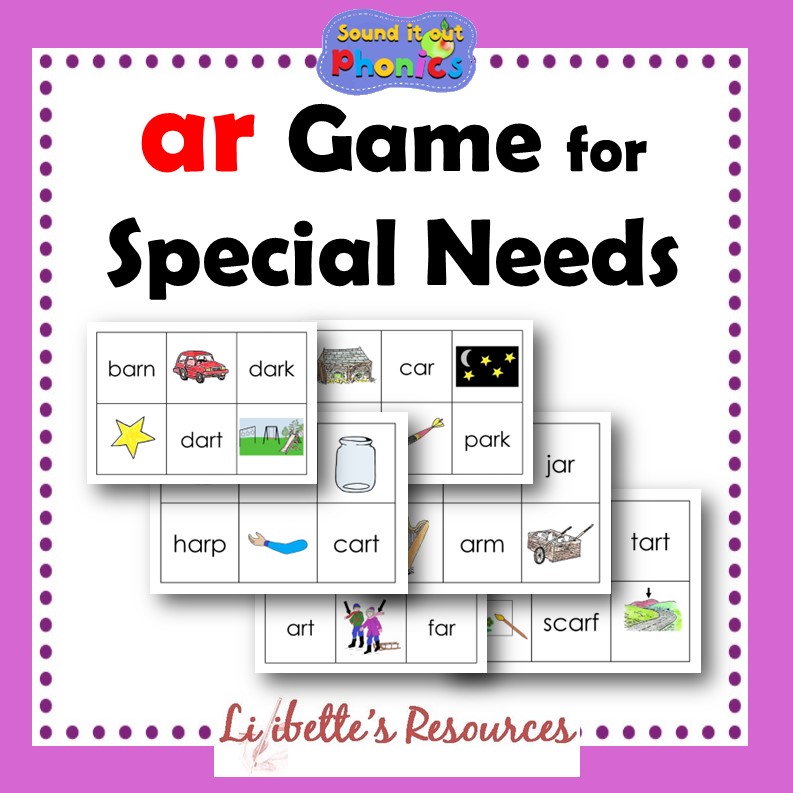
This is a phonics AR game to help children, especially those with special needs, read words with the digraph 'AR'. Who can use this AR game? Any who need to use the digraph ar! But it is especially for those with special needs: games can take the pressure out of learning to read, especially for those who have become despondent or are reluctant for any…
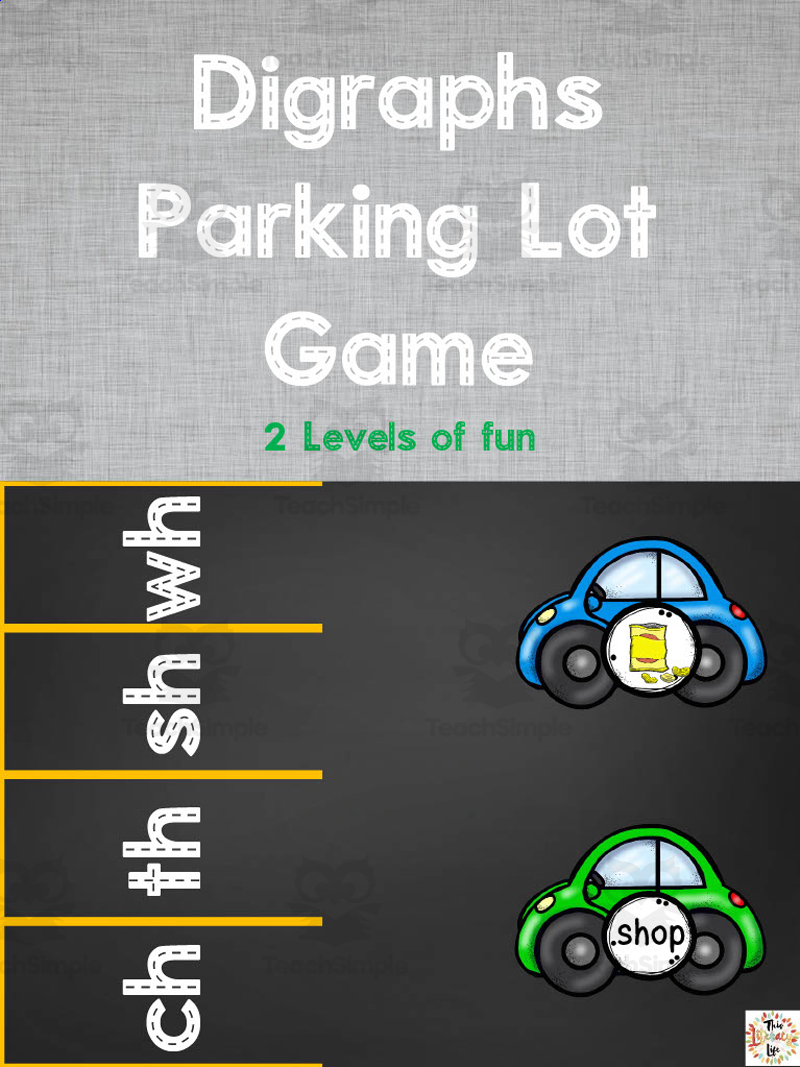
A parking-lot themed matching game for practicing digraph identification at two difficulty levels.

A 30-page reference and card-sort/memory-game resource teaching 36 Greek and Latin prefixes, their meanings, and example words, for vocabulary/word-study instruction.

A 33-page reference and card-sort/memory-game resource teaching 40 Greek and Latin roots, their meanings, and derivative words, for vocabulary/word-study instruction.
A media literacy simulation teaching concepts like media bias, framing, sound bites, and chyron bias, applied through a press secretary/news anchor roleplay game.
A hands-on activity teaching guide words (the dictionary skill of identifying which words fall alphabetically between two given guide words), usable whole-class, in small groups, at a literacy station, or as a Scoot game.
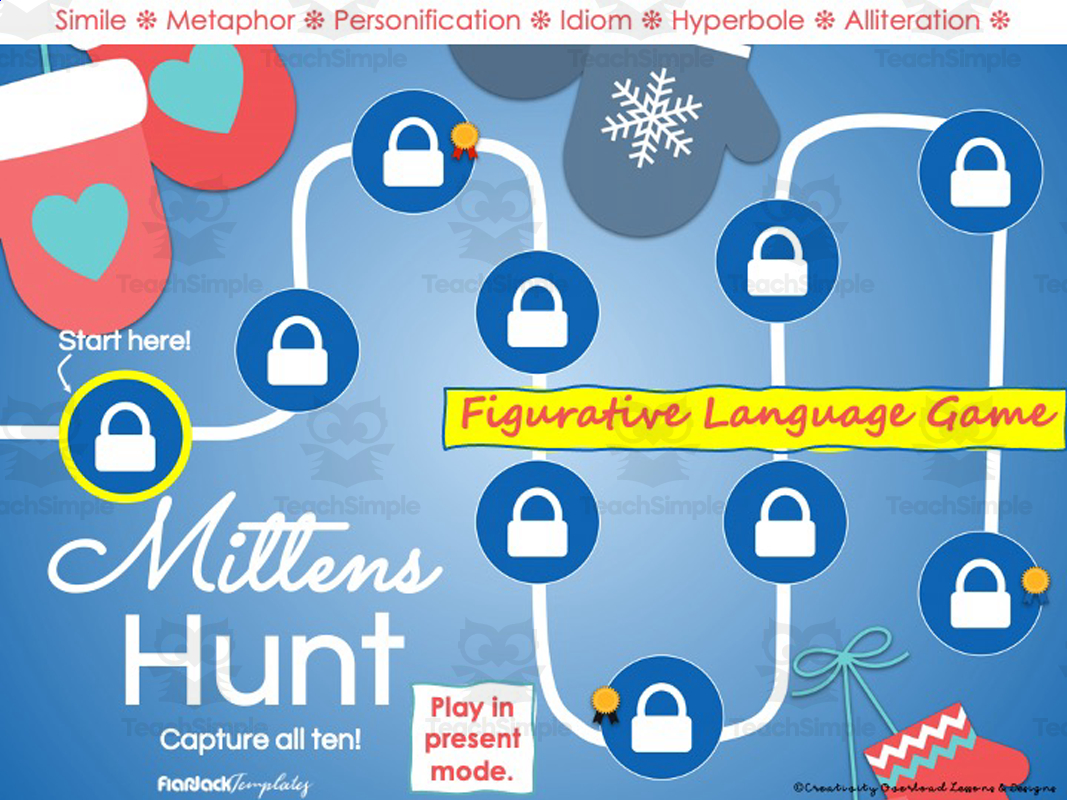
Introduce, review, or assess six types of figurative language (simile, metaphor, personification, idiom, hyperbole, alliteration) through a self-checking, branching 'Mitten Hunt' digital game (PowerPoint-based, with an accompanying teacher guide referencing a Google Slides version).

A memory-matching (concentration) card game that helps students practice identifying cause-and-effect pairs, usable as a whole-class game or independent reading-center activity.
Practice reading, spelling, and inferencing skills, with a focus on homonyms/homophones/homographs, through a hangman-style 'Dad Jokes Guessing Game' for pairs of students.
A PowerPoint-based classroom game/template for group vocabulary enrichment practice, where students research and present synonyms and antonyms for teacher-assigned words for classmates to guess.
A review game ('I Have, Who Has?') that reinforces nonfiction/informational text vocabulary terms tied to Reading Informational (RI) standards.
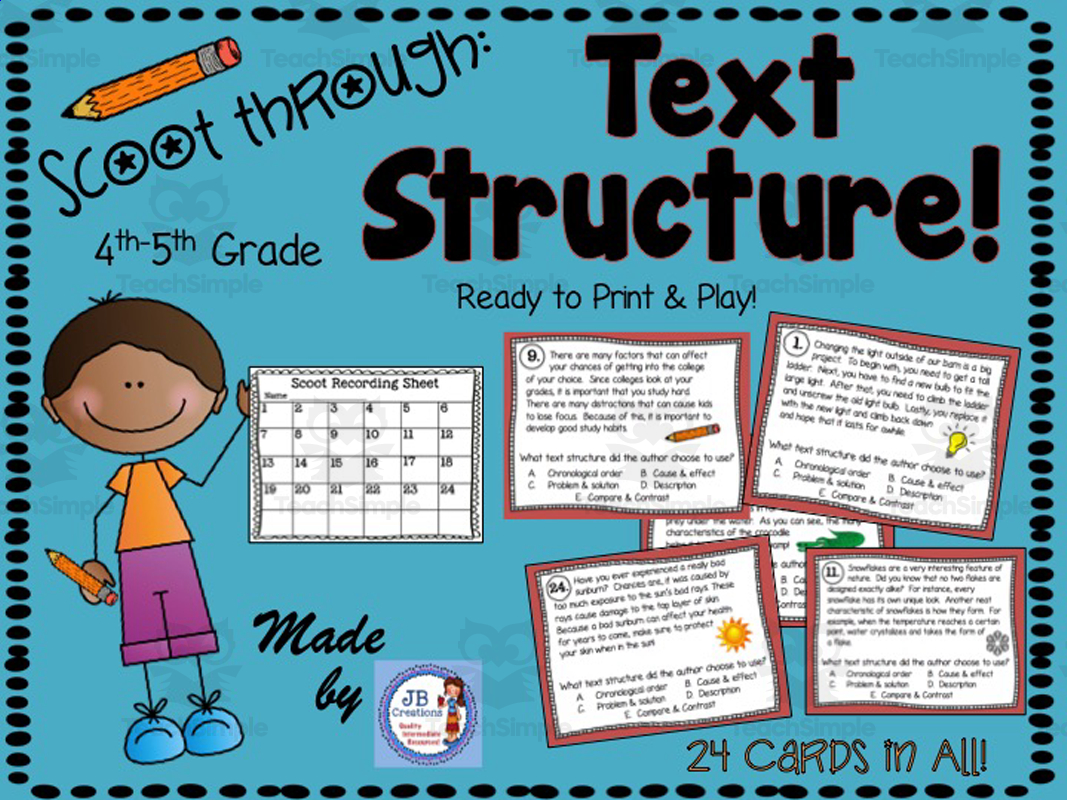
A printable task-card 'scoot' game reviewing the 5 main types of text structure (chronological order, cause & effect, problem & solution, description, compare & contrast).
Turn a physical JENGA set into a reading-themed icebreaker game where each numbered piece corresponds to a discussion question about students' reading habits and preferences.
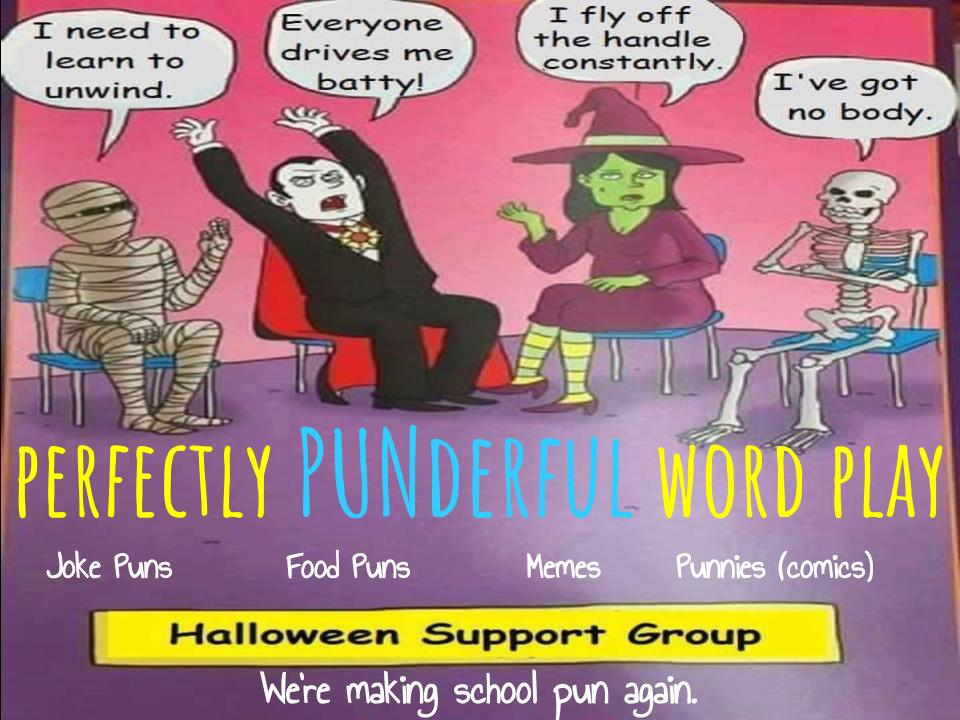
A slide deck teaching the concept of puns/wordplay through examples (joke puns, food puns, punnies/comics) and a creative-writing assignment applying puns.

Provide a novel-agnostic student notebook/packet that scaffolds independent or small-group literary analysis of any assigned novel through scavenger-hunt-style element identification, open-ended questioning, central-idea tracking, and a culminating essay.

An interactive reading response packet built around the picture book The Biggest Snowman Ever by Steven Kroll, for early-finisher or reading-station practice during the winter season.
A collection of no-prep sight word worksheets, puzzles, and games covering Dolch Pre-Primer, Primer, and First Grade word lists

Reinforce vocabulary, reading comprehension, and writing skills using wedge-tool terminology (chisel, shovel, nail, door stopper, axe, tack pin, knife, scissors).

Bingo game for practicing recognition of the 40 Pre-Primer Dolch sight words, paired with informational content explaining what Dolch sight words are and why they matter.
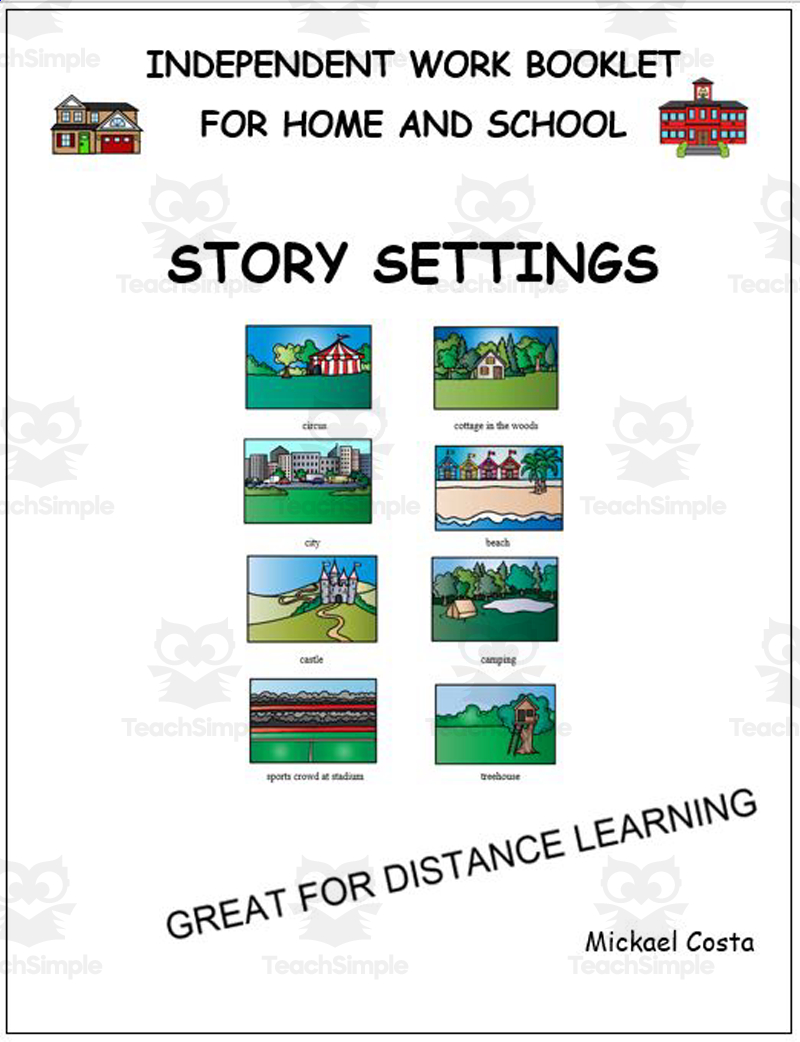
Reinforce vocabulary, reading comprehension, and creative-writing skills using story-setting terms (stadium crowd, cottage in the woods, city, castle, beach, campsite, treehouse, circus) that students can use when writing narratives.
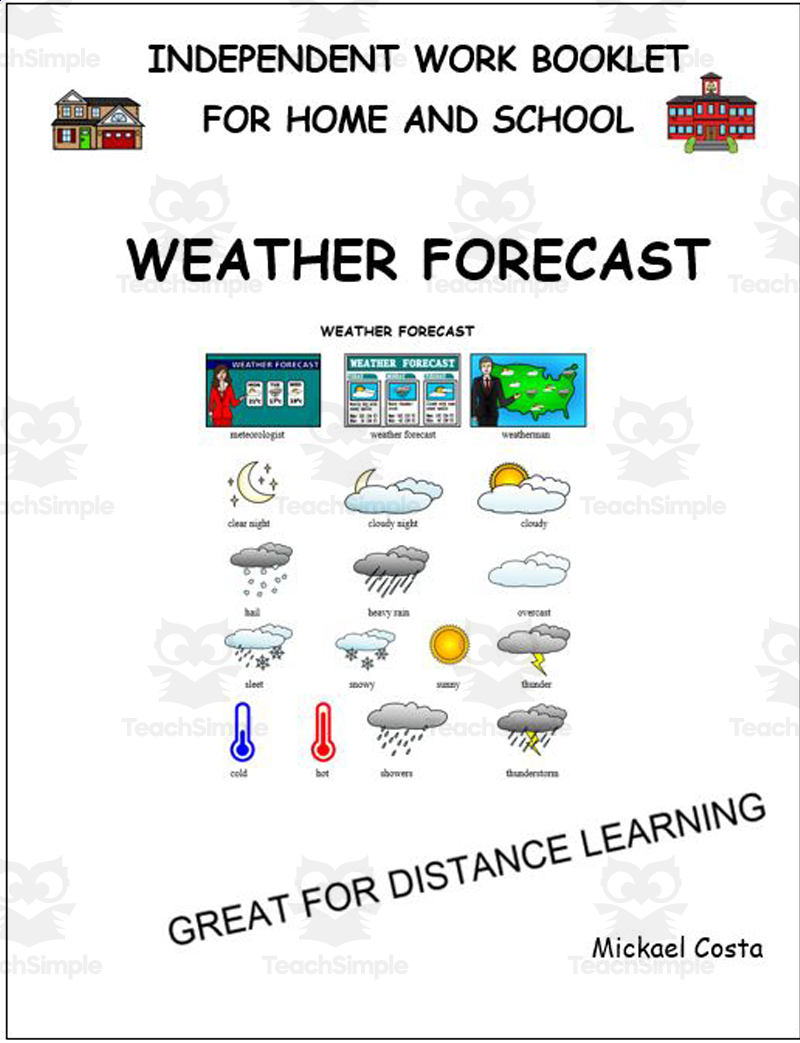
Reinforce vocabulary, reading comprehension, and writing skills using weather-forecast terminology (cloudy, hot, showers, thunderstorm, clear night, snowy, hail, overcast, sleet, weatherman/meteorologist, heavy rain, sunny, cold, thunder).

Reinforce vocabulary, reading comprehension, and writing skills using weather-instrument terminology (hygrometer, weather vane, rain gauge, anemometer, wind sock, thermometer, barometer).
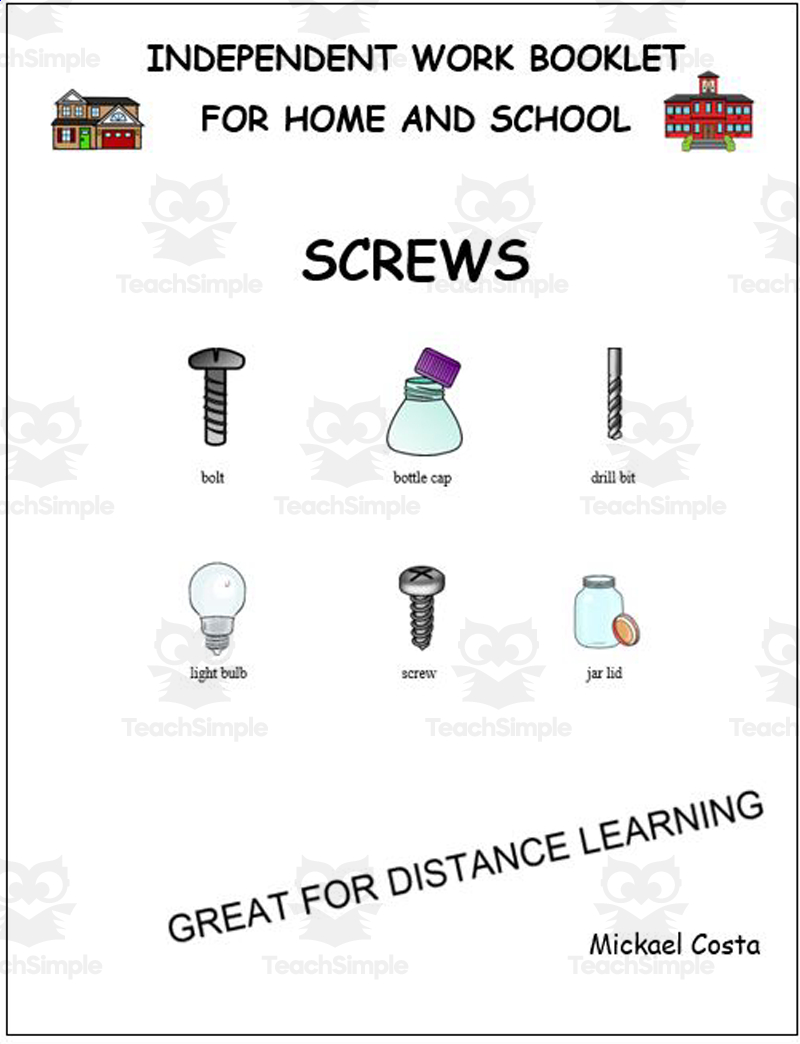
Reinforce vocabulary, reading comprehension, and writing skills using terminology related to screws and related small hardware/tools (jar, light bulb, bottle cap, screw, bolt, drill bit).