resources by type
resources by grade
resources by subject
other resources
Relevant
alt down
Any Time
alt down
filter by
alt down
All File Types
alt down
filter nav Show filters
Sort by: Relevant
CLEAR
resources by type
Activities
up arrow
Centers
Crafts
Escape Room
Experiments
down arrow
Games
Projects
Read Alouds
Songs
Classroom Decor
down arrow
Teacher Tools
down arrow
Worksheets & Printables
down arrow
resources by grade
Early Learning
down arrow
Pre-K
down arrow
Elementary
down arrow
Middle School
down arrow
High School
down arrow
Adult Education
Not Grade Specific
resources by subject
Creative Arts
down arrow
ELA
down arrow
Holiday & Seasonal
down arrow
Life Studies
down arrow
Math
down arrow
P.E. & Health
down arrow
Social Studies
up arrow
Biographies
Economics
First Peoples (Native)
Geography
Government
History
down arrow
Law
Psychology
Sociology
Special Resources
down arrow
Science
down arrow
Foreign Languages
down arrow
Resources for Teachers
down arrow
other resources
Common Core
Homeschool Resources
down arrow
Montessori
Research
STEM
USA Map with Full State Names and State Abbreviations

USA Map with Full State Names and State Abbreviations
Social Studies, Geography, History, History: USA, Grade 1, 2, 3, 4, 5, 6, 7, Activities, Projects, Worksheets & Printables, Worksheets

This map of the United States includes the full names of each state and also the two-letter abbreviation for each state. I created this product because I could not find one online. I hope you enjoy this item and find it useful for your classroom. Students can use this map to practice locating each state or to know how to spell each state, or to learn the states' abbreviations. It can also be used as a locate-and-color activity. It is a one-page PDF document, ready to print. It can be used in grades K-8 for American history or geography. This map includes all 50 states. Each state is written in all capital letters. It is very helpful to have many of these on hand, laminated for durability. They can be used all year long and for years to come if they are laminated. Happy teaching! Gotta love geography and US history!

Author Monaco Lane Curriculum for Early Literacy

Rating

Tags USA, USA Map, USA Map With State Names, 50 States, 50 State Abbreviations , State Abbreviations, Geography Map, American History

Svante Arrhenius – A Look at the Scientist Behind the Ion Theory

Svante Arrhenius – A Look at the Scientist Behind the Ion Theory
Life Sciences, Science, STEM, Social Studies, Biographies, Inventors, Basic Science, Physics, Chemistry, Technology, Grade 6, 7, 8, 9, 10, 11, Worksheets, Worksheets & Printables, Quizzes, Quizzes and Tests, Teacher Tools, Projects, Activities

Svante Arrhenius – A Look at the Scientist Behind the Ion Theory Comprehension Activities A classroom-ready reading and comprehension activity ⚗️📘 (PDF + H5P) ⚗️📘 A printable and digital resource for grades 7–10 science and cross-curricular teaching 🧪🧠 This resource introduces students to Svante Arrhenius, a Swedish chemist best known for his work on electrolytic dissociation and the behavior of ions in solution. His theories laid the groundwork for how we understand acids, bases, and conductivity – topics that still form a core part of chemistry education today. The material is structured to be simple and flexible. It includes a short informational text in student-friendly language, along with a worksheet and quiz questions. The tasks are designed so students can work independently or in pairs. It’s suitable for both regular lessons and substitute teaching – no special background knowledge is needed. What’s included: Reading text on Svante Arrhenius and his scientific contributions Profile worksheet to summarize the main ideas Quiz questions with an answer key Two optional extension tasks: – Students write their own questions based on the text – Exchange and answer questions in pairs Formats: – PDF (printable and digital) – DOCX (editable text only) – H5P (interactive version for LMS use, no images) How it works in the classroom: I’ve used this type of resource during units on acids and bases or to give context to chemical theories. It also works well when introducing the idea of scientific models and how theories develop over time. The included H5P version makes it easy to assign digitally. Students can complete the quiz independently and get feedback right away. The extra tasks are helpful for early finishers or when you want to add peer interaction to a quiet reading lesson. Print it, share it, or upload it – and the lesson’s ready. Have fun exploring the world of science with your students! Warmly, Lernfitness Did You Know? I teach with a certified therapy dog, and together we focus on creating a positive and inspiring learning environment.

Author Lernfitness

Rating

Tags Science, Famous Scientists Lesson, H5P, Interactive Science Exercises, STEM, Scientists, Chemistry, Acid-base Theory, Dissociation, Svante Arrhenius

New York State Flipbook (Capital, Bird, Flower, Flag, Animal)

New York State Flipbook (Capital, Bird, Flower, Flag, Animal)
ELA, Creative Arts, Art, Social Studies, Reading, Reading Comprehension, Grammar, Language Development, Spelling, Writing, History, History: USA, Geography, Research, Grade 2, 3, 4, Activities, Projects

New York State Flipbook An interactive resource for introducing your students to the unique symbols of the state of New York. This flipbook launchpad explores aspects such as the state's capital, bird, flower, flag, and animal. Cross-curricular Activity This low-prep research project is ideal for both classrooms and homeschooling environments. It fits seamlessly into broader state-based study units or can be integrated into writing classes or social studies sessions. Varying Options and Designs The project offers two print options catering to different student abilities: a cutting-required version and another without cutting. Diverse designs (with images or without) provide multiple visual layouts to enhance the learning process. Package Includes: Instructions for assembling four engaging flipbooks from 37 PDF pages. Each book encapsulates seven thematic sections including facts about New York's components like its official bird, flower, flag, animal; along with a state map delineating geographical characteristics. The KWL (know-want-learn) segment that fosters critical thinking skills in students. All-encompassing bundle: Art-Drawing activities; English Language Arts-Reading tasks; GEOGRAPHY-Tasks around assembling maps; . HISTORY-Narratives uncovering historical anecdotes purposes; . . SCIENCE- Fauna/Flora overview exercises; ; . A Curriculum-centered Structure: Structured to fit within grades 2-4 curriculums, including Language Arts and Music as mediums of expression– and Social Studies focusing on comprehension, grammar, reading, spelling, writing and American history. Through this flipbook, teachers can revisit these topics while enabling students to appreciate the unique character of New York state in engaging ways.

Author Heather Huhman

Tags New York State, Symbols, Flipbook, Cross-curricular Activity, Research Project

Scientists and Inventors Social Media Profile Project | Biography

Scientists and Inventors Social Media Profile Project | Biography
ELA, Social Studies, Writing, Creative Writing, Science, Inventors, Biographies, Research, Grade 4, 5, 6, Activities, Projects

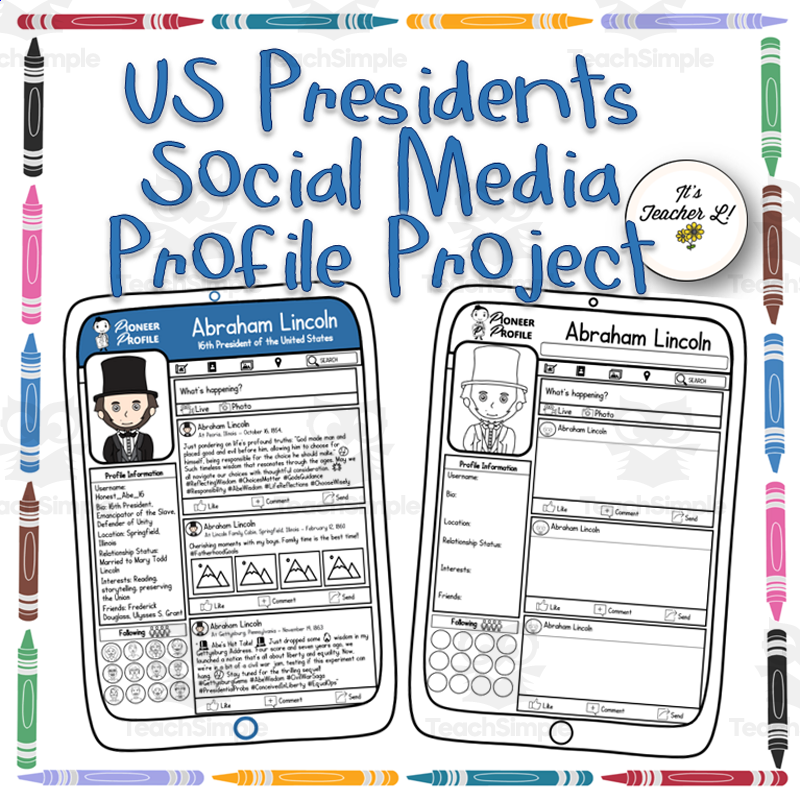
Explore the lives and achievements of notable and remarkable genius minds from different generations with this Scientists and Inventors Social Media Profile Project. This resource is made for 4th, 5th and 6th primary grade level learners, EFL/ESL students, and homeschoolers that can be used for English Language Arts and Science and Technology subjects. The project is aimed to develop the students’ language skills, research proficiency, and creative skills through the imagined social media profile of their chosen scientists or inventors. Featuring 12 genius minds from different ages and fields, these activities are a sure win in capturing the attention and unleashing the creativity of the learners as they learn and explore the lives and achievements of these scientific geniuses. The activities included in this set are: 1. 12 Scientists and Inventors Worksheets (Albert Einstein, J. Robert Oppenheimer, Alexander Graham Bell, Galileo Galilei, Stephen Hawking, Steve Jobs, Isaac Newton, Charles Darwin, Nicolaus Copernicus, Nikola Tesla, Thomas Edison, Leonardo da Vinci) 2. 1 colored Albert Einstein Sample Profile 3. 1 Profile Template 4. Lesson Plan 5. Student’s Instructions Page 6. List of Scientists and Inventors 7. Feedback Rubric This project is designed as supplemental activity or project for lessons relating to lives and achievements of notable and famous scientists and inventors from different generations and fields, and biography lessons or topics in the curriculum. This can also be used as assessment tool for the said lessons, teacher-friendly resource for emergencies and sub plans. With the fun and engaging nature of this project, it will definitely achieve your lesson objectives as well as collecting amazing outputs from your learners!

Author It's Teacher L

Tags Scientists Biographies, Inventors Biographies, Biography Project, ELA Activities, Biography Research

Research Organizer & Essay Assignment: Marie Curie

Research Organizer & Essay Assignment: Marie Curie
Social Studies, ELA, History, History: Europe, Science, Physics, Grade 8, 9, 10, 11, 12, Activities, Projects, Worksheets & Printables, Worksheets

Few scientists are more celebrated than Marie Curie, the first women to win a Nobel Prize. This resource provides your students with the opportunity to independently learn about and summarize the life of the "mother of radioactivity" with this engaging research planner and essay assignment. This carefully scaffolded and easy-to-assign-AND-assess resource has been designed to guide student learning from Marie Curie fact-collection to the careful development of a five-paragraph research essay. Teaching this resource could not be easier! Start by handing out the background research and note-taking worksheet (you could also ONLY hand this out if you want a shorter lesson!). Once students have found their facts and sources, provide them with the essay outline activity, which guides them step-by-step through the requirements of a short research essay. From there, drafting their essay, using the provided peer review checklist, and submitting their final draft will be no problem at all. And then you can assess their work with the provided Common Core rubric! Use this entire resource as a complete research lesson or just part of it as a short research activity or sub plan! This TeachSimple download includes: - A Marie Curie essay writing assignment with directions, requirements, research essay writing tips, a peer review checklist, and Common Core-tied grading rubric - An editable rubric, provided as a link, that lets you make adjustments to the grade values and guidelines. This link is provided as as Google Sheet specifically built for integration into Google Classroom, although you can also modify it for use in other Learning Management Systems (LMSs) - A Marie Curie biography and note-taking worksheet that will guide your students through information gathering. This straightforward two-page handout includes instructions for background research, a fun drawing section, and an area to cite quality sources and organize conducted research - A research essay outlining worksheet, so students build on their Marie Curie notes in a clear and simple manner as they build their work towards a draft and final paper - All 6-pages of this lesson are provided in full-color and B&W versions Although this resource can be fitted for any secondary Language Arts classroom, it has been carefully designed to work best in grades 8 through 11. The included rubric is subtly but specifically tied to Common Core ELA Standards for Language (3) and Writing (2 and 7). This resource is provided as a print-ready, bookmarked, and adjustable PDF file. The rubric is also included as an editable Google Sheet. This resource contains 6 pages and 1 Google Sheet.

Author The Language of Educational Art, LLC

Tags Research, Essay, Notetaking, Outlining, Marie Curie

Stephen Hawking Biography Set | Integrated Study | Sub Plan

Stephen Hawking Biography Set | Integrated Study | Sub Plan
Social Studies, ELA, Biographies, Reading, Reading Comprehension, Science, Inventors, Grade 3, 4, 5, Activities, Projects

This Stephen Hawking Biography Set is a collection of activities focusing on the life, achievements, and legacy of Stephen Hawking. Made for 3rd to 5th grade primary level learners, this resource is perfect for lessons relating to biographies of important and famous people in subjects like English Language Arts, Science, and Social Studies. What’s Included: 1.Reading Passage (Stephen Hawking: The Brilliant Scientist) 2.3 The Brilliant Scientist Reading Comprehension Exercises 3.3 The Brilliant Scientist Research Activities 4.The Brilliant Scientist Pop-Up Board Project The reading passage gives the information for students to learn about Stephen Hawking. The reading comprehension activities are focused on checking and aligning the students’ learning and knowledge about what they just read. They are also a perfect tool for class discussions and assessments. The research set of activities are engaging way for them to explore more about the topic and create their own learning. The final project Pop-Up board on Stephen Hawking is a perfect assessment tool that is hands-on, creative and encouraging for students to present what they learned from the lesson. This resource is a perfect addition and supplemental tool in lessons related to biography. This can also be used for teacher emergencies and sub plans.

Author It's Teacher L

Tags Famous People, Stephen Hawking Biography, Reading Comprehension, Scientist Projects

Scientist Carl von Linné – Fact Sheet, Quiz, and Interactive Exercises

Scientist Carl von Linné – Fact Sheet, Quiz, and Interactive Exercises
Life Sciences, Science, Biology, STEM, History: World, History, Social Studies, Nature & Plants, Animals, Grade 7, 8, 9, 10, Worksheets, Worksheets & Printables, Quizzes, Quizzes and Tests, Teacher Tools, Projects, Activities

Discover Carl von Linné – The Father of Modern Taxonomy Carl von Linné, also known as Carolus Linnaeus, revolutionized the classification of living organisms and is widely regarded as the "Father of Modern Taxonomy". But did you know his work also laid the foundation for modern biology? This comprehensive teaching resource introduces your students in grades 7–10 to Linné’s groundbreaking contributions to the natural sciences. Designed for a 45-minute lesson, it combines engaging informational content with interactive and creative tasks to provide an inspiring and memorable learning experience. What’s Included: Concise Informational Text: A clear and engaging overview of Carl von Linné’s role in science. Fact Sheet Activity: Encourages students to organize knowledge and work creatively. Quiz with Solutions: Promotes fun, interactive learning and self-assessment. Additional Exercises: Students can create their own questions and collaborate in pairs to deepen their understanding. Flexible Formats: Includes a color and black-and-white printable PDF, as well as interactive H5P tasks for digital learning. Why You’ll Love This Resource: Time-Saving: Perfect for teachers who need a ready-to-go, well-structured lesson. Versatile Use: Ideal for biology, history of science, or cross-curricular lessons in English and science classes. Promotes Independence: Solutions are included, allowing students to check their work and explore the topic at their own pace. Interactive and Engaging: Tasks are designed to keep students actively involved while learning about Carl von Linné’s legacy. Whether you use it for a regular lesson, substitute teaching, or as part of a digital learning activity, this resource will make Carl von Linné’s contributions come alive for your students. Bring Carl von Linné’s fascinating world of science into your classroom and inspire your students to see history and science in a whole new light! Have fun exploring the world of science with your students! Warmly, Lernfitness Did You Know? I teach with a certified therapy dog, and together we focus on creating a positive and inspiring learning environment.

Author Lernfitness

Tags Science, Biology, Famous Scientists Lesson, H5P, Interactive Science Exercises, STEM, History, Scientists, Carl Von Linné, Taxonomy

How a Bill Becomes a Law- Reading a Flowchart, Questions, Project

How a Bill Becomes a Law- Reading a Flowchart, Questions, Project
Social Studies, Government, Grade 6, 7, 8, 9, Projects, Activities

The 22-page, easy-prep resource, How a Bill Becomes a Law- Reading a Flowchart, Questions, Real World Project provides a detailed lesson plan to help students learn how to read a flowchart and interpret the information on them, something students often find challenging. In the process, students learn about the complex process for how a bill becomes a law in Congress. They then answer questions by referring to the flowchart. The lesson plan includes essential and guiding questions, objectives and learning targets that are aligned with the Common Core Standards, a handy reference guide, About this Resource, teacher and student copies of the flowchart, questions, and a key. It also includes a real-world project in which students work in groups or partners to explore a current proposal for a bill, analyze and interpret it, offer their opinions on whether it is a useful bill, as well as their predictions on whether it will make it to the president's desk for a signature or a veto. Students then complete a self-reflection on what they learned about the legislative process as well as their process for creating their presentation. A rubric is included as well. You might be interested in my other products from the My Living Constitution unit. Into Lessons: Creating Schema --Lesson 1: Overview of the Constitution of the United States of America --Lesson 2: Origins of the Constitution and Essential Terms --Lesson 3: The Seven Principles of the Constitution Through Lessons: Learning the Content --Lesson 4: The Preamble: The Goals of the Constitution --Lesson 5: The Three Branches of Government: Articles 1, 2, and 3 --Lesson 6: How a Bill Becomes a Law --Lesson 7: Federalism, Separation of Powers, and Checks and Balances --Lesson 8: Articles 4, 5, 6, and 7 of the United States Constitution --Lesson 9: The Bill of Rights Unit (and a Little About Amendments 11-27) Extras (from the Unit: Every Four Years… The Presidential Election) --Lesson 10: What Are Your Political Viewpoints? --Lesson 11: Major and Minor Political Parties --Lesson 12: A Brief History of Who Can Vote in the United States --Lesson 13: The Nuts and Bolts of the United States Presidential Election Beyond Lessons: Summative Assessments -- The Consitution is a Living Document -- The Bill of Rights Explained Project: A Project to Assess Knowledge and Understanding

Author Intentional Teaching and Learning

Tags Civics, Government, Laws, Bill, U.S. Constitution, Critical Thinking, Flowchart, How A Bill Becomes A Law California Flowchart

Washington State Flipbook (Capital, Bird, Flower, Flag, Animal)

Washington State Flipbook (Capital, Bird, Flower, Flag, Animal)
ELA, Creative Arts, Art, Social Studies, Reading, Reading Comprehension, Grammar, Language Development, Spelling, Writing, History, History: USA, Geography, Grade 2, 3, 4, Activities, Projects

Washington State Flipbook: An all-encompassing teaching resource The Washington State Flipbook, tailored for educators and homeschooling parents, enhances education about geography, social studies, and cultural aspects of the state. It suits second to fourth-grade students, serving various educational categories including: Language Arts Art & Music History of USA Comprehension Studies Grammar drills An interesting twist to Geography. This "LOW-PREP resource", needing minimal preparation from educators' end, spotlights five significant symbols of Washington: Olympia; the capital city . The western goldfinch; an official bird . The endemic coast rhododendron; designated flower . A constituting flag along with Olympic marmot – unique state animal. . There are four styles of flipbooks. Two versions exist in terms of printing options – one requiring cutting aids for hands-on familiarisation and another without it. They're perfect for introducing a new unit study about U.S states or during review sessions involving the Northwest region or specifically focusing upon Washingtonian depiction. Note: Cross-curricular activities encompassed within flipbooks suit language arts lessons as effective narrative prompts or integration into your social studies exercises built around geography and history units seamlessly. Leveraging Interdisciplinary Approach to Learning: Different disciplines are amalgamated through numerous tasks that grace its content-rich pages such as highlighting geographical features through maps & KWL(Know-Wonder-Learn) charts encouraging cognitive growth. Moreover several skills can be enhanced: Artistic Skills English Language Arts Proficiency Development Comprehension Skills/History/Critical Research Abilities/Science Interactive Spelling Games and Writing tasks etc To extend pedagogical aspirations, the flipbook inspires children to understand cultural and geographical diversity spread across different U.S states. Also encourages students to undertake similar explorative journeys mapping from Alabama to Wyoming. Suggested teaching methods are varied including: Meticulously crafted lesson plans catering to every child’s learning preference. Auditory/Visual preferences satiated through curated videos or reading passages, Interactive notebook activities for learners preferring applied knowledge tasks. The Washington State Flipbook: Enlighten your young scholars! Use this engaging teaching tool like the Washington State Flipbook and let your learners become United-States' experts! Explore the treasure chest of learning with them!

Author Heather Huhman

Tags Washington State, Flipbook, Teaching Resource, Geography, Social Studies

The Constitution is a Living Document

The Constitution is a Living Document
Social Studies, Government, Research, Grade 7, 8, Projects, Lesson Plans

"The Constitution is a Living Document" is a comprehensive project designed to assess students’ knowledge and understanding of Articles 1, 2, and 3, as well as 7 amendments in several ways. The project is divided into 3 sections. Section 1 covers the Constitution (Articles 1, 2, and 3) and includes an essay and analyzing news articles. Section 2 covers the Amendments and includes an essay and analyzing news articles. Section 3 includes a conclusion essay and the bibliography. Students will apply their understanding of Articles 1, 2, and 3 as well as certain amendments by finding an article about an event in the United States (either online or from a newspaper), summarizing the article, and then analyzing how this article connects to the Constitution. There are also some extra credit opportunities. Although this project stands on its own after students have studied both the Constitution and the Bill of Rights either by using a textbook or other materials, it is an excellent summative assessment for my lessons on Articles 1, 2, and 3 and The Bill of Rights Unit, both of which are sold in my store. This summative project is perfect for students in Grades 7 through 12 and can be easily modified based on grade level and can be used for all students: ELL, RSP, Gate, and regular. The most important thing about this project is how students truly internalize how the Constitution is not just some old stuffy document but really is alive in our lives and protects our rights and our democracy. I have had students come back to me when they are in high school to tell me how much they got out of this project. I have also had several students tell me they helped their immigrant parents pass the citizenship test. They were able to teach their parents about our government. My favorite is how many 8th-grade students tell me they are now interested in current events and regularly follow the news! This project is part of my unit: “Our Living Consitution” which is designed using the Into, Through, and Beyond model of lesson planning. This project can be taught independently, but it is an excellent summative assessment for all my lessons on the Constitution in my unit. The lessons in the Constitution unit can be used independently or as a supplement to what you already teach or as a whole. Here is a summary of what is in the unit: You might be interested in my other Constitution-related lessons, many of which can be found in my bundle: Our Living Constitution. Check out my store: A Great Good Place for Teachers Into Lessons: Creating Schema Lesson 1: Overview of the Constitution of the United States of America Lesson 2: Origins of the Constitution and Essential Terms Lesson 3: The Seven Principles of the Constitution Through Lessons: Learning the Content Lesson 4: The Preamble: The Goals of the Constitution (not included in Our Living Constitution) Lesson 5: The Three Branches of Government: Articles 1, 2, and 3 Lesson 6: How a Bill Becomes a Law Lesson 7: Federalism, Separation of Powers, and Checks and Balances Lesson 8: Articles 4, 5, 6, and 7 of the United States Constitution Lesson 9: The Bill of Rights Unit (and a Little About Amendments 11-27) Extras (from the Unit: Every Four Years… The Presidential Election) Lesson 10: What Are Your Political Viewpoints ? (not included in Our Living Constitution) Lesson 11: Major and Minor Political Parties (not included in Our Living Constitution) Lesson 12: A Brief History of Who Can Vote in the United States (not included in Our Living Constitution) Lesson 13: The Nuts and Bolts of the United States Presidential Election (not included in Our Living Constitution) Beyond Lessons: Summative Assessments The Consitution is a Living Document (not included in Our Living Constitution) The Bill of Rights Explained Project: A Project to Assess Knowledge and Understanding (not included in Our Living Constitution)

Author Intentional Teaching and Learning

Rating

Tags Government, Critical Thinking, Constitution, Current Events, Summarizing And Analyzing, Essay Writing, Rubrics, Project, Us Constitution Living Document, Constitution Living Document, How Is The Constitution A Living Document, Is The Constitution A Living Document, Why Is The Constitution A Living Document, A Living Document, Constitution Project For Middle School, Research Project

Michigan State Flipbook (Capital, Bird, Flower, Flag, Animal)

Michigan State Flipbook (Capital, Bird, Flower, Flag, Animal)
Creative Arts, Art, Social Studies, ELA, Government, History, History: USA, Reading, Reading Comprehension, Grammar, Language Development, Spelling, Writing, Grade 2, 3, 4, Activities, Projects

Michigan State Flipbook (Capital, Bird, Flower, Flag, Animal) This interactive Michigan State Flipbook is a perfect hands-on resource specifically designed for elementary teachers and homeschoolers. It encourages immersive learning about Michigan's cultural markers namely: the capital city, the state bird, flower, flag and animal. This low prep tool provides two printing options—one requiring cutting, and another that doesn't. You can also customize it further to student needs with two design choices—one with pictures and one without. Total of four different flipbooks for variety and flexibility of use Ideal for use in general U.S states review or focused units on Midwest region or Michigan itself. Suitable enrichment tool in any social studies or history classes Cross-curricular Opportunities: Art:Via coloring components English Language Arts:Via comprehension exercises Geography:Via mapping skills Extends to grammar, spelling & writing parts weaving into research activity as well as prompts insightful science discussions around native birds or flowers! The teaching intention behind this flipbook set champions active learning strategies. It encourages kinesthetic learners through interactive notebooks while appealing to those who prefer written knowledge consolidation through reading passages. Additionally incorporates curated videos for visual as well as auditory learners. Main Appeal Focus: Grade 2-4 students in Art/Music alongside Social Studies fused Language Arts connections An ideal blend between knowledge acquisition via multi-modal methods perfecting project type activities Incorporates Grammar, Spelling and Writing skills through fascinating content related to Government and U.S History This PDF file is easily accessible for all your needs. Ready, set, explore Michigan!

Author Heather Huhman

Tags Michigan State, Flipbook, Symbols, Interactive Learning, Social Studies

Craig Venter – Fact Sheet, Quiz & Interactive PDF incl. H5P

Craig Venter – Fact Sheet, Quiz & Interactive PDF incl. H5P
Life Sciences, Science, STEM, History, Social Studies, Biographies, Inventors, Basic Science, Biology, Human Body, Grade 6, 7, 8, 9, 10, 11, 12, Worksheets, Worksheets & Printables, Quizzes, Quizzes and Tests, Teacher Tools, Projects, Activities

Scientist Craig Venter - Fact Sheet, Quiz & Interactive Version (PDF & H5P) Craig Venter – Sequencing the Human Genome and the Future of Synthetic Biology Fact Sheet, Quiz & Interactive Exercises (PDF + H5P) 🧬🧪 This 45-minute resource introduces students in grades 9–12 to Craig Venter – a biologist and geneticist who played a major role in decoding the human genome and pushing the boundaries of synthetic biology. Most students know that DNA holds our genetic information, but they’re often surprised to learn how recently the full human genome was sequenced – and how intense the race to do so actually was. Venter took a different approach from public research teams and became one of the first to publish a full genome sequence. Later, he even worked on building synthetic cells – raising big questions about what defines life. To explore this complex but highly relevant topic, I’ve put together a compact and structured lesson. It includes an informational text, a fact sheet, quiz questions with answers, and a creative task for pairs. All materials are available in color and black-and-white, plus there’s an H5P version for digital classrooms. What’s included: A student-friendly overview of Craig Venter and the Human Genome Project A fact sheet to help students sort key information Quiz questions with answer key for review or independent work A creative task where students come up with their own questions and exchange them in pairs Available as printable PDF and interactive H5P 💻 Answer key included ✅ I’ve used this material in lessons on genetics, biotechnology, and current developments in biology. It also works well when discussing how science and society interact – for example, when ethical questions arise from new technologies. The flexible format fits both group work and individual tasks. 🚀 Download now and bring the legacy of Craig Venter into your biology lessons today! 📍 Best wishes, Heike from Lernfitness Did You Know? I teach with a certified therapy dog, and together we create a positive and inspiring learning environment. 🐶✨

Author Lernfitness

Tags Science, Biology, Famous Scientists Lesson, H5P, Interactive Science Exercises, STEM, History, Scientists, Craig Venter, Human Genome Project

The Tragedy of the Commons Simulation

The Tragedy of the Commons Simulation
Social Studies, History, Psychology, Grade 8, 9, 10, 11, Activities, Projects

The Tragedy of the Commons Teacher Guide Thank you so much for purchasing this simulation! I think you will find the game to be engaging and an excellent starting point to discuss competition and cooperation, the tragedy of the commons, and the human default toward greed. The class slides cover the various steps of the simulation well. Essentially, the game demonstrates how our competitive nature can ultimately be detrimental to everyone in some circumstances. If students work together, it is possible to earn 480 slips of paper. More commonly, the leading student only nets 40 or 50 slips of paper. When choosing volunteers it sometimes works well to choose volunteers who are naturally competitive to highlight this main takeaway. To prepare, you will possibly want to print up to 480 slips of paper (in the folder). Typically, I only print about 200 because I’ve never had students that actually collaborate to the full extent. To stoke competition you can also let students “buy” things with their slips of paper, such as a homework pass, a candy bar, or 5 minutes of talk time for the class, etc. This can accelerate the competition. Enjoy, and email with any questions about carrying the simulation out! ( tristanjbernhard@gmail.com ) Take A Look At More Of My Best Sellers: Major Supreme Court Cases Slides Crash Course Government Episode 5 Worksheet Constitutional Clauses Slides + Worksheet Arctic Survival Team Building Activity American Election Slides + Guided Notes Crash Course Government Episode 18 Worksheet Enjoy More From My Store Here: Active Social Studies

Author Ed Dynamic

Tags Tragedy Of The Commons, Social Studies, Sociology Project, Group Work, Group Games, Simulation Activity, Small Group, Psychology

Country Research Project – 27-Page Report Template

Country Research Project – 27-Page Report Template
Social Studies, Geography, Research, Grade 4, 5, 6, Projects

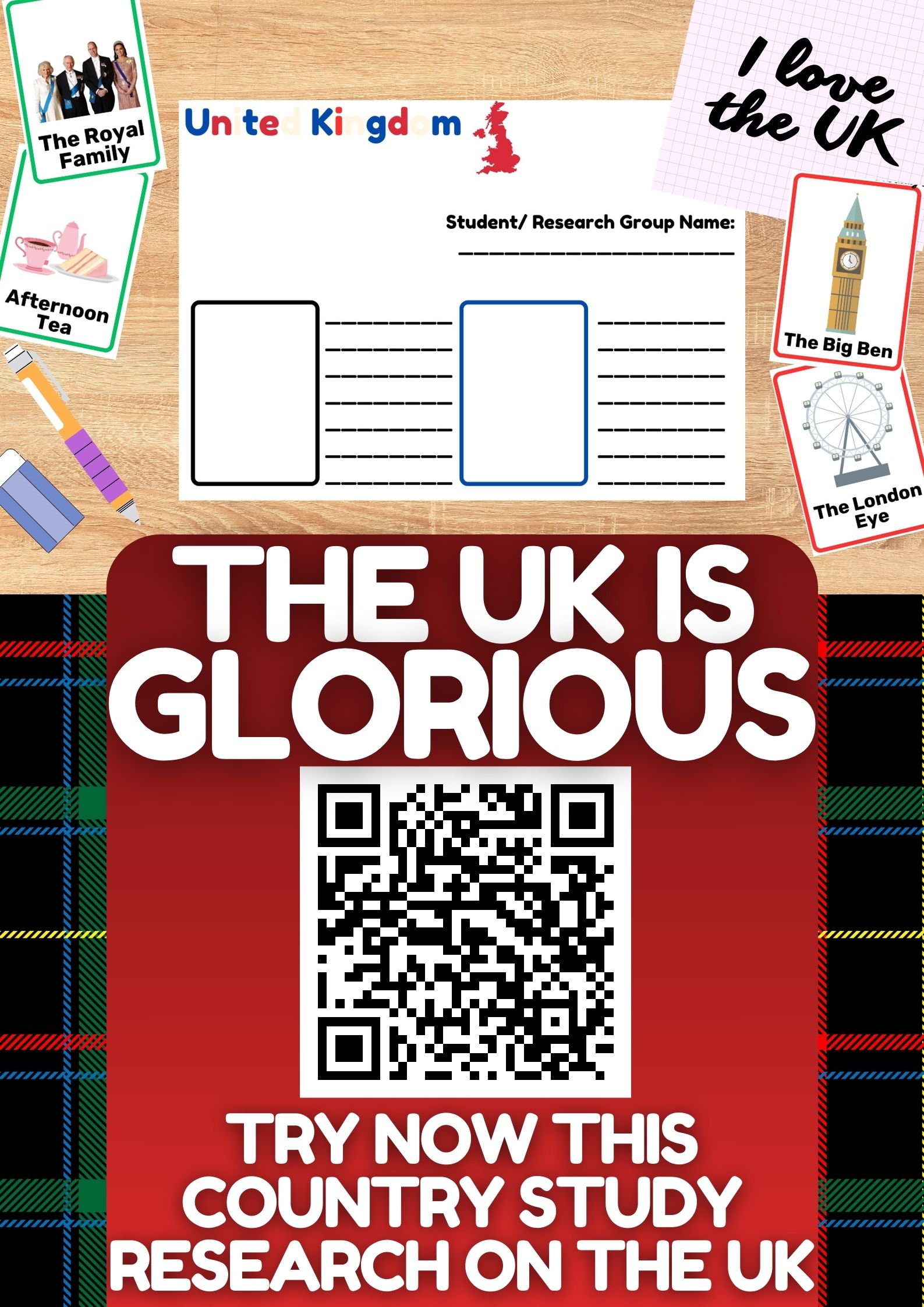
Engage your students with this fun and comprehensive, 27 page resource to help your students produce a research report on a country or countries. It makes report writing easy! This report template can be used for your students to create, develop, write, edit, illustrate, and assess your students’ country report. This template can be used as the actual formal report to be turned in, or you can utilize this template as a study guide or rough draft prior to your students typing the report. This packet contains the following: Report Template includes: 1. Introduce your country and its location 2. Country Sketch 3. Geographical Features 4. Climate 5. Environment 6. Language and Educational System 7. History 8. Customs, Religions, Beliefs 9. Government 10. Economy and Resources 11. Interesting Facts 12. Current Events 13. Similarities and Differences between the country you studied and the country of your origin 14. A Day in This Country 15. Flag Illustration 16. Extra Line Paper 17. Additional Information Page 18. Finding your information page 19. Resources 20. Bibliography 21. Student Checklist 22. Rubric

Author The Teacher Team

Rating

Tags Social Studies Research, Research Project, History Research Report, Economy Writing, Flag Illustration, Country Report Example, Research Country, 5th Grade Research Project Template, Country Research Projects

Scientist Charles Darwin Fact Sheet, Quiz + Exercises | PDF + H5P

Scientist Charles Darwin Fact Sheet, Quiz + Exercises | PDF + H5P
Life Sciences, Science, Biology, STEM, History: World, History, Social Studies, Animals, Biographies, Grade 6, 7, 8, 9, Worksheets, Worksheets & Printables, Quizzes, Quizzes and Tests, Teacher Tools, Projects, Activities

Discover Charles Darwin – The Scientist Who Changed How We See Life Did you know that Charles Darwin’s ideas about evolution completely transformed the way we understand the natural world? His theory of natural selection explained how species change over time and adapt to their environments. Though controversial in his time, Darwin’s work laid the foundation for modern biology and continues to shape scientific thinking today. This teaching resource is designed to introduce your grades 7–10 students to Darwin’s revolutionary ideas in a way that’s engaging and easy to understand. Perfect for a 45-minute lesson, it combines clear explanations with interactive and creative activities to bring Darwin’s discoveries to life in the classroom. What’s Included: Concise Informational Text: A clear and engaging overview of Charles Darwin’s role in science. Fact Sheet Activity: Encourages students to organize knowledge and work creatively. Quiz with Solutions: Promotes fun, interactive learning and self-assessment. Additional Exercises: Students can create their own questions and collaborate in pairs to deepen their understanding. Flexible Formats: Includes a color and black-and-white printable PDF, as well as interactive H5P tasks for digital learning. Why You’ll Love This Resource: Time-Saving: Perfect for teachers who need a ready-to-go, well-structured lesson. Versatile Use: Ideal for biology, history of science, or cross-curricular lessons in English and science classes. Promotes Independence: Solutions are included, allowing students to check their work and explore the topic at their own pace. Interactive and Engaging: Tasks are designed to keep students actively involved while learning about Charles Darwin’s legacy. Whether you use it for a regular lesson, substitute teaching, or as part of a digital learning activity, this resource will make Charles Darwin’s contributions come alive for your students. Bring Charles Darwin’s fascinating world of science into your classroom and inspire your students to see history and science in a whole new light! Have fun exploring the world of science with your students! Warmly, Lernfitness Did You Know? I teach with a certified therapy dog, and together we focus on creating a positive and inspiring learning environment.

Author Lernfitness

Tags Science, Biology, Famous Scientists Lesson, H5P, Interactive Science Exercises, STEM, History, Scientists, Evolution, Darwin

Utah State Flipbook (Capital, Bird, Flower, Flag, Animal)

Utah State Flipbook (Capital, Bird, Flower, Flag, Animal)
ELA, Creative Arts, Art, Social Studies, Reading, Reading Comprehension, Grammar, Language Development, Spelling, Writing, History, History: USA, Geography, Research, Grade 2, 3, 4, Activities, Projects

Utah State Flipbook (Capital, Bird, Flower, Flag, Animal) Looking for an interactive and hands-on method to teach and review the state of Utah and its symbols? Your search ends here with this captivating flipbook research project! Ideal for both elementary teachers and homeschoolers, this resource offers a low-preparation option that explores five significant symbols of Utah: its capital, bird, flower, flag, and animal. Through an engaging and cross-curricular activity , students will dive into the rich heritage of the state. With two printing options available, one involving cutting and one without, as well as two design choices, one with pictures and one without, you'll have four flipbooks to explore. This variety allows for customization and ensures an enriching experience. This flipbook research project is a fantastic addition to your Utah-focused unit study or review, West region exploration, or U.S. states curriculum. It seamlessly integrates into writing lessons or centers, as well as social studies or history classes. Furthermore, it can simply be enjoyed for the fun of learning! Empower your students to become experts in all things Utah with this versatile resource. Whether you're introducing the state or assessing prior knowledge, this flipbook project caters to a variety of learning needs. Watch as your students immerse themselves in the wonders of Utah, develop their research skills, and present their findings with enthusiasm. Uncover the treasures of Utah and its symbols through this captivating flipbook research project. Perfect for engaging students in meaningful learning experiences, this resource guarantees an exciting and educational journey through the state's unique heritage. ELEMENTS INCLUDE: 37 PDF pages Instructions for 4 easy-to-assemble flipbooks 2 printing options (cutting and no cutting) 2 design options (pictures and without pictures) 7 topics (Utah's state capital and other facts, state bird, state flower, state flag, state animal, state map, and KWL) Help your students become experts in all things Utah! Whether you're looking for an introduction to the state or an assessment of prior knowledge, this resource has something for everyone. CROSS-CURRICULAR SUBJECTS COVERED: Art (drawing and coloring) English language arts Geography Grammar History Reading Research Science Social studies Spelling Writing Are you interested in helping your students become experts in other U.S. states? From Alabama to Wyoming, you can explore each state and its major symbols—its capital, bird, flower, flag, and animal—through cross-curricular activities. Each day's lesson plan appeals to different types of learners: curated videos (visual and auditory), reading passages (reading), research report pages (writing), interactive notebook and other activities (kinesthetic), and more. Click on the link to my profile to learn more about my 5-day units, including Utah!

Author Heather Huhman

Tags Utah, Salt Lake City, Utah State Bird, Utah State Flower, Utah State Flag, Utah State Animal, Geography, Flipbook, Us States, United States

28th Amendment Project – U.S. History Activity

28th Amendment Project – U.S. History Activity
Social Studies, History, History: USA, Government, Grade 8, 9, 10, 11, Activities, Projects

Without a doubt, history is a topic that can be easily overlooked by our students. Sometimes, it can be difficult for them to make connections with the past in a way that makes sense to them. Being able to provide students with meaningful resources is the best way to get over this learning curve. Whenever you have a social studies topic to introduce or review, you want to find engaging products that you know your students will be able to learn from. Within my store, you will find a plethora of social studies resources to utilize with your students. What You Get: This is a 28th Amendment Project. There are 10 slides in the presentation and 2 pages for the brainstorming chart, which is an editable Word document. This is an inquiry learning project that will challenge students to consider what amendment they would seek to have passed if a 28th amendment could be added. The presentation provides brief explanations and guides students through brainstorming. How To Implement This Resource: You should print off enough copies of the brainstorming chart for each student to have, so they can make notes on it as they follow along with the presentation. Encourage them to make notes on the back of the paper or on separate pieces of paper until they are sure about the amendment they think should be implemented. As you work through the presentation, you will be taking students through a brainstorming process about adding a 28th Amendment. Some things students will consider are: -- Issues that exist with how the Constitution works -- Social issues or financial issues within the country -- Which groups of people might oppose a certain amendment -- Finding reputable sources, without a motive, for their research These slides provide great opportunity for engagement and whole group discussion before students dive into their research. Allow students the opportunity to get creative and continue discussions throughout the research process. I hope you enjoy!

Author Ed Dynamic

Rating

Tags History Project, Social Studies Project, Inquiry Based Learning, Government, U.S. Constitution, Amendment Project, Amending The Constitution

Soccer World Cup 2026 Pennant Banner – USA Classroom Decoration

Soccer World Cup 2026 Pennant Banner – USA Classroom Decoration
Holiday & Seasonal, Physical Education, P.E. & Health, Sports, Classroom Management, Resources for Teachers, Community Building, Social Studies, Summer, Seasons, Grade 1, 2, 3, 4, 5, 9, Activities, Worksheets & Printables, Projects, Classroom Decor, Door Decor, Posters, Bulletin Boards, Banners, Word Walls, Drawing Templates & Outlines

World Cup 2026 USA Pennant Banner I used these pennants when my class started mentioning the World Cup. I wasn’t planning a full activity, but I wanted something small to reflect what was already on their minds. Some students colored the black-and-white version, others just helped cut and assemble. It worked well without taking much time. After that, I placed the banner across the board. It stayed up for a while and didn’t interfere with regular lessons. The design is simple, which I prefer for seasonal decorations. It’s visible, but not distracting. This is a printable PDF. You can print the colored version or let students personalize the pages. Then connect the pennants with string or ribbon. I usually don’t laminate unless I want to reuse it the following year. I’ve used similar decorations in upper elementary grades, though it would also work with older students during tournament weeks. 📍 Best wishes, Heike from @Lernfitness

Author Lernfitness

Rating

Tags Pennant Banner, Bunting, Banners, FIFA World Cup, FIFA World Cup 2026, Classroom Decor, World Cup 2026, Soccer, USA, America

South Dakota State Flipbook (Capital, Bird, Flower, Flag, Animal)

South Dakota State Flipbook (Capital, Bird, Flower, Flag, Animal)
Creative Arts, Art, Social Studies, ELA, History, History: USA, Geography, Reading, Reading Comprehension, Grammar, Language Development, Spelling, Writing, Grade 2, 3, 4, Activities, Projects

Need an engaging, hands-on way to teach and review the state of South Dakota and its symbols? Look no further than this flipbook research project! Perfect for elementary teachers and homeschoolers alike, this LOW PREP resource covers five of South Dakota's major symbols—its capital, bird, flower, flag, and animal—and more through an interactive, cross-curricular activity . It contains two printing options: one that requires cutting and one that doesn't. It also contains two design options: one with pictures and one without. In total, there are four flipbooks. A GREAT ADDITION TO YOUR: South Dakota, Midwest region, or U.S. states unit study or review Writing lessons or centers Social studies or history class ...or just for fun! ELEMENTS INCLUDE: 37 PDF pages Instructions for 4 easy-to-assemble flipbooks 2 printing options (cutting and no cutting) 2 design options (pictures and without pictures) 7 topics (South Dakota's state capital and other facts, state bird, state flower, state flag, state animal, state map, and KWL) Help your students become experts in all things South Dakota! Whether you're looking for an introduction to the state or an assessment of prior knowledge, this resource has something for everyone. CROSS-CURRICULAR SUBJECTS COVERED: Art (drawing and coloring) English language arts Geography Grammar History Reading Research Science Social studies Spelling Writing Are you interested in helping your students become experts in other U.S. states? From Alabama to Wyoming, you can explore each state and its major symbols—its capital, bird, flower, flag, and animal—through cross-curricular activities. Each day's lesson plan appeals to different types of learners: curated videos (visual and auditory), reading passages (reading), research report pages (writing), interactive notebook and other activities (kinesthetic), and more. Click on the link to my profile to learn more about my 5-day units, including South Dakota!

Author Heather Huhman

Tags South Dakota, Pierre, South Dakota State Bird, South Dakota State Flower, South Dakota State Flag, South Dakota State Animal, Geography, Flipbook, Us States, United States

John Dalton – A Short Introduction to a Key Figure in Chemistry

John Dalton – A Short Introduction to a Key Figure in Chemistry
Life Sciences, Science, STEM, Social Studies, Biographies, Inventors, Basic Science, Physics, Chemistry, Human Body, Grade 6, 7, 8, 9, 10, 11, Worksheets, Worksheets & Printables, Quizzes, Quizzes and Tests, Teacher Tools, Projects, Activities

John Dalton – A Short Introduction to a Key Figure in Chemistry Informational Text, Student Tasks & Digital Quiz (PDF + H5P) 🧪📘 A printable and digital resource for grades 7–10 This material introduces students to John Dalton, best known for his early atomic theory and his work on gases. The text is kept simple and clear, making it easy to integrate into lessons on the history of chemistry or atomic structure. It’s especially useful when you want to combine reading comprehension with scientific content. I’ve used this type of material when I needed something structured but flexible – for example, during quiet lesson phases, independent study, or even in a substitute teaching situation. It’s straightforward enough to use without much prep, and students can usually work through it on their own or in pairs. Here’s what’s included: A short reading passage about John Dalton A worksheet where students fill out a basic profile of him Quiz questions to check understanding (with solutions) Two optional follow-up tasks: – Write your own questions about the text – Swap and answer a partner’s questions Available in three formats: – PDF (print-friendly) – Editable .docx (text only) – H5P version for interactive use without images In the classroom: The material works well for independent work or as part of a science station. Students start with the reading text, complete the profile, and then move on to the quiz questions. The optional tasks are a nice way to extend the activity, especially if some students finish early. The H5P version is useful if you’re working in a digital setting or want to offer students the chance to check their answers right away. It’s a calm, focused lesson component that helps students learn about an important scientific thinker – without needing complicated prep or background knowledge. Have fun exploring the world of science with your students! Warmly, Lernfitness Did You Know? I teach with a certified therapy dog, and together we focus on creating a positive and inspiring learning environment.

Author Lernfitness

Rating

Tags Science, Famous Scientists Lesson, H5P, Interactive Science Exercises, STEM, History, Scientists, Chemistry, John Dalton, Atomic Theory

Research Organizer & Essay Assignment: Charles Darwin

Research Organizer & Essay Assignment: Charles Darwin
Social Studies, History, History: World, Science, Life Sciences, Biology, Grade 7, 8, 9, 10, 11, 12, Activities, Projects, Worksheets & Printables, Worksheets

It's hard to imagine a figure more important to the field of biology than Charles Darwin. This resource provides your students with the opportunity to independently learn about and summarize the life of the father of evolution with this engaging research planner and essay assignment. This carefully scaffolded and easy-to-assign-AND-assess resource has been designed to guide student learning from Charles Darwin fact-collection to the careful development of a five-paragraph research essay. Teaching this resource could not be easier! Start by handing out the background research and note-taking worksheet (you could also ONLY hand this out if you want a shorter lesson!). Once students have found their facts and sources, provide them with the essay outline activity, which guides them step-by-step through the requirements of a short research essay. From there, drafting their essay, using the provided peer review checklist, and submitting their final draft will be no problem at all. And then you can assess their work with the provided Common Core rubric! Use this entire resource as a complete research lesson or just part of it as a short research activity or sub plan! This TeachSimple download includes: - A Charles Darwin essay writing assignment with directions, requirements, research essay writing tips, a peer review checklist, and Common Core-tied grading rubric - An editable rubric, provided as a link, that lets you make adjustments to the grade values and guidelines. This link is provided as as Google Sheet specifically built for integration into Google Classroom, although you can also modify it for use in other Learning Management Systems (LMSs) - A Charles Darwin biography and note-taking worksheet that will guide your students through information gathering. This straightforward two-page handout includes instructions for background research, a fun drawing section, and an area to cite quality sources and organize conducted research - A research essay outlining worksheet, so students build on their Charles Darwin notes in a clear and simple manner as they build their work towards a draft and final paper - All 6-pages of this lesson are provided in full-color and B&W versions Although this resource can be fitted for any secondary Language Arts classroom, it has been carefully designed to work best in grades 8 through 11. The included rubric is subtly but specifically tied to Common Core ELA Standards for Language (3) and Writing (2 and 7). This resource is provided as a print-ready, bookmarked, and adjustable PDF file. The rubric is also included as an editable Google Sheet. This resource contains 6 pages and 1 Google Sheet.

Author The Language of Educational Art, LLC

Tags Essay, Rubric, Research, Notetaking, Outlining, Charles Darwin

St. Augustine Research Organizer & Essay Assignment

St. Augustine Research Organizer & Essay Assignment
Social Studies, ELA, Biographies, History, History: World, History: Ancient, Grade 7, 8, 9, 10, Activities, Projects, Worksheets & Printables, Worksheets

St. Augustine was theologian from the earlier period of Christianity whose writing greatly influenced medieval society. This resource provides your students with the opportunity to independently explore and write about the life of the "patron saint of theology" with this engaging research planner and essay assignment. This carefully scaffolded and easy-to-assign-AND-assess resource has been designed to guide student learning from St. Augustine fact-collection to the careful development of a five-paragraph research essay. Teaching this resource could not be easier! Start by handing out the background research and note-taking worksheet (you could also ONLY hand this out if you want a shorter lesson!). Once students have found their facts and sources, provide them with the essay outline activity, which guides them step-by-step through the requirements of a short research essay. From there, drafting their essay, using the provided peer review checklist, and submitting their final draft will be no problem at all. And then you can assess their work with the provided Common Core rubric! Use this entire resource as a complete research lesson or just part of it as a short research activity or sub plan! This TeachSimple download includes: - A St. Augustine essay writing assignment with directions, requirements, research essay writing tips, a peer review checklist, and Common Core-tied grading rubric - An editable rubric, provided as a link, that lets you make adjustments to the grade values and guidelines. This link is provided as as Google Sheet specifically built for integration into Google Classroom, although you can also modify it for use in other Learning Management Systems (LMSs) - A St. Augustine biography and note-taking worksheet that will guide your students through information gathering. This straightforward two-page handout includes instructions for background research, a fun drawing section, and an area to cite quality sources and organize conducted research - A research essay outlining worksheet, so students build on their St. Augustine notes in a clear and simple manner as they build their work towards a draft and final paper - All 6-pages of this lesson are provided in full-color and B&W versions Although this resource can be fitted for any secondary Language Arts classroom, it has been carefully designed to work best in grades 8 through 11. The included rubric is subtly but specifically tied to Common Core ELA Standards for Language (3) and Writing (2 and 7). This resource is provided as a print-ready, bookmarked, and adjustable PDF file. The rubric is also included as an editable Google Sheet. This resource contains 6 pages and 1 Google Sheet.

Author The Language of Educational Art, LLC

Tags Essay, Rubric, Research, Notetaking, Outlining

Research Organizer & Essay Assignment: Caesar Augustus

Research Organizer & Essay Assignment: Caesar Augustus
Social Studies, ELA, Biographies, History, History: World, History: Ancient, Grade 7, 8, 9, 10, Activities, Projects, Worksheets & Printables, Worksheets

Caesar Augustus was one of the most famous and powerful leaders of Ancient Rome. This resource provides your students with the opportunity to independently learn about and synthesize the life of the legendary ruler with this engaging research planner and essay assignment. This carefully scaffolded and easy-to-assign-AND-assess resource has been designed to guide student learning from Caesar Augustus fact-collection to the careful development of a five-paragraph research essay. Teaching this resource could not be easier! Start by handing out the background research and note-taking worksheet (you could also ONLY hand this out if you want a shorter lesson!). Once students have found their facts and sources, provide them with the essay outline activity, which guides them step-by-step through the requirements of a short research essay. From there, drafting their essay, using the provided peer review checklist, and submitting their final draft will be no problem at all. And then you can assess their work with the provided Common Core rubric! Use this entire resource as a complete research lesson or just part of it as a short research activity or sub plan! This TeachSimple download includes: - A Caesar Augustus essay writing assignment with directions, requirements, research essay writing tips, a peer review checklist, and Common Core-tied grading rubric - An editable rubric, provided as a link, that lets you make adjustments to the grade values and guidelines. This link is provided as as Google Sheet specifically built for integration into Google Classroom, although you can also modify it for use in other Learning Management Systems (LMSs) - A Caesar Augustus biography and note-taking worksheet that will guide your students through information gathering. This straightforward two-page handout includes instructions for background research, a fun drawing section, and an area to cite quality sources and organize conducted research - A research essay outlining worksheet, so students build on their Caesar Augustus notes in a clear and simple manner as they build their work towards a draft and final paper - All 6-pages of this lesson are provided in full-color and B&W versions Although this resource can be fitted for any secondary Language Arts classroom, it has been carefully designed to work best in grades 8 through 11. The included rubric is subtly but specifically tied to Common Core ELA Standards for Language (3) and Writing (2 and 7). This resource is provided as a print-ready, bookmarked, and adjustable PDF file. The rubric is also included as an editable Google Sheet. This resource contains 6 pages and 1 Google Sheet.

Author The Language of Educational Art, LLC

Tags Essay, Rubric, Research, Notetaking, Outlining, Caesar Augustus

Project: World War 2 Museum

Project: World War 2 Museum
Social Studies, History, History: USA, Grade 9, 10, 11, 12, Activities, Projects

World War 2 Museum Project This robust teaching resource is designed for Grade 9-12 educators who are aiming to enhance their students’ understanding of World War II. Developed under the USA History subcategory, it dives into a sea of topics around social studies. About the Project The project's mission is to unravel the intricate dynamics that shaped World War II, providing students with an in-depth view of this iconic period in history. It encourages students to investigate into: The prominent political and military figures during this time, The alliances that were formed, and, The decisive battles responsible for turning points in the war. Societal Impact & Casualties Assessment In addition, it pushes them to reflect on civilians' experiences—to understand horrors such as the Holocaust or devastation caused by atomic bombs. Also incorporated is an exploration into 'total war', its extensive impact on day-to-day lives and quantifying casualties. Pedagogy Integration & Evaluation Ease - Teaching Standards Alignment: The task aligns well with general teaching standards pertinent with WWII curriculum guidelines—it includes creating a timeline encapsulating key wartime events. - Grading Rubric Included: Ensuring smooth evaluation—a grading rubric accompanies two pages dedicated solely to assignment details—ensuring you can accurately measure student’s grasp on each subject element covered above. Aids & Additional Features- An illustrated example depicting what completed student work may look like paves a pathway setting up clear expectations! With its focus on merging existing wisdom while fostering fresh perspectives about one of humanity’s watershed epochs—the World War 2 Museum project promises intriguing content fitting perfectly within any high-school classroom or homeschooling environment

Author Jason Stein

Tags World War 2, USA History, Military History, Holocaust Studies, Atomic Bombings