 Free download
8 FREE WORKSHEETS | THE COMMUNITY HELPERS
Introduce and reinforce vocabulary for community helper roles.


215 resources
Explore sub-categories
4 sub-categories · 215 resources
Free download Introduce and reinforce vocabulary for community helper roles.
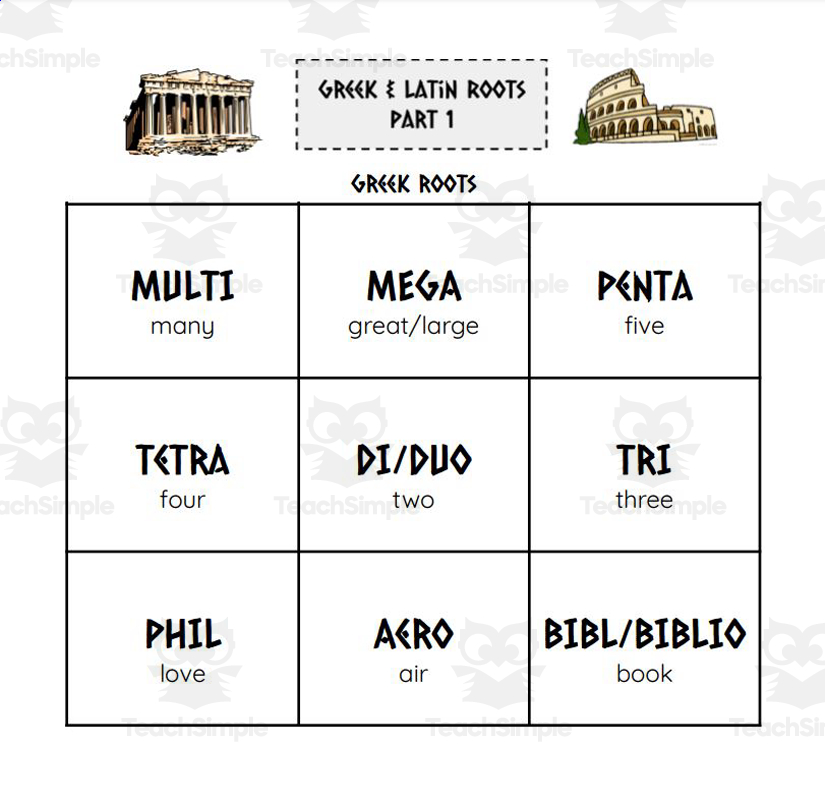
Reference resource listing Greek, Latin, and Anglo-Saxon word roots, prefixes, and suffixes for vocabulary/etymology study.
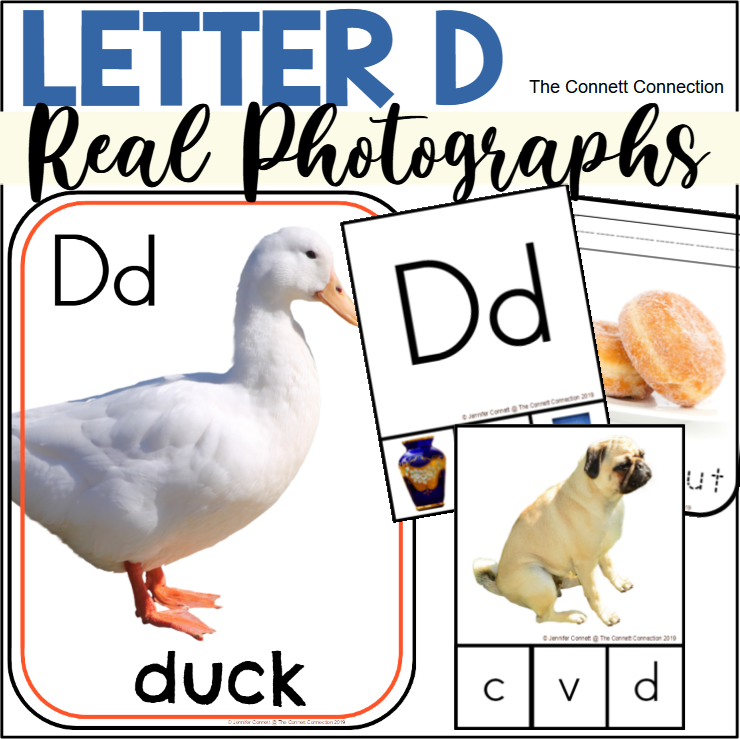
A multi-activity phonics and handwriting center packet for practicing beginning-sound /d/ recognition, letter tracing, and word sorting using letter D vocabulary.
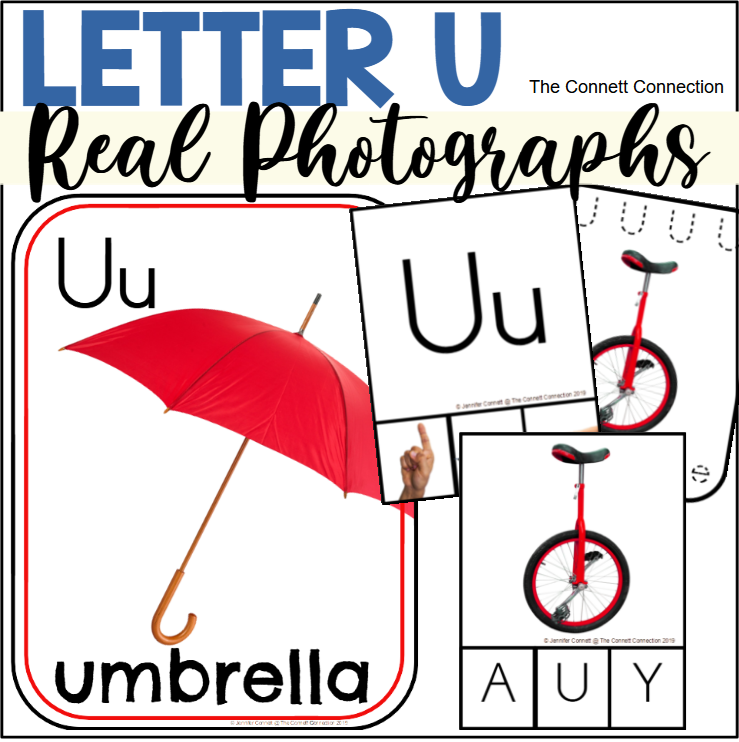
Provide a comprehensive letter U phonics and handwriting center using real photographs, covering recognition, tracing, beginning-sound clip cards, and long/short vowel sorting.

A 'My Body' science/writing center kit that helps preschool and kindergarten students identify parts of the body through reference materials and hands-on activities.

This action sentence diagramming tutorial is the only tool you'll ever need to teach students how to identify parts of speech in sentences with action verbs.

Adverbs Anchor Charts and Notebook Pages for 3rd, 4th, and 5th Grade This educational resource simplifies the process of mastering adverbs.
 Free download
These affixes charts serve as a great reference guide for teachers to use when teaching students about prefixes and suffixes. There is one chart for prefixes and one chart for suffixes Each chart includes the affix, its meaning and one or…

Figurative Language: An Engaging Resource For Understanding Idioms Suitable for students in grade 4 through 7, this teaching tool brings value to any Language Arts course, including Reading, Writing, and Poetry.

This resource is a Writing Process Wheel. This is a great visual reminder that can easily be printed and displayed on a bulletin board or place in students' notebooks.
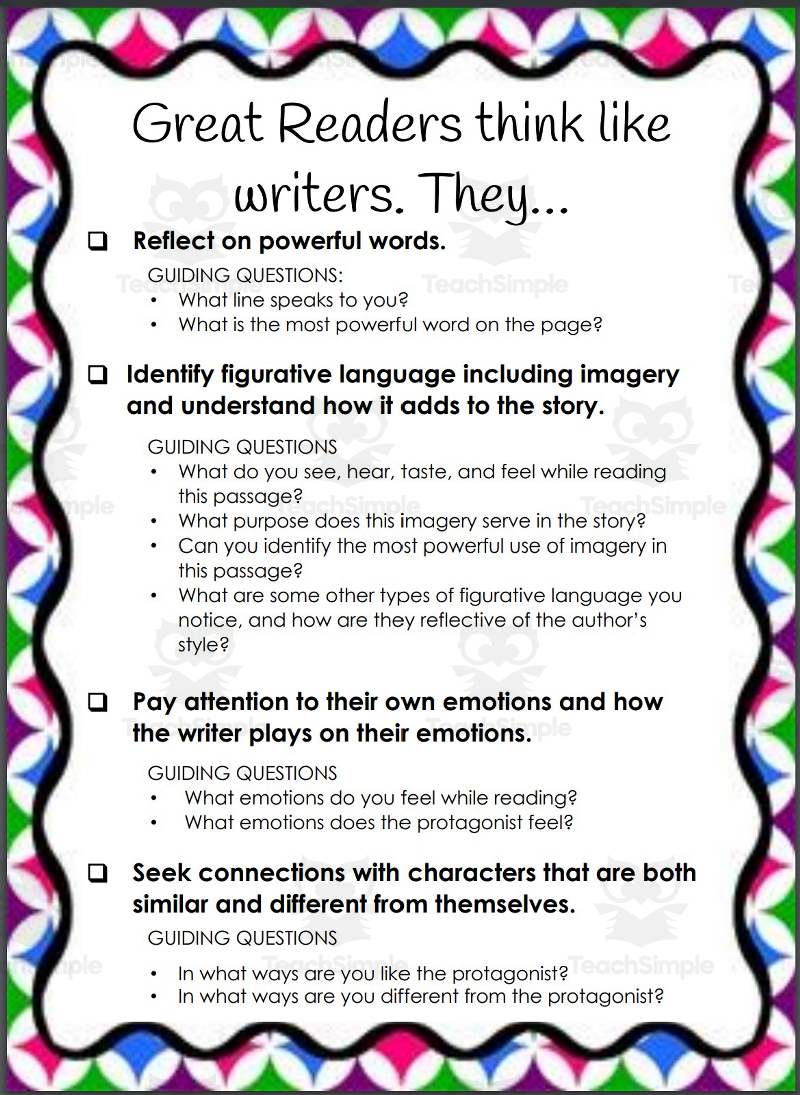
This resource incudes 2 anchor charts useful for English classes. Each chart includes specific strategies for reading.
 Free download
These poster sized Anchor Charts can be placed around your room for your students to refer to when writing. Remember writing rules and work with prompts and strategies

Five sense categories — taste, hear, smell, see, and touch — anchor a one-page reference chart of descriptive words such as yummy, melody, perfumed, glistened, and bumpy. A companion practice page repeats the same chart with select words blanked out for students to fill in from memory or context. Two sentence-frame pages then have students apply the chart to a specific text: "The Author used the word ___. This appeals to my sense of ___. It makes me think ___," with an alternate "It reminds me ___" ending. Every page cites the reading standard RL 1.4, on identifying words that appeal to the senses.

Support your students’ writing skills with this Argumentative Essay Writing Unit Activity Pack! Made for Grades 5, 6, 7, and 8, homeschoolers, and ESL/EFL learners, this no-prep worksheet set if packed with engaging and meaningful…

The Argumentative Essay Writing Challenge The Argumentative Essay Writing Challenge is a superb teaching resource designed for tutors in public schools and homeschooling settings.

Read the example together and separate what the author wants readers to believe from the reasons given. Use the chart as a reference when students apply the same questions to another text.

The chart introduces persuade, inform, and entertain through the P-I-E reminder and short descriptions of each purpose. Display the completed version and use the blank page for students to build their own reference. Its sentence frame adds a reasoning step: after identifying a purpose in a text, students explain what makes them think so.

This resource is a set of learning posters and graphic organizers for ballad poetry writing. There are a variety of posters that teach about ballad poetry. Students will explore features, famous ballad poets, how to write a ballad poem and so much more. They will use the graphic organizers to brainstorm ideas and then write a ballad…

This compact chart uses bed as a visual mnemonic for telling lowercase b and d apart. Keep it nearby during reading or writing and prompt students to check the letter direction against the word. You can introduce the reminder together, then point back to it when a learner needs support.
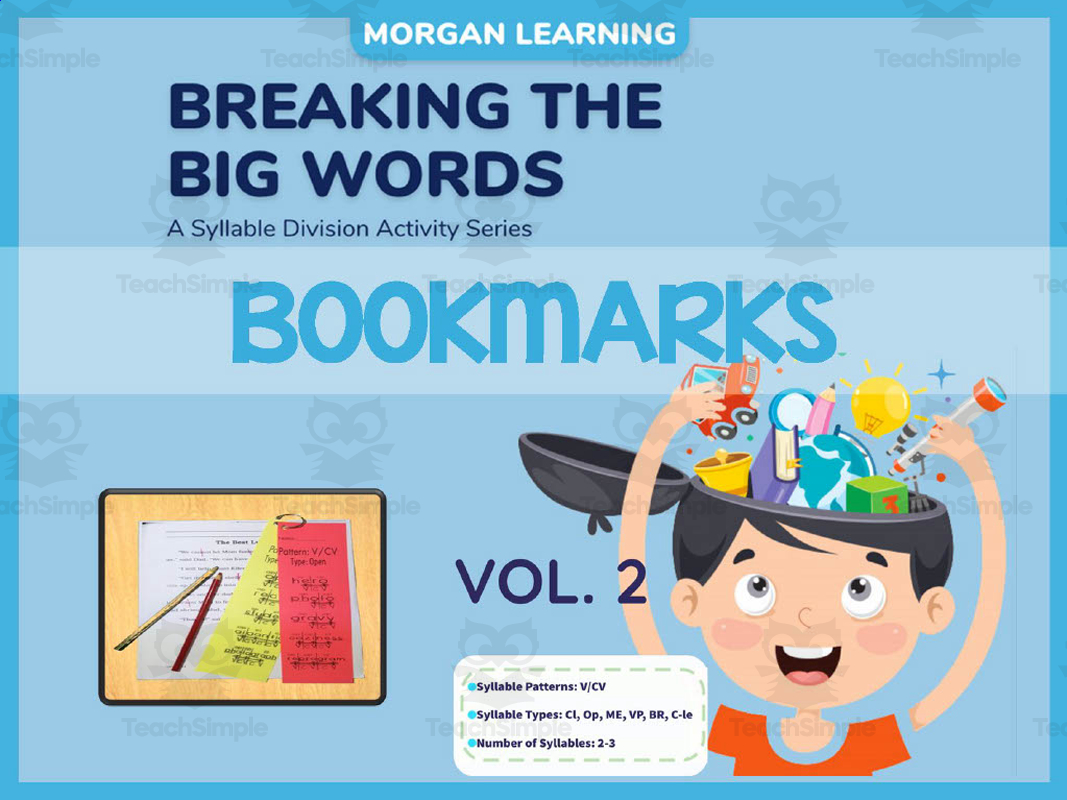
Breaking the Big Words Bookmarks Volume 2 Mastering syllable division is a critical part of learning to read. When early elementary students can break words into syllables, they become confident decoders ready to take on any text.

Introduce one capitalization rule at a time using the completed chart. Keep it visible during writing, then use the cloze version to revisit the rules together.

Introduce cause and effect with a simple rain-and-umbrella example and words such as “because” and “as a result.” The complete reference chart makes the relationship visible, while a matching fill-in page supports guided notes. Students can then use the sentence frames to explain connected events in a text or familiar situation. Model a sentence together before asking students to choose a signal word for their own response.
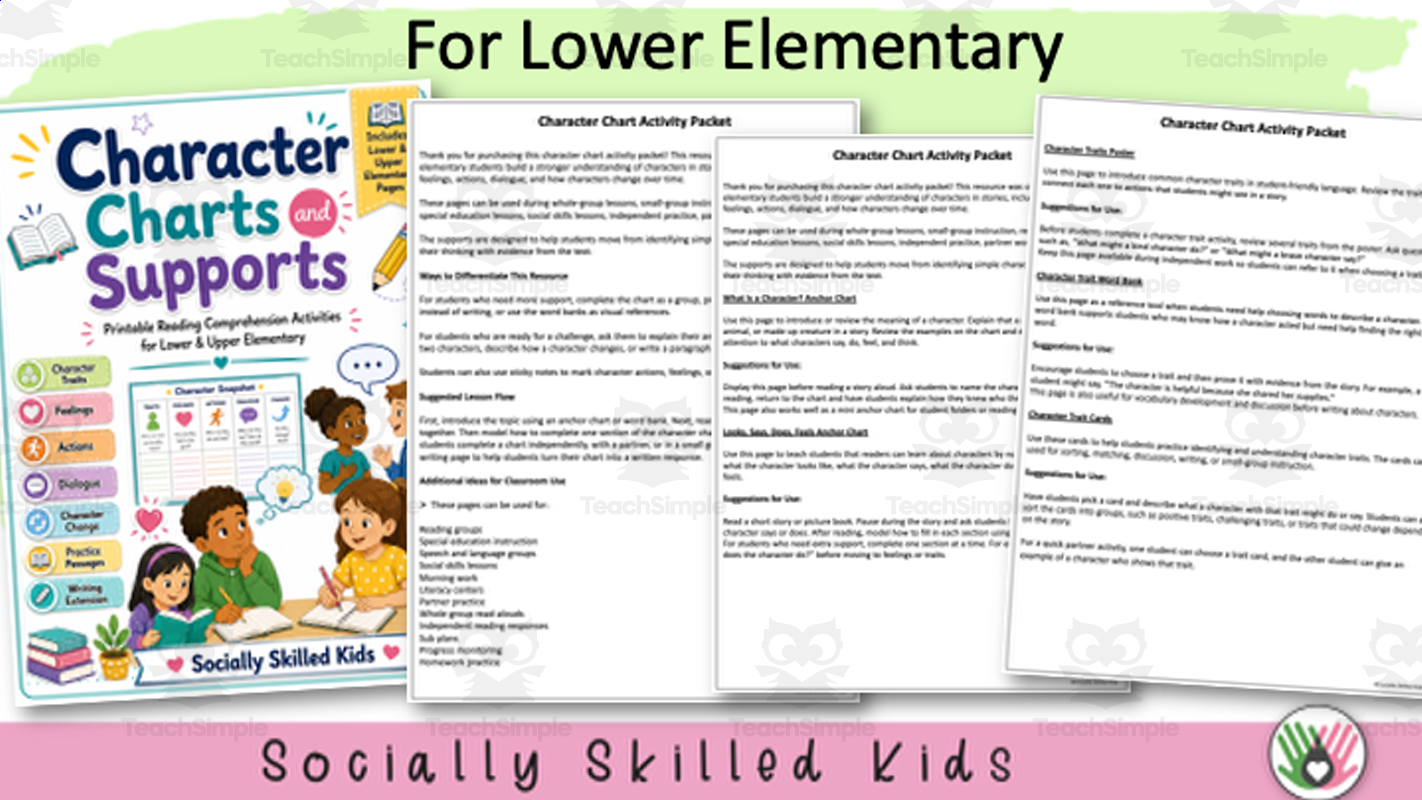
Character Chart Activity Packet | Character Traits, Feelings, Evidence & Reading Response Help your students build stronger reading comprehension skills with this Character Chart Activity Packet !
 Free download
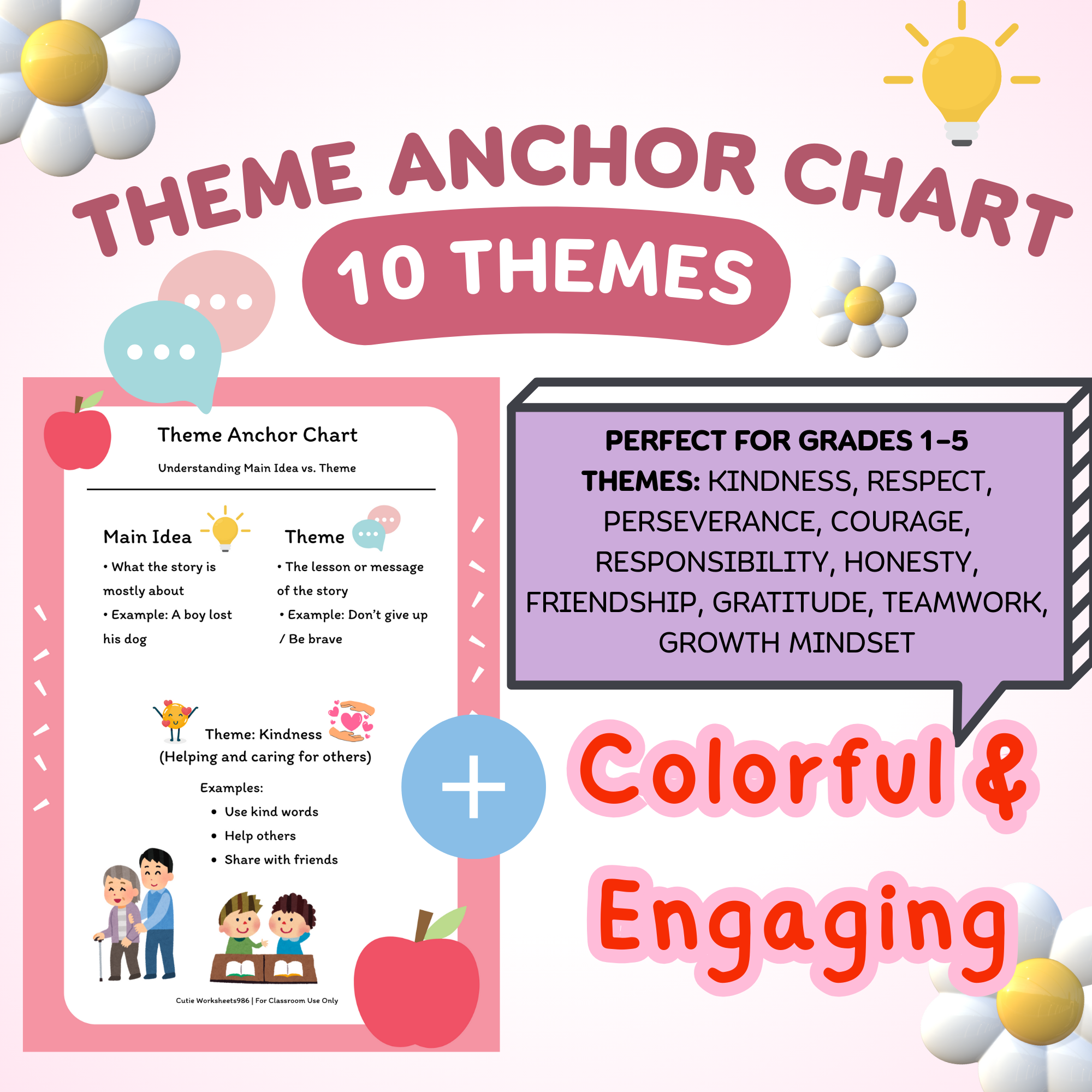
A set of 10 themed anchor charts distinguishing 'main idea' from 'theme' and illustrating character-education themes (kindness, respect, perseverance, courage, responsibility, honesty, friendship, gratitude, teamwork, growth mindset) for classroom display.