
Digraph WH Consonant Sound Activity Packet and Worksheets
A no-prep phonics word-work packet teaching the WH consonant digraph through an anchor chart of spelling positions, word lists, and a full set of practice worksheets.




327 resources
Explore sub-categories
5 sub-categories · 327 resources
A no-prep phonics word-work packet teaching the WH consonant digraph through an anchor chart of spelling positions, word lists, and a full set of practice worksheets.

Teach students to recognize, spell, and use the {oo} and {ew} vowel sounds through a varied set of no-prep phonics activities.

Help students choose the important information to include when retelling a text. Fiction worksheets prompt characters, setting, problem, events and solution, while nonfiction pages ask for a main idea, three details and the author’s purpose. Reference charts and two sentence-starter levels let teachers model a response, then reduce written support as learners reuse the structure with new reading.
 Free download
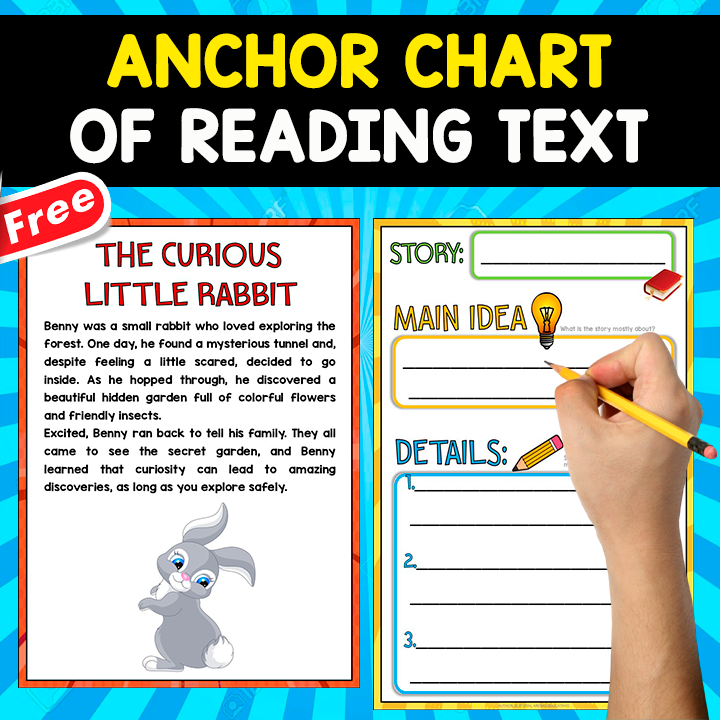
 Teach reading comprehension (identifying the main idea and supporting details) using a short English narrative about a rabbit named Benny who explores a tunnel, finds a hidden garden, and learns that curiosity leads to discoveries when done safely.
 Free download
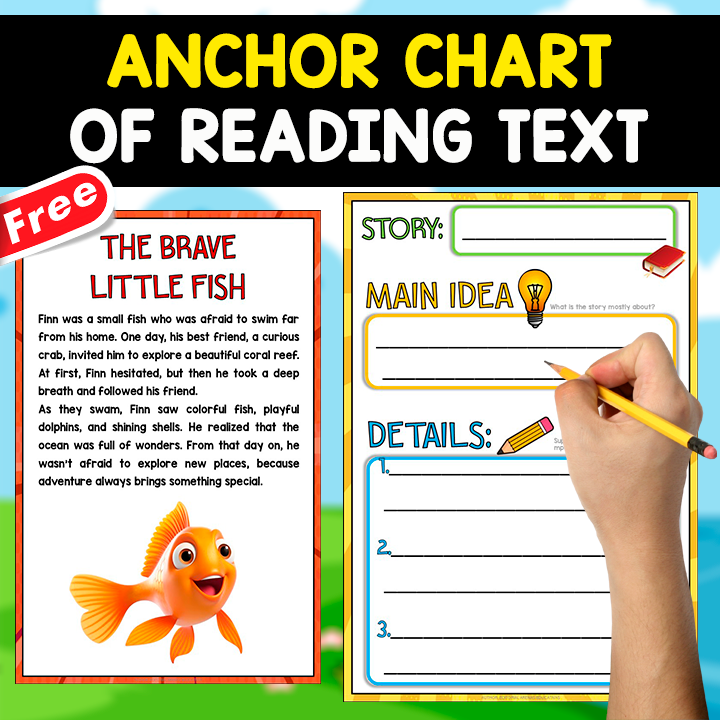
 Teach reading comprehension (identifying the main idea and supporting details) using a short English narrative about a fish named Finn who overcomes his fear of exploring far from home with a friend's encouragement and learns adventure brings wonder.
 Free download
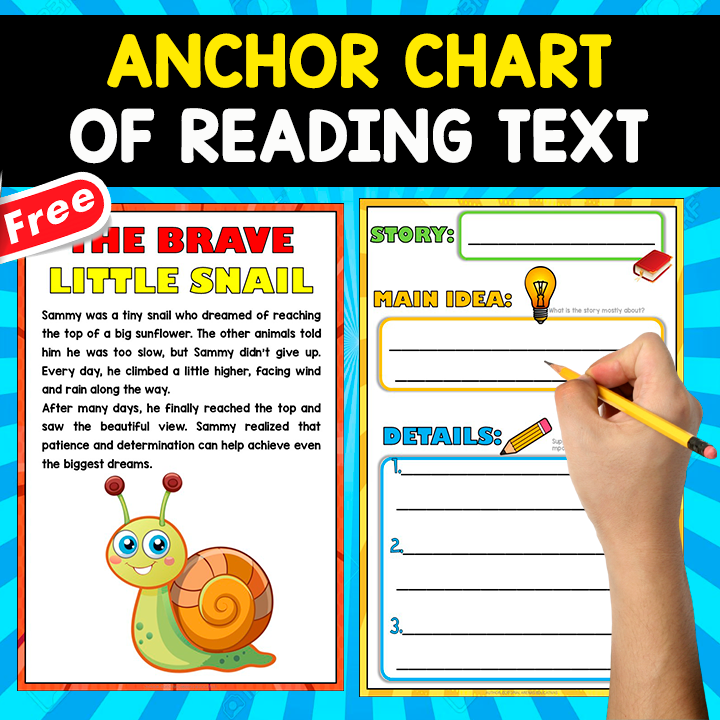
 Teach reading comprehension (identifying the main idea and supporting details) using a short English narrative about a snail named Sammy who climbs a sunflower despite others doubting him and learns that patience and determination achieve dreams.
 Free download
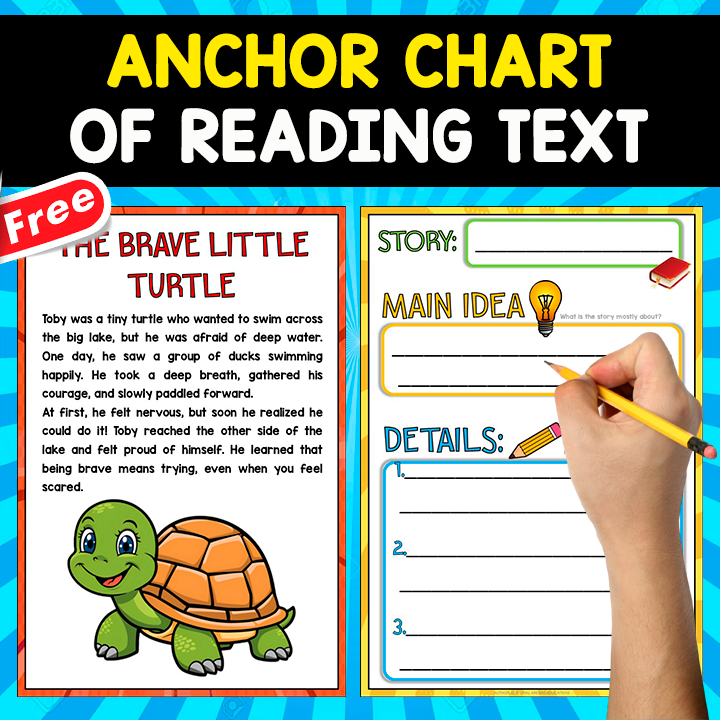
 Teach reading comprehension (identifying the main idea and supporting details) using a short English narrative about a turtle named Toby who overcomes his fear of deep water to swim across a lake and learns that being brave means trying anyway.
 Free download
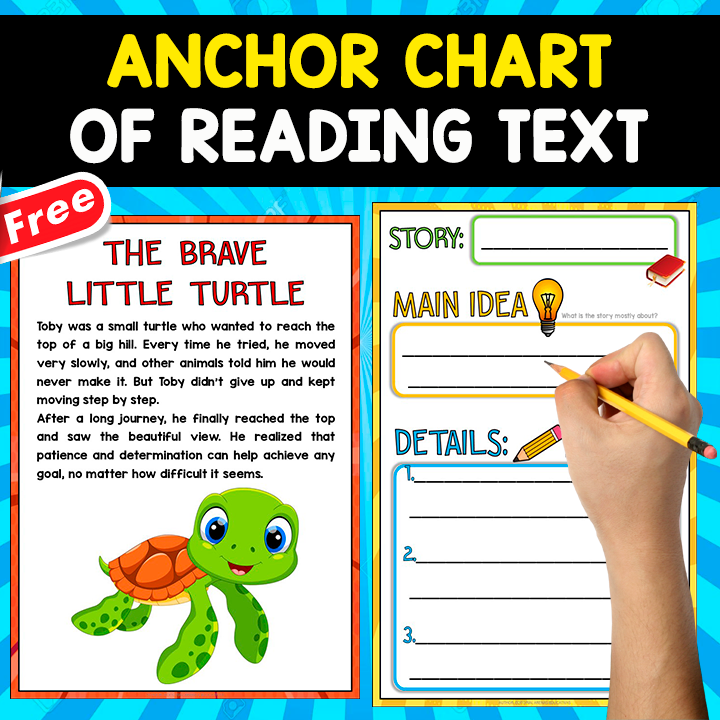
 Teach reading comprehension (identifying the main idea and supporting details) using a short English narrative about a turtle named Toby who slowly climbs a hill despite others' doubts and learns that patience and determination achieve goals.
 Free download
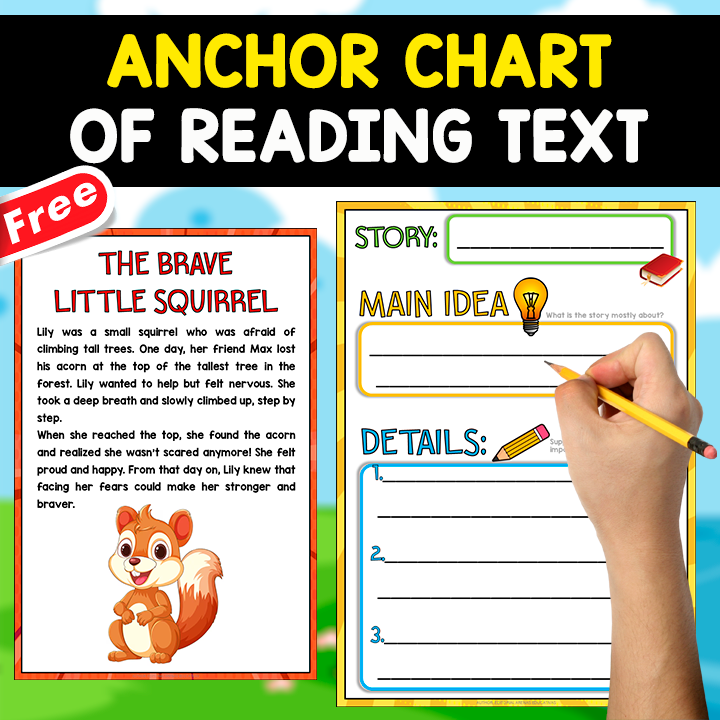
 Teach reading comprehension (identifying the main idea and supporting details) using a short English narrative about a squirrel named Lily who overcomes her fear of climbing tall trees to help a friend and learns that facing fears builds courage.
 Free download
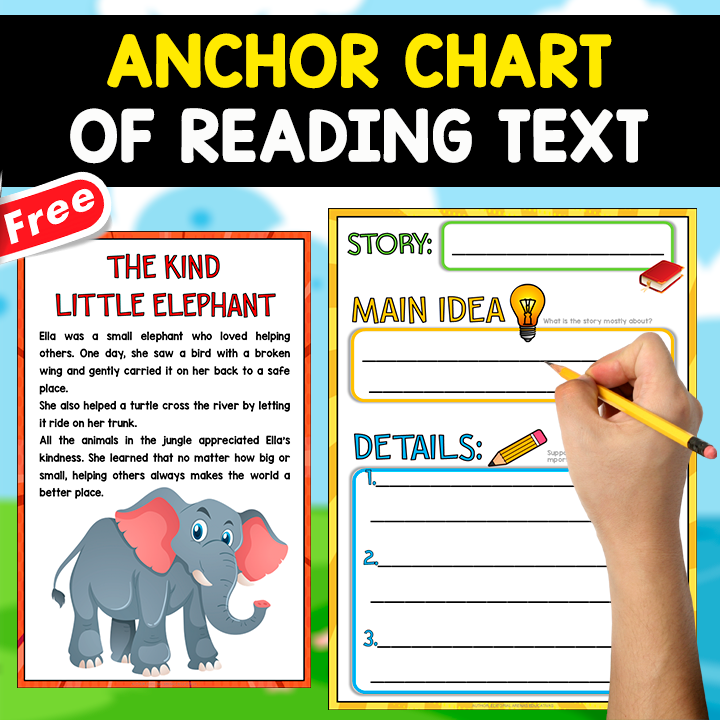
 Teach reading comprehension (identifying the main idea and supporting details) using a short English narrative about a kind elephant named Ella who helps other animals and learns that helping others makes the world better.
 Free download
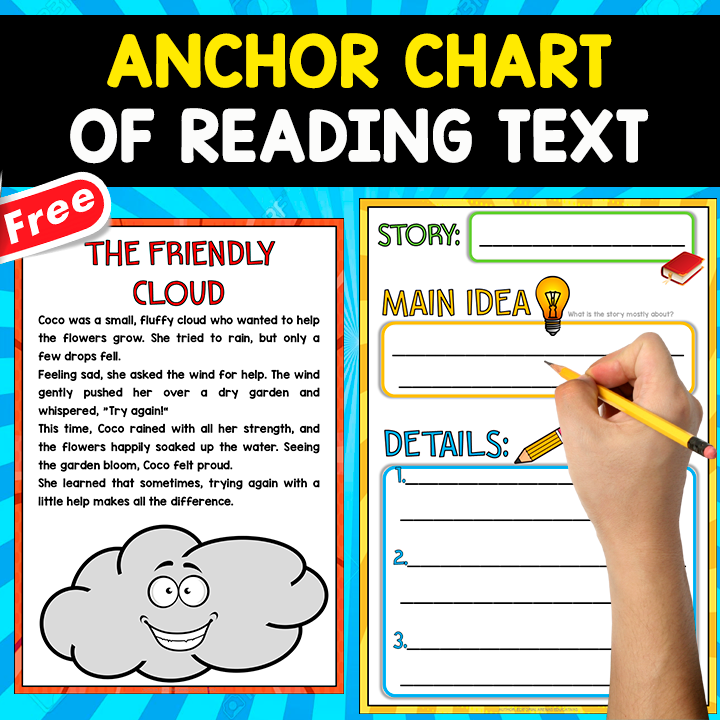
 Teach reading comprehension (identifying the main idea and supporting details) using a short English narrative about a cloud named Coco who learns that trying again, with a little help, makes a difference.
 Free download
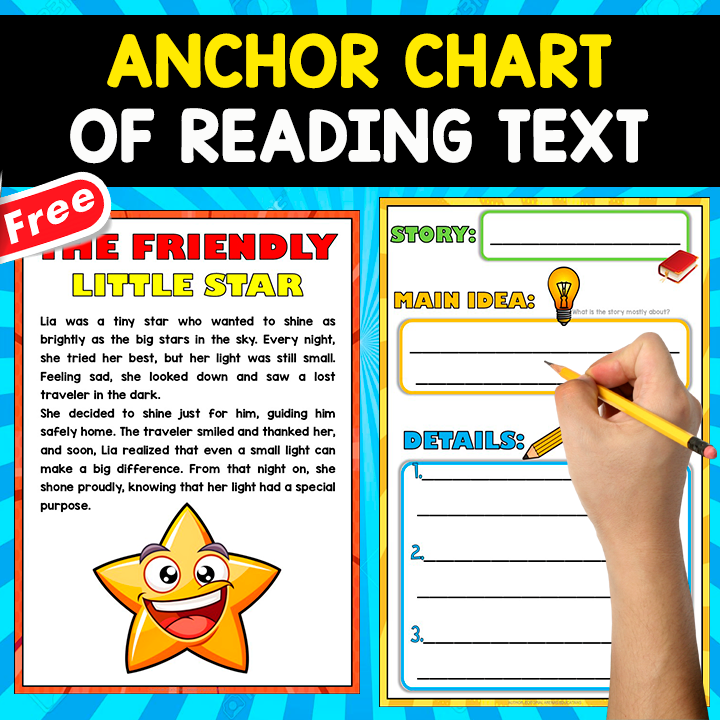
 Teach reading comprehension (identifying the main idea and supporting details) using a short English narrative about a small star named Lia who guides a lost traveler home and learns that even a small light can make a big difference.
 Free download
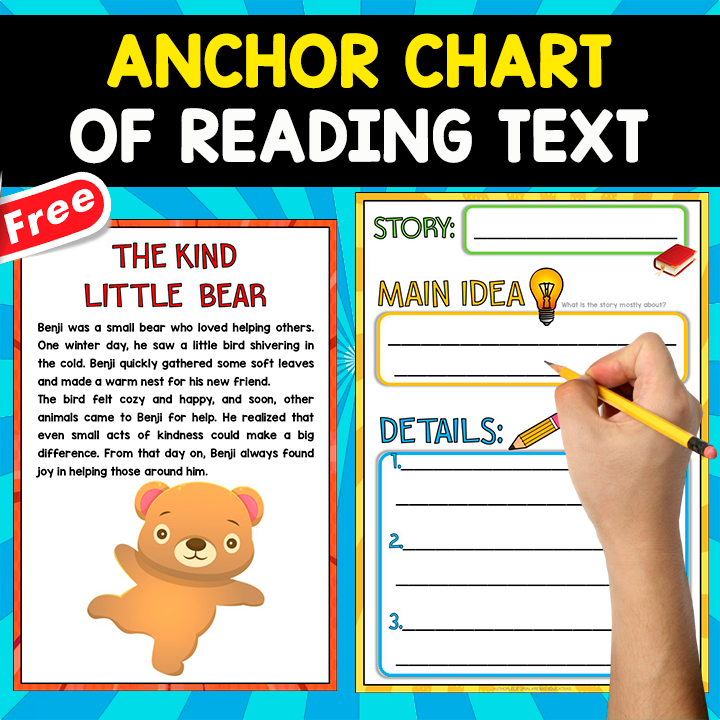
 Teach reading comprehension (identifying the main idea and supporting details) using a short English narrative about a bear named Benji who helps a cold bird build a nest and learns that small acts of kindness make a big difference.
 Free download
 Read or discuss the story before selecting an organizer. Ask students to support entries with details from the text, using drawing or written responses where the form allows.

This resource is an anchor chart and writing set for The Gingerbread Man. There are 2 different ways for students to write about the story as they sequence the events that took place. Graphics for students to cut out are included.
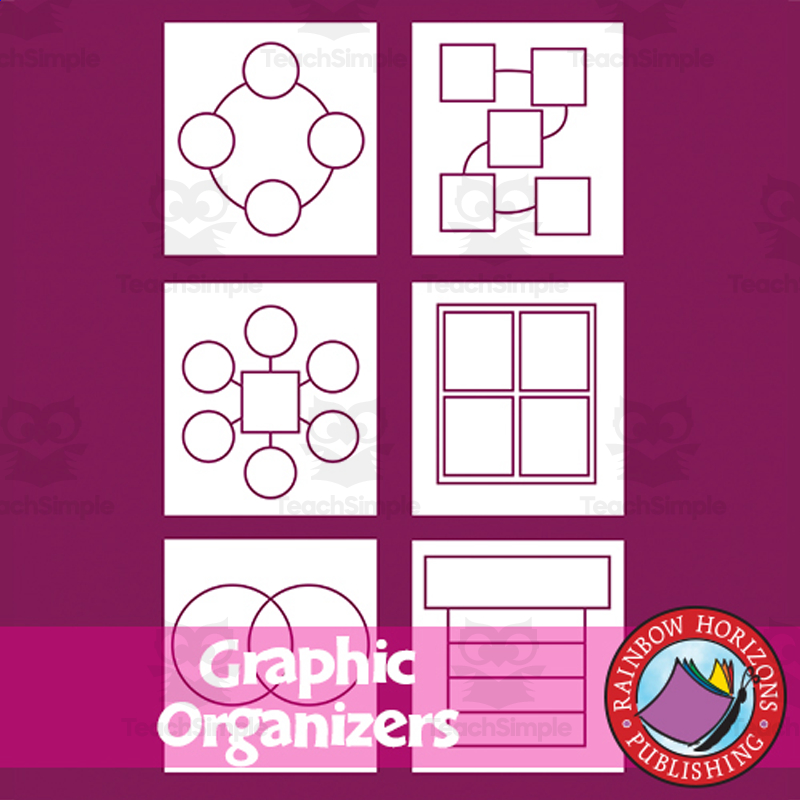
A reading comprehension resource built around graphic organizers that teach story structure, character analysis, setting, plot, nonfiction text features, and comprehension skills such as analyzing, comparing, contrasting, sequencing, questioning, cause and effect, and summarizing.

This Hamster Cause and Effect Worksheet is a great way for students to identify cause and effect after reading a story. This is a valuable skill for students to have as they begin to read more complex texts.
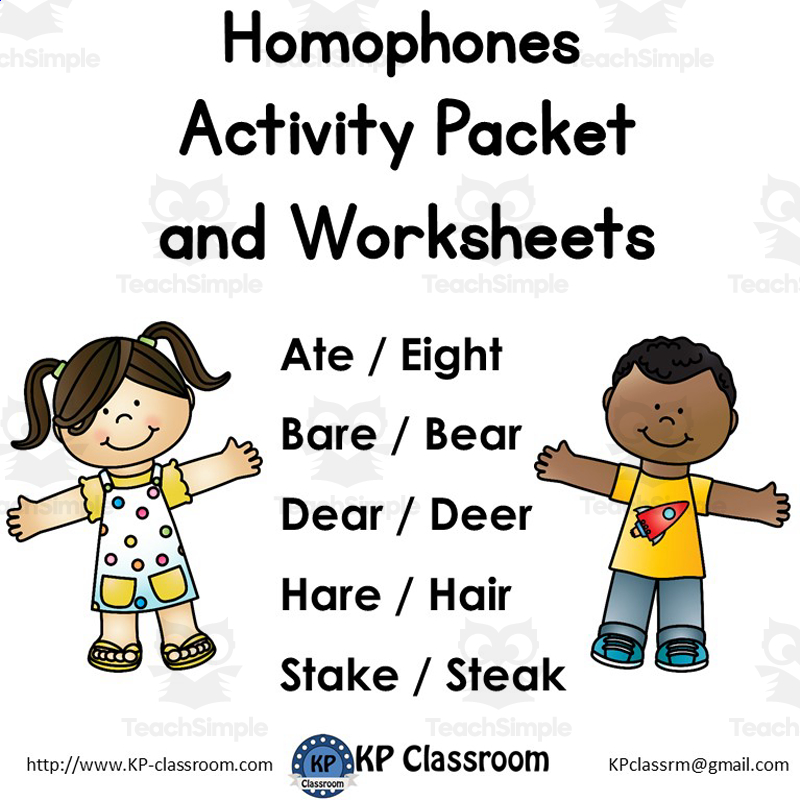
No-prep activity packet and worksheets teaching homophones for Kindergarten-Grade 4 language arts and phonics.

A no-prep phonics packet teaching the i-e split digraph (silent-e) pattern, where a long /i/ sound is spelled with 'i' followed by a consonant and a final silent 'e'.
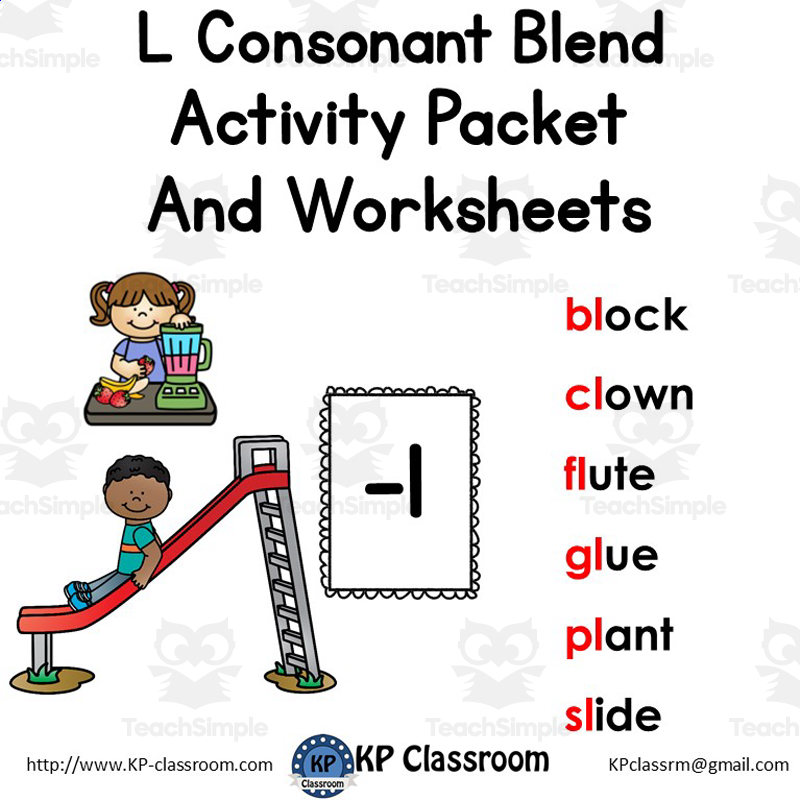
Provide no-prep phonics practice for consonant blends that start with the letter L (bl, cl, fl, gl, pl, sl) for early readers.

This resource is a character traits chart. It will include a character trait and students will provide a synonym and example from a text. There are 14 character traits.
Literary Devices: Character Chart - FLASH-MAC The Literary Devices: Character Chart - FLASH-MAC is a dynamic teaching resource designed for students ranging from grade 5 to grade 8, focusing on the broad subject of Language Arts and…
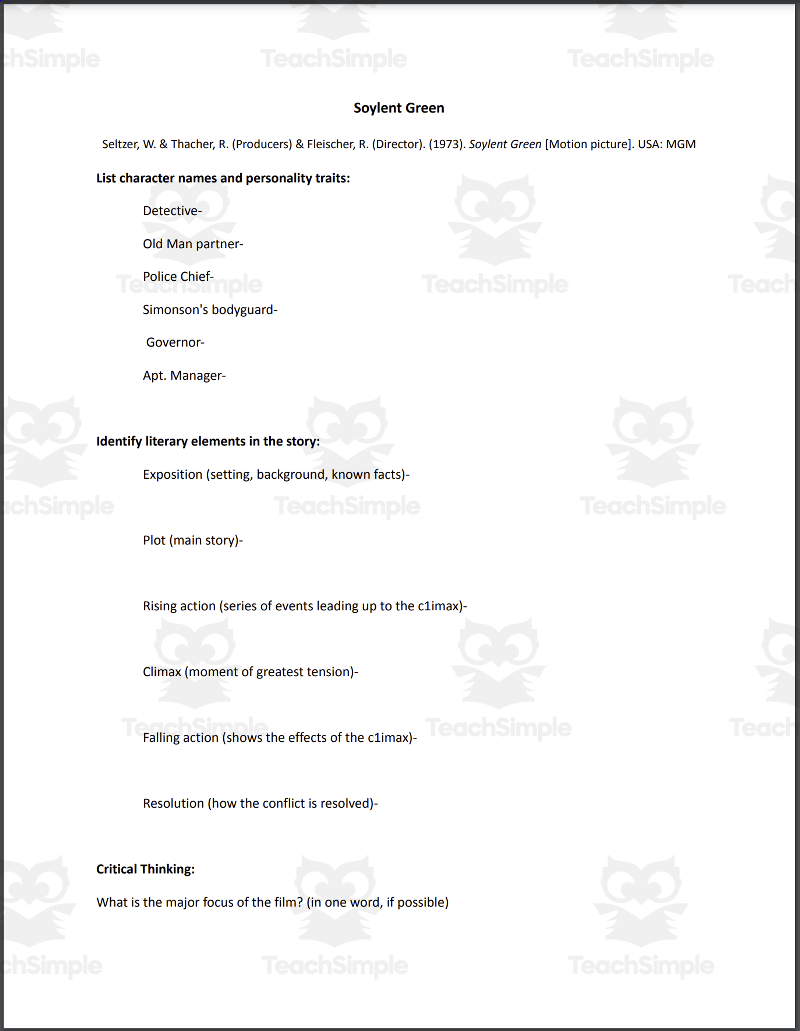
Novel - Film Study Guide: Soylent Green This study guide is designed as a unique teaching resource for educators, particularly those focusing on high school level language arts.

Teach students to recognize, spell, and use the {oi} and {oy} diphthong vowel sounds through a varied set of no-prep phonics activities.