Nonfiction & key ideas
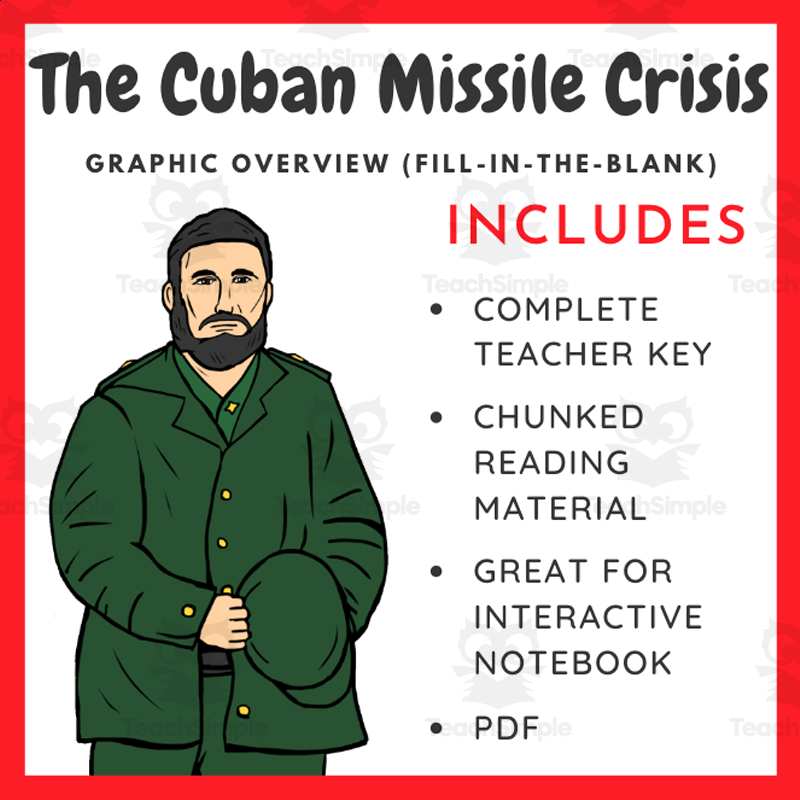
The Cuban Missile Crisis: Graphic Organizer
Students read a passage about the Cuban Missile Crisis (causes, the 13-day standoff, JFK's naval quarantine) and complete a graphic organizer based on the reading.




586 resources
Explore sub-categories
8 sub-categories · 586 resources
Students read a passage about the Cuban Missile Crisis (causes, the 13-day standoff, JFK's naval quarantine) and complete a graphic organizer based on the reading.
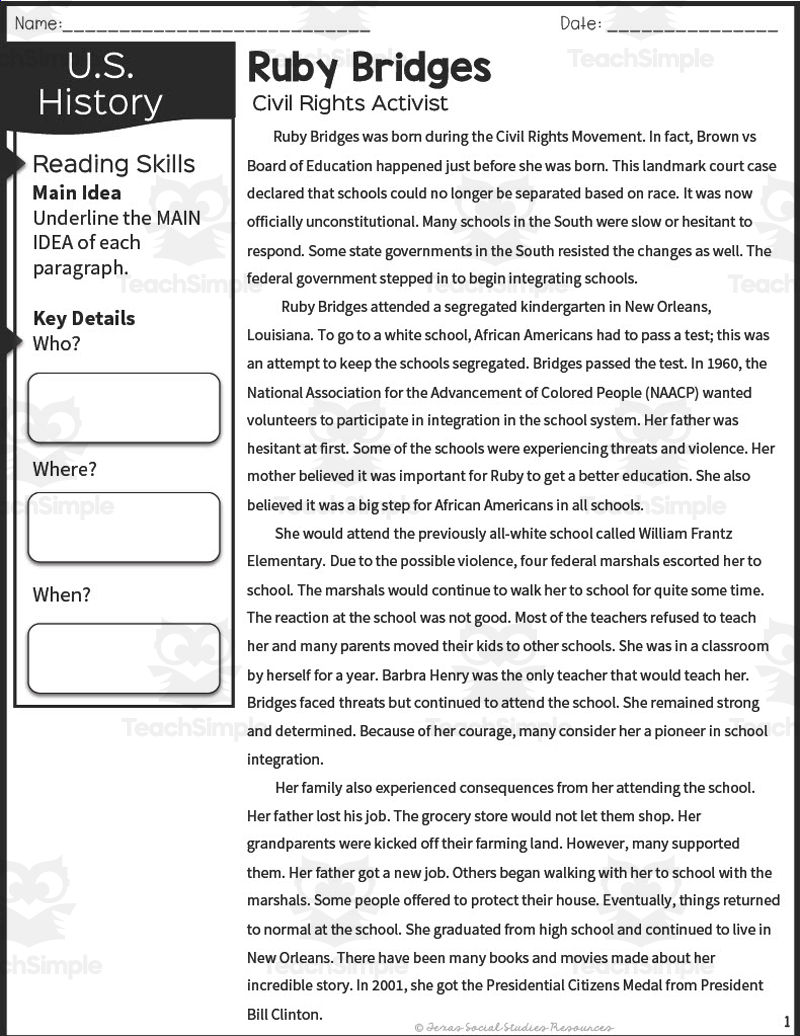
Read an informational passage about Ruby Bridges (underlining main ideas, noting who/where/when key details), then apply vocabulary and comprehension through multiple choice questions, graphic organizers, and short response activities.
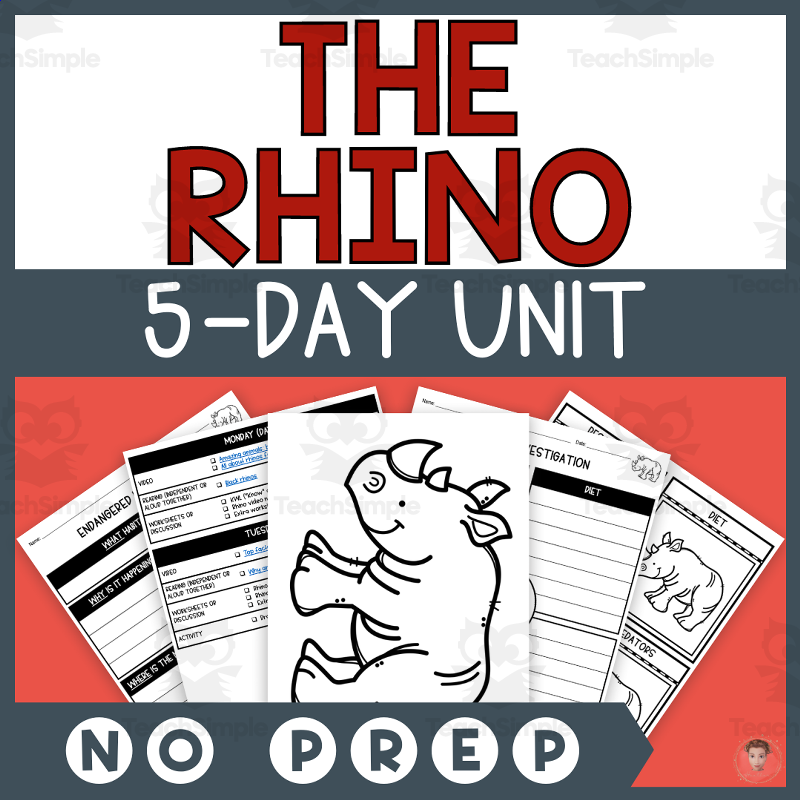
Watch daily videos, read short articles, complete a KWL chart and video-notes worksheets, fill in graphic organizers (life cycle, 'can/have/are', investigation charts), do drawing/coloring activities, assemble interactive notebook pieces, and complete a culminating poster/lapbook/interactive-notebook project about the…
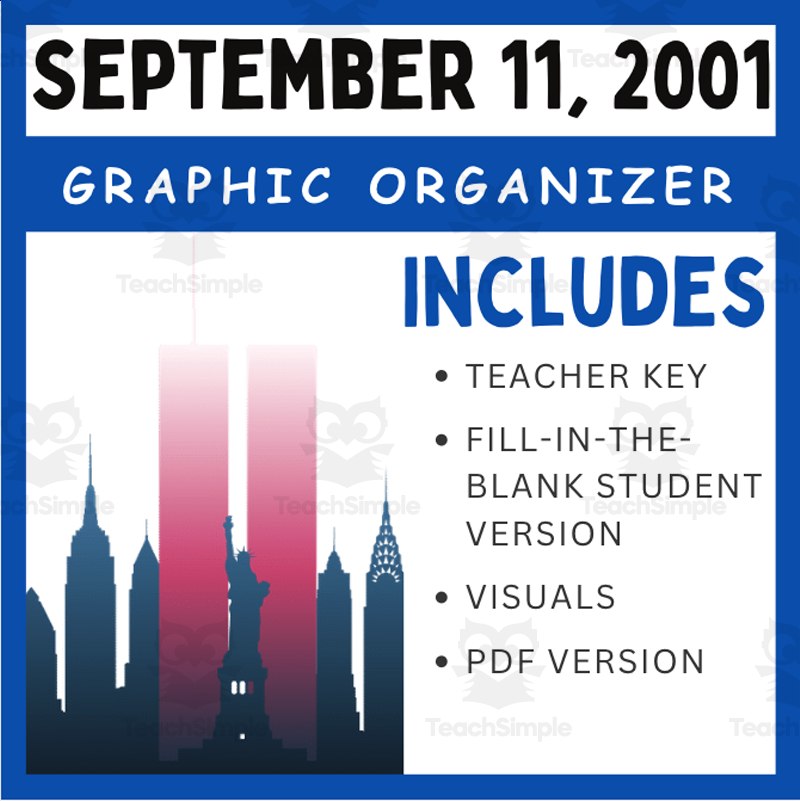
Read the overview/timeline page, then complete a cloze (fill-in-the-blank) version of the same overview from memory or a word source.
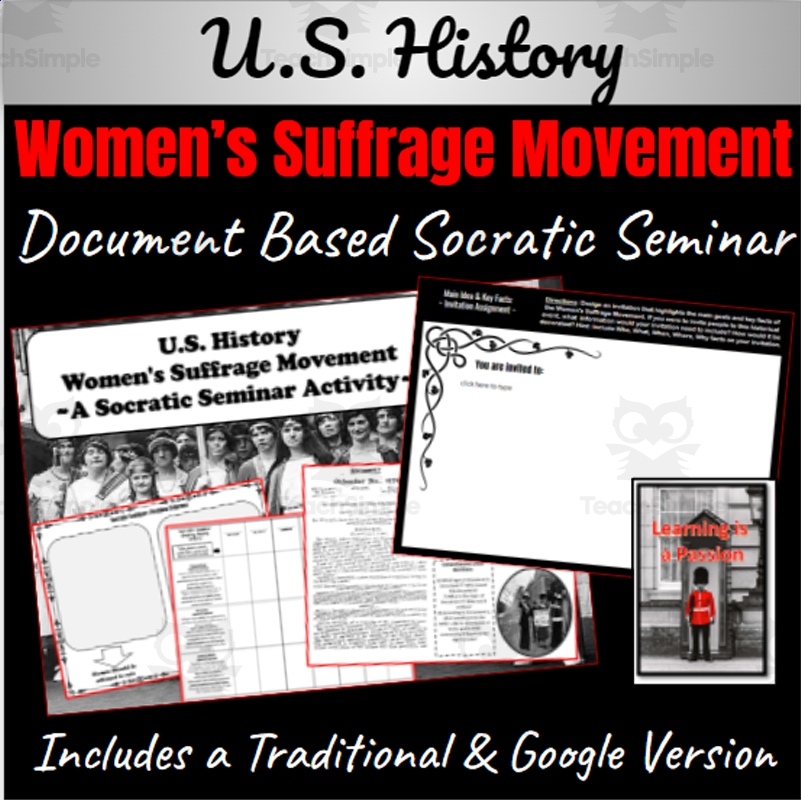
Students are assigned a role (supporter or opponent of suffrage), read a warm-up passage and answer questions, read multiple primary/secondary source documents (e.g., a senator's 1910 speech, Susan B. Anthony-related material), answer comprehension-check questions on each document, record supporting evidence on a 'Position Evidence'…

Watch suggested videos, read independently or aloud, complete worksheets and graphic organizers (KWL, interesting facts, state overview, capital, geography, culture/tourism, climate, government, historical timeline, important person), color pages, draw state symbols, assemble interactive notebook pieces, and…
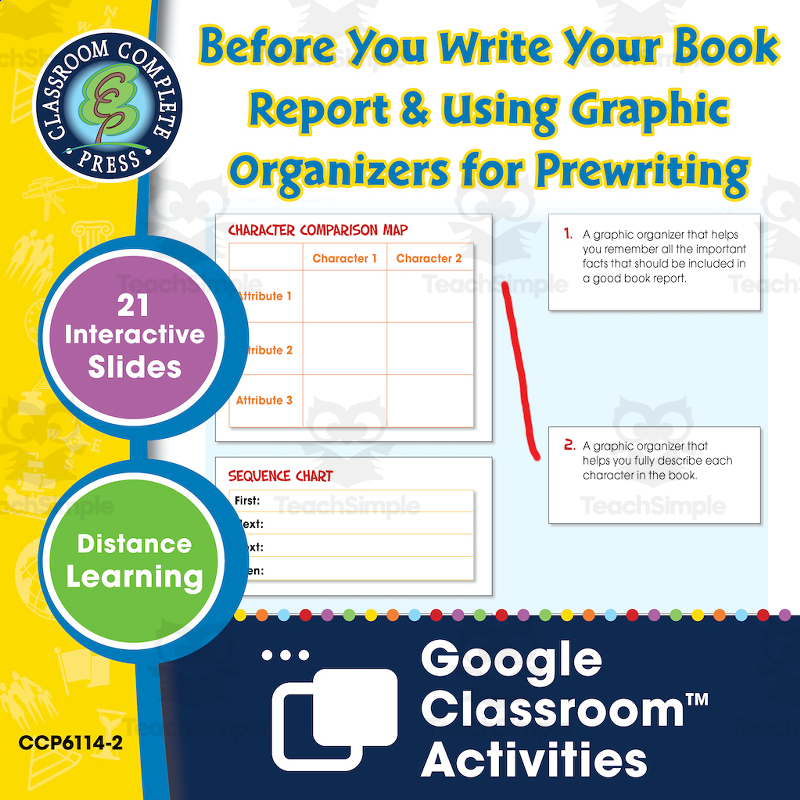
An interactive Google Slides resource that guides students through prewriting steps and graphic organizers before writing a book report.
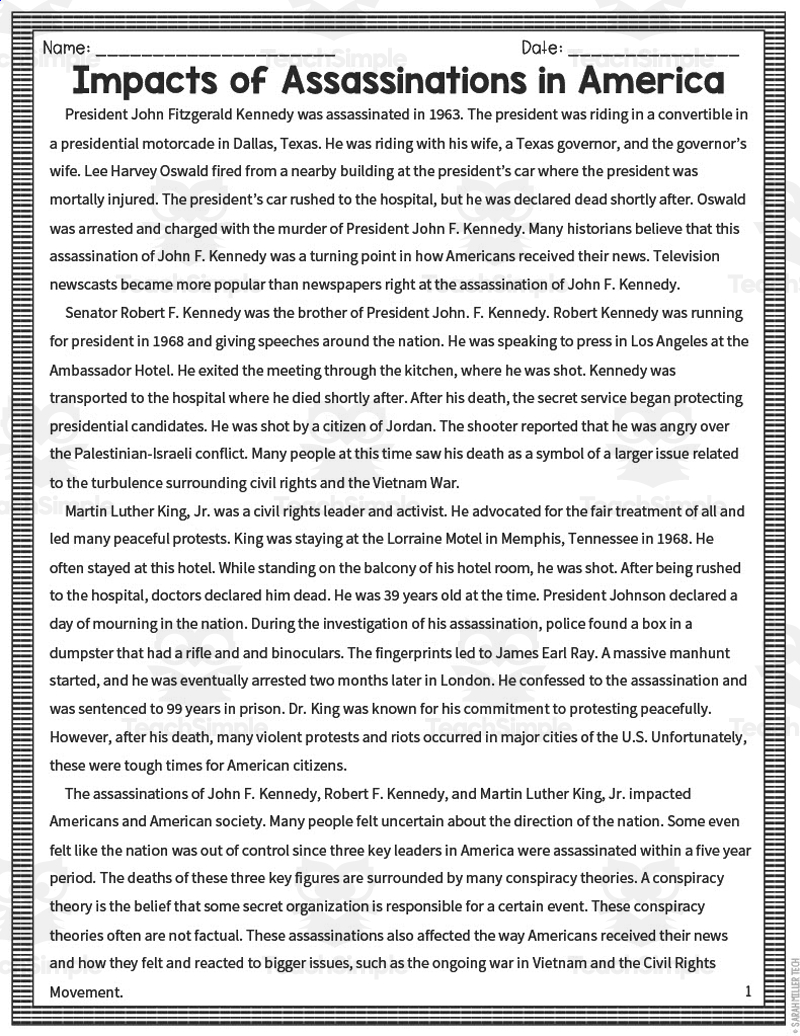
Read an informative passage on the three assassinations, complete a graphic organizer, and answer multiple-choice comprehension questions.
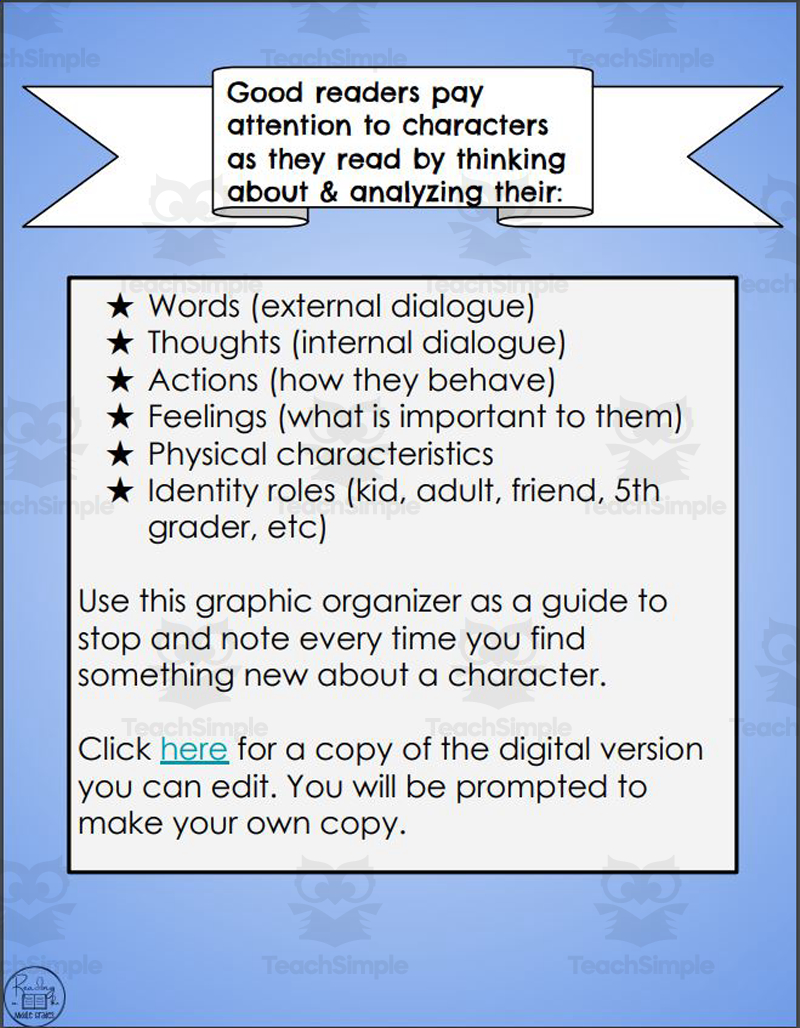
Use a graphic organizer to record and analyze a character's dialogue, internal thoughts, actions, feelings, physical characteristics, and identity roles as they read a text.

Read the three-part song-lyric passage on the history of breaking, identify five key events, record them on a sequencing graphic organizer, write a chronological paragraph using sequence words, and build a timeline with dates for four more events.
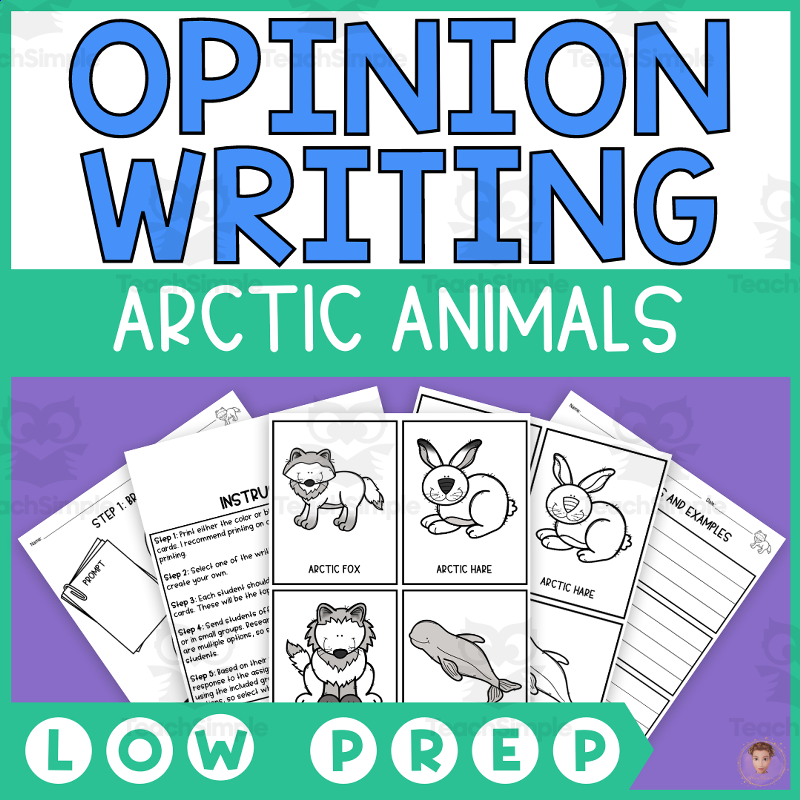
Select or be assigned two Arctic animal topic cards, research them using provided graphic organizers (KWL, interesting facts, can/have/are, is/has/needs, animal comparison, historical timeline, animal investigation, animal traits), then write or orally present a response to a 'would you rather' opinion prompt.

Students read the background sections, answer questions, and use the comparison organizer to examine different responses to religious revival. The later material asks them to consider social effects and connections with changing ideas about authority. Use the pages for a guided history discussion or pair reading followed by a class comparison.

Students read one of two differentiated passages (Version A on grade level, Version B approaching/below grade level) about Georgia in WWI, then complete a main-idea graphic organizer, a contribution/impact fact-table organizer, multiple-choice questions, a vocabulary-matching activity, and exit-ticket ('ticket out the door') prompts; an…
Read syllable-counting explanations and tips, then read the nonfiction song-lyric passage and: count syllables in 14 listed words, sort new words found in the lyrics by syllable count into a graphic organizer, divide those words into syllable parts using / or -, and find and divide a 5-syllable word from the lyrics.

Complete a warm-up reading and 'pyramid' activity, analyze pictures in small groups using a chart handout, examine primary/secondary source document excerpts in groups (organized in cut-out 'buckets') using a task card and graphic organizer, and complete an individual exit-card activity.

Read an informational passage about historical Georgia figures (e.g. Booker T. Washington, W.E.B. Du Bois) and complete multiple-choice questions and graphic organizers applying vocabulary terms from the passage.
Read the Frederick Douglass lyric passage, identify five important events and record them in chronological order on a graphic organizer, write a paragraph putting the events in order using sequence words (first, next, then, later, finally, at last), and complete a history timeline finding four additional dated events from the passage.

Watch the film 'Selma', read a short history, complete a timeline, use pre-writing/graphic organizers, complete task cards, write a rough draft and then a final draft (including writing from MLK's perspective), and proofread using provided handouts.
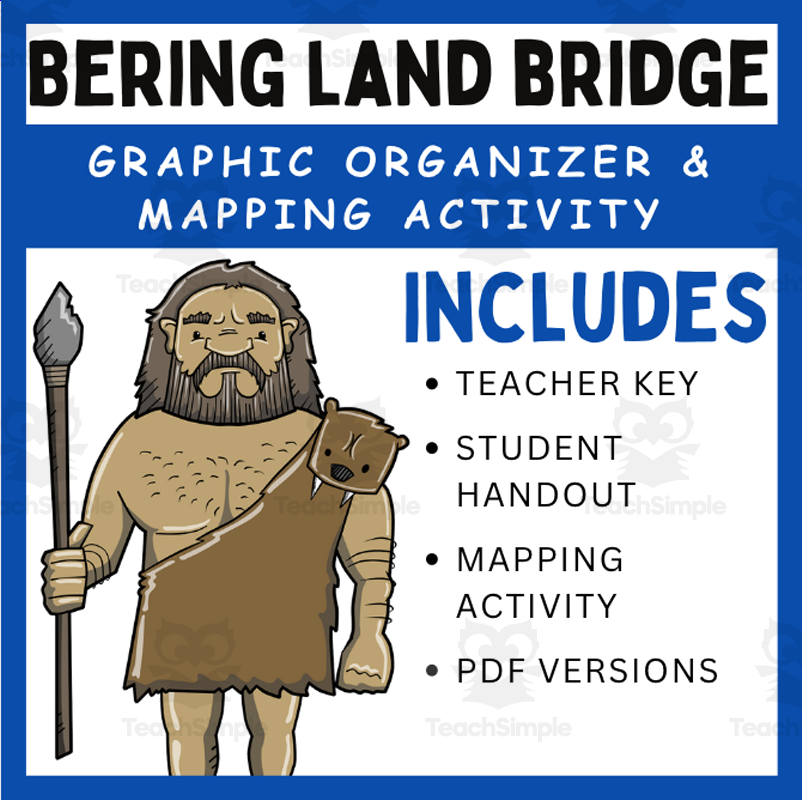
A social studies resource teaching the Bering Land Bridge theory of early human migration to the Americas through an introductory reading, a cause-and-effect graphic organizer, and a mapping activity.
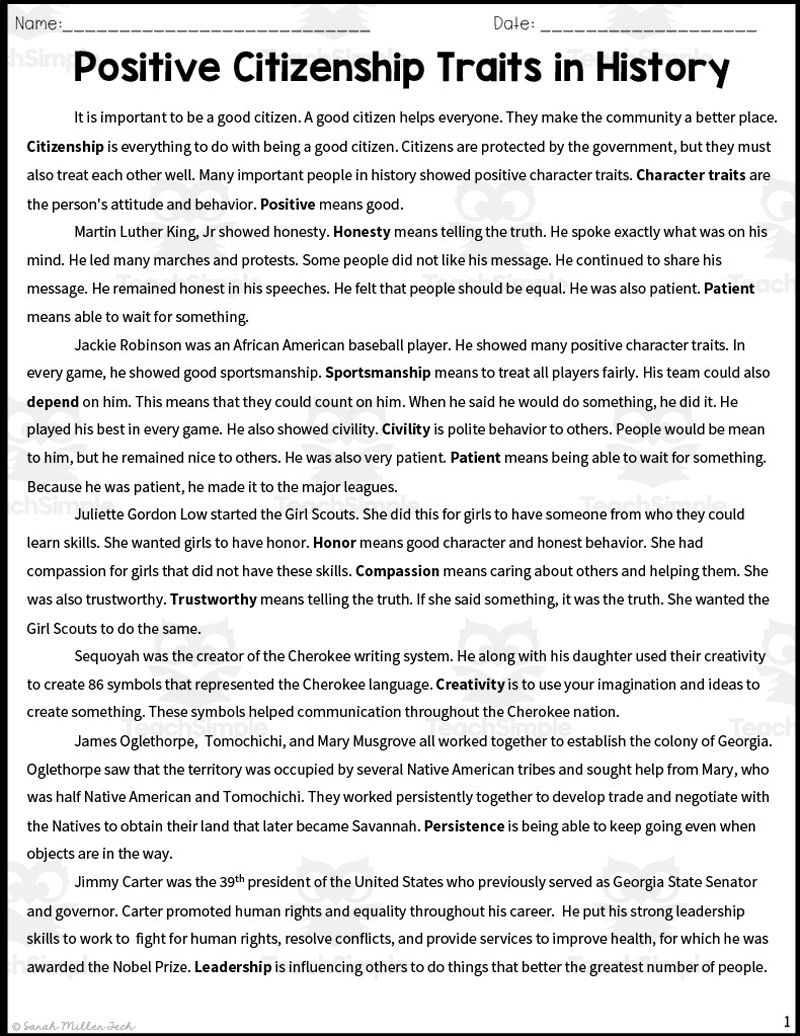
Students read a passage profiling Martin Luther King Jr., Jackie Robinson, Juliette Gordon Low, Sequoyah, and James Oglethorpe/Tomochichi/Mary Musgrove, complete a graphic organizer of why each figure was famous and what traits they showed, match character-trait vocabulary to definitions, answer multiple-choice comprehension questions,…
Read each short legend/folktale, then answer multiple-choice comprehension questions (checking the right answer) covering genre identification, vocabulary meaning, rhyming, factual recall, and inference; use accompanying graphic organizers to identify story elements, sequence events on a timeline, and summarize.

Read information sheets/text sections and answer embedded questions, complete graphic organizers on each topic, do crossword/flashcard/sudoku activities, complete a review sheet, and take a unit test.
Read syllable-counting explanations and tips, then read the song lyric passage and: count syllables in 14 listed words, sort new words found in the lyrics by syllable count (1-4) into a graphic organizer, divide those words into syllable parts using / or -, and find and divide a 5-syllable word from the lyrics.

Read an informational passage, fill in graphic-organizer charts with details from the text, match vocabulary terms to definitions, answer multiple-choice comprehension questions, label a map with the state capital's historical locations in order, and write a short news-reporter-style narrative explaining the capital's move from…