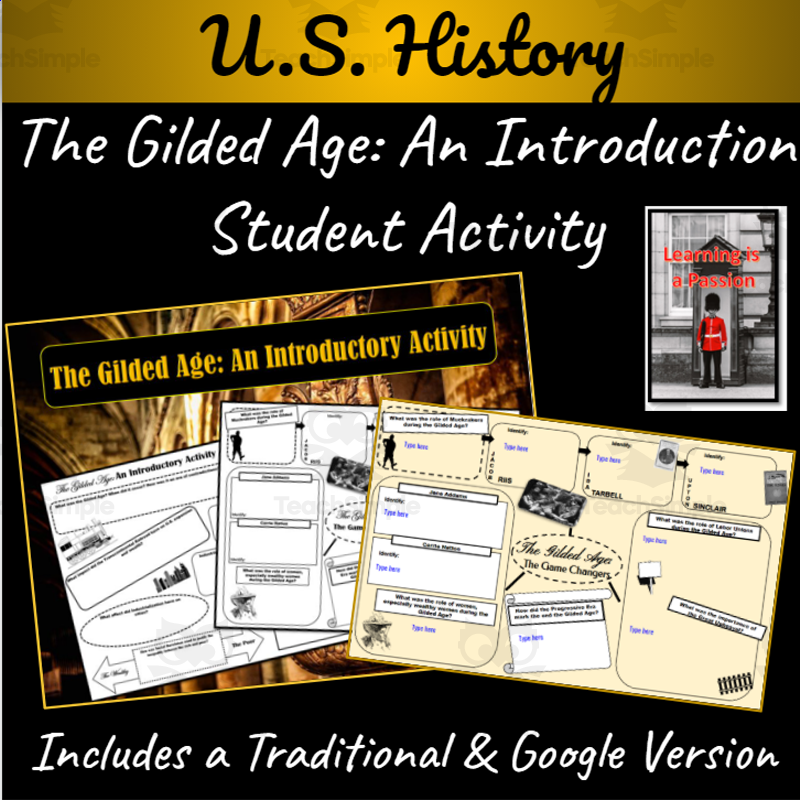
U.S. History: The Gilded Age | Progressivism | Introductory Activity
Introduce students to the Gilded Age and Progressive Era in U.S. history through a graphic-organizer activity paired with a linked video/article resource.
Editable




1,096 resources
Explore sub-categories
2 sub-categories · 1,096 resources
Introduce students to the Gilded Age and Progressive Era in U.S. history through a graphic-organizer activity paired with a linked video/article resource.
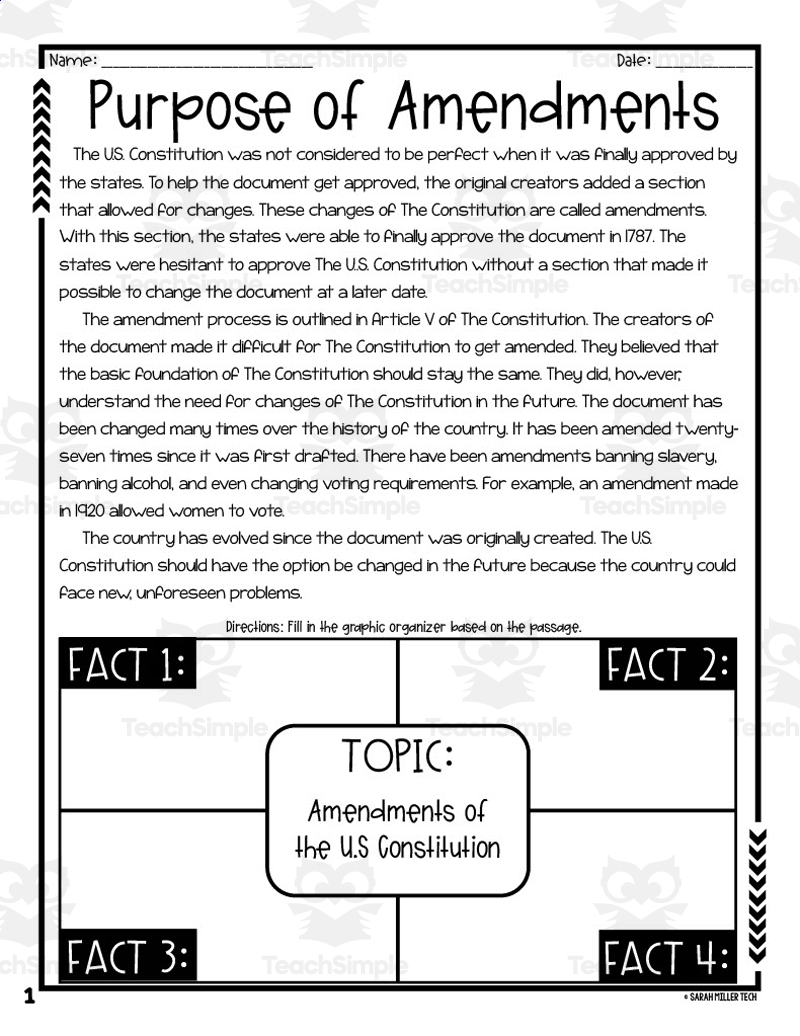
A reading passage and activity packet teaching why the U.S. Constitution includes an amendment process and how it has been used historically.

A 5-day no-prep cross-curricular unit study on poison dart frogs (description, diet, habitat, life cycle, predators), combining curated videos, reading passages, worksheets, and hands-on activities for elementary/homeschool use.
 Free download
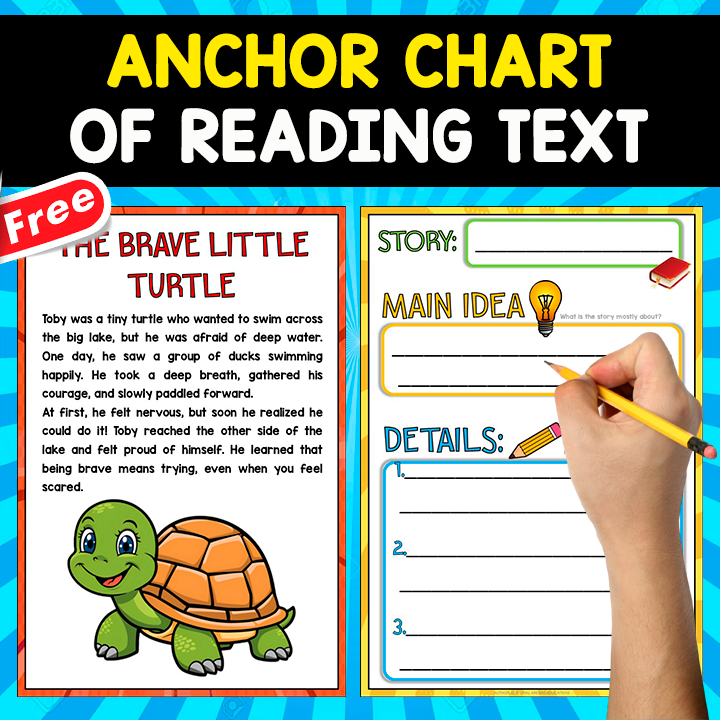
 Teach reading comprehension (identifying the main idea and supporting details) using a short English narrative about a turtle named Toby who overcomes his fear of deep water to swim across a lake and learns that being brave means trying anyway.

Help young students practice recalling information from experience or gathering it from provided sources to answer a question.
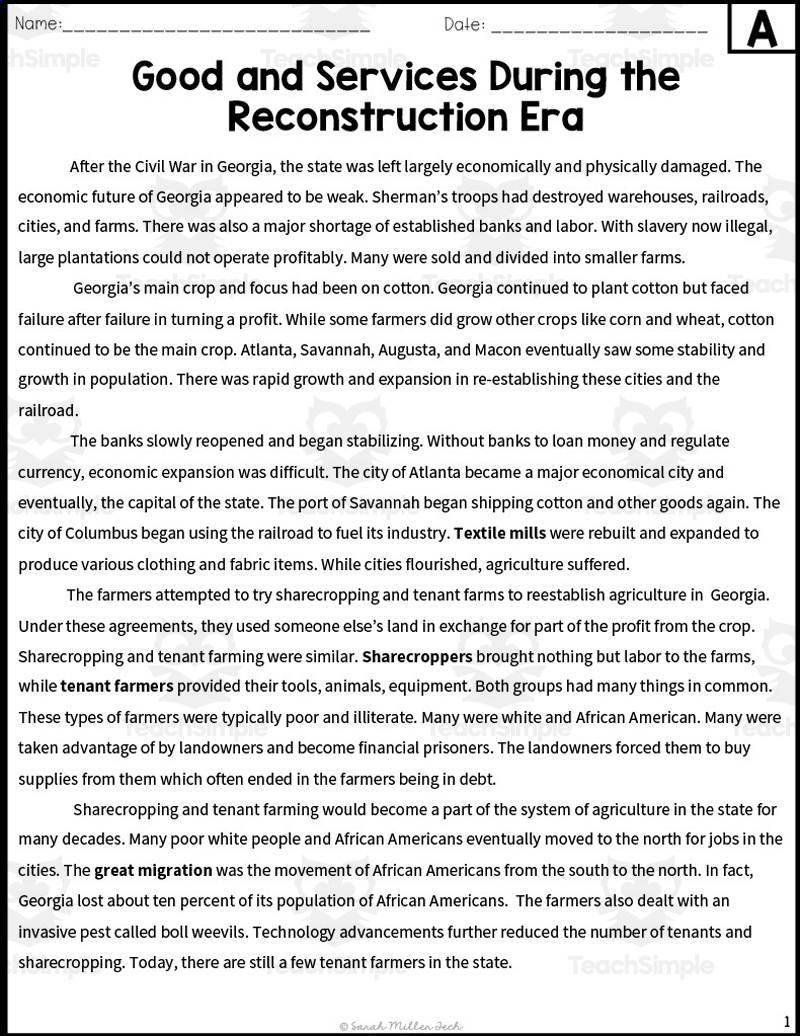
A differentiated social studies reading packet on the economy of Georgia during the Reconstruction era, teaching how goods and services recovered after the Civil War.

A social studies biography reading packet teaching 2nd graders about Juliette Gordon Low, founder of the Girl Scouts, aligned to a Georgia history standard (SS2H1e).

A creative writing resource using an arctic animals theme and the SWBST (Somebody Wants But So Then) story structure to give first-to-third grade students low-prep writing prompts that also build arctic animal knowledge.
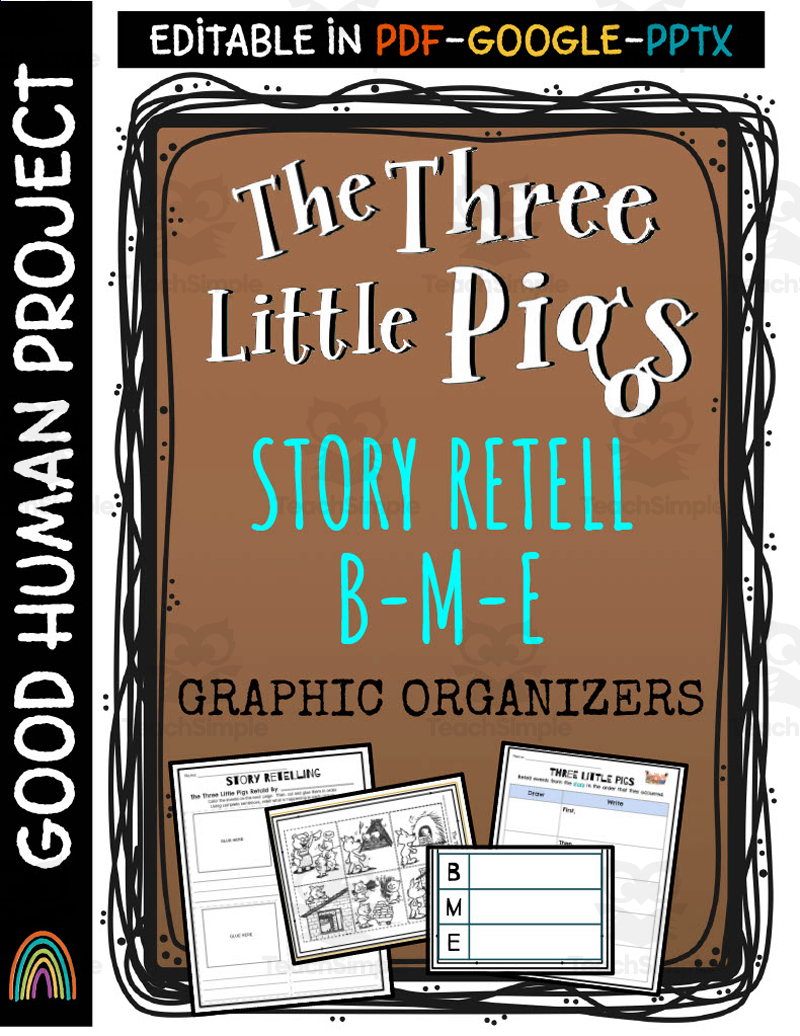
A story-retelling activity pack for 'The Three Little Pigs' folktale, giving students multiple formats to sequence and retell the story.
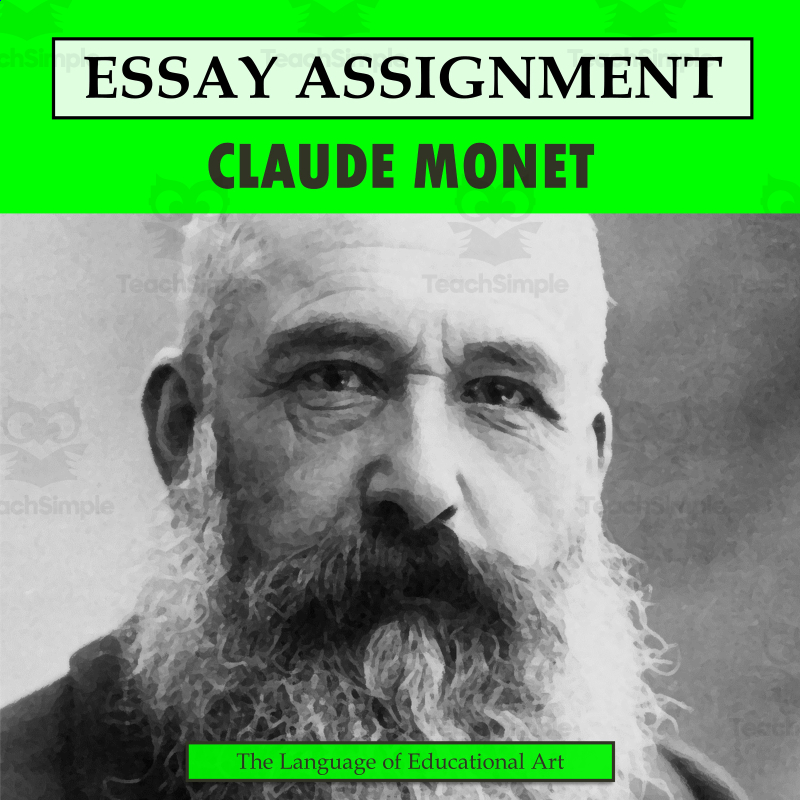
Guides students through independent biographical research on Claude Monet and the writing of a 5-paragraph research essay, using a graphic-organizer worksheet, a peer/self writing-tips checklist, and a scored essay rubric.
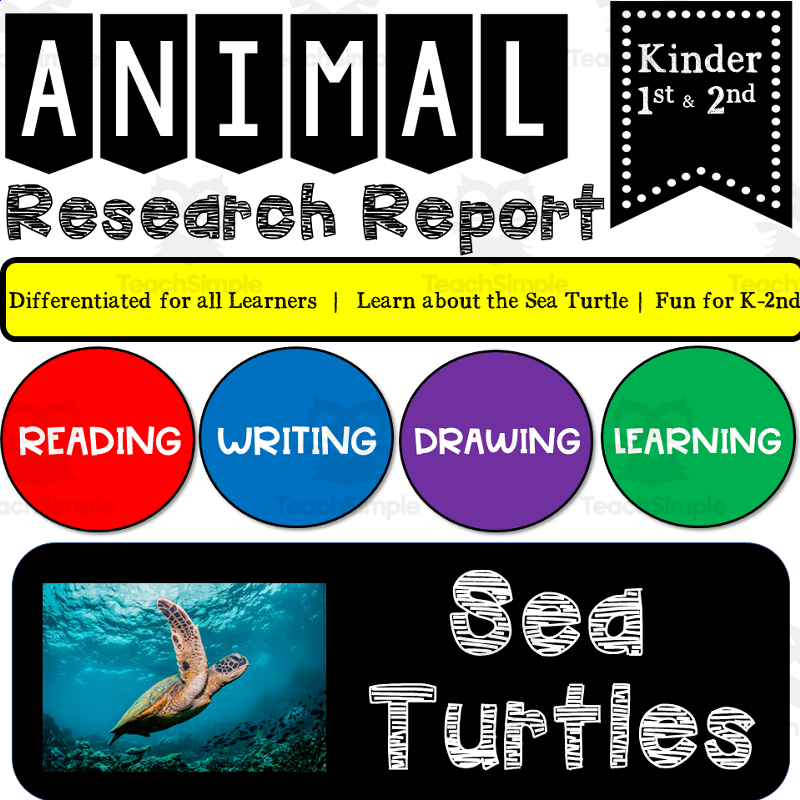
A differentiated K-2 animal research and writing project that has students read informational text about sea turtles and then organize and write facts about the animal's habitat, food, characteristics, and other interesting facts.
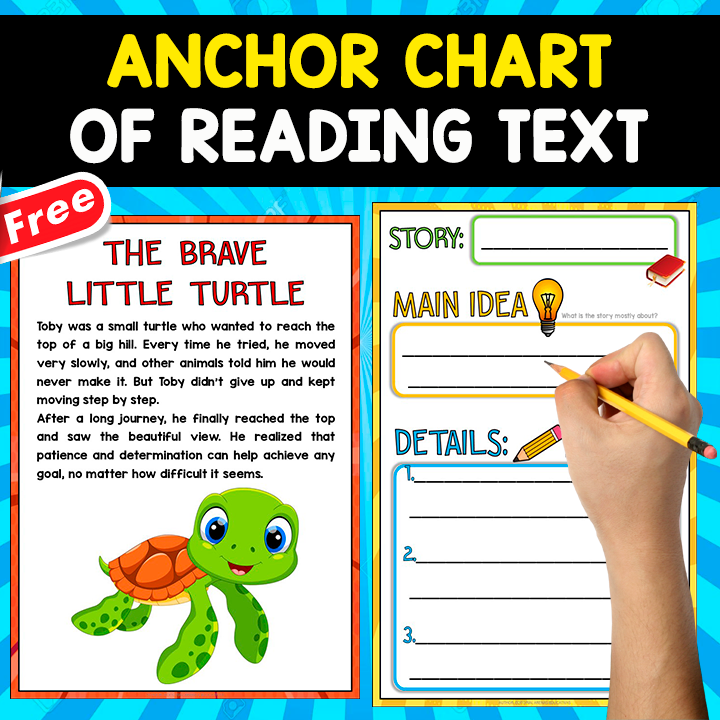 Free download
 Teach reading comprehension (identifying the main idea and supporting details) using a short English narrative about a turtle named Toby who slowly climbs a hill despite others' doubts and learns that patience and determination achieve goals.
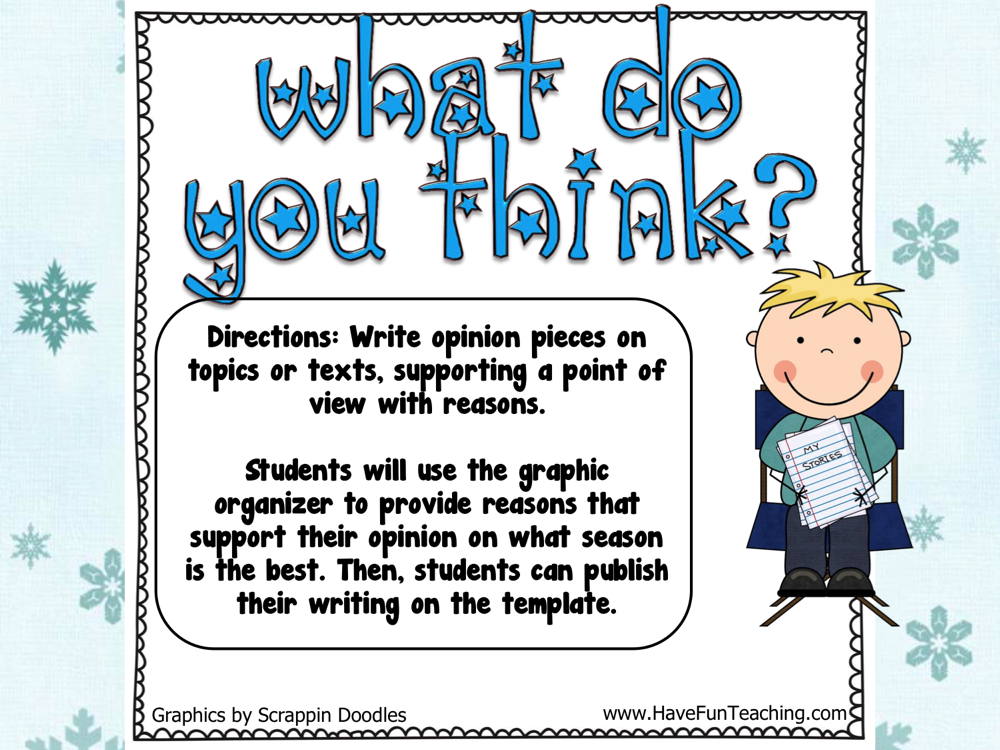
Teach students to write an opinion piece that states a point of view and supports it with reasons.

A no-prep reading packet teaching Harriet Tubman's life and the Underground Railroad through an informational passage, vocabulary, and comprehension worksheets.
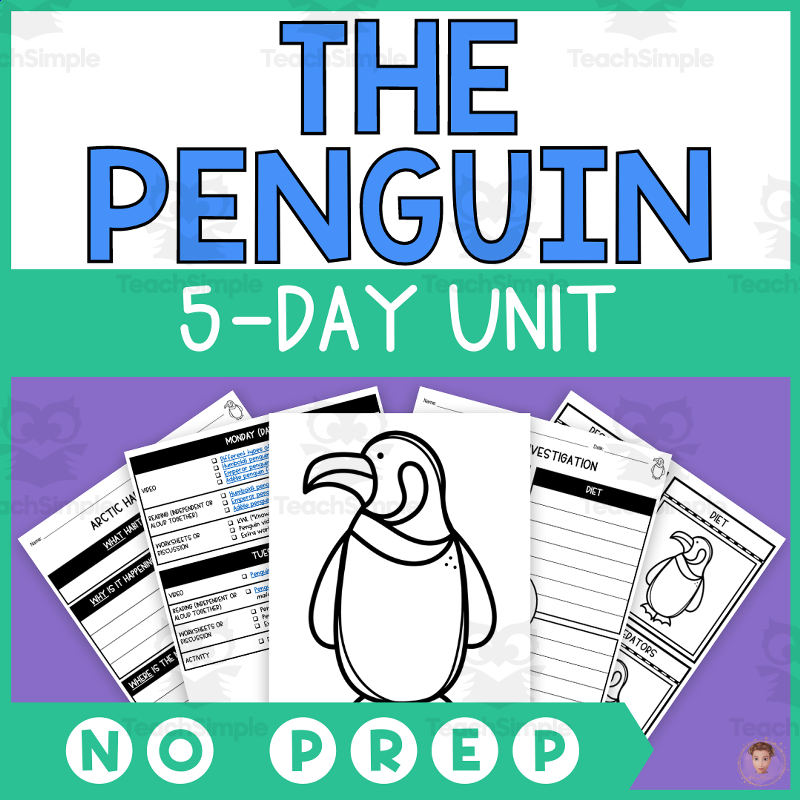
A 5-day homeschool/co-op unit study teaching students about penguins (an Arctic/polar animal), using linked videos, reading passages, and printable worksheets across science, reading, and writing.

Provide a culminating, choose-your-own-animal research project so students can apply and demonstrate what they know after an animal unit, covering classification, diet type, habitat, adaptations, food chain, and life stages.
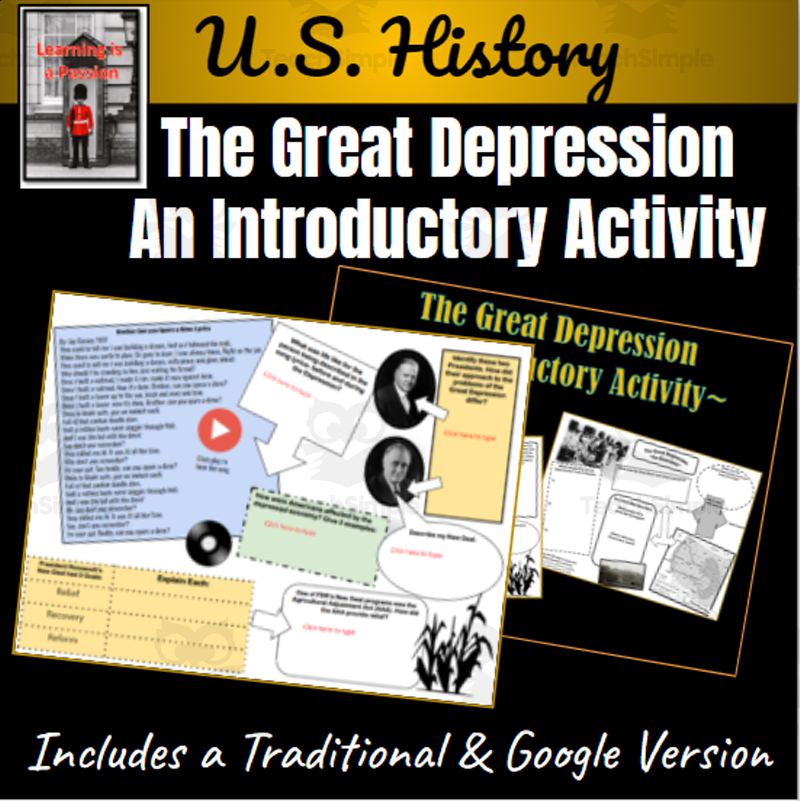
Introduce students to the causes, events, and effects of the Great Depression and New Deal through a graphic-organizer activity with a linked online reference resource.
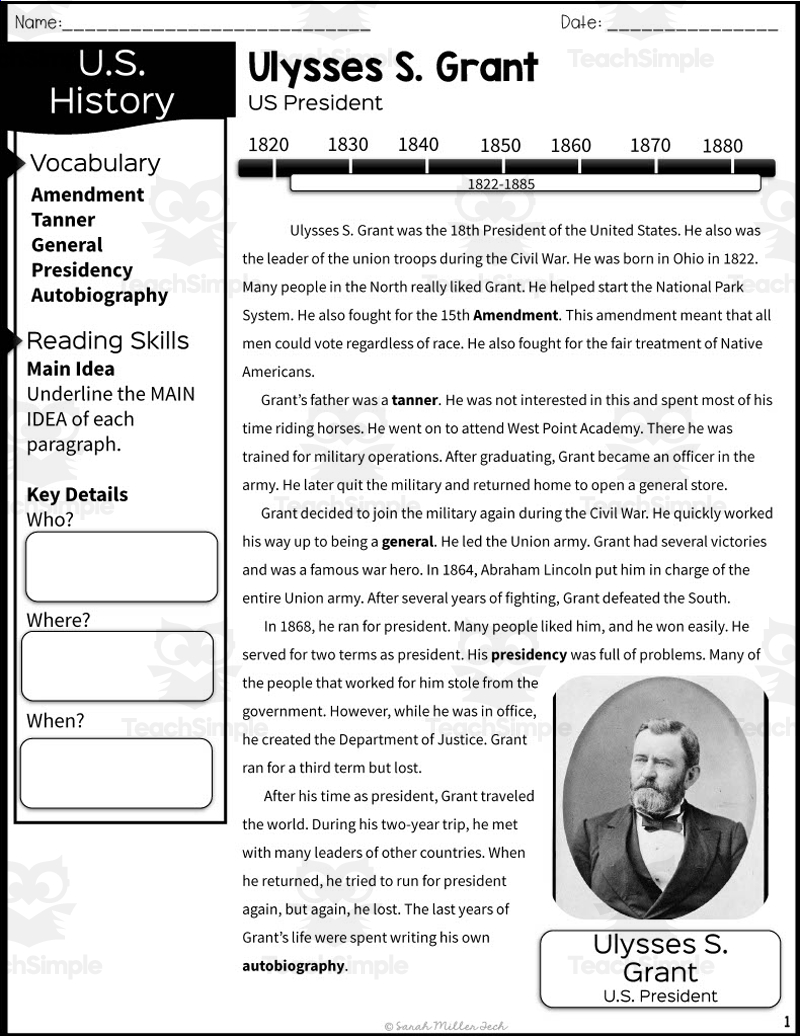
Reading comprehension packet teaching students about Ulysses S. Grant via an informational passage and related activities.
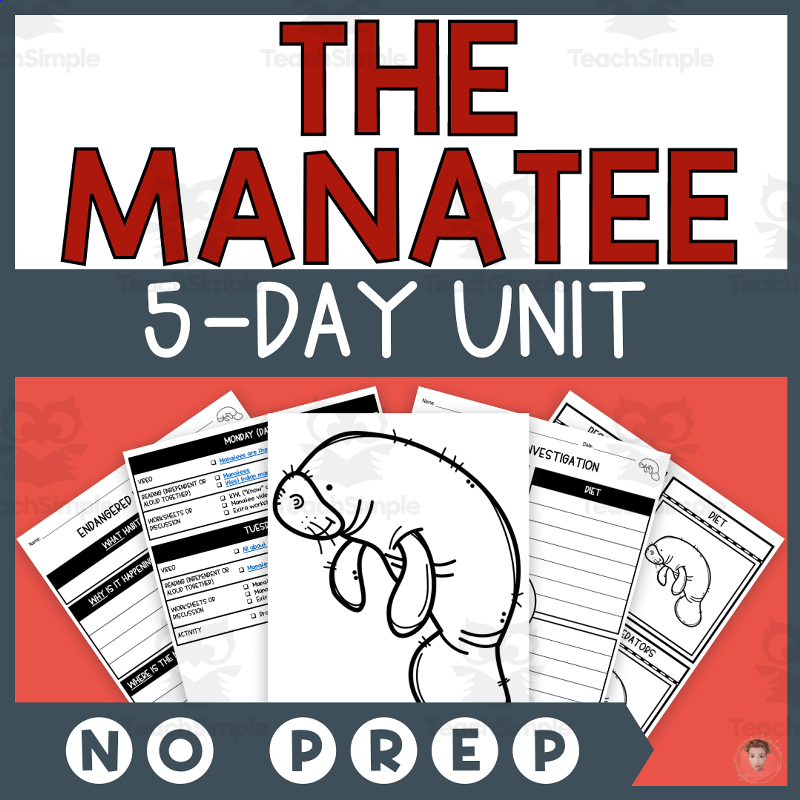
A 5-day, no-prep homeschool/co-op unit study on the endangered West Indian (American) manatee, combining videos, reading passages, discussion, worksheets, and hands-on activities.
 Free download
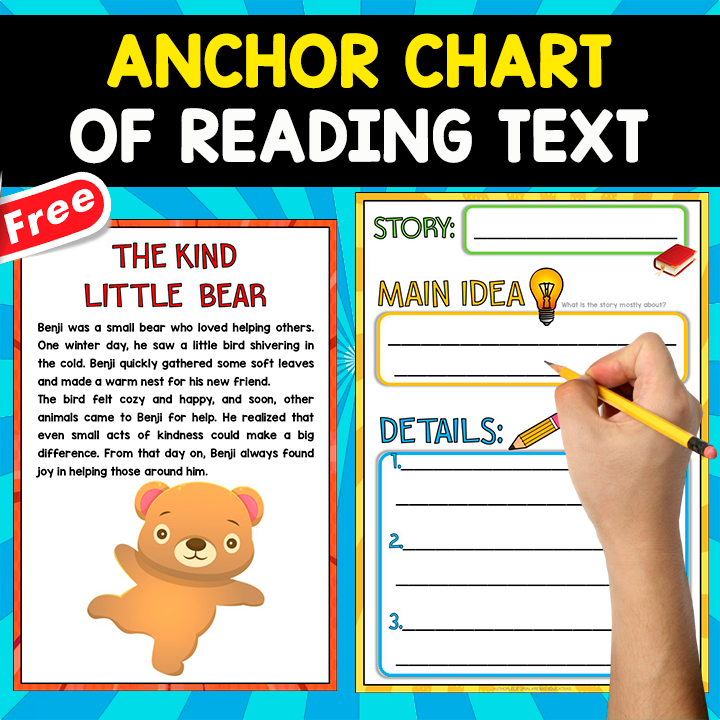
 Teach reading comprehension (identifying the main idea and supporting details) using a short English narrative about a bear named Benji who helps a cold bird build a nest and learns that small acts of kindness make a big difference.
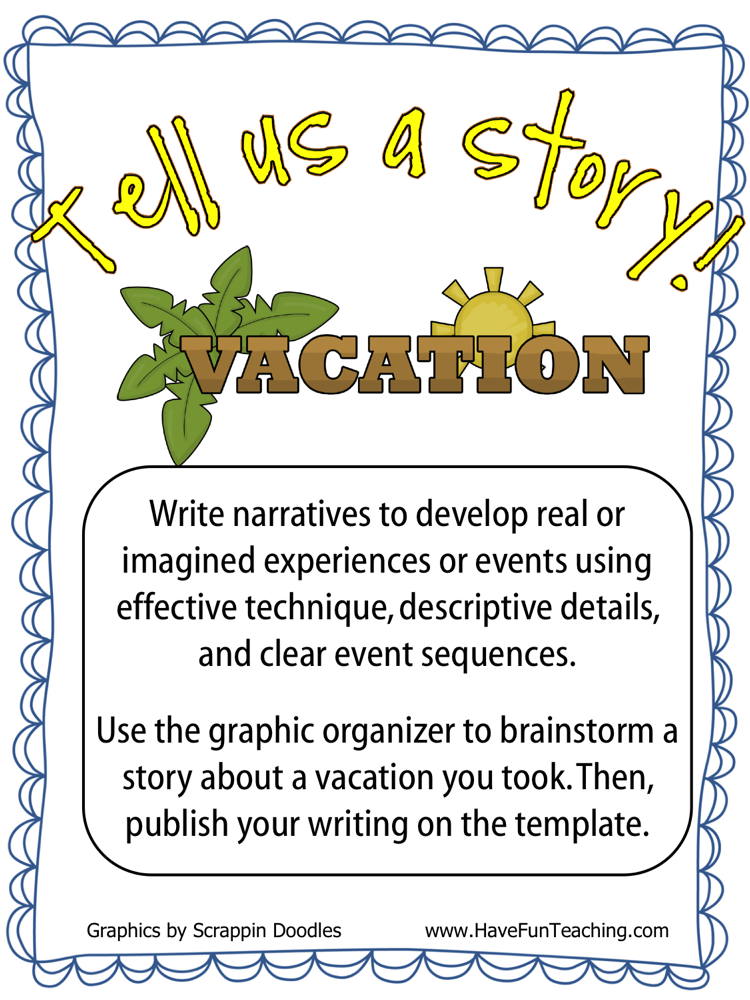
Build narrative writing skills by having students write about a vacation experience using effective technique, descriptive details, and a clear sequence of events.

A no-prep reading packet teaching seven major US rivers (Mississippi, Ohio, Rio Grande, St. Lawrence, Colorado, Hudson) -- their location, length, and practical uses.
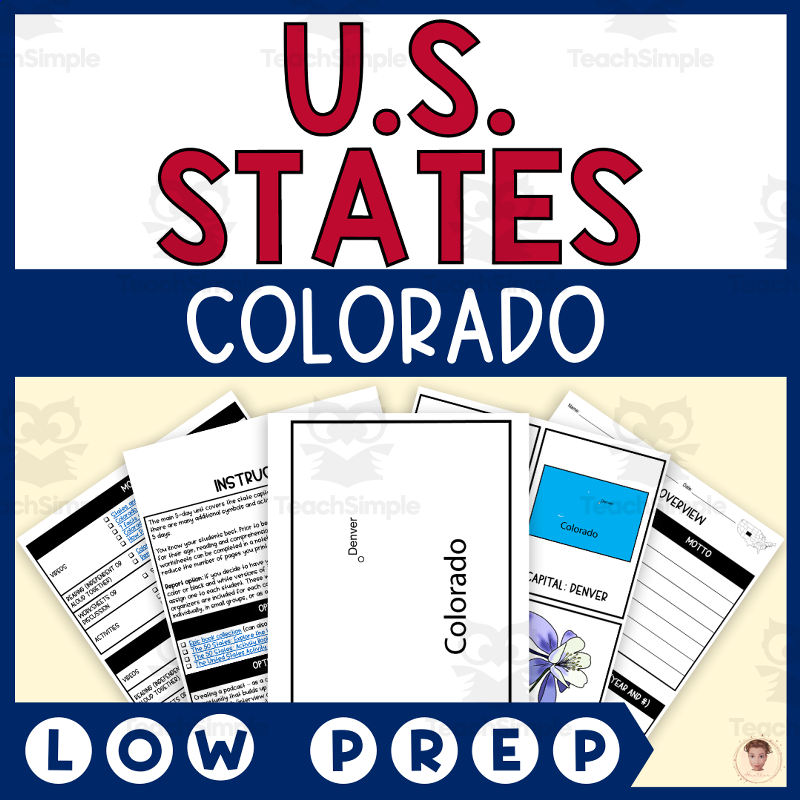
5-day cross-curricular unit study and research project on Colorado covering the state capital, bird, flower, flag, and animal.
 Free download
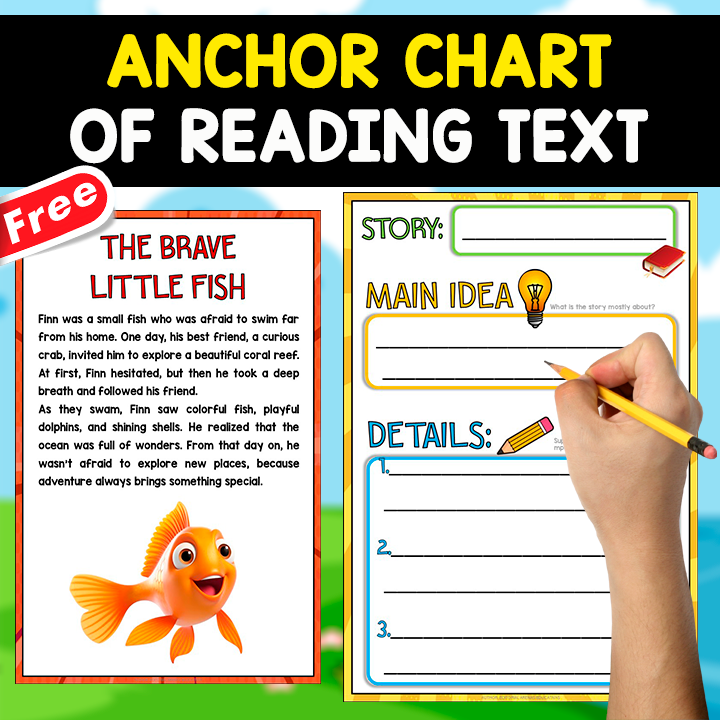
 Teach reading comprehension (identifying the main idea and supporting details) using a short English narrative about a fish named Finn who overcomes his fear of exploring far from home with a friend's encouragement and learns adventure brings wonder.