resources by type
resources by grade
resources by subject
other resources

3,950 products added recently

Page 3 - Graphic Organizers

Incorporate graphic organizers into your teaching to help students organize information visually. This collection includes mind maps, Venn diagrams, flowcharts, and more, suitable for various subjects and grade levels. By using graphic organizers, you can aid comprehension, facilitate critical thinking, and improve retention.

Relevant
alt down
Any Time
alt down
filter by
alt down
All File Types
alt down
filter nav Show filters
Sort by: Relevant
CLEAR
resources by type
Activities
down arrow
Classroom Decor
down arrow
Teacher Tools
up arrow
Anchor Charts
Assessments
Charts
DBQ's
Diagrams
Graphic Organizers
Lesson Plans
Literacy Readers
Outlines
Presentations
Quizzes and Tests
down arrow
Rubrics
Templates
Worksheets & Printables
down arrow
resources by grade
Early Learning
down arrow
Pre-K
down arrow
Elementary
down arrow
Middle School
down arrow
High School
down arrow
Adult Education
Not Grade Specific
resources by subject
Creative Arts
down arrow
ELA
down arrow
Holiday & Seasonal
down arrow
Life Studies
down arrow
Math
down arrow
P.E. & Health
down arrow
Social Studies
down arrow
Special Resources
down arrow
Science
down arrow
Foreign Languages
down arrow
Resources for Teachers
down arrow
other resources
Common Core
Homeschool Resources
down arrow
Montessori
Research
STEM
The Little Match Girl Lapbook Project Reading Writing Grades 3 4 5 ELA

The Little Match Girl Lapbook Project Reading Writing Grades 3 4 5 ELA
ELA, Language Development, ESL, Literary Devices, Literature, Children’s Literature, Reading Comprehension, Reading, Strategies, Grade 3, 4, 5, Centers, Activities, Crafts, Projects, Assessments, Teacher Tools, Graphic Organizers, Templates

Inspire your students with the touching classic tale of The Little Match Girlthrough this The Little Match Girl Lapbook project especially made for Grades 3, 4, 5 students, homeschoolers, and EFL/ESL learners. This engaging resource is designed for reading classes, reading centers, fairy tale units, reading comprehension assessment tool, sub plan, and so much more! What’s Inside: •3 The Little Match Girl Lapbook Differentiated Reading Passages (Easy, Average, Hard) •6 The Little Match Girl Lapbook Cover Designs •2 The Little Match Girl Lapbook Name Pages •1 The Little Match Girl Lapbook Central Overlap Page •3 The Little Match Girl Lapbook Story Summary Page Choices •2 The Little Match Girl Lapbook Theme & Message Pages •2 The Little Match Girl Lapbook Sequence Pockets •6 The Little Match Girl Lapbook Story Event Visual Cards •3 The Little Match Girl Lapbook Levels of Sequencing Cards •6 The Little Match Girl Lapbook Story Retelling Cards •1 The Little Match Girl Lapbook Character Foldable •1 The Little Match Girl Lapbook Setting Foldable •1 The Little Match Girl Lapbook Extra Elements Fold •1 The Little Match Girl Lapbook Story Review Page •1 The Little Match Girl Lapbook Personal Connection Foldable

Author It's Teacher L

Rating

Tags The Little Match Girl, Fairy Tale, Reading Centers, ELA Project, Reading Comprehension Project

Triangles Reference Chart – Types and Angles

Triangles Reference Chart – Types and Angles
Geometry, Math, Grade 3, 4, 5, 6, Anchor Charts, Teacher Tools, Charts, Diagrams, Graphic Organizers, Posters, Classroom Decor

2D Geometry Shapes Triangles Reference Chart Learning about triangles doesn’t have to be tricky. This reference chart makes it easy for students to understand the different types of triangles, including acute, right, and obtuse angles, as well as equilateral, isosceles, and scalene sides. The chart comes in a full-color version that works beautifully as a classroom wall display, on a whiteboard, or even projected digitally. There is also a black-and-white version that fits perfectly in student binders or interactive notebooks, providing a handy reference sheet that students can keep at their desks. This resource is ideal for lessons on 2D shapes and triangle classification. It’s especially helpful for visual learners who benefit from seeing concepts clearly illustrated, and it makes a useful addition to math centers, classroom displays, or study materials. Using the chart regularly can help students build confidence in recognizing and naming different triangle types while reinforcing key geometry vocabulary and concepts. Teachers will also appreciate the time saved, since the chart is ready to print and use immediately. It works best for students in grades 3 through 6, but it can also serve as a helpful review tool for older students. Whether you display the color chart on your math wall or provide the black-and-white version for individual students, this reference chart is a flexible and practical resource for any geometry unit.

Author EduStudio

Rating

Tags Triangles, Geometry, 2D Shapes, Math Reference Chart, Types Of Triangles, Geometry Poster, Math Classroom Decor, Triangle Classification, Geometry Anchor Chart, Math Visual Aid

The Princess and the Pea Fairy Tale Foldable Mini Book Grade 1 2 3 ELA

The Princess and the Pea Fairy Tale Foldable Mini Book Grade 1 2 3 ELA
ESL, Language Development, ELA, Children’s Literature, Literature, Reading Comprehension, Reading, Handwriting, Writing, Grade 1, 2, 3, Centers, Activities, Crafts, Projects, Assessments, Teacher Tools, Graphic Organizers

Develop the necessary literacy skills of your young learners through this purposefully made The Princess and the PeaMini Book Pack. Created for Grades 1, 2 and 3 students, homeschoolers, and EFL/ESL learners, this resource is designed for reading classes, reading centers, reading comprehension exercises, writing practice, fine motor skills exercises, fairy tale units, supplemental assessment tool, morning work, early finisher additional activities, and so much more! What’s Included: •The Princess and the PeaStory Mini Book– for story retelling, reading and reading comprehension practice •The Princess and the PeaStory Mini BookTrace & Read Pages– handwriting practice and motor skills exercise •The Princess and the PeaMini BookSequencing Booklet– sequencing and sorting exercise, story retelling and reading practice •The Princess and the PeaMini BookRetell & Reflect Pages– retell practice, creativity and imagination development •The Princess and the PeaMini BookBlank Create-a-Story Templates– story telling, supporting creative and imaginative thinking skills •The Princess and the PeaMini BookTeacher Guide + Sample Lesson Plan

Author It's Teacher L

Rating

Tags The Princess And The Pea, Reading Comprehension, ELA Project, Reading Centers

Animal Adaptations in the Rainforest Habitat

Animal Adaptations in the Rainforest Habitat
ELA, Reading, Reading Comprehension, Language Development, Vocabulary, Writing, Science, Life Sciences, Animals, Earth and Environmental Sciences, Environmental Science, Grade 3, 4, Presentations, Activities, Worksheets & Printables, Worksheets, Task Cards, Games, Graphic Organizers

Animal Adaptations in the Rainforest Habitat: An Educational Resource This comprehensive educational resource is designed specifically for 3rd and 4th graders. It covers the science of rainforest habitats but also helps enhance several other crucial skills such as reading, writing, reasoning, dictionary skills and comprehension abilities. Included Resources: PDF Workbook: An extensive 82-page workbook filled with worksheets and games exploring various aspects of rainforest habitat including its animals and their adaptations. Activities involve tasks like cutting out animal images to glue them next to appropriate habitats or filling sections of K-W-L charts . PowerPoint Presentation:A beautifully illustrated PowerPoint presentation explaining important concepts related to this rich ecosystem. It introduces students to various rainforest animals along with their unique adaptations. Rainforest Animal Adaptations Task Cards:This PDF includes 20 fill-in-the-blank and true/false task cards promoting active learning among students.An answer key ensures correct answers every time!. Rainforest Card Games:Gaming resources that help reinforce the deployed lessons about this intriguing habitat and its inhabitants are also included. All these resources can be conveniently adapted according to different learning arrangements while keeping student engagement at priority. The Tool packs in extra features for educators seeking cross-curricular resources - 'Animal Adaptations in the Rainforest Habitat' contains multiple informational handouts that not only expand vocabulary but also engage learners more interestingly by sharing facts about the diverse regions housing similar ecosystems. Purchasing this product will get you worksheets encompassing a wide variety of activities involving animal adaptations broken down into categories such as physical traits, behavioral traits plus cyclical life changes, brainstorming and imaginative sessions about “coolest” animals; word puzzles revolving around rainforest-related themes; construct their personal word search grids and several others. Packed with well-curated information in varied formats, this resource helps students understand the delicate balance maintained by a rainforest within its environment. As an added advantage, along besides science lessons, children get the opportunity to sharpen their grammar skills, spelling abilities and vocabulary while performing various tasks.

Author Quail Trail Products

Tags Animal Adaptations, Rainforest Habitat, Rainforest Animals, Ecology, Science Education

Venn Diagram Templates and Triple Venn Diagram Templates

Venn Diagram Templates and Triple Venn Diagram Templates
ELA, Research, Science, Social Studies, Grade 5, 6, 7, 8, Worksheets & Printables, Worksheets, Graphic Organizers, Teacher Tools

Venn Diagram and Triple Venn Diagram Templates: With Lines and Without Lines Are your middle school students completing research projects in science, social studies, or English Language Arts? Are they comparing and contrasting two or three ideas? Then you need these Venn Diagram Templates and Triple Venn Diagram Templates in your teacher tool box! How to Use: Simply print the Venn Diagram that works best with the topic you are studying. If you are comparing and contrasting two characters pick the standard Venn Diagram with lines or without lines. If you are comparing and contrasting three extreme environments, choose the Triple Venn Diagram with lines or without lines. Your students will fill in notes to show what is unique about each topic and what ideas the two (or three) topics share. This is a great way for them to organize research or notes from a lesson you are presenting. These can be used independently, in pairs, or for small group work! What's Included: 5-Page PDF: Ready to Print and Use! Title Page with teacher instructions Traditional Venn Diagram with no lines Traditional Venn Diagram with lines Triple Venn Diagram with no lines Triple Venn Diagram with lines Grades to Use With: These Venn Diagrams can be used in any grade, but they are designed for middle school research projects in 5th, 6th, 7th, or 8th grade in social studies (compare two countries or three political figures), science (compare and contrast two kinds of circuits or three terrestrial biomes), or English Language Arts (compare two poems or three of Shakespeare's plays). You can choose to use the versions with lines or the versions with no lines, or differentiate for your students. If you enjoy this middle school research project template, check out other middle grades research options in my store: Grace Under Pressure .

Author Grace Under Pressure

Rating

Tags Venn Diagram, Triple Venn Diagram, Graphic Organizer, Research Graphic Organizer, Compare And Contrast, Venn Diagram Template, Triple Venn Diagam Template, Venn Diagram With Lines

COMBINED: The FIVE Elements of a Story Graphic Organizers

COMBINED: The FIVE Elements of a Story Graphic Organizers
ELA, Reading, Reading Comprehension, Language Development, Pre-Reading, Writing, Not Grade Specific, Teacher Tools, Graphic Organizers

This BUNDLED resource includes ALL Graphic Organizers from our The Five Elements of a Story series. This set includes custom graphic organizers for Character, Setting, Plot, Theme and Conflict. An additional 5 BONUS graphic organizers are included. These graphic organizers can be used in any classroom, for any grade, and with any student. Use these graphic organizers to help students gain an understanding of the five elements of a story. Each graphic organizer comes with instructions on how to use them. Character Graphic Organizers: Character Map - Write the name of the character in the middle circle. Then, describe the character’s actions in the top left square; what the character says and how they speak in the top right square; the character’s feelings in the bottom left square; and what the character looks like in the bottom right square. Character Trait Chart - Choose a character from the story. In the first column, write down any traits that your character has. Include physical features, personality, feelings, and anything else that describes your character. In the second column, provide evidence from the story to support your chosen trait. Character Feelings - In the top box, describe the character’s feelings at the beginning of the story. In the next series of boxes, describe an event that has an effect on the character, then how this character feels as a result of this event. In the last box, describe the character’s feelings at the end of the story. Relationship Web - Write the name of the main character in the story in the middle circle. In the circles branching out from the middle one, write down the relationships the character has. Include whether you think this is a good relationship or a bad one. Do the same for any other character in the story. Character Comparison - Use the Venn Diagram to compare two characters from the story. Write the names of each character in the overlapping circles. Write any differences the characters have with one another in the outside circles. Write any similarities the characters have in the middle of both circles. Character Scrapbook - Create a scrapbook for one of the characters in the story. Choose a character from the story. Choose some important events that happen in the story that shapes the character. Draw pictures of these events and explain what happened and how it affected the character. Character Analysis - Keep track of every character in the story and their traits. Write the name of each character in the story in the first column. Write a trait that the character has in the second column. In the third column, write down the page and paragraph number of a quote that proves this trait. Character Development - Choose a character from the story. Write down their initial thought on a topic or situation in the first column. In the second column, write down the event that has an effect on that character’s thoughts. Then, write down the character’s new thoughts on the topic or situation in the third column. Character Cluster - ‑is Cluster Map can be completed in many different ways. Start with a character in the middle triangle. Then, branch out from the character with related topics in the circles. Expand on those topics in the rectangles. Suggestions include: relationship web, traits web, feelings web. Character Sketch - Complete this Character Sketch of any character in the story by writing what the character says, thinks, hates, loves, owns, does or uses. Also include the characters strengths and weaknesses, and where the character has come from in the story, and where the character is going. Setting Graphic Organizers: Setting Elements - Place + Time + Environment = Setting in this Graphic Organizer. Describe the Place that the story takes place in the house graphic. Then, describe the Time in the clock graphic. Finally, describe the Environment in the landscape graphic. Setting Stage - Draw the setting that the story takes place in on the stage in this graphic organizer. Be sure to illustrate the time and place that the story takes place in. Also include the environment of the story, and try to show the tone or mood that the setting creates for the story. Changes in Setting - Identify how the Setting changes throughout the story. In the first column, write down when and where the story takes place at the beginning. In the second column, write down when and where the story takes place at the end. Compare the two to show how the setting changed. Setting Comparison - Compare your Setting with the Setting of the story. In the first column, describe your own Place, Time, Environment, and Mood. Then, do the same for the story’s setting in the second column. Finally, compare each element of the setting. What is the same? What is different? Tone and Mood - Where + When = Tone/Mood in this Graphic Organizer. Describe Where the story takes place in the house graphic. Then, describe When the story takes place in the clock graphic. Finally, describe how both of these elements affect the Tone and Mood of the story. Setting Map - Draw a map to show where the story takes place. Include all the important places from the story as the setting changes. As an extra activity, include routes to each place as it happens in the story. Additionally, include the time for each place on your map. Be creative with your drawing. Past, Present, Future - Describe the Setting as it changes throughout the story. In the Past section, write the setting that took place before the story (flashback). In the Present section, write the current setting of the story. In the Future section, write the setting that will take place after the story (flashback). Elements of Setting - Place + Time + Environment + Mood = Setting in this Graphic Organizer. Describe the Place that the story takes place in the top left box. Then, describe the Time in the top right box. Then, describe the Environment in the bottom left box. Finally, describe the Mood in the bottom right box. Character and Setting Comparison - Compare the Characters in the story with the Setting. Write traits that the character and setting share where the circles overlap. Write traits that the character and setting don’t share in the outside circles. Do this for each character and setting in the story. Setting Analysis - Describe each element of the Setting in detail. Describe the setting, how it relates to the characters, and how the characters are in conflict with the setting. Then, identify the tone and mood of the story, how the setting affects it, and how the story would change if the setting was different. Plot Graphic Organizers: Plot Pyramid – Complete this classic Plot Pyramid graphic organizer by writing the Introduction of the story in the bottom left box. Then, describe the Rising Action, followed by the Climax of the story. Finish up with the Falling Action and the Resolution or Conclusion of the story. Sequence – Describe events from the story in sequence. Start off by writing the Initiating Event, or the event that starts off a chain reaction, in the top box. Follow this with the Steps that directly result from this event in order that they occur. Finish up by writing the Final Outcome of this event. Prediction Chart – In the first column, write down what you predicted, or thought would happen in the story. In the second column, write down what actually happened in the story. Continue this format for each event you predict will happen in the story. Storyboard – Illustrate the plot or an event from the story. Draw or describe in detail each stage in the plot or in an event that takes place in the story. Remember, the order of plot development is: Introduction, Rising Action, Climax, Falling Action, and Resolution/Conclusion. Story Structure – Complete the Story Structure by identifying the Introduction, events of the Rising Action, Climax, events of the Falling Action, and the Conflict and Resolution of the story. Then, identify the theme of the story, as well as the setting of the story (where and when the story takes place). Sequence Chain – Describe up to 9 events from the story in the order that they occur. Write the first event in the first box, followed by the second event in the following box, and so on following the chain. It is not necessary to fill in every box with an event. For an extra activity, draw each event in detail. Prediction Tree – In this Prediction Tree graphic organizer, write your question at the base of your tree. On the trunk, write down your prediction to the answer of the question posed. On the branches, write down evidence from the story to support your prediction. Story Cycle – Describe the Introduction of the story in the top right box. Following the cycle, describe the Rising Action next. Then, include the Climax of the story. Follow this with the Falling Action, and finally with the Resolution of the story. Then, describe how the Resolution relates back to the Introduction. Changes in Plot – Identify how the Plot changes throughout the story. In the first column, write down what happened in the beginning of the story. In the second column, write down what happened at the end of the story. Compare the two to show how the plot changed. Do this for every event in the story. Plot Analysis – Describe the Introduction and identify the Point of View. Describe the Rising Action and what’s being Forshadowed if relevant. Identify the Inciting Force and the Climax. Describe the Falling Action and any Suspense that is experienced. Describe the Conclusion and any Symbolism that is present. Theme Graphic Organizers: Inference Clues – Infer the theme and its meaning from the story by using clues the author gives you. Write down clues to the theme in the circles. Then, find the theme based on these clues and write it in the Inference box. Discuss how you were able to come to that conclusion based on the clues from the story. Theme Prediction – Predict what you think the theme of the story will be based only on the cover art, title, and back cover description. Then, support your prediction. Follow this by writing down evidence from the story as you read along. Finally, write down the actual theme and compare this to your prediction. Theme Chart – First identify the main characters, main conflict, and theme of the story. Then, breakdown the theme of the story by first writing down the beginning of the theme. Follow this by writing the development of the theme, then the climax of the theme. Finish off with the resolution of the theme. Theme Comparison – First, write down a list of themes from the story in the first box. Then, compare these themes by writing their differences in the outside circles, and their similarities in the area where the circles overlap. Finally, write down your conclusions based on this information. Theme Tree – Complete the Theme Tree by first writing the theme on the trunk of the tree. Then, include evidence from the story to support the theme on the branches of the tree. Evidence can be in the form of quotes, paraphrasing, descriptions, and drawings. Theme Contrast – This graphic organizer helps with identifying the Theme and not getting it confused with the Plot or Main Idea of the story. Contrast the theme with the plot or main idea by comparing them and listing ONLY their differences in the two columns. Theme Connection – Connect the Theme of the story with Real Life. First, identify the theme of the story and write it in the center triangle. Then, write down examples of the theme from the story in the circles. Finally, write down examples of the theme as they appear in real life in the rectangles. Changes in Theme – Identify how the Theme changes throughout the story. In the first column, write down the theme in the beginning of the story. In the second column, write down the theme at the end of the story. Compare the two to show how the theme changes. Do this for every theme in the story. Theme Identifier – Get help identifying the Theme of a story by answering the questions. Start off by describing what happens in the story. Then, identify the most important event in the story. Explore the characters by identifying how they change and what they learn. Finally, determine what the author is trying to tell you. Theme Analysis – Identify the Theme, analyze its development, and summarize key supporting details. First, write down what you think the author wants you to understand in the triangle. Then, include supporting evidence in the circles. Finally, tell how the author communicates the theme in the rectangles. Conflict Graphic Organizers: Conflict Dissection – Complete this graphic organizer by filling in each quadrant. In the first box, identify the characters of the story. In the next box, identify the time and place of the story. In the third box, identify the problem that takes place in the story. In the last box, identify the solution to the problem. Problems and Solutions Chart – Identify the Problems and possible Solutions with this graphic organizer. First, identify the problem in the first box. Then, identify possible causes of the problem, followed by possible effects of the problem. Finally, identify any possible solutions to the problem based on this information. Conflict Commentary – Summarize the Conflict by first identifying how the conflict starts. Then, identify possible causes of the conflict. At the top, identify the climax of the conflict, or how it comes to a head. Then, identify possible effects of the conflict. Finally, identify the outcome of the conflict. Internal or External Conflict – Determine whether the conflict in the story is internal or external. Internal conflict: a character experiences two opposite emotions or desires. External conflict: a character struggles with an outside force. Find examples of the conflict in the story and add them to the column that most fits. Conflict Type Chart – In the first column, find examples from the story that shows Character against Character. In the second column, find examples of Character against Nature. In the third column, find examples of Character against Self. And finally, in the fourth column, find examples of Character against Society. Conflict Timeline – Complete the Conflict Timeline graphic organizer by breaking down the events for the conflict. Write down the stages of events for the conflict in the boxes on the timeline. Each stage should follow the order in which it took place in the story. Opposing Forces Comparison – Compare two opposing forces in the story with this graphic organizer. First, identify the two forces you will be comparing. Then, identify the struggle between these two forces. List the differences between the two forces in the outside circles. List the similarities where the circles overlap. Conflict Map – Outline the Conflict in the story with this Conflict Map graphic organizer. First identify the conflict of the story in the top box. Then, identify the two forces that are in conflict with each other, and what happens when these two forces collide. Finally, identify the resolution of the conflict. Cause-Effect-Consequences – Identify the cause, effect, and consequences of the Conflict as it appears in the story. First, identify the conflict in the story in the top box. Then, in the chart, identify the causes of the conflict, the effects of the conflict, and the consequences of the conflict. Conflict Analysis – Determine what type of conflict the author created: Character vs. Character, vs. Nature, vs. Self, vs. Society, vs. Supernatural, or vs. Technology. Answer the questions to lead to the Conflict Statement. Here, identify the type of conflict, what the character wants, and why they can’t have it. Bonus Graphic Organizers: Story Map – Map out the story with this graphic organizer. First list the Characters and describe the Setting of the story in the top boxes. Then, identify the Problem that takes place. Move on to outlining the Major Events of the story. Finally, explain the Resolution and Theme in the bottom boxes. Story Elements – Identify the Story Elements in this graphic organizer. Identify the Theme, Setting, and the Relevance of the Setting. Then, identify the Characters in the story with their names, traits, and function in the story. Move on to identify the Conflict that takes place, the Plot, Climax, and Resolution. Plot and Conflict Analysis – Analyze the Plot and Conflict that takes place in the story. First, identify the Protagonist (hero) of the story, and the Antogonist (villain). Then, identify the Conflict, and what type it is. Complete the Plot Pyramid next. Finally, explain how the Conflict is resolved in the end. Event Map – Breakdown an Event from the story with this graphic organizer. Write down an event from the story in the middle circle. Then, record What happened, When it happened, Where it happened, Who was involved, How it happened, and Why it happened or Why it is important in the circles. Figurative Language – Complete this graphic organizer by finding examples of the selected Figurative Language from the story. Write down examples of Metaphor, Simile, Hyperbole, Imagery, Personification, and Symbolism used in the story. Then, write the page number where you found each example.

Author Ibby Resources

Rating

Tags Study, Skills, Character, Setting, Plot, Theme, Conflict, Literary, Device

Limerick Poem Lesson Plan, Template, Examples & Rubric Poetry Writing

Limerick Poem Lesson Plan, Template, Examples & Rubric Poetry Writing
ELA, Poetry, Literature, Homeschool Templates, Grade 3, 4, 5, 6, Centers, Activities, Graphic Organizers, Teacher Tools, Lesson Plans, Rubrics, Worksheets & Printables

Ever tried teaching a limerick poem and found your students either stuck on rhyming… or going completely off track? This resource was created to make teaching limericks much more manageable. It gives your students a clear structure to follow, while still leaving room for the fun and creativity that limerick poetry is known for. Instead of guessing what to write next, students are guided through the process step by step, using examples and templates that help everything “click”. What's Included A detailed lesson plan you can pick up and use A Limerick poem example to model expectations (color and blackline posters) Interactive notebook templates to support each stage A clear explanation of the AABBA rhyme pattern An assessment rubric to keep marking simple A publishing sheet that would make the perfect bulletin board display to celebrate National Poetry Month Perfect For Grades 3-6 Poetry lessons Writing units Literacy rotations Homeschool learning Small group or whole-class teaching How You Might Use It Start by reading a few limericks together (your students will love the humor), then break down the structure as a class. From there, they can use the templates to plan and write their own poems before sharing. Skills Covered Poetry writing Rhyme and rhythm (AABBA pattern) Vocabulary development Sentence structure Creative expression Limericks can be tricky—especially when students are trying to juggle rhyme, rhythm, and structure all at once. Having a template in front of them makes a big difference. I’ve found that once students understand the pattern, they actually enjoy the process (and the silly results that come with it!). It’s also a great way to build confidence in students who usually struggle to get started with writing. So, if you’re looking for a way to teach limerick poetry that gives your students enough structure to succeed—but still lets them have fun with it—this is an easy addition to your writing lessons.

Author Teach2Tell

Rating

Tags Poetry Lesson Plan, Poetry Writing Activity, Elementary Poetry, National Poetry Month , Writing Rubric, Creative Writing Lesson, Poetry Examples, Limerick Poem, Limerick, How To Write A Limerick

Dear Mr. Henshaw STEM Experiment + STEM Project for Grades 3, 4, 5

Dear Mr. Henshaw STEM Experiment + STEM Project for Grades 3, 4, 5
Science, Technology, Engineering, STEM, Grade 3, 4, 5, Experiments, Activities, Projects, Diagrams, Teacher Tools, Graphic Organizers, Rubrics

Leigh Botts from Dear Mr. Henshaw needs your help! This STEM project encourages problem-solving as students plan and construct a device that will help protect Leigh's lunch from a sneaky thief. Perfect for blending literature with science, it allows students to explore engineering concepts using simple supplies while promoting teamwork and critical thinking. What’s Inside This Resource: Student Letter: A pleading letter from Leigh introduces the challenge, linking the story to a real-world engineering task. Design Loop Graphic: A visual students can attach to their science journals, serving as a step-by-step guide throughout the activity. Detailed Instructions: Choose to print the guide as a packet or have students record each stage in their journals for an interactive experience. Teacher Tips: Practical guidance for crafting a clear problem statement with time constraints, materials, and success criteria tailored to your classroom. Skills Your Students Will Build: ✔ Problem-Solving: Identify obstacles and create inventive solutions. ✔ Engineering Design: Navigate the design loop—plan, construct, test, and refine. This page can easily be enlarged for a classroom poster. ✔ Critical Thinking: Assess their prototype’s performance and pinpoint ways to enhance it. ✔ Teamwork: Collaborate effectively to accomplish shared goals. Versatile Classroom Application: Whether as guided instruction or part of an integrated literature and science unit, this STEM activity encourages students to think creatively, document their process, and meet science and engineering standards. The rubric included is based on engineering concepts, but can also be used as a nonfiction writing rubric for cross-curricular options. Why Educators Love This Resource: ⭐ “My students were fully engaged, combining their passion for reading with STEM!” ⭐ “Simple to set up and encourages creativity and teamwork.” ⭐ “A seamless connection between literature and science for cross-curricular learning!” Encourage your students to solve Leigh’s challenge and experience the excitement of engineering with this standards-aligned STEM adventure!

Author Kel's Klass

Tags 4th Grade Science Project, 4th Grade Science Experiment, 5th Grade Science Project, 5th Grade Science Experiment, Engineering Diagram, Science Graphic Organizer, Science Rubric, 3rd Grade Science Project, 3rd Grade Science Experiment, Dear Mr. Henshaw

Weekly ELA Syllabus Doodle Notes

Weekly ELA Syllabus Doodle Notes
ELA, Writing, Resources for Teachers, High School, Homeschool Resources, Middle School, Worksheets & Printables, Writing Prompts, Teacher Tools, Graphic Organizers, Outlines, Templates

Imagine jazzing up your language arts planning with these Weekly ELA Syllabus Doodle Notes . They are not just templates; they are a fun way for teachers and students alike (including homeschoolers!) to dive into learning. Think of them as beautifully designed organizers that blend pictures with practical planning. T his combo makes mapping out your ELA curriculum not only work better but also feel more enjoyable. Each page gives you neat spots to jot down what you're doing each day, assignments, what you're reading, and writing ideas – all sprinkled with cool visuals that help things stick and get those creative juices flowing. INCLUDED IN THIS RESOURCE: ✔Comprehensive weekly ELA planning template with visually engaging design ✔Designated spaces for ELA learning objectives, content focus, and instructor information ✔Daily sections for documenting classwork, discussions, quizzes, and attendance ✔Specialized reading assignment sections for texts and primary sources ✔Homework planning areas with website research recommendations and writing prompts ✔Visual note-taking spaces that connect concepts with creative representation ✔Structured organization that accommodates the unique narrative nature of ELA instruction I've poured a lot of thought into these templates, and my hope is that they will become your go-to for language arts planning – the kind of tool that makes sure you don't miss a thing and actually makes the process a little bit of fun! You will probably find that the straightforward design helps you set clear expectations for your students (or homeschoolers), and they, in turn, will dig the visual bits that make lessons more interesting and easier to remember. Seriously, everything you need for a full ELA experience fits nicely into one good-looking and useful resource. Whether you're a seasoned homeschooling pro or just starting out as a teacher, I think you will find these templates hit that sweet spot of being organized without cramping your style. Let's shake up your language arts planning with my Weekly ELA Syllabus Doodle Notes ! I have mixed practical organization with visual learning tricks that really do the job – helping you make plans that keep everyone focused, boost memory, and get your students (or homeschoolers) more involved. Y ou might even find yourself looking forward to planning, which is saying something! Your students/homeschoolers will appreciate knowing what's coming each week, and you will love having all your ideas in one place with a bit of creative flair. Go ahead and treat yourself to this planning upgrade and see how it can bring a fresh vibe to your language arts teaching – getting organized has never felt so good! If you and your students/homeschoolers enjoyed this resource, please leave a review. Thank you for your support! Tina - Big Easy Homeschooling Mom

Author Homeschool with Big Easy Homeschooling Mom

Rating

Tags ELA Doodle Notes, ELA Organization, Visual Aids, Visual Learning Tools, Syllabus Templates, Creative Teaching Tools, Doodle Notes, ELA Planning, Weekly Planning Template, ELA Weekly Planning

A Life Among Whales (2007): Complete Video Guide & Activities

A Life Among Whales (2007): Complete Video Guide & Activities
Social Studies, Science, Earth and Environmental Sciences, Earth Sciences, History, Law, Grade 10, 11, 12, Activities, Teacher Tools, Graphic Organizers, Worksheets & Printables, Worksheets

This documentary brings to life the stories of a scientist and his research into the life of whales. "A Life of Whales" documentary is produced by Uncommon Productions and brings the story of Dr. Payne, who has made it his life's mission to understand and protect whales. This documentary weaves together history with biographical information to bring to life the unique and enduring bond between humans and whales. This product offers a complete viewing guide and tiered activities aligned to Bloom's Taxonomy. This product is made for grades 8-12 and can be used in any earth science, biology, or economics class. The answer key is included and this product can be printed or assigned digitally. This product includes various pages and it is up to the teacher to decide which pages to use. The film is about 56-75 minutes and was released in 2005. The film is captivating and will hold the attention of students. This product will help hold them accountable for key information in the film. The film does a great job showing how one person can make a tremendous impact. Dr. Payne's research and advocacy has saved millions of whales from being hunted into extinction. His work to improve legislation and to limit the whaling industry will help students understand how they can make an impact in their communities. Its message is hopeful but urgent and important, framing whale protection as an essential entry point into to rethinking humanity’s role as stewards of the environment and other ecosystems. Can an individual change the world - this film provides a resounding answer to that question with an unequivocal "yes." This is a beautiful film and these resources are amazingly adaptable and easy to use in the classroom. Bring this film to life for your students and engage in discussions.

Author EduPal Learning

Rating

Tags A Life Among Whales, Whales, Ocean Life, Cetaceans, Whaling Industry, UN Goals, Movie Guide, Video Guide, Documentary

Acrostic Poem Template National Poetry Month Activity Lesson Plan

Acrostic Poem Template National Poetry Month Activity Lesson Plan
ELA, Poetry, Literature, Homeschool Templates, Grade 2, 3, 4, 5, Centers, Activities, Graphic Organizers, Teacher Tools, Lesson Plans, Rubrics, Worksheets & Printables

Looking for an acrostic poem template that actually helps your students write meaningful poetry during National Poetry Month? If you’ve ever had students stare at a blank page unsure how to start… you’re not alone. Poetry can feel overwhelming without the right structure — and that’s exactly where this resource makes a difference. This acrostic poem resource is the perfect writing activity to celebrate National Poetry Month this April. It gives your students clear scaffolding, engaging examples, and step-by-step support so they can confidently create their own poems. What's Included Acrostic poem interactive notebook templates to guide student writing Clear, student-friendly example (posters in color and black and white) Structured lesson plan for easy implementation A publishing page An assessment rubric for quick and consistent marking Perfect For Grades 2-6 National Poetry Month activities Poetry units Writing lessons Literacy centers Homeschool learning Small group or whole-class instruction Why Teachers Love This Takes the stress out of teaching poetry Supports reluctant writers with clear structure Makes National Poetry Month lessons engaging and meaningful Helps students move from ideas → draft → published piece Saves you planning time with ready-to-use materials How to Use in Your Classroom You might introduce acrostic poems as a whole-class lesson using the included examples, then guide your students through brainstorming ideas. From there, students can use the interactive notebook templates to plan and draft their poems before creating a polished final version using the publishing sheet. The included rubric makes assessment simple and consistent — no guesswork needed. Skills Covered Poetry writing Vocabulary development Creative expression Writing structure and organization Editing and revising Presentation and publishing This works beautifully as a low-prep, high-engagement activity during National Poetry Month — especially when you want something meaningful without reinventing the wheel.

Author Teach2Tell

Rating

Tags Poetry Lesson Plan, Poetry Writing Activity, National Poetry Month , Writing Rubric, Creative Writing Lesson, Poetry Examples, Acrostic Poem, Acrostic Poem Template, Acrostic Poem Examples, Poetry Writing Rubric

My Emotions Explorer: SEL Activity Book

My Emotions Explorer: SEL Activity Book
ELA, Language Development, ESL, Grammar, Social Emotional Learning (SEL), Special Resources, Life Skills, Social Skills, Special Education Needs (SEN), Speech Therapy, Homeschool Curriculum, Kindergarten, Grade 1, 2, 3, 4, 5, Assessments, Teacher Tools, Graphic Organizers, Lesson Plans, Worksheets & Printables, Drawing Templates & Outlines, Workbooks, Writing Prompts, Task Cards, Word Problems

Find "My Emotions Explorer: SEL Activity Book Professional Edition," the best social emotional learning activity book for kids aged 6-9 years old. This exciting kids' emotional intelligence book helps kids, parents, and teachers with various social and emotional learning activities. With numerous tools like the Wheel of Feelings, Body Scan, Anger Volcano, Breathing Bubbles, Worry Jar, Empathy Scenarios, Positive Self Talk, Gratitude Garden, Weekly Mood Tracker, and many more, this 43-page downloadable PDF helps kids manage overwhelming emotions with ease. It is an amazing tool for homeschool social and emotional learning, classroom activities, and even family bonding. It also includes an adult facilitation guide to provide psychological safety. Give your kids the gift of higher emotional intelligence with this top-rated kids' emotions book, great for kids' social and emotional learning activities, elementary SEL, and child development tools. Get your copy now and start enjoying instant access to fun and therapeutic exercises! Why Parents/Schools Love It: Research-Backed SEL Tools: Informed by affective science and positive psychology, it develops emotional granularity, strength, and co-regulation skills, resulting in improved mental health and fewer behavioral problems. Engaging, Interactive Activities: Fun activities like drawing faces, building anger volcanoes, and developing gratitude gardens keep kids engaged while learning practical coping skills. Adult Facilitation Guide: Offers parents and educators professional guidelines on how to create a psychologically safe environment, ask open-ended questions, and incorporate SEL into daily routines. Customizable and Printable: Offers 43 pages of printable and editable PDFs, including trackers and certificates, for personalized learning without the need for additional materials. Promotes Long-Term Growth: Assists children in moving from reactive emotions to proactive self-awareness, developing empathy, emotional intelligence, and family/school relationships. Target Classes/Students : Upon a thorough analysis of the 43-page PDF, which includes the adult guide, modules on emotional identification (e.g., Wheel of Feelings, Draw Your Face), emotion regulation skills (e.g., Body Scan, Anger Volcano, Breathing Bubbles, 5-4-3-2-1 Grounding, Worry Jar, Positive Self-Talk), empathy skills (e.g., Empathy Scenarios), gratitude skills (e.g., Gratitude Garden), tracking skills (e.g., Weekly Mood Tracker), and the completion certificate, the content is geared towards children in the age range of 6 to 9 years. This age range corresponds to the early elementary school students. The age range of 6 to 9 years corresponds to the following grades: Kindergarten (5 to 6 years, but this age range can be adapted for 6-year-olds to be introduced to SEL). 1st Grade (6 to 7 years, focusing on basic emotion identification skills). 2nd Grade (7 to 8 years, focusing on emotion regulation skills). 3rd Grade (8 to 9 years, focusing on advanced skills such as gratitude skills and analysis of mood patterns). This PDF is not adapted for children younger than 6 years, i.e., for preschoolers, nor for children above 9 years. Copyright/Terms of Use: This Book was copyrighted by Syed Hammad Rizvi. This resource may be used for personal and single classroom use. You may not change, distribute, or sell any part of this resource. In other words, you may not put this resource on the Internet, so that it could be found and downloaded by others. If you wish to share this resource with others, you may purchase additional licenses from Teachsimple. I appreciate your understanding of these terms of use. This product is happily brought to you by Syed Hammad Rizvi

Author Creative Book Store

Rating

Tags SELAactivities, SocialEmotionalLearning, EmotionalIntelligenceForKids, KidsEmotionsWorkbook, SELWorkbook, ChildrensMentalHealth, EmotionalLiteracy, ResilienceBuildingForKids, HomeschoolSEL, ClassroomActivities

Neuro-Nudge Morning Micro-Quest System: Guided Personalized Challenges

Neuro-Nudge Morning Micro-Quest System: Guided Personalized Challenges
Life Studies, Coaching, Montessori, Special Resources, Life Skills, Social Emotional Learning (SEL), Social Skills, Special Education Needs (SEN), Speech Therapy, STEM, Infant, Kindergarten, Preschool, Homeschool Curriculum, Homeschool Templates, Teacher Tools, Assessments, Graphic Organizers, Diagrams, Lesson Plans, Outlines, Presentations, Quizzes and Tests, Quizzes, Tests

Unleash the power of your special education classroom with the Neuro-Nudge Morning Micro-Quest System: Adapted Morning Work Binder for Special Needs Students (PreK-4th Grade Edition). This all-encompassing 39-page eBook is a paradigm-shifting tool for educators, parents, and homeschooling families wanting to provide research-supported, neuroscience-driven morning activities for various learning needs. Based on the principles of cognitive science, behavioral psychology, and Universal Design for Learning (UDL), this tool converts generic morning work activities into engaging, predictable “micro-quests” to facilitate independence, transition smoothness, and academic preparedness for children with Autism Spectrum Disorder (ASD), developmental disorders, intellectual disabilities, differences in sensory processing, and more. Key points include: Neuro-Nudge Framework: The use of subtle design principles such as attentional cues, chunking, and sensory integration, all of which are grounded in neuroscience principles. Guided Personalization: Templates for leading edge generative technologies such as Chat GPT, Google Bard, to help personalize content based upon IEP objectives, student information, and preferences so learning activities adapt based upon progress. Practical Implementation: How-to manual or guidelines for implementing effective binders, data-based adaptation techniques, and using AI responsibly. Student Workbook Section: Practice sheets for morning routines, feelings check-ins, awareness of weather, fine motor skill development, early literacy skills, numeracy skills This PDF is perfect for special education teachers, occupational therapists, or parents who have special needs children. It allows you to create interactive, error-free learning opportunities that foster self-efficacy and minimize resistant behavior. Download today and interact with laminable pages, which are ideal for special education classes or home schooling. Keywords: special needs adapted morning work binder, special needs morning routine activities PreK-4th, special education resources PreK-4th, special education tools, adapted Neuro-Nudge special education curriculum, special needs worksheets. Why Parents/Schools Love It: Encourages Independence and Predictability: The binder organization helps alleviate morning transition anxieties while encouraging self-efficacy skills through a series of manageable tasks that promote predictability and independence from adult assistance. Neuroscience-Based Engagement: The presence of “neuro-nudges” such as tactile, visual, and immediate reinforcements within the program ensures the students are encouraged and engaged, improving attention and sensory integration. AI-Driven Customization: Easy-to-carry-out AI tasks facilitate the creation of customized modifications tailored to the personal goals and performance data of each special education child, ensuring the relevancy of activities despite the saving of time. Proven Results with Real-World Examples: The use of case studies illustrates the positive outcomes that have been achieved, such as a decrease in instances of problem behavior, such as transitioning stress, of 65% and an increase in task accuracy. Comprehensive and Versatile Resources: Offers theory, worksheets, pictures, and implementation tutorials, ensuring that it is a one-stop solution for very busy teachers or parents who are looking for morning work that is distraction-free. Target Students/Classes : Based on the comprehensive analysis of the PDF document that includes its theoretical background, case studies, examples of micro-quests, AI personalization techniques, student workbook assignments, and teachers’ resources, the system is tailored for students from grades PreK to 4th in the special education class. It is geared towards children with varying learning differences, such as: Autistic Spectrum Disorder (ASD) Developmental delays: Global developmental delay Intellectual disabilities Learning disabilities Specific Learning Disabilities Communication Disorders (Expressive/Receptive Language Del Sensory processing differences: Over- or under-responsivity -Executive function tasks, such as task initiation, self-regulation, Motor skill variances (Fine/gross motor skill delays) The content is aligned with Pre-K to 4th grade curricula, programs outlined on IEP goals, and developmentally appropriate benchmarks. While it is designed for special education self-contained settings, general education settings, resource rooms, homeschooling programs, or therapy sessions, it caters to academic (reading, writing) skills and functional skills like self-help skills and personal routines. Copyright/Terms of Use : This Book is copyrighted by Syed Hammad Rizvi. This material is for individual, non-commercial class room use only. It is not legal for you to reproduce, distribute, or sell any portion of this material. In short, you may not place it on the Internet for anyone to download. If you are interested in sharing this resource with other educators, please purchase additional licenses on Teachsimple. I appreciate your respect for these conditions of use. This product is happily brought to you by Syed Hammad Rizvi

Author Creative Book Store

Rating

Tags AdaptedMorningWorkBinder, SpecialNeedsEducation, NeuroNudgeSystem, MorningMicroQuests, PreK4thGradeSpecialEd, AutismSpectrumDisorderResources, DevelopmentalDelaysActivities, SensoryProcessingDifferences, IEPGoalsAligned, AIGuidedPersonalization

Weekly Science Syllabus Doodle Notes

Weekly Science Syllabus Doodle Notes
ELA, Writing, Graphic Arts, Creative Arts, Science, High School, Homeschool Resources, Middle School, Worksheets & Printables, Writing Prompts, Teacher Tools, Graphic Organizers, Templates, Outlines

Are you ready to breathe new life into your science lessons? T hese Weekly Science Syllabus Doodle Notes were born out of my own frustration as a homeschool mom trying to juggle curriculum planning while keeping my kids actually interested in science. Trust me, I have spent countless late nights staring at bland planning sheets thinking, "There has to be a better way!" After one too many uninspiring science lessons, I created these templates that have completely transformed how we approach science in our homeschool. These are not just another pretty printable—they are the answer to that moment when you realize your kiddo has retained exactly zero information from last week's lesson on photosynthesis! I have designed them to be your visual playground, where mapping out experiments and research activities becomes something you and your students/homeschoolers actually look forward to. My own teenage daughter went from groaning about science to pointing at their doodle notes saying, "Remember when we did that cool experiment?" The secret sauce? These notes engage both the logical and creative sides of your brain, which means those scientific concepts finally stick—no more blank stares when you ask, "Remember what we learned last Tuesday?" These have been a game-changer in our homeschool, and I can't wait for them to transform yours too! INCLUDED IN THIS RESOURCE: ✔Comprehensive weekly science planning template with visually engaging design ✔Designated spaces for scientific learning objectives, content focus, and instructor information ✔Daily sections for documenting science classwork, lab activities, quizzes, and attendance ✔Specialized reading assignment sections for scientific texts and research articles ✔Homework planning areas with website research recommendations and writing prompts ✔Visual note-taking spaces that connect scientific concepts with creative representation ✔Structured organization that accommodates the unique needs of science instruction Sunday nights used to be my nightmare—frantically scrambling to plan science lessons while dreading the glazed-over looks I would get from my teenager the next day. Sound familiar? Those days are OVER! With these Weekly Science Syllabus Doodle Notes , I have actually caught myself looking forward to planning time (weird, right?). Let me tell you, juggling high school science with a creative teen who'd rather be doing anything else pushed me to my breaking point. My kitchen table was buried under boring worksheets that neither of us was excited about. That is when I decided to create these templates—not because I am some super-organized homeschool mom (ha!), but because I desperately needed something that would work for both my planning sanity AND my visually-oriented teenager. The magic happens when organization meets creativity! Now my daughter can actually see what is coming each week, and those complex scientific concepts finally stick because the visual elements speak her language. I still cannot believe how much easier our science days flow now! Seriously, grab these today—your future bleary-eyed, lesson-planning self will high-five you when you realize science class has transformed from a battle to the highlight of your homeschool week! If you and your students/homeschoolers enjoyed this resource, please leave a review. Thank you for your support! Tina - Big Easy Homeschooling Mom Website: tidewindacademyhomeschool.com

Author Homeschool with Big Easy Homeschooling Mom

Rating

Tags Visual Aids, Visual Learning Tools, Weekly Planning Template, Science Planning, Science Syllabus, Creative Syllabus Templates For Science Students/homeschoolers, Science Curriculum Organizer, Creative Teaching Tools, Homeschool Science Organization, Homeschool Planning

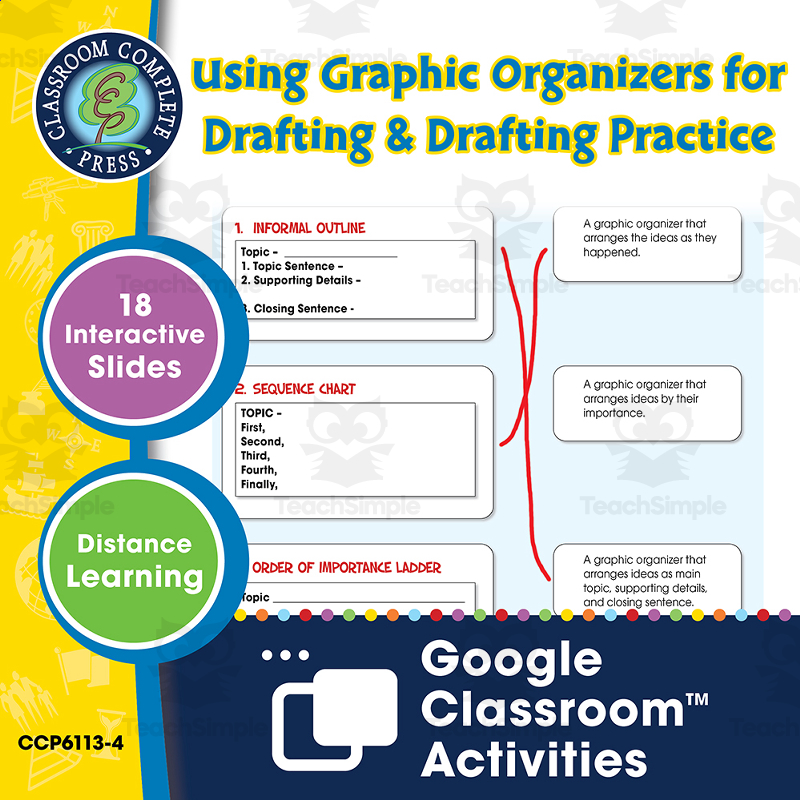
Literary Devices: Using Graphic Organizers to Identify Point of View

Literary Devices: Using Graphic Organizers to Identify Point of View
ELA, Literature, Grade 5, 6, 7, 8, Graphic Organizers, Teacher Tools

"Literary Devices: Using Graphic Organizers to Identify Point of View" - A Dynamic Lesson Plan Tailored for educators, this resource focuses on teaching students about the fascinating interplay between language and storytelling. It is particularly useful for grades 5 through 8, fitting seamlessly within Language Arts curricula. The tool introduces learners to the intense world beneath mesmerizing tales—the Literary Devices. These include critical components like: Characterization Setting Plot Theme, and more... The value in this resource lies in its emphasis on identifying Point of View in literature via grade-specific activities utilizing graphic organizers . User-friendly Definitions and Practice Opportunities- Apart from providing simple definitions for key terminologies, it offers repeated practice opportunities to bolster understanding. Bloom's Taxonomy Model Adherence- The content adheres strictly to the Bloom's Taxonomy model ensuring high quality and educational validity making it usable in both public schools or homeschools alike. It could be used with whole class cohorts or smaller study groups; not forgetting homework assignments either. Tying narrations together with age-appropriate learning activities enable young scholars to understand storytelling better while appreciating creativity; they also build critical analysis skills tackling diverse literary forms encouraging exploration that growth-seeking academic minds desire. Thus whether you aim at arming young minds for expansive literary studies or just inspire a deep affection toward classic/modern Literature - 'Literary Devices: Using Organizers Identify Point of View' could be an indispensable addition to your teaching toolkit.

Author Classroom Complete Press

Tags PDF, Graphic Organizers For Literature, Literary Element Lesson Plans

THEME: The FIVE Elements of a Story Graphic Organizers

THEME: The FIVE Elements of a Story Graphic Organizers
ELA, Reading, Reading Comprehension, Language Development, Pre-Reading, Writing, Not Grade Specific, Teacher Tools, Graphic Organizers

This is our THEME section of our Graphic Organizers Series: The FIVE Elements of a Story. In this set, you can enjoy 10 custom graphic organizers for Theme. These graphic organizers can be used in any classroom, for any grade, and with any student. Use these graphic organizers to help students gain an understanding of Theme in a story. Each graphic organizer comes with instructions on how to use them. Theme Graphic Organizers: Inference Clues – Infer the theme and its meaning from the story by using clues the author gives you. Write down clues to the theme in the circles. Then, find the theme based on these clues and write it in the Inference box. Discuss how you were able to come to that conclusion based on the clues from the story. Theme Prediction – Predict what you think the theme of the story will be based only on the cover art, title, and back cover description. Then, support your prediction. Follow this by writing down evidence from the story as you read along. Finally, write down the actual theme and compare this to your prediction. Theme Chart – First identify the main characters, main conflict, and theme of the story. Then, breakdown the theme of the story by first writing down the beginning of the theme. Follow this by writing the development of the theme, then the climax of the theme. Finish off with the resolution of the theme. Theme Comparison – First, write down a list of themes from the story in the first box. Then, compare these themes by writing their differences in the outside circles, and their similarities in the area where the circles overlap. Finally, write down your conclusions based on this information. Theme Tree – Complete the Theme Tree by first writing the theme on the trunk of the tree. Then, include evidence from the story to support the theme on the branches of the tree. Evidence can be in the form of quotes, paraphrasing, descriptions, and drawings. Theme Contrast – This graphic organizer helps with identifying the Theme and not getting it confused with the Plot or Main Idea of the story. Contrast the theme with the plot or main idea by comparing them and listing ONLY their differences in the two columns. Theme Connection – Connect the Theme of the story with Real Life. First, identify the theme of the story and write it in the center triangle. Then, write down examples of the theme from the story in the circles. Finally, write down examples of the theme as they appear in real life in the rectangles. Changes in Theme – Identify how the Theme changes throughout the story. In the first column, write down the theme in the beginning of the story. In the second column, write down the theme at the end of the story. Compare the two to show how the theme changes. Do this for every theme in the story. Theme Identifier – Get help identifying the Theme of a story by answering the questions. Start off by describing what happens in the story. Then, identify the most important event in the story. Explore the characters by identifying how they change and what they learn. Finally, determine what the author is trying to tell you. Theme Analysis – Identify the Theme, analyze its development, and summarize key supporting details. First, write down what you think the author wants you to understand in the triangle. Then, include supporting evidence in the circles. Finally, tell how the author communicates the theme in the rectangles.

Author Ibby Resources

Tags Study, Skills, Character, Literary, Device

Year of Graphic Organizers

Year of Graphic Organizers
ELA, Writing, Grade 5, 6, 7, 8, 9, 10, Teacher Tools, Graphic Organizers

Year of Graphic Organizers: Your Ultimate Language Arts Assistant Year of Graphic Organizers is an all-inclusive teaching resource tailored for educators in order to streamline the learning process. This diverse collection is highly beneficial in public school contexts as well as homeschooling setups and can be easily integrated into different group settings whether it's a whole class, small clusters or individual homework assignments. With this collective treasure of graphic organizers, the missing piece from a comprehensive Language Arts curriculum puzzle will finally fit. The beauty of these collaborative tools lies within their ability to kindle engagement, and stir imagination while fulfilling the enjoyment aspect that makes learning more effective for students. Sharp learners or ones still finding their groove will equally benefit due to its rich array catering to various comprehension levels. The Importance and Utility of Graphic Organizers Graphic organizers are pivotal- they are visual facilitators simplifying knowledge intake and retention for children enabling them faster understanding of facts and concepts. Moreover, they accelerate practical knowledge application by allowing learners to visualize connections between facts which ultimately helps in meaningful knowledge absorption. Included Resources: Persuasive Writing Organizers, Expository Writing Organizers, Vocabulary Organizers, Book Report Forms, Etc... Futher resources range from Rough Draft Forms catalyzing ideation process followed by nurturing structure via Final Draft Activities leading up till Timelines that teach charting capabilities effectively! Outlining becomes less daunting with ready-made forms accompanied by grading rubrics ensuring fair appraisal representation. New Additions? Always Complementary! The Year of Graphic Organizers doesn’t end here! It’s an ever-growing resource so any new additions are complementary benefits already included within your purchase making it optimal cost-effective educational assistance material. Targeted at Grade 5 through Grade 10 learners specializing in Language Arts; applicable contextually not only within Middle School or Upper Elementary but equally useful for Special Ed Classrooms. This bundle as PDF students will experience how graphic organizers can turn Language Arts into a picturesque learning journey that's enjoyable as it is informative.

Author Socrates Lantern

Tags Graphic Organizers, Teaching Resource, Language Arts, Engagement, Learning Tools

Vocabulary Templates Graphic Organizers and Study Unit Gr 6 7 8 ELA

Vocabulary Templates Graphic Organizers and Study Unit Gr 6 7 8 ELA
Common Core, ELA, Language Development, Vocabulary, Grade 5, 6, 7, 8, Worksheets & Printables, Drawing Templates & Outlines, Graphic Organizers, Teacher Tools, Templates, Charts, Diagrams

Empower your learners to discover the wonders of words through this fun and engaging Vocabulary Templates, Graphic Organizers and Study Unit! Made for 5th, 6th, 7th, and 8th graders, ESL/EFL students, and homeschoolers, this empowering resource contains a total of 24 dynamic vocabulary graphic organizers and meaningful skill-building study guides and activities! What’s inside: 1. 2 Frayer Model Graphic Organizers 2. 2 Word Map Graphic Organizers 3. 1 Vocabulary Concept Map 4. 2 Vocabulary Four-Square Graphic Organizers 5. 2 Definition Chart Graphic Organizers 6. 1 Vocabulary Rating Scale 7. 1 Word Origin Tracker Graphic Organizers 8. 1 Root/Prefix/Suffix Graphic Organizers 9. 2 Words Family Tree Graphic Organizers 10. 1 Word Family Tree Graphic Organizers 11. 2 Multiple Meaning Word Graphic Organizers 12. Introduction to Vocabulary Skills 13. Decoding Context Clues 14. Exploring Word Parts 15. Discovering Synonyms and Antonyms 16. Using a Dictionary and Thesaurus Effectively 17. Exploring Word Maps 18. Understanding Word Families 19. Uncovering Word Origins (Etymology) 20. Mastering Words That Sound Alike: Homophones and Homonyms 21. How to Start and Keep Up a Vocabulary Journal 22. Sample Accomplished Graphic Organizers *Some of the graphic organizers also have content guides for easier use This enriching set of vocabulary study pack can be used as accompanying learning / teaching set for any vocabulary teaching curriculum, supplementary tool to any curriculum, assessment resource for vocabulary lessons, vocabulary projects and activities, sub plan resource and other relevant uses.

Author It's Teacher L

Tags Vocabulary Templates, Vocabulary Graphic Organizers, Vocabulary Study Guide, Vocabulary Skill-Building, Vocabulary Lessons, Vocabulary Projects

Story Elements Main Idea Character Analysis Graphic Organizers

Story Elements Main Idea Character Analysis Graphic Organizers
ELA, Reading, Reading Comprehension, Strategies, Grade 4, 5, 6, Graphic Organizers, Teacher Tools

If you’re looking for relevant and exciting activities to support your students’ reading comprehension skills, this Differentiated Story Elements Graphic Organizers is for you! Made for fourth to sixth grade primary level students, homeschoolers and EFL/ESL learners, this set contains 30 pages of ready-to-use worksheets that support any reading curriculum. With different designs that support learners’ learning levels, this resource is perfect inclusion to your reading class! What’s included are: •17 Story Map / Story Elements Graphic Organizers •8 Character Analysis Graphic Organizers •5 Main Idea and Supporting Details / Key Idea and Key Details Organizers This Differentiated Story Elements Graphic Organizers set can be used as an additional resource for story map, story elements, character analysis, main idea and supporting details activities and even projects that can be a perfect inclusion for students’ file folders and portfolios. With the variety of activities, this is a helpful and necessary tool that the teachers can rely on for many school years to come!

Author It's Teacher L

Tags Graphic Organizer, Reading Comprehension, Story Elements, Story Maps, Character Analysis, Main Idea

EYE GYMNASTICS | 5 FREE POSTERS
Free Download

EYE GYMNASTICS | 5 FREE POSTERS
Special Resources, Montessori, Early Learning, Elementary, Homeschool Resources, Not Grade Specific, Pre-K, Worksheets, Worksheets & Printables, Diagrams, Teacher Tools, Graphic Organizers, Presentations, Rubrics, Templates

EYE GYMNASTICS | 5 FREE POSTERS INFORMATION OF THE AUTHOR;At EDITORIAL ARENAS EDUCATIVAS, we believe that learning should be as fun as playing. That’s why we create educational materials that spark children’s curiosity and creativity. I invite you to check out my educational store and discover the wide range of resources that can transform your classes. MAIN DESCRIPTION OF THIS RESOURCE: What is the name of your product and what makes it special? This beautiful product is called “ EYE GYMNASTICS | 5 FREE POSTERS ”, and it is very special because it was carefully designed or compiled. With this educational resource, we want students to learn with enthusiasm and fun, because we believe learning is fun. How many pages are included in this resource? This fabulous document contains the following number of pages: 5 What size is it designed in (A4, letter, etc.)? This resource is designed in A4 format and compiled as a PDF. This makes downloading and printing simple and convenient, and PDFs are also easy to store and carry anywhere. PDF A4 Is the material in color or black and white? This pedagogical document comes in both black and white and color. This makes it more attractive for your learning sessions, but you have the freedom to choose how to print it. COLOR TAGS: EYE GYMNASTICS, EYE, BRAIN, BRAIN GAMES. SECONDARY AND COMPLEMENTARY INFORMATION: For what ages, levels, or grades is it designed? My specialty is creating educational resources for children, especially for preschool (ages 3–5) and primary (ages 6–12). Sometimes, I also create Spanish resources for learners of all ages. What subject, skill, or topic does it cover? This resource is designed to cover essential learning areas for children, generally literacy and math. What learning objectives does it achieve? This document fulfills a playful objective—it’s meant to be attractive and engaging for children. At the same time, it ensures that students learn or reinforce their knowledge. Who can use it best (teachers, parents, students, therapists, homeschoolers)? We are all part of education. Whether you are a teacher, parent, student, or therapist, this document can adapt perfectly to your learning goals, depending on your creativity. What additional materials are recommended (printer, scissors, markers, etc.)? The more immersed students are in learning, the greater their results. That’s why it’s ideal to complement this resource with pencils, crayons, markers, and even other art tools.

Author EDITORIAL LAURA EDUCA

Rating

Tags FREE, FREE RESOURCES, GYMNASTICS, EYE GYMNASTICS, SPECIAL RESOURCES

42 Editable Bookmarks for teachers and students - Nature #5

42 Editable Bookmarks for teachers and students - Nature #5
, Not Grade Specific, Teacher Tools, Graphic Organizers

Nature-Themed Editable Bookmarks for Educators This editable bookmark set allows teachers to create customized bookmarks for students. The PowerPoint file includes 42 nature-themed bookmark templates with multiple layouts that can be edited with text, images, and more before printing. These bookmarks can be used for reading incentives, reminders, or student creation. Students will enjoy personalizing bookmarks for themselves, friends, family, and teachers. This adaptable resource is useful for any grade level or subject. Teachers can provide vocabulary words, reading tips, website links, QR codes, or inspiration quotes on the bookmark templates. The possibilities are endless for these editable bookmarks that can be tailored to any educational need and printed year after year. This set offers a creative way for teachers to engage students while encouraging reading.

Author Pick'n Teach

Tags Graphics, Bookmarks, Editable, Nature, Reading

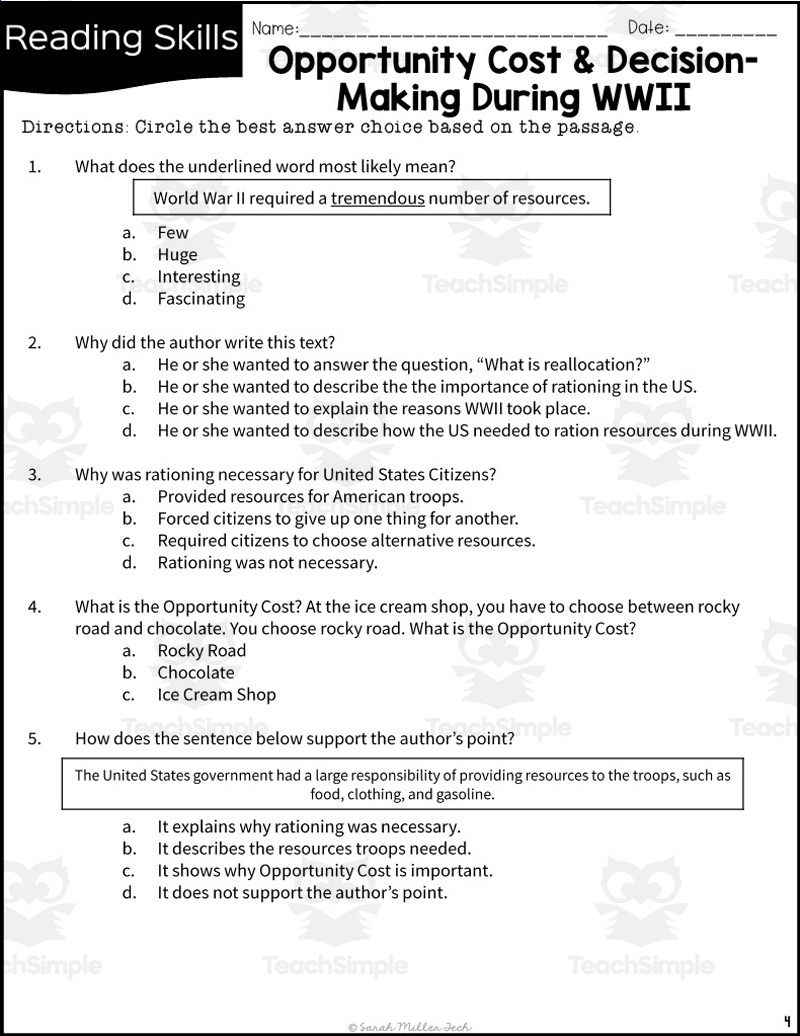
Thomas Jefferson Interactive Notebook | SS1H1a, SS1H1b, SS1G1a, SS1CG1

Thomas Jefferson Interactive Notebook | SS1H1a, SS1H1b, SS1G1a, SS1CG1
Social Studies, Biographies, Preschool, Grade 1, 2, Teacher Tools, Graphic Organizers

Thomas Jefferson Interactive Notebook Bring Thomas Jefferson and early American history to life for students with this engaging social studies resource. This interactive notebook invites kids to immerse themselves in Jefferson's world through 17 skill-building activities. Learners will create timelines, map Jefferson's travels, analyze famous speeches and documents he authored, and more. The notebook covers key first grade social studies topics like basic economics and American symbols and holidays. Use it to teach standards SS1H1a, SS1H1b, SS1G1a, and SS1CG1. This printable packet allows students to actively process new information on Jefferson. Pair these materials with a biography and primary sources on America's third president. Differentiate instruction by using the notebook for whole-class learning, small groups, or independent practice. Get creative - the possibilities are endless!

Author Sarah Miller Tech

Tags Social Studies, Thomas Jefferson, Graphic Organizers, Venn Diagram, Presidents

Cold War Overview: Graphic Organizer

Cold War Overview: Graphic Organizer
Social Studies, History, History: Europe, History: World, Grade 7, 8, 9, 10, 11, Teacher Tools, Graphic Organizers

The Cold War was a time of tension and rivalry between the United States and the Soviet Union that lasted from the end of World War II in 1945 until 1991. The two superpowers never fought a direct war against each other, but they were involved in many proxy wars, such as the Korean War and the Vietnam War. The Cold War started because the United States and the Soviet Union had different ideas about how countries should be run. The United States believed in democracy, where the people elect their leaders and have individual freedoms. The Soviet Union believed in communism, where the government controls everything and everyone is equal. The United States and the Soviet Union both wanted to spread their ideas and influence around the world, which led to a lot of tension between them. They also built up huge military forces, including nuclear weapons, to try to scare each other into backing down. The most dangerous time during the Cold War was in 1962, during the Cuban Missile Crisis. The Soviet Union had secretly put nuclear missiles in Cuba, which is very close to the United States. The United States demanded that the missiles be removed, and there was a tense standoff between the two superpowers. Eventually, the Soviet Union agreed to remove the missiles, and the crisis was over. The Cold War ended in 1991 when the Soviet Union collapsed. The United States emerged as the world's only superpower, and there was a lot of hope for peace and cooperation between countries. While there are still tensions between countries today, the world is much more peaceful than it was during the Cold War. Teacher-prepared notes show students what is important and how ideas relate, and offer a model for how students should take notes themselves (Marzano et al., 2001). These teacher-created notes will help your students grasp the major events of the Cold War era. These notes work well as a supplement to class readings! Thumbnail and product clipart credit: By PrincePadania and byDandy Doodles This product provides students with an easy-to-understand overview of the major issues, leaders, and events associated with the Cold War.

Author EduPal Learning

Tags Cold War, Stalin, Graphic Organizer, High Yield Strategy

Alphabet Tracing Adventures: Interactive Workbook for Early Learners

Alphabet Tracing Adventures: Interactive Workbook for Early Learners
Montessori, Writing, ELA, Handwriting, Formal Writing, Creative Writing, Resources for Teachers, Classroom Management, Community Building, Special Resources, Kindergarten, Preschool, Grade 1, 2, Teacher Tools, Lesson Plans, Quizzes and Tests, Quizzes, Tests, Activities, Centers, Diagrams, Graphic Organizers, Charts

Unleash the literacy potential of your preschooler with Alphabet Tracing Adventures: Interactive Workbook for Early Learners – the best preschool alphabet tracing workbook to develop handwriting, fine motor skills, and letter recognition in preschoolers. This best, award-winning educational resource includes an in-depth parent and teacher manual on posture, grip, and kinesthetic skills; fun pre-writing exercises with tracing straight, zig-zag, and curved lines to develop muscle memory; step-by-step tracing instructions for uppercase letters (A-Z) with emphasis on graphomotor accuracy and spatial relationships; and guided tracing of lowercase letters (a-z) with emphasis on proportional accuracy and fluid motion. Full of interactive tracing pages, arrows, tips, and pictures, this 37-page digital printable workbook transforms learning into an adventure, ideal for homeschool preschool, kindergarten preparation, or literacy centers in preschool and kindergarten classrooms. Great for developing eye-hand coordination, bilateral integration, and mastery penmanship in toddlers and preschoolers. Get this SEO-optimized preschool handwriting practice PDF today for endless reusable fun – keywords: alphabet tracing worksheets preschool, fine motor skills activities kids, early literacy workbook printable, handwriting practice sheets toddlers, preschool letter recognition games. Why Parents/Schools Love It: Expertly Guided Development: Comes with comprehensive parent/teacher manuals on posture, tripod touch, and fine motor skills to promote proper use and avoid typical handwriting problems for lifelong success. Engaging and Fun Design: Transforms tracing activities into an "adventure" with arrows, pictures, and short, frequent intervals to keep young students engaged and motivated without overloading their short attention spans. Comprehensive Skill Development: Encompasses pre-handwriting exercises, uppercase, and lowercase letters with step-by-step stroke development to develop eye-hand coordination, muscle memory, and bilateral integration in a fun and organized manner. Flexible and Reusable: Digital printable format ideal for homeschooling, classroom, or home practice, emphasizing process over product to instill confidence in young students. Award-Winning Quality: High-quality premium version with effective educational approaches, making it a reliable tool for improving literacy readiness and fine motor skills. Target Student Classes : With a comprehensive understanding of the PDF, including its teaching framework, developmental aspect of fine motor skill coordination, pre-writing skills, and basic stroke-writing letter formation (uppercase A-Z and lowercase a-z), this workbook is specifically designed for preschool children aged 3-5 years. The developmental milestones covered in this workbook, such as the transition from gross to fine motor skills, are also aligned with preschool developmental programs. This workbook may also be used for early kindergarten children aged 5-6 years, but not for higher classes. Copyright/Terms of Use: This Book is copyrighted by Syed Hammad Rizvi. This resource is for personal and single classroom use only. You may not alter, redistribute, or sell any part of this resource. In other words, you may not put it on the Internet where it could be publicly found and downloaded. If you want to share this resource with colleagues, please purchase additional licenses from Teachsimple. Thank you for respecting these terms of use. This product is happily brought to you by Syed Hammad Rizvi

Author Creative Book Store

Rating

Tags PreschoolAlphabetTracing, AlphabetTracingWorkbook, EarlyLearnersLiteracy, HandwritingPracticeKids, FineMotorSkillsActivities, PreschoolTracingWorksheets, InteractiveAlphabetWorkbook, KindergartenReadiness, HomeschoolPreschoolActivities, LetterTracingForToddlers