3,950 products added recently
Page 7 - Graphic Organizers
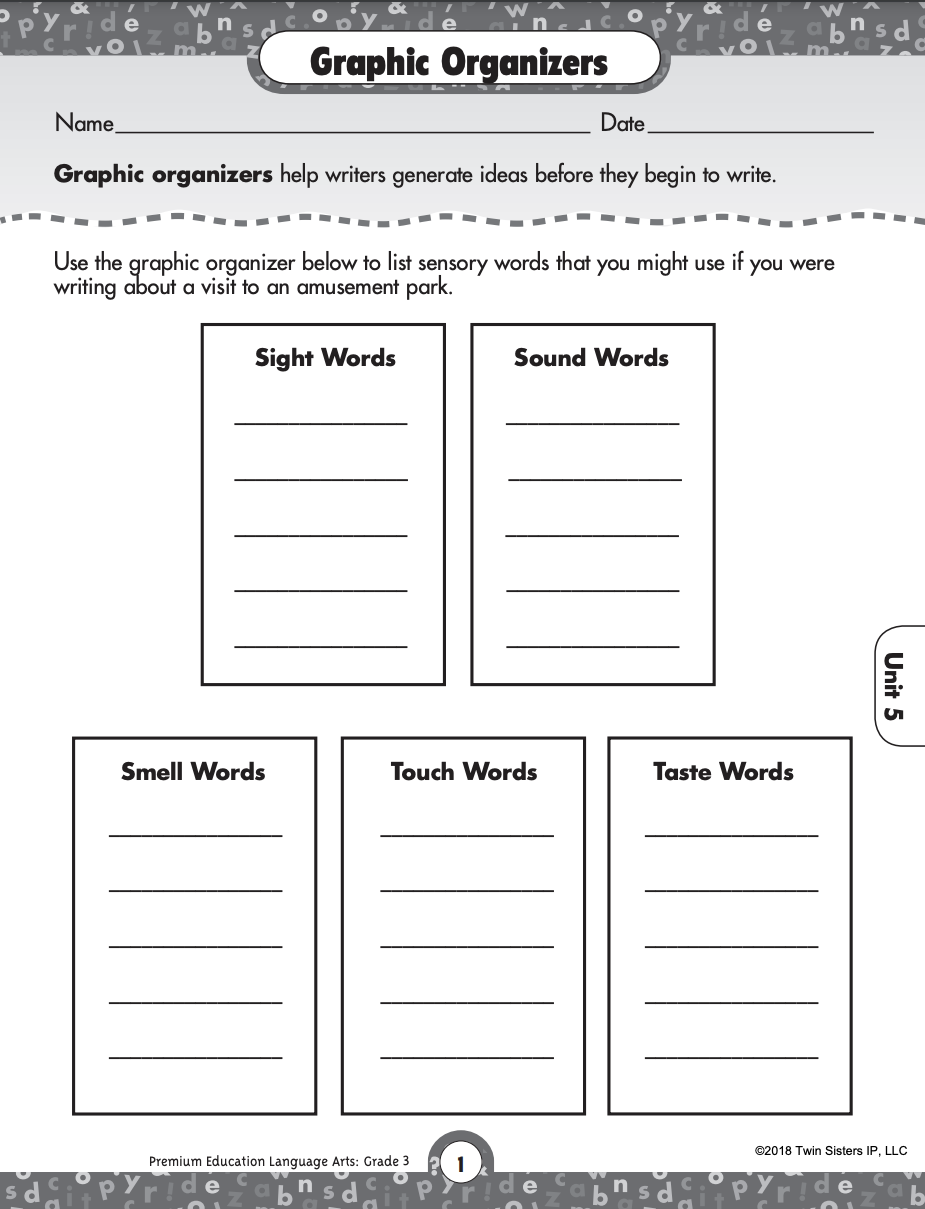
Incorporate graphic organizers into your teaching to help students organize information visually. This collection includes mind maps, Venn diagrams, flowcharts, and more, suitable for various subjects and grade levels. By using graphic organizers, you can aid comprehension, facilitate critical thinking, and improve retention.
High School Crafting a Dystopia: A Guide For Dystopian Fiction
ELA, Reading, Writing, Research, Resources for Teachers, Homeschool Resources, High School, Assessments, Teacher Tools, Rubrics, Outlines, Graphic Organizers, Worksheets & Printables, Writing Prompts, Lesson Plans, Diagrams
As a homeschool mom myself, I’m always on the lookout for ways to make high school writing both challenging and genuinely fun. That is exactly why I created this High School Crafting a Dystopia: A Guide For Dystopian Fiction unit. Let's be honest—staring at a blank page is intimidating for teenagers, especially when they have to build an entire fictional world from scratch. This High School Crafting a Dystopia: A Guide For Dystopian Fiction resource fixes that by acting as a step-by-step roadmap. It guides your teen from that first spark of an idea all the way to a polished short story. By breaking down the big, scary process of dystopian storytelling into bite-sized pieces, it turns a daunting project into an exciting adventure. Whether your teen is an aspiring novelist or just needs to build confidence in their creative writing, this guide gives them the exact structure they need without crushing their unique voice. I built every single page with the realities of homeschooling in mind. My goal is to completely change how your teen views storytelling, while giving you the peace of mind that you're using a reliable, high-quality resource. INCLUDED IN THIS RESOURCE: Instructional Guides: Step-by-step handbooks for world-building and plot development. Planning Tools: Concept maps and character profile worksheets for organized pre-writing. Writing Prompts: 20 specialized prompts designed to ignite the dystopian imagination. Assessment Pack: Peer review checklists and teacher rubrics for structured feedback. TOPICS COVERED: Dystopian Logic: Defining "Perfect Lies" and the mechanics of societal control. Character Arc: Developing protagonists through internal awakenings and meaningful flaws. World-Building: Using sensory details to establish atmosphere and settings. Narrative Structure: Pacing the hook, rising action, climax, and resolution. Ultimately, this High School Crafting a Dystopia: A Guide For Dystopian Fiction unit is all about helping your homeschooler find their voice and truly master short fiction. It balances clear guidance with plenty of creative freedom, giving young writers the perfect space to grow. You will love how the organized planning tools and straightforward rubrics take the stress out of teaching. By focusing on core skills like world-building and character development, this unit sets your teen up for long-term success. I truly believe that with the right tools, teenagers can write stories that are both deeply thoughtful and technically strong. I am so excited to share this project with your family and see your teen bring their unique world to life. Thank you for letting me play a small part in your homeschool journey. If you and your students/homeschoolers enjoyed this resource, please leave a review. Thank you for your support! Tina - Big Easy Homeschooling Mom
Author Homeschool with Big Easy Homeschooling Mom
Rating
Tags Dystopian Writing, High School English, Creative Writing Lesson, Character Development, Dystopian Fiction Guide, Short Story Project, Dystopian Story Prompts For Teens, , How To Write A Dystopian Short Story, Dystopian Writing Unit For Homeschool, Dystopian Plot Outline Template
10 Graphic Organizers - Comprehension Charts to Review Any Text!
ELA, Reading, Grade 1, 2, 3, Graphic Organizers, Teacher Tools
Comprehension Charts - A Teaching Resource The 10 Graphic Organizers - Comprehension Charts to Review Any Text is a teaching resource designed to strengthen crucial capabilities like understanding and analyzing texts. These visual aids enhance understanding, challenge thinking, and aid comprehension in young learners making it perfect for Grade 1 to Grade 3 students. These focus predominantly on the Language Arts curriculum enriching reading skills. This pack comprises ten diverse designs incorporating different text structures: Author's Purpose Cause and Effect Character, Setting, Events etc. These encourage deep understanding of the read text guiding students to compare contrasting ideas within the texts with Compare and Contrast charts . Breaking down complex readings into manageable parts can be accomplished using: Main Idea and Key Details chart, The Sequence chart for tracing plot progression etc. For intense literature analysis use: Point of View, Problem and Solution charts , which are quite helpful in deciphering advanced readings. Other resources in this package include: Pictorial Storyline graphics for summarizing stories , Moral or message Theme diagrams when discussing fables or short stories . These resources make classroom sessions versatile that can be employed for whole group instruction stimulating brain storming during small group discussions or as individual assignments at home thus reinforcing learnt lessons at school. You can download this teaching tool as a PDF file comprising of 10 pages which are ready for instant use! Without any unnecessary elements just straight-forward yet well-designed charts enabling focussed learning. This makes it very useful as an additional resource supplementing textbooks for reader comprehension. When planning teaching sessions remember: Visual aids can play a significant role serving as dynamic supporting devices making student engagement active and increasing knowledge retention. Whether you're building a curriculum for homeschoolers or enhancing course work within a traditional classroom setting these graphic organizers will prove to be invaluable! Enjoy the fun in teaching. Let these resources do some of the heavy lifting for you.
Author Tom's Talk
Tags Graphic Organizers, Comprehension Charts, Reading Skills, Text Analysis, Language Arts
Animal Print Classroom
, Not Grade Specific, Classroom Decor, Teacher Tools, Graphic Organizers
This zip file contains anything you'll need to create an animal print classroom. This is a super fun theme because you can chose different prints for each table or small group! You can also choose a different print for different subject areas. Choose just ONE print for your room or mix and match all the animal prints! It's a great addition to any island or jungle themed classroom! Perfect for all grade levels, teachers can print everything out in color- best done on card stock for some items such as calendar cards. Also, Items such as number lines are created to be printed on 8.5x11 paper since that's what we would normally have at school/home. The number line can be easily printed out, taped together, and then laminated. Everything comes in POWERPOINT format. The Powerpoint files are technically editable because you can add a text box and add whatever font you'd like but there's a separate file called editable if you want that! The PDFs are only editable if you have a PDF editor installed on your computer. This classroom set of Animal Printed themed materials includes: - 60 classroom labels (2 sets- rounded and rectangular) - 6 types of student name tags Simple in 3 colors - 6 plan book covers - 6 sub binder covers - 6 homework folder covers - 6 absent work covers - 26 letter posters for your Word Wall with color coded upper and lowercase letters - Welcome banner for Back-to-School night -Meet the Teacher page - Student awards (student of the week / month)
Author Tpete's Supply Store
Tags Animal Print, Cheetah Print, Zebra Print, Classroom Decor, Classroom Printables, Theme, Animal Print Decor, Animal Prints
Jabuti the Tortoise Reader Response Activities
ELA, Reading, Reading Comprehension, Literature, Grade 2, 3, 4, Teacher Tools, Graphic Organizers, Worksheets & Printables, Novel Studies, Activities, Worksheets
This picture book companion is the perfect resource to accompany the book Jabuti the Tortoise: A Trickster Tale from the Amazon by Gerald McDermott. It includes 34 print-and-go reading activities to choose from, making this resource ideal for customizing learning to your student's specific needs and academic abilities. Students will investigate characters, identify story elements, determine the theme, practice plotting story events, compare & contrast, make predictions, inferences, & connections, answer questions that require them to think beyond the text, and much more! Students will love the engaging and fun activities, and you will appreciate the time saved hunting for high-level resources to teach reading concepts that students frequently struggle with. The activities provided are designed to enable students to apply higher-level thinking skills, encourage them to provide text evidence to support their thinking, and challenge them to express their own thoughts and/or perspectives. ⭐️This Resource Includes:⭐️ ◾ Elements of a Trickster Tale Anchor Chart or Notes Handout: Color and B&W ◾ Making Predictions: Before reading the book, students will make predictions about the text. ◾ Elements of a Trickster Tale: Students fill in the chart with the details of the story that characterize it as a trickster tale. ◾ Trickster Tale Tidbits: Students will answer the questions with details from the story that proves it's a trickster tale. ◾ Story Elements: Students fill in the boxes with words & pictures to represent the story elements. ◾ Sequencing: Students will retell & illustrate the important parts of the story. ◾ Recalling events in Chronological Order: Students describe and illustrate four major events in the story in chronological order. ◾ Summary: Students complete the Somebody, Wanted, Because, But, So graphic organizer and write a summary of the story. ◾ Story Event Sort: Students will describe a scene or event from the story that fits into each of the categories & explain how the event made them feel & how it relates to the category. ◾ Making Inferences: Students use clues & schema to make inferences while reading the story. ◾ Making Connections: Students make connections to an event from the story. ◾ Author's Message: Students describe four important events from the story in chronological order and answer the questions about the author's message. ◾ Character Inside & Out (Jabuti): Students include details from the story to describe what the character says, thinks, does, and feels. ◾ Character Inside & Out (Vulture): Students include details from the story to describe what the character says, thinks, does, and feels. ◾ Character Feelings (Jabuti): Students describe how the character's feelings change throughout the story & give examples of the events that cause them to feel the way they do. ◾ Character Feelings (Vulture): Students describe how the character's feelings change throughout the story & give examples of the events that cause them to feel the way they do. ◾ Character Development (Jabuti): Students select the character traits that best describe the character at different times throughout the story and provide examples from the book to support each character trait. ◾ Character Development (Vulture): Students select the character traits that best describe the character at different times throughout the story and provide examples from the book to support each character trait. ◾ Character Change (Jabuti): Students will explain how the character changed from the beginning to the end of the story and describe the events that caused the change to happen. ◾ Character Change (Vulture): Students will explain how the character changed from the beginning to the end of the story and describe the events that caused the change to happen. ◾ Sketch a Scene From the Story: Students draw a scene from the story & explain why it's important to the plot. ◾ Setting Influences the Plot: Students will draw a scene from the story that takes place in one of the settings and write about what happened there and why it was important to the plot. ◾ Setting the Scene: Students identify three different settings in the story and explain how they know that the setting changed. ◾ Theme: Students answer the questions to determine which theme best fits the story and provide text evidence to support their choice. ◾ Thinking About the Text: Students will answer the questions about the story & include examples from the text to support their answers. ◾ Compare & Contrast: Students answer the questions to compare & contrast Jabuti's tricks to Vulture's trick. ◾ Vocabulary Crossword Puzzle: Students use the clues and the word bank to fill in the crossword puzzle (ANSWER KEY INCLUDED). ◾ Antonyms All Around: Students find the antonyms, words with opposite meanings, in the text provided from the story and use a dictionary, or scan the QR code, to find more opposite words for the antonyms they found in the text. ◾ Wait... There's More!: Students will write about what happens next in the story. ◾ Book Review: Students color in the stars to rate how much they enjoyed the book and draw a new cover & their favorite character from the story. Then, they will explain why other kids should or should not read it. ◾ Write an Origin Story: Students will plan and write their own origin story. The following pages are included in this activity : ◾ My Trickster Tale Planning Sheet: Students use the planning sheet to organize their own origin story. They select an animal that they think is special and write a story about how the animal got its voice, coloring, nose, tail, speed, or other special features or abilities. ◾ My Trickster Tale Cover: Students design a book cover for their origin story. ◾ Lined Writing Paper: Three different layouts are included. 💡Need ideas for different ways you can implement these activities? ◾ Focus on different reading skills each day for targeted instruction, and have students complete a corresponding printable to check for understanding. ◾ During centers, students can independently read the story again and complete an activity that reviews a previously taught concept. ◾ Work with students on a reading concept they struggle with during guided reading or strategy groups. ◾ Students work with a partner or in literature circles to complete additional reading activities. The book is not included. ⭐️You may also like: ⭐ TEXT SET #1: "The Importance of Friendship" ◾ A Weekend With Wendell Read Aloud Book Companion Activities for IRA ◾ First Come the Zebra Read Aloud Book Companion Activities for IRA ◾ This is Our House Read Aloud Book Companion Activities for IRA ◾ Horace and Morris But Mostly Dolores Read Aloud Book Companion Activities for IRA ◾ The Old Woman Who Named Things Read Aloud Book Companion Activities for IRA TEXT SET #3: "Finding Your Way in a New Place" ◾ Grandfather Counts Read Aloud Book Companion Activities for IRA ◾ The Have a Good Day Cafe, Read Aloud Book Companion Activities for IRA ◾ Roses for Gita Read Aloud Book Companion Activities for IRA ◾ Mango, Abuela, and Me, Read Aloud Book Companion Activities for IRA ◾ Home at Last Read Aloud Book Companion Activities for IRA TEXT SET #7: "Exploring Narrative Nonfiction" ◾ Cactus Hotel Read Aloud Book Companion Activities for IRA ◾ A Log's Life Read Aloud Book Companion Activities for IRA ◾ Salmon Stream Read Aloud Book Companion Activities for IRA ◾ Think of an Eel Read Aloud Book Companion Activities for IRA ✨Be sure to check out my storefront here: https://teachsimple.com/contributor/creatively-gifted
Author Creatively Gifted
Tags IRA, Picture Book Activities, Read Aloud Lessons, Interactive Read Aloud Activities, Elementary Reading, Reading Comprehension, Fountas And Pinnell IRA, Second Grade, Trickster Tales, Jabuti The Tortoise
The Mouse and the Motorcycle STEM Experiment + STEM Project
Science, Technology, Engineering, STEM, Grade 3, 4, 5, Experiments, Activities, Projects, Diagrams, Teacher Tools, Graphic Organizers, Rubrics
Help design and build a four-wheeled car for Ralph, the adventurous mouse, from The Mouse and the Motorcycle. Perfect for integrating literature and science, this challenge guides students to apply engineering principles using simple materials while fostering teamwork and critical thinking. What’s Inside This Resource: Student Letter: A fun letter from Ralph introduces the challenge, linking the story to a real-world engineering task. Design Loop Graphic: A visual students can attach to their science journals, serving as a step-by-step guide throughout the activity. Detailed Instructions: Choose to print the guide as a packet or have students record each stage in their journals for an interactive experience. Teacher Tips: Practical guidance for crafting a clear problem statement with time constraints, materials, and success criteria tailored to your classroom. Skills Your Students Will Build: ✔ Problem-Solving: Identify obstacles and create inventive solutions. ✔ Engineering Design: Navigate the design loop—plan, construct, test, and refine. This page can easily be enlarged for a classroom poster. ✔ Critical Thinking: Assess their prototype’s performance and pinpoint ways to enhance it. ✔ Teamwork: Collaborate effectively to accomplish shared goals. Versatile Classroom Application: Whether as guided instruction or part of an integrated literature and science unit, this STEM activity encourages students to think creatively, document their process, and meet science and engineering standards. The rubric included is based on engineering concepts, but can also be used as a nonfiction writing rubric for cross-curricular options. Why Educators Love This Resource: ⭐ “My students were fully engaged, combining their passion for reading with STEM!” ⭐ “Simple to set up and encourages creativity and teamwork.” ⭐ “A seamless connection between literature and science for cross-curricular learning!” Inspire your students to solve Ralph’s problem and discover the joy of engineering with this fun, standards-aligned STEM challenge!
Author Kel's Klass
Tags 4th Grade Science Project, 4th Grade Science Experiment, 5th Grade Science Project, 5th Grade Science Experiment, Engineering Diagram, Science Graphic Organizer, Science Rubric, 3rd Grade Science Project, 3rd Grade Science Experiment, The Mouse And The Motorcycle
Reading Comprehension: Fishbone Graphic Organizer - FLASH-MAC
ELA, Reading, Reading Comprehension, Grade 5, 6, 7, 8, Graphic Organizers, Teacher Tools
Reading Comprehension: Fishbone Graphic Organizer - FLASH-MAC has been especially designed to bolster student comprehension abilities using a unique method. Suitable for students in grades 5 through 8, it adheres strictly to the Language Arts curriculum requirements with emphasis squarely on comprehension as a subgroup. Designed as an activity -based learning tool, this resource motivates learners towards experiential learning rather than plain reading or listening. The chief feature that stands out is the Fishbone Map Graphic Organizer mini exercise, designed to intensify learner understanding of course material. Learners intercept facts about manatees and position highlighted text fragments onto appropriate slots within a fishbone map graphic organiser. This task of ordering these facts imparts essential skills such as: Distinguishing main ideas from supporting details Honing their critical thinking capabilities Elevating their inference abilities This Mac compatible software is versatile for different classroom environments – it can equally be used by teachers for group teaching, smaller focused group activities or individual assignments suitable even for homework tasks; its efficiency and user-friendly nature promotes student involvement across varied learning scenarios seamlessly. Beyond being just an instructional aid, this tool also encourages learners to take charge of understanding new concepts besides nurturing digital literacy skills. Therefore, educationists often find it a crucial component complementing conventional teaching methods successfully. In conclusion, Reading Comprehension: Fishbone Graphic Organizer - FLASH-MAC provides practical support when undertaking Language Arts subjects where comprehension is pivotal yet an under-recognised component forming the backbone of academic success in all fields of study.
Author Classroom Complete Press
Tags Software (Mac), Fishbone Graphics
High School The Outsiders 4-Week Unit Study (Growing Bundle)
ELA, Literature, Reading, Writing, Research, High School, Homeschool Resources, Teacher Tools, Assessments, Graphic Organizers, Lesson Plans, Outlines, Presentations, Quizzes and Tests, Rubrics, Worksheets & Printables, Writing Prompts
Homeschooling a high schooler is a completely different ballgame, isn’t it? I quickly realized that my teenager could spot pointless busywork a mile away—and honestly, they just do not tolerate it. I needed something that fulfilled those necessary high school academic requirements but actually got my teen talking. That frustration is exactly why I built this f our-week unit study for The Outsiders . I originally designed it to take the planning pressure off my own shoulders while offering the kind of mature, respectful academic challenge that older kids appreciate. We skip the repetitive, surface-level comprehension questions here. Instead, this unit targets the messy, real-world themes that high schoolers actually care about: class divides, identity, and the intense pressure to belong. Because the daily layout is already completely organized for you, you can stop stressing over Sunday night lesson planning. Instead, you get to just sit down at the table and dive into great book discussions with your student. This High School The Outsiders Unit Study study was a genuine labor of love in our own home. My hope is that it gives you back your prep time and turns your literature hours into something you both actually look forward to each day. INCLUDED IN THIS RESOURCE: Daily roadmap for structured learning. 6-part test, rubrics, and grading keys. 20 deep-thinking prompts and essay topics. Note-taking sheets, projects, and progress trackers. TOPICS COVERED: Greasers vs. Socs class analysis. Exploring adolescent pressure and growth. Symbolism, narrative voice, and theme. Investigating self-concept and belonging. Whether you need a solid foundation for a high school literature credit or a meaningful supplemental deep dive, this growing bundle bridges the gap between academic rigor and true heart. It challenges older students/homeschoolers to think critically and dissect the complexities of Hinton’s iconic narrative, while giving you back hours of your precious weekly prep time. If you and your students/homeschoolers enjoyed this unit study, please leave a review. Thank you for your continued support! Tina - Big Easy Homeschooling Mom
Author Homeschool with Big Easy Homeschooling Mom
Rating
Tags The Outsiders Study Guide, S.E. Hinton Unit, Literature Analysis Materials, High School Novel Study, Greasers And Socs Analysis, English Literature Deep Dive, Dolescent Identity Literature, Sociopolitical Literature Unit, English Study Guide, Thematic Analysis
Sequences & Series Graphic Organizer
Math, Algebra, Calculus, Grade 10, 11, 12, Teacher Tools, Graphic Organizers
If you are a high school math teacher, finding resources that best serve for your students is of the utmost importance! This is a Sequences and Series Graphic Organizer that is filled with purposeful information that your students can put to use right away. Graphic organizers have always been a great way to organize information, so these are no exception! There is 1 sheet included. All you have to do is print and go. This is a completed graphic organizer . Information included on the Sequences & Series Graphic Organizer : --There are two columns: Arithmetic & Geometric --There are two rows: Sequences & Series --Each row has sub-rows. Within sequences, you have sequence goals, pattern, recursive formula, and explicit formula. Within series, you have series goals, sum of finite series, and sum of infinite series. This graphic organizer can be printed and distributed to students at the start of this unit. It serves as a great reference point for them. I hope you enjoy! Here are similar resources for you to enjoy: https://teachsimple.com/product/arkansas-river-float-activity https://teachsimple.com/product/fill-the-tank-activity https://teachsimple.com/product/algebra-2-word-wall https://teachsimple.com/product/intro-to-calculus-word-wall You can visit my storefront here: https://teachsimple.com/contributor/smith-math I can be contacted for questions and concerns at smithmathtpt@gmail.com .
Author Smith Math
Tags Algebra Graphic Organizer, Calculus Graphic Organizers, Sequences, Series, Arithmetic Functions, Geometric Functions, Formulas, Patterns
FREE: The FIVE Elements of a Story Graphic Organizers
ELA, Reading, Reading Comprehension, Language Development, Pre-Reading, Writing, Not Grade Specific, Teacher Tools, Graphic Organizers
This is a FREE sample of our Graphic Organizers Series: The FIVE Elements of a Story. In this sample, you can enjoy a selection of 10 custom graphic organizers for Character, Setting, Plot, Theme, and Conflict. These graphic organizers can be used in any classroom, for any grade, and with any student. Use these graphic organizers to help students gain an understanding of the five elements of a story. Each graphic organizer comes with instructions on how to use them. Character Graphic Organizers: Character Map - Write the name of the character in the middle circle. Then, describe the character’s actions in the top left square; what the character says and how they speak in the top right square; the character’s feelings in the bottom left square; and what the character looks like in the bottom right square. Character Comparison - Use the Venn Diagram to compare two characters from the story. Write the names of each character in the overlapping circles. Write any differences the characters have with one another in the outside circles. Write any similarities the characters have in the middle of both circles. Setting Graphic Organizers: Setting Stage - Draw the setting that the story takes place in on the stage in this graphic organizer. Be sure to illustrate the time and place that the story takes place in. Also include the environment of the story, and try to show the tone or mood that the setting creates for the story. Elements of Setting - Place + Time + Environment + Mood = Setting in this Graphic Organizer. Describe the Place that the story takes place in the top left box. Then, describe the Time in the top right box. Then, describe the Environment in the bottom left box. Finally, describe the Mood in the bottom right box. Plot Graphic Organizers: Plot Pyramid – Complete this classic Plot Pyramid graphic organizer by writing the Introduction of the story in the bottom left box. Then, describe the Rising Action, followed by the Climax of the story. Finish up with the Falling Action and the Resolution or Conclusion of the story. Storyboard – Illustrate the plot or an event from the story. Draw or describe in detail each stage in the plot or in an event that takes place in the story. Remember, the order of plot development is: Introduction, Rising Action, Climax, Falling Action, and Resolution/Conclusion. Theme Graphic Organizers: Theme Chart – First identify the main characters, main conflict, and theme of the story. Then, breakdown the theme of the story by first writing down the beginning of the theme. Follow this by writing the development of the theme, then the climax of the theme. Finish off with the resolution of the theme. Theme Identifier – Get help identifying the Theme of a story by answering the questions. Start off by describing what happens in the story. Then, identify the most important event in the story. Explore the characters by identifying how they change and what they learn. Finally, determine what the author is trying to tell you. Conflict Graphic Organizers: Conflict Dissection – Complete this graphic organizer by filling in each quadrant. In the first box, identify the characters of the story. In the next box, identify the time and place of the story. In the third box, identify the problem that takes place in the story. In the last box, identify the solution to the problem. Conflict Type Chart – In the first column, find examples from the story that shows Character against Character. In the second column, find examples of Character against Nature. In the third column, find examples of Character against Self. And finally, in the fourth column, find examples of Character against Society.
Author Ibby Resources
Tags Study, Skills, Character, Setting, Plot, Theme, Conflict, Literary, Device
The Wonderful Wizard of Oz Lapbook Project Reading ELA Grades 3 4 5
ESL, Language Development, ELA, Literary Devices, Literature, Children’s Literature, Reading, Reading Comprehension, Strategies, Grade 3, 4, 5, Centers, Activities, Crafts, Projects, Assessments, Teacher Tools, Graphic Organizers, Templates
Get swept away by the wonderful adventures of fun learning through this Wonderful Wizard of OzLapbook Project ideal for Grades 3, 4, and 5 students, homeschoolers and EFL/ESL learners. This dynamic resource is created for your reading classroom, fairy tale unit, reading centers, reading comprehension special project and so much more! What’s Inside: •3 Wonderful Wizard of OzLapbook Leveled Reading Passages (Easy, Average, Hard) •6 Wonderful Wizard of OzLapbook Unique Cover Options •2 Wonderful Wizard of OzLapbook Name Page Versions •1 Wonderful Wizard of OzLapbook Lapbook Center Page •3 Wonderful Wizard of OzLapbook Story Summary Templates •2 Wonderful Wizard of OzLapbook Theme and Message Pages •2 Wonderful Wizard of OzLapbook Sequencing Pockets •6 Wonderful Wizard of OzLapbook Picture Event Cards •3 Wonderful Wizard of OzLapbook Event Sequencing Sets – Easy, Average, Hard (6 cards each) •6 Wonderful Wizard of OzLapbook Retell Cue Cards •1 Wonderful Wizard of OzLapbook Character Foldable •1 Wonderful Wizard of OzLapbook Setting Accordion Fold •1 Wonderful Wizard of OzLapbook Story Elements Foldout •1 Wonderful Wizard of OzLapbook Book Rating Page •1 Wonderful Wizard of OzLapbook Personal Connection Page
Author It's Teacher L
Rating
Tags Wizard Of Oz, Reading Comprehension, ELA Project, Fairy Tale, Reading Centers
Haiku Poem Writing Activity Lesson Plan, Interactive Notebook Template
Writing, ELA, Creative Writing, Poetry, Literature, Homeschool Templates, Grade 3, 4, 5, 6, Centers, Activities, Door Decor, Classroom Decor, Graphic Organizers, Teacher Tools, Lesson Plans, Rubrics, Templates, Worksheets & Printables
This Haiku Poem Writing Activity makes poetry fun, structured, and easy to teach - perfect for helping students understand the classic 5-7-5 syllable pattern while buidling confidence in writing. With a ready-to-use lesson plan and interactive notebook templates, your students will be guided step-by-step through the process of writing their own haiku poems. What's Included Detailed Haiku lesson plan Clear explanation of the 5-7-5 syllable structure Student-friendly haiku poem example Interactive notebook templates for hands-on learning Scaffolded writing templates Assessment rubric for quick and consistent marking Why Teachers Love This Resource Haiku poems are a fantastic way to introduce poetry because of their short, structured format. This resource helps students focus on syllables, word choice, and imagery—without feeling overwhelmed. Especially Effective For Reluctant writers who need clear structure Building syllable awareness Developing descriptive language skills Perfect For 3rd Grade (also suitable for Grades 2-5) Poetry units Writing Lessons Literacy Centers Interactive Notebooks Homeschool Learning How You Can Use It Whole-class poetry lesson Small group instruction Independent writing activity Assessment task Fast-finisher work Skills Covered Poetry writing Syllable counting Descriptive vocabulary Sentence construction Creative expression If your students struggle with “What do I write?”—this resource gives them the structure and support they need to succeed.
Author Teach2Tell
Rating
Tags Haiku Poem, Haiku Lesson Plan, Poetry Writing Activity, Haiku Template, Syllable Counting Activity, National Poetry Month , Writing Activity, April Writing Activity, Poetry Lesson, 3rd Grade Writing
The Columbian Exchange: Graphic Organizer
Social Studies, History, History: World, Grade 6, 7, 8, 9, Teacher Tools, Graphic Organizers
The Columbian Exchange: Graphic Organizer This teaching resource is designed to engage and interact students into the world of history. Being perfect for educators in public schools and homeschooling contexts, it primarily focuses on students from grades 6 through 9. Concept Understanding The Columbian Exchange concept discusses the exchange of plants, animals, diseases, and cultural practices between the Old World (Europe, Asia and Africa) and New World (The Americas) following Christopher Columbus's voyages in 1492. This exchange significantly shaped social, cultural and economic aspects of both hemispheres. Educational Design The organizer facilitates knowledge absorption by visually depicting a interconnected overview- especially useful for visual learners or students with learning disabilities. Tailored teacher-prepared notes guide how ideas interrelate while highlighting what is important. Mindful narration thread provided as a negative repercussion such as devastating epidemics that affected indigenous populations are discussed along with positives like enhanced agricultural productivity. A fill-in-the-blank student version enables holistic assimilation within group settings or assigned as homework reinforcing what was learned during class hours. Digital Format Recognition - PDF Friendly! This resource comes ready to use - digitally available in PDF format enabling utility across varied platforms including both projections used during class discussions or digital distribution to students easily. The aim is triggering curiosity within young minds about our past setting sail towards unforeseen futures- all aboard facilitating immersive lessons through 'The Columbian Exchange: Graphic Organizer '!
Author EduPal Learning
Tags Columbian Exchange, Graphic Organizer, History, Social Studies, New World
Beginning, Middle, End – Story Sequencing Organizer
ELA, Reading, Grade 2, 3, 4, 5, 6, Teacher Tools, Graphic Organizers, Worksheets & Printables, Worksheets
This graphic organizer can help your students to better understand the events that occur in the beginning, middle, and end of a story. This can be a helpful tool for students who are struggling to understand the sequence of events in a story.
Author Have Fun Teaching
Rating
Tags Sequencing, Sequencing Chart Graphic Organizer
News Story Paragraph Planner
ELA, Writing, Grade 3, 4, 5, 6, Teacher Tools, Graphic Organizers
This resource is a News Story Paragraph Planner. This is a great way for students to organize their ideas prior to writing. If students are getting ready to write a news story, this paragraph planner will help them get out their thoughts, details and facts they need to include in their story. After completing the planner, students can use the next page to write their story.
Author The Language of Learning
Tags Paragraph Planner, News Story, Creative Writing, Reading, Graphic Organizer
Quatrain Poetry – Posters + Graphic Organizers
ELA, Literature, Poetry, Grade 1, 2, 3, Graphic Organizers, Teacher Tools
This resource is a set of learning posters and graphic organizers for quatrain poetry writing. There are a variety of posters that teach about quatrain poetry. Students will explore features, how to write a quatrain poem and so much more. They will use the graphic organizers to brainstorm ideas and then write a quatrain poem. This pairs well with your poetry unit in English class. You may also love to print these off and use in a center activity. This resource can be accessed through: PowerPoint Google slides PDF
Author Good Human Project
Rating
Tags Quatrain Poetry, Poetry Writing, Language Arts, Posters, Graphic Organizers, How To Write A Quatrain, Quatrain In Poetry, What Is Quatrain In Poetry, What Is A Quatrain In Poetry, How To Write A Quatrain Poem
Sonnet Poetry Writing | Posters & Graphic Organizers
ELA, Literature, Poetry, Grade 1, 2, 3, Graphic Organizers, Teacher Tools
This resource is a set of learning posters and graphic organizers for sonnet poetry writing. There are a variety of posters that teach about sonnet poetry. Students will explore features, how to write a sonnet poem and so much more. They will use the graphic organizers to brainstorm ideas and then write a sonnet poem. This pairs well with your poetry unit in English class. You may also love to print these off and use in a center activity. This resource can be accessed through: PowerPoint Google slides PDF
Author Good Human Project
Tags Words Posters, Language Arts, Poetry, Sonnet Poems, Iambic Parameter
Graphic Organizers Simplified C - Reading, Writing & Thinking Skills
ELA, Reading, Writing, Grade 4, 5, Graphic Organizers, Teacher Tools
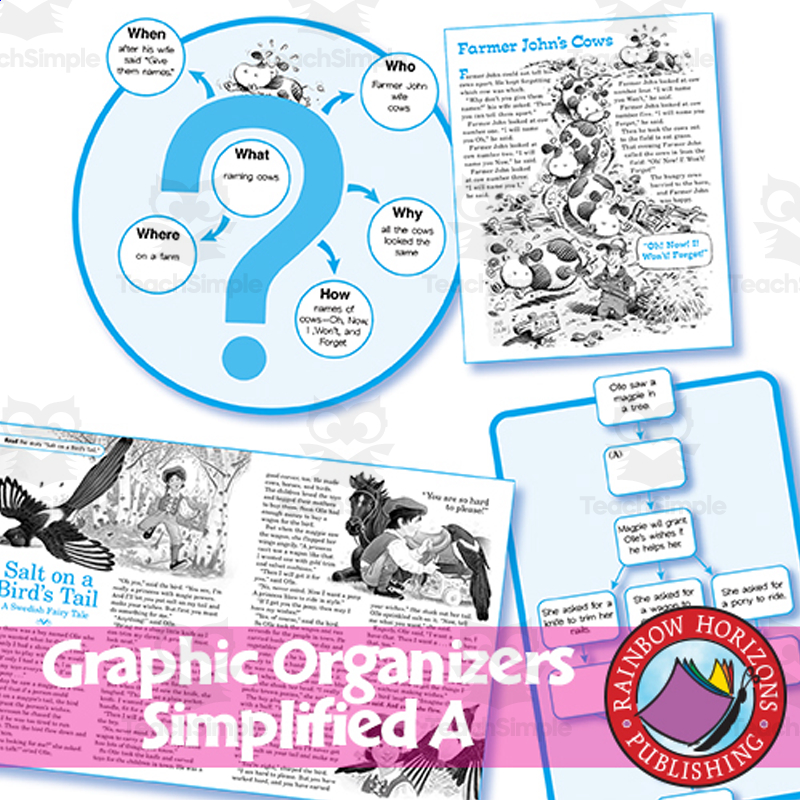
This graphic organizer -based resource is designed for grades 4 to 5. The graphic organizers included in this resource helps students organize their thoughts to be successful in reading, writing and thinking. Graphic organizers are used to help students become better readers, writers and thinkers. This is the first book in a series of four that provides ready-to-use content. The lessons within this resource are made up of three sections: a reading section, a graphic organizer , and comprehension-style worksheets. Aligned to the International Reading Association and National Council of Teachers of English Standards 1, 3, 6, and 12.
Author Classroom Complete Press
Tags Graphic Organizers, Comprehension, Answers, Elementary
How to Write an Essay: Drafting and Graphic Organizers
ELA, Writing, Common Core, Grade 5, 6, 7, 8, Graphic Organizers, Teacher Tools
How to Write an Essay: Drafting and Graphic Organizers - A Valuable Educational Tool This remarkable teaching resource is a highly recommended tool for educators committed to enhancing the writing skills of their students. Contained within are 24 printable pages in PDF format, offering meticulously designed lessons that focus on essay writing suitable for Grade 5 through Grade 8 students. Ease of Learning Moving from drafting, refining language skills, unto effectively applying graphic organizers – it covers everything. Utilizes engaging and interactive methods rather than traditional instruction. Bases its educational foundations on Bloom’s Taxonomy, enabling higher order learning. Rich Content & Versatility Suitable for training in various formats such as narrative essays or persuasive articles along with comprehensive grammar exercises. Serves as standalone material or supplementary resource with inbuilt assessment rubrics & comprehension quizzes tailored perfectly to fetch maximum results. 'How to Write an Essay: Drafting and Graphic Organizers' caters excellently whether implemented in whole class sessions or addressing individual needs, making it an indispensable guide for daily classroom activities or strategic lesson planning. The Added Edge - Graphic Organizers The six colorfully designed graphic organizers not only add vibrancy but serve as crucial roadmaps guiding students towards creating well-structured compositions. Positioned appropriately within the Common Core State Standards framework besides being rooted at varying Bloom's taxonomy levels - this ensures holistic education becomes almost intuitive! Your Ultimate Goal Achieved Easily! If you're an educational professional committed to inspiring your students and fostering creativity and critical thinking skills, this tool would prove invaluable. It succeeds in emboldening young minds to exceed the mediocre, embracing a world of creativity and analytical discourse.
Author Classroom Complete Press
Tags Writing An Essay, Drafts, Graphic Organizer, Writing Process, Language Arts
Family Tree Template – Editable Graphic Organizer
Social Studies, Not Grade Specific, Templates, Graphic Organizers
Students can use this template with Google Slides and enter their information into the editable text boxes in the family tree. If students have access to a webcam or other digital camera device, they may be able to insert a picture of themselves into the page of the family tree.
Author Roombop
Tags Family Tree, Graphic Organizer, Template, Family Tree Google Slide Template, Family Tree Graphic Organizer, Google Slides Graphic Organizer, Editable Graphic Organizers, Family, Google, Google Slides, Relationships, Editable
Introduction to FDR's New Deal: Reading & Processing Activity
Social Studies, History, History: USA, Grade 7, 8, 9, 10, 11, Teacher Tools, Graphic Organizers
During the 1930s, the United States was facing a lot of problems. Many people were out of work and didn't have enough money to take care of their families. The country was in a very difficult time called the Great Depression. To help the country recover, President Franklin D. Roosevelt came up with a plan called the New Deal. The New Deal had a lot of different parts, but the main idea was to create jobs and help people who were struggling. One of the ways the New Deal created jobs was by starting programs that hired people to do important work, like building roads and bridges. The New Deal also helped farmers by giving them money and tools to improve their farms. The New Deal also created programs to help people who were having a hard time. One program was called Social Security, which gave money to people who were retired or couldn't work because of an injury or disability. Another program was called the Civilian Conservation Corps, which helped young men get jobs and learn new skills. Overall, the New Deal was a plan to help the country recover from a very difficult time. It created jobs, helped people who were struggling, and set up programs that are still helping Americans today. Teacher-prepared notes show students what is important and how ideas relate, and offer a model for how students should take notes themselves (Marzano et al., 2001). This product comes with an introductory reading into FDR's New Deal. The product then has students process the three R's: Relief, Recovery, and Reform (comes with an example). Ready to use. Excellent for review. Product clipart credit: By PrincePadania and By Clip Guy Graphics
Author EduPal Learning
Tags New Deal, FDR, US History, Great Depression, Franklin D. Roosevelt
Guided Reading Activity Lawn Boy Book Report Trifold
ELA, Reading, Grade 3, 4, 5, Activities, Projects, Teacher Tools, Graphic Organizers, Worksheets & Printables, Novel Studies
Lawn Boy by Gary Paulsen tells the story of a 12-year-old boy who transforms a simple lawn-mowing gig into an unexpectedly booming business. Through quirky clients, a surprising stock market investment, and the involvement of a professional boxer, the boy learns about responsibility, success, and the unpredictable twists of entrepreneurship. With humor and insight, Lawn Boy captivates readers while sparking conversations about economics, character growth, and life lessons. This trifold activity is created to help students practice reading comprehension skills while providing differentiated instruction for various reading levels. Trifolds can be utilized during guided reading, as independent seat work, or in literature circles. The included writing wrap-up allows for assessing multiple skills in one cohesive project, making it an ideal, standards-aligned resource for busy teachers. Multiple subjects can be assessed, including reading skills, reading comprehension, and writing reflection. What’s Included in This Resource: Each trifold is broken down by chapters or pages and allows chunking of information for easy teacher planning and appropriate student use. In each trifold, the following skills are assessed: Making Connections: Encourage students to relate the story to their own lives, other texts, and the wider world. Making Inferences: Help students combine text evidence with prior knowledge to draw logical conclusions. Using Context Clues: Teach students to deduce the meaning of unfamiliar words using hints from the text. Visualization: Support students in creating mental images of characters, events, and settings. Evaluation: Develop critical thinking by analyzing characters, themes, and the author’s message. Writing Wrap-Up: A writing assessment tool for reflection and deeper understanding. How This Resource Benefits Teachers: ✔ Provides differentiated instruction for diverse learners. ✔ Fosters text engagement and critical thinking with content. ✔ Offers flexibility for grades, seat work, or group discussions. What Teachers Are Saying: ⭐ "This resource made my guided reading groups more organized and productive!" - Rebecca T. ⭐ "Perfect for differentiation and keeping all students engaged at their level." - Larraine C. ⭐ "My students loved the activities, and it worked seamlessly in our literature circles!" - Celia N.
Author Kel's Klass
Tags Trifold, Reading Project, Gary Paulsen, Making Inferences, Making Connections, Lawn Boy, Guided Reading Activity, Context Clues, Evaluation, Visualization
Graphic Organizers Packet
ELA, Writing, Preschool, Teacher Tools, Graphic Organizers
This Graphic Organizers Packet is filled with blank charts for you to print for your students. Graphic organizers help students organize and remember information more effectively. These graphic organizers are perfect to use alongside any fiction or nonfiction you may be reading or studying. The graphic organizers are simple and easy for younger students to record information themselves. The prompts use words that younger students will be able to read themselves. The design in simple but fun. This is targeted to the lower grades K-2. The packet includes: - A book review where students can report on their opinion of a book - A writing prompt that states "My favorite Book is ________ because_____" - A simple animal report that includes blanks to write in facts and a place to color a picture of the animal - A template for recording facts and drawing pictures about a non-fiction topic - My Favorite Character is... - Recording information in a sequential order The graphic organizers could be used as group or individual reports, whole class projects or individual work. It could also be perfect for students to do with their "Book Buddies". The reports could also be used as a formative assessment. Graphic Organizers are a 14-page PDF that is black and white for easy printing
Author Katie Maurice
Tags Writing, Fiction Text, Reading, Literacy Station, Graphic Organizers, Blank Templates, Writing Prompts, Kindergarten
Borreguita and the Coyote Reader Response Activities
ELA, Reading, Reading Comprehension, Literature, Grade 2, 3, 4, Teacher Tools, Graphic Organizers, Worksheets & Printables, Novel Studies, Activities, Worksheets
This picture book companion is the perfect resource to accompany the book Borreguita and the Coyote by Verna Aardema. It includes 35 print-and-go reading activities to choose from, making this resource ideal for customizing learning to your student's specific needs and academic abilities. Students will investigate characters, identify story elements, determine the theme, practice plotting story events, compare & contrast, make predictions, inferences, & connections, answer questions that require them to think beyond the text, and much more! Students will love the engaging and fun activities, and you will appreciate the time saved hunting for high-level resources to teach reading concepts that students frequently struggle with. The activities provided are designed to enable students to apply higher-level thinking skills, encourage them to provide text evidence to support their thinking, and challenge them to express their own thoughts and/or perspectives. ⭐️This Resource Includes:⭐️ ◾ Elements of a Trickster Tale Anchor Chart or Notes Handout: Color and B&W ◾ Making Predictions: Before reading the book, students will make predictions about the text. ◾ Elements of a Trickster Tale: Students fill in the chart with the details of the story that characterize it as a trickster tale. ◾ Trickster Tale Tidbits: Students will answer the questions with details from the story that proves it's a trickster tale. ◾ Story Elements: Students fill in the boxes with words & pictures to represent the story elements. ◾ Sequencing: Students will retell & illustrate the important parts of the story. ◾ Retell the Story: Students retell the beginning, middle, and end of story with text and illustrations. ◾ Recalling events in Chronological Order: Students describe and illustrate four major events in the story in chronological order. ◾ Summary: Students complete the Somebody, Wanted, Because, But, So graphic organizer and write a summary of the story. ◾ Story Event Sort: Students will describe a scene or event from the story that fits into each of the categories & explain how the event made them feel & how it relates to the category. ◾ Making Inferences: Students use clues & schema to make inferences while reading the story. ◾ Making Connections: Students make connections to an event from the story. ◾ Cause & Effect (simplified cut-and-paste): Students are given either the cause or effect and will cut & match up cause & effect cards, then paste them in the correct boxes (ANSWER KEY included). ◾ Cause & Effect (cut-and-paste): Students cut & match up cause & effect cards, then paste them in the correct boxes (ANSWER KEY included). ◾ Cause & Effect: Students fill in the causes and effects (ANSWER KEY included). ◾ Author's Message: Students describe four important events from the story in chronological order and answer the questions about the author's message. ◾ Character Inside & Out (Borreguita): Students include details from the story to describe what the character says, thinks, does, and feels. ◾ Character Inside & Out (Coyote): Students include details from the story to describe what the character says, thinks, does, and feels. ◾ Character Feelings (Borreguita): Students describe how the character's feelings change throughout the story & give examples of the events that cause them to feel the way they do. ◾ Character Feelings (Coyote): Students describe how the character's feelings change throughout the story & give examples of the events that cause them to feel the way they do. ◾ Character Development (Borreguita): Students select the character traits that best describe the character at different times throughout the story and provide examples from the book to support each character trait. ◾ Character Development (Coyote): Students select the character traits that best describe the character at different times throughout the story and provide examples from the book to support each character trait. ◾ Character Change (Borreguita): Students will explain how the character changed from the beginning to the end of the story and describe the events that caused the change to happen. ◾ Character Change (Coyote): Students will explain how the character changed from the beginning to the end of the story and describe the events that caused the change to happen. ◾ Character Acrostic Poem (Borreguita): Students will write an acrostic poem to describe the character. ◾ Character Acrostic Poem (Coyote): Students will write an acrostic poem to describe the character. ◾ Sketch a Scene From the Story: Students draw a scene from the story & explain why it's important to the plot. ◾ Setting Influences the Plot: Students will draw a scene from the story that takes place in one of the settings and write about what happened there and why it was important to the plot. ◾ Setting the Scene: Students identify three different settings in the story and explain how they know that the setting changed. ◾ Theme: Students answer the questions to determine which theme best fits the story and provide text evidence to support their choice. ◾ Thinking About the Text: Students will answer the questions about the story & include examples from the text to support their answers. ◾ 3-2-1: Students will list three tricks that Borreguita played on Coyote, 2 lessons that can be learned from the story, and one word that describes Borreguita. ◾ Word Search Puzzle: Students identify the words for the definitions below. Then, find the words hidden in the puzzle (ANSWER KEY INCLUDED). ◾ Wait... There's More!: Students will write about what happens next in the story. ◾ Book Review: Students color in the stars to rate how much they enjoyed the book and draw a new cover & their favorite character from the story. Then, they will explain why other kids should or should not read it. 💡Need ideas for different ways you can implement these activities? ◾ Focus on different reading skills each day for targeted instruction, and have students complete a corresponding printable to check for understanding. ◾ During centers, students can independently read the story again and complete an activity that reviews a previously taught concept. ◾ Work with students on a reading concept they struggle with during guided reading or strategy groups. ◾ Students work with a partner or in literature circles to complete additional reading activities. The book is not included in this resource. ⭐️You may also like: ⭐ TEXT SET #1: "The Importance of Friendship" ◾ A Weekend With Wendell Read Aloud Book Companion Activities for IRA ◾ First Come the Zebra Read Aloud Book Companion Activities for IRA ◾ This is Our House Read Aloud Book Companion Activities for IRA ◾ Horace and Morris But Mostly Dolores Read Aloud Book Companion Activities for IRA ◾ The Old Woman Who Named Things Read Aloud Book Companion Activities for IRA TEXT SET #3: "Finding Your Way in a New Place" ◾ Grandfather Counts Read Aloud Book Companion Activities for IRA ◾ The Have a Good Day Cafe, Read Aloud Book Companion Activities for IRA ◾ Roses for Gita Read Aloud Book Companion Activities for IRA ◾ Mango, Abuela, and Me, Read Aloud Book Companion Activities for IRA ◾ Home at Last Read Aloud Book Companion Activities for IRA TEXT SET #7: "Exploring Narrative Nonfiction" ◾ Cactus Hotel Read Aloud Book Companion Activities for IRA ◾ A Log's Life Read Aloud Book Companion Activities for IRA ◾ Salmon Stream Read Aloud Book Companion Activities for IRA ◾ Think of an Eel Read Aloud Book Companion Activities for IRA ✨Be sure to check out my storefront here: https://teachsimple.com/contributor/creatively-gifted
Author Creatively Gifted
Tags IRA, Picture Book Activities, Read Aloud Lessons, Interactive Read Aloud Activities, Elementary Reading, Reading Comprehension, Fountas And Pinnell IRA, Second Grade, Trickster Tales, Borreguita And The Coyote
Guided Reading Activity Snow Monsters Do Drink Hot Chocolate Trifold
ELA, Reading, Grade 2, 3, 4, Projects, Activities, Teacher Tools, Graphic Organizers, Worksheets & Printables, Novel Studies
Snow Monsters Do Drink Hot Chocolate by Marcia Thornton Jones and Debbie Dadey is part of the Bailey School Kids series, where the kids investigate strange happenings around their school. When a blizzard traps the kids at school and mysterious, snow-monster-like figures are spotted, they begin to suspect their substitute teacher might not be entirely human. The Bailey School Kids unravel the mystery, blending snowy fun with spooky surprises. This trifold activity is created to help students practice reading comprehension skills while providing differentiated instruction for various reading levels. This tool can be used during guided reading, as independent seat work, or within literature circles. The included writing wrap-up allows for assessing multiple skills in one cohesive project, making it an ideal, standards-aligned resource for busy teachers. Grading opportunities for reading comprehension, reading skill work, and writing are available. What’s Included in This Resource: Each trifold is broken into chapters to allow for teacher skill guidance and manageable chunking for student comprehension. Skill Development Activities: Making Connections: Encourage students to relate the story to their own lives, other texts, and the wider world. Making Inferences: Help students combine text evidence with prior knowledge to draw logical conclusions. Using Context Clues: Teach students to deduce the meaning of unfamiliar words using hints from the text. Visualization: Support students in creating mental images of characters, events, and settings. Evaluation: Develop critical thinking by analyzing characters, themes, and the author’s message. Writing Wrap-Up: A creative assessment tool for reflection and deeper understanding. How This Resource Benefits Teachers: ✔ Provides differentiated instruction for diverse learners. ✔ Fosters deeper text engagement and critical thinking. ✔ Offers flexibility for grades, seat work, or group discussions. What Teachers Are Saying: ⭐ "This resource made my guided reading groups more organized and productive!" - Rebecca T. ⭐ "Perfect for differentiation and keeping all students engaged at their level." - Larraine C. ⭐ "My students loved the activities, and it worked seamlessly in our literature circles!" - Celia N.
Author Kel's Klass
Tags Making Inferences, Reading Strategies, Guided Reading Activity, Making Connections, Visualization, Context Clues, Evaluation, The Nina Pinta And Vanishing Treasure, Trifold Project, Novel Study