Hands-On STEAM - Life Science Gr. 1-5
A STEAM/NGSS-aligned Life Science unit covering ecosystems, food and energy, food chains, adaptations, life cycles, and the brain, with reading comprehension, hands-on experiments, and assessment.
Classroom resources
Browse by lesson focus
Choose the topic or kind of practice you need.
A STEAM/NGSS-aligned Life Science unit covering ecosystems, food and energy, food chains, adaptations, life cycles, and the brain, with reading comprehension, hands-on experiments, and assessment.
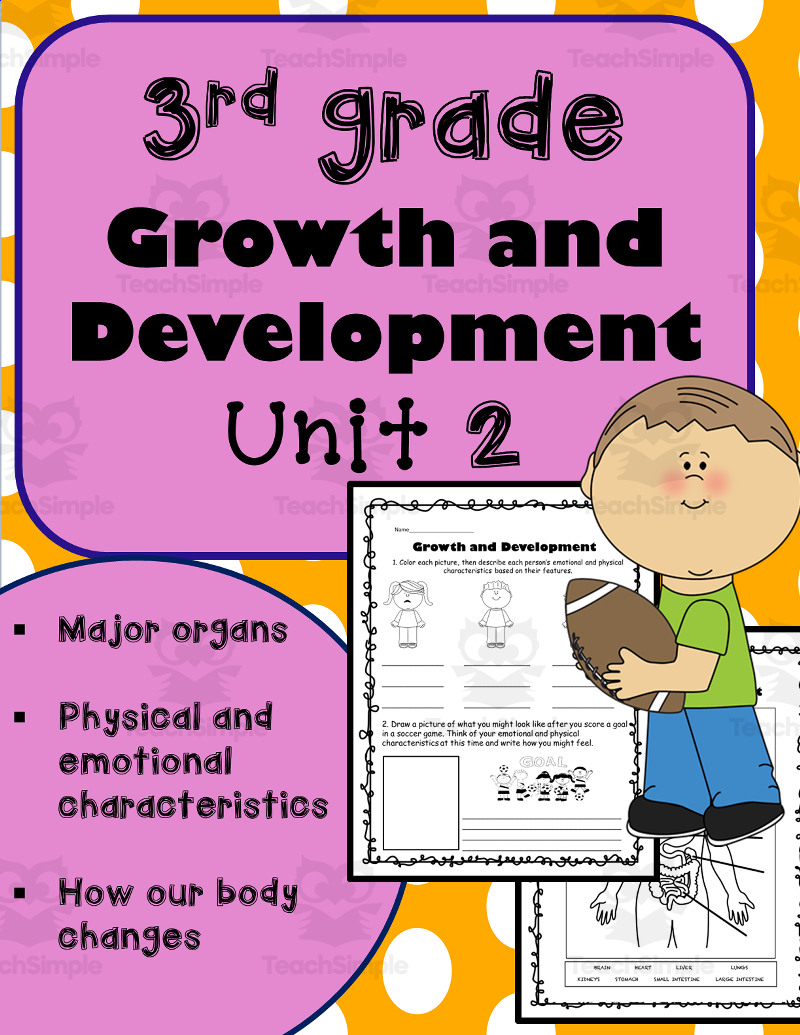
Teach 3rd graders about growth and development: major body organs and systems, and physical/emotional characteristics that change as the body grows.
Helping the Largest Organ Heal Itself: A Cross-Curricular Unit on Skin A powerful and educational teaching tool, ideally suited for fifth and sixth-grade educators.
Teach the structure, function, and location of body tissue types (epithelial, connective, blood, bone, cartilage, adipose, nervous, and muscle) for an Anatomy & Physiology / Biology course.
Senior high school biology lesson teaching homeostasis, negative/positive feedback control systems, and the body's regulation of physiological set points.
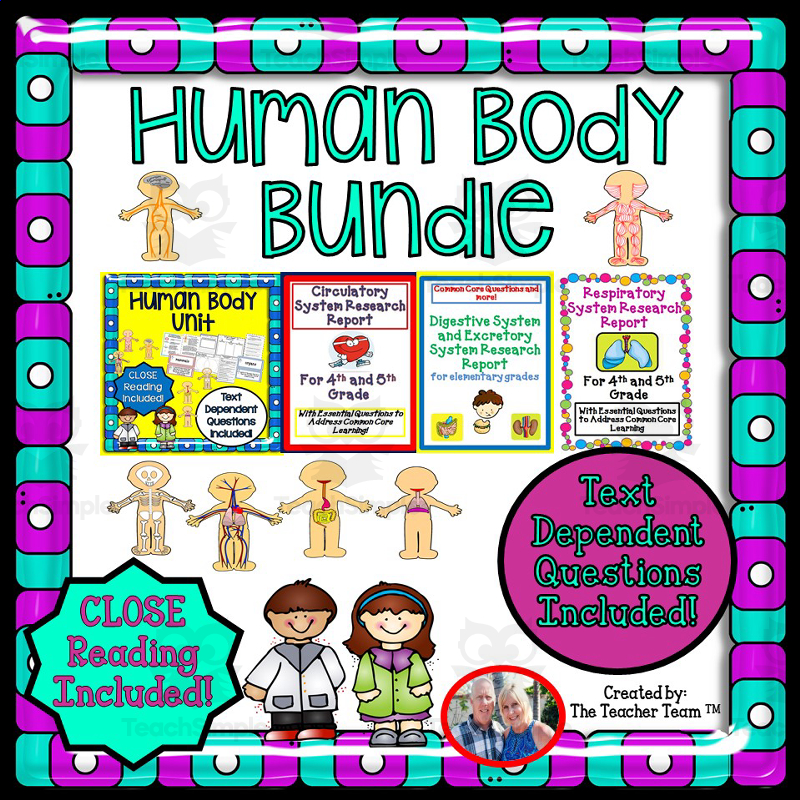
A multi-part CLOSE-reading unit teaching human body systems through nonfiction passages, vocabulary work, and graphic organizers.
Deliver a multi-day slide-based lesson on the human digestive system, covering why the body needs digestion, digestive organs, digestive enzymes, and mechanical vs. chemical digestion.
Our Integumentary System Unit (Skin Unit) for Anatomy and Physiology as well as Biology includes PowerPoints, Cornell-style editable note taking system ( great for AVID schools!), labs, writing assignment, test with answers, crossword…
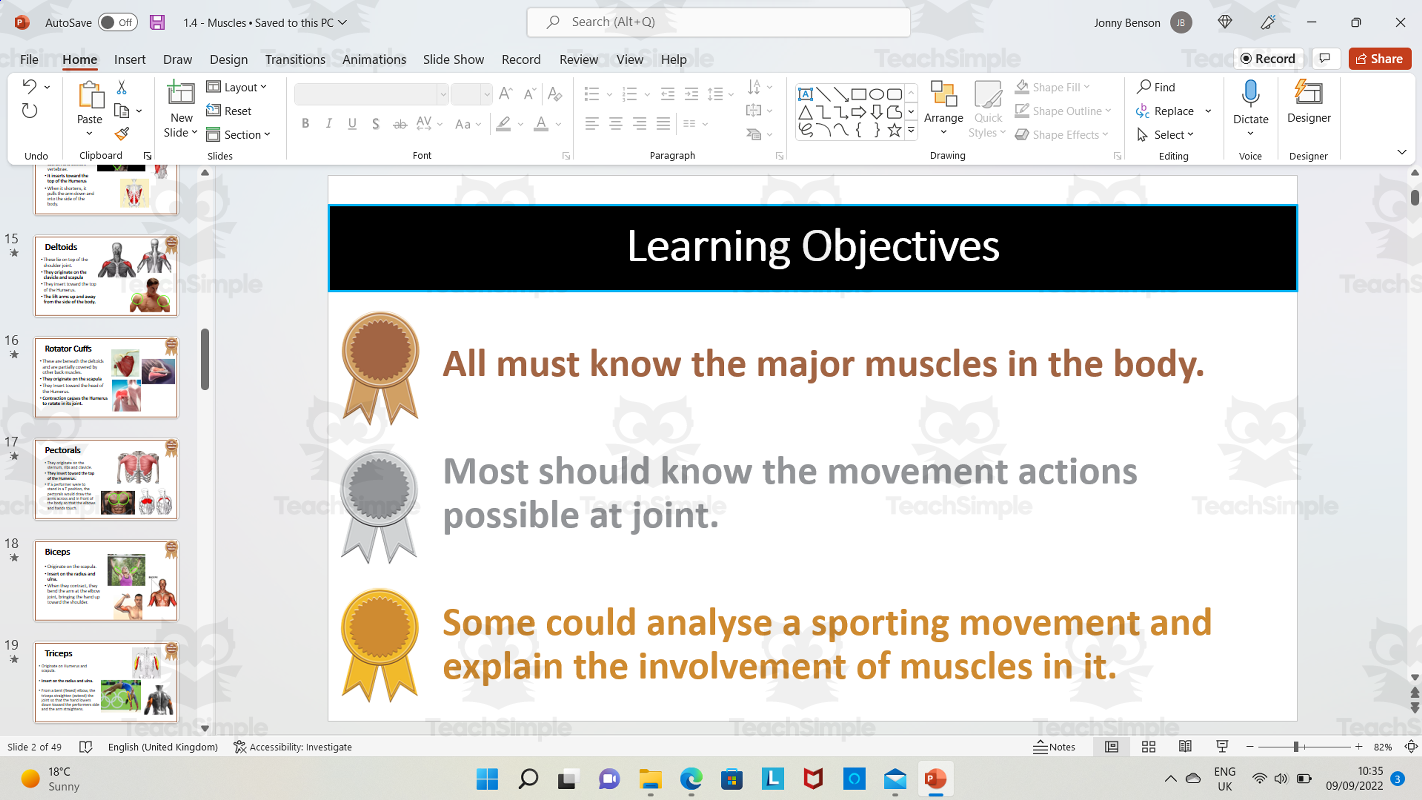
GCSE PE Anatomy & Physiology lesson teaching students the major muscles of the body, the movements possible at each joint, and analysis of muscle use in sporting actions.
Leonardo da Vinci: Human Body Mini Unit is a 12-page download that will teach your readers about da Vinci and his relationship with the human body. A student activity is included.
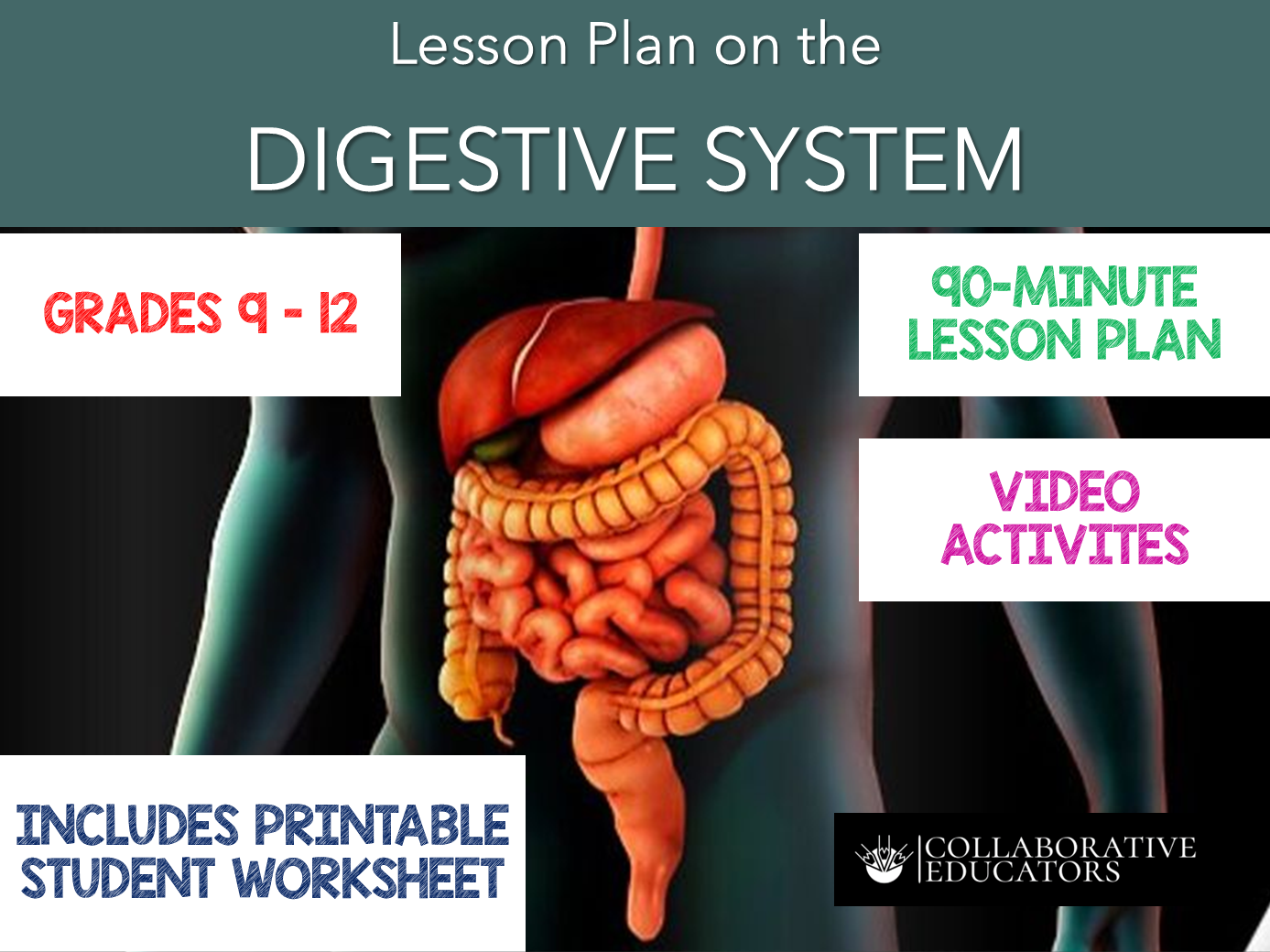
A 90-minute Grades 9-12 biology lesson plan on the organs and process of the human digestive system, including common disorders.
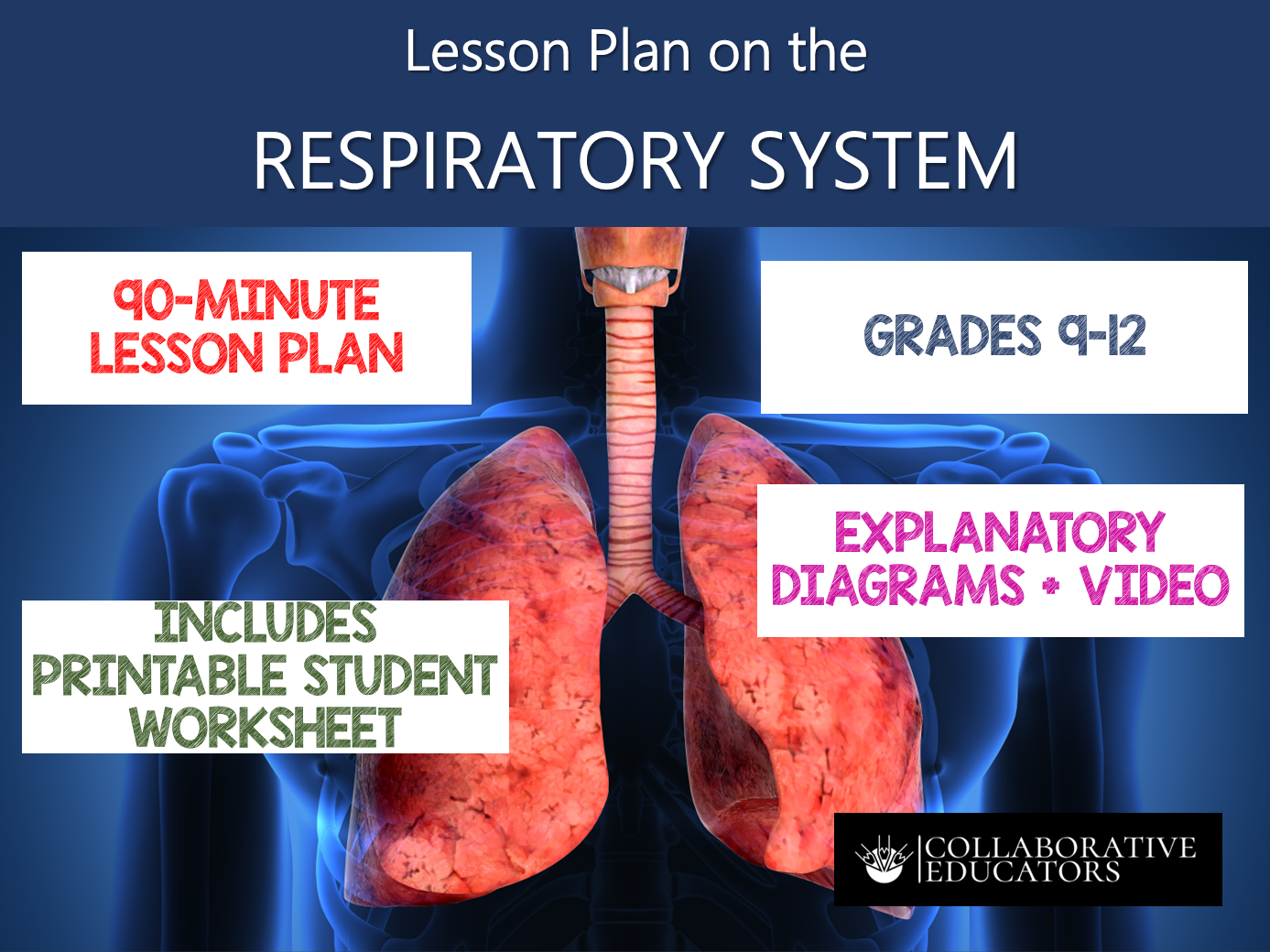
A 90-minute Grades 9-12 biology lesson plan on the structure and function of the human respiratory system and the mechanics of breathing.
A multi-part distance-learning/homeschool pack teaching middle-school students about lenses, refraction, how the human eye sees, and how pinhole and modern cameras work, delivered via an animated PowerPoint lesson plus supporting printable worksheets, fact sheets, a crossword, and cut-outs.
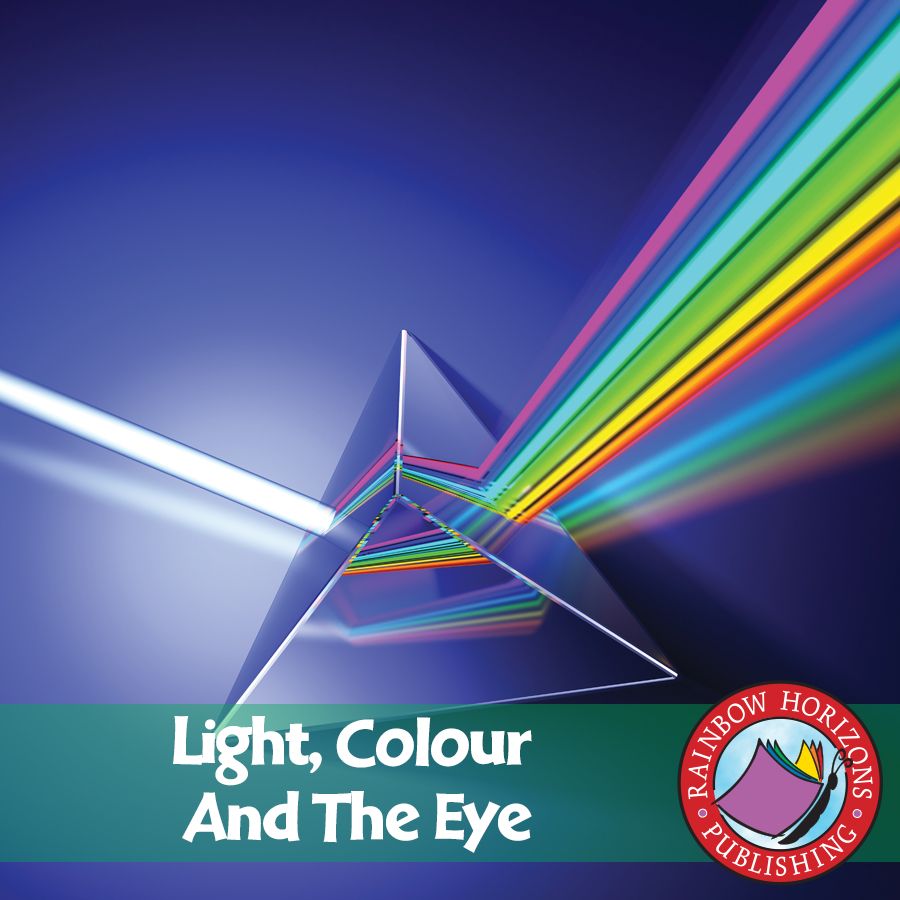
A full two-part science teaching unit (Light and Colour; The Human Eye) for grades 4-6 that combines overhead notes with hands-on activities covering luminous/illuminated objects, transparent/translucent/opaque materials, the light spectrum, reflection, refraction, colour/pigments, eye anatomy, and optical illusions.
A senior high school biology lesson covering reproductive hormones, the male and female reproductive systems, spermatogenesis, the ovarian and menstrual cycles, hormonal negative feedback (LH, FSH, estrogen, progesterone), controlling reproduction, and puberty.
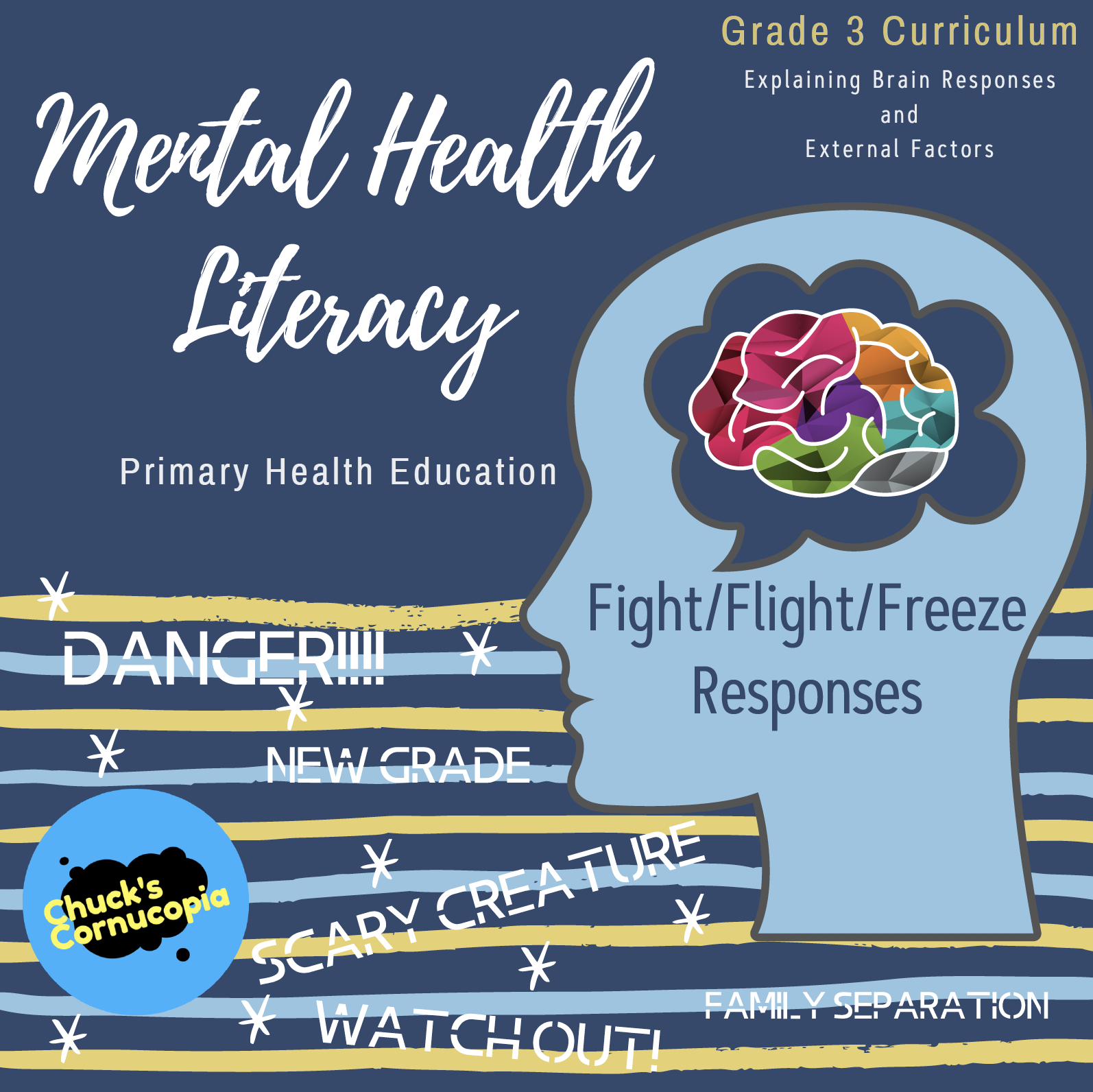
Teaches primary/grade 3 students how the brain and nervous system respond to stress, focusing on the fight/flight/freeze stress response and how the body reacts physically to uncomfortable or scary situations.
Deliver a full high-school-level muscular system unit covering muscle tissue anatomy, the mechanism of skeletal muscle contraction, energy requirements, and muscle disorders, supported by notes, labs, review, and assessment materials.
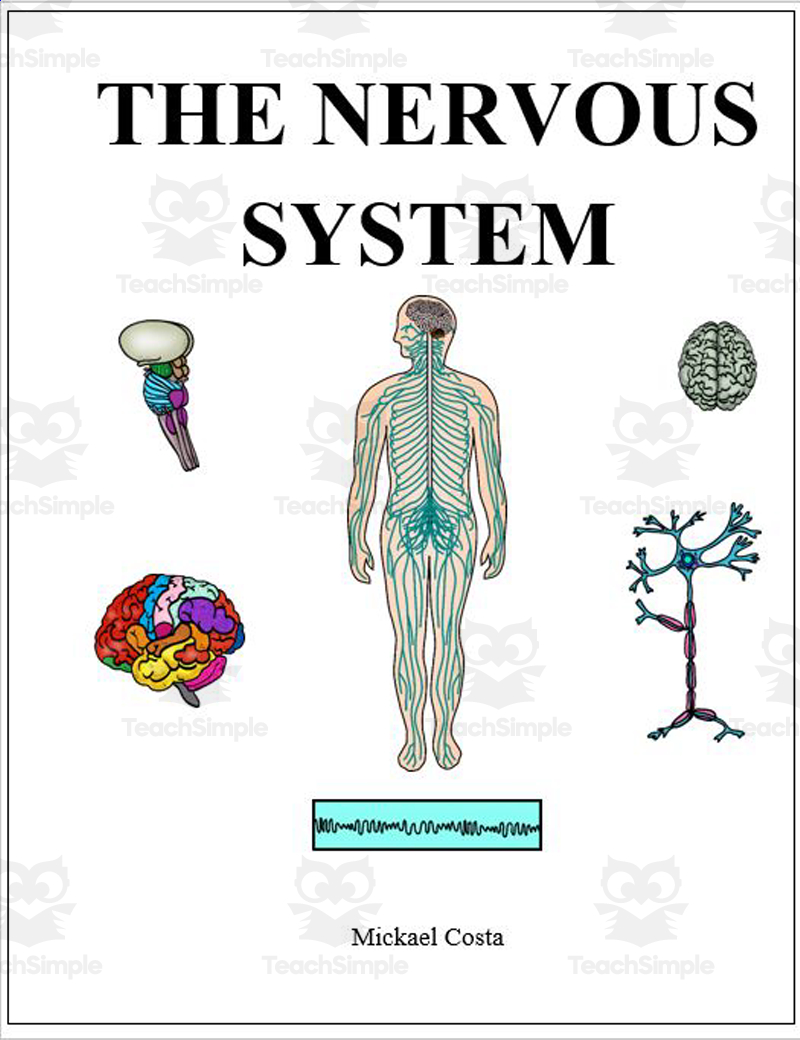
TABLE OF CONTENTS p.4 Preknowledge p.5-6 Text to illustrate : The nervous system p.7-8 Text and illustrations: The nervous system p.9-10 Questions p.11-12 Answer key p.13 Activity: drawing of the nervous system p.14 Drawing of the nervous…
Nervous System Unit: A Comprehensive Teaching Resource Primarily intended for anatomy, physiology, and biology educators, our Nervous System Unit is an all-encompassing resource that serves as a robust guide to the human nervous system.
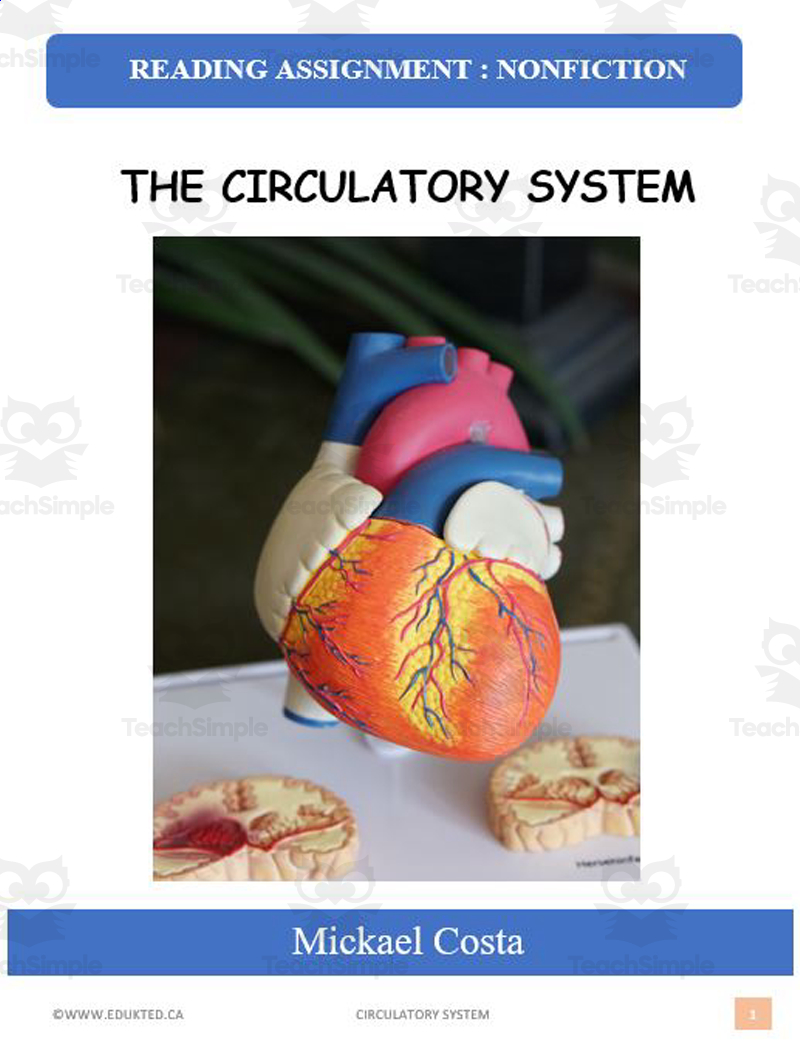
Nonfiction reading-comprehension packet teaching students about the circulatory system (heart, blood vessels, blood composition, circulation pathway) through a structured pre/during/post-reading routine.
Nonfiction reading-comprehension packet teaching students about the digestive system (14 stages of digestion from mouth to anus) through a structured pre/during/post-reading routine.
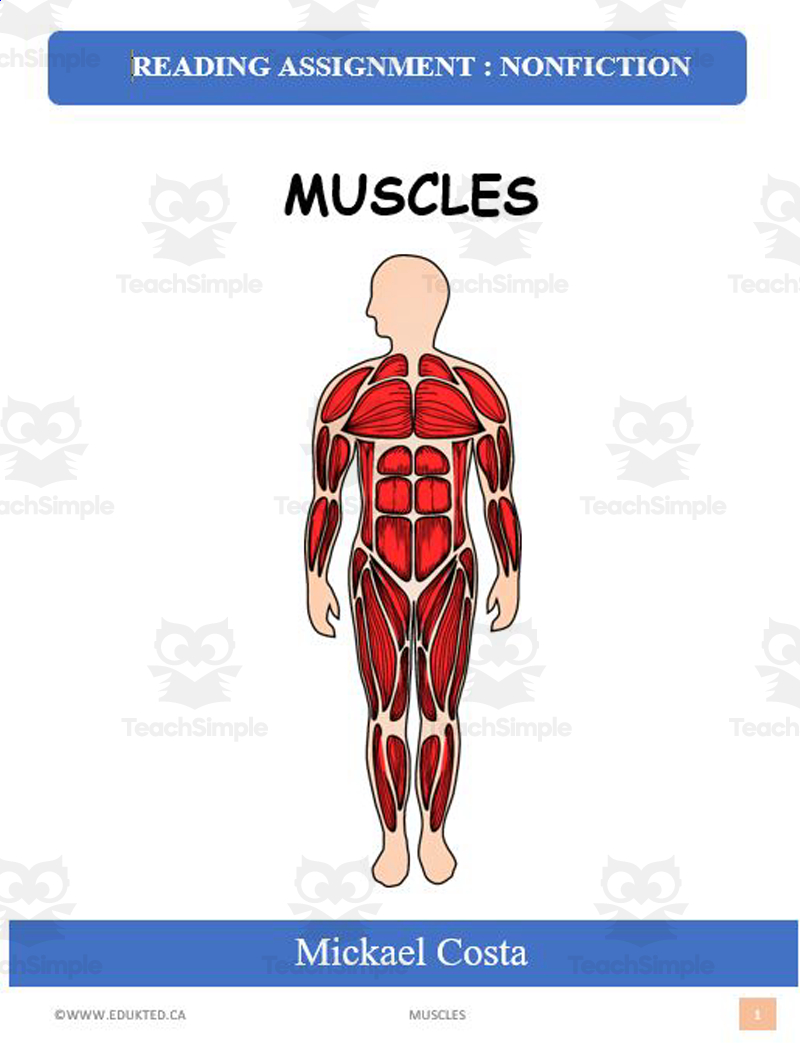
Nonfiction reading-comprehension packet teaching students about the three muscle types and voluntary/involuntary muscle function through a structured pre/during/post-reading routine.
Nonfiction reading-comprehension packet teaching students about the respiratory system (oxygen/carbon dioxide exchange, lungs, alveoli, stages of respiration) through a structured pre/during/post-reading routine.
Nonfiction reading-comprehension packet teaching students about the human skeleton (bone characteristics, roles of bones, joints, and fractures) through a structured pre/during/post-reading routine.