resources by type
resources by grade
resources by subject
other resources

3,949 products added recently

Page 5 - Human Body Lesson Plans

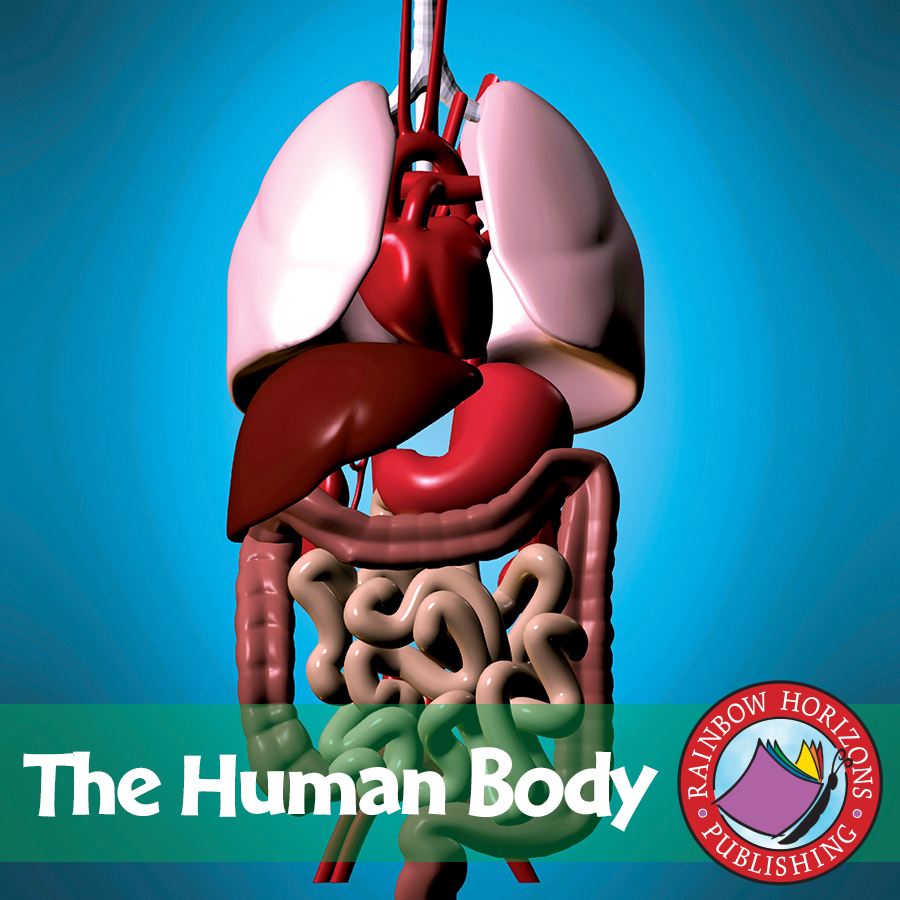
Explore the intricacies of the human body with lesson plans that make anatomy accessible and engaging. Covering systems like circulatory, respiratory, and digestive, these resources use models and experiments to illustrate functions. Incorporate them to promote health awareness and curiosity about how our bodies work.

Relevant
alt down
Any Time
alt down
filter by
alt down
All File Types
alt down
filter nav Show filters
Sort by: Relevant
CLEAR
resources by type
Activities
down arrow
Classroom Decor
down arrow
Teacher Tools
up arrow
Anchor Charts
Assessments
Charts
DBQ's
Diagrams
Graphic Organizers
Lesson Plans
Literacy Readers
Outlines
Presentations
Quizzes and Tests
down arrow
Rubrics
Templates
Worksheets & Printables
down arrow
resources by grade
Early Learning
down arrow
Pre-K
down arrow
Elementary
down arrow
Middle School
down arrow
High School
down arrow
Adult Education
Not Grade Specific
resources by subject
Creative Arts
down arrow
ELA
down arrow
Holiday & Seasonal
down arrow
Life Studies
down arrow
Math
down arrow
P.E. & Health
down arrow
Social Studies
down arrow
Special Resources
down arrow
Science
up arrow
Basic Science
down arrow
Chemistry
Earth and Environmental Sciences
down arrow
Life Sciences
up arrow
Biology
Human Body
Animals
Insects
Nature & Plants
Physics
Technology
down arrow
Foreign Languages
down arrow
Resources for Teachers
down arrow
other resources
Common Core
Homeschool Resources
down arrow
Montessori
Research
STEM
I WONDER - How Many Blood Vessels Are In Brain | Animated Video

I WONDER - How Many Blood Vessels Are In Brain | Animated Video
Biology, Life Sciences, Science, Human Body, Grade 3, 4, 5, 6, 7, 8, 9, Lesson Plans, Teacher Tools

Video Overview The human body is full of fascinating wonders to learn. This video is created to help the students recognize the anatomy and the job of the human body. I WONDER - How Many Blood Vessels Are In Brain | Animated Video Lesson Every part and organ in our human body is vital so let's see how important they are. Have you ever imagined how we look like if we didn't have a skeleton? Did you know that because we have our amazing muscles we can stand! Do you know how many teeth do we have? Have you ever wondered about the food journey inside our body? Can you name all the glands in our body? Why do we have skin? Our nervous system is really good at sending signals. Can you tell us more about it? Are you really good at Mathematics, painting, or any other thing? You should really thank your brain about it! The famous five senses are really doing a great work? Can you explain how every sense works? I WONDER - How Many Blood Vessels Are In Brain | Animated Video Lesson The video is perfect for encouraging the researching skills for the students, while learning more about our fantastic human body. I WONDER - How Many Blood Vessels Are In Brain | Animated Video Lesson This friendly designed video is suitable for students at school, homeschooling, and as a group activity. Format Available in MP4 format.

Author Educational Voice

Rating

Tags How Many Blood Vessels Are In Brain, Blood Vessels, Blood Vessels Facts, Blood Vessels Video, Blood Vessels Facts For Kids, Blood Vessels Video For Kids, Brain, Brain Facts, Brain Video

I WONDER - What Is A DNA Code | Animated Video Lesson

I WONDER - What Is A DNA Code | Animated Video Lesson
Human Body, Life Sciences, Science, Biology, STEM, Grade 6, 7, 8, 9, 10, 11, 12, Lesson Plans, Teacher Tools

Video Overview The human body is full of fascinating wonders to learn. This video is created to help the students recognize the anatomy and the job of the human body. I WONDER - What Is A DNA Code | Animated Video Lesson Every part and organ in our human body is vital so let's see how important they are. Have you ever imagined how we look like if we didn't have a skeleton? Did you know that because we have our amazing muscles we can stand! Do you know how many teeth do we have? Have you ever wondered about the food journey inside our body? Can you name all the glands in our body? Why do we have skin? Our nervous system is really good at sending signals. Can you tell us more about it? Are you really good at Mathematics, painting, or any other thing? You should really thank your brain about it! The famous five senses are really doing a great work? Can you explain how every sense works? I WONDER - What Is A DNA Code | Animated Video Lesson The video is perfect for encouraging the researching skills for the students, while learning more about our fantastic human body. I WONDER - What Is A DNA Code | Animated Video Lesson This friendly designed video is suitable for students at school, homeschooling, and as a group activity. Format Available in MP4 format.

Author Educational Voice

Tags What Is A DNA Code, What Is A DNA Code Video, DNA Code, DNA Code Facts, DNA Code Facts For Kids, DNA Code Video, DNA Code Video For Kids, DNA, DNA Facts, DNA Facts For Kids

I WONDER - What Is In Our Blood | Animated Video Lesson

I WONDER - What Is In Our Blood | Animated Video Lesson
Human Body, Life Sciences, Science, Biology, STEM, Grade 4, 5, 6, 7, 8, 9, 10, Lesson Plans, Teacher Tools

Video Overview The human body is full of fascinating wonders to learn. This video is created to help the students recognize the anatomy and the job of the human body. I WONDER - What Is In Our Blood | Animated Video Lesson Every part and organ in our human body is vital so let's see how important they are. Have you ever imagined how we look like if we didn't have a skeleton? Did you know that because we have our amazing muscles we can stand! Do you know how many teeth do we have? Have you ever wondered about the food journey inside our body? Can you name all the glands in our body? Why do we have skin? Our nervous system is really good at sending signals. Can you tell us more about it? Are you really good at Mathematics, painting, or any other thing? You should really thank your brain about it! The famous five senses are really doing a great work? Can you explain how every sense works? I WONDER - What Is In Our Blood | Animated Video Lesson The video is perfect for encouraging the researching skills for the students, while learning more about our fantastic human body. I WONDER - What Is In Our Blood | Animated Video Lesson This friendly designed video is suitable for students at school, homeschooling, and as a group activity. Format Available in MP4 format.

Author Educational Voice

Tags What Is In Our Blood, What Is In Our Blood Video, Blood, Blood Facts, Blood Facts For Kids, Blood Video, Blood Video For Kids, Human Body, Human Body Facts, Human Body Facts For Kids

I WONDER - What Job Does The Nose Do In The Respiratory System

I WONDER - What Job Does The Nose Do In The Respiratory System
Human Body, Life Sciences, Science, Biology, STEM, Grade 1, 2, 3, 4, 5, 6, 7, 8, Lesson Plans, Teacher Tools

Video Overview The human body is full of fascinating wonders to learn. This video is created to help the students recognize the anatomy and the job of the human body. I WONDER - What Job Does The Nose Do In The Respiratory System | Animated Video Lesson Every part and organ in our human body is vital so let's see how important they are. Have you ever imagined how we look like if we didn't have a skeleton? Did you know that because we have our amazing muscles we can stand! Do you know how many teeth do we have? Have you ever wondered about the food journey inside our body? Can you name all the glands in our body? Why do we have skin? Our nervous system is really good at sending signals. Can you tell us more about it? Are you really good at Mathematics, painting, or any other thing? You should really thank your brain about it! The famous five senses are really doing a great work? Can you explain how every sense works? I WONDER - What Job Does The Nose Do In The Respiratory System | Animated Video Lesson The video is perfect for encouraging the researching skills for the students, while learning more about our fantastic human body. I WONDER - What Job Does The Nose Do In The Respiratory System | Animated Video Lesson This friendly designed video is suitable for students at school, homeschooling, and as a group activity. Format Available in MP4 format.

Author Educational Voice

Tags What Job Does The Nose Do In The Respiratory System, What Job Does The Nose Do In The Respiratory System Video, Respiratory System, Respiratory System Facts, Respiratory System Facts For Kids, Respiratory System Video

I WONDER - How Many Bones Are There In The Body | Animated Video

I WONDER - How Many Bones Are There In The Body | Animated Video
Biology, Life Sciences, Science, Human Body, Grade 2, 3, 4, 5, 6, 7, 8, Lesson Plans, Teacher Tools

Video Overview The human body is full of fascinating wonders to learn. This video is created to help the students recognize the anatomy and the job of the human body. I WONDER - How Many Bones Are There In The Body | Animated Video Lesson Every part and organ in our human body is vital so let's see how important they are. Have you ever imagined how we look like if we didn't have a skeleton? Did you know that because we have our amazing muscles we can stand! Do you know how many teeth do we have? Have you ever wondered about the food journey inside our body? Can you name all the glands in our body? Why do we have skin? Our nervous system is really good at sending signals. Can you tell us more about it? Are you really good at Mathematics, painting, or any other thing? You should really thank your brain about it! The famous five senses are really doing a great work? Can you explain how every sense works? I WONDER - How Many Bones Are There In The Body | Animated Video Lesson The video is perfect for encouraging the researching skills for the students, while learning more about our fantastic human body.. I WONDER - How Many Bones Are There In The Body | Animated Video Lesson This friendly designed video is suitable for students at school, homeschooling, and as a group activity. Format Available in MP4 format.

Author Educational Voice

Tags How Many Bones Are There In The Body, How Many Bones Are There In The Body Video, Bones, Bone, Bones Facts, Bones Facts For Kids, Bones Video, Bones Video For Kids, Human Body

Senses, Nervous & Respiratory Systems: Spinal Cord and Nerves Gr. 5-8

Senses, Nervous & Respiratory Systems: Spinal Cord and Nerves Gr. 5-8
Science, Life Sciences, Human Body, Common Core, Grade 5, 6, 7, 8, Teacher Tools, Lesson Plans

The Senses, Nervous & Respiratory Systems: Spinal Cord and Nerves Gr. 5-8 Comprehensive teaching resource: This resource is carefully designed to amplify the learning experience of students in grades 5 to grade 8. Featuring a detailed exploration of human anatomy, it particularly emphasizes the intricacies of our senses, nervous system, respiratory systems along with spinal cord and nerves. Diverse applications: Suitable for educators in classroom settings and parents managing home-based education. Content is rendered engagingly stimulating curiosity while developing interest about our body's complexity. Educational Material: The guide provides detailed answers to questions like "How long is a nerve cell?" or "How are our lungs like a train station?". It encourages students to explore core scientific concepts & develop their critical thinking abilities. Multifunctional Learning: Understanding how different parts of our body work collectively - from comprehending main parts of nervous system like brain and spinal cord operation. To exploring organs associated with five sense perception. Sensational Journey:Air's journey inside when we breathe it in & out explores the amazing precision within natural processes; intriguing students immensely. Add-ons for enhanced learning experience:. Includes integrated reading passages enhancing comprehension along with hand-on activities absorbing information beyond textbooks. Mini colored posters make great visual aids while crossword puzzles add reinforcing elements making learning fun. Word Search activities add more engagement value complemented by preparatory tests ensuring mastery over learned content before moving on thus fostering academic excellence one topic at a time. Standard-aligned content: Contained within one easily accessible PDF file, lesson plans within this teaching resource align perfectly to State Standards related to science education, specifically addressing Human Body sub-themes; adhering also towards Bloom's Taxonomy & STEM initiative guidelines ensuring a complete educational experience. Compatible for all learning frameworks: Equally effective as whole group instruction, small groups, or individual assignments. An excellent choice for classroom or homeschooling sessions; providing an engaging and flexible tool for impactful learning about the wonderful complexities of human anatomy.

Author Classroom Complete Press

Tags PDF

I WONDER - How Long Does It Take For Your Bladder To Fill Up

I WONDER - How Long Does It Take For Your Bladder To Fill Up
Human Body, Life Sciences, Science, Biology, STEM, Grade 2, 3, 4, 5, 6, 7, 8, Lesson Plans, Teacher Tools

Video Overview The human body is full of fascinating wonders to learn. This video is created to help the students recognize the anatomy and the job of the human body. I WONDER - How Long Does It Take For Your Bladder To Fill Up | Animated Video Lesson Every part and organ in our human body is vital so let's see how important they are. Have you ever imagined how we look like if we didn't have a skeleton? Did you know that because we have our amazing muscles we can stand! Do you know how many teeth do we have? Have you ever wondered about the food journey inside our body? Can you name all the glands in our body? Why do we have skin? Our nervous system is really good at sending signals. Can you tell us more about it? Are you really good at Mathematics, painting, or any other thing? You should really thank your brain about it! The famous five senses are really doing a great work? Can you explain how every sense works? I WONDER - How Long Does It Take For Your Bladder To Fill Up | Animated Video Lesson The video is perfect for encouraging the researching skills for the students, while learning more about our fantastic human body. I WONDER - How Long Does It Take For Your Bladder To Fill Up | Animated Video Lesson This friendly designed video is suitable for students at school, homeschooling, and as a group activity. Format Available in MP4 format.

Author Educational Voice

Tags How Long Does It Take For Your Bladder To Fill Up, How Long Does It Take For Your Bladder To Fill Up Video, Bladder, Bladder Facts, Bladder Facts For Kids, Bladder Video, Bladder Video Or Kids

Digestive System Unit | Anatomy and Physiology

Digestive System Unit | Anatomy and Physiology
Science, Life Sciences, Human Body, Grade 9, 10, 11, 12, Lesson Plans, Teacher Tools

Digestive System Unit | Anatomy and Physiology is a comprehensive educational resource designed for education facilitators, such as public school teachers and homeschoolers. An in-depth exploration of the human digestive system. Applicable to Anatomy and Physiology courses as well as Biology. A holistic package including PowerPoints presentations, editable Cornell-style notes, laboratory activities, writing assignments and assessments with answers. Easy implementation to various settings This teaching resource provides: Five PowerPoint presentations divided into three note-taking sessions (employing the Cornell method) and two reviews for everyday content reinforcement. - Accompanied by tailored unit outlines suggesting day-by-day instruction covering all aspects of the digestive system in approximately 10-11 days. Laboratory Activities include: - An earthworm dissection lab: Conducive interactive learning session providing hands-on anatomy experience. - 'The Examination of Teeth and Mouth Lab': Helps students grasp digestion initiation from the mouth better. A unique Digestive System writing assignment: Promotes critical thinking skills assessing student understanding course material. - Also included is a comprehensive unit test supported by review features ensuring adequate preparation before evaluations - And there's an engaging crossword puzzle served with answer keys catering to fast pace learners. Although supplementation using classroom/digital resources are advised, required material complementation uses The Anatomy Coloring Book (Kapit & Elson) thereby blending passive reading tasks with active kinesthetic learning. Catering for diverse learner types - English Learners(EL) through to advanced students this Digestive System Unit | Anatomy & Physiology offers flexibility suiting multiple teaching methods whether it be direct whole group instruction, small group collaborative learning, or independent homework assignments.

Author The Teacher Team

Tags Digestive System, Anatomy, Physiology, Teaching Resource, Hands-on Learning

Cardiovascular System Unit | Circulatory System Unit

Cardiovascular System Unit | Circulatory System Unit
Science, Life Sciences, Human Body, Grade 9, 10, 11, 12, Lesson Plans, Teacher Tools

This Cardiovascular System and Circulatory System Unit covers the Cardiovascular System of the human body and can be used in Anatomy and Physiology and Biology classes. Please Note: This product is designed to be used in conjunction with an Anatomy text that a teacher would have in their classroom. In addition, another tool that is utilized in this product is “The Anatomy Coloring Book” by Kapit and Elson. If an Anatomy text is not available, the Internet can also be used as a source for supplemental reading. This can be used in Anatomy/Physiology class and can also be used in Biology. Great for any level student from English Learner - EL - to more advanced students.

Author The Teacher Team

Tags Anatomy, Physiology, Biology, Cardiovascular System, ELL

Discover! Body Systems

Discover! Body Systems
Science, Life Sciences, Human Body, Grade 4, 5, 6, Teacher Tools, Lesson Plans

Discover! Body Systems: An Exceptional Teaching Resource Discover! Body Systems is a meticulously designed teaching resource that delves into the captivating world of human biology. It specifically caters to students in Grade 4, Grade 5 and Grade 6. This well-rounded educational tool provides a thorough understanding of the elementary concepts associated with our body systems. The covered areas include: The Respiratory System, The Digestive System, The Excretory System, The Circulatory System, The Nervous System, and The Skeletal and Muscular Systems. Versatile Design All contained within one product file are well-thought-out lesson plans providing not only general background information but also proposing interactive activities for a variety of learning environments, be it whole class discussions or small group sessions. Making Learning Interactive This product also includes thought-provoking discussion questions for every topic allowing educators effortless integration into existing science curriculums. Ensuring no stone is left unturned; complete answers accompany each question. Fostering Critical Thinking Skills Beyond factual knowledge acquisition; Discover! Body Systems encourages critical thinking skills linking theory with real-world applications.This was built considering the importance of practical implementation when studying abstract scientific notions. Digital Accessibility In an e-learning era understanding digital accessibility needs; this resource comes conveniently formatted as a PDF file type ensuring easy access across multiple platforms – right from desktop computers to hand-held smart devices. In conclusion,the Discover! Body Systems excels at meeting modern education needs, simplifying difficult science subjects with creativity and adaptability. In turn, educators can inspire curious young minds about the intricate workings of their bodies.

Author Classroom Complete Press

Tags PDF

Circulatory, Digestive & Reproductive Systems - Digital Lesson Plan Gr. 5-8 - FLASH-MAC

Circulatory, Digestive & Reproductive Systems - Digital Lesson Plan Gr. 5-8 - FLASH-MAC
Science, Life Sciences, Human Body, Grade 3, 4, 5, 6, 7, 8, Teacher Tools, Lesson Plans

The Circulatory, Digestive & Reproductive Systems - Digital Lesson Plan Gr. 5-8 for Flash-Mac This digital lesson plan is a highly interactive and engaging teaching resource. It comprises of an impressive 80 interactive screen-pages that provides an in-depth learning experience about the human body. Circulatory System: Students can explore the circulator system from the unique perspective of a red blood cell as it navigates through veins, arteries, and the heart. Digestive System: The journey continues with students discovering how food is transformed into energy along with essential lessons on waste removal functions by organs like kidneys and intestines. Reproductive System: A deep dive into another critical area of biology – reproduction - educates students about human reproduction stages adding substantial depth to their understanding. Interactive Learning Approach: Innovative Screen Pages: These pages are designed with comprehensive reading passages as well as interactive elements. The before-and-after reading activities help keep learners engaged throughout their sessions. Educational Games & Puzzles:: Features like test preps, memory matches, crossword puzzles not just help bulit a stronger retention but also makes learning fun alike. Multimedia Support :: Supporting video and audio resources cater to diverse learning styles across Grade 5-8 students efficiently. This software is suitable for group instruction or individual assignments aligning to various training dynamics. The content complies with State Standards and Bloom's Taxonomy, thereby serving a dual purpose of educating students about the human body while sparking their curiosity. This Digital Lesson Plan for Flash-Mac can regardlessly be employed across different settings: traditional classroom teaching or home-schooling scenarios.

Author Classroom Complete Press

Tags Software (Mac)

Cells, Skeletal & Muscular Systems - Digital Lesson Plan Gr. 5-8 | PC Software

Cells, Skeletal & Muscular Systems - Digital Lesson Plan Gr. 5-8 | PC Software
Science, Life Sciences, Human Body, Grade 3, 4, 5, 6, 7, 8, Teacher Tools, Lesson Plans

Cells, Skeletal & Muscular Systems - Digital Lesson Plan Gr. 5-8 | PC Software Cells, Skeletal & Muscular Systems - Digital Lesson Plan Gr. 5-8 | PC Software is a detailed teaching tool designed specifically for educators teaching science to Grade 3 through Grade 8 students. This resource carries an interactive digital lesson plan extending over 80 screens, each enriched with crucial information about these multifaceted topics. The learning journey begins with understanding basic cell structures and their functions, further exploring specialized cells that form integral parts of tissues, organs and organ systems. The program efficiently continues into the muscular and skeletal systems giving students in-depth knowledge of their workings simultaneously allowing evaluation of knowledge acquisition at each stage. In addition to reading passages supporting verbal instruction, the tool engages learners via interactive activities 'before' and 'after you read'. These practical applications are ideal for group discussions or small group collaborations heightening student involvement and reinforcing newly learned concepts. Apart from this, there are multiple features like: Test preparation materials - to ready students for assessments , 'Memory match' games – that aid in enhancing cognitive skills whilst having fun! Crossword puzzles alongside word search tasks – make learning an enjoyable process hence boosting retention rates significantly. To diversify learning methods this software includes audios & videos as additional resources catering specifically towards visual as well as auditory learners—making it perfect for individual study sessions or homework assignments! This product holds high credibility being formed in accordance with State Standards along with being penned following Bloom's Taxonomy proving it as an effective resource for teaching anatomy to children from grades 3-8. In conclusion, the Cells, Skeletal & Muscular Systems Digital Lesson Plan is a comprehensive learning tool suitable for varied instructional styles whilst incorporating engaging educational experiences—making science a captivating subject!

Author Classroom Complete Press

Tags Anatomy Lesson Plan, Skeletal System, Digital Lesson, Digital Science Lesson, Science Reading

All About The Lungs | Human Body Video Lesson

All About The Lungs | Human Body Video Lesson
Science, Life Sciences, Human Body, Not Grade Specific, Lesson Plans, Teacher Tools

Introducing All About The Lungs | Human Body Video Lesson An informative and engaging teaching resource that turns the spotlight onto one of the most crucial components of the human body - our lungs. This video lesson is crafted to suit learners across various grades, making it a versatile tool for educators whether they teach in public school settings or guide homeschooling pathways. The Video Lesson Journey This 10-minute video lesson takes students on an immersive journey inside the human body, focusing exclusively on our lungs and their functionality. With its vivid descriptions of lung anatomy and mechanism yet ensuring simplicity in language appropriate for grade 7-8 level understanding makes this resource incredibly valuable. Diverse Learning Environments The flexible format with an MP4 download option available makes it ideal for diverse learning environments: Whole classroom instruction: when projected on large screens; Intimate small group discussions: where students can pause, discuss elements in detail using personal devices; Homeschooling or homework assignments: wherein each student may watch from home while writing down observations or generating queries. All About The Lungs | Uniqueness & Effectiveness Apart from catering effectively to pupils' range of comprehension abilities without compromising content quality or information richness, here are a few unique aspects that set 'All About The Lungs' apart: Vividly scientific, accurate representation of lung mechanisms; Lively illustrations pique student interest making complex scientific concepts easily digestible. Bridging Knowledge Gap & Making Science Fun! This video lesson facilitates intriguing science discussions among young learners bridging the knowledge gap between textbook learning and real-life human biology. Factual science has never been more fun nor accessible than with 'All About The Lungs | Human Body Video Lesson'.

Author Educational Voice

Tags Lungs, Human Body, Video Lesson, Respiratory System, Anatomy

I WONDER - What Are Metabolic Reactions | Animated Video Lesson

I WONDER - What Are Metabolic Reactions | Animated Video Lesson
STEM, Human Body, Life Sciences, Science, Biology, Grade 6, 7, 8, 9, 10, 11, 12, Lesson Plans, Teacher Tools

Video Overview The human body is full of fascinating wonders to learn. This video is created to help the students recognize the anatomy and the job of the human body. I WONDER - What Are Metabolic Reactions | Animated Video Lesson Every part and organ in our human body is vital so let's see how important they are. Have you ever imagined how we look like if we didn't have a skeleton? Did you know that because we have our amazing muscles we can stand! Do you know how many teeth do we have? Have you ever wondered about the food journey inside our body? Can you name all the glands in our body? Why do we have skin? Our nervous system is really good at sending signals. Can you tell us more about it? Are you really good at Mathematics, painting, or any other thing? You should really thank your brain about it! The famous five senses are really doing a great work? Can you explain how every sense works? I WONDER - What Are Metabolic Reactions | Animated Video Lesson The video is perfect for encouraging the researching skills for the students, while learning more about our fantastic human body. I WONDER - What Are Metabolic Reactions | Animated Video Lesson This friendly designed video is suitable for students at school, homeschooling, and as a group activity. Format Available in MP4 format.

Author Educational Voice

Tags What Are Metabolic Reactions, What Are Metabolic Reactions Video, Metabolic Reactions, Metabolic Reaction, Metabolic Reactions Facts, Metabolic Reactions Facts For Kids, Metabolic Reactions Video

I WONDER - What Job Do Veins Do | Animated Video Lesson

I WONDER - What Job Do Veins Do | Animated Video Lesson
Human Body, Life Sciences, Science, Biology, STEM, Grade 6, 7, 8, 9, 10, 11, 12, Lesson Plans, Teacher Tools

Video Overview The human body is full of fascinating wonders to learn. This video is created to help the students recognize the anatomy and the job of the human body. I WONDER - What Job Do Veins Do | Animated Video Lesson Every part and organ in our human body is vital so let's see how important they are. Have you ever imagined how we look like if we didn't have a skeleton? Did you know that because we have our amazing muscles we can stand! Do you know how many teeth do we have? Have you ever wondered about the food journey inside our body? Can you name all the glands in our body? Why do we have skin? Our nervous system is really good at sending signals. Can you tell us more about it? Are you really good at Mathematics, painting, or any other thing? You should really thank your brain about it! The famous five senses are really doing a great work? Can you explain how every sense works? I WONDER - What Job Do Veins Do | Animated Video Lesson The video is perfect for encouraging the researching skills for the students, while learning more about our fantastic human body. I WONDER - What Job Do Veins Do | Animated Video Lesson This friendly designed video is suitable for students at school, homeschooling, and as a group activity. Format Available in MP4 format.

Author Educational Voice

Tags What Job Do Veins Do, What Job Do Veins Do Video, Veins, Vein, Veins Facts, Veins Facts For Kids, Veins Video, Veins Video For Kids, Arteries, Arteries Facts

Circulatory, Digestive & Reproductive Systems: Skin, Liver & Lungs Gr. 5-8

Circulatory, Digestive & Reproductive Systems: Skin, Liver & Lungs Gr. 5-8
Science, Life Sciences, Human Body, Common Core, Grade 5, 6, 7, 8, Teacher Tools, Lesson Plans

Circulatory, Digestive & Reproductive Systems: Skin, Liver & Lungs Gr. 5-8 A comprehensive teaching resource that delves into key human body systems. Specially devised for Grade 5 to 8 students studying science, this resource aids the exploration of the circulatory, digestive and reproductive systems, along with extensive study on the excretory system – skin, liver and lungs specifically. Curriculum Supplement Overview This curriculum supplement breaks down complex physiological processes into simple terms so they can be easily understood by young learners. It starts by shedding light on: Blood vessels and components of the heart. The journey food undertakes from ingestion to final digestion in the large intestine. The role our body plays in converting food into energy. Focused Study on Waste Removal Process This resource provides detailed insights into how removal of waste materials is managed within our bodies. Aspects such as: Liver's function in filtering out toxins. Vital roles played by lungs and skin as part of our overall excretory system. Briefing on Reproductive Health Education For these budding scientists,necessary understanding about sperm and eggs cells embarkation towards fertilization resulting in a fetus is emphasized upon. More than just theory,this educational package houses activities like: Packed With Student Activities: In-depth reading passages providing information for further growth. Hands-on learning experiences promoting active participation. Educational exercises designed for concept reinforcement and test preparation. State-Wise Standard Compliance & Accessibility The package offers aligned content with each state’s educational standards plus STEM initiative inspired knowledge. A PDF file format optimized for hassle-free printing or digital use makes it versatile enough to be fitted in regular classes, small groups or as a homework assignment. Eye-Catching Mini Posters The addition of color mini posters not only beautify but also aid instruction by visually simplifying complex topics, thereby creating lasting impressions. In essence,this remarkable teaching material is an essential adjunct bolstering understanding of biological science amongst middle school learners focusing specifically on the human body and its multifarious systems.

Author Classroom Complete Press

Tags PDF

Water Purification Filter Engineering Specs

Water Purification Filter Engineering Specs
Science, Earth and Environmental Sciences, Earth Sciences, Environmental Science, Geology, Life Sciences, Human Body, Nature & Plants, Technology, Engineering, Grade 6, 7, 8, 9, 10, 11, 12, Worksheets & Printables, Workbooks, Worksheets, Word Searches, Writing Prompts, Teacher Tools, Lesson Plans, Quizzes and Tests, Quizzes, Tests

Transform your science class into a real-world engineering challenge with this comprehensive, hands-on STEM project! This all-inclusive resource guides students through the process of designing, blueprinting, building, and testing a functional DIY survival water filter using sand, charcoal, and gravel. Perfect for engaging middle school and high school students in Physics, Chemistry, Earth Science, and Environmental Science, this project-based learning (PBL) unit makes abstract scientific principles tangible and exciting. Students will move beyond theory to apply concepts like mechanical filtration, chemical adsorption, fluid dynamics, and the engineering design process to solve a critical survival problem. This No-Prep/Low-Prep Resource is Packed with Value and Includes: Part 1: The Engineering Guide (10 Pages): A detailed, student-facing "textbook" that professionally explains the core science. Topics include the physics of macroscopic filtration (sand/gravel), the chemistry of purification (activated charcoal), pyrolysis, adsorption vs. absorption, and iterative design principles. Part 2: The Student Workbook (19 Pages): Ten distinct, ready-to-print worksheets that reinforce key concepts. These worksheets cover everything from material properties and volumetric calculations to flow-rate dynamics and blueprinting schematics. Questions include fill-in-the-blanks, calculations, and critical thinking short answers. Part 3: Visuals & Teacher Resources (13 Pages): Everything you need to guide students and assess their work with ease! High-Quality Schematics: Clear diagrams illustrating filter stratification, the adsorption process, and the iterative engineering design loop. Perfect for anchor charts! Comprehensive Answer Key: A complete, detailed answer key for all 10 worksheets, including ideal responses for short-answer questions. Advanced Assessment Guides: Includes model calculations and analytical short answer benchmarks to help you grade with confidence. This isn't just a craft; it's a rigorous academic exercise that challenges students to think like engineers. Watch their engagement soar as they create a life-saving device from scratch. Ideal for your next STEM unit, Earth Day activity, or as an unforgettable sub-plan. Download today and bring the engineering of survival to your classroom! Keywords: STEM, STEAM, Project-Based Learning (PBL), Water Filter Project, Engineering Design Process, DIY Survival, Environmental Science, Earth Science, Chemistry, Physics, High School Science, Middle School Science, Hands-On Lab, Workbook, Worksheets, Answer Key, Homeschool, No Prep. Why Parents/Schools Love It: Truly Multi-Disciplinary (STEM/STEAM): This single project masterfully integrates core principles from Physics (flow rate), Chemistry (adsorption), Earth Science (sedimentation), and Engineering (design, testing, iteration), providing immense educational value. Promotes Critical Thinking & Problem Solving: Students don't just follow instructions; they must calculate ratios, troubleshoot failures like "channeling," analyze data, and iterate on their designs, just like real engineers. Makes Abstract Science Concrete: Concepts like "surface area" and "molecular bonding" can be hard to grasp. This project makes them tangible as students see how a larger surface area of charcoal leads to cleaner water. Comprehensive & Teacher-Friendly: This is a "business in a box." With a student guide, 10 worksheets, diagrams, and a full, detailed answer key, it saves teachers dozens of hours of preparation time. Target Student Classes : After analyzing the vocabulary (e.g., tortuosity, pyrolysis, van der Waals forces, effluent ), the mathematical calculations (volume of a cylinder, ratios), and the depth of the scientific concepts, targeting the following students: Primary Target: Grades 9-12 (High School). This resource is perfectly suited for courses in: Environmental Science Earth Science Chemistry (concepts of adsorption, chemical properties) Physics (fluid dynamics, pressure) Engineering or STEM Elective courses. Secondary Target: Grades 7-8 (Advanced/Gifted) . An advanced or honors middle school science class could absolutely handle and benefit from this challenge. It would be an excellent capstone project for a physical or earth science unit. Copyright/Terms of Use: This Book was copyrighted by Syed Hammad Rizvi. This resource is for personal and single classroom use only. You may not alter, redistribute, or sell any part of this resource. In other words, you may not put it on the Internet where it could be publicly found and downloaded. If you want to share this resource with colleagues, please purchase additional licenses from Teachsimple. Thank you for respecting these terms of use. This product is happily brought to you by Syed Hammad Rizvi

Author Creative Book Store

Rating

Tags STEM, STEAM, Engineering, Science, WaterFilter, WaterPurification, DIYWaterFilter, SurvivalSkills, EnvironmentalScience, EarthScience

Cells, Skeletal & Muscular Systems: Cells, Tissues, Organs & Systems Gr. 5-8

Cells, Skeletal & Muscular Systems: Cells, Tissues, Organs & Systems Gr. 5-8
Science, Life Sciences, Human Body, Grade 5, 6, 7, 8, Teacher Tools, Lesson Plans

Introduction Cells, Skeletal & Muscular Systems: Cells, Tissues, Organs & Systems Gr. 5-8 is a comprehensive science teaching resource tailored for grades 5 to 8. This resource explores human anatomy and biology in a way that is both accessible and engaging for younger learners. About the Chapter Slice : An in-depth look into cells — the fundamental building blocks of life. A study on how specialized cells group together to form tissues. An exploration of how tissues combine further to create organs. A detailed understanding of organ systems—how individual organs function within these systems. Detailed Coverage of Body Systems The resource covers the eight primary systems within the human body— including respiratory, circulatory, digestive systems among others—all introduced with precision and clarity. Further focus on muscular and skeletal system provide depth for learners interested in these areas. Engaging Activities: This product file offers various pre-reading tasks along with hands-on activities that promote active participation from students during class or home-based study sessions – suitable not only for whole groups but also small clusters or independent homework assignments. Note:All content aligns accurately with state standards as well as integrates Bloom's Taxonomy framework - ensuring academically rigorous content while leveraging STEM initiatives—the modern interdisciplinary education approach that connects Science elements effectively. Included are attractive color mini posters as visual aids supporting kinesthetic learning. In Conclusion... Consider "Cells, Skeletal & Muscular Systems: Cells, Tissues, Organs & Systems Gr. 5-8", a significant investment in your students' understanding of human biology. Inspire their curiosity and aid their exploration of the science within themselves.

Author Classroom Complete Press

Tags PDF

I WONDER - How Do Our Ears Keep Clean | Animated Video Lesson

I WONDER - How Do Our Ears Keep Clean | Animated Video Lesson
Human Body, Life Sciences, Science, Biology, STEM, Grade 1, 2, 3, 4, 5, 6, 7, 8, Lesson Plans, Teacher Tools

Video Overview The human body is full of fascinating wonders to learn. This video is created to help the students recognize the anatomy and the job of the human body. I WONDER - How Do Our Ears Keep Clean | Animated Video Lesson Every part and organ in our human body is vital so let's see how important they are. Have you ever imagined how we look like if we didn't have a skeleton? Did you know that because we have our amazing muscles we can stand! Do you know how many teeth do we have? Have you ever wondered about the food journey inside our body? Can you name all the glands in our body? Why do we have skin? Our nervous system is really good at sending signals. Can you tell us more about it? Are you really good at Mathematics, painting, or any other thing? You should really thank your brain about it! The famous five senses are really doing a great work? Can you explain how every sense works? I WONDER - How Do Our Ears Keep Clean | Animated Video Lesson The video is perfect for encouraging the researching skills for the students, while learning more about our fantastic human body. I WONDER - How Do Our Ears Keep Clean | Animated Video Lesson This friendly designed video is suitable for students at school, homeschooling, and as a group activity. Format Available in MP4 format.

Author Educational Voice

Tags How Do Our Ears Keep Clean, How Do Our Ears Keep Clean Video, Ears, Ears Facts, Ears Facts For Kids, Ears Video, Ears Video For Kids, Human Body, Human Body Facts, Human Body Facts For Kids

I WONDER - What Organs Is The Bladder Connected To | Animated Video

I WONDER - What Organs Is The Bladder Connected To | Animated Video
Biology, Life Sciences, Science, Human Body, STEM, Grade 6, 7, 8, 9, 10, 11, 12, Lesson Plans, Teacher Tools

Video Overview The human body is full of fascinating wonders to learn. This video is created to help the students recognize the anatomy and the job of the human body. I WONDER - What Organs Is The Bladder Connected To | Animated Video Lesson Every part and organ in our human body is vital so let's see how important they are. Have you ever imagined how we look like if we didn't have a skeleton? Did you know that because we have our amazing muscles we can stand! Do you know how many teeth do we have? Have you ever wondered about the food journey inside our body? Can you name all the glands in our body? Why do we have skin? Our nervous system is really good at sending signals. Can you tell us more about it? Are you really good at Mathematics, painting, or any other thing? You should really thank your brain about it! The famous five senses are really doing a great work? Can you explain how every sense works? I WONDER - What Organs Is The Bladder Connected To | Animated Video Lesson The video is perfect for encouraging the researching skills for the students, while learning more about our fantastic human body. I WONDER - What Organs Is The Bladder Connected To | Animated Video Lesson This friendly designed video is suitable for students at school, homeschooling, and as a group activity. Format Available in MP4 format.

Author Educational Voice

Tags What Organs Is The Bladder Connected To, What Organs Is The Bladder Connected To Video, Bladder, Bladder Facts, Bladder Facts For Kids, Bladder Video, Bladder Video For Kids, Urinary Bladder

Senses, Nervous & Respiratory Systems: The Sense of Hearing Gr. 5-8

Senses, Nervous & Respiratory Systems: The Sense of Hearing Gr. 5-8
Science, Life Sciences, Human Body, Grade 5, 6, 7, 8, Teacher Tools, Lesson Plans

The Senses, Nervous & Respiratory Systems: The Sense of Hearing Gr. 5-8 This resource is a crucial teaching aid for educators aiming to navigate the complexities of human biology with their students. Specifically tailored as a comprehensive guide to understand the sense of hearing, it underscores its significant role within the broader context of our senses, nervous system, and respiration. This outstanding learning material provides curriculum-oriented content in a manner that harmonizes easily with students from grades five to eight. Its insights into brain functions, spinal cord mechanics and nerve operations make these lesson plans a valuable asset for enhancing classroom discussions and fostering student engagement. Unearth engaging facts about our remarkable sensory organs and journey through an inclusive exploration of the respiratory system which explains where air travels during inhalation and exhalation - transforming science from being merely a subject into being an exciting exploration! Advantages Of This Resource Versatile implementation across various instructional settings—whole class instruction inducing group conversation dynamics or small group work cultivating teamwork skills. Easily integrated into homework assignments for reinforcing concepts learned in school at home. Included are hands-on activities promoting practical understanding alongside color mini posters facilitating visual learning. Interactive yet challenging aspects such as crossword puzzles wrapped within alongside word searches cater to developing language skills alongside scientific knowledge making education holistic. Evaluation Support A unique feature distinguishing this educational tool is its aid towards evaluation–guaranteeing assessment compliant with state standards using Blooms Taxonomy model. It features test prep components strengthening student competencies further by including a final quiz allowing both teachers to measure comprehension levels effectively while affirming serious academic ethics among learners. Seamless Accessibility The provision of the format in PDF ensures broad accessibility across several platforms for easy delivery to the eager learners. Thus, educators seeking a comprehensive, engaging, and adaptable tool for their science curriculum relating specifically to human biology, can rely on Senses, Nervous & Respiratory Systems: The Sense of Hearing Gr. 5-8.

Author Classroom Complete Press

Tags PDF

I WONDER - What Is The Busiest Muscle In The Body | Animated Video

I WONDER - What Is The Busiest Muscle In The Body | Animated Video
Human Body, Life Sciences, Science, Biology, STEM, Grade 6, 7, 8, 9, 10, 11, 12, Lesson Plans, Teacher Tools

Video Overview The human body is full of fascinating wonders to learn. This video is created to help the students recognize the anatomy and the job of the human body. I WONDER - What Is The Busiest Muscle In The Body | Animated Video Lesson Every part and organ in our human body is vital so let's see how important they are. Have you ever imagined how we look like if we didn't have a skeleton? Did you know that because we have our amazing muscles we can stand! Do you know how many teeth do we have? Have you ever wondered about the food journey inside our body? Can you name all the glands in our body? Why do we have skin? Our nervous system is really good at sending signals. Can you tell us more about it? Are you really good at Mathematics, painting, or any other thing? You should really thank your brain about it! The famous five senses are really doing a great work? Can you explain how every sense works? I WONDER - What Is The Busiest Muscle In The Body | Animated Video Lesson The video is perfect for encouraging the researching skills for the students, while learning more about our fantastic human body. I WONDER - What Is The Busiest Muscle In The Body | Animated Video Lesson This friendly designed video is suitable for students at school, homeschooling, and as a group activity. Format Available in MP4 format.

Author Educational Voice

Tags What Is The Busiest Muscle In The Body, What Is The Busiest Muscle In The Body Video, Busiest Muscle, Busiest Muscle Facts, Busiest Muscle Facts For Kids, Busiest Muscle Video, Busiest Muscle Video For Kids

Circulatory, Digestive & Reproductive Systems: Blood Gr. 5-8

Circulatory, Digestive & Reproductive Systems: Blood Gr. 5-8
Science, Life Sciences, Human Body, Grade 5, 6, 7, 8, Teacher Tools, Lesson Plans

Circulatory, Digestive & Reproductive Systems: Blood Gr. 5-8: A Comprehensive Teaching Resource Circulatory, Digestive & Reproductive Systems: Blood Gr. 5-8 is a valuable resource that demystifies complex scientific concepts into digestible information for middle school students. This material focuses on: Circulatory System Digestive System Excretory System and Reproductive System. An initial focus is set on understanding Blood constitution and its Circulation pathway through arteries and veins. Blood's Journey throughout our Bodies This resource encompasses state standards with Bloom's Taxonomy and STEM initiatives strategies to help students comprehend the crucial role of the heart in pumping blood throughout our bodies. Journey of Food through the Digestive Tract The journey of food from ingestion at the mouth to expulsion at the large intestine, along with how nutrients are absorbed in between, forms another key part of this module. In-depth Look at Important Organs Besides offering insight into organs like liver, lungs, kidneys etc., this resource also demonstrates how cells such as sperm or an egg develop into a baby - a crucial part for reproductive system classes. Air-time has been accorded to other critical organs like skin which play instrumental roles in expelling toxins from our system while further detailing digestion role play by intestines. Lessons Designed for Maximum Student Engagement The student engagement accentuates by including reading passages filled with engaging content. Practical activities allow for a hands-on learning experience. Test prep activities designed to measure knowledge absorption are included after each module study. Pictorial Lessons Included are visually pleasant posters with representations of the topics being studied. This addition deepens understanding levels and simplifies complex concepts through visuals. Lesson Application The versatility of this resource makes it applicable as classroom activities or homework assignments. Whether it's whole group lessons encouraging interactive discussions around these body systems or small group projects examining specific organs, this resource simplifies understanding and teaching important biological concepts in human body studies.

Author Classroom Complete Press

Tags PDF

Advanced Breathwork Patterns for Vagal Tone

Advanced Breathwork Patterns for Vagal Tone
Science, Life Sciences, Biology, Human Body, Physics, STEM, Special Resources, Life Skills, Social Emotional Learning (SEL), Special Education Needs (SEN), Homeschool Curriculum, Homeschool Templates, Grade 8, 9, 10, 11, 12, Worksheets & Printables, Workbooks, Worksheets, Word Searches, Teacher Tools, Lesson Plans, Quizzes and Tests, Quizzes, Tests, Assessments

Transform Student Stress into Focused Success with Science-Backed Breathwork! Are your high school students struggling with test anxiety, overwhelming stress, and an inability to focus? It's not just in their heads—it's in their biology. The modern academic landscape puts the adolescent nervous system in a constant state of "fight or flight," hijacking their ability to learn and perform. Introducing the Advanced Breathwork Patterns for Vagal Tone Curriculum —a revolutionary, science-based toolkit designed to empower students to take conscious control of their own physiology. This isn't just another mindfulness exercise; it's an applied neurobiology lesson that provides tangible, immediate results. This comprehensive 44-page digital PDF package moves beyond simple "calm down" instructions. It introduces Haptic Respiratory Pacing , a powerful method combining specific breathing protocols (like Box Breathing and the Physiological Sigh) with the kinesthetic act of tracing. This dual-coding mechanism anchors a student's focus, interrupts anxiety loops, and directly stimulates the vagus nerve to manually lower heart rate and calm the nervous system. What's Inside This Complete, "Done-For-You" Curriculum? PHASE 1: Core Content & Theory (Educator/Student Guide): A deep dive into the "why" behind the techniques. This section explains the neurobiology of the stress response, the vagus nerve, and the mechanics of Box Breathing and the Physiological Sigh in clear, scientific terms. Perfect for engaging skeptical teens who want to know how it works. PHASE 2: Student Workbook (10 Rigorous Worksheets): A series of in-depth worksheets that blend academic learning with kinetic practice. Students will map neurobiological pathways, analyze data from their own heart rate, and apply these techniques to real-world scenarios like test-taking and athletic performance. PHASE 3: Visuals & Teacher Resources: High-Fidelity Tracing Diagrams: Clean, printable visual guides for Box Breathing and the Physiological Sigh that students can trace with a finger or pen. Comprehensive Answer Key: A full answer key for every question in the student workbook, including model answers for open-ended questions. Rigorous Teacher Implementation Guide: A step-by-step guide on how to frame the lesson ("Hacking the Nervous System"), run a baseline data protocol to get student buy-in, and integrate the curriculum into different subjects. Trauma-Informed Considerations: Expert guidance on how to apply these techniques safely and effectively for all students. Empower your students with a lifelong skill to manage stress, improve focus, and master their emotional state. Download this resource today and bring the power of applied neuroscience into your classroom! Keywords: Social Emotional Learning (SEL), Stress Management, Anxiety Reduction, Test Anxiety, High School, Biology, Health, PE, School Counselor, Mindfulness, Breathwork, Vagus Nerve, Box Breathing, Physiological Sigh, Self-Regulation, Coping Skills, Neurobiology, Focus, Student Workbook, Digital Download, Printable. Why Parents/Schools Love It: Empowers Students with a Real-World Skill: This isn't just theory. It gives teens a practical, discreet tool they can use anywhere—before an exam, during a stressful social situation, or on the athletic field—to manage their own anxiety and improve performance. Science-Backed & Data-Driven: The curriculum is grounded in real neurobiology, not abstract concepts. The included activities that have students measure their own heart rate provide concrete proof that the techniques work, ensuring high student engagement and buy-in. A Complete, Turnkey Solution: This 44-page PDF is a comprehensive, "plug-and-play" resource. It includes the theory, student worksheets, printable visuals, a full answer key, and a detailed implementation guide, saving teachers valuable prep time. Versatile and Easy to Integrate: The modules can be seamlessly integrated into various classes—Health, Biology, P.E., or even a 10-minute homeroom activity before a big school event. It directly supports school-wide Social-Emotional Learning (SEL) initiatives. Target Audience: Student Classes : Based on the sophisticated language, the scientific concepts, and the real-world examples (AP Calculus exams, athletic performance), target: Primary Target: Senior High School Students (Grades 10, 11, and 12). The content is perfectly matched for their cognitive level and the specific stressors they face. Secondary Target: Advanced 9th Graders in honors or gifted programs. Educators/Buyers: High School Health & P.E. Teachers High School Biology & Anatomy Teachers (excellent for a practical lab on the respiratory/nervous systems) School Counselors and Psychologists Test-Prep Coordinators and Tutors Homeroom/Advisory Teachers Copyright/Terms of Use: This Book was copyrighted by Syed Hammad Rizvi. This resource is for personal and single classroom use only. You may not alter, redistribute, or sell any part of this resource. In other words, you may not put it on the Internet where it could be publicly found and downloaded. If you want to share this resource with colleagues, please purchase additional licenses from Teachsimple. Thank you for respecting these terms of use. This product is happily brought to you by Syed Hammad Rizvi

Author Creative Book Store

Rating

Tags SEL, SocialEmotionalLearning, HighSchoolTeacher, StressManagement, AnxietyRelief, CopingSkills, VagusNerve, BoxBreathing, Neuroscience, ClassroomResources