Biochemistry Introduction - Senior High School Biology lesson
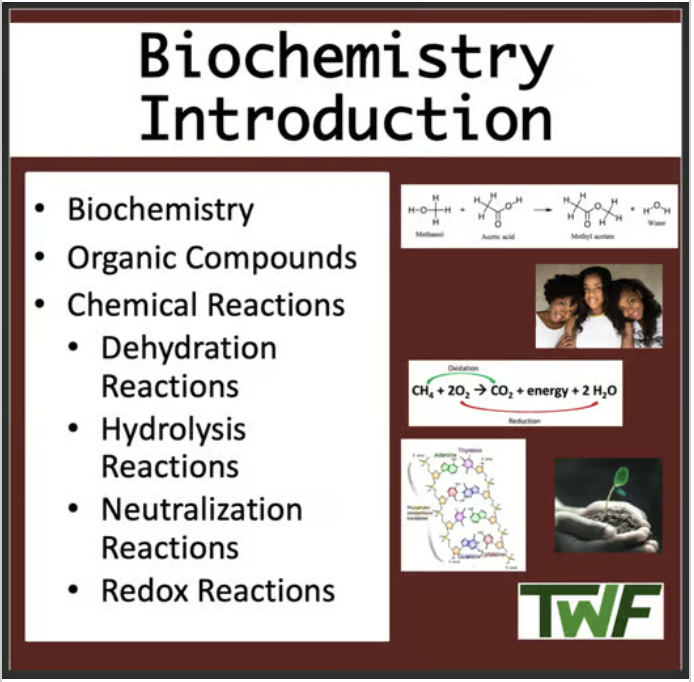
A high school biology lesson introducing biochemistry concepts: organic compounds, and four types of chemical reactions (dehydration, hydrolysis, neutralization, redox).
325 resources
Explore sub-categories
1 sub-categories · 325 resources
A high school biology lesson introducing biochemistry concepts: organic compounds, and four types of chemical reactions (dehydration, hydrolysis, neutralization, redox).
Teach high school students the concepts of government, democracy, direct democracy, and republic (indirect democracy) through a lecture and a simulated classroom voting activity.
A multi-file high-school biology lesson bundle teaching aerobic cellular respiration, focused in the reviewed evidence on glycolysis and pyruvate oxidation: the goal of cellular respiration, the 10 enzyme-catalyzed steps of glycolysis, its net reaction and energy conversion efficiency, and the transition into pyruvate oxidation in the…
A social story teaching the expectation of keeping clothes on while at school, intended as a proactive/preventative behavioral teaching tool rather than a punitive one.
High school chemistry lesson package teaching periodic table organization and trends: element properties, periodic table groups (alkali metals, alkaline earth metals, transition metals, halogens, noble gases), metals/nonmetals/metalloids, electron shielding, and the four periodic trends (atomic radius, ionic radius, ionization energy, electronegativity).
A senior high school chemistry lesson introducing the properties and behavior of gases, kinetic molecular theory, pressure units, and temperature scales.
Teach high school students the five themes of geography (location, human-environment interaction, region, place, movement) as a framework geographers use to analyze spatial patterns.
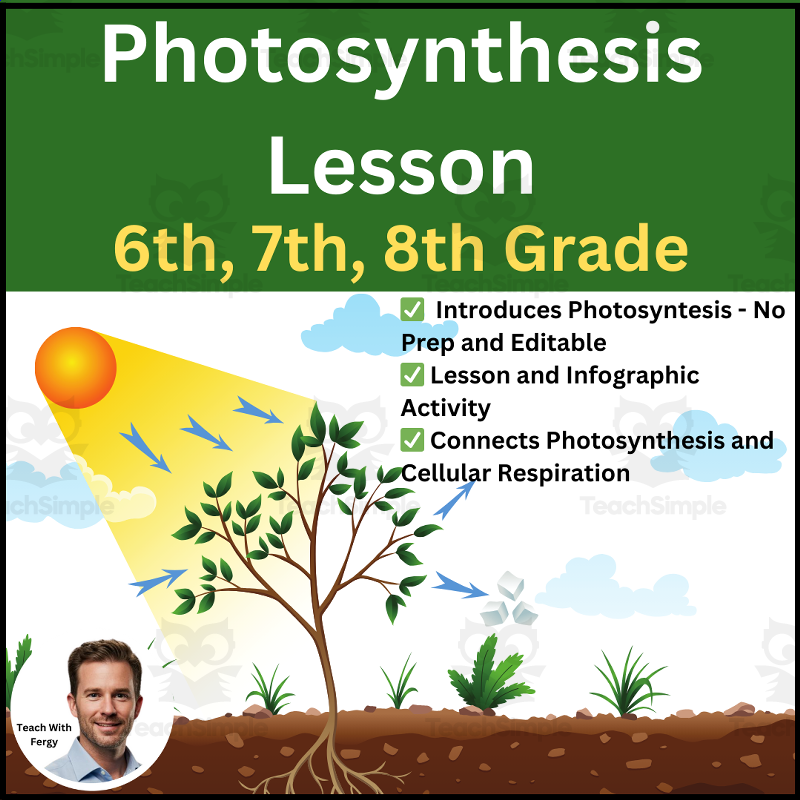
A middle school science lesson introducing photosynthesis and its connection to cellular respiration, covering solar energy, chloroplasts, chlorophyll and other leaf pigments, and why leaves change color in fall.
Provide high school students with introductory background/context for studying the novel 'The Joy Luck Club' by Amy Tan, covering author biography, Chinese immigration history, historical China before/during/after WWII, themes, symbols, and discussion questions.
Teach high school/middle school students (grades 7-10) sociology concepts related to socialization and social groups, including agents of socialization, group types, leadership styles, and group interaction/conformity phenomena.
Teach high school students the Demographic Transition Model (DTM), explaining how countries move through stages of birth/death rate change as they industrialize.
A multi-day high school Earth & Space lesson package that teaches the Big Bang Theory, cosmology, evidence for cosmic expansion (redshift, Cosmic Microwave Background Radiation), and the possible fates of the universe.
A middle/high school civics lesson on how public policy and law are made, using a scenario about banning vehicles from a city park to explore the difficulty of writing clear, comprehensive rules.
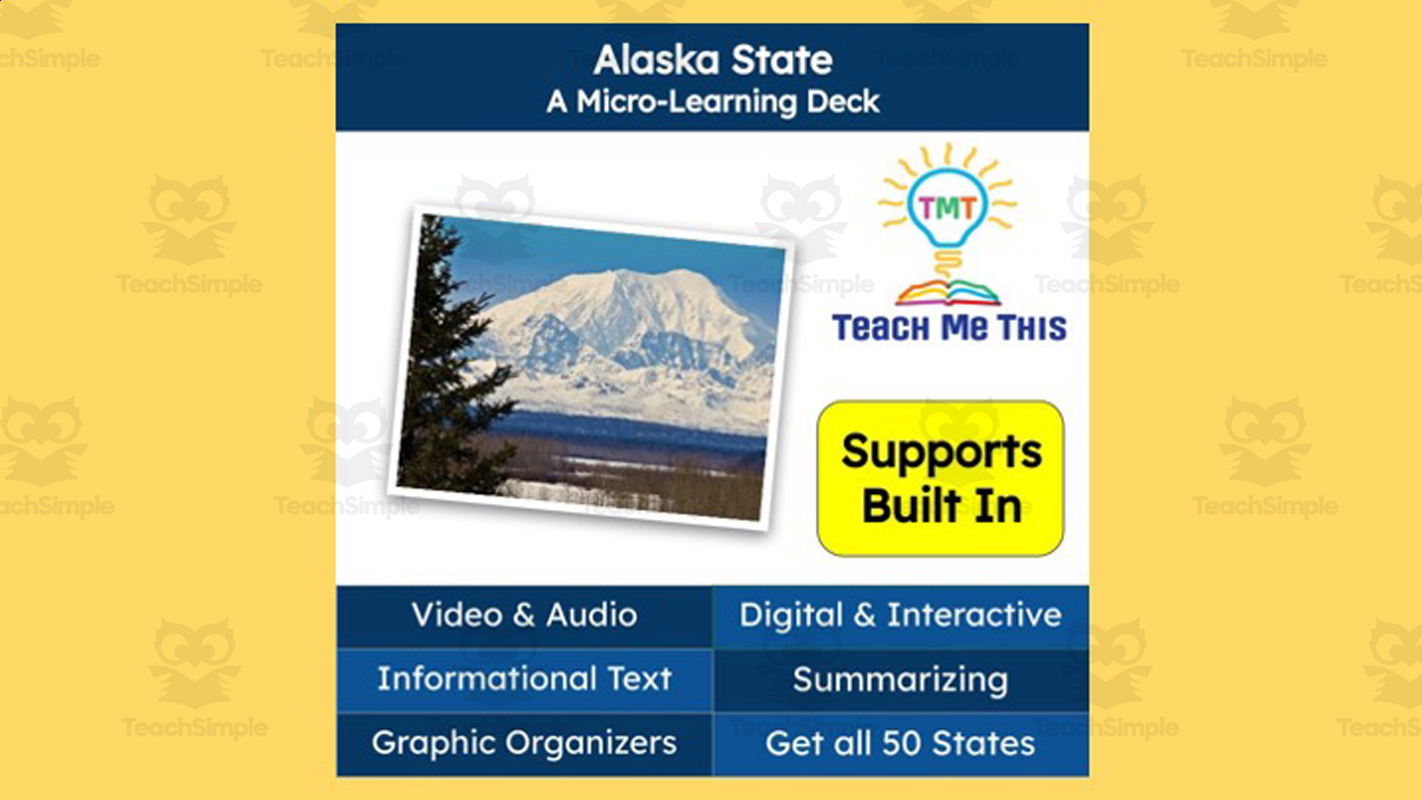
A 14-slide digital micro-learning deck teaching upper-elementary/middle-school students the geography, symbols, and facts of Alaska.
Teach middle school students to write a text-based argumentative essay with a separate counterclaim paragraph, built around the inquiry question 'Was Atlantis a real place?'
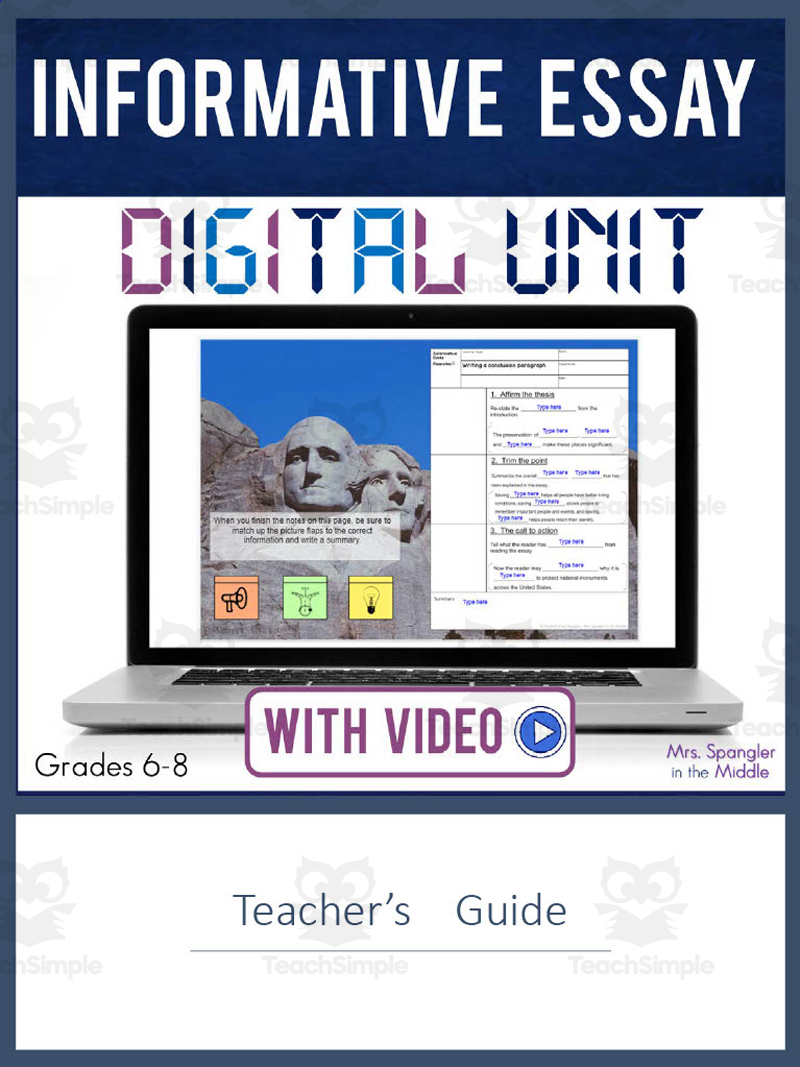
Teach middle school students to write a text-based, well-organized informative essay with proper citations over a ten-day digital unit, using video lessons, guided notes, and non-fiction texts.
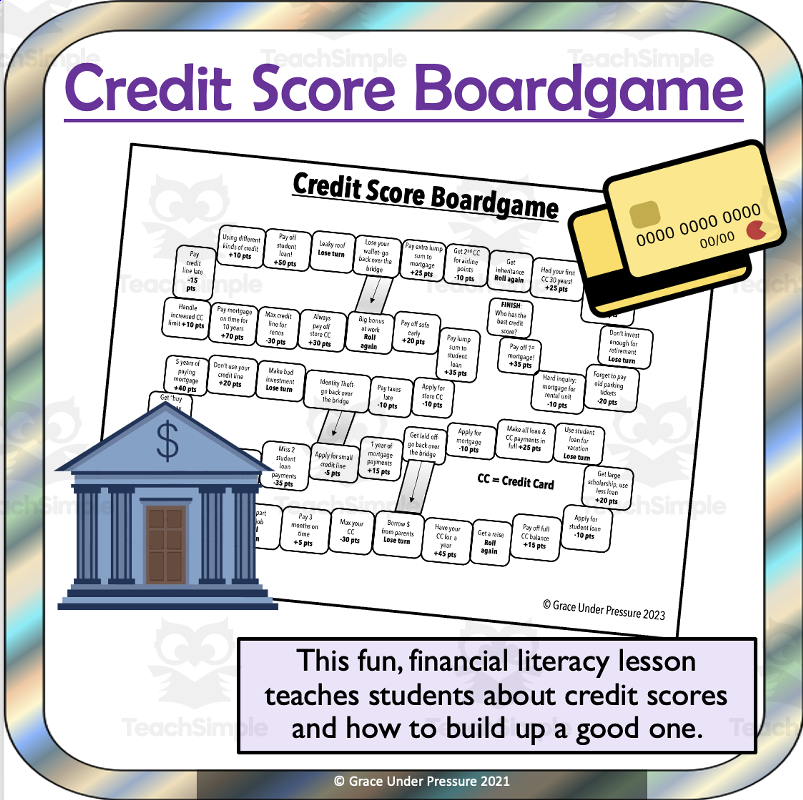
Players move around the board and adjust a simulated score in response to financial events. Use the introductory notes and infographic before group play, then discuss the choices represented. The score changes are game values rather than predictions of actual credit-score changes. For another classroom money-management activity, use the checking account project .
Editable digital/virtual class yearbook template for students and teachers to fill in as a keepsake of the school year.
Teach the five phases of informative/expository writing (research and brainstorming, main ideas and support, introduction and conclusion, draft/edit/revise, final draft) using a Back-to-School-themed set of activities.
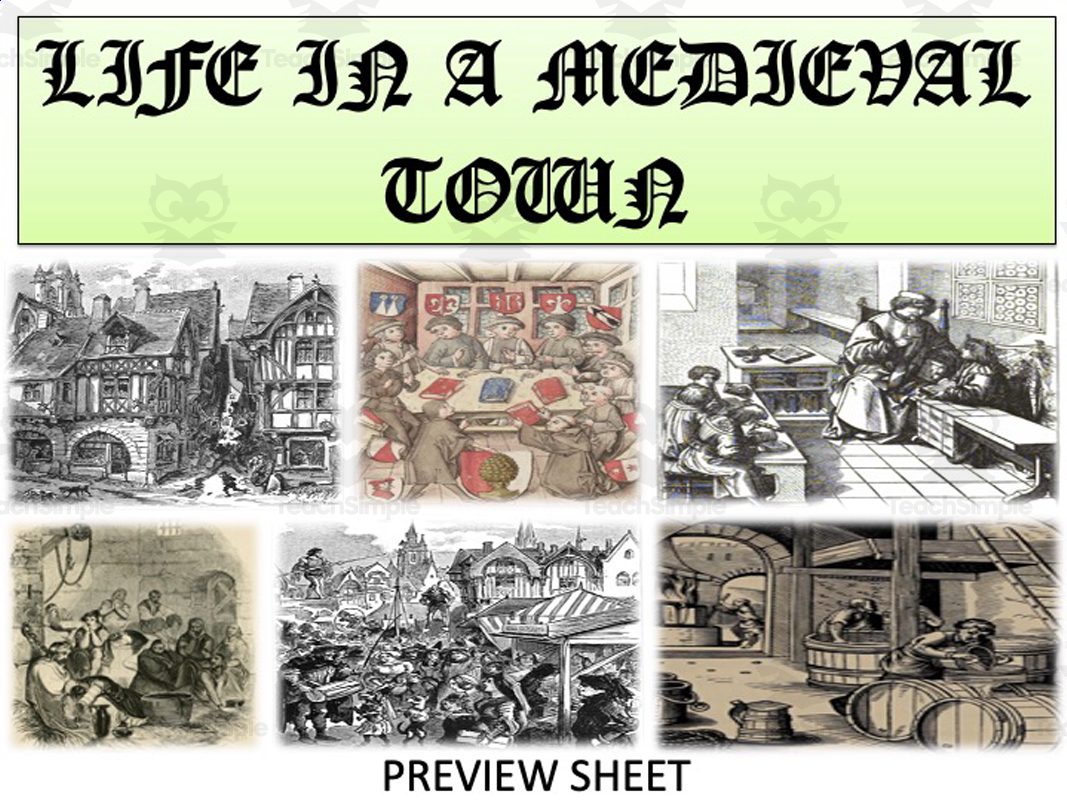
Teach middle/high school students about daily life in medieval European towns, including their growth, buildings, food, law, guilds, government, entertainment, children, and dangers.
Teach senior/high-school chemistry students the gas laws (Boyle's Law, Charles' Law, Gay-Lussac's Law) and their combined application.
Teach urbanization concepts (definition, MDC vs. LDC urban growth trends, ways of defining a city, MSA, megalopolis, megacities) for a high-school/AP-level human geography unit, via paired slide notes and a fill-in outline.
Teach senior/high-school chemistry students gas law stoichiometry: Gay-Lussac's Law of Combining Volumes, Avogadro's Hypothesis, and mole-ratio-based reactions involving gases and solutions.
Teach synthesis, decomposition, and combustion chemical reaction types for a senior high school chemistry course, including predicting and balancing equations.