Off the Wall Digital "Get To Know You" Game
A digital back-to-school icebreaker game to help students introduce themselves and build classroom community.




325 resources
Explore sub-categories
1 sub-categories · 325 resources
A digital back-to-school icebreaker game to help students introduce themselves and build classroom community.
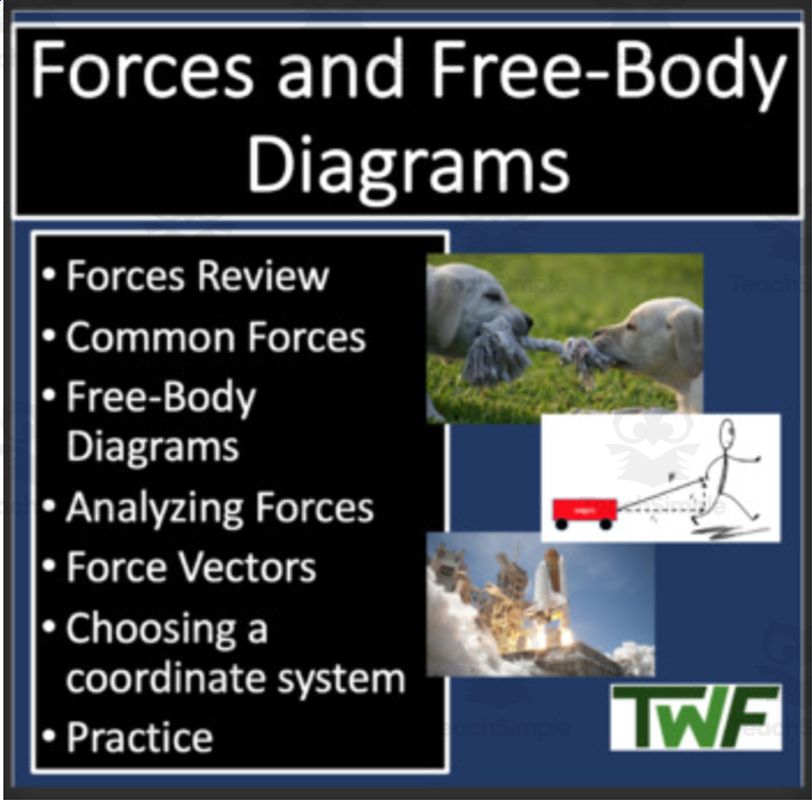
A high school physics lesson on forces and free-body diagrams (FBDs), covering common forces, drawing FBDs, resolving net force and force vectors using a chosen coordinate system.
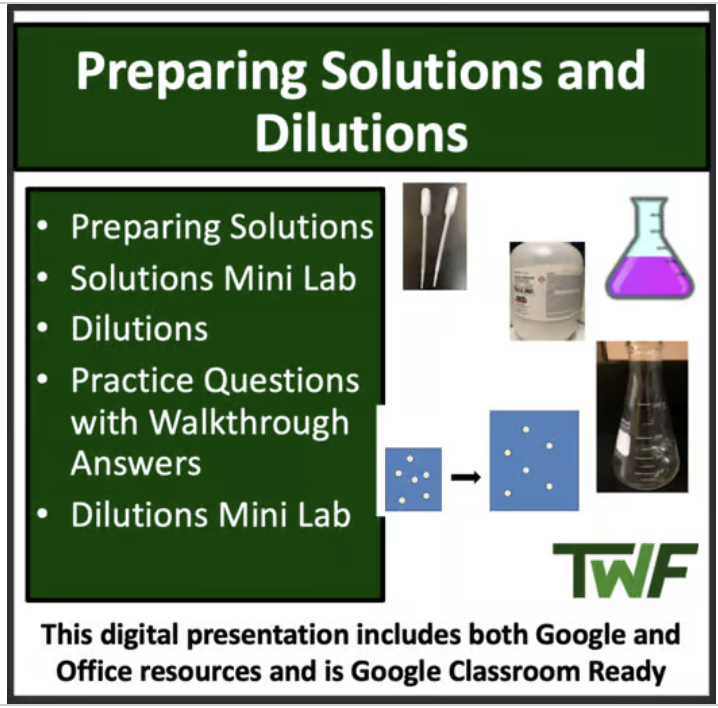
A senior (high school) chemistry lesson teaching how to prepare solutions of a given molar concentration using volumetric flasks, and how to dilute concentrated stock solutions using the M1V1=M2V2 relationship.
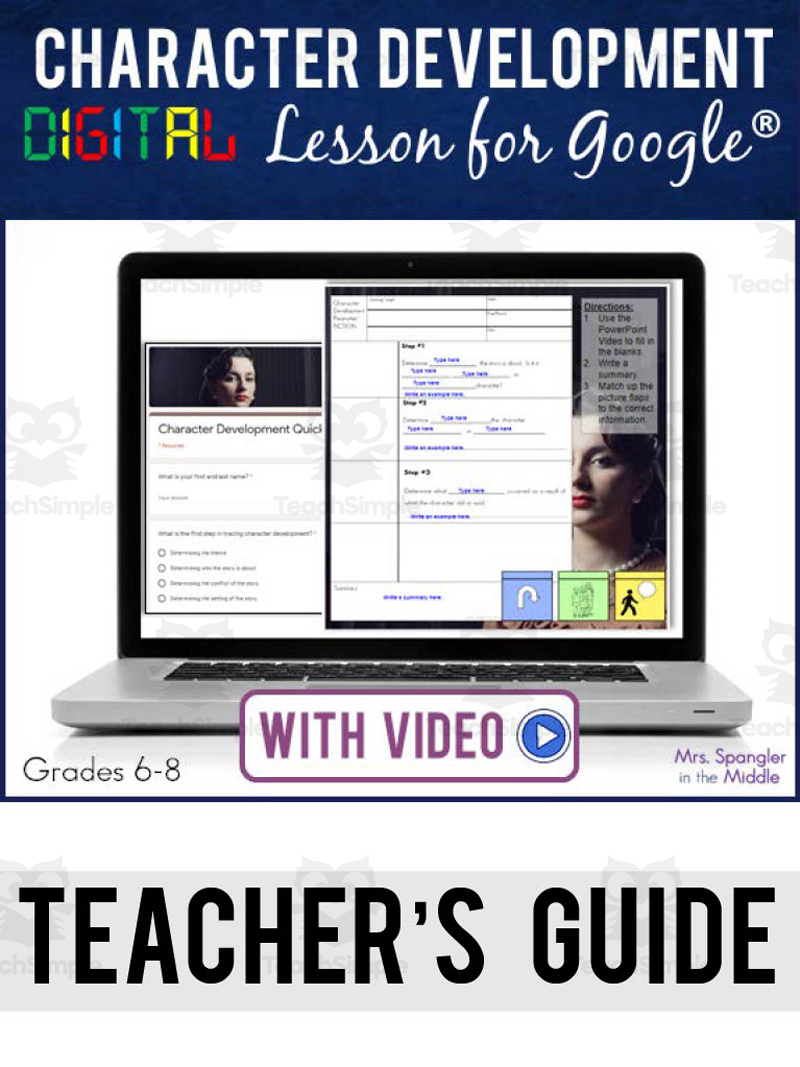
Scaffolded digital interactive notes ('Pixanotes') for middle school ELA teaching literary character development, with a self-grading quiz.

Teaches Kepler's three laws of planetary motion and the historical progression from geocentric to heliocentric models, for high school earth/space science.
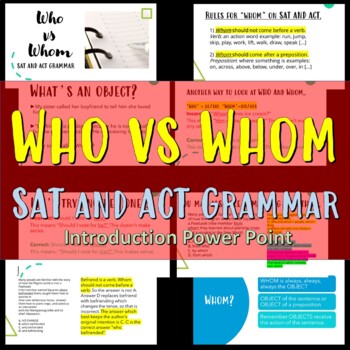
Teaches high-school students the grammar rule for choosing 'who' versus 'whom,' specifically framed around SAT and ACT grammar test questions.
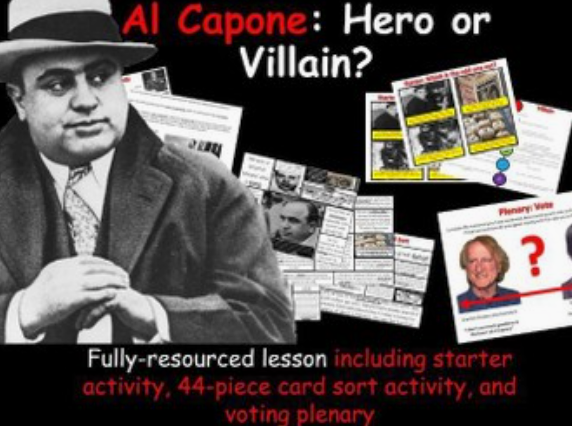
A high-school history lesson using an 'odd one out' starter and an evidence card-sort activity to have students weigh conflicting evidence and decide whether Al Capone should be viewed as a hero or villain.
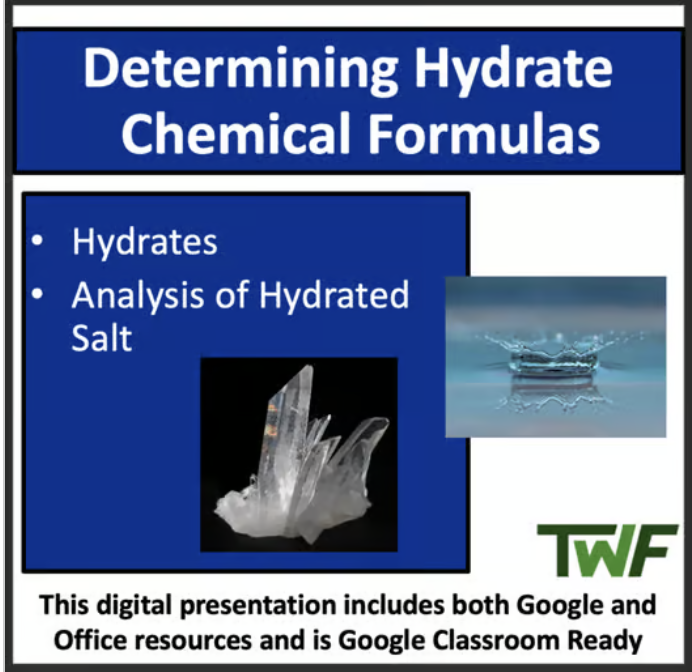
A high school chemistry lesson teaching students to identify and analyze hydrates/hydrated salts and calculate a hydrate's chemical formula from experimental mass data.
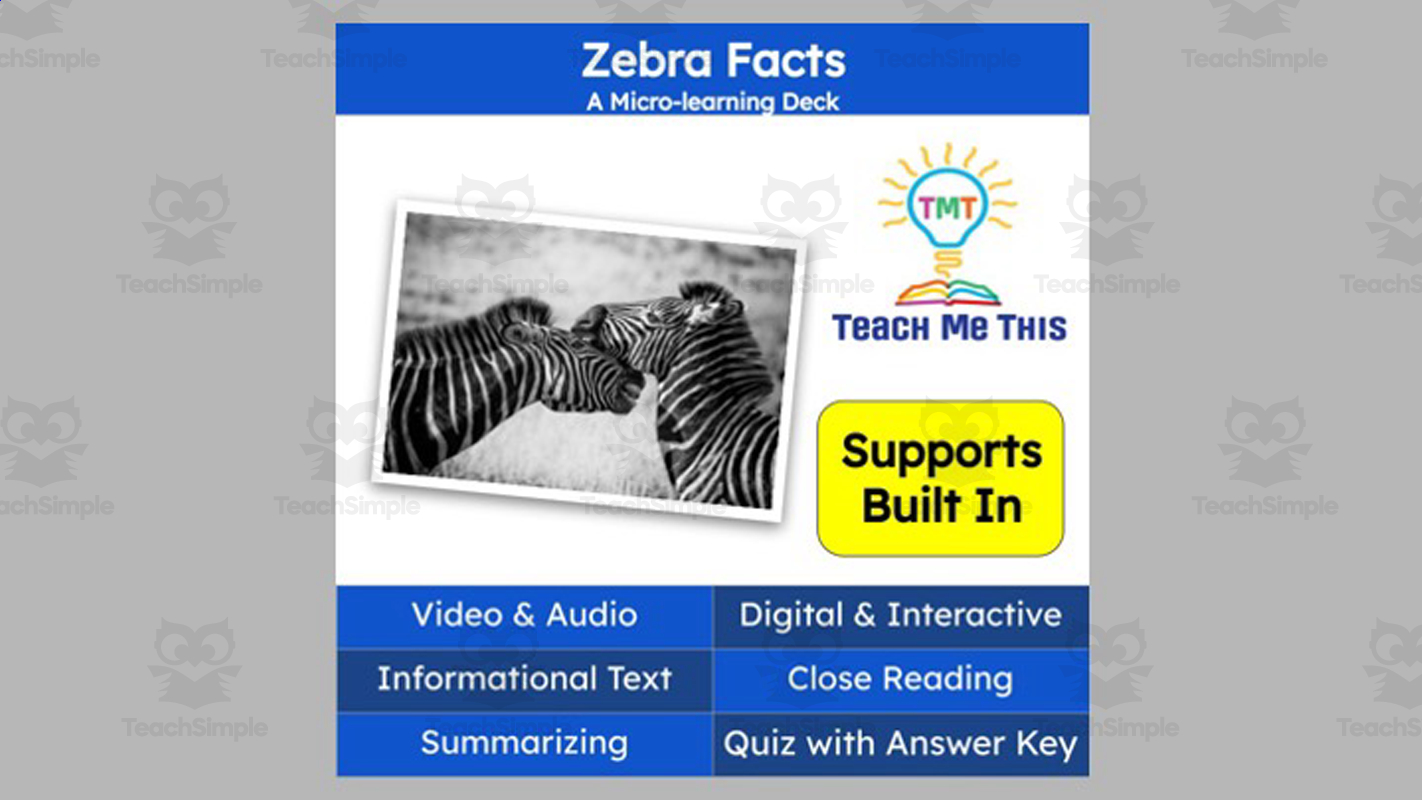
A self-paced, video- and text-based micro-learning science lesson teaching factual content about zebras (habitat, stripes/camouflage, behavior, physical traits) for middle/high school students.

Provides 50 quote-based writing prompts (one per slide) for high-school students to practice quick/timed journal or essay-style writing and build writing stamina.

A social studies lesson teaching the definition and features of totalitarianism and its rise after World War 1, with application to students' own lives.
A 'Would You Rather?' slideshow game (school-day themed) designed as a sub-plan/classroom engagement activity to spark discussion.
25-slide slideshow lesson teaching middle/high school students how to write descriptive story settings using sensory imagery to establish mood.
Provide a back-to-school 'Would You Rather' icebreaker game to spark conversation and decision-making about starting a new school year.
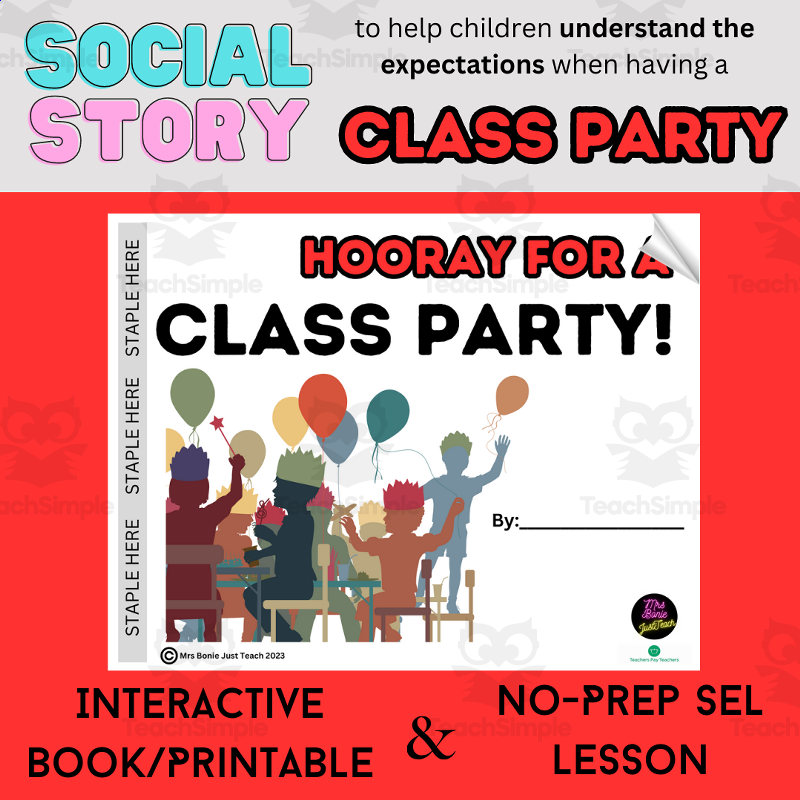
An interactive 'social story' booklet that sets behavior expectations for a classroom party, with students personalizing the story about themselves.

Provide 20 days of short daily review activities (bell ringers/warm-ups/exit tickets) covering the digestive, circulatory, and respiratory body systems for a high school biology class.
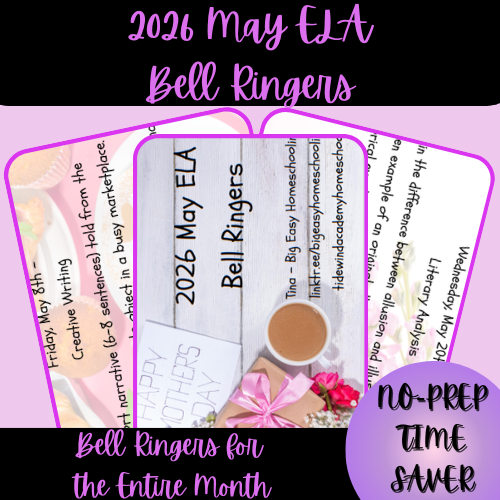
Provide a full month of short daily ELA warm-up ('bell ringer') activities for high school students, rotating through rhetorical analysis and advanced descriptive/creative writing, with a spring/May theme, dated May 2026.

A high school physics lesson teaching refraction, index of refraction, and Snell's Law, including finding the critical angle.
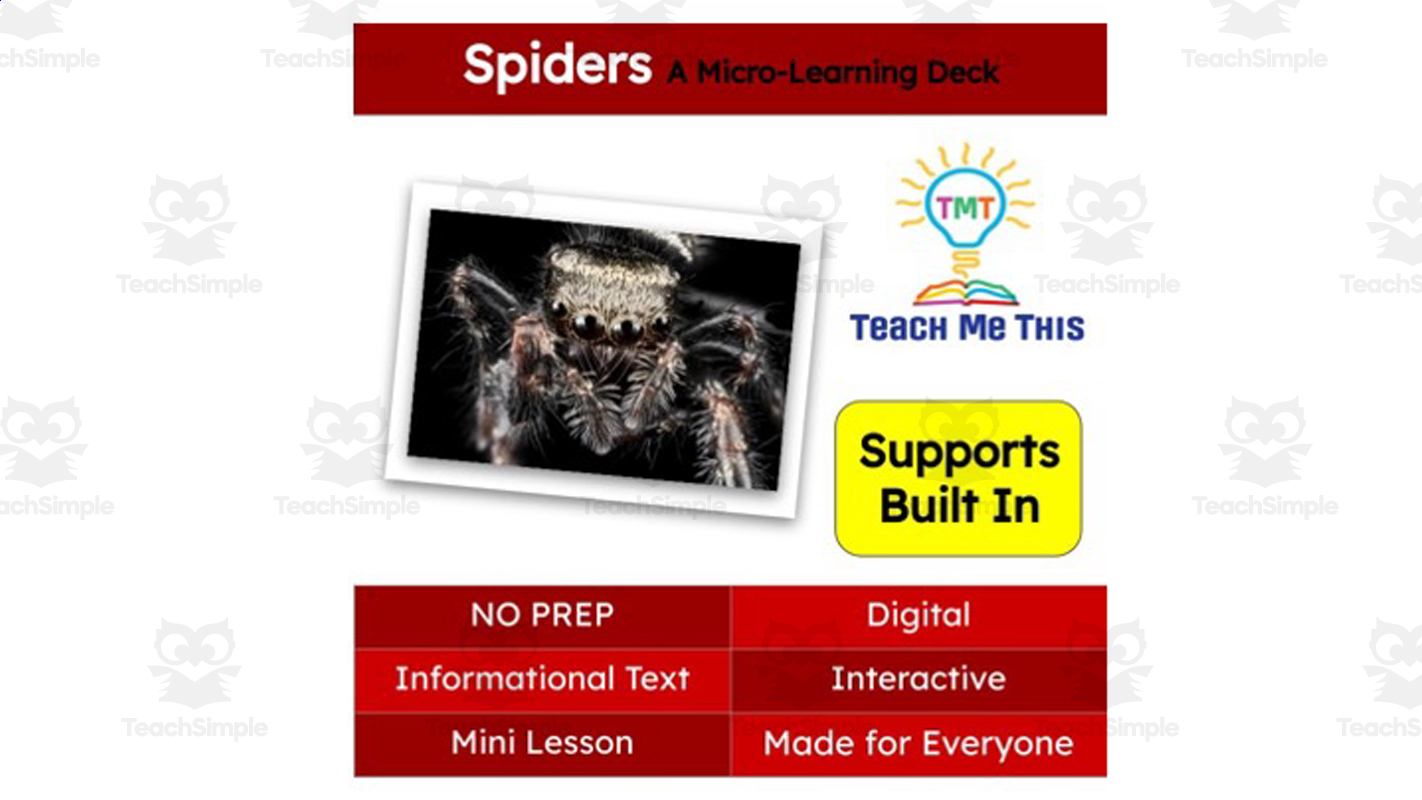
An informational micro-lesson slideshow introducing spiders for middle/high school science classes.
Introduce high-school students to citing textual evidence from fiction using a signal-phrase/quotation/citation format, then apply it through a scavenger-hunt activity.
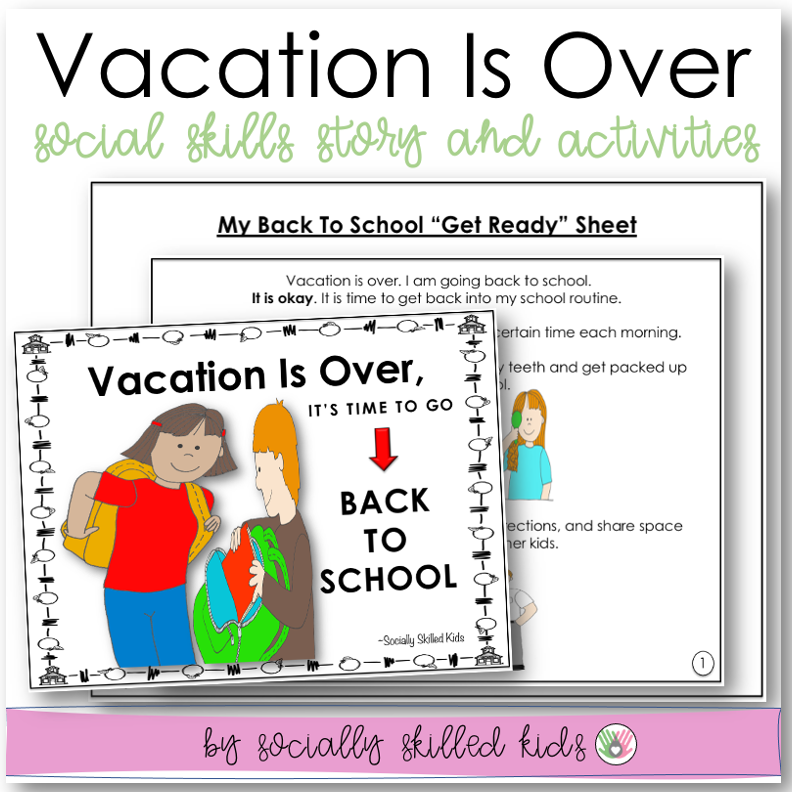
A social-emotional story and activity set that helps young students process the transition from vacation back into school routines.

A 2-day slideshow-based lesson package introducing middle/early-high-school students to the science of climate change: the greenhouse effect, greenhouse gases and their sources, the carbon cycle and carbon sinks, and the effects and history of climate change.

A social skills story and activity set teaching perspective-taking: understanding and accepting that other people have different tastes and preferences, and not making negative comments ('yucking someone's yum') about things others like.

Teach high-school students to evaluate the credibility of research sources using the CRAAP test, with additional context on peer-reviewed journals.