Bill Clinton | Reading Comprehension Deck | Interactive Lesson
A micro-learning interactive slide deck biography of Bill Clinton, building reading comprehension, vocabulary, and summarizing skills through an informational text.
1,253 resources
Explore sub-categories
1 sub-categories · 1,253 resources
A micro-learning interactive slide deck biography of Bill Clinton, building reading comprehension, vocabulary, and summarizing skills through an informational text.
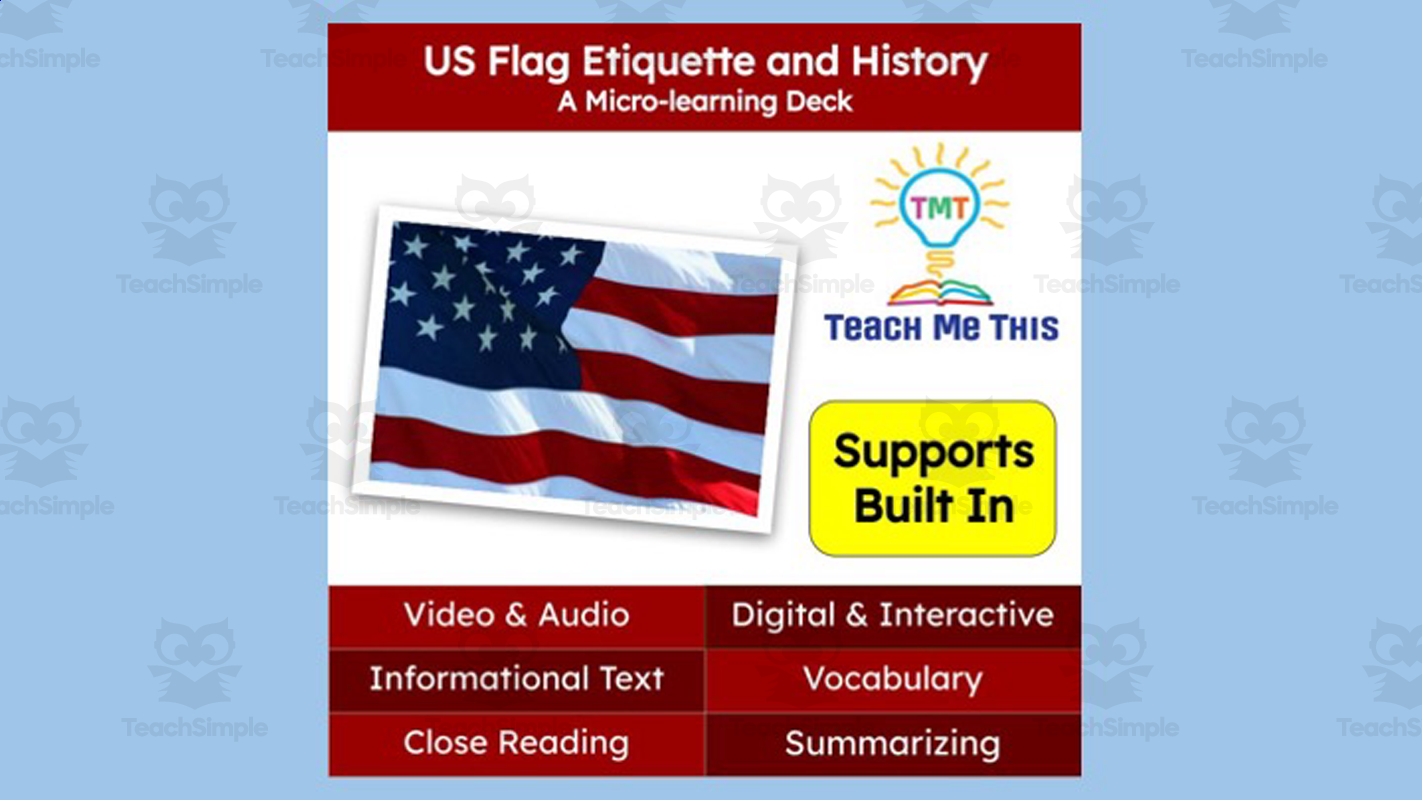
A micro-learning slide deck (interactive lesson) teaching the history of the American flag and etiquette for its care and display, built around a reading passage with vocabulary and comprehension activities.
A nine-week set of weekly writing practice slides that walk middle/high school students through descriptive, expository, narrative, and persuasive writing using timed writing and graphic organizers.
A slide deck plus reading and question set covering the unification of Germany and Italy and the Franco-Prussian War, aligned to a Regents Global History 10 course, with a companion video lesson.
Without a doubt, history is a topic that can be easily overlooked by our students. Sometimes, it can be difficult for them to make connections with the past in a way that makes sense to them.
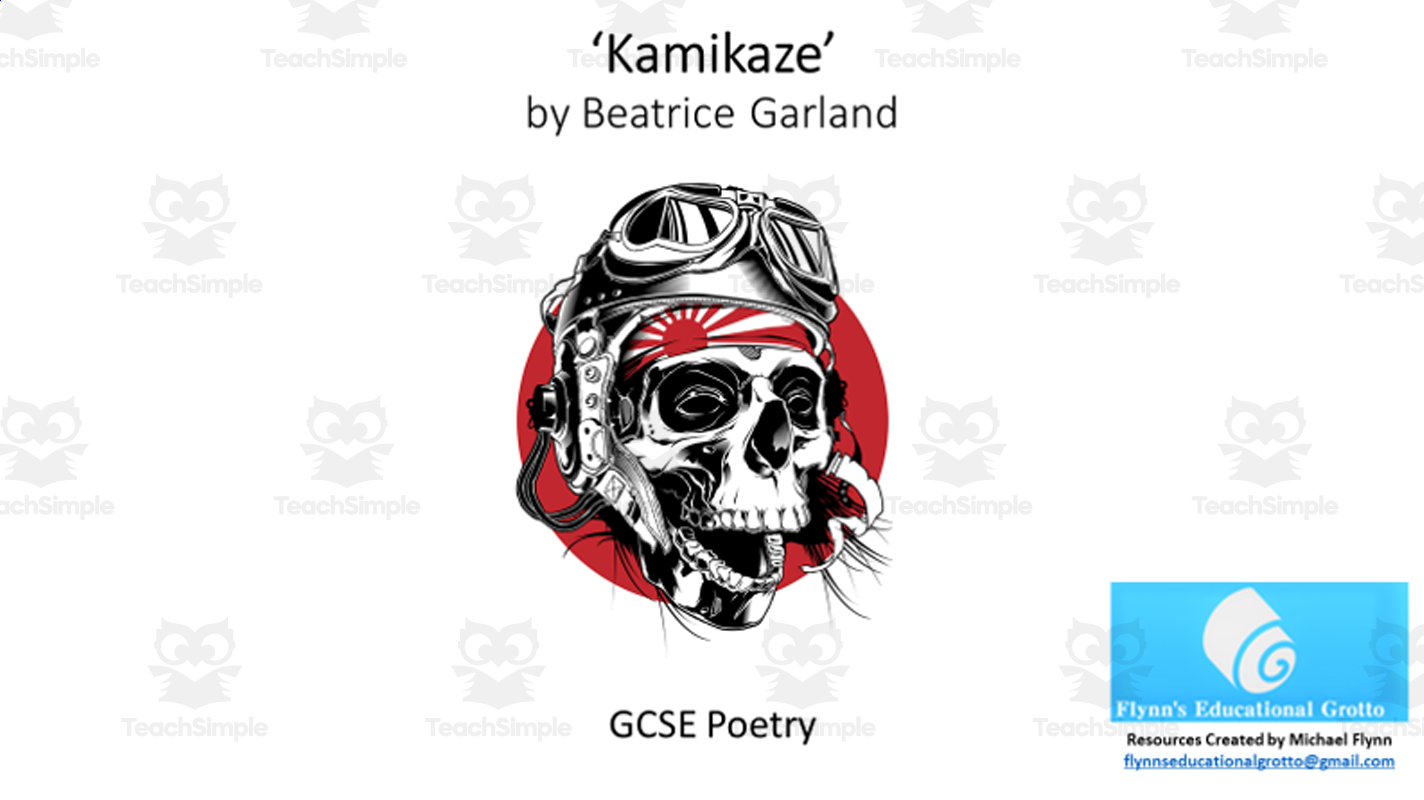
A GCSE-level English literature lesson (slide deck) analyzing Beatrice Garland's poem 'Kamikaze': author context, close reading/annotation of the poem text, tone analysis, content analysis, and stanza-by-stanza language-device analysis.
A comprehensive AP/high school Government slide deck covering the history, actors, tools, and issues of U.S. foreign policy, from historical doctrines through modern terrorism and international trade concepts.
A senior chemistry lesson teaching the Ideal Gas Law (PV = nRT), covering gas properties, kinetic theory, deriving and applying the law, and standard conditions (STP/SATP).
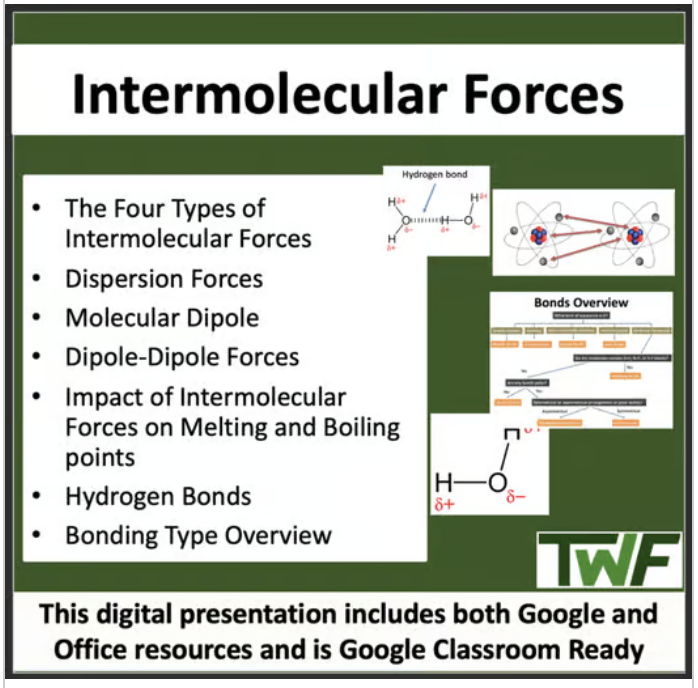
Teach the four types of intermolecular forces (dispersion, molecular dipole, dipole-dipole, hydrogen bonding) and how they affect melting and boiling points, for senior-level chemistry.
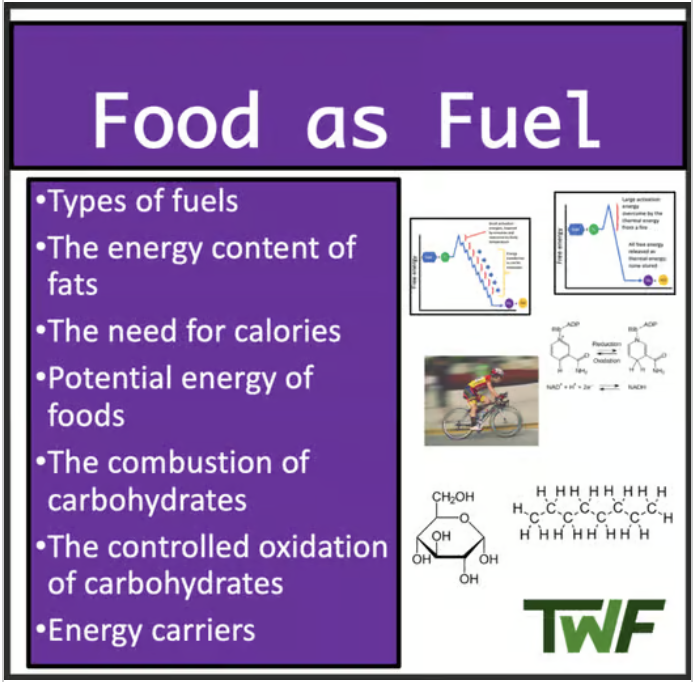
Senior high school biology lesson on food as an energy source: fuel types, caloric content of macronutrients, and the (controlled) oxidation/combustion of carbohydrates.
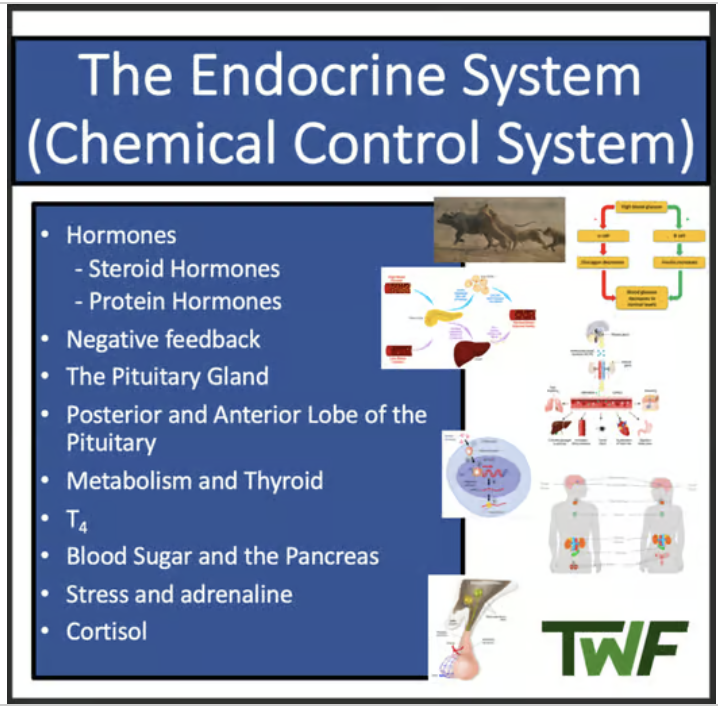
A senior high school biology lesson on the endocrine system, covering hormones, negative feedback, the pituitary gland, thyroid, pancreas/blood sugar regulation, and stress hormones.
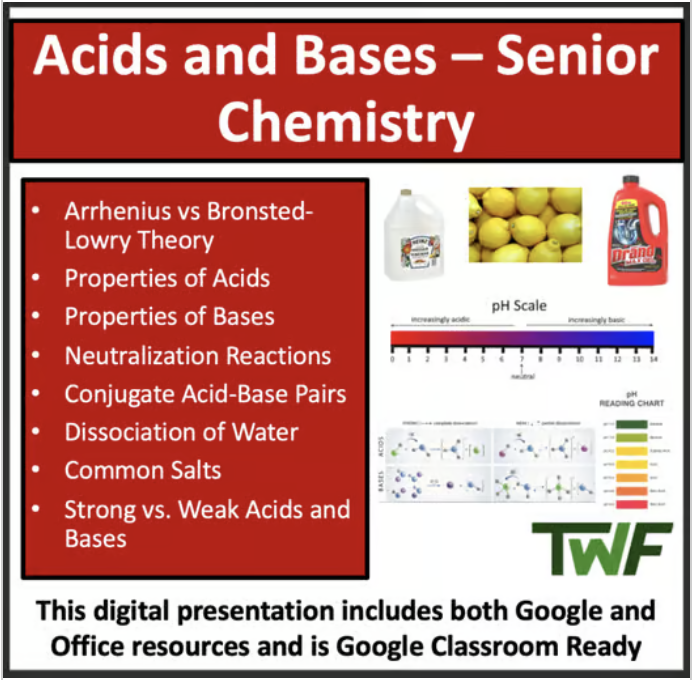
Teach senior-level chemistry students the theory and properties of acids and bases, from Arrhenius through Bronsted-Lowry models, neutralization, and related concepts.
Teach high school chemistry students about types of chemical bonds: forces of attraction, ionic vs. covalent bonds, single/double/triple covalent bonds, polar covalent bonds, and metallic bonds.
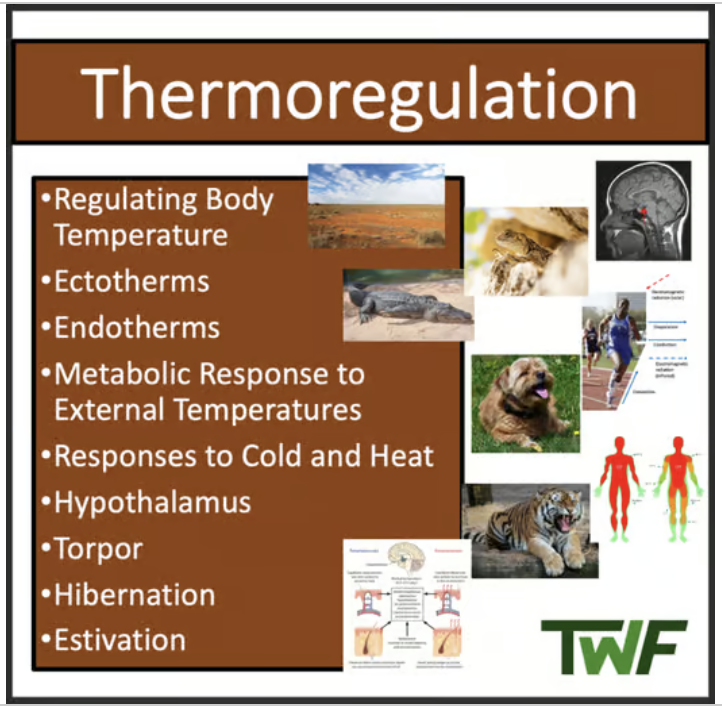
A senior high-school biology lesson package teaching how animals regulate internal body temperature (thermoregulation), covering ectotherms, endotherms, and related physiological responses.
A senior high school biology lesson covering reproductive hormones, the male and female reproductive systems, spermatogenesis, the ovarian and menstrual cycles, hormonal negative feedback (LH, FSH, estrogen, progesterone), controlling reproduction, and puberty.
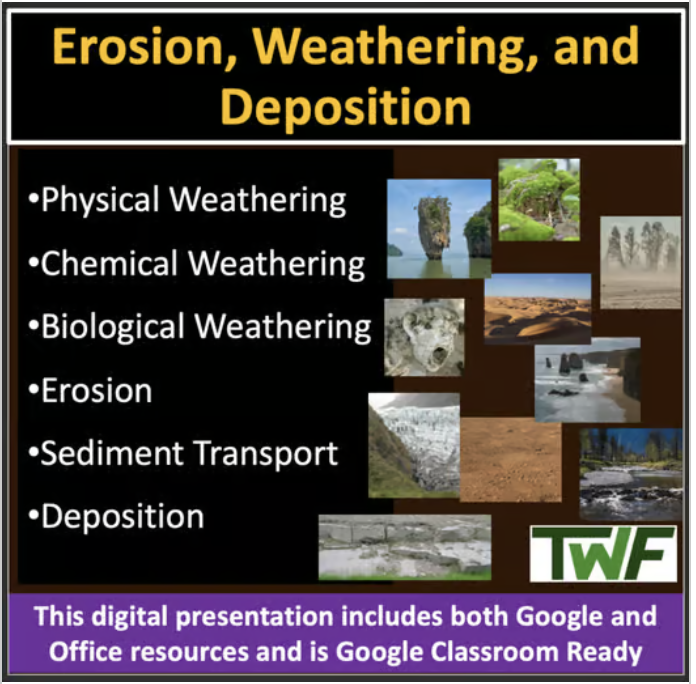
Senior high school earth science lesson covering physical and chemical weathering processes, delivered via slideshow with a matching fill-in-the-blank student note-taking outline.
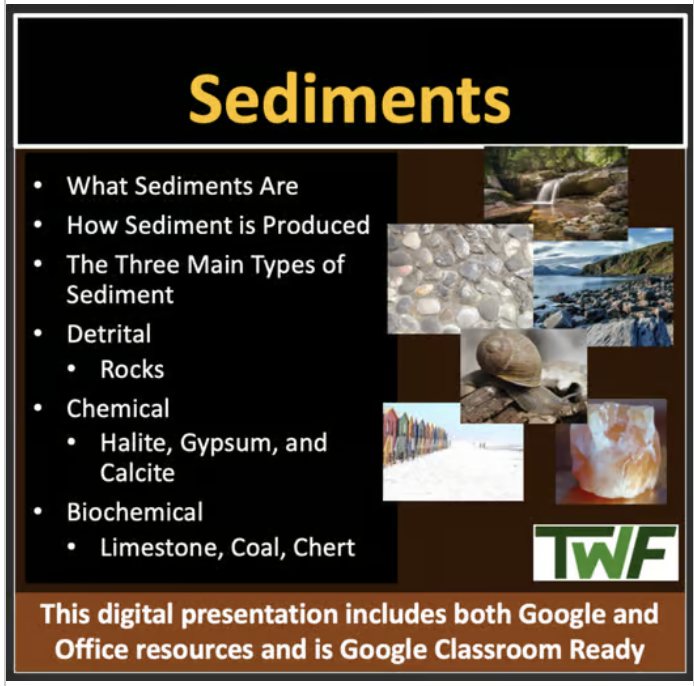
Teach a high-school-level earth science lesson on sediment: what it is, how it forms, and its three main types (detrital, chemical, biochemical).
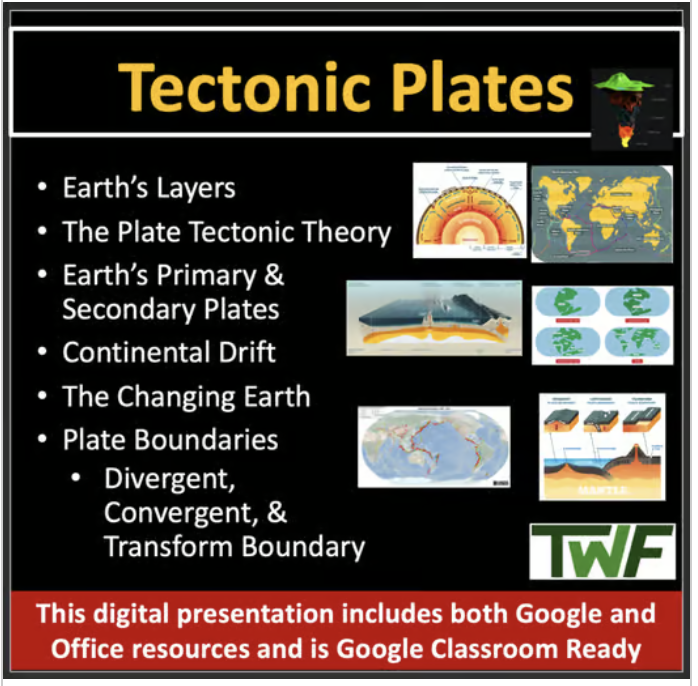
A high-school earth science lesson teaching Earth's layers, plate tectonic theory, primary/secondary tectonic plates, continental drift evidence, plate boundary types, and their resulting geologic features.
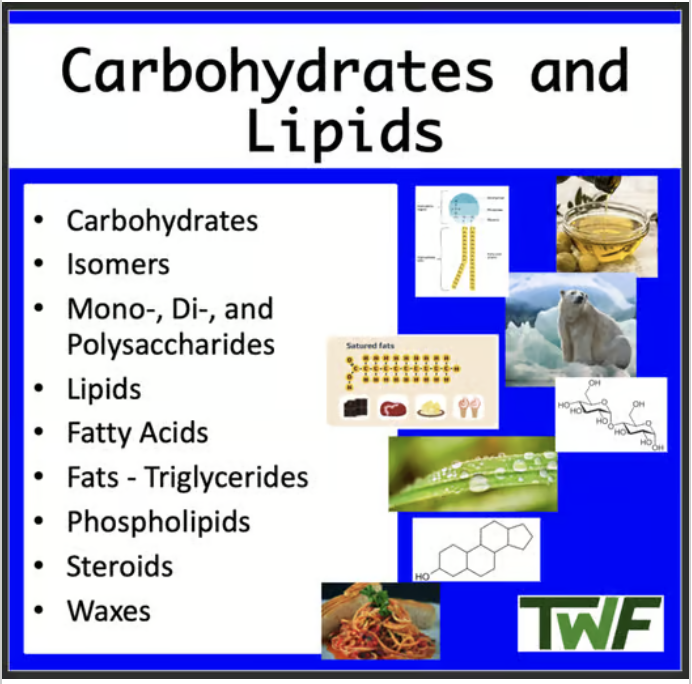
A senior high school biology lesson (slide presentation) teaching the structure, classification, and function of carbohydrates and lipids.
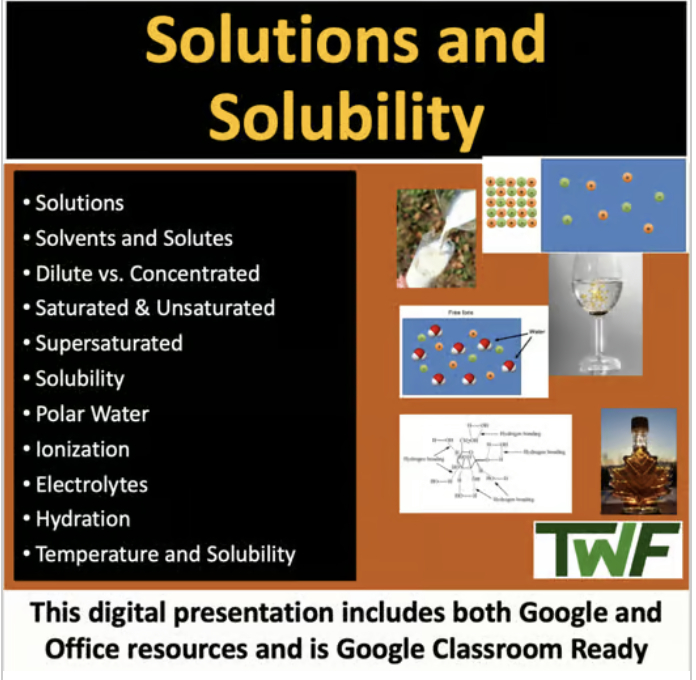
A senior/high-school chemistry lesson on solutions and solubility, covering solvents/solutes, concentration, saturation states, solubility rules and ranges, water polarity, ionization, electrolytes, hydration, and the effect of temperature on solubility, delivered as parallel teacher and student presentations.
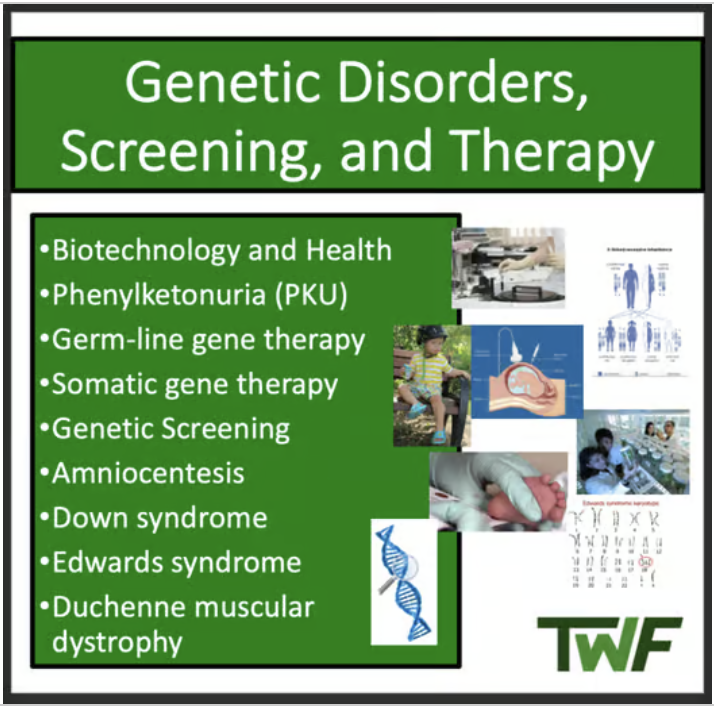
A senior high-school biology lesson presentation covering biotechnology and genetic disorders/screening/therapy topics (PKU, gene therapy, genetic screening, amniocentesis, Down syndrome, Edwards syndrome, Turner syndrome, Duchenne muscular dystrophy), provided as a complete teacher version and a blank-note-taking student version.
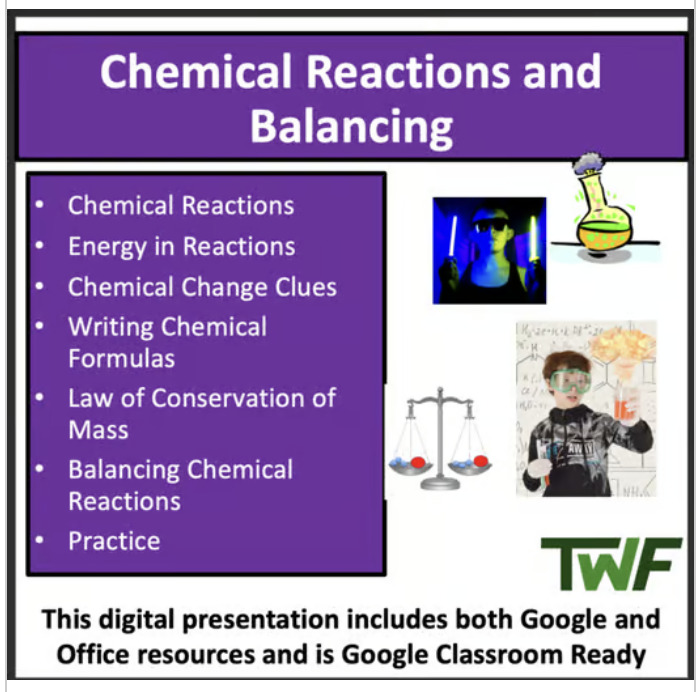
A teacher-led lesson (slide presentation plus worksheets) that teaches chemical reactions, energy in reactions, signs of chemical change, writing chemical formulas, the law of conservation of mass, and balancing chemical equations.
A senior high school chemistry lesson teaching how to name ionic compounds and multivalent (transition metal) compounds, including ionic bonding, the criss-cross rule, and the classical naming system, delivered via a teacher/student slide presentation with supporting labs and handouts.
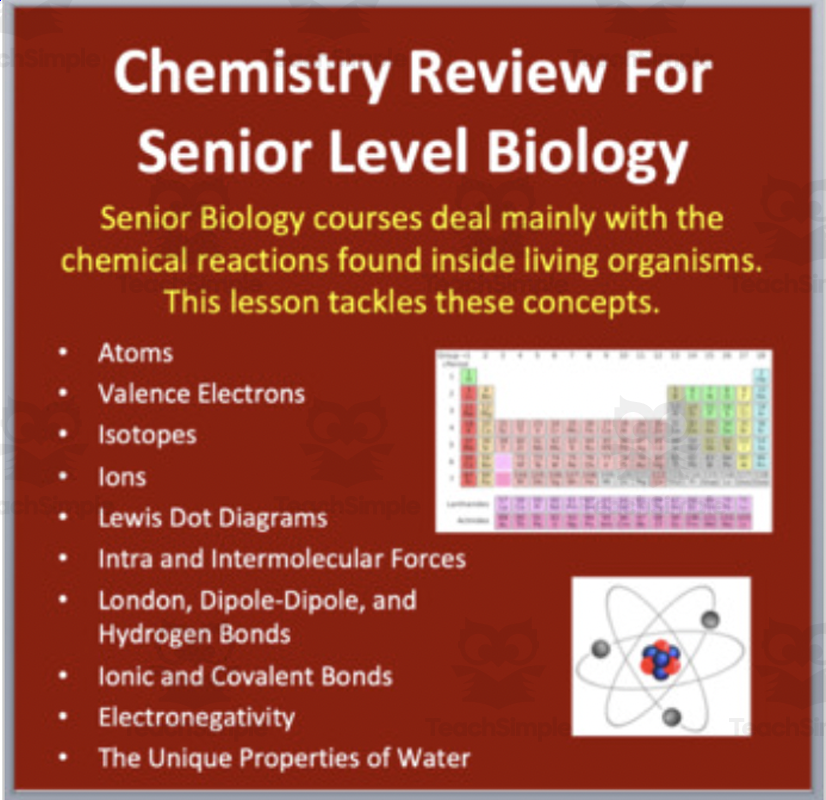
Reviews foundational chemistry concepts (atomic structure, bonding, intermolecular forces) that students need for a senior-level biology course.