Analyzing + Evaluating Arguments Digital Lesson
Scaffolded, differentiated digital interactive notes ("Pixanotes") teaching students to analyze and evaluate arguments via video, with a self-grading quiz to check understanding.
1,253 resources
Explore sub-categories
1 sub-categories · 1,253 resources
Scaffolded, differentiated digital interactive notes ("Pixanotes") teaching students to analyze and evaluate arguments via video, with a self-grading quiz to check understanding.
Teach urbanization concepts (definition, MDC vs. LDC urban growth trends, ways of defining a city, MSA, megalopolis, megacities) for a high-school/AP-level human geography unit, via paired slide notes and a fill-in outline.
Beach Creatures (Watercolor Painting) This is a comprehensive teaching resource designed to instill in students a deep appreciation for art, specifically the mesmerizing medium of watercolors. By combining knowledge of fine arts with practical application, this resource gives students from grades 3 through 8 the opportunity to create…
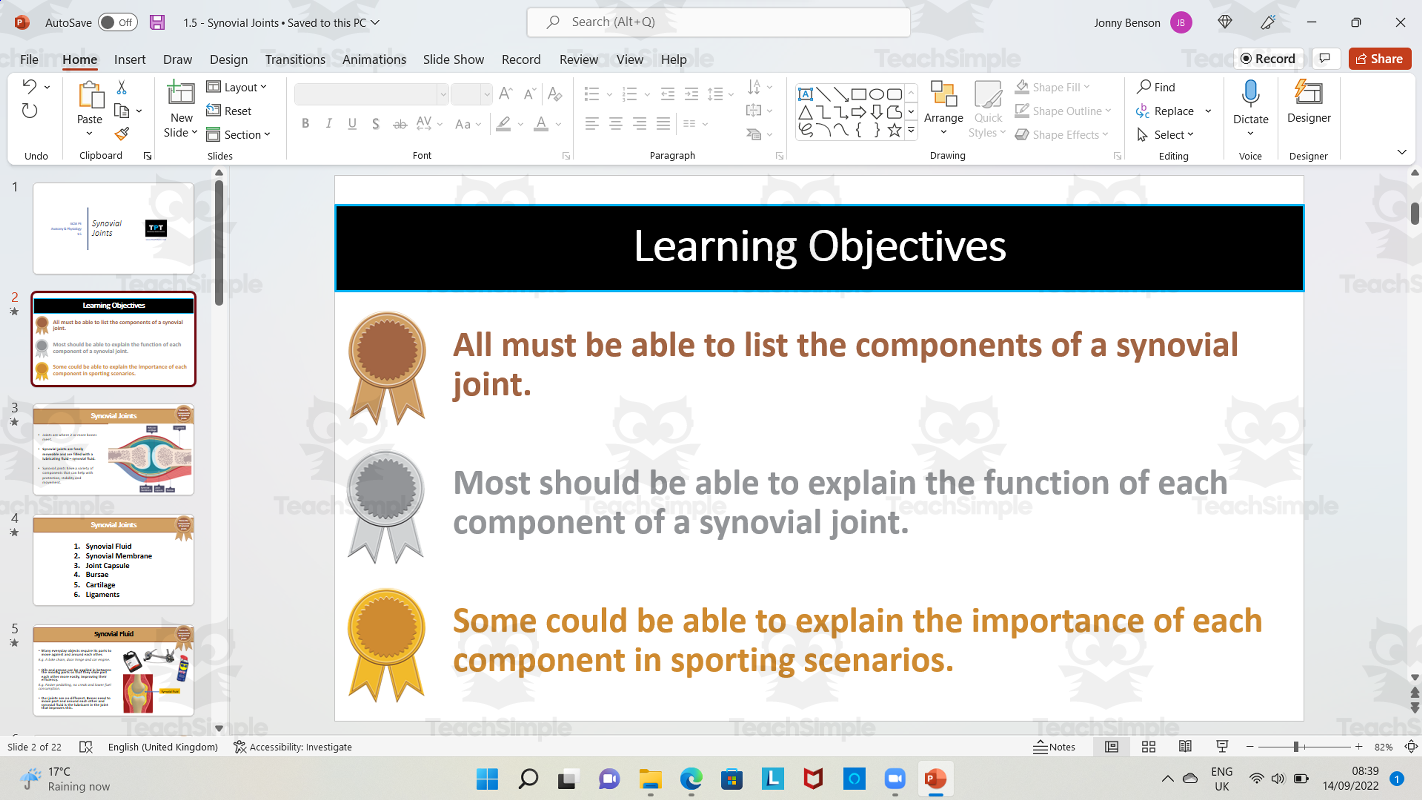
Teach the structure, components, and sporting function of synovial joints for a GCSE PE Anatomy & Physiology course.
Presents a chronological biography of Charlie Baker, a former Governor of Massachusetts, for use in U.S. history/government instruction on political biography.
A digital 'Think, Chat, and Write' discussion-based literary analysis activity for Shirley Jackson's short story 'The Lottery', structuring a think-pair-share process into a written response.
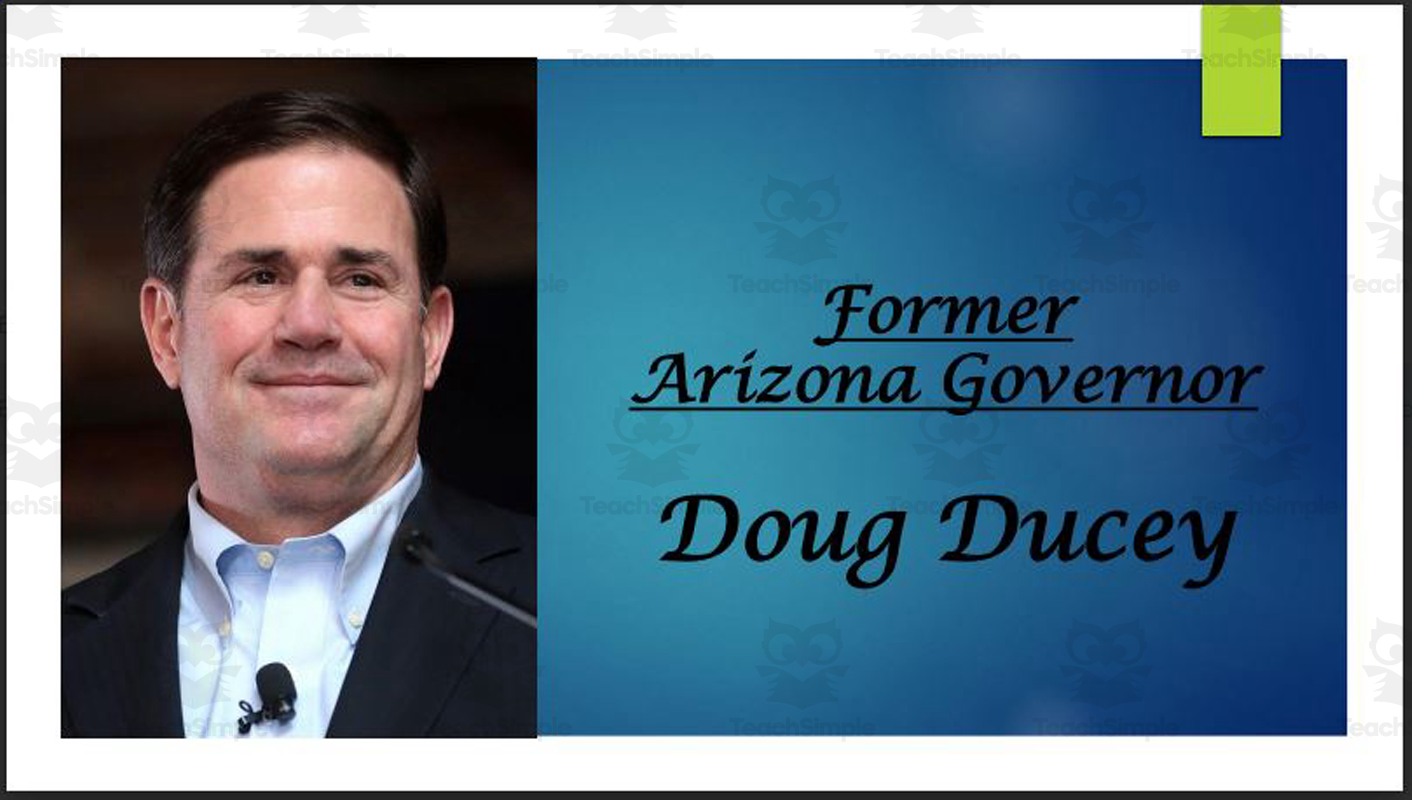
Presents a chronological biography of Doug Ducey, a former Governor of Arizona, for use in U.S. history/government instruction on political biography.
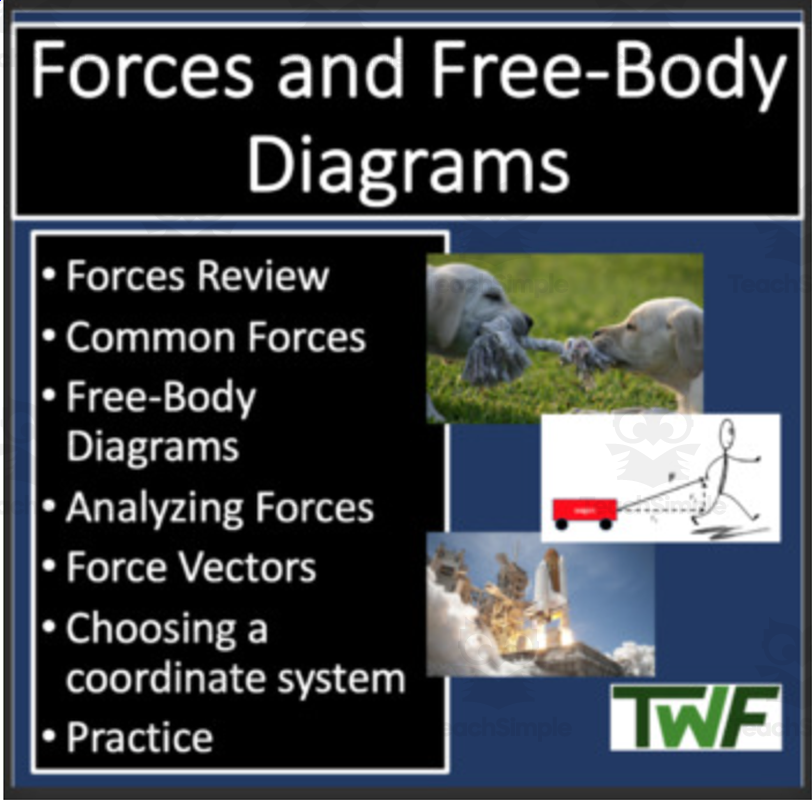
A high school physics lesson on forces and free-body diagrams (FBDs), covering common forces, drawing FBDs, resolving net force and force vectors using a chosen coordinate system.
An interactive science micro-learning deck teaching what weather is, how it differs from climate, and the factors (heat, air pressure, wind, moisture) that produce weather, using a video-lesson slide, close-reading passage, vocabulary, and quick-write.
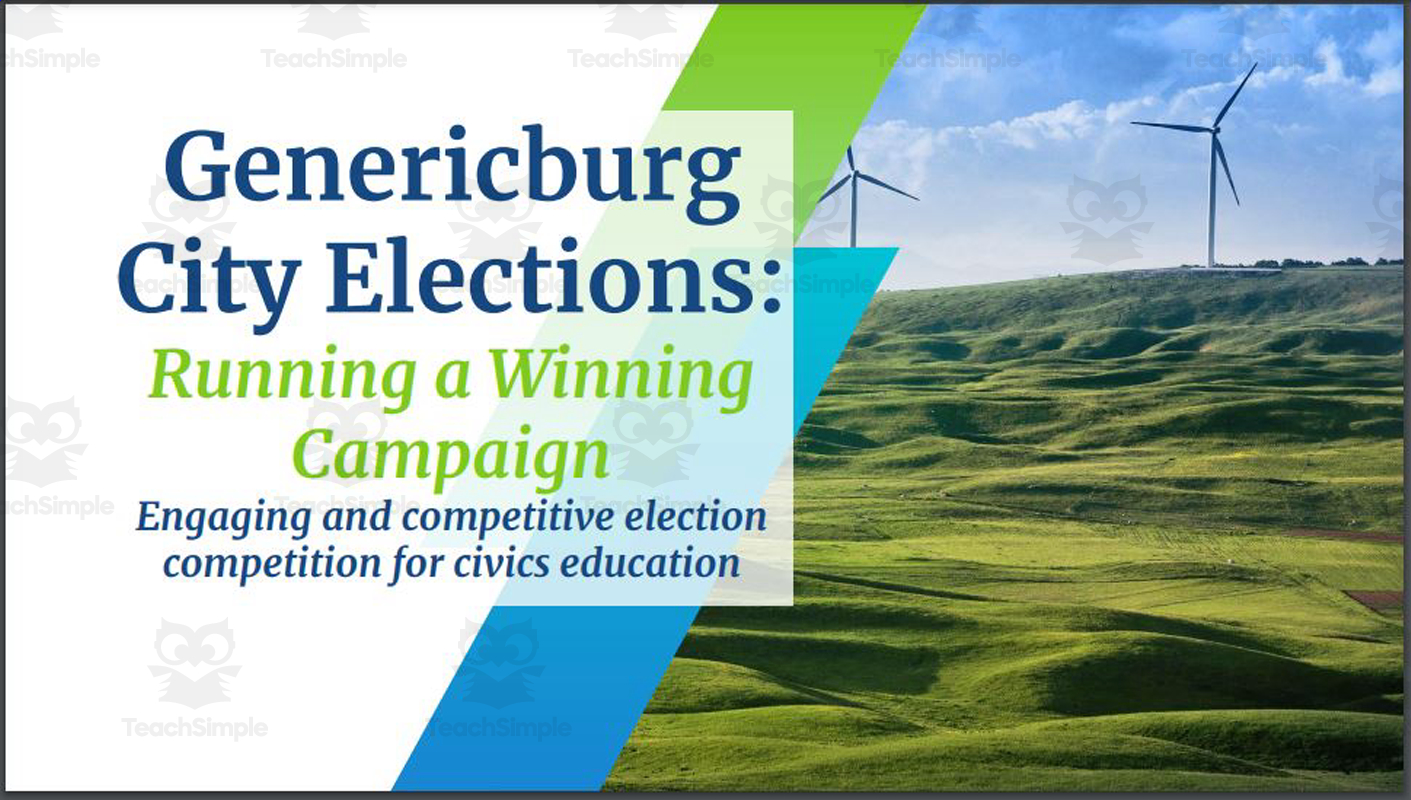
Local-election civics simulation in which students design a fictional candidate to run for mayor of "Genericbury"/"Genericburg," including background, campaign slogan, and stances on local issues, to explore what makes a candidate "electable" and how representatives respond to voters.
Teaches Kepler's three laws of planetary motion and the historical progression from geocentric to heliocentric models, for high school earth/space science.
Put scientific-method ideas into practice by comparing how much water different paper towels absorb. Students plan a controlled comparison, record measurements, calculate averages and use a graph to support their conclusion. Student notes and matched completed slides introduce variables and hypotheses beforehand, while an extension sheet suggests changing the liquid or measuring absorption time for a later investigation.
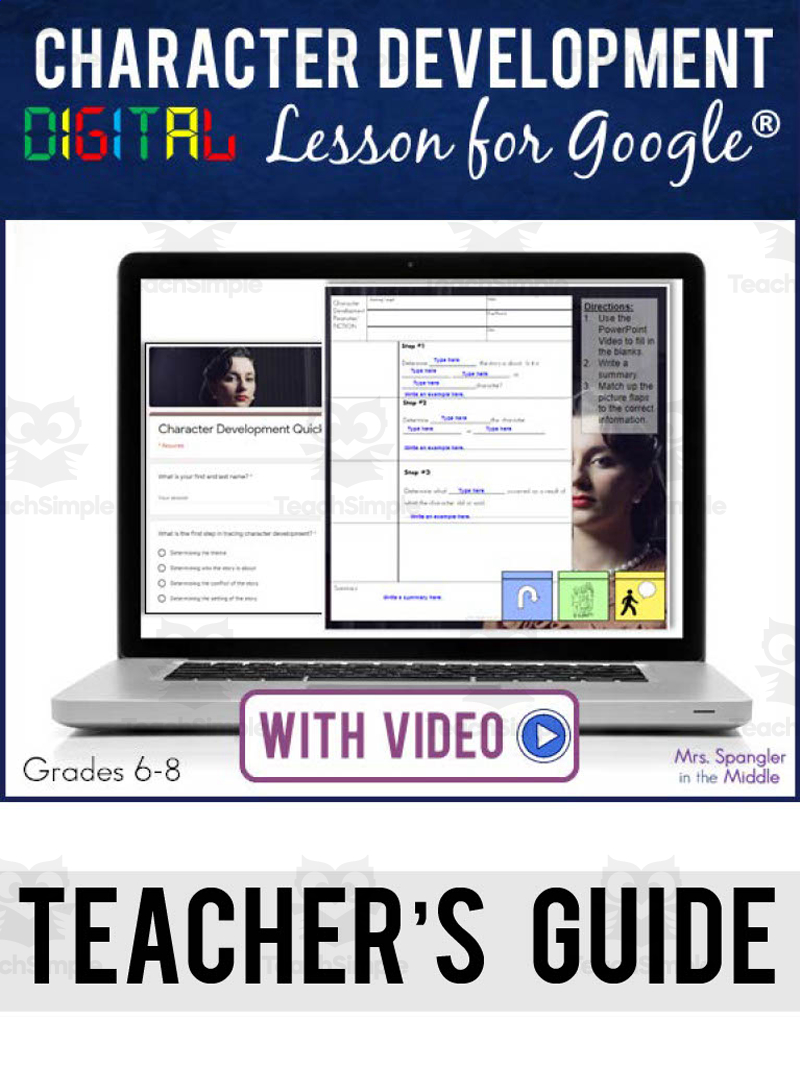
Scaffolded digital interactive notes ('Pixanotes') for middle school ELA teaching literary character development, with a self-grading quiz.
Teach and assess angle relationships formed when parallel lines are cut by a transversal, partially addressing CCSS.MATH.CONTENT.8.G.A.5.
Presents a chronological biography of Kate Brown, a former Governor of Oregon, for use in U.S. history/government instruction on political biography.
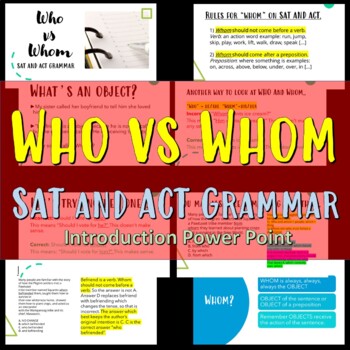
Teaches high-school students the grammar rule for choosing 'who' versus 'whom,' specifically framed around SAT and ACT grammar test questions.
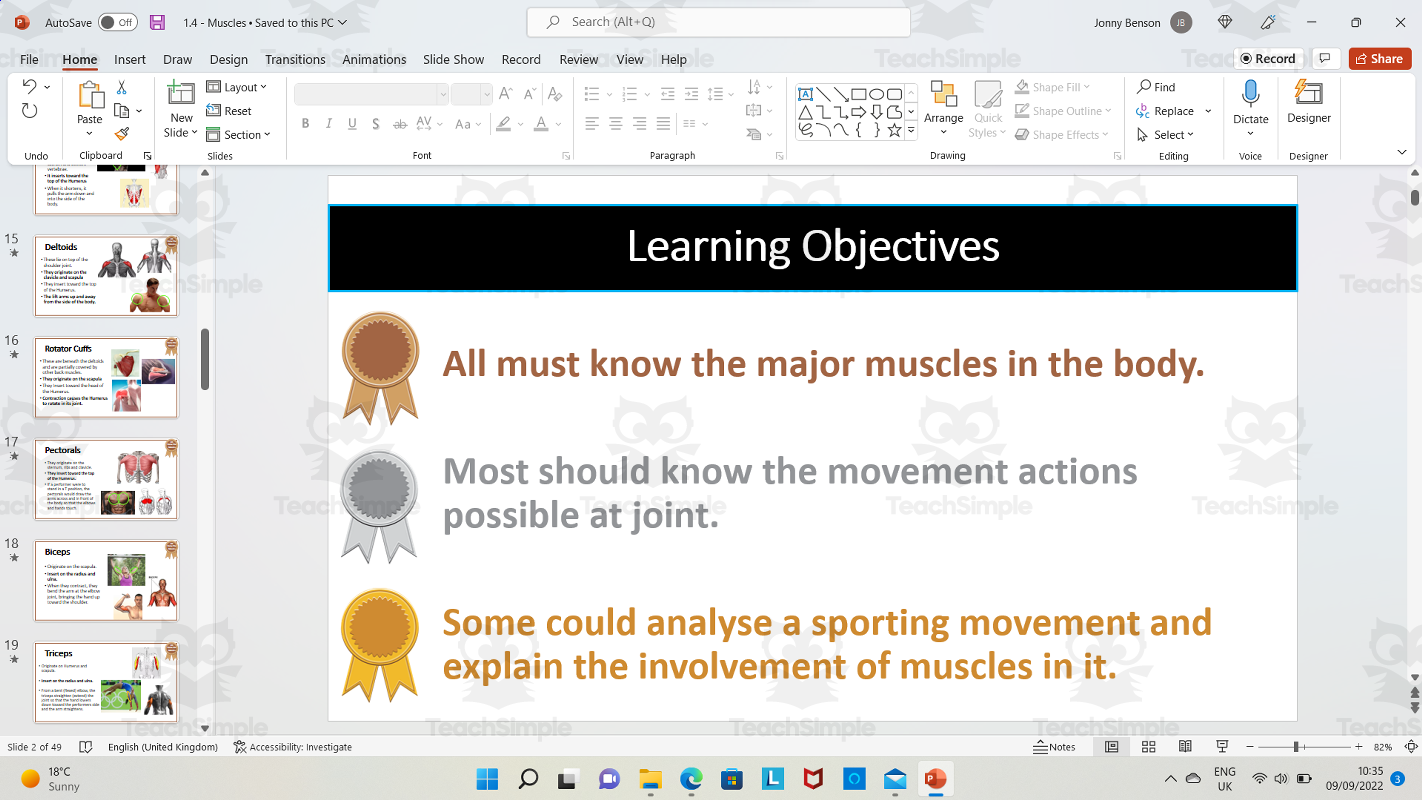
GCSE PE Anatomy & Physiology lesson teaching students the major muscles of the body, the movements possible at each joint, and analysis of muscle use in sporting actions.
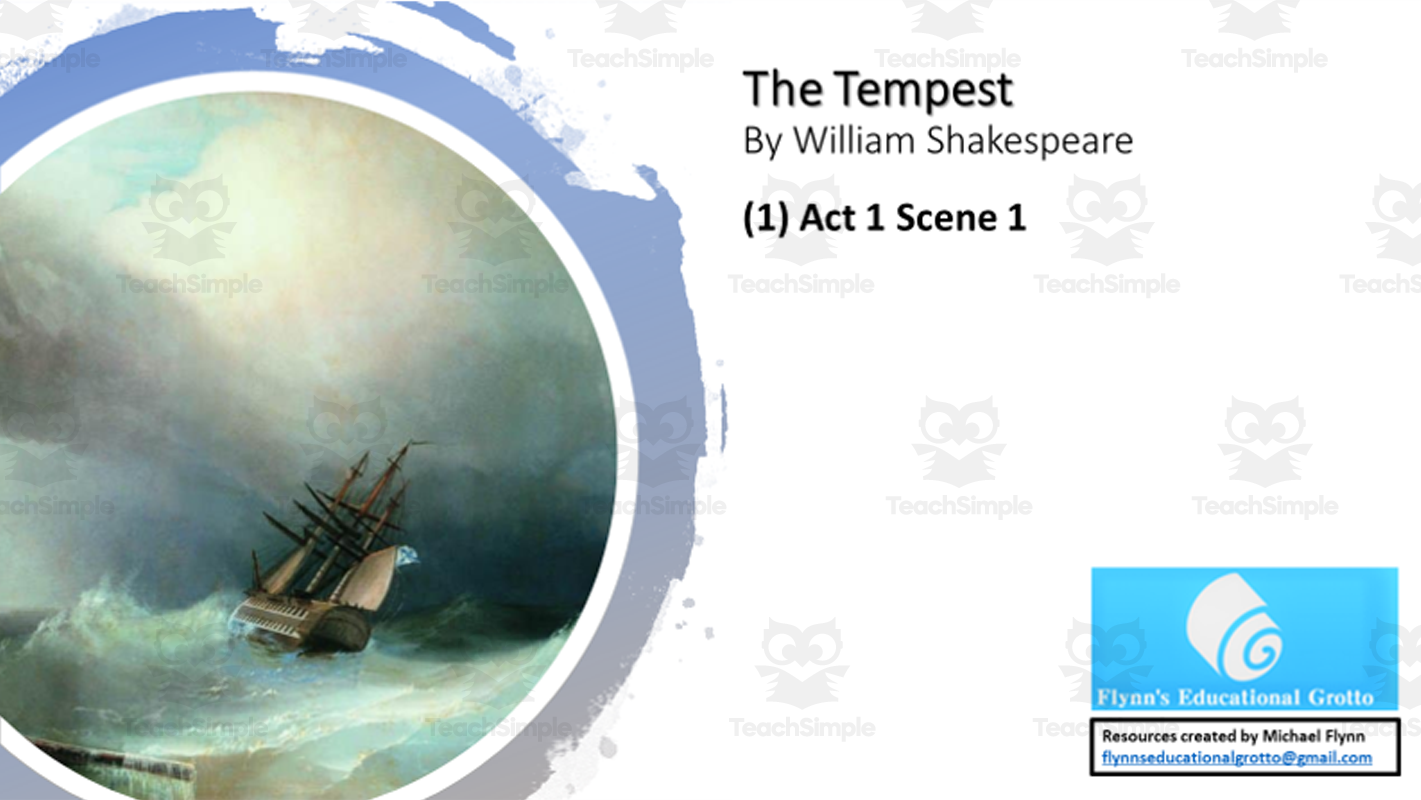
Lesson 1 of a Tempest unit: an analytical close-reading of Act 1 Scene 1 (the opening shipwreck scene), building summary/analysis skills and introducing academic essay-writing technique.
A digital slideshow ('micro-learning deck') teaching what a lunar eclipse is, how it forms, and related facts, combining a video lesson, an audio-supported reading passage, vocabulary, and comprehension activities.
A slide-based lesson covering the phases of Earth's water, the hydrosphere, the water cycle, the cryosphere, and the cryosphere's effects on climate and weather.
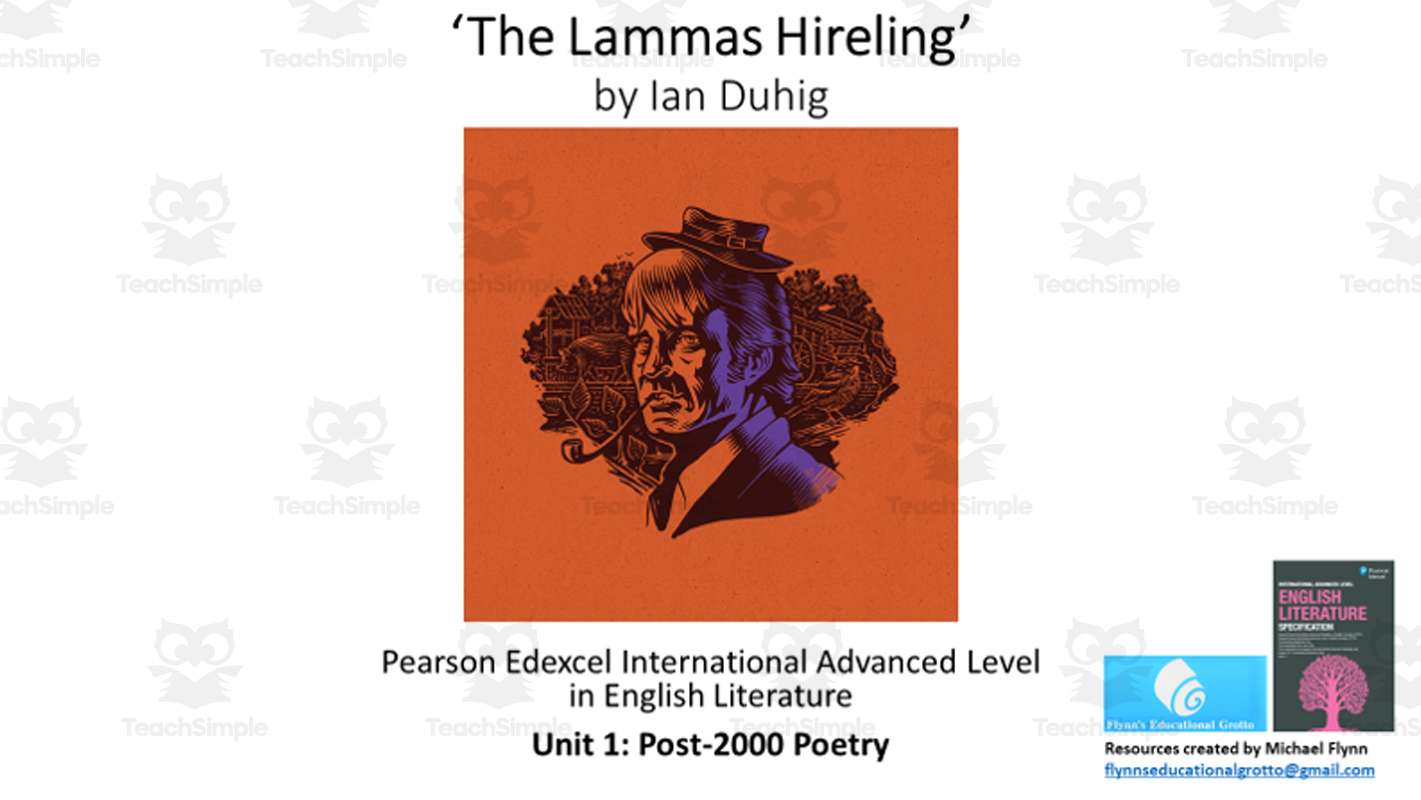
A slideshow lesson guiding A Level (Pearson Edexcel International Advanced Level English Literature, Post-2000 Poetry unit) students through close reading and analysis of Ian Duhig's poem 'The Lammas Hireling'.
Guide KS4 secondary English literature students through an analytical reading of Act 2 Scene 1 of Shakespeare's The Tempest, examining the courtiers' differing reactions to being shipwrecked, Gonzalo's utopian 'commonwealth' speech, and the beginning of Antonio and Sebastian's murder plot against Alonso.
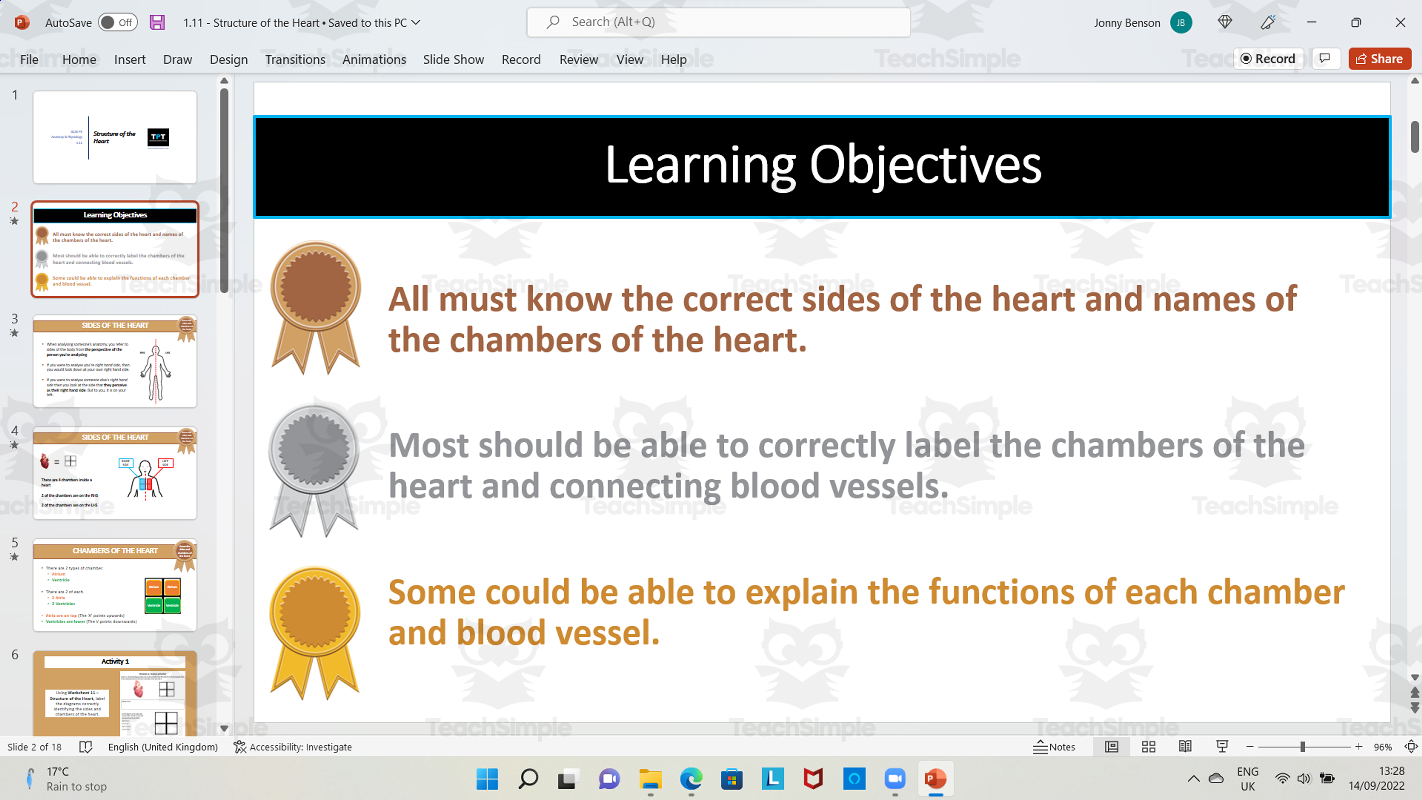
GCSE PE Anatomy & Physiology lesson teaching the cardiac cycle, route of blood flow through the heart, and how blood flow relates to cardiac output and stroke volume.
Teach the seven functions of the human skeleton (movement, attachment, protection, production of blood cells, mineral storage, shape, support) and how each applies in sporting performance, as part of a GCSE PE anatomy & physiology unit.