
Living and Nonliving Life Science Reading Comprehension Worksheet
This Living and Nonliving Life Science Reading Comprehension Worksheet is a great way to help your students build their reading comprehension skills.




1,504 resources
Explore sub-categories
7 sub-categories · 1,504 resources
This Living and Nonliving Life Science Reading Comprehension Worksheet is a great way to help your students build their reading comprehension skills.
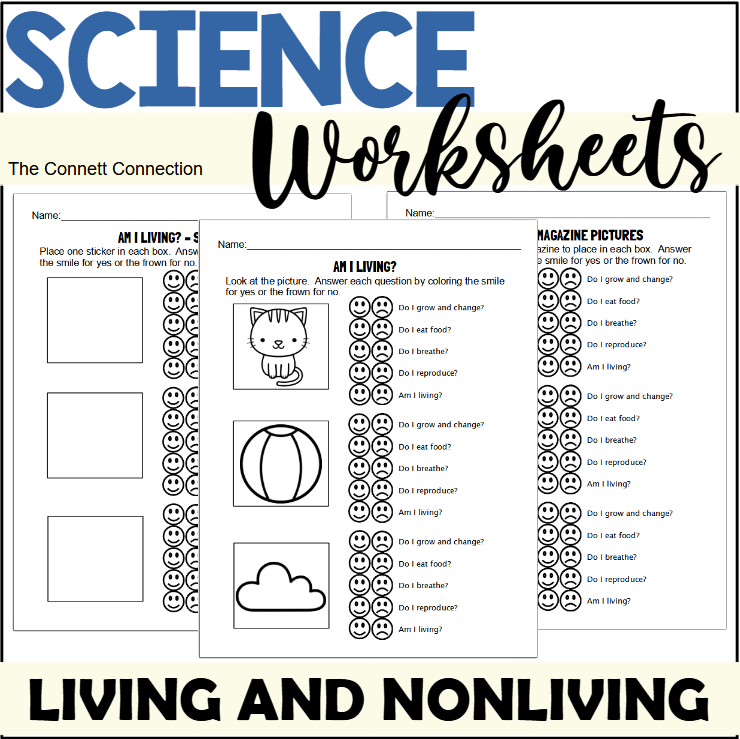
Students examine supplied or chosen pictures and color yes/no faces for four questions about growth, food, breathing and reproduction before deciding whether the subject is living. Seven activity pages include three supplied-picture sheets, one blank picture sheet and drawing, magazine-cutout and sticker versions. Each has three rows. Discuss the limits of the questions: plants make food, and an individual organism does not have to reproduce to be alive.

This categorizing worksheet is a great way for students to learn the difference between living and nonliving things. The Frayer Model is a great way for students to describe characteristics and examples of living and nonliving things.

This Venn Diagram Worksheet is a great way for students to compare living and nonliving things. The worksheet is easy to use and helps students understand the difference between living and nonliving things.

This Living Things and Non Living Things Sorting Worksheet is a great way for students to learn about the difference between living and non-living things.

This sorting worksheet is a great way for students to learn about living and non-living things. It's a fun and easy way for students to learn about the world around them.
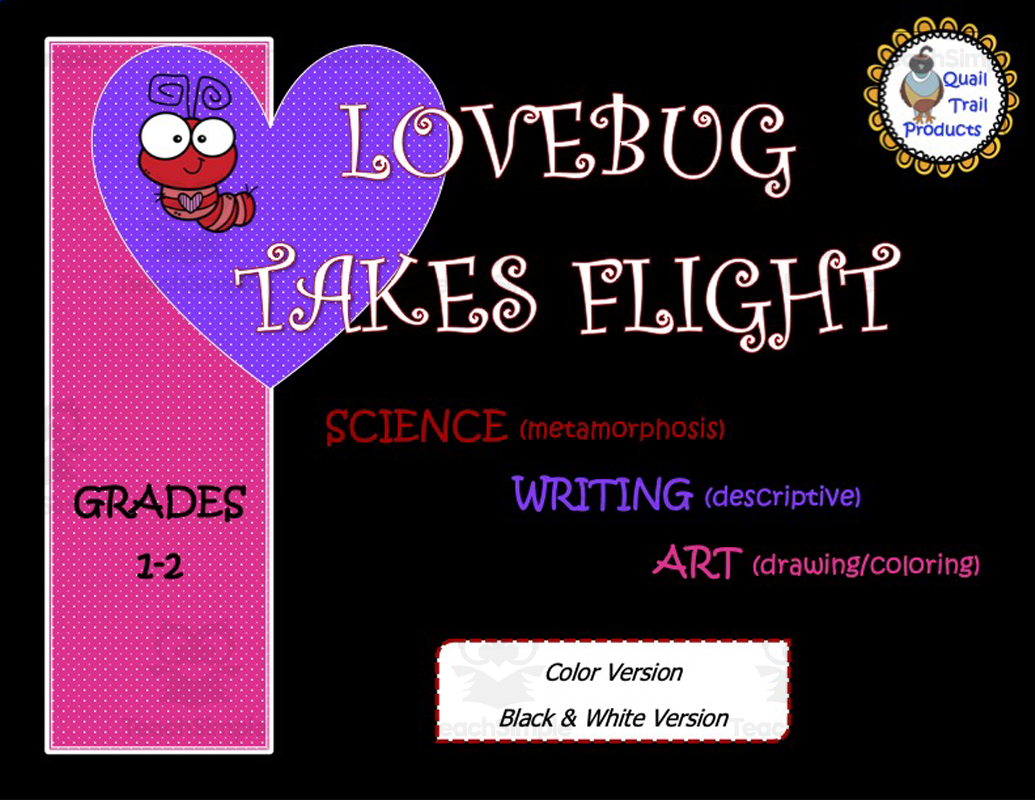
A Valentine's-themed cross-curricular resource combining science (caterpillar-to-butterfly metamorphosis), descriptive writing, and art/craft for early elementary students.
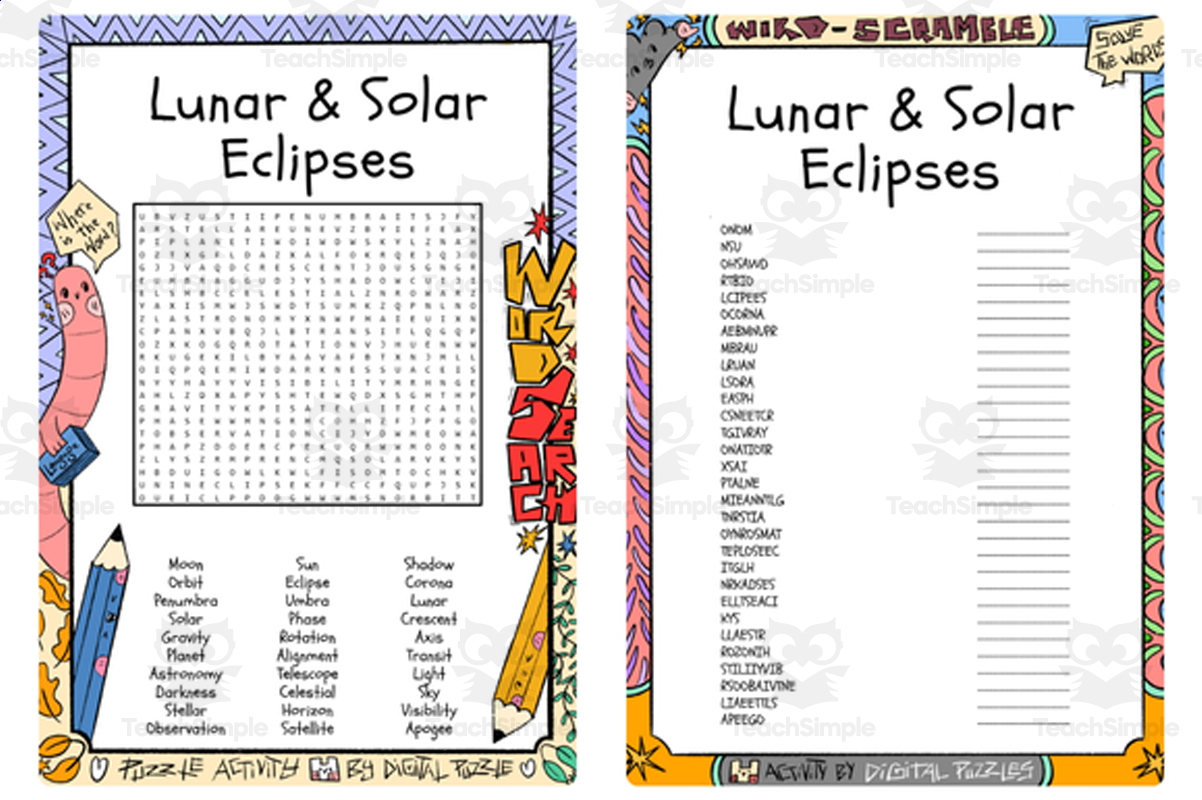
Word search & scramble puzzle worksheet activities for kids 2nd and 3rd grades to 4th and 5th grades, also solution for the puzzles is included ⭐ This document contains a word search and a word scramble activity.
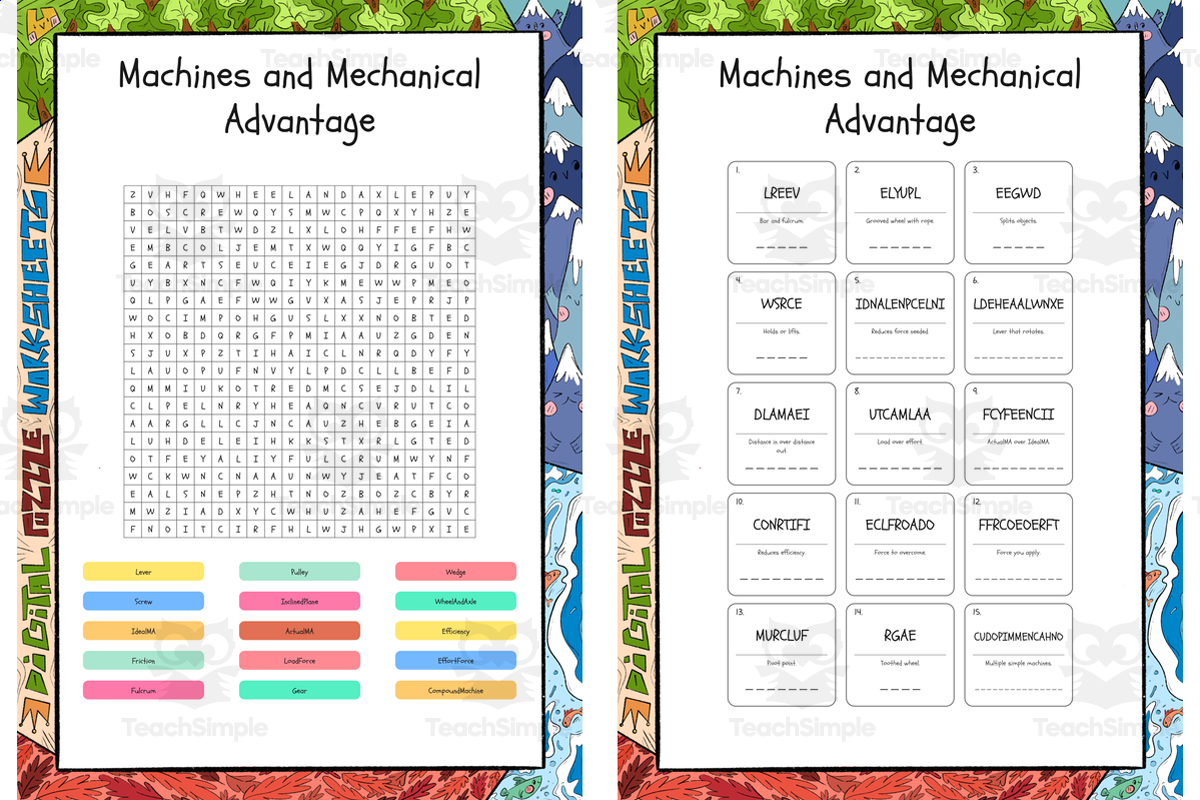
A set of three vocabulary reinforcement puzzles (crossword, word scramble, word search) covering simple-machines and mechanical-advantage terminology for a physical science unit.

This picture worksheet introduces magnetism through prediction and testing. Students circle objects they think a magnet will attract, then compare their choices with a hands-on test when the objects are available. Use the page to collect initial ideas and discuss which observations changed their thinking.
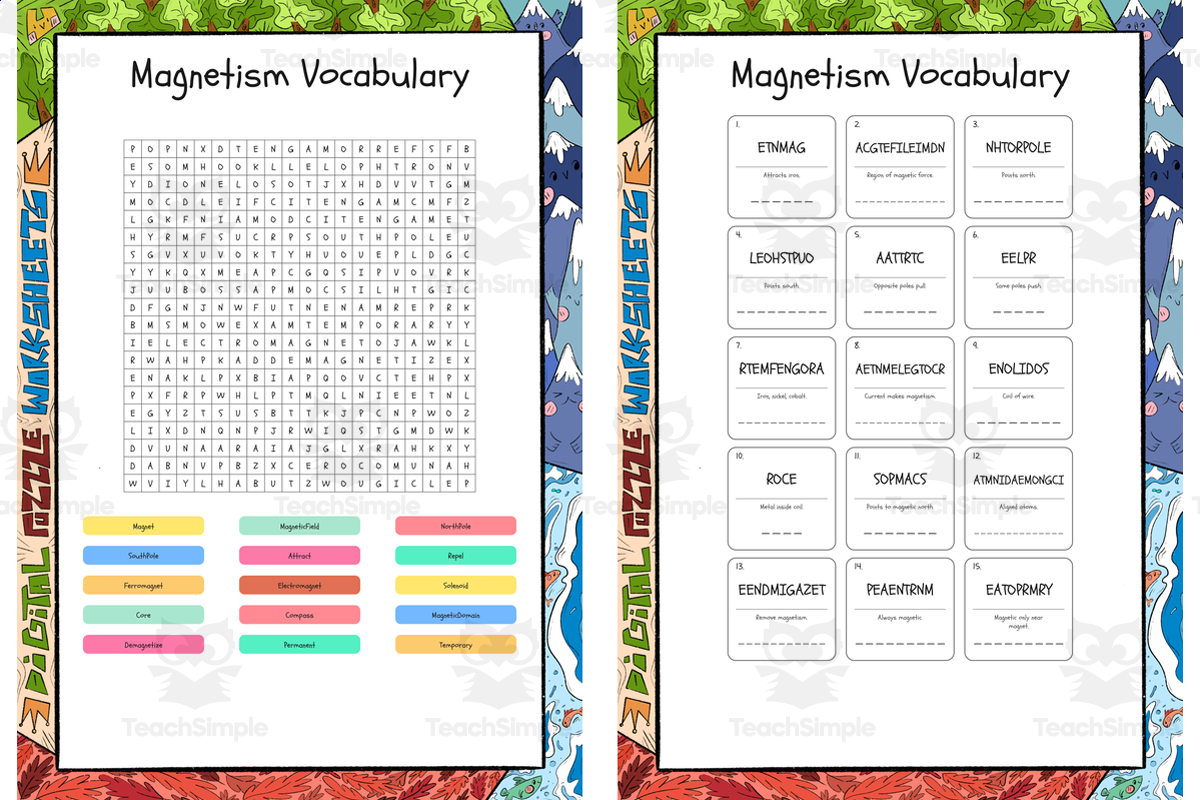
Magnetism Vocabulary word search, scramble and crossword puzzle I made this magnetism vocabulary puzzle set for my 3rd and 4th graders during our physical science unit.

A short “Dog Stars” reading introduces Canis Major and Canis Minor in the winter sky. After examining the printed constellation pattern, students connect a separate star field into their own design and give it a name. The activity combines a brief astronomy reading with creative pattern making.
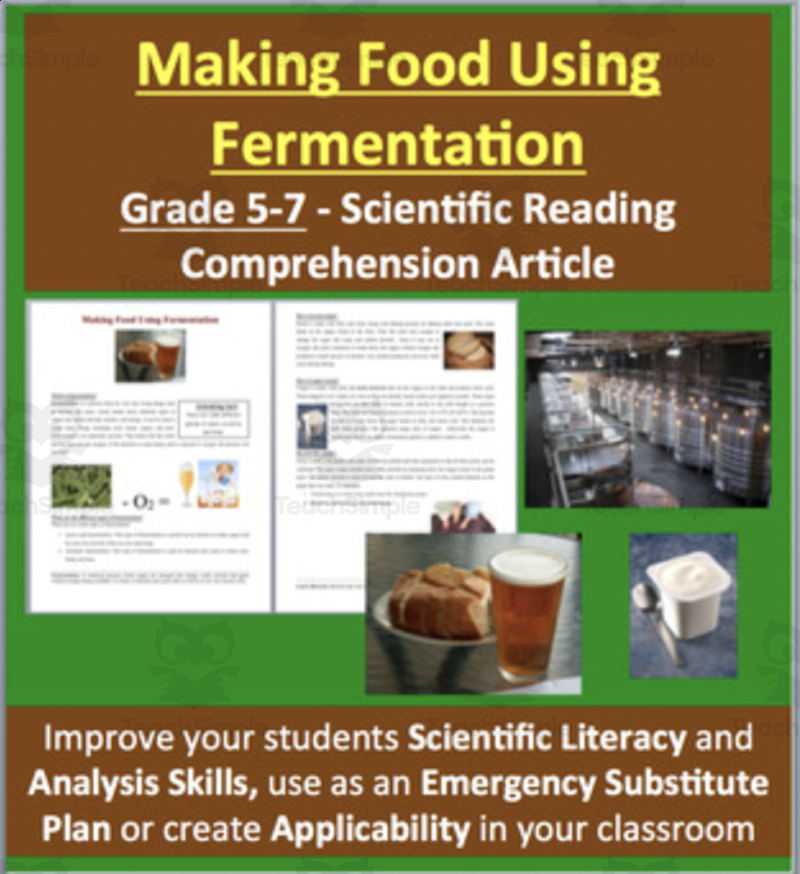
Making Food Using Fermentation - Digital Science Reading Article - Grades 5-7 This comprehensive, didactic resource is designed for educators to stimulate exploration and learning within the realm of scientific literacy.

Five labeled spaces ask students to draw something that moves using each named source. The page brings human effort, electricity, wind, gravity and engines into one discussion of everyday motion. Use students’ drawings to ask how the source makes the object move and compare different examples for a category.
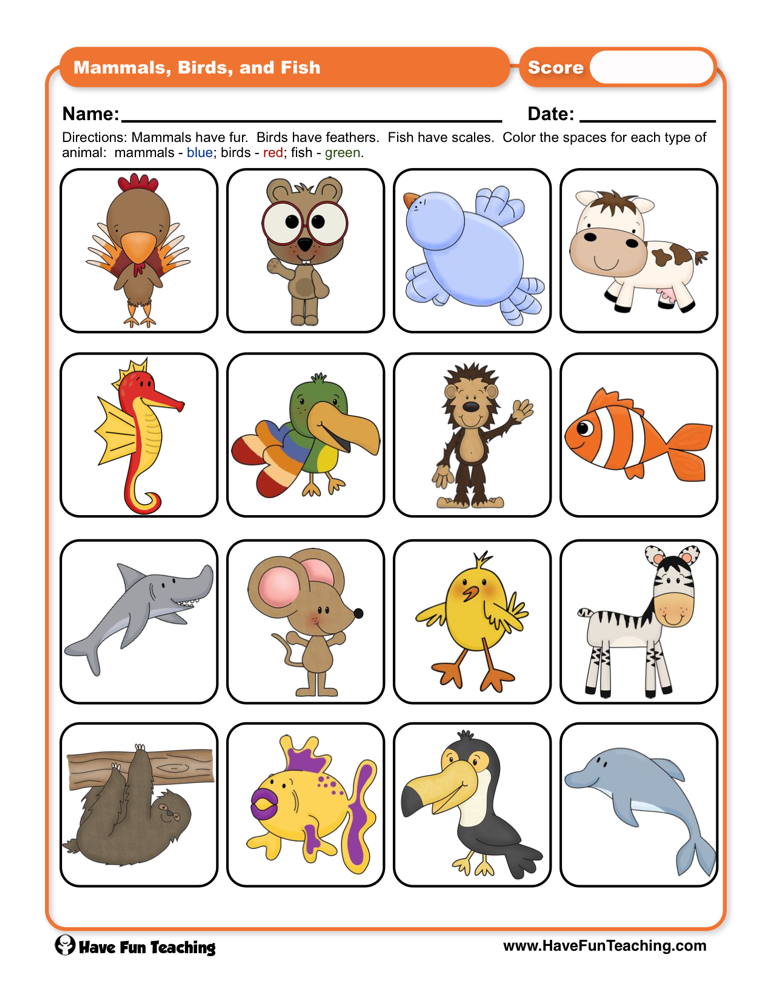
This Mammal Birds and Fish Worksheet is a great way for students to learn about different animals. They can color each box depending on if the animal is a mammal, bird, or fish.

This Mammal Classification Worksheet is a great way for students to identify examples of mammals. By circling pictures in a chart, students can learn about different types of mammals and their features.

This Mammal Fish Bird Worksheet is a great way for students to learn about different animals and classify them by their characteristics.

This Mammal Insect Reptile Worksheet is a great way for students to learn about different animals and classify them by type. This would be a great addition to any lesson on animals or science in general.

This Mammal Taxonomy Worksheet is a great way for students to practice writing the taxonomy classification for each example of mammal.

The worksheet places brief mammal and reptile descriptions beside animal pictures for students to classify. They write the group name beneath each image and use the body-covering clues to explain a choice. Discussing the shared breathing trait helps students see why one clue alone does not separate the groups.
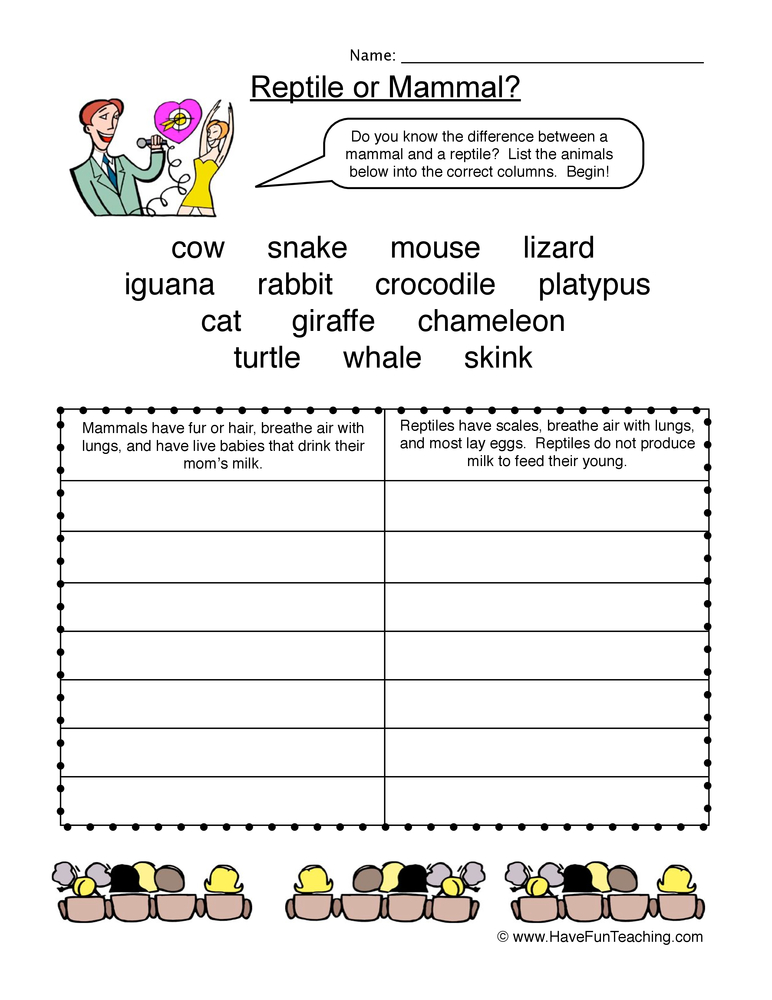
This Mammal VS Reptile Worksheet is perfect for helping students learn to identify animals as mammals or reptiles. This is a great activity for science class or for homework.
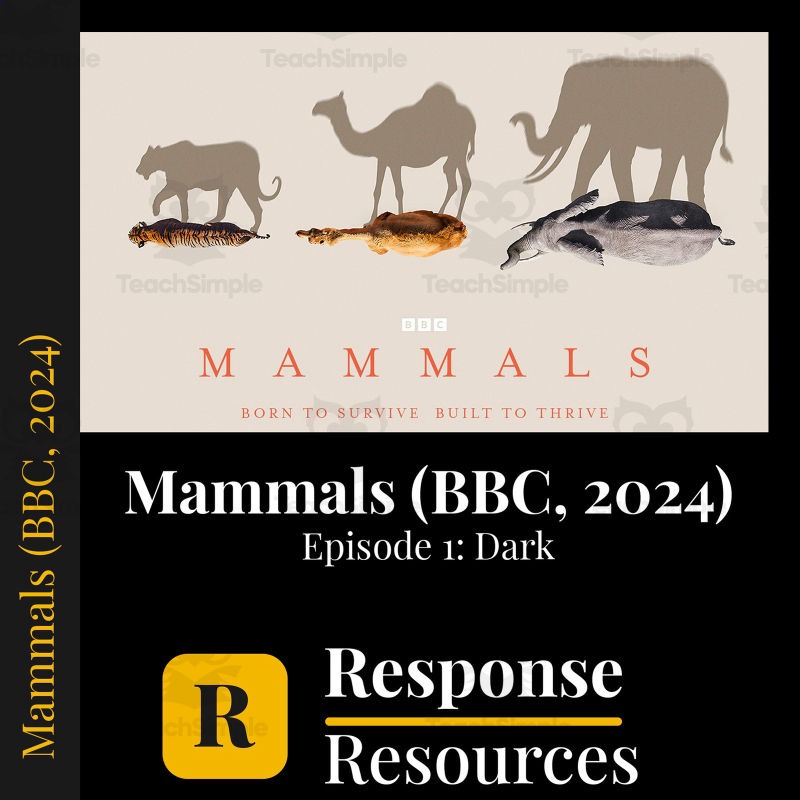
This worksheet accompanies "Dark," the opening episode of the BBC's 2024 series Mammals narrated by David Attenborough. Fifteen fill-in-the-blank questions follow the episode in order as it explores how mammals have adapted to live and…

This resource is great for teaching children about different types of mammals. The worksheet includes information about what mammals are, their characteristics, and examples.

This Mammals Worksheet is a great way for students to learn more about different types of mammals and their environments. This activity is perfect for helping students to develop research and writing skills.