Grade 2 Math Curriculum | 36 Weekly Worksheets
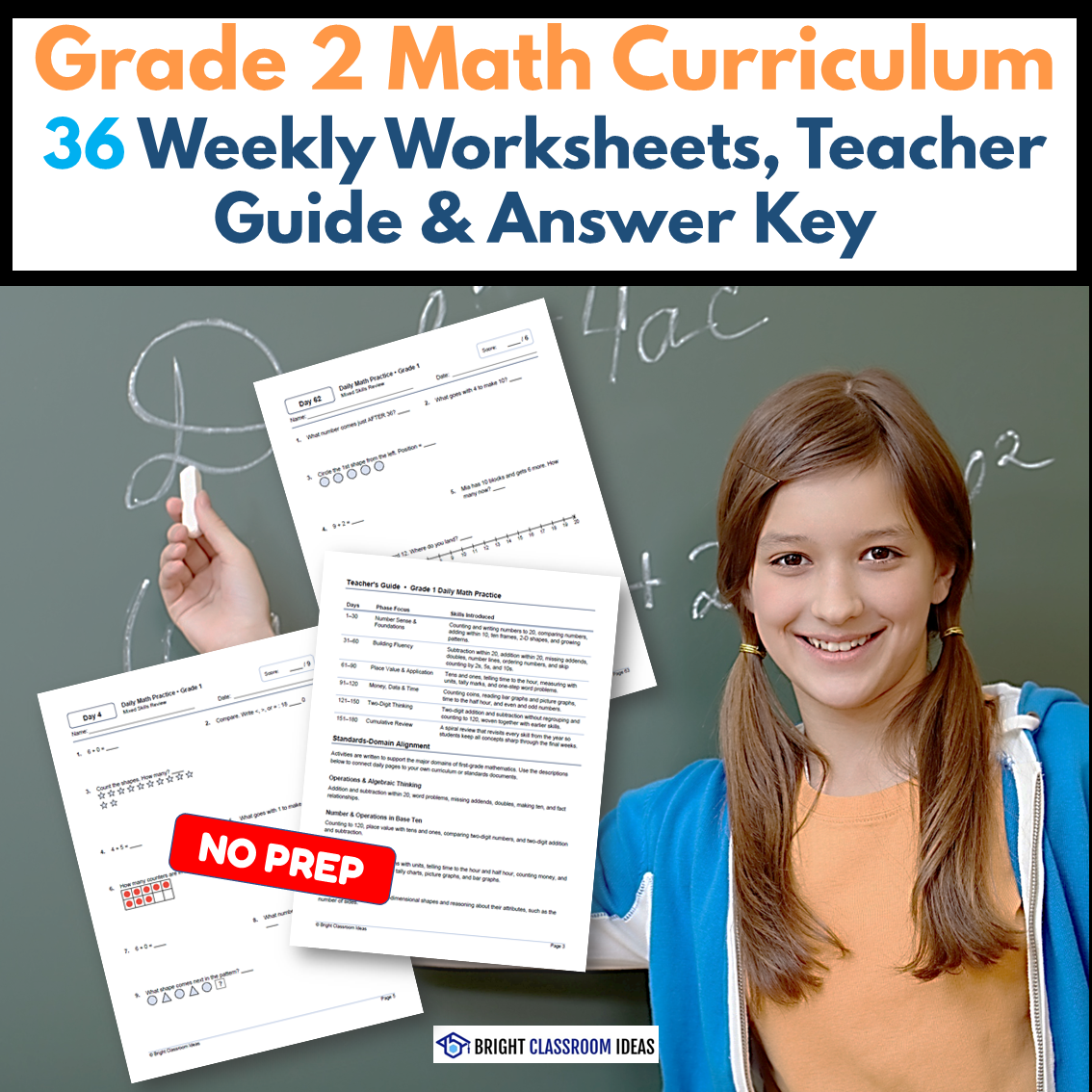
36-week Grade 2 math curriculum with one focused skill per week, covering place value, addition/subtraction, measurement, time, money, and geometry.
6,649 resources
Explore sub-categories
104 sub-categories · 6,649 resources
36-week Grade 2 math curriculum with one focused skill per week, covering place value, addition/subtraction, measurement, time, money, and geometry.
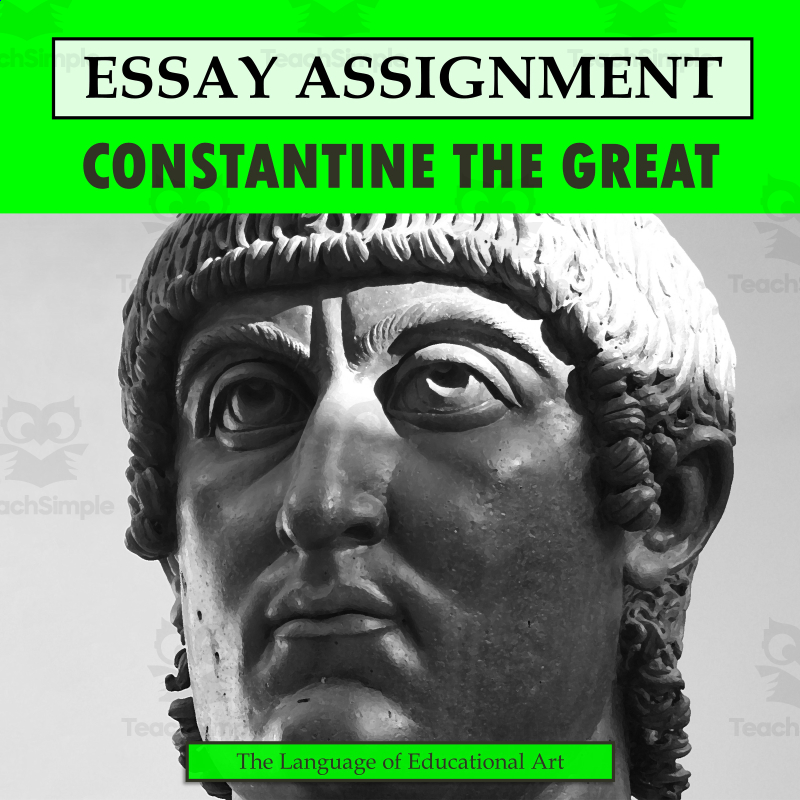
Research Constantine the Great using at least 3 sources; fill out a 'Getting Your Research Started' graphic organizer (basic biographical facts such as place of birth, places of residence) and complete a drawing activity (draw the subject with 5 items representative of their life/achievements and describe each item); draft and…
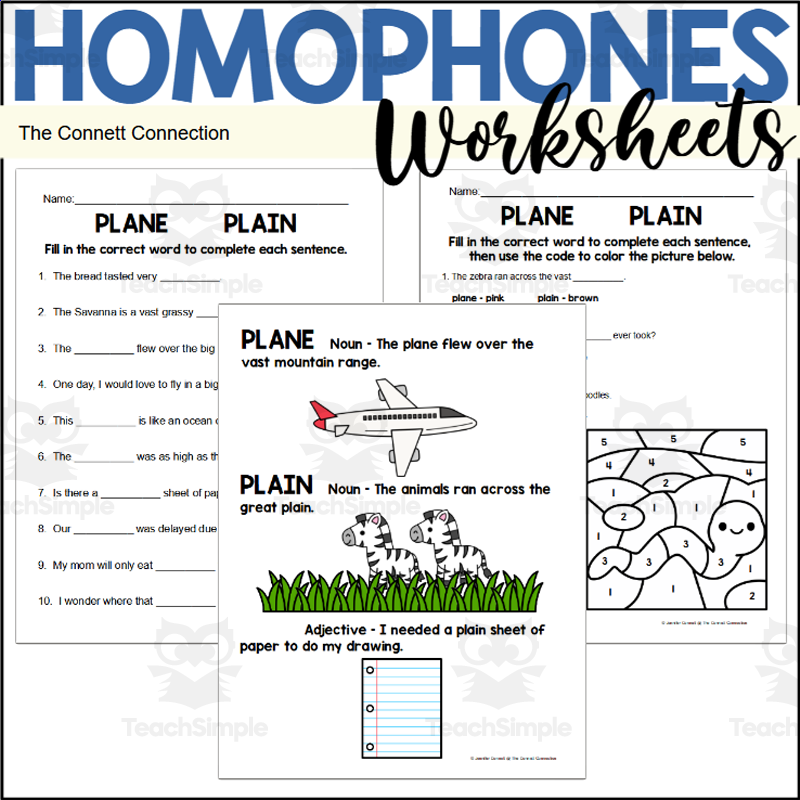
A worksheet packet for practicing the correct spelling and usage of the homophone pair PLANE/PLAIN.
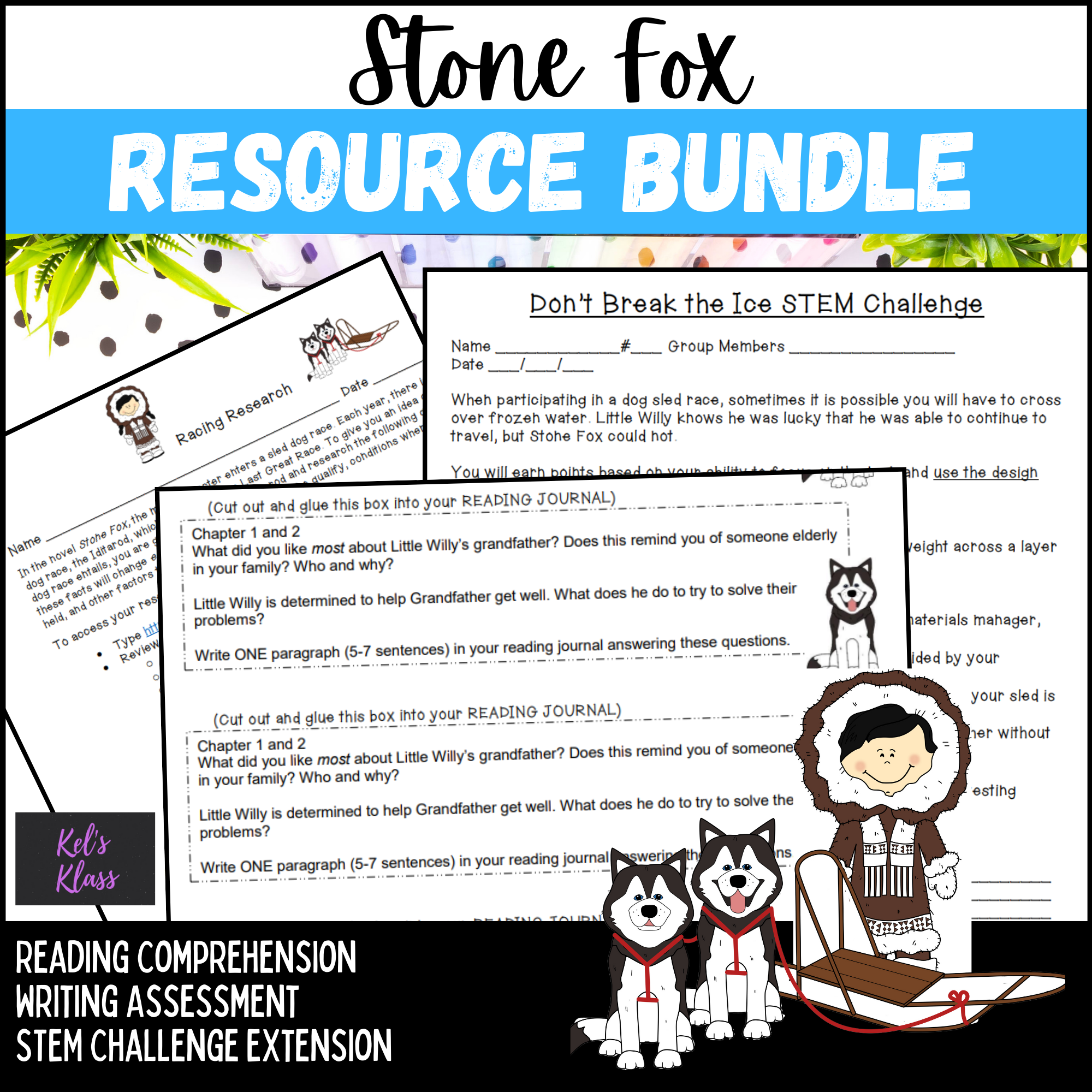
A whole-group literature unit for the novel Stone Fox, combining reading comprehension journal prompts, vocabulary work, and an Iditarod-themed research/STEM tie-in.
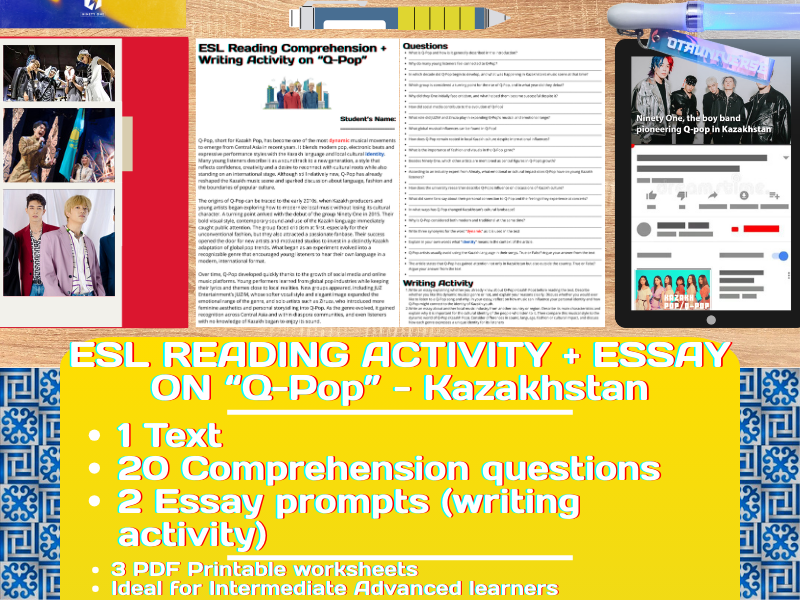
Read an informational passage, answer short-answer comprehension questions, answer vocabulary questions (define/give synonyms for terms used in the passage), answer true/false questions with textual justification, and write one or more extended essay/writing responses on a related prompt.
For each themed page, students complete a set of short grammar/language drills built around a single theme word (e.g. build a word with a prefix/suffix, make a word singular/plural, turn a common noun into a proper noun, write a contraction and its source words, split/define a compound word, find synonyms/antonyms…
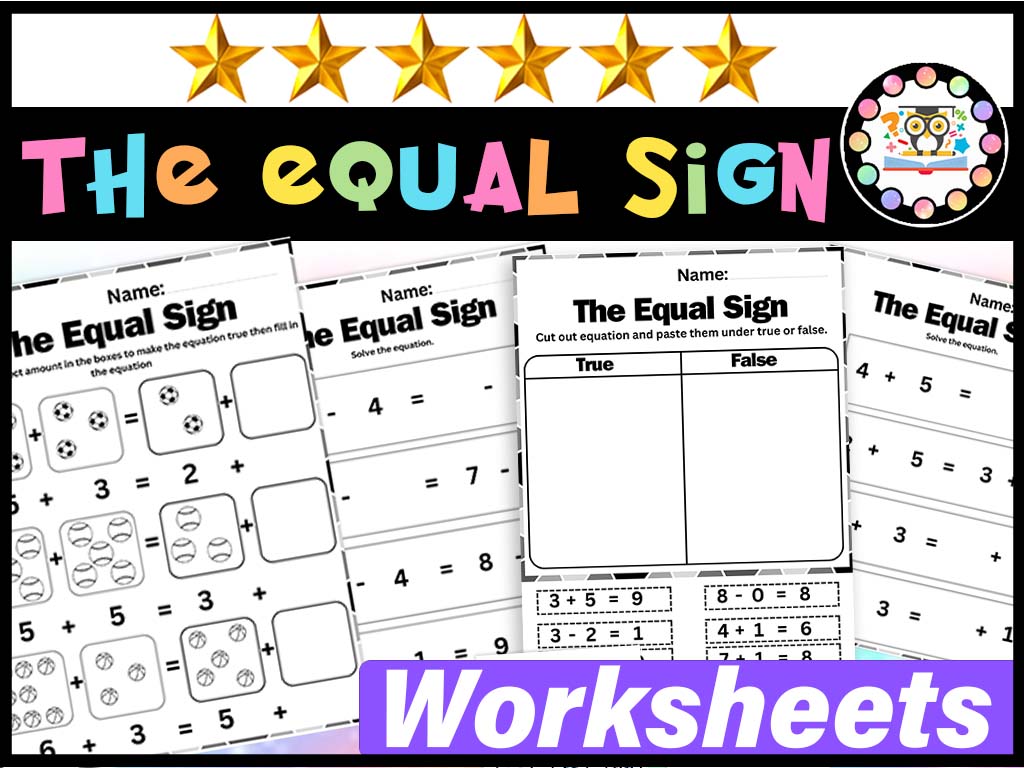
A set of early-elementary math worksheets teaching the meaning of the equal sign through true/false equation sorting, balancing equations by drawing, and solving for a missing addend or subtrahend.
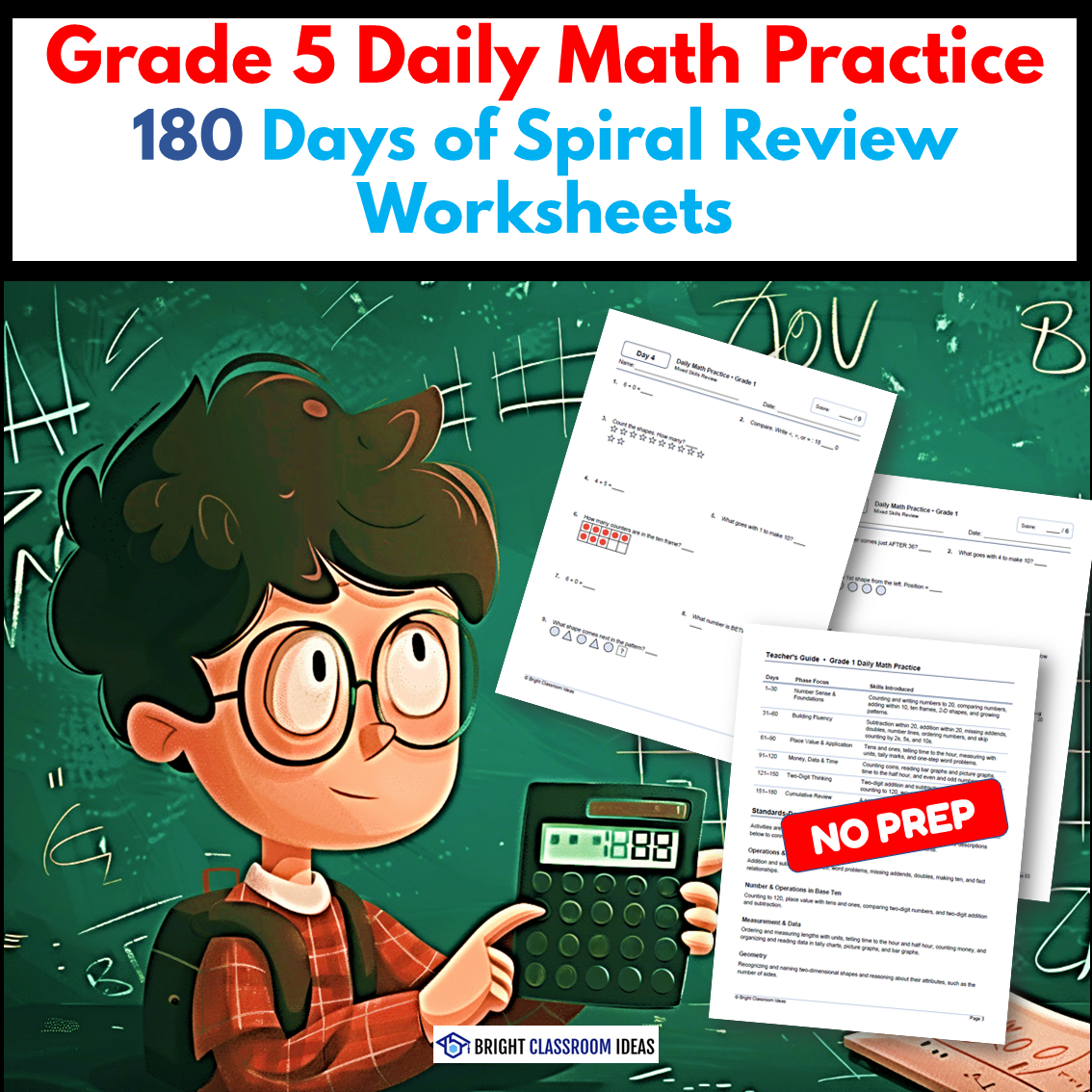
Students complete 5-10 mixed-skill questions per day (decimals, powers of ten, multi-digit operations, fractions, rounding, comparisons) on a one-page daily worksheet, intended to take about 10-15 minutes.
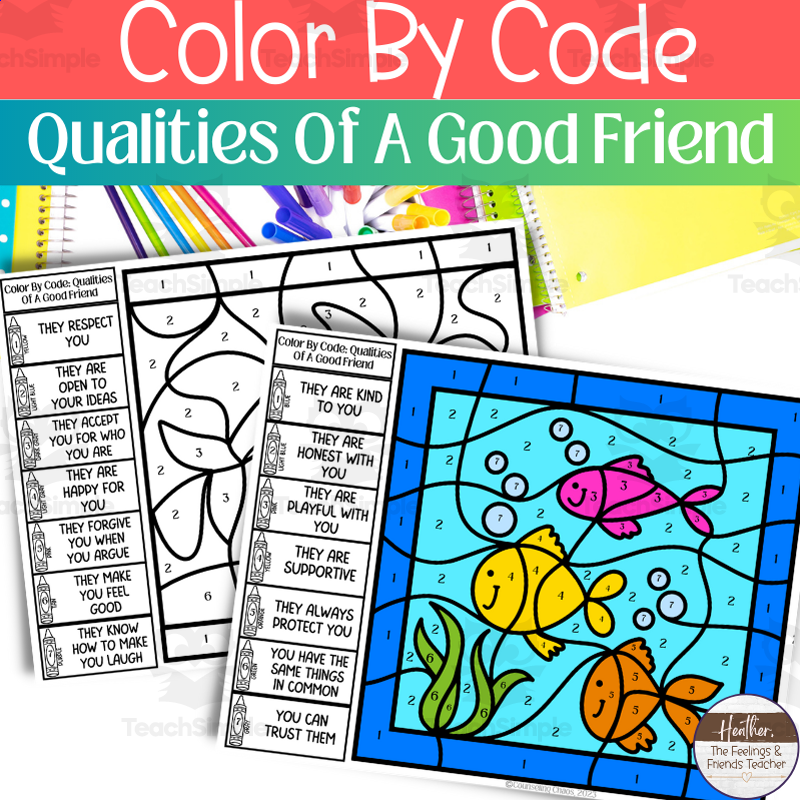
Social-emotional learning activity reviewing qualities/traits of a good friend using a color-by-code / color-by-number format.
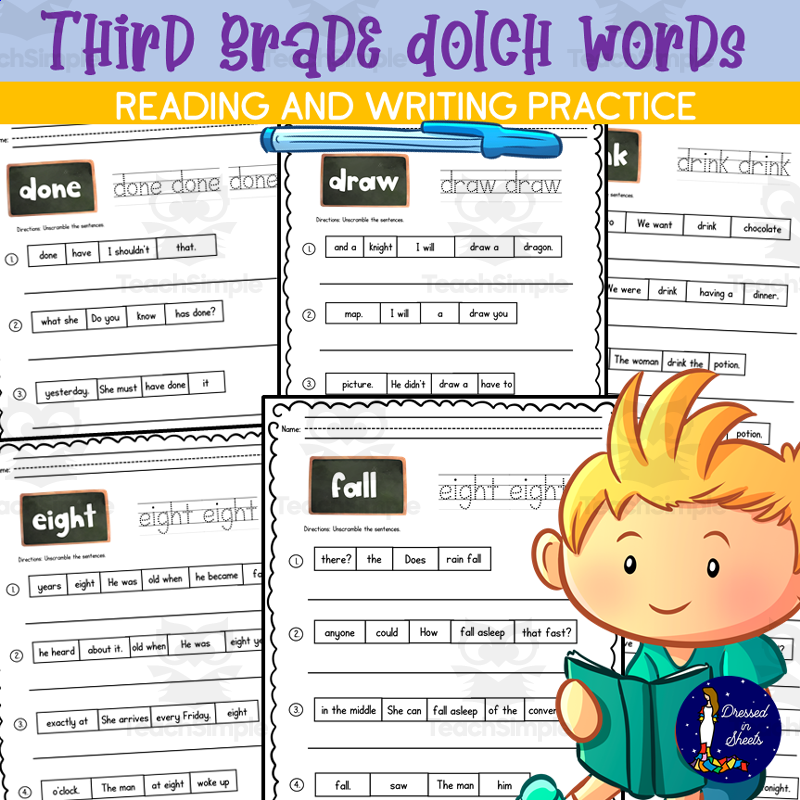
Trace/write the target sight word, then unscramble a set of scrambled sentence fragments containing that word to form correct sentences.
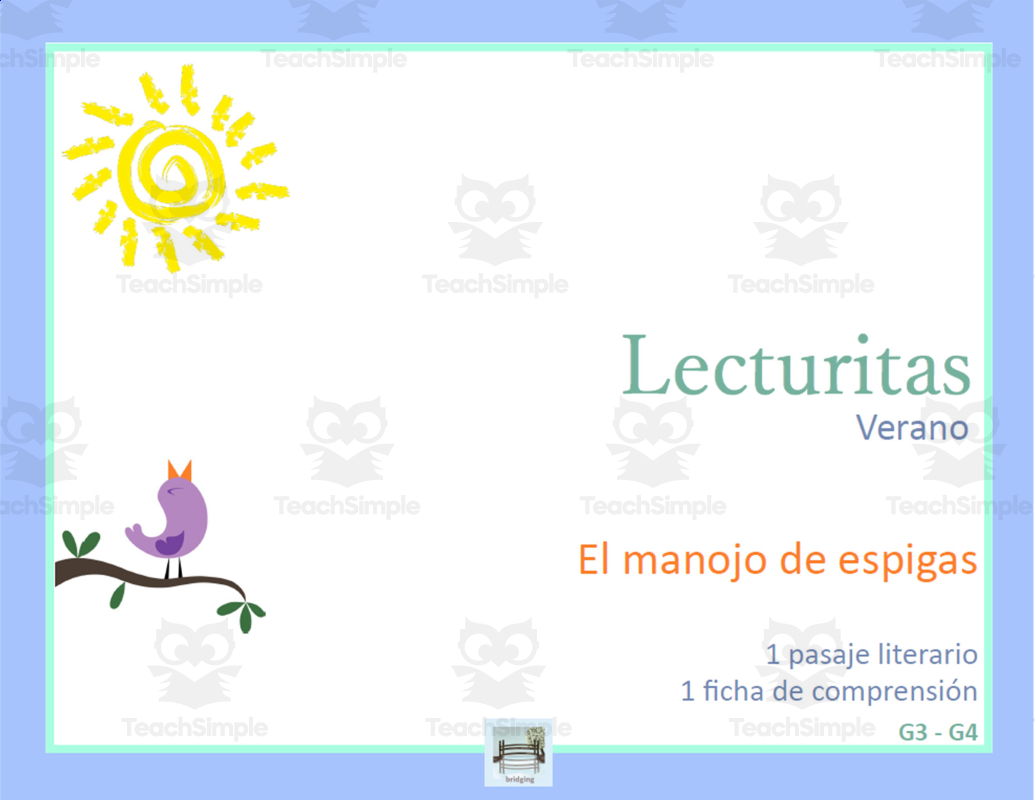
Students read a short fable and answer open-ended comprehension questions in writing; a teacher's answer-key page ('hoja del maestro') confirms the plot: a farmer's sons quarreled constantly; fearing lasting trouble, he sent them to gather wheat stalks; a single thin stalk broke easily, but the same stalks bundled together could not be…
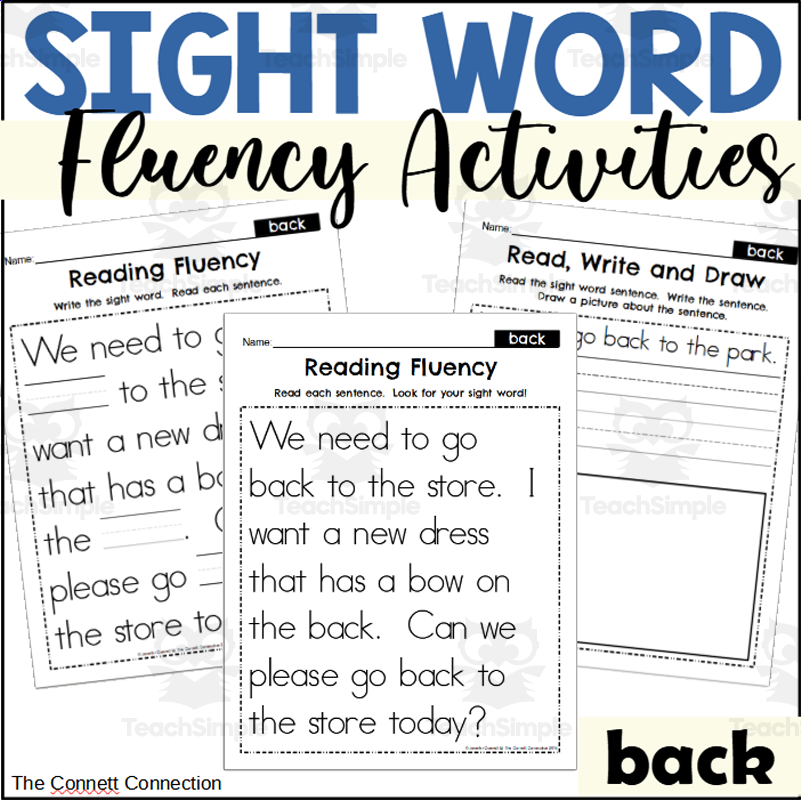
Read a short passage in which the sight word "back" repeats, fill in the same word from memory in a cloze version of the passage, then copy the sentence "I want to go back to the park." and draw a picture illustrating it.
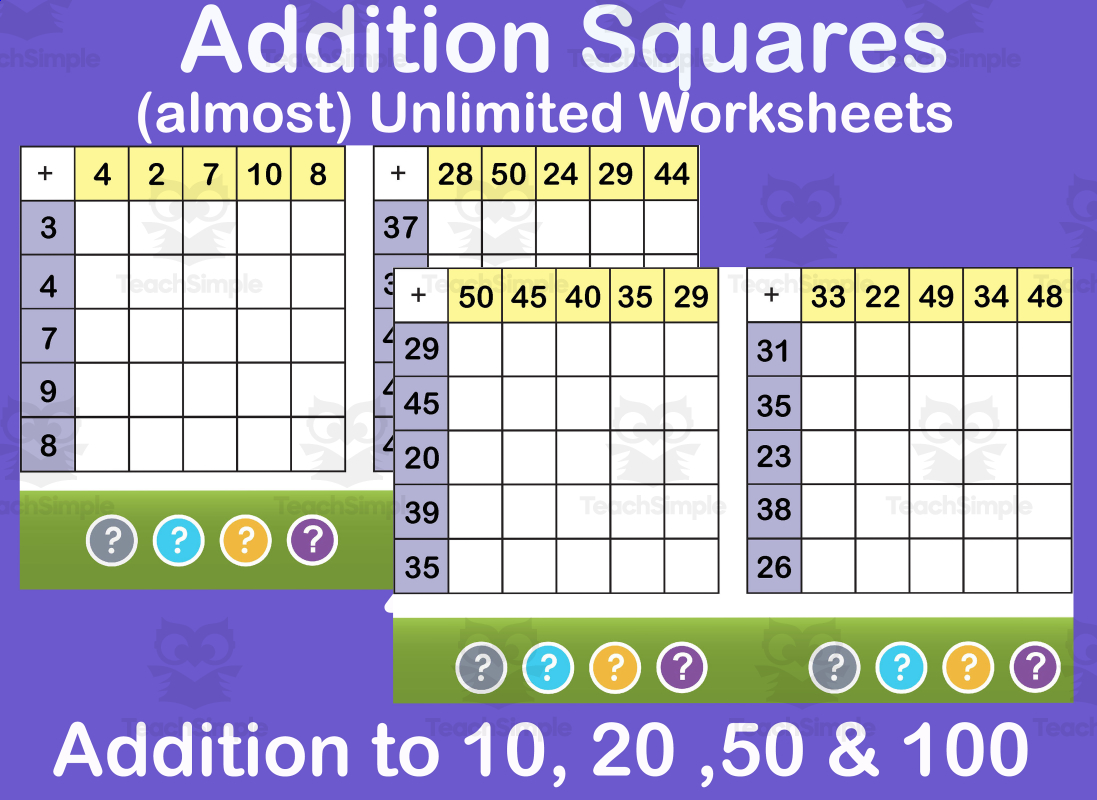
With Addition Squares up to 10, 20 50 & 100 with (almost) Unlimited Worksheets, your students can practice addition at 4 different levels throughout the whole year. You will never run out of worksheets On every worksheet there are four 5 by 5 grids.
Print, color, and decorate a spinner template; glue it to cardboard and cut a slit to insert a penny; spin it and time (in seconds) how long it stays spinning across 8 trials; record the data; graph the results (bar graph and a color-coded pie/circle graph); and calculate the mean, median, and mode of the spin times.
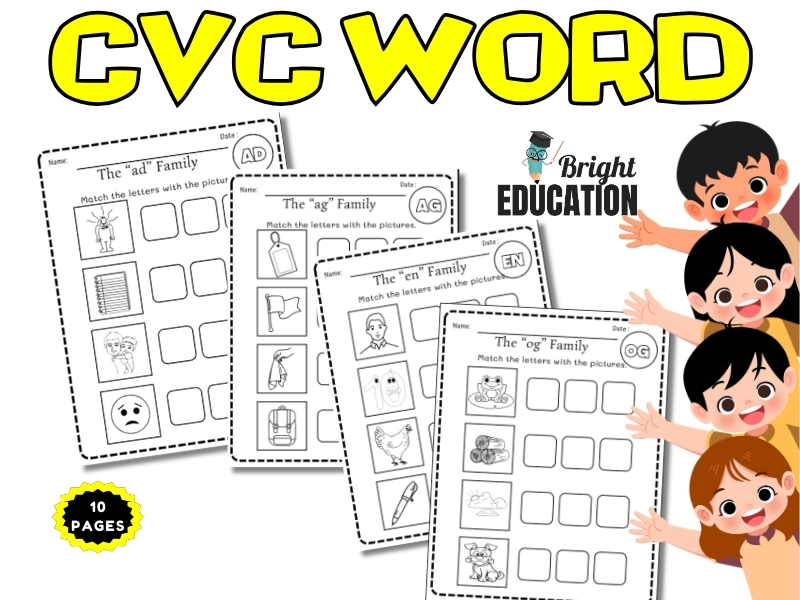
A set of 10 matching worksheets, one per CVC word family (ad, at, ag, et, en, ip, ig, og, in, eg), where students match letters to pictures within each family.
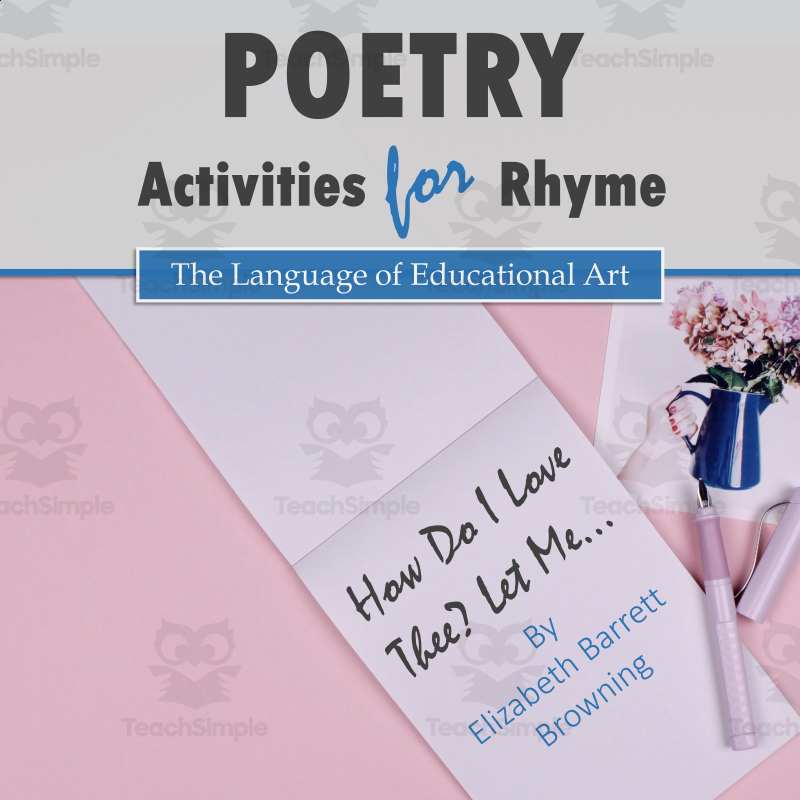
A single-poem literary-analysis worksheet that teaches students to identify and interpret rhyme using "How Do I Love Thee? Let Me Count the Ways" by Elizabeth Barrett Browning.
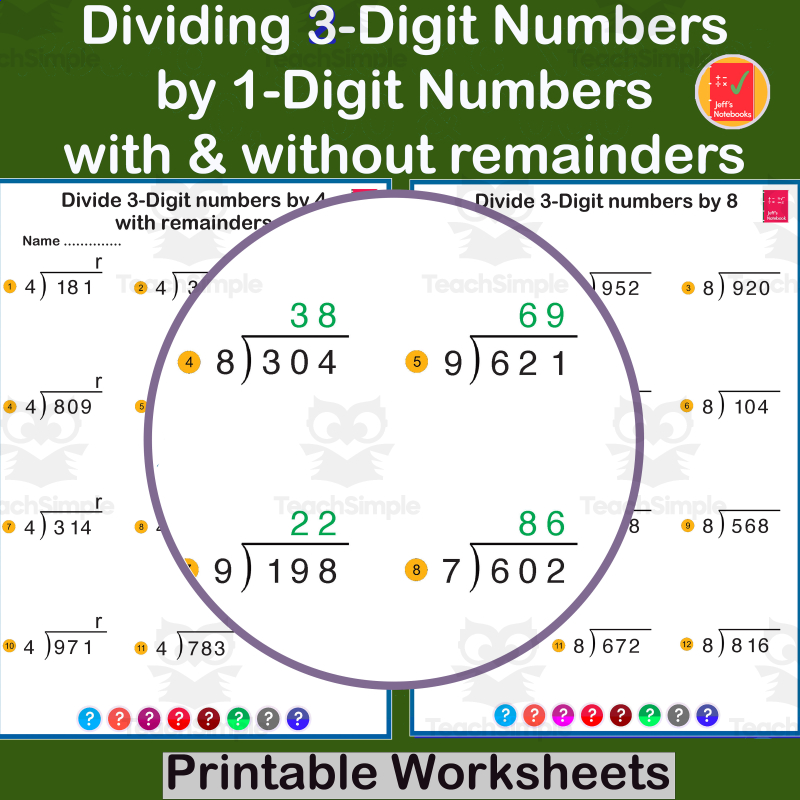
Four worksheet sets organize three-digit-by-one-digit division by divisor type and remainder. Set 1 uses a single divisor with exact answers; Set 2 mixes divisors with exact answers. In Set 3, each problem leaves a remainder , while Set 4 combines mixed divisors and remainders. Each worksheet presents twelve long-division problems with a matching completed answer page. A guide explains the four sets.
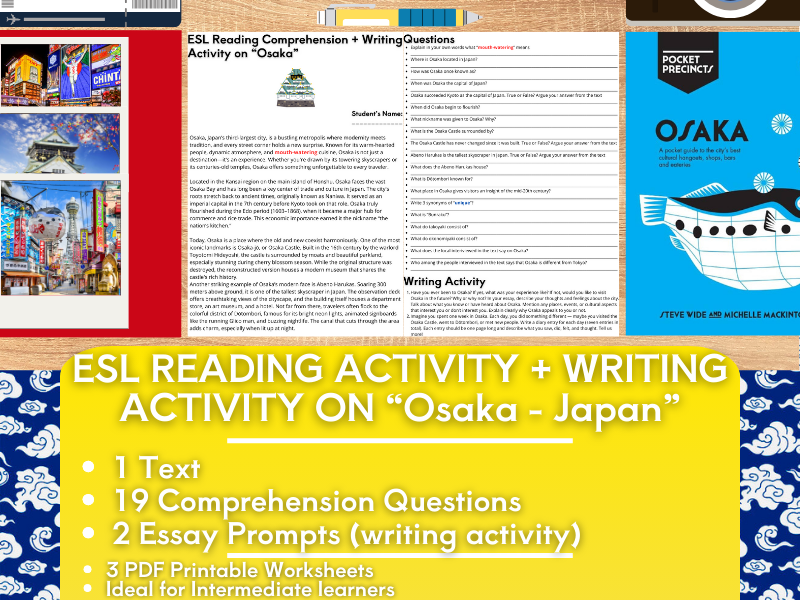
An ESL/EFL reading comprehension and writing worksheet built around a passage about Osaka, Japan (city geography/culture), used to build reading comprehension, vocabulary and formal/creative writing skills in English.
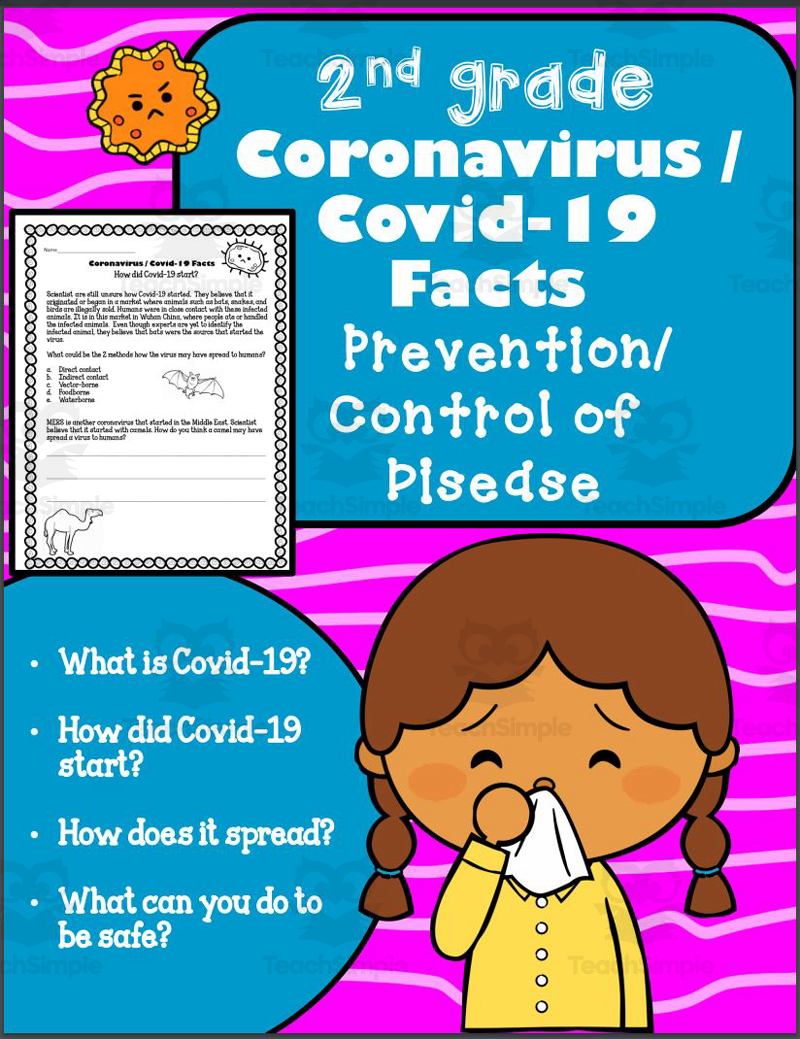
Read informational passages about Covid-19 and answer short-answer questions (e.g. 'What does novel mean and how is Covid-19 a novel virus?', 'What does infectious mean?').
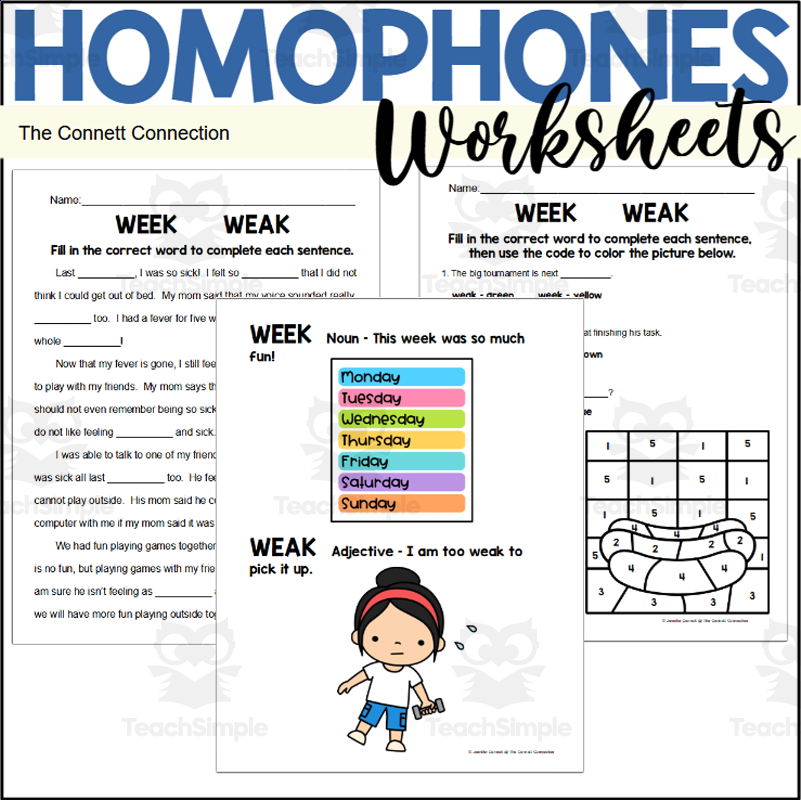
A worksheet packet for practicing the correct spelling and usage of the homophone pair WEEK/WEAK.
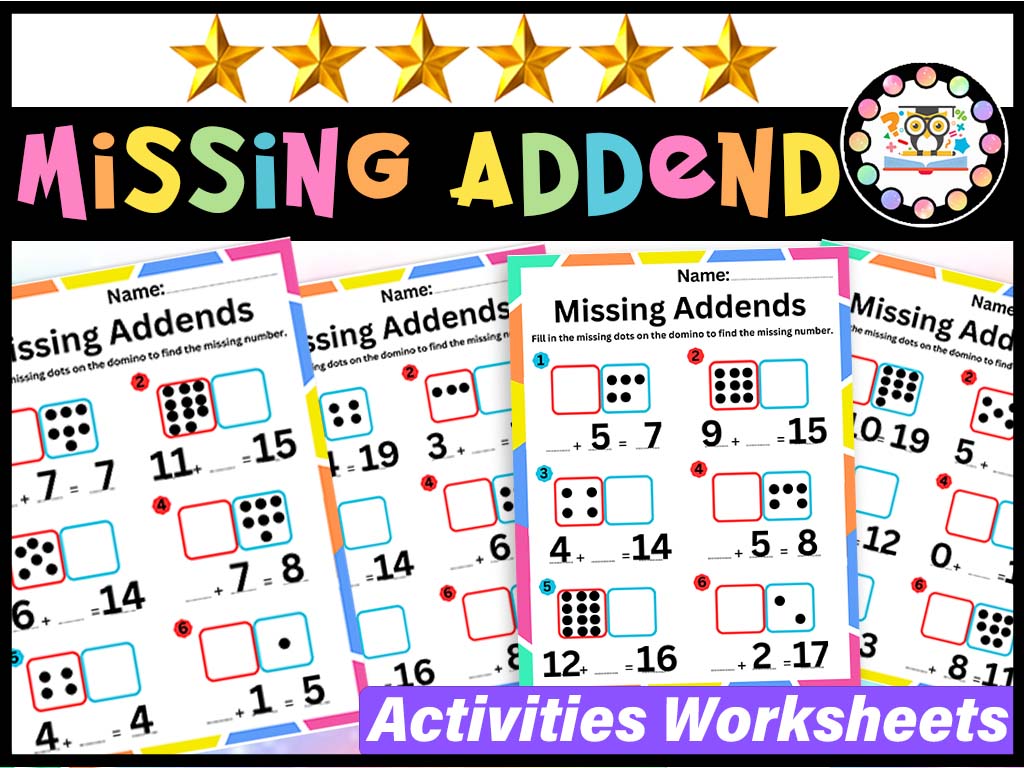
Give students practice finding a missing addend in addition equations using domino dot images as a visual/concrete support.
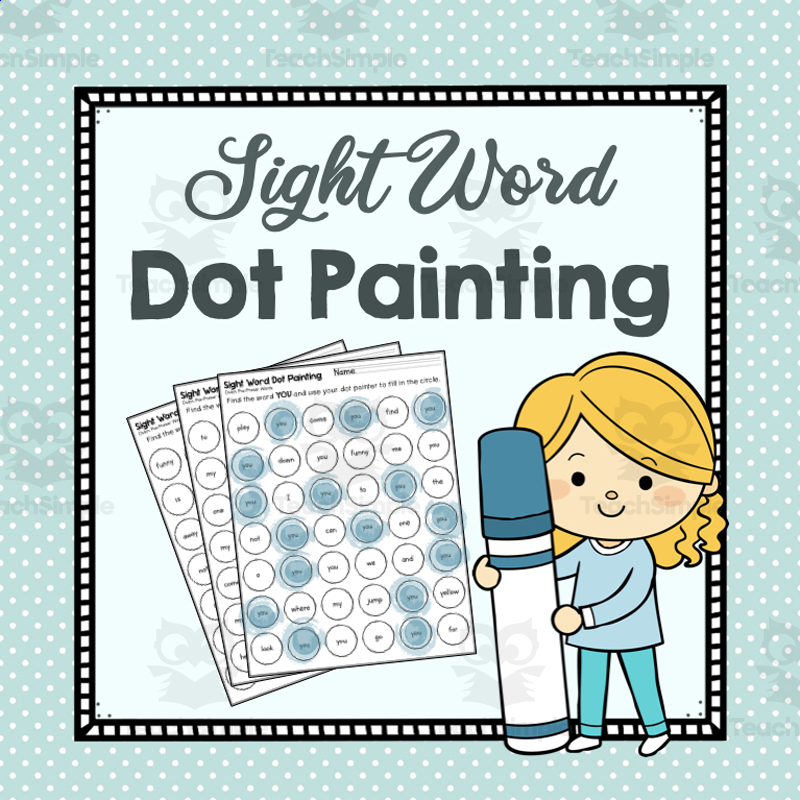
Students trace and color individual sight-word cards, then use a dot-marker/painter to find and fill in a target word repeated among distractor words on grid worksheets; a checklist tracks words memorized.
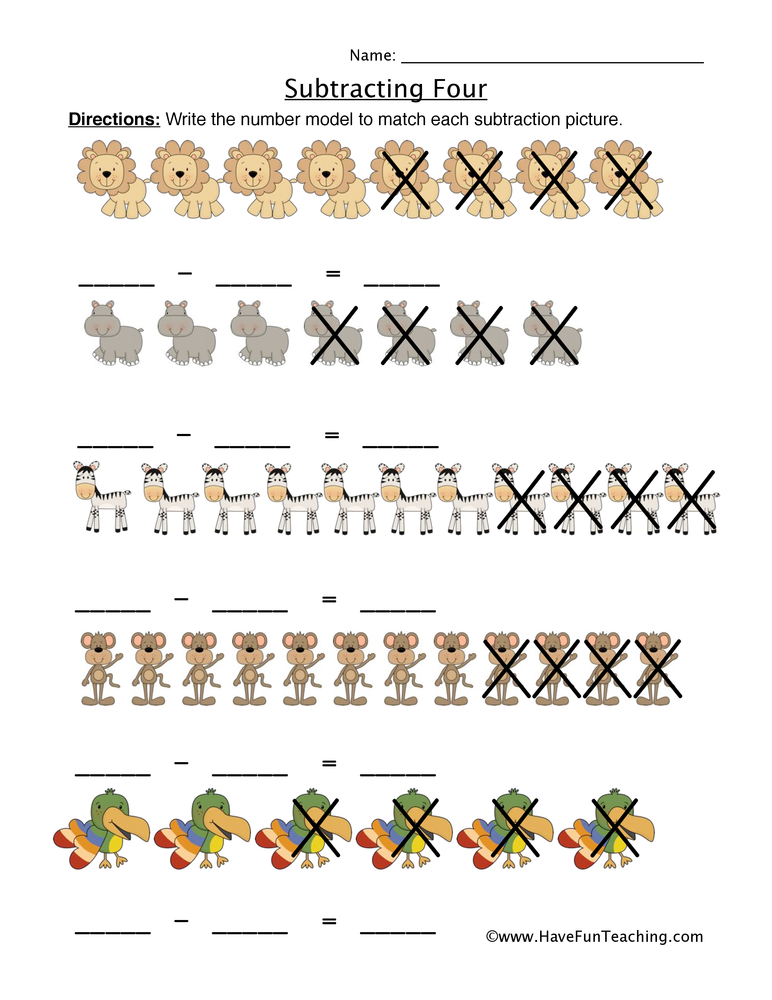
This Subtracting Four Writing Equations Worksheet is a great resource for teachers who want to help their students practice subtracting by four. This worksheet provides students with an opportunity to solve subtraction problems by writing equations and using pictures. This is a great way for students to practice their subtraction skills.
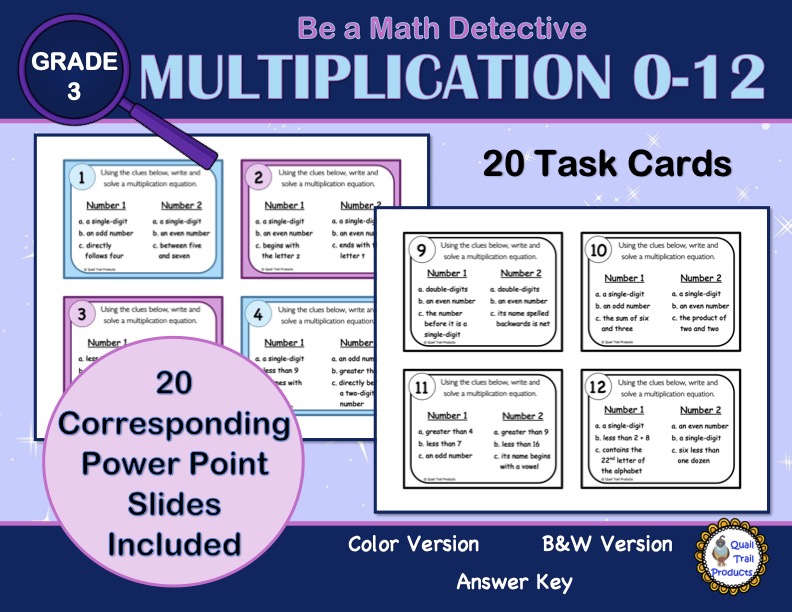
Practice recalling multiplication facts by using logic clues to deduce two factors, then writing and solving the multiplication equation they form.