Fostering Stability in Golden Age: Regents Global 9 CRQ + Video Lesso

- Grades
- Grades 9–10, High School
- File type
- Multiple File Types


- Subject
- Social Studies, History, History: World
- Topic
- new york state regents, global history and geography
- Resource types
- Teacher Tools, Assessments
About this resource
What's inside this resource
Regents Global 9 CRQ: Governing Ancient Times + Video Lessons
This product is a constructed-response question (“CRQ”) in the format of the new New York State Regents examination in Global History and Geography.
The CRQ calls upon the student to examine historical sources (I use exclusively primary sources) by providing historical or geographic context, identifying the point of view, intended audience, or purpose of a document and then using the two documents in either compare-contrast, cause-effect analysis, or turning point identification. I advocate a strategy of assigning one CRQ in each unit of study in grades nine and ten without access to notes. I used this as one of the tests at the end of a unit of study. I would tell students about what kinds of documents would appear and what historical context they should be able to recall in advance. It is a challenging task for them.
The first challenge for novices is to understand what it means to provide context. Faced with the question “What is the historical context of this document?”, beginners will retell what the document says. The reason for this mistake is that, since they were little kids, teachers have asked them to relate what a text means to prove they understood it. [Read more at the Innovation blog]
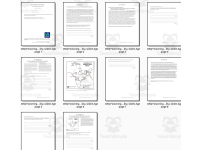
Product includes:
1. Student version
2. Teacher version with suggested answers
3. Passcode to video lessons students can use to prepare the task.
Documents:
Pliny the Younger: Life of a Refined Roman Gentleman
Xenophon: Everyday life in ancient Greece
Map, Asoka's Rock Edicts
Debate on Salt and Iron, Han Dynasty
Passcode Lessons:
Ancient Rome part 3
Ancient Rome part 4
Overview of Ancient Greece, part 1
Overview of Ancient Greece, part 2
The Mauryan Empire
Han Dynasty
About Innovation Passcodes
Passcodes let your students access selected lessons in my own virtual classroom at InnovationAssessments.com. No registration is required. Use the codes at InnovationAssessments.com/TestDrive.
Related resources
More resources teachers may find useful
24 related resources were found using this product's title, contributor, categories and tags.


In the classroom
Teaching tips & learning objectives

Learning objectives
- Explain the historical context of a source from a classical civilization
- Evaluate a document's reliability using authorship, purpose, bias and audience
- Use two documents to explain a cause and effect, a turning point or a comparison

Teaching tips
- The rubric scores context, reliability and the two-document analysis separately, so feedback can target whichever part a student missed.

Skills covered
- Source evaluation — judging reliability of documents such as Pliny the Younger's letter
- Contextualization — linking documents to Golden Age and empire-building developments
- Analytical writing — connecting two documents through cause and effect, turning point or comparison

No reviews yet
Downloaded this resource? Tell other teachers how it went.
Resource details
Concepts & topics
Core concepts
 Core concepts
- Golden Age
- Pax Romana
- Consolidation of power
- Source reliability
 Topics
Explore more
Categories this resource belongs to
Explore related searches
More to explore
You may also like