



3,930 products added recently
Page 22 - 2nd Grade Activities
Boost your second graders' enthusiasm with activities that combine fun and education. These resources cover various subjects and promote critical thinking and collaboration. Use them to enrich your lessons and keep students actively involved in their learning journey.

 Show filters


Musical Symbols | Interactive Musical Games - US Version
Creative Arts, Art, Music, Preschool, Grade 1, 2, 3, Songs, Activities
Interactive Musical Games - US Version The product, 'Interactive Musical Games - US Version,' is a teaching resource designed to engage learners in the fascinating world of music theory. This interactive tool is fashioned primarily for kindergarten and grade 1-3 students but can equally serve as an excellent refresher course for older pupils. Fundamentals and Exercises Focusing on the fundamental symbols of music, this offering cultivates understanding via various absorbing exercises. Students get to pick up concepts effortlessly through dynamic interactions such as: Drag-and-drop elements Spotting hidden icons Matching pairs Completing gaps. All these activities operate in a random manner which makes every play-through unique. Teachers can use it with equal efficacy in both group environments or individually assigned tasks. Absolute Accessibility The accessibility factor has also been given prime importance in this configuration. Alongside laptops and PCs, you can implement it equally well using tablets — both modes support projector usage effectively. Moreover, smartboards can interface seamlessly with the desktop version — thus opening doors to more interactive classrooms that foster learning by doing. Linguistic Application Globally understood English terminology related to staves and rhythm (Crotchet, Quaver etc.) make international application of this resource authentic and effortless too. Home based-Learning & Tablet Compatibility Not strictly bound only to class-based sessions; learning continues even at home with links provided inside PDFs leading directly to computer versions requiring unzip operations initially — an easy guide rendering this simple process is included inside your purchase pack. For those who prefer tapping on screens rather than keyboards – no worries! The tablet-friendly version houses itself neatly within a hassle-free app known as 'articulate mobile player'. All instructions are laid out meticulously within accompanying documentation. Points to Note However there's one little downside: it’s not Mac compatible yet – so Apple users might have to hang around just a bit! Conclusion Consider the Interactive Musical Games - US version as an enlightened approach towards conveying those initial tunes towards creating future maestros!
Author Hbmusicsolutions's Shop
Tags Interactive, Musical Games, Music Theory, Teaching Resource, Engaging

Famous Astronauts Audio Book
Science, Earth and Environmental Sciences, Space, Preschool, Kindergarten, Grade 1, 2, 3, Read Alouds, Activities
Did you know that the first space traveler was a dog named Laika? The Russians sent Laika into space in 1957. It wasn’t until April 12, 1961 that a human being traveled in space. Kids will learn interesting facts about famous astronauts.
Author Twin Sisters Digital Media
Tags Cosmonauts, Traveler, Famous, Apollo, Career
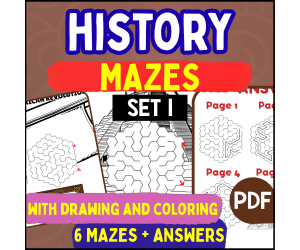
History Mazes - Set 1 (PDF)
ELA, Language Development, Vocabulary, Spelling, ESL, Resources for Teachers, Social Studies, History, History: USA, History: World, Grade 2, 3, 4, 5, Worksheets & Printables, Worksheets, Teacher Tools, Centers, Activities, Mazes
Maze Series This maze series is designed for students in grades 2–5. Each set features a clear, kid-friendly theme with scene-based mazes that students first navigate, then complete by drawing a few target words from a simple word list. Pages come in varied styles and graduated difficulty, with an optional “color it in” step—and some themes invite quick calculations to match the task. These mazes are student-friendly, classroom-ready, and perfect for literacy warmups, seasonal units, fast-finisher bins, centers, sub plans, or home learning extensions. The playful, structured format builds problem-solving, attention to detail, and fine-motor control while reinforcing themed content in a motivating way. Note: Unlike many themed products, not all word-list words appear on the maze pages. To support full vocabulary coverage, we’ve released a companion word list you can find in the links section. History Word Search Set 1 Word List 1. Early Civilizations Pyramid, Pharaoh, Hieroglyph, Empire, Gladiator, Colosseum, Trade, River 2. The American Revolution Colony, Tax, Tea, Declaration, Freedom, Patriot, Battle, Victory 3. Famous Explorers Compass, Ship, Ocean, Discover, Map, Journey, Trade, Adventure 4. Native American Cultures Tribe, Hunt, Buffalo, Tipi, Corn, Drum, Canoe, Tradition 5. The Civil War Union, Confederacy, Abolish, Battlefield, Soldier, Flag, Lincoln, Peace 6. The Industrial Revolution Factory, Machine, Steam, Train, Inventor, Electricity, Labor, City PDF Version Other versions will appear here when available. Follow the store for the lastest on new products. How to Use These Mazes Perfect for: Morning work or early-finisher bins Literacy or STEM centers Holiday/seasonal review lessons Independent stations, sub plans, or take-home enrichment More History Themed Products History Crosswords (Set 1) PDF History Crosswords (Set 2) PDF History Crosswords (Set 3) PDF History Word Searches (Set 1) PDF History Word Searches (Set 2) PDF History Word Searches (Set 3) PDF History Mazes (Set 2) PDF History Mazes (Set 3) PDF FULL CATALOG OF DOWNLOAD LINKS HERE Themed Mazes Links Addition PDF Animals PDF Around the Home PDF Birthday PDF Candy PDF Christmas PDF Cinco de Mayo PDF Clothes PDF Colors PDF Days and Months PDF Division PDF Earth Day PDF Easter PDF Easy Mazes PDF Fall PDF Father's Day PDF Food PDF Geography (Set 1) PDF Geography (Set 2) PDF Geography (Set 3) PDF Graduation PDF Health PDF History (Set 1) PDF History (Set 2) PDF History (Set 3) PDF Human Body PDF Kindness PDF Life Skills PDF Mother's Day PDF Multiplication PDF Science (Set 1) PDF Science (Set 2) PDF Science (Set 3) PDF Shapes PDF Social Skills PDF Spring PDF Sports PDF St. Patrick's Day PDF Subtraction PDF Summer PDF Thanksgiving PDF Transport PDF Valentine's Day PDF Winter PDF Mazes in Depth Structure Each maze is crafted around a focused sub-theme. Students navigate the maze, encountering branches and cul-de-sacs that build attention and planning. Most pages include a tiny follow-up box—students draw or label 2–3 target words from a small word box, add a quick count, or color in the scene—so the activity reinforces both content and skills in a highly engaging format. Each completed set includes: A themed maze page. A simple student instruction strip. An answer key showing the solved path for teacher support or self-checking Themes Included These mazes cover a wide range of fun, age-appropriate themes, including: Seasons & Holidays (e.g., Halloween, Easter, Valentine’s Day) Math-Lite Connections (e.g., quick counts, number words) Everyday Topics (e.g., Animals, Weather, School) Special Units (e.g., Health, Earth Day, Sports, Kindness) Each topic reflects students’ real-life experiences and interests while strengthening problem-solving, visual scanning, and fine-motor control in a playful, highly visual way. Easy extensions (optional): Time it: solve once in pencil, then try to beat the time in pen Retell the route using sequence words (first, next, then, finally) Count intersections or turns and graph the results Write a 1–2 sentence mini-story about the scene using the target words Design a tiny maze in the corner for a partner to solve Differentiation tips: Offer a finger-trace pass before pencils for emerging learners Highlight the borders of the correct region on first attempts Use thicker-line versions or simpler pages to build confidence Pair roles: “navigator” gives directions; “driver” traces the path For similar downloads and other frees, do check out Cored Group on TeachSimple.
Author Cored Education
Rating
Tags Vocabulary, Spelling, History, Early Civilizations, The American Revolution, Native American Cultures, The Civil War, The Industrial Revolution, Mazes, History Mazes
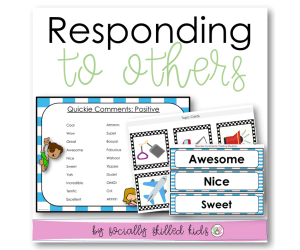
Responding To Others, Conversational Skills For 1st-5th Grade
Special Resources, Social Skills, Grade 1, 2, 3, 4, 5, Activities
Responding To Others, Conversational Skills For 1st-5th Grade is a valuable teaching resource. It enhances students' conversation skills of expressing interest in others through questions, comments and connections. It is also packed with activities to engage learners. This teaching resource includes: Three distinct activities presented across multiple levels for customised learning. A total of 72 pages full of content including instructions and discussion sheets. Cards presenting various conversational scenarios for practicing learned skills. Activity one - Quickie Comments: With this activity , students explore positive and negative responses using prepared comments. They engage with story cards that they can read individually or in groups. Includes: 27 positive response options + 18 negative response comments Editability: Sections for customised content as per classroom needs Activity two - Curious Questions: This activity encourages learners to practice forming questions using a supplied question starters poster. An interesting comparison challenge between 'Curious' & 'Questionable' questions enhances critical thinking while reinforcing questioning techniques. It comes along with an editable section for tailored requirement fitting. There are ten question prompt cards included as well. Activity three - Considerate Connections: In this module, students are guided on how to make considerate connections within conversations. They get an opportunity to identify if given statements are considerate or careless ones enhancing comprehension check-ins such that: The scenario sessions come pre-made along with editable sections providing flexibility in planning lessons . Students can exercise their newly learned skill This resource caters to the learning needs of students in grades one to five and can be deployed in small group learning sessions or classroom exercises. The product file format is a PDF which makes it easy-to-use as a digital teaching resource. It has been designed keeping remote teaching and homeschooling applications in mind while aiming to develop effective communication practices among young learners. Making conversation education enjoyable for students during these formative years, this blends learning with fun.
Author Socially Skilled Kids
Tags Conversation Skills, Social Interaction, Asking Questions, Making Comments, Connections

Shanghai Mini Unit - Includes Reading, Vocabulary, Facts, Adjectives
ELA, Language Development, ESL, Resources for Teachers, Vocabulary, Reading Comprehension, Reading, Geography, Social Studies, Grade 2, 3, 4, 5, Worksheets & Printables, Worksheets, Teacher Tools, Quizzes and Tests, Quizzes, Activities
Shanghai Mini Unit This Shanghai Mini Unit is a 5-day literacy resource created for students in grades 2–5. Each day follows a clear, consistent structure with seven engaging activities designed to build vocabulary, boost reading confidence, and explore the sights, sounds, and traditions of Shanghai. Students complete the same core activities each day, helping to build routine while keeping learning meaningful and fun: Vocabulary words Sentence writing Reading comprehension Act It Out (partner conversation) Shanghai facts Discussion questions Describing words At the end of the week, students complete a 6-question written quiz to reflect on what they’ve learned and apply their vocabulary in complete sentences. The unit blends structure with cultural discovery, making it ideal for literacy blocks, geography-themed lessons, cultural studies, or enrichment. Vocabulary words included in the unit: skyline, harbor, temple, lantern, market, bamboo, ferry, skywalk, pagoda, vendor, calligraphy, silk, acrobat, dragon, palace, terrace, opera, Lantern Festival, rickshaw, spice, temple fair, scroll, porcelain, dim sum, kite Describing words (adjectives) used in Shanghai context: bright, busy, peaceful, colorful, tall, glowing, high, steady, tasty, smooth, flowing, bold, careful, graceful, grand, glowing, spicy, lively, delicate, playful, artful, festive How to Use This Shanghai Mini Unit This Shanghai Mini Unit is designed to be flexible and easy to implement in any classroom or learning setting. Each day features seven repeatable activities that build literacy skills through Shanghai-themed content. Teachers can guide students through each task as a whole class, in small groups, or independently. Start the day with vocabulary and sentence building, then move into reading comprehension and the Act It Out partner script to encourage fluency and expression. Fun facts and discussion questions spark critical thinking, while the describing words support writing and oral language. At the end of the week, use the included written quiz to review key vocabulary and concepts. The consistent structure allows students to build confidence while exploring the culture, language, and energy of one of the world’s most fascinating cities. Includes color and black and white versions. More Shanghai Products FULL CATALOG OF DOWNLOAD LINKS HERE Mini Unit Links Shanghai Spring St. Patrick's Day Starters St. Patrick's Day Sprinters Mini Units in Depth The mini unit series is a collection of structured language-learning resources that support students in building vocabulary, improving reading skills, and practicing language in context. Each unit focuses on a carefully selected set of words, ensuring students are introduced to meaningful vocabulary that connects to cultural traditions, historical events, or well-known symbols. The format includes vocabulary exercises, example sentences, reading passages, conversation prompts, fun facts, discussion questions, and quizzes to reinforce learning in an interactive and engaging way. Through these activities, students gain a deeper understanding of language beyond definitions. The reading passages provide contextual exposure, while the conversation and discussion sections encourage spoken fluency and critical thinking. Fun facts introduce cultural insights, helping students connect language to real-world traditions. The structured quiz and written response sections assess comprehension and encourage complete sentence answers, reinforcing proper grammar and sentence structure. This series supports ESL learners and elementary students in grades 2-5, offering a balanced approach to language acquisition, cultural learning, and interactive engagement. For similar downloads and other frees, do check out Cored Group on TeachSimple.
Author Cored Education
Tags Elementary, Reading, Comprehension, Vocabulary, Passages, Esl, Mini Unit, Discussions, Geography, Shanghai

C-A-R-E Project: Conflict And Responsibility Education
Special Resources, Life Skills, Grade 1, 2, 3, 4, Projects, Activities
The C-A-R-E Project : Conflict And Responsibility Education is a pivotal teaching resource dedicated to preemptively creating a safer and more understanding school environment. This salient recourse focuses on the proactive measures of instilling conflict resolution skills early in elementary education, specifically targeting students from grades 1 to 4. Provided as an easy-to-print, 114-page PDF, this product covers critical life skills under the special resources section. The key intention is to nurture empathy, responsibility and effective communication from an early age. While it's heartrending that such lessons are necessary, they offer viable solutions to curb violence and aggression amongst young learners. A Reactive or Preventative Role? In the light of recent events spanning across different schools globally, teaching resilient lessons about conflict resolution has become painfully urgent. The role of this resource isn't merely reactionary; instead it leans heavily towards preventative measures by educating children on how best to handle disagreement peacefully without resorting to aggression. Versatile Usage This tool can guide whole group discussions as an avenue for constructive dialogue. This can function as background material for teachers during one-on-one sessions with students who may need extra assistance with interpersonal relationships. Homeschooling & Traditional Education Settings: For homeschoolers managing multi-grade learners simultaneously or educators looking for lesson plans that transcend traditional subject boundaries, the C-A-R-E Conflict And Responsibility Education project offers a comprehensive approach.It can be adapted as complementary homework matetrial fostering family dialogue about these important themes at home. Navigating Through Conflicts: At times when acknowledging emotions is becoming increasingly critical in shaping thriving citizens of tomorrow - providing ready-made flexible lessons equips teachers help their scholars navigate through potential conflicts effectively while embracing care and consideration for other’s feelings. Remember: A safe classroom community today blooms into a harmonious society tomorrow! Equip yourself with this valuable toolset designed not only encourage civility but also foster compassionate problem-solving techniques among your learner community!
Author Classroom Complete Press
Tags Conflict, Word Webs, Vocabulary Lesson, Missing Vowels, Friendship

Alphabet Gingerbread House Letter Match Matching Game
Creative Arts, Art, Fine Arts, Grade 1, 2, 3, 4, 5, Activities, Games, Centers
Alphabet Gingerbread House Letter Match Uppercase and Lowercase Matching Game Letter Recognition This Gingerbread House-Themed ABC Matching Game is an engaging and hands-on way for young students to practice uppercase and lowercase letter recognition. Use it as a matching game, center activity, or early finisher task! Included are blank cards for differentiated learning or for students to create their very own cards, while practicing handwriting. Use the black and white version as a coloring activity as well. This letter match game is perfect for letter of the week activities, alphabet practice and review, literacy centers, letter recognition practice, and winter-themed activities. Just print, cut, and play! As a suggestion, print on cardstock (thicker paper) and laminate for durability. Great for individual, small group, or center use. Benefits of playing letter matching games: Boosts letter recognition Enhances phonemic awareness Improves focus and attention Builds fine motor skills Strengthens memory Develops problem-solving skills Encourages independent learning Promotes social skills Supports early literacy Makes learning fun. Included in this download: 9 Pages of Large Matching Cards (Uppercase & Lowercase Letters) 3 Pages of Blank Large Matching Cards (Uppercase & Lowercase Letters) 5 Pages of Small Matching Cards 3 Pages of Blank Small Matching Cards Printer-Friendly Black/White Versions Thank you for supporting Doodle Thinks and have fun learning!
Author Doodle Thinks
Rating
Tags Alphabet, Letter Match, Matching Games, Early Literacy, Letter Recognition, Learning Centers, Letter Of The Week, Independent Learning, Fine Motor Skills, Gingerbread House

Robert Oppenheimer Biography Set | Integrated Study | Sub Plan
ELA, Social Studies, Reading, Reading Comprehension, Science, Basic Science, Biographies, Grade 3, 4, 5, Activities, Worksheets & Printables, Worksheets, Projects
Make learning about the life and works of J. Robert Oppenheimer more fun and exciting with this J. Robert Oppenheimer Biography Set! This set of activities and project is designed for 3rd to 5th grade primary level learners, ESL/EFL students, and homeschoolers. Focusing on an in-depth and purposeful review of Oppenheimer’s biography, this resource is an integrated lesson for English Language Arts, Science and Social Studies. What’s Included: •J. Robert Oppenheimer Reading Passage (J. Robert Oppenheimer: The Father of the Atomic Bomb) •3 The Father of the Atomic Bomb Reading Comprehension Exercises •The Father of the Atomic Bomb Research Activities •J. Robert Oppenheimer Pop-Up Board Project The reading passage provides information for the students, and with the use of the reading comprehension activities, they will be able to check on their knowledge and understanding of Oppenheimer as one of the important minds of the world. The research activities, on the other hand, are aimed for a more detailed examination of Oppenheimer’s contributions and legacies ensuring a better outlook of the students’ appreciation of the lesson. Lastly, the pop-up board project is a perfect assessment tool of the lesson which is made to promote creativity and deeper engagement. This biography set is a great companion and supplement to any curriculum topics relating to famous people, studying biographies and exploring the most famous scientific minds. It also provides an opportunity for substitute and / or emergency plans as it presents a clear-cut set of activities. Studying and completing this biography set it definitely a blast for your learners!
Author It's Teacher L
Tags Oppenheimer Biography, STEM Education, Influential Minds, Famous People, Biographies, Reading Comprehension, Research Activities

Drink Song (MP3)
ELA, Reading, Preschool, Kindergarten, Grade 1, 2, 3, Songs, Activities
This song is great for helping students learn the sight word "drink." It's catchy tune makes it easy to remember and the repetition will help embed the word in their memory.
Author Have Fun Teaching
Tags Counting

Puss in Boots – Finger Puppet Theater
ELA, Literature, Grade 1, 2, 3, 4, 5, 6, Activities
Puss in Boots – Finger Puppet Theater This resource helps students retell the fairy tale Puss in Boots using finger puppets and printable backgrounds. It is designed for elementary students and supports reading fluency, storytelling, and creative expression. The material includes finger puppet templates in two versions: color and black-and-white. The color version is ready to print and use. The black-and-white version allows students to color and personalize the puppets. This activity can be used individually, in small groups, or in pairs. It is ideal for language arts, drama lessons, or centers. The backdrops are printed on paper and folded to stand upright. They show different scenes from the fairy tale. Students can place them behind the finger puppets to create a small puppet stage. A paper pocket is also included. It can be used to store the puppets and backgrounds in a notebook or folder. Learning goals: Retell a fairy tale using visuals Practice reading fluency and expression Use dialogue and role play Strengthen fine motor skills through cutting and folding What’s included: Finger puppet templates for each character (color and black-and-white) Printable backgrounds (6 different scenes) Pocket template for storing puppets and backgrounds Simple folding and gluing instructions How to use: Print the templates. Let students color the black-and-white version or use the colored one. Cut and glue the puppets. Fold the backgrounds and pocket as shown in the instructions. Retell the story using the puppets and backdrops. This activity requires scissors, glue, and paper. No additional materials are needed. The instructions are included in English and are easy to follow. The activity supports independent work and small group storytelling. This resource is suitable for grades 1 to 4 and for ESL/ELL students. It can also be used as a creative activity after reading the story of Puss in Boots . Best regards, Doreen Blumhagen - Die Relitante
Author Die Relitante
Rating
Tags Fairy Tales, Finger Puppets, Primary School, Language Lessons, Literature, Puss In Boats, Puppet Theater Craft, Storytelling Activity, Elementary Literacy

Final Consonants R Ending Blends For Phonics Centers Boom Cards Set 1
ELA, Language Development, Phonics, Kindergarten, Grade 1, 2, 3, Activities, Games
Looking for a no-prep phonics center that helps your students master those tricky R ending blends like rd, rf, rk, and rl ? This interactive Boom Deck is designed to do just that—while keeping learners engaged and building confidence in their spelling skills! With 24 self-checking Boom Cards , this set gives your students targeted practice that supports decoding, encoding, and phoneme-grapheme mapping—all key components of strong literacy instruction. What’s Inside: ✔️ 24 interactive Boom Cards ✔️ Focus on final R blends: rd, rf, rk, rl ✔️ Picture clues to support vocabulary and comprehension ✔️ Built-in audio that sounds out the word automatically ✔️ Drag-and-drop spelling tiles ✔️ Optional sound icon for replaying the word Students listen to the word, observe the matching image, and drag the correct blend to complete the spelling. The first card offers simple, student-friendly directions, and the last card closes the activity with a clear end point—making it ideal for independent practice! Why Teachers Love It: Perfect for phonics centers, small groups, and early finishers Supports Science of Reading-based instruction Reinforces spelling patterns and phoneme-grapheme correspondence Compatible with Boom Learning, Google Classroom, Seesaw, and more No prep needed —assign it in seconds! Great for 1st and 2nd grade classrooms , or for students who need focused support with final R blends in intervention settings. What You’ll Receive: A PDF download with a direct link to the Boom Deck 24 engaging, audio-supported task cards Easy-to-follow setup instructions for Boom Learning This Boom Deck is a simple, effective way to boost your students’ understanding of final R blends while keeping your phonics centers running smoothly.
Author Teach2Tell
Rating
Tags Ending Blends, Interactive Learning, R Blends Activities, R Ending Blends, Digital Phonics Centers, Boom Cards Phonics, SoR Phonics, Decodable Spelling Practice, Phonics Word Building, Ending Sound Blends

SUPER FREE PACK | DOMINO OF MULTIPLICATION | 128 PAGES
Math, Multiplication and Division, Division, Grade 2, 3, 4, 5, Activities, Games
HELLO! Thank you very much for being part of EDITORIAL ARENAS EDUCATIVAS, please read the following information carefully: 1. Brief introduction: Educational packs greatly facilitate the development of a much more meaningful learning for students, because the educational pack contains the largest amount of educational resources and the most complete curriculum . 2. Product description: This pack includes a variety of documents that will make student learning much more meaningful 3. Benefits of using this product: This super pack will bring multiple benefits to the person or student who wants to use it: - It will facilitate your students' learning. - It will motivate a variety of cognitive processes in your students. 4. Number of pages contained in this document: This super educational pack is made up of 128 pages. 5. Topic addressed by this document: This super pack will address a variety of topics thanks to the compilation of these documents. 6. Ages for which this resource can be applied: This document is available for use with children in primary education. 7. Version in which this resource is available: This super pack is available in PDF version, this will make it much easier for you to use it, as well as print it. SECONDARY INFORMATION: 8. For what ages is this document recommended? This document is recommended to be used by students of all ages. 9. At what point in the class can I apply it? You can apply this document throughout the development of your class, or perhaps you can send it as homework to your students' homes. 10. Should I apply it individually or in groups? You can apply this document individually or perhaps in a group, both modalities are accepted. 11. Keywords that describe the product: Educational pack, super pack of activities, free pack of activities. This file is for personal use only. It is not allowed to be resold or shared with others.
Author EDITORIAL LAURA EDUCA
Tags DOMINO, MULTIPLICATION, FREE RESOURCES

What Does A Meteorologist Do? Audio Book
Science, Earth and Environmental Sciences, Environmental Science, Preschool, Kindergarten, Grade 1, 2, 3, Read Alouds, Activities
Introduction What Does A Meteorologist Do? Audio Book is a valuable teaching resource aimed to educate students from Kindergarten to Grade 3 about the intriguing profession of meteorologists. This uncomplicated audio book explains how these specialized scientists predict weather patterns by monitoring variables like wind speed and humidity, and deciphering warm and cold fronts in the atmosphere. Purpose If you wish to incorporate engaging content about Environmental Science in your lesson plan, this is the tool for you! The audio format provides diverse innovative options for usage. You can choose to use it during: Whole group instruction Small group activities Homeschooling lessons Independent study periods. Made Accessible for Young Learners! This educational tool simplifies potentially complex concepts making them more comprehensible for young learners. It employs auditory learning strategies and simple language that aligns with Grade 7-8 reading levels, enhancing understanding while encouraging an interest in Science subjects. The easy-to-use MP3 format makes What Does A Meteorologist Do? Audio Book a versatile and convenient option due to its portability - play it across various platforms according to your needs. Suitable Learning Anywhere! Frequently appreciated in our modern world is flexibility. Learn at home or at school; location doesn't restrict education when using this handy resource! This tailored primer invites those just beginning their journey into environmental science. Discover what meteorologists do everyday; unlocking crucial knowledge that shapes our responses towards fluctuating weather conditions. Note:Bear in mind, early interest can create potential future scientists who may one day discover the secrets behind our diverse climate phenomena themselves. With What Does A Meteorologist Do? Audio Book , make introducing science not only informative but also stimulating.
Author Twin Sisters Digital Media
Tags Meteorology, Weather Patterns, Scientist, Climate Phenomena, Auditory Learning
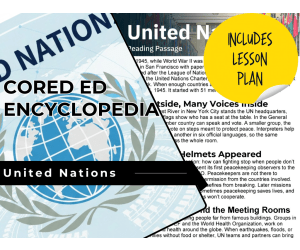
United Nations Reading Comprehension Passage - Cored Ed Encyclopedia
ELA, Language Development, Reading Comprehension, Reading, Pre-Reading, Vocabulary, History, Social Studies, Government, Writing, Grade 2, 3, 4, 5, Worksheets & Printables, Worksheets, Teacher Tools, Centers, Activities, Writing Prompts, Assessments, Quizzes and Tests, Quizzes, Lesson Plans
This United Nations reading comprehension with lesson plan includes: Visualization (on the front cover) Start your lesson by taking a minute to think and share something about the topic. Read the script aloud (slowly), perhaps prepare some music or sound effects. Student close their eyes and let their imaginations wander. Students open their eyes, read the question aloud and give them a few minutes to complete. Ask a few students to share or keep answers until the end to compare with what they learn in the passage. Quick pause—thousands of Cored Education products are included with your TeachSimple membership. Download links and encyclopedia index available here. Pre-Reading Trivia Students will write down one thing they already know about the subject and then read five more facts and discuss. These facts are fun, and the students will enjoy learning about the subject before reading more. Give 1 minute for students to write what they already know (no pressure—best guess is fine). Read the five facts together. After each fact, do ask a student for their opinion, was it surprising? Set a purpose by asking students to highlight/underline one fact they want to learn more about during the reading. Reading Passage The text is a high-interest reading passage with set paragraphs, roughly three to four paragraphs long. It contains a variety of themes about the topic, anywhere from history to technology. The passage is between 250 and 350 words in length. First, ask students to look at the headings and see what they’ll learn about today. What do they know about the topic/heading? First read options: Teacher read-aloud (best for support). Partner reading (paragraph by paragraph). While reading, students underline important details, and vocabulary words they think may come up in the questions section. Mixed Questions The first question page contains four multiple-choice questions, each with a choice of four answers, and three written response questions that require a sentence or two from the student. Students complete the mcqs first independently, then review quickly as a class. For the 3 written responses, try to get students giving the answer with some form of evidence: “I think ___ because the text says ___.” If students get stuck, send them back to check the passage. Vocabulary Questions Practice seven key words from the text in this section across two activities. First section is scrambled words where students will unscramble three words given a clue for each. The second section is a word to meaning matching activity. Before starting, have some students read out words they underlined in the passage. Ask students to say the word and read aloud the sentence(s) around each word. Ask students to do scrambled words and the matching exercise in pairs then go through answers as a class. For the scrambled spelling task, get four pairs to come up to the board and write the words for extra practice with the other student reading out the clue. For the matching task, prompt students to give full sentences: “I matched ___ with ___ because ___.” Creative Writing In this question, the student will be required to write a five to eight sentence paragraph on a question related to the topic. Before starting, ask students write down 3 key ideas they are going to include in their piece. Ask students for ideas to share around the class to help those struggling. Pro writing expectations: 5–8 sentences At least 2 facts or details from the passage At least 2 vocabulary words from the previous page Students read their paragraphs while classmates listen for facts and vocabulary words. Extension Activities This page is optional for fast finishers or to take home. There are several activities, each one requiring a different skill. Do some, do none, do all, completely optional - but you will feel reassured knowing every possibility is planned for. Includes summary writting question. Answer Key There are answers for the multiple-choice questions, written response questions have sample answers, vocabulary answers and if there is a summary question then a sample summary will be provided as well. Lesson Plan Included Customized lesson plan for this lesson is included. Lesson Snapshot Title: United Nations Genre: Nonfiction (Informational text) Subject: Social Studies (Civics/Global Studies) Primary Topic: How the UN began and works for peace Estimated Guided Reading Level (A–Z): P What This Lesson Teaches Best Origins and purpose of the UN: Explains that delegates from 50 countries met in San Francisco in 1945 and signed the United Nations Charter, leading to the UN officially beginning on October 24, 1945. How countries work together in the UN: Describes the UN headquarters in New York City and how member countries speak and vote in the General Assembly, while a smaller group (the Security Council) votes on steps meant to protect peace. Peacekeeping basics: Introduces UN peacekeeping observers (UNTSO) and explains that peacekeepers watch, report, and help keep ceasefires from breaking (and are not there to conquer). Communication across languages: Shows why interpreters matter by explaining that leaders use interpreters in six official languages so the same message can travel across the room. UN help beyond meetings: Notes that UN groups like UNICEF and the World Health Organization work on children’s needs, health, and bringing supplies after earthquakes, floods, or wars. Learning Goals Students will identify key dates and events that led to the UN officially beginning in 1945. Students will describe how the General Assembly and the Security Council are different, using details from the text. Students will explain what the United Nations Charter is and what it was meant to help countries do. Students will summarize what peacekeepers do and why peacekeeping can be hard when countries won’t cooperate. Students will use context clues to determine the meaning of key words such as interpreters and ceasefires . Key Vocabulary From the Text delegates — people chosen to represent a country at a meeting. Charter — a written promise that explains a group’s goals. headquarters — the main building where an organization works. interpreters — people who change speech into another language. ceasefires — times when fighting stops for a while. FULL CATALOG OF DOWNLOAD LINKS AND ENCYCLOPEDIA INDEX HERE
Author Cored Education
Rating
Tags Vocabulary, Reading Comprehension, Reading Passages, Lesson Plans, Ela Lesson Plans, Reading Comprehension Lesson Plans, Pre-reading, Social Studies Lesson Plans, Social Studies, Government

Sentence Structure Sample: Grammar Grades 3-4 (Forms)
ELA, Language Development, ESL, Grammar, Common Core, Resources for Teachers, Grade 3, 4, Quizzes and Tests, Teacher Tools, Tests, Assessments, Centers, Activities
Sentence Structure Sample Lesson ELA MCQS Overview: In this series of lessons, students will embark on an engaging journey to explore the grammar skills that make our language vibrant and expressive. These lessons are crafted to help students identify, comprehend, and effectively apply language arts skills in both writing and speech. Accompanied by free supplementary materials available for all topics, each lesson builds on the previous one, offering a balanced mix of direct instruction, interactive group activities, and independent practice. Through fun and creative tasks, students will learn to recognize grammar within sentences, understand their function, and use them to enrich their own writing and speech. Sentence Structure Overview: Includes: Declarative Sentences lnterroative Sentences Exclamatory Sentences Imperative Sentences Sentence Fragments End Punctuation Forms Version This is the Forms editable and self grading version. This download is available in GOOGLE Docs, GOOGLE Forms, GOOGLE Slides. PDF, PPT, WORD, check the links below for more details. FULL CATALOG OF DOWNLOAD LINKS HERE Grade 3/4 Links: Adjectives Google Docs Google Forms Google Slides PDF PPT Word Free Supplementary Materials Pack Adverbs Google Docs Google Forms Google Slides PDF PPT Word Free Supplementary Materials Pack Conjunctions Google Docs Google Forms Google Slides PDF PPT Word Free Supplementary Materials Pack Nouns Google Docs Google Forms Google Slides PDF PPT Word Free Supplementary Materials Pack Pronouns Google Docs Google Forms Google Slides PDF PPT Word Free Supplementary Materials Pack Verbs Google Docs Google Forms Google Slides PDF PPT Word Free Supplementary Materials Pack Sentence Structure Google Docs Google Forms Google Slides PDF PPT Word Free Supplementary Materials Pack Present Tense Google Docs Google Forms Google Slides PDF PPT Word Free Supplementary Materials Pack Past Tense Google Docs Google Forms Google Slides PDF PPT Word Free Supplementary Materials Pack Future Tense Google Docs Google Forms Google Slides PDF PPT Word Free Supplementary Materials Pack Context Clues Google Docs Google Forms Google Slides PDF PPT Word Free Supplementary Materials Pack Defining Words Google Docs Google Forms Google Slides PDF PPT Word Free Supplementary Materials Pack Fill the Blanks Google Docs Google Forms Google Slides PDF PPT Word Free Supplementary Materials Pack Homophones Google Docs Google Forms Google Slides PDF PPT Word Free Supplementary Materials Pack Synonyms Google Docs Google Forms Google Slides PDF PPT Word Free Supplementary Materials Pack ELA Review Questions Overview Questions have three answer choices. There are a handful of pictures on each test for aesthetic purposes, as well as a review sheet covering most of the topics covered in the product. Introduction or Example Sheet Each topic will include an introduction or example sheet to go through first with your students. Full Answer Keys Full answer keys and sample responses are provided so no matter how busy you are, you know you're covered! In the Supplementary Pack Interactive Ice Breakers: Fun, hands-on activities that get students thinking about adjectives right from the start. Guided Practice: Teacher-led exercises that reinforce the day’s lesson, ensuring students can confidently identify and use adjectives. Group and Partner Tasks: Collaborative activities that allow students to work together to solve problems, categorize adjectives, and create descriptive sentences. Independent Worksheets: Structured worksheets that provide individual practice and help solidify understanding of key concepts. Exit Tasks: Quick, reflective activities at the end of each lesson that assess understanding and encourage students to apply what they’ve learned. For similar downloads and other frees, do check out Cored Group on TeachSimple.
Author Cored Education
Tags Elementary, Answers, Ccss, Common Core, Grammar, Tests, Test Prep, Grade 3, Grade 4, Digital Centers

How to Wash a Car | Writing and Sequencing Activity
ELA, Writing, Grade 1, 2, 3, Activities
Teaching Resource: How to Wash a Car | Writing and Sequencing Activity | Informational or Expository Writing This teaching resource positions educators with an engaging method of incorporating practical life skills into language arts. Using various printables, worksheets, and writing prompts, it fosters a compelling writing experience for students. Practice sequencing actions and language expression: Set up an imaginary car wash station and help students visualize the steps involved in washing a car for themselves. Differentiation opportunities: Use this package for whole group instruction or small group work; varying degrees of complexity allow it to be easily adapted based on your learners' abilities. Suitable for early education grades::Whether you're teaching preschool children or first graders; this resource helps build writing confidence progressively. This practical toolset includes: Anchor charts detailing 'How-to Writing' Editional transition words catered to early writers Vibrant sequencing cards which can be customized (both with words & without) Worksheets focusing on items needed when washing cars >/> <Overall, this activity proves as a fun educational distraction, also imparting valuable life lessons about expository writing and task execution instruction. Use this activity pack to teach both important life skills and sequencing through reading and writing!
Author Simply Schoolgirl
Tags Car Washing, Sequencing Activity, Expository Writing, Practical Life Skills, Writing Instructions
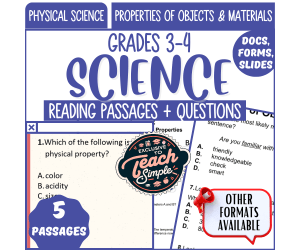
Reading Passages on Properties of Objects and Materials (Google Drive)
ELA, Reading, Reading Comprehension, Language Development, Vocabulary, Common Core, ESL, Physics, Science, Grade 2, 3, 4, Centers, Activities, Assessments, Teacher Tools, Presentations, Tests, Quizzes and Tests, Worksheets, Worksheets & Printables
Reading Passages on Properties of Objects and Materials for Physical Science This comprehensive package Properties of Objects and Materials: Reading Passages Physical Science enables your students to practice reading strategies and learn essential science topics for the week. All of this is made easier by the fact that the bulk of the work is already completed for you. Physical properties and states of matter are the focus of the reading materials. What's inside? Part I Passage 1: Observable Physical Properties of Objects & Materials Passage 2: Measuring Physical Properties Passage 3: Classification of Matter Passage 4: States of Matter Passage 5: Change of Phase Product Info: 28 PAGES (Docs Version: US English with Answers) & 5 FORMS (Self-Grading) & 134 SLIDES Teaching Duration: 2 Weeks Science Reading Comprehension Outline: Designed especially for 3rd and 4th graders, these science reading passages are packed with helpful illustrations and graphs that bring each topic to life. Every lesson is aligned with Common Core standards, so you can feel confident knowing you’re hitting key skills—without needing to prep for hours. Each passage includes a mix of question types, like multiple choice, data analysis, and fill-in-the-blank, giving students meaningful practice while keeping things fresh and fun. The science topics are both exciting and curriculum-based, making them perfect for reinforcing what you're already teaching. These lessons are super flexible—you can use them during whole-class instruction, morning work, independent practice, small groups, homework, or even as no-fuss sub plans or holiday assignments. FULL CATALOG OF DOWNLOAD LINKS HERE Grade 3/4 Links: Physical Science Part 1 - Properties of Objects and Materials Google Docs/Slides/Forms PDF PPT Word Free Supplementary Pack Accompanying Videos Physical Science Part 2 - Position and Motion of Objects Google Docs/Slides/Forms PDF PPT Word Free Supplementary Pack Accompanying Videos Physical Science Part 3 - Light, Heat, Electricity, Magnetism Google Docs/Slides/Forms PDF PPT Word Free Supplementary Pack Accompanying Videos Life Science Part 1 - Characteristics of Organisms Google Docs/Slides/Forms PDF PPT Word Free Supplementary Pack Accompanying Videos Life Science Part 2 - Life Cycles of Organisms Google Docs/Slides/Forms PDF PPT Word Free Supplementary Pack Accompanying Videos Life Science Part 3 - Organisms and Environments Google Docs/Slides/Forms PDF PPT Word Free Supplementary Pack Accompanying Videos Earth Science Part 1 - Properties of Earth Materials Google Docs/Slides/Forms PDF PPT Word Free Supplementary Pack Accompanying Videos Earth Science Part 2 - Changes in the Earth and Sky Google Docs/Slides/Forms PDF PPT Word Free Supplementary Pack Accompanying Videos Earth Science Part 3 - Objects in the Sky Google Docs/Slides/Forms PDF PPT Word Free Supplementary Pack Accompanying Videos For similar products and other frees, do check out Cored Group on TeachSimple .
Author Cored Education
Rating
Tags Science, Elementary, Reading, Comprehension, Vocabulary, Physics, Physical Science, Reading Comprehension Assessments, Science Assessments, Self Assessment
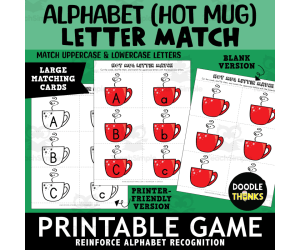
Alphabet Hot Mug Letter Match Uppercase and Lowercase Matching Game
Creative Arts, Art, Fine Arts, Grade 1, 2, 3, 4, 5, Activities, Games, Centers
Alphabet Hot Mug/Warm Drink Letter Match Uppercase and Lowercase Matching Game Letter Recognition This Hot Mug-Themed ABC Matching Game is an engaging and hands-on way for young students to practice uppercase and lowercase letter recognition. Use it as a matching game, center activity, or early finisher task! Included are blank cards for differentiated learning or for students to create their very own cards, while practicing handwriting. Use the black and white version as a coloring activity as well. This letter match game is perfect for letter of the week activities, alphabet practice and review, literacy centers, letter recognition practice, and winter-themed activities. Just print, cut, and play! As a suggestion, print on cardstock (thicker paper) and laminate for durability. Great for individual, small group, or center use. Benefits of playing letter matching games: Boosts letter recognition Enhances phonemic awareness Improves focus and attention Builds fine motor skills Strengthens memory Develops problem-solving skills Encourages independent learning Promotes social skills Supports early literacy Makes learning fun. Included in this download: 9 Pages of Large Matching Cards (Uppercase & Lowercase Letters) 3 Pages of Blank Large Matching Cards (Uppercase & Lowercase Letters) 5 Pages of Small Matching Cards 3 Pages of Blank Small Matching Cards Printer-Friendly Black/White Versions Thank you for supporting Doodle Thinks and have fun learning!
Author Doodle Thinks
Rating
Tags Alphabet, Letter Match, Matching Games, Early Literacy, Letter Recognition, Learning Centers, Letter Of The Week, Independent Learning, Fine Motor Skills, Hot Mug

Let's Learn Multiplication Audio Book
Math, Multiplication and Division, Division, Preschool, Grade 1, 2, 3, 4, 5, Read Alouds, Activities
Original songs that teach multiplication fact 0 to 12 separately- slowly for beginners then faster for advanced learners! Then review the facts with the answers and then without the answers. Multiplication is great for the classroom or for at home learning, and you will see immediate improvement in your child’s multiplication skills! Includes over an hour of multiplication exercises that are perfect for learning and practice.
Author Twin Sisters Digital Media
Tags Multiplication, Math, Life Skills, Classroom, Comprehension
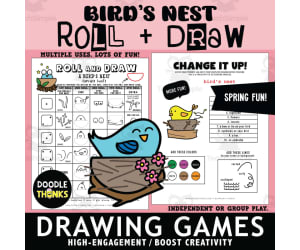
Roll & Draw a Bird in a Nest Dice Game | Drawing & Coloring Activity
Creative Arts, Art, Fine Arts, Preschool, Grade 1, 2, 3, 4, 5, Drawing Templates & Outlines, Worksheets & Printables, Games, Activities, Projects, Centers
Roll and Draw a Bird in a Nest Dice Games | Bird Art Drawing and Coloring Activity Have fun with this adorable bird art no-prep and interactive drawing game. The game sheet can be used multiple times and will keep your learners engaged. This is a great drawing and coloring activity for seasoned or reluctant drawers. Incorporate during Spring or along a bird unit study. Just grab a dice and some blank paper and engage your students with this self-directed drawing activity that can be used alone, with a partner, or with the whole class. What are the benefits of roll and draw games? Understanding visual perceptions Increase following direction skills Improving drawing skills Included in this download: 1 Roll and Draw Game Printables in Color 1 Roll and Draw Game Printables in B/W 1 Change it Up Additional Activity in Color 1 Change it Up Additional Activity in B/W 1 Instruction Page 1 Intro Page Additional creative ideas for teachers: Present completed drawings as thoughtful gifts from students Create a wall art gallery Place in students' portfolios Offer a writing activity that corresponds to drawing Perfect for: Spring or Bird art lessons Classroom centers Early finishers Substitute plans Morning work Spring-themed creativity boosts Bring seasonal fun to your classroom with this easy, no-prep Spring art activity!
Author Doodle Thinks
Rating
Tags Roll And Draw, Dice Game, Art Activity, Drawing Activity, Coloring, Art Integration, Art Enrichment, Art Supplement, Design Art, Bird Art

Adding 6 Song (Lyric Music Video)
Math, Addition and Subtraction, Addition, Numbers, Preschool, Kindergarten, Grade 1, 2, 3, Songs, Activities
This song is a great way for students to learn and practice adding 6. The Adding 6 Song covers all addition facts from 1-15, and is a fun and interactive way for kids to learn. This resource is perfect for teachers looking for a fun and engaging way to teach their students adding 6.
Author Have Fun Teaching
Tags Counting
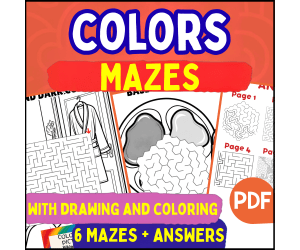
Colors Mazes (PDF)
ELA, Language Development, Resources for Teachers, Vocabulary, Spelling, ESL, Grade 2, 3, 4, 5, Worksheets & Printables, Worksheets, Teacher Tools, Centers, Activities, Mazes
Maze Series This maze series is designed for students in grades 2–5. Each set features a clear, kid-friendly theme with scene-based mazes that students first navigate, then complete by drawing a few target words from a simple word list. Pages come in varied styles and graduated difficulty, with an optional “color it in” step—and some themes invite quick calculations to match the task. These mazes are student-friendly, classroom-ready, and perfect for literacy warmups, seasonal units, fast-finisher bins, centers, sub plans, or home learning extensions. The playful, structured format builds problem-solving, attention to detail, and fine-motor control while reinforcing themed content in a motivating way. Note: Unlike many themed products, not all word-list words appear on the maze pages. To support full vocabulary coverage, we’ve released a companion word list you can find in the links section. Colors Word List 1. Basic Colors Red, Blue, Yellow, Green, Orange, Purple, Pink, Brown 2. Light and Dark Colors White, Black, Gray, Light blue, Dark green, Tan, Silver, Gold 3. Colors in Nature Sky blue, Leaf green, Sunset orange, Rose red, Ocean blue, Snow white, Sunflower yellow, Earth brown 4. Fun & Creative Colors Rainbow, Neon, Pastel, Metallic, Glow-in-the-dark, Transparent, Shimmering, Multicolor 5. Colors in Things We Use Paint, Crayon, Marker, Ink, Fabric, Paper, Lights, Dye 6. Feelings & Colors Happy yellow, Sad blue, Angry red, Calm green, Excited orange, Loving pink, Brave purple, Mysterious black PDF Version Other versions will appear here when available. Follow the store for the lastest on new products. How to Use These Mazes Perfect for: Morning work or early-finisher bins Literacy or STEM centers Holiday/seasonal review lessons Independent stations, sub plans, or take-home enrichment More Colors Themed Products CROSSWORDS WORD SEARCHES FULL CATALOG OF DOWNLOAD LINKS HERE Themed Mazes Links Addition PDF Animals PDF Around the Home PDF Birthday PDF Candy PDF Christmas PDF Cinco de Mayo PDF Clothes PDF Colors PDF Days and Months PDF Division PDF Earth Day PDF Easter PDF Easy Mazes PDF Fall PDF Father's Day PDF Food PDF Geography (Set 1) PDF Geography (Set 2) PDF Geography (Set 3) PDF Graduation PDF Health PDF History (Set 1) PDF History (Set 2) PDF History (Set 3) PDF Human Body PDF Kindness PDF Life Skills PDF Mother's Day PDF Multiplication PDF Science (Set 1) PDF Science (Set 2) PDF Science (Set 3) PDF Shapes PDF Social Skills PDF Spring PDF Sports PDF St. Patrick's Day PDF Subtraction PDF Summer PDF Thanksgiving PDF Transport PDF Valentine's Day PDF Winter PDF Mazes in Depth Structure Each maze is crafted around a focused sub-theme. Students navigate the maze, encountering branches and cul-de-sacs that build attention and planning. Most pages include a tiny follow-up box—students draw or label 2–3 target words from a small word box, add a quick count, or color in the scene—so the activity reinforces both content and skills in a highly engaging format. Each completed set includes: A themed maze page. A simple student instruction strip. An answer key showing the solved path for teacher support or self-checking Themes Included These mazes cover a wide range of fun, age-appropriate themes, including: Seasons & Holidays (e.g., Halloween, Easter, Valentine’s Day) Math-Lite Connections (e.g., quick counts, number words) Everyday Topics (e.g., Animals, Weather, School) Special Units (e.g., Health, Earth Day, Sports, Kindness) Each topic reflects students’ real-life experiences and interests while strengthening problem-solving, visual scanning, and fine-motor control in a playful, highly visual way. Easy extensions (optional): Time it: solve once in pencil, then try to beat the time in pen Retell the route using sequence words (first, next, then, finally) Count intersections or turns and graph the results Write a 1–2 sentence mini-story about the scene using the target words Design a tiny maze in the corner for a partner to solve Differentiation tips: Offer a finger-trace pass before pencils for emerging learners Highlight the borders of the correct region on first attempts Use thicker-line versions or simpler pages to build confidence Pair roles: “navigator” gives directions; “driver” traces the path For similar downloads and other frees, do check out Cored Group on TeachSimple.
Author Cored Education
Rating
Tags Vocabulary, Spelling, Colors, Basic Colors, Light And Dark Colors, Colors Activities, Mazes, Color Mazes, Colors Mazes, Ela Mazes

How to Grow a Plant | Writing and Sequencing Activity
ELA, Writing, Grade 1, 2, 3, Activities
How to Grow a Plant | Writing and Sequencing Activity | Informational or Expository Writing Inclusive Resource Materials: Enticing Writing Prompts: These are uniquely tailored to trigger the imagination of the students. They’re perfect for group instruction, small teams learning or individual assignments. Tailored Editing Checklists: Featuring specific criteria for informational writing tasks, these offer guided expectations for enhancing student’s work. Ideal Sample Writings: These examples showcase structurally complete 'How to Grow A Plant' assignments. Creative Approach towards Learning: The resource uses captivating strategies such as 7 vibrant sequencing cards (available with/without words), interactive worksheets titled 'What do you need to grow a plant?', plus full-page booklets that imbibe coloring exercises into explaining each step in the process of constructing a sand castle. Versatile Options and Engaging Features: Different size alternatives- Both large full-page booklets and compact half-page booklet options are available along with variant types of writing prompts. The package contains a specially designed template that motivates students toward creating color & cut out versions – helping morph them into standalone narratives about growing plants! This comprehensive digital PDF format resource carries 43 ready-to-print pages that allows educators to revisit this pack repeatedly saving time on producing similar activities and lesson plans independently. Suitable for students from Grade 1 to Grade 3, this resource guarantee an invigorating learning journey that simultaneously urges creativity, improves their sequential writing skills, whilst keeping the entire process stimulating and engaging.
Author Simply Schoolgirl
Tags Plant Growth, Expository Writing, Sequencing Activity, Informational Writing, Interactive Learning

X-Rays Reading Comprehension Passage - Cored Ed Encyclopedia
ELA, Language Development, Reading Comprehension, Reading, Science, Technology, Physics, History, Social Studies, Pre-Reading, Grade 2, 3, 4, 5, Worksheets & Printables, Worksheets, Teacher Tools, Centers, Activities, Writing Prompts, Assessments, Quizzes and Tests, Quizzes, Lesson Plans
This x-rays reading comprehension with lesson plan includes: Visualization (on the front cover) Start your lesson by taking a minute to think and share something about the topic. Read the script aloud (slowly), perhaps prepare some music or sound effects. Student close their eyes and let their imaginations wander. Students open their eyes, read the question aloud and give them a few minutes to complete. Ask a few students to share or keep answers until the end to compare with what they learn in the passage. Quick pause—thousands of Cored Education products are included with your TeachSimple membership. Download links and encyclopedia index available here. Pre-Reading Trivia Students will write down one thing they already know about the subject and then read five more facts and discuss. These facts are fun, and the students will enjoy learning about the subject before reading more. Give 1 minute for students to write what they already know (no pressure—best guess is fine). Read the five facts together. After each fact, do ask a student for their opinion, was it surprising? Set a purpose by asking students to highlight/underline one fact they want to learn more about during the reading. Reading Passage The text is a high-interest reading passage with set paragraphs, roughly three to four paragraphs long. It contains a variety of themes about the topic, anywhere from history to technology. The passage is between 250 and 350 words in length. First, ask students to look at the headings and see what they’ll learn about today. What do they know about the topic/heading? First read options: Teacher read-aloud (best for support). Partner reading (paragraph by paragraph). While reading, students underline important details, and vocabulary words they think may come up in the questions section. Mixed Questions The first question page contains four multiple-choice questions, each with a choice of four answers, and three written response questions that require a sentence or two from the student. Students complete the mcqs first independently, then review quickly as a class. For the 3 written responses, try to get students giving the answer with some form of evidence: “I think ___ because the text says ___.” If students get stuck, send them back to check the passage. Vocabulary Questions Practice seven key words from the text in this section across two activities. First section is scrambled words where students will unscramble three words given a clue for each. The second section is a word to meaning matching activity. Before starting, have some students read out words they underlined in the passage. Ask students to say the word and read aloud the sentence(s) around each word. Ask students to do scrambled words and the matching exercise in pairs then go through answers as a class. For the scrambled spelling task, get four pairs to come up to the board and write the words for extra practice with the other student reading out the clue. For the matching task, prompt students to give full sentences: “I matched ___ with ___ because ___.” Creative Writing In this question, the student will be required to write a five to eight sentence paragraph on a question related to the topic. Before starting, ask students write down 3 key ideas they are going to include in their piece. Ask students for ideas to share around the class to help those struggling. Pro writing expectations: 5–8 sentences At least 2 facts or details from the passage At least 2 vocabulary words from the previous page Students read their paragraphs while classmates listen for facts and vocabulary words. Extension Activities This page is optional for fast finishers or to take home. There are several activities, each one requiring a different skill. Do some, do none, do all, completely optional - but you will feel reassured knowing every possibility is planned for. Includes summary writting question. Answer Key There are answers for the multiple-choice questions, written response questions have sample answers, vocabulary answers and if there is a summary question then a sample summary will be provided as well. Lesson Plan Included Customized lesson plan for this lesson is included. Lesson Snapshot Title: X-Rays Genre: Nonfiction (informational text) Subject: Science (energy, technology, space science) / Informational Reading Primary Topic: Discovering X-rays and how they’re used Estimated Guided Reading Level (A–Z): R Support pages present: Pre-reading trivia; mixed questions; vocabulary page; creative writing; extension activities; answer key What This Lesson Teaches Best How Wilhelm Conrad Röntgen noticed a surprising glow in a dark lab and named the mystery ray “X.” Why X-ray pictures look like “shadow pictures,” with bone and metal stopping rays more than skin and soft tissue. How X-rays help doctors and dentists see inside the body without surgery, and how CT scans use many X-rays from different angles. That X-ray doses are kept as low as possible because X-rays can damage cells. How X-rays are used beyond hospitals, including security scanners and space telescopes on satellites that collect X-rays from hot places near black holes. Learning Goals Students will describe what happened in the lab that made the discovery of X-rays possible. Students will explain why bone and soft tissues show up differently on an X-ray picture. Students will identify how X-rays help doctors or dentists look inside the body without cutting. Students will describe what the text says about safety and why doses are kept low. Students will give an example of an X-ray use outside a doctor’s office found in the passage. Key Vocabulary From the Text invisible — not able to be seen. mystery — something not understood yet. detector — a tool that records the X-rays. tissues — soft parts inside the body. wavelength — the size/length of a wave. FULL CATALOG OF DOWNLOAD LINKS AND ENCYCLOPEDIA INDEX HERE
Author Cored Education
Rating
Tags Vocabulary, Reading Comprehension, Reading Passages, Lesson Plans, Ela Lesson Plans, Reading Comprehension Lesson Plans, Pre-reading, Science Lesson Plans, History Lesson Plans, Physics