3,951 products added recently
Page 61 - 3rd Grade Activities
Enhance your third-grade curriculum with activities that stimulate interest and understanding. These resources offer hands-on experiments, creative projects, and problem-solving tasks. Incorporate them to support skill development and make learning a captivating experience.
Free Reading Passage: Heredity (Google Forms)
ELA, Reading, Reading Comprehension, Science, Life Sciences, Biology, Common Core, ESL, Language Development, Resources for Teachers, Grade 2, 3, 4, Teacher Tools, Assessments, Centers, Activities, Tests, Quizzes and Tests
Free Reading Passage on Heredity for Life Science What's inside this free product? Science Reading Comprehension Passage25 : Heredity Independent Google Forms Version: This is the independent Google Forms version containingone lesson with full answer keys. Word files are fully editable and formatted for that very purpose. Product Info: 1 form (US English with Answers) Google Forms Version Teaching Duration: Approximately 90 Minutes Science Reading Comprehension Outline: Targeted for students in 3rd and 4th grades, these reading passages are enhanced with illustrations and graphs to elucidate critical points. Each lesson aligns with the Common Core State Standards, allowing you to integrate science reading practice effortlessly, knowing that minimal preparation is needed on your part. Each passage comes with a variety of questions in different formats, including multiple-choice formats, data analysis, and fill-in-the-blanks. The topics covered strike a balance between engaging content and core curriculum-based science subjects. Versatile in application, these lessons are suitable for a variety of settings such as whole-class instruction, morning activities, independent desk work, small group discussions, contingency plans for substitute teachers, homework assignments, or even special holiday-themed tasks. FULL CATALOG OF DOWNLOAD LINKS HERE Grade 3/4 Links: Physical Science Part 1 - Properties of Objects and Materials Google Docs/Slides/Forms PDF PPT Word Free Supplementary Pack Accompanying Videos Physical Science Part 2 - Position and Motion of Objects Google Docs/Slides/Forms PDF PPT Word Free Supplementary Pack Accompanying Videos Physical Science Part 3 - Light, Heat, Electricity, Magnetism Google Docs/Slides/Forms PDF PPT Word Free Supplementary Pack Accompanying Videos Life Science Part 1 - Characteristics of Organisms Google Docs/Slides/Forms PDF PPT Word Free Supplementary Pack Accompanying Videos Life Science Part 2 - Life Cycles of Organisms Google Docs/Slides/Forms PDF PPT Word Free Supplementary Pack Accompanying Videos Life Science Part 3 - Organisms and Environments Google Docs/Slides/Forms PDF PPT Word Free Supplementary Pack Accompanying Videos Earth Science Part 1 - Properties of Earth Materials Google Docs/Slides/Forms PDF PPT Word Free Supplementary Pack Accompanying Videos Earth Science Part 2 - Changes in the Earth and Sky Google Docs/Slides/Forms PDF PPT Word Free Supplementary Pack Accompanying Videos Earth Science Part 3 - Objects in the Sky Google Docs/Slides/Forms PDF PPT Word Free Supplementary Pack Accompanying Videos For similar products and other frees, do check out Cored Group on TeachSimple .
Author Cored Education
Tags Science, Elementary, Reading, Comprehension, Vocabulary, Answers, Physics, Physical Science, Ccss, Digital Centers
Sight Words Playdough Mat- Fry's 2nd 100, Sight Words Practice & Activities
ELA, Reading, Language Development, Spelling, Writing, Grade 1, 2, 3, Activities
Sight Words Playdough Mat- Fry's 2nd 100, Sight Words Practice & Activities Introducing an essential tool for early reading success. It stylishly combines academic sight word recognition with entertaining and interactive playdough activities - achieving dual objectives through one comprehensive resource. Fry's Second Hundred Sight Words Incorporating the second set of hundred sight words from Fry's renowned list, this carefully designed resource caters to young learners with ease. The uncomplicated design and pronounced letters are intentionally soothing, eliminating possible distractions. Moulding Repetition and Motor Skills Kids will acquire a knack for these prevalent words as they shape their playdough along with refining their fine motor skills. This unique cross-purpose skill enhancement distinguishes this product amongst dedicated educational resources. Teacher-Friendly Resource This handy utility is much appreciated in classrooms due to its exceptional versatility. Whether used as part of reading curriculum or language art sessions, the exercises incredibly elevate fluency and comprehension levels among learners. Beneficial during individual or small group study sessions depending on student competencies. An At-home Learning Asset For Parents: These accessible tools consolidate continuous home-based learning by excitingly merging fun-filled activities with stringent educational standards. Homeschooled Students :The irregular schedules for homeschooled children benefit seamlessly from the year-round interest Sight Words Playdough Mats generate integrally aligned to syllabi requirements. A Creative Twist on Traditional Learning Methods Owing to its creativity quotient, kids fall in love quickly- an excellent substitute for older methods that gradually become cumbersome over time. A positive association among budding learners on literacy elements (reading/writing) logically develops through regular practice on these playdough mats. Summing Up: The Sight Words Playdough Mat- Fry's 2nd 100 Sight Words Practice & Activities is a multifaceted resource for endorsing early literacy skills for students ranging from grade 1 to grade 3, all-encompassingly covering reading, writing, and spelling components. These elementary learning aspects are integral to Language Arts subjects meticulously bundled in a total of 50 US letter-sized PDF pages filled with enriching content.
Author TeacherYouWant
Tags Sight Words, Playdough Mats, Literacy Skills, Interactive Activities, Fine Motor Skills
All About My Country Project
Social Studies, Geography, Grade 3, 4, 5, Activities, Projects
Introduction- This is a My Culture/Country Project that your students will love making. This activity will allow students to creatively research and display information about their country and or culture. These make great displays on your bulletin boards or can also be used as a presentation project. In addition, students can work on this activity during class or it can be assigned as a take home project. This is a fun way for students to show what they know, as they write about traditions, famous people and more! Order, Outline and Steps- very simple, just print and go! Helpful to model how to put the parts together for students before they get started so they have an idea of how to do it themselves. Grades or Ages- can be used from 2nd grade to upper 4/5th grades. Implementation Format- can be implemented during special culture days celebrated or research projects in social studies class. You may also assign countries to students or this can be completed any time you are studying a new country. How to use and Variations- this can be used at any time of the school year, especially during "international/culture week or day" at school. This activity takes a few lessons/days to complete. File Types- this file comes as a PDF that can be printed on a standard sheet of 8.5"x11' paper. Total Number of Pages- 12 pages are included Project Focus Areas: Country Flag- section to draw and write about the country flag, colors, symbols, and meaning of the flag. Country Food- a plate to draw some food Country Clothing- section to draw some traditional country clothing Country Map- includes area to daw the country, population, and size Holidays Famous Landmarks Famous People/Person Fun Facts Language Currency Climate Important products produced
Author CraftEdPrints
Tags Social Studies Project, Geography, All About My Country, Traditions, Holidays
3rd 100 Fry Sight Words, Color by Sight Words Game - SET 9 (a)
ELA, Reading, Language Development, Spelling, Vocabulary, Grade 1, 2, 3, Activities
3rd 100 Fry Sight Word, Color by Sight Words Game - SET 9 (a) Experience the allure of effortlessly mastering sight words with the Color by Sight Words Game – Set 9A. This product designed particularly for kindergarten to grade-three students offers multiple benefits transcending beyond the ordinary teaching tools. Product Details This set functions as an effective tool for teaching Language Arts and establishing foundation skills in reading, spelling, and vocabulary. The set consists of several worksheets, each with boxes and a list of color-coded sight words such as 'above', 'add', 'almost' etc. The goal is for learners to match each box on their worksheet with its corresponding color on top thereby bolstering visual cognition while mastering these common sight words. This strategy employs gamification that immensely engages visual learners offering distinctive cues – colors representing each sight word! In addition to this, combining coloring activities with lessons on context-awareness and comprehension enables reinforced associations between these color-coded sight words leading towards smooth recall. The ‘Color by Sight Words Activity ’ provides unusual elements revamping traditional education methods into exciting craftsmanship which is both fun but educational steering enhanced focus and positively transforming classroom dynamics. Beyond Academics... A must-have resource not only boosting academic prowess but also: An excellent platform for young learners practicing fine motor control improving hand-eye coordination. . Forms an impressive leave-behind in homeschooling scenarios and additional support such as tutoring sessions. Upon completion, students radiate confidence geared up to tackle new reading challenges while simultaneously nurturing their artistic skills. This handy 15 page, US Letter sized bundle delivered in a PDF format is easy to use making it an essential resource for all educators.
Author TeacherYouWant
Tags Sight Words, Reading Skills, Vocabulary Building, Color-coded Learning, Fine Motor Control
Left and Right Directions Activity
Measurements, Math, STEM, Kindergarten, Grade 1, 2, 3, 4, 5, 6, 7, 8, Activities
Activity Introduction An amazing activity designed for the students to learn more about STEM. Left and Right Directions Do you like STEM subjects? what is your favorite one? Have you ever tried to plant a seed? If yes, tell us more about it. Or have you ever tried to invent something? If yes, tell us more about it. And how do you think it will help us? Have you ever seen a microorganism under a microscope? What was it? And how it looked like? Mathematics is a marvelous subject. Let' sharpen our brains and solve some equations. Do you like timetable tricks? What is your favorite one? Do you know how to code? Have you ever created an app or a game before? If yes, how was it like? Left and Right Directions Activity The activity is perfect for encouraging the researching skills for the students, while learning more about this fantastic topic. Left and Right Directions This friendly designed worksheet is suitable for students at school, homeschooling, and as a group activity. Instructions Colour all the left arrows red and the right arrows blue. Format Available in a PDF format.
Author Educational Voice
Tags Left And Right Directions Activity, Left And Right Directions, Directions Activity, Left And Right Activity, Directions Facts, Directions, Directions Facts For Kids, Activities For Kids
Area and Perimeter: Build a Zoo Activity
Math, Measurements, Grade 2, 3, 4, 5, Activities
If you are looking for math activities that are designed to let your students get silly and run with their fun ideas, look no more! This is an Area and Perimeter: Build a Zoo Activity that will grow math skills as the creative juices flow. This is a no prep math center activity that is great for 2nd – 5th grade students. What You Get: -- Build a Zoo Perimeter Only Option -- Build a Zoo Area Only Option -- Build a Zoo Area and Perimeter Option -- Google Slides Option for Digital Zoo How To Use the Build a Zoo Activity : You have decided to open a new zoo in your town, but first it needs to be built! You were given the requirements listed. Use grid paper to map out a plan for your zoo based on these requirements. Find the length of each side and perimeter of each exhibit. You may add your own exhibits if you have extra room! The Area and Perimeter: Build a Zoo Activity makes an excellent math center activity ! Whether students have mastered these skills or are just getting started in learning about them, this activity is interactive enough for all students to dive in. One page in your PDF will have a link to a Google Slides presentation. Use these digital Google Slides to have your students build a digital zoo. This is a great alternative for distance learning classrooms, classrooms with 1-to-1 devices, and those who want to save paper. I hope you enjoy! Here’s A Look at Some of My Best Sellers: 3rd Grade Language Mastery Quick Checks 4th Grade Language Mastery Quick Checks Grammar Go Fish: Parts of Speech (Summer Edition) Finish the Story: Back to School Writing Prompts Summer Grammar Word Search Packet Prepositions Animal Mysteries Activity You Can Find My Store Front Here: Blooming with Blake 1 PDF with 5 usable pages and a Google Slides link
Author Blooming with Blake
Rating 5
Tags Area Activity, Perimeter Activity, Measurement Activity, Math Center Activity, Digital Math Centers, Finding The Area, Math Project
Pumpkin Math Worksheets for Arithmetic - Easy to Use Activities
Math, Addition and Subtraction, Addition, Subtraction, Multiplication and Division, Division, Multiplication, Grade 1, 2, 3, 4, 5, Activities, Worksheets & Printables, Worksheets
Let's celebrate the pumpkin season while learning math with these differentiated fall worksheets! 🎃 Practice the four operations of arithmetic--addition, subtraction, multiplication, and division--but with an exciting twist! 🎃 Each of these worksheet activities includes an element of ART and PUMPKINS. You won't find unique math activities quite like these anywhere else. So what’s included? 40 unique math activities How to Use and Supplies List Answer Key Bonus Pumpkin Freebie How to use in your homeschool or classroom Morning Time: These worksheets are a mindful, quiet way to start any day, especially if your kids have learned about these arithmetic processes before. Hand Outs: They can be used as the application of your math lesson. Kids can work independently and show what they learned. Field Trip Companions: Throw these worksheets onto a clipboard and go visit a pumpkin patch! Independent Station: Place these worksheets into a folder and leave at an independent station with art supplies. Tags pumpkin math, pumpkin math worksheets, pumpkin math activities, elementary math, elementary math worksheets, easy math worksheets, printable math worksheets, print and go math worksheets, pumpkin-themed worksheets Grab the full Pumpkin Life Cycle Art & Crafts Bundle here! Please enjoy! -Abbey Allen ARTventurous Animals
Author ARTventurousanimals
Tags Math Worksheets, Pumpkin Math, Pumpkin Math Worksheets, Pumpkin Arithmetic, Arithmetic Worksheets, Arithmetic Activities, Math Activities, Pumpkin Arithmetic Worksheets
Guided Reading Level M - Acid Rain (with Lesson Plan)
ELA, Resources for Teachers, Reading Comprehension, Reading, Science, Technology, Physics, Life Sciences, Earth and Environmental Sciences, Environmental Science, Grade 2, 3, 4, Worksheets & Printables, Worksheets, Teacher Tools, Centers, Activities, Literacy Readers, Quizzes, Quizzes and Tests, Assessments, Lesson Plans
This Guided Reading Book - Acid Rain (Level M) with lesson plan includes: Guided Reading Color Label (front cover x1) This is a quick way to match the book’s demands to what students can generally handle.. The overall goal is to use the level/color to pick books for several smaller groups. To qualify for a certain level, a student is expected to read a book from that level with about 90–94% accuracy. If a student is consistently accurate and understands, move up a level. If the student is struggling at that level, drop down and add more support. Each student will improve at completely different rates, but it is generally one of the best ways to check progress across the class. DOWNLOAD THE CATALOG TO VIEW ALL GUIDED READING BOOKS AVAILABLE (SORTED LEVELS A-Z) Pre-Reading Question (x1) Teacher asks the prompt aloud, can be while showing the cover or first page. Students share what they already know, or make educated guesses from the cover. Prompt them to use the target vocabulary. Write some of their responses on the board to look back at during the reading. Vocabulary Words (x5) Introduce the five words, best doing it one at a time. Start by saying it, while students repeat and then see if anyone knows what it means before reading further. Read through the meaning and try to briefly connect each word to a picture or gesture so it’s meaningful. Ask students to flip through the book pages and point to where they see each of the vocabulary words. While reading the book pause upon coming across one of the vocab words or read the sentence twice to make sure students understand the word has appeared. Optional: Ask students to raise hands whenever they see/hear one of the new words. Guided Reading Pages (x10) Check the book snapshot (below) for: primary topic - do you need to prep extra reading or intro materials on this? what is taught best - decide on 1-2 bullets to focus on, use the prompt or words provided here for best results. learning goals - what you are checking for students to be able to do after the session, elicit answers using prompts or words provided. key vocabulary (see section above). questions overview - so you know what is coming up and if you need to prep extra materials to assist understanding. Run the lesson You may have already looked at a few of the pages together, but you can show them some of the pictures again first to set meaning. Depending on how much time you have and how familiar your students are with guided reading class, you may want to read the book aloud first with the group first. Students whisper or partner read, while you listen in. If time, do it as a group, one student reading a page each. Use the guided page’s prompts to coach: “Check the picture / does it make sense?” “Point under the words / try the first sound” “Reread the sentence smoothly”. Try to focus more on one student per session (rotating every time), so you can work out if they are ready to move up or need to move down a level. Comprehension Questions (back cover x3) This is your way to check that students didn’t just say the words, but actually understood the text. First, let students answer by pointing to the page/picture and saying a short sentence. After any answer, follow with: “Show me where you found that in the text.” In bigger groups, have partners answer first (10–20 seconds), then call on 2–3 students to share. Differentiation tips: Emerging speakers/struggling readers: oral + pointing On-level: oral in a full sentence Higher: one written sentence or draw + label Book Snapshot Title: Acid Rain Genre: Nonfiction (informational science text) Subject: Science (Earth & Environmental Science) Primary Topic: Causes, effects, and solutions for acid rain Estimated Guided Reading Level (A–Z): M What This Book Teaches Best Explains how human activities (factories, power plants, and vehicles) change the chemistry of the air by releasing gases into the sky. Describes a chemical reaction in the clouds where gases mix with water vapor and oxygen to form acids that stay suspended in the air. Defines acid rain as acids falling to the ground as rain or snow, and notes it can also fall as fog or as dry dust during a drought. Uses the pH scale to compare normal rain (about 5.6) to acid rain (often between 4.2 and 4.4). Shows environmental impacts on forests (nutrients dissolving; difficulty taking up water) and on lakes/streams (changes to water chemistry that affect fish and other animals). Learning Goals Describe how rain is part of the water cycle and helps plants and animals survive. Identify gases released by factories, power plants, and vehicles that contribute to acid rain. Explain how gases high in the clouds can react and form acids that stay in the air. Use details from the text to compare normal rain and acid rain using pH numbers. Describe how acid rain can affect forests, lakes, streams, fish, birds, and other animals. Explain one way people can help reduce acid rain by using cleaner energy sources. Key Vocabulary From the Text chemistry — how materials can change when they mix. atmosphere — the air that surrounds Earth. reaction — a change that happens when substances mix. drought — a long time with little or no rain. nutrients — substances living things need to grow healthy. Discussion Prompts Pre-reading question: What do you think might happen when gases from cars and factories mix with water in the air? Comprehension questions: What gases do factories and power plants release when they burn fuels like coal? Comprehension questions: What happens to these gases high in the clouds, according to the text? Comprehension questions: What is one way people can help reduce acid rain in this book? Printing Tips 1. Best Printing Method (Recommended) “Booklet” Printing (Best if Available) If your printer or PDF viewer supports Booklet Printing , use this. Settings to use: Print mode: Booklet Paper size: Letter or A4 (either works) Orientation: Landscape Print on both sides: Yes Flip on: Short edge Scaling: Fit to printable area Booklet subset: First test: Front sides only Then: Back sides only This will automatically: Pair pages correctly Put the cover on the outside Align everything for folding After printing, fold in half and staple along the spine . 2. If “Booklet” Printing Is NOT Available You can still print this correctly with manual duplex printing . Step-by-step: Open the PDF. Choose Print . Set: Orientation: Landscape Pages per sheet: 1 Print on both sides: Yes Flip on: Short edge Print all pages . Because each PDF page already contains two facing book pages, the result will still fold cleanly into a book. Thousands of Cored Education products are included with your TeachSimple membership. Download links and encyclopedia index available here.
Author Cored Education
Rating
Tags Reading Comprehension, Reading Passages, Reading, Guided Reading, Guided Reading Lesson Plan, Guided Reading Activity, Pre-reading, Science Lesson Plans, Earth Science, Physics
Data Analysis & Probability: Memory Match Game for 3rd-5th - MAC Software
Math, Graphing, Common Core, Grade 3, 4, 5, Activities, Games
Data Analysis & Probability: Memory Match Game for 3rd-5th - MAC Software A stellar teaching resource, Data Analysis & Probability: Memory Match Game has been engineered specifically to aid teachers in presenting essential data analysis and probability ideas. It is part of the Five Strands of Math curriculum catered for grades 3-5. Provided in an engaging memory match game format, this software makes learning fun and interactive. Curriculum Alignment The game aligns seamlessly with Common Core State Standards, NCTM, as well as STEM initiatives, making it a versatile tool that can be incorporated into any math classroom curriculum . Versatile Usage Across Teaching Styles If you use whole-class teaching techniques, the game can serve as a focal point during your lessons. In small-group activities', its adaptability shines — enhancing learner interaction and comprehension. Detailed Structure of each Puzzle The structure of each puzzle includes six matching pairs of questions related directly to data analysis and probability learning targets. This setup guarantees knowledge consolidation through repetitive problem-solving exercises aimed at visual recall. Inspiring Engagement Through Competition Fuelled by the memory aspect, this resource keeps learners continually engaged while stimulating their competitive instincts against classmates. This reflects how learning intricate mathematical theories can also be enjoyable besides being educational. Tech Specs & Accessibility The game is available as a single zip file, compatible with MAC systems thus accessible on any Apple devices at hand—be it within classrooms or extending into students' homes—an ideal choice for homeschooling parents or teachers setting screen-based homework.
Author Classroom Complete Press
Tags Memory Match Game, Data Analysis, Picture Graph Game, Bar Graph Game, Probability
Guided Reading Level L - Boats on the Move (with Lesson Plan)
ELA, Resources for Teachers, Reading Comprehension, Reading, Science, Engineering, Technology, Physics, Sports, P.E. & Health, Grade 2, 3, 4, Worksheets & Printables, Worksheets, Teacher Tools, Centers, Activities, Literacy Readers, Quizzes, Quizzes and Tests, Assessments, Lesson Plans
This Guided Reading Book - Boats on the Move (Level L) with lesson plan includes: Guided Reading Color Label (front cover x1) This is a quick way to match the book’s demands to what students can generally handle.. The overall goal is to use the level/color to pick books for several smaller groups. To qualify for a certain level, a student is expected to read a book from that level with about 90–94% accuracy. If a student is consistently accurate and understands, move up a level. If the student is struggling at that level, drop down and add more support. Each student will improve at completely different rates, but it is generally one of the best ways to check progress across the class. DOWNLOAD THE CATALOG TO VIEW ALL GUIDED READING BOOKS AVAILABLE (SORTED LEVELS A-Z) Pre-Reading Question (x1) Teacher asks the prompt aloud, can be while showing the cover or first page. Students share what they already know, or make educated guesses from the cover. Prompt them to use the target vocabulary. Write some of their responses on the board to look back at during the reading. Vocabulary Words (x5) Introduce the five words, best doing it one at a time. Start by saying it, while students repeat and then see if anyone knows what it means before reading further. Read through the meaning and try to briefly connect each word to a picture or gesture so it’s meaningful. Ask students to flip through the book pages and point to where they see each of the vocabulary words. While reading the book pause upon coming across one of the vocab words or read the sentence twice to make sure students understand the word has appeared. Optional: Ask students to raise hands whenever they see/hear one of the new words. Guided Reading Pages (x10) Check the book snapshot (below) for: primary topic - do you need to prep extra reading or intro materials on this? what is taught best - decide on 1-2 bullets to focus on, use the prompt or words provided here for best results. learning goals - what you are checking for students to be able to do after the session, elicit answers using prompts or words provided. key vocabulary (see section above). questions overview - so you know what is coming up and if you need to prep extra materials to assist understanding. Run the lesson You may have already looked at a few of the pages together, but you can show them some of the pictures again first to set meaning. Depending on how much time you have and how familiar your students are with guided reading class, you may want to read the book aloud first with the group first. Students whisper or partner read, while you listen in. If time, do it as a group, one student reading a page each. Use the guided page’s prompts to coach: “Check the picture / does it make sense?” “Point under the words / try the first sound” “Reread the sentence smoothly”. Try to focus more on one student per session (rotating every time), so you can work out if they are ready to move up or need to move down a level. Comprehension Questions (back cover x3) This is your way to check that students didn’t just say the words, but actually understood the text. First, let students answer by pointing to the page/picture and saying a short sentence. After any answer, follow with: “Show me where you found that in the text.” In bigger groups, have partners answer first (10–20 seconds), then call on 2–3 students to share. Differentiation tips: Emerging speakers/struggling readers: oral + pointing On-level: oral in a full sentence Higher: one written sentence or draw + label Book Snapshot Title: Boats on the Move Genre: Nonfiction (informational) Subject: Science (Forces & Motion) / Reading (Informational Text) Primary Topic: Different ways boats move across water Estimated Guided Reading Level (A–Z): L What This Book Teaches Best Different ways boats move on water (wind, oars, paddles, engines). How specific boat parts help movement (sails, mast, ropes, propeller). How coordinated actions affect motion (oars dipping “at the same time” to go straight). How markers guide movement during a race (boats turn around bright orange buoys to stay on track). Comparing speed and movement styles (quiet glide vs fast roar; forward motion by alternating paddle sides). Learning Goals Students will identify several ways boats move across the water using details from the text. Students will explain how sails and wind help pull a boat forward. Students will describe how rowers use oars together to move a boat straight ahead. Students will describe how a double-ended paddle helps a kayak move forward quickly. Students will explain how an engine and propeller help push a motorboat through the water. Students will describe why boats turn around buoys during a race, based on the text. Key Vocabulary From the Text mast — a tall pole that holds sails up. rhythm — a steady pattern of movement. double-ended — having an end on both sides. propeller — a spinning part that helps push a boat. buoys — floating markers that show where to go. Discussion Prompts Pre-reading question: What are some different ways a boat could move across the water? Comprehension questions: How do large white sails help a boat move forward? What do rowers do “at the same time,” and what does that help the boat do? Why must boats turn around bright orange buoys during a race? Printing Tips 1. Best Printing Method (Recommended) “Booklet” Printing (Best if Available) If your printer or PDF viewer supports Booklet Printing , use this. Settings to use: Print mode: Booklet Paper size: Letter or A4 (either works) Orientation: Landscape Print on both sides: Yes Flip on: Short edge Scaling: Fit to printable area Booklet subset: First test: Front sides only Then: Back sides only This will automatically: Pair pages correctly Put the cover on the outside Align everything for folding After printing, fold in half and staple along the spine . 2. If “Booklet” Printing Is NOT Available You can still print this correctly with manual duplex printing . Step-by-step: Open the PDF. Choose Print . Set: Orientation: Landscape Pages per sheet: 1 Print on both sides: Yes Flip on: Short edge Print all pages . Because each PDF page already contains two facing book pages, the result will still fold cleanly into a book. Thousands of Cored Education products are included with your TeachSimple membership. Download links and encyclopedia index available here.
Author Cored Education
Rating
Tags Reading Comprehension, Reading Passages, Reading, Guided Reading, Guided Reading Lesson Plan, Guided Reading Activity, Pre-reading, Science Lesson Plans, Physics, Technology
World Cancer Day Word Search 2rd 3th 4th 5th Grade worksheet activity
Common Core, Human Body, Life Sciences, Science, P.E. & Health, Health, Grade 2, 3, 4, 5, Activities, Word Searches, Worksheets, Worksheets & Printables
Make learning fun with a no-prep, printable vocabulary word search that builds vocabulary, reinforces literacy, and sparks curiosity! Students can explore the new vocabulary words while practicing spelling, scanning for letters, and identifying keywords. A word search can be a perfect and easy-to-use activity to liven up a lesson by combining learning with fun! It is an excellent way to reinforce concepts within a lesson and engage students' hands-on learning. Purpose: This activity allows students to learn new vocabulary words and contextualized vocabulary related to a topic ✏️, improve spelling, reading, and attention to detail 📚, increase awareness of concepts and knowledge about the world at large 🌍, and encourage curiosity and engagement about the topic 🐾. Word searches are a hands-on way to make learning memorable and fun for students - it engages them at all vocabulary levels! How to Do It: 1️⃣ Hand out the word search worksheet. 2️⃣ Introduce any important vocabulary or concepts that fit with the topic. 3️⃣ The students search for the words and circle or highlight each one. 4️⃣ Discuss the importance of the topic or the words that the student found. 5️⃣ Review the answers using the answer key that is included for each product ✅ Perfect For: Grades 2-5 🌟, independent practice, partner work, students who finish early, science or social studies centers, or for substitute plans 🤝 Way of Implementation: Great for independent practice early finishers, partner work, or substitute plans 🤝. Answer Keys: (these will be pencils under your three files: Given for simple checking and self-assessing. Fun Variations: Timed Challenge ⏳ - record how many words students can find in a set time. Partner Puzzle 🤝 - work together to find all of the words. Vocabulary Extension ✏️ - write sentences or a few short paragraphs using the words. Create-Your-Own Word Search 🧩 - have students make their own word search puzzles using the vocabulary. Standards Alignment: Supports CCSS/ELA vocabulary development, and can also connect to NGSS or other relevant standards, depending on the topic. File & Print Info: PDF includes both a color and black and white version, and is ink-friendly to make printing easy. Teacher Tip! Have students learn by being hands-on, engaged, and active while helping them build awareness, vocabulary, and literacy skills around any topic! 🌟
Author Classsim
Rating
Tags World Cancer Day , Word Search, 2rd 3th 4th 5th Grade, Worksheet , Activity, World Cancer Day Word Search , World Cancer Day Word Search 2rd 3th 4th 5th Grade, World Cancer Day Word Search 2rd 3th 4th 5th Grade Worksheet , World Cancer Day Word Search 2rd 3th 4th 5th Grade Worksheet Activity, Cancer
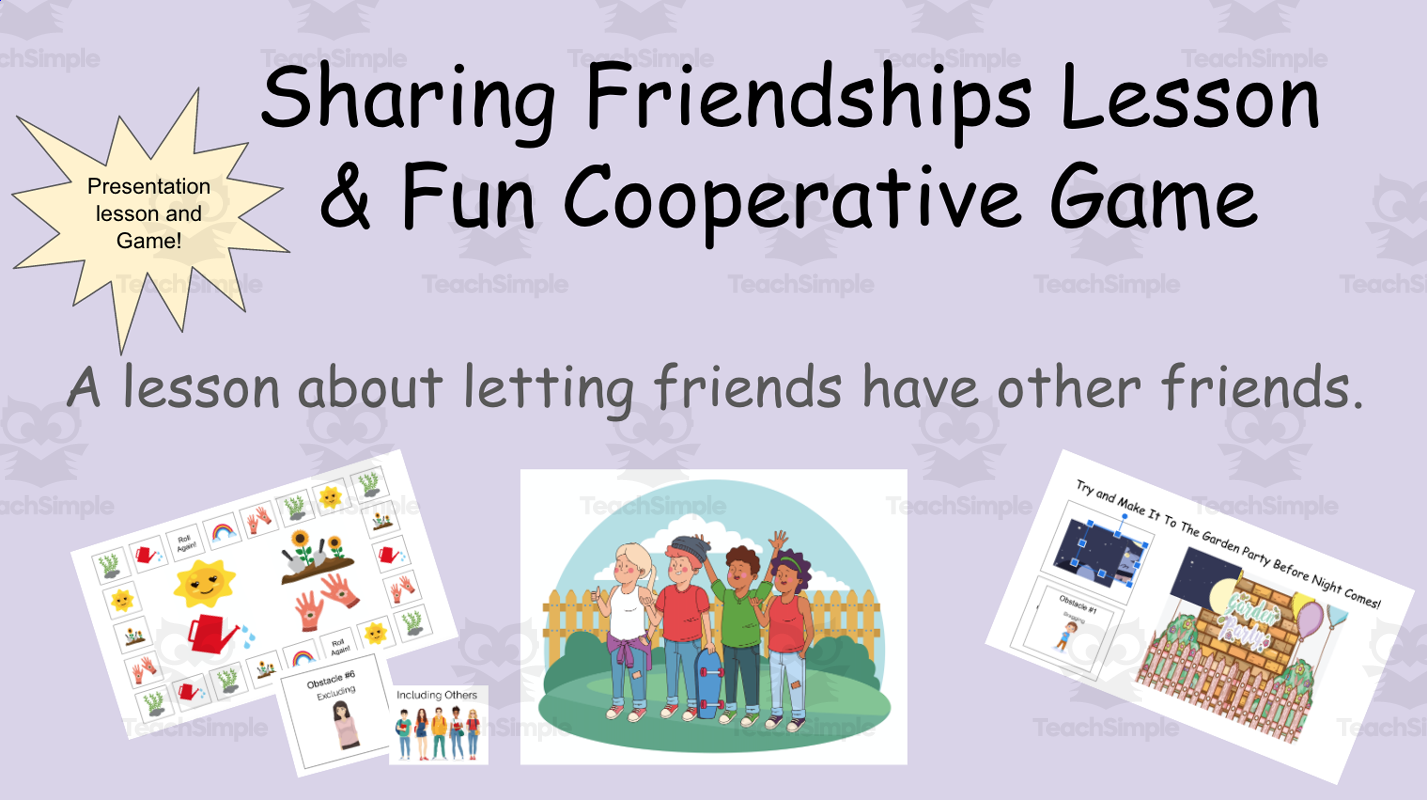
Friendship Passport Booklet
Special Resources, Social Emotional Learning (SEL), Social Skills, Special Education Needs (SEN), Grade 2, 3, 4, 5, Activities
In this resource, students will create their own Friendship Passport Activity . This is a great activity as students take a journey to understanding how to make and keep friends. There are 2 full pages that you can copy as a 2-sided document. You can then either cut out each page (it will be double-sided with activities) or fold the 2-sided paper like a book. (There are directions on this resource.) There are 8 different pages for students to engage with. Here are the 8 pages of activities: Front cover with coloring picture and title. A "Fun Page" for kids to partner with someone and play tic, tac, toe, hangman, create an image from a doodle and the game of boxes. Friendship Strengths Snapshots-A page with 9 images of polaroid like pictures where members of a small group can all compliment each other on a treasured friendship quality each student possesses. Friendship Bingo Game-students will need to ask some questions about who also likes their favorite board game, candy, food, drink, animal, recess game, book, show, and color. Pick 3 or more Acts of Friendship. Students are encouraged to do an act of friendship. Some of the examples are; play with someone new at recess, write a kind note to a friend, offer to help a friend in need, partner with someone new, say kind words to a new friend, and sit by someone new at lunch. Cactus VS Flower Friendships-students will read a list of healthy versus unhealthy friendship qualities and can write in their own ideas as well. What do I do now? Fork in the road. Students will learn about how to solve friendship conflicts and small problems. They can even add their own strategies. Back page is for their name and listing their own friendship qualities on the back.
Author Jennifer Moyer Taylor
Tags Sel, Social Emotional Learning, Social Skills, Small Group, School Counseling, Special Education, Booklet, Fun, Friendship
Types of Paragraphs - Make a Magazine Project: How to Write Paragraphs
ELA, Writing, Creative Writing, Strategies, Grade 2, 3, 4, 5, Activities, Projects
Types of Paragraphs: Make a Magazine Project: Narrative, Descriptive, Persuasive, Compare & Contrast, Cause & Effect, How-To Paragraphs. This fun and engaging mini-unit helps teach paragraph writing while keeping students interested because they are creating their very own magazine! How to Use: Print a hamburger paragraph handout for each student. Review the parts of an effective paragraph: topic sentence, juicy details, and concluding sentence. Then teach your students about the six types of paragraphs they are going to learn how to write: narrative, descriptive, persuasive, compare and contrast, cause and effect, and how-to. Each kind of paragraph will be a different part of the magazine. A persuasive paragraph becomes a letter to the editor. A narrative paragraph will be a personal story. A descriptive paragraph will be a travel article. A compare and contrast paragraph will be a product review. A cause and effect paragraph will be a current events article, and a how-to paragraph will be a home maintenance piece. Use one period of class time to draft each paragraph. Students get a handout with some sample ideas and then come up with their own. They draft a 5-sentence paragraph that will become their "article." After each draft, show students the editing handout, and encourage them to edit their own work or trade with a friend. You can also have students hand in their drafts each day for you to edit as well. Once students have their six edited drafts, they can either type them OR write good copies on the included templates. Put them all together, make a title page, and each student now has their own magazine! Extensions: Early finishers can make a crossword puzzle using an online website, or create their own advertisement for their magazine! Grades to Use With: This project is designed for students who are learning how to write effective paragraphs in grades 2-5. What's Included: A total of 16 pages in ready-to-print PDF format Title Page Hamburger Paragraph Handout 6 Draft Pages Proofreading Checklist 7 Pages of Templates for Good Copies
Author Grace Under Pressure
Rating
Tags Paragraph Writing, Magazine Project, Narrative, Descriptive, Persuasive, Hamburger Paragraph, Paragraph, Types Of Paragraphs, Writing Project, Topic Sentence
Free Reading Passage: Fast Changes to the Earth's Surface Google Docs
ELA, Reading, Reading Comprehension, Science, Earth and Environmental Sciences, Earth Sciences, Common Core, ESL, Language Development, Spelling, Grade 2, 3, 4, Centers, Activities, Assessments, Teacher Tools, Tests, Quizzes and Tests, Worksheets, Worksheets & Printables
Free Reading Passage on Fast Changes to the Earth's Surface for Earth Science What's inside this free product? Science Reading Comprehension Passage36 : Fast Changes to the Earth's Surface Independent Google Docs Version: This is the independent Google Docs version containingone lesson with full answer keys. Product Info: 6 PAGES (US English with Answers) Google Docs Version Teaching Duration: 90 Minutes Science Reading Comprehension Outline: Targeted for students in 3rd and 4th grades, these reading passages are enhanced with illustrations and graphs to elucidate critical points. Each lesson aligns with the Common Core State Standards, allowing you to integrate science reading practice effortlessly, knowing that minimal preparation is needed on your part. Each passage comes with a variety of questions in different formats, including multiple-choice formats, data analysis, and fill-in-the-blanks. The topics covered strike a balance between engaging content and core curriculum-based science subjects. Versatile in application, these lessons are suitable for a variety of settings such as whole-class instruction, morning activities, independent desk work, small group discussions, contingency plans for substitute teachers, homework assignments, or even special holiday-themed tasks. FULL CATALOG OF DOWNLOAD LINKS HERE Grade 3/4 Links: Physical Science Part 1 - Properties of Objects and Materials Google Docs/Slides/Forms PDF PPT Word Free Supplementary Pack Accompanying Videos Physical Science Part 2 - Position and Motion of Objects Google Docs/Slides/Forms PDF PPT Word Free Supplementary Pack Accompanying Videos Physical Science Part 3 - Light, Heat, Electricity, Magnetism Google Docs/Slides/Forms PDF PPT Word Free Supplementary Pack Accompanying Videos Life Science Part 1 - Characteristics of Organisms Google Docs/Slides/Forms PDF PPT Word Free Supplementary Pack Accompanying Videos Life Science Part 2 - Life Cycles of Organisms Google Docs/Slides/Forms PDF PPT Word Free Supplementary Pack Accompanying Videos Life Science Part 3 - Organisms and Environments Google Docs/Slides/Forms PDF PPT Word Free Supplementary Pack Accompanying Videos Earth Science Part 1 - Properties of Earth Materials Google Docs/Slides/Forms PDF PPT Word Free Supplementary Pack Accompanying Videos Earth Science Part 2 - Changes in the Earth and Sky Google Docs/Slides/Forms PDF PPT Word Free Supplementary Pack Accompanying Videos Earth Science Part 3 - Objects in the Sky Google Docs/Slides/Forms PDF PPT Word Free Supplementary Pack Accompanying Videos For similar products and other frees, do check out Cored Group on TeachSimple .
Author Cored Education
Tags Science, Elementary, Reading, Comprehension, Vocabulary, Answers, Physics, Physical Science, Ccss, Common Core
Alphabet Mini Grid Art Prompts | Build Confidence & Drawing Accuracy
ELA, Creative Arts, Art, Language Development, Pre-Reading, Fine Arts, Preschool, Grade 1, 2, 3, 4, Drawing Templates & Outlines, Worksheets & Printables, Activities
Alphabet Mini Grid Art Prompts | Build Confidence & Drawing Accuracy The Alphabet Mini Grid Drawing Prompts is an engaging and educational resource designed for students in kindergarten through 4th grade. This tool, which focuses on Language Arts, Art and Music, enhances skills while making learning fun. For more creative ideas, visit Doodle Thinks website. Incorporating this Resource into Everyday Teaching: Integrating this tool into your standard teaching routine encourages students to broaden their creative minds through art whilst solidifying their knowledge of the alphabet. These simple grid drawing exercises transform complex images into manageable pieces - thereby fostering detail orientation and precision. Included in this download: 52 mini grid drawing prompts An uppercase set A lowercase set This provides plenty of opportunities for students to explore different aspects of art - not just in classrooms but as homework or holiday assignments too. Pedagogical Applications: This resource can be effectively used during whole group instruction. Individual activities or when working in small groups. Your learners will find the prompts easy to understand and they help facilitate interactive peer-learning when utilized within team settings. Plus, you may even use them as a calming brain break activity, homeschool drawing time, sub days, or they could serve as engaging tasks for early finishers! Versatility & Effectiveness: This educational resource creates an engaging blend that aims at nurturing creativity, focus, and confidence in art while ensuring that all learners enjoy each accompanied session with mini grid drawings. The Alphabet Mini Grid Drawing Prompts is an excellent tool suitable for both traditional schooling scenarios and homeschool environments where unique expressive styles are honed. Have fun learning and drawing!
Author Doodle Thinks
Rating
Tags Grid Drawing, Alphabet, Art Education, Fine Motor Skills, Creativity, Drawing, Build Confidence, Learn The Alphabet, Drawing Accuracy, Art Printables
Reading Comprehension Quizzes - Coelacanth Ancient or Not?
Reading Comprehension, Reading, ELA, Life Sciences, Science, Vocabulary, Language Development, Writing, Theories, Basic Science, Grade 3, 4, 5, 6, Projects, Activities, Centers, Literacy Readers, Teacher Tools
Coelacanth is one of the most popular pieces of evidence that evolutionary scientists use to prove their theory about the age of the earth. But Coelacanth was discovered living in the early 20th century. Not only was this “extinct” fish discovered alive and well, but it was also apparently the same with no major changes compared to the original fossil discovered and dated 65 million years. So, if macroevolution is true, should the coelacanth still be used as evidence of evolution or old age. If so, why are there no apparent changes in this specific animal? These are questions to be pondered by students who read the short article and answer the questions included in the activity. This reading comprehension activity includes the link to the article discussing the discovery and what this might mean to the overall picture painted for the public regarding the evidence. This activity can be used for guided reading as well as increasing vocabulary and practice critically evaluating both sides of a controversial topic: Creation vs Evolution. The answer key is included. Teachers can easily use this as a starting point for deeper research on the subject. Total usable pages: 3 Downloadable pdf file Link to article included #Guided Reading #Reading Comprehension #Vocabulary Test
Author Homeschooling Dietitian Mom
Tags Reading Comprehension, Reading Comprehension Quizzes, Vocabulary, Vocabulary Quizzes, Guided Reading Activity, Guided Reading Lesson Plan, Biology Projects, Science Projects By Grade
Short a Vowel Families Making Words Game
ELA, Language Development, Pre-Reading, Phonics, Reading, Literature, Poetry, Preschool, Grade 1, 2, 3, Activities, Games
Short a Vowel Families Making Words Game This interactive PowerPoint game makes learning to read fun! Students build words using short a vowel families like -at, -ad, -am, -ap, -an, -ag, and -ack. Emerging readers learn to recognize word patterns and transform letter sounds into short, simple words. With engaging interactivity and opportunities for whole-class, small group, or individual practice, this game strengthens essential literacy skills. As a critical foundation for reading fluency, short vowel sounds help young students master phonics and word building. This game provides practice isolating, pronouncing, and blending sounds, a key step in developing phonological awareness. Rhyming words, word manipulation, and repeated exposure to common short vowel spelling patterns also reinforce reading skills. Educators can use this versatile resource to supplement literacy instruction for diverse learners.
Author Primary 206 Mix
Tags Powerpoint, Vowel Families, Short A, Game, Making Words, Rhyming Words
PE Super Levels - Tumbling Challenges
P.E. & Health, Physical Education, Preschool, Grade 1, 2, 3, 4, 5, 6, Activities
PE Super Levels - Tumbling Challenges is a physical education resource for kindergarten through 6th grade. Students complete fun, grade-appropriate exercise movements that can be used during indoor recess, as brain breaks, or to warm up before a lesson. Two sets of illustrated tumbling challenge cards target increasing levels of difficulty. Kindergartners start with basic movements like log rolls and inchworms while older students advance to handstands and cartwheels. Assessment badges allow teachers to track each student's progress through the levels. This versatile resource works for whole-class, small group, or independent practice. Print the PDF handouts or insert the JPG files into presentation slides. PE Super Levels transforms indoor activity time into engaging movement challenges that build strength, flexibility, balance and coordination.
Author Cap'n Pete's Power PE
Tags PE Super Levels, Tumbling, Challenges, Physical Education, Fitness
Storytime Discoveries: Physical Science: Read-Aloud Stories and Demonstrations About Physical Science
Science, Physics, Grade 1, 2, 3, Read Alouds, Activities
Storytime Discoveries: Physical Science Storytime Discoveries: Physical Science is an engaging teaching resource that combines storytelling with hands-on demonstrations for first through third grade students. Its focus is on making physical science understandable and captivating for young learners. The magic happens where scientific experiments merge seamlessly with story time, resulting in a fun and interactive learning experience. Children are naturally engrossed when stories like 'The Famous Feud of Mason Jar Gulch' or 'How the Cat Got Its Purr' are unfolded along with simple yet stimulating physical science experiments . Making complex scientific concepts tangible Translating seemingly complex scientific concepts into tangible, relatable contexts significantly enhances comprehension and retention in children. Hence, by connecting the world of literature to real-world applications of physics, this product fosters deeper learning and understanding among students. Versatile Teaching Scenarios This resource could be utilized during whole-group instruction to create discussion and interaction A unique small-group activity fostering teamwork while exploring science concepts Serve as interesting homework assignments that continue cultivating interest in science at home Ease Of Use & Comparability Across Learner Levels A comprehensive lesson plan based on physical sciences, it proves advantageous across various levels of learners from different backgrounds. The ease-of-use factor is another highlight - as each instructional component comes packaged neatly into a single PDF file, teachers can conveniently use this readiness material without any extensive preparation effort needed on their part. In summary, Storytime Discoveries: Physical Science stands out as an innovative cross-disciplinary teaching tool ingeniously merging story comprehension with experimental evidence-based learning—an invaluable asset for educators seeking novel strategies to engage their students while effectively imparting essential scientific knowledge.
Author Classroom Complete Press
Tags PDF
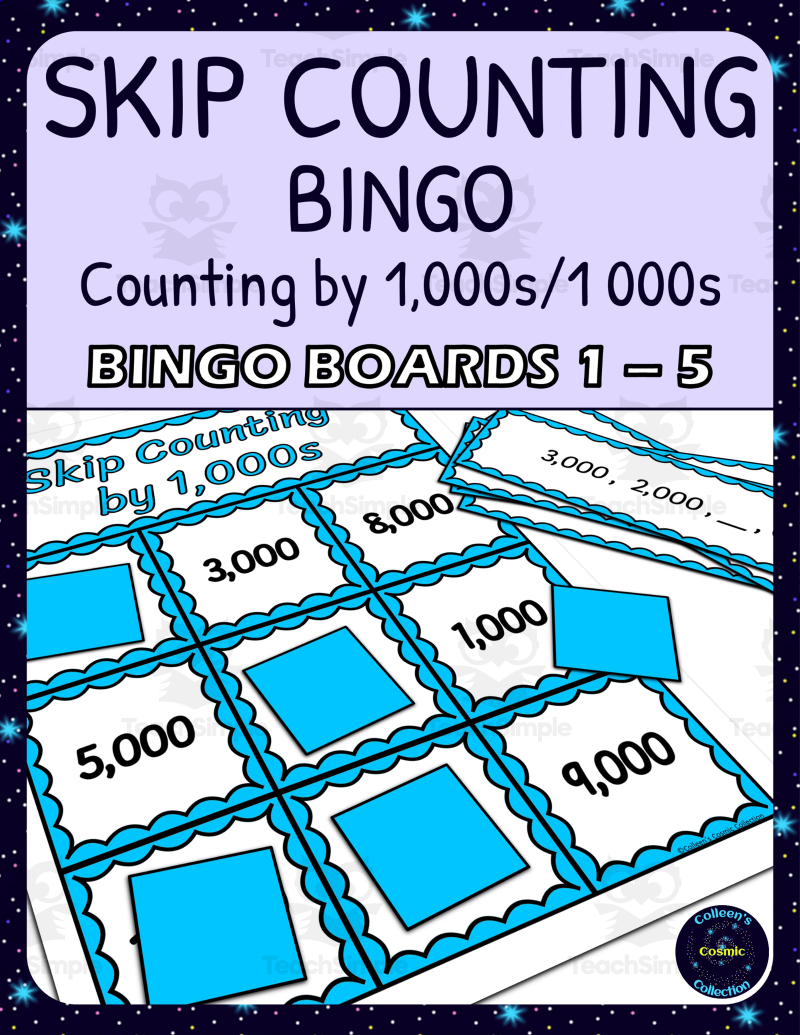
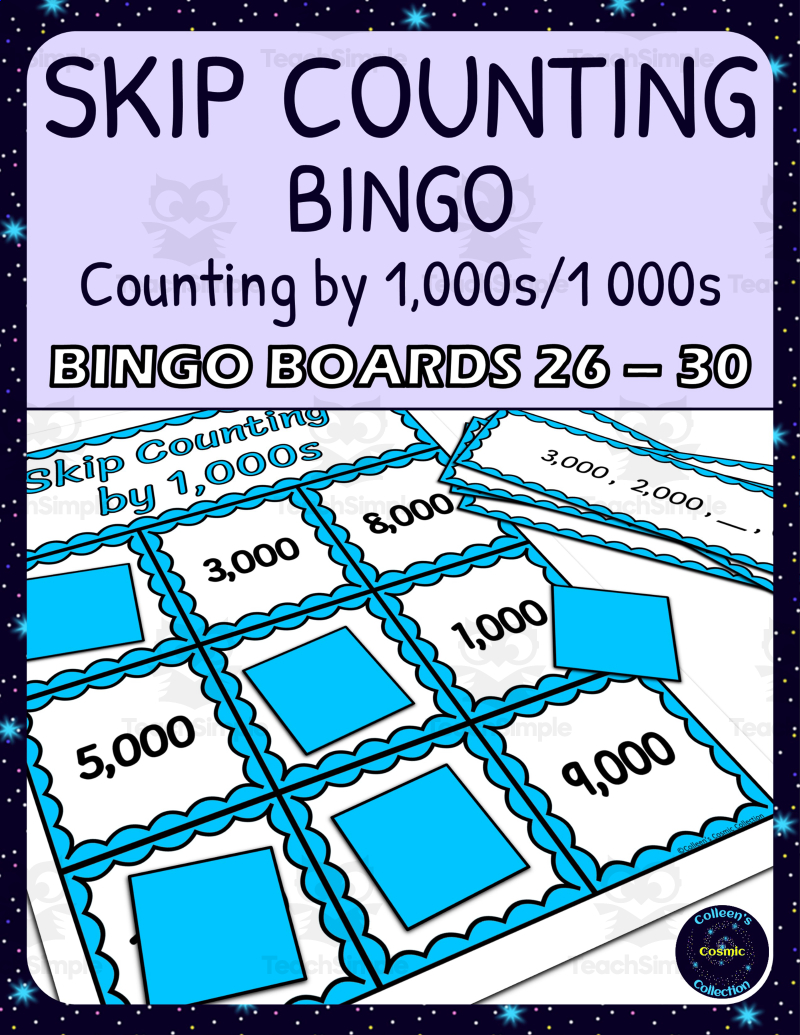
Common Fractions 1/2s - 1/12s Activity - Bingo Game - Fraction Circles - Boards 11-15
Math, Fractions, Grade 2, 3, 4, Activities, Games
Common Fractions Bingo for 1/2s to 1/12s Students will love practicing common fraction identification with this engaging bingo game! The set includes calling cards with circles, squares, strips and symbols representing fractions from halves to twelfths. Also included are 5 different bingo boards in color and black and white. To play, students cover squares on their board when their fraction matches the calling card. The first to get 3 in a row wins! Boards can be used with dry erase markers and wiped clean after each game. An inexpensive way to reinforce fraction skills that can be differentiated by varying the complexity of fractions called. Use for individual, small group or whole class practice identifying common fractions. Extend learning by creating additional boards or calling cards.
Author Colleen's Cosmic Collection
Tags Fractions, Common Fractions, Fraction Games, Fraction Activities, Fractions Bingo, Math Game, Math Activity, Common Fractions Game, Common Fractions Activity, Cccfbtc
8 Calm Down Cards For Calm Down & Take A Break Corners
Special Resources, Social Emotional Learning (SEL), Kindergarten, Preschool, Grade 1, 2, 3, Activities
8 Calm Down Cards for Calm Down & Take A Break Corners present a collection of vivid strategies to aid students in managing their emotions. With colorful designs such as the infinity rainbow loop and spiral sun, these cards encourage children to participate in calming activities whilst allowing an outlet for emotional release. Made user-friendly with detachable laminated cards, teachers can offer students a range of options suitable for their individual needs. This flexibility enables students to make independent decisions that aid improved emotional self-management. The cards are perfect additions to classroom 'safe spaces', such as a calm-down corner or take-a-break area where pupils can retreat when feeling overwhelmed. Regular use of these areas fosters better self-regulation skills by encouraging learners to take breaks when needed—teaching essential life skills! The 8 Calming Methods Tracings on various objects (infinity rainbow loop, spiral snail, and spiral sun) Finger breathing technique—where each exhale corresponds with one's fingers' flexion Box breathing and triangle mountain breathing—techniques that help engage imagination alongside breath control Tracing starfish while correlating breaths This tool is not merely beneficial at school but fits perfectly within household settings too: parents may equally find this handy when diffusing heated emotions thus maintaining harmony between school-home methodologies. Since strong feelings naturally surface in lively environments like families—the 8 Calm Down Cards serve as an advantageous tool by educating youngsters about dealing properly with strong emotions be it during class or at family functions thereby preventing potential strife. Suitable For: Mainly designed for educators teaching Grades 1-3, including preschool and kindergarten teachers involved particularly with Special Resources focusing on Social Emotional Learning activities , this PDF-format product enhances instruction delivery and fortifies students' ability to regulate their emotions—crucial in building productive learning environments!
Author Jennifer Moyer Taylor
Tags Calm Down Strategies, Emotional Self-management, Calming Exercises, Safe Spaces, Self-regulation Skills
Creative Corners for Early Learners: Easy-to-Create Seasonal Projects for a One-of-a-Kind Learning Environment
Creative Arts, Art, Kindergarten, Preschool, Grade 1, 2, 3, Projects, Activities
Creative Corners for Early Learners: Easy-to-Create Seasonal Projects for a One-of-a-Kind Learning Environment This is an exceptional guide offering practical and unique tips to change your classroom into an engaging and vivid learning sanctuary. Available in a user-friendly PDF format, it boasts 164 print-and-use pages that have been created with early learners from preschool through grade three specifically in mind - particularly focusing on Art & Music subjects. Adding these artistic spaces to your educational environment not only enhances its visual allure but stimulates a rewarding atmosphere propelling students' creativity, involvement, and sense of belonging. More so, it's an exciting venture as each student get to contribute towards these enjoyable class projects thus promoting teamwork and shared respect. Classroom Transformation Refined Around Seasons The exhaustive teaching aid groups the themes seasonally imparting 24 assorted themes such as "Nuts About Books" for autumn or "Snowbuddies" and "Rain & Rainbows" , which align with weather conditions or seasonal happenings. Employing such captivating themes can pique the interest of young learners whilst expanding their cognitive skills. The uncomplicated decoration tips encompass mini- bulletin boards , Mobiles, Signs among many more elements that make small spaces dynamic! All pages contain clear instructions on how to bring about these captivating decorative tasks making it novice-friendly even for those not naturally artistic. The blend of creativity, simplicity and fun mean such tasks can be implemented in group settings or during small activity sessions – making them valuable during art/Math/Music lessons! In Conclusion… Embrace Creative Corners today as this resource doubles as efficient lesson planning assistance. It offers educators valuable content that's ready when they are! Witness hands-on learning integrate seamlessly with effective pedagogy to deliver an enhanced academic experience!
Author Classroom Complete Press
Tags Coloring Page, Art Lesson, Creative Corners, Seasonal Projects, Art Projects
Ballet Reading Comprehension Passage - Cored Ed Encyclopedia
ELA, Language Development, Reading Comprehension, Reading, Social Studies, Writing, Vocabulary, History, Dance, Creative Arts, Grade 2, 3, 4, 5, Worksheets & Printables, Worksheets, Teacher Tools, Centers, Activities, Writing Prompts, Assessments, Quizzes and Tests, Quizzes, Lesson Plans
This ballet reading comprehension with lesson plan includes: Visualization (on the front cover) Start your lesson by taking a minute to think and share something about the topic. Read the script aloud (slowly), perhaps prepare some music or sound effects. Student close their eyes and let their imaginations wander. Students open their eyes, read the question aloud and give them a few minutes to complete. Ask a few students to share or keep answers until the end to compare with what they learn in the passage. COMPANION VIDEO NOW AVAILABLE (EMBEDDED AFTER PREVIEW PICTURES IN PRODUCT DESCRIPTION) Quick pause—thousands of Cored Education products are included with your TeachSimple membership. Download links and encyclopedia index available here. Pre-Reading Trivia Students will write down one thing they already know about the subject and then read five more facts and discuss. These facts are fun, and the students will enjoy learning about the subject before reading more. Give 1 minute for students to write what they already know (no pressure—best guess is fine). Read the five facts together. After each fact, do ask a student for their opinion, was it surprising? Set a purpose by asking students to highlight/underline one fact they want to learn more about during the reading. Reading Passage The text is a high-interest reading passage with set paragraphs, roughly three to four paragraphs long. It contains a variety of themes about the topic, anywhere from history to technology. The passage is between 250 and 350 words in length. First, ask students to look at the headings and see what they’ll learn about today. What do they know about the topic/heading? First read options: Teacher read-aloud (best for support). Partner reading (paragraph by paragraph). While reading, students underline important details, and vocabulary words they think may come up in the questions section. Mixed Questions The first question page contains four multiple-choice questions, each with a choice of four answers, and three written response questions that require a sentence or two from the student. Students complete the mcqs first independently, then review quickly as a class. For the 3 written responses, try to get students giving the answer with some form of evidence: “I think ___ because the text says ___.” If students get stuck, send them back to check the passage. Vocabulary Questions Practice seven key words from the text in this section across two activities. First section is scrambled words where students will unscramble three words given a clue for each. The second section is a word to meaning matching activity. Before starting, have some students read out words they underlined in the passage. Ask students to say the word and read aloud the sentence(s) around each word. Ask students to do scrambled words and the matching exercise in pairs then go through answers as a class. For the scrambled spelling task, get four pairs to come up to the board and write the words for extra practice with the other student reading out the clue. For the matching task, prompt students to give full sentences: “I matched ___ with ___ because ___.” Creative Writing In this question, the student will be required to write a five to eight sentence paragraph on a question related to the topic. Before starting, ask students write down 3 key ideas they are going to include in their piece. Ask students for ideas to share around the class to help those struggling. Pro writing expectations: 5–8 sentences At least 2 facts or details from the passage At least 2 vocabulary words from the previous page Students read their paragraphs while classmates listen for facts and vocabulary words. Extension Activities This page is optional for fast finishers or to take home. There are several activities, each one requiring a different skill. Do some, do none, do all, completely optional - but you will feel reassured knowing every possibility is planned for. Includes summary writting question and additional facts. Answer Key There are answers for the multiple-choice questions, written response questions have sample answers, vocabulary answers and if there is a summary question then a sample summary will be provided as well. Lesson Plan Included Customized lesson plan for this lesson is included. Lesson Snapshot Title: Ballet Genre: Nonfiction (informational passage) Subject: Arts (Dance) / Reading (Informational Text) Primary Topic: How ballet began, changed, and is practiced today Estimated Guided Reading Level (A–Z): S What This Lesson Teaches Best How ballet began in Renaissance palace courts, with dancing as part of celebrations. How ballet shifted from joining in to watching a performance “from the sides.” How ballet grew in France through royal support, including **Louis XIV starting a dance academy to set training rules and approve teachers. How stage design affected what audiences saw (the “proscenium arch” helped viewers see clearer lines and sharper footwork). How ballet tells stories without words using movement plus music, costumes, and a bit of mime, and how pointe shoes and lighter skirts changed the look. Learning Goals Describe where early ballet began and what events it was part of. Explain how ballet changed when people began watching instead of joining in. Identify what happened in 1661 and why it mattered for ballet training. Describe how the proscenium arch affected what audiences could see. Explain how ballet can show feelings and stories “without words,” using details from the text. Describe how ballet is practiced today (studios worldwide, barre work, and careful technique for growing bodies). Key Vocabulary From the Text Renaissance — a time in Europe with art, learning, and change. nobles — people from wealthy or high-ranking families. proscenium — a stage frame that shapes the audience’s view. pointe — dancing on the tips of the toes. barre — a rail dancers hold while practicing in class. FULL CATALOG OF DOWNLOAD LINKS AND ENCYCLOPEDIA INDEX HERE
Author Cored Education
Rating
Tags Vocabulary, Reading Comprehension, Reading Passages, Lesson Plans, Ela Lesson Plans, Reading Comprehension Lesson Plans, Pre-reading, History, Art, Dance Lesson Plans
Roll & Respond-End Of The Year Reflection SEL Bingo Game
Special Resources, Social Emotional Learning (SEL), Grade 2, 3, 4, 5, 6, 7, 8, Activities, Games
In this Roll & Respond, students will reflect on the year in school. Students can play with a partner and one person can roll for the across rows and the other can roll for the down columns. They will reflect on memories, friendships, growths, etc. This is a simple and fun activity . Just add dice and play!
Author Jennifer Moyer Taylor
Tags End Of The Year, Bingo Game, Reflection, SEL, School Counseling, Social Emotional Learning, Special Education, Classroom Community, Year Bingo, Reflections Bingo, Sel Games, Sel Games For High School, Last Day Of School Bingo