Limiting Reagents and Percent Yield - Senior Chemistry Lesson
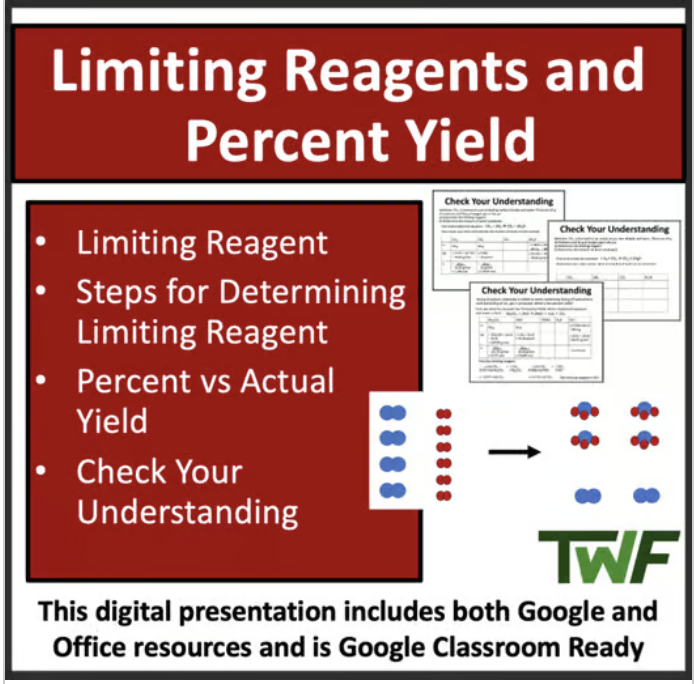
A senior chemistry lesson teaching limiting reagents, excess reagents, the steps for determining a limiting reagent, and percent vs. actual (theoretical) yield in stoichiometry.
Classroom resources
Browse by lesson focus
Choose the topic or kind of practice you need.
A senior chemistry lesson teaching limiting reagents, excess reagents, the steps for determining a limiting reagent, and percent vs. actual (theoretical) yield in stoichiometry.
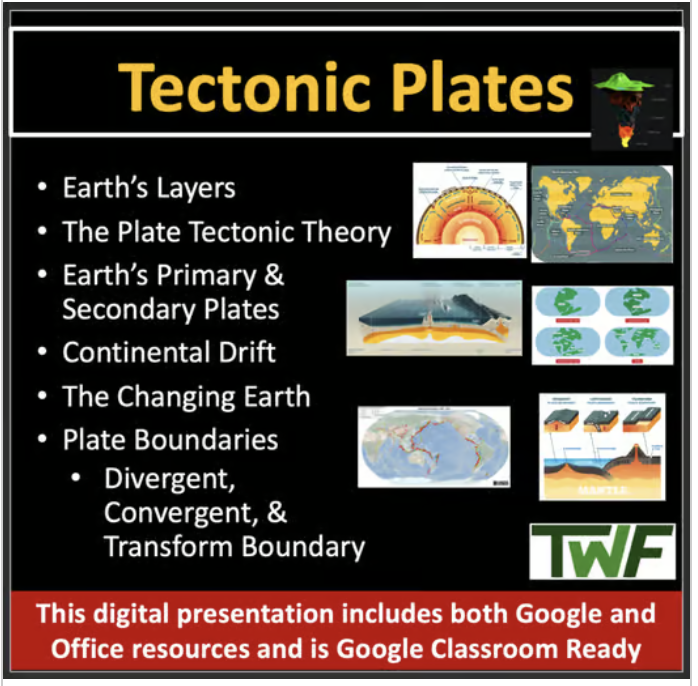
A high-school earth science lesson teaching Earth's layers, plate tectonic theory, primary/secondary tectonic plates, continental drift evidence, plate boundary types, and their resulting geologic features.
Senior high school biology lesson teaching homeostasis, negative/positive feedback control systems, and the body's regulation of physiological set points.
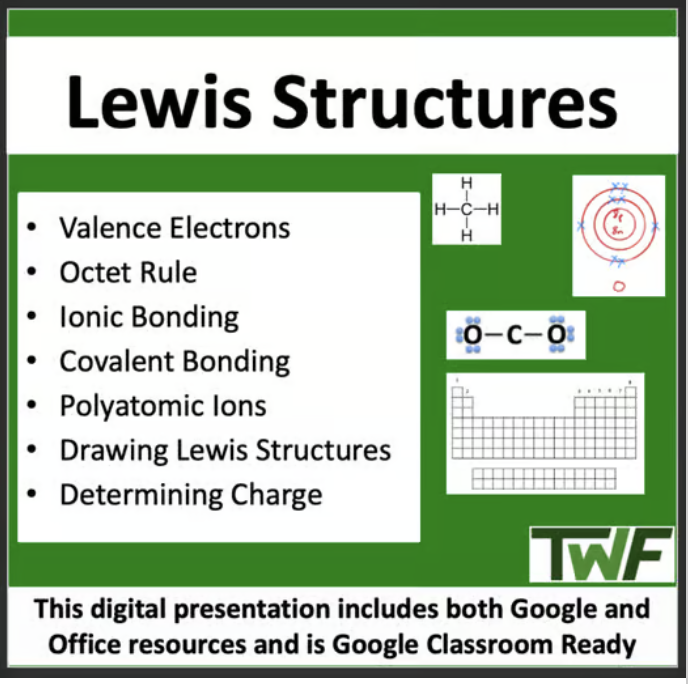
Senior chemistry lesson teaching how to draw Lewis structures: valence electrons, the octet rule, ionic and covalent bonding, polyatomic ions, and determining charge.
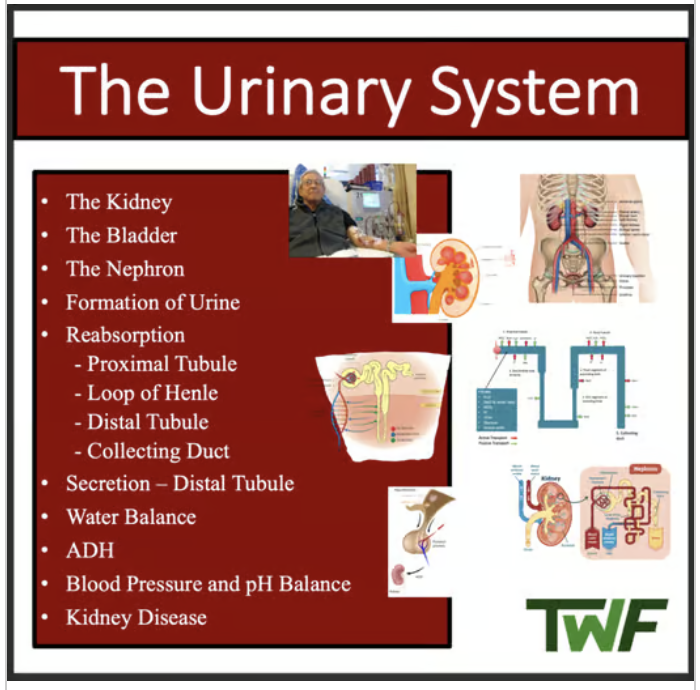
A senior high-school biology lesson on the structure and function of the urinary system (kidney, bladder, nephrons, urine formation, water/pH balance).
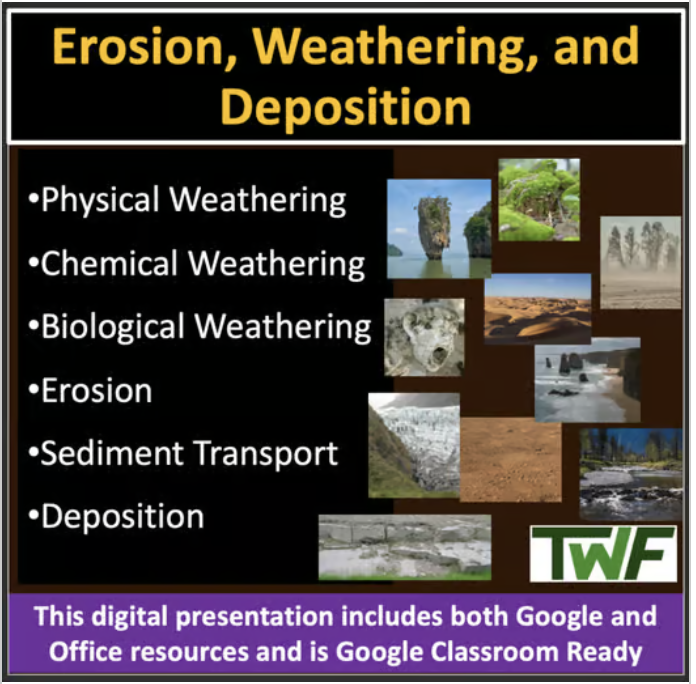
Senior high school earth science lesson covering physical and chemical weathering processes, delivered via slideshow with a matching fill-in-the-blank student note-taking outline.
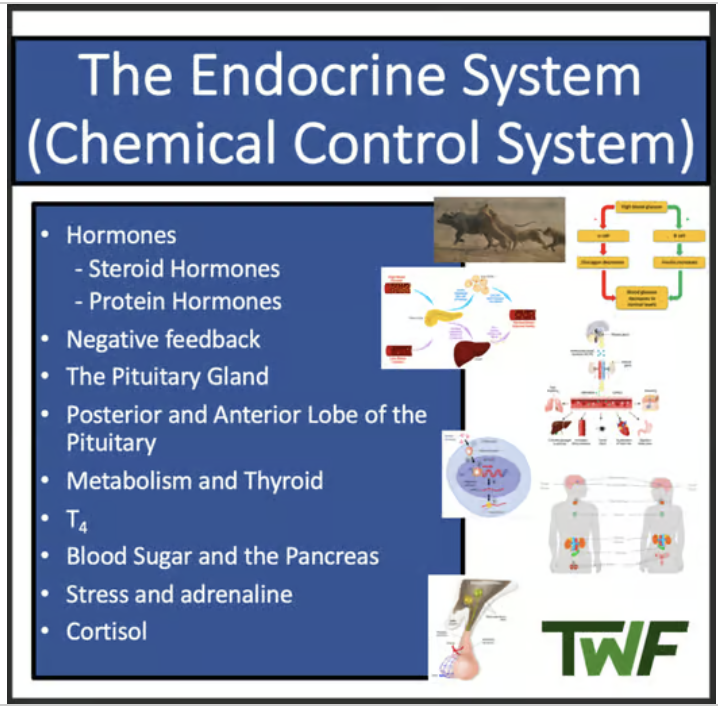
A senior high school biology lesson on the endocrine system, covering hormones, negative feedback, the pituitary gland, thyroid, pancreas/blood sugar regulation, and stress hormones.
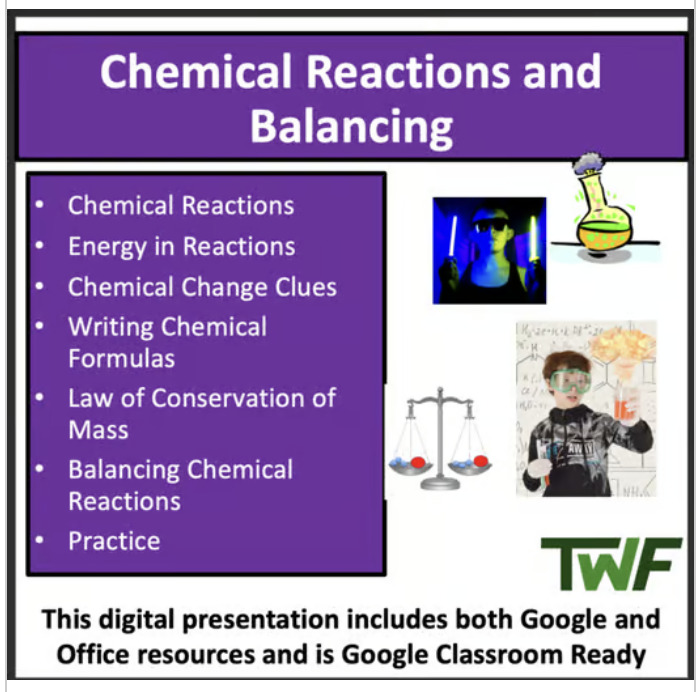
A teacher-led lesson (slide presentation plus worksheets) that teaches chemical reactions, energy in reactions, signs of chemical change, writing chemical formulas, the law of conservation of mass, and balancing chemical equations.
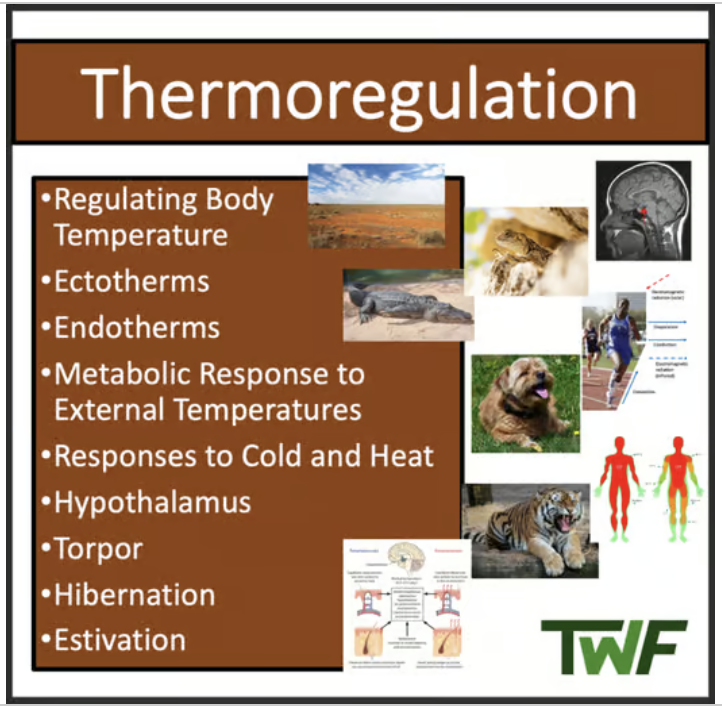
A senior high-school biology lesson package teaching how animals regulate internal body temperature (thermoregulation), covering ectotherms, endotherms, and related physiological responses.
A senior high school chemistry lesson teaching how to name ionic compounds and multivalent (transition metal) compounds, including ionic bonding, the criss-cross rule, and the classical naming system, delivered via a teacher/student slide presentation with supporting labs and handouts.
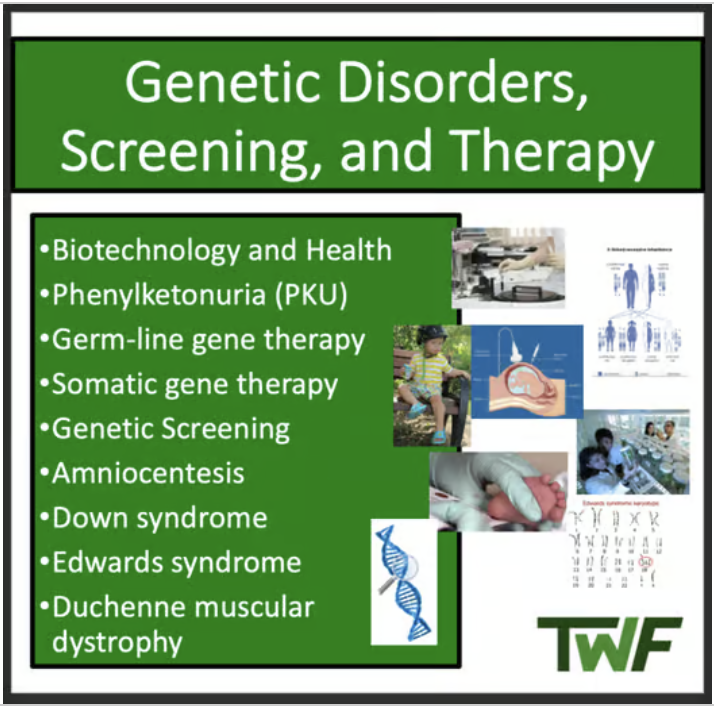
A senior high-school biology lesson presentation covering biotechnology and genetic disorders/screening/therapy topics (PKU, gene therapy, genetic screening, amniocentesis, Down syndrome, Edwards syndrome, Turner syndrome, Duchenne muscular dystrophy), provided as a complete teacher version and a blank-note-taking student version.
A senior high school biology lesson covering reproductive hormones, the male and female reproductive systems, spermatogenesis, the ovarian and menstrual cycles, hormonal negative feedback (LH, FSH, estrogen, progesterone), controlling reproduction, and puberty.
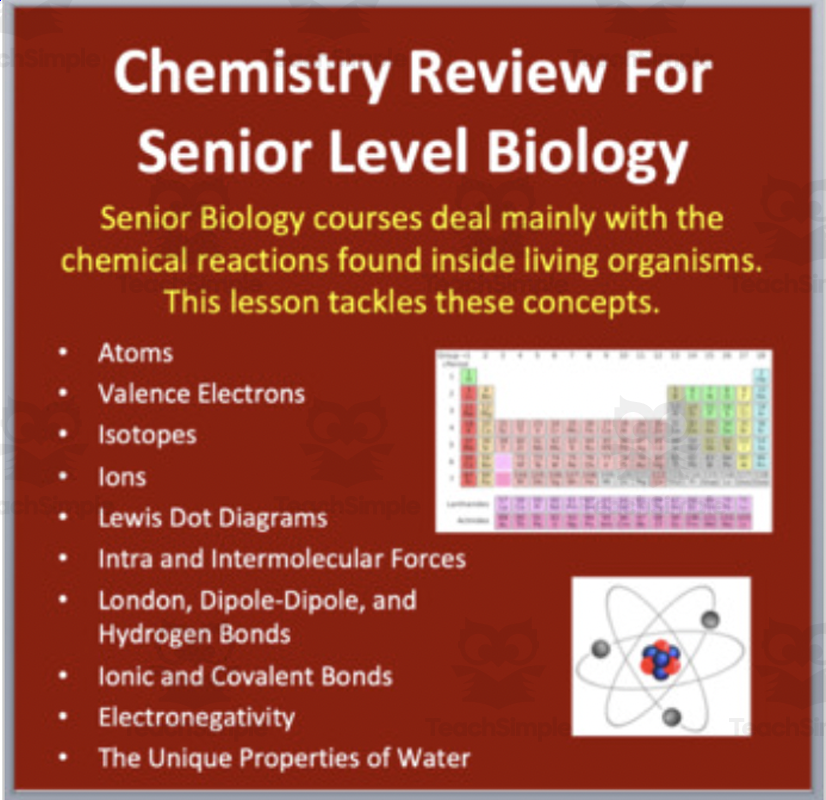
Reviews foundational chemistry concepts (atomic structure, bonding, intermolecular forces) that students need for a senior-level biology course.
A slide-based lesson for senior (grade 10-12) earth and space science students teaching why Earth has seasons, covering Kepler's elliptical orbit, Earth's tilt and revolution, equinoxes, and perihelion/aphelion.
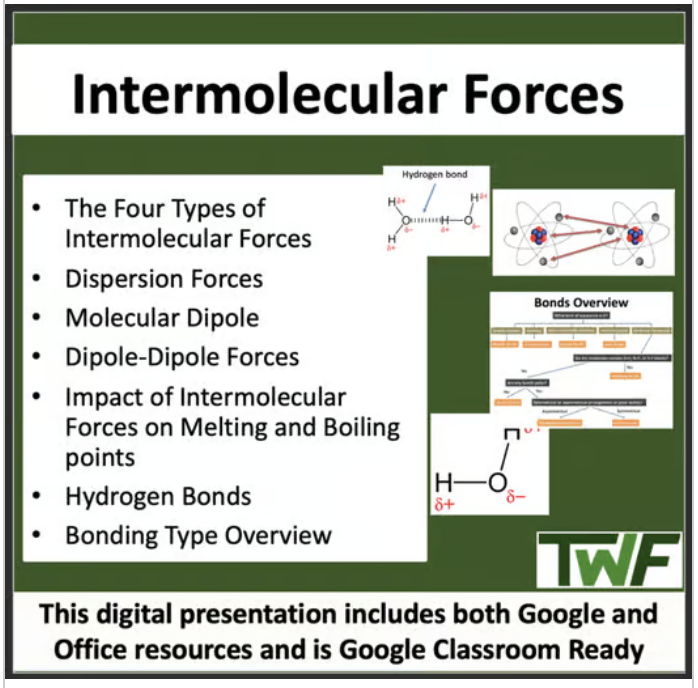
Teach the four types of intermolecular forces (dispersion, molecular dipole, dipole-dipole, hydrogen bonding) and how they affect melting and boiling points, for senior-level chemistry.
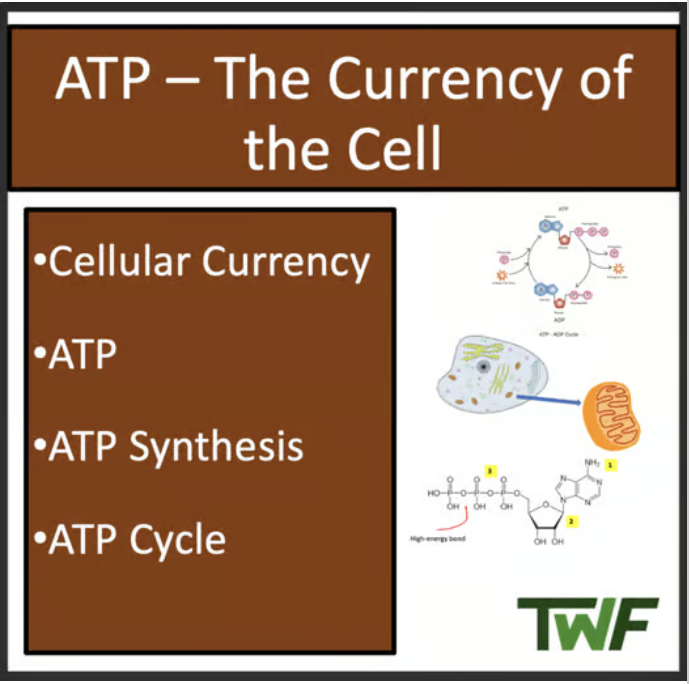
Introductory high school biology lesson on ATP (adenosine triphosphate) as the 'currency' of the cell, covering what ATP is, its three-part structure, how it is synthesized, and the ATP cycle.
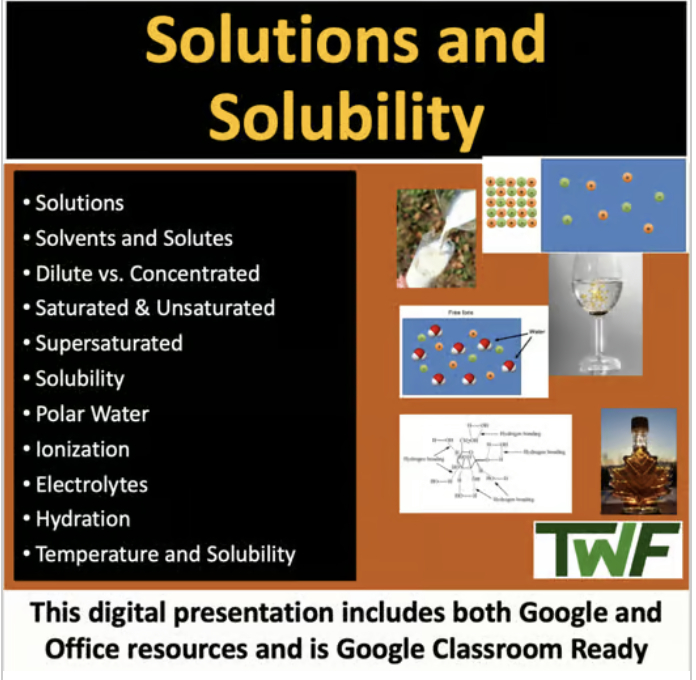
A senior/high-school chemistry lesson on solutions and solubility, covering solvents/solutes, concentration, saturation states, solubility rules and ranges, water polarity, ionization, electrolytes, hydration, and the effect of temperature on solubility, delivered as parallel teacher and student presentations.
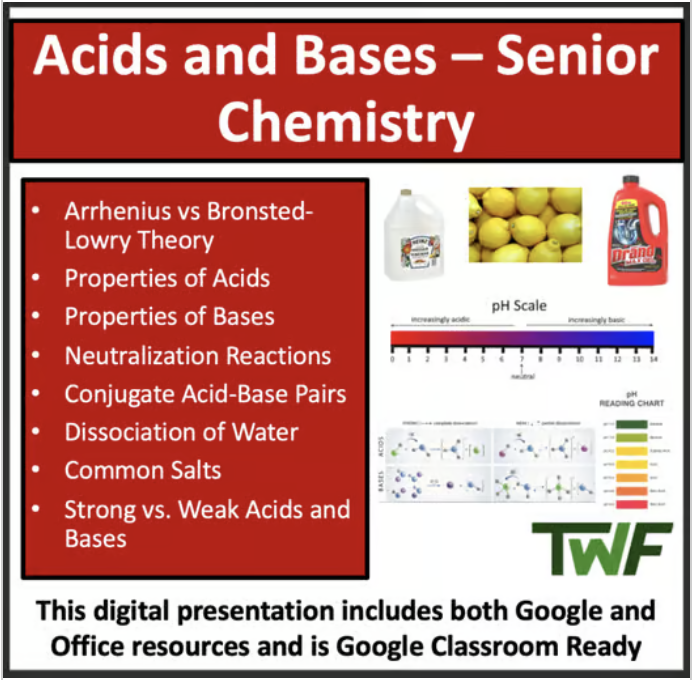
Teach senior-level chemistry students the theory and properties of acids and bases, from Arrhenius through Bronsted-Lowry models, neutralization, and related concepts.
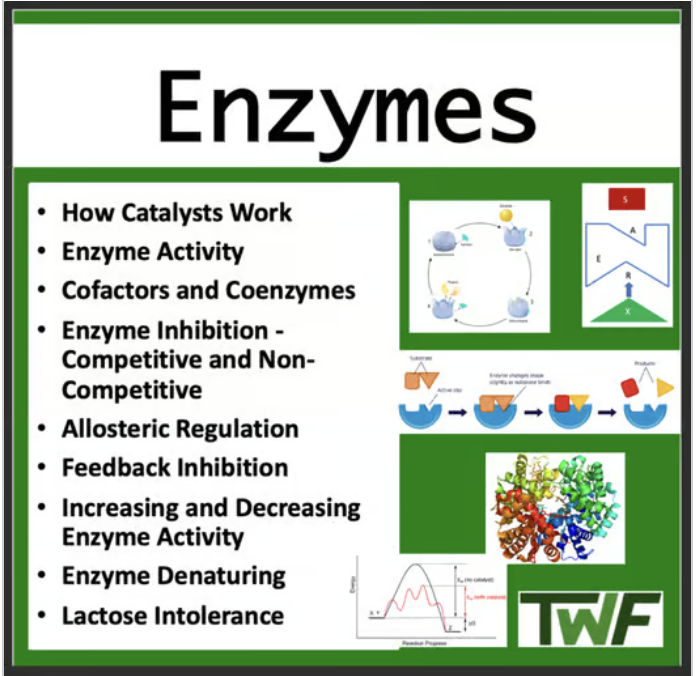
A senior high school biology lesson on enzymes covering catalysis, enzyme activity, cofactors/coenzymes, competitive and non-competitive inhibition, allosteric regulation, feedback inhibition, factors affecting enzyme activity, denaturing, and lactose intolerance, provided as teacher and student slide decks.
A senior/high-school biology lesson package on cell membrane structure and transport mechanisms, covering the membrane as a boundary, the fluid mosaic model, passive transport (diffusion, facilitated diffusion, osmosis), and active transport (phagocytosis, pinocytosis, exocytosis) and water balance.
Teach high school chemistry students about types of chemical bonds: forces of attraction, ionic vs. covalent bonds, single/double/triple covalent bonds, polar covalent bonds, and metallic bonds.
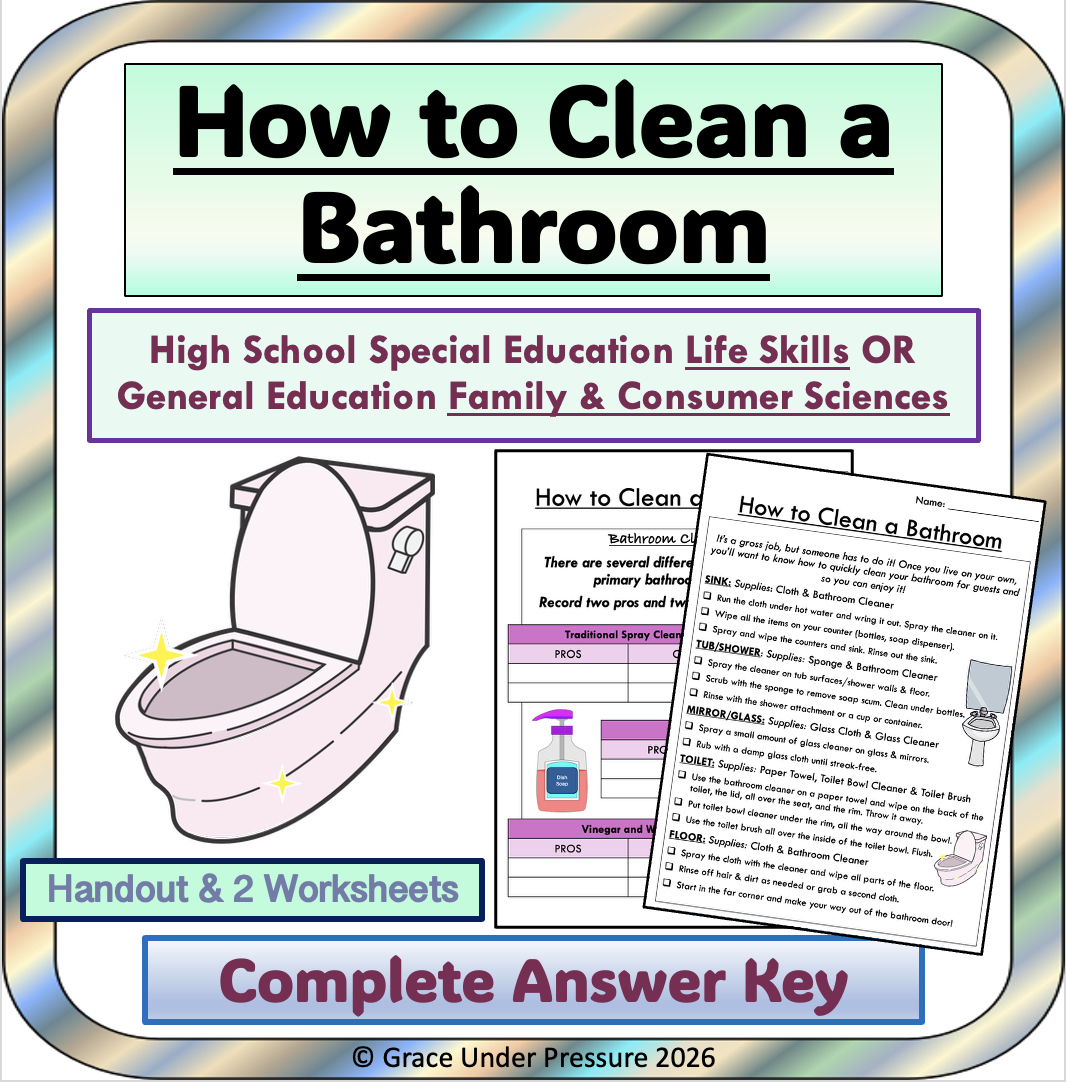
A no-prep life-skills lesson teaching high school students the steps to clean a bathroom, paired with comprehension questions and a short research task comparing cleaning solutions.
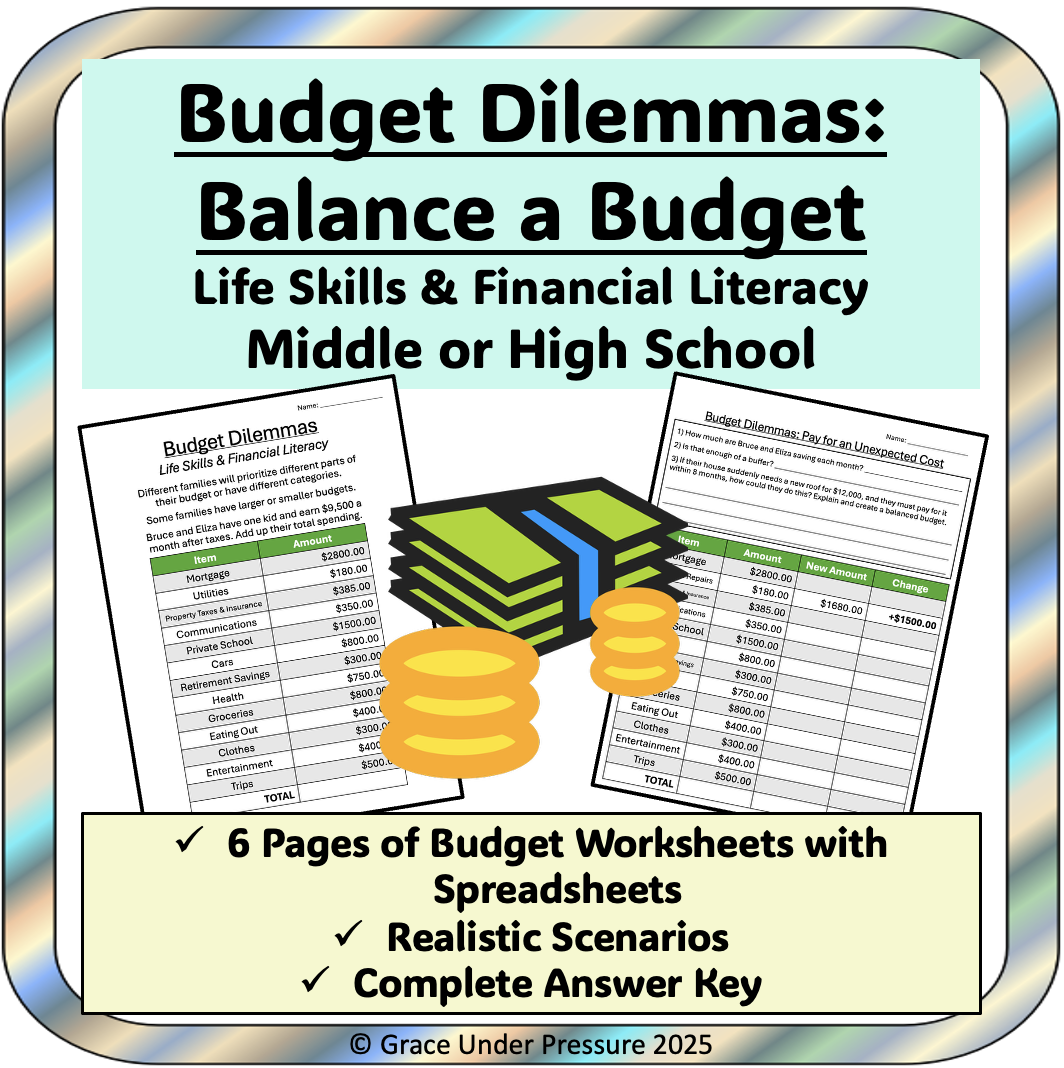
A financial-literacy lesson where students balance three realistic household budget scenarios that each involve an unexpected expense.
Practice Grade 10 reading and editing with 35 items across four sections. Students read a hotel-shift story, an essay on disagreement and two contrasting nostalgia essays, then answer reading, vocabulary and sentence-editing questions. Three PDFs provide the test, explanations and a teacher guide. This creator-made ELA resource includes no separate Geometry or Writing test. Its raw-score chart is not a validated predictor of official FAST scores.