Grade 10/11 Athletics SCHEME OF WORK
Provide a 6-week Physical Education scheme of work for teaching athletics (track and field events) to Grade 10/11 students, covering technique, assessment, and cross-curricular skills for each event.
Classroom resources
Browse by lesson focus
Choose the topic or kind of practice you need.
Provide a 6-week Physical Education scheme of work for teaching athletics (track and field events) to Grade 10/11 students, covering technique, assessment, and cross-curricular skills for each event.
Help middle/high school students understand what a political viewpoint is, identify where they and a family member fall on a spectrum of viewpoints on current issues, and reflect on the discussion in writing.
Distance Learning Daily Slides for Middle School & High School The Distance Learning Daily Slides for Middle School & High School is an essential teaching resource in this age of distance learning. Designed specifically with middle and high school educators in mind, they facilitate a smooth transition to providing effective online…
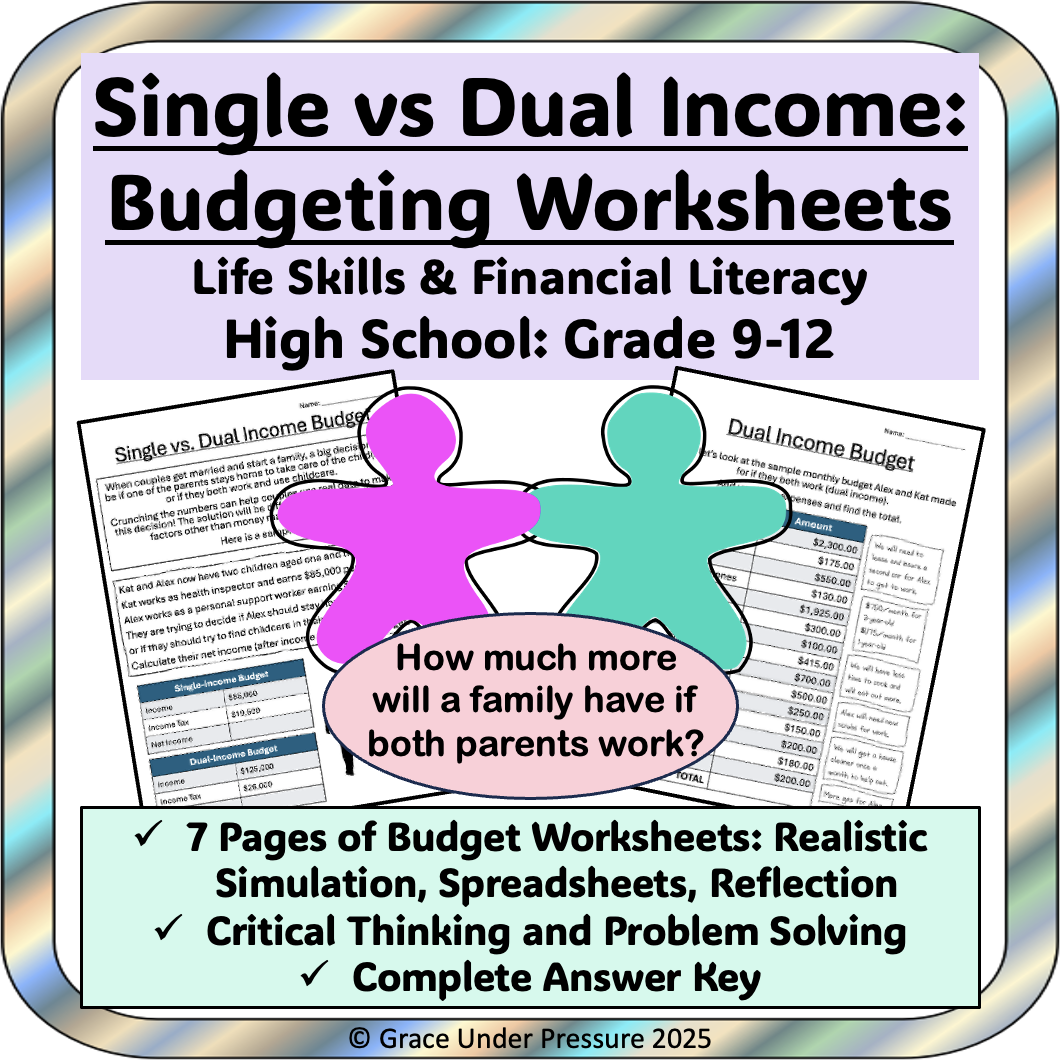
A high school financial literacy project where students compare a single-income vs. dual-income family budget to evaluate the real-world trade-offs of one parent staying home for childcare versus both parents working.
Teach senior/high-school chemistry students the gas laws (Boyle's Law, Charles' Law, Gay-Lussac's Law) and their combined application.
A senior chemistry lesson teaching the Ideal Gas Law (PV = nRT), covering gas properties, kinetic theory, deriving and applying the law, and standard conditions (STP/SATP).
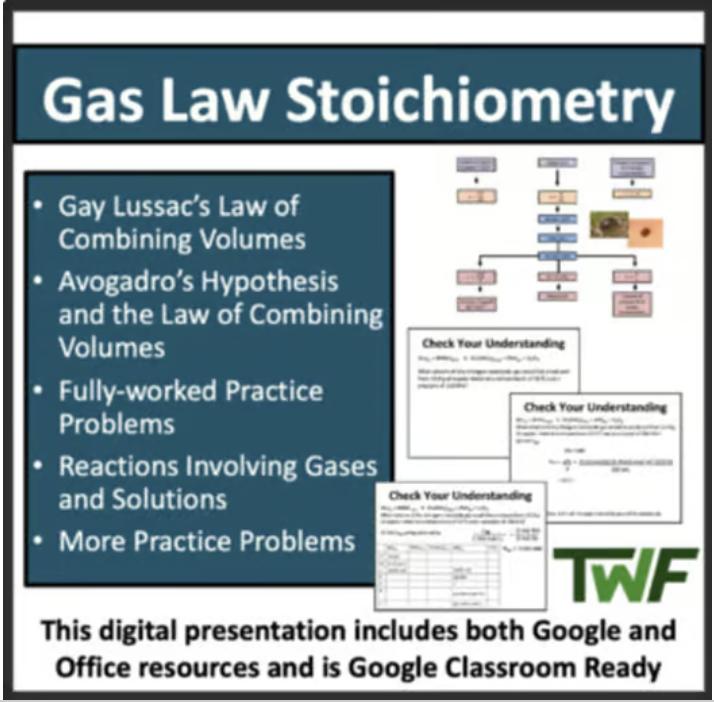
Teach senior/high-school chemistry students gas law stoichiometry: Gay-Lussac's Law of Combining Volumes, Avogadro's Hypothesis, and mole-ratio-based reactions involving gases and solutions.
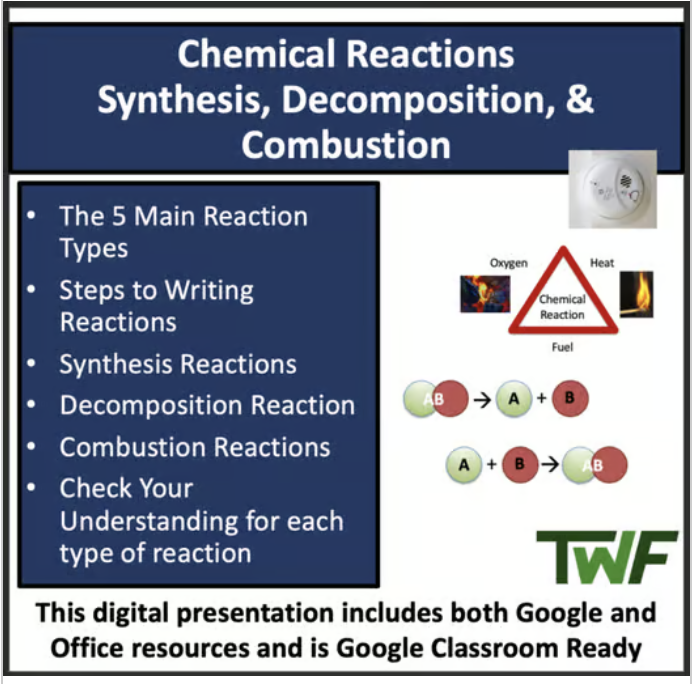
Teach synthesis, decomposition, and combustion chemical reaction types for a senior high school chemistry course, including predicting and balancing equations.
Teach high school chemistry students to calculate percentage composition from a chemical formula and to determine empirical and molecular formulas from percent composition data, building on the law of definite proportions.
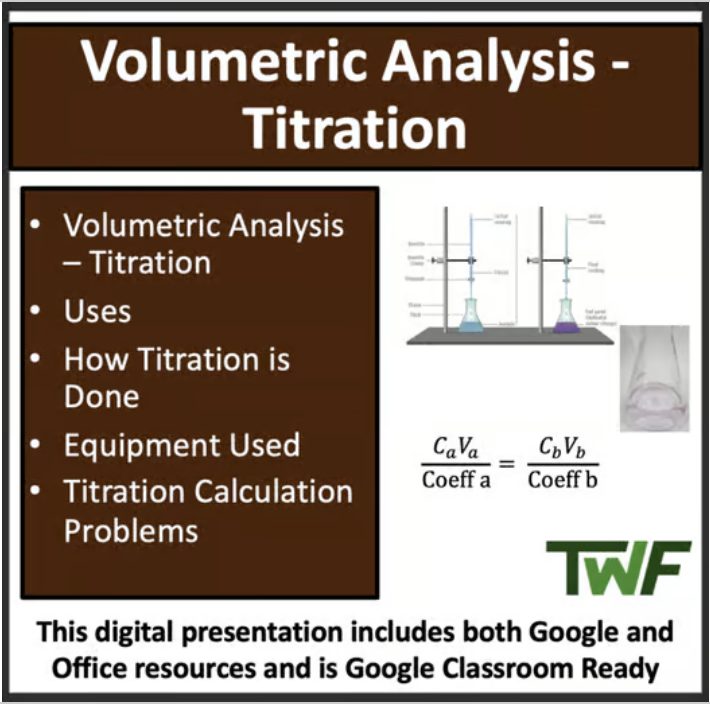
A senior chemistry lesson teaching volumetric analysis (titration): its uses, procedure, equipment, and calculation problems, delivered as a slide presentation with a companion student handout.
A guided reading lesson plan for Grade 12, built around the anchor text 1984 by George Orwell (through Chapter 5), targeting themes, Winston Smith's character development, language/propaganda, surveillance and freedom discussion.
A senior chemistry lesson teaching students to calculate solution concentration, mass/volume percentage, and molarity.
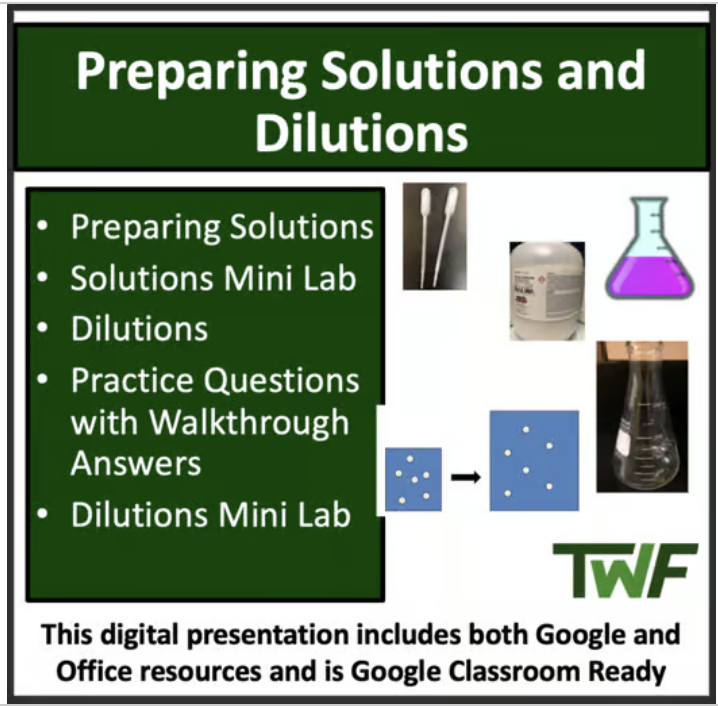
A senior (high school) chemistry lesson teaching how to prepare solutions of a given molar concentration using volumetric flasks, and how to dilute concentrated stock solutions using the M1V1=M2V2 relationship.
A guided reading lesson plan for Grade 10, built around the anchor text Of Mice and Men by John Steinbeck, targeting themes of friendship, isolation, and dreams; character analysis; vocabulary; textual-evidence discussion.
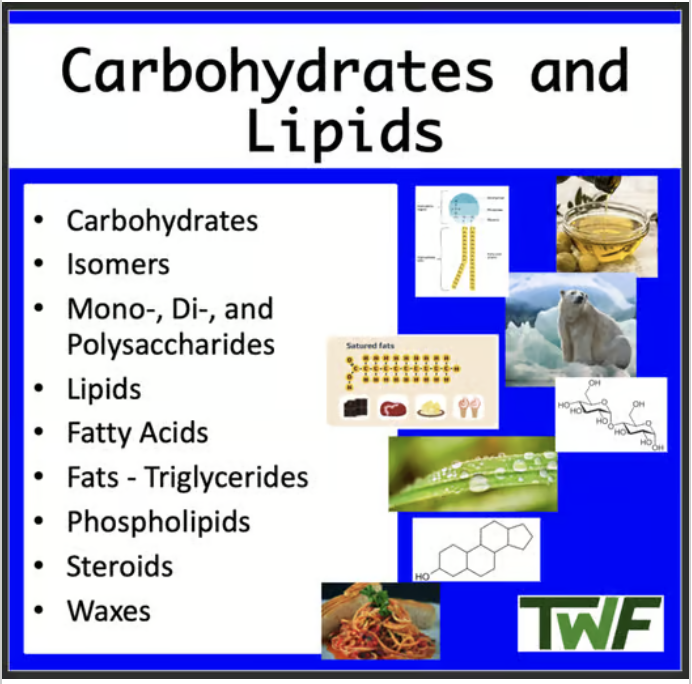
A senior high school biology lesson (slide presentation) teaching the structure, classification, and function of carbohydrates and lipids.
A guided reading lesson plan for Grade 11, built around the anchor text The Great Gatsby by F. Scott Fitzgerald, targeting themes, character development, symbolism, narrative technique, and 1920s historical/cultural context.
A high school chemistry lesson teaching students to identify and analyze hydrates/hydrated salts and calculate a hydrate's chemical formula from experimental mass data.
A high school biology lesson introducing biochemistry concepts: organic compounds, and four types of chemical reactions (dehydration, hydrolysis, neutralization, redox).
A senior high school chemistry lesson introducing the properties and behavior of gases, kinetic molecular theory, pressure units, and temperature scales.
A senior/high-school chemistry lesson covering organizing matter, atomic history and theory, the modern periodic table, atomic structure, atomic number/mass, notation, ions, and isotopes.
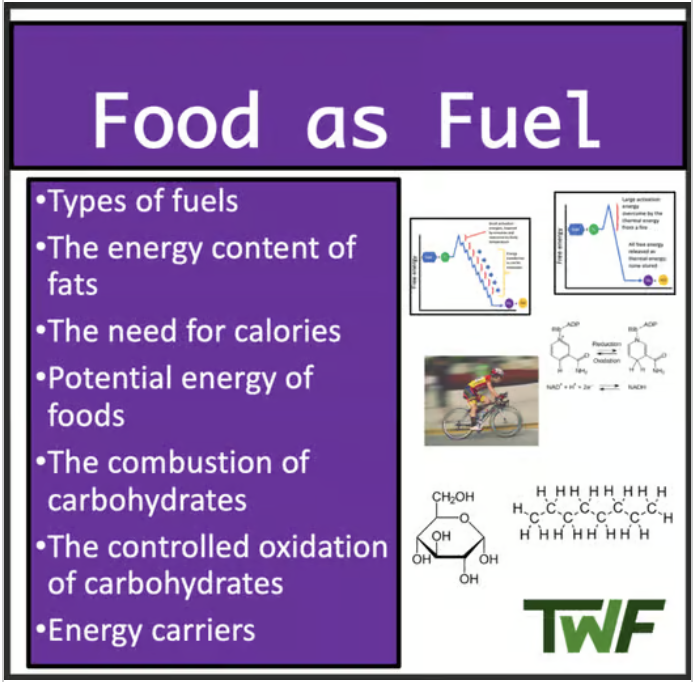
Senior high school biology lesson on food as an energy source: fuel types, caloric content of macronutrients, and the (controlled) oxidation/combustion of carbohydrates.
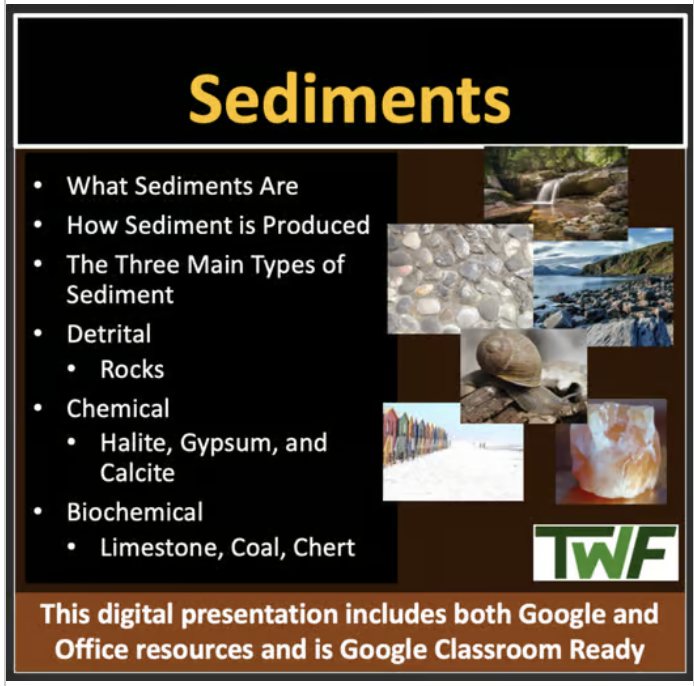
Teach a high-school-level earth science lesson on sediment: what it is, how it forms, and its three main types (detrital, chemical, biochemical).
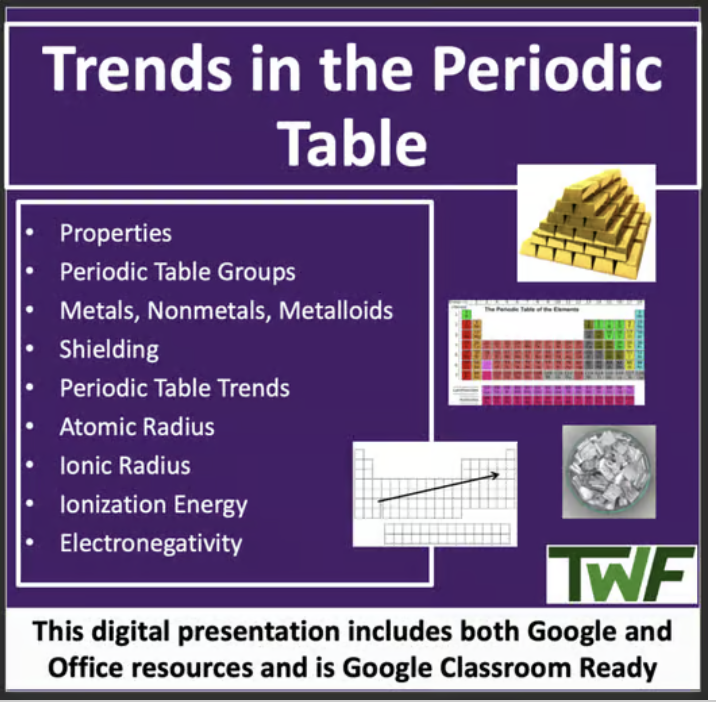
High school chemistry lesson package teaching periodic table organization and trends: element properties, periodic table groups (alkali metals, alkaline earth metals, transition metals, halogens, noble gases), metals/nonmetals/metalloids, electron shielding, and the four periodic trends (atomic radius, ionic radius, ionization energy, electronegativity).
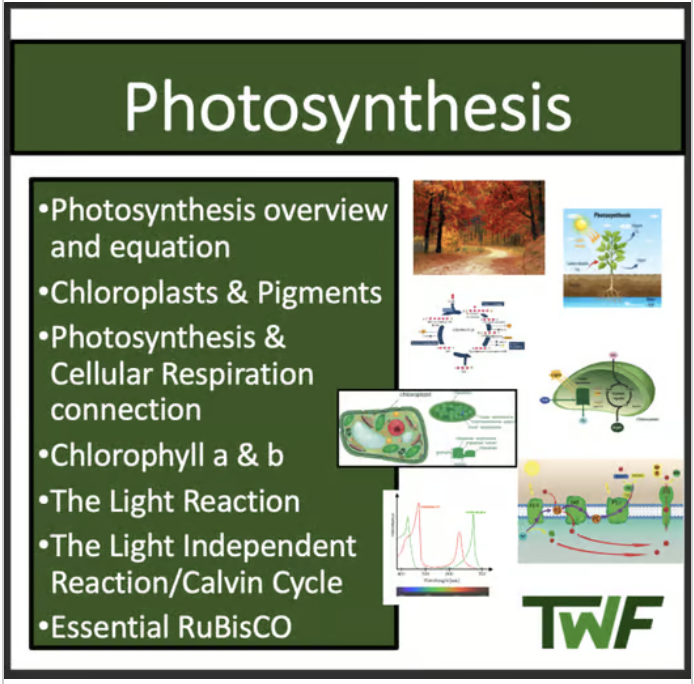
A detailed senior high school biology lesson on photosynthesis, covering the photosynthetic equation, chloroplast structure and pigments, the connection between photosynthesis and cellular respiration, chlorophyll a & b, the light reaction (photoexcitation, electron transport chain, chemiosmosis), the light-independent reaction/Calvin…